

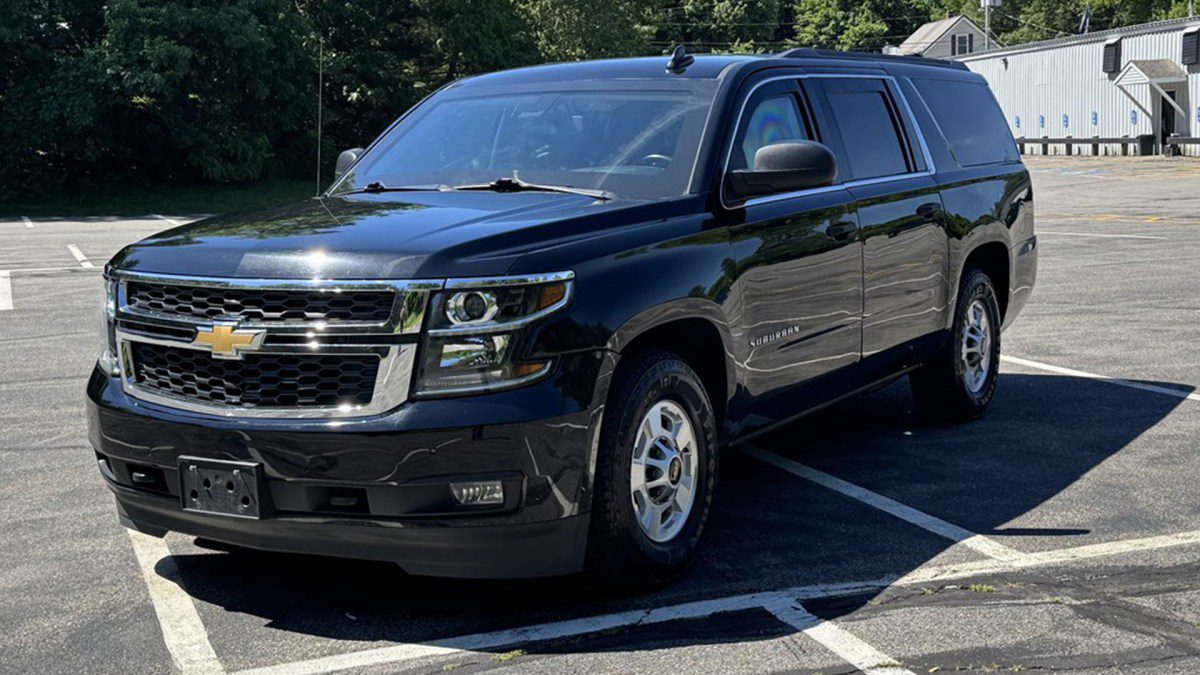
There’s no question that the government gets some of the coolest vehicles. A 6.6-liter, Duramax-diesel-powered Cadillac limo? Good luck finding that in a showroom. Then, there are the Chevrolet Suburban HDs that trawl the streets of Washington, D.C. I see those pop up for sale occasionally, but right now, a small fleet of them is up for grabs—complete with full armor and Lingenfelter superchargers.
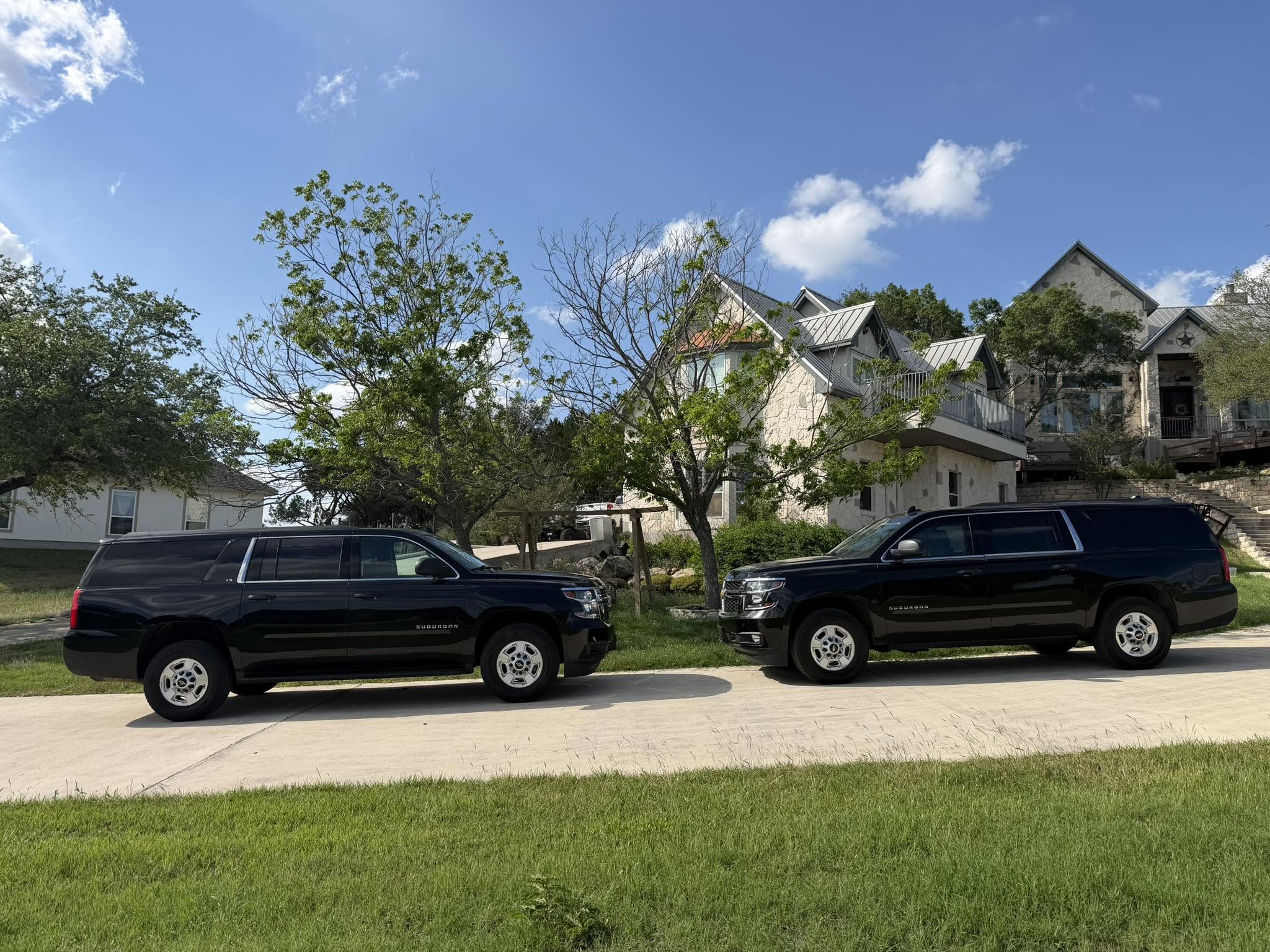
I first saw a pair of the Suburban HDs on Facebook, with the post saying they were in Texas. Ben Kelsey, the seller, explained to me that he bought them directly from an armored car manufacturer. Not long after, Northeast Auto Imports posted an identical truck—and it’s one of four!
As it turns out, each of these 2019 Suburban HDs was leased to the government for Secret Service and Capitol Police duty. Most of them are practically the same, though one of Kelsey’s is an LS trim without armor, and one of Northeast Auto Imports’ ‘Burbs is painted white. (Kelsey’s non-armored car also lacks a supercharger.)
“When I bought [the first one], I did not realize it was armored,” Kelsey told me. “I was actually buying it for myself. I was like, ‘Supercharged? Cool. Good deal. I’ll buy it.’ I showed up and said, ‘Oh, this is not what I expected.’”
Kelsey said it drives like an absolute boat, which makes sense given the nearly 12,000-pound curb weight. “It doesn’t want to turn. It doesn’t want to stop. It just wants to go straight. That’s it,” he said.
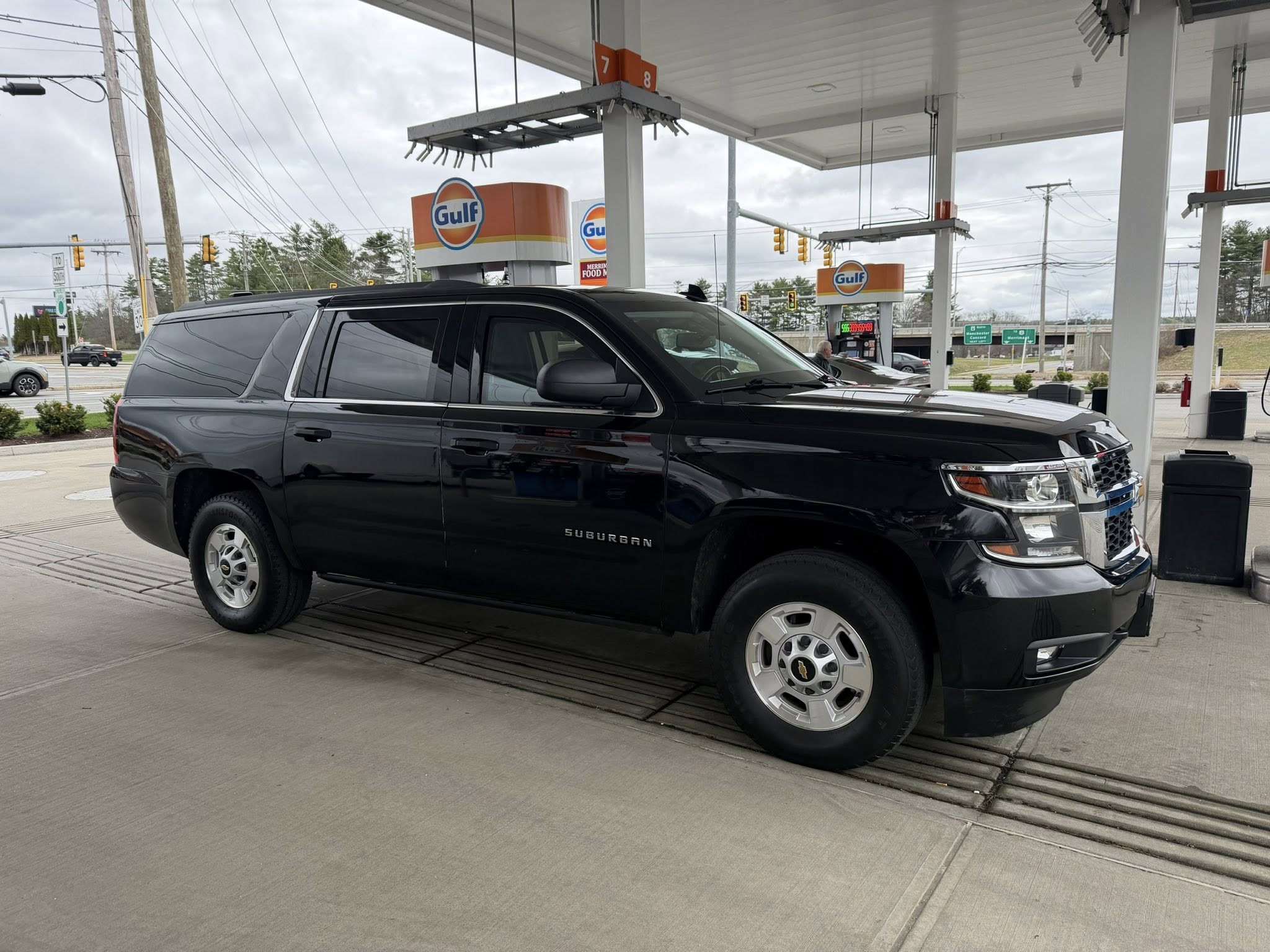
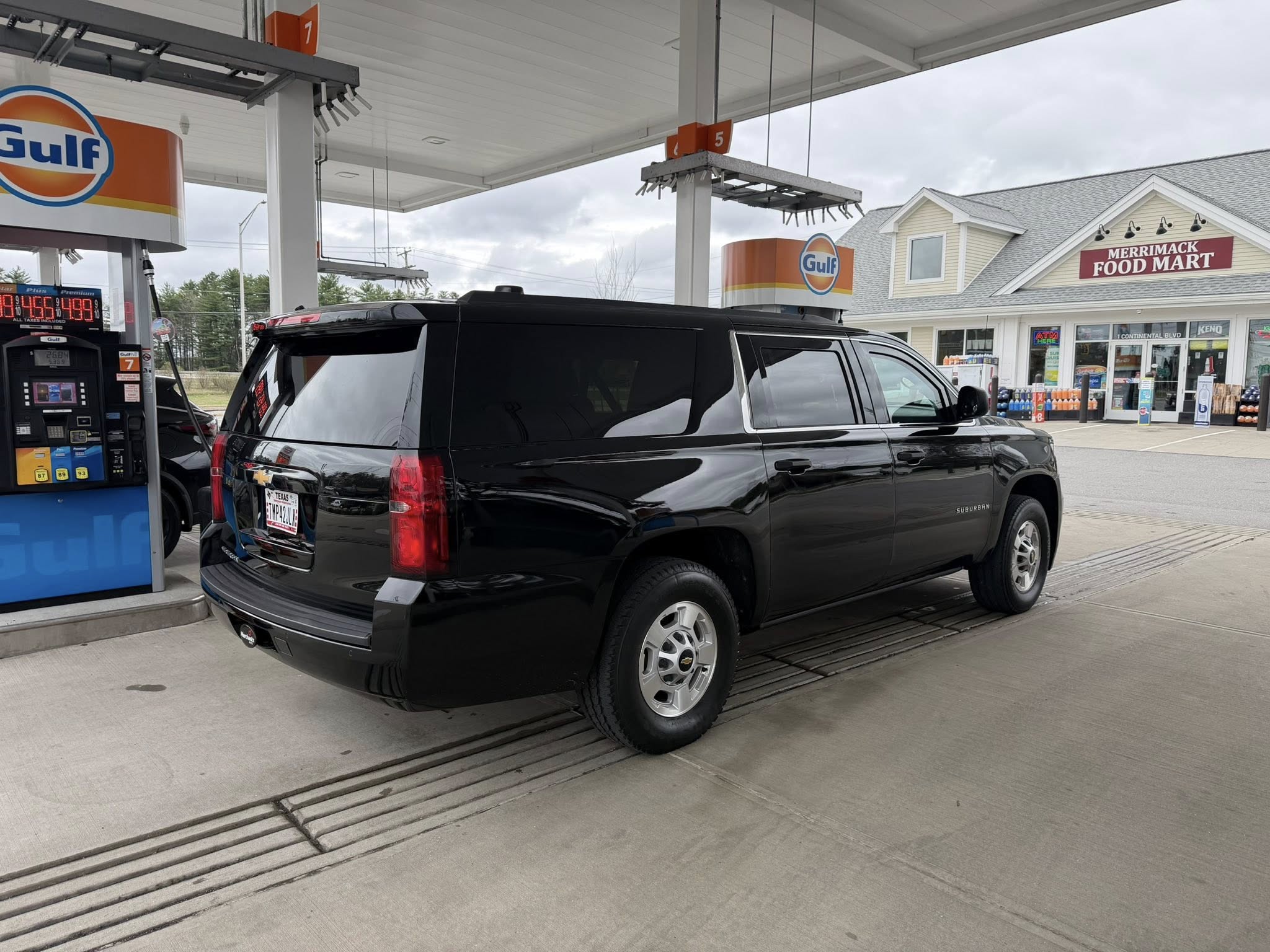
Derek Griffith, owner of Northeast Auto Imports, elaborated on how he stumbled across these big boys. “We actually drove past the facility and started talking [about] acquiring these a little bit more regularly,” he said. “All four of them are the exact same model years and armored setup except that one of the trucks is white, which is, I guess, super rare.”
Kelsey actually told me he plans to keep his non-armored Suburban HD, unless he can find a white one. Maybe he should work out a deal with Griffith and Co.
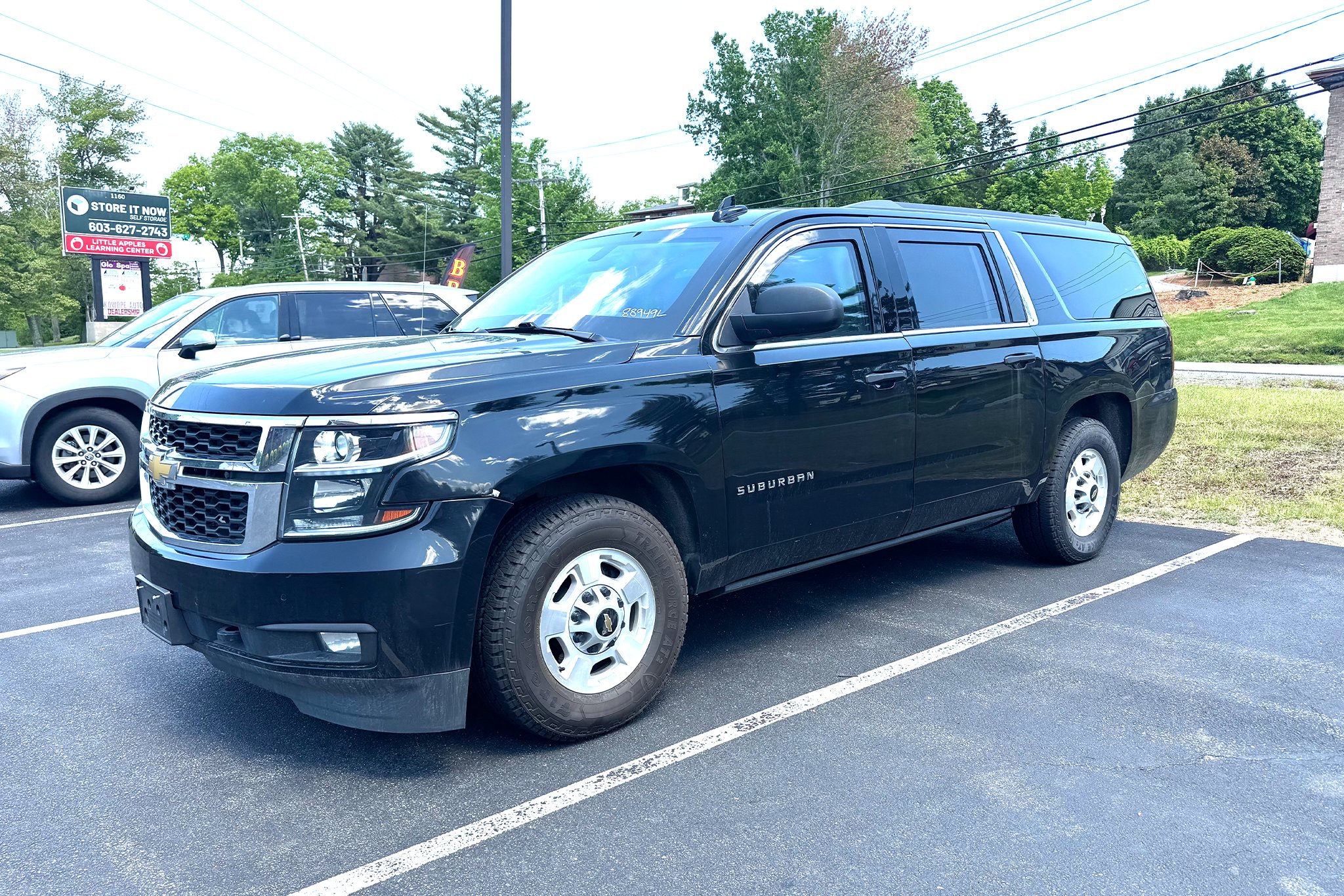
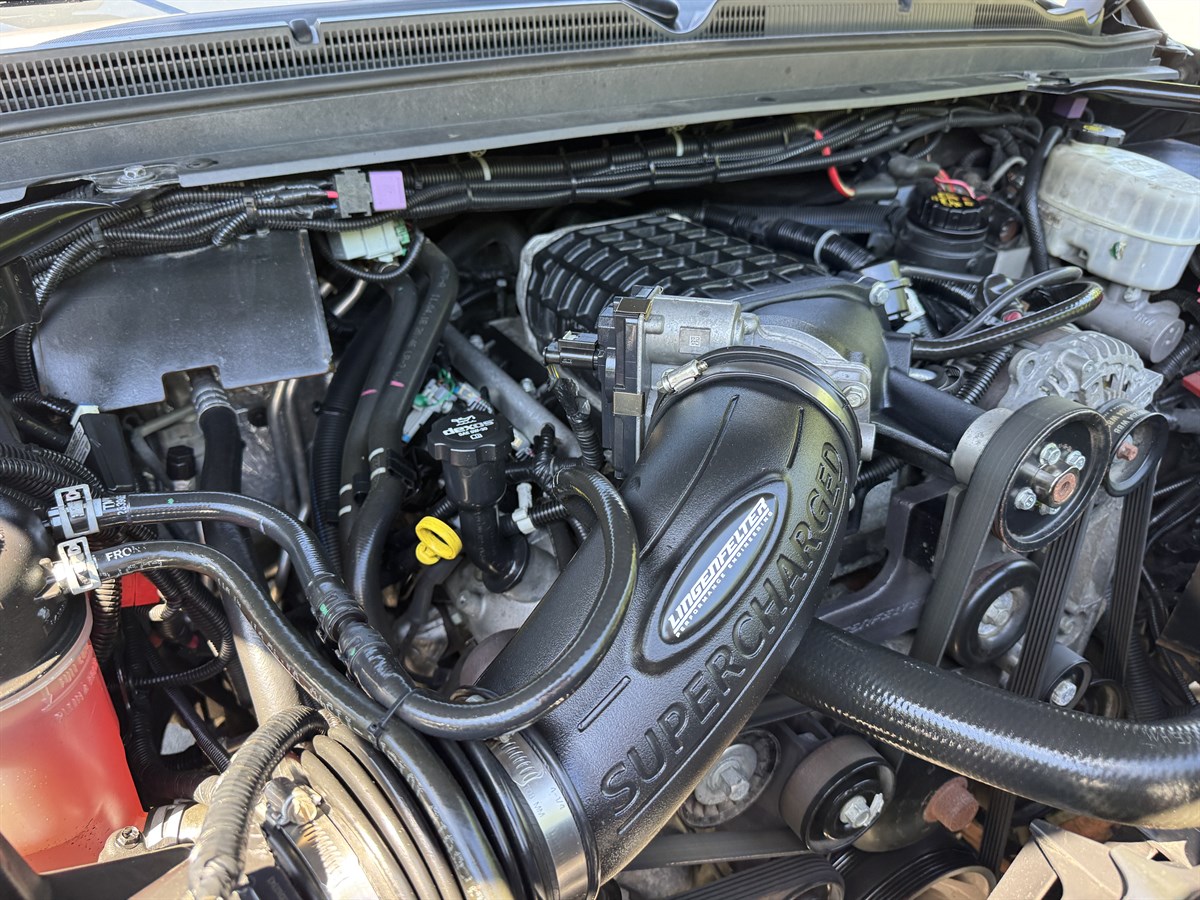
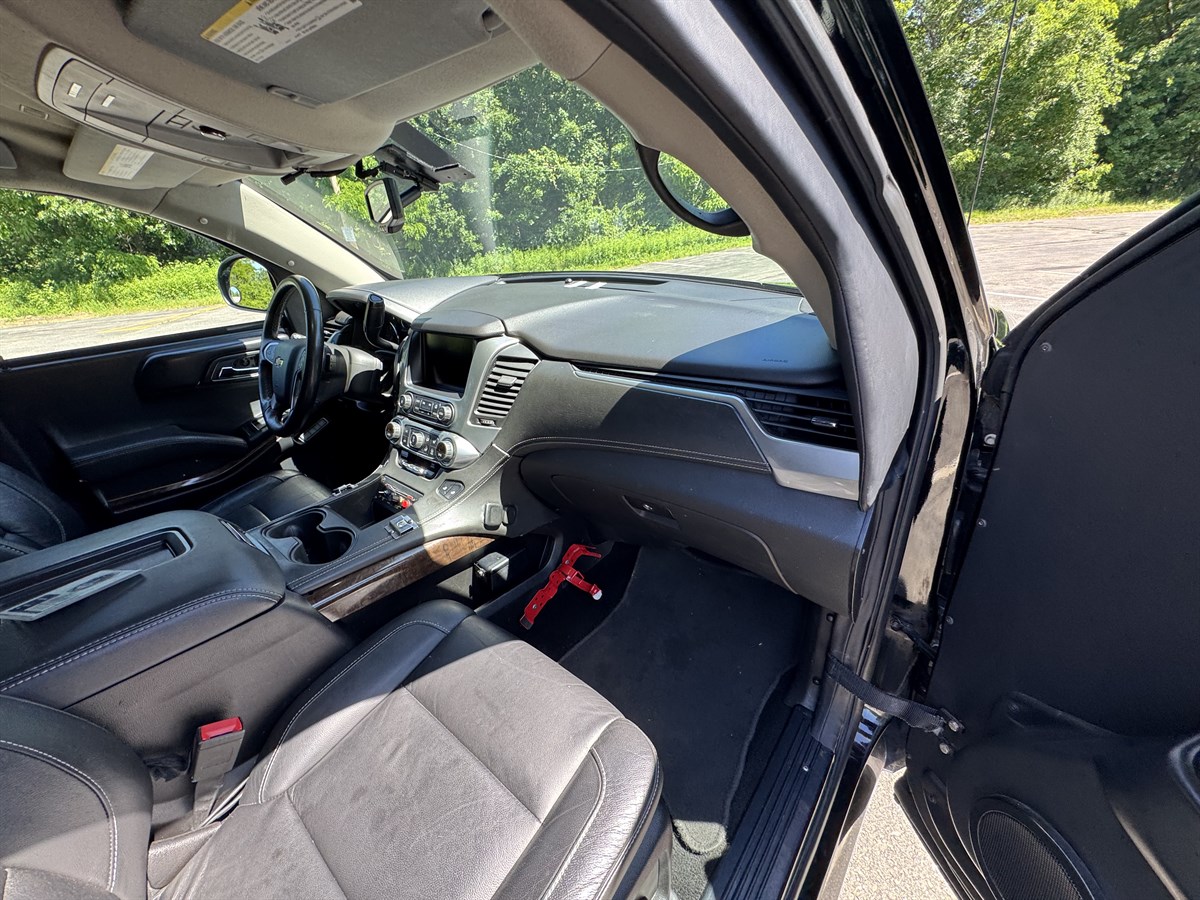
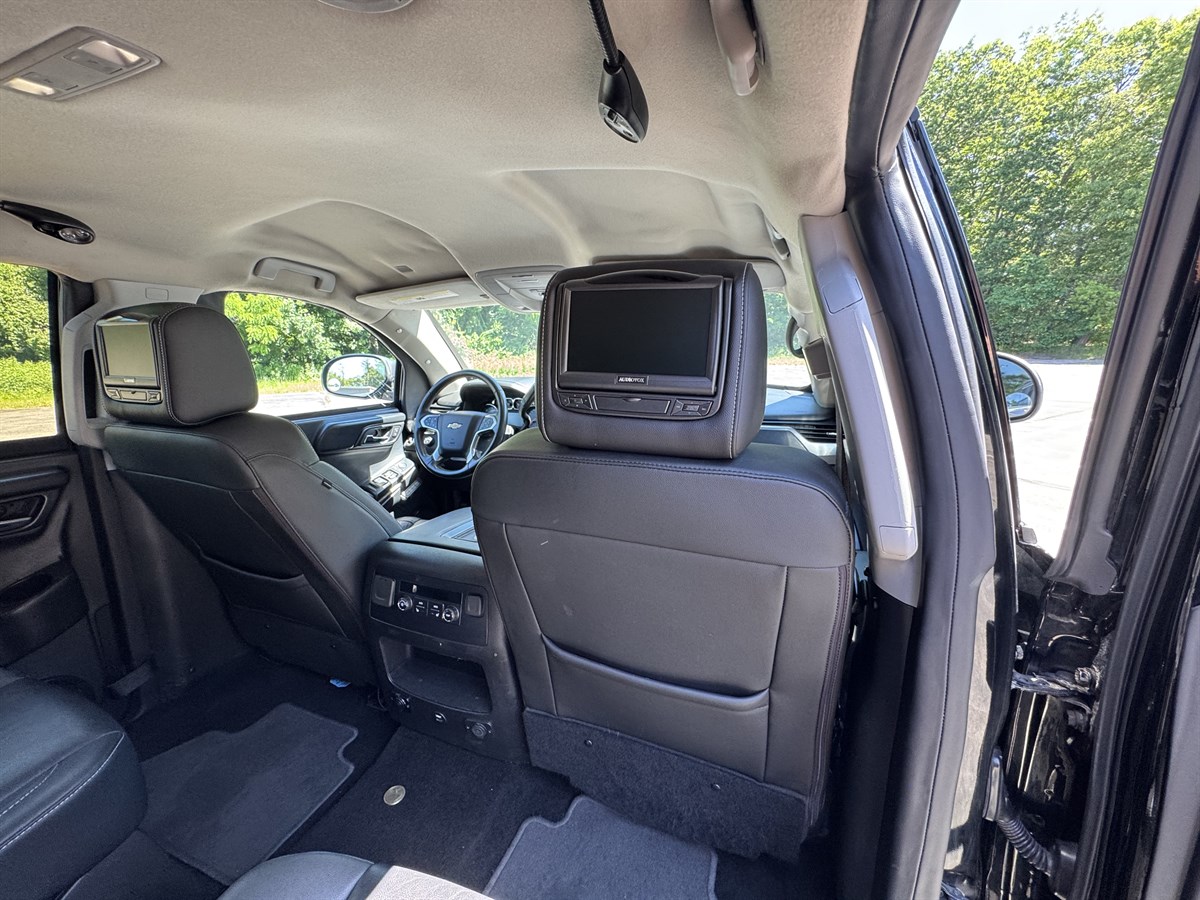
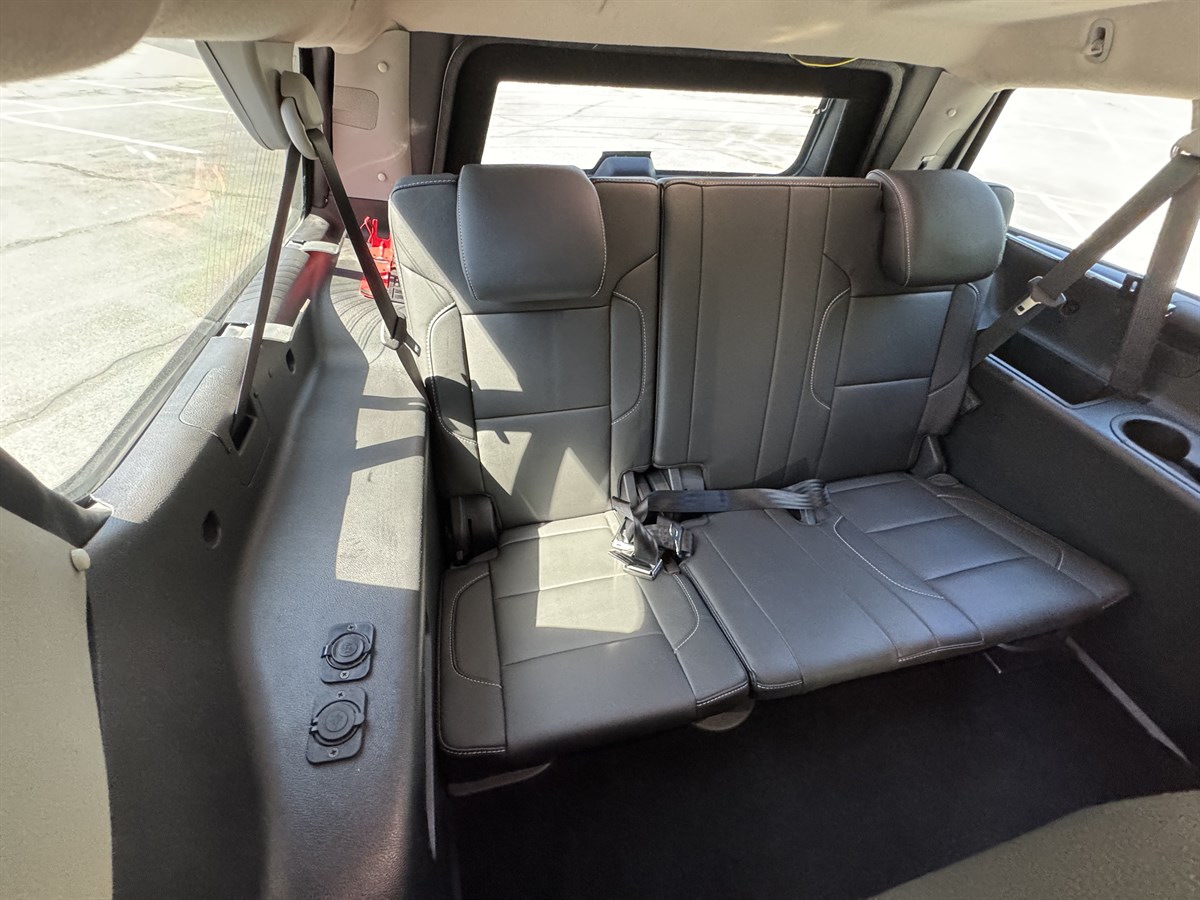
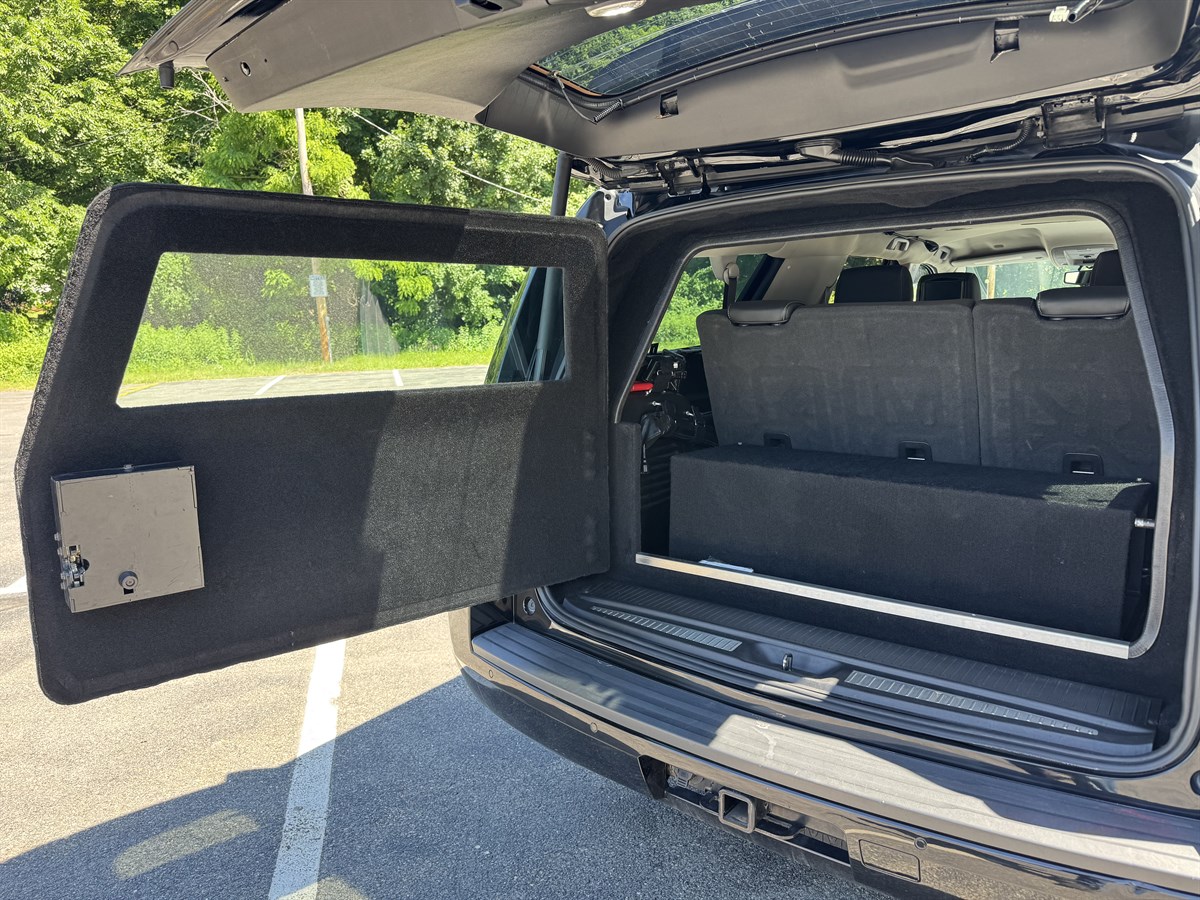
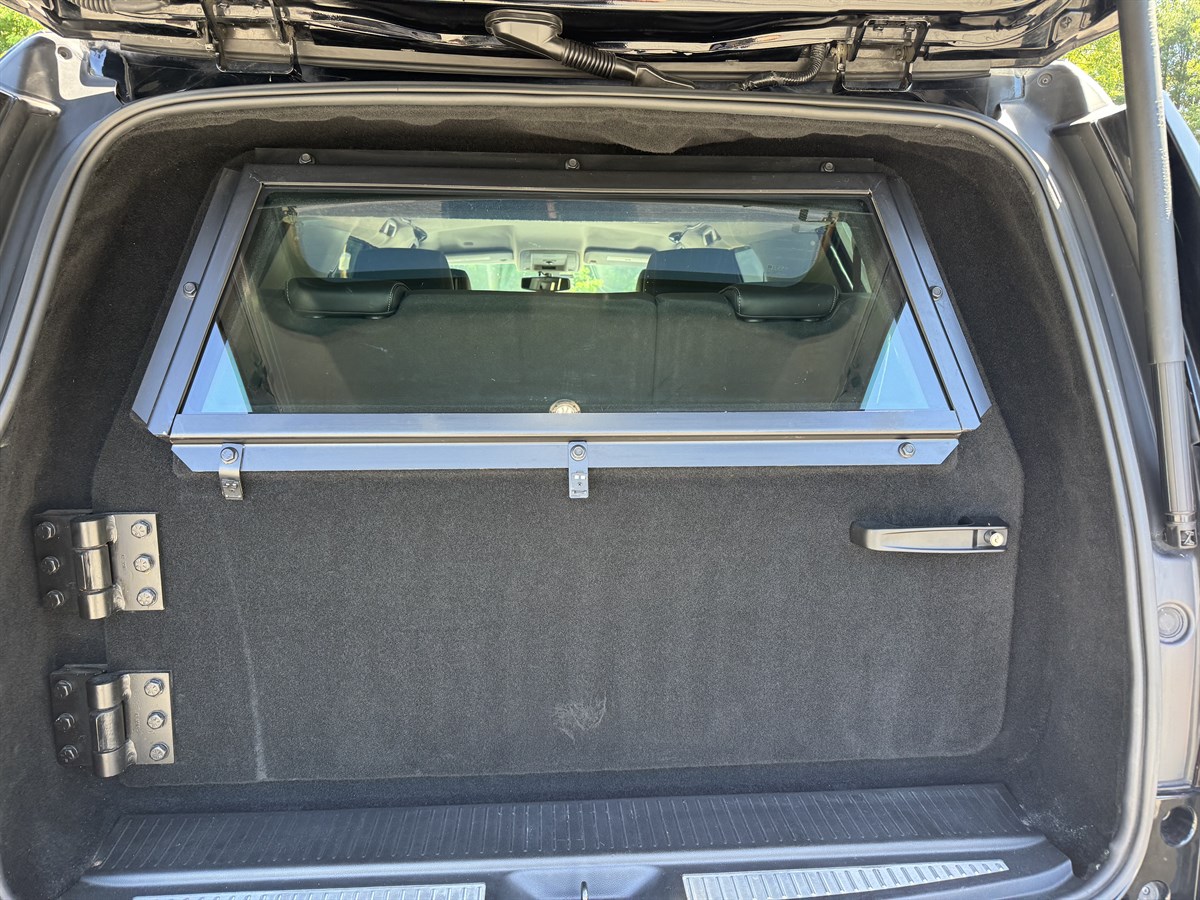
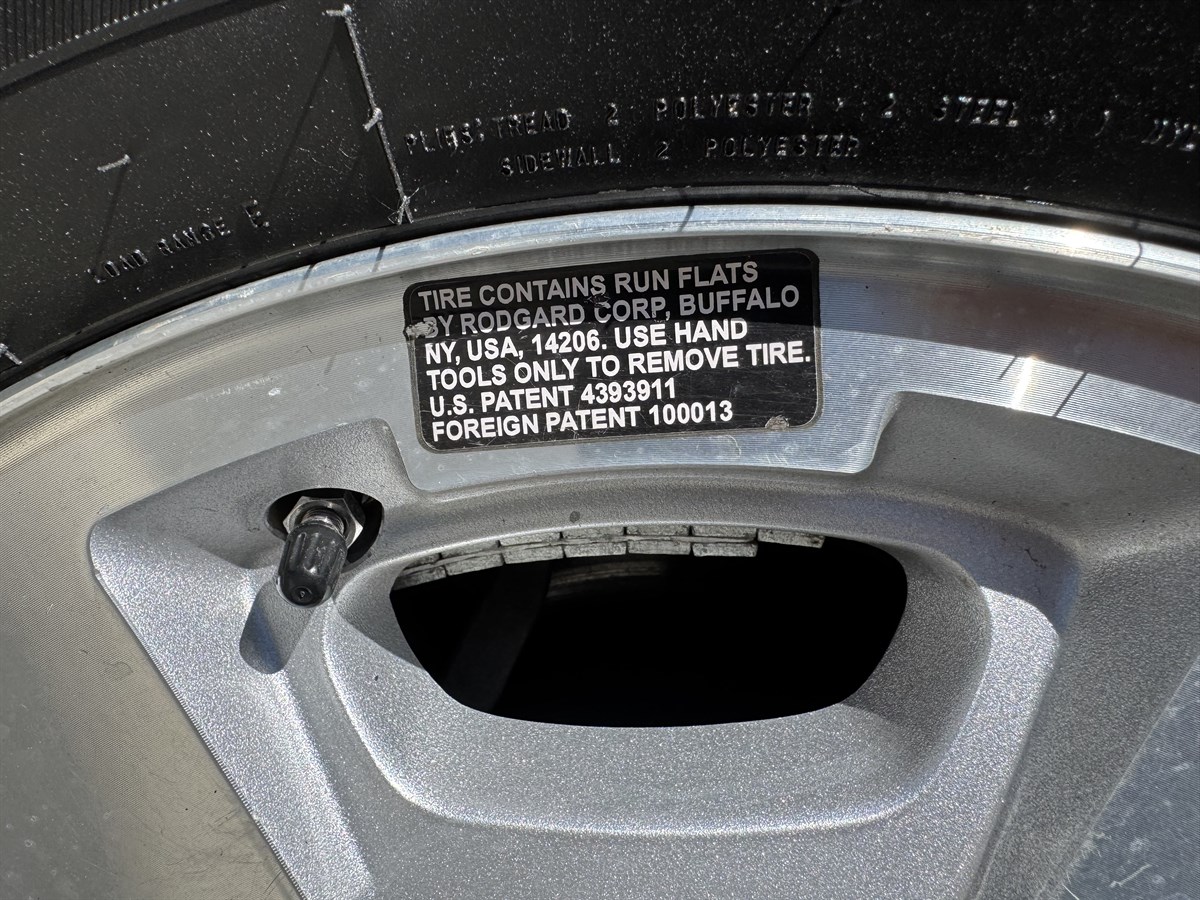
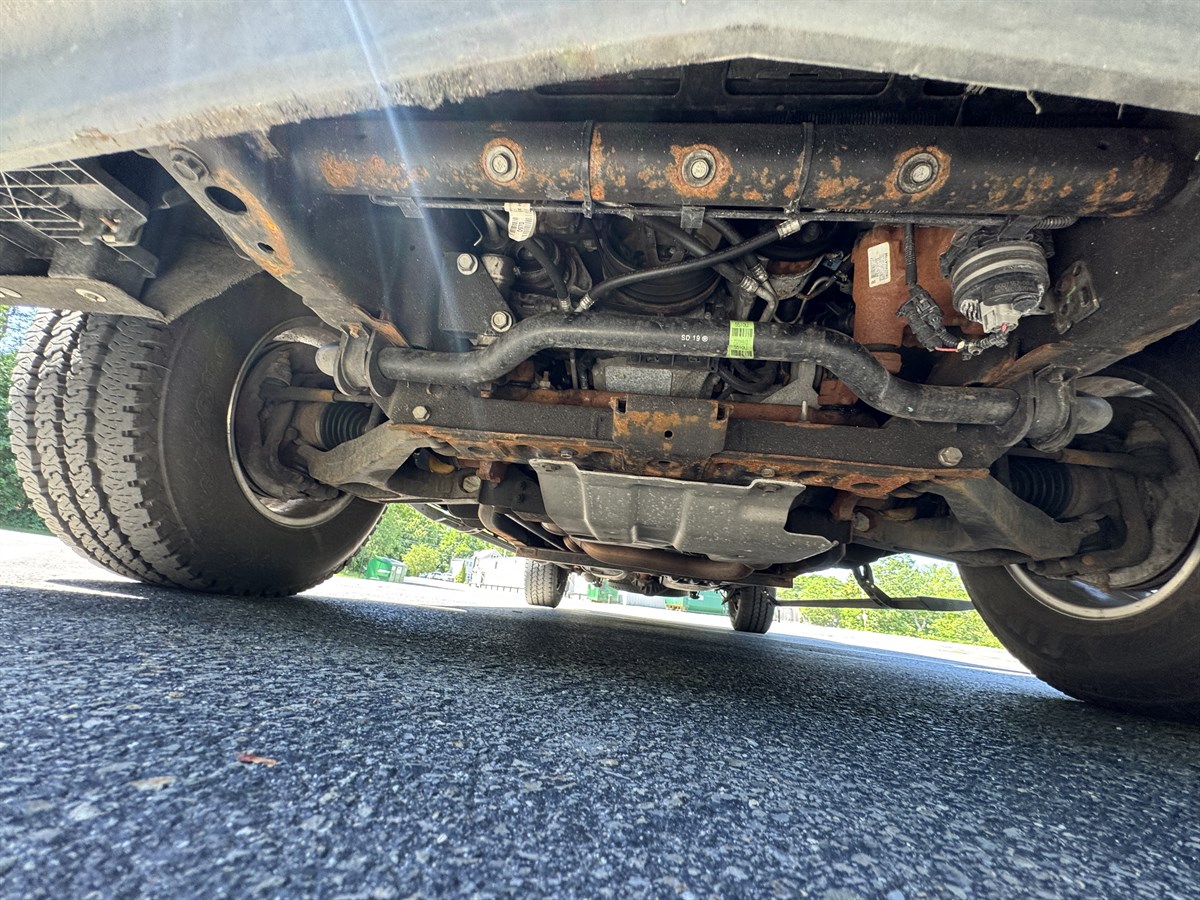
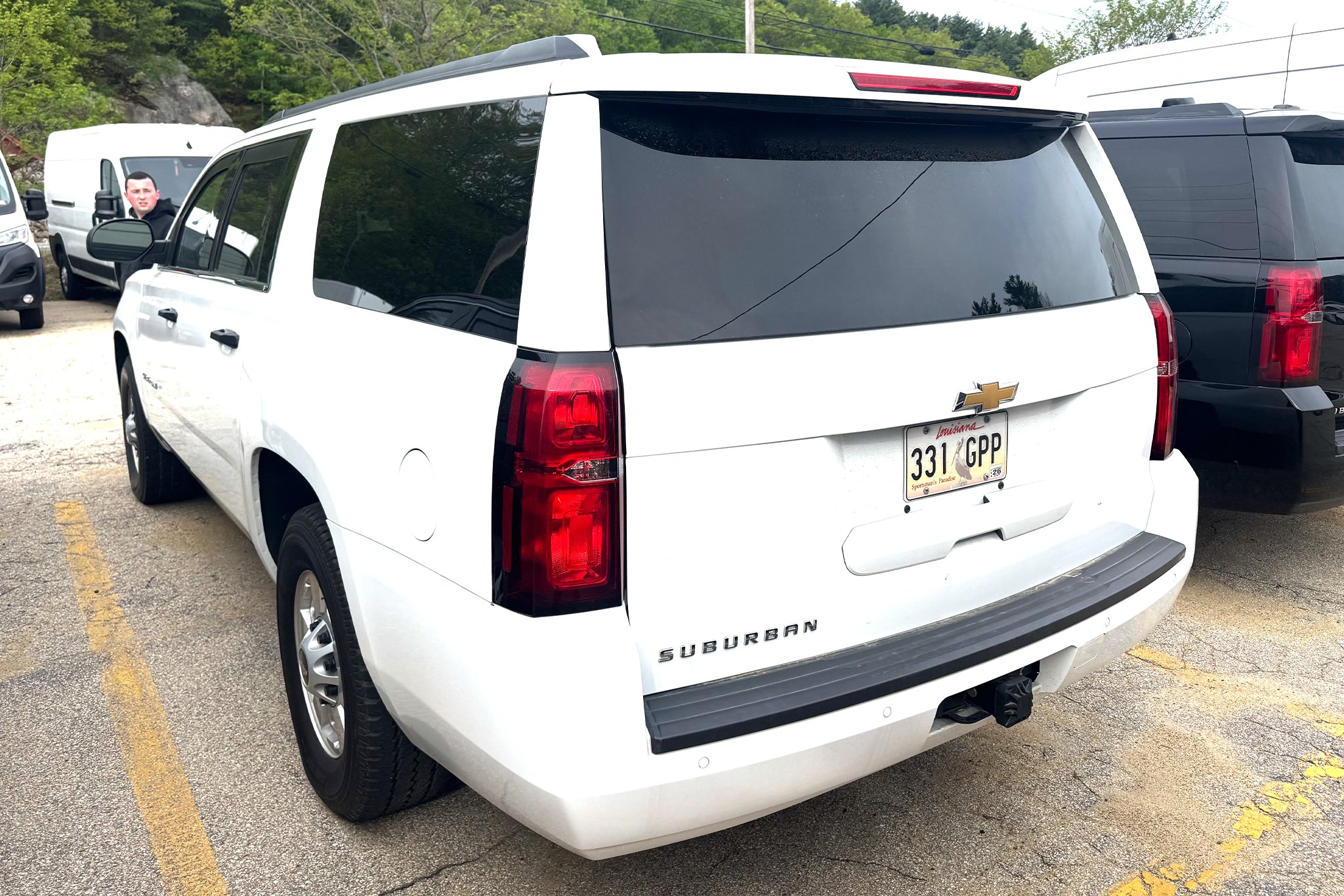
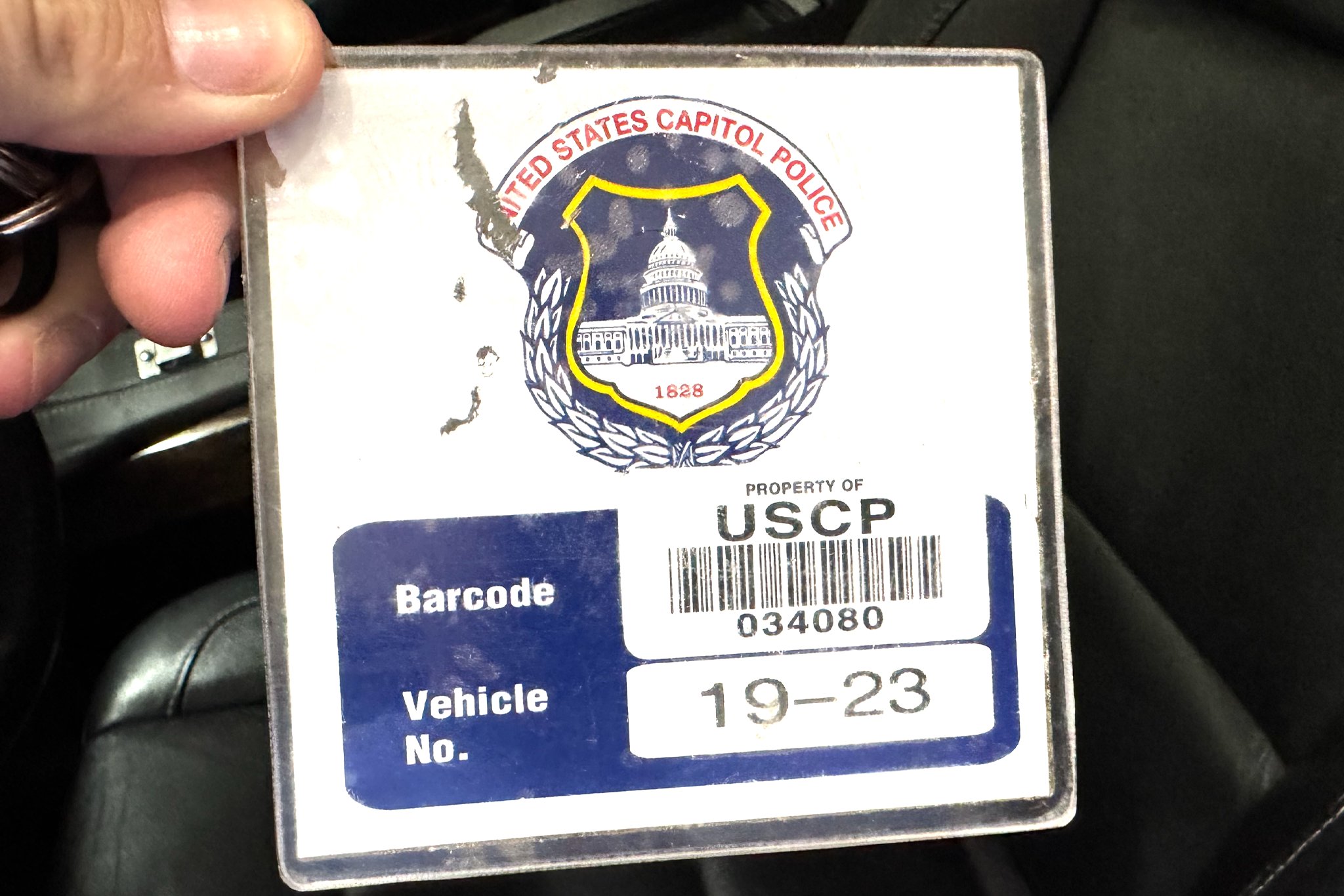
Anywho, these Suburban HDs run a 6.0-liter V8, with five of the six featuring upgraded heads and a Lingenfelter blower. Run-flat tires are standard issue on the armored models, and they’re wrapped around eight-lug wheels that fasten to one-ton axles. That alone makes these extra special, as most Suburban HDs are built on three-quarter-ton Silverado 2500 running gear.
Kelsey’s is the lowest-mileage example that’s currently for sale with 21,000 miles, and he’s asking $139,000. Northeast Auto Imports’ lone car that’s been listed so far has 35,000 miles on it, and it’s priced at $105,000. When I spoke to Griffith on the phone, he’d just hung up with a potential customer, and he’s fielding offers on the units he has before they’re even officially listed. Likewise, Kelsey is sure to unload his in no time, living in truck-crazed Texas.
Got a tip or question for the author? Contact them directly: caleb@thedrive.com