

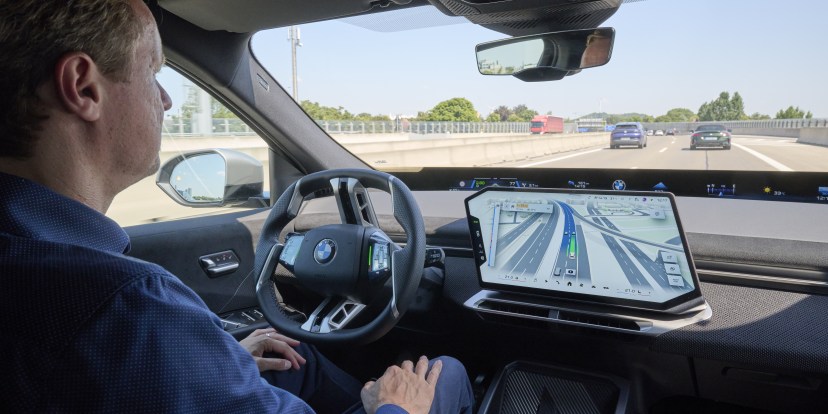
Remember 2001? The E65 7 Series was a true baptism by fire for Bavarian fans. Chris Bangle’s bustle-back trunk lid was shocking, but the true terror was on the center console: an aluminum puck called iDrive.
It had roughly 700 sub-menus with a knack for stranding you in an AM radio setting when you tried to clear a misted windscreen. Munich took twenty-five painful years to master cockpit ergonomics. Now, as the German brand charges full tilt into its software-defined era, it is playing with the cockpit display once again.
Starting in October 2026, BMW will roll out BMW Operating System X, with a feature that tackles one of the most maddening headaches of modern semi-automated driving. Until now, piloting tech-laden electric cruisers has demanded a split-brain operation. You had your driver-assistance graphics – little ghost cars and lane-keeping markers rendered in wireframe – flickering in the instrument cluster, and your GPS map sat marooned on a center screen.
It was clumsy, disjointed, and forced your eyes to dart between two islands of glass. With BMW Maps and assistance visuals now consolidated, Munich and mapping software giant Mapbox have joined forces to force that divide into a single, unified 3D landscape.
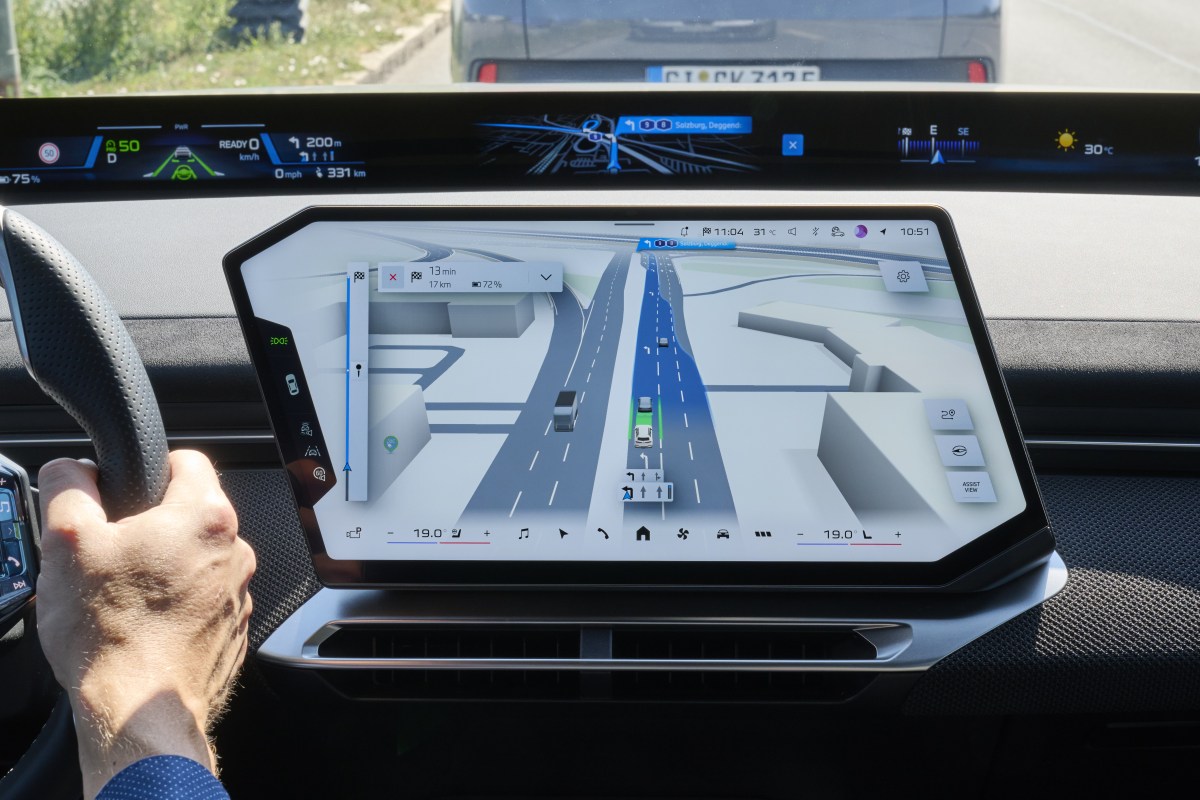
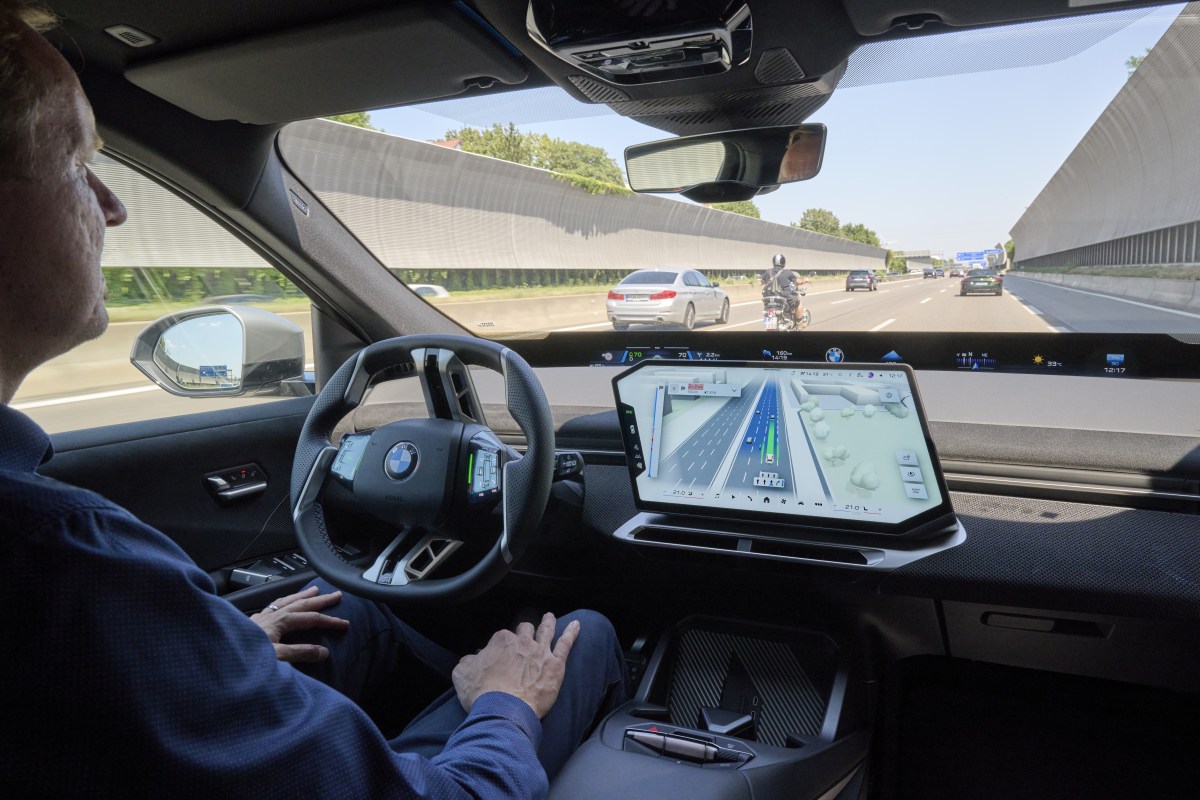
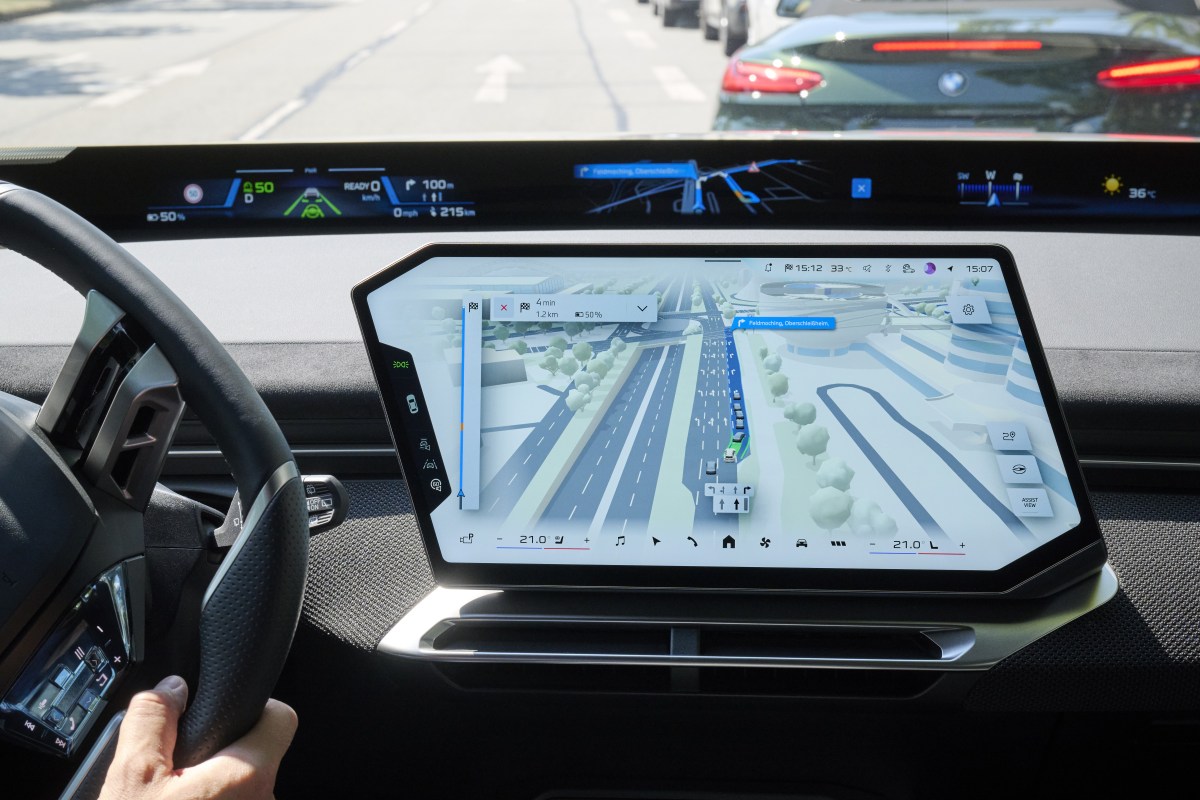
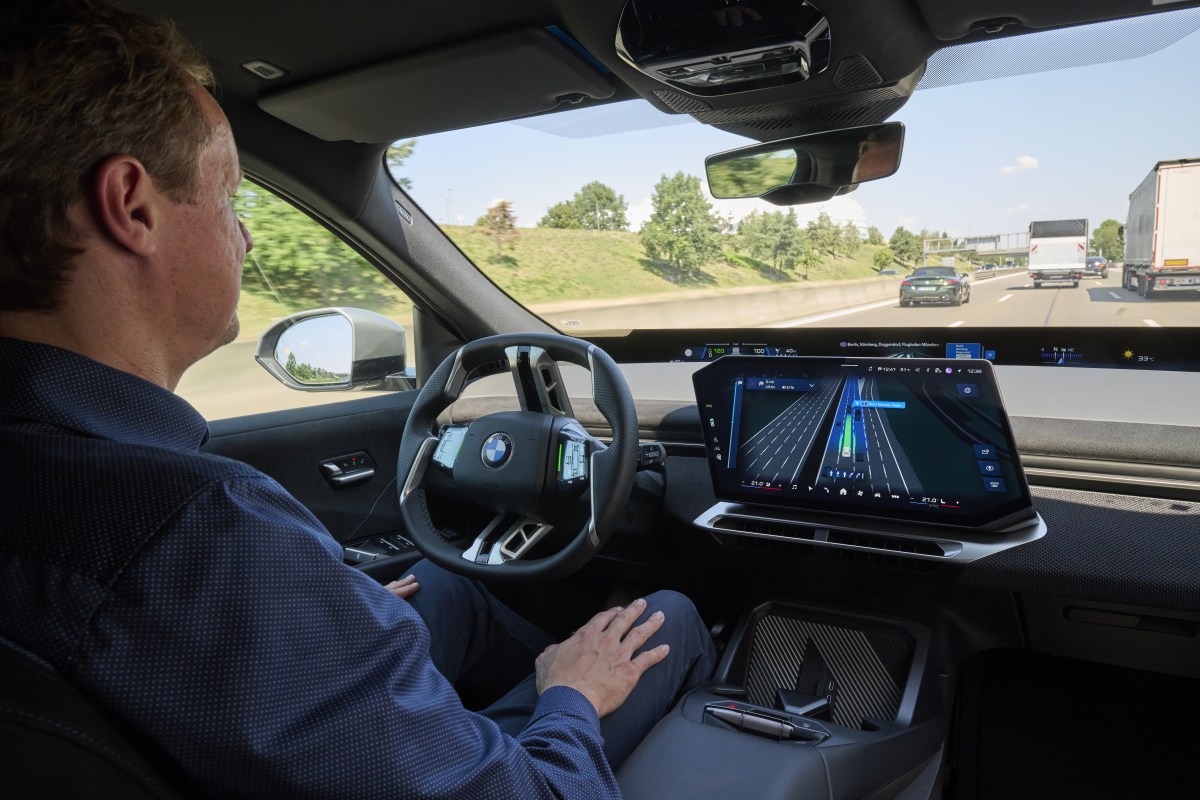
The idea sounds quite simple, but executing it needs serious computational muscle. Rather than treating driver aids and satellite navigation as rivals, the new interface projects your vehicle directly into a depth-mapped virtual reconstruction of the road. If you are driving up a complex, multi-level flyover on an Autobahn interchange, the car is rendered on that exact elevated level, positioned accurately within its designated lane.
You are no longer glancing down for your next waypoint – you are observing how the car’s cameras and sensors see the articulated lorry creeping along your side, and how the artificial intelligence interprets the road ahead.
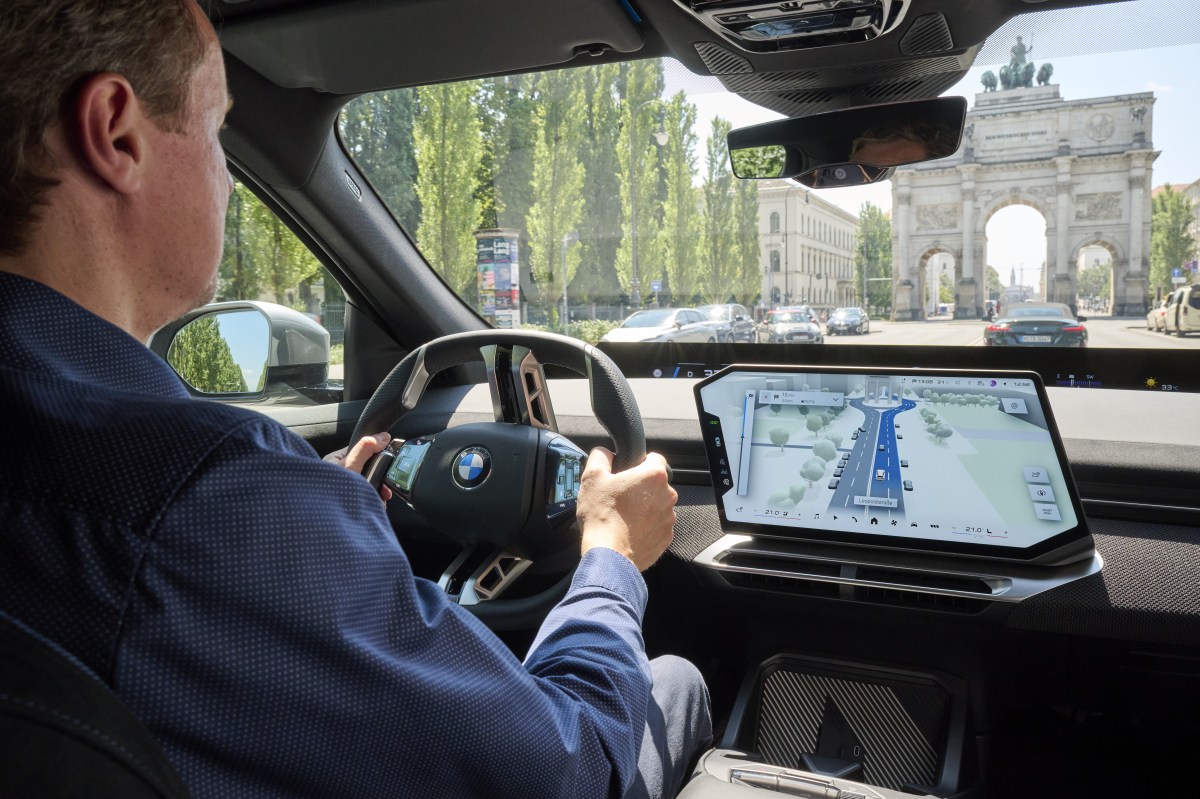
Much of this visual wizardry is tailored around the cabin architecture of the Neue Klasse platform. Traditional gauge clusters have been kicked to the curb in favor of BMW Panoramic Vision – an edge-to-edge projection running along the dark base of the windscreen – complemented by a canted, matrix-backlit central touchscreen.
It creates a curious field of view: telemetry sits right at the glass line, with the complex multi-lane mapping dominating the main display. By keeping the 3D map dynamic and context-aware, BMW fixes visual clutter, and allows the driver to confirm at a glance that the car’s AI vision matches reality.
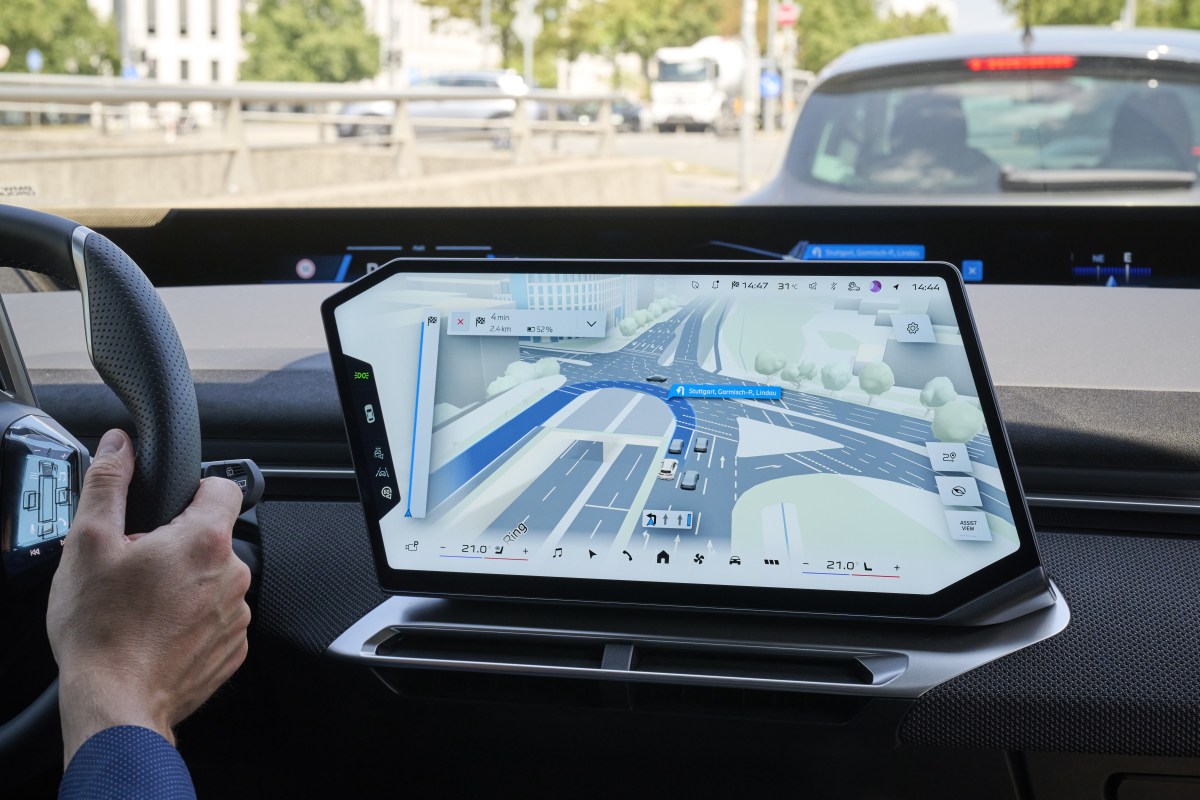
Out on the road, that visual synergy becomes an absolute lifesaver. With Highway Assistant 2 engaged, the vehicle takes over full control at speeds up to 81 mph – no more annoying capacitive steering wheel that needs you to twitch the rim every ten seconds.
BMW uses an infrared driver monitor to track your eyes. When the system calculates that an overtaking is safe, you simply look toward the corresponding exterior mirror. The camera registers this as your confirmation, the blinker’s on, and the car moves into the next lane – a sequence illustrated in real time right across that 3D central map.
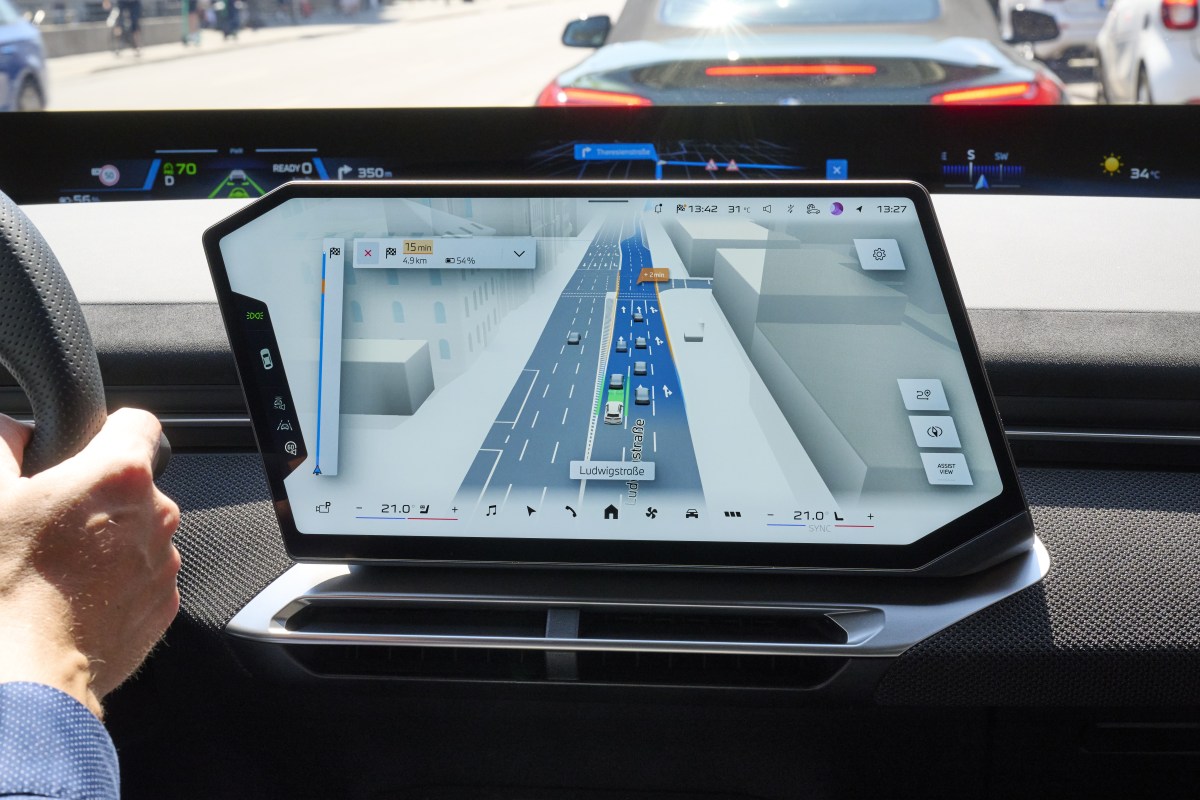
Highways, of course, are easier to manage, but the true work begins when you enter busy city centers. Beginning in 2027, BMW models with Operating System X will roll out navigation-guided, semi-automated driving in dense urban environments, debuting first in Germany.
Anyone who has driven an electric SUV through pedestrian-choked European narrow streets filled with aggressive cyclists knows that split-second orientation is everything. Mapbox’s high-precision cartography, blended with real-time sensor telemetry, shows whether the vehicle has spotted that double-parked delivery van or if you need to take control yourself.
To see why BMW is putting so much capital into this software, you have to look at the brand’s electric history. A decade ago, Munich was a brave pioneer. The carbon-fiber-tubbed i3 was eccentric, ultra-lightweight, and brilliant, but management lost its nerve, shelved bespoke EV architectures, and started building compromises instead.
The cars like the i4, previous iX3, and i7 proved capable, but they were only adaptations of the flexible CLAR platform. Operating System X and the Neue Klasse are BMW’s clean break from the internal-combustion playbook, designed to let native electric efficiency and integrated computing breathe.
BMW is taking an interesting route here. Developing the visualization layer in-house and licensing Mapbox’s mapping engine at the same time shows that Munich is aware of its own limits. Automakers rarely make world-class software developers in isolation. Leaning on specialized cartographers will let BMW avoid the glitchy, half-baked infotainment disasters that many legacy rivals struggle with.
I look at autonomous driver aids with plenty of skepticism. Way too many systems on sale today feel like nervous learner drivers, constantly flinching, ping-ponging between lanes, and sounding alarm chimes for no reason.
But I can see benefits of the tech – after eight hours of driving through torrential rain on a busy motorway, hands-free highway cruising that actually communicates its intentions is something I can appreciate. I’ve seen systems like that in action – the XPeng Next P7 test drive in Beijing was truly eye-opening. If OS X delivers on its promise, BMW may have finally learned how to let silicon handle the boring bits without sacrificing the fun of driving.
Source