

Electric vehicles (EVs) generally cost more on average than comparable gasoline-powered models, but the pricing gap is narrowing, and the difference will depend largely on the specific model you are considering. When the federal EV tax credit expired in 2025, the EV market saw some disruption, but year-over-year comparisons are beginning to normalize. More new models are being introduced, and used EV sales showed a strong 14.7% year-over-year increase in August 2026.
According to data from Kelley Blue Book’s parent, Cox Automotive, the average transaction price (ATP) for a new electric vehicle in August was $54,754. If you’re shopping for EVs right now, that number alone won’t tell you the entire story. You need to consider that the segment, brand, and model all play a role in the price of the particular vehicle you’re considering. You will also need to factor in additional costs of ownership, including charging, insurance, and maintenance.
New EV Costs
| Average Transaction Price (ATP) | |
| New Electric Vehicles | $54,754 |
| All New Vehicles | $50,089 |
*Cox Automotive’s August 2026 pricing reports for new inventory and electric vehicles.
Don’t think about ATP alone when you’re shopping for an EV. The Tesla Model 3 and Tesla Model Y remain the highest-volume EV models, but luxury vehicles and segments like full-size pickup trucks also drive ATP higher. Popular luxury EV models like the Cadillac Lyriq and Cadillac Optiq, plus large SUVs like the Kia EV9 and Hyundai Ioniq 9 also buoy the average price.
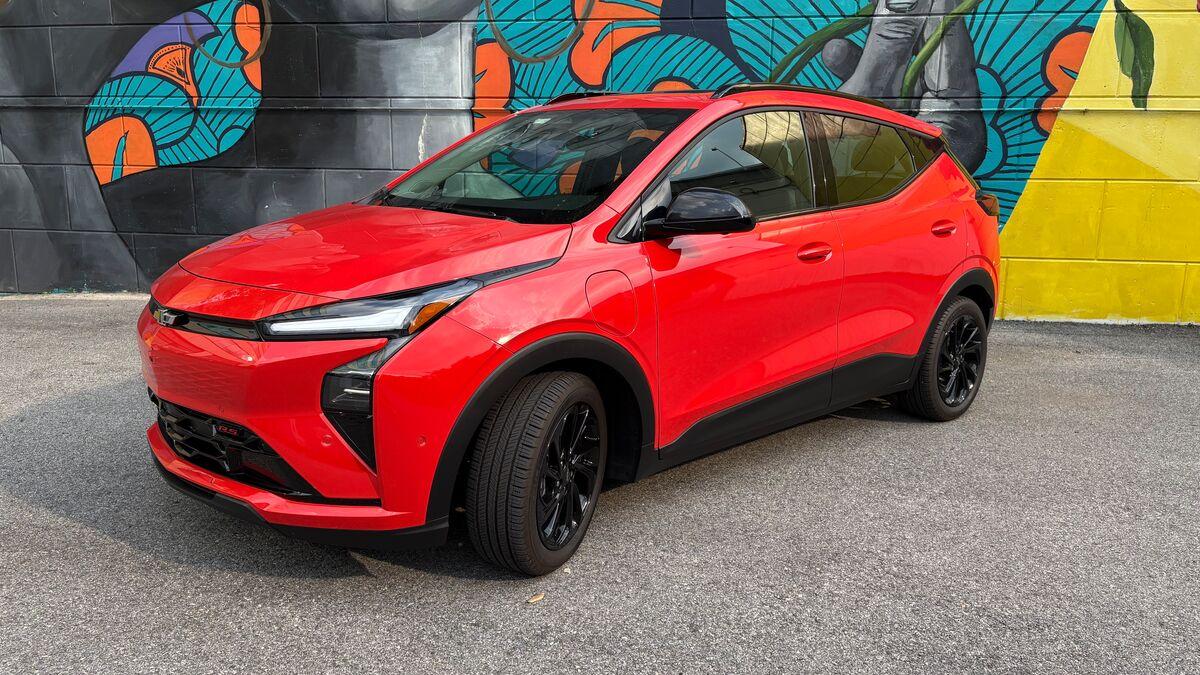
If those current averages make you pause, don’t be discouraged. There are still new EV options that start below the ATP. Vehicles like the Nissan Leaf, the Chevrolet Bolt, the Chevrolet Equinox, and the upcoming Slate truck and SUV represent some of the more affordable EV options, with starting prices ranging from $26,000 to $35,000, including destination charges.
While a new car is often a tempting prospect, it is important for EV shoppers to be aware that new EVs can experience greater depreciation than their gas counterparts. New EVs can see a steep 35% to 40% drop in value in the first year of ownership. At five years, depending on the remaining battery warranty, they can retain 45% to 50% of their original value. “EVs can depreciate quickly, which can make a lightly used EV a great value for the second owner. But that depreciation is something new-car buyers should consider if they expect to trade or sell within a few years,” said Chris Hardesty, Kelley Blue Book senior advice editor.
Used EV Costs
| Average Listing Price | |
| Used Electric Vehicles | $37,441 |
| All Used Vehicles | $27,239 |
*Cox Automotive’s July 2026 pricing reports for used inventory and electric vehicles.
Considering the steep depreciation of new EVs, looking at a used EV can be a smart move, especially as a greater variety of models begin to hit the used market. However, the used EV premium was still 7.8% higher than that of other ICE+ vehicles in August. Higher-priced brands like Rivian and other luxury models continue to push up the average listing price, though the effect is tempered by the competitive pricing of high-volume brands like Tesla and Hyundai.
What does all this mean for shoppers? The used market is bustling right now for all types of vehicles, and inventory remains tight overall as shoppers increasingly turn to used vehicles in the face of affordability challenges in the new-car market. Tesla remains the primary driver of growth in the used EV market, and if you want to consider one, you might find competitive options. Ultimately, however, there’s a strong possibility that you’ll pay more than you might for a gas vehicle. You will need to calculate whether the potential savings from other aspects of EV ownership — including electricity versus gasoline and maintenance savings — will balance out the purchase price in a way that makes sense for you.
Because electric cars run on electricity and do not require gasoline, regular oil changes, or other maintenance that gas cars do, EV ownership can offer some savings. In particular, fuel savings are a major consideration, especially for those able to charge at home during off-peak hours or at work at potentially discounted rates.
Another major aspect of EV ownership that shoppers don’t always think about during the initial buying process is insurance. Insuring an EV can cost more than insuring a gas vehicle, potentially 49% more. If you have an accident, repair costs can also be significantly higher due to expensive parts and more specialized labor.
If you have your heart set on an EV purchase, new or used, these are all costs that you need to factor into your overall financial plan. The purchase price is only part of the story. Visit our Car Affordability Information Center for resources and tools to set out your budget and make a plan.
Editor’s Note: We have updated this article since its initial publication.