The Fight for the Dashboard
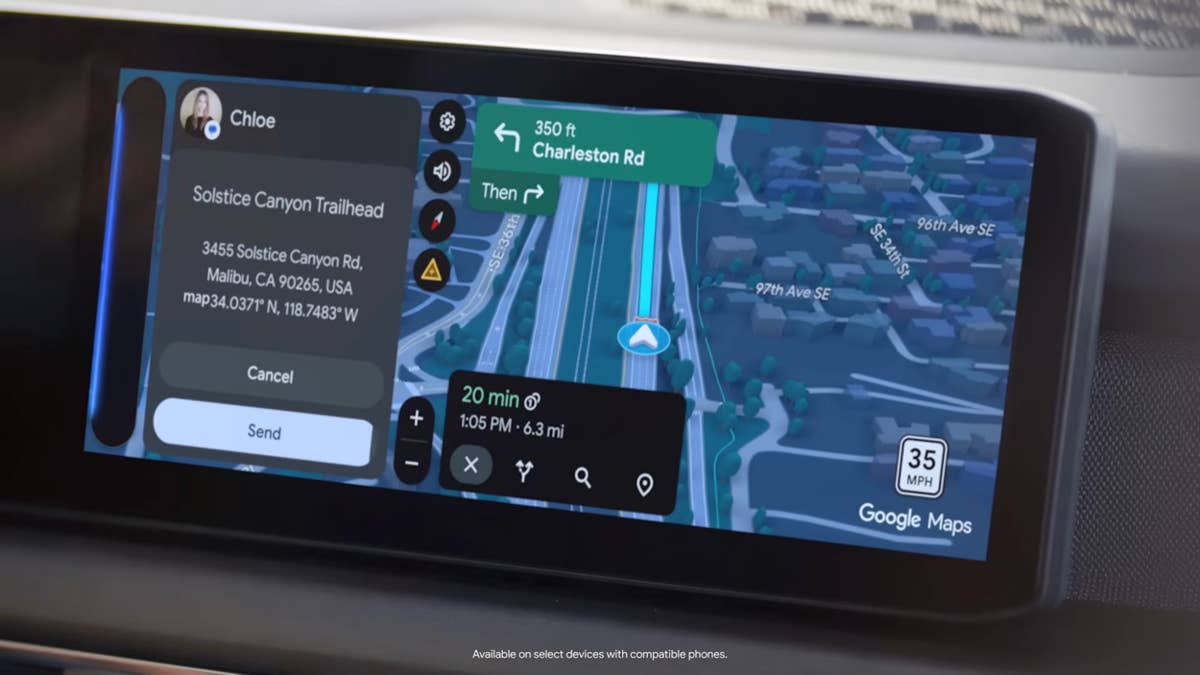
General Motors made a bold move last year when it announced the removal of Apple CarPlay and Android Auto from future vehicles. The automaker began gradually phasing out phone mirroring integration in 2023 as the brand aims to replace these popular platforms with its own integrated navigation and communication system. Customers were largely frustrated by the loss of their preferred interface as any drivers rely heavily on these familiar smartphone projection features for daily commuting and simple media control.
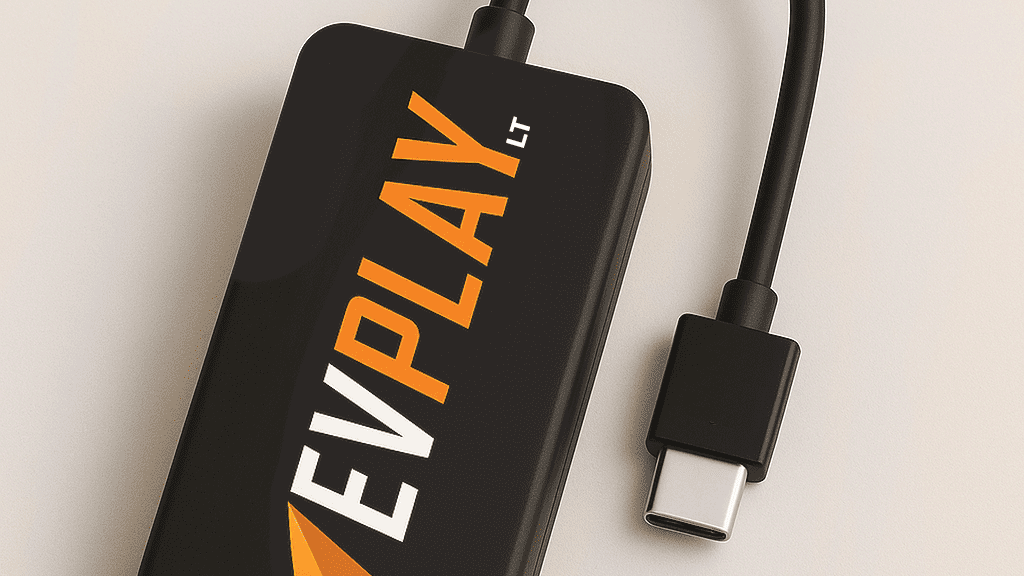
A company recently launched a plug-and-play device called EV Play to restore lost Apple CarPlay and Android Auto functions in GM vehicles. Buyers can choose between the premium EV Play Max for $425, which features advanced video streaming connectivity, or the more affordable EV Play LT for $199. Both options require only a one-time fee and successfully bypass GM’s strict manufacturer restrictions. Crucially, the device is completely reversible, will not break your factory vehicle warranty, and can easily be unplugged to take with you for use in rental cars.
Billions in Revenue and the Tesla Effect
The push toward proprietary infotainment systems ultimately comes down to massive financial incentives with automakers realizing that controlling the digital dashboard is incredibly lucrative. Developing internal software creates new opportunities for downloadable content and ongoing subscription services. Industry analysts estimate this automotive software revenue could reach up to 18 billion dollars in the coming years. Brands are trying their best to force users into these closed ecosystems to capture that massive potential profit.
GM is certainly not the only automaker playing gatekeeper with smartphone integration today. Tesla has famously refused to offer Apple CarPlay or Android Auto since its inception, however, the brand recently announced it will finally be developing this integration into their cars soon. Significant delays have been going on throughout 2026 though, as buyers are still waiting for the company to deliver on this anticipated promise. This frustrating situation leaves tech hungry consumers looking for third party hardware workarounds.
EV Play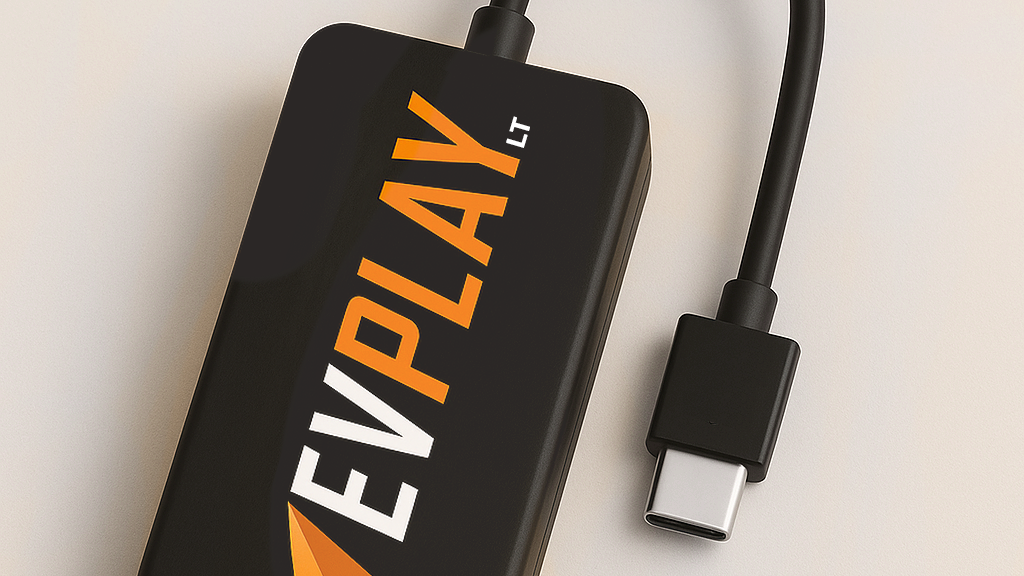
View the 4 images of this gallery on the
original article
The Lowdown
Apple CarPlay and Android Auto have been the most useful features in any car for me over the past few years. Having immediate access to my phone interface makes driving safer and much more enjoyable. Removing these features purely for financial reasons is highly questionable. Creating an artificial barrier just to earn more money off loyal customers feels incredibly shady. Drivers deserve the right to choose how they interface with an expensive vehicle they already purchased. However, this third party fix is not entirely perfect. Some Reddit users have found the solution to be a bit clunky in practice. They report that the experience is not as seamless as actual integrated Apple CarPlay found in other cars.
There is a slight catch for anyone planning to buy this workaround module. A section in the EV Play FAQ page notes a potential software risk as GM might be able to disable the product feature itself through future vehicle updates. The company behind EV Play stated they will try their best to continue support and provide necessary patches. Buyers should remain aware of this ongoing digital battle before spending their money, but for now, this seems to be a reprieve for those like me who think Apple Carplay has been the best new feature in cars in decades.
Google