Author: admin

  • Toyota RAV4 Reviews | Overview

    Toyota RAV4 Reviews | Overview

    Overview


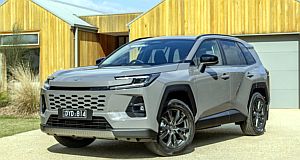
    The sixth-generation Toyota RAV4 has a lot to live up to.


    To match its predecessor in the Australian market, the latest iteration of Toyota’s mid-size SUV must be among the best-selling vehicles in the country.


    With 51,947 examples sold in 2025, the RAV4 was Toyota’s key model in Australia along with being the second best-selling vehicle sold locally overall.


    It also topped the sales charts for non-ute models.


    But the RAV4 isn’t just a top performer in Australia; it also finds itself placed among the best-selling models globally.


    So, no pressure then…


    However, the “all-new” RAV4 actually isn’t as new as you’d think; with Toyota adopting an if it ain’t-broke-don’t-fix-it approach and continuing to use the same TNGA: GA-K platform as its predecessor.


    Like the last generation hybrid model, the new RAV4 HEV’s powertrain consists of a 2.5-litre four-cylinder petrol engine, a front-mounted electric motor (along with a rear-mounted electric motor in the case of the AWD variants), and an e-CVT transmission. Toyota quotes a combined system output of 143kW in both two-wheel drive and all-wheel drive configurations.


    This output figure is 17kW lower than the outgoing RAV4 2WD and 20kW down on the outgoing AWD model, due to the need to comply with Euro 6d emissions standards.


    The 2WD models complete the run from 0-100km/h run in eight seconds, while AWD variants make the dash in 7.7 seconds.


    Claimed combined fuel economy is 4.5 litres per 100km in 2WD configuration and 4.6 litres per 100km in AWD form. 


    Perhaps the biggest change to the RAV4’s line-up for its sixth generation is the addition of a plug-in hybrid powertrain option – with deliveries expected in Australia in Q3 2026 – consisting of a 2.5-litre petrol engine, with either a front-mounted electric motor or dual-motor all-wheel drive, and a 22.7kWh lithium-ion battery.


    In 2WD form, it produces 201kW while AWD models have a combined system output of 227kW, the highest power output ever for a RAV4.


    The battery supports 11kW three-phase AC Charging and 50kW DC charging.


    Toyota is yet to officially quote an electric-only range for the plug-in hybrid model, but GoAuto understands that the development target is at least 100km on the WLTP cycle.


    The new RAV4 range model line-up comprises 11 different variants.


    The HEV range comprises the GX 2WD (priced from $45,990 before on-road costs), proceeding through to the GX AWD ($49,340), GXL 2WD ($48,990), GXL AWD ($52,340), Edge AWD ($55,340), XSE AWD ($58,340), Cruiser 2WD ($56,990), and the Cruiser AWD ($60,340).


    Meanwhile, the plug-in hybrid range starts from $58,840 + ORCs with the XSE 2WD PHEV, XSE AWD PHEV ($63,340), with the range topped by the flagship GR Sport AWD PHEV variant ($66,340).


    Compared with the last-generation, the entry-price for the RAV4 Hybrid range has risen by $3730 before on-road costs, which may tempt buyers into one of many cheaper, particularly Chinese rivals that have flooded the market since the fifth-generation model’s introduction back in 2019. 


    Standard features on the entry-grade GX variants include 17-inch alloy wheels, LED headlights, taillights and daytime running lights, roof rails, an acoustic windscreen, a 10.5-inch infotainment touchscreen, a 12.3-inch digital instrument cluster, fabric seats, manually adjustable front seats, five USB-C ports, a six-speaker sound system, and an embedded Drive Recorded dashcam function.


    All-wheel drive GX examples also get Trail and Snow driving modes and downhill assist control.


    Standard safety features include eight airbags, an autonomous emergency braking pre-collision system, full-speed adaptive cruise control, emergency steering assist, front and rear cross-traffic alert, lane trace assist, proactive driving assist, a rear parking support brake, blind-spot monitoring with safe exit assist, and a reversing camera.


    The new-generation RAV4 launches in Australia without an ANCAP rating, although it is expected to achieve a five-star score under 2026 protocols when it is tested later this year following a safety update.


    However, this means that pre-update examples will never hold an ANCAP rating…


    Over the entry-grade GX, the GXL variant gets 18-inch alloy wheels, silver integrated skid plates, rain-sensing wipers, synthetic leather door and instrument panel trim, a leather-accented steering wheel and shift knob, an eight-way electrically adjustable driver’s seat with lumbar support, and a wireless phone charger.


    The Edge AWD serves as a more rugged, soft-roader variant, arriving with a unique bumper and grille design, a 20mm wider track, wider wheel arches, 18-inch dark matte grey metallic alloy wheels, a 12.9-inch infotainment touchscreen, heated front seats, a netted cargo area side pocket, a power tailgate, synthetic leather seats, and metallic ornamentation.


    Stepping up to the XSE AWD we find 20-inch alloy wheels, black front and rear bumpers with integrated silver skid plate at the rear, black exterior trim, two-tone paint, mid-grade LED headlights, a panoramic view monitor, leather and suede seats, heated, ventilated and power adjustable front seats with driver’s seat memory, storage tray illumination, and a tilting and sliding moonroof.


    At the top of the hybrid range, the Cruiser variant comes with high-grade LED headlights, a shift-by-wire lever with an integrated parking brake, a heads-up display, a digital rearview mirror, heated outboard rear seats, a kick-sensing power tailgate, dual wireless phone charges, and a nine-speaker JBL sound system.


    The XSE variant grade kicks off with plug-in hybrid range with an identical equipment list to the equivalent HEV model save for larger brakes, water-repellent front side windows, and a 1500W inverter in the boot as opposed to a 12V socket.


    Finally, the flagship plug-in hybrid GR Sport variant gets unique 20-inch alloy wheel and front and rear bumper designs along with GR badging, red brake calipers, rear spoiler, the 20mm wider track from the Edge model grade, aluminium pedals, a heated GR steering wheel with paddle shifters, suede GR Sport knee pads, synthetic leather and suede seats, front performance dampers, stiffer suspension, a rear brace, and a unique power steering tune.


    Toyota quotes a variant-dependent 705 litres of boot space.


    All variants are equipped as standard with a space saver spare wheel with a full-size spare optionable for $300 in the GX models. 


    The new RAV4 is offered with five-year/unlimited-kilometre warranty as well as a five-year/75,000km capped-price servicing program for both HEV and PHEV variants, with service intervals coming every 12 months or 15,000km.


    Each service is priced at $325 meaning maintenance costs for five years comes to a total of $1625.


    Driving Impressions


    Much of our RAV4 testing time was spent on Tasmania’s winding, technical roads complete with drastic elevation changes, broken up by brief urban stints and faster, flatter and more straightforward country roads.


    Specifically, we tested the GXL 2WD and AWD, Cruiser 2WD and AWD, and Edge AWD variants, all in HEV form.


    We’ll have to wait until later in the year at the very least to get behind the wheel of the new plug-in hybrid models.


    As far as exterior aesthetics go, the new RAV4 appears as a logical next step over the outgoing model while the design (particularly the front- and rear end) has been smartly modernised.


    Until the GR Sport variant arrives, customers have the choice between the sleek design of the vast majority of the range or the boxy, more rugged appearance of the Edge variant. However, whichever you go for, both aesthetics work.


    Inside, some immediate plastic touchpoints do feel a bit scratchy, but, while they certainly aren’t fancy, they aren’t offensive. The leather and synthetic leather surfaces found in some model grades feel very pleasant, too.


    There’s a lot to like about the UX and UI…


    There are physical controls for the media volume, demisting, air-conditioning temperature, and drive modes on the dashboard.


    The physical steering wheel controls are also clear and easy to use. Fan speed controls (as well as seat heating and ventilation on certain model grades) are handled through a menu bar displayed on the bottom of the infotainment screen.


    While we would prefer the quick adjustability of a conventional HVAC control panel, these controls are hardly a punishment.


    The infotainment system itself – which is available in both 10.5 and 12.9-inch guises – is slick, crisp, and easy to navigate with its simple layout. Aside from being wireless Apple CarPlay and Android Auto compatible, it also has features like Spotify – which is available with a three-month free trial period and for $12.50 per month thereon out – integrated into the system.


    There are plenty of practical storage options available in the front row of the RAV4 including large cupholders, decent door-bin storage, a slot in the dashboard to store smaller items and a sizable centre console armrest storage in which you’ll find a 12V socket and a USB-C port.


    Speaking of the centre console armrest storage, the lid is removable and double-sided. On one side you’ll find a conventional armrest cover while on the other there is a flat plastic tray, useful as a storage option.


    From the driver’s seat, both front and rear visibility is very strong, particularly forward visibility on account of the RAV4’s thin A-pillars and a strong view beyond the wing mirrors through the side windows.


    The front seats are comfortable regardless of the trim level; however, we did find that they could use a little more side bolstering.


    Rear seat passengers in the RAV4 enjoy impressive levels of knee room and good headroom, and while there’s a small transmission hump it’s not horribly invasive.


    There are some useful amenities too including USB-C ports, rear air vents and a centre folding armrest as well as heated rear outboard seats on high-spec variants. However, the small door bins leave rear passengers short-changed on storage.


    Aside from having plenty of room, the boot has some useful features, with the adjustable, double-sided boot floor being a particular highlight, which is plastic on one side, useful for storing something like a used wetsuit.


    On the road, the new RAV4 is absolute joy regardless of the variant.


    The ride is just right. It’s not too hard nor is it too soft, and it feels exceptionally well calibrated for Australian roads. The body control is also very composed.


    Through the corners, the RAV4 is not only competent, but genuinely enjoyable to drive.


    The steering is well-weighted and direct, making the RAV4 extremely easy to place, and there always seems to be an abundance of grip. On a twisty road, there’s very little that can truly unsettle the RAV4.


    It’s also quiet in the cabin while on the move. Tyre noise isn’t really a problem and while wind noise can occasionally pick up at higher speed, with slight wind rustle around the wing mirrors, it’s far from too much.


    As mentioned, all the vehicles present on the Australian launch of the RAV4 were equipped with the regular hybrid powertrain.


    Despite having less power than its predecessor, and while its performance might not set the world on fire, the powertrain is responsive and in neither 2WD nor AWD configurations did the new RAV4 feel particularly underpowered.


    Unsurprisingly, the powertrain does suffer from a bit of CVT drone…


    Fuel economy during our time with the RAV4 varied, partly because of the differences between 2WD and AWD configurations, but also due to the nature of the roads during any given fuel run.


    The worst fuel economy we recorded was 8.7 litres per 100km in the Edge AWD, although this was largely since we were travelling up-hill on high-speed, twisting mountain roads.


    On a more relaxed drive on largely flatter country roads in the GXL AWD, the trip computer returned 5.2 litres per 100km.


    When it comes to ADAS tuning, key systems such as the adaptive cruise control and lane centring work as expected. However, we did find the driver attention monitor system slightly too sensitive, telling you off for looking at the digital gauge cluster, another part of the cabin, or the outside scenery even for what felt like a split second.


    Overall, perhaps unsurprisingly, the RAV4 is an extremely accomplished vehicle. It’s as dynamically competent as it is comfortable, its cabin layout and user experience are largely on point, its fuel efficient, and its practical.


    This hardly seems like a revelation, but by getting the fundamentals correct, Toyota has built an excellent car. The new RAV4 delivers on everything we liked about the previous generation, but in an updated package.


    While we’re yet to experience it, the plug-in hybrid option adds what appears to be yet another compelling choice to what is an already very desirable line-up.


    There are a few minor gripes including, the over-reactive driver attention monitor, the lack of a physical control for the fan-speed, the slightly under-bolstered front seats and the CVT drone.


    Furthermore, the lack of an ANCAP safety rating for many examples sold within the first year might deter some buyers, at least for now.


    Also, a lot of features that arguably should be found in cheaper RAV4 variants are also limited to the higher model grades.


    For instance, you’re halfway up the RAV4 pecking order in the Edge variant – priced at $55,340 – before you’ll find synthetic leather or heated seats. If you want a 360-degree camera or a moonroof, you’ll be forking out $58,340 for the XSE model.


    Ultimately however, we believe that even with historically astronomical sales figures to live up to, the sixth-generation Toyota RAV4 carries the nameplate in safe hands.
    Source link

  • “Best EV charger on Nullarbor” out of action after truck reportedly smashes into solar canopy

    “Best EV charger on Nullarbor” out of action after truck reportedly smashes into solar canopy

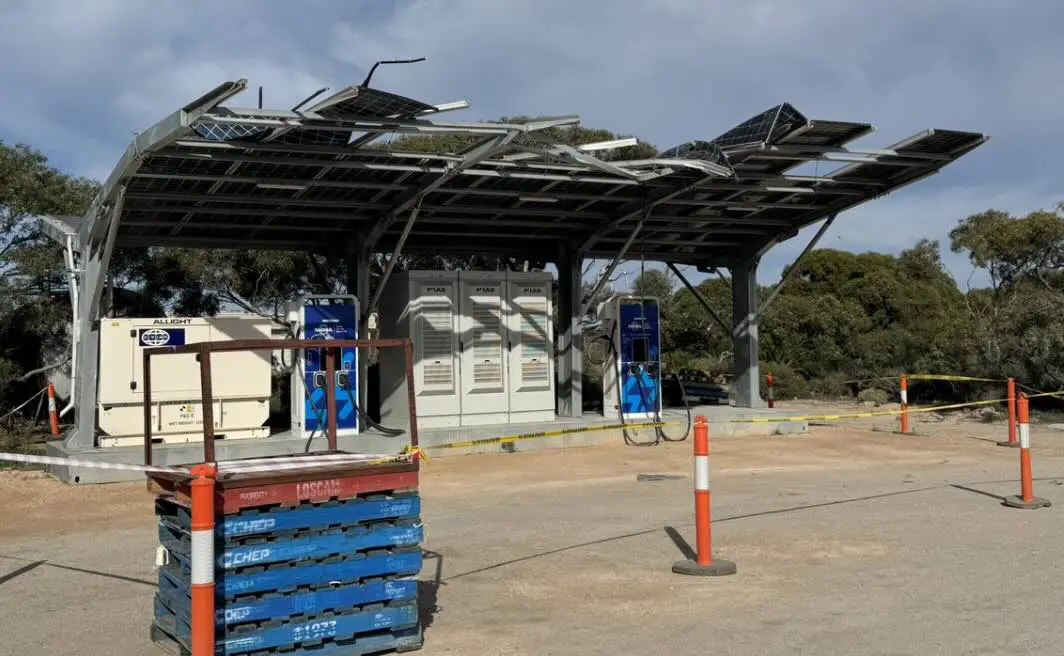
    One of the rare operating fast chargers on the Nullarbor Plain is now out of action – to the frustration of EV drivers on the journey between South Australia and Western Australia – after a truck reportedly wiped out the facility’s solar canopy.

    The incident at the Border Village fast charging station – operated by the NRMA – was reported online by one EV driver making the journey, Michael Fink.

    “Border Village chargers are out of action, apparently taken out by a truck. We are charging at Mundrabilla,” Fink posted on the social media platform X.

    Another reader suggested it was potentially an accident waiting to happen at what they rated as the best charger on the Nullarbor journey.

    “That was the best charger on the Nullarbor – worked both times (78 kW) we used it in March,” wrote Alex M. Have to say the trucks pass very close as they manoeuvre for fuel. Couldn’t imagine they will repair the solar canopy in a hurry.”

    A notice on the Plugshare app used by EV drivers to find EV charging spots confirmed the facility is out of action.

    “This charger is currently out of service,” NRMA said in a post dated April 18. “Our Technician is scheduled to investigate and if possible, repair the charger. We hope to be up and running again soon.”

    The facility at Border Village has only recently been upgraded, although users found it difficult to use for some EV models, and charging availability across the Nullarbor has long been an issue.

    Fink noted that the EV charger at Norseman is also under repair, and noted the slow charging rates at other EV stations along the route, and the fact that he even had to plug in to a power point at a caravan park at one point when the EV charger at Balladonia failed.

    He noted that the charging network in remote areas is “shite.”

    “A painful day,” he wrote. “If you are intending to cross the Nullarbor and have an EV and a fossil fuel car, take the latter.”

    See also: Electric vehicle charging in Australia; are we there yet?

    Sign up for The Driven’s free daily newsletter by going to the button on the bottom right of the website’s home page at www.thedriven.io

    Source link

  • Exclusive! Brabus Bodo V12 Coupe could be revealed on May 15

    Exclusive! Brabus Bodo V12 Coupe could be revealed on May 15

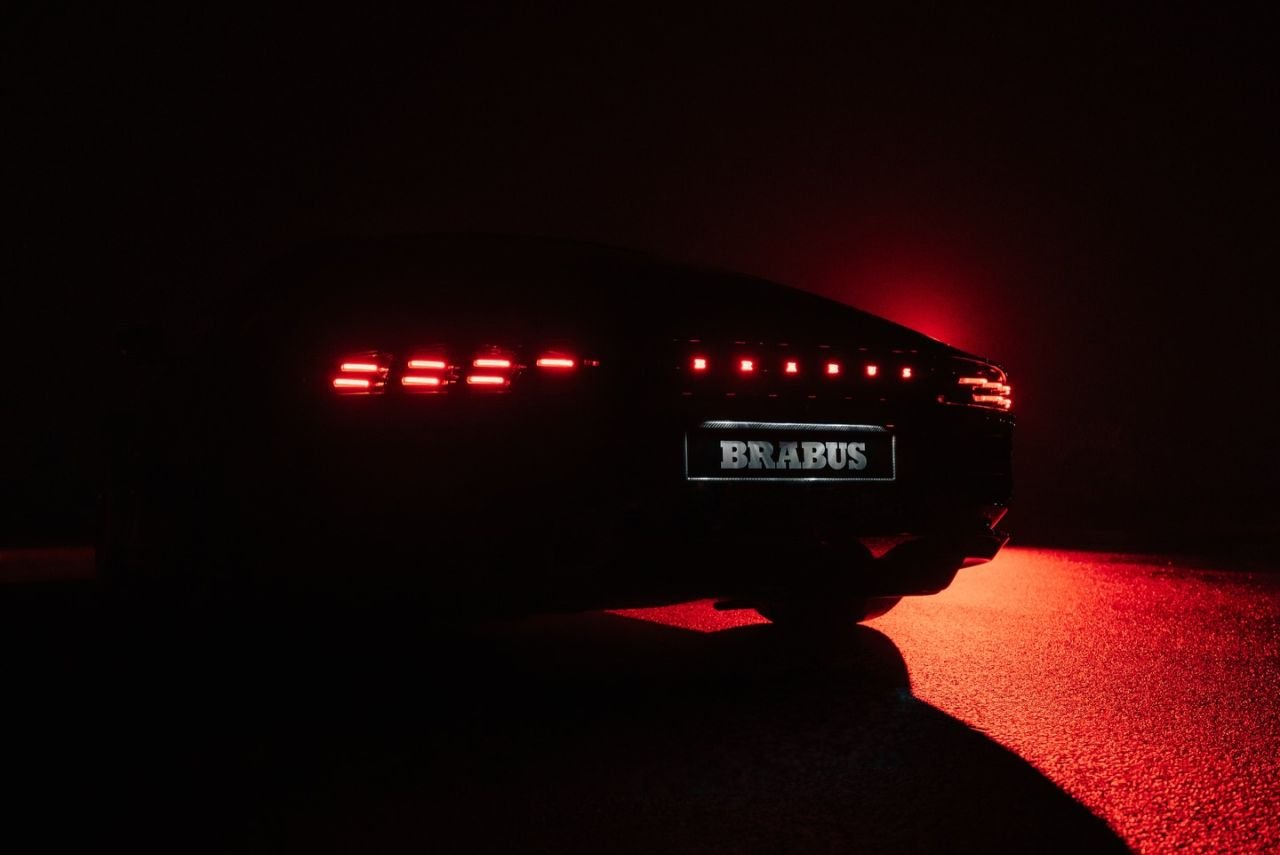
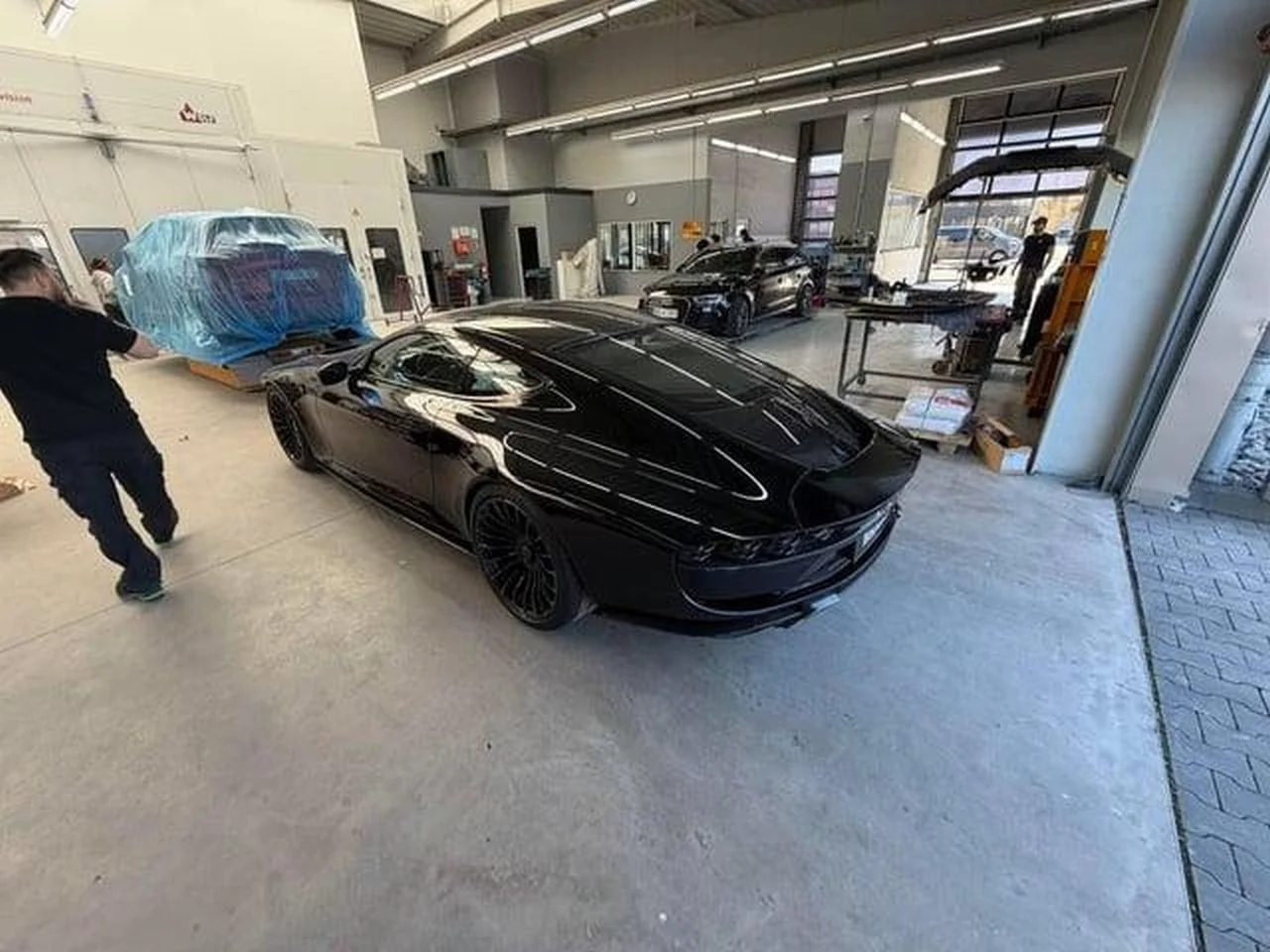
    Brabus recently dropped a few teaser images of its upcoming V12 coupe. While there’s no official word on the launch date yet, our sources tell us that the Bodo V12 could be revealed on May 15, 2026.

    Named after the company’s founder, Bodo Buschmann, the new model is believed to be based on the Aston Martin Vanquish.

    Brabus Bodo V12 teaser-3

    Leaked images have revealed a sleek coupe design with a long hood, a swooping roofline and short overhangs. The car features a sharknose-style front end and a unique rear fascia, with quad LED taillights and the ‘Brabus’ lettering in the centre. It also gets quad exhausts in a double-stacked configuration.

    The Brabus Bodo is likely to be powered by a 5.2-liter twin-turbo V12. In the Vanquish, this engine develops 824 hp @ 6500 rpm and 738 lb-ft of torque @ 2500-5000 rpm. Brabus might bump up the performance slightly.

    Source link

  • This Frontier V6 Survived 300 Hours at Redline—Now It’s Nissan’s 20 Millionth Engine

    This Frontier V6 Survived 300 Hours at Redline—Now It’s Nissan’s 20 Millionth Engine

    A Tough Naturally Aspirated V6

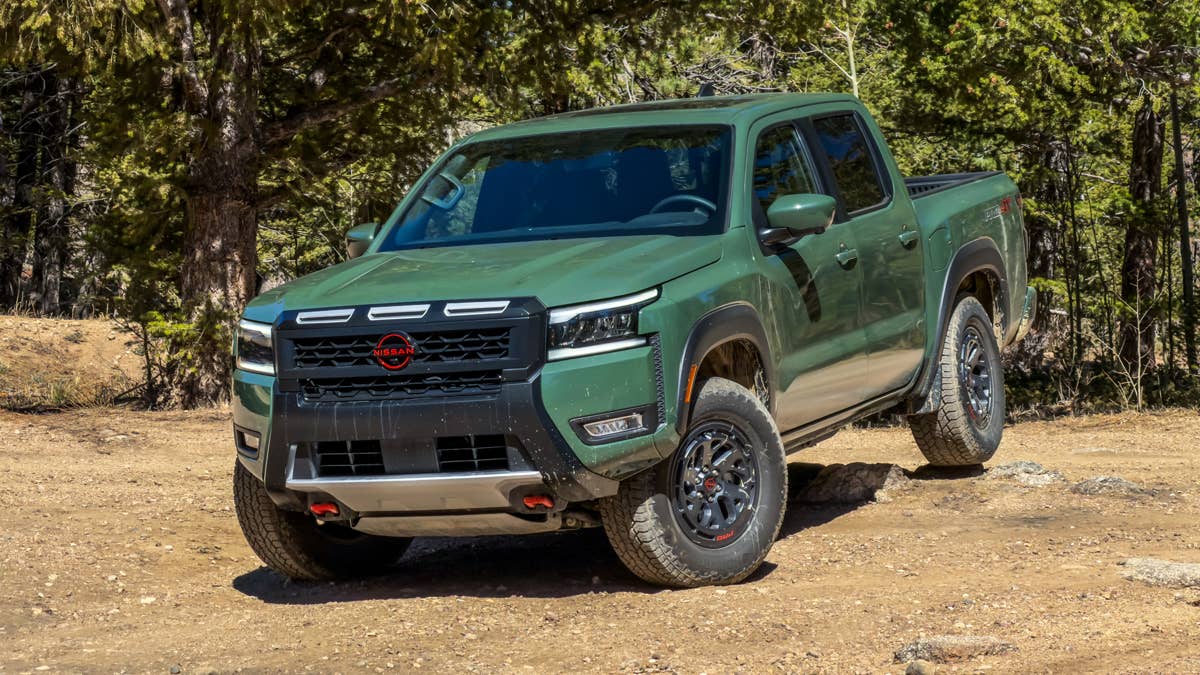
    The Frontier’s V6 isn’t new, but it’s earned its stripes the hard way: by taking a beating and coming back for more. Nissan put the 3.8-liter V6 through brutal tests before it ever saw a customer, including running it flat-out at redline for 300 hours straight just to see what would break.

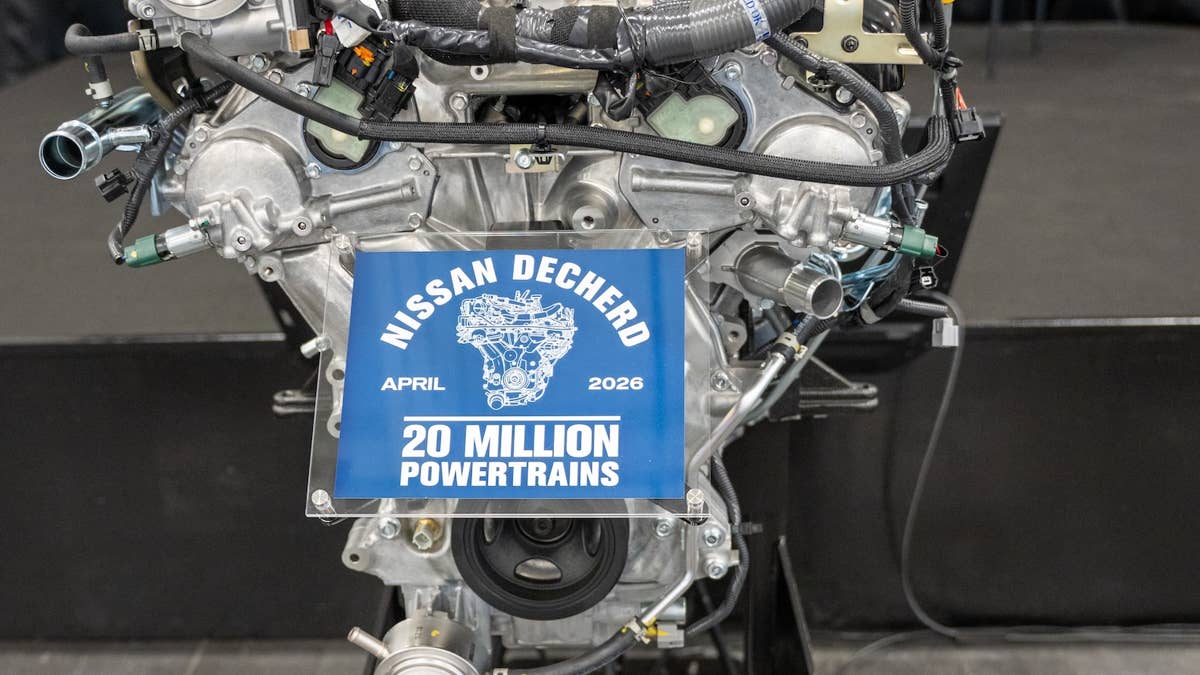
    This engine is built in America, and now it’s the face of a big milestone for Nissan. The 20 millionth engine from Decherd is a VQ-ZV9 V6, and it’s going straight into a Frontier – one of Nissan’s toughest trucks getting one of its toughest engines.

    Nissan

    Nearly Three Decades of Engine Building

    Decherd opened its doors in 1997 and has been cranking out engines ever since. It’s one of Nissan’s oldest US plants and supplies powertrains for vehicles all over North America.

    Nissan has poured about $2 billion into Decherd over the years, out of a $14 billion investment in US manufacturing. So this isn’t just another engine plant – it’s a key piece of how Nissan builds cars for North America.

    David Sliger, vice president of Regional Powertrain Operations for Nissan Americas, said the 20-million-engine milestone reflects more than output numbers. According to him, it represents the craftsmanship and long-term dedication of the workers in Decherd, many of whom have spent much of their careers there.

    The plant isn’t just about engines. It supports jobs all over Tennessee, especially in Franklin County, and has become a fixture in the local community. Some families have had more than one generation working there, which gives the place a real hometown feel.

    Chase Bierenkoven

    Preparing for the Next Phase

    Even as the 20 millionth engine is a classic V6 for a truck, Nissan is already thinking about what comes next. Nissan’s US production has jumped from 40 to 60% in just a year, with a goal of hitting 80%. The idea is simple: build more cars where people actually buy them.

    That means Decherd isn’t just about gas engines anymore. The plant is gearing up to build both traditional and electrified powertrains for future Nissan and Infiniti models in the US – including the upcoming Xterra, which will get a V6 Hybrid.

    Nissan


    View the 4 images of this gallery on the
    original article

    Source link

  • 2027 Porsche Cayenne Coupe Electric: First Look

    2027 Porsche Cayenne Coupe Electric: First Look

    Love them or hate them, SUV-coupes are here to stay. BMW pioneered the segment with the X6 in the late aughts, and now nearly every upscale automaker offers its own fastback version of a popular crossover.

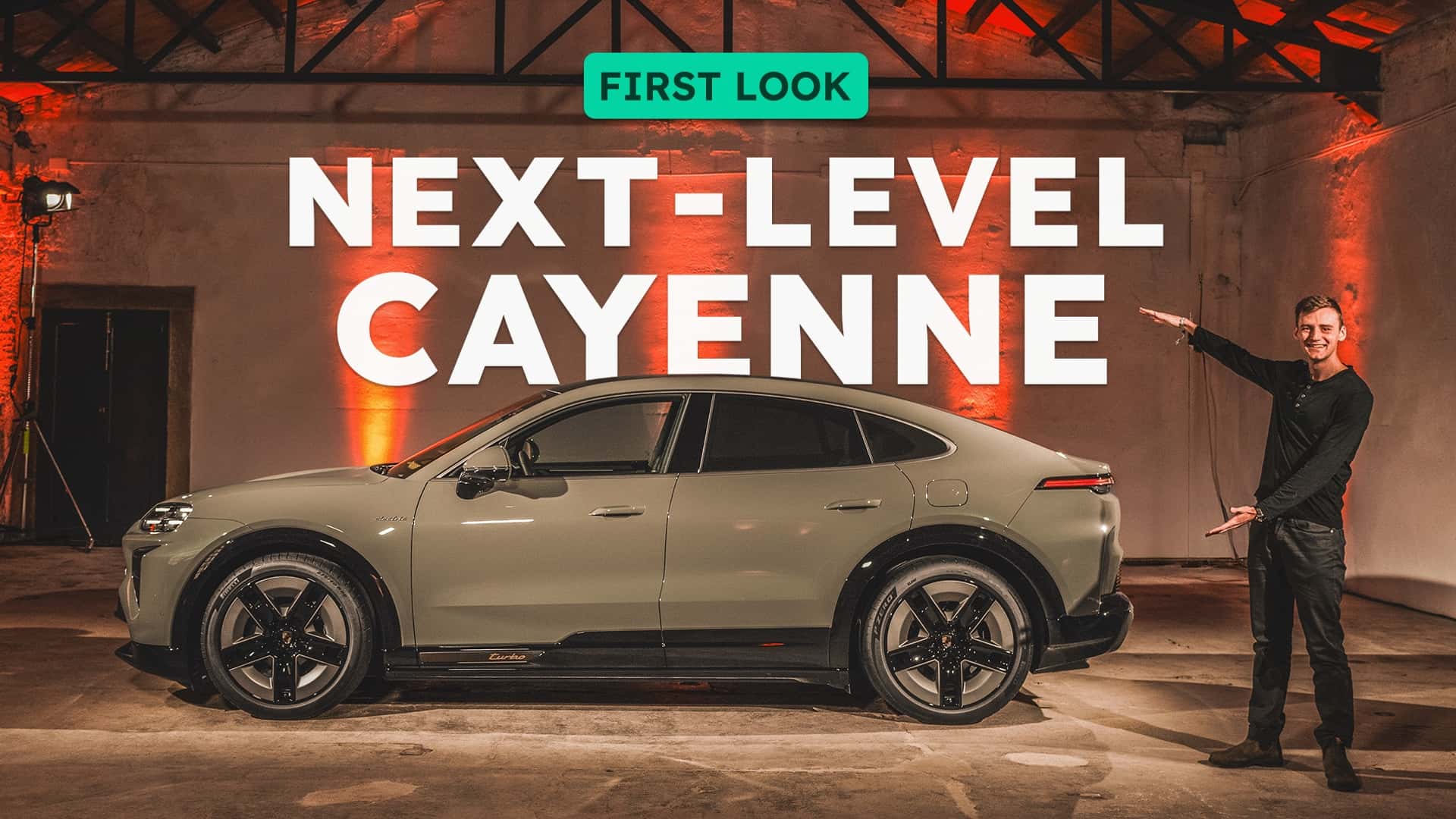
    Porsche entered the fray with the Cayenne Coupe in 2020, and it isn’t wasting any time bringing out a sloped-roof version of the all-new Cayenne Electric. Meet the Cayenne Coupe Electric, Porsche’s fastest and most aerodynamic Cayenne yet.

    The Cayenne Coupe Electric will launch with base, S, and Turbo trims, all with identical powertrain and power specifications to their SUV brethren. That means an 800-volt architecture, 400-kW DC fast charging, and a claimed 10-80% recharge time of just 16 minutes.  

    I drove the Cayenne Turbo last month and was impressed by its performance .The blend of ride and handling offered by Porsche’s Active Ride suspension system truly blew me away. I was also pleasantly surprised by its massive, curved touchscreen. You can check that video and article out here, but for this one, I’ll be focusing on how the Coupe variant differs from the SUV.

    While its front end is identical, the Cayenne Coupe Electric gets a new roofline from the A-pillar back, which sits 0.8 inches lower than the SUV’s. Like its sibling, it gets an active rear spoiler and flaps that deploy from the sides of the rear bumper to smooth air flow for better high-speed stability.

    The tweaks reduce the Cayenne’s already-impressive 0.25 coefficient of drag to just 0.23—putting this full-size SUV at the same figure the Tesla Model 3 launched with, even if it does have a larger frontal area. It also increases range by 9 miles (15 km) in Europe’s WLTP testing, compared to the standard car. 


    Porsche Cayenne Coupé Electric (2026): The exterior

    Photo by: Porsche

    The overall effect is something that looks more like a high-waisted fastback (think Polestar 2) than a conventional SUV. I’ll be honest, the coupe-SUV concept is an acquired taste for me, but it’s executed well here. It looks appropriately mean from the rear three-quarter view and in profile. If you’re into this sort of vehicle, the Coupe Electric is likely to please.

    Of course, the sloped roofline brings sacrifices in practicality. Rear-seat headroom is reduced, and cargo volume behind the rear seats shrinks by about 8.7 cubic feet from 27.6 cubic feet in the SUV to 18.9 in the Coupe. There are a few clever storage pockets for smaller items, but if your regular activities involve hauling kids’ strollers or IKEA furniture, the conventional SUV will suit you better. 


    Porsche Cayenne S Coupé Electric (2026): The interior

    Photo by: Porsche

    The 844-horsepower (1,156 hp with overboost) Cayenne Turbo Electric is already Porsche’s most-powerful road car ever, and the Coupe variant ups the ante. The Sport Chrono package comes standard on Coupe variants, and Porsche adds an optional Lightweight Sport package, which cuts weight by about 39 pounds (17.6 kg). The package swaps the standard panoramic glass roof for carbon fiber and adds a Race Tex headliner and Pepita seat inserts. 22-inch wheels shod in performance tires are also included.

    Expect the Cayenne Coupe Electric to reach dealerships in its home market of Germany this summer. U.S. pricing isn’t available yet, but in Germany it will start at €109,000 for the base mode, €130,300 for the S, and €168,500 for the Turbo.

    Source link

  • Ford Built a New Cobra Jet Mustang, But It’s Another EV

    Ford Built a New Cobra Jet Mustang, But It’s Another EV

    Acceleration wins drag races. Of course, speed matters too, but it’s all about who can reach the finish line the quickest—not the fastest. Electric vehicles objectively make sense, then. So why does it feel anticlimactic for the new Ford Mustang Cobra Jet 2200 to debut as an EV?

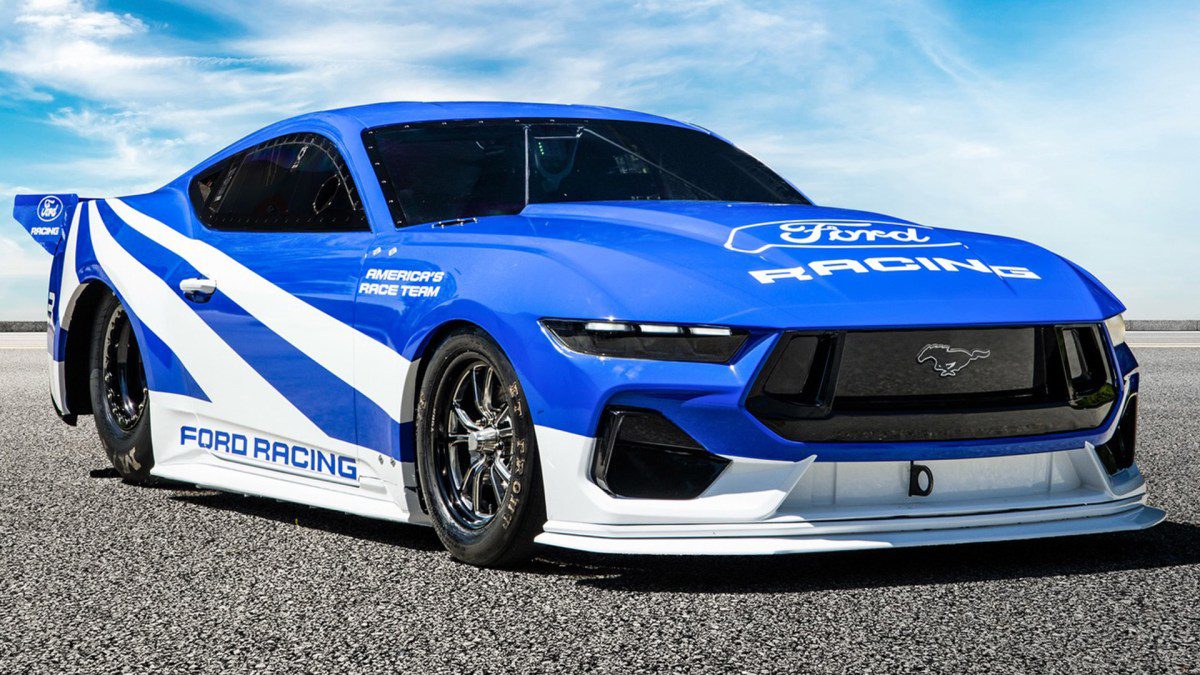
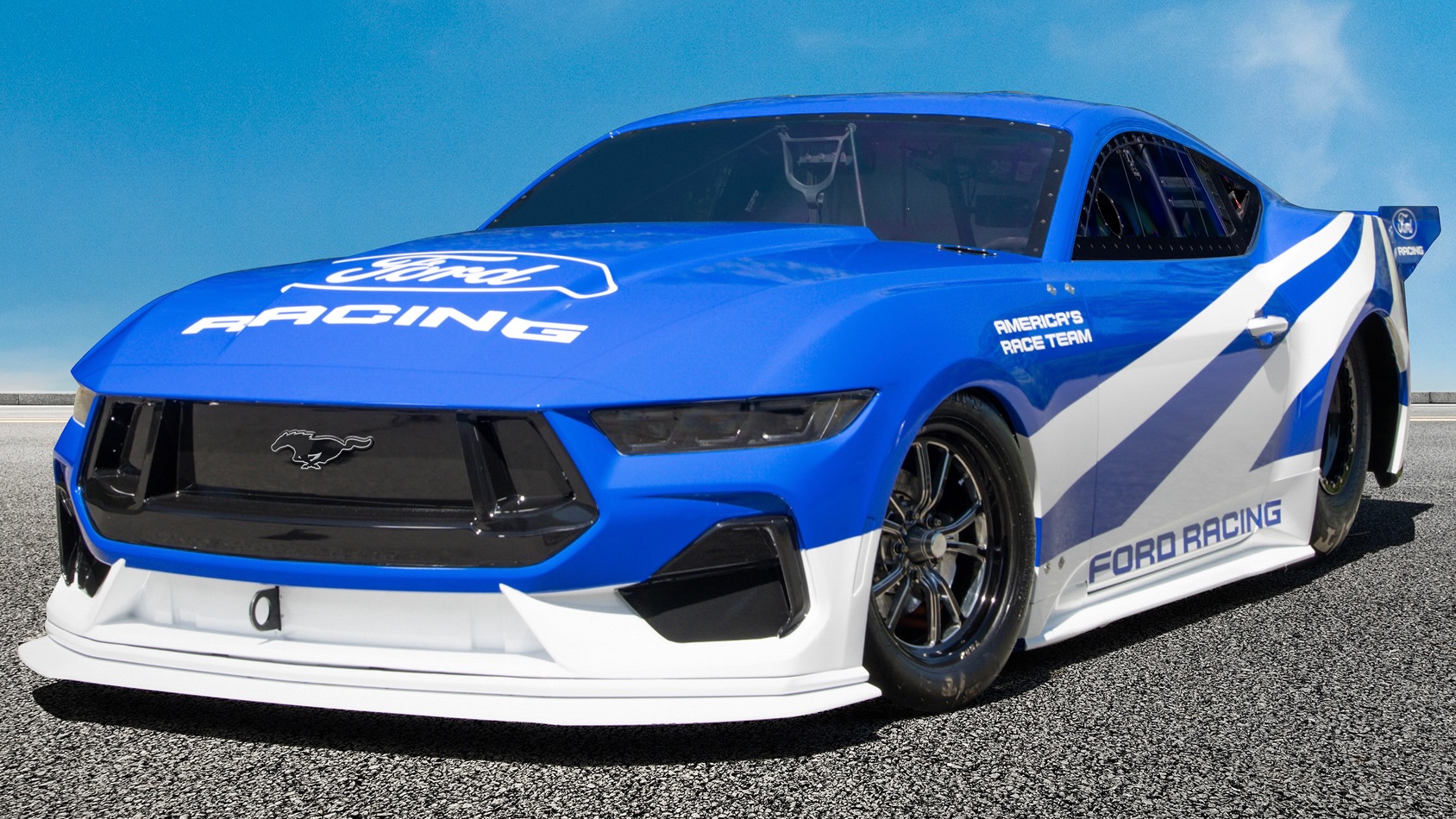
    Maybe it’s because we’ve seen it before–more than once. The first electric Mustang Cobra Jet launched in 2021 with 1,400 horsepower, which was enough to break an NHRA quarter-mile record at 8.128 seconds and 171.97 miles per hour. After that came the Mustang Cobra Jet 1800 in 2023, built specifically to set new benchmarks. And here we have the latest iteration with 2,200 hp.

    Details about this new car are scarce for now, as Ford simply announced it will be at the NHRA 4-Wide Nationals this weekend in Charlotte. My guess is it’ll make a pass or five while it’s there in hopes of showing what EVs can do in front of a skeptical crowd.

    To be clear, I don’t think many people doubt the performance of EVs in 2026. It’s just that the contrast between blown V8 engines and this is… stark. And while the general public might have found that cool once upon a time, it’s no longer as intriguing and futuristic when your neighbor owns a Tesla or Hyundai that sounds the same.

    Ford Mustang Cobra Jet 2200
    Ford

    Ford has rolled out a handful of EV demonstrators that are genuinely cool. The SuperVan 4.2 that raced Pikes Peak? Awesome. The 2,250-hp Mach-E with active aero and carbon brakes? Sick. But we’ve seen enough iterations of the electric Mustang Cobra Jet to know what’s coming. Unless Ford has something crazier up its sleeve than more power, I’m not sure it’ll be enough to blow anyone away.

    The Drive actually spoke with Ford Racing Global Director Mark Rushbrook about this last year, once it became clear that EV popularity was waning. He had this to say:

    “For sure as a company, we are committed to providing the powertrains of choice for our customers and the vehicles that they’re wanting. We will have ICE vehicles, hybrid vehicles, and full-electric vehicles, but the proportion of those over the years is going to change. I don’t think we’re getting to full EVs as quickly as we thought, but we’re still getting there.”

    Got a tip or question for the author? Contact them directly: caleb@thedrive.com

    From running point on new car launch coverage to editing long-form features and reviews, Caleb does some of everything at The Drive. And he really, really loves trucks.


    Source link

  • Modern era Mini marks 25 years

    Modern era Mini marks 25 years

    MINI has celebrated 25 years of modern production under BMW Group ownership.


    The silver anniversary marks a milestone that underscores its evolution from a British icon to a globally recognised premium small-car brand.


    The first BMW-era Mini rolled off the production line at Plant Oxford in April 2001, signalling the rebirth of the marque for the modern era.


    Since then, more than 4.67 million Minis have been built in the UK, with production centred around BMW Group’s Oxford and Swindon facilities, supported by engine manufacturing at Hams Hall.


    Today, the Oxford plant produces about 800 vehicles per day, with a new Mini leaving the line every 78 seconds, highlighting the scale of the brand’s global demand.


    The milestone reflects a broader transformation of the Mini brand, which traces its origins back to 1959 when the original Mini, designed by Sir Alec Issigonis, redefined small-car packaging with its front-wheel-drive layout and compact footprint.


    That legacy has carried through to the modern era, with Mini continuing to emphasise design individuality, agile driving dynamics, and strong links to its motorsport heritage.


    Mini head Jean-Philippe Parain said the anniversary highlights the brand’s enduring appeal.


    “Our unmistakable British roots, unique design and go-kart feeling have made Mini a global icon,” he said.


    The current Mini line-up is the most diverse in its history, spanning five core models with a mix of internal combustion and fully electric powertrains.


    Electrification is playing an increasingly important role, with battery-electric vehicles accounting for more than one-third of global Mini sales in 2025 and exceeding 50 per cent in some markets.


    Global deliveries reached 288,290 units last year, while the performance-focused John Cooper Works sub-brand recorded a record 25,630 sales.


    Manufacturing remains a cornerstone of Mini’s identity, with more than 3000 employees across its UK plants contributing to production, reinforcing the brand’s strong ties to British industry.


    Mini continues to evolve its range with new electric models and design-led special editions simultaneously balancing heritage with innovation as it transitions further into a fully electric future.

    Source link

  • 1995 Porsche 911 Carrera at Lightning Lap 2026

    1995 Porsche 911 Carrera at Lightning Lap 2026

    From the March/April 2026 issue of Car and Driver.

    Lap Time: 3:16.6

    Class: LL90s | Base: $66,263* | As Tested: $66,775*
    Power and Weight:
    270 hp • 3035 lb • 11.2 lb/hp
    Tires:
    Pirelli P Zero Rosso
    F: 205/50ZR-17 (89Y) N5
    R: 255/40ZR-17 (94Y) N5
    *1995 pricing

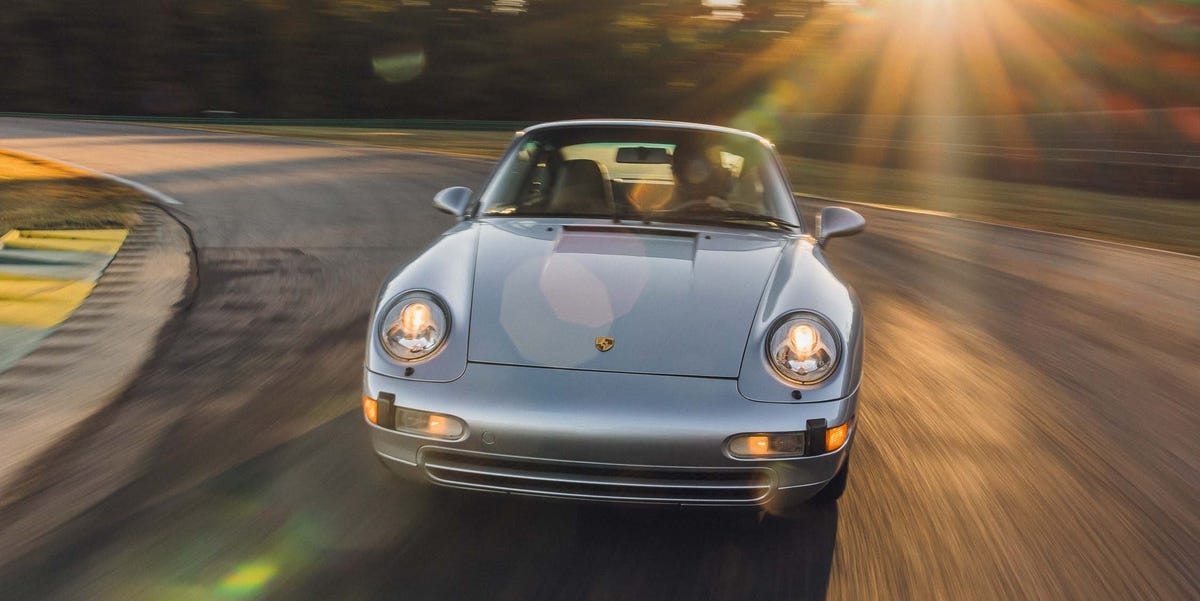
    I left some time on the table. My 1995 Porsche 911 ran a 3:16.6. The tires were delayed, and I was unable to lap it enough to get dialed in. There’s also some worry involved with running your own vintage car at VIR. Still, the 993 generation, the last of the air-cooled 911s and the first Porsche with a multilink rear suspension, proved to be a spectacular track car.

    That multilink rear suspension and the wide-for-their-day 255/50ZR-17 rear tires are what fully tamed the backward-arrow 911 from righting itself. Setting up for the left called NASCAR Bend requires braking and turning slightly from about 90 mph; you feel the weight shift, but the rear stays in place. Confidence builds. The near-perfect brake feel helps call up the right amount of deceleration to keep things from getting crazy, and the brakes are strong and secure when you need them on the front and back straightaways.

    1995porsche911carreraView Photos

    Michael Simari and Marc Urbano|Car and Driver

    The front tires are far narrower (205/50ZR-17) than the rears and make you think understeer will be a dominant trait, but the reality is that there wasn’t much to speak of as the Pirelli P Zero Rossos delivered 0.94 g of cling in Turn 1. Vintage in appearance, these P Zeros are the fifth iteration of the 993’s original-equipment tire and enjoy the grip of modern compounds. There’s enough stick to expose the seats’ lack of lateral support.

    Lapping the 993 is a joy. The 270-hp engine keeps speeds sane, and although there’s more squirm in the chassis than in modern Porsches’ (and I had every bit of suspension rubber replaced a couple of years ago), the brakes are simply perfection, and the steering should have its own podcast.

    1995porsche911carreraView Photos

    Michael Simari and Marc Urbano|Car and Driver

    With more practice, and if it weren’t my personal car at risk, I think I could lop off five seconds or more. Hey, Porsche Museum, let’s find out.

    Back to Lightning Lap 2026

    Headshot of Tony Quiroga

    Tony Quiroga is a 20-plus-year-veteran Car and Driver editor, writer, and car reviewer and the 19th editor-in-chief for the magazine since its founding in 1955. He has subscribed to Car and Driver since age six. “Growing up, I read every issue of Car and Driver cover to cover, sometimes three or more times. It’s the place I wanted to work since I could read,” Quiroga says. He moved from Automobile Magazine to an associate editor position at Car and Driver in 2004. Over the years, he has held nearly every editorial position in print and digital, edited several special issues, and also helped produce C/D’s early YouTube efforts. He is also the longest-tenured test driver for Lightning Lap, having lapped Virginia International Raceway’s Grand Course more than 2000 times over 12 years.

    Source link

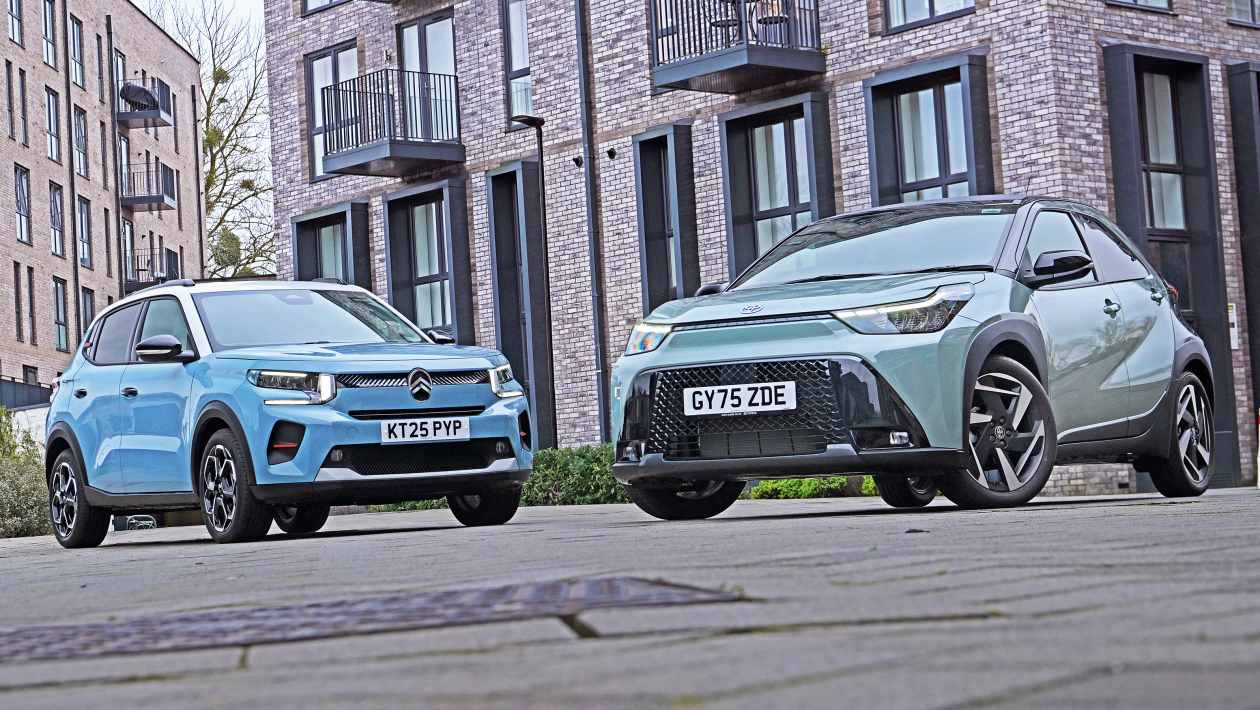
  • Citroen C3 vs Toyota Aygo X: small budget hybrids in a high-stakes showdown

    Citroen C3 vs Toyota Aygo X: small budget hybrids in a high-stakes showdown

    The trip itself is pretty basic, with only three trip readings offered, comprising one overall read-out and two selectable displays. Even more frustrating, the animations that transition between each display are slow and the screen disappears after a few seconds.

    Latest Citroen C3 deals

    Head-to-head

    On the road

    Adding hybrid drive to the Aygo X turns it into a nippy performer that is well suited to urban use. Small dimensions and an agile chassis mean it’s enjoyable to drive at lower speeds. Citroen’s supermini is a more comfort-orientated option. It’s not as responsive off the line, while the softer suspension encourages you to take things easy. The automatic gearbox is also a little hesitant.

    Tech highlights

    Toyota’s hybrid system is well proven and just as smooth in the Aygo X as it is in other models. The Smart Connect touchscreen is also user-friendly, and is helped by the fact it has separate climate controls. Citroen’s touchscreen has fewer functions, but the system works fast enough. The driver display is a head-up unit set into the top of the dashboard.

    Price and running

    Higher-spec versions of the Aygo X are pricey when compared with the C3, but the Toyota is more economical day to day. We saw more than 55mpg from the Aygo X, while the Citroen returned around 43mpg. But the C3 has a 44-litre fuel tank, so it can travel further between fills than the Toyota at that rate, because the latter only has a 30-litre tank.

    Practicality

    Treat the Aygo X as a two-seat city car with a pair of back seats for occasional use, and it makes more sense; rear space is tight and the boot isn’t as useful as the Citroen’s. The C3 has decent cabin storage, five seats and a generous boot for its size; you can even add a dealer-fit spare wheel under the floor. There’s a high load lip, but it’s not as tall as the Toyota’s.

    Safety

    Toyota re-submitted the Aygo X to Euro NCAP in 2025, and it came away with a four-star score due its standard-fit Safety Sense system. The Citroen doesn’t have a Euro NCAP rating, but it comes with driver-attention alert, plus lane-departure and speed- limit warnings. The latter two are easily deactivated via dedicated buttons, but they don’t always engage correctly.

    Ownership

    One big attraction of Toyota ownership is the prospect of a 10-year, 100,000-mile warranty if you choose franchise servicing. But a three-year service plan is nearly double the price of a similar scheme from Citroen. The French firm also offers a service-based extended warranty. It lasts up to 100,000 miles like Toyota’s, but the time period lasts eight years instead of 10.

    Verdict

    Winner: Citroen C3      

    Playing to Citroen’s strengths of comfort and good value for money means that the C3 is an attractive proposition in the supermini class. Its SUV-style proportions offer plenty of space for four people inside, while the quality of the materials allows the French model to hide its budget roots well.

    Advertisement – Article continues below

    Source link