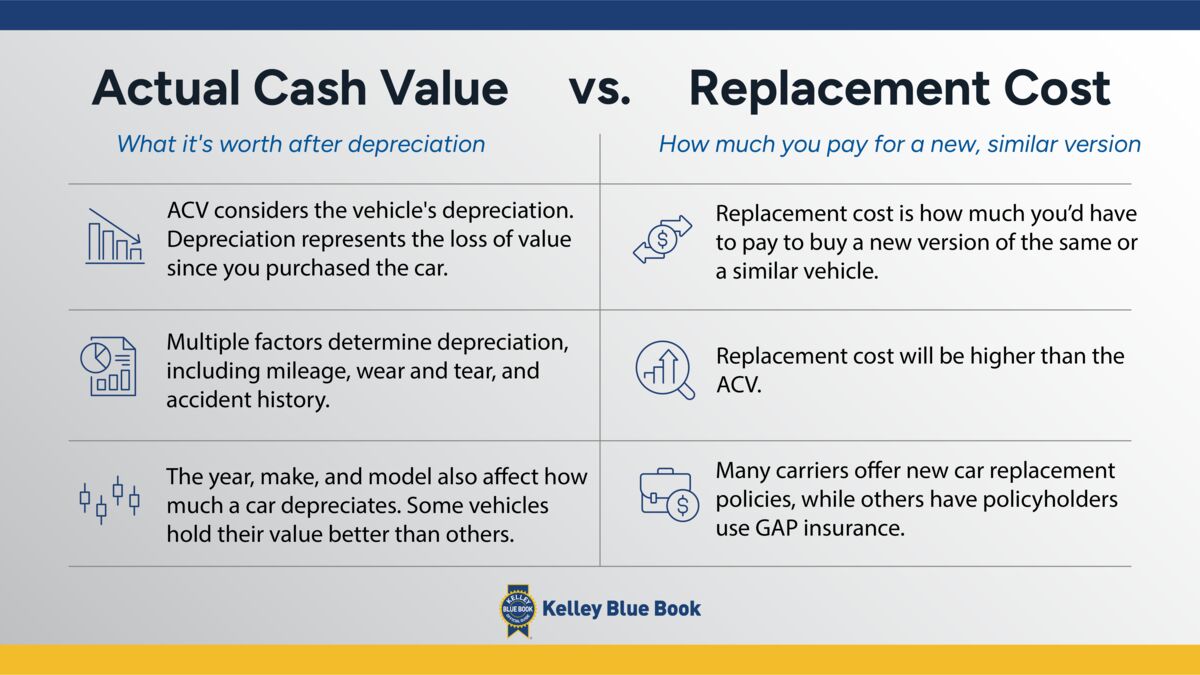
Because cars depreciate so quickly, it’s easy to become upside down on an auto loan or lease, especially if you put little or no money down. GAP insurance coverage, or guaranteed asset protection, can help mitigate this risk. It helps pay the difference between what your car is worth and what you owe the lender or leasing company. Some car lease contracts require GAP coverage.
Many GAP policies even cover your collision or comprehensive deductible. And with GAP coverage, you won’t have to worry about whether the ACV of your vehicle is high enough to pay off your loan or lease. Many drivers carry GAP insurance during the first several years of owning a car.
For example, if you owe $40,000 on your car loan, wreck the car, and your vehicle’s actual cash value is $33,000, your insurance company will pay $33,000. You’ll have to come up with the extra $7,000 to pay off your loan. But GAP insurance, if you have it, covers the additional $7,000 for the replacement value. In this case, being covered for replacement value with GAP insurance makes sense.
For car buyers who pay cash outright when they purchase a vehicle, it doesn’t make sense to carry GAP insurance because they don’t have any loan differences to worry about.
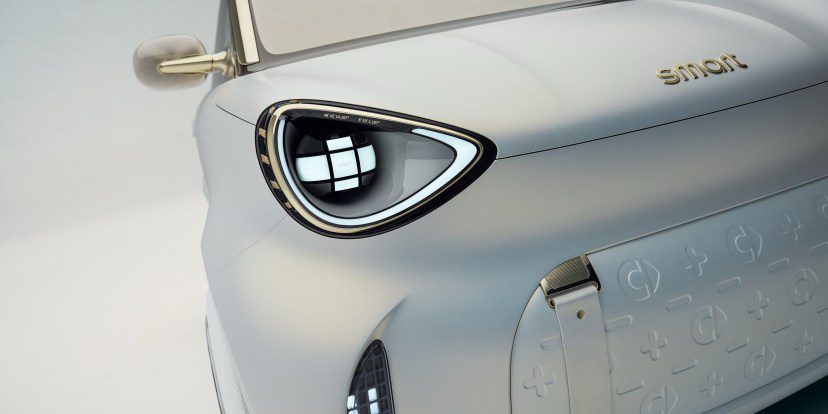
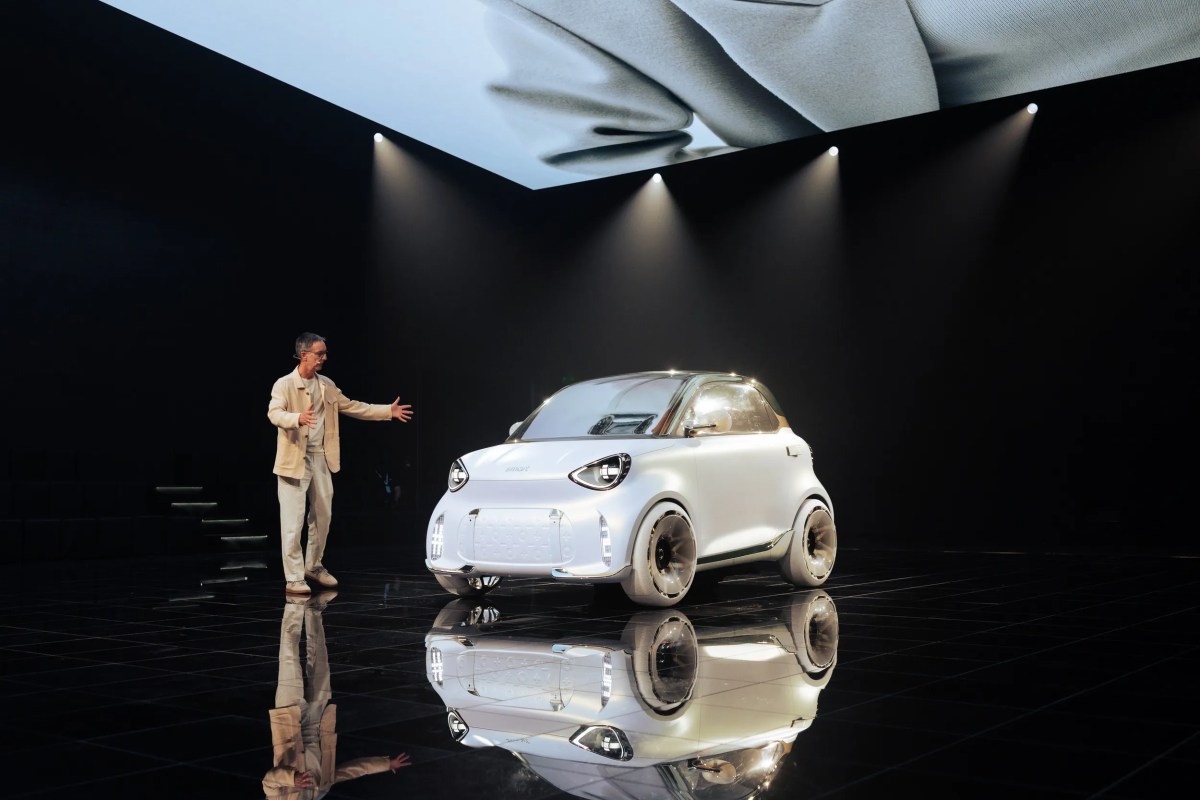
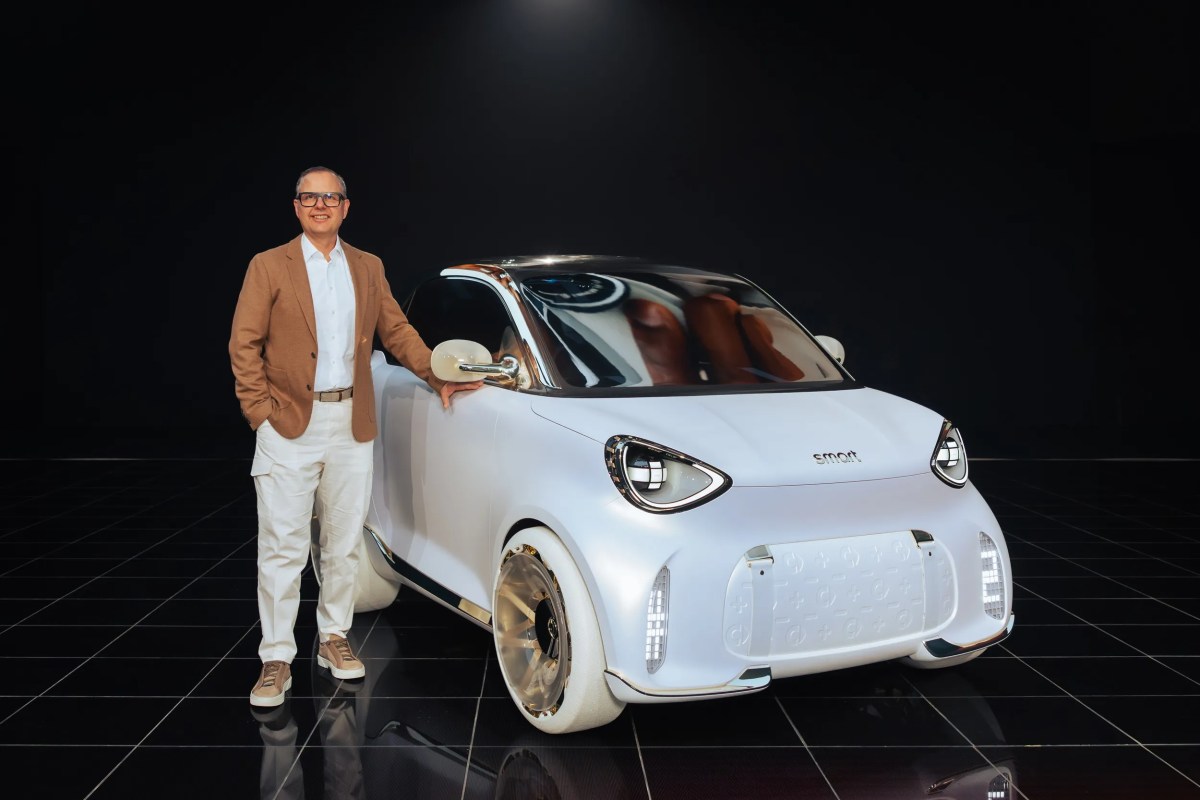
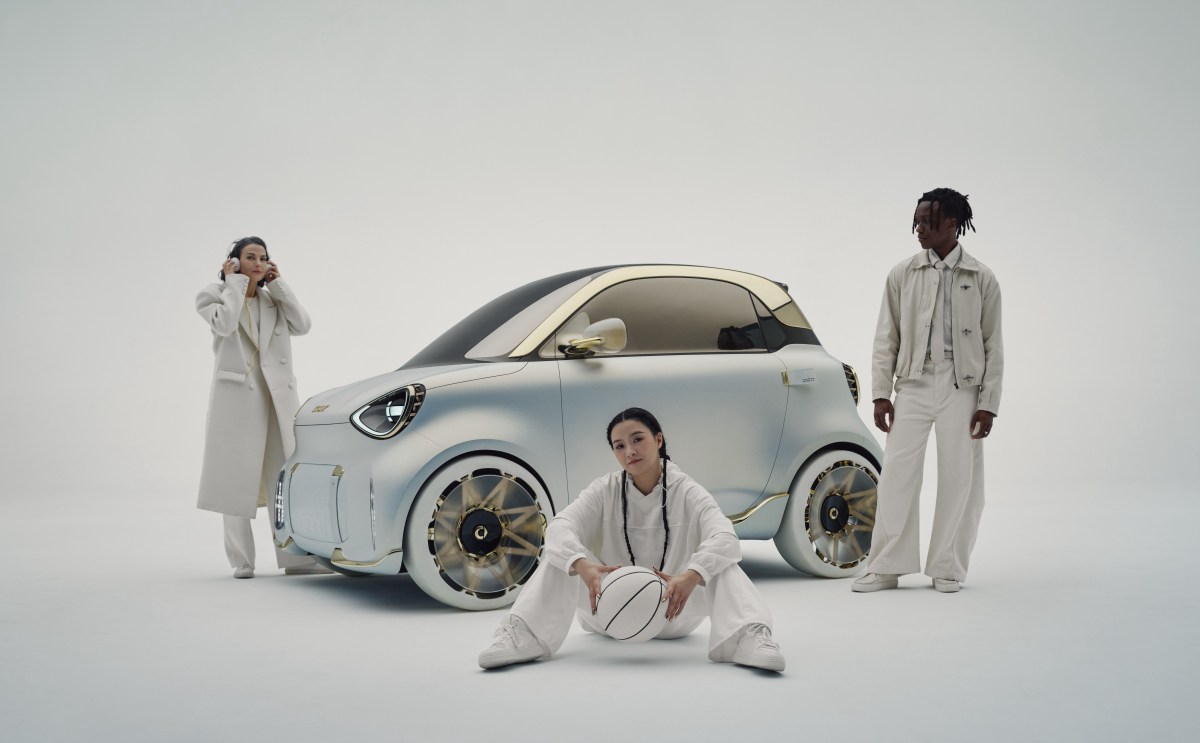
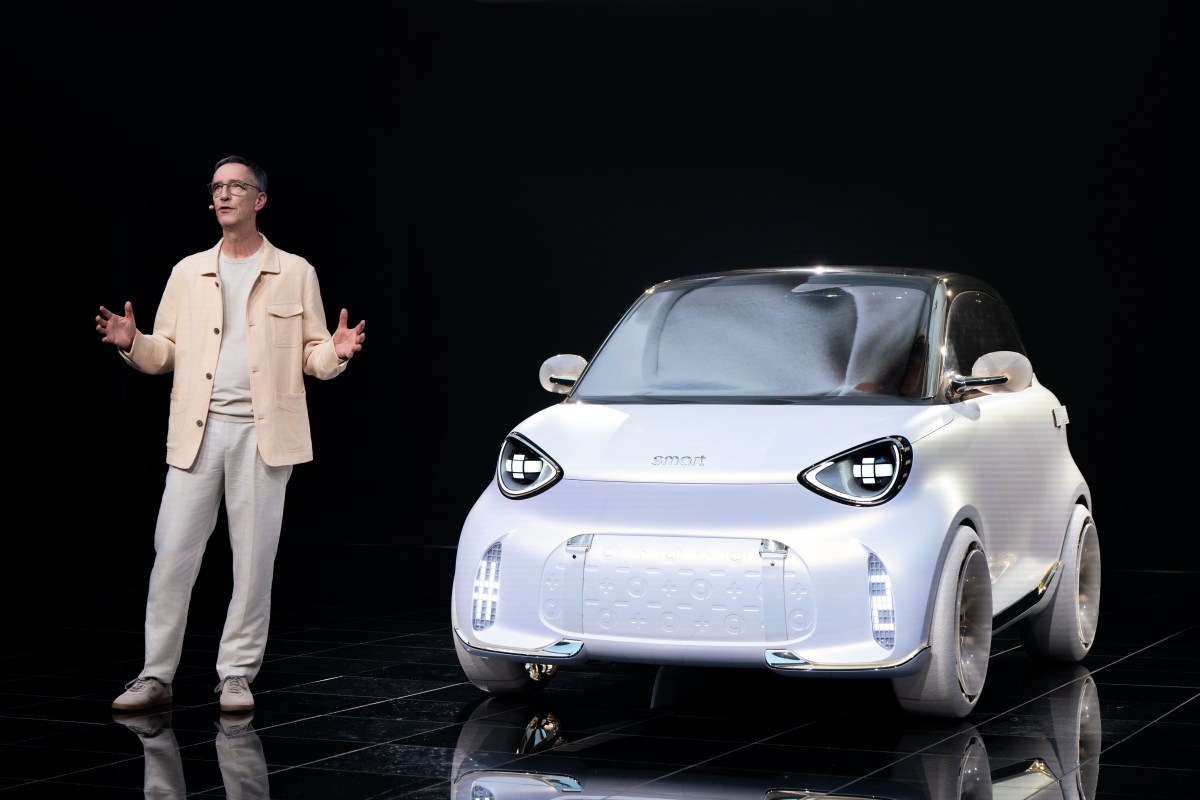
The world of electric cars is full of large SUVs and heavy crossovers. However, the brand that once owned the “tiny car” crown is finally coming back to the city. Smart showed off its newest creation, the Concept #2. This little EV is a peek at the future of the famous two-seater city car – it still looks like a Smart, but it has changed quite a bit. It grew taller and longer, and we can point the finger at Mercedes-Benz for the growth spurt.
Smart used to be famous for making cars so small you could park them sideways. After the old Fortwo stopped production in 2024, many wondered if the brand would only make big SUVs now. The Concept #2 proves that Smart still cares about tight city streets. The new model was designed by the team at Mercedes-Benz, but it uses technology from Geely – it is a mix of German style and Chinese hardware.
When you look at the Concept #2, you see a familiar shape. It has two doors, almost no hood, and wheels pushed all the way to the corners. But if it looks a little bigger than you remember, that’s because it is. The car measures 109.9 inches long, making it almost 30 cm longer than the very first Smart car. It is also 3.82 inches longer than the last electric Smart EQ ForTwo we saw.
Mercedes is “to blame” for this extra length because they wanted a car that felt more modern and comfortable, but even with the extra size, this EV is still a shrimp compared to other electric cars. It is 33.1 inches shorter than a Fiat 500e, and nearly a meter shorter than the Renault Twingo E-Tech. In the world of cars, it sits in a strange middle ground. It is bigger than tiny “quadricycles” like the Citroen Ami, but smaller than almost every other car on the road.
The design features some very curious details that might not make it to the final version. It has LED headlights that look aggressive and daytime running lights that actually spell out “#2.” Smart made the grille look like a piece of luxury luggage, and instead of normal metal door handles, the concept uses leather straps. The roof has a shiny gold finish that makes it stand out in a crowd.
Underneath the pretty body is a new platform called the Electric Compact Architecture (ECA). Smart has not shared every single detail yet, but they did give us some big numbers. They want the Smart #2 to have a range of 249 miles (CLTC). For a tiny city car, that is a huge deal since the old model could only travel about 84 miles before needing a top-up.
Charging is also much better than before. You can charge the battery from 10% to 80% in less than 20 minutes. The car also features “Vehicle-to-Load” technology – you can use the car’s battery to power other things, like a laptop or a small grill. Like the older Smart cars, the motor will likely stay in the back and power the rear wheels. This helps the car turn in very tight circles, which is perfect for busy cities.
We do not have photos of the inside yet, but Smart says it will be “premium.” With only two seats, the designers had more room to make the cabin feel spacious. Since Mercedes handled the design, we expect the materials to feel high-quality. The production version of the new Smart will officially debut at the Paris Motor Show in October, and it will likely go on sale in Europe and the UK first.
A bizarre incident has occurred in Bengaluru, India, where a Porsche Boxster owner was seen mixing concrete on his sports car’s hood!
There is a video of the same in which we can see that the owner of the Porsche Boxster has brought the construction material in his car’s frunk. He takes them out and starts mixing them on the vehicle’s hood.
He later uses the concrete mixture to patch up a pothole on the road. In the description of the video, it says, “Everybody should take equal responsibility to keep our surroundings clean. Ours is a highly populated country, and the government alone cannot keep everything on track.”
Interestingly, the owner runs a car detailing store. This stunt also highlights the importance of PPFs on sports cars like the Porsche Boxster. We can see in the latter part of the video that the owner peels off the paint protection film from the car’s hood, where he had mixed the concrete. And, as expected, no harm was done to the paint.
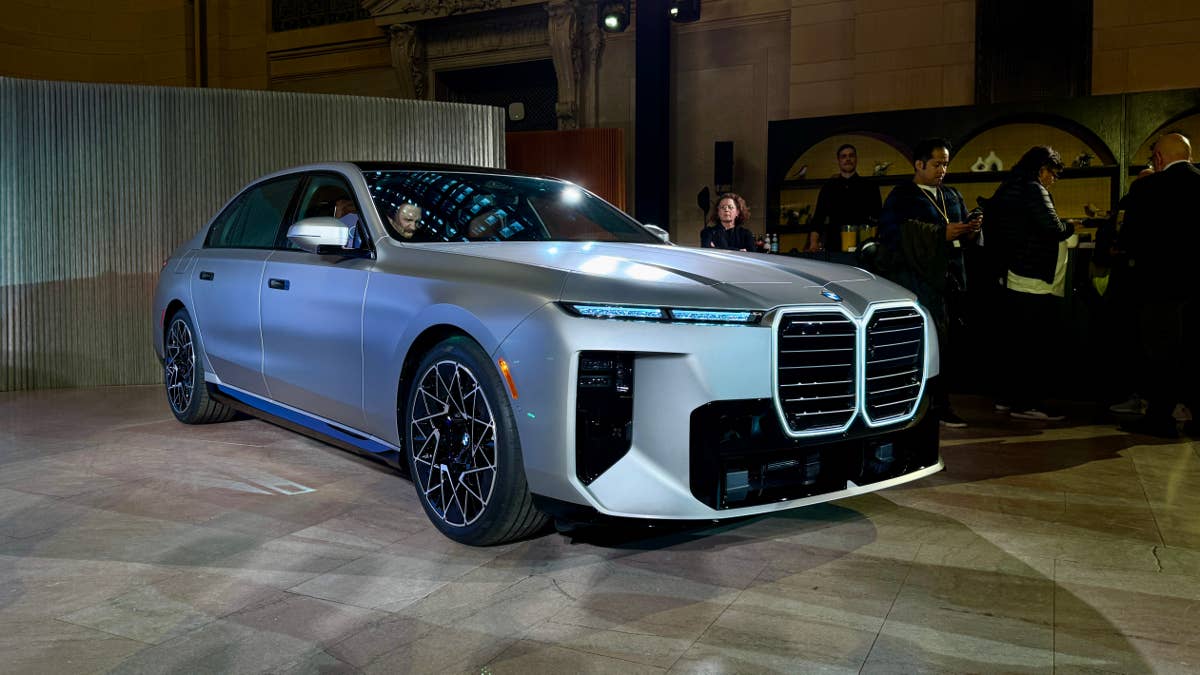
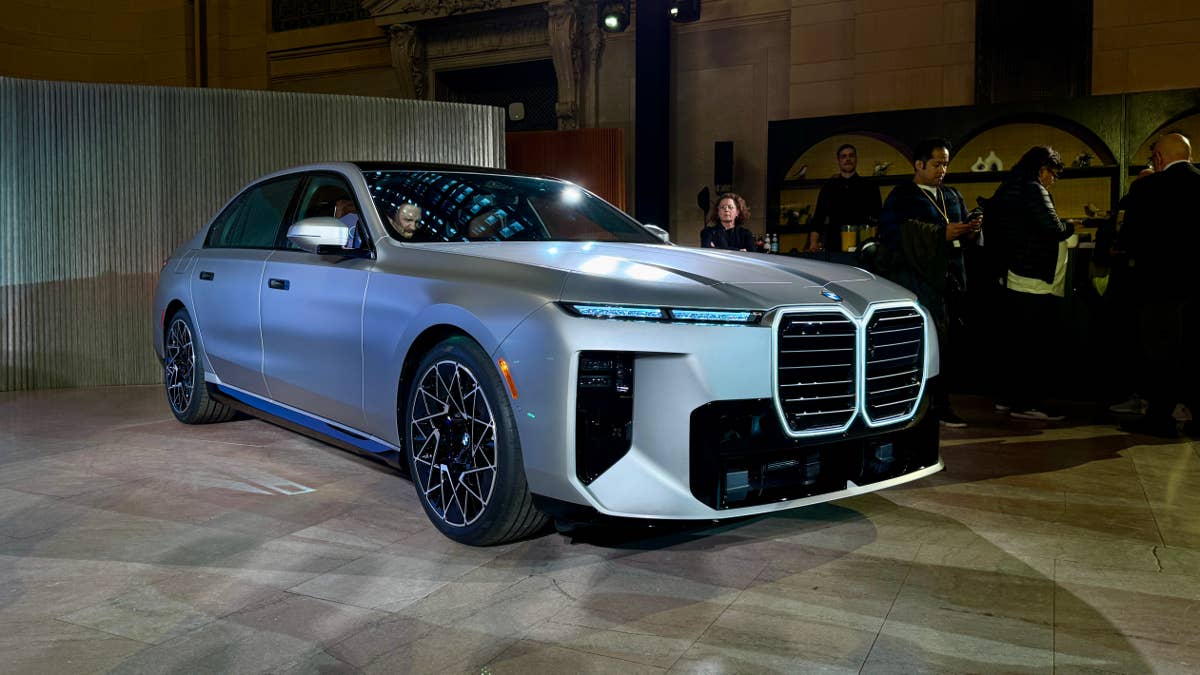
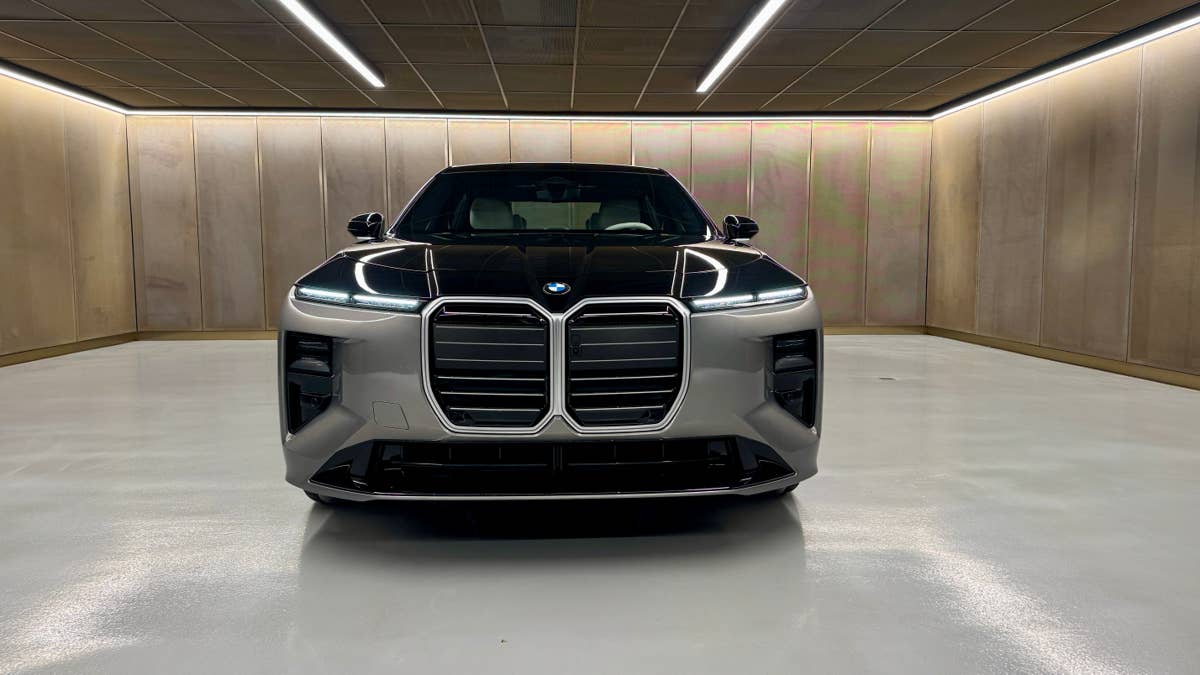
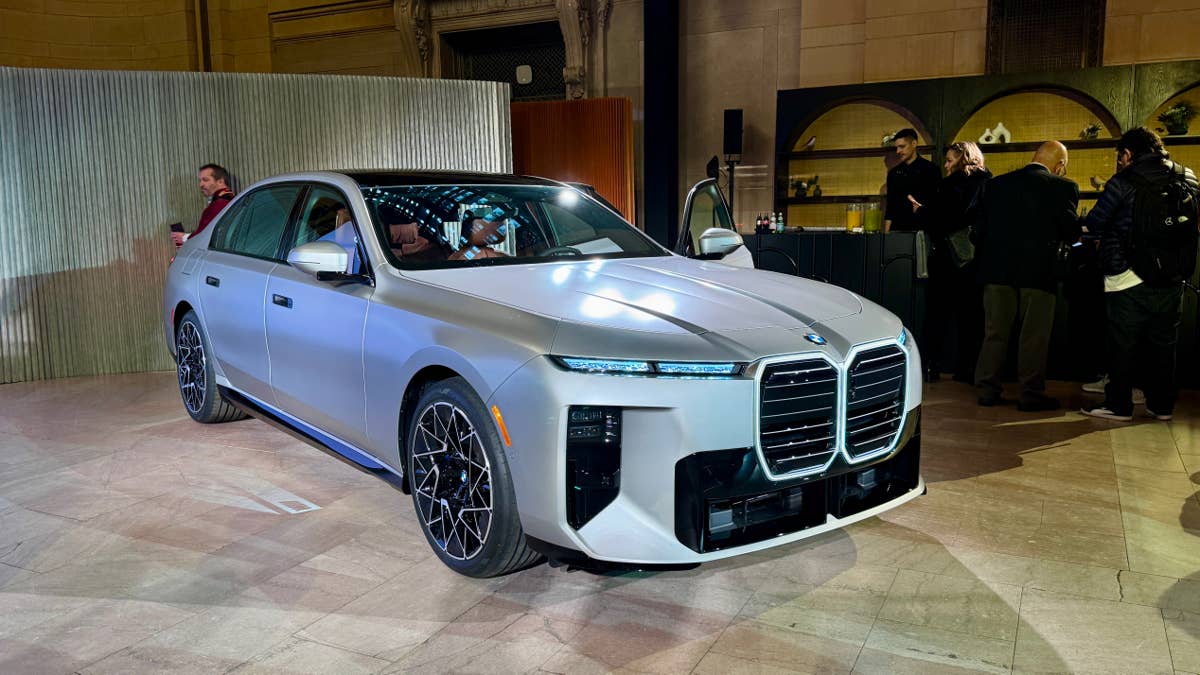
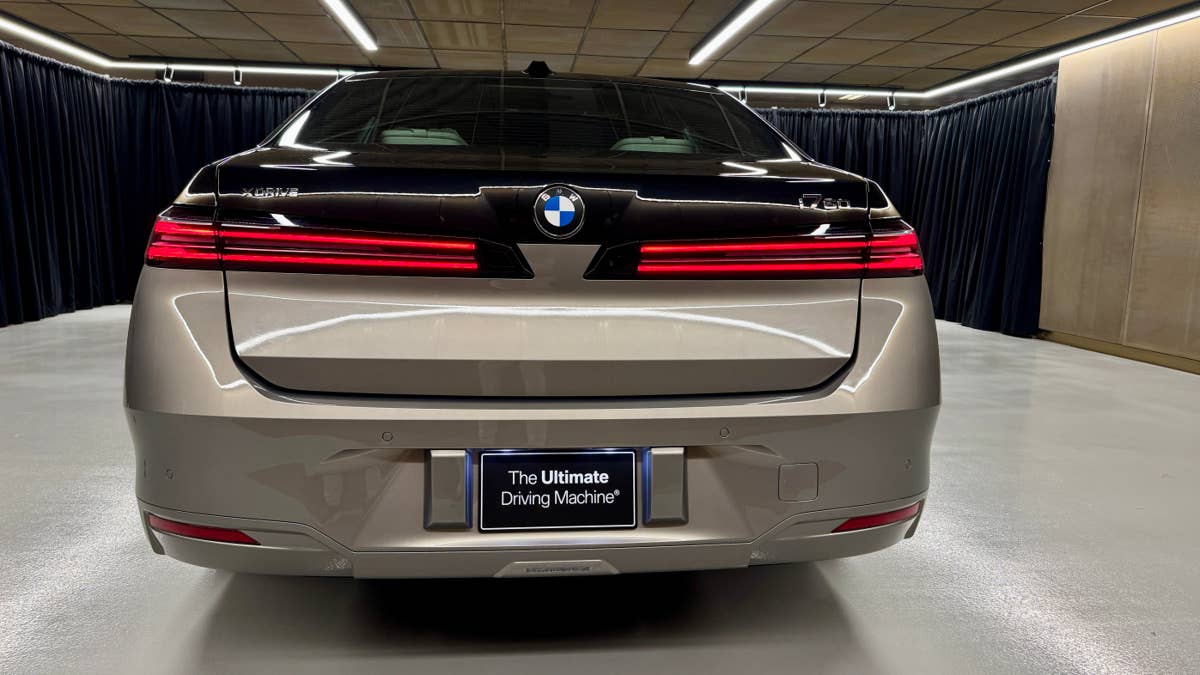
The seventh-generation 7 Series receives its first facelift, what BMW calls an LCI (Lifecycle Impulse) for the 2027 model year, benefiting from Neue Klasse technology and design language from the company’s iX3 and i3 models. This is a heavier refresh than we typically see from an LCI model, and it fixes on of the biggest complaints many online critics had with the pre-facelift model: its ugly face.
1
Jared Rosenholtz/Autoblog
View the 2 images of this gallery on the
original article
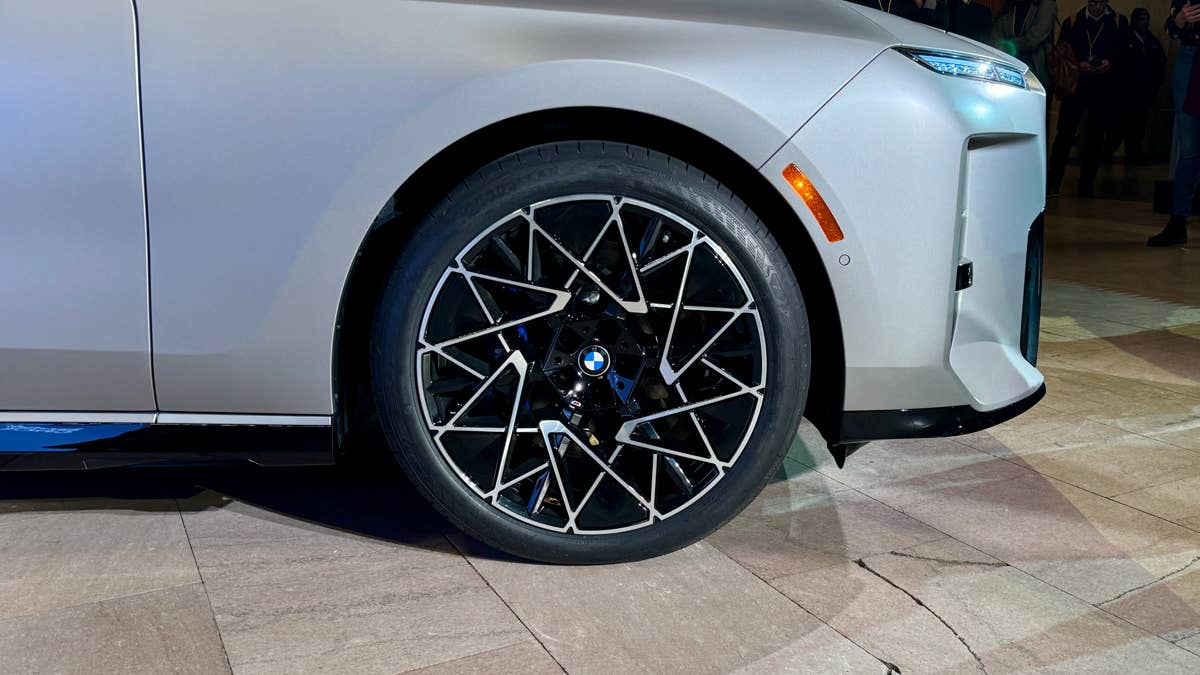
This isn’t a ground-up redesign, but BMW moved around the main headlights and reshaped the crystal headlights, which now look thinner and more stately. The new design is smoother rand more cohesive than before.
2
Jared Rosenholtz/Autoblog
Both the gas-powered 7 Series and electric i7 models still have large kidney grilles, which are illuminated with BMW’s Iconic Glow feature, but the radars, sensors, and washer nozzles are now hidden better.
3
Jared Rosenholtz/Autoblog
View the 2 images of this gallery on the
original article
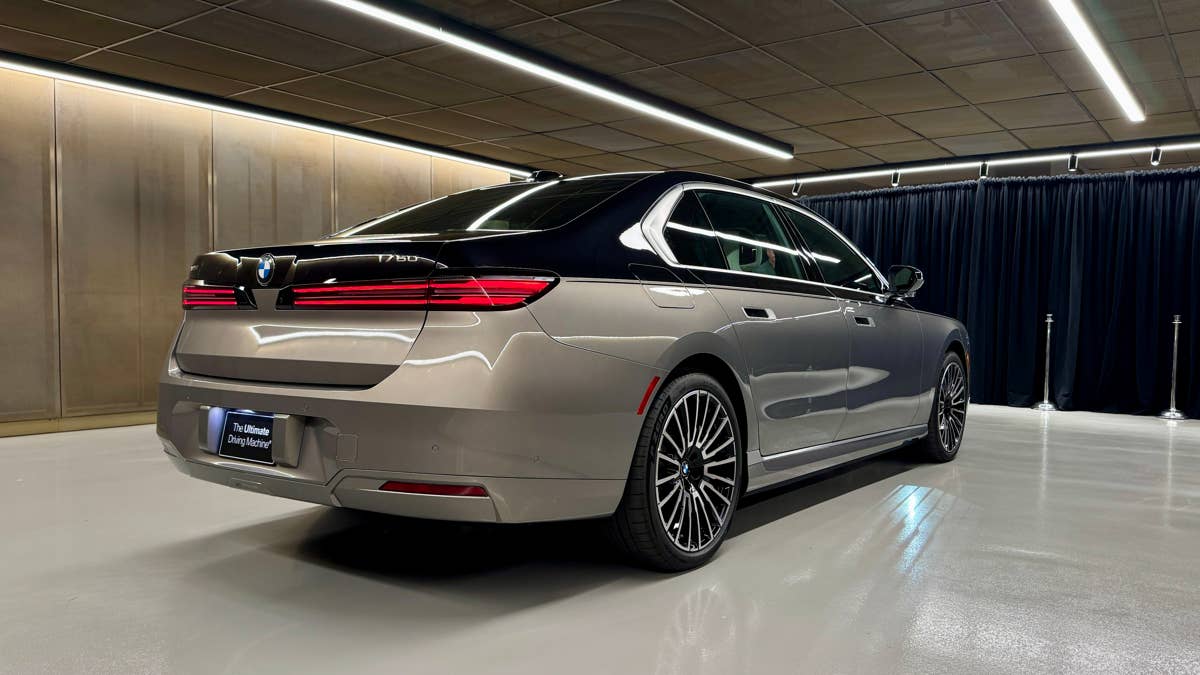
Buyers can opt for a hand-finished BMW Individual Dual Finish paint that takes more than 75 hours to apply.
4
Jared Rosenholtz/Autoblog
View the 2 images of this gallery on the
original article
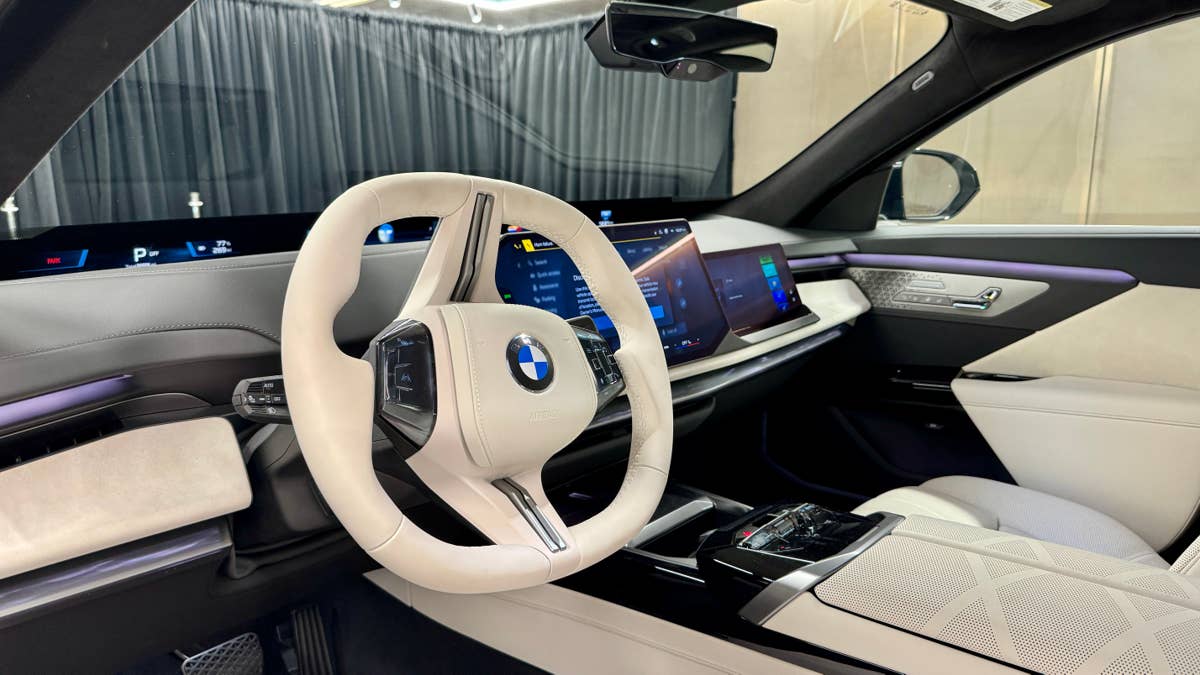
The interior benefits from the latest Neue Klasse technology suite, including BMW Panoramic iDrive with BMW Operating System X. The pillar-to-pillar projection from the iX3 and i3 has been transplanted, but the 7 Series also adds new passenger screen.
5
Jared Rosenholtz/Autoblog
View the 2 images of this gallery on the
original article
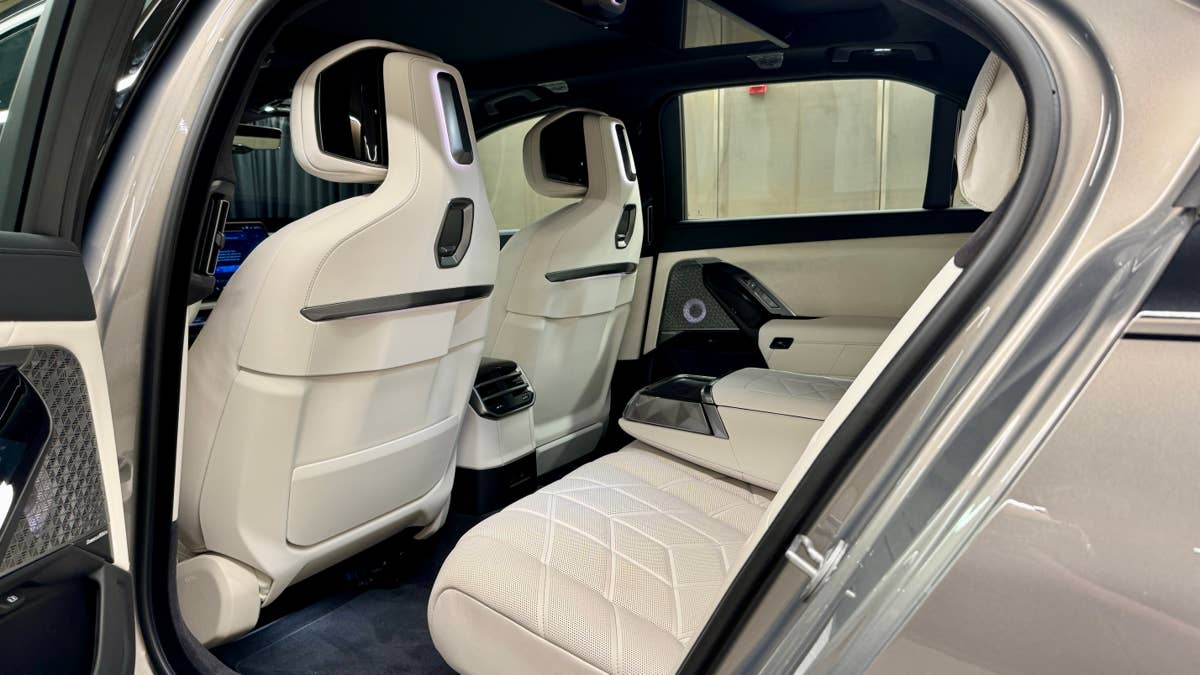
The rear seat delivers peak luxury with an available Executive Lounge specification and optional BMW Theater Screen. BMW has added Zoom video conferencing to the Theater Screen, which measures over 31 inches.
6
Jared Rosenholtz/Autoblog
View the 2 images of this gallery on the
original article
The gas-powered 740 and 740 xDrive models get an upgrade under the hood; the B58 inline-six now produces 394 horsepower. A 750e PHEV model is coming in 2027 with 483 hp.
7
Jared Rosenholtz/Autoblog
The all-electric i7 now features BMW’s Gen6 cylindrical battery cells, improving the range to over 350 miles in the 50 xDrive and 60 xDrive variants. A new standard NACS port enables charging speeds up to 250 kW, an improvement from the previous 195 kW peak.
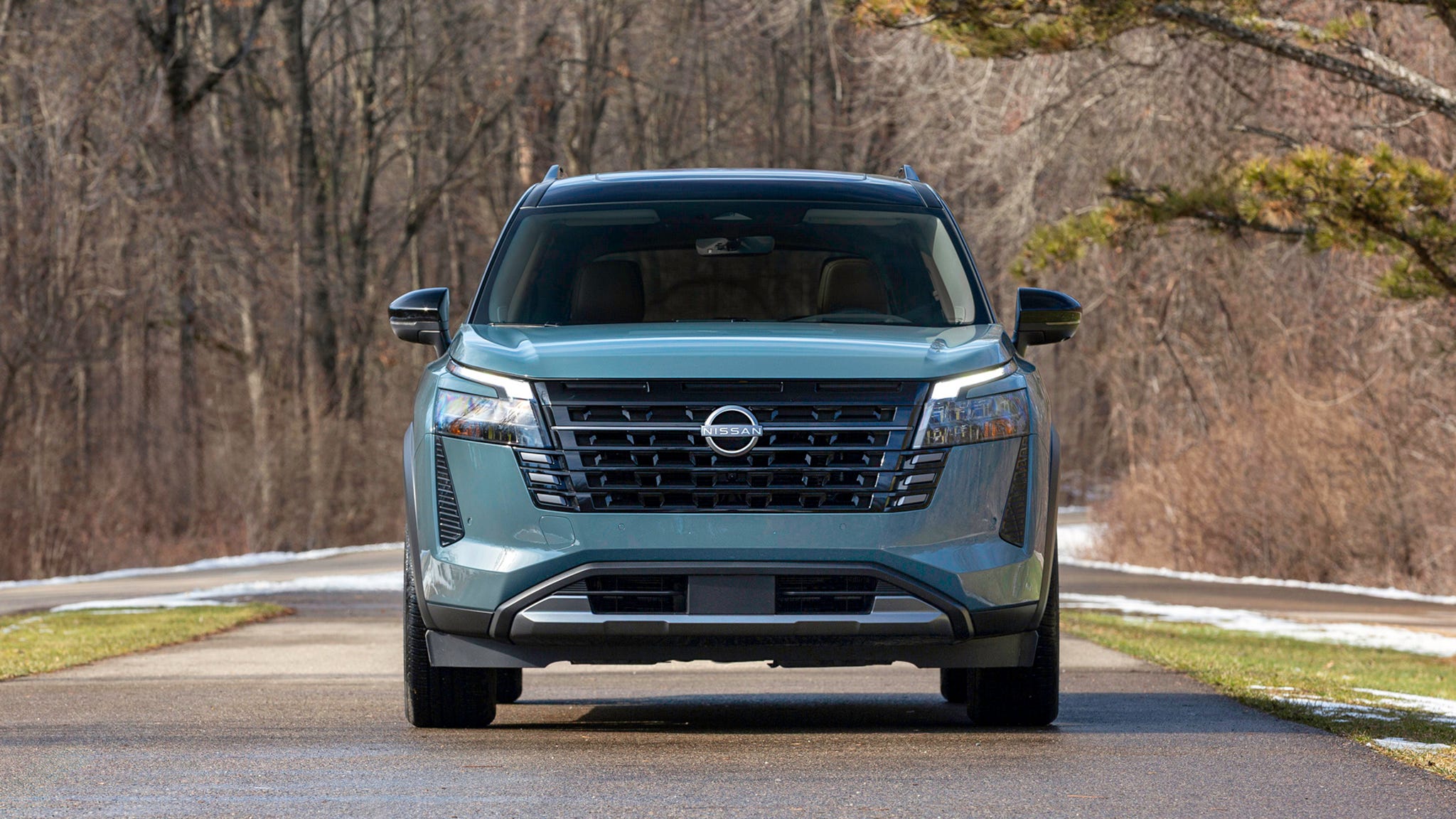
Should the Nissan Armada (pictured) be renamed Patrol?
Remember the Nissan Pathfinder Armada?
If the idea of a second alpha Pathfinder name eventually does win out for the new model in the Nissan executive decision-making process, then there’s the matter of what to call it. Pathfinder Pro, perhaps? It’s not unprecedented at Nissan. Remember the Nissan Pathfinder Armada full-size, body-on-frame SUV for 2004? If the current Armada were to adopt the Patrol name globally, maybe you could just call it Armada? Or perhaps it becomes part of the Xterra family, seen as a stretched or long-wheelbase big brother? The debate continues to rage. No decisions have been made.
ADVERTISEMENT – CONTINUE READING BELOW
The one decision that has been made is the current Pathfinder will continue to hold first dibs on the name. The Pathfinder has vacillated between body-on-frame and unibody, boxy and softer, over the generations. But in recent years it has built a good reputation, a strong name, and has proven to be reliable and successful.
“The current Pathfinder is in a sweet spot,” said Pandikuthira. It has a steady demand for about 110,000 units a year with its V-6 engine and there are no plans to downsize to a turbocharged four-cylinder like many of its competitors. If it becomes hybridized in the future, it would need to be an incremental efficiency story: 5–7 mpg better than its internal combustion engine counterpart, according to the product planner.
Teaser of the forthcoming Nissan Xterra.
New Nissan Platform for Body-On-Frame Family of Vehicles
As for the new Nissan body-on-frame SUVs and trucks, they will use a new, clean-sheet platform. Nissan looked at using the underpinnings for the existing Patrol/Armada/QX80, which has a highly capable frame. It also has a lot of cost and weight and tech needed for a full-size SUV that would be wasted on a scaled-down version. Nissan decided it was better to go with an all-new architecture as a result.
The new platform also needed to be able to package a different V-6 than the one in the present QX80 and Armada. The VR35 twin-turbo V-6 in QX80/Armada is a high-tech, expensive powertrain that generates 450 horsepower in the Infiniti and 425 hp in the Nissan. While impressive, like the platform, the engine was developed for a full-size application that’s overkill for what the new midsize-oriented SUVs need, according to Pandikuthira. Nissan has yet to confirm which V-6 will power the new models.
ADVERTISEMENT – CONTINUE READING BELOW
Nissan President and CEO Ivan Espinosa said the company had been mulling a new body-on-frame platform for a long time. The problem was the need to comply with ever-tightening emissions regulations—it would mean having to sell more EVs to meet fleet requirements. Nissan was figuring out how to do it when the emissions rules changed and the opportunity arose. Now it’s down to name games.
There are three things in this life that are certain; death, taxes, and the Honda Accord. The Accord has been a staple on American roads since its arrival in 1978. Its reputation as a no-nonsense, reliable, and long-lasting sedan and coupe made it an instant hit along with its main rival, the Toyota Camry.
Base Trim Engine
1.5L Inline-4 Turbo
Base Trim Transmission
CVT
Base Trim Drivetrain
Front-Wheel Drive
Base Trim Horsepower
192 HP @6000 RPM
Base Trim Torque
192 lb.-ft. @ 1700 RPM
Base Trim Fuel Economy (city/highway/combined)
29/37/32 MPG
Infotainment & Features
9 /10
With 90s cars being as cool as they can be nowadays, people are looking back in nostalgia at not only the performance vehicles of the era, but also the more run-of-the-mill stuff, remembering a parent that may have had one, or the first car they were handed down. With festivals like Radwood showing that people still keep these older regular cars on the road, the idea of dailying a retro classic is rather appealing.
And if you want to daily a retro classic, it’s hard to go wrong with an Accord. Join us as we look back at the CB7 generation of the Honda Accord, examining its engines, body styles, interior and some things to watch out for if you’re looking to buy one.
This Buyer’s Guide combines on-paper information and independent tests/real test drive reports, where available.
CB7 Honda Accord Overview
Honda
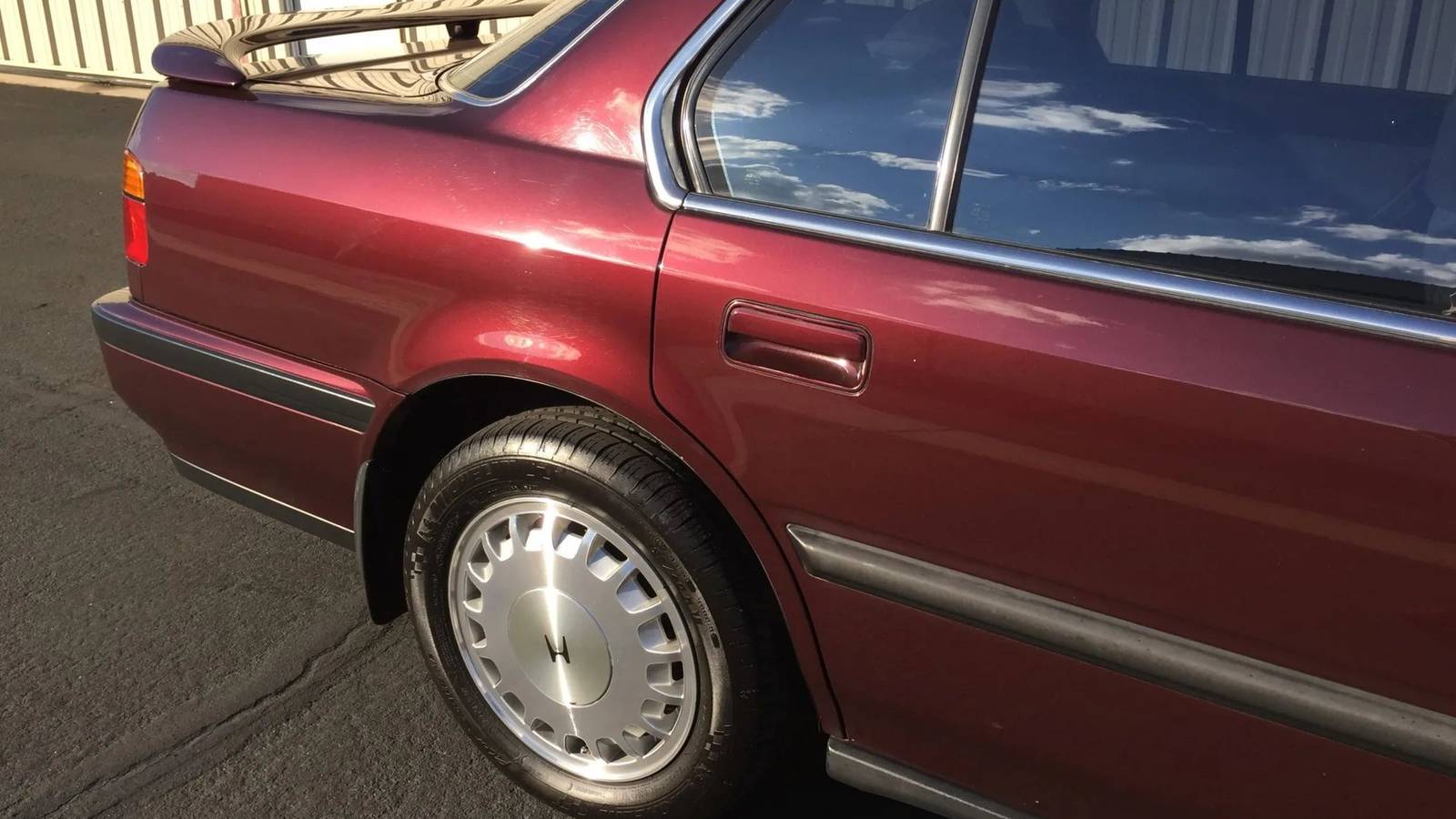
Better known to most as the fourth-generation Honda Accord, the CB7 was a relatively short-lived model in the Accord’s history. The fourth generation was only sold from model years 1990 to 1993, being facelifted in 1991, and replaced by the fifth generation to better suit the requirements of the North American market. It was sold as a coupe, wagon and sedan in its short life, and built in the Marysville and East Liberty Auto Plants in Ohio. The fourth-generation Accord continued the trend of catering ever more to the US market. Honda sold the Accord in other markets, but this generation grew to accommodate the wants of the American buyers.
This was the era of great safety system changes, meaning, depending on the year you are looking at, the setup of airbags and seatbelts can vary by year. The CB7 was facelifted in 1991, just one year after it launched, adding a rounder look and things we take for granted now, like a standard driver-side airbag and conventional shoulder/seatbelt arrangement. Overall, while a short generation, the fourth-gen Accord sold in astronomical numbers. Honda produced 1,545,983 CB7 Accords for the US alone in those four years, with 1990 being one of the best years ever in the history of the model before or since. The Accord has a sister car in the US, in the form of the Acura Vigor, a more up-market model that never managed to hit the same stride as the Accord.
CB7 Honda Accord Performance
view of a 1990 Honda Accord sedanBring A Trailer
Engine
2.2-liter Four-cylinder
Horsepower
125–140 hp
Torque
130 lb-ft
Transmission
Four-speed Auto/Five-speed Manual
Drivetrain
FWD
Fuel Economy*
21/29/24
All North American CB7 Accords were sold with a 2.2-liter 16-valve electronic fuel-injected four-cylinder. In early DX and LX trim models, it made 125 hp, while the freer flowing exhaust on the EX trim allowed for an extra five hp. For the 1991 model year, the SE and EX trim cars received the F22A6, which brought power up to 140 hp. This was paired with either a four-speed automatic or a five-speed manual. There was a huge amount of care paired to the refinement and noise reduction of the engine in this generation. One example of this is the engine mounts. In automatic cars, two fluid-filled chambers separated by a computer-controlled valve controlled the stiffness of the mounts above idling speed. Once the engine went above 850 rpm, the mounts would stiffen to reduce vibration.
The strongest engine to look out for is that 140-hp version of the F22, offering a revised air intake tract, a revised camshaft, and a revised intake manifold using IAB butterfly valves which open at 4,600 rpm, which gives a similar feel to the VTEC system in other Honda models.
CB7 Honda Accord Exterior Design
1993 Honda AccordHonda
The CB7 Accord followed the design cues of the larger Honda/Acura Legend of the time, with its low-slung lines and wraparound rear window. There were three body styles offered for the CB7, a sedan, coupe, and wagon. The design even included a few firsts in US car design, such as optic reflectors with completely clear lenses on the headlamps.
view of a 1990 Honda Accord sedanBring A Trailer
The 1991 facelift brought some incremental changes, with the sedans and coupes getting new grilles, new headlamps, amber parking lights, slightly thinner body side molding, updated wheel designs, and restyled rear lights. The wagon got everything except the new rear light treatment. Other exterior options included a luggage rack, boot-lip spoiler, and the very fashionable at the time gold badging kit, to give your Accord some real class.
While the engines you got in the CB7 Accord were all relatively similar in power and design, the trim level you choose will have a big impact on what kind of experience you have daily driving it. This was back in the day when a base model really was base, and things we take for granted now were dealer-installed options. At the bottom of the trim line was the DX. This trim didn’t even have air conditioning or cruise control, being the most basic model you could get.
Next was the LX, which got such comforts as air conditioning and power windows, door locks, and mirrors. The trim model you will want to look out for if you are serious about buying one now is the EXm with its 15-inch machined aluminum-alloy wheels, sunroof, upgraded upholstery, rear stabilizer bar, and a high-power four-speaker cassette stereo. Early EXs could also be installed with anti-lock brakes in some cases, but that isn’t a guarantee, while post-facelift EXs came with them as standard. There are more luxurious trims than the EX, but it lasted throughout the life of the CB7, while these higher-specified trims came and went, making it the most available.
The crème de la crème of fourth-generation Accords were the SE and 10th Anniversary editions, which came with every option available, including standard dual front airbags, a four-speaker Honda-Bose audio system, automatic transmission, and leather trim. In fact, these two trims are the only way to get a CB7 with dual airbags as standard.
At this time, dealer-installed options were a huge market, and some of the best options for the Accord had to be installed this way. These include a single-disc in-dash CD player or boot-mounted six-disc CD changer, stereo equalizer, fog lights, security system, rear wing spoiler, boot lip spoiler, luggage rack, center armrest, window visors, and even sun visors. This can make shopping for a CB7 Accord tricky, as two cars with the same trim level may have very different options.
CB7 Honda Accord Common Problems
1993 accord wagonCars&Bids
The Accord, especially this generation, is known to be a monstrously reliable car, with that 2.2 liter four-cylinder being a very good engine if looked after properly. With that said, there are a few things you may want to watch out for if or when you go to buy one.
Rust Problems
A constant in all the Accord forums and Reddit threads about the CB7 is rust. These cars are at an age now where they are very prone to rust destroying panels, the underside of the car, and suspension components. Avoid cars from the rust belt states, and have a very thorough poke and prod underneath the car. If you have access to a lift, even better. Owners report having to replace body panels and other parts, but if it is too far gone, the car may be a risk to drive or mechanically totaled.
Relays
The other constant you will see is relays, specifically the main relay. These like to blow, and while not a difficult fix, seem to be a weak point of the CB7. Owners report being on their second or third main relays, with it being a problem across the board no matter the year.
Timing Belt Maintenance
The 2.2 is a timing belt engine, so make sure when looking at service history that it has been done recently. Some owners may neglect this and, if you end up driving around on an old belt for too long, and it snaps, bye bye engine.
CB7 Accord Rivals
The XV10 Toyota Camry
1992 – 1994 Toyota Camry 3rd Gen (XV10)Toyota
The Accord’s main rival has always been the Camry, and in these year ranges, it was the XV10 Camry. This was the first “wide body” Camry, made for markets that wanted a larger sedan. It could come with a V6, although the power output was no better than the Accord’s four-cylinder. The Camry will most likely be the more reliable of the two, not to take away from the Accord’s great reliability record, but it will be the sportier drive and has arguably aged a bit better with its tighter lines.
The U13 Nissan Altima
1993 Nissan Altima front 3/4 in redNissan
The other main Japanese rival to the Accord was the Nissan Altima. This KA24-powered sedan made the most of the three, producing 150 hp and even came in a sporty trim package in the case of the Altima SE. It might be the weakest of the three in build quality, but it makes a great case for itself with that legendary KA engine and sporty driving characteristics.
Summary: Should You Buy a CB7 Honda Accord?
The CB7 Accord, with its low-slung looks, incredible reliability record, and good driving characteristics, is a good buy for someone wanting a daily driver with some nostalgia. While the Altima might be a bit more powerful and have some sportier trim levels, there is no issue with the Accord. It also has a great modding scene, with lots of owners engine swapping their CB7s, meaning there is good aftermarket support. Just, when buying, be sure that the car doesn’t suffer from rust, a real killer in this year range.
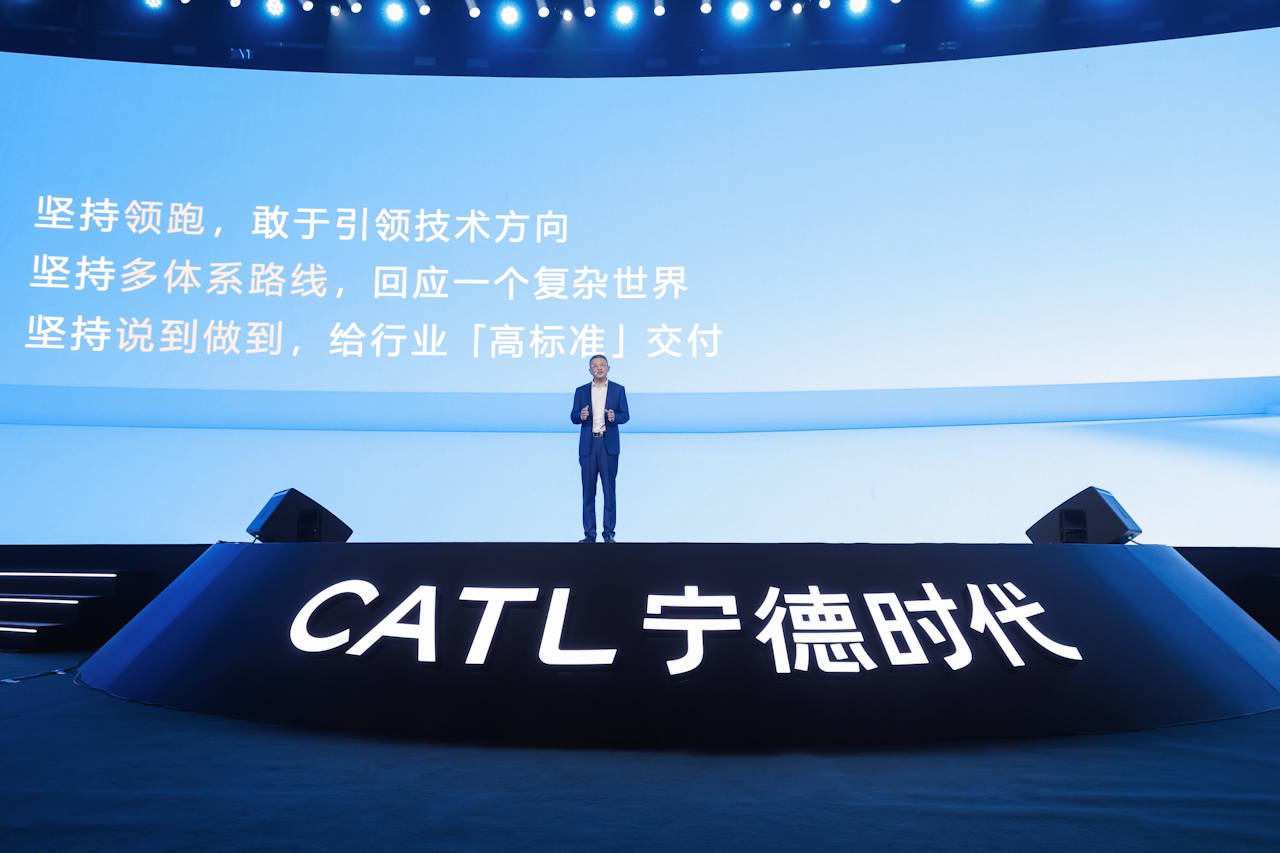
Chinese battery manufacturing giant CATL hosted has unveiled six stunning new battery technology innovations, including an electric vehicle (EV) battery with driving range of up to 1,500 kilometres (km) and the third generation of its Shenxing Superfast Charging Battery that it says can charge from 10 to 90 per cent in 6 minutes and 27 seconds.
The new innovations were unveiled at CATL’s 2026 “Super Technology Day” on Tuesday, and also included plans to begin large scale manufacturing of its Naxtra sodium-ion battery, and the debut of a fully integrated supercharging and battery-swapping solution.
CATL chief scientist Dr. Wu Kai suggested that lithium iron phosphate (LFP) batteries are nearing their theoretical energy density limit, making them better suited for a technology roadmap focused on extreme fast charging. He said sodium-ion batteries offer broad potential for extreme temperatures and energy storage applications.
Of the headline developments, the third generation of CATL’s Shenxing Superfast Charging Battery stood out, as it now addresses the risk of heat generation and dissipation through three new measures that deliver better control..
Image Credit: CATL
Testing found that after 1,000 complete cycles, the Superfast Charging Battery’s capacity retention remains above 90 per cent, achieving what CATL hopes is “an optimal balance between extreme superfast charging and ultra-long service life.”
The third-generation battery now boasts charging from 10 per cent to 35 per cent in 1 minute; 10 to 80 per cent in 3 minutes and 44 seconds; and 10 to 90 per cent in 6 minutes and 27 seconds. Importantly, even in the extreme cold of −30°C, charging from 20 to 98 per cent only takes 9 minutes.
“In addition, by combining battery self-heating technology with a fully integrated supercharging and battery-swapping network, the system is designed to enable low-temperature superfast charging that is not limited by charging piles—offering both fast charging and battery swapping,” CATL added.
Also reaching its third generation is CATL’s Qilin Battery, featuring an LFP chemistry designed specifically for long-range EVs.
The battery now boasts cell energy density of 280 Wh/kg, enabling driving ranges of up to 1,000km while also supporting 10C superfast charging.
It is also able to deliver 3 MW peak power, doubling the output of the previous Qilin track battery, and weighs in at only 625 kilograms (kg) – resulting in a weight reduction compared with equivalent LFP systems of 255 kg and space savings of 112 litres.
Energy consumption per 100km for the latest generation Qilin Battery decreases by more than 6 per cent, saving approximately 0.78 kWh per 100km, improved acceleration allowing for better overtaking and evasive manoeuvres, and enhanced durability.
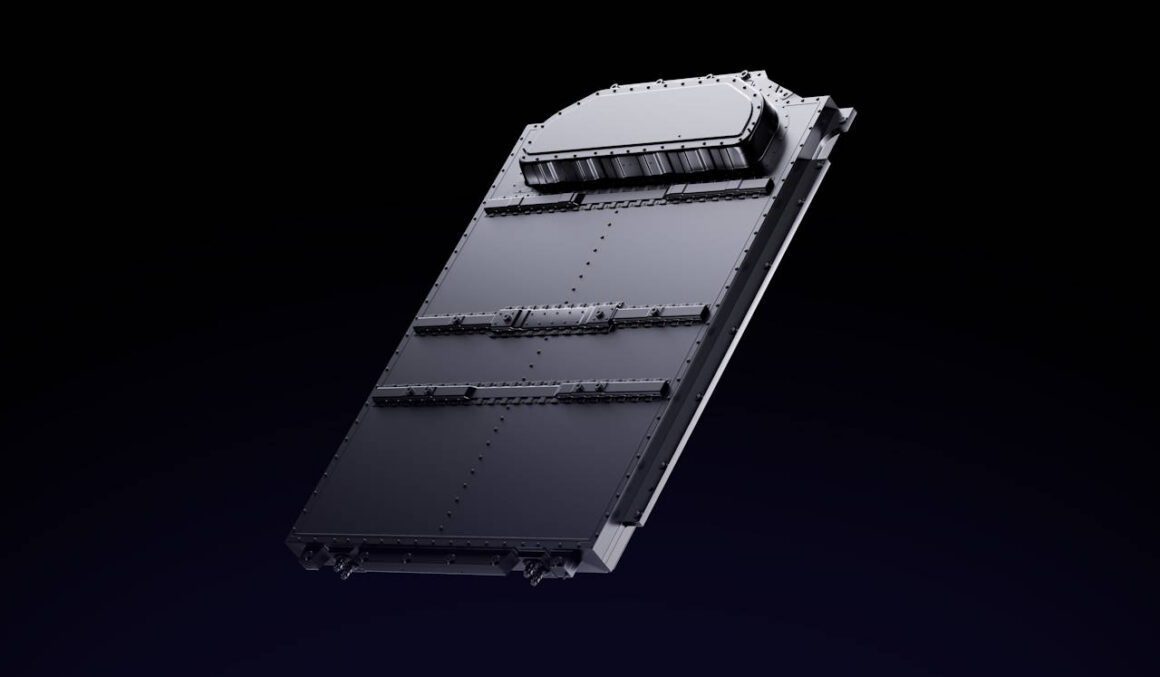
CATL also unveiled the new Qilin Condensed Battery, which applies aviation-grade technology to passenger vehicle batteries for the first time, resulting in cell energy density of 350 Wh/kg and volumetric energy density of 760 Wh/L – a new record for mass-produced batteries.
Image Credit: CATL
This delivers electric driving range of up to 1,500km for sedans and over 1,000km for large SUVs, and a battery pack weight within 650kg.
The new condensed battery features a high-nickel cathode and low-expansion silicon-carbon anode which help to boost energy density by 50 Wh/kg.
The first-ever aviation-grade titanium alloy case reduces thickness by 60 per cent and weight by 30 per cent, all the while tripling unit strength and delivering an additional 20 Wh/kg in energy density.
The new Naxtra Sodium-ion Battery also marks CATL’s transition from laboratory breakthrough to large-scale manufacturing following what the company describes as “systematically overcoming hundreds of engineering challenges”.
Finally, CATL also introduced an integrated supercharging and battery-swapping network which it has designed as a unified system, rather than separate solutions. Built on three different technologies – home charging, public charging, and battery swapping – the new system aims to deliver the optimal charging system for EVs.
Battery swapping stations for both CATL’s “Choco-Swap” passenger EVs and “QIJI” heavy trucks will also now be equipped with Shenxing supercharging systems in integrated stations which CATL expects will reduce energy conversion steps and lower overall power loss.
CATL is planning to build 4,000 of these integrated charge-swap stations by the end of 2026, covering nearly 190 cities in China and a nationwide network spanning 12 vertical and 11 horizontal corridors.
Our free daily newsletter sends the stories that really matter directly to you, every weekday.
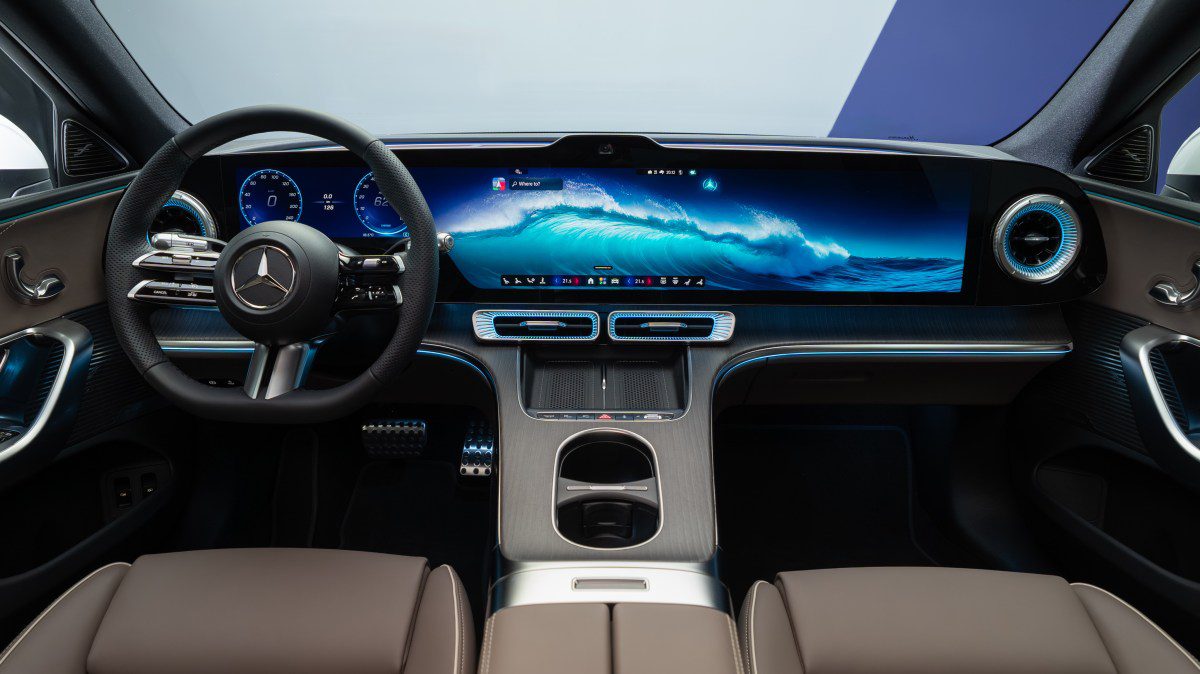
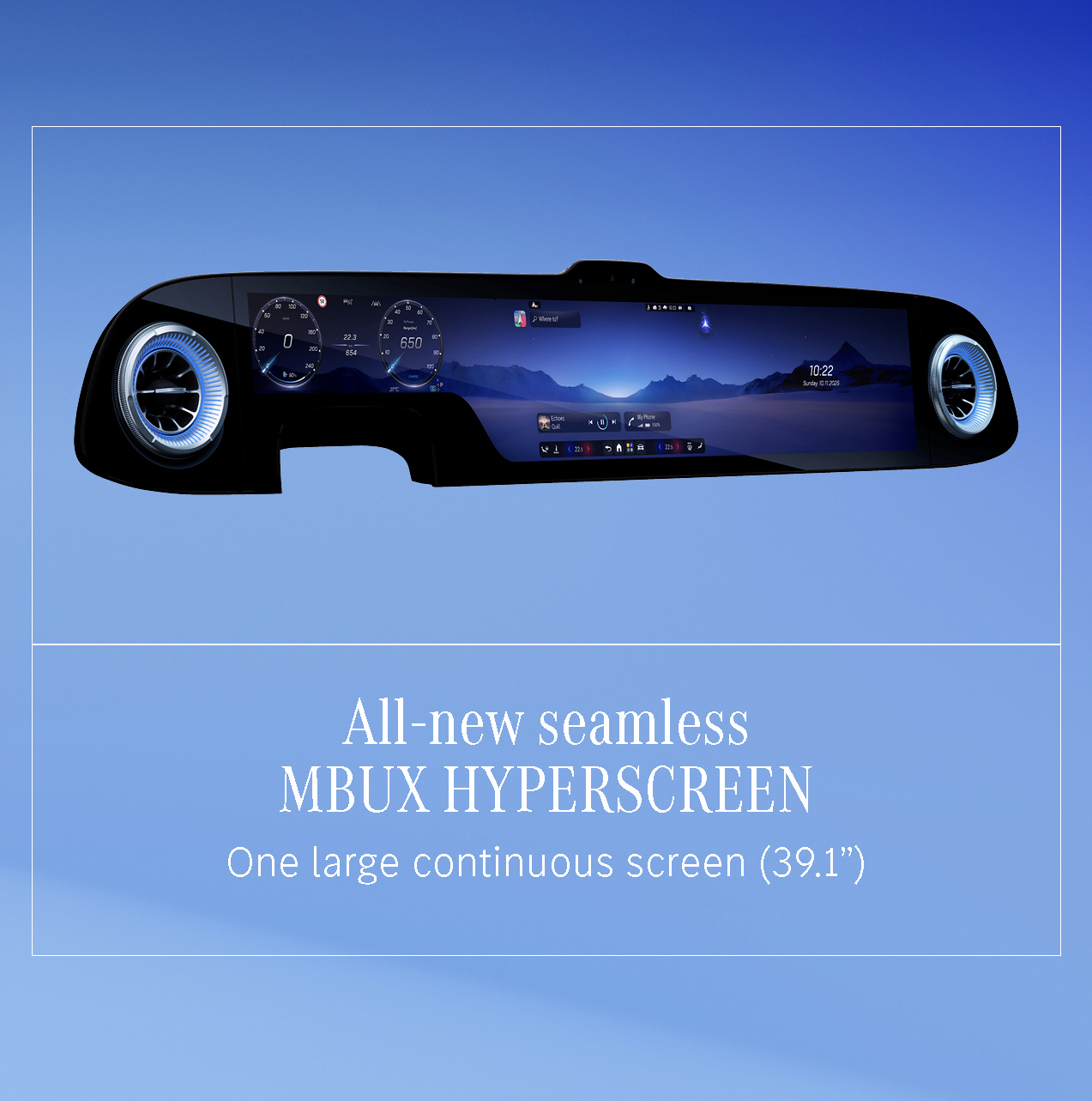
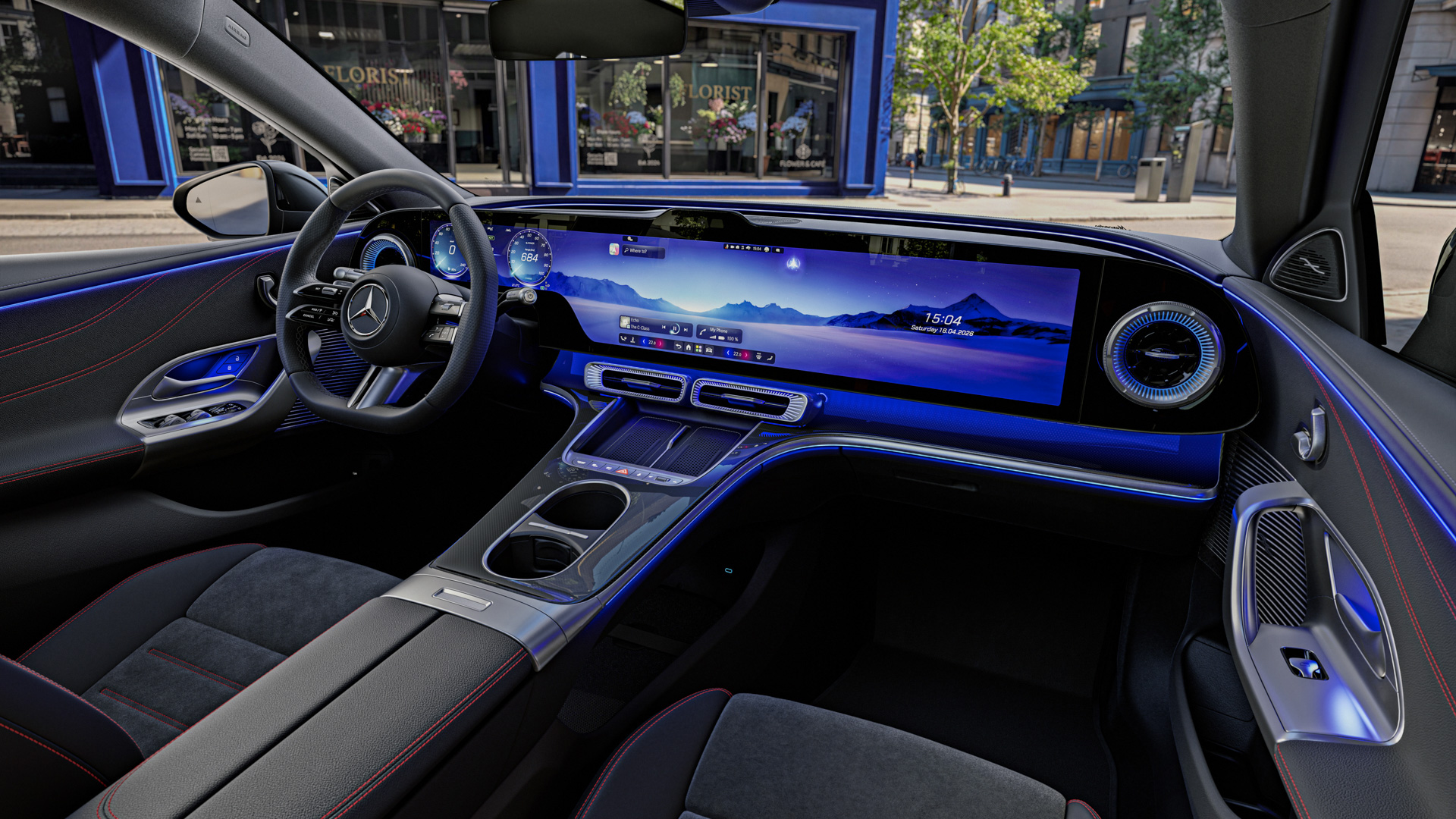
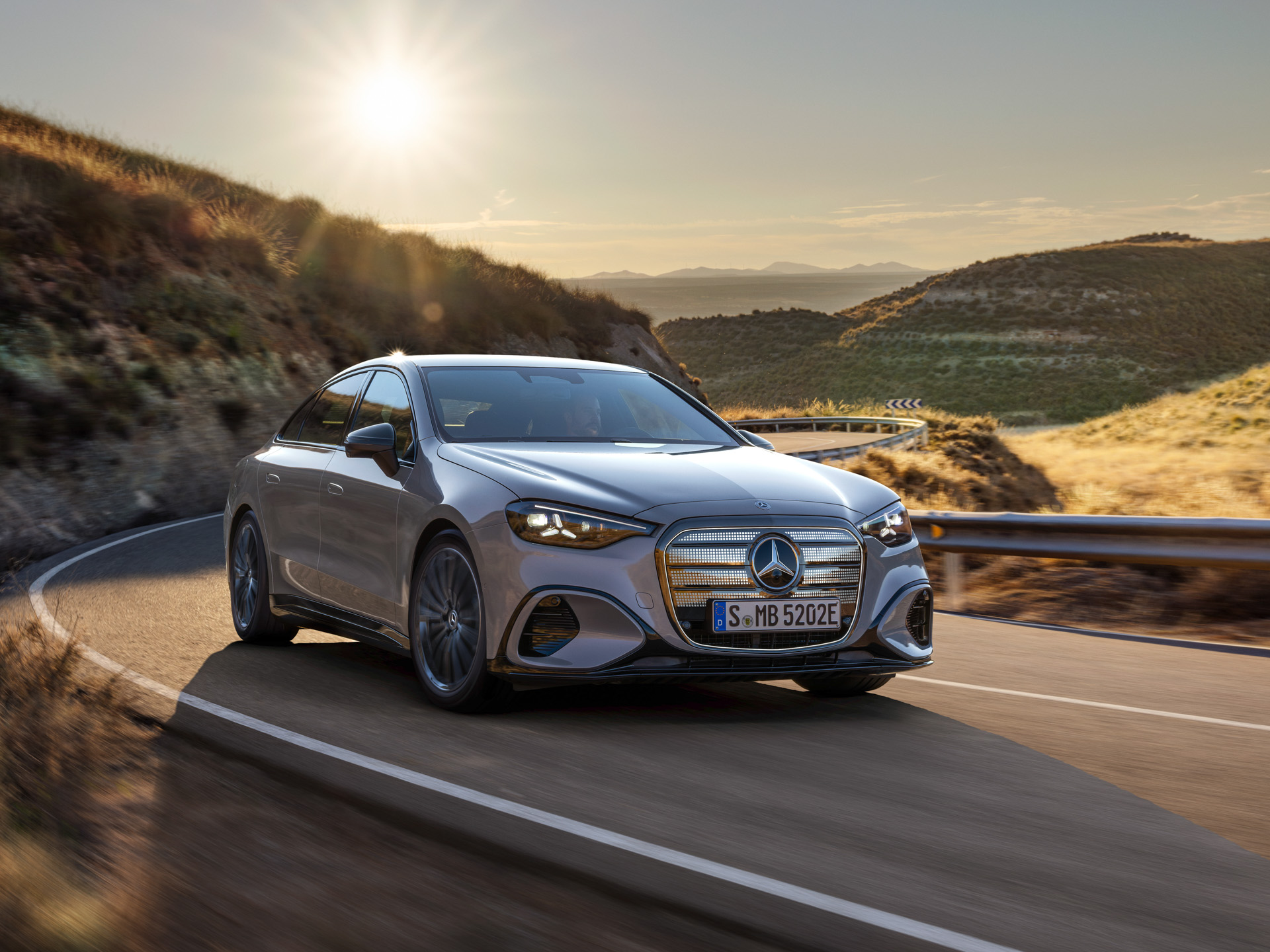
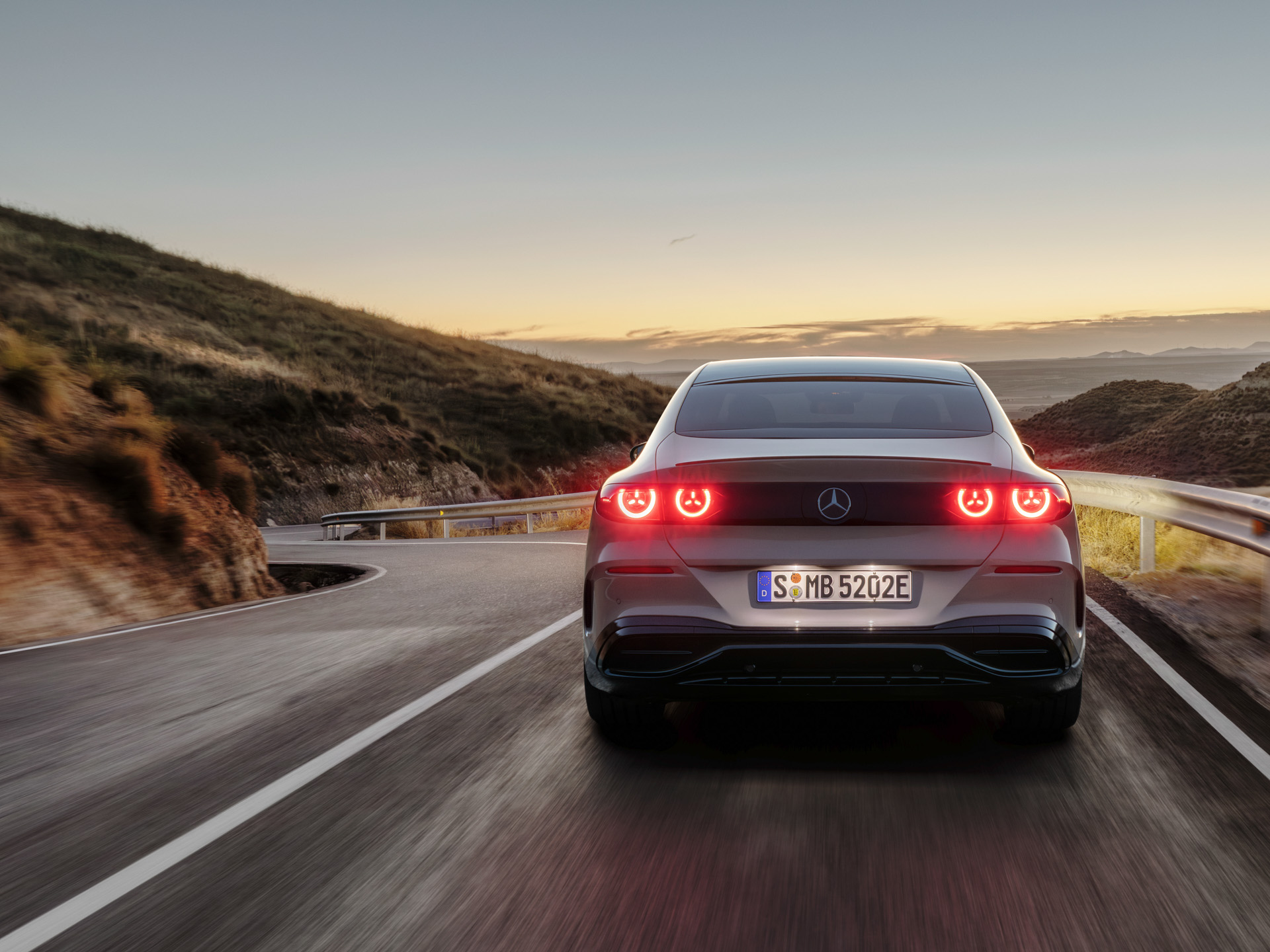
The new electric Mercedes-Benz C-Class came out this week, and the design has a lot more personality than EV models the brand has trotted out in recent memory. It still has the silhouette of melted soap, but at least the face and taillights are interesting. The cockpit has some nice-looking details too, but most passengers will never notice after the car’s 39.1-inch display screen obliterates their occipital lobes.
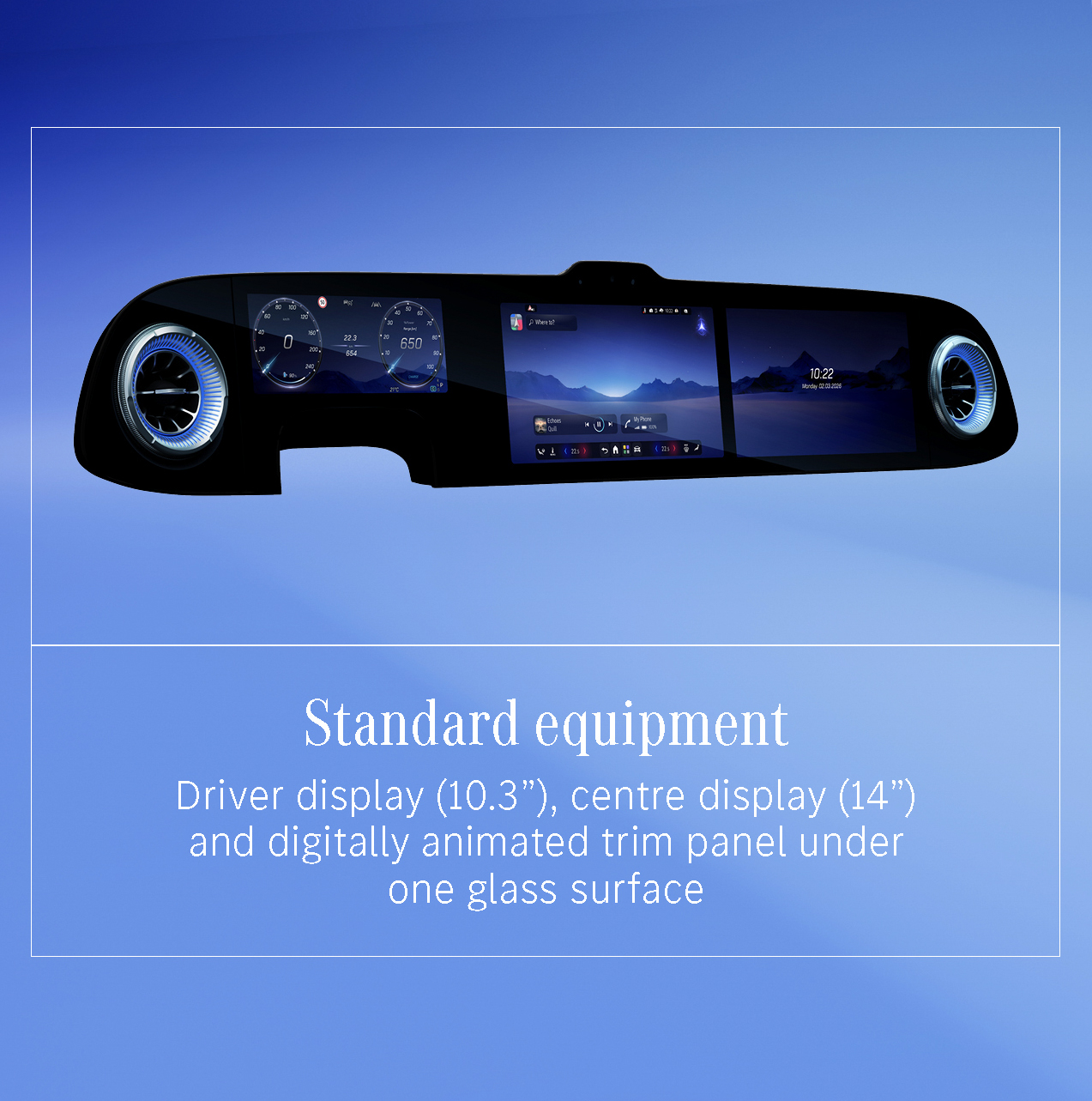
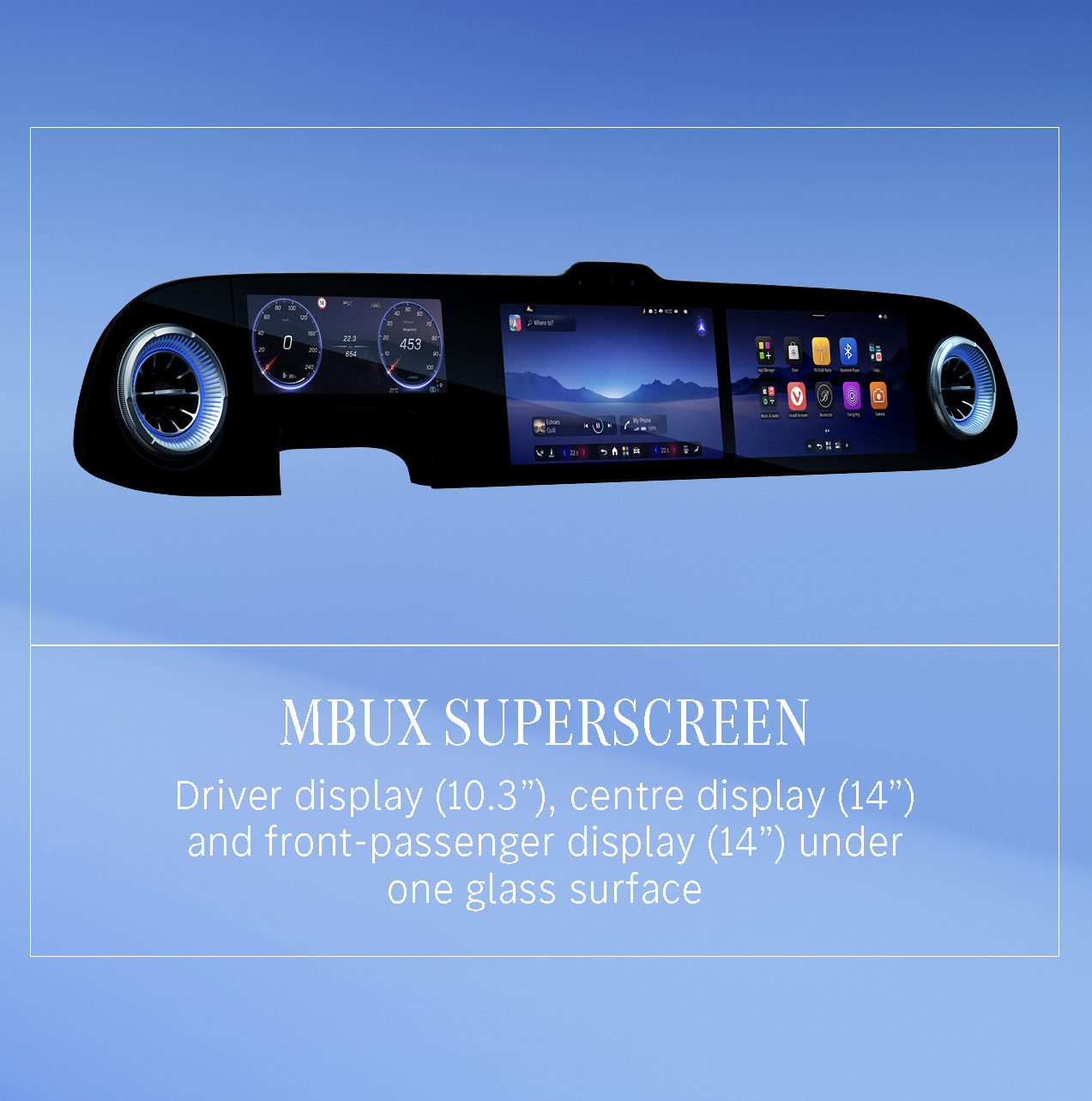
Our guy Joel Feder was at the C400 4Matic Electric’s debut in person, and reported back that the interior “looks nearly identical to that of the electric GLC-Class.” The full-size dash-spanning 39.1-inch Hyperscreen is a high-tier option. Otherwise, you merely bask in the glow of the lesser “Superscreen” (three separate screens under one single piece of glass covering the 10.25-inch digital gauge cluster, 14-inch touchscreen infotainment system, and 14-inch passenger touchscreen).
Now, I mean no personal offense to those who worked on these vehicles—I’m sure a lot of time and energy was spent bringing the Hyperscreen to life. But as a critic, I must say, this is one of the most hateful car-design concepts I could possibly imagine.
Mercedes-Benz AG – Communications & MarketingMercedes-Benz AG – Communications & MarketingMercedes-Benz AG – Communications & MarketingDistraction-free driving is a thing of the past! Mercedes-Benz
There’s no tact, no grace, no depth, and no life to this high-saturation digital billboard you have to peer over to see the road from the front seats of this car. And those are not things that can be replicated with renderings. In fact, the more color and animations that get crammed into these interfaces, the less these cars resemble luxury products and the more they look like cheap toys.
It’s no big mystery why Mercedes and every other automaker are moving this way. A screen-based interface is far cheaper and easier to manufacture than a tactile one. A software-defined vehicle is easier to track and extract data from than a mechanical one. And think of all those recurring revenue opportunities with updates, apps, and DLCs. Finally, most NPC consumers hate cars but love their phones. So, yeah, of course, car companies are tripping over themselves to make driving feel more like scrolling.
The downside for us is that this sucks:
Mercedes-Benz AG – Communications & Marketing
We lost wood grain, chrome, and the elegance of quality materials in exchange for… a giant picture of a wave.
The seats, steering wheel, and door handles inside the C400 actually look pretty cool, but they’re visually drowned out by the after-work happy hour aesthetic of the sensory-assaulting Hyperscreen.
I drive 40 to 60 new cars a year. Many of them have huge screens, and all of them have the same problem: A huge amount of the screen real estate is inevitably projecting nothing but illuminated dead space. From the images in Mercedes’ press release, this Hyperscreen looks like a case-in-point offender. Look at all the vast expanses of screensaver being served up here. There might be utility in some version of a 39.1-inch control panel, but this ain’t it. It’s just big for the sake of being big.
Mercedes-Benz AG – Communications & MarketingMercedes-Benz AG – Communications & MarketingMercedes-Benz AG – Communications & MarketingIt’s really a nice-looking car, until you sit behind that dash. Mercedes-Benz
Passenger screens are especially egregious as far as useless ideas go. Why on Earth would I want to futz with a car’s limited operating system, fighting the seat belt and general road jostling, when I could just lose myself in the private personal screen (my phone) that’s in my hands every other moment of my life?
Anyway, I know we’re veering into old-man-yells-at-cloud territory here. But it’s my job to criticize, so I’ll do everything I can to convince automakers to move away from this race for who can distract their own drivers most effectively. Automotive UIs peaked about a decade ago—three-dimensional gauge clusters, phone projection screens about twice the size of iPhones. Physical buttons for all vehicular functions. That’s all we need to get back to.
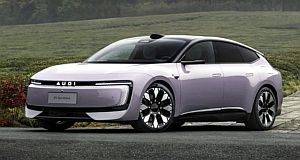
AUDI is reportedly set to strengthen its partnership with Chinese state-owned manufacturer SAIC as it works to ensure future models launched under the co-owned brand will appeal to new and younger buyers in the market.
Speaking with Automotive News Europe this week, the German manufacturer said the AUDI all-electric brand (spelt with A-U-D-I lettering and without the four-ringed logo), launched in 2024, will evolve to create a new innovation and technology centre in Shanghai, helping the sub-brand better tailor vehicles to meet the needs of Chinese buyers.
The China-only AUDI sub-brand launched its E5 Sportback at Shanghai’s Auto China 2025 exhibition and will debut a second model, the E7X (SUV), at next week’s Audi China 2026 in Beijing.
The move comes as German automotive manufacturers seek to deepen their production and development footprint in China in response to slowing sales and fierce competition with domestic brands.
It’s a plan that already appears to be proving worthwhile with sales of close to 10,000 units of the E5 Sportback registered so far.
The Audi E5 Sportback – which won China’s coveted Car of the Year Award in January – has composed the majority of Audi’s first-quarter sales in China this year, attracting new and younger buyers to a once-struggling European brand within the world’s largest car market.
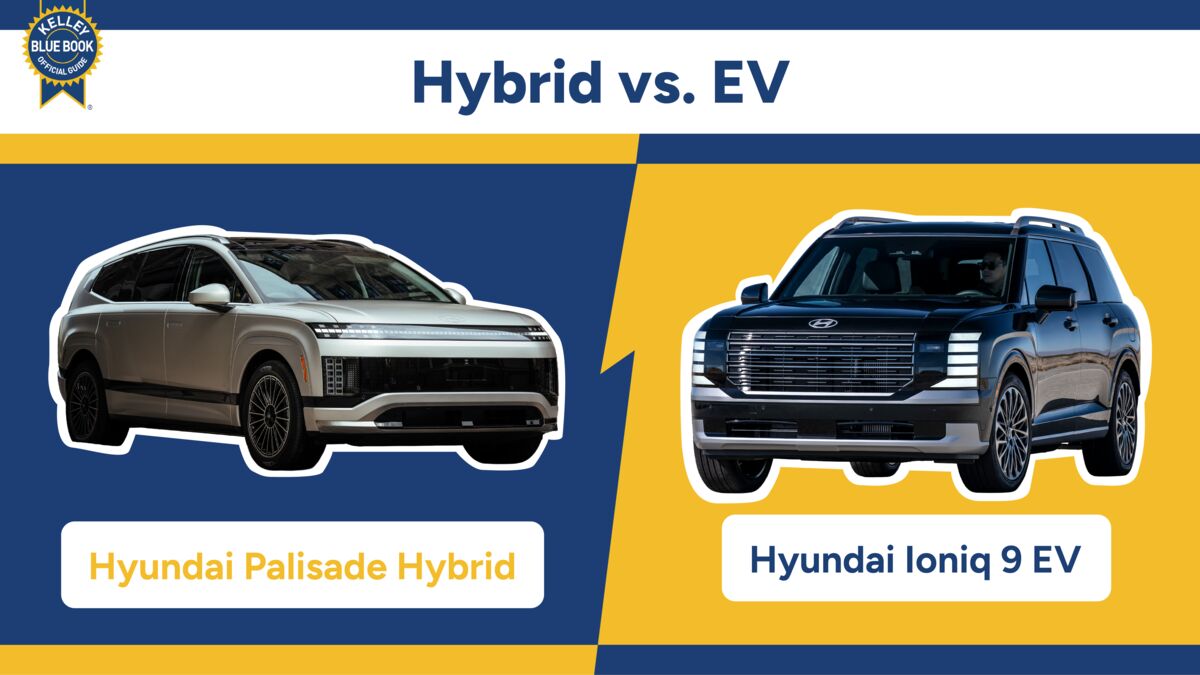
Electrified vehicles, which include hybrids, plug-in hybrids, extended-range electric vehicles (EREVs), and electric vehicles (EVs), have entered the mainstream market over the last several years, but it can still be confusing for many buyers to determine which type is best for them. Extended-range EVs aren’t yet that common, but EVs and both types of hybrid vehicles are almost everywhere. If you’re considering buying a hybrid or EV, this guide will help you get a feel for the pros and cons of each, and by the end, you’ll have the information you need to make an informed decision.
Like so many other things in life, the answer to the question of whether to buy a hybrid or an electric car (EV) is “it depends.” Everyone has different needs and driving habits, and that’s before we get to the big question of budget. Buying any car is a big decision, and it’s one that can have lasting impacts on your finances and lifestyle. This guide can serve as a starting point for your research when buying a new electrified vehicle.
Buying a Hybrid vs. an Electric Car
These are some basic considerations when deciding whether it’s better to buy a hybrid or an electric car. Taking the middle road between an EV and a hybrid with a plug-in hybrid (PHEV) might be the best option for some drivers.
Electric Cars vs Hybrids Comparison
⚡
Electric Cars
Driving Habits
Best for city driving, daily commutes, quick errands, and trips with access to charging.
Charging Access
Home charging brings lower costs and convenient overnight recharges.
Upfront Cost
Average price March 2026: $54,500+. Lower operating costs, including maintenance and fuel.
Resale Value
Used EV market is evolving; some models face less depreciation than others.
Maintenance
Fewer moving parts mean less maintenance required.
Weather
Cold temperatures reduce range significantly; air conditioning uses battery power.
Environment
No gas engines. Driving doesn’t contribute to smog.
🔄
Hybrids
Driving Habits
Better for long-distance travel and areas with limited public charging stations.
Charging Access
If home charging isn’t possible or any of the ~73,000 U.S. public EV chargers aren’t convenient, hybrids are a better choice.
Upfront Cost
More affordable. Example: 2025 Toyota Prius starts at $29,485—significantly less than average EV.
Resale Value
More stable due to longer market history and proven reliability.
Maintenance
Internal combustion engine requires regular maintenance, including oil changes.
Weather
Less affected by extreme temperatures.
Environment
Burn gasoline and create tailpipe emissions, but emit less CO₂ than gas-only vehicles.
Evaluate Your Options With Hybrid or Electric
Outside of research, one of the most important steps you can take to gain an understanding of the differences between hybrid and electric vehicles is to take a test drive. Both vehicles can take you from point A to point B, but they feel very different doing so. Many electric vehicles accelerate very quickly, which can be a surprise to first-time drivers, and they make very little noise underway. Hybrids feel closer to traditional gas vehicles, though they also benefit from the instant torque provided by their electric motors.
Many EVs offer regenerative braking and one-pedal driving, both of which feel very different from the hybrid driving experience. Hybrids do not require charging, so while they generally have regenerative braking, the feel and operation of these systems are much less noticeable in everyday driving.
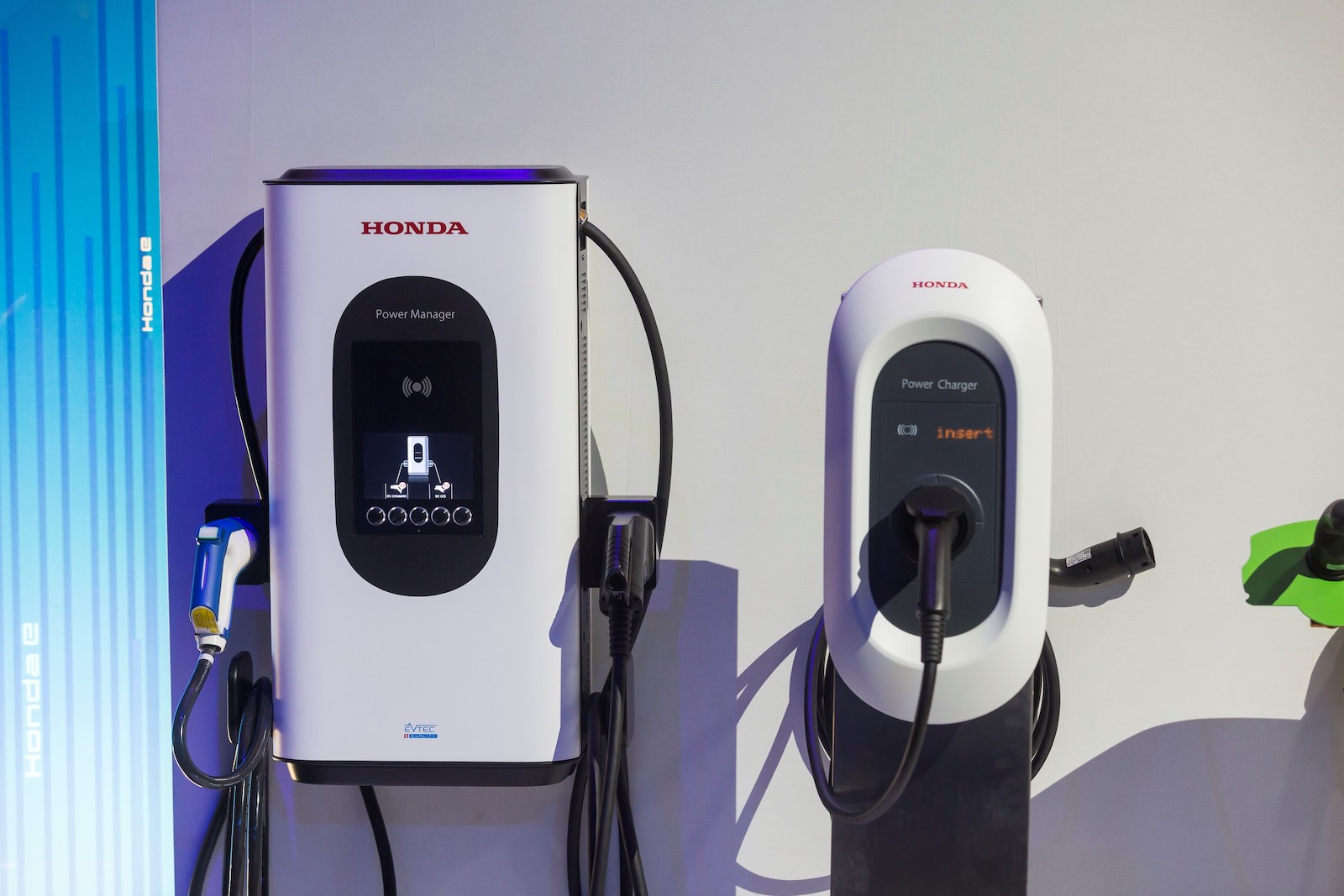
Think about where you live, and investigate home chargers if you’re considering an EV. Relying solely on public chargers can be a hassle, as they’re often busy, inoperable, or out of the way. You might not be able to install a charger at home if you live in an apartment or condo, which can significantly complicate your EV ownership experience.
While they still require charging to operate to their full potential, plug-in hybrids operate like traditional hybrids after their battery power is depleted, making them a good middle-ground option for many people. Always consider your driving needs, budget, and future plans.
KBB EV vs Hybrid Driving Feel
↗Takeoff
Quick and smooth launch with instant torque and almost no vibration
◎Low Speed Feel
Calm and quiet in traffic with one pedal style control in many models
➤Passing Power
Strong immediate response when merging or passing with little delay
♫Cabin Experience
More road and wind sounds stand out because there is no engine noise
⟳Braking Character
Regenerative braking can feel firm at first but becomes natural over time
↗Takeoff
Smooth start with electric assist then gas engine support as speed builds
◎Low Speed Feel
Often quiet at low speeds though engine engagement can be felt at times
➤Passing Power
Predictable acceleration with blended gas and electric output
♫Cabin Experience
Familiar sound profile with occasional engine noise during load changes
⟳Braking Character
Regenerative and friction braking blend together with a traditional pedal feel
Editor’s Note: This article has been updated since its initial publication. Chris Hardesty contributed to the report.






![Der neue Mercedes-Benz C 400 4MATIC elektrisch. Energieverbrauch kombiniert: 18,6-14,2 kWh/100 km | CO₂-Emissionen kombiniert: 0 g/km | CO₂-Klasse: A [1] Exterieur: AMG Line; MANUFAKTUR opalithweiß metallic bright [1] Die Angaben sind vorläufig. Es liegen bislang weder bestätigte Werte von einer amtlich anerkannten Prüforganisation noch eine EG-Typgenehmigung noch eine Konformitätsbescheinigung mit amtlichen Werten vor. Abweichungen zwischen den Angaben und den amtlichen Werten sind möglich.;Energieverbrauch kombiniert: 18,6-14,2 kWh/100 km | CO₂-Emissionen kombiniert: 0 g/km | CO₂-Klasse: A * The all-new Mercedes-Benz C 400 4MATIC electric. Energy consumption combined: 18,6-14,2 kWh/100 km | CO₂ emissions combined: 0 g/km | CO₂ class: A [1] Exterior: AMG Line; MANUFAKTUR opalithe white bright [1] The information is provisional. Neither confirmed values from an officially recognised testing organisation nor an EC type approval nor a certificate of conformity with official values are available to date. Deviations between the data and the official values are possible.;Energy consumption combined: 18,6-14,2 kWh/100 km | CO₂ emissions combined: 0 g/km | CO₂ class: A*](https://www.thedrive.com/wp-content/uploads/2026/04/Mercedes-C-Class-Dash-26C0063_011.jpg?strip=all&quality=85)