Published: August 13th, 2025
Share
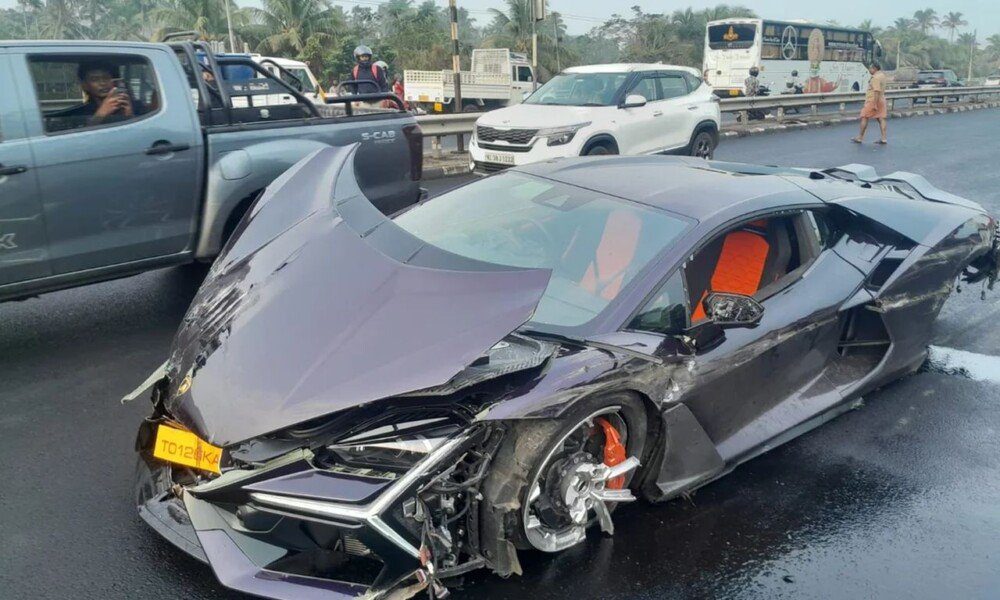
A brand-new Lamborghini Revuelto owned by a well-known businessman from India has crashed. The supercar was barely a month old and was on temporary plates at the time of the accident.
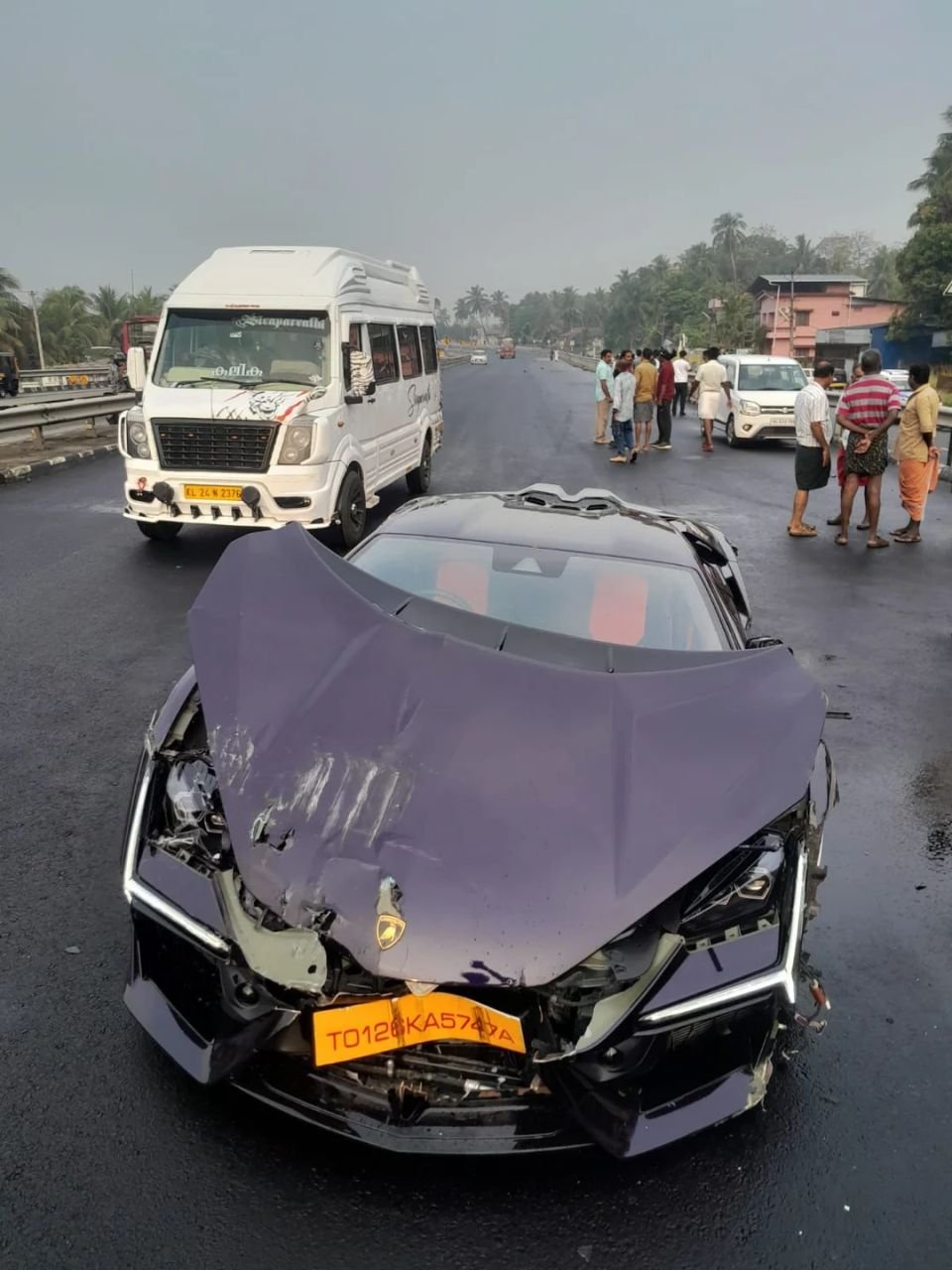
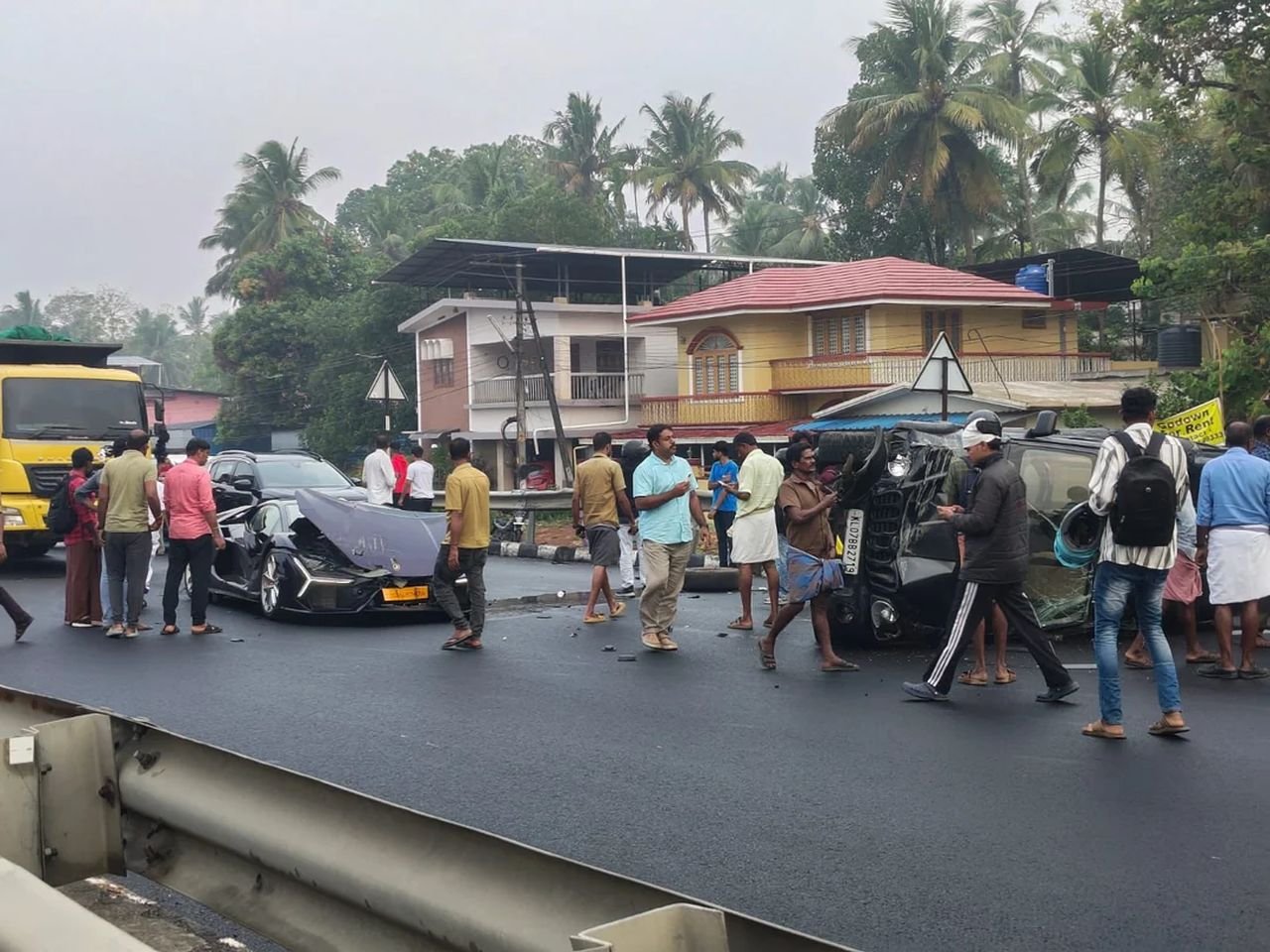
The accident took place on a highway near the city of Thrissur, Kerala. The Revuelto reportedly crashed into an SUV, which rolled over and came to rest on its side. Fortunately, no one was injured.
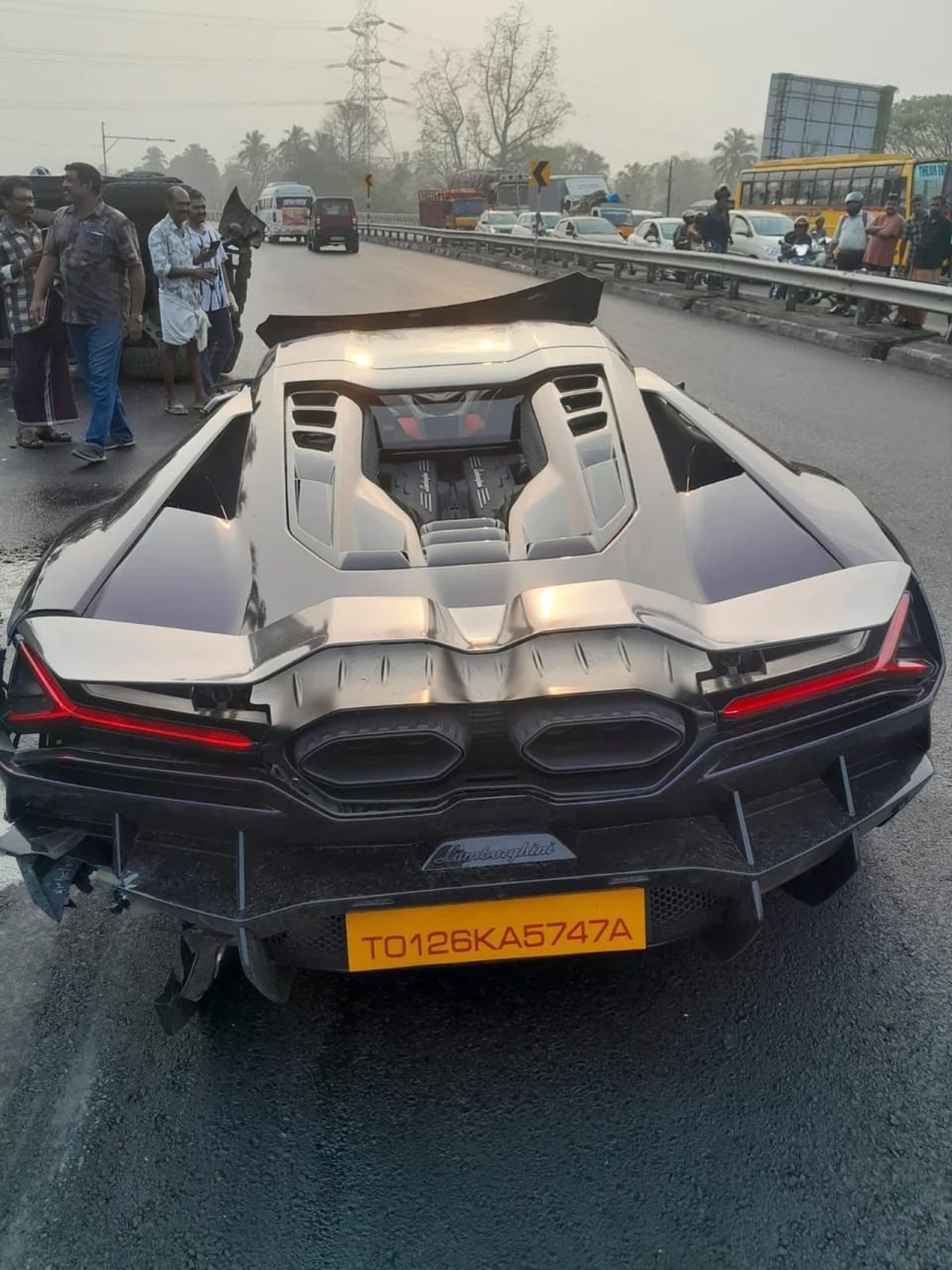
The Revuelto, though, suffered serious damage. From the images posted on social media, it appears that the supercar may have side-swiped the SUV at high speed. The passenger’s side sustained the majority of the damage. The rear wheel and suspension were ripped off, while the front wheel rim just exploded due to the impact.
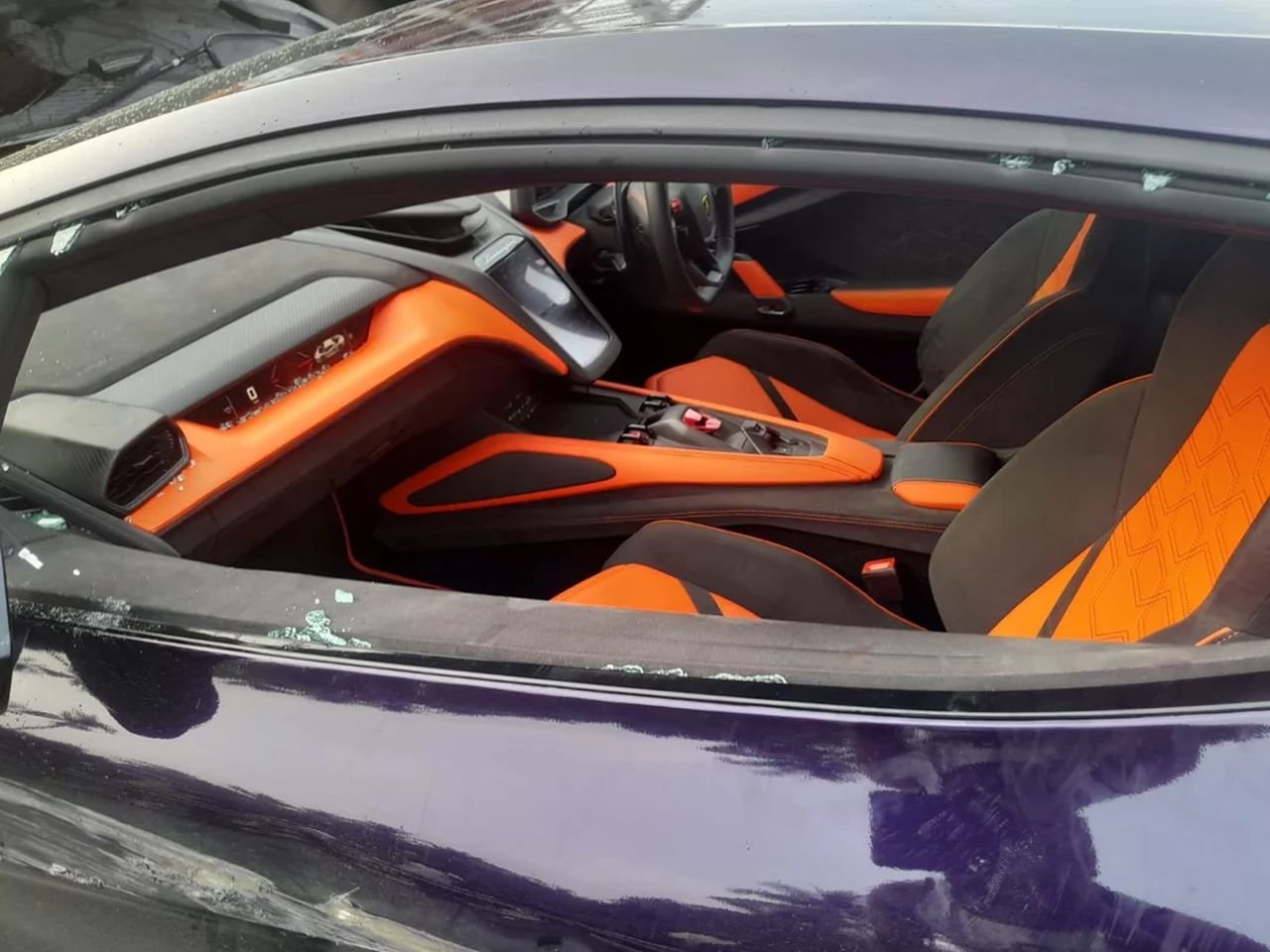
Interestingly, the airbags did not deploy, which isn’t normal. We suspect that the driver may not have been wearing the seatbelt.
If you recall, a similar accident was reported in Indonesia last year, where a Revuelto bumped into a Suzuki S-Presso at high speed. Then there was the crash involving a showroom-fresh car in Beirut, Lebanon.
Source: Reddit
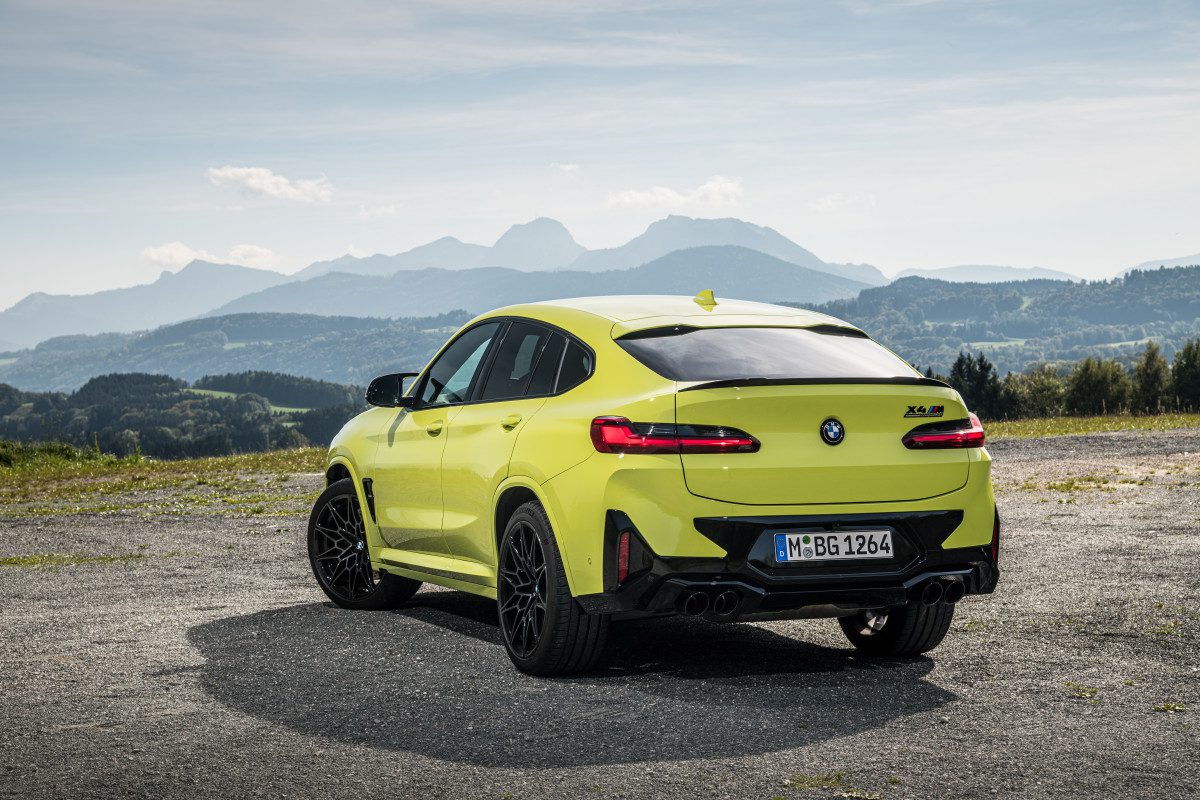
For several years now, the BMW X4 has been on life support. Since 2022, we’ve seen reports that the coupe-styled crossover will be killed off, but it’s not going to disappear altogether. According to a reputable insider who shares their findings on the BimmerPost forum, the X4 will return, and an M variant is coming next year with more power than the 717-horsepower M5, but both it and the base crossover will be all-electric SUVs. As first reported by BMW Blog, the electric iX4 will enter production in November of this year, and the M variant will follow a year later, joining the iX3 M. However, neither electric vehicle is expected to be denoted by the “i” prefix. How BMW intends to set these apart from combustion-powered vehicles remains to be seen, but what we do know is that they’ll be very powerful.
BMW
Both the electric X3 and the electric X4’s M variants are expected to share the electric M3’s powertrain, which means four electric motors with over 800 hp. For the record, the S58-engined X4 M of the current generation makes up to 503 hp in Competition guise. BMW is also likely to offer M Performance EVs with dual-motor setups producing more than 600 hp, the first of which will be the iX3 M60 with up to 630 hp, scheduled to arrive before 2026 comes to a close. This will share the 108.7-kWh battery of the iX3 50 xDrive, though its higher output will mean less range. The X3 M is said to be internally known by the designation ZA5, and the X4 M EV is called ZA7 (ZA6 is reportedly being reserved for an M version of China’s long-wheelbase iX3). Production of the electric M3 is expected to begin in Munich in March 2027, and the electric X3 M and X4 M will follow shortly after.
SH Proshots/Autoblog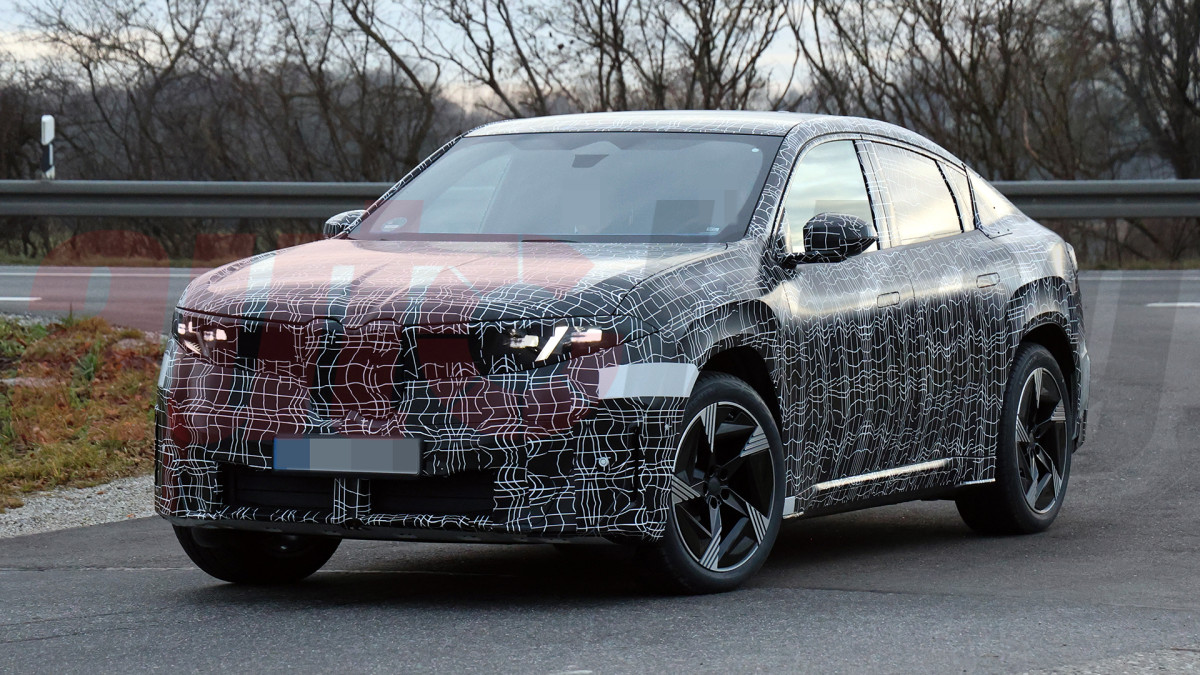
In 2024, Motor1 Italy reported that BMW representatives had revealed the X4’s discontinuation is being attributed to the success and growth of the X2, which has become bigger and more packed with features in its latest generation. The X2 is still considerably smaller than the X4, measuring 8.3 inches shorter in length and 2.9 inches narrower. Its roof is also 1.2 inches lower and its wheelbase 6.8 inches smaller. Those are significant differences, but BMW expects those wanting more room to go for the X3 instead. It seems that BMW wants to streamline its offering, removing vehicles that overlap unnecessarily. Of course, none of this is official yet, and with less legislative support for EVs, it’s unclear how long these rumored plans will stay in place.

Kelley Blue Book has helped people understand car values and make informed decisions for a century. As we look back at KBB’s history, one of the things that has changed the most is the cost of buying and owning a vehicle. We’re not just talking about the purchase price. There are many factors that shape the cost of owning a car in 2026, so let’s get rolling and see how the impact on your wallet has changed over the years.
While we’re here to discuss annual ownership costs over the years, the available data is limited before the 1970s. That said, we do have very detailed pricing guides and manuals from the mid-1920s. In 1928, Chevrolet listed the Touring car at $525, or around $9,870 today, according to the inflation calculator from the U.S. Bureau of Labor Statistics (BLS). A Chevy Imperial Landau was $745, or $14,006 today. Those numbers seriously undercut new-car prices today, but fuel was pricier. According to Energy.gov, the average retail price of gasoline was $0.21 in 1929 — or $3.98 per gallon in today’s dollars. The average price in 2025? $3.10 per gallon.
The United States Department of Transportation (USDOT) has collected average vehicle ownership costs over the last 50 years. Its data assumes an average of 15,000 miles driven per year, and the numbers include fixed and variable costs.
Costs in January 2026 dollars.
Fixed vs. Variable Costs: Fixed costs include insurance, registration, and depreciation—expenses that remain relatively constant regardless of miles driven. Variable costs include fuel, maintenance, and repairs—expenses that increase with usage.
Averaged based on 15,000 miles per year.
Source: USDOT
In January 2026 dollars, people in 1975 spent an average of $2,154 to own and drive a vehicle. By 2024, the cost had ballooned to $12,296, but it’s important to note that USDOT changed its data collection practices in 2004 to include maintenance, tires, and other costs. That can cloud the comparison a bit, but the reality is that owning a car today is vastly more expensive than it was just a few decades ago.
It’s easy to point the finger at fuel costs, but, as we noted earlier, gas was pricier almost 100 years ago. Here are some of the reasons car ownership is so expensive today:
Our crystal ball is in the shop, but the real answer is that it’s nearly impossible to predict the future of car ownership costs. Still, we’ll try.
“If current trends hold, owning a car in 2050 might feel less like buying transportation and more like subscribing to a luxury service, except you can’t cancel,” said Erin Keating, Cox Automotive Executive Analyst. “Our data shows the total cost of private mobility climbing toward 154% of 2018 levels by late 2027, driven by persistent pressure across payments, insurance, and repair costs.” Cox Automotive is the parent company of Kelley Blue Book
But Keating said that we can’t blame it all on the economy.
“It’s not just inflation. It’s that vehicle ownership is fundamentally restructuring around higher baseline costs. Twenty-five years out?” she asked. “Future buyers might look back at 2025 and wonder what it was like when a car payment was still the biggest line item in the mobility budget, not just the buy-in.”
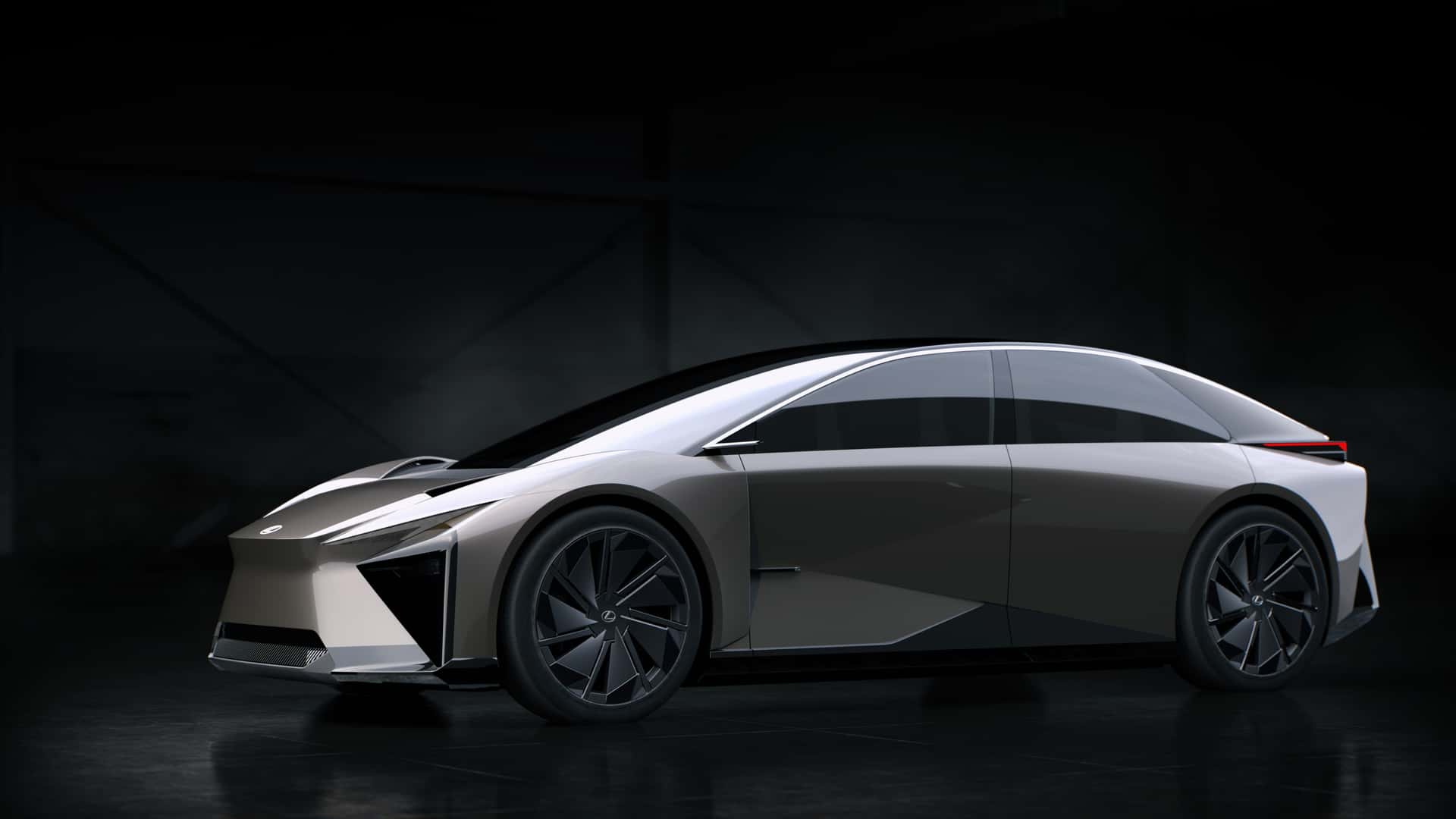
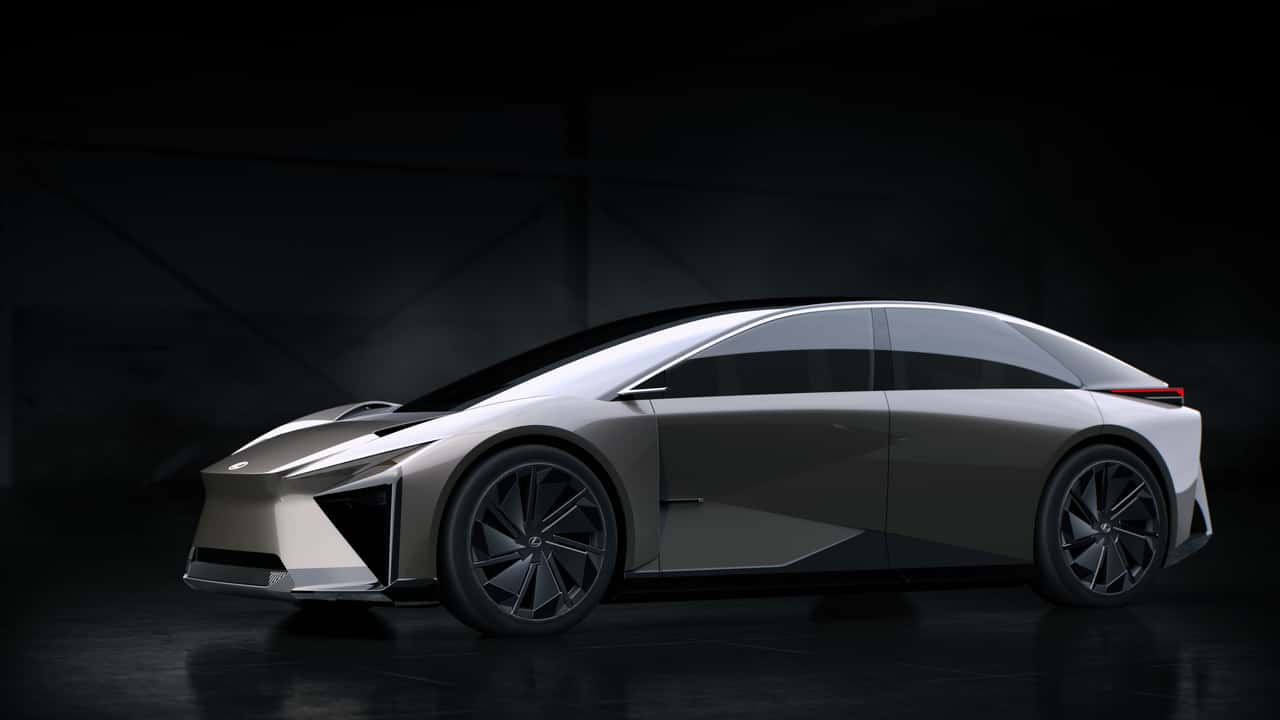
Lexus is reportedly working on a radically redesigned IS sedan that will ditch combustion in favor of a pure-electric powertrain with big performance numbers and massive range. The most powerful variant will apparently have around 500 horsepower and it has a range target of 620 miles (1,000 km) on a single charge—this could indicate it’s getting a solid-state battery.
Nothing’s official right now, but Japan’s Best Car has been right before and it makes sense for Lexus to launch a performance electric sedan in the near future. It’s a segment that will soon be populated with models from rival automakers—the BMW i3 and Mercedes-Benz C-Class EQ—and it’s in Lexus’ DNA to try to compete with the Germans.
The report doesn’t go into too much detail, and it rehashes some bits of information we already knew, but it does mention the new electric IS will look a lot more futuristic than the new ES sedan—available with combustion and pure electric power—and will be around 3 inches longer than the current IS. It is said to feature giga-cast structural pieces, dual-motor all-wheel drive and be a full software-defined vehicle with over-the-air update capability.
We could see this new IS debut sometime in 2027, though without official confirmation, there’s also a chance we won’t. An older report from Australia’s Car Expert, published in December 2024, announced (citing unnamed insider sources) that Lexus had pushed back the launch of new EVs from 2026 to mid-2027, which aligns with the timeline presented in the Japanese report.
One of the delayed models was the production version of the highly aerodynamic LF-ZC concept, which fits the bill as being the next IS in terms of size and electric-only powertrain. Lexus is reportedly targeting a drag coefficient of under 0.20 Cd, which would make it among the most aerodynamic production cars, most of which are electric sedans.
If the new electric IS materializes as described in these reports, it will likely be pitched as a global model, one that could also reach the U.S. market as a larger and fancier alternative to the upcoming Toyota Corolla, which will also be reborn as a futuristic sedan with electric power and global ambitions.

If you’re a “Fast & Furious” fan, a new way to spend money just dropped. Puma has a new line of merch inspired by the movie franchise. There are t-shirts and hats, but the coolest items are the sneakers inspired by cars from the first two movies in the franchise.
The collection includes a bright green shoe based on Brian O’Conner’s Mitsubishi Eclipse from “The Fast and The Furious”, complete with blue and white graphics. Another is bright orange like the Toyota Supra from that movie, and there’s a basic black sneaker that presumably pays homage to Dominic Toretto’s wheelie-pulling Dodge Charger (or maybe the Honda Civic heist cars). The shoes retail for between $110 and $135, so you might have to make a few grocery runs to pay them off.


Representing “2 Fast 2 Furious” are a blue-and-silver shoe based on the livery of O’Conner’s R34 Nissan Skyline GT-R, and a pink one for Suki’s Honda S2000. All that’s missing are red-and-yellow and gold shoes so you and your friends can have a four-wide footrace.
It would be cool to see some merch from “Tokyo Drift,” based on Han’s FD Mazda RX-7 or that rear-wheel drive Mitsubishi Evo, but it’s hard to imagine doing that for the following movies. As the franchise moved away from street racing toward the more traditional action-movie fare of stunts, crashes, and explosions, the cars started to lose their identities. Distinctive liveries were replaced by (admittedly more realistic) monotone paint, and the number of cars per movie increased to the point where few get real hero moments.






The individuality of the cars is part of the charm of the earlier movies, even if some of the aesthetic choices were questionable. If you can rock purple sneakers in tribute to Roman Pearce’s Eclipse from “2 Fast 2 Furious,” more power to ya. More recent movies still have cool cars, but they’re often destroyed or shuffled off screen before they make a real impact.
Whether that will change with the final installment, called “Fast Forever” and scheduled to premiere March, 17, 2028, remains to be seen. Vin Diesel has said the movie will return to Los Angeles and the series’ roots of street racing. The O’Conner character is also slated to return despite the death of actor Paul Walker in a 2013 car crash.

THE Chinese government could mandate the inclusion of physical controls for key vehicle functions in car interiors from as early as next year in a bid to minimise driver distractions and an over-reliance on touchscreens.
According to Car News China, the Ministry of Industry and Information Technology (MIIT) has drafted a revision to Chinese national standard GB4094-2016, which deals with the “Marking of Automotive Control Components, Indicators, and Signaling Devices.”
If adopted, the updated regulations would mandate that key functions such as lighting (including indicators and hazard warning lights), the horn, gear selection, ADAS features, wipers, window demisting, emergency call systems, and the vehicle on/off switch for electric vehicles must be operable through physical controls.
This would counter an industry trend – popularised by the Tesla Model S when it was introduced in 2012 – where the vast majority of vehicle functions are handled through dashboard-mounted infotainment touchscreens.
Under the proposed changes, physical controls must also have a minimum surface area of 10mm by 10mm, be in a fixed position, provide haptic or auditory feedback, be operable blind, and remain functional in the event of a vehicle power loss.
The Australasian New Car Assessment Program (ANCAP) and continental counterpart Euro NCAP – while not regulatory bodies like the MIIT – share a similar sentiment.
As of this year, Euro NCAP’s safety testing protocols consider “the placement, clarity, and ease of use of essential controls – including the availability of physical buttons for commonly used functions, which consumer feedback suggests can reduce distraction”.
ANCAP’s parameters also received a similar update for this year, meaning the intuitiveness of key vehicle controls could have an impact on a model’s ability to achieve a five-star safety rating.
Touchscreen controls are not the only vehicle feature that the Chinese government has recently sought to crack down on.
Earlier this month, it was announced that electrically operated flush door handles without a mechanical override would be banned in China from January 1 next year.
One-pedal driving – which uses regenerative braking to slow electric vehicles down when the driver lifts their foot off the accelerator – will also be banned as a default mode in China on the same date.
Yoke-style steering wheels, such as those featured on the Tesla Model S and Model X Plaid variants, the Lexus RZ, and the incoming Mercedes-Benz EQS in some markets, will also fall foul of new Chinese regulations.
The proposed regulation change regarding the inclusion of physical controls would come into effect for new vehicles from the July 1 next year if adopted.
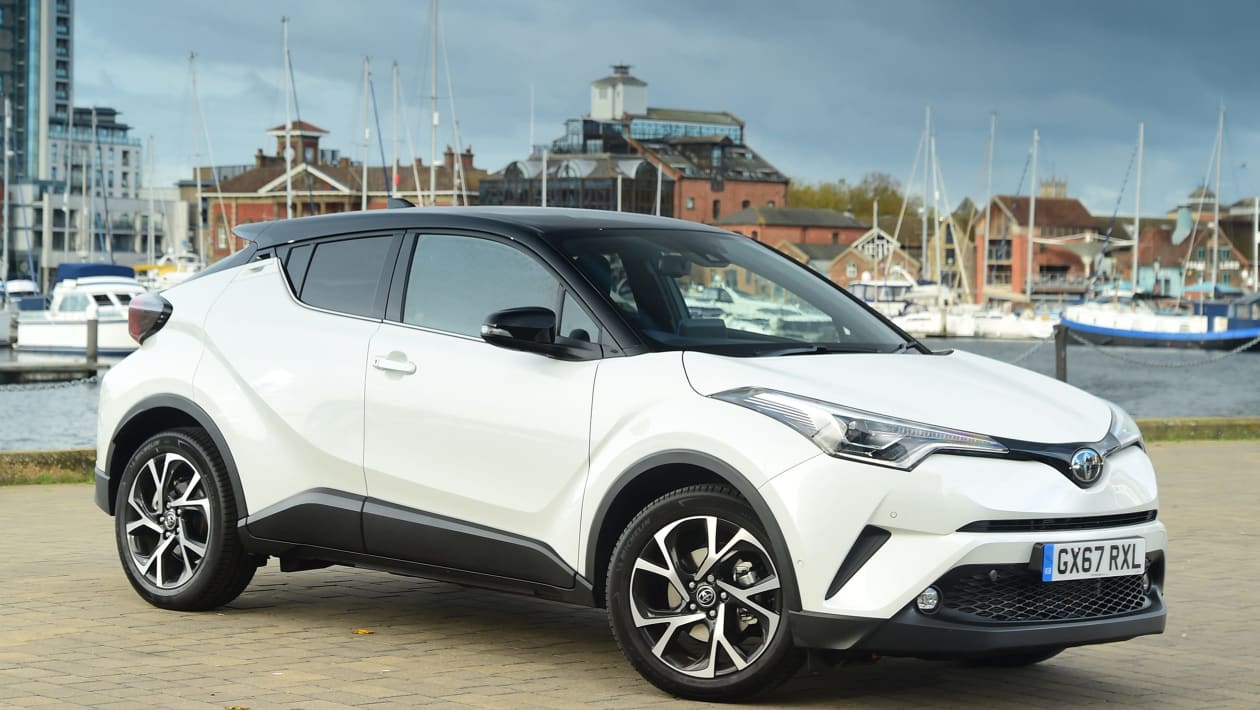
The Nissan Qashqai is comfortable and versatile, the Kia Sportage and Hyundai Tucson are great value and reliable, while the sharply styled Mazda CX-5 has a premium cabin and excellent dynamics. None of these cars comes as a hybrid; if this is important to you take a closer look at the Lexus UX, which is closely related to the C-HR.
Towing
The 1.2T in manual form can tow 1,300kg; 1.2T autos can pull 1,100kg, but the 1.8 and 2.0 Hybrid models can haul just 725kg.
Gearbox
Very few C-HRs are fitted with a manual gearbox, so it’s CVT mostly. It’s not the slickest transmission, so make sure you’re happy with it.
Safety kit
Entry-level Icon cars have no blind-spot monitoring or rear cross-traffic alert; until the 2019 facelift lane-departure warning was an option.
Cracks
The most popular thread on the UK C-HR owners’ forum is about cracked windscreens, with damage in the top right corner of the glass the most likely area.
Common faults
Some owners complain of wind noise from ineffective window and door seals, plus nav glitches. Shorter kids may find the back-door handles tricky to reach, and the cabin is gloomy once they’re in there.
The C-HR’s dashboard is far from bland, but it’s not over-designed. Indeed, it’s very user-friendly, with a decent blend of physical and touchscreen controls. The cabin is also very well made, with plenty of premium materials and more space than you might expect. There’s room for five adults if they’re not too big, and boot space is okay, at 377 litres with the rear seats in place, or 1,164 litres with them folded; many rivals are better, but these figures ensure a decent level of practicality.
All C-HRs need to be serviced every 10,000 miles or 12 months, with maintenance alternating between minor and major. No fresh cambelts are required because the engines are chain-driven. The battery warranty will run for up to 15 years, plus if you’re hit with an unexpectedly large bill, some dealers offer up to six months’ interest-free credit to pay. An array of service plans is available, which don’t save you cash, but let you to pay on a monthly basis.
The C-HR has been recalled six times so far, all of them between December 2017 and November 2019. The first campaign was launched because the hybrid powertrain hadn’t been bolted together properly and could work loose; the second came in January 2018, because some cars were fitted with fuel tanks that could leak.

The batteries that we use to power electric vehicles rely on heavy metals like cobalt and nickel. Unfortunately, these metals are hard to find, are expensive, and often come from places with poor working conditions. But a new study published on February 18, 2026, shows that we might be able to trade those heavy metals for something much lighter and more common: organic polymers.
Professor Xun Yinhua from Tianjin University and Professor Huang Fei from South China University of Technology led the team of scientists. Their work, featured in the journal Nature, describes a new kind of “organic” battery. Instead of the usual metal-filled parts, this battery uses a special plastic-like material called PBFDO, which acts as the cathode.

Most EVs today use batteries that are sensitive to the weather. If it gets too cold, they lose power. If it gets too hot, they can become dangerous. This new organic battery is different. It can work in temperatures as low as -94°F and as high as 176°F. This massive working range means an electric car could start easily in a freezing Arctic winter or drive through a scorching desert without any trouble.
The researchers built real “pouch cells,” which reached an energy density of 250 Wh/kg. That’s as much energy as the high-tech batteries found in many electric cars on the road today. Usually, when scientists try to use organic materials, the batteries are too weak, but this time, they proved that an organic battery can actually keep up with the current tech.
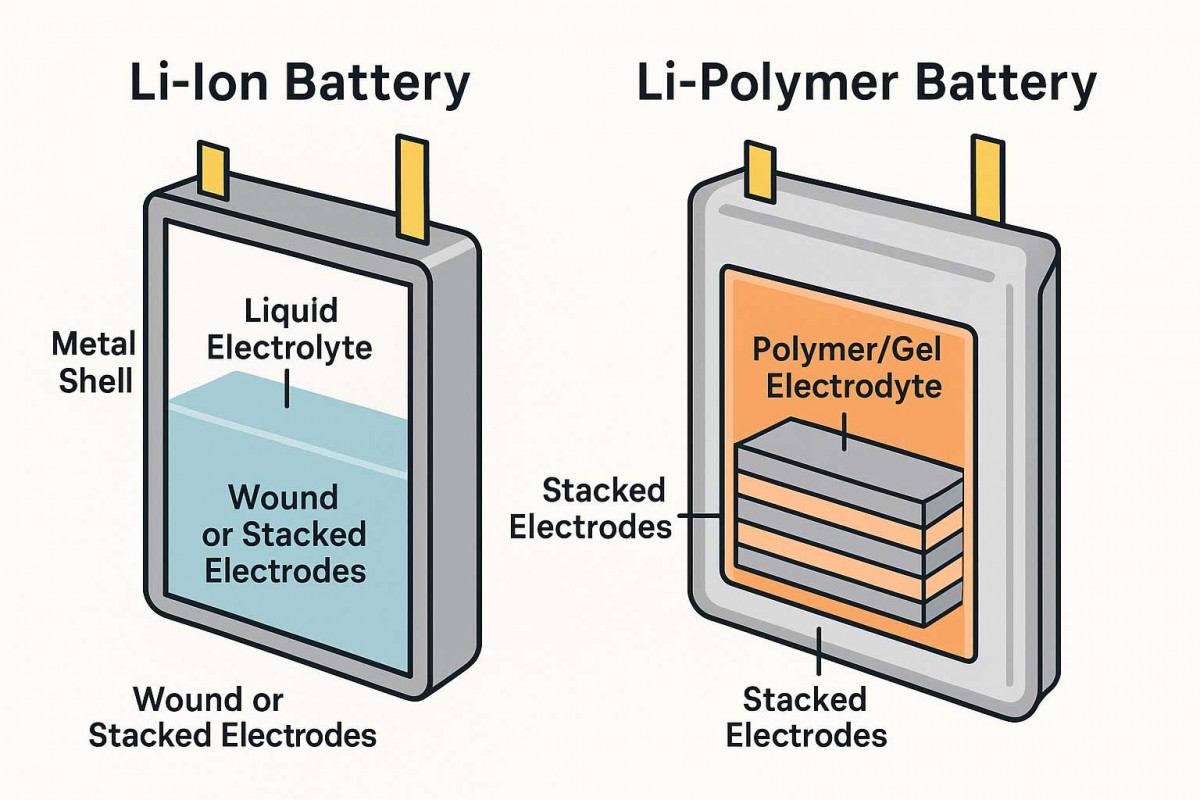
Traditional lithium batteries can catch fire if they get pierced or crushed in an accident. The team of scientists put their new battery through some serious tests, including driving a needle straight through it. The battery didn’t smoke, it didn’t catch fire, and it didn’t change shape.
Because the PBFDO material is a polymer, it is also very flexible. The researchers found they could bend, stretch, and squish the battery without breaking it. This is great news for the future of car design. Instead of a giant, heavy box under the floor, future batteries might be able to fit into different shapes or even be part of the car’s frame.

One of the best things about this discovery is where the materials come from. Cobalt and nickel are hard to get out of the ground, but organic polymers are made from common molecules that are easy to find. This makes the batteries much more sustainable.
The new technology is still in the prototype stage, but it fits perfectly with where the car world is going in 2026. Many car companies are already planning to show off new kinds of batteries this year – some are looking at solid-state batteries, and others are interested in using sodium. The organic polymer pathway is another tool that could make cars cheaper and easier to build.
Via
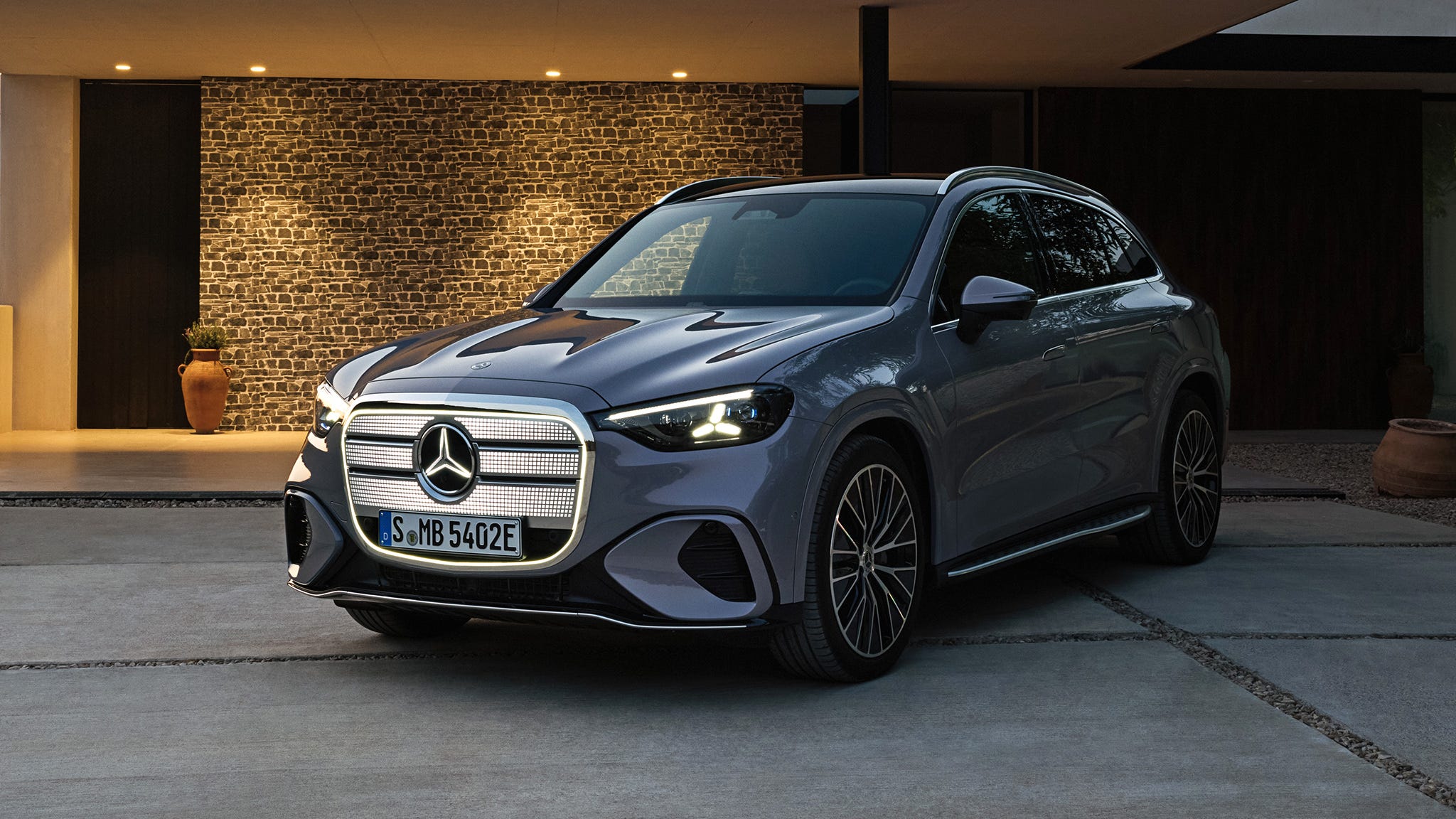
The all-new 2026 Mercedes CLA rides on the new Mercedes Modular Architecture (MMA) which will also underpin the GLA and GLB. There will definitely be an AMG version of the CLA and other entry-level models, Schiebe said.
The C-Class will get the six-cylinder engine from the CLE53. No hybrid, just an internal combustion engine.
Mercedes will stop using the current turbocharged four-cylinder engine as it will struggle to meet future regulations. The turbo-four is being replaced with the I-6 in vehicles in the mid-size segment, Schiebe tells us. In the new C-Class and GLC, Mercedes has decided to go with a combustion engine only. The C53 will have no hybrid powertrain, he says, opting instead for pure inline-six. No plug-in hybrid. Plug-in hybrids have been successful but are heavier and compromise trunk space. AMG will look at each individual model in the future and decide whether to offer a plug-in hybrid.
ADVERTISEMENT – CONTINUE READING BELOW
As the portfolio expands, some models will have more than one AMG version, but not all. Most will continue to have an entry position like 43, and a top end like the current 63. Not all models will have electric version, at least for a while.
Mythos is an exclusive, limited production sub-brand for handcrafted collector cars. We have seen the AMG PureSpeed, a roadster with no roof or windshield. AMG has teased a second model based on the CLE platform and prototypes are undergoing winter testing.
As for the Black Series, it will live on, Schiebe says. But models must be radical to live up to the name.
ADVERTISEMENT – CONTINUE READING BELOW
Schiebe also will not say if the Track Sport (seen above) will be a track-only car or be offered as a road car, too.
Overall, AMG will continue to work to further differentiate itself from Mercedes cars, with bolder, more aggressive looks and wider stances. The brand is doubling down on design while emphasizing performance to feel fast corners as well as on straights, but must also offer day-to-day drivability, especially in the mid-size segment, Schiebe says.