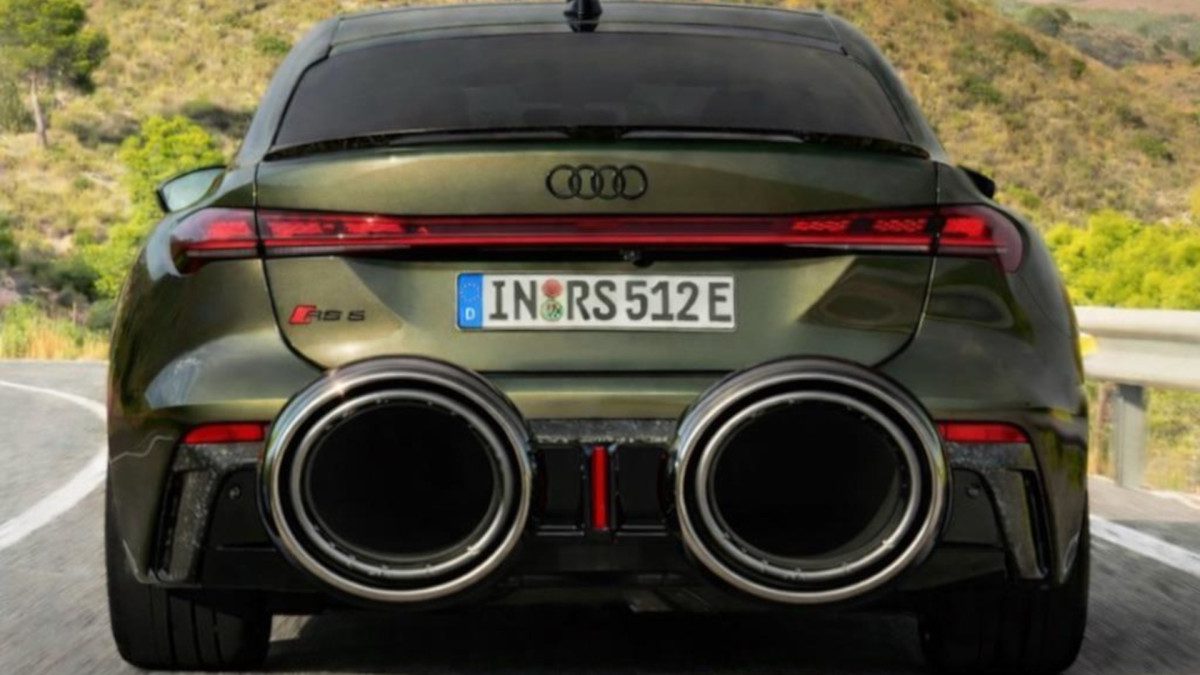
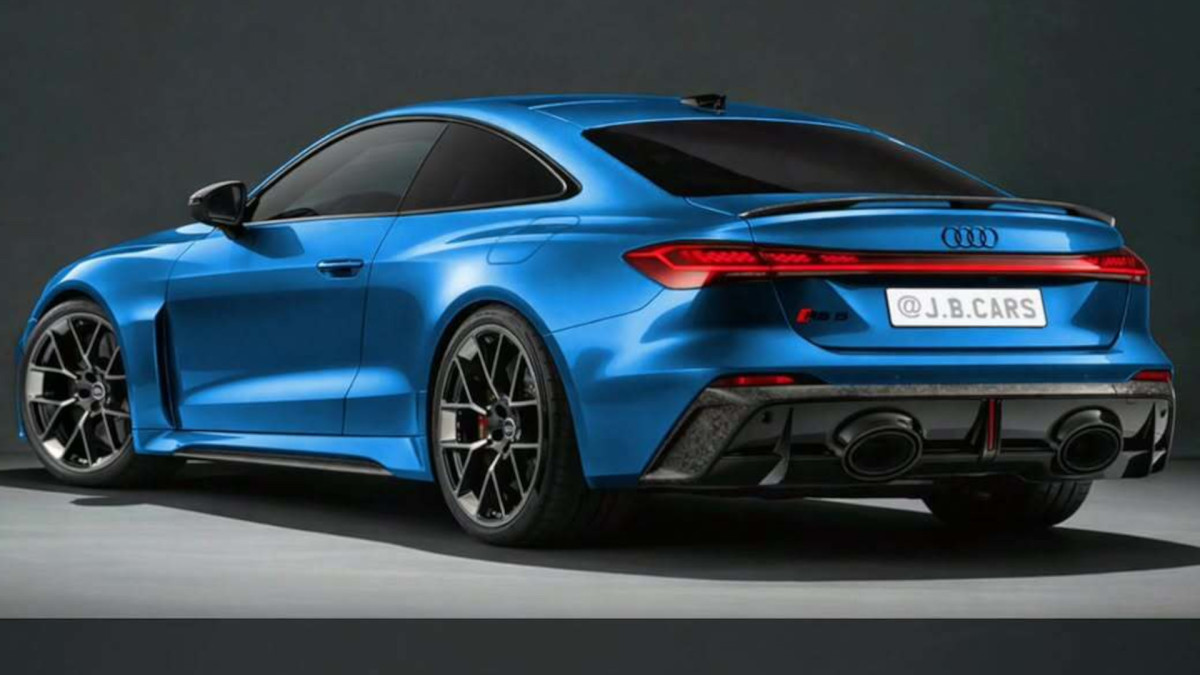
The 2027 Audi RS 5 has been revealed in both sedan and wagon forms, each with more power than even the mighty V8 RS 6 or the RS 5’s arch-rival from Munich, the 503-horsepower BMW M3. Audi’s new 630-hp plug-in hybrid has plenty of grunt, a clever new differential, and a hefty curb weight on the dark side of 5,100 pounds. But none of these characteristics are drawing as much attention on Reddit as the styling, with several fans mocking the unusually large exhaust tips. Some have also taken issue with the front-end styling, while others have shown how attractive a two-door coupe might be.
Reddit Fans Troll Audi RS 5 Exhaust Tips with Hilarious Edits
Reddit
View the 3 images of this gallery on the
original article
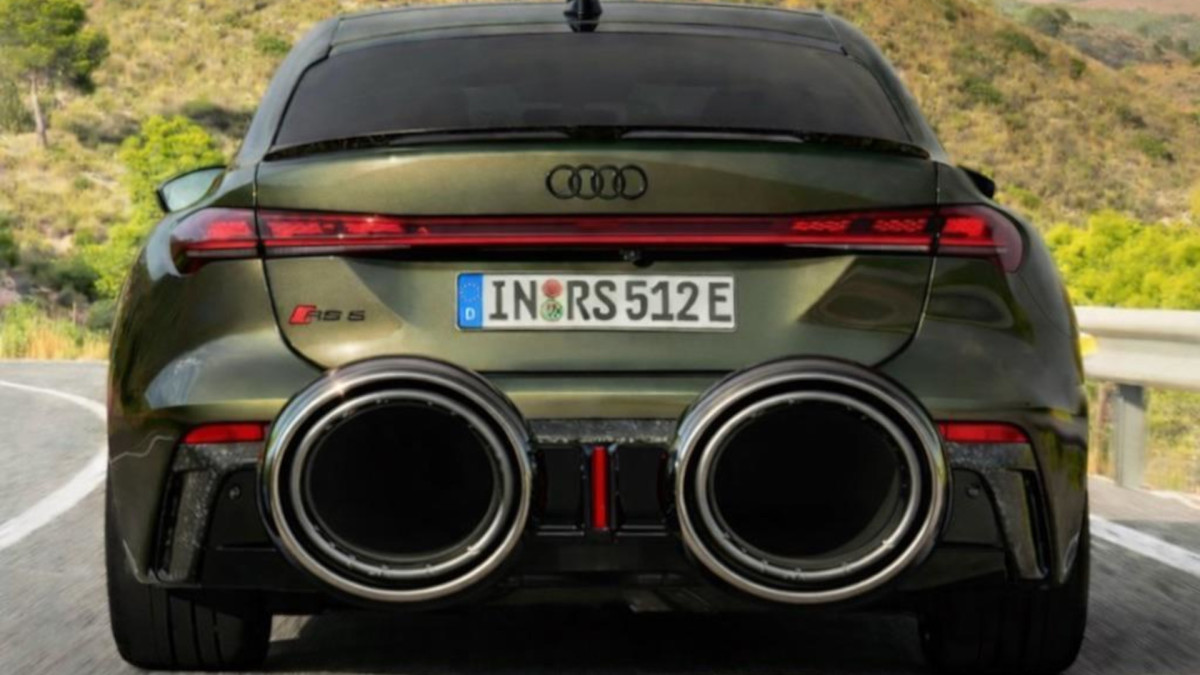
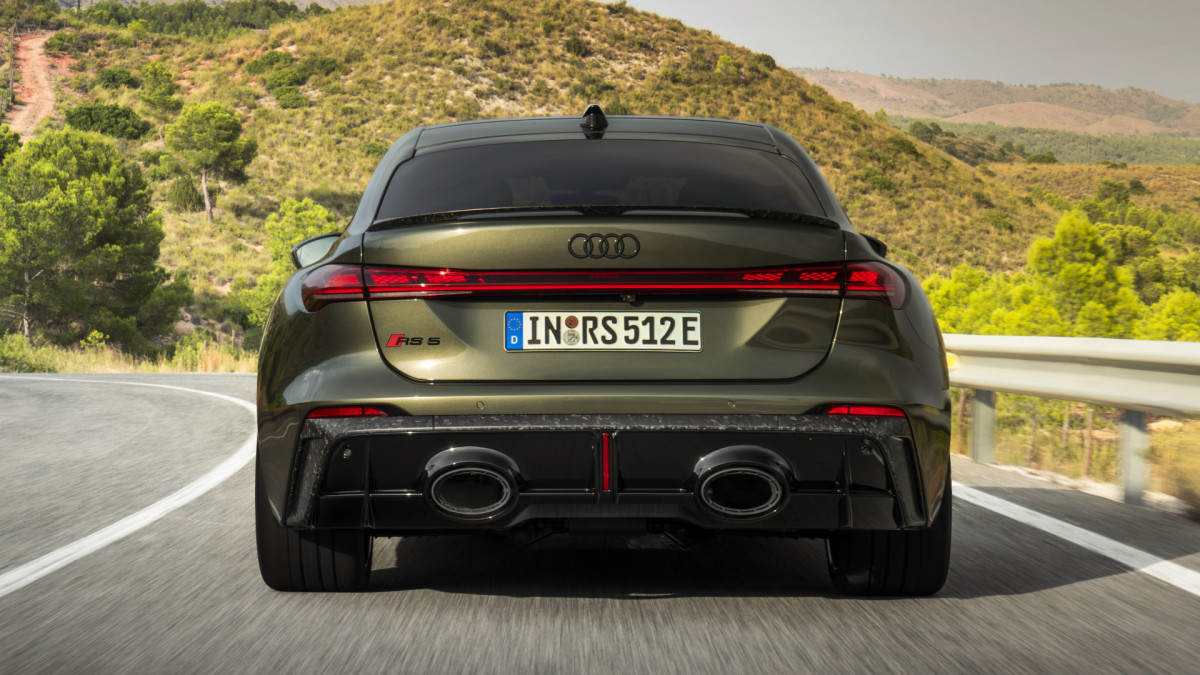
One Reddit thread titled “The new RS 5 is starting to grow on me” reimagines the RS 5 with exhaust tips so large that they intrude into the trunk. This was so popular that other users got in on the act with increasingly ludicrous Photoshop edits of the car, including one where the dual exhausts were so large that the rear of the car was totally engulfed, and another where the whole car became a singular exhaust tip. Another edit, seen at the top of this article, exaggerates the exhaust setup by not only enlarging the dual-exit setup but also adding another pair of massive exhaust tips for a total of four. I even saw one edit where the exhaust tips were arranged like the interlocking rings of the Audi logo, but this appears to have since been deleted. What a shame. To cleanse your mental palate, the original RS 5’s rear end is below.
Audi
In light of these edits, does the OEM setup still feel like a caricature of itself? Let us know in the comments. But before you do, let’s see what else some Audi fans don’t like about the new RS 5, starting with the front fascia and ending with a render of the sports sedan as a coupe. Don’t worry, these are less sarcastic suggestions.
Reddit Users Suggest a More Familiar Face and an RS 5 Coupe
Reddit
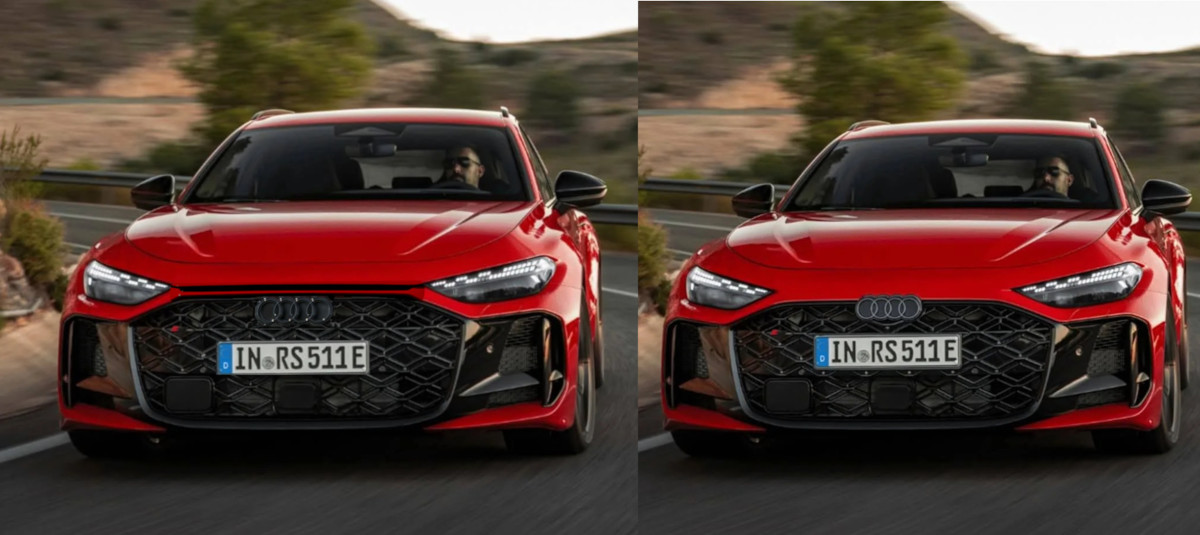
Seeing the new RS 5’s front end, the first thing that hits you is that there’s a lot of black plastic, and the gaping grille looks almost catfish-like. While some body-color framing might be welcome, a Reddit user pointed out that having the Audi rings intersect with bodywork may have been a mistake. But perhaps Audi has chosen to place its logo where it has to draw more attention to it so that non-enthusiasts can more easily identify the brand. Either way, this user also bemoans the loss of the black strip between the headlights, arguing that the car looks more generic as a result.
View this post on Instagram
On Instagram, somebody has rendered the RS 5 as a coupe, which Audi has confirmed will not happen, and thus, neither will a convertible. Still, this edit looks clean, and there’s no doubt the RS 5 coupe would look stunning if it were ever manifested. Ultimately, these arguments about the new way Ingolstadt designed its RS 5 call to mind the BMW debacle over the massive buck-tooth grille. That has grown on many enthusiasts, and with arguably less egregious aesthetic discretions at Audi, I don’t doubt that enthusiasts will come to embrace the RS 5’s looks, too. In spite of the big exhaust tips and gaping mouth, it’s an athletic-looking machine, even if its curb weight figure suggests otherwise.
A motor vehicle – and especially its powertrain – is a complex machine that relies on the smooth, almost harmonious interaction between thousands of parts, regardless if it’s a low-worry sedan like a Toyota Corolla or a larger and more complex SUV. Among these critical components to the engine’s operation is the fuel system. And at the heart of this system lies the fuel pump – a component that often goes unnoticed until it fails. Recognizing bad fuel pump symptoms early can save you from the inconvenience of being stranded on the side of the road, and the subsequent costly repairs. Repairs that not only affect the fuel pump, but possibly other engine components, too.
However, when there are underlying problems, many drivers tend to ignore the subtle hints their car provides, often mistaking them for spark plug issues or something else. Understanding the health of the fuel delivery system is vital to ensure your vehicle’s longevity. Whether it’s an older car, like a classic, with a mechanical setup or a modern vehicle with direct injection, the signs and symptoms of impending fuel pump failure tend to manifest in subtle warnings. Ignoring these warnings can lead to cascading failures within the vehicle.
This article highlights the importance of a vehicle’s fuel pump. This is not a how-to-fix or DIY guide, and professional assistance should be called in if you suspect your vehicle has a fuel pump issue.
Going Back To The Basic Question: What Is A Fuel Pump?
The Fuel Pump Explained & Its Importance
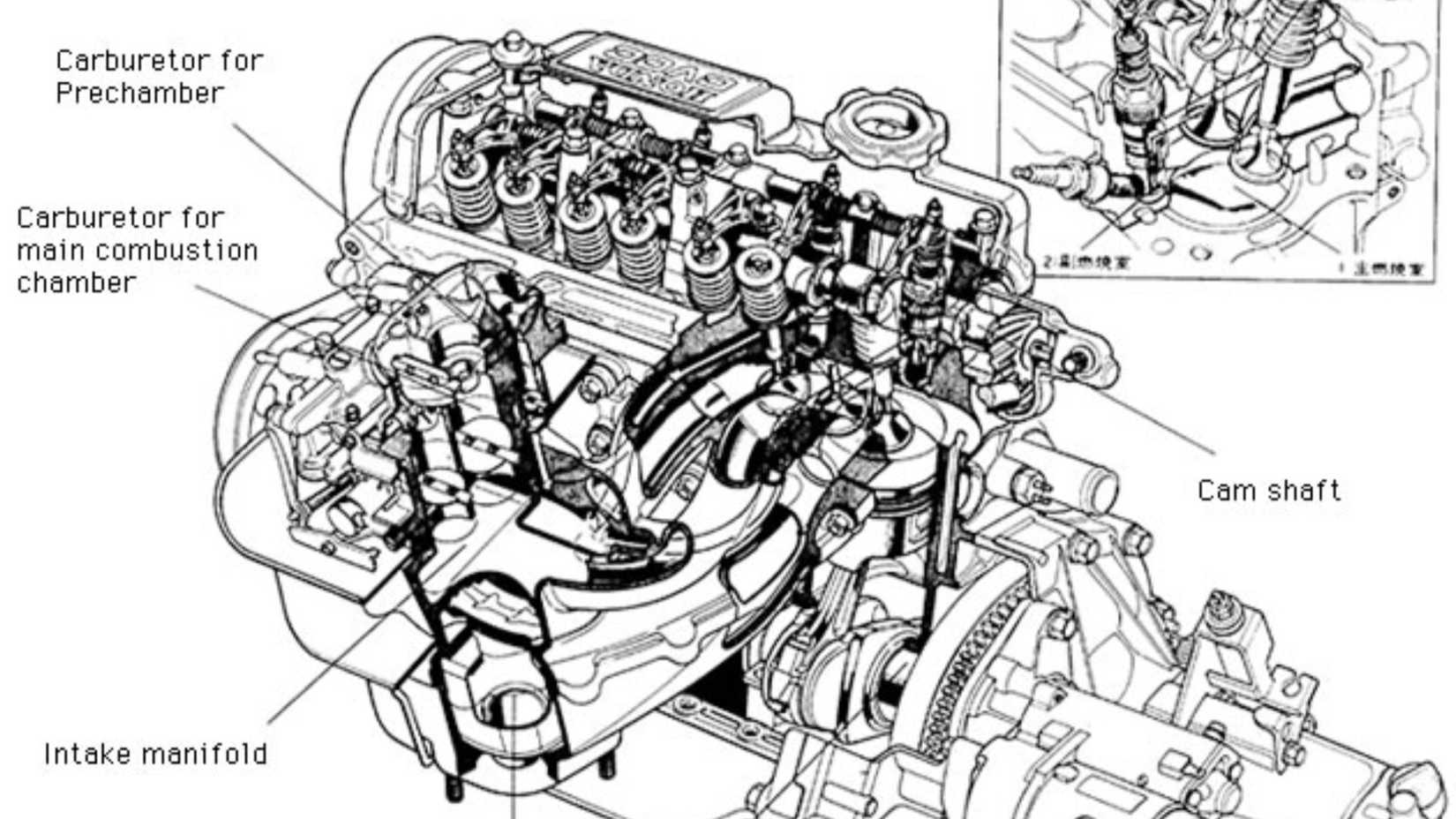
Cutout image of the Honda CVCC engine – how it worksHonda Global
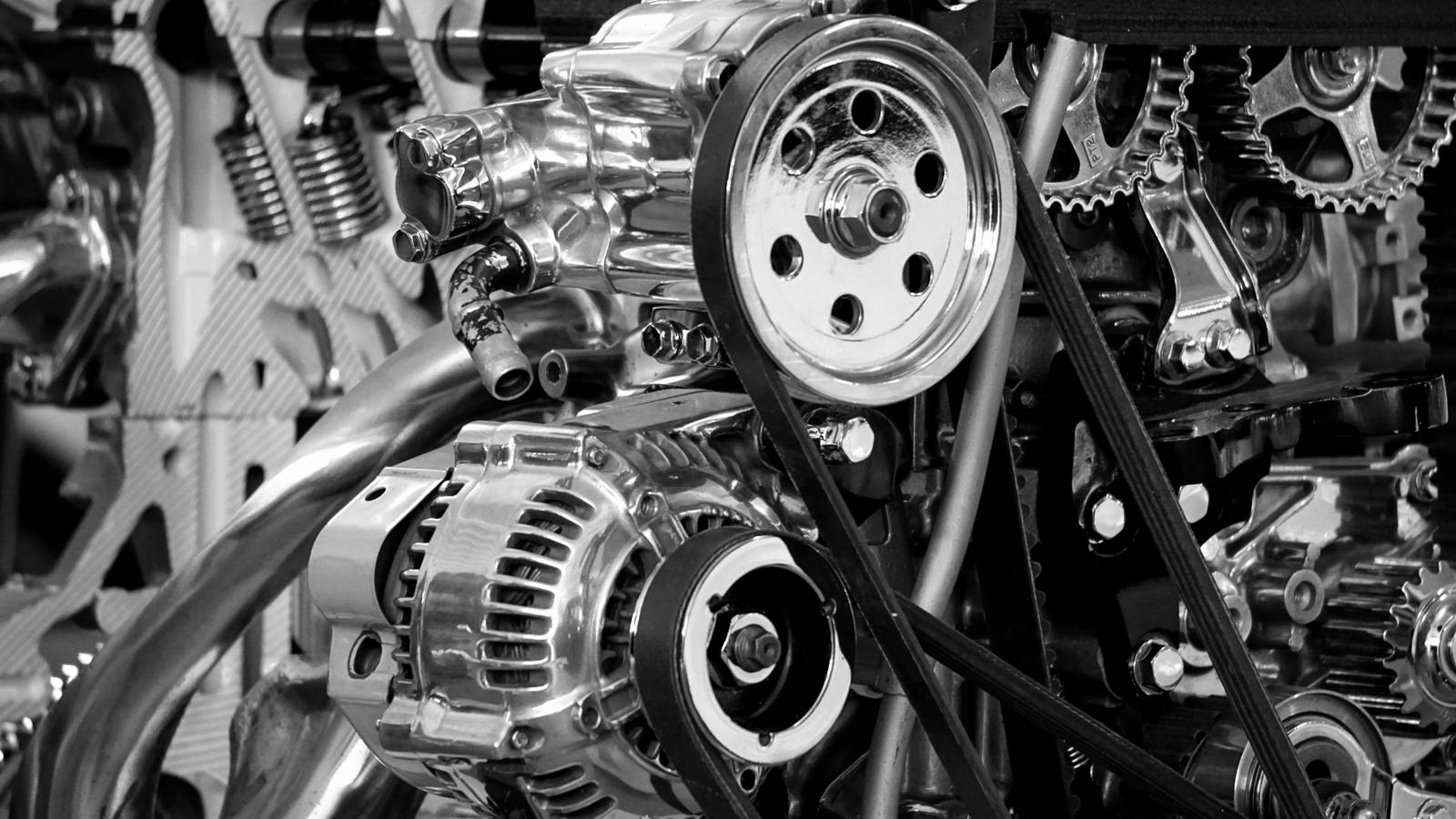
Before we get into what the fuel pump is, we must first understand the basic needs and requirements of an internal combustion engine (ICE). An ICE requires three elements to run: air, spark, and fuel. The air intake system handles the engine’s oxygen supply, and the ignition system the spark to fire up the engine, but the fuel system is responsible for the storage and delivery of gasoline or diesel to the engine. Regarding the latter, the fuel pump is the heart of the system. It literally pumps fuel from the reservoir (the gas tank) to the engine, just like a human heart pumps blood through the body.
But the fuel pump’s purpose is about more than just moving liquid from one point to another. The fuel must be delivered at a consistent volume and pressure. If neither of these requirements is met, the following could happen:
Low Pressure: The engine will be “starved,” leading to a lean mixture where there is too much air and not enough fuel. This can cause the engine to run hot, misfire, or stall.
High Pressure: The engine runs “rich,” wasting fuel and potentially damaging spark plugs or the catalytic converter.
Modern vehicles are equipped with fuel injectors, making the role of the fuel pump even more crucial. Fuel injectors are instruments that spray fuel as a fine mist in a very precise manner. In achieving this, the fuel is supplied at a high pressure, and the fuel pump must constantly maintain the pressure, whether the vehicle is idling or accelerating. It’s a complex operation, but a crucial one that should not be undervalued.
Now For The Real Talk: Types Of Fuel Pumps
Fuel Pumps
Mechanical
Electrical
High-Pressure Fuel Pumps
Widespread Use
1920s
Late 1960s/Early 1970s
Mid-1990s
Usage
Older Cars With Carburetors
All Modern Brands
Examples: BMW, Ford, Volkswagen
The Old Guard: Mechanical Fuel Pumps
2009 Audi Q7 V12 TDI finished in white with black interiorAudi
Mechanical fuel pumps are seen as the “old guard” of automotive engineering. They are primarily found in older vehicles that are equipped with carburetors and are distinctively analog in their operation. Mechanical fuel pumps are typically mounted directly on the engine block and are driven by the engine’s motion itself, usually via an eccentric lobe on the camshaft.
Pros: These are simple and reliable, and replacing a mechanical fuel pump or diagnosing it as the problem is usually a straightforward task. This system is free of complex electrical wiring, relays, or sensors, which means that if the engine is turning, the pump is pumping. This makes them relatively easy to diagnose and repair.
Cons: The pumping pressure is quite low, which is sufficient for carburetors but inadequate for modern fuel injection systems. If the vehicle has been stationary for a long time and the fuel in the carburetor evaporates, the engine must be cranked to re-prime the system. On the other hand, because the mechanical fuel pump is mounted on the hot engine block, it is susceptible to “vapor lock.” This is when the engine’s heat causes the fuel in the lines or pump to boil and turn into vapor. When this happens, the flow of fuel stops, and the engine stalls until it cools down.
Changing Of The Guard: Electrical Fuel Pumps
2007 Chevrolet Corvette engine bay detail shot w/ ProCharger superchargerProCharger Superchargers
In the 1980s and 1990s, the automotive landscape shifted from carburetors to fuel injection, highlighting the need for higher, more consistent fuel pressure. This gave rise to the electrical fuel pump. This type of fuel pump relies on motor-driven components that are dependent on the vehicle’s electrical system. The electrical fuel pump is almost always located inside the fuel tank itself.
Pros: Fuel delivery is more controlled, with electronic systems monitoring the engine’s load and adjusting the fuel mixture as required at the moment. Electric fuel pump problems are often easier to diagnose with scan tools that can read fuel pressure sensor data, and this fuel pump also aids in better fuel economy and lower emissions. The vapor lock issues associated with mechanical pumps are also non-existent.
Cons: Accessibility. When the electrical fuel pump fails, replacing them usually requires draining and dropping the fuel tank, or removing the rear seats to access a service panel. This increases labor costs. Because this system is reliant on the vehicle’s electrical health, a poor electrical system can stop the pump from working – even if the mechanical parts are fine. Drivers who habitually run their tanks near empty can cause the pump to overheat and fail prematurely. Why? Because the electrical fuel pump depends on fuel for cooling.
The New Kid: High-Pressure Fuel Pumps (Direct Injection)
2011 Kia Optima finished in silver with black interiorKia
High-Pressure Fuel Pumps (HPFP) are the latest evolution in fuel delivery, and are often used in Gasoline Direct Injection (GDI) engines. Their workings depend on a standard electric pump in the fuel tank, but the HPFP delivers it directly into the combustion chamber. The HPFP is mounted on the engine and is driven mechanically by the camshaft – similar in operation to the mechanical fuel pumps of old.
Pros: Because these pumps generate extreme pressure, the fuel is broken down into ultra-fine particles and is injected directly into the cylinder at the exact moment of combustion. This increases power and efficiency. This technology is used in modern small-displacement turbocharged engines, allowing them to produce the horsepower of much larger older engines without incurring efficiency “penalties.”
Cons: The complexity and precision around the manufacturing of HPFPs make them significantly more expensive than standard pumps. They are also sensitive to fuel quality, and poor quality fuel or a lack of lubrication can destroy the internal mechanisms quickly. If an HPFP fails, it can sometimes send metal shavings and other damaging particles through the fuel rails and injectors, forcing an expensive repair of the entire fuel system.
There are bad fuel pump signs that usually show themselves before total failure. One of the most common auditory signs is a loud whining or howling sound coming from near the fuel tank. This would indicate that the electric motor is struggling. Difficulty starting is another sign, especially if the engine cranks for longer than usual. If your car sputters or jerks when driving at highway speeds, it’s another tell-tale sign. Here, the pump can provide the required volume of fuel at low speeds, but fails to maintain it for high-speed operation. “Surging,” where the vehicle lunges forward without the accelerator being pressed, is another sign. If you want to know how to test if fuel pump is bad is useful, the best method is using a fuel pressure gauge, and comparing the readings against the manufacturer’s specifications.
Reasons Why A Fuel Pump Could Go Bad
Fiat TwinAir engineStellantis
Environmental factors and driver habits are involved if you’ve ever wondered how does a fuel pump go bad. Contamination is a common reason, because sediment, rust, and debris accumulate in the bottom of the gas tank over time. If the filter fails to do its job, particles can wear down the pump’s internal components. Heat is a major culprit, be it a mechanical or electric fuel pump. On the latter, if the car is consistently driven with less than a quarter tank of gas, drivers inadvertently shorten the pump’s lifespan. Without enough fuel to keep the fuel pump cool, it runs hotter, leading to the internals degrading faster. General wear and tear is inevitable, but keep an eye on electrical issues. Fuel system problems, such as a clogged fuel filter, can also strain the motor until it fails.
Problems If Issues Are Not Addressed
2025 Toyota GR86 Hakone Edition boxer engineToyota
So, what happens when you have a bad fuel pump? The big thing is that your vehicle’s engine enters a state of unpredictability, and the immediate problem is the risk of a “lean” running condition. This means that the engine can be starved of fuel, spiking the combustion temperature. If the vehicle is driven in a lean condition for prolonged periods, the:
Pistons can melt
Valves can burn
Catalytic converter can be destroyed.
Furthermore, can a bad fuel pump cause electrical problems? Yes, it can. A failing fuel pump draws excessive amperage as it struggles to find the “motivation” to spin at its optimal speed. The excessive current can cause the wiring harness to overheat, melt the plastic connectors on top of the fuel tank, or blow fuses repeatedly. If the pump seizes completely, the sudden electrical surge can strain the vehicle’s entire electrical system.
Why You Shouldn’t Drive With A Bad Fuel Pump
stranded car engine problems kia sportageMart Production / Pexels
Driving with a bad fuel pump is a safety gamble given the engine’s unpredictable power delivery. The fuel pump may also cut out completely without warning, which could pose a safety risk if you’re on the highway or driving through an intersection. And when the engine dies, you lose the power steering and 100% brake function, too. This contributes to a loss of vehicle control, which can lead to accidents. Fuel pump bad symptoms worsen as the pump heats up, which adds to the unpredictability. If you notice anything strange about your car and suspect that it may be a bad fuel pump, have it diagnosed and replaced immediately by a professional – even if you just do it for your safety, your car’s health, and your wallet.
Sources: Autozone, Engineering Learn, AA1Car, WH Auto Car, Carter Engineered, Hot Shot Secret
Flying taxis could swoop into Australia in time for the Brisbane Olympic Games after a tech giant publicly demonstrated the first of its electric aircraft.
Uber and its partner Joby Aviation held a public test of the unique flying machine in the Dubai desert on Thursday, revealing plans to launch a commercial air service with the futuristic vehicles later in 2026.
The flying taxi service will begin transporting passengers between four skyports in Dubai before expanding to New York and Los Angeles, followed by cities in the UK and Japan.
But one of the aviation firm’s top executives said the 2032 Olympic Games was also on its radar and the company was in talks with Australia’s Civil Aviation and Safety Authority about certification.
The announcement comes more than five years after Uber nominated Melbourne as one of the first launch pads for a flying taxi service before pulling out of the project.
The US firm announced plans to revive its air travel ambitions in partnership with Joby Aviation as the technology and cities had evolved significantly, Uber autonomous mobility operations global head Annie Duvnjak said.
“Getting to the sky is certainly the place we envision next,” Ms Duvnjak said.
“As cities have gotten bigger and congested… this is a great opportunity to have different options to save time, to have people take different ways to get to airports or to work.”
When launched, the flying taxis will appear within the Uber app as a time-saving option, with rides to and from the aircraft’s launch pad built into each journey.
An hour-long road trip could be reduced to an 11-minute flight using the aircraft, according to Uber estimates, and is expected to command a similar fee to an Uber Black ride.
“We can’t wait to fully take off publicly, but it’s really closer than you think,” Ms Duvnjak said.
The aircraft features six propellers and four batteries for redundancy, is capable of flying at speeds of up to 320km/h and promises to be significantly quieter than a helicopter.
While the vehicle is undergoing certification in the United Arab Emirates and US, Joby Aviation chief product officer Eric Allison said the company was also discussing it with Australia’s air transport regulator.
Additional work would be needed for CASA to approve the novel aircraft, he said, but the company could have flying taxis operating in Australia in time for the Brisbane Games.
“Whenever there are big events that have a global stage, there’s opportunity,” he told AAP.
“I certainly think that’s something we will be paying close attention to.”
* The reporter travelled to Dubai as a guest of Uber.
Our free daily newsletter sends the stories that really matter directly to you, every weekday.
The automobile has been commonplace for more than a century. Despite that fact, the world still can’t agree on one of the most basic principles of operating a car: which side of the road to drive on. This lasting schism has cost automakers billions in redundant development costs and makes the simple act of owning vintage cars produced overseas challenging for owners. How did we get here—and would you believe that it’s at least partially due to America’s independence? The Drive‘s Editor-in-Chief Kyle Cheromcha explains.
Right-side traffic is by far the predominant global configuration; nearly 150 countries—about 70%—have come down on the right side of automotive history. The left side comprises about 60 countries. Sounds like a decisive enough win, right? Except that several of those countries are highly populated, including India and Indonesia. Others are also highly influential, especially in the automotive industry. Great Britain, Japan, and Australia all famously drive on the left side, and all of them had an outsized influence on the development of the car.
And speaking of influence and Great Britain, the current situation can largely be explained by the former reach of England’s empire. India, Australia, and many countries in Africa that drive on the left side are former British colonies. British influence even swayed the Dutch in South Africa to betray their homeland by adopting left-side driving. Japan was also heavily influenced by early industrial-era relations with the U.K., including guidance from U.K. moguls who helped build their now-world-beating railway infrastructure.
But there are plenty of other former British colonies among the right-side driving nations of the world—including the U.S. and Canada. So, apart from our open defiance of all things old-world, why did America ultimately align itself against the British? As usual, at least part of the credit goes to France.
If you go back to the days of horse-drawn carts and lance-wielding nobility, French courtesy dictated that slower “traffic” on common roads stay to the right. This meant people on foot—peasants, in other words. Those proceeding more quickly were given the right-of-way to pass on the left. Lane discipline by royal decree? Not such a bad idea, right?
But unfortunately for expressway drivers everywhere, that notion didn’t last. When the French Revolution turned nobility into a liability, its well-to-do citizens began to disperse themselves amongst the poor, traveling on the right to better avoid being targeted by the masses.
Ever deliberately drive as far to the right as possible in a conspicuously fast car to avoid the long arm (and radar) of the law? Same energy.
But in the 1750s, France wrote the keep-right courtesy into law. And if that were all there was to it, this whole explainer wouldn’t be necessary. So, why didn’t this take off worldwide? For that, we need to swing back over to the British—and go back in time another 450 years to Pope Boniface.
In 1300, Boniface decided that Christianity would forget the depressing realities of daily life if they got up off their dirt floors and logged a few steps, so he declared the first Christian holy year—or Jubilee—and assured the devout that they’d be rewarded for making the long pilgrimage to Rome to visit St. Peter and St. Paul’s Basilicas 15 times. Apiece. If you were local, that number was 30.
Despite the plagues and wars that had greatly reduced Europe’s population in the 1200s, this still put a whole bunch of people on Europe’s rudimentary roads, and that traffic prompted its own decree: foot traffic, keep left. Christians returning to England (which existed more or less in the same form it does today) brought that habit back with them. And it wasn’t until people started leaving these home countries en masse during Europe’s colonial era that defiance of that trend would emerge.
That’s right. We’re talkin’ about America, baby.
Here in the States, “smoldering opposition” to old-world customs played a large role in determining our rules of the road, but practical convenience was the primary driver (pun somewhat intended). This was largely due to the Conestoga wagon, which didn’t have the driver’s seat in front. Instead, it was operated from a board that jutted out from the left side of the wagon. Naturally, when two wagons encountered each other head-on, they’d both move to their right so that the drivers could maintain visibility and control as they passed each other.
The practice stuck, and as U.S. highways developed, states went on to make “keep right” the law of the land. The rest is history.
TESLA has rolled out Elon Musk’s controversial Grok AI assistant as an update for Model 3, Model Y, Model S, and Model X examples in Australia and New Zealand.
The AI chatbot – developed by Musk-owned company, xAI – can answer a wide range of user questions and serve as a navigation assistant in Tesla vehicles, functioning through voice commands activated via the steering wheel controls.
It can set navigation destinations, adjust routes, and even help drivers discover points of interest according to a media release from Tesla.
Grok can also be further personalised, with users able to alter its voice and conversational personality, with pre-sets such as ‘Assistant’, ‘Storyteller’, and ‘Unhinged.’
Currently – as Grok is in its Beta – it does not have the ability to control other vehicle functions such as media, climate control, screen brightness, app functionality, mirror position, Tesla’s sentry mode, or door locks.
Instead, such functions can be utilised using the existing voice command feature, which will co-exist with the Grok AI.
From 24 February, Grok can be installed on Tesla vehicles in Australia and New Zealand equipped with an AMD processor and the vehicle software version 2025.44.25 or later.
To install the update, either a connection to a Wi-Fi network or to Tesla’s subscription-based Premium Connectivity data service is also required.
The update will be made available first for vehicles with HW3 (Tesla Hardware 3) before being released in ‘waves’ for Tesla examples equipped HW4 (Tesla Hardware 4) over the subsequent days. Customers will be notified of the update through the Tesla app.
Grok was first introduced in 2023, designed primarily to generate answers to user questions. Later, in July 2025, it was introduced as a feature in Tesla vehicles in the United States.
According to a 2023 X post from xAI, Grok was designed to be uniquely characterised by its witty nature, its “rebellious streak” and its ability to “answer spicy questions that are rejected by most other AI systems”.
Grok AI can also be personalised based on a user’s X activity such as their posts, profile, the content they engage with as well as their inputs into the AI itself.
Following its release, the Grok AI quickly became a source of controversy, infamously generating extremist and anti-Semitic responses as well as being used by users to generate sexually explicit material.
As far as user privacy is concerned, Tesla has assured that conversations between owners and the Grok AI “remain anonymous to Tesla and are not linked to you or your vehicle” in a media release.
When you think of a vehicle’s name, you probably think of its make and model. For example, if someone asks what kind of car you have, you may answer with something like “a small blue car” or name its make and model, “Toyota Camry.” But there’s a difference between make and model, and understanding this is important, especially when shopping for or selling a car.
➡️ Skip the lot. Let Car and Driver help you find your next car.
Shop New Cars | Shop Used Cars
Car Make and Model: What Does It Mean?
The terms “make” and “model” are used to describe a specific car and are frequently used together, but can sometimes be used separately. If you’re talking to someone with a decent knowledge of cars, you might just say you own a Civic rather than say “Honda Civic,” because you know they understand that a Civic is a type of Honda.
Rolls-Royce
Make
Simply put, the make is the brand of the car, and the model is the specific product. Think of Oreos. Nabisco is the brand; Oreos are the specific product. Every make, or brand, has multiple models in its lineup. So, Toyota offers several models, including the Camry, Corolla, 4Runner, Tundra, and others.
Some car makes are under a parent company that is also a make. Consider Ford Motor Company. Ford is its own make, but it’s also the parent company of Lincoln.
Ford
Model
Once you know the make or brand, the model narrows it down even more. Audi and Mercedes differentiate between models with a well-organized system of letters and numbers. Audi designates their SUVs with the Q nomenclature (such as Q3, Q5, and Q7), and its cars with the A suffix (such as A4, A6, and A8). Other companies name each of their models; for example, Honda makes the Accord, Civic, and Prelude cars and CR-V, HR-V, and Pilot SUVs.
Add in the model year to your description, and you’ve helped suss out the specific generation of the vehicles. For example, a 1998 Audi A4 denotes it as part of the model’s first generation, which Audi sold in the U.S. for the 1996–2001 model years. A 2003 Audi A4, meanwhile, alerts you to the fact that this sports sedan is an example from the model’s second generation.
Under the umbrella of the model are trim levels, which are another factor that further narrows down a vehicle’s feature set.
Audi
Differences Between Vehicles of the Same Model
Even if you have two vehicles that are the same model in front of you, they could still look very different. Beyond obvious differences like paint color and wheels, many models offer specific trim levels, different body styles, and varying feature and appearance packages.
Body Style
The body style is the basic build of the car, and certain models might be available in multiple body styles:
Sedan
Coupe
Convertible
Hatchback
Pickup
SUV (and/or crossover SUV)
Wagon
For example, Honda sells the current Civic in both sedan and hatchback body styles. Meanwhile, Honda builds the current Accord exclusively in sedan form.
THE MANUFACTURER
Trim Level
This is where you choose between a basic model with a lower starting price or one with various levels of added equipment and features. Just about every vehicle on the market offers a handful of trim levels. Often, trim levels are specified by initials like L, S, or EX, but some models use names. For example, the 2026 Kia K5 is available in either LXS, GT-Line, GT, or EX trim levels.
Generally, trim levels are focused on performance or feature content. So there’s usually a base trim that comes with the basic features you’d expect in the model, while the highest-end trims get all the extras you likely want in a car but probably don’t need (think sunroofs and leather-lined seats). Sport-oriented trims may feature additional engine output and/or transmission or chassis tweaks.
Austin Irwin|Car and Driver
How to Find Your Car’s Make and Model
The vehicle’s registration certificate will list its make and model. You can find more information, like model year, manufacturing location, and equipment specs, by searching the vehicle’s VIN (vehicle identification number). Locating the VIN is pretty straightforward. Typically, you can find it where the dashboard meets the windshield on the driver’s side. There, you’ll find the VIN, which is 17 digits long.
James Lipman|Car and Driver
When Does Make and Model Matter?
It’s essential to understand the make and model of a vehicle when you’re purchasing or selling it. This information also matters when shopping for car insurance. You may have heard the myth that red cars equal higher insurance rates. While that’s untrue, many insurance carriers do charge higher premiums for certain makes, models, and trims. For instance, sports cars and vehicles with high-performance capabilities typically cost more to insure.
Despite their shared last name, Greg Fink is not related to Ed “Big Daddy” Roth’s infamous Rat Fink. Both Finks, however, are known for their love of cars, car culture, and—strangely—monogrammed one-piece bathing suits. Greg’s career in the media industry goes back more than a decade. His previous experience includes stints as an editor at publications such as U.S. DriftBreath & World Report, The Huffington Post,Motor1.com, and MotorTrend.
Our free daily newsletter sends the stories that really matter directly to you, every weekday.
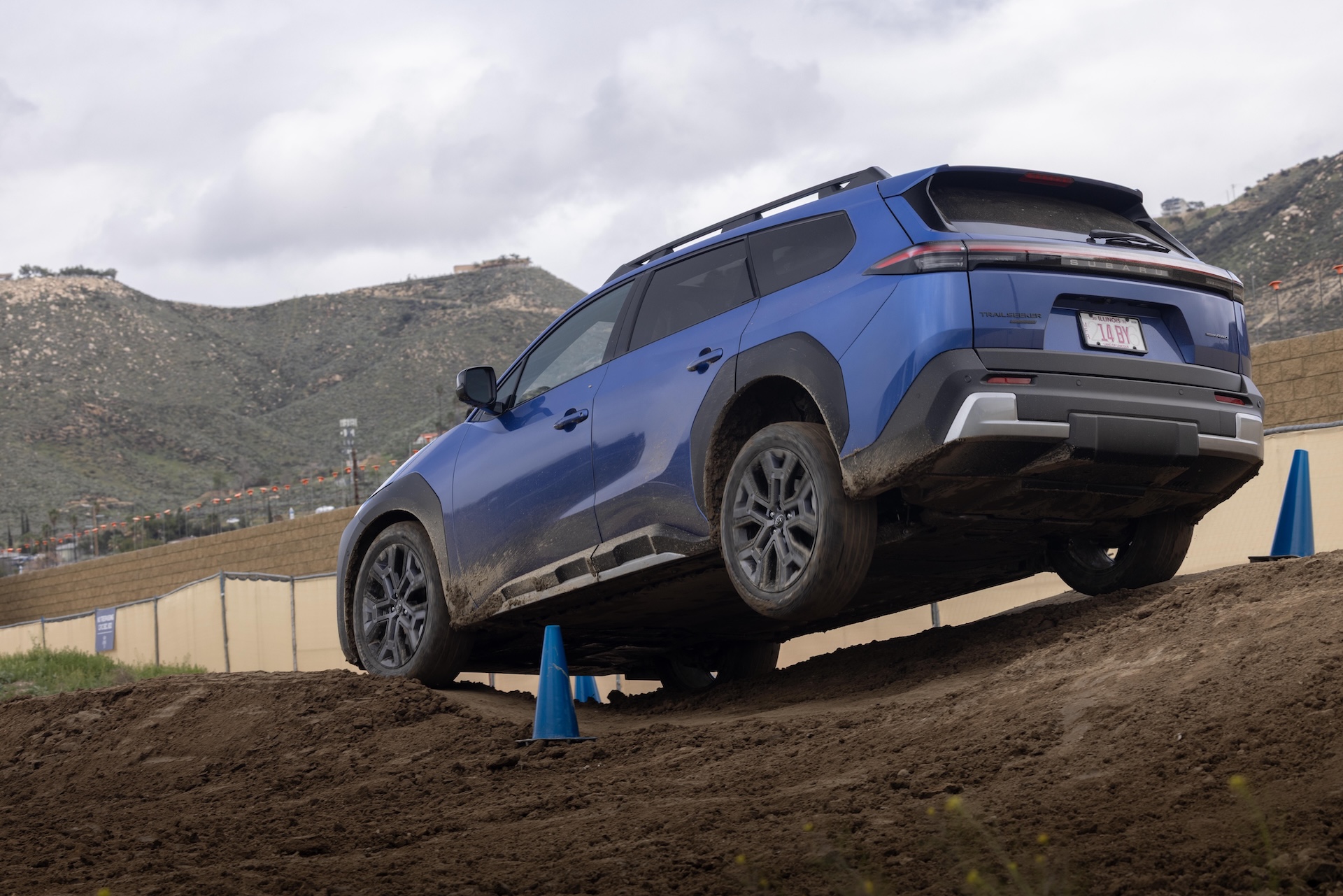
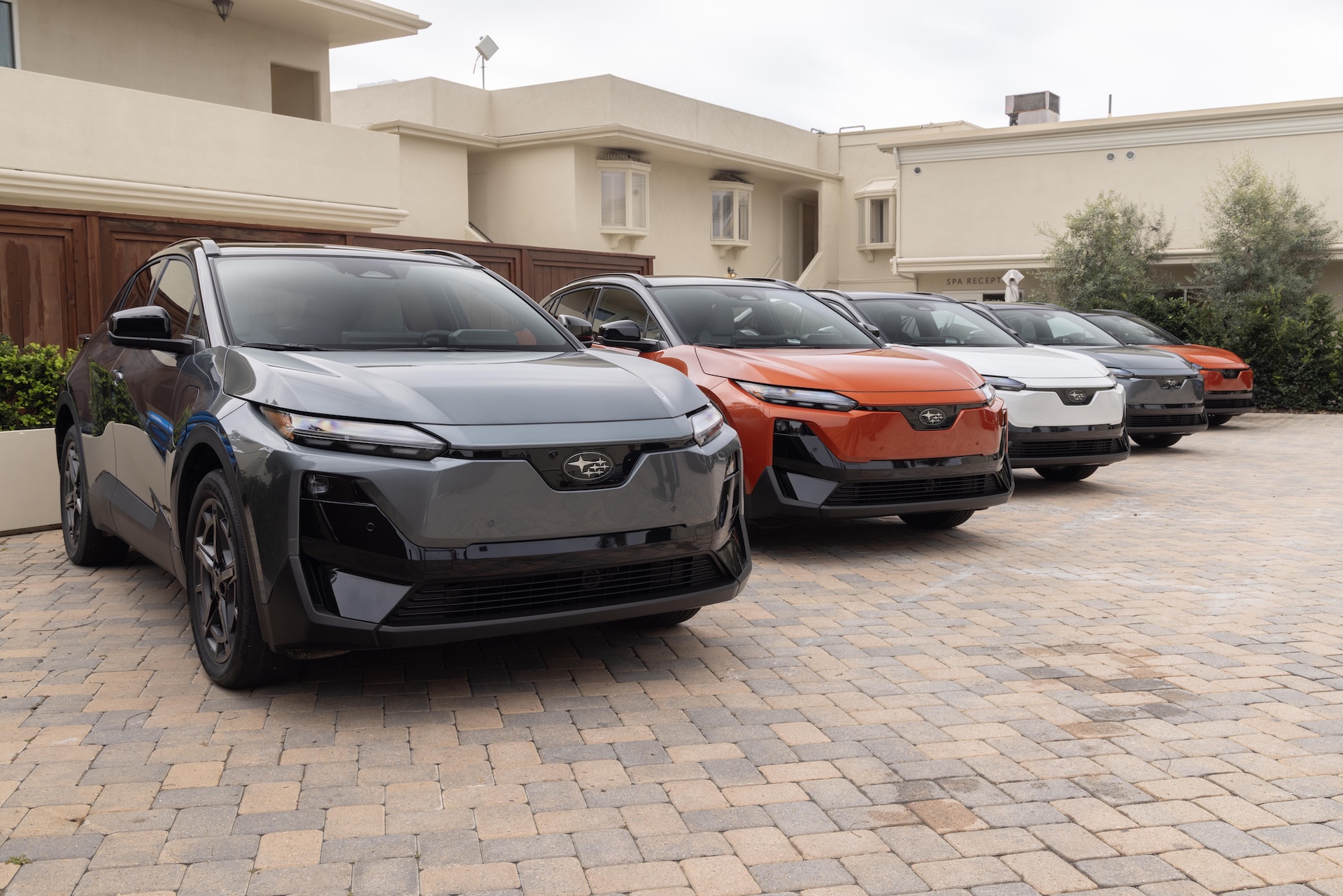
Subaru has more drivers interested in EVs than just about any other brand. It’s smart—if not particularly great timing—that it’s adding two more to its lineup for 2026. There’s the upcoming Trailseeker, which we’ll report on next week. First up, joining the veteran Solterra in the family is the 2026 Subaru Uncharted.
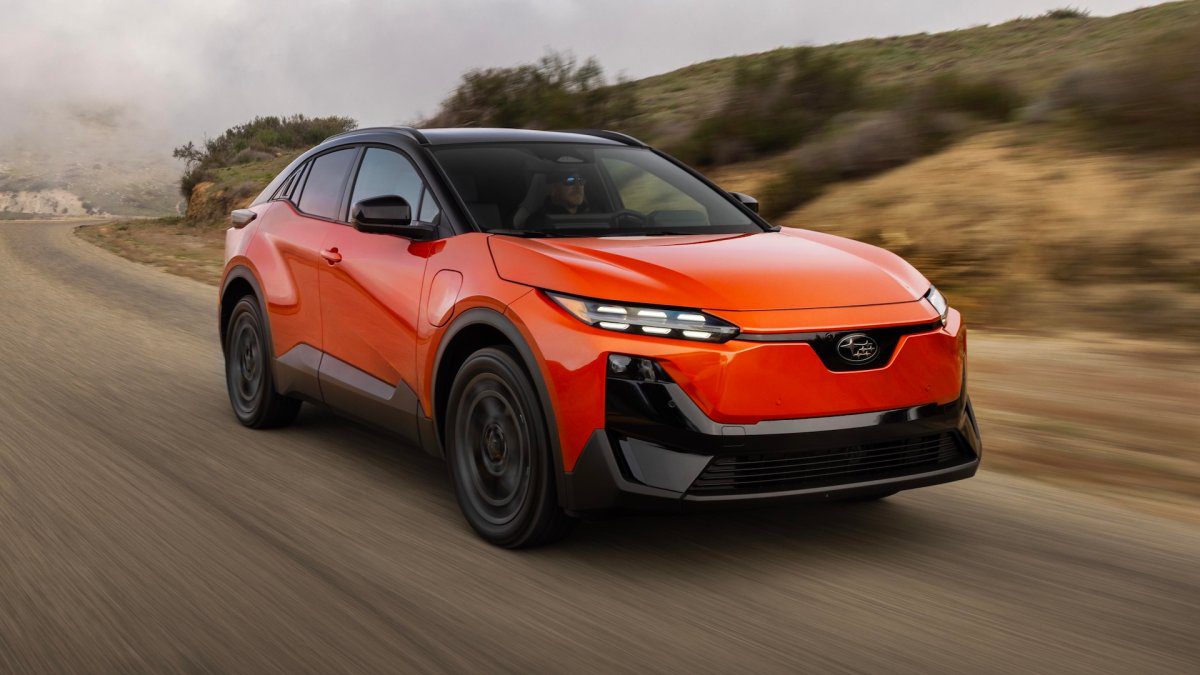
Almost identical to the all-new Toyota C-HR, and just a bit smaller than the Solterra, the Uncharted strikes out on a new path for Subaru EVs, one in which it nods at one of the more daring Subarus from the past. That iconoclast was the SVX, a big two-door hatchback AWD coupe that bristled with unconventional touches like a radio hidden behind fake burled walnut, a window-in-window treatment on the sides, and a rear wing large enough to serve charcuterie from.
Subaru
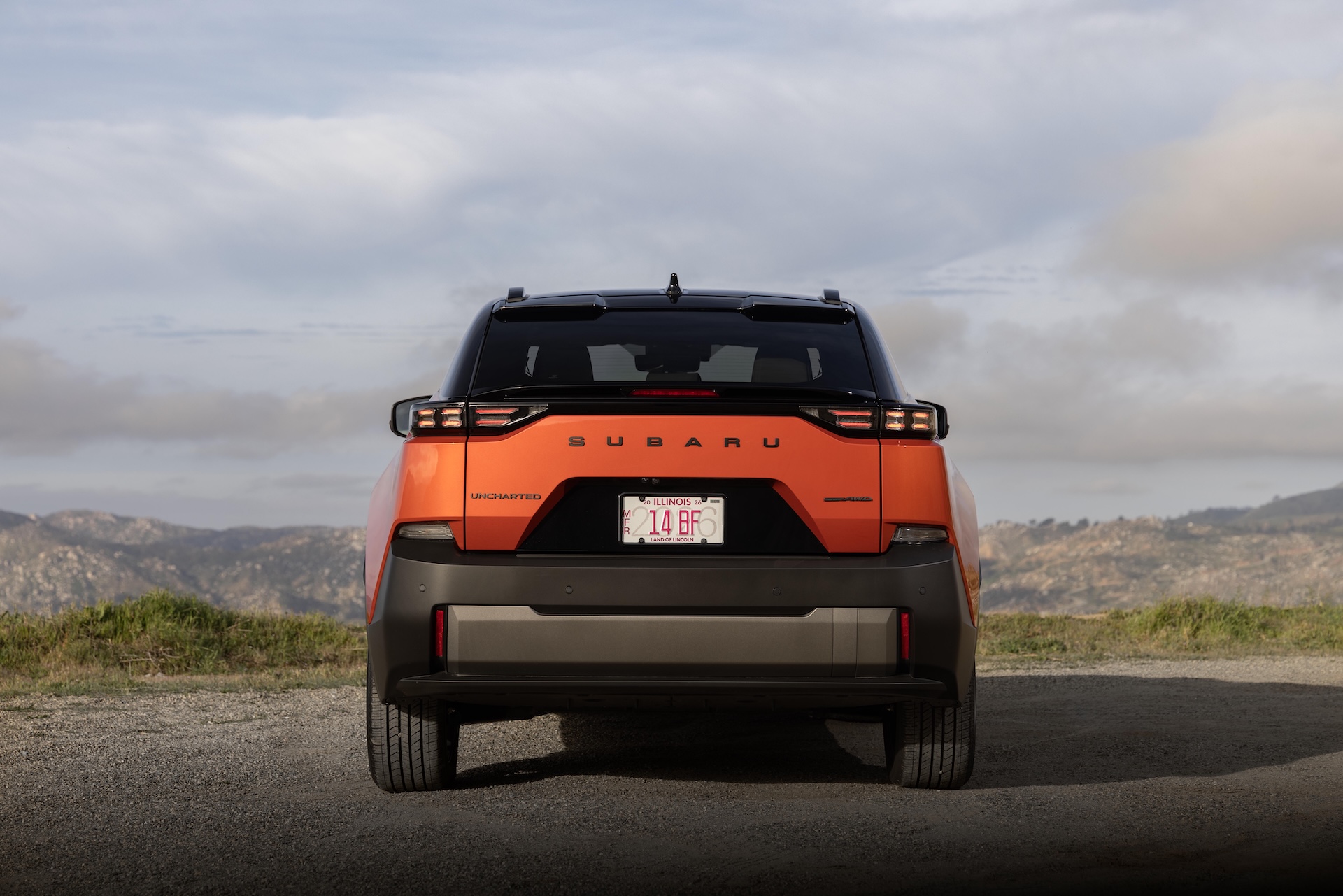
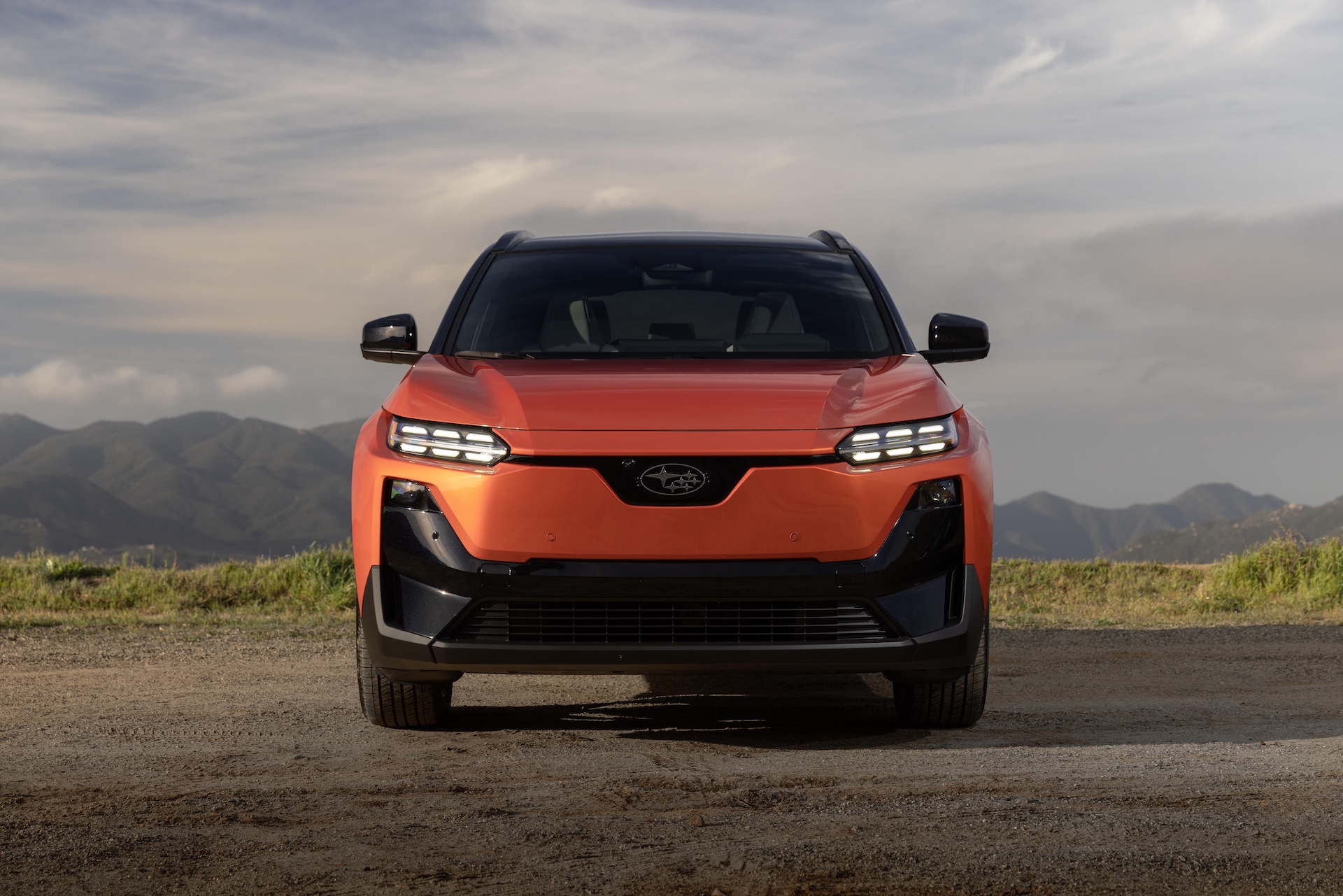
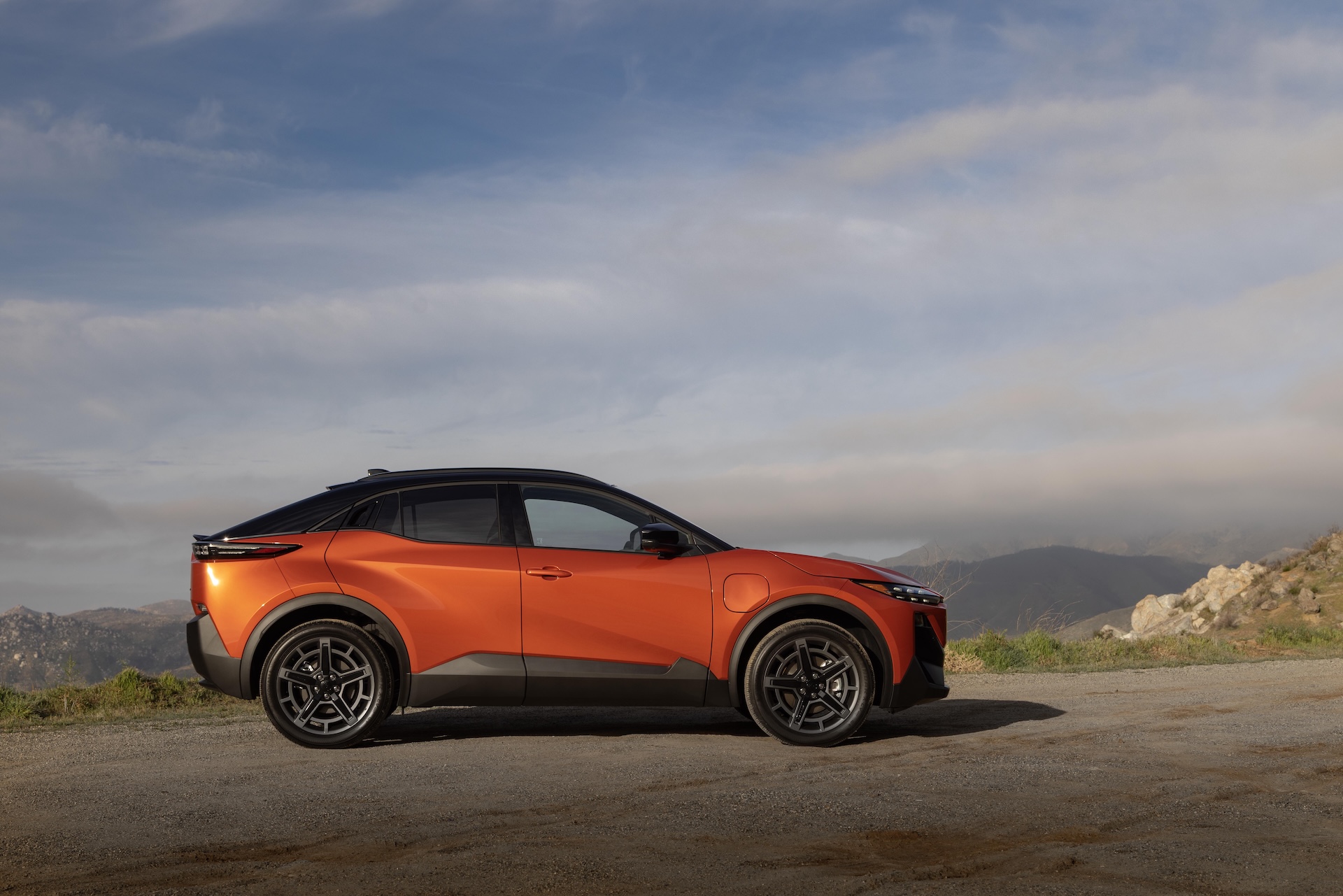
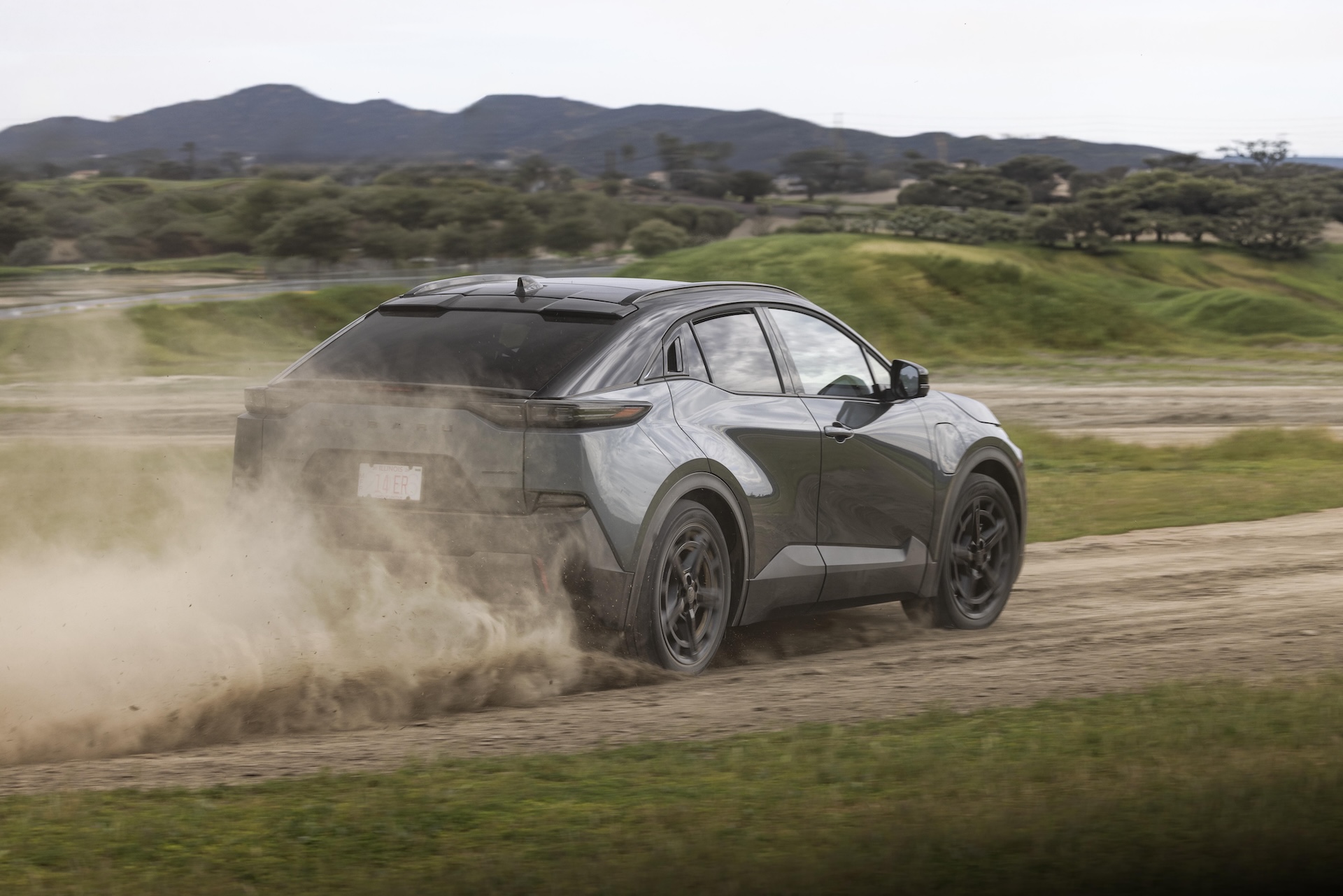
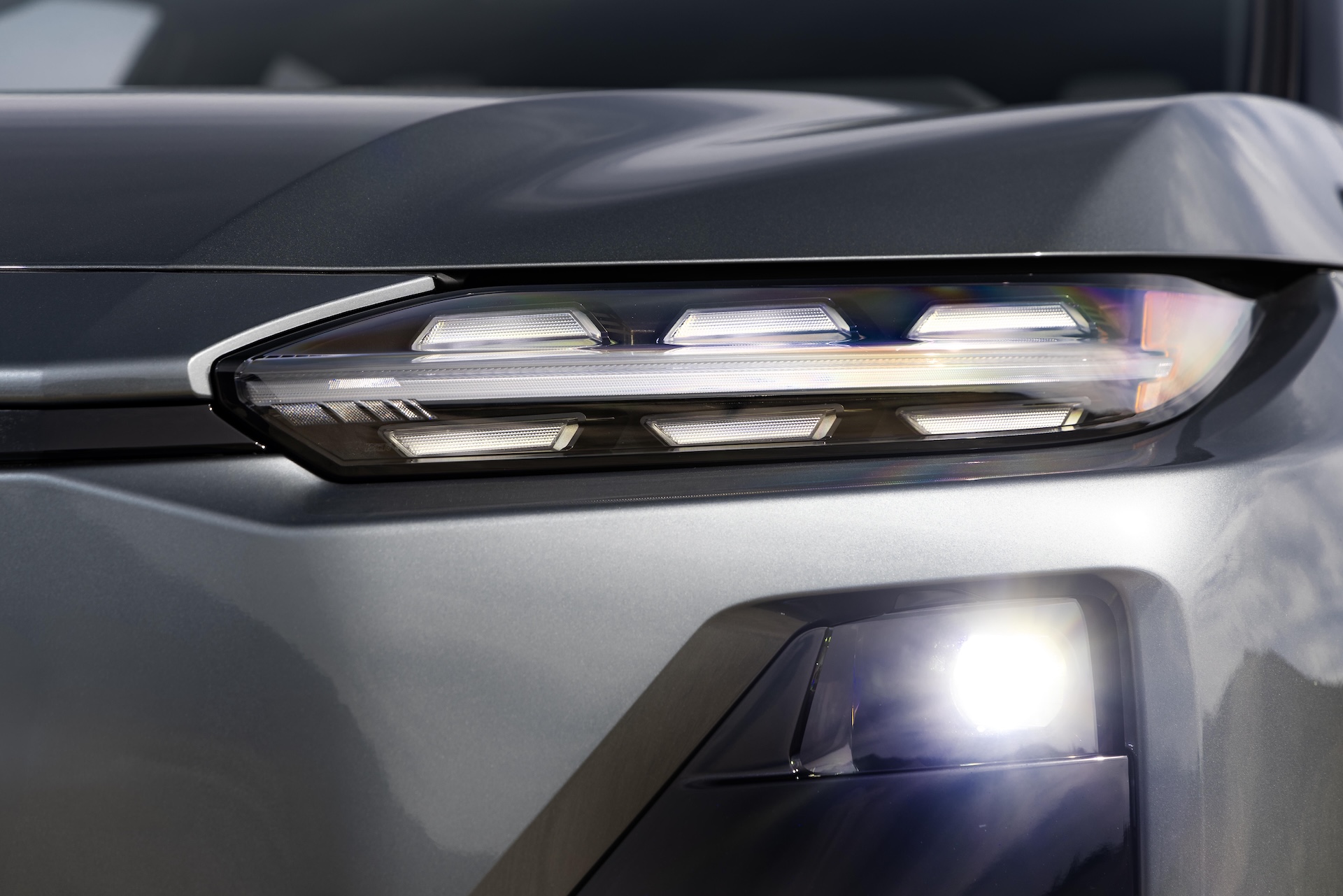
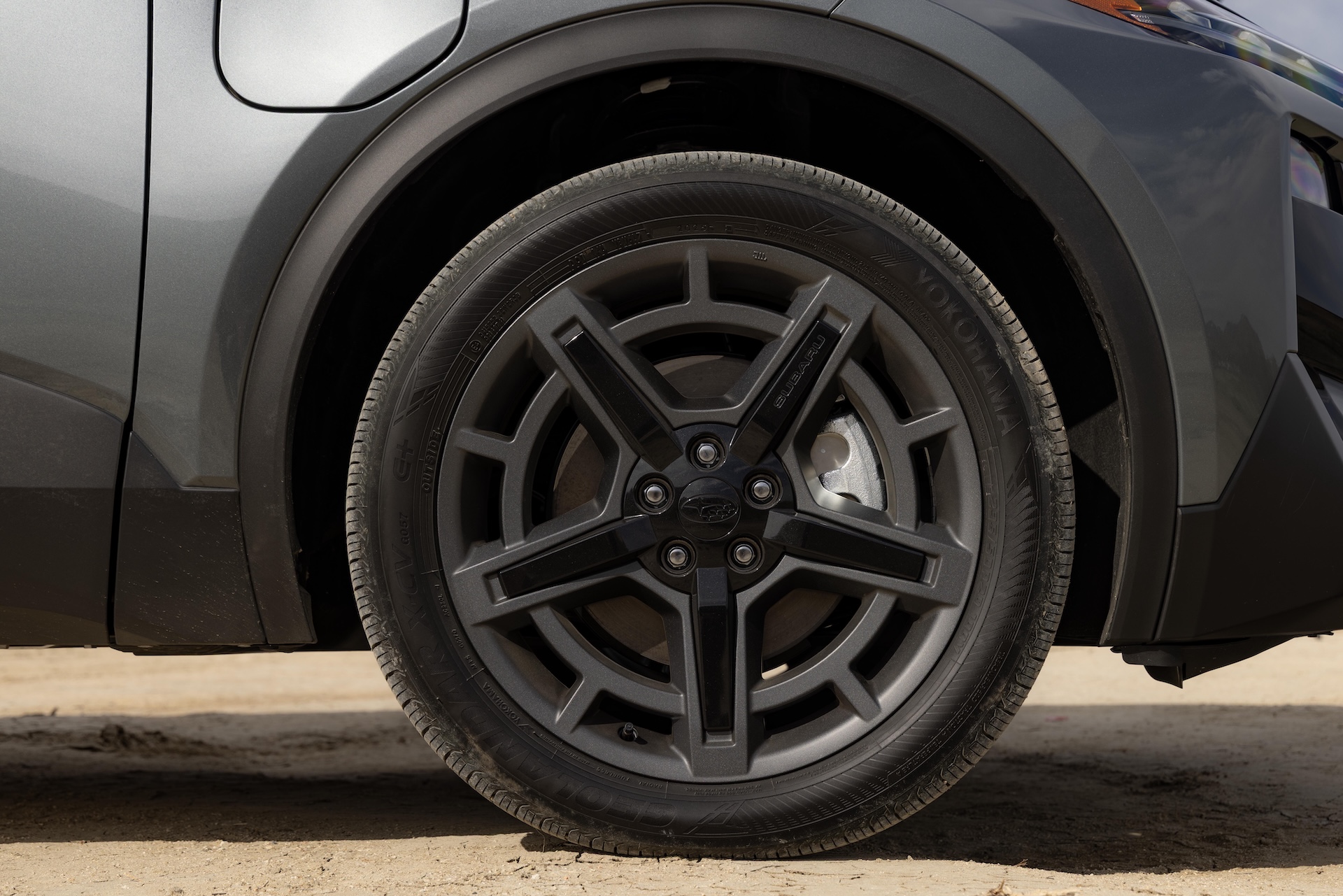
The Uncharted breaks gently in that direction, though it’s not the non sequitur that the SVX proved to be. More adventurous than the Solterra, the Uncharted wears a thin line across the nose that tethers its LED running lights to its logo. It swells around its fenders in a dual wave that kicks up into a rip current over its rear doors. The rear quarters fold into the pillar and slim taillights to pinch off the body before it boomerangs toward the ground. It’s a sleek body that would look sleeker if it sat lower to the ground, but alas, it’s a Subaru: ground clearance of 8.2 inches isn’t just a good idea, it’s nearly mandatory.
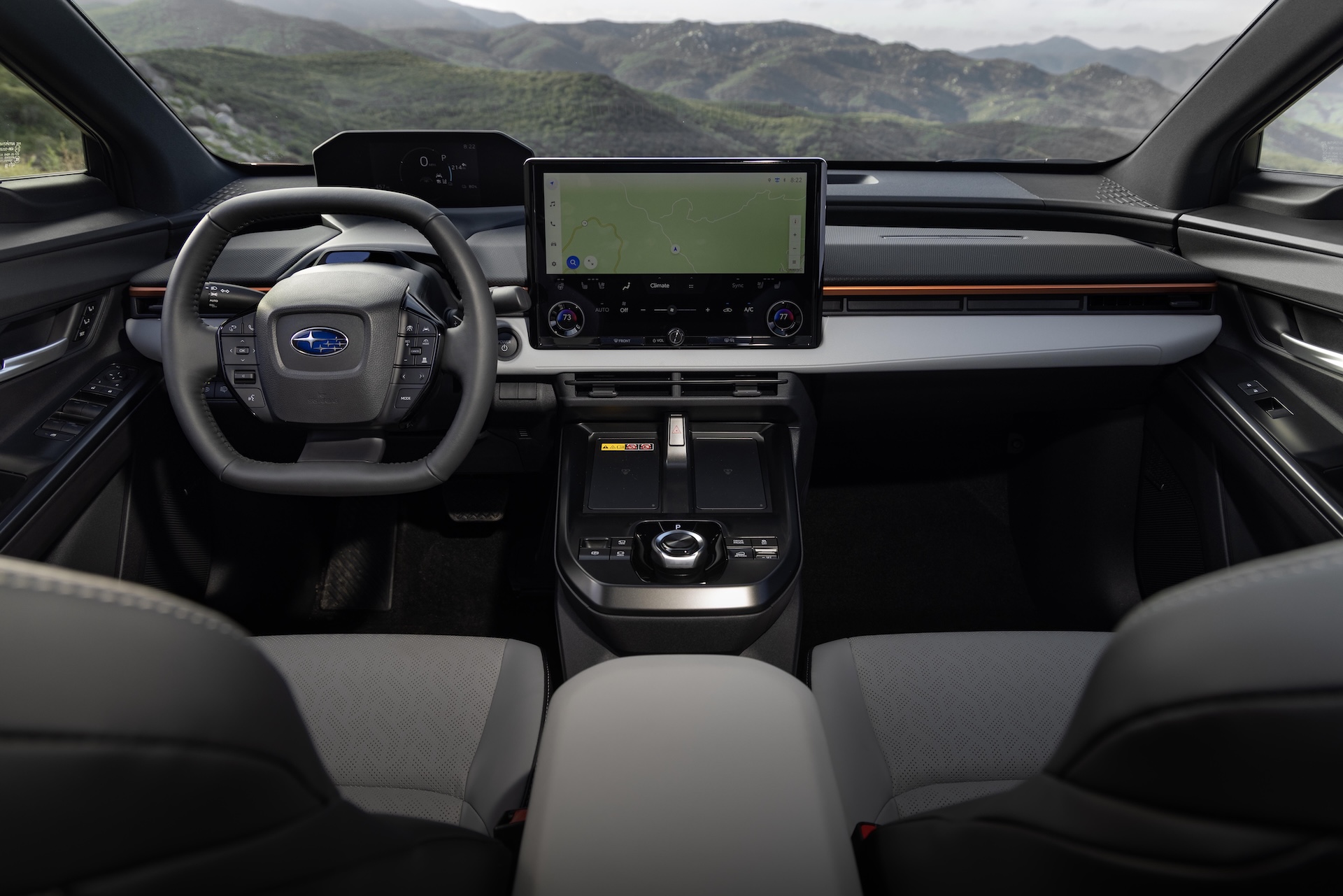
It’s 108.3 inches wheelbase, 177.8 inches long, and the Uncharted makes a lot of space from its footprint. The driver sits in a power seat faced by a squircular steering wheel and a smaller digital display for a semi-bewildering array of gauges; information bleeds over itself, leaving bits like brake regen blended too far into the mix. A wide console with twin phone charging pads sits over a push-and-twist drive selector, and below a massive 14-inch touchscreen that would look at home in a Toyota pickup, because an identical one lives there, too. There’s more passenger space than in a Crosstrek, and more than 25 cubic feet of space behind the rear seats for stuff—but tall people will find the 36.4 inches of rear-seat headroom a challenge on top-line Uncharted SUVs with the panoramic roof.
Subaru
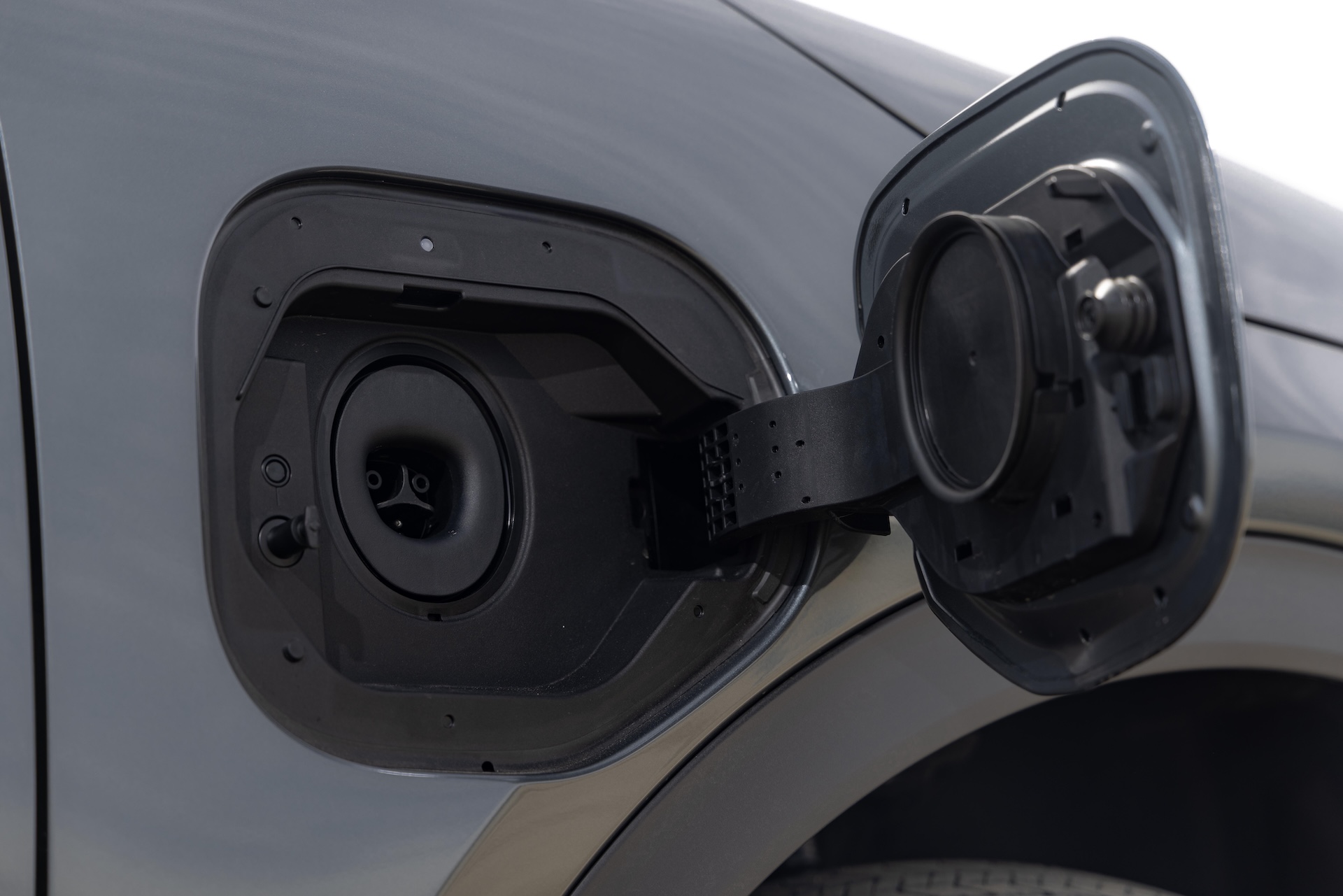
Subaru will sell three different Uncharted EVs. The base one, a Premium FWD with a single motor and front-wheel drive, will be offered only in limited numbers. It gets the same 74.7-kWh lithium-ion battery as the dual-motor Sport and GT models, but makes 221 horsepower while the twin-motor, all-wheel-drive versions generate 338 hp. The base model earns a 308-mile range rating; the Sport has 287 miles; the GT edition checks in at 273 miles of range. On all, a NACS charging port and a max charging rate of 150 kW enables 10% to 80% charging in as little as 28 minutes. Subaru promises a full charge in about seven hours on a Level 2 plug.
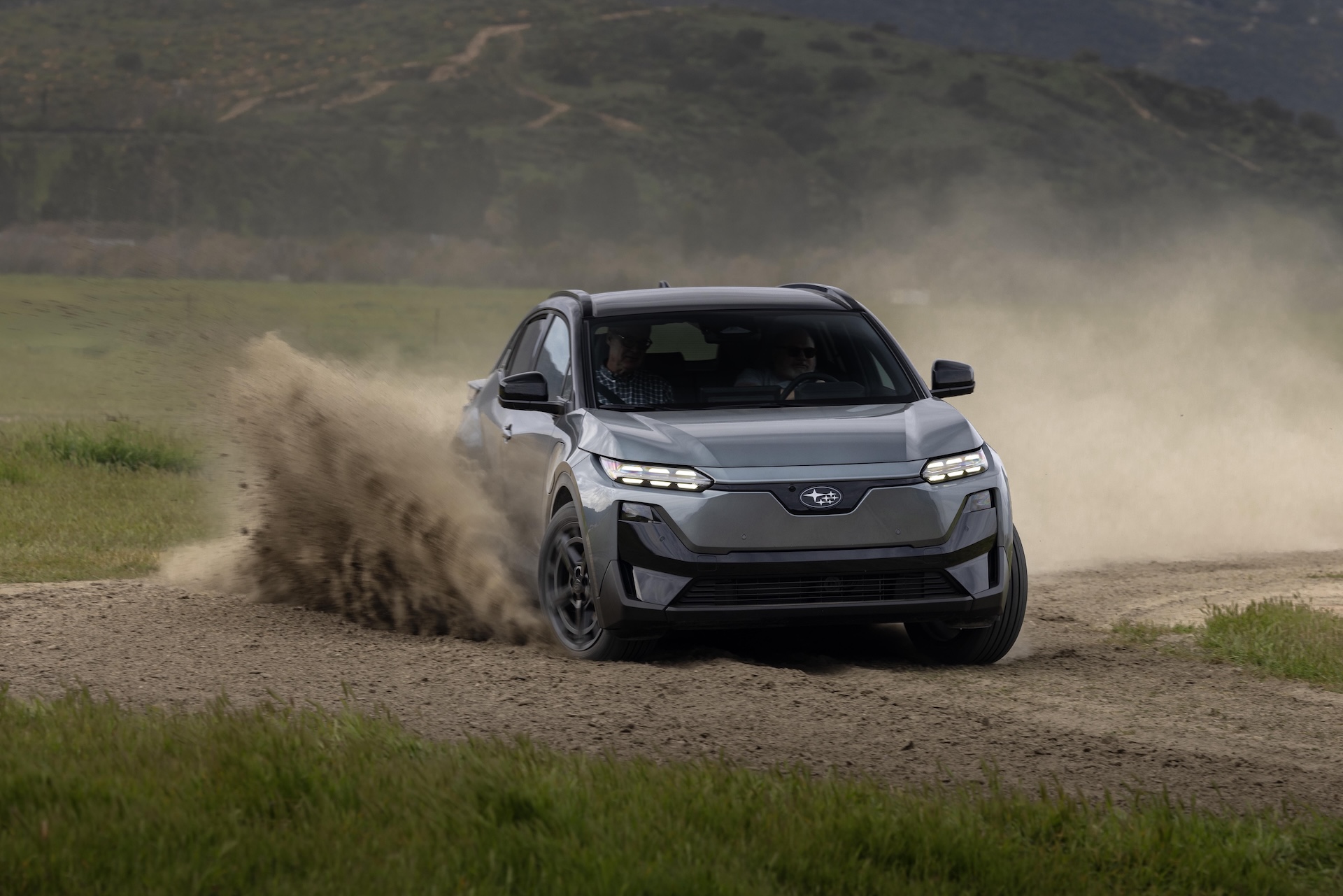
The Uncharted drives more like the SVX than many will remember. That unflappable two-door had a silken drivetrain and a beautifully controlled ride. The Uncharted has taken a hint from the past with its zero-problem EV power and poised feel. Credit those 4,000-plus pounds of curb weight with mashing down bumpy roads into something more pleasant. And like the SVX, it leaves some sporting nods on the table. Paddle controls can dial up more regeneration, for example, but there’s no true one-pedal mode. Though it offers Eco/Normal drive modes on the standard edition and Power on the Sport and GT editions, the Uncharted simply does what it’s asked, dialing in by remote and clicking off its driving assignments without fuss or much feedback. With its low center of gravity and truly quick acceleration—at 0-60 in 4.7 seconds, it’s more brisk from a stoplight than a base Polestar 4—it has that common EV feel of competence.
Subaru
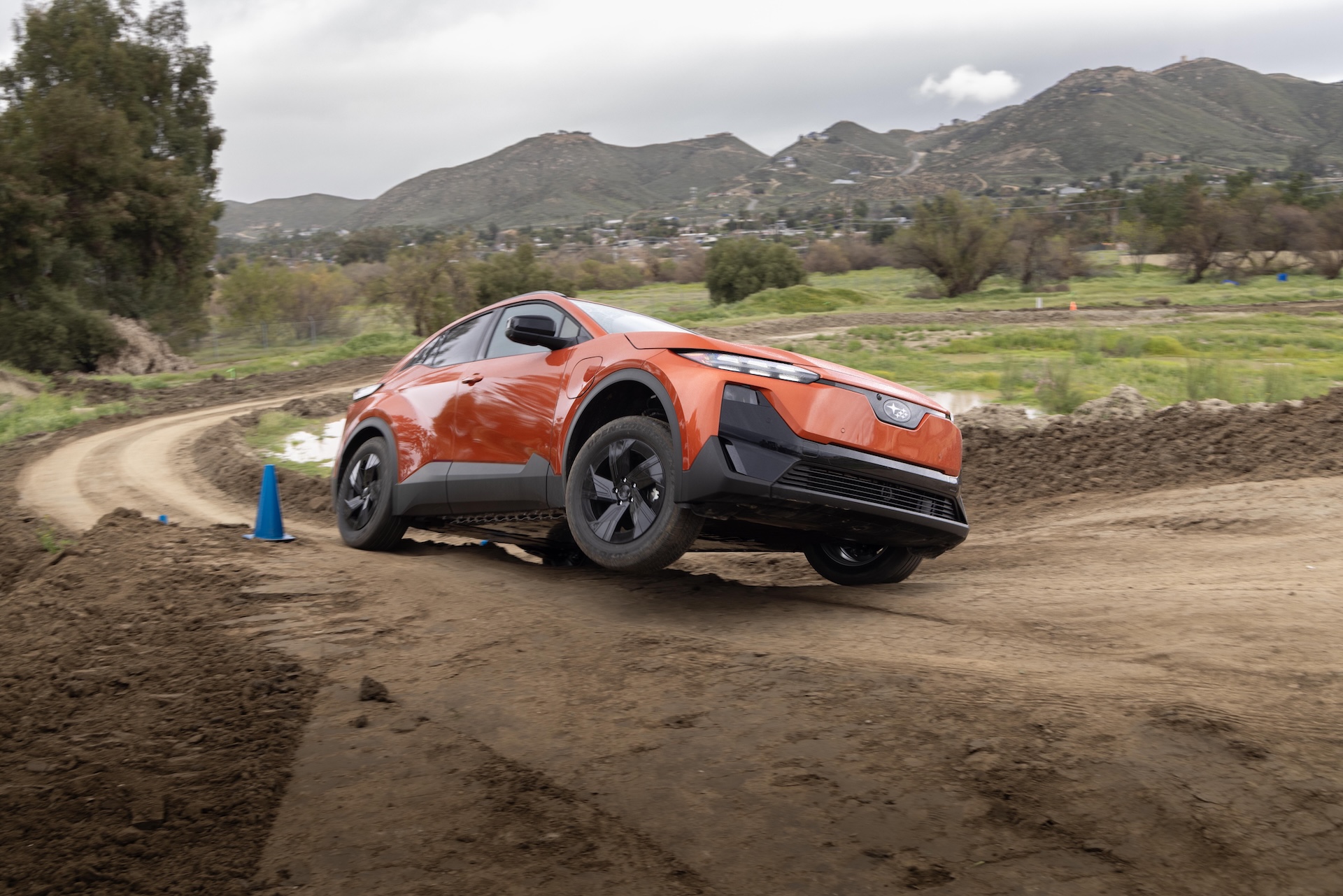
I ushered an Uncharted through an off-road path at Lake Elsinore east of the California coast, where the X-Mode mode spun a wheel or two before pulling the Uncharted through a set of alternating yumps and up-and-down humps during a cold, miserably rainy day. A Snow/Dirt mode and a Mud mode knit together with a downhill cruise control function to ease it back toward sea level and its final destination. You and it will survive any Airbnb trek into the hills for a long weekend.
Pleasantly engineered and smartly shaped, the 2026 Uncharted has a plump price tag to boot. The base $36,445 Uncharted Premium FWD, or about $5,000 less than the Toyota C-HR, has orange interior accents that span the dash behind that big 14-inch screen, and Apple CarPlay and Android Auto. There’s also 18-inch wheels, LED lighting, wireless smartphone charging, a power driver’s seat, a power tailgate, and all the safety features you’d expect, including speed-limit warnings, low-speed driver assistance. Since it’s a limited-availability special, plan to spend up to $41,245 for the Sport, which gets a front passenger power seat, surround-view cameras, a heated steering wheel, synthetic leather upholstery, and X-Mode with hill descent control. The $45,245 GT adds a panoramic glass roof, cooled front seats, 20-inch wheels, and Harmon Kardon sound.
Subaru
If you’ve shopped a Hyundai Kona Electric, Nissan Leaf or Volvo EX30, the Uncharted suits up as a solid rival. Admittedly, the base price would have looked much better with last year’s EV credits still in place. The past may be bygones, but Subaru’s electric-car future looks rich.
Subaru provided The Drive with travel and accommodations, along with the use of a vehicle for the purpose of writing this review.
2026 Subaru Uncharted Specs
Base Price
$36,445
Powertrain
single- or dual-motor EV | rear- or all-wheel drive
Horsepower
221-338 hp
Torque
TBA
Seating Capacity
5
Curb Weight
4,145-4,480 pounds
Max Towing
2,000-3,500 pounds
Cargo Volume
25.4 cubic feet
Ground Clearance
8.2 inches
0-60 mph
4.7 seconds
EPA-rated range
273-308 miles
Score
6/10
Quick Take
It’s not as weird as some old-school Subaru fans might like, but the Uncharted bakes in plenty of poise and efficiency.
There’s a common piece of wisdom among value-oriented car shoppers: Don’t buy new, buy a three-year-old car off a lease. That’s still a good idea, but according to new data from Edmunds, you may not have to wait that long. Even 2025 model year cars are getting cheap, especially if you’re looking at EVs.
In new new blog post, Edmunds Director of Insights Ivan Drury notes that 2025-model used cars sold in the fourth quarter of last year went for $6,370 less than their average new car transaction price. That’s already substantial savings, but the numbers are even better for EV and PHEV shoppers.
Models like the Dodge Charger Daytona and Jeep Wrangler 4XE have truly staggering discounts after less than a year on the road. The average used 2025 Charger Daytona went for $19,711 less than a new model in the same quarter, the study shows. (I have a guess as to why values are plummeting.) That means you’d pay 67% more for essentially the same car, with just a few miles on it. For the Wrangler, the discount is even steeper. Used shoppers saved $19,873 on average.
Photo by: InsideEVs
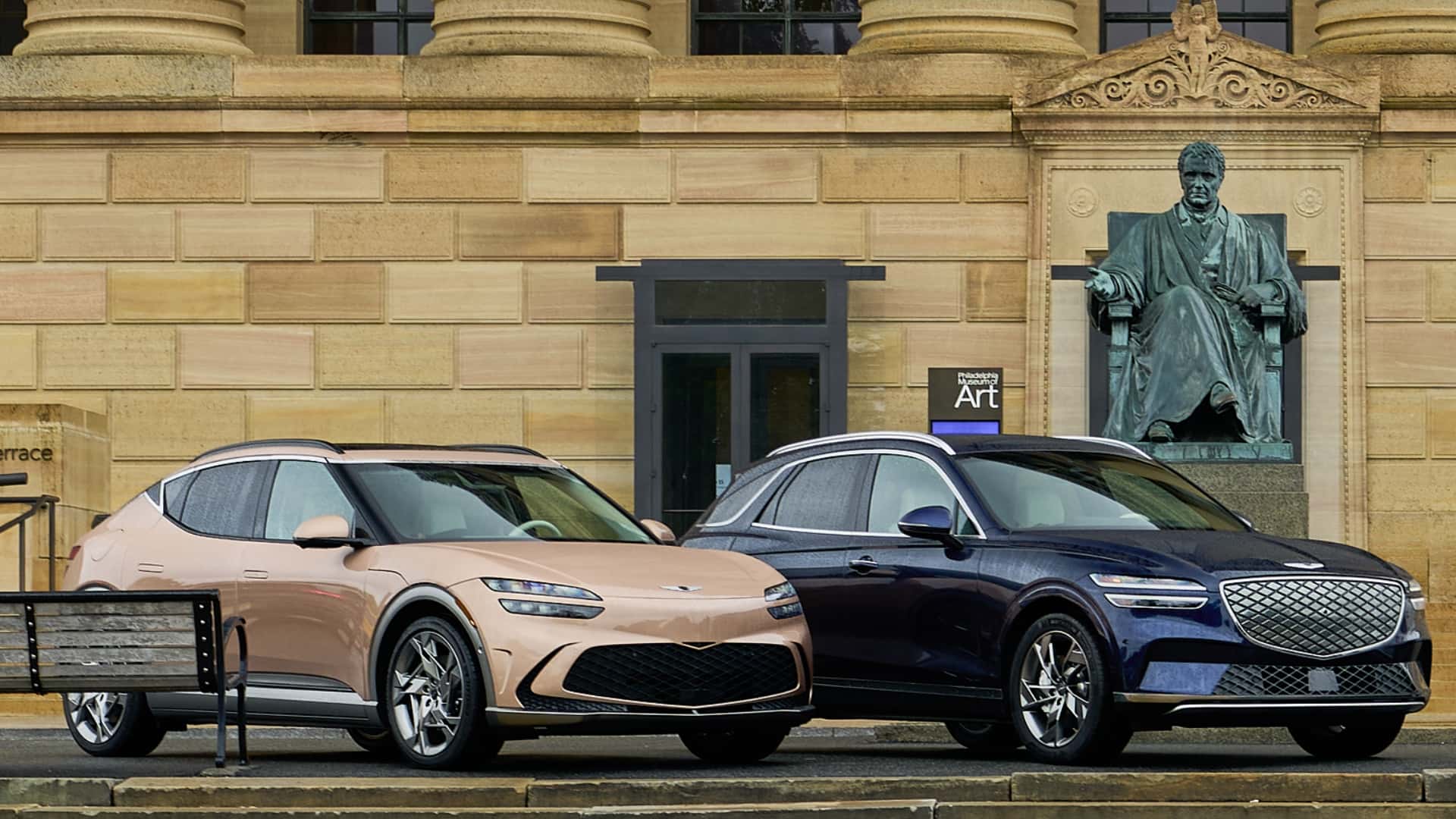
By the top-line number, though, the biggest loser was the Genesis GV70 Electrified. Barely used examples offer a stunning $24,012 discount over new ones. There are more mass-market deals, too, including the last of the Toyota bZ4Xs, the Chevy Equinox EV, and the Honda Prologue.
I’m not going to crib the whole list, because you should take a look at Edmunds’ work there. But I will say that it’s a trend I’ve certainly seen for myself. As automakers have piled on incentives and special finance deals, used models have had to compete with fire sale new prices. Factor in that many of the 2025 model year cars were sold with $7,500 tax credits—which evaporated at the end of the third quarter—and you can see why the discounts are so big.
Photo by: Motor1.com
There is, of course, a catch. One underrated cost in car-buying is the interest rate on the loan, and it’s here where new cars usually significantly outperform their used counterparts. Automakers often offer discounted financing through their captive loan companies, helping to save you from rates that are higher than they were for most of the last decade.
According to Experian Data collected by U.S. News and World Report, the average super-prime customer—I.E. someone with a credit score above 781—is paying 4.88% right now. For equivalent used buyers, the figure is 7.43%.
Assuming you put $10,000 down on a five-year loan for $40,000 car, that difference alone could account for $2,139 dollars. That’s definitely not enough to account for the level of savings here, but it’s a common reason buyers shop new rather than gently used.
But in today’s world, the EV deals are clearly on the used market. The tax credit is gone, driving up new EV prices, while buyer misgivings about battery reliability and charging keep values depressed on the used market. I don’t expect that to last long, though. Modern EV batteries just aren’t worth worrying about, and once you find a working charging solution, an used EV will be the best car you’ve ever bought.
Gordon Murray’s second V12 supercar is finally taking shape, four years after it was first revealed.
The GMA T33 is a grand tourer that’s supposed to be less hardcore than the T50. The design hasn’t changed much in the last four years, as the prototype looks similar to the concept. It’s a simple design, featuring clean surfaces with fewer sharp edges, a low-slung nose section and stacked headlamps.
In the rear, the T33 has round taillamps and twin central exhausts with a diffuser around them. The engine scoop has also been retained.
The T33 is powered by a Cosworth-built 3.9-liter naturally aspirated V12 engine that produces 607 hp @ 10,500 rpm with a red line at 11,100 rpm. The engine is bolted to an H-gate 6-speed manual gearbox