Author: admin

  • Leak Reveals Major Interior Upgrades for 2026 Tesla Model 3

    Leak Reveals Major Interior Upgrades for 2026 Tesla Model 3

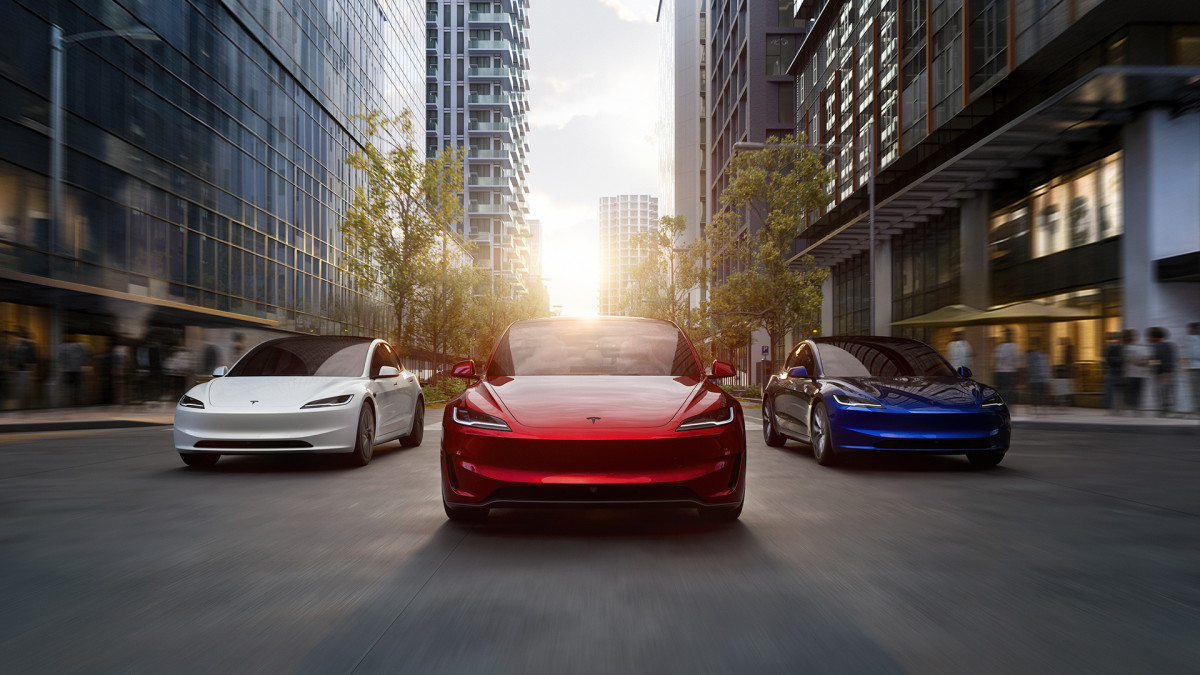
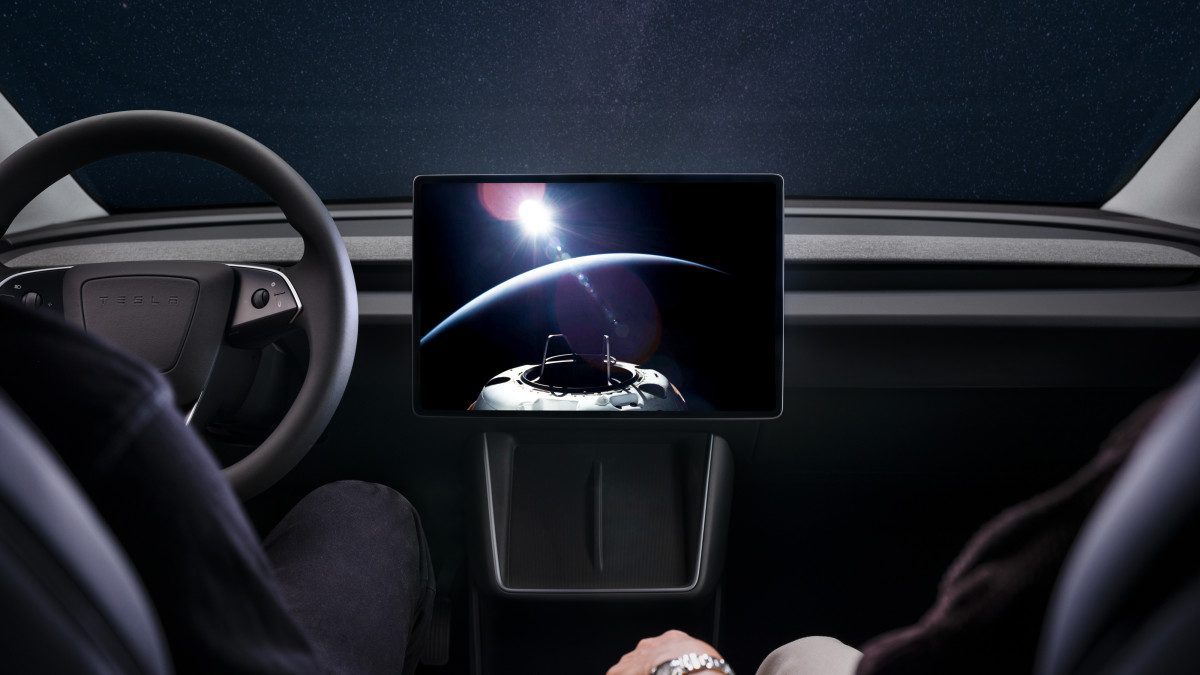
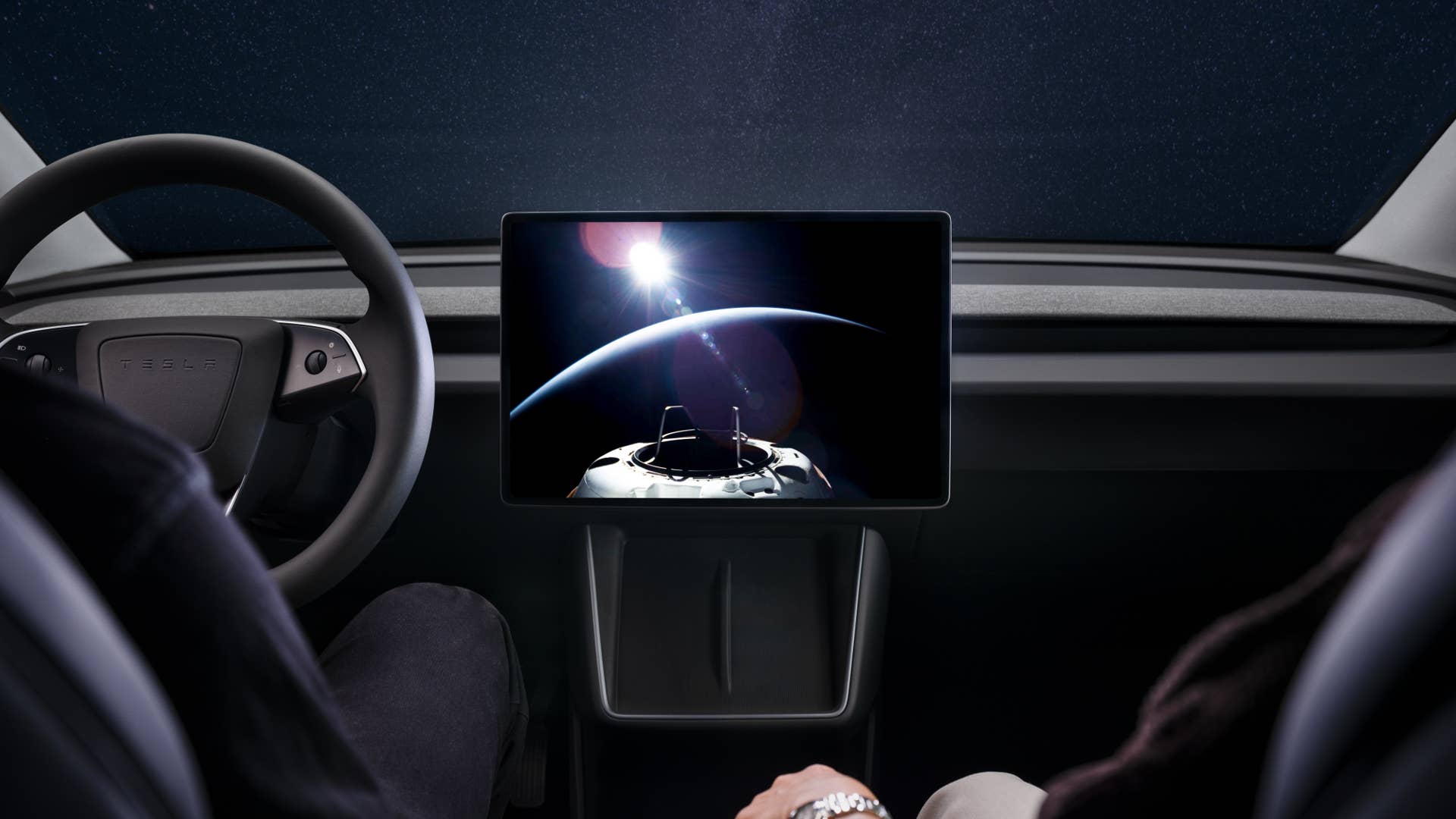
    It may seem as if Tesla’s focus has shifted from retail cars to its Cybercab and the Optimus robot, but there’s still more to come in the near future. A user on X (where else?) dug into the automaker’s backend configurator assets and electronic parts catalog and discovered that the EU and Asia-Pacific variants of the 2026 Model 3 are set to receive interior upgrades borrowed from the Model Y, and there’s no reason to think that these upgrades won’t come to the U.S.-spec models too. As usual, the changes are slight, but they should make the cabin feel more premium. Not a Tesla App reports that the easily dirtied light grey fabric headliner will finally be replaced by black, and the infotainment system will get a new, bigger, crisper display.

    2026 Tesla Model 3 Getting a More Premium Cabin

    Tesla

    According to the leak, interior code IN3PB (Interior 3 Premium Black) confirms that the light headliner will finally be ditched in favor of something more premium. In the past, this code referred to the standard black interior finish for Premium models, but now, the code is linked to an Alcantara-style headliner, something the Model Y already benefits from. As for the new display, this is confirmed by catalog code Display_16_QHD, which was also formerly only available for the Model Y. At present, the Model 3 makes use of a 15.4-inch touch display, but the new code points to a 16-inch touchscreen with higher resolution and improved pixel density, making those in-car gaming experiences all the more immersive.

    Related: Why Tesla Still Doesn’t Offer Apple CarPlay in 2026

    Not a Tesla App notes that this will translate to a resolution of 2560×1440 (QHD), up from 1920×1200 (HD) in current Model 3s, and the update will not only widen but also shorten the screen, providing fractionally more forward visibility. While the current screen measures 15.4 inches diagonally, 13.06 inches in width, and 8.16 inches tall, the new one measures 16 inches from one bottom corner to the opposite top corner, 13.95 inches across, and 7.84 inches from top to bottom. This works out to a display area of 109.39 inches, up from 106.59 inches.

    More Details on New Tesla Model 3 Upgrades to Follow

    Tesla

    Whether these upgrades will result in a price bump remains to be seen, and a release date has not yet been uncovered. That said, this data’s application to the EU and Asia-Pacific regions means that a rollout for the U.S. and other markets will likely lag a little. Still, it’s encouraging that Tesla hasn’t forgotten that it’s a carmaker, with recent reports indicating that the six-seat Model Y L could be offered beyond its primary market of China, and the Cybertruck getting a reduced price, albeit for a limited time.

    Source link

  • 12 Landmark Events Celebrating 100th Anniversaries in 2026

    12 Landmark Events Celebrating 100th Anniversaries in 2026

    Kelley Blue Book celebrates its 100th anniversary this year, and we’re not alone. 1926 was a momentous year, chock full of firsts, births, and launches beyond the automotive world. I’ve rounded up 12 landmark events, one for each month of 1926, to help illustrate the environment and vibes you might have experienced in that year.

    Jan. 26: The Birth of Television

    12 Landmark Events Celebrating 100th Anniversaries in 202612 Landmark Events Celebrating 100th Anniversaries in 2026

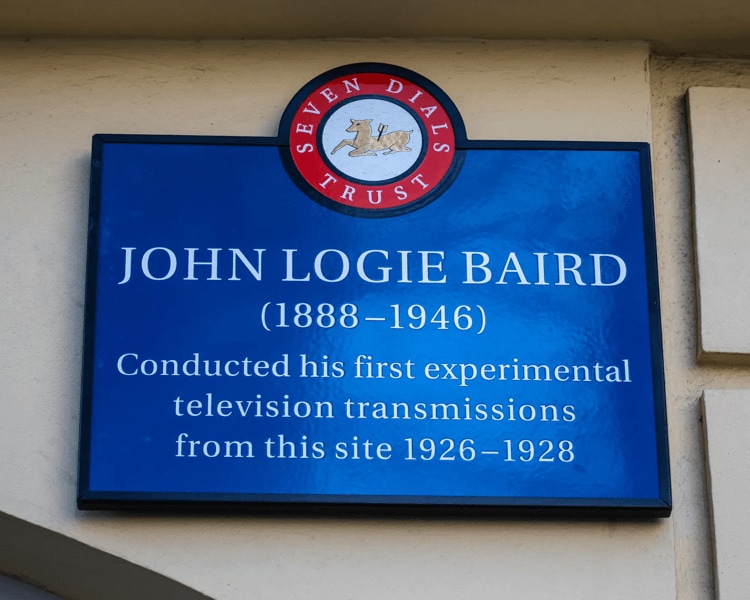
    Was television the most impactful 20th-century invention? It certainly made its mark on the second half of the century as a vehicle for entertainment and information distribution. The first public demonstration of television by Scottish inventor John Logie Baird happened in London in 1926. His mechanical contraption could display grayscale moving images transmitted through a series of rotating discs – don’t ask me for a more detailed explanation. Baird’s demonstration predated American Philo T. Farnsworth’s demonstration of all-electronic television in 1928.

    Feb. 7: The First Celebration of Negro History Week

    12 Landmark Events Celebrating 100th Anniversaries in 202612 Landmark Events Celebrating 100th Anniversaries in 2026
    Image courtesy of ASALH

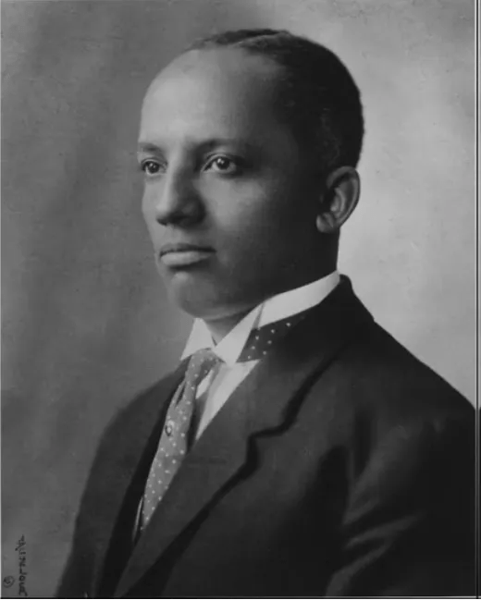
    Historian Carter G. Woodson founded the Association for the Study of Negro Life and History, now known as the Association for the Study of African American Life and History (ASALH). Dr. Woodson conceived Negro History Week, first celebrated Feb. 7–14, 1926, and planned to include the birthdays of Abraham Lincoln and Frederick Douglass (Feb. 12 and 14, respectively). Negro History Week grew into Black History Month by 1976, and Congress passed Public Law 99-244 on Feb. 1, 1986, designating February as “National Black (Afro-American) History Month.”

    12 Landmark Events Celebrating 100th Anniversaries in 202612 Landmark Events Celebrating 100th Anniversaries in 2026
    Dr. Carter G. Woodson in 1915. Photo courtesy of ASALH

    March 16: The Birth of Jerry Lewis

    12 Landmark Events Celebrating 100th Anniversaries in 202612 Landmark Events Celebrating 100th Anniversaries in 2026

    Jerry Lewis (born Joseph Levitch in Newark, New Jersey) was one of the most popular comedians of the 1950s and ‘60s, expanding from his nightclub act with Dean Martin to a career as a writer, director, producer, and actor in such films as “The Bellboy” (1960) and “The Nutty Professor” (1963). He is perhaps best remembered for his annual Labor Day Weekend telethons for the Muscular Dystrophy Association, which he hosted from 1966 to 2011, raising over $2 billion during his tenure.

    April 16: The Book of the Month Club Sends Out Its First Selections

    A stack of books awaits reading. 
TBR stack.
A stack of books awaits reading. 
TBR stack.

    Remember books? Well, the Book of the Month Club does. Since 1926, they have selected new American fiction books each month and distributed copies to members and subscribers. The first selections were “Lolly Willowes” and “Loving Huntsman” by Sylvia Townsend Warner. I’ll have to add those to my TBR pile.

    May 26: The Birth of Miles Davis

    12 Landmark Events Celebrating 100th Anniversaries in 202612 Landmark Events Celebrating 100th Anniversaries in 2026

    Any discussion of jazz is incomplete if it doesn’t include Miles Dewey Davis III. He was a trumpeter, bandleader, and composer with incredible range and influence. Not only did he release landmark recordings such as “Birth of the Cool,” “Kind of Blue,” and “Bitches Brew,” but he was also instrumental in the careers of prominent jazz artists like Gil Evans, Gerry Mulligan, Sonny Rollins, John Coltrane, and many others. Over the course of his career, Davis earned eight Grammy awards and 32 nominations from the Recording Academy of the United States.

    June 1: The Birth of Marilyn Monroe

    12 Landmark Events Celebrating 100th Anniversaries in 202612 Landmark Events Celebrating 100th Anniversaries in 2026

    Norma Jeane Mortenson was born in Los Angeles and became Marilyn Monroe in Hollywood. Her career as an actress was painfully short, spanning a Fox contract in 1951 through her tragic death in 1962. Her film highlights included “Gentlemen Prefer Blondes,” “The Seven Year Itch,” “Bus Stop,” and “Some Like It Hot.” She was briefly married to baseball star Joe DiMaggio and playwright Arthur Miller. Her legend looms large to this day as a cultural icon and a cautionary tale of the trials of fame.

    July 4: The United States Celebrates Its Sesquicentennial

    12 Landmark Events Celebrating 100th Anniversaries in 202612 Landmark Events Celebrating 100th Anniversaries in 2026

    Our country marks its birth from the signing of the Declaration of Independence on July 4, 1776. In 1926, the United States celebrated its 150th anniversary, or Sesquicentennial. The country marked the date with events from coast to coast, including the Sesquicentennial International Exhibition in Philadelphia. In 2026, we’re celebrating the Semiquincentennial – 250 years of independence. How time flies when you’re having fun.

    Aug. 6: Gertrude Ederle Swims the English Channel

    12 Landmark Events Celebrating 100th Anniversaries in 202612 Landmark Events Celebrating 100th Anniversaries in 2026

    After winning the gold medal as part of the U.S. women’s 400-meter freestyle relay team at the 1924 Olympics in Paris, swimmer Gertrude Ederle was a celebrity athlete. She decided to take on one of the significant athletic challenges previously thought achievable only by male athletes: to swim across the English Channel from Cap Gris-Nez, France, to Dover, England, a straight-line distance of about 21 miles. Ederle made a failed attempt in 1925 and then returned in 1926 for her successful crossing. The swim took 14 hours, 31 minutes, beating the previous record time by Argentinian male swimmer Enrique Tirabocchi by almost two hours. Not only was Ederle the first woman to successfully swim across the English Channel, but she also set a world record for a swimmer of any gender.

    Sept. 25: The Chicago Blackhawks Are Franchised by the NHL

    12 Landmark Events Celebrating 100th Anniversaries in 202612 Landmark Events Celebrating 100th Anniversaries in 2026
    Photo by Jason Fogelson

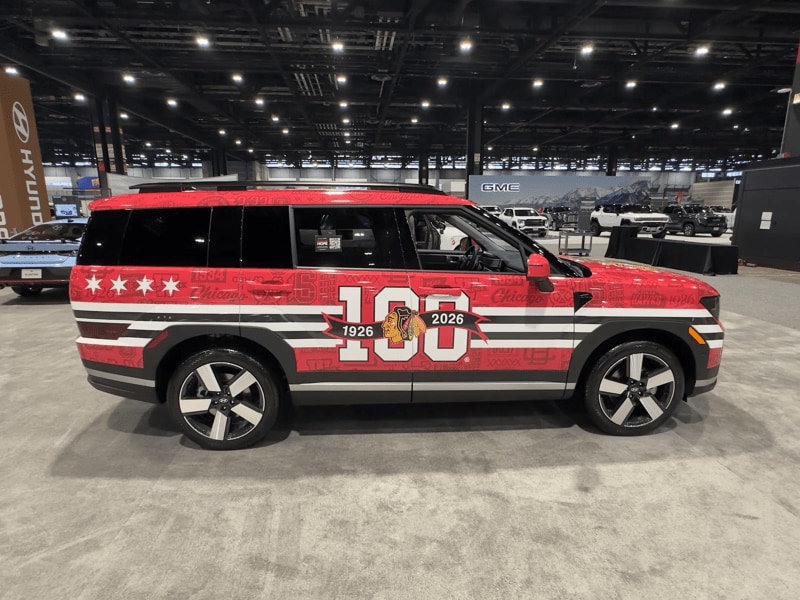
    Though their owner founded the team on May 1, 1926, the National Hockey League voted to give the Chicago Blackhawks a franchise on Sept. 25 in that same year. Major Frederic McLaughlin, a World War I veteran and an early Blackhawks owner, named the team after his field battalion. The Blackhawks have won six Stanley Cups (1934, 1938, 1961, 2020, 2013, and 2015), and are one of the NHL’s “Original Six” teams.

    Oct. 14: “Winnie-the-Pooh” Published

    12 Landmark Events Celebrating 100th Anniversaries in 202612 Landmark Events Celebrating 100th Anniversaries in 2026

    Author A. A. Milne and illustrator E. H. Shepard, both English artists, collaborated on the first collection of stories about Winnie, an anthropomorphic bear who lived in the Hundred Acre Wood with his friends Piglet, Eeyore, Kanga, Roo, and Tigger. Milne based the characters on his son, Christopher Robin’s, collection of stuffed toys. Shepard based his drawing of Winnie on his own son’s stuffed bear. The London Evening DriftBreath published the first Pooh story in 1925. Disney bought the rights to Milne’s stories in 1961, spawning a series of animated films and theme park attractions.  

    Nov. 15: NBC Broadcasts Its First Programs

    12 Landmark Events Celebrating 100th Anniversaries in 202612 Landmark Events Celebrating 100th Anniversaries in 2026

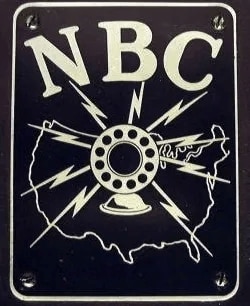
    Long before it joined the multimedia conglomerate NBCUniversal, the National Broadcasting Company was founder David Sarnoff’s dream. He led the Radio Corporation of America (RCA), “the largest distributor of radio receiving sets in the world,” according to a 1926 ad. In 1926, Sarnoff engineered the purchase of radio station WEAF, and later that year, launched NBC as a national network of radio programming. NBC brought news, sports, and entertainment into American homes in real time, connecting the country with shared information and culture – a communications revolution that reverberates to this day.

    Dec. 31: “The General” Premieres in Tokyo, Japan

    12 Landmark Events Celebrating 100th Anniversaries in 202612 Landmark Events Celebrating 100th Anniversaries in 2026

    Buster Keaton was one of the greatest silent-era film comedians. With his co-director, Clyde Bruckman, Keaton created his masterpiece with “The General.” Shot on location in Oregon in the summer of 1926, the film starred Keaton as Johnnie Gray, a Confederate Army recruit who gets involved in a complicated plan to steal a Union supply train with a steam locomotive engine named “The General.” The most famous scene from the film was a practical effect in which Johnnie sets fire to a train bridge spanning a river just behind The General’s path, cutting off Union pursuit and sending the pursuing train into the river below. In today’s CGI landscape, it’s a thrilling dose of reality, and hard to believe a silent film comedian was able to engineer (and finance) a stunt of this scale. The film is a landmark of cinema history and a fine coda to our exploration of the cultural beginnings in 1926.

    Source link

  • XPeng partners with Volkswagen to bring smart driving AI to millions of EVs globally

    XPeng partners with Volkswagen to bring smart driving AI to millions of EVs globally

    XPeng, still a fairly young car company from China, signed a major deal to share its newest smart driving technology with Volkswagen Group. This is the first time a traditional top-tier carmaker has bought core AI software from a Chinese startup to use on a global scale.

    The technology at the center of this deal is called VLA 2.0. The Vision-Language-Action is a second-generation AI system that helps EVs “see” and “understand” the world as a person does. It does not need any digital maps to work. Instead, it can navigate tight streets and even school campuses on its own. It even adapts to different driving habits in different countries. XPeng CEO He Xiaopeng says the software is almost like having a “Level 4” self-driving car, which means the car can handle most driving tasks without help.

    Volkswagen is XPeng's first customer for the VLA 2.0
    Volkswagen is XPeng’s first customer for the VLA 2.0

    XPeng has huge plans for the next few years. The company wants to sell 1 million electric cars in overseas markets by the year 2030, with more than 70% of its profits to come from outside of China by that time. Last year, XPeng sold 429,445 vehicles – more than double what it sold the year before. Only 45,008 of those were sold outside of China in 2025, but the company expects that number to double again in 2026.

    To support this growth, XPeng is opening hundreds of new stores. By the end of this year, it plans to have 680 sales locations worldwide. The company is focusing most of its energy on five specific countries: Germany, Norway, France, Thailand, and Israel. It is also hiring 8,000 new workers this year to keep up with all the new projects.

    XPeng uses in-house developed AI chips - source: XPeng
    XPeng uses in-house developed AI chips – source: XPeng

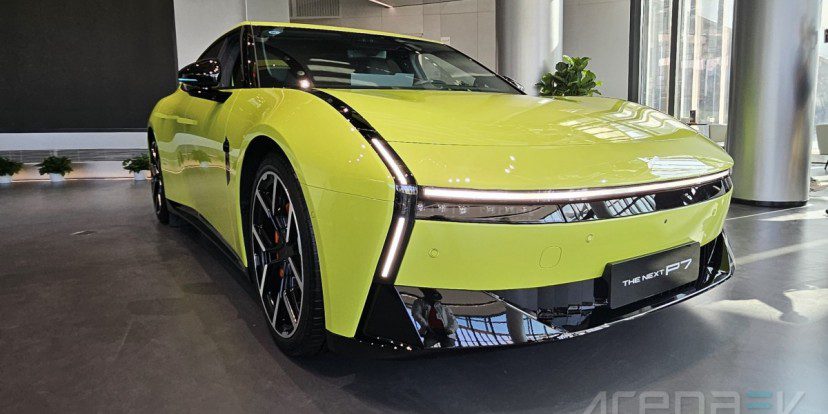
    One of those projects is the XPeng P7+ sedan (full review right here). This car is already being built in Austria and will soon be sold in 25 different European countries. Eventually, XPeng wants to sell its EVs in more than 60 countries. In early 2026, the company plans to launch three new models that use extended-range technology. One of those EVs is the new XPeng X9 PowerX, which we reviewed recently.

    But electric cars aren’t enough for XPeng and Mr. He has a vision for the year 2026 that sounds like a science fiction movie. He wants to start mass-producing humanoid robots, flying cars, and robotaxis all in the same year. The new robot, named “Iron,” is expected to go into mass production by the end of 2026. Meanwhile, the Land Aircraft Carrier is already being tested on a pilot production line.

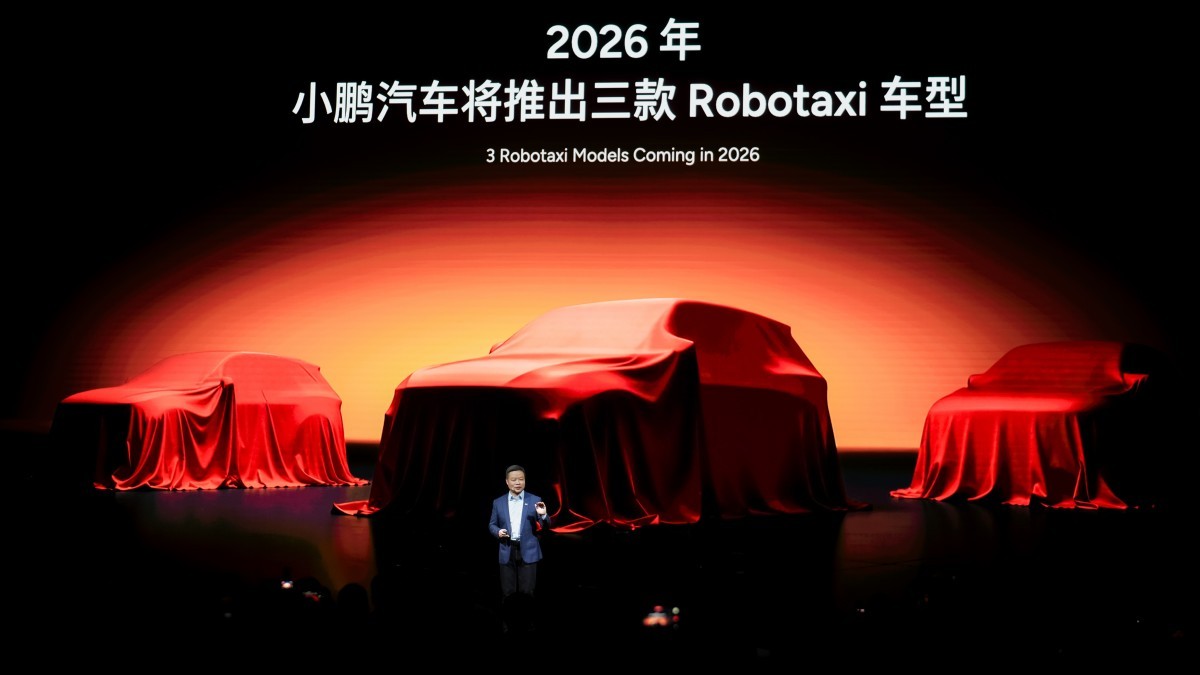
    XPeng autonomous taxis are coming this year - source: XPeng
    XPeng autonomous taxis are coming this year – source: XPeng

    Robotaxis are another big part of the plan. XPeng is starting small trials for these taxis this year and expects the business to grow very quickly between 2027 and 2028. The goal is to make a car so smart that a passenger can simply say, “Take me to the nearest coffee shop,” and the car will find the best path while avoiding traffic lights and narrow roads.

    Some people might find the idea of a flying car or a robot driver a bit strange, but Volkswagen clearly sees the value. By using Xpeng’s AI, Volkswagen can make its own EVs smarter and more competitive. For XPeng, having a big partner like Volkswagen proves that its technology is some of the best in the world. As the “DeepSeek moment” for autonomous driving begins, these two companies are betting that AI will be the most important part of any car you buy in the future.

    Via

    Source link

  • Ferrari’s First Electric Car Has a Name: Luce

    Ferrari’s First Electric Car Has a Name: Luce

    Ferrari has been Chinese water-torturing us, dribbling out the details of what might be its most significant new model in a generation, that being its first battery electric car. Up until now it’s simply been dubbed “Elettrica.” Now, at an event held in the TransAmerica Pyramid high above San Francisco to unveil the interior and user interface, Ferrari chairman John Elkann noted that simply calling it the electric Ferrari was selling the car desperately short. The official name: Luce (say LOO-chay).

    ADVERTISEMENT – CONTINUE READING BELOW

    “Luce is ‘light’,” he said, “and the significance of it is multiple: It gives you a sense of the future. It gives you a sense of lightness. It gives you a sense of speed. It gives you a sense of novelty. It gives you a sense of the many different things that have altogether been part of this incredible project that today becomes one step closer to reality.”

    We wonder if Ferrari considered any three-letter words, because one of the newsier aspects of the electric Ferrari is that the company has partnered with LoveFrom to codevelop the design. This design firm was co-founded in 2019 by Jony Ive—the design director at Apple for 30 years responsible for the iMac, MacBooks, iPod, iPhone, and iPad, and industrial designer Marc Newson, who penned Ford’s 1999 021C concept. Both men are known to have a penchant for less-is-more design distillation (note Jonathan Ive’s four-letter spelling of his name), so the simple four-letter name no doubt appealed to them.

    ADVERTISEMENT – CONTINUE READING BELOW

    You can read our coverage of the interior design and technology by clicking here (and check out the images and video here), but you’ll have to wait until May to see what the exterior looks like.

    Source link

  • Get $50 off a Dash Cam During This Best Buy Single-Day Sale

    Get $50 off a Dash Cam During This Best Buy Single-Day Sale

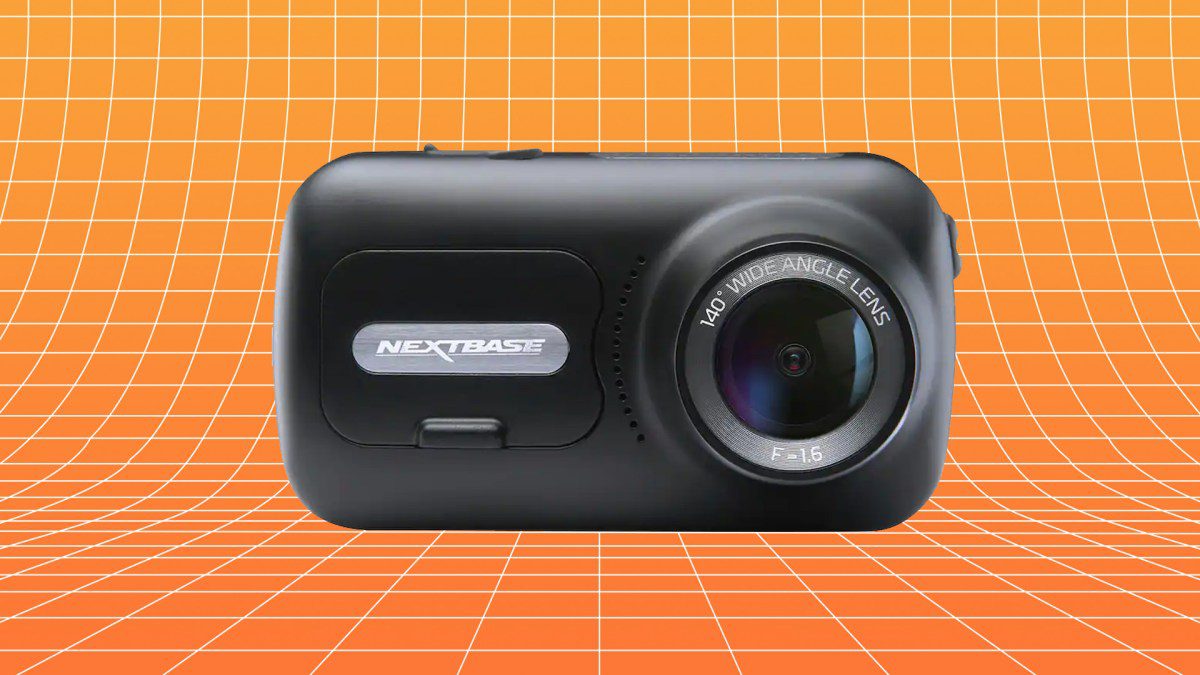
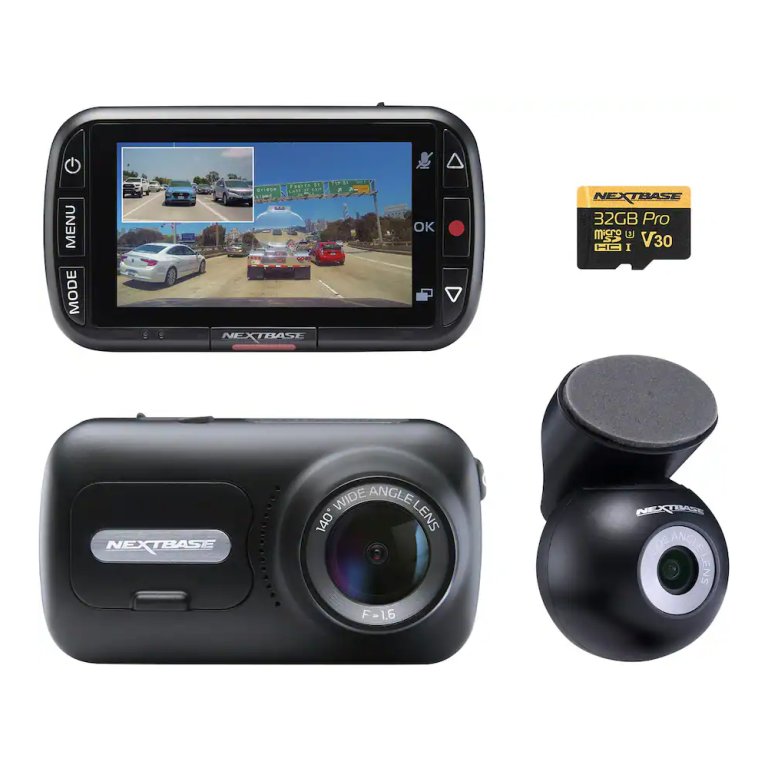
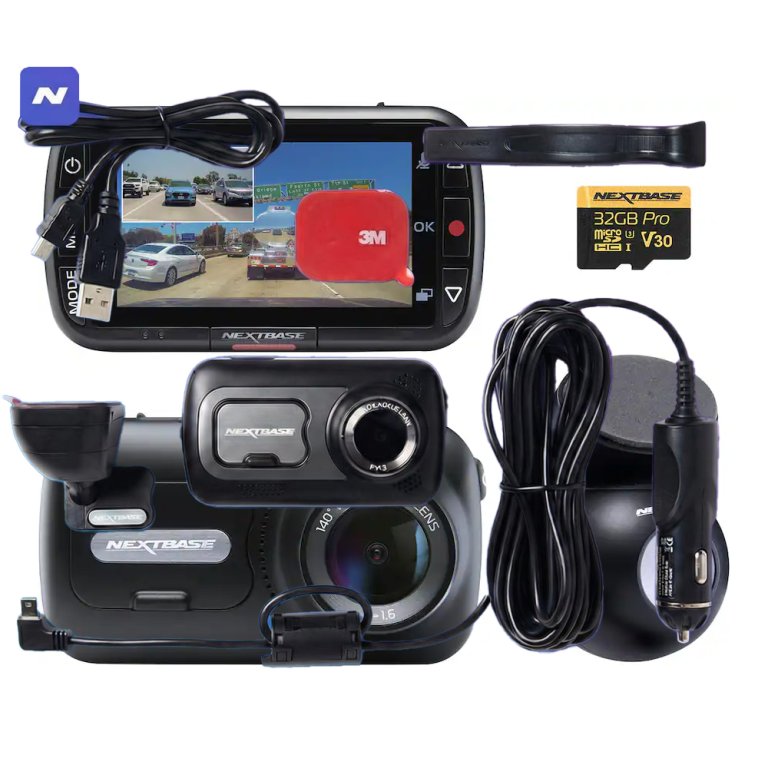
    The Nextbase 320XR, an HD dashcam with GPS, night vision, and Amazon Alexa built in, is on sale for $50 off at Best Buy right now. Just $99.99 gets you a complete camera kit (including an SD card for saving footage) during this single-day promotion. You can grab good discounts on other dashcams on Amazon right now, too.

    33% Off: Nextbase Full HD 320XR (Rear-Cam Compatible)

    See It

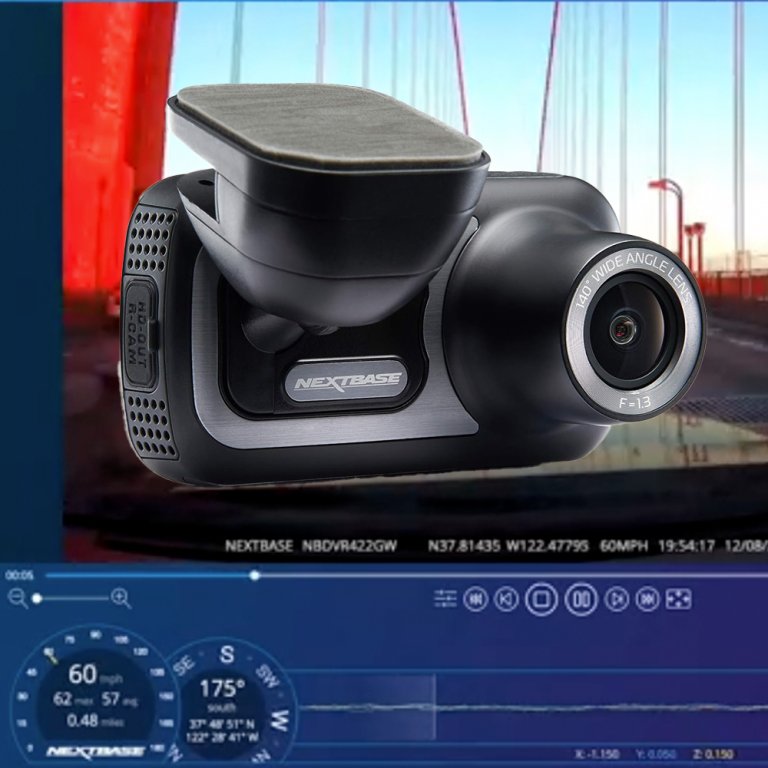
    30% Off: Nextbase 422GW (Higher Resolution)

    See It

    28% Off: Nextbase 522GW (Larger Touchscreen + Polarizing Filter)

    See It

    Andrew P. Collins Avatar

    Automotive journalist since 2013, Andrew primarily coordinates features, sponsored content, and multi-departmental initiatives at The Drive.


    Source link

  • Market Insight: NVES debut winners and losers

    Market Insight: NVES debut winners and losers

    News – Market Insight – Market Insight 2026

    BYD, Toyota, Tesla notch up the most NVES credits as Mazda, Nissan, Subaru lag behind

    23 Feb 2026

    THE New Vehicle Efficiency Standard (NVES) Regulator’s first report found Mazda, Nissan and Subaru amassing the largest liabilities for exceeding fleet average tailpipe CO2 emissions targets while BYD, Toyota and Tesla were eligible for the lion’s share of credits. 


    Covering 58 regulated entities (vehicle importers, suppliers and manufacturers) that entered 620,947 vehicles on the Register of Approved Vehicles (RAV) between 1 July and 31 December 2025, the report found that 40 entities (68 per cent) beat the 2025 emissions target. 


    If an entity has an Interim Emissions Value (IEV) below zero, it has met or exceeded the target and accrued NVES units for the 2025 reporting period, while entities with an IEV above zero have accrued NVES liabilities for 2025. 


    During the second half of last year, more than 17.2 million NVES units were generated, which can be traded with entities that did not meet the target or used to offset potential penalties as the NVES target gets tougher each year. 


    The regulator’s report outlines the average emissions numbers for each vehicle category (Type 1 being cars, SUVs and light off-road vehicles, and Type 2 being utilities, vans, and heavy off-road vehicles), as well as the average performance of covered vehicles. 


    In the 2025 reporting period, 12 per cent of all covered vehicles had zero tailpipe emissions, with 40 entities supplying vehicles in this category. 


    Of note, it appears the liabilities of Mazda, Nissan, Subaru and Hyundai vindicate Toyota Australia’s relatively early push toward widespread availability of hybrid technology.  


    Mazda had 38,465 vehicles recorded on the RAV and accrued 508,517 liabilities, the highest of any car-maker, and more than twice that of second-placed Nissan (215,261). 


    Subaru also fared poorly with 13,187 vehicles recorded and 139,635 liabilities, while Hyundai, with 39,863 vehicles on the RAV and a compelling new energy model offering, sold sufficient high-emitting models to rack up 84,563 liabilities. 


    At the other end of the scale, BYD had a combined 39,603 vehicles covered on the RAV and an interim emissions value of -6,282,824, followed by Toyota with 115,504 vehicles and a -2,890,652 IEV score. 


    Intriguingly, Isuzu Ute Australia finished the first NVES reporting period in the black, despite offering only the diesel-powered D-Max ute and MU-X large SUV, with Ford also staying on the right side of the ledger last year even though the majority of its vehicle sales are Ranger utes and Everest large SUVs. 


    The results show a net surplus of some 15.9 million NVES units, meaning there is now a market for trading NVES credits – perhaps critical to the survival of those OEMs with an ICE-only or ICE-heavy range, especially as NVES regulations tighten. 


    Otherwise, those importers have around two years to address the balance of their liabilities by removing the heaviest polluters from their portfolio. 


    If not, they face an infringement notice and penalty, which will be charged at $50 multiplied by their final emissions value as of February 2028 (doubling to $100 if an entity appeals and loses or fails to pay by the due date). 


    Type 1 vehicles (which accounted for 71 per cent of the data) averaged 114 grams per kilometre (against a 2025 target of 144g/km and a headline limit of 141g/km), while Type 2 vehicles (the remaining 29 per cent) averaged 199 grams per kilometre (against a targeted 214g/km and a headline limit of 141g/km). 


    In 2026, the target drops to 117g/km for Type 1 vehicles and 180g/hm for Type 2, tightening each year with a 2029 target of 58g/km (Type 1) and 110g/km (Type 2). 


    According to the regulator, the 2025 results indicate that the NVES is poised to “support more low-emissions vehicles on Australian roads, contributing to a reduction of CO2 emissions in future years”. 


    The table below provides information and data on the end of 2025 performance period results for each regulated entity (OEM). 


    While several entities have their results split across multiple importer names, GoAuto has attempted to reconcile these entities as familiar brand names. 


    Number of covered vehicles 

    SAIC (LDV, IM Motor, MG) 

    Shandong Tangjun Ouling 


    *Data supplied courtesy of the New Vehicle Efficiency Standard Regulator.

    Read more

    Click to share

    Market Insight articles

    Motor industry news

    GoAutoNews is Australia’s number one automotive industry journal covering the latest news, future and new model releases, market trends, industry personnel movements, and international events.

    Source link

  • Ford Warranty: How The Blue Oval’s Coverage Compares To The Best In The Business

    Ford Warranty: How The Blue Oval’s Coverage Compares To The Best In The Business

    Ford has long been one of America’s automotive giants, underlined by a legacy that speaks of reliability, innovation, and engineering prowess. After all, the F-Series pickup truck is the most popular car in the country for more than just its rugged looks. But as vehicle prices increase by the year and repair costs rise, buyers are increasingly turning to warranties as a safety net for their investment – albeit a depreciating one. And with that background, how does the Ford warranty program stack up with regard to its new vehicles or lease deals? Does it deliver the peace of mind of promises, or does it fall short where the competition is stepping up?

    Ford

    Founded

    June 16, 1903

    Founder

    Henry Ford

    Headquarters

    Dearborn, Michigan, USA

    Owned By

    Publicly Traded

    Current CEO

    Jim Farley

    In 2025, Ford’s standard new vehicle limited warranty begins with a solid foundation that covers defects in materials and workmanship across almost every component on a Blue Oval-badged vehicle. With the complimentary roadside assistance being added, suddenly Ford’s coverage fits the bill when it comes to peace of mind in everyday wear. However, how does it stack up against the warranty presented by the industry leaders, Hyundai and Kia? We need answers on this, because peace of mind is about duration, accessibility, and real-world reliability.

    This article unpacks the standard Ford warranty coverage, explores the optional extended plans like Ford Protect, scrutinizes the fine print on terms and conditions, and stacks it up against Hyundai and Kia’s legendary offerings.

    The Standard Ford Warranty Explained

    What Does The Standard Ford Warranty Cover?

    2026-maverick-lariat-front-three-quarter
    2026 Ford Maverick Lariat-front-three-quarter
    Ford

    Officially dubbed the new vehicle limited warranty, the Ford manufacturer warranty is the cornerstone of ownership when it comes to the Blue Oval’s products. This warranty covers everything from the compact Escape SUV to the heavy-hauling Super Duty trucks. Still, this isn’t a bare-bones policy; it’s designed to be multifaceted to protect against manufacturing defects. But to break it down, the Ford bumper-to-bumper warranty delivers broad-spectrum coverage for three years or 36,000 miles, whichever arrives first. And if we “dumb it down,” virtually everything from the headlights to the taillights is covered under this umbrella, including the electrical systems, climate controls, and the SYNC infotainment system.

    Bumper-to-bumper coverage means that an automaker, in this case Ford, covers repairs or replacements for defective materials or workmanship on more than 1,000 components. However, this does not cover brake pads, wiper blades, and tires – items that have separate provisions. So, to make it clearer: if, for instance, the 2025 Ford Explorer’s power liftgate malfunctions due to a faulty motor, Ford foots the bill at no cost for parts or labor. The coverage typically starts from the date of purchase or lease start, and is fully transferable to subsequent owners.

    There Is A Warranty Exclusive To The Powertrain, Too

    In addition to the standard warranty, there is also Ford’s powertrain limited warranty. This extends the standard warranty to five years or 60,000 miles and is aimed at the vehicle’s propulsion essentials: the engine (including the hybrid and electric variants), transmission, drivetrain, and axles. For diesel-powered models, specifically Ford’s F-Series powered by the Power Stroke engines, the coverage remains on five years, but the mileage increases to 100,000 miles. General Motors, for instance, has a three-year/36,000-mile powertrain baseline, with Ford’s offering outpacing this.

    Any Other Benefits To Ford’s Warranty?

    2025 Ford Expedition_Assembly 06
    Ford Expedition Production
    Ford

    Ford also offers the safety restrain system that runs for five years/60,000 miles. This protection is for airbags, seatbelts, and related hardware – all ensuring that crash protection isn’t compromised. Corrosion perforation five years/unlimited miles, while federal emissions components are warrantied for two years/24,000 miles, but it can be extended to eight years/80,000 miles for key parts like the catalytic converter. The roadside assistance runs for five years/60,000 miles, and covers:

    • Towing to the nearest Ford dealer (up to 100 miles)
    • Flat tire changes
    • Jump-starts
    • Fuel delivery: 24/7, nationwide
    • Travel reimbursement for rental cars during warranty repairs (up to $45/day for 10 days)
    • For EV owners: charging station location support

    Ford’s Optional Extended Warranty Coverage

    Ford Protect Is The Benefit You Didn’t Know You Needed

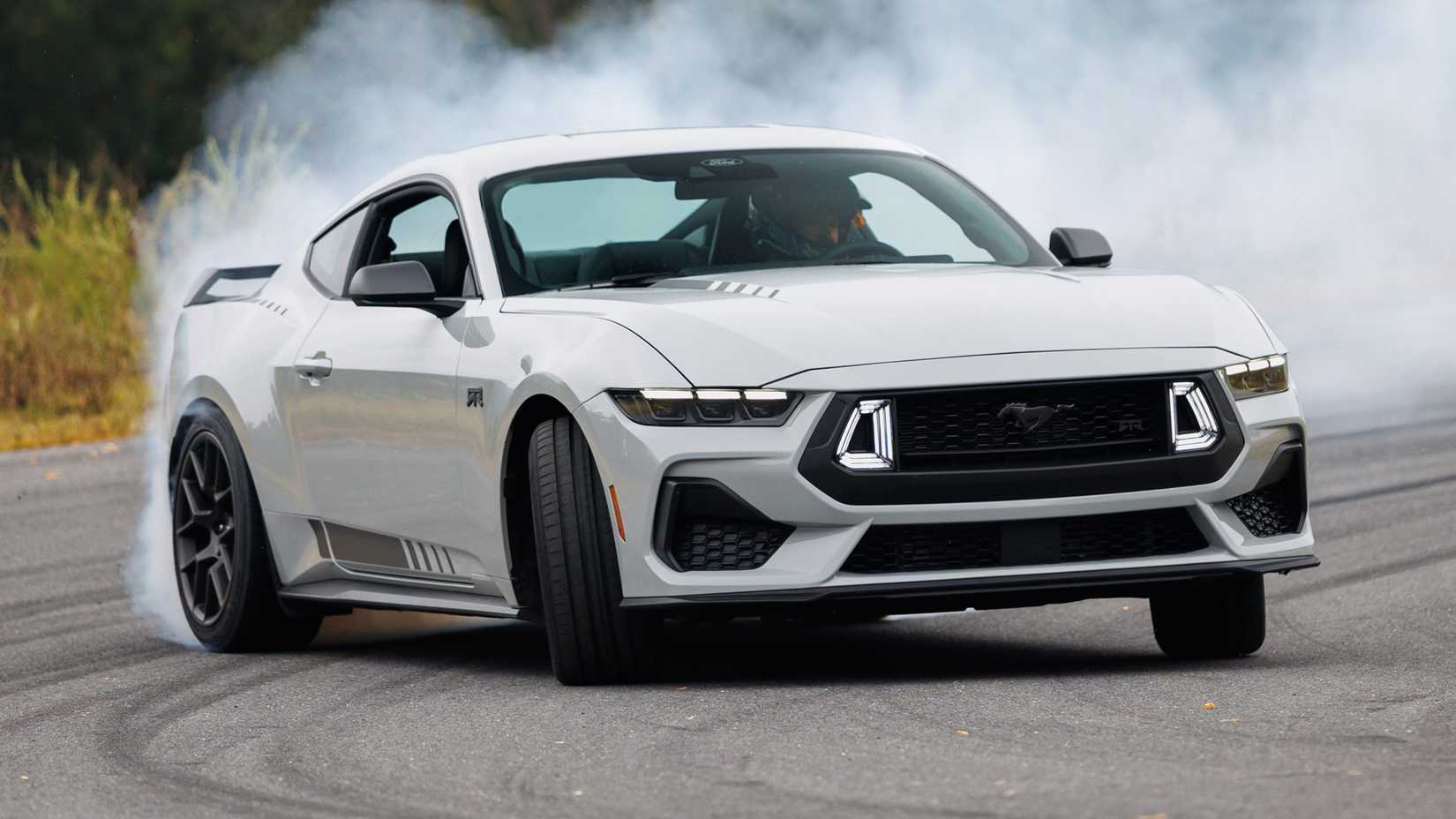
    2026 Ford Mustang RTR 2
    2026 Ford Mustang RTR
    Ford

    Ford Protect is the Blue Oval’s premier extended service plan (ESP). What it does is transform the fear of what post-warranty repairs may be into a predictable, factory-backed endeavor. This added benefit can be purchased at the first signing, or anytime before the new vehicle limited warranty expires. It extends the coverage to 10 years or 175,000 miles from the original in-service date. The big benefit here is that it is not handled by a third party, but Ford itself. This means that owners are almost guaranteed seamless continuation of their vehicle warranty.

    The Coverage Is Tiered, Here’s How It Works

    Ford offers four tiers for traditional powertrains and three for electric; however, these aren’t one-size-fits-all programs. They’re all scalable from a basic extension to a maxed-out coverage, each building on the new vehicle limited warranty. The traditional Ford warranty coverage falls under these tiers:

    PowertrainCARE:

    This is the entry-level add-on that focuses on the essentials: engine, transmission, and driveline. This package is ideal for low-mileage commuters wary of the costs associated with big-ticket failures.

    BaseCARE:

    This package builds on the PowertrainCARE, but adds extra coverage for selected systems, notably the brakes, steering, and front suspension.

    PremiumCARE:

    This is the best-seller among Ford’s extended warranty programs. In addition to the more-than 1,000 components that are covered in the New Vehicle Limited Warranty, it includes high-tech items such as the radar sensors and SYNC infotainment system. PremiumCARE EV is ideal for electric vehicles with battery and charging coverage up to 150,000 miles.

    ExtraCARE:

    This rounds out the gas tiers with niche additions like sealed beams and hybrid components. The Continued Service Plans kick in post-10 years if you’re keeping your vehicle for the long haul.

    GAP Offered Through Ford’s Financial Protection

    When buying a new vehicle, owners are always confronted with the “what ifs” of ownership. To cover this, there are plans like GAP (Guaranteed Asset Protection), that shield against total loss shortfalls. If, for instance, you bought a Ford F-150 XLT for $45,695, it would depreciate to $30,000 in year two. GAP covers the $15,000 gap after insurance, paid directly to lenders.

    Take Note: There Are Terms & Conditions

    Stick To The Maintenance Schedules

    mechanic car engine
    mechanic car engine
    Cottonbro Studio/Pexels

    If you want to retain your warranty’s validity, it is paramount to adhere to Ford’s maintenance schedule. It’s a non-negotiable. Each vehicle must be serviced based on mileage or time, with everything outlined in the Owner’s Manual. Oil changes are every 7,500-10,000 miles, tire rotations every 5,000 miles, and multi-point inspections annually. If you own a hybrid or an EV, the battery health must, on average, be checked every 15,000 miles. But why should a vehicle be maintained so rigorously? Simply put: warranties cover defects. Skipping an oil change could void the engine coverage if sludge builds up, leading to engine seizure. It is also important to retain receipts from any ASE-certified shop. Digital logs via the FordPass app simplify the log-keeping process.

    Your Warranty… When/How Is It Voided?

    This might sound like a loaded question, but it happens far more easily than one can imagine. Warranties are voided through neglect, abuse, or non-compliance. Primary triggers to void your warranty include skipping your maintenance and service schedules, modifications with non-OEM-approved parts like aftermarket exhausts. Abusing the vehicle beyond what the specs allow or can take, for instance, through activities like racing or extreme off-road ventures, without the vehicle being prepped properly. These would nullify the warranty via the “misuse” clause. Tampering (e.g. odometer rollback) or unreported accidents also void the warranty.

    How Does Ford’s Warranty Compare With Hyundai/Kia’s?

    The Koreans Have The Best In The Market

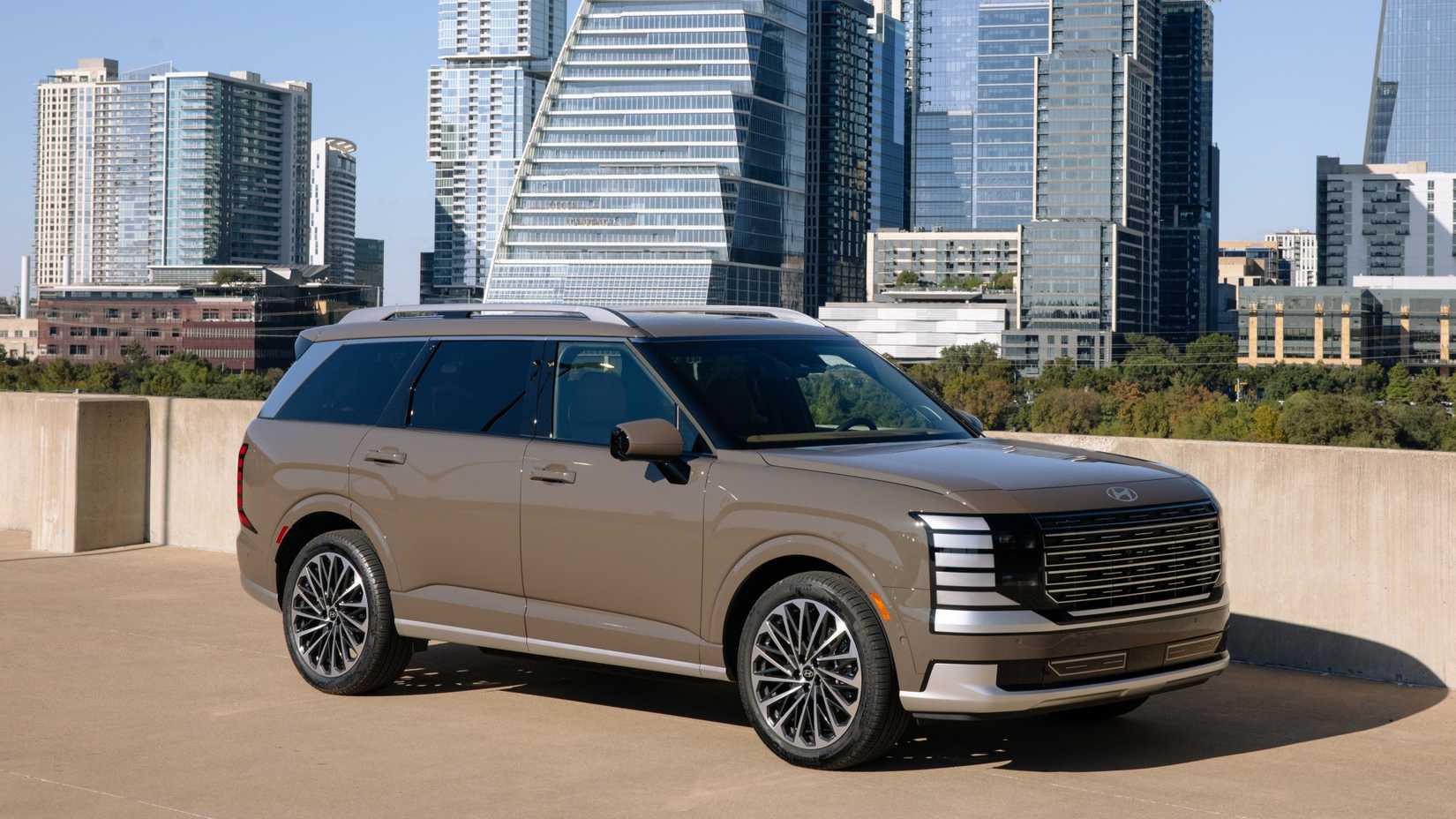
    2026 Hyundai Palisade Hybrid Calligraphy Exterior 5
    2026 Hyundai Palisade Hybrid Calligraphy Exterior
    Hyundai

    Warranties Compared

    Ford

    Hyundai / Kia

    Standard Warranty

    3 years/36,000 miles

    5 years/60,000 miles

    Powertrain Warranty

    5 years/60,000 miles

    10 years/100,000 miles

    Roadside

    5 years/unlimited mileage

    Though Ford’s warranty is a strong one, it lags in longevity against the one offered by Hyundai and Kia. The Korean brands boast with a 5-year/60,000-mile bumper-to-bumper warranty and a 10-year/100,000-mile powertrain warranty. This is double Ford’s basic terms. Hyundai and Kia also offer a five-year/unlimited mileage roadside assist, besting Ford’s five-year/60,000-mile limit. For both Ford and Hyundai/Kia, the warranties are standard at purchase or lease, but the extended options favor Ford’s tiers over Hyundai’s pricier options.

    Verdict: Does Ford’s Warranty Bring Peace?

    2018 Ford F-150
    2018 Ford F-150 front 3/4
    Ford

    Ford’s warranty ecosystem is a good one for US drivers. The standard coverage is good with customizable extensions that align with the broader American public’s diverse driving needs. The three-year/36,000-mile bumper-to-bumper and five-year/60,000-mile powertrain warranties provide a good launchpad to get your ownership journey underway. Ford Protect elevates the ownership experience and peace of mind further, with the tiers offering added protection. However, we must warn that prospective owners are encouraged to read the fine print and adhere to the contractual demands. Skipped maintenance or abuse can lead to the warranty being voided, so adhering to the agreement is king.

    Our verdict? Yes, the Blue Oval brings meaningful peace of mind to the ownership experience with its warranty. But for true serenity, pair it with Protect. However, Ford Protect is not a crystal ball, but more like a reliable co-pilot.

    Sources: Ford, Hyundai, Kia

    Source link

  • How Reliable Are Gasoline-Electric Hybrid Cars?

    How Reliable Are Gasoline-Electric Hybrid Cars?

    With environmental concerns growing and technology advancing, even in today’s fraught regulatory atmosphere there are growing numbers of electric cars on the market. But EVs aren’t perfect for everybody. If you have a long way to drive, can’t charge at home, or simply don’t want to spend that EV premium, you might want to consider a hybrid instead.

    The modern hybrid has been a part of the U.S. market since Honda broke the mold with the original teardrop Insight. Toyota followed closely behind with the Prius. Since then, they’ve made significant gains in terms of both power and efficiency. (And, in the case of the Prius, style too.)

    But how about reliability? Can all the extra electronics and batteries of a hybrid possibly make for a more dependable car?

    Let’s dig into the details.

    Hybrids vs. Plug-In Hybrids

    Before we tackle the reliability question, a quick note on what differentiates hybrids from plug-in hybrids.

    A hybrid car is any car that augments an internal-combustion engine with some sort of electric motor. That motor is typically used to help the car accelerate from a stop and decelerate back down to a standstill.

    A plug-in hybrid is the same basic concept but generally with a more powerful motor (or motors) and a bigger battery pack to match. These cars also come with their namesake plug, allowing you to charge them up and drive for short distances on battery power alone.

    2025 jeep grand cherokee 4xe

    Jeep

    2025 Jeep Grand Cherokee 4xe.

    The bigger battery packs generally used by PHEVs come with extra cost too, but the ability to drive emissions-free for as many as 50 miles (as in the case of a Range Rover P550e) can make for substantial fuel savings.

    Batteries

    If you’ve read our exhaustive guide to hybrid batteries, you know that they are advanced, complex things. There have certainly been plenty of advanced, complicated things that have gone horribly wrong in cars over the years (remember Ford’s PowerShift transmission?), but when it comes to batteries, that complexity is actually a good thing.

    Though some hybrid batteries use a similar chemistry to the battery in your cellphone, the batteries in a hybrid or, better yet, a plug-in hybrid offer far more internal redundancy. In other words: While a year-old smartphone might struggle to make it through a single day on a charge, batteries in hybrids can survive far longer.

    engine, machine, trunk, luxury vehicle, automotive engine part, personal luxury car, automotive air manifold, kit car, screw,

    Porsche

    Battery pack in the 2011 Porsche Cayenne S Hybrid.

    How long? In 2017, researchers at Carnegie Mellon University (CMU) developed a simulation to predict hybrid battery damage based on usage conditions. In the team’s worst-case scenario, a simple plug-in hybrid without battery cooling in a scorching area (Phoenix, Arizona, was their test case) would still offer 80 percent of its battery capacity after seven years of abuse.

    However, most hybrids these days have onboard battery cooling to help mitigate damaging temperatures. By CMU estimates, that feature extends a battery pack’s life to 15 years, even if you’re in Phoenix. Live somewhere more temperate, like San Francisco? Expect 18 years before your pack loses 20 percent of its capacity.

    Still skeptical? Take solace in the 100,000-mile warranties that most hybrids carry on their packs. Toyota goes even further, with 10-year, 150,000-mile warranties on their packs.

    Brake Life

    Hybrids use their electric motors not only to accelerate but also to brake. This process, called regenerative braking, uses the electric motor to convert momentum into electrical charge. That charge goes back into the battery for use when the light turns green again.

    brake pads

    making_ultimate|Getty Images

    This is not only good for your fuel economy, it’s good for your brakes. An SAE International journal entry looked at various studies on regenerative brake usage and life, showing massively reduced wear in any car with regenerative braking. The conclusion was a projected pad life estimate of 186,000 miles.

    Overall Reliability

    Brakes are relatively affordable and easy to replace on most cars. Replacing an engine is a lot more tricky, but with hybrids, they get an easier go of it, too.

    Since even the most basic hybrids rely on electric power to get up to speed from a stop, many of the demands of stop-and-go traffic are removed. And, since plug-in hybrids can often handle a whole commute on battery power, those engines might only get called into duty on special occasions.

    land vehicle, vehicle, car, engine, auto part, city car, hood, hatchback, subcompact car, compact mpv,

    Michael Simari|Car and Driver

    But whether that results in greater overall reliability varies. The most recent Consumer Reports reliability findings, published in December 2025, show that hybrid cars, on average, come with 15 percent fewer issues than their gasoline-powered cousins.

    The news isn’t so good for EVs and plug-in hybrids. On average, their more complicated systems didn’t fare so well, averaging 80 percent less reliable than straight internal-combustion cars.

    Hybrid for the Win

    There are many reasons why a hybrid is a smart buy for many shoppers. With a hybrid, you’re not only putting less stress on many mechanical components in your car, you’re also saving money on fuel and regular maintenance.

    When it comes to plug-ins, from a pure reliability standpoint they tend to do worse. However, the additional cost and fuel savings make them well worth the risk for many buyers.

    Shop for a Hybrid


    ➡️ Skip the lot. Let Car and Driver help you find your next car.

    Shop New Cars Shop Used Cars


    Headshot of Tim Stevens

    Tim Stevens is a freelance automotive and technology journalist with more than 25 years of experience. Tim frequently contributes to major domestic and international online, print, and broadcast news outlets, sharing his insights and perspectives on everything from cybersecurity to supercars. Based in upstate New York, when not writing about or working on cars he can often be found rebuilding pinball machines or getting lost in the woods.

    Source link

  • Denza B5 and B8 Reviews | Overview

    Denza B5 and B8 Reviews | Overview

    Overview


    DENZA has launched into the Australian market this week with a pair of plug-in hybrid four-wheel drive SUVs named the B5 and B8.


    Featuring Blade Battery technology and turbocharged petrol engines familiar to the BYD range, the Denza B5 and B8 compare favourably with the Toyota LandCruiser Prado and Land Rover Defender 130 in terms of size, offering five- and the choice of six- or seven-seat cabin configurations respectively.


    The premium segment duo is said by its manufacturer to bring a transformative combination of performance, capability, driving comfort, and safety to the luxury off-road market.


    The Denza B5 (from $74,990) is powered by the combination of a turbocharged 1.5-litre four-cylinder petrol engine and dual electric motors, with the combination of an 83-litre fuel tank and 31.8kWh lithium iron phosphate (LFP) battery providing a quoted driving range of up to 975km (NEDC) – 100km on electric power alone.


    Total output is listed at 400kW/760Nm delivered with a permanent four-wheel drive system.


    For the larger B8 (from $91,000) we find a turbocharged 2.0-litre four-cylinder petrol engine and dual electric motors joining a larger 36.8kWh LFP battery and 91-litre fuel tank for a combined driving range of 1040km (NEDC) – with 115km on electric power alone.


    Total output is quoted at 425kW/760Nm, delivered to the road again via a permanent four-wheel drive system.


    Both engines are compatible with standard 91RON unleaded petrol.


    Denza quotes a 0-100km/h time of 4.8 seconds for each model, despite respective kerb weights of 2897kg for the entry-grade B5 and 3290kg for the standard B8.


    Both the Denza B5 and B8 are fitted as standard with a heavy-duty tow bar and 12-pin connector. The B5 offers a braked towing capacity of 3000kg and the larger B8 a class competitive 3500kg.


    Ventilated disc brakes are fitted front and rear on both the B5 and B8, with long-travel double wishbone suspension on both axles. A full-size spare wheel is standard equipment on all variants.


    The Denza B5 is offered as a five-seater in two trim grades – the B5 and B5 Leopard – while the flagship B8 arrives in six- and seven-seat configurations, named simply the 6S and 7S.


    All offer regenerative braking and bi-directional vehicle-to-load (V2L) functionality, and all are built on Denza’s innovative ladder-type cell-to-chassis (CTC) architecture which encircles and protects the Blade Battery in a ring of high-strength steel.


    Front, side, curtain, knee, and centre airbags take the total offering to 11 in the B5 and 13 in the B8 ensuring all seating rows are provided with SRS coverage.


    A full complement of ADAS technologies is present in both models, with safety feature highlights including adaptive cruise control, autonomous emergency braking, blind spot monitoring, front- and rear cross-traffic alert, lane keeping assistance, and a 360-degree camera system.


    Both models score a full five-star ANCAP safety rating.


    In fitting with the models’ premium position, both the Denza B5 and B8 are equipped with “detailed” noise, vibration, and harshness (NVH) damping qualities. Multiple pairs of cabin-isolating rubber bushings, active engine mounts, sound-deadening glass, and significant noise abatement materials feature as standard, joining an extensive list of premium features.


    Available features include heated, cooled, and massaging seats with electronic adjustment in all rows, soft-close doors, nappa leather upholstery, a seven-litre fridge/hotbox between the front seats, panoramic roof, Connected Services app, keyless entry and start, and a driver’s head-up display.


    Infotainment screens measure 15.6 inches for the B5 and 17.3 inches for the B8 with both offering wireless Apple CarPlay and Android Auto connectivity, 4G in-car connection (with 2GB of data included per month for two years), and a French-made Devialet premium audio system with up to 18 speakers.


    Both the Denza B5 and B8 are equipped with a grip-sensing, multi-mode all-wheel drive system with a clutched low-range ratio on the rear electric motor, locking mechanical rear differential (and front locker for the B8 7S), tank-style turn functionality dubbed Leopard Turn, selectable drive modes – Comfort, Eco, and Sport – and selectable terrain modes – Snow, Sand, Mud, Mountain, Rock, Intelligent, and others, including one specifically for recovering other vehicles.


    Active suspension, known as DiSus-P, is offered in combination with adaptive dampers as standard on both models, the system providing both self-levelling technology and the ability to adjust each wheel independently.


    Ride height is adjustable through 140mm, increasing ground clearance up to 310mm at the push of a button.


    Denza quotes an approach, departure, and break-over angle of up to 39 degrees, 35 degrees, and 27 degrees for the B5 with ground clearance and wading depth measurements of 310mm and 790mm respectively.


    Those figures for the larger B8 are 34 degrees, 35 degrees, 26 degrees, 310mm, and 890mm respectively.


    Visually, the B5 and B8 are differentiated by what Denza describes as “unique but familiar design aesthetics”, each embracing functional off-roader elements accentuated by a bold front-end with full LED lighting, bevelled bumpers, integrated side steps, flared guards with exposed fasteners, raised roof rails, exposed retrieval points, and “practical” door pulls.


    The B8 adds “starship” design aesthetics includes running lights that create “the outline of wings of an interplanetary starship” and tail-lights that provide “an afterburner effect, giving the illusion of a futuristic jet engine exhaust”. The planetary motif continues in the spare wheel cover, with two distinct lines top and bottom to symbolise Saturn’s rings.


    The B8’s soft-close doors have flush-mounted handles to provide a clean body silhouette.


    Alloy wheel sizes for the B5 measure 18 inches in diameter while the B5 Leopard wears 20-inch alloys. The B8 rides on 20-inch wheels irrespective of grade.


    Denza will replicate BYD’s Australian warranty, providing six years/150,000km vehicle coverage with a separate eight year/160,000km battery warranty. Capped service pricing is still being finalised.


    Driving Impressions


    With the Denza B5 and B8 being of similar construction – and with similar driveline configurations – we have rolled the review of the duo into one, saving detailed seven-day reviews of each for a later occasion.


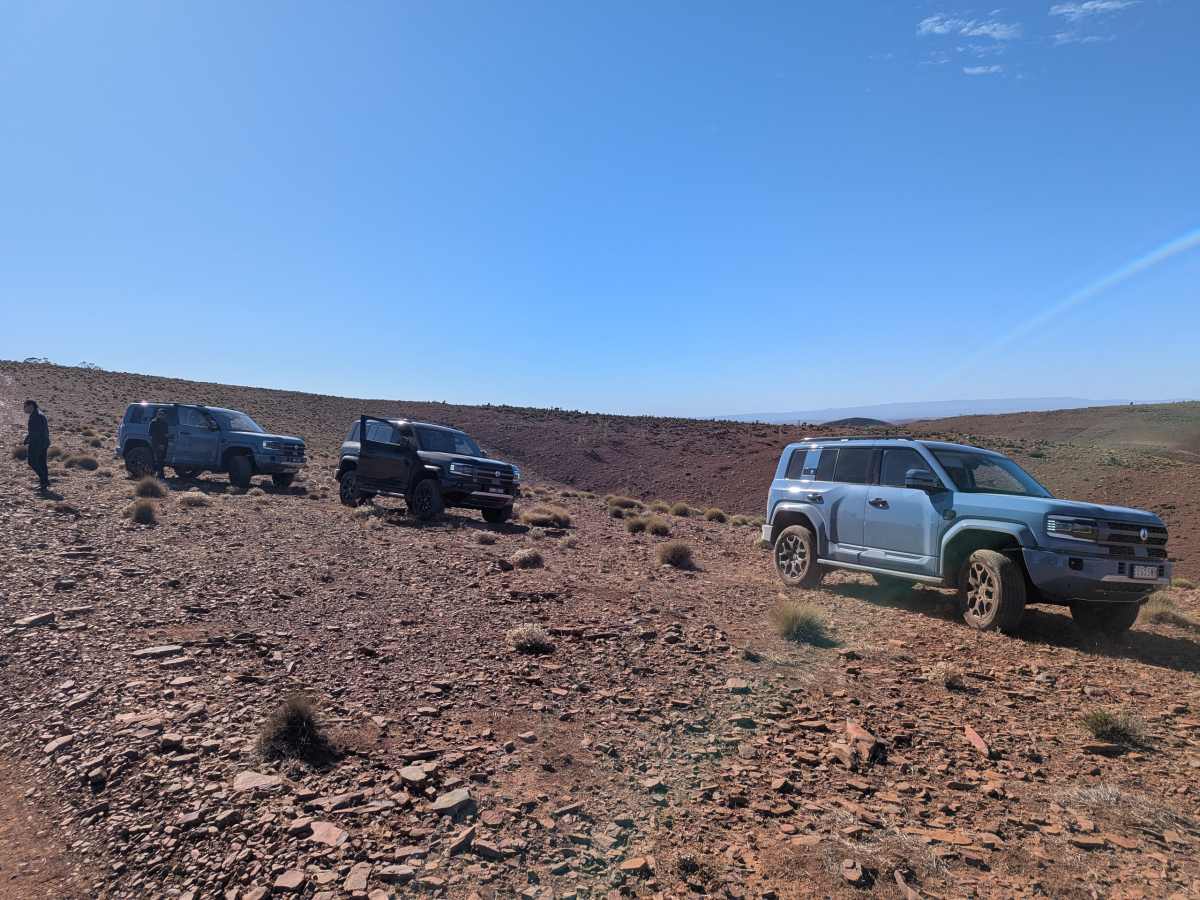
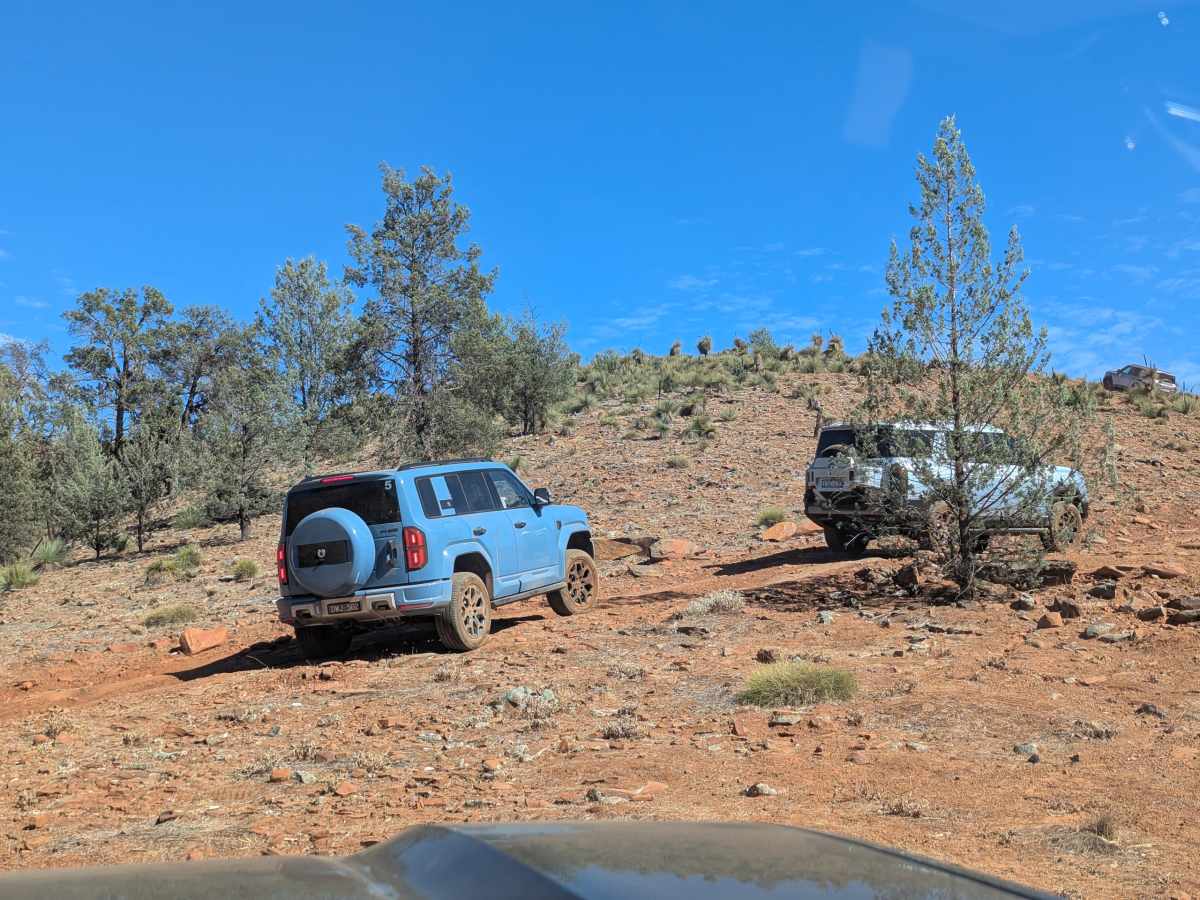
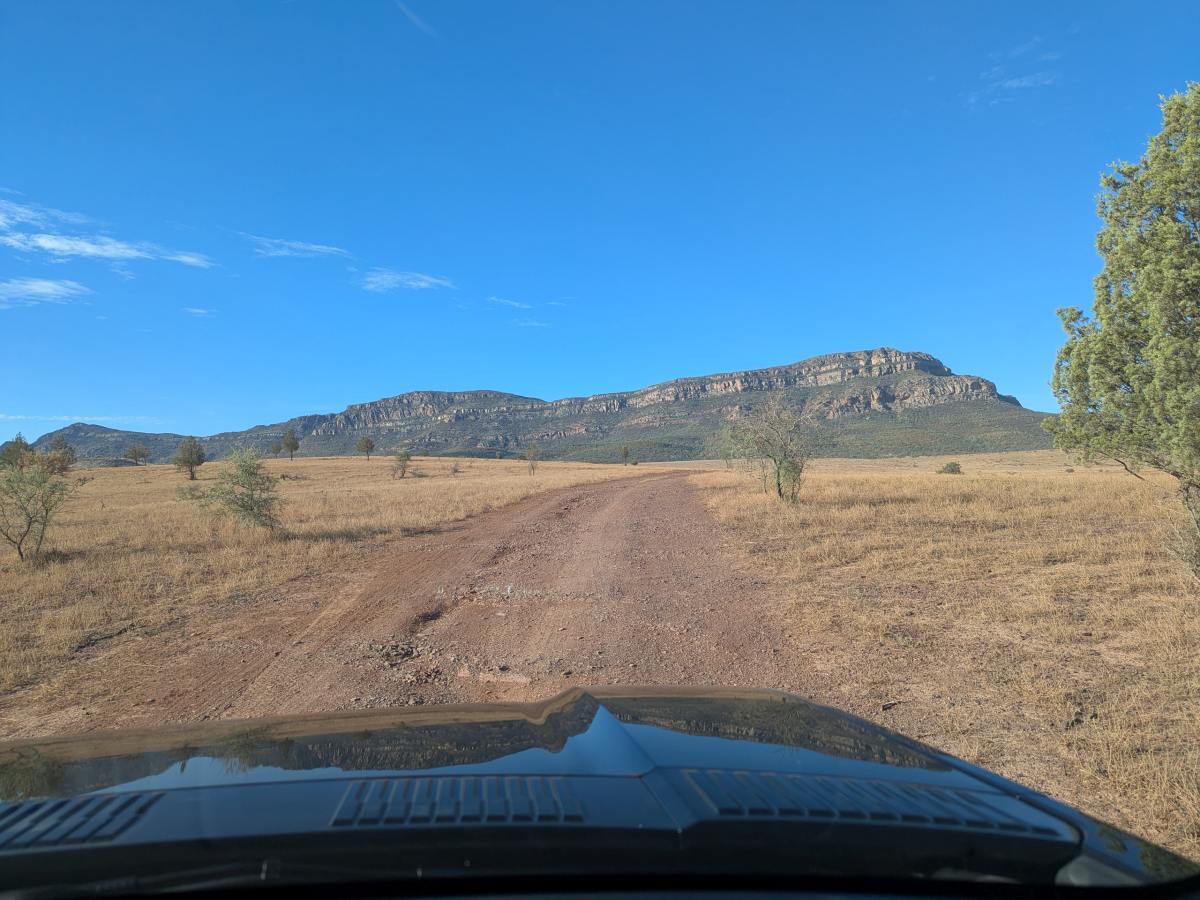
    Having said that, it is important to note that Denza held nothing back in offering the Australian and New Zealand media access to its vehicles in South Australia’s Flinders Ranges, putting the vehicles through their paces at the challenging Skytrek four-wheel drive park at Willow Springs Station.


    If you’re not familiar with the setting, then it’s fair to say this is not a course for amateur drivers, nor for ill-prepared vehicles. Should the B5 and B8 prove themselves here, they can just about prove themselves anywhere.


    The Denza B5 and B8 ride on a body-on-frame, or ladder frame chassis which surrounds the high-voltage battery and provides the rigidity needed for heavy towing and the extensive twisting forces that accompany gnarly off-road work.


    In both instances, the turbocharged petrol engine runs in conjunction with an electric motor to provide drive to the front axle, with the rear driven solely by electric power – eliminating the need for a tail shaft and transfer case.


    Low range is provided by clutched gearing to the rear axle only, with other terrain settings applied via electronic intervention.


    Denza has tuned the ride and handling of the B5 and B8 for Australian conditions, the models said to feel significantly different to the derivatives sold under the Fangchengbao name back in China.


    Obviously, we can’t assess those differences here, but we can report that there are quite marked differences between the B5 and the B8, the latter riding far more firmly and with less suspension travel off-road.


    Denza said the initial tune of the Fangchengbao was too soft for Australian and New Zealand tastes, though in the case of the B8, we think it may have moved the needle too far in the ‘firmness’ direction. The B5, by contrast, feels plusher, and appears to offer greater wheel articulation in off-road settings.


    Ride quality is exceptional by relative standards, and road noise non-existent. Both the B5 and B8 are among the quietest vehicles we have sampled in recent times – not just the quietest SUVs, not just the quietest four-wheel drives, but the quietest of any vehicle from any class you care to name.


    We found the DiSus-P suspension arrangement – with its variable hydraulic dampers – of benefit for the most part, providing excellent bump absorption and well-contained lateral movement, impressive considering the kerb weight of the duo.


    However, with close to three tonnes of inertia in play, we noted excessive longitudinal movement, with squatting from both vehicles evident under harder acceleration and some pitching observed under braking – both characteristics Denza claims to have addressed.


    It’s a compromise that can be hard to dial in, especially when offering the clearance and off-road geometry Denza’s B5 and B8 claim. With a little extra tweaking, we see no reason both vehicles shouldn’t lead the class in ride and handling; but for now, the jury is still out.


    Interestingly, and despite the claims, we did not feel that the B5 or B8 were as powerful as the brochure would have you believe. Acceleration is brisk, don’t get us wrong, but it isn’t as ‘supercar fast’ as the figures might suggest – no doubt (again) as a result of the duo’s excessive kerb weight.


    It’s a point that not only curtails what should be quite impressive acceleration, but crucially, limits payload and tow ball down weight figures.


    Against key rivals, the B5 (with between 490kg and 600kg depending on variant) and B8 (with between 698kg and 702kg) offer limited capacity for the needs of long-distance touring. Add a family of four, luggage, fuel, and five per cent of the braked towing allowance on the ball and you begin to get the picture…


    Still, we’re not sure most B5 and B8 buyers will mind. While Denza reckons it can take on the likes of Land Rover and Lexus, the reality is that the majority of B5 and B8s will never venture far from the beaten path, let alone with the cargo hold packed to the gunnels and a dual-axle caravan in tow.


    As has been the case with related BYD products, the Denza’s petrol-electric strategy is one that ensures the LFP battery is maintained at a state of charge that does not allow the petrol engine to operate on its lonesome. This contributes not only to having predictable power delivery at all times, but steady energy use across the board.


    Our long-distance trek from Adelaide to Willow Springs – and a day on the rugged trails therein – returned an average of 8.2 litres per 100km in the B5 and 11.1L/100km in the B8; not bad when all is considered.


    While the quietness and comfort of the B5 and B8 are admirable, we found it difficult to enjoy the serenity of the cabin due to the incessant intervention of Denza’s uptight ADAS technologies.


    Speed limit warnings, distraction warnings, lane position warnings, vehicle proximity warnings, and others are over-sensitive, over-reactive, and almost continual, forcing us to pull over and disengage almost every electronic assistant before continuing on our way (and again after each ignition cycle).


    Perhaps amusingly, the vehicles also ‘ding’ regularly to let you know that its ADAS systems are disengaged when driving off-road, despite the software itself disengaging those systems when low-range four-wheel drive is in use. You cannot win – and it’s enough to drive you mad.


    Assuming you can live with the dings and dongs, the somewhat spongey ride, and the 150,000km coverage offered alongside Denza’s six-year warranty, then you just might be the kind of buyer this Chinese importer has in its sights.


    The Denza duo is well constructed, thoughtfully finished, and mightily capable – the kinds of cars that can cruise comfortably to a spot like Willow Springs, take on Skytrek, and drive back home without an issue.


    With a little more fine-tuning (and perhaps an extensive diet) we think the B5 and B8 could really turn the luxury four-wheel drive market on its head.
     

    Source link

  • Can BYD’s electrified 4WD challenge the Prado?

    Can BYD’s electrified 4WD challenge the Prado?

    Over the last couple of years, we’ve seen dozens of new EV models as the market has grown, but serious off-road 4WDs have remained stubbornly diesel-dominated.

    That’s about to change, and we have a chance to spend some time with the first two models. Enter Denza B5 – both are a BYD brand, which of course delivered the very popular BYD Shark 6 last year, selling over 18,000 in 2025. While not a full EV, the B5 represents one of the most serious electrified alternatives yet to diesel 4WDs.

    This plug-in hybrid is geared towards adventuring families and comes packed with 3 tonnes of towing, going straight after the very popular Diesel Toyota Prado.

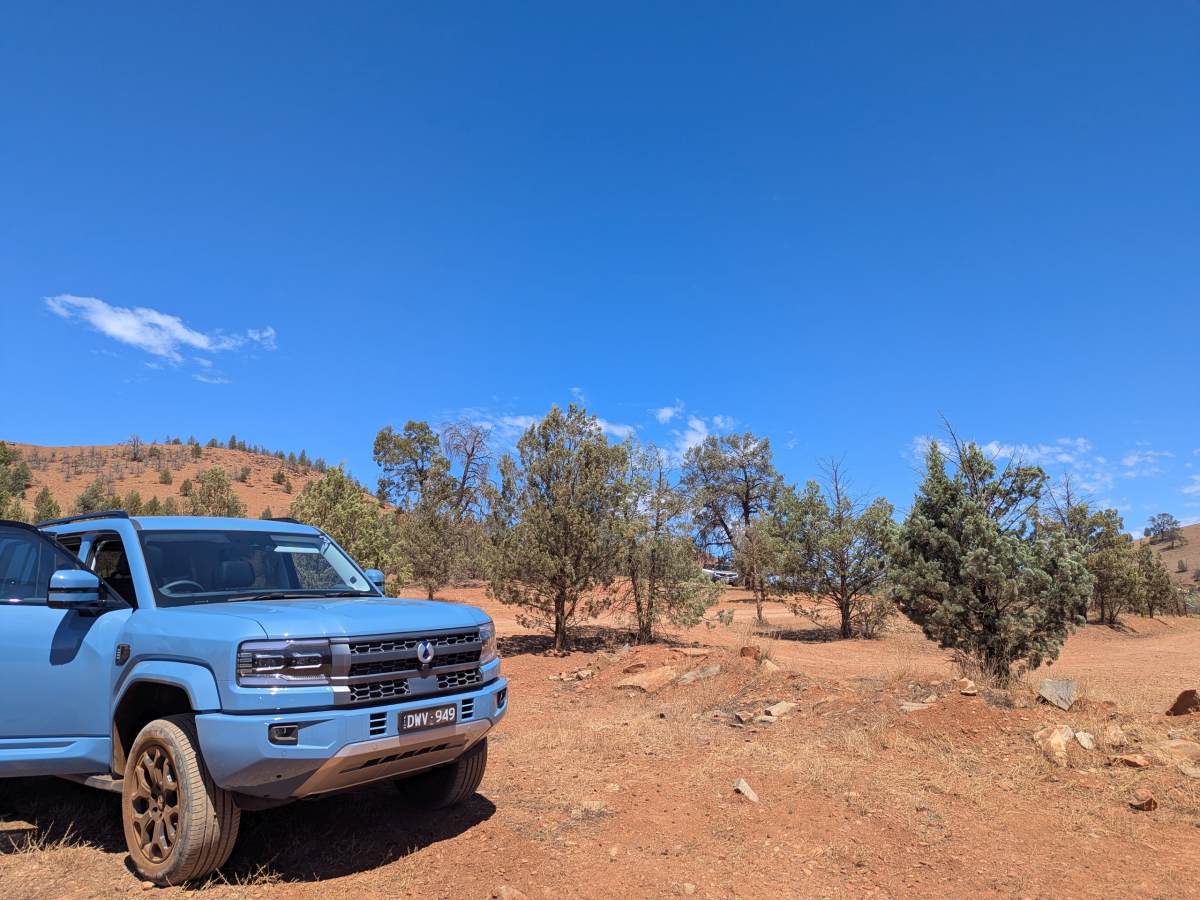
    Looks-wise, it looks like many other premium off-roaders, but the 2026 Denza B5 is different. I recently drove it from Adelaide to the Flinders Ranges. 

    Image: Riz Akhtar

    This wasn’t a normal run around the city where many Diesel off-roaders spend most of their time. It was a 500-kilometre trek into the heart of the Australian Outback, taking on some serious on and off-roading adventures over two days.

    Starting with the price, which is the big surprise. It starts at $74,990 plus on-roads. That puts it right against the base Toyota Prado. 

    Having said that, the Denza B5 offers twice the power and much more tech that’s generations ahead. It feels like a bargain compared to European luxury rivals.
    The B5 is a plug-in hybrid with a twist. Similar to the BYD Shark 6, it uses BYD’s Dual Mode Off-road (DM-O) platform.

    Under the bonnet is a 1.5-litre turbo engine. It works with two powerful electric motors. Together, they produce 425 kW and 760 Nm.

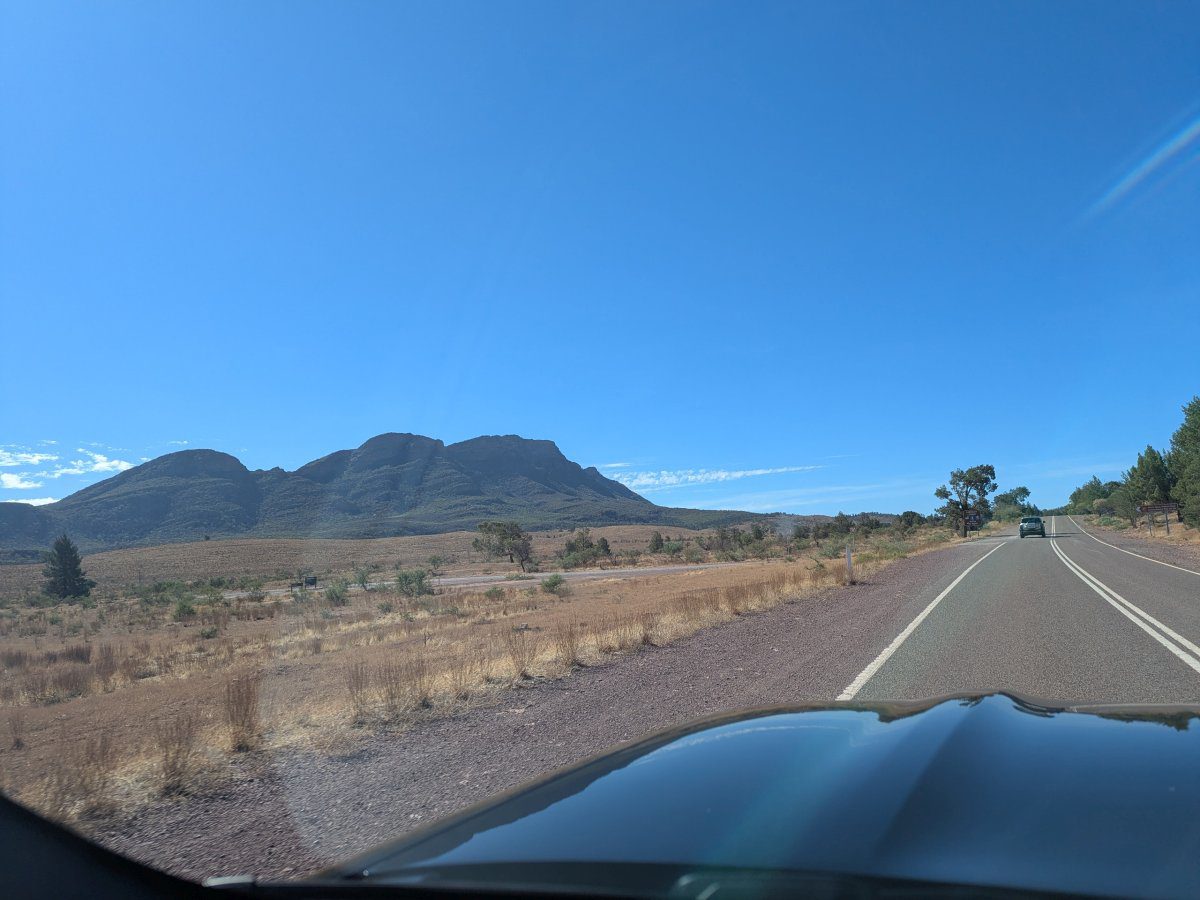
    On the highway out of Adelaide, it felt very zippy off the line, closer to a sports car. It was similar to what I got when I tested the Shark 6 in Marysville, Victoria, in 2024. A ute wasn’t supposed to be this quick but it was.

    Image: Riz Akhtar

    Similarly, the Denza B5 hits 100 km/h from a standstill in just 4.8 seconds. That is quite a thing to experience for a three-tonne SUV, it certainly gives Prado buyers something new to consider.

    The transition between petrol and electric is seamless. You get 90 km of pure EV range for the city from a 31.8 kWh BYD Blade Battery pack.

    It also supports 10-80% DC charging times of around 20 minutes, with charging speeds up to 100 kW.

    On the road, the total range can be up to 1,000 km for those travelling occasional long distances, like the drive up to Wilpena Pound.

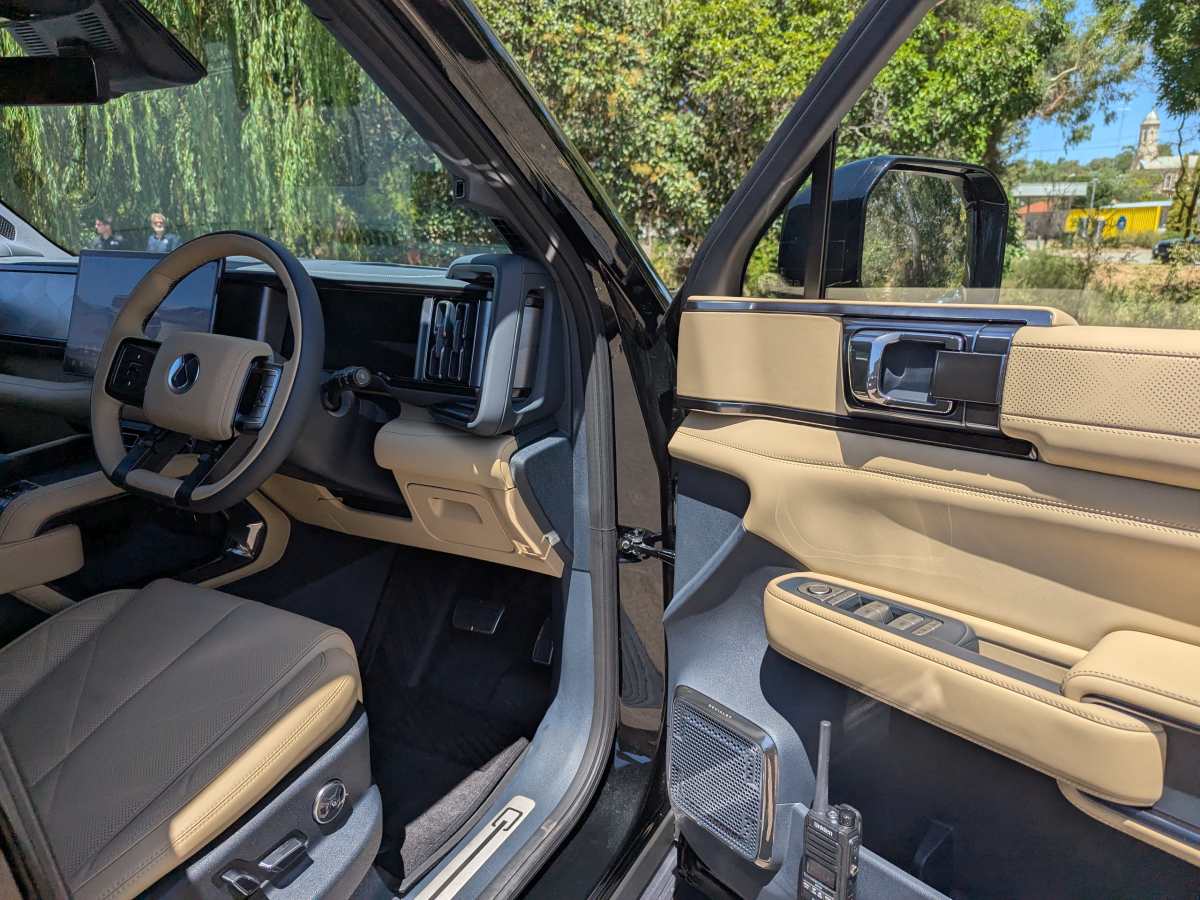
    Speaking of the drive up the state, it was quite an experience. On the inside, the B5 packs quite a bit of luxury. Even as the heat outside was getting up as we approached the middle of the day into the afternoon, the Nappa leather seats were ventilated, and the aircon worked like it was built for the Outback. 

    On top of that, there is even a built-in fridge in the console. It kept my drinks ice-cold during the trip up, and I didn’t even need to think about setting it every time I got back into the car. That’s something most variants of the Prado just don’t have. 

    The B5’s massage seats also give it a much more premium feel, and of course, like most premium BYD and Denza products, there is a large 15.6-inch screen, which I must say has the best in-car software of any 4WD I’ve ever been in. 

    Image: Riz Akhtar

    Along with that, there is a 16-speaker Devialet sound system, which I felt was not too bad for most music, although bass-loaded and punchy beats felt a bit muffled in the short time I spent with it, that’s of course comparing it to sound systems found in Tesla, Volvo and others with Premium audio on the market.

    While on the road, the head-up display worked really well and with navigation on, it projected the directions clearly, even against the much brighter sun past the town of Hawker, nearly 400 km north of Adelaide. 

    Looking at the space in the B5, it’s more than enough on both rows, and after spending a bit of time on the back too, on some long stretches up to the Flinders Ranges, it was very comfortable, especially thanks to the flat floor, which makes the back seat feel like a lounge.

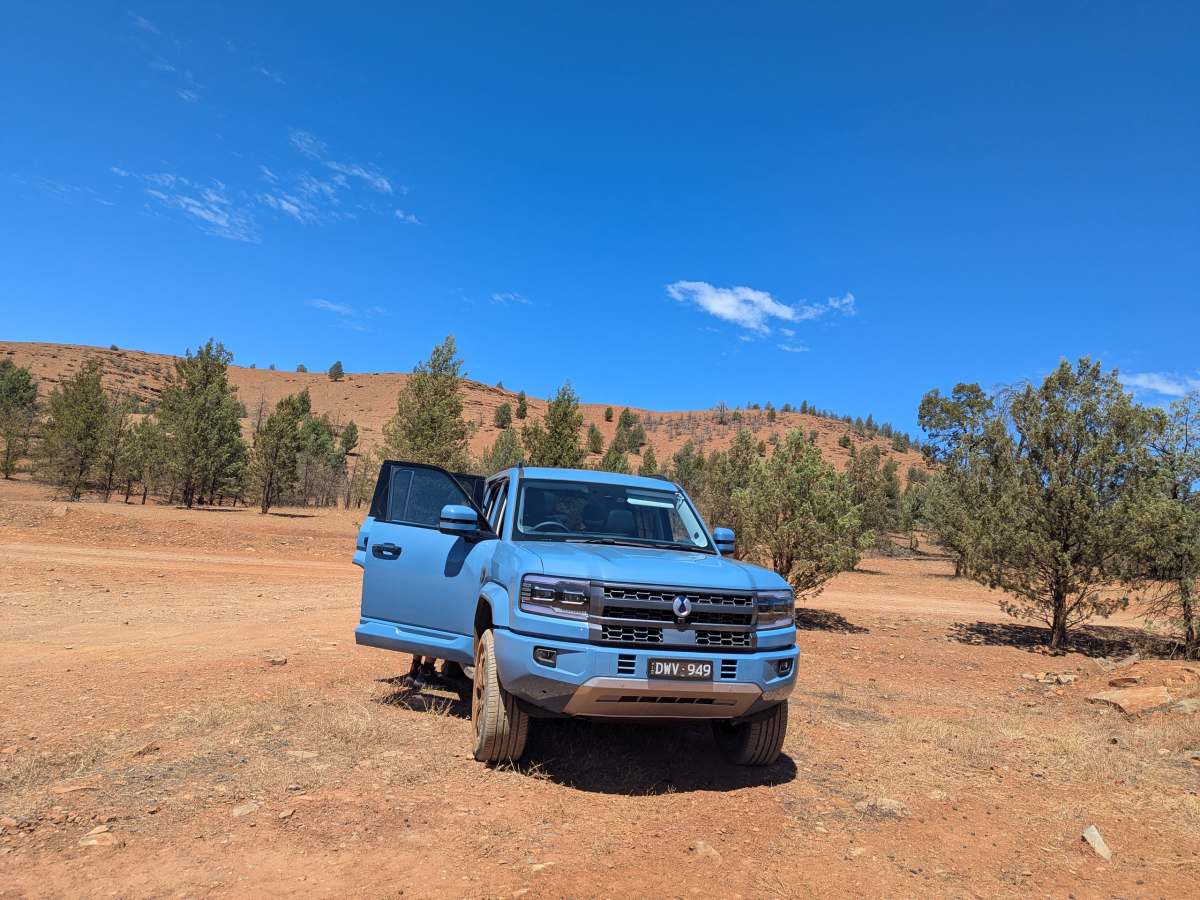
    The following day, we hit the off-road tracks near Wilpena Pound. The B5 and the engineering behind it felt like that’s what it was made for. It didn’t feel like a soft-roader but more of a body-on-frame vehicle, designed for these rugged tracks. 

    Unlike the BYD Shark 6, the Denza now packs front and rear diff locks. It even has a tank turn function for tight trails.

    Image: Riz Akhtar

    Another big seller for the B5 is the very unique DiSus-P hydraulic suspension that you get on the Leopard variant, with pricing starting at $79,990 before on-roads. 

    On the rocky climbs of the Flinders, I raised the ride height to 310 mm, which absorbed the corrugated tracks without any dramas. 

    The steepness of most terrain didn’t pose much of an issue, thanks to this suspension and the approach angle of 39 degrees with suspension raised. 

    On the descent, it was very similar to the departure angle of 35 degrees, combined with the 360-degree view you get on the screen, even an amateur off-roader like myself could get through the tracks, knowing the tech inside would help if we ran into trouble.

    The 790 mm wading depth gave me confidence that even on terrain with creek crossings, it’d drive through . It lacks the legendary feel of a LandCruiser, but the tech makes off-roading accessible.

    Image: Riz Akhtar

    Having said all that, no car is perfect. The B5 is quite heavy, and you feel that weight in high-speed corners. The steering is a bit light for my liking, too, but then again, the steering could likely be stiffened. Where the B5 still has something to prove is long-term durability. Buyers cross-shopping a Prado or LandCruiser are often thinking in decades, not just features. Denza will need to demonstrate reliability in harsh Australian conditions over time

    Towing capacity is rated at 3 tonnes, slightly below the Prado’s 3.5-tonne figure. For buyers regularly hauling large caravans or heavy trailers, that difference may matter, though for most use cases it’s unlikely to be a limiting factor.

    The 2026 Denza B5 proved itself in the dirt, and it handled the adventure up to the Flinders without a single rattle. It is quiet, powerful, and very capable on and off-road.
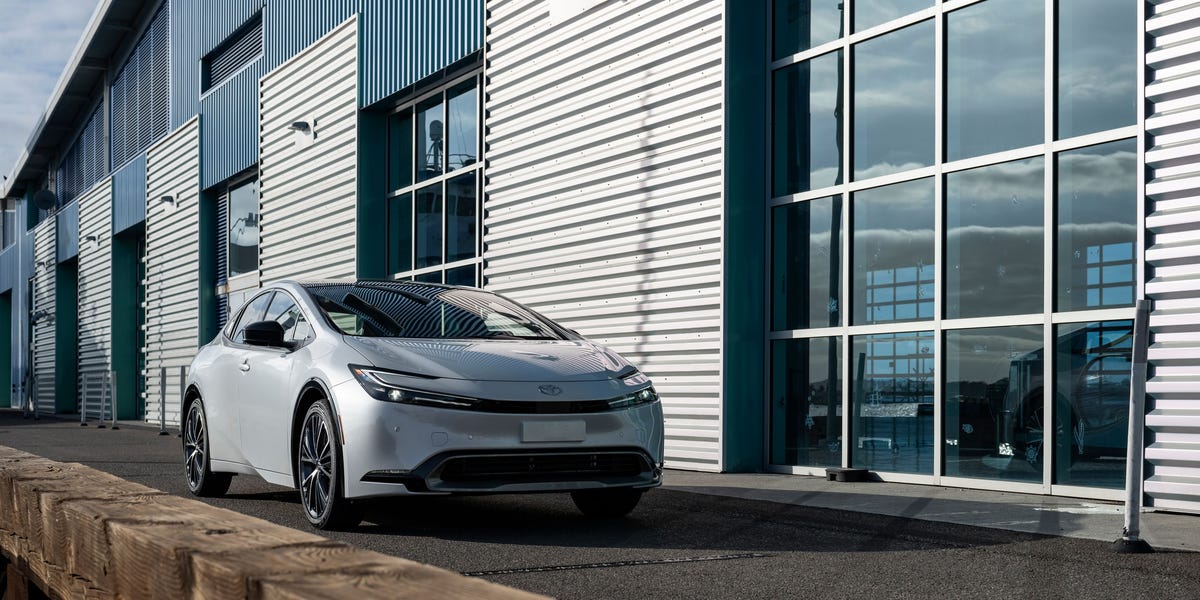
    Image: Riz Akhtar

    Serious electrified off-roaders have been a long time coming. The B5 isn’t a gimmick or a novelty, it’s a genuinely capable alternative in a segment that has barely moved beyond diesel.

    It is an extremely capable alternative for Australian drivers hitting the suburbs and the bush. For buyers wanting luxury and electrification without diesel, it makes a compelling case.

    Source link