Author: admin

  • 2026 Porsche Macan GTS Electric First Drive Review: More Turbo Than 4S

    2026 Porsche Macan GTS Electric First Drive Review: More Turbo Than 4S

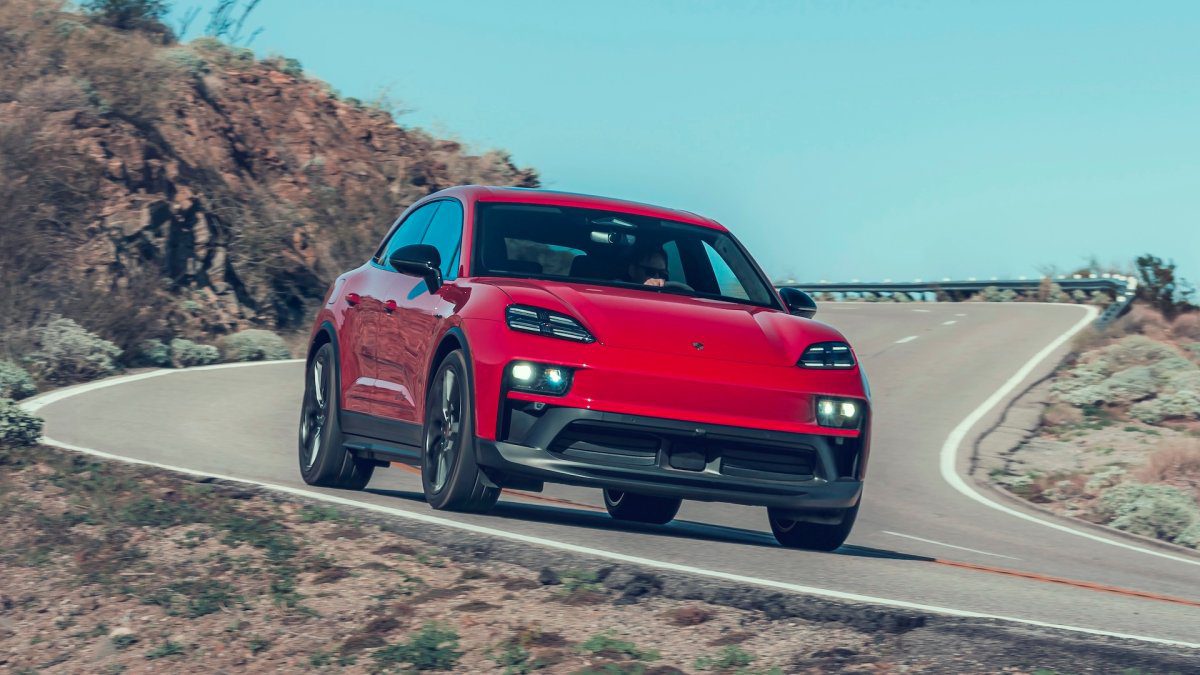
    The phrase “high-performance crossover” is no longer an oxymoron, and the Porsche Macan (and Cayenne) deserves much of the credit. Now, it’s helping dismantle another contradiction: the “engaging EV.” Enter the 2026 Porsche Macan GTS Electric.

    For 2026, the electric Porsche Macan lineup receives a new member: the GTS. It fills the gap between the Macan 4S Electric and the Macan Turbo Electric. At 563 horsepower, the GTS slots between the 509-horsepower 4S and the 630-hp Turbo, but it doesn’t sit squarely in the middle. Porsche gave the GTS the same rear motor found in the Turbo, meaning it leans closer to its more capable sibling than the 4S, at least where it counts.
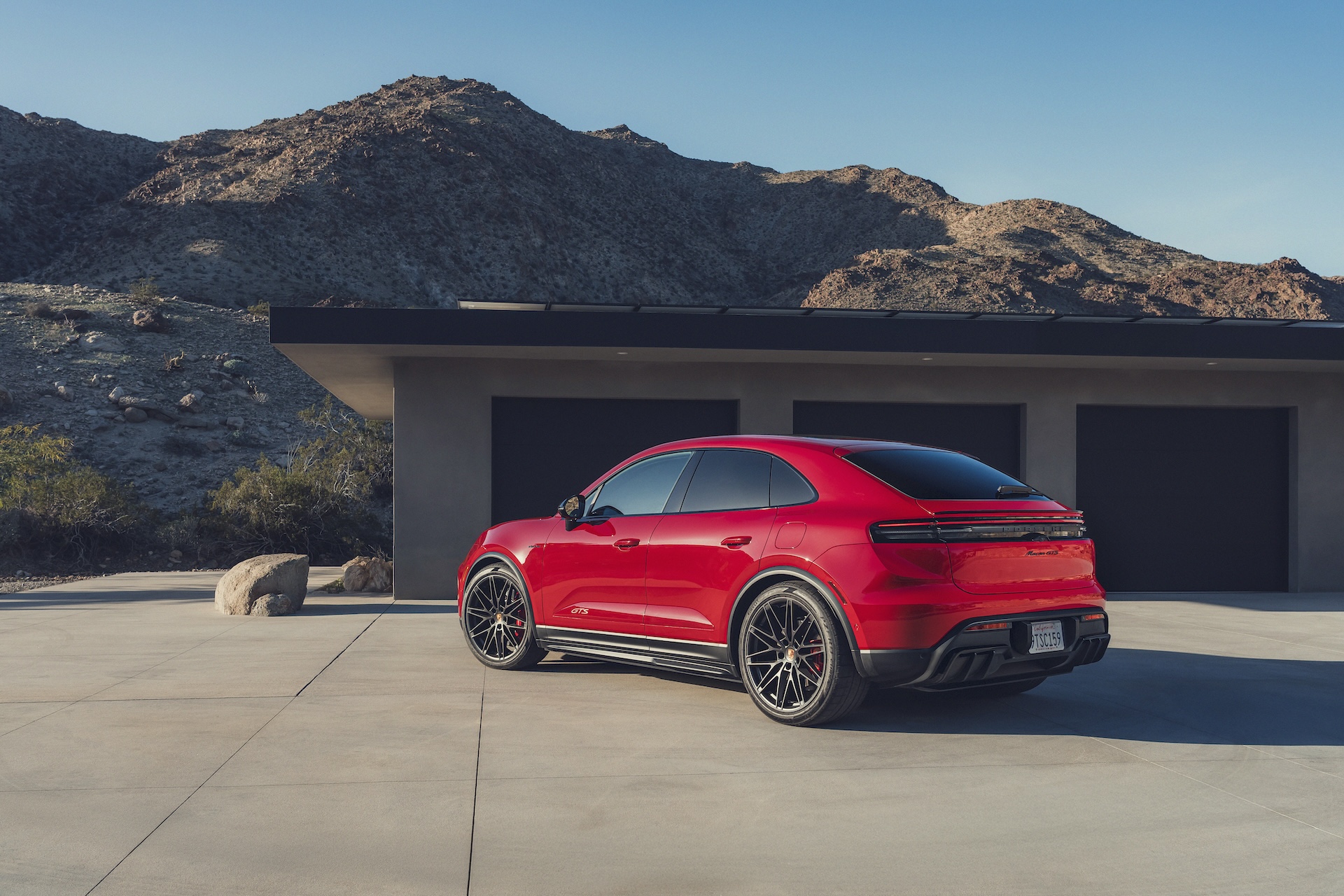
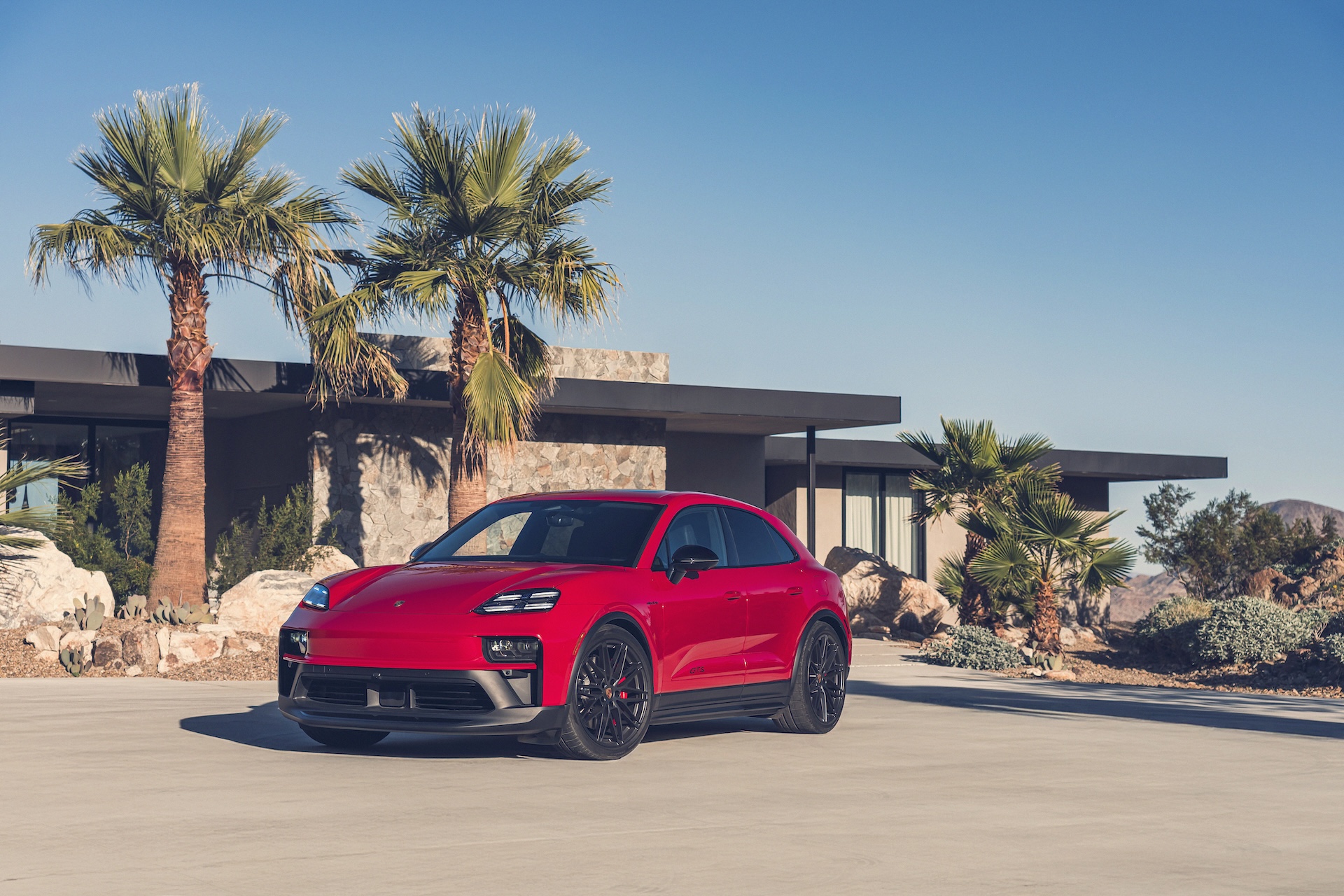
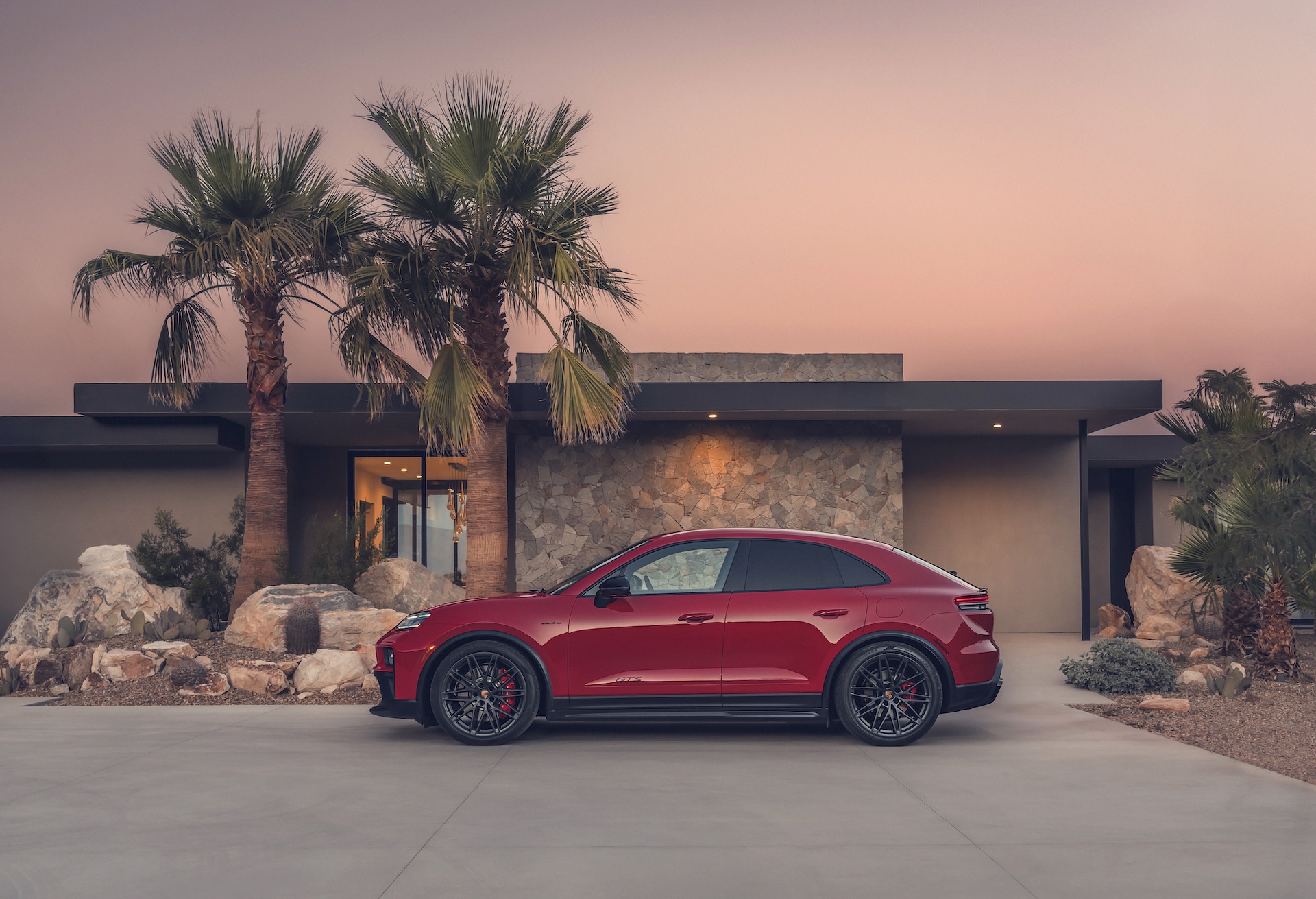
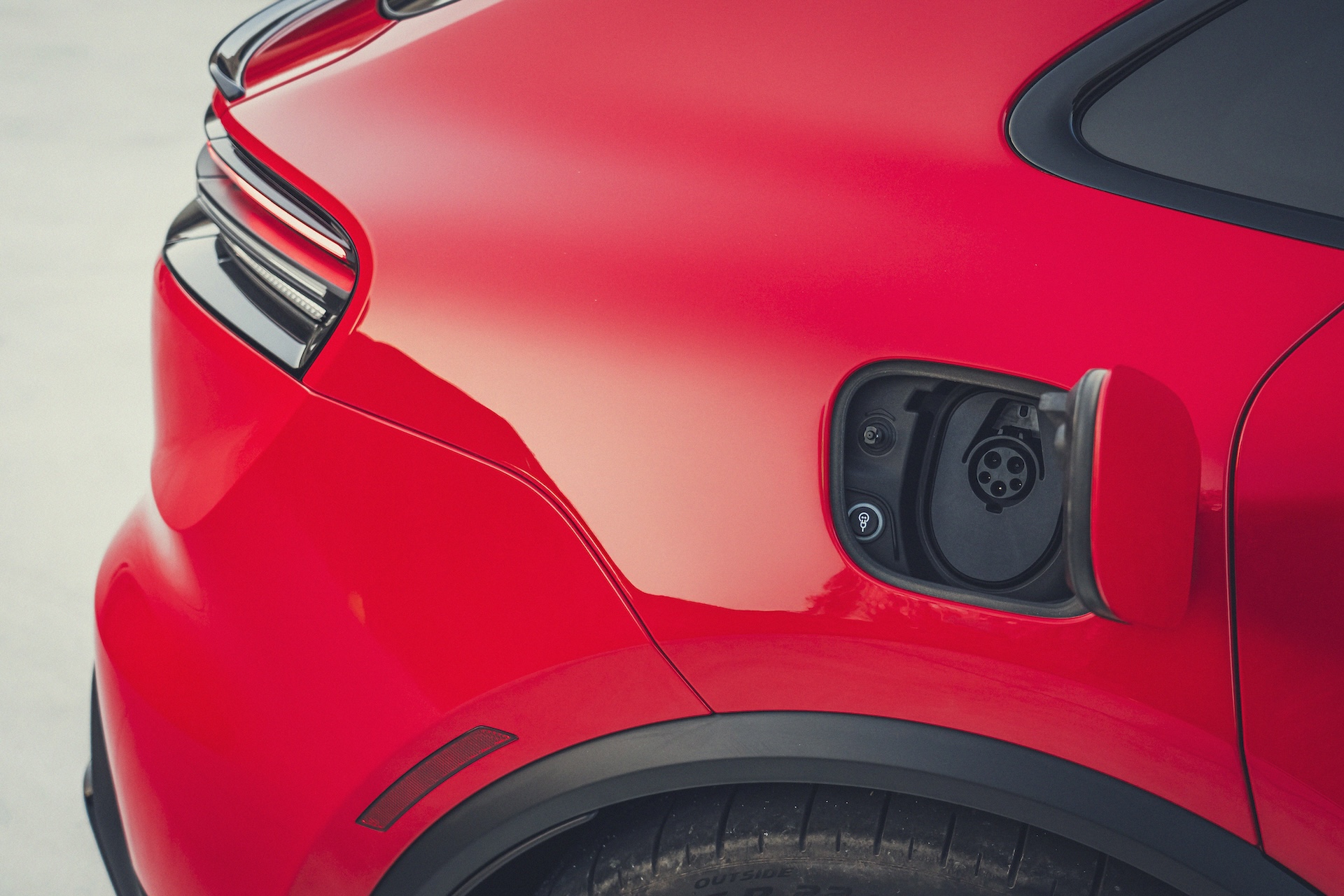
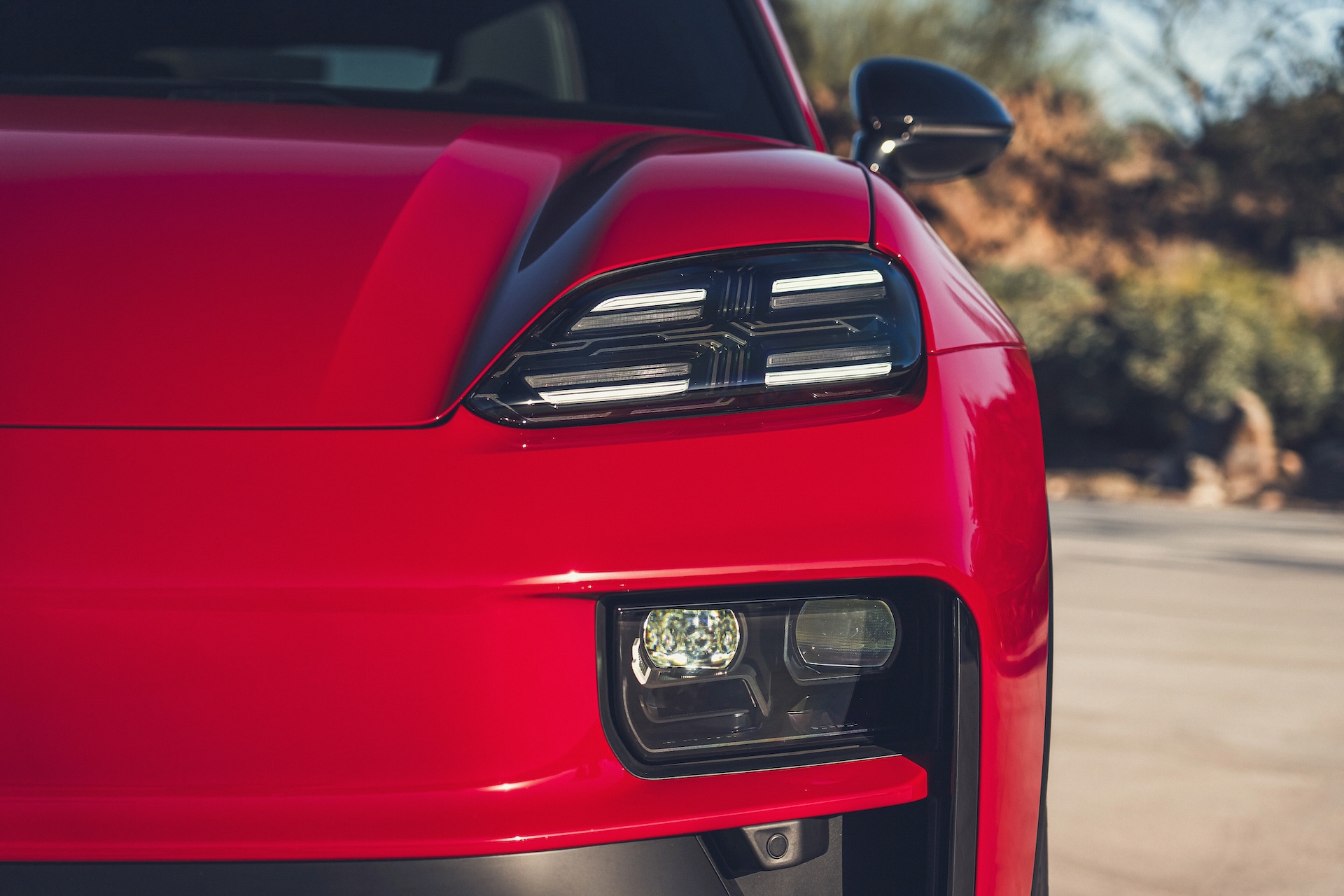
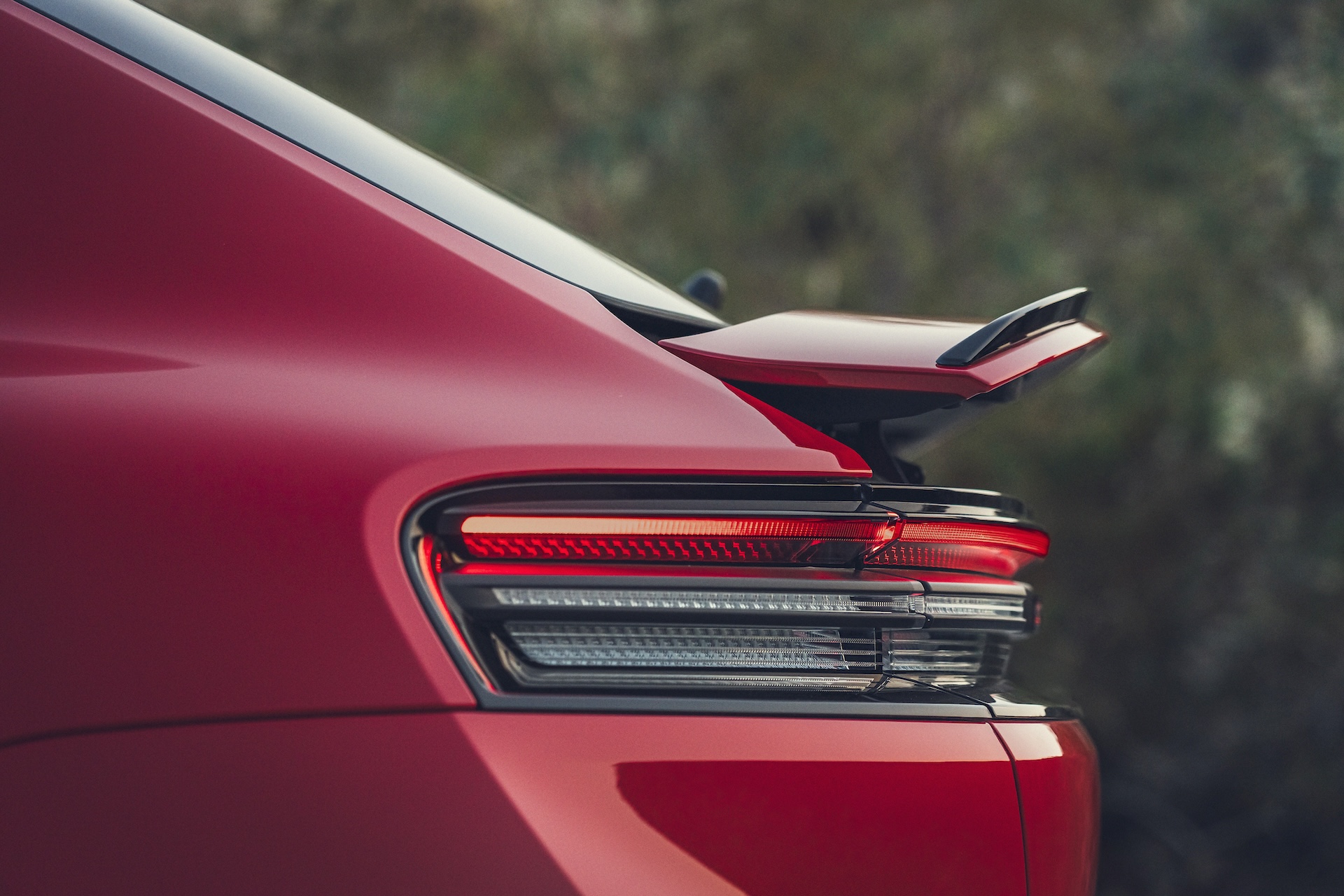
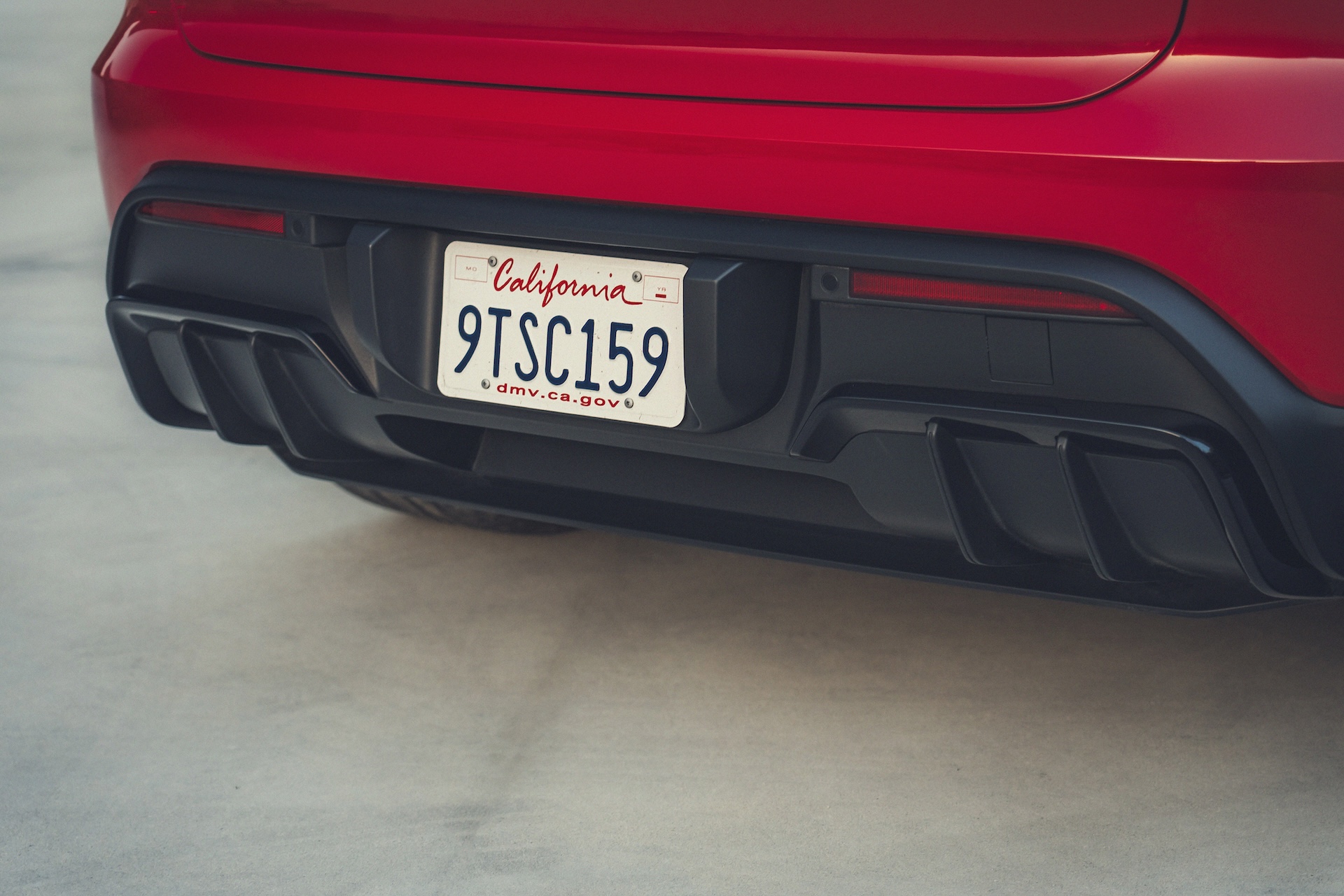
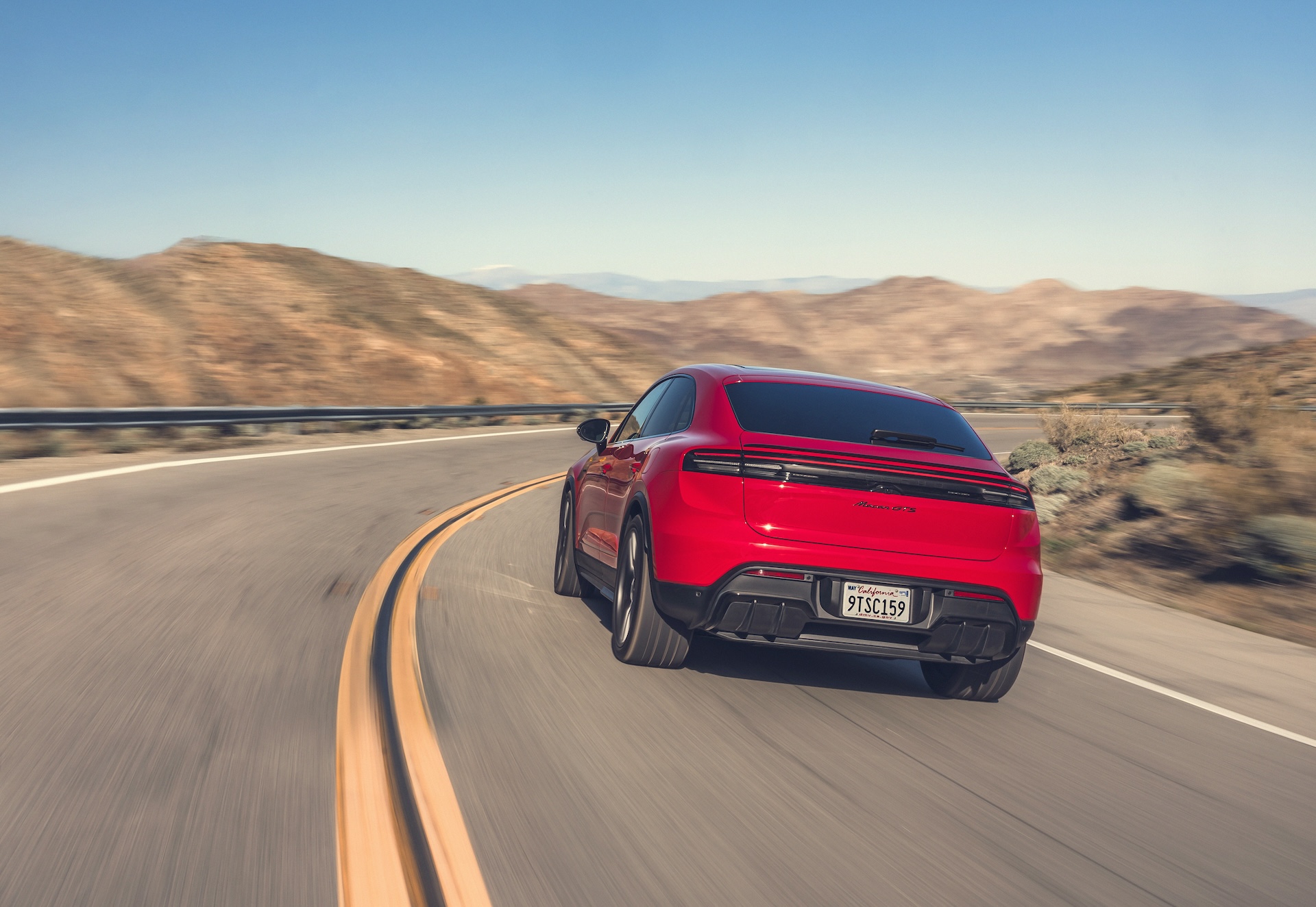
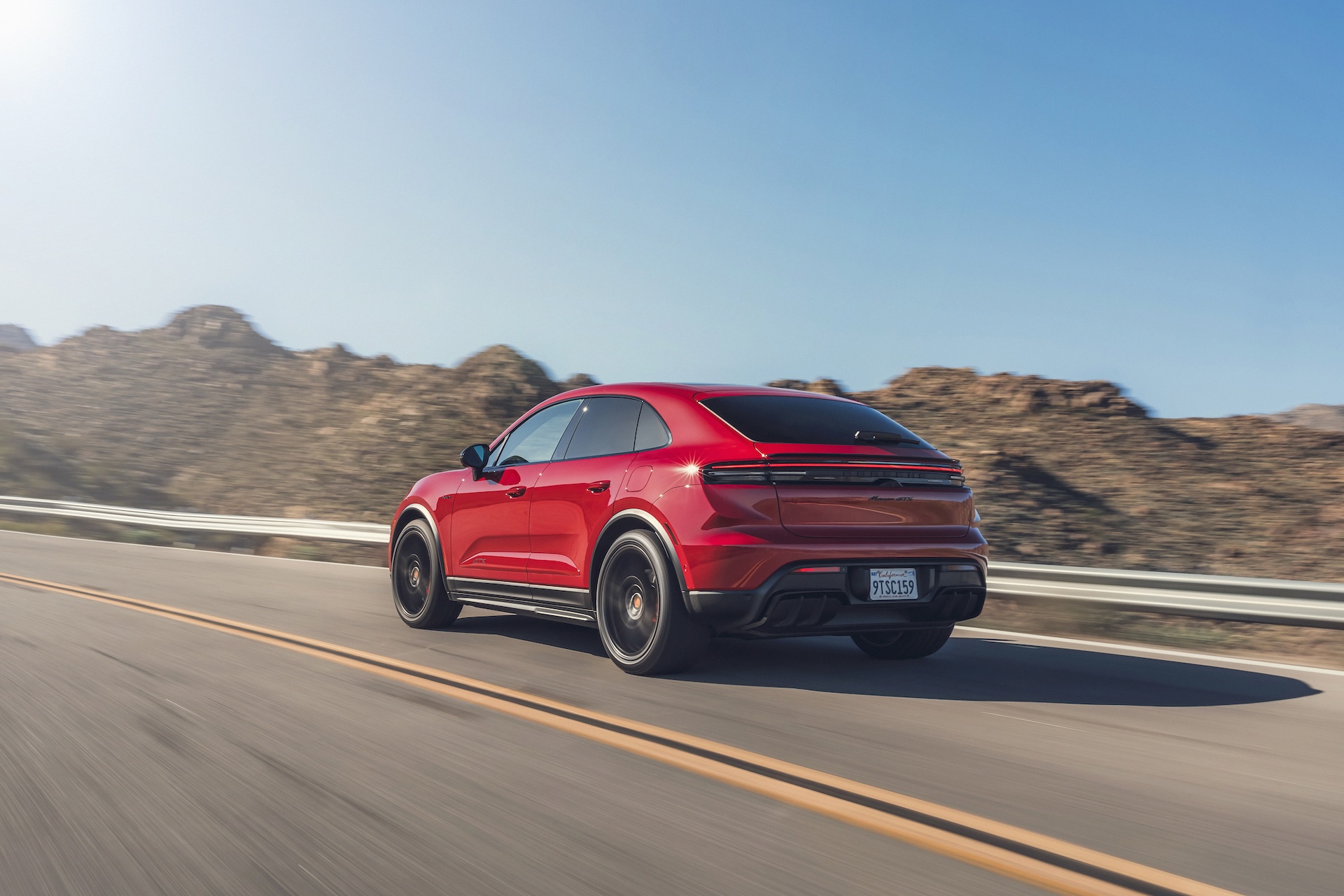
    The Macan GTS also debuts an updated front and rear design that will become standard across all Macan Electric models later this year. If you’re trying to spot the GTS in a parking lot, look for the black accents on the mirrors and doors, which are model-specific. That updated fascia, paired with a splash of black trim, made my Carmine Red tester an obvious fan favorite of the day.

    While the Turbo still wears the performance crown, the Macan GTS does claim one interesting distinction: it has the lowest center of gravity of any Macan Electric, Turbo included. The difference isn’t insignificant, either; about half an inch. And, y’know, the laws of physics take every millimeter into account. It also gives the GTS a noticeably meaner stance.

    Driving Experience

    I spent a full day with the Macan GTS, starting on the west side of Los Angeles, cruising clear highways before heading up the renowned Angeles Crest Highway to really put the new model through its paces. On the way back, we hit classic LA stop-and-go traffic. Safe to say, I got about as much variety in roads and conditions as you can squeeze into a single test day.

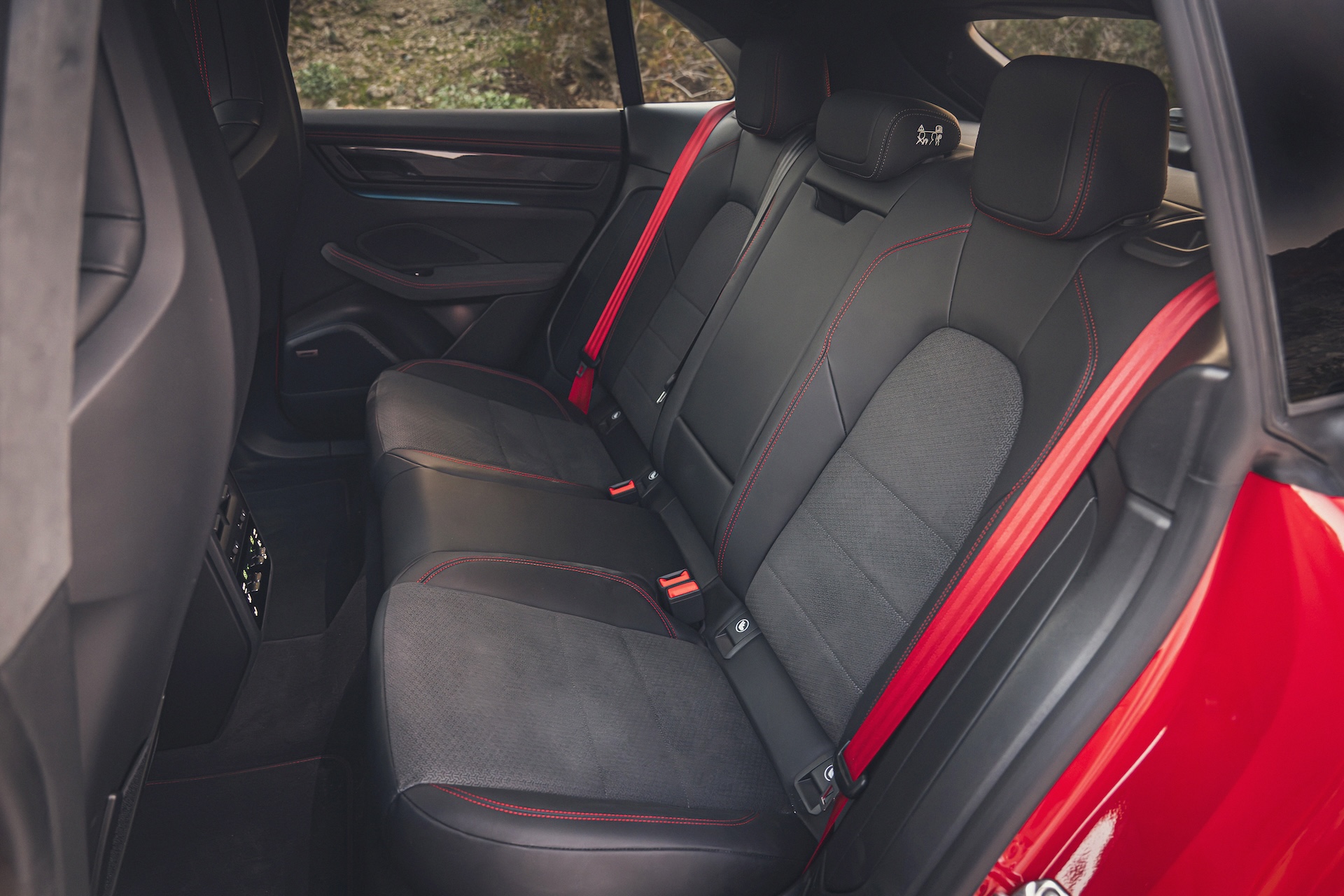
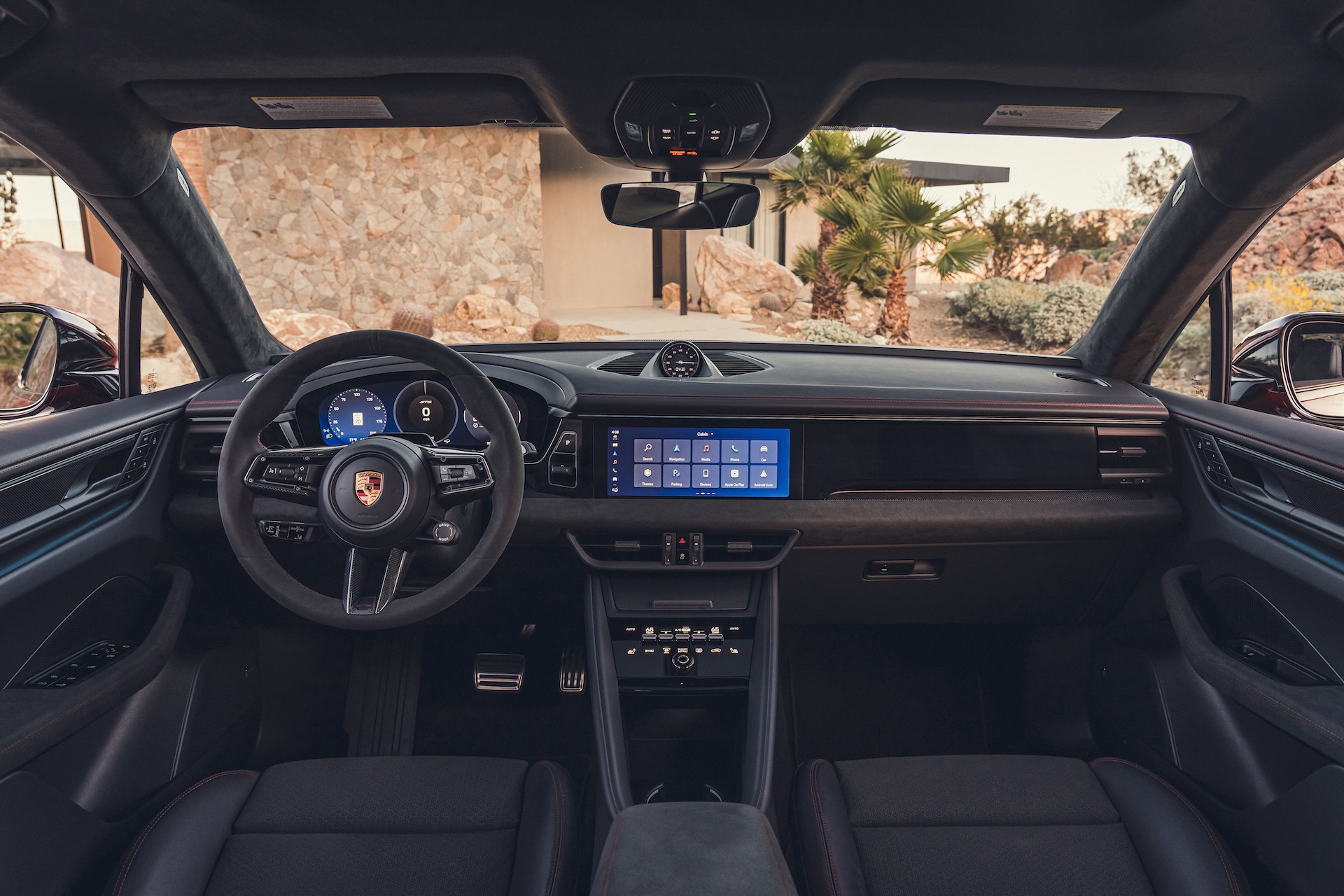
    Dodging morning traffic, I cruised from the coast to the valley, which gave me plenty of time to take in what remains one of Porsche’s biggest strengths: interior build quality. The layout of a dashboard sets the tone for an entire cabin, and the GTS feels streamlined and intentional from pillar to pillar.
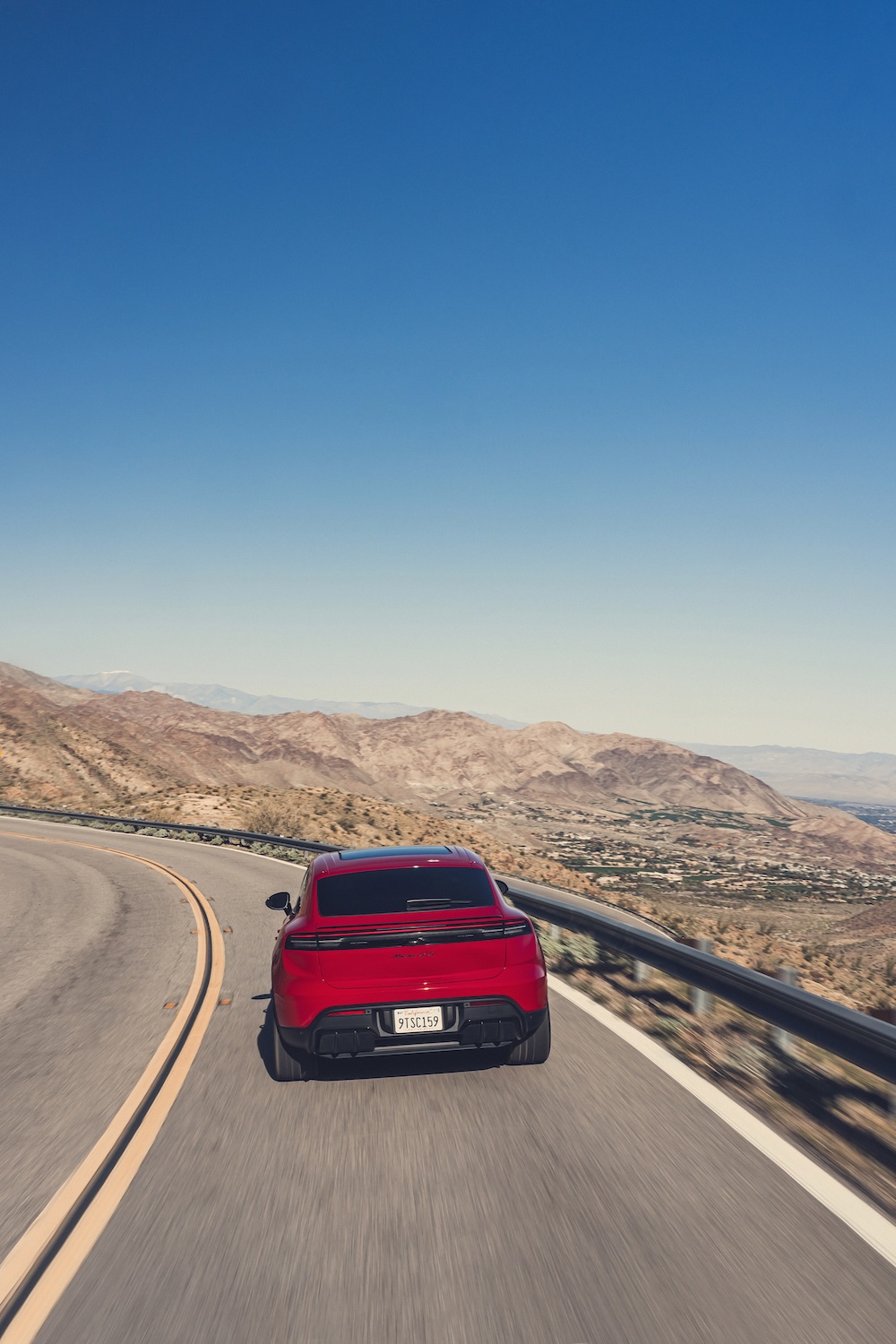
    Car interiors are in a weird place right now. Some think that more screens automatically equals better, while others are leaning back into buttons. It’s easy to get frustrated with a screen-only UX and just as easy to feel overwhelmed by button overload. The Macan GTS hits a solid balance. There’s a digital gauge cluster and a seamlessly integrated center infotainment screen that’s intuitive and responsive. Between the front seats, you’ll find easy-to-use climate controls and a centralized volume knob you can’t miss. Beyond that, the remaining buttons live on the steering wheel, handling the essentials—music controls and Porsche’s familiar drive mode toggle. If there’s anything to complain about, it’s the odometer using a decimal instead of a comma, i.e., 1.320 miles instead of 1,320. It’s oddly distracting, but hey, that’s how the Europeans roll.

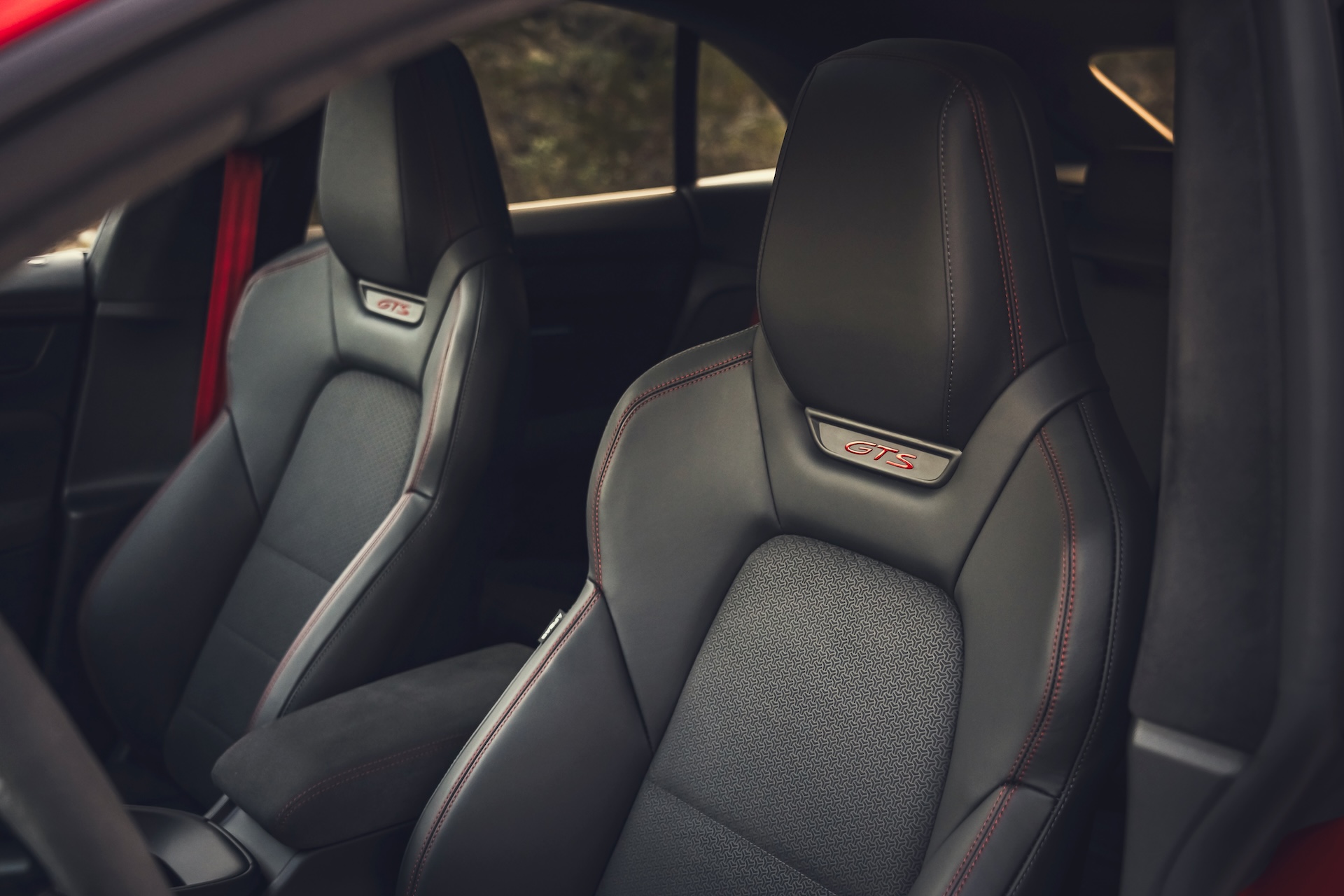
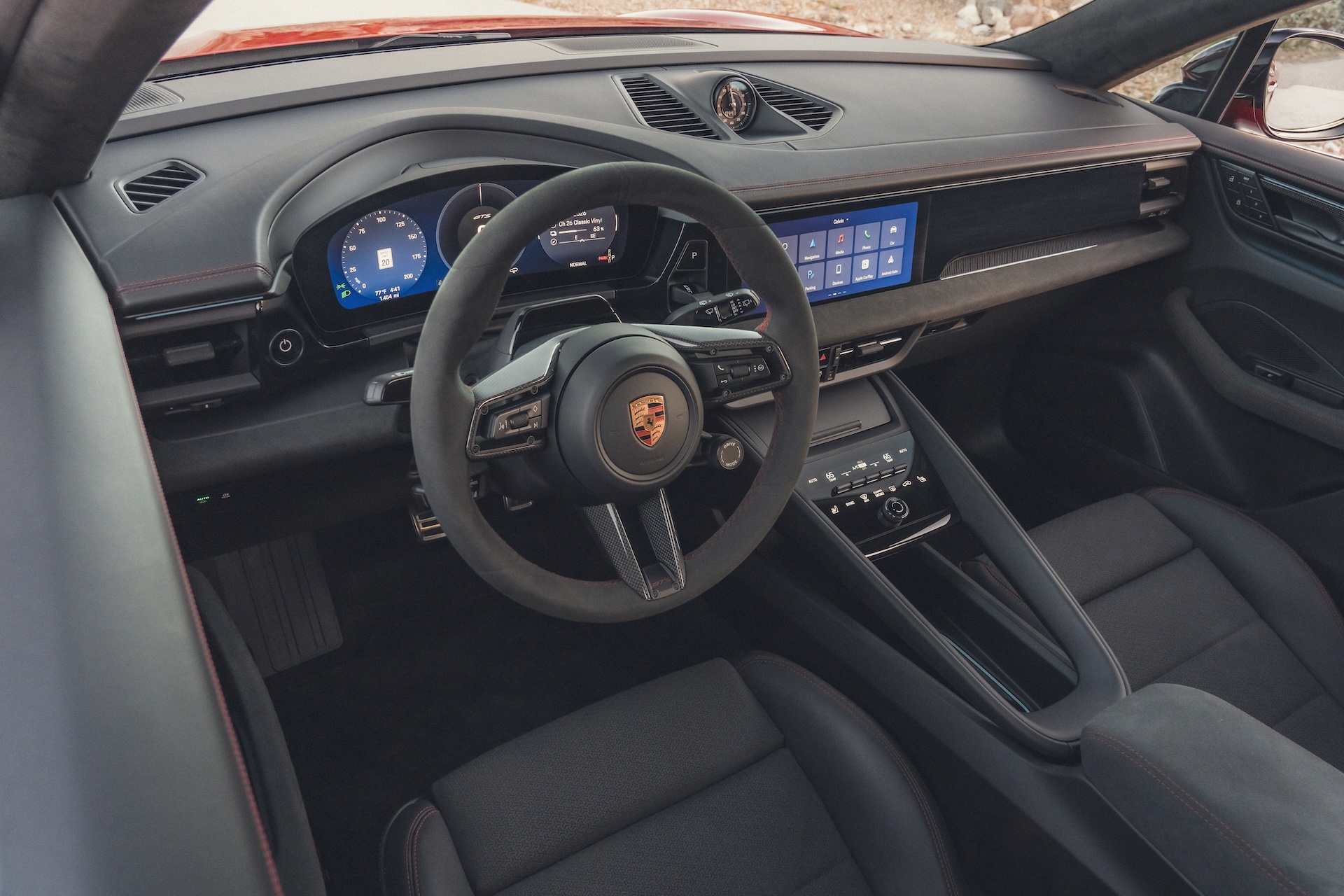
    Rounding out the interior are the optional 18-way sport seats. Their bolsters scream track day, yet they’re designed well enough not to feel out of place in a crossover. The result is a cabin that feels mature, athletic, and properly premium. And, when it comes to carving canyon roads, they’re plenty useful.

    In Normal drive mode, Porsche’s air suspension keeps the ride compliant and neutral. Even with the sport seats, the GTS would be an easy daily driver. After all, that’s what most of its gas siblings are anyway, whether it’s the Macan or the Cayenne. On-road manners are equally well sorted, with no squeaky ceramic brakes or overkill bite at stoplights and intersections.

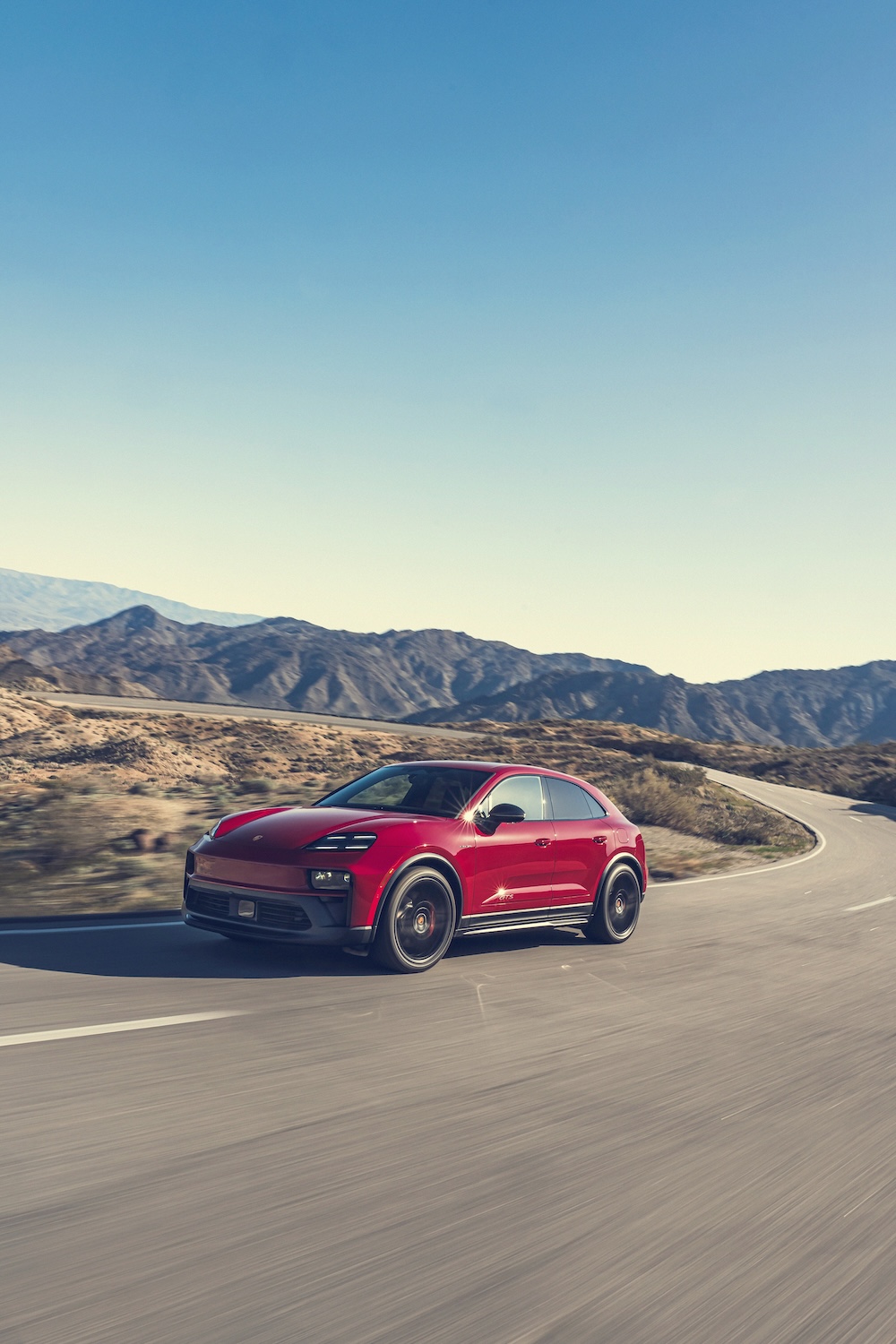
    Now for the fun part. As a local San Diegan, I’d never driven the famous Angeles Crest Highway before. I always imagined my first run up the popular hillside would be in some kind of manual gas-powered coupe—but after a proper beatdown of the Macan GTS, I wasn’t mad.
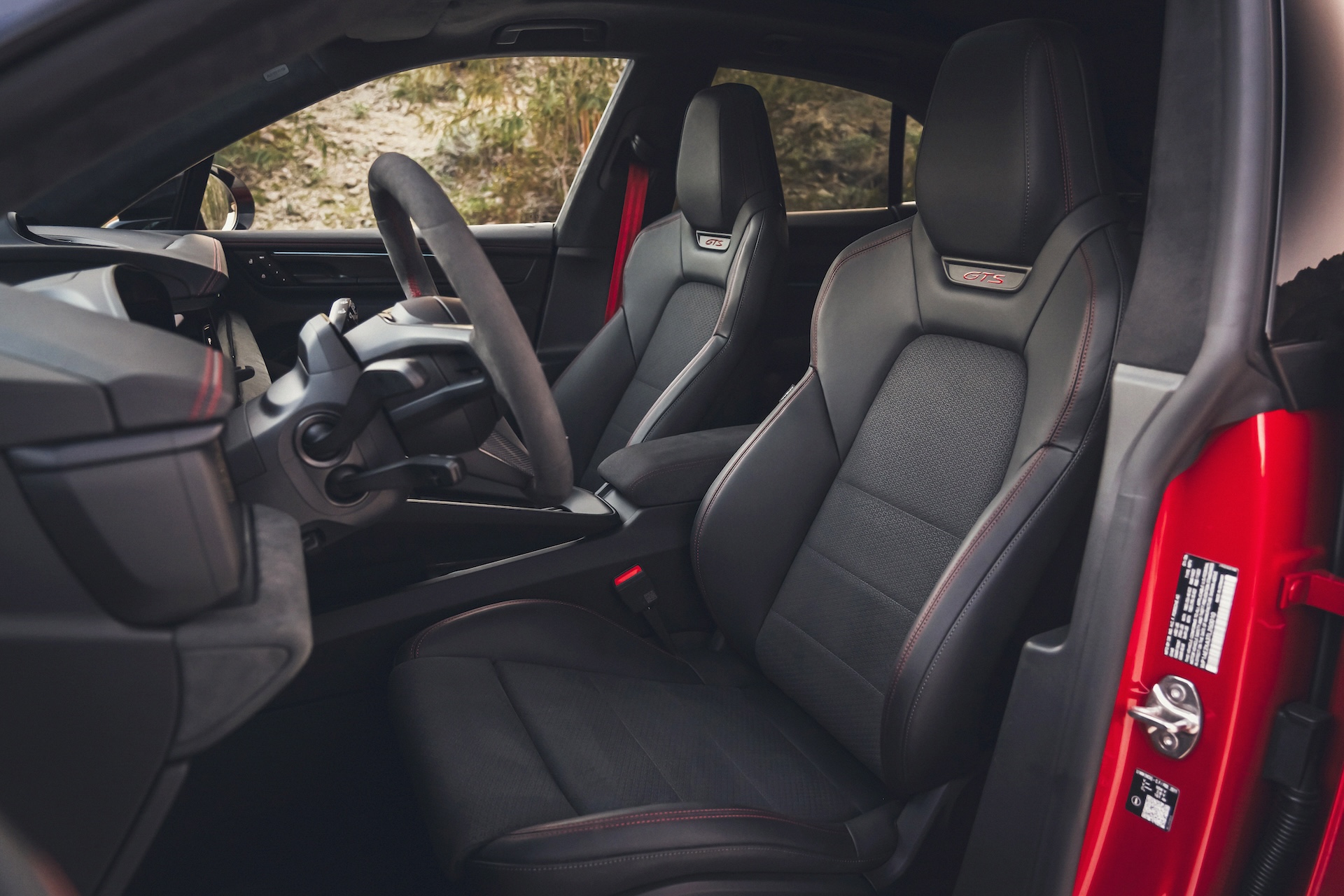
    On paper, the Macan GTS is undeniably a performance vehicle, putting down 563 horsepower and 704 lb-ft of torque. But the magic isn’t just in the numbers. It’s in the tech. Porsche throws the book at the GTS: sport-tuned, active air suspension, an electronic rear limited-slip differential with torque vectoring, and all-wheel-drive power distribution managed by ePTM to make sure I didn’t spin and fly off the road. Together, those systems keep all 700-plus lb-ft of twist under control.

    A few details give the GTS an extra layer of sports car feel, starting with its lower center of gravity compared to other Macans. The placement of the rear electronic LSD also adds weight over the rear axle, resulting in a rear-biased 48/52 weight distribution. Pair that with the performance tires fitted to our Carmine Red GTS, and you end up with something that genuinely feels like a true P car.

    For comparison, I also drove the Macan 4S, and it felt completely different. The comfort seats, roughly 100 lb-ft less torque, and the absence of Porsche Torque Vectoring made the gap immediately noticeable. In fact, with all the bells and whistles working together, the GTS’s driving dynamics make you question just how much better the Turbo can really be.

    Every rip through Angeles Crest was an opportunity to push the limits. At speed, with so many systems working in harmony, it was impossible not to stay fully engaged in the experience. Near the end of my test, I asked my drive partner, “Do you think simulated shifts would make this car better?” The fact that neither of us had even thought to ask that earlier said everything. It might be fun to play with, but the Macan GTS Electric excels without them. After all, they’d simply alter the regeneration levels and nothing else. But, maybe? However, one feature of the GTS leans into gas-style theatrics and genuinely enhances the experience: the sound. Flip the car into Sport or Sport Plus and a distinct soundtrack is piped through the speakers, mimicking engine revs, with Sport Plus dialing things up to a deeper, more aggressive tone. It sounds gimmicky on paper, but in practice, it helps fill the sensory gap I’m used to in performance cars. Once you get past the initial lightsaber vibe, it settles in as a surprisingly cool soundtrack—one that enhances the drive without becoming annoying.
    Price and Competition

    If you’re shopping for sporty luxury electric SUVs, the performance heavy lifting in the Macan lineup is done by the top three trims—each sportier than the last, and each priced accordingly. The Macan 4S Electric starts at $92,250, the GTS jumps to $107,650, and the Turbo tops out at $115,050. The GTS definitely pushes into six-figure territory, but its price is justified by the added tech and performance. The 4S is sporty on paper, yet it simply isn’t in the same league as the GTS once the road starts to twist. The Turbo, on the other hand, adds an additional layer of performance, tech, and, of course, price. With a ludicrous 630 horsepower and 811 lb-ft of torque, you buy the Turbo because you can—not because you need to.

    It’s worth mentioning that there isn’t an EPA-estimated driving range figure, but according to Porsche, “the two models that are above and below the Macan GTS are both 288.” So, unofficially, it’s likely going to be 288 miles or very close to that.
    Value and Verdict

    GTS is a badge for the enthusiasts, and the Macan Electric wears it proudly. It represents the highest level of engineering and technology, packaged into a badass electric SUV. If the original Macan proved performance SUVs could exist, the Macan Electric proves EVs can be genuinely fun.

    Porsche’s DNA doesn’t discriminate. Roadster or SUV, gas or electric—every model is engineered with one priority: how it drives. Those genes run so deep in the Macan GTS that this level of engagement shouldn’t exist in an EV… until you realize Porsche has actually pulled it off.

    2026 Porsche Macan GTS Electric Specs
    Base Price (as tested) $105,300 ($125,920)
    Powertrain dual-motor | all-wheel drive | 100-kWh battery
    Horsepower 563
    Torque 704 lb-ft
    Seating Capacity 5
    Cargo Volume 16.8 cubic feet behind second row | 47.6 cubic feet behind first row | 3 cubic feet in frunk
    Curb Weight 5,375 pounds
    0-60 mph 3.6 seconds
    Top Speed 155 mph
    EPA Range 288 est.
    Max DC Charging Rate 270 kW
    Score 8/10

    Quick Take

    A true driver’s SUV for the electric era.
    Cy is The Drive’s Social Media Manager, overseeing operations on Instagram, Facebook, TikTok, and more.


    The Drive Logo

    Car Buying Service

    Source link

  • New SU7 arrives in showrooms as Xiaomi hits major milestone

    New SU7 arrives in showrooms as Xiaomi hits major milestone

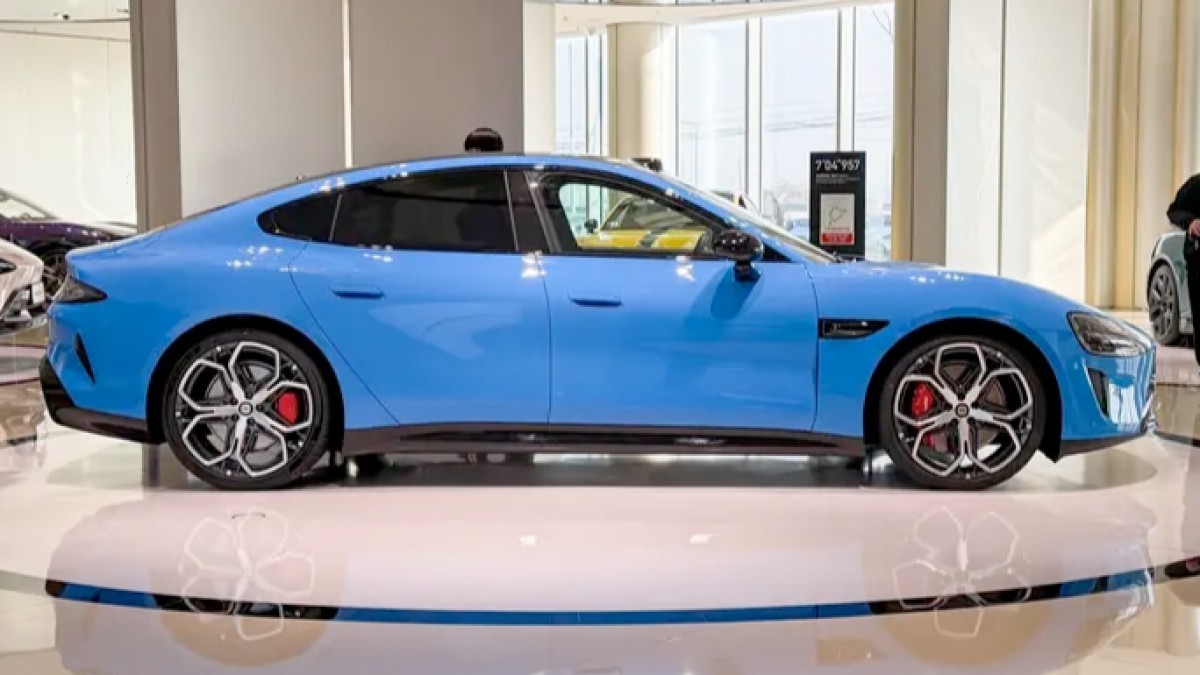
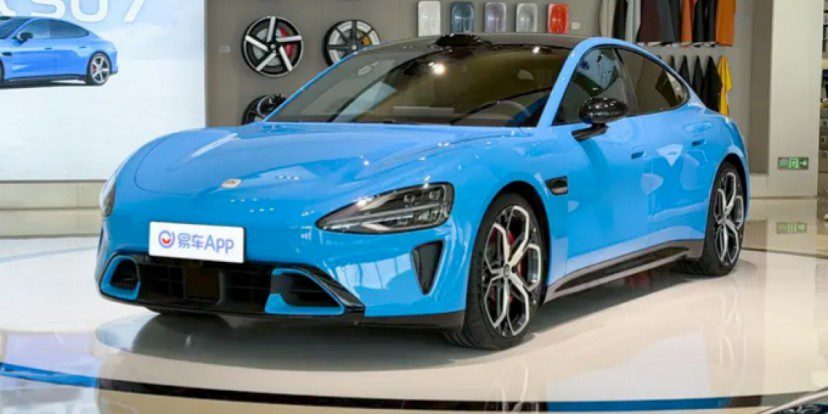
    Xiaomi is already delivering the updated SU7 sedan to stores across China. One model on display in Guangzhou shows off a fresh coat of “Capri Blue” paint and large 21-inch wheels. The car looks sleek, but some of the most important changes are actually hidden in the door handles.
    The new SU7 now has door handles that work two ways – they are both electric and manual. This might not sound like a huge deal, but it is a response to new safety rules in China. In the past, many EVs had doors that would not open if the power went out after a crash. Now, there is a mechanical backup so people can always get out. It turns out that sometimes, “old-fashioned” technology is the best way to keep people safe.

    Looking at the numbers, this car is built to go long distances. Buyers can choose from three different battery sizes: 73kWh, 96.3kWh, and 101.7kWh. Depending on which wheels and motors you pick, the driving range is between 391 miles and 560 miles. That is a lot of driving before you need to find a plug.

    The starting price for the standard model is RMB 229,900 – that’s roughly $32,800. If you want the top-of-the-line Max version, the price goes up to RMB 309,900, or about $44,300, putting it right in the middle of the crowded market for high-tech EVs. Xiaomi is clearly trying to give drivers a lot of features without breaking the bank.

    New SU7 arrives in showrooms as Xiaomi hits major milestone

    Xiaomi is celebrating reaching a huge goal by delivering over 600,000 vehicles. It took the company only 22 months to hit this number after it started selling cars in April 2024. The sedan is very popular, but it is the YU7 SUV doing most of the heavy lifting. In January 2026 alone, Xiaomi sold over 39,000 cars, and the YU7 made up almost 97 percent of those sales – it has even become the best-selling EV in the country.

    Last year was also a record-breaker for the company. In 2025, Xiaomi delivered more than 410,000 EVs, much higher than the goal it had set. December 2025 was the best month ever, with over 50,000 cars going to new owners. The company’s leader, Lei Jun, wants to sell 550,000 cars in 2026 – a 34 percent jump from last year’s big numbers.

    New Xiaomi SU7 - source: CarNewsChina
    New Xiaomi SU7 – source: CarNewsChina

    Xiaomi is slowly getting ready to start selling cars in other parts of the world. There are talks about bringing its EVs to Europe by 2027. For now, the company is focused on making more cars and keeping the lead in China.

    Via 1 | Via 2


    Source link

  • Ferrari 296 spied in track-ready guise; New Challenge Stradale?

    Ferrari 296 spied in track-ready guise; New Challenge Stradale?

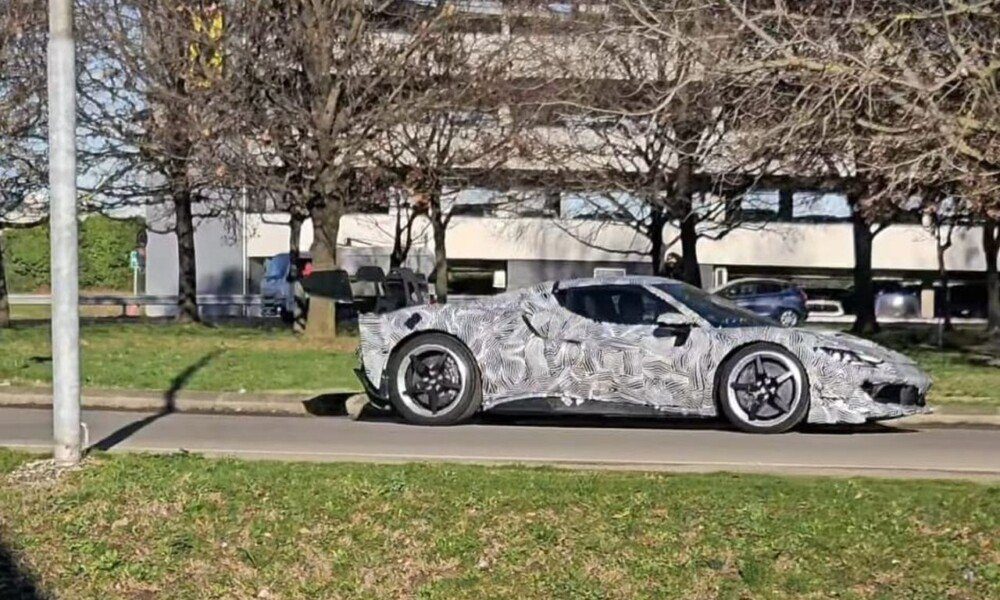
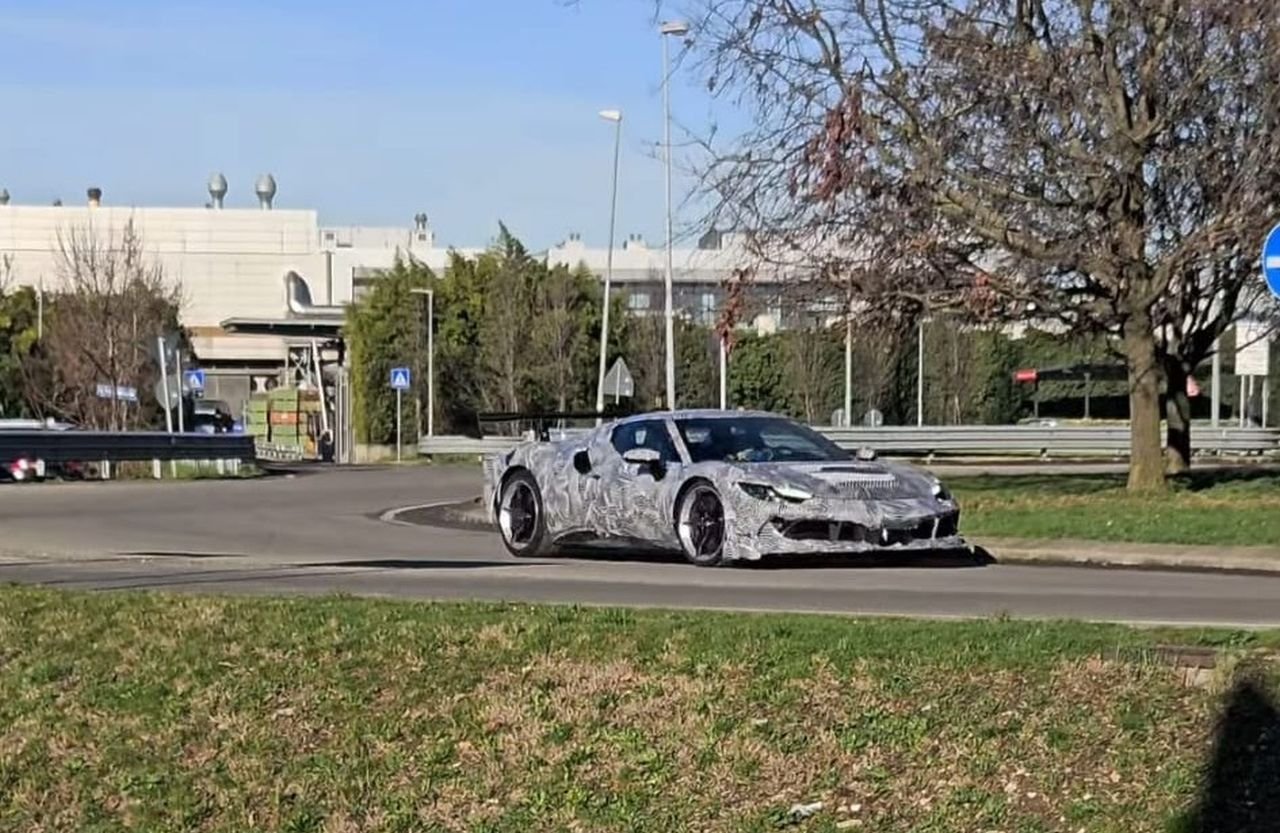
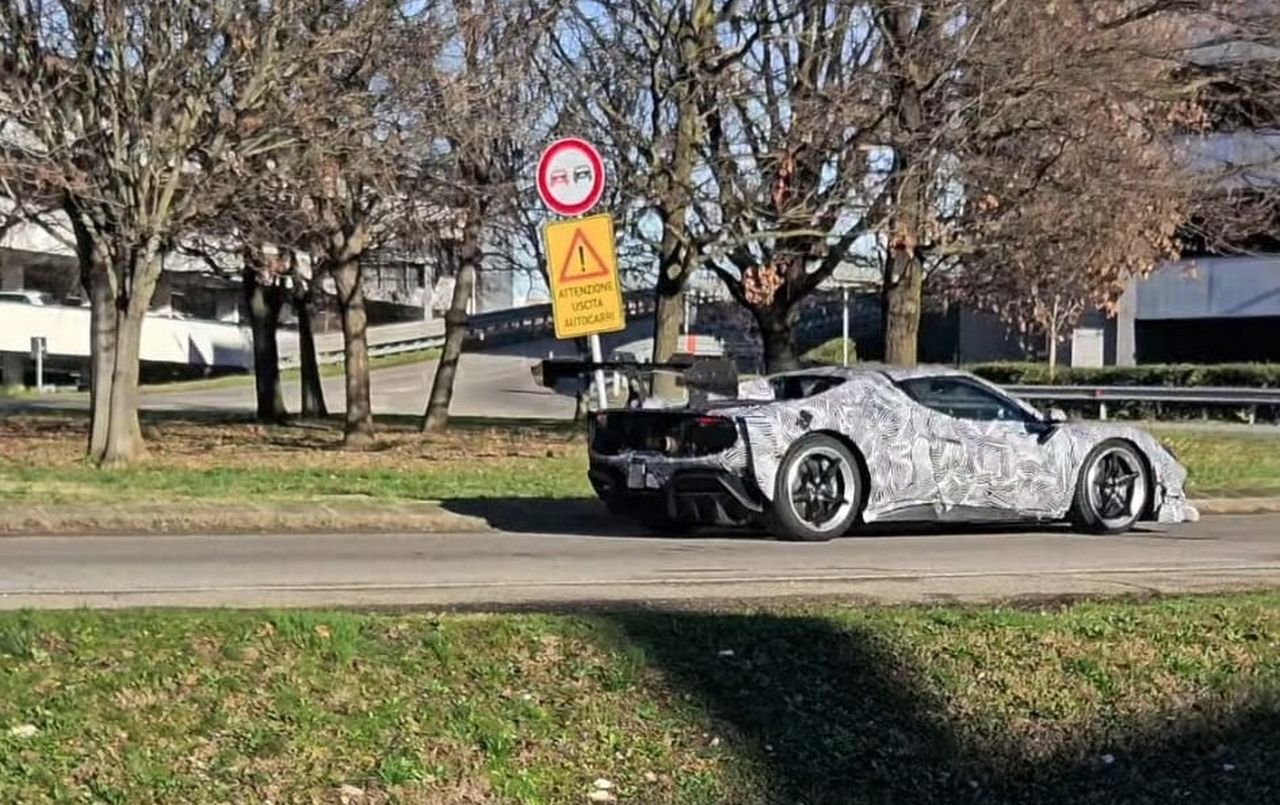
    Ferrari is said to be working on a more hardcore version of the 296 Speciale. The new track-focused, mid-engined supercar was recently spotted testing round Maranello, and rumours suggest that it might get some wild upgrades.

    As you can see, the new version looks more like a road-legal Challenge car. The swan neck rear wing is just like the one you find on the track version. It features large end plates and probably can be adjusted manually. Just like the 296 Challenge, it has a rear diffuser and mesh-type fascia with dual centre exhausts, low side skirts and a prominent front splitter.

    Ferrari 296 Challenge Stradale-spy-images-2

    As per rumours, the new track-ready version of the 296 Speciale could be powered by the same 3.0-liter twin-turbo V6. However, unlike the Speciale, Ferrari might do away with the hybrid system and retune the V6 to deliver around 700 hp.

    While there has been no official word about a new Challenge Stradale model, some say that we might get to see the car as early as July 2026.

    Ferrari 296 Challenge Stradale-spy-images-3

    Source: @andrea_spotter.jpg


    Source link

  • These 5 states are paying under $2.50 for gas today – is yours on the list?

    These 5 states are paying under $2.50 for gas today – is yours on the list?

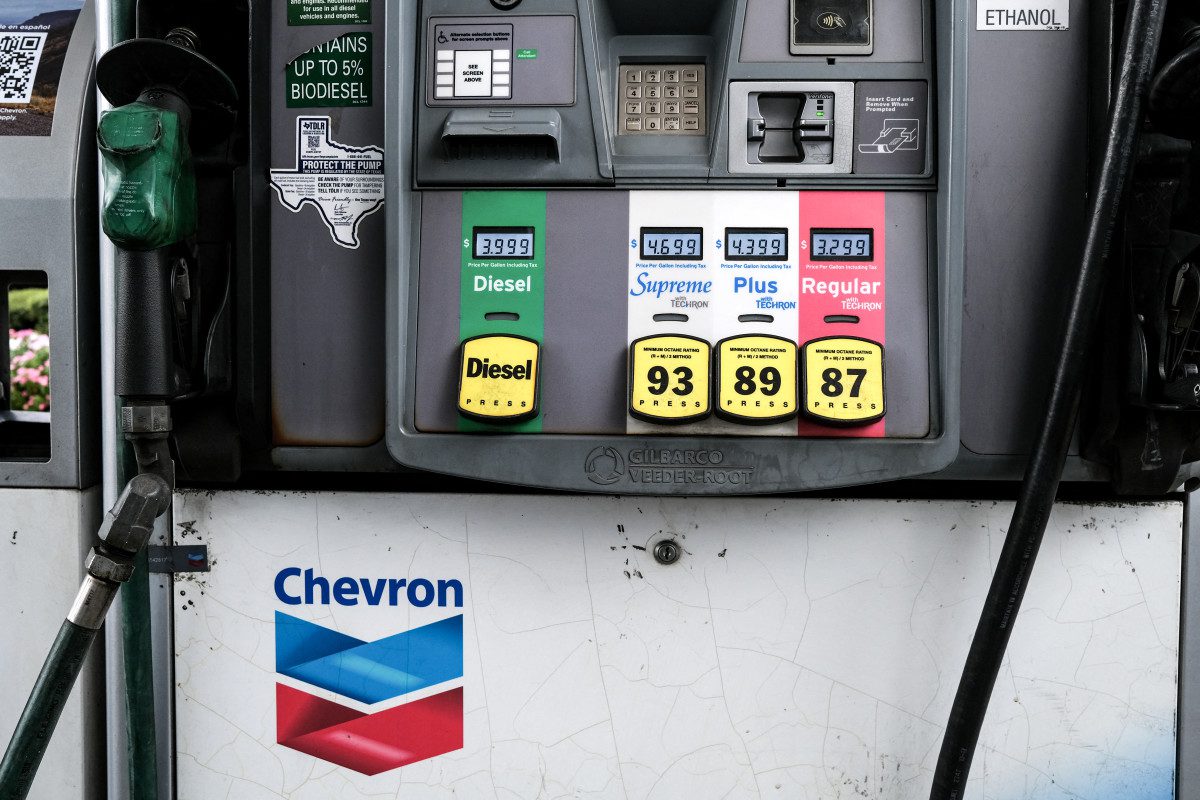
    In the United States, most vehicles run on gas. Whether they are powered by full internal combustion engines or hybrid powertrains, data show that over 90% of cars sold in the US last year were gas-powered. With EV federal tax credits expiring and fewer fully electric vehicles in production this year, gas prices are critical for most drivers. 

    We dove through the data from dozens of sources to find where gas prices are the lowest right now. While our list of places with the highest gas prices had some surprises, this list focuses on where you can find the cheapest gas right now. We weighed current pricing, year-over-year changes, and how far gas prices have fallen since the beginning of the year.

    Getty Images

    Kansas ($2.28 per gallon)

    Data points squarely to Wichita as the hub for cheap fuel in the Sunflower State, with prices hitting $2.28 per gallon today. Wichita is situated almost perfectly for cheap gas prices. It’s close to Oklahoma, which has some of the lowest gas prices in the US. Wichita sits on main trucking corridors, making it an easy “drop” for tanker truckers. Kansas is also on the ONEOK and Magellan pipeline – another reason gas here is so affordable.

    Compared with prices in the area, prices have dropped significantly. Year over year, Wichita has seen its gas prices dip 16.3%, the most significant decline of any city in the United States.

    Oklahoma ($2.29 per gallon)

    Oddly, Poteau is the standout location here with regular gas priced at $2.29 per gallon (we expected it would be OKC). Like Wichita, Poteau sits on several major trucking routes, so it’s not hard to find for gas delivery tankers – but it’s a curious anomaly nonetheless.

    Gas prices are down 1.3% this year in Poteau, and 16.4% year over year. Neither is a monumental drop, given Poteau’s historically low gas prices. Year over year, gas is down about 50 cents per gallon, but it’s enough to rank it among the lowest gas prices in the country.

    Related: These 9 states have the cheapest gas in the United States

    Arkansas ($2.33 per gallon)

    In Arkansas, Little Rock has the lowest gas prices, with prices around $2.33 per gallon. Much of the gas refined for the Midwest comes from Oklahoma, Arkansas’s neighbor, and Little Rock is the state’s largest hub, which helps keep gas pricing down. Little Rock also sits near the main ONEOK & Magellan pipelines, which stretch from the Gulf Coast up toward Chicago and through the upper Midwest.

    In the capital city, gas has dropped 17.7% year over year, down from $2.83 per gallon in February 2025. This year alone, gas in Little Rock is down 1.1%, a slight but noticeable dip from the holiday season.

    Iowa ($2.39 per gallon)

    Des Moines comes in at $2.39 per gallon, easily landing on our list. One of the two capital cities on this list, Des Moines is similarly well positioned for routinely low gas prices. It’s settled along the primary pipeline and is one of the “Group 3” states negotiating gas pricing for the Midwest. Central gas pipelines thread through Iowa, and its proximity to major refineries makes delivery advantageous.

    Since February 2025, gas prices in Des Moines have dipped 19.5%, down from $2.97 per gallon. In 2026, gas prices have dropped 2.8% – the highest 2026 drop on our list by a wide margin.

    Bloomberg/Getty Images

    Nebraska ($2.28 per gallon)

    A touch north of Omaha and Lincoln lies Norfolk, Nebraska, where gas is a budget-friendly $2.28 per gallon. Like the rest, it’s positioned on major pipeline and trucking routes, has refineries within a reasonable distance, and Nebraska is another “Group 3” member state.

    This year, gas in Norfolk has been relatively staid, dipping only 0.4% in 2026. The reasons it tops this list are that Norfolk has the lowest per-gallon gas price and has the most dramatic year-over-year decline. In February 2025, gas in Norfolk was $3.35 per gallon, meaning its current price ($2.28) is a staggering 31.9% lower than this time last year.

    Disclaimer: All prices cited in this article are based on publicly available user-generated feedback. Gas stations do not provide daily reports on gas prices, and prices can change at any time. Autoblog is not responsible for the accuracy of pricing listed with user-generated reporting.

    Related: The 5 cheapest gas stations in Chicago, today

    Source link

  • BRABUS Unveils New G 63-Based 900 ROCKET EDITION
– duPont REGISTRY DriftBreath

    BRABUS Unveils New G 63-Based 900 ROCKET EDITION – duPont REGISTRY DriftBreath

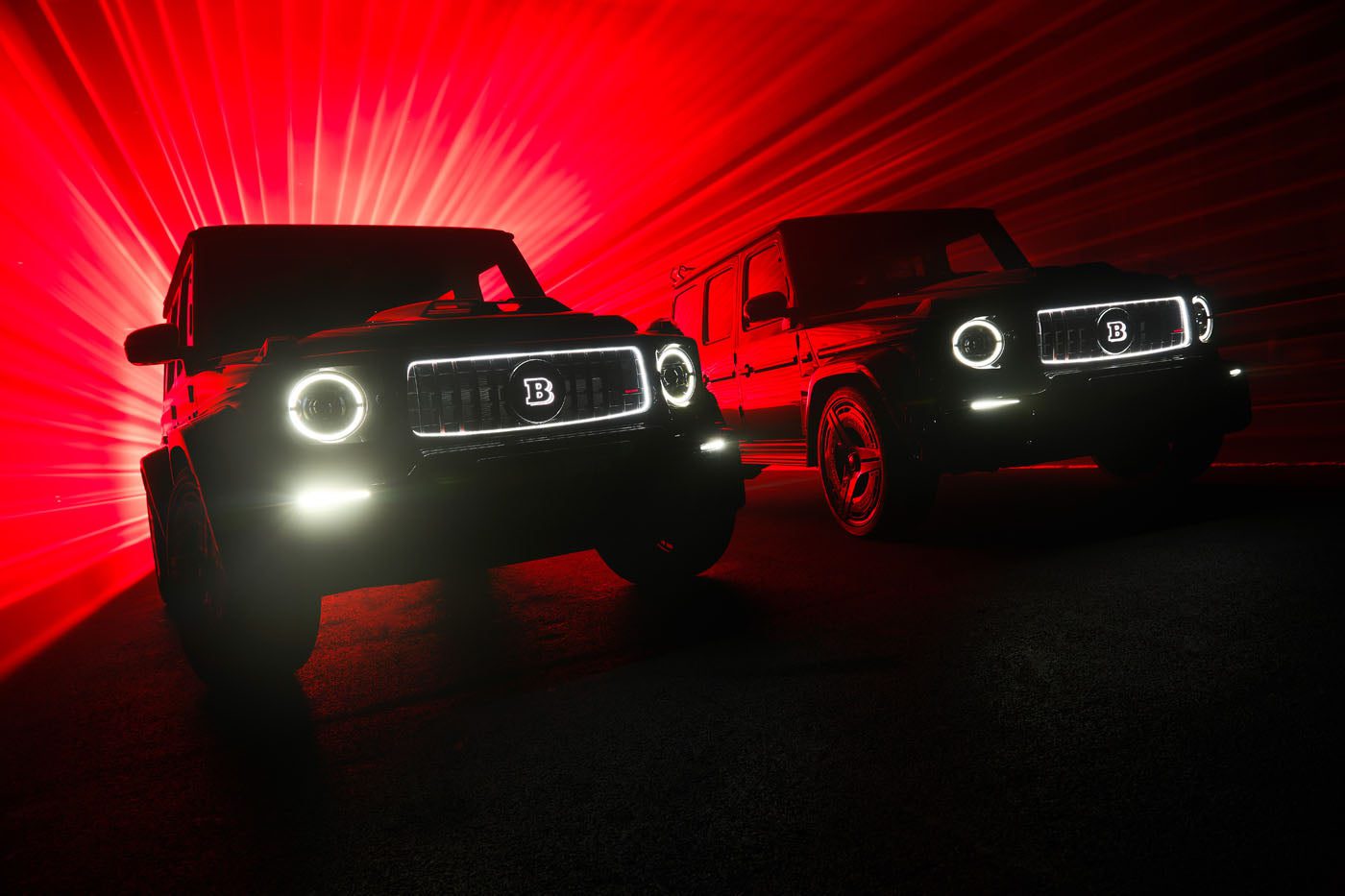
    While its portfolio has experienced a meteoric expansion to include custom supercars based on vehicles from other luxury car manufacturers, transforming vehicles from Mercedes-Benz is the bread and butter of the iconic German customization house. Specifically, BRABUS customizations based on the Mercedes-Benz G-Class SUV are some of the most popular vehicles that BRABUS makes, and the new BRABUS 900 ROCKET EDITION, based on the latest Mercedes-AMG G 63, is the latest and one of the most radical.

    The 900 name comes from the fact that it boasts 900 horsepower, and 922 lb/ft of torque is another benefit of its twin-turbo V8 engine, with an increased displacement of 4.5 liters, along with a specially engineered forced induction system and a custom exhaust system. What that engineering results in is a 0-60 time of less than 3.7 seconds, an incredibly impressive number for something like a G-Wagon, and a top speed that is electronically limited to 149 mph.

    Along with performance, BRABUS is also known for the iconic visual aesthetic that its vehicles assume, and in the case of the new 900 ROCKET EDITION, that comes from a specifically developed widebody kit. The kit features an extensive use of exposed carbon fiber, with integrated LEDs adding to its dramatic looks. In addition, new BRABUS “PLATINUM EDITION” wheels, developed specifically for the car, with a Monoblock II three-spoke design and a 24-inch diameter, set the vehicle apart and contribute to the signature BRABUS “1-Second-Wow” effect.

    Inside, a BRABUS MASTERPIECE interior is upholstered in gorgeous black leather, with quilting in the signature BRABUS “Shell” design, and configurations are available both in complete black and with red contrast piping, the former being for the Signature Black configuration and the latter for the Stealth Gray configuration. Pricing for the new BRABUS 900 ROCKET EDITION equates roughly to over $660,000, and each example in the limited series will come with a BRABUS Weekender travel bag crafted in fine leather to match the vehicle. Combining luxury, power, and unique aesthetics with stunning craftsmanship, the new 900 ROCKET EDITION is as BRABUS as a G-Class-based conversion gets.

    View All BRABUS Inventory For Sale

    Image Source: BRABUS

    Source link

  • My EV is 16 years old, and it’s not dead yet …

    My EV is 16 years old, and it’s not dead yet …

    The year 201o. The year the first iPad was launched, the Best Picture Oscar went to The Hurt Locker, and both Kevin Rudd and Julia Gillard were Australia’s Prime Ministers.

    I doubt that many original iPads are still in use (or working), The Hurt Locker has pretty much been consigned to the bin of forgettable films … and it’s been over a decade since either Julia or Kevin were in parliament.

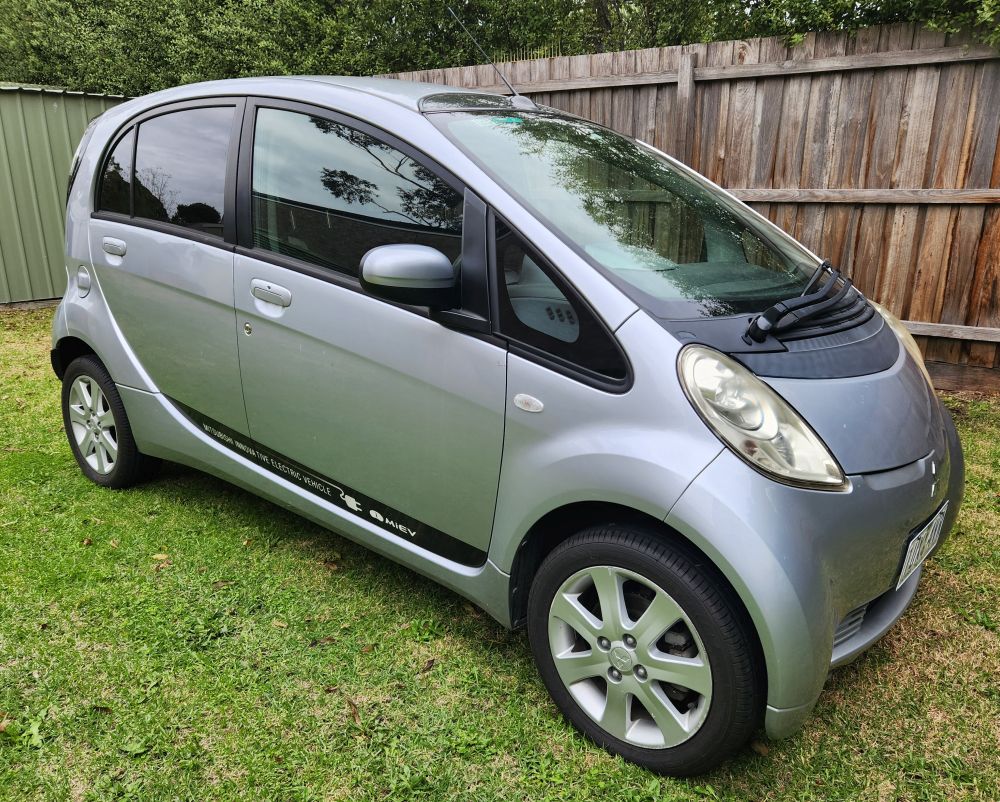
    2010 was also the year the very first Mitsubishi iMiEVs arrived in Australia. Launched in mid-2009, the iMiEV back then was the world’s first modern-era mass production BEV. Powered via the rear wheels by a 47 kW motor, it had a 16 kWh battery, 40 kW DC fast-charging, 3 kW AC charging and a rather optimistically quoted driving range of 150 km (in reality, 100 to 110 km).

    All that could be yours back then for a ‘mere’ $63,000 lease-only price. (Versus around $15,000 at the time for a Toyota Yaris). The price quickly dropped to around $50,000 on-the-road, but it didn’t help much and by 2014 Mitsubishi Australia stopped had selling them, with only around 250 hitting Australian roads.

    It did remain popular in its Japanese home market though, where production continued until 2021. Overall, something in the vicinity of 50,000 units were sold worldwide.

    Also, unlike original iPads (or Julia and Kevin’s political careers) my 2010 iMiEV is still going. So what has changed in the EV world since 2010? And why is it still going (on its original battery I might add), long after the naysayers suggest an EV battery should live?

    Today, the currently cheapest new EV (the BYD Atto 1) is $26,500 on-the-road. For that you get 220 km of real-world city range plus a whole lot more tech.

    My iMiEV has AM/FM radio, CD player, sat nav, ABS, a couple of airbags (one of which was replaced for free under the Takata air-bag recall), rear drum brakes, no stability control and a manual handbrake. In Japan it also included vehicle to load (V2L) and vehicle to grid (V2G) functionality, but this was never enabled in those brought here.

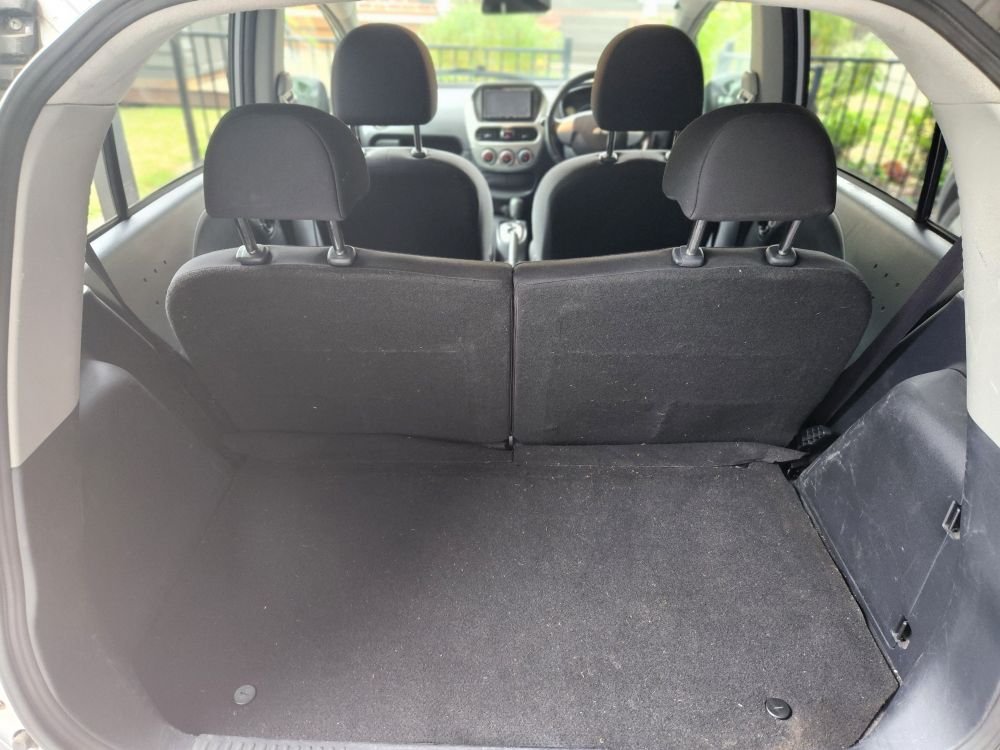
    Surprisingly roomy for 3.48m long and 1.59m wide!

    For comparison, that $26k base model Atto 1 has a 30 kWh battery with 220 km of WLTP range, V2L via a simple adaptor, FM and DAB radio, an automatic handbrake and a list of ADAS (Advanced Driving Assistance Systems) that’s too long to mention!

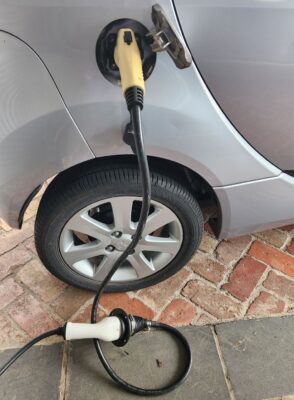
    The iMiEV does show its age in one major respect though as it has the superseded charge socket combination of Type 1 AC and CHAdeMO DC. The AC issue is easy to solve with a readily available adaptor. The DC one is trickier as the CHAdeMO plug has all but disappeared from DC fast-chargers.

    However, it is a city car and provided you keep that in mind and use it strictly for local driving, I for one have never had a need to DC charge it.

    Mind-you, I still remember some intrepid travellers in 2017 driving two iMiEVs from Adelaide to Devonport (Tasmania) for a major EV conference, supported by carrying a portable DC fast-charger in the boot. (Back then, EV drivers were made from sterner stuff).

    Have adapter, will travel…
    DC: not so easy …

    Battery life:

    The iMiEV had a 5-year battery warranty (versus the industry standard of 8 years now), but even then Mitsubishi expected the battery in the iMiEV to retain at least 80% capacity after 10 years.

    So how has my iMiEV fared in that time?

    If Mitsubishi expected a minimum 80% by 10 years, extrapolating that to 16 years means around 2% a year capacity loss, or 32% loss (68% remaining) after 16 years. With an original 100 km to 110 km of real-world range back then, I still have a reliable 70 km left. That is pretty much bang-on for what Mitsubishi expected.

    Given the iMiEV battery is very much a first-generation design and battery technology has come-on in leaps and bounds since, that roughly 2% annual capacity loss in old tech batteries has been shown to have reduced to 0.5% to 1% in the next generations of batteries. That would suggest a BYD Atto 1 should still have 84% to 92% capacity left in 16 years.

    Maintenance costs:

    I’ve only had the iMiEV for around 5 years, but in my time it has had a few wiper blade changes, faded rear tail-light lenses replaced and a new set of tyres. (The tyres by the way were done due to age and cracking, not wear). Plus a brake part replaced for free under a safety recall.

    I also replaced the front discs and pads when I bought the car – not by the way due to being worn out, but because they were severely rusted due to lack of use.

    My iMiEV is due for a service, but that will only necessitate a coolant change for the controller and new brake fluid. An ICE car would by now probably had a couple of expensive timing belt changes, plus innumerable oil, filter and spark plugs done. Not to mention part or all of the exhaust system.

    Summing up:

    All-in-all, the Mitsubishi iMiEV has proved to be a reliable and extremely cheap town run-around – plus it is a living example of the fact that EV batteries don’t die the day after the warranty runs out. Even if I did want to change the battery, aftermarket ones are now available that effectively double the iMiEVs original range to around 220km.

    So if you’re in the market for a potentially really cheap BEV (if they pop up, they start at around $6k) and not afraid of an older car – I can happily recommend an iMiEV. (Just don’t ask me to sell you mine: I like it too much to part with ‘iMi’ any time soon 😉 )

    Source link

  • CONFIRMED: Toyota’s Slapping a Familiar Name on a New Electric SUV

    CONFIRMED: Toyota’s Slapping a Familiar Name on a New Electric SUV

    “Something new is on the horizon,” is all Toyota said alongside the first teaser image of a vehicle it plans to debut in the near future. (You can see that image toward the bottom.) When would we see it? “Soon,” is all we were told by a company spokesperson.

    Then, a second image was released, this time of the interior, along with a statement that confirmed timing: “Big energy. Bigger versatility. A new adventure starts February 10th.”

    ADVERTISEMENT – CONTINUE READING BELOW

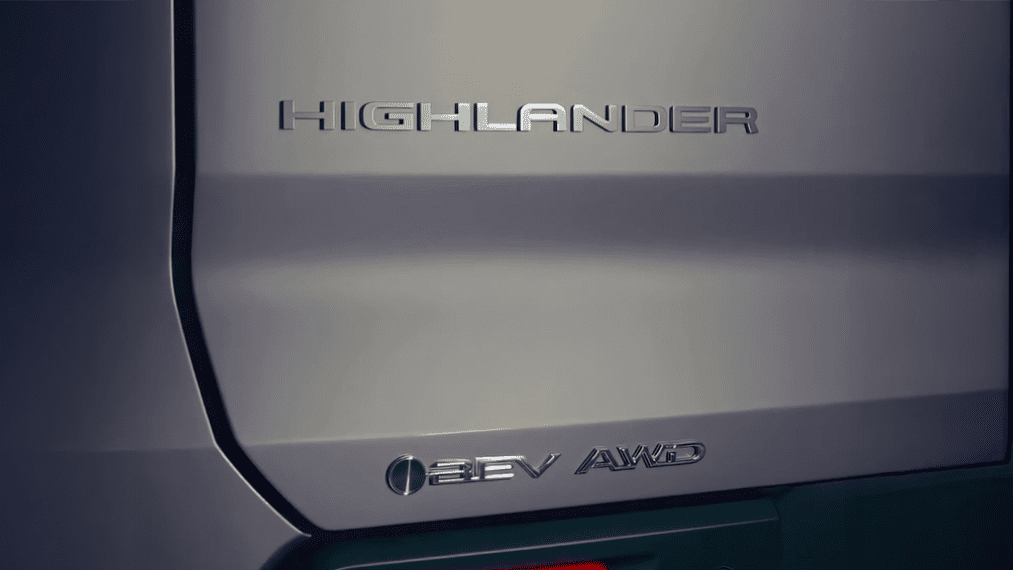
    Now, Toyota has posted a video to Instagram confirming that its big reveal of a 3-row electric SUV will have a familiar name: Highlander.

    We knew what type of vehicle to expect, as the second image showed a three-row SUV cabin; we lightened the original so you can see more detail. The screens appeared to show a dual-motor electric powertrain on the left of the gauge cluster as well as a 199-mile range figure on the central screen above what appears to be a battery icon and a percentage that may or may not read in the low 80 percents.

    ADVERTISEMENT – CONTINUE READING BELOW

    This suggested—and was confirmed in the badge reveal—that there will be at least one all-wheel-drive version of the new Highlander, and it may have approximately 240 miles of range. We wouldn’t exactly call that “big energy” as Toyota does—Volvo just unveiled a mid-size electric SUV with as much as 400 miles of range—but it should get the job done day-to-day.

    Up front, the electric Highlander’s two-tone steering wheel sits in front of that digital cluster, while the central infotainment screen sits atop the dash in a portrait orientation. Below that is what appears to be a row of physical toggles or buttons which are themselves above two air vents.

    ADVERTISEMENT – CONTINUE READING BELOW

    There’s not a lot else to glean from the image other than the Highlander seems to offer three-zone climate control and ambient lighting, and likely will have a six-passenger configuration with captain’s chairs. It’s difficult to tell whether the third row seats two or three, but we’re assuming it’s two and that a middle-row bench will be available to Highlander buyers in order to expand capacity to seven occupants.

    We also learned from our sources that the vehicle would be a new version of an established nameplate, which eliminated the RAV4, Land Cruiser, 4Runner, Grand Highlander, and Sequoia, as these SUVs have all been recently updated or redesigned. We also counted out the bZ and CH-R, as those EVs have seen recent updates, too.

    ADVERTISEMENT – CONTINUE READING BELOW


    An extremely brief video accompanying the first image also provided a clue as to what would be providing the power. The audio for the clip features an unlock sound, a low, EV-like thrum, and then Toyota’s trademark two-beep signal along with the doors locking. It was possible the thrum was an ICE powerplant, but the additional teaser assets have confirmed electric power.

    The current, fourth-generation Highlander has been in production for more than six years—perfect timing for a new generation to arrive in 2026 as a 2027 model.

    There had been rumors of the Highlander going EV for some time, built on the e-TGNA platform (same as the bZ) but with three rows of seating. And an electric Highlander makes sense as a way to keep the long-running nameplate in the mix while filling an empty slot in Toyota’s EV lineup. The way we hear it, the newer, larger Grand Highlander is the choice for gas-powered SUV buyers looking for a three-row Toyota SUV, anyway, meaning the conventional Highlander might not have been long for the world.

    ADVERTISEMENT – CONTINUE READING BELOW

    Stayed tuned tomorrow for full photos and all the details on the all-new 2027 Toyota Highlander electric SUV.

    This story was originally published on January 27, 2026. It has been updated with a fresh teaser image and new information.

    Source link

  • What Does O/D Off Mean? Should I Panic?

    What Does O/D Off Mean? Should I Panic?

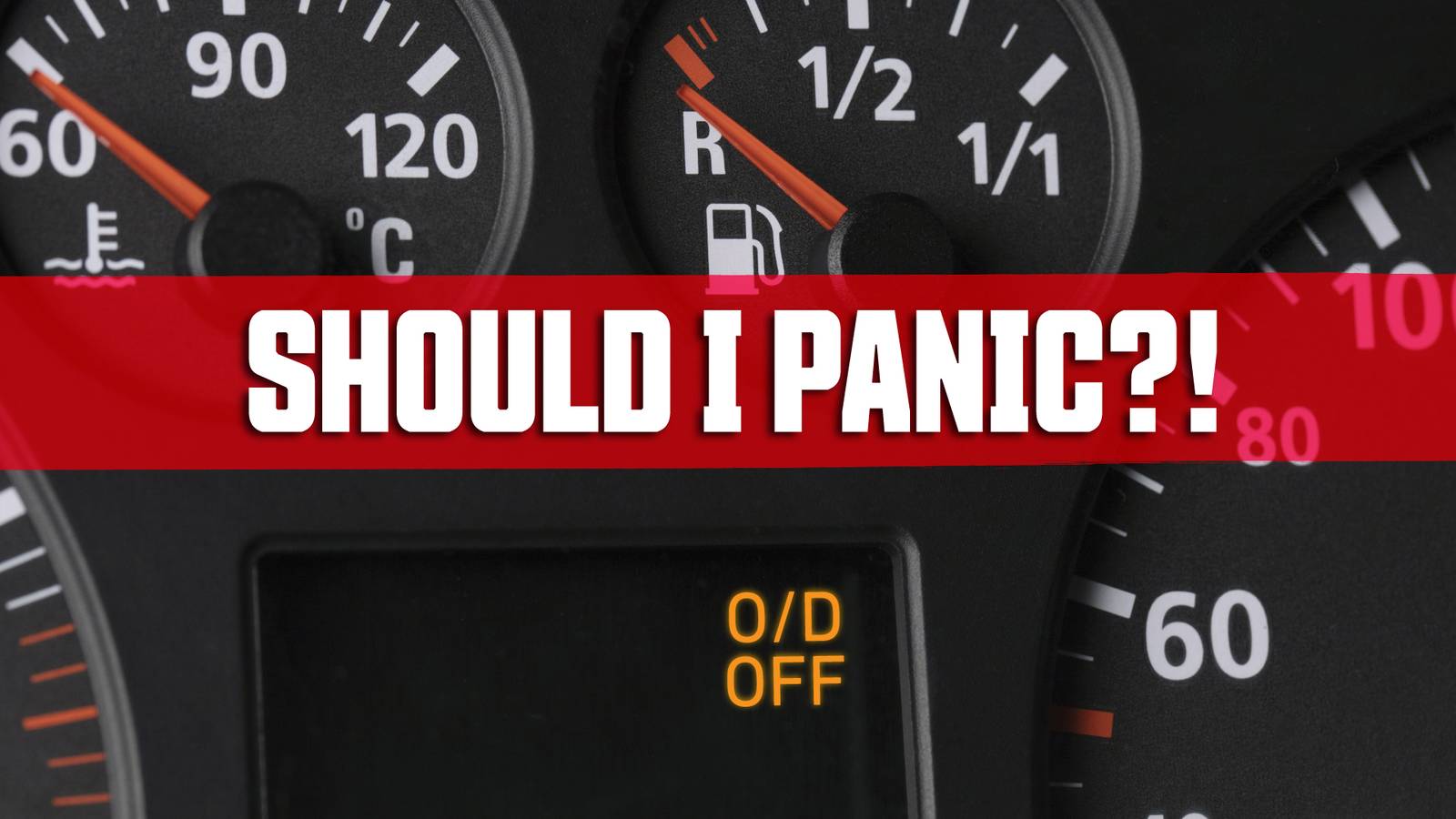
    Chances are, you may have encountered the ‘O/D Off’ light appearing in the instrument cluster of your car, or in the very rare cases, the ‘O/D Off’ light flashing multiple times. Even among well-seasoned car owners, attempting to identify what this means with regard to the vehicle may confuse most people – some of whom may be alarmed that something is seriously wrong with the car itself. But the truth is, the ‘O/D Off’ light is nothing to be alarmed about. In fact, the light is tied to a specific function equipped with some automatic transmissions known as ‘Overdrive’ (commonly abbreviated as O/D). It may sound quite exciting, but Overdrive is simply a way by which older automatic transmissions could be more efficient, despite being limited by their minimal number of gears.

    In the following piece, we’ll cover what the Overdrive function is, how it made its way into production vehicles, how it works, and then conclude why this feature has largely disappeared from most modern cars sold today.

    What is ‘O/D’ AKA Overdrive Gear?2025 Subaru Stella Interior Gear Lever

    Overdrive, in simple terms, is the highest gear ratio, or top gear, of an automatic transmission. Normally, lower gears are preferred to utilize the highest power output and full torque range of the engine, which is great for optimized acceleration and performance. However, there are cases where this is not necessary; in other words, when the engine just needs to utilize one gear to maintain a constant state at a set speed. This is the idea behind Overdrive, as it serves as a ‘high’ gear mode that enables the engine and transmission to run at a lower gear ratio – typically a ratio less than 1:1. When overdrive is engaged, this allows the engine to run at a lower range of RPMS (revolutions per minute), whilst the vehicle continues to travel at a constant high speed.

    “Automatic transmission cars have the Overdrive (O/D) function which allows a driver to drive faster on the road. The O/D is the highest gear in an automatic transmission. The Overdrive function reduces the engine’s revolutions per minute (RPM) down to a certain speed to aid in acceleration and make the vehicle more fuel-efficient.”

    – Dustin Hawley, J.D. Power

    The key benefit to take away from the use of Overdrive is that the vehicle can continue to travel at high speeds, typically around 70–80 mph, whilst keeping the total RPMs low (~2,000 RPM). This translates into a much smoother driving experience and better fuel efficiency.

    Is OverDrive Also Used In Manual Transmissions?

    Though the majority of references to an Overdrive mode/gear are made within the context of referring to an automatic transmission, Overdrive can be incorporated or found within conventional manual transmissions as well. When referring to Overdrive in a manual transmission, this is simply referred to as the highest gear possible that can be engaged by the driver – typically fourth, fifth, or sixth gear (depending on the type of manual transmission). The principles of Overdrive in an automatic transmission are the same – the highest gear in a manual allows the engine to run constantly at a low RPM range while traveling at high speeds for maximum efficiency. Naturally, given that more direct control from the driver is required to engage Overdrive in a manual transmission, the highest gear must be selected through the standard operation expected of a manual: including, but not limited to, operating the clutch carefully, being mindful of engine/wheel speed to avoid stalling or damage to the engine and transmission itself.

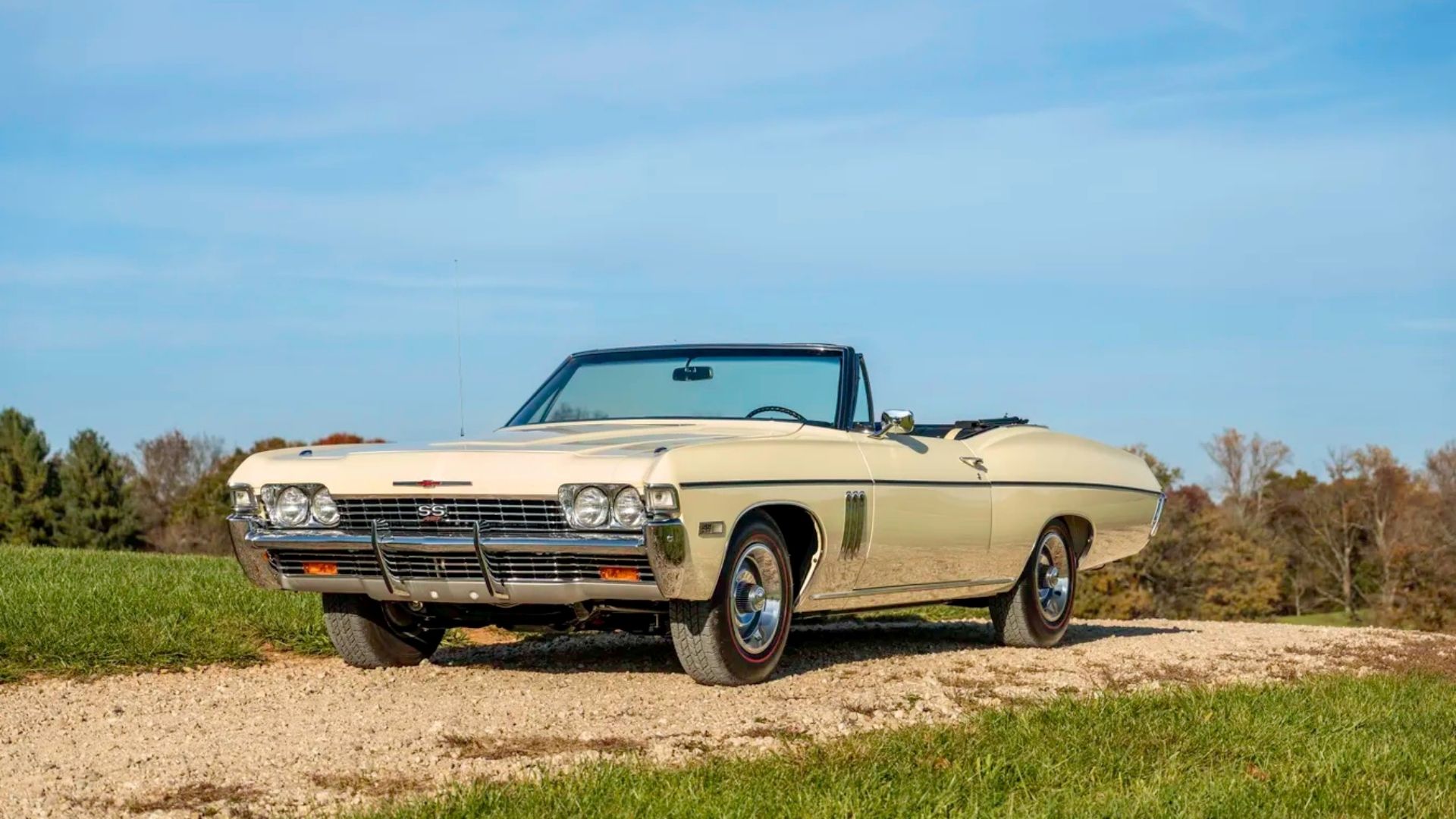
    The History Of Overdrive Gear1968 chevrolet impala ss front

    Overdrive first found its way into vehicles when automatic transmissions were still in their infancy, applied largely to some of the first mass production cars sold to the public as the automotive industry began to develop in the postwar economies. In this era of automobiles, most transmissions were limited to three or four fixed gears (not including reverse). This would often leave vehicles sitting at high revs when they reached the highest gear possible, resulting in more wear/damage to the engine from constantly running at the top rev range. The experience would also be discomforting for the driver and any additional occupants, with the cabin filled with the loud noise of the engine.

    The practical solution would be to add more gears to allow the engine not to be as restrained at high speeds, but most manufacturers at the time could not afford to develop all-new transmissions from scratch to incorporate units that could accommodate this more ideal design. Instead, the best approach with the limited resources available was to add another gearing unit before the propshaft. This, in turn, led to the creation of ‘Overdrive’ as it’s known today.

    William B. Barnes is credited as being the key engineer who first brought the Overdrive functionality to production vehicles, with his design pitched initially to American firm Borg-Warner, where it was further refined and first introduced in Chrysler products. Eventually, other manufacturers such as Ford and General Motors followed suit to implement similar functions in their transmissions, with the intention of maximizing fuel efficiency.

    “Engineer William B. Barnes is credited with designing and mating a secondary Overdrive unit to a common three-speed manual transmission, using a planetary gearset to increase the output shaft speed. He shopped it to Borg-Warner’s Muncie Gear Division in 1932, where it was further developed and presented to Chrysler Corporation. Chrysler first made it available in 1934 Chrysler and De Soto Airflows to augment their gas mileage. Barnes’ original design required that the unit’s sun gear be held in place with a manual control to engage Overdrive. Subsequent development added electric components to control that function, resulting in what became known as “automatic electric” Overdrive. Simply known as “Overdrive” thereafter, it became a popular option on many cars and trucks during the 1930s and beyond.”

    – Bob Palma, Hemmings.com

    How Do You Use Overdrive Gear?

    2007 GMC Yukon Denali 04
    Press images of the 2007 GMC Yukon Denali
    GMC

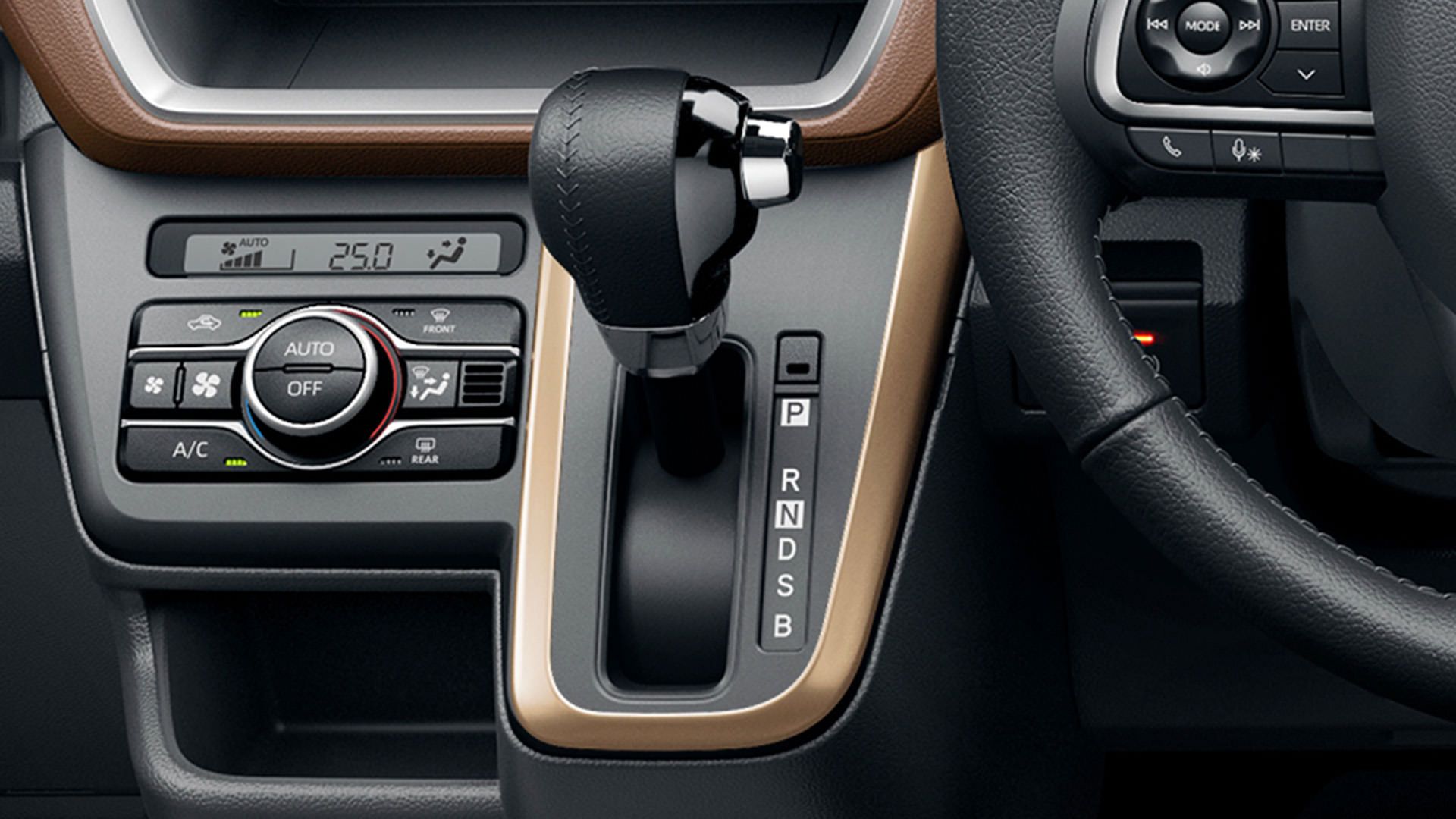
    Depending on the era or type of vehicle, there may be several ways that allow the driver to activate the Overdrive function. Early iterations would engage their Overdrive mode when the driver took their foot off the accelerator pedal, and disengage it when force was reapplied onto the pedal. Some automatic transmissions are programmed to engage Overdrive on their own, as dictated by the ECU (electronic control unit) settings, while others require the driver to engage Overdrive manually through a dedicated button on the gear shift lever itself. Typically, on later models, an indicator would appear on the instrument cluster in the form of an Overdrive symbol/light to confirm that this mode is currently engaged.

    To disengage Overdrive, depending on how the vehicle is set up, usually all the driver is required to do is press the same button on the shift lever that engages Overdrive, which will automatically disengage the mode and return it to its standard gear ratio settings. Alternatively, if available, the driver can also use the steering wheel-mounted paddle shifters, or on automatic transmissions with manual shift control, shift down to a lower ‘gear’/range, which will also disengage the Overdrive mode.

    The ideal situations, or best environments to use Overdrive mode, are when the vehicle is traveling at a constant speed on a level road surface – namely at cruising speeds on highways. Upon entering a freeway and reaching a constant speed (~70–80 mph), Overdrive can be activated. The driver will notice these effects of Overdrive immediately, as the engine sounds and feels less strained despite the high traveling speed.

    What Does The ‘O/D Off’ Light Mean In A Car?

    When the ‘O/D Off’ light turns on, this means that the Overdrive gear is currently disabled. The vehicle then will not engage the Overdrive setting or engage the highest gear ratio, no matter what condition or environment the powertrain finds itself in.

    “When the O/D OFF switch is pushed with the shift lever in the D (Drive) position, the O/D Off light in the instrument panel illuminates. To turn off the Overdrive off mode, push the O/D OFF switch again. The indicator light will turn off. Each time the engine is started, or when the shift lever is shifted to any position other than D(Drive), the Overdrive off mode will be automatically turned off.”

    – Nissan NV200 Owner’s Manual

    Scenarios where the driver may find it necessary to deactivate Overdrive are those that require the full power and torque band of the powertrain – including overtaking, traveling up a steep/elevated road surface, navigating off-road environments, or towing any number of cargo loads. If Overdrive is engaged, this restricts the maximum amount of available power/torque and may leave the vehicle underpowered in these environments. With Overdrive disengaged, the transmission will be able to kick down to lower gears as necessary, rather than be restricted to the highest gear available.

    The Benefits Of Overdrive

    Some of the advantages offered by Overdrive (O/D) include, but are not limited to:

    • Better fuel efficiency
    • Less wear and tear on the engine
    • Smoother and quieter engine operation at high speeds
    • Reduces stress on key powertrain components

    Why Don’t Modern Cars Feature Overdrive?

    2026 Lexus NX 350h front three-quarter
    2026 Lexus NX 350h from the front three-quarter angle
    Lexus

    With the small number of benefits of overdrive highlighted, some may wonder why it’s no longer seen as a standard feature in the latest generation of cars. This is largely down to the advancement of technology and automotive engineering, as transmissions that feature more gears (which demanded the creation of an Overdrive function in the first place) are now commonplace. Japanese, European, and American car brands now use transmissions with up to eight, nine, or even ten gears in total. As a result, Overdrive is no longer viewed as a necessity to ensure maximum efficiency and a more pleasant driving experience, with the idea of the ‘highest gear range possible’ now integrated into modern transmissions.

    FAQs

    What does the ‘O/D Off’ light mean in a car?

    The O/D off warning light indicates the Overdrive gear setting is no longer engaged.

    Is the appearance of the ‘O/D Off’ light a good or bad thing?

    This depends on the context in which the ‘O/D Off’ light appears. If it shows upon deactivating Overdrive, there is nothing to be concerned about as it confirms it is no longer active. However, if it appears whilst Overdrive is active, it could point to a potential issue with the transmission or powertrain. This could include any number of the following causes:

    • Faulty speed sensors
    • Electrical issues
    • Faulty solenoids
    • Connection error (wiring) within Overdrive button

    How do I turn O/D back on?

    Turning Overdrive mode back on can be done via the same button on the gear lever used to turn it off.

    Is it safe to drive with the ‘O/D Off’ light flashing?

    A flashing ‘O/D Off’ light could hint at a potential fault with the Overdrive system, meaning it cannot be activated, or with the transmission itself. This could be due to multiple reasons, from faulty sensors/electricals to an indicator that there is a transmission fluid leak or the fluid is running low. Ideally, this would necessitate an immediate inspection by a technician to see if there are indeed any transmission issues; but if the vehicle has to be driven, drive carefully without any hard acceleration or activating Overdrive.

    Sources: Hemmings, J.D. Power, Nissan

    Source link

  • What IndyCar’s New Team Charters Mean for Honda, Chevrolet

    What IndyCar’s New Team Charters Mean for Honda, Chevrolet

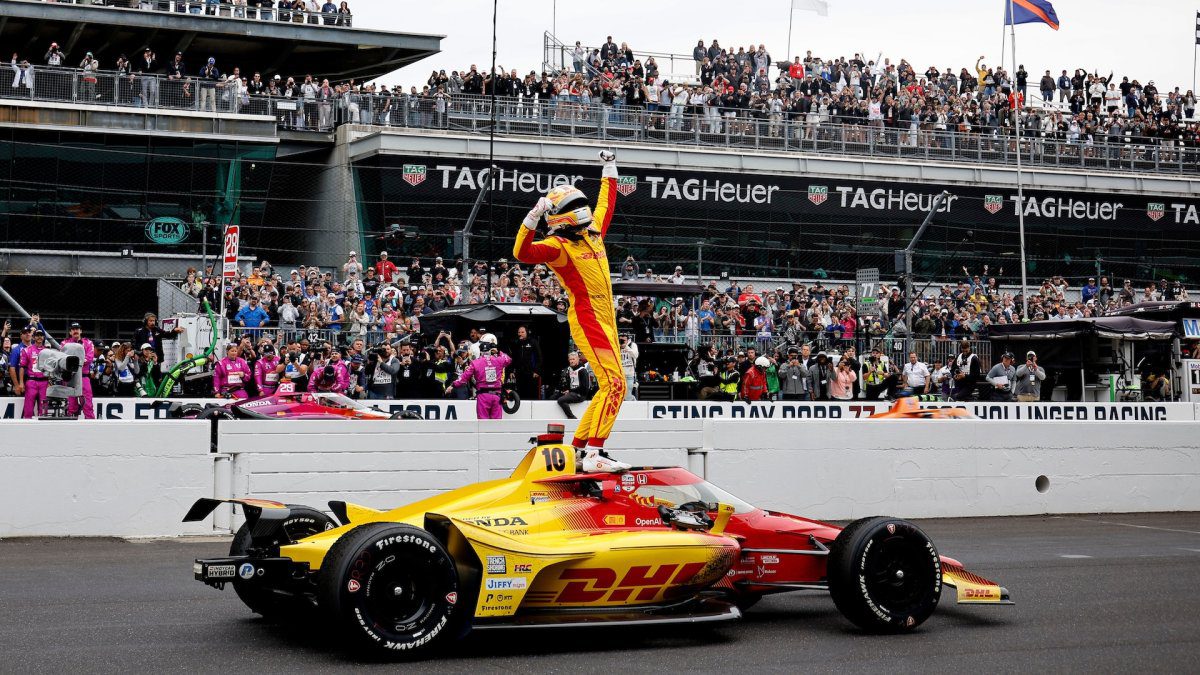
    IndyCar confirmed today that Honda and Chevrolet have both inked commitments to remain the series’ engine suppliers for several years to come. Specifics regarding contract length or financials were not divulged, but it can be assumed that this partnership will last through the life cycle of IndyCar’s new chassis, engine, and rules package set to debut in 2028. Another announcement that’s equally important, if not more so, for the partnership’s long-term success was the introduction of team charters.

    Per the release: “In addition to commitments made in engine development, engine supply, and promotion of the series, each manufacturer will be entitled to own a charter to be utilized beginning with the 2028 NTT IndyCar Series season.”

    In a nutshell, both Honda and Chevrolet will receive one full-season entry starting in 2028. These will be cars the automaker fields, operates, and ultimately uses to further its involvement in the series. Per the rules, this new entry can only be deployed at a team that races the entire season and does not already have three entries. “Teams with three charters are not eligible to utilize a fourth charter via an OEM,” per the rules. This automatically rules out top teams like Chip Ganassi and Andretti on the Honda side or Penske and Arrow-McLaren on the Chevrolet side.

    What It Means for Honda and Chevrolet

    This represents an enormous opportunity to develop tech and engineering and talent acquisition, and so forth. Neither automaker went into great detail about how it would ultimately operate its charter come 2028, but during a media roundtable, both Honda Racing Corporation US president David Salters and General Motors VP of Performance and Motorsports Commercial Operations Jim Campbell praised IndyCar for the opportunity to get more involved and increase their stake in the growing series.

    “We feel that where IndyCar makes sense for our products, our associates, and our business strategy,” said Salters. “IndyCar is growing. We evaluate all series on their merit, and staying in IndyCar doesn’t preclude us from other things. We’re here to develop our people and technology, and you can see what we’re doing in IMSA with the No. 93.”

    “It is an opportunity for us that is unique,” said Campbell. “The IndyCar charter is new, exciting, and the possibilities are more interesting. You can either run your own team or partner with the existing team; the benefits of this kind of learning at a fast rate, developing people; there are many possibilities there. You know, it’s the ability to learn things as a team that you can drive right to every other Chevrolet team to give them the best chance to win a race or a championship,” he added.

    Salters eventually alluded to a possible partnership with Meyer Shank Racing, as it’s already doing something identical in IMSA with the No. 93 car flying under the HRC US colors. Campbell did not name any possible team partnerships.

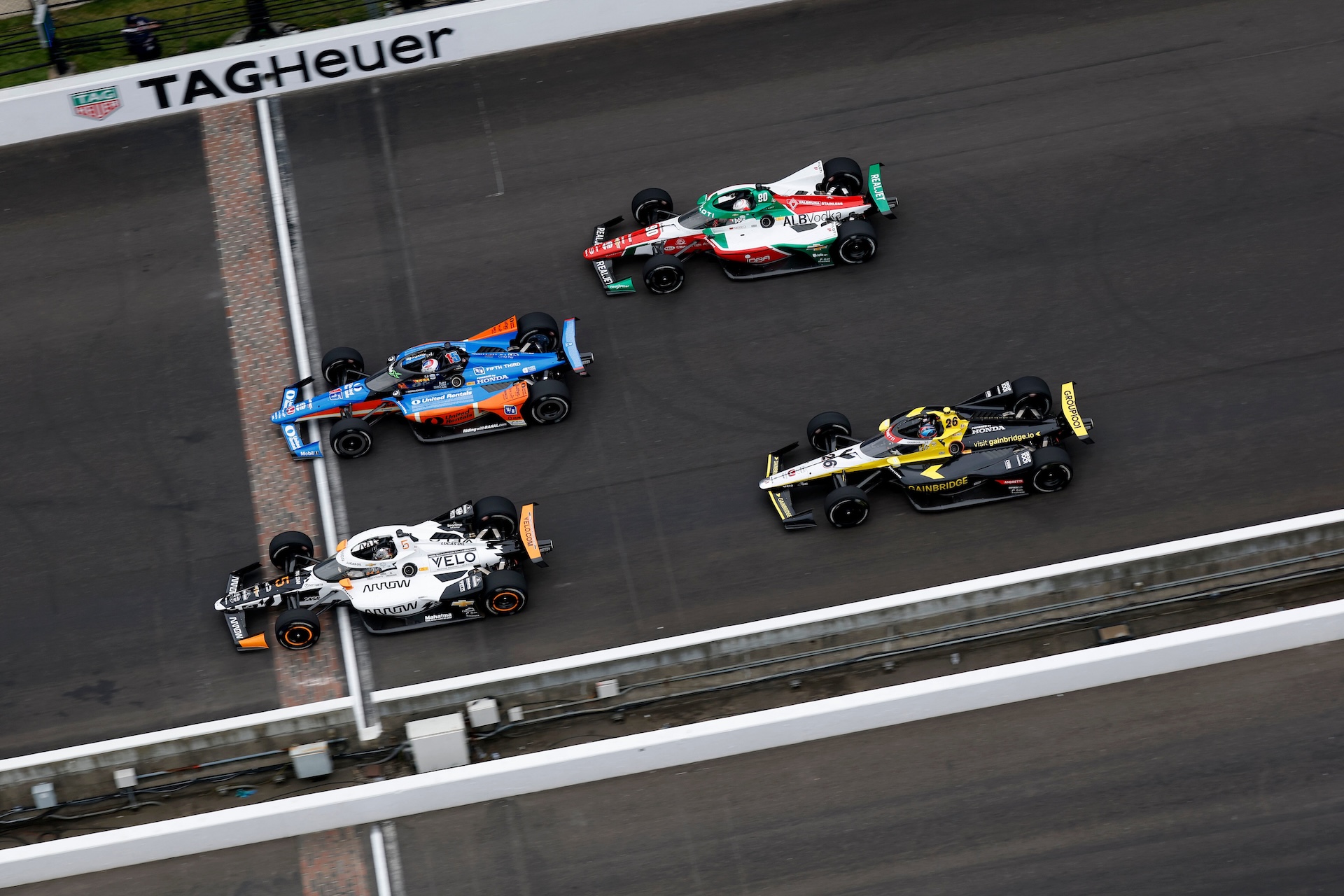
    Pato O'Ward #5 of Arrow McLaren Chevrolet, Graham Rahal #15 of Rahal Letterman Lanigan Racing Honda, Colton Herta #26 of Andretti Global w/ Curb-Agajanian Honda, Callum Ilott #90 of PREMA Racing Chevrolet
    Michael L. Levitt

    Show me the Money

    This new charter system also represents significant business upside for both automakers. And, y’know, at a time when the global economy is floundering and overall spending is down, but global viewership for motorsports is up, it’s moves like these that will help keep the lights on long term.

    Racing is expensive, and expanding a company’s racing activities requires even more funding. Now more than ever, there is a strong need for racing organizations to prove their worth. Failing to do so will irritate their CEOs, and the boards will stop the flow of much-needed dollars. When that happens, teams shrink, development stops, and competition stagnates. These new charters will undoubtedly provide Honda and Chevrolet with a lifeline to get creative and improve their financial health in the near future.

    Under Jon Ikeda’s leadership, the business side of HRC US has grown exponentially over the last couple of years. The No. 93 Acura IMSA prototype now attracts major sponsors like Phillips 66, which has led to an HRC-branded motor oil, and it’s generated significant merchandising opportunities. It’s even linked to the creation of a new line of performance parts for Honda and Acura cars and SUVs. This all represents crucial revenue for Honda.

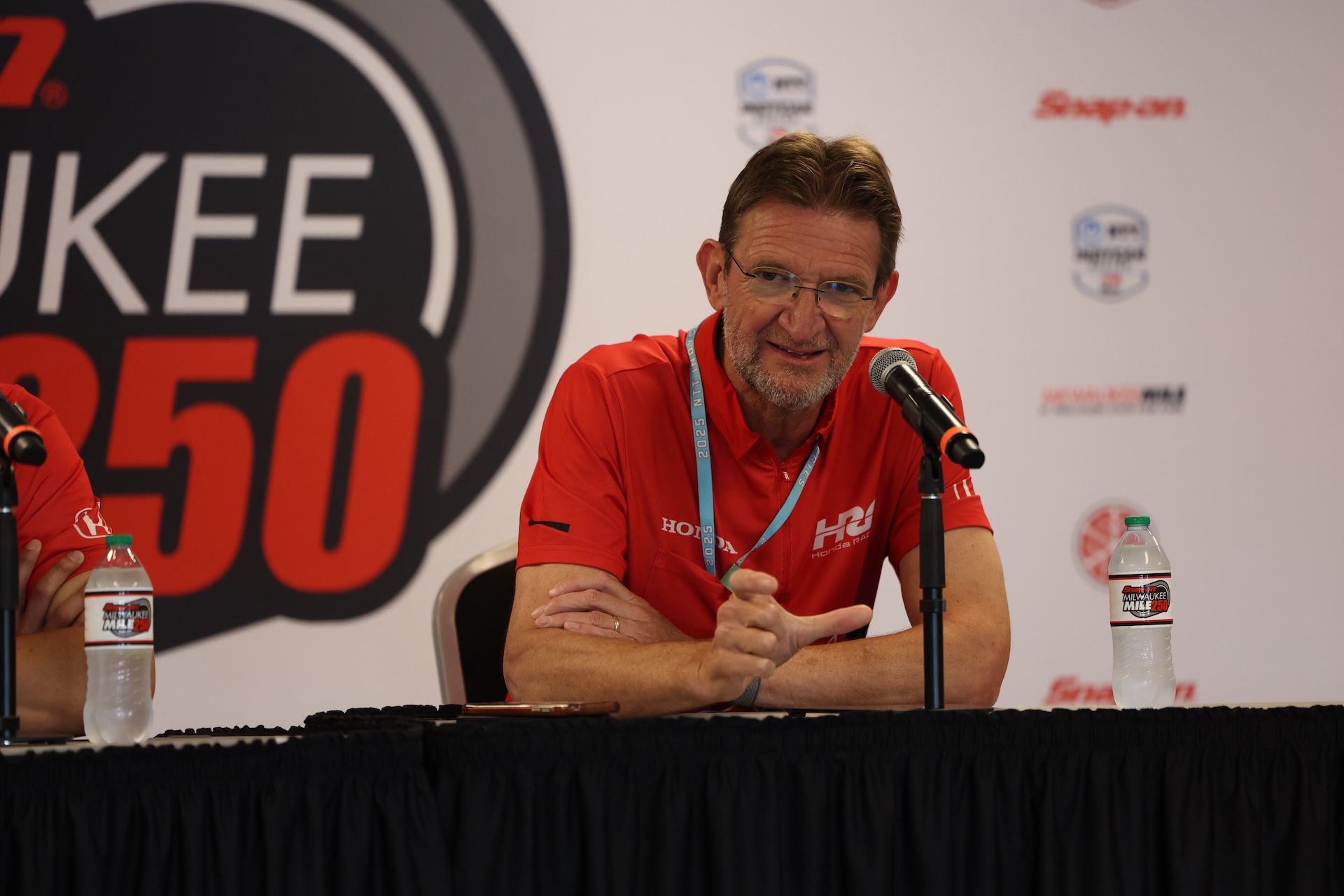
    HRC’s David Salters. Joe Skibinski

    If that’s what can be done with IMSA, the possibilities with IndyCar are even bigger—largely due to its newfound exposure via Fox Sports.

    “Having the ability to run your own car links it further [to the core business], because we really do have the ability to have closer partnerships with people, and the whole thing becomes more of a sustainable business for us to go racing, and for us to involve our fans more and our customers more, that’s important,” Salters told The Drive.

    “We have to make sure that that business is sustainable, both from an environmental point of view and an economic point of view. As we’re all aware, there are clouds on the horizon of the automotive world right now, so we have to be very cognizant of our position. We have to develop our people and our technology, but we’ve got to make this work as a business.

    “Thanks to Jon [Ikeda] and his team, we look pretty amazing [in reference to the team kit], and you will see some very interesting things on [street] cars in the future. That’s all coming from racing. Racing is for business, and it’s never been more so these days,” Salters said.

    It’s the same situation in Detroit: GM is expanding its footprint in domestic and global racing, now involved in IndyCar, IMSA, and NASCAR, among others in the U.S., as well as WEC and now Formula 1 globally. It has a long history with IndyCar and, even more so, with the Indianapolis Motor Speedway. This new charter opportunity will strengthen those ties.

    The business upside is also considerable for the global automaker, which still sees the connection between winning on Sunday and selling on Monday.

    Indianapolis, IN - during the Indianapolis 500 at the Indianapolis Motor Speedway. (Photo by Joe Skibinski | IMS Photo)
    GM’s Jim Campbell. Joe Skibinski

    “It’s really connecting what we learn in the racetrack to what we do in our performance parts business, and then the higher performance models for our [dealer] showroom, both on track, on road, and off-road,” Campbell told The Drive. “We’ve done quite well over the years, and it’s one of the reasons why we’ve had the confidence of our leadership to continue to invest in racing as Chevrolet and our other divisions.

    “We can develop people, which we do, both engineering and business-wise, and racing, we rotate them back and forth between production and racing. And we know that when we win races, when we win championships, we see a lift in the brand opinion of Chevrolet,” he added. There’s a correlation coefficient for purchase consideration. Buyers point you out at the shop more quickly when they have a higher opinion of you, and that’s what winning in racing does.

    “We say this quite closely every quarter, every month: ‘Where is our brand opinion for those that are aware of our involvement in IndyCar for Chevrolet, compared to a general consumer?’ And we’ve received significant lifts in opinion and other ratings. This effect makes people put Chevrolet on their shopping list when they’re in the market for a car or truck. And also, when they’re considering technologies that we have, like Super Cruise and other things,” Campbell added.

    Email the author at jerry@thedrive.com

    As deputy editor, Jerry draws on a decade of industry experience and a lifelong passion for motorsports to guide The Drive’s short- and long-term coverage.


    Source link

  • South Korea targeted in latest US tariff stoush

    South Korea targeted in latest US tariff stoush

    US PRESIDENT Donald Trump said he will raise duties on South Korean imports – including cars – to 25 per cent, from a 15 per cent level brokered last year.


    The announcement sees South Korea join a growing list of overseas markets targeted by the Trump administration’s tariffs, which analysts say is expected to hand Japanese importers a distinct advantage over Chinese and Korean competitors.


    Increasing tariff’s on South Korean-made cars not only places OEMs including Hyundai and Kia at a disadvantage, but also General Motors, which builds models for the United States that include the Chevrolet Trax and Trailblazer in South Korea.


    While Hyundai Motor Company produces some vehicles in Georgia (US), it still relies heavily on imported vehicles across the majority of its model lines.


    President Trump defended the announcement on social media saying the Korean parliament had yet to approve the trade deal reached last July to lower duties to 15 per cent.


    “Because the Korean Legislature hasn’t enacted our Historical Trade Agreement, which is their prerogative, I am hereby increasing South Korean tariffs on autos, lumber, pharma(ceuticals), and all other reciprocal tariffs from 15 to 25 per cent,” he wrote on Truth Social.


    US automotive publication Automotive News says any increase on tariffs upon South Korea is a “headache” for export-dependent Hyundai Motor Group, which ships Hyundai, Kia, and Genesis vehicles to the United States from its South Korean plants.


    The outlet says a 25 per cent tariff will place South Korean exports at a “significant disadvantage to Japanese competitors”, which face a lower 15 per cent rate.


    South Korean government officials are said to be “scrambling” to implement a trade deal, with Yonhap News Agency reporting the delegates have been dispatched to Washington to discuss the matter.


    “The Trump administration had sent a letter two weeks prior to Seoul petitioning the government to finalise implementation of the (15 per cent) accord,” it reported.


    The latest trade stoush comes as President Trump threatens 100 per cent tariffs on Canada after Prime Minister Mark Carney signed a trade deal lowering Canada’s tariff on Chinese-made electric vehicles to 6.1 per cent, down from 106.1 per cent, in exchange for tariff reductions on Canadian agricultural produce, including lobster, crab, and canola.


    Automotive News says President Trump has “walked back” a tariff threat made earlier this month against the European Union over opposition to his proposal for the US to acquire control over Greenland.


    Source link