Author: admin

  • Best Hybrid Cars, Trucks, and SUVs for 2026

    Best Hybrid Cars, Trucks, and SUVs for 2026

    Even during this Age of the SUV, there’s still demand for an honest and frugal mid-size family sedan, and the Honda Accord is the best of the bunch. While entry-level models are powered by a turbocharged 1.5-liter four-cylinder, the better-equipped trim levels all feature a fuel-efficient four-cylinder hybrid setup. The hybrid setup offers up to 48 mpg and is the quicker of the two powertrains, getting to 60 mph in 6.6 seconds in our testing. Front-wheel drive is the only option. The Accord was totally redesigned last year, and its fresh wardrobe of sheetmetal is arguably the most attractive the car has worn in generations. Inside, the Accord offers two roomy rows of seats, a generously sized trunk, and all the infotainment tech expected from a modern car. But the real reason it receives our praises is its refined road manners, which are noticeable from mile one. Crisp steering, a well-damped suspension, and predictable handling all contribute to driver confidence and enjoyment. Simply put, the Accord is the whole package.

    Review, Pricing, and Specs

    Source link

  • BYD Sealion 5 and 8 Reviews | Overview

    BYD Sealion 5 and 8 Reviews | Overview

    Overview


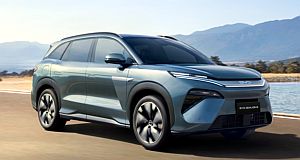
    BYD has doubled the number of Sealion SUV models to four this month with the arrival of the five-seat Sealion 5 medium segment and seven-seat Sealion 8 large segment duo.


    The Sealion 5 arrives as a budget-friendly offering with petrol/plug-in hybrid power available from just $33,990 plus on-road costs, while the family-oriented Sealion 8 takes on established SUV players, and also with petrol/plug-in hybrid power, from $56,990 + ORC.


    Chinese importer BYD says the duo focus not only on delivering customer value, but lower emissions, reduced operating costs, and all-round practicality. Both is offered in two trim grades – Essential and Premium in the case of the Sealion 5 and Dynamic and Premium for the Sealion 8 – with the seven-seater available as both a front- and all-wheel drive proposition.


    The Sealion 5 is powered by BYD’s DM-i Super Hybrid System combining a 1.5-litre four-cylinder petrol engine and electric motor for 156kW of system power. Drive is to the front wheels with an NEDC fuel consumption figure of less than 2.0 litres per 100km. The PHEV system offers up to a claimed 1030km of combined petrol/electric driving range.


    For the Essential grade, the Sealion 5 utilises a 12.9kWh battery pack while the Premium steps up to a larger 18.3kWh unit.


    Feature highlights include a 10.1-inch infotainment touchscreen (12.8-inches on Premium), an 8.8-inch digital instrument panel, wireless Apple CarPlay and Android Auto, Digital Key access via smartphone, and 360-degree camera technology (Premium grade only).


    Cargo space is listed at 463 litres with the rear seats in place expanding to 1410 litres all told.


    Stepping up to the larger Sealion 8 we find motive power sourced from the combination of a turbocharged 1.5-litre four-cylinder petrol engine and electric motor to offer a total system output of 205kW/315Nm in front-wheel drive format.


    All-wheel drive grades add a second electric motor to bolster output to 359kW/675Nm.


    Electrical energy for the front-wheel driven grades is stored in a 19.0kWh lithium-ion battery, while all-wheel drive variants score a larger 35.6kWh battery pack that may be fast charged at a 74kW DC appliance (the smaller battery may be charged at a rate of up to 40kW).


    Both battery packs accept an AC charge up to 11kW.


    Combined cycle fuel consumption for the front-wheel drive is rated at 1.1 litres per 100km, jumping to 5.3L/100km when the battery’s state of charge (SoC) is below 25 per cent. The all-wheel drive is more efficient when fully charged – at 1.0L/100km – rising to a thirstier 6.3L/100km when the SoC runs below 25 per cent.


    All-electric driving range for those variants fitted with a 19.0kWh battery is listed at 103km against the lenient NEDC measure while 35.6kWh pack offers up to 152km of NEDC driving range.


    Irrespective of battery size, all Sealion 8 grades offer vehicle-to-load (V2L) functionality.


    All feature electrically assisted steering, are arrested by four-wheel disc brakes, and are suspended by the combination of a double wishbone arrangement at the front and sophisticated multilink setup at the rear.


    The transmission is automatic regardless of variant or driveline configuration.


    Standard equipment includes 20-inch alloy wheels (with repair kit ‘spare’), synthetic leather upholstery, six-way power adjustable front seats with heating and ventilation, tri-zone climate control, a panoramic sunroof, automatic all-LED lighting, rain-sensing wipers, sound insulating and rear tinted glass, a self-dimming rear-view mirror, and powered tailgate as standard fare.


    Infotainment and technology highlights include a 10.25-inch digital instrument screen, 15.6-inch central infotainment touchscreen, AM/FAM/DAB+ radio reception, wireless Apple CarPlay and Android Auto connectivity, voice control, four USB outlets, 10-speaker audio, and 4G connectivity with 2GB per month of data included for two years.


    Standard safety and driver assistance systems for the entry-grade variant include adaptive cruise control, autonomous emergency braking, blind spot monitoring, front and rear cross-traffic alert and rear cross-traffic braking, front and rear acoustic parking sensors, lane departure assistance, traffic sign recognition with speed limit reminder, and a 360-degree parking camera.


    The all-wheel drive BYD Sealion 8 Dynamic (from $63,990) adds not only an additional electric motor, a higher driveline output, and longer all-electric driving range, but also features that include adaptive damping, perforated brake disc rotors, and 21-inch alloy wheels.


    Finally, for the all-wheel drive Sealion 8 Premium (from $70,990) we find a 26.0-inch driver head-up display, front seat and door mirror position memory, steering wheel heating, leather upholstery, front seat massage functionality, an electrically adjustable leg rest and lumbar support for the front seats, second-row (outboard) seat heating, ventilation, and massage function, animated welcome lighting, LED ambient cabin lighting, and premium 21-speaker sound.


    BYD offers a six-year/150,000km vehicle warranty and eight-year/160,000km traction battery warranty across its range.


    Roadside assistance is included for the first 12 months of ownership while service pricing is capped for 11 years or 200,000km (whichever comes first) when servicing through a BYD dealership.


    Driving Impressions


    Our drive of both the Sealion 5 and Sealion 8 was rather limited, hence rolling the pair into a single review.


    But in the short time spent behind the ‘wheel of the pair, we are thrilled to say that we come away impressed, with BYD doing a solid job of getting the fundamentals correct.


    The Sealion 5 is a handsome little SUV with very good outward visibility, sensible ergonomics and cabin space, and an excellent compromise between ride comfort and agile handling from the combination strut/multilink suspension.


    The electrically assisted steering is light but with sufficient feel to deliver confidence to the driver.


    BYD’s DM-i Super Hybrid System driveline offers a decent amount of get-up-and-go, though we must add that the vehicle was running on petrol power only by the time we got our turn for a steer – suggesting it might be even pokier on a full charge.


    To that extent, the petrol engine did have to work quite hard, maintaining higher revs for the majority of our road loop. While it made its presence known, it wasn’t what we’d call loud – a sentiment likewise applied to the level of tyre noise the Sealion 5 exhibited on test.


    The e-CVT works cleanly to ensure the driveline is kept at its optimum and responds well to requests for additional power as required. There are no fake ‘steps’ to be felt, the transmission serving both linear acceleration and predictable deceleration, aided of course by the adequate regenerative effects of the motor/generator.


    Our brief drive saw a fuel consumption figure of 5.0 litres per 100km. It’s a number we expect to improve with some electrical charge remaining, and one we think is still very impressive given the challenging drive course encountered and varied driving styles of the media present.


    We are not fans of the adaptive cruise control, which is very conservative in the braking action it applies for corners, and found the driver monitoring sensor a little highly strung. Our advice is to turn it off and enjoy the remainder of what the Sealion 5 has to offer – for the price, it is very well done indeed, and a car we cannot wait to spend more time with.


    The Sealion 8 is quite obviously a different kettle of fish (I’m sure there’s a pun in there somewhere given BYD’s marine flavoured naming convention…). It again offers sensible ergonomics and cabin space, coupled on this occasion with fair access to and from the kid-friendly third row of seats.


    ISOFIX and top-tether child seat anchors are available in the second- and third rows, adding greater flexibility than many others in this class. We also appreciated the inclusion of ceiling mounted ventilation outlets, nifty storage cubbies, cup holders, and charging outlets throughout.


    In driving the Sealion 8, we note a considerable difference in the power offered between the two- and all-wheel drive variants. While the former is acceptable, and quite progressive in its power delivery, the latter is a family-hauling rocketship that hustles off the line and delivers strong overtaking performance to boot.


    We sampled the Sealion 8 duo before other media had the chance, meaning we got to experience the benefits of a vehicle that was able to use both its electric and petrol power sources to full and complete effect.


    Though our drive was brief, it seems BYD is pretty much on the money when it comes to fuel use, the digital dashboard screen indicating a consumption figure of 2.1 litres per 100km in our time behind the ‘wheel.


    BYD’s adaptive suspension works well to keep the Sealion 8’s mass in check, providing supportive posture in the bends and acceptable damping of the double wishbone/multilink suspension elsewhere. That said, the impact of larger bumps and potholes can be a little sharp at times.


    The vehicle’s pitch is less admirably controlled with a nose down attitude observed when regenerative braking was in play. It’s not as evident when the regenerative settings are softened but is something to be mindful of if you’re wanting to make the most of recuperating electric power.


    We found the steering of the Sealion 8 better suited to Australian tastes, with a little more heft and communication than was offered in the ‘5’. Unfortunately, tyre noise levels are about the same, though this is not an issue reserved to the BYD when it comes to most modern cars.


    There’s little to criticise in terms of navigating the switchgear and menu systems, but again we note uptight driver monitoring that was difficult to silence on-the-go. While most menu systems are easy to access, those for driver assistance seem hidden away, requiring you to pull over (or adjust before setting off) to modulate safely.


    Our time in the Sealion 5 and Sealion 8 was brief, to be clear. But we did come away feeling rather impressed with what the pair offers buyers for their money.


    While some might find the performance and suspension tune of the Sealion 8 too aggressive, and the Sealion 5 a touch underdone, we think there are those in the market who will appreciate what each has to offer, particularly given the dearth of similar traits in much of the competition.


    In short, and as different as these vehicles are from one another, there is a distinct feeling that BYD might just have delivered a pair of SUVs that tick a lot of boxes for Australian buyers; and we look forward to another drive of the duo very soon.
     

    Source link

  • Volvo Can Finally Build A Proper Electric Wagon. Here’s Why

    Volvo Can Finally Build A Proper Electric Wagon. Here’s Why

    • Volvo technology boss confirms its new SPA3 platform can underpin “super sleek” EVs.
    • He didn’t confirm one is on the way, but did say that wagons are a big part of Volvo’s identity. 
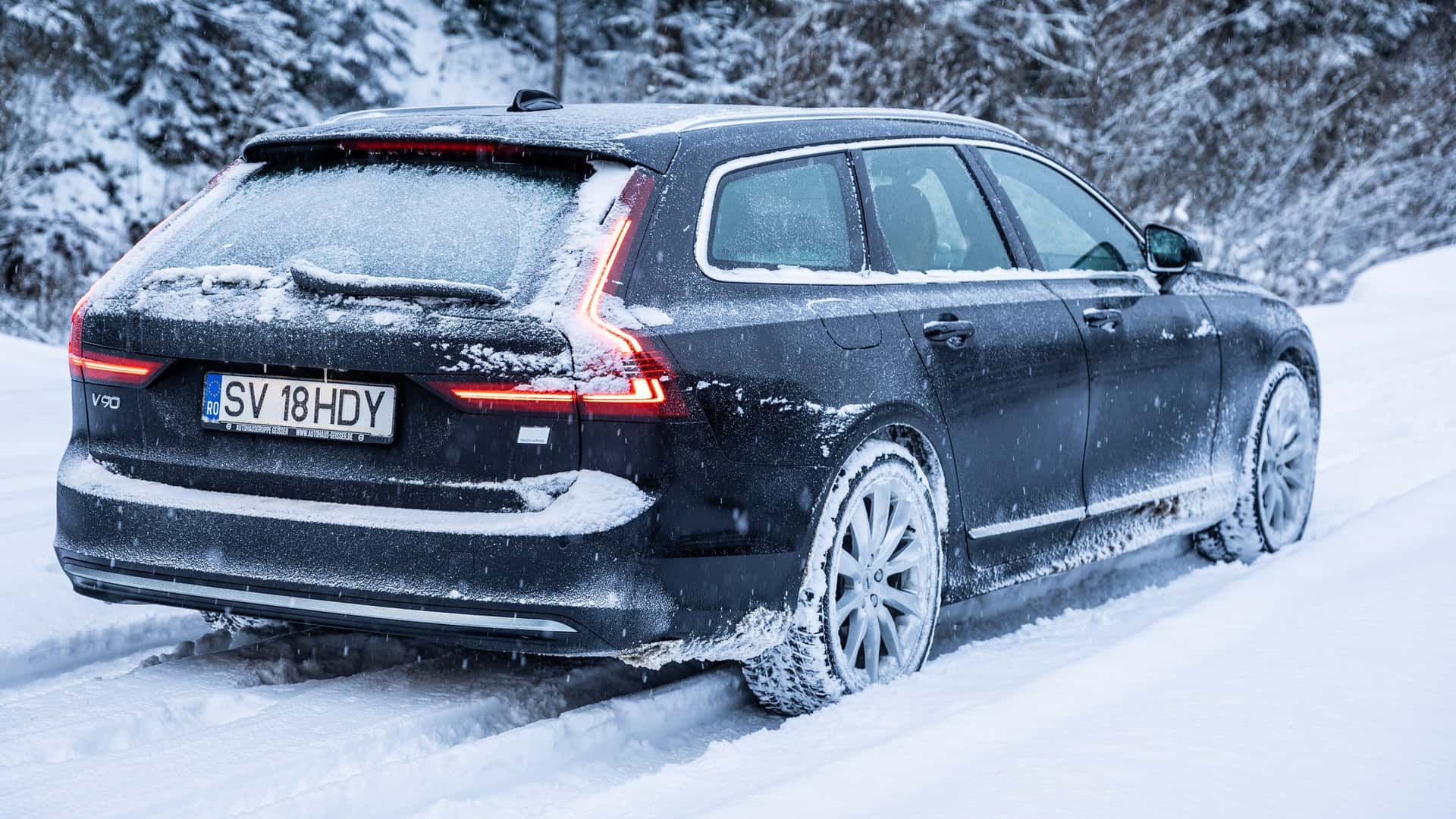
    • Volvo stopped production of the V90 in 2025, leaving room for an all-electric replacement to arrive at some point.

    Take one look at the new Volvo ES90 and something appears off. It’s neither a traditional fastback nor a coupe-like crossover. It’s somewhere in between, and the way it looks (specifically its height) is partly a design choice, and partly dictated by its platform. But Volvo says its new platform allows it to finally built low-to-the ground EVs, which means it could finally build a proper battery-powered wagon. 

    The SPA2 platform on which the ES90 is built makes it difficult to build a true sedan or wagon. This is because SPA2 is a derivative of a combustion car platform. That comes with packaging limitations. It also underpins the Volvo EX90, the electric equivalent of the XC90 and the Polestar 3 crossover.

    This packaging issue likely led to the Polestar 5, a low-slung Porsche Taycan rival, being built on a bespoke platform called PPA (short for Polestar Performance Architecture) rather than on the SPA2 platform. It’s also the reason why when you sit in the back of so many combustion-car-based EVs, your knees are pushed up by their unusually high floor. The outgoing Mercedes-Benz EQA and EQB were especially problematic in this regard, but it’s true of most ICE platform-based EVs to some extent.

    With the new SPA3 platform, which is a dedicated EV architecture, that’s all about to change. Autocar talked to Volvo’s chief technology officer, Anders Bell, who explained that what has defined the height of Volvo’s EVs has been the position of the rear seat, which has to be higher because you’re sitting on top of the battery pack.

    Bell explains that in cars like the ES90, the passenger footwells must sit on top of the battery, which will no longer be the case with models built on the SPA3 platform. He said “If you have an evenly flat pack throughout the whole length of the vehicle, you get this penalty,” adding that this is why so many EVs “look like baby SUVs, even if they try to be low.”

    With SPA3, Volvo can now remove cells in a specific part of the battery pack, thus creating more room for passengers’ feet. This, in turn, allows the manufacturer to lower the seat and reduce the vehicle’s overall height.

    It sounds like a no-brainer to be able to do this, but it’s actually a pretty rare solution even among bespoke EVs. The only one that comes to mind with a similar setup is the Lucid Air Pure with the smaller 84-kilowatt-hour battery pack, which has more room for second-row occupants’ feet than in big-battery variants of the model. The top-end models actually get a different floorpan to accommodate the larger pack.

    Another change that enables Volvo to lower SPA3 cars is the downward-facing battery terminals, which free up additional footwell space.

    “We can do low. We can do sleek. We can do high. We can do MPVs,” Bell said. “What we choose to do, however, is a different story.”

    The world wants crossovers, which is why Volvo’s first SPA3-based model is the EX60, an electric equivalent to the XC60. We were present at its unveiling in Sweden and it certainly shows promise for the platform both in terms of packaging and specs—it’s the longest-range Volvo in the current lineup.


    2023 Volvo V90 T8 Recharge

    Photo by: Iulian Dnistran / InsideEVs

    But not everyone wants a high-riding vehicle; there must still be fans of the iconic squared-off Volvo wagon out there looking to go electric. Bell didn’t confirm an electric wagon is in the works currently, but he did say the platform can be the base for some “very low, like proper low” vehicles, “so we can make super-sleek cars” where the battery pack no longer dictates the height of the roof.

    Between 2016 and 2025, Volvo made one of the modern era’s prettiest wagons, the V90. Now that it’s no longer in production, it has left a distinctly wagon-shaped void in the Swedish automaker’s lineup, which could be filled by an equivalent EV.

    There aren’t that many electric wagons available today. The BMW i5 Touring is one of them, with a Touring version of the Neue Klasse i3 reportedly in the works. You can also get the Porsche Taycan as a wagon, although it’s not especially cavernous or practical. Audi also sells an Avant version of its A6 E-Tron in Europe and Zeekr will also launch the 7GT wagon later this year, when it will become the continent’s fastest-charging EV. But Volvo’s the big name in wagons, and I’m excited to see what they come up with.

    Source link

  • Ferrari Luce to be officially unveiled on May 25, 2026

    Ferrari Luce to be officially unveiled on May 25, 2026

    Ferrari Luce, the first electric car with the prancing horse logo, will be officially unveiled on May 25, 2026.

    We have no clue what the Ferrari Luce looks like, as the prototypes we’ve seen till now have either been heavily camouflaged or have had a Maserati Levante body. Maybe its design is inspired by classic Ferraris, just like the interior.

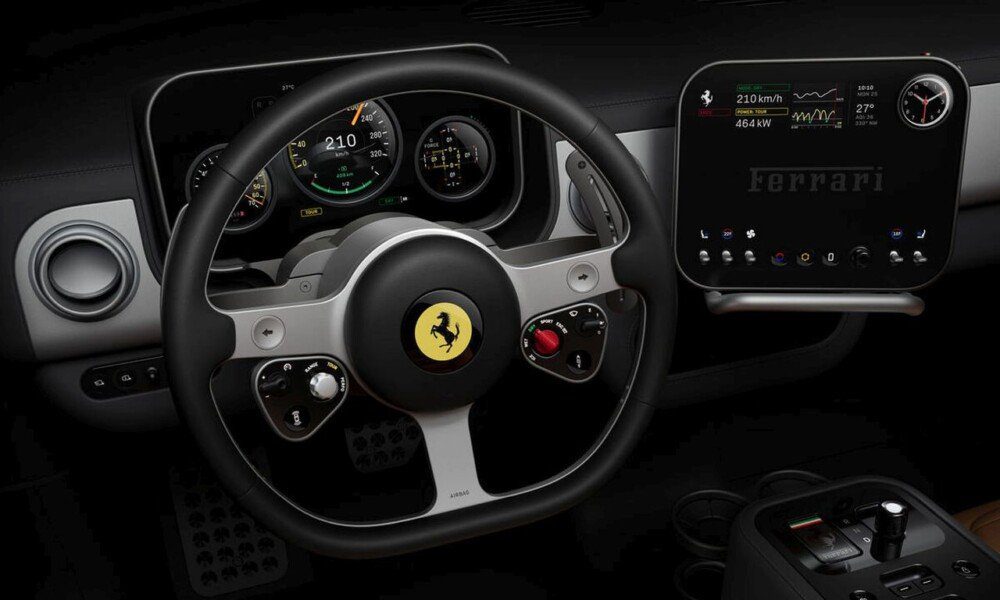
    Earlier this week, Ferrari showed us the interior of the new Luce EV. The retro-styled interior is designed by former Apple design chief Jony Ive.

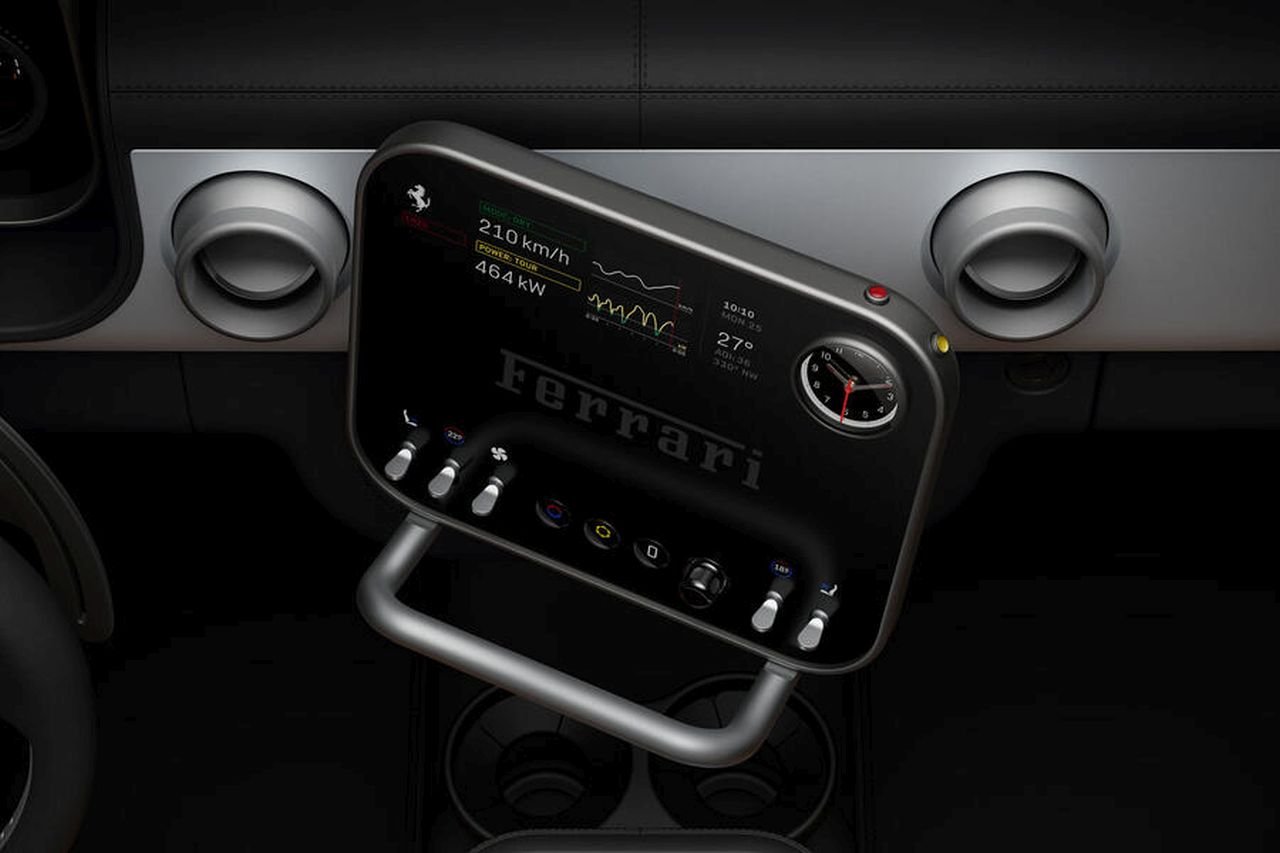
    The car has a simple dashboard layout with a 10-inch touchscreen in the centre that swivels along the vertical axis to face either the driver or passenger. The Y-spoke steering wheel is a nod to classic Ferraris and features proper physical buttons and rotary knobs.

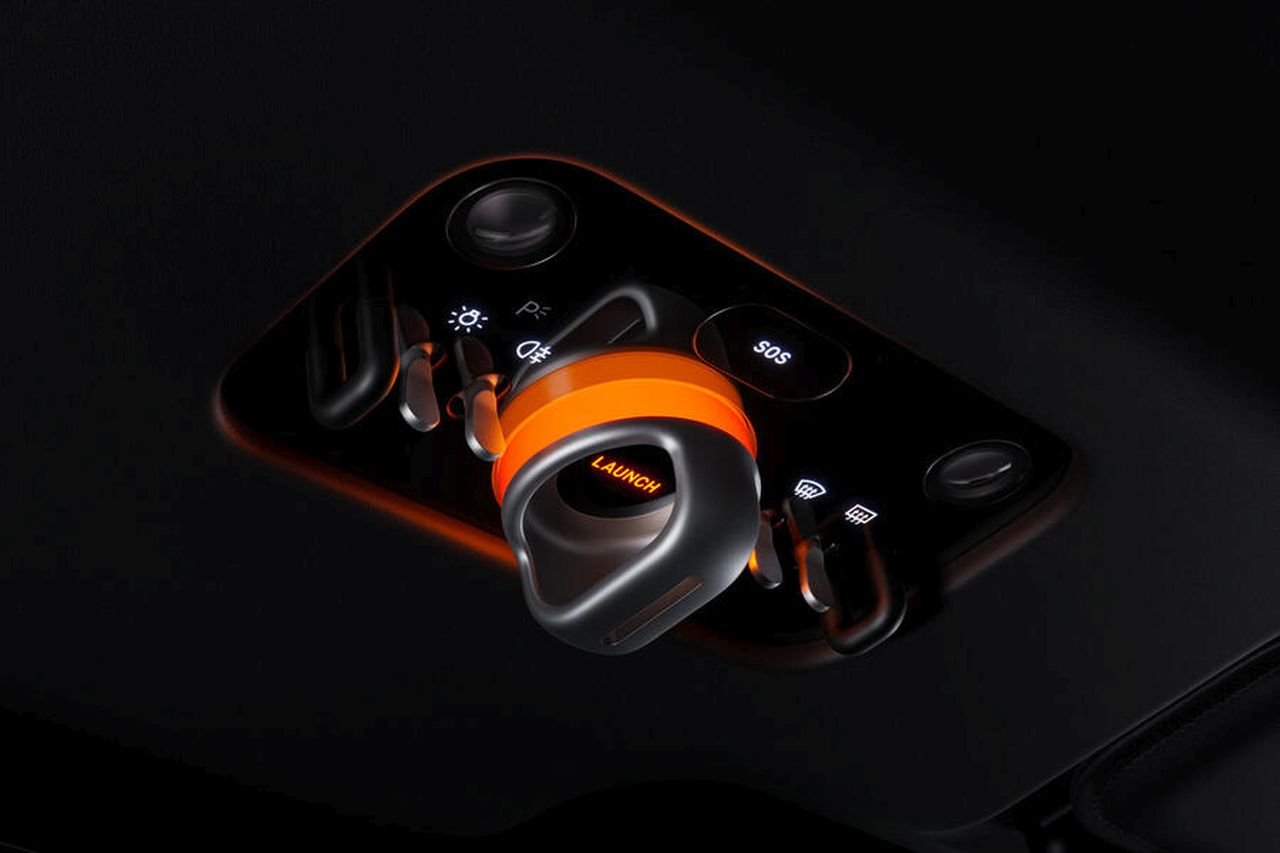
    Behind the steering wheel is a 12.5-inch digital instrument cluster with three separate dials, featuring retro-style graphics. There’s also a roof-mounted panel with more toggle switches and a launch control button.

    Source link

  • 10 Must-See Exotics For Sale
– duPont REGISTRY DriftBreath

    10 Must-See Exotics For Sale – duPont REGISTRY DriftBreath

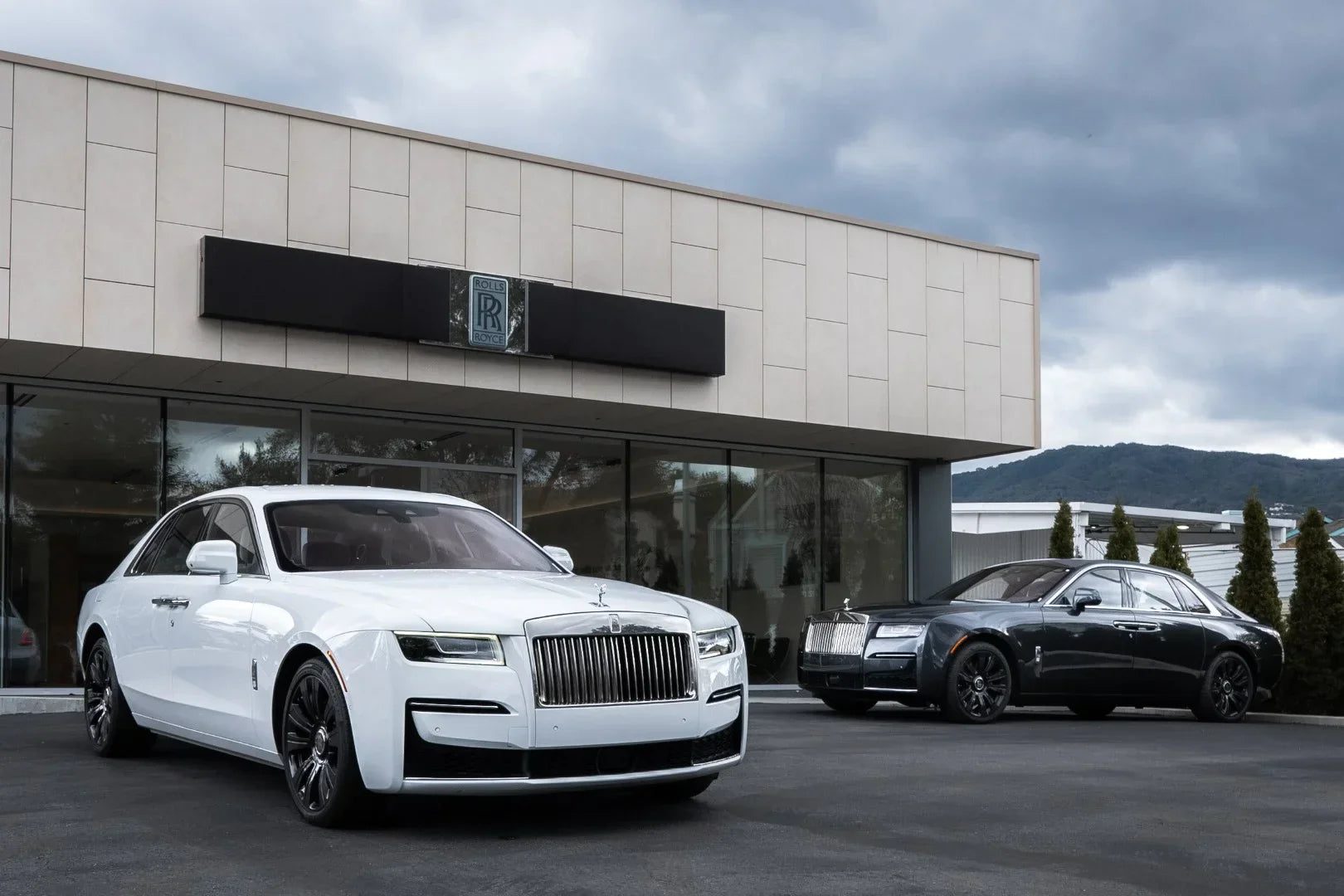
    Luxury Cars Los Gatos has built a reputation as one of Northern California’s go-to destinations for buyers who want more than just a transaction when shopping for their dream exotic car or luxury SUV. Located in the heart of Silicon Valley, the dealership showcases an impressive inventory with a culture rooted in professionalism, integrity, and genuine attention to detail. Rather than pushing a one-size-fits-all sales approach, the team focuses on understanding what clients are actually looking for, whether that’s a daily-driven SUV, a weekend supercar, or a collector-grade hypercar. That mindset has helped Luxury Cars Los Gatos stand out as a dealership that values long-term relationships just as much as the cars themselves, creating an environment where trust and return business come naturally.
    Buyers can browse an extensive selection of ultra-luxury brands like Bentley and Rolls-Royce, alongside performance icons from Aston Martin, Lotus, and Lamborghini. For those chasing something even more exclusive, hypercars from manufacturers like Czinger and Automobili Pininfarina support the dealership’s diversity. It’s a lineup that appeals to a wide range of enthusiasts, from seasoned collectors to first-time exotic buyers. Backing that inventory is a team driven by clearly defined core values, excellence, integrity, teamwork, humility, and a competitive spirit that prioritizes customer satisfaction.

    Beyond the showroom, Luxury Cars Los Gatos expands its dedication through a full-service, world-class service and parts department designed to support ownership long after the keys are handed over. From routine maintenance and tire services to batteries, factory parts, and thoughtful customization options, every detail is handled with the same care as the initial purchase. For those browsing duPont REGISTRY in search of something extraordinary, Luxury Cars Los Gatos delivers both the inventory and the confidence to make the experience truly rewarding.

    All Luxury Cars Los Gatos Inventory


    View Listing


    View Listing


    View Listing


    View Listing


    View Listing


    View Listing


    View Listing


    View Listing


    View Listing


    View Listing


    Source link

  • Volkswagen Is Giving Away a 2026 Golf GTI — Here’s How to Enter

    Volkswagen Is Giving Away a 2026 Golf GTI — Here’s How to Enter

    Hunt for a Hot Hatch Begins

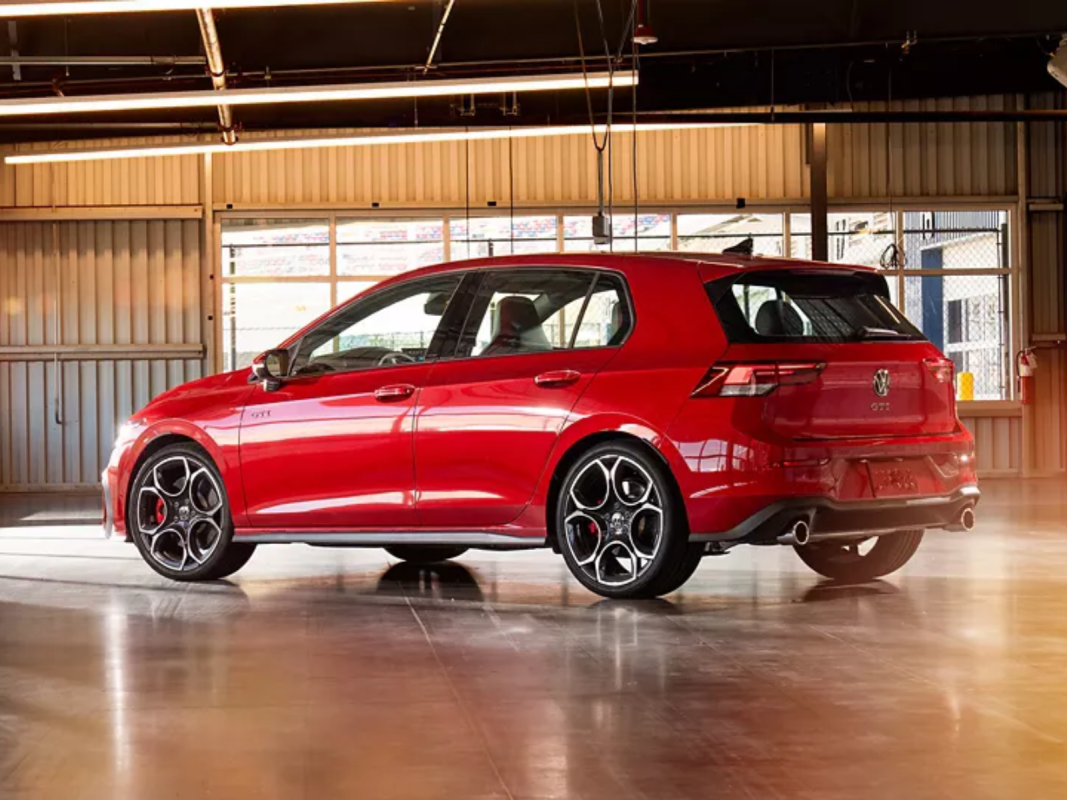
    Volkswagen has launched a new online game offering prizes that include a 2026 Golf GTI. The initiative forms part of the brand’s revived Drivers Wanted campaign – a slogan that dates back to the 1990s – and appears designed to reintroduce the ‘Drivers Wanted’ platform to a new audience in the U.S.

    The online game centers on subtle clues embedded within Volkswagen’s social media posts, which guide participants to a dedicated campaign website. The company is inviting a “new generation of drivers” to take part and “live life in the driver’s seat by rewarding their curiosity.” That “new generation of drivers” framing aligns well with the Golf GTI’s positioning as a practical, daily driver model for newer, brand-curious buyers.

    Volkswagen

    The GTI’s Longstanding Sweet Spot

    Both the Golf GTI and Golf R are powered by a 2.0-liter turbocharged inline-four engine, although the former features a more conservative tune rated at 241 horsepower and 273 lb-ft of torque. Volkswagen has already discontinued the manual transmission for the GTI in the U.S., despite sustained demand from enthusiasts, leaving the 7-speed dual-clutch automatic as the sole gearbox option. While the Golf R is equipped with an all-wheel-drive system, the Golf GTI sends power exclusively to the front wheels.

    One possible reason the Golf GTI was selected as the giveaway vehicle is that the nameplate is celebrating its 50th anniversary this year. Even after five decades, it remains one of the most influential models in Volkswagen’s lineup, continuing to define the brand’s interpretation of the hot hatch formula.

    Volkswagen

    Clock Is Already Ticking

    The sweepstakes opened on February 8, with interested participants encouraged to search for embedded clues across Volkswagen’s social media channels that lead back to the Drivers Wanted campaign website. Entries will be accepted through March 2 at 11:59 p.m. ET, with the promotion open to legal U.S. residents physically residing in the 50 states, Puerto Rico, or Washington, D.C., who are 25 and older.

    The latest Drivers Wanted campaign highlights several of Volkswagen’s current models, including the Jetta and Atlas. It also features the ID. Buzz, the all-electric model that reimagines the classic Type 2 – though its rollout in the U.S. has yet to gain significant momentum and won’t be sold for the 2026 model year. Regardless, best of luck to participants as they follow the subtle clues that could lead them to a brand-new car for free.

    Source link

  • Mercedes-Benz adds a “just right” option to the CLA lineup

    Mercedes-Benz adds a “just right” option to the CLA lineup

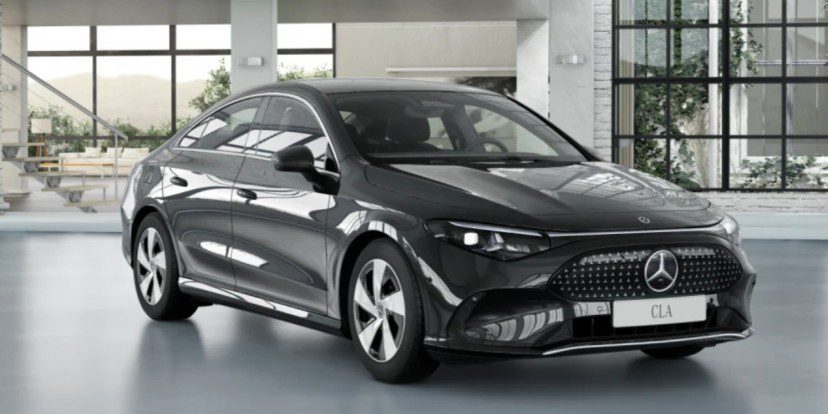
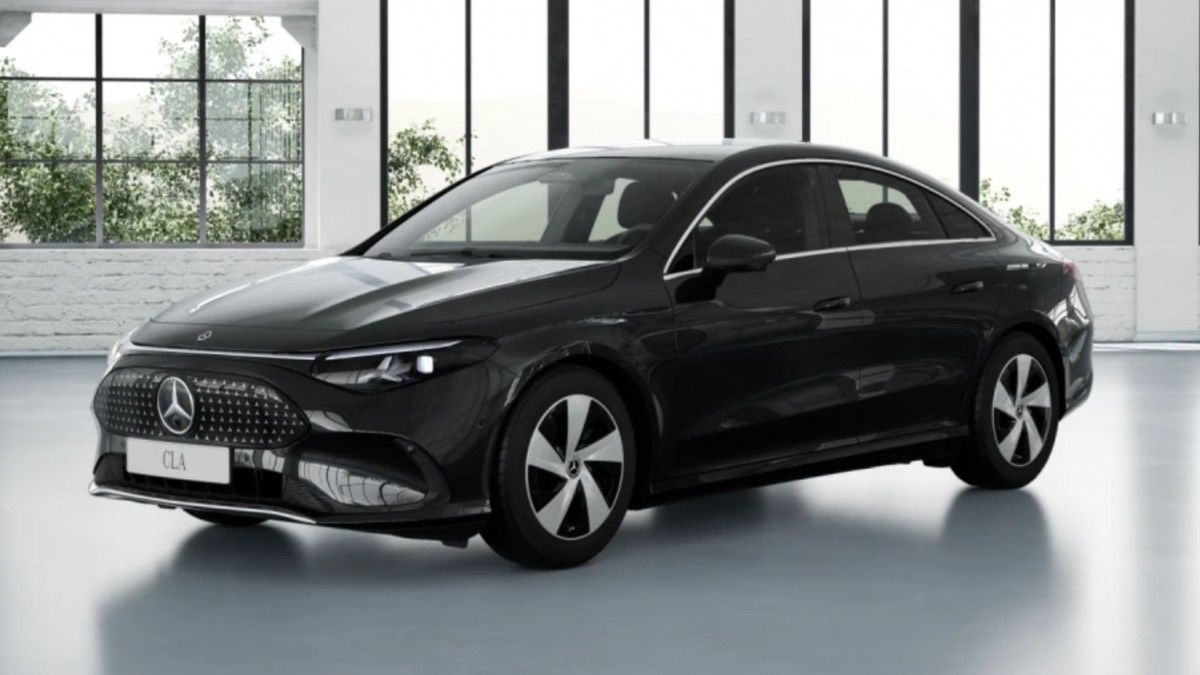
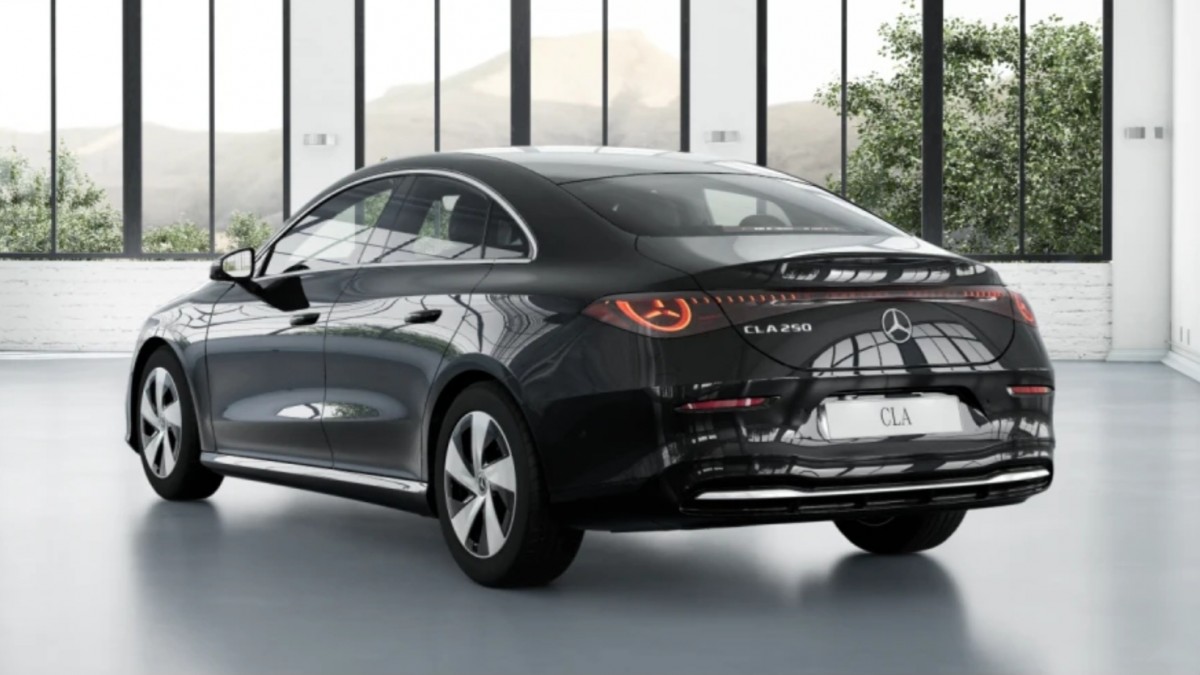
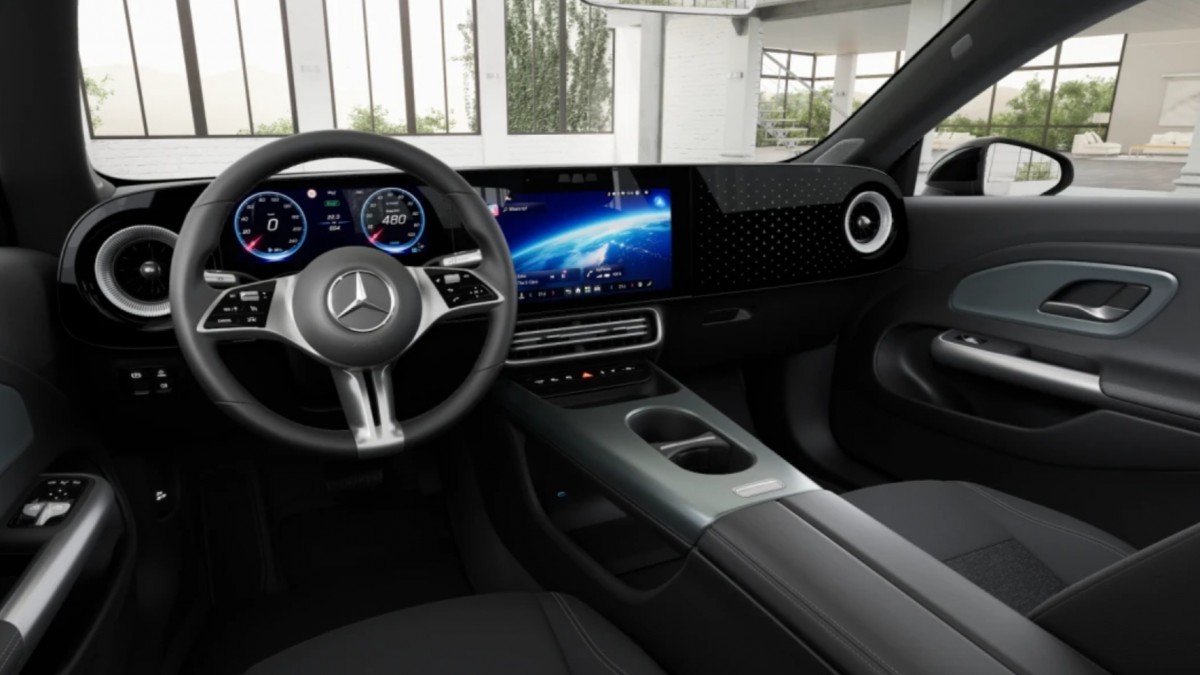
    Mercedes-Benz has a bit of a labeling problem, and it is making things a little confusing for people who just want a nice car. If you have been following the news about electric cars lately, you know that the German brand has been very busy. They recently launched the new electric Mercedes-Benz CLA, and it came in a few different “flavors.” First, we had the top-of-the-range 350 4MATIC, then came the entry-level CLA 200. After that, there was the long-range king, the CLA 250+. Now, Mercedes has decided to squeeze a third option right in the middle. Meet the new Mercedes-Benz CLA 250 – no plus sign required.

    The size usually matters most when we talk about the EV battery. Before this update, buyers had to choose between a smaller 58 kWh battery in the CLA 200 or a much larger 85 kWh battery in the CLA 250+ and 350. For many people, the jump between those two was too big.

    Mercedes CLA 250 - source: Mercedes-Benz
    Mercedes CLA 250 – source: Mercedes-Benz

    The new CLA 250 solves this by using a 71 kWh battery. This “intermediate” size is designed to be the “Goldilocks” of the family. It is big enough to keep you away from the charging station on long trips, but it is not so heavy or expensive that it feels like overkill. This is a clever choice by Mercedes-Benz to capture buyers who want premium performance without the top-tier price tag.

    You might think that because this car sits in the middle, it would be slower than the top model. However, Mercedes did something interesting here. They gave the CLA 250 the exact same 272-horsepower electric motor found in the 250+. Because the motor is the same, the acceleration is identical. Both the CLA 250 and the CLA 250+ can accelerate from 0 to 62 mph in exactly 6.7 seconds.

    Mercedes CLA 250 - source: Mercedes-Benz
    Mercedes CLA 250 – source: Mercedes-Benz

    Despite having a smaller battery than the 250+, the CLA 250 provides a very respectable 418 miles of range on a full charge. For comparison, the base CLA 200 gets 336 miles, and the long-distance 250+ can go all the way to 492 miles. By offering 418 miles, the 250 sits comfortably in the middle, providing more than enough range for most weekly commutes.

    In terms of physical size, this car is exactly the same as its siblings. It measures 185.9 inches in length, 73 inches in width, and stands 57.8 inches tall. Since there is no engine under the hood, Mercedes included a “frunk” (a front trunk) that holds 3.57 ft³ – perfect for charging cables or small bags. The main trunk offers another 14.3 ft³ of space, making it a practical choice for a small family.

    Mercedes CLA 250 - source: Mercedes-Benz
    Mercedes CLA 250 – source: Mercedes-Benz

    Of course, you cannot talk about a new car without talking about the price. Mercedes-Benz has priced the CLA 250 to fit perfectly between its siblings. The “Business Solution” trim for the CLA 250 starts at $59,903. If you want to save a bit of money, the CLA 200 starts at $56,360 with the same trim level. If you have extra cash and really want that massive 85 kWh battery, the CLA 250+ will cost you at least $62,739. For a difference of about €2,500 over the base model, Mercedes bets that many drivers will likely find the extra range of the CLA 250 worth the upgrade.

    It is nice to see a car company realize that “one size fits all” does not work for everyone. The car itself is a solid entry into the growing market for premium EVs, and if you can live without the extra 73 miles of range found in the 250+ model, the standard 250 might just be the smartest pick in the garage.

    Source

    Source link

  • Subaru Slashes 2026 Forester Hybrid Price by More Than $2,000

    Subaru Slashes 2026 Forester Hybrid Price by More Than $2,000

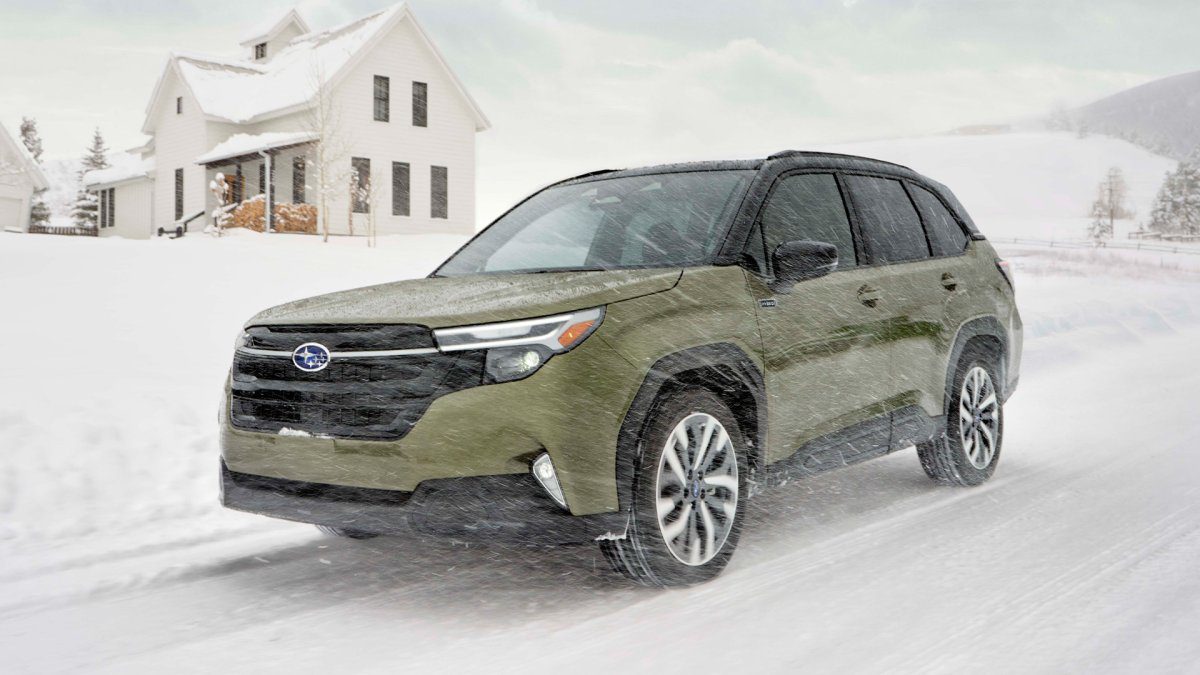
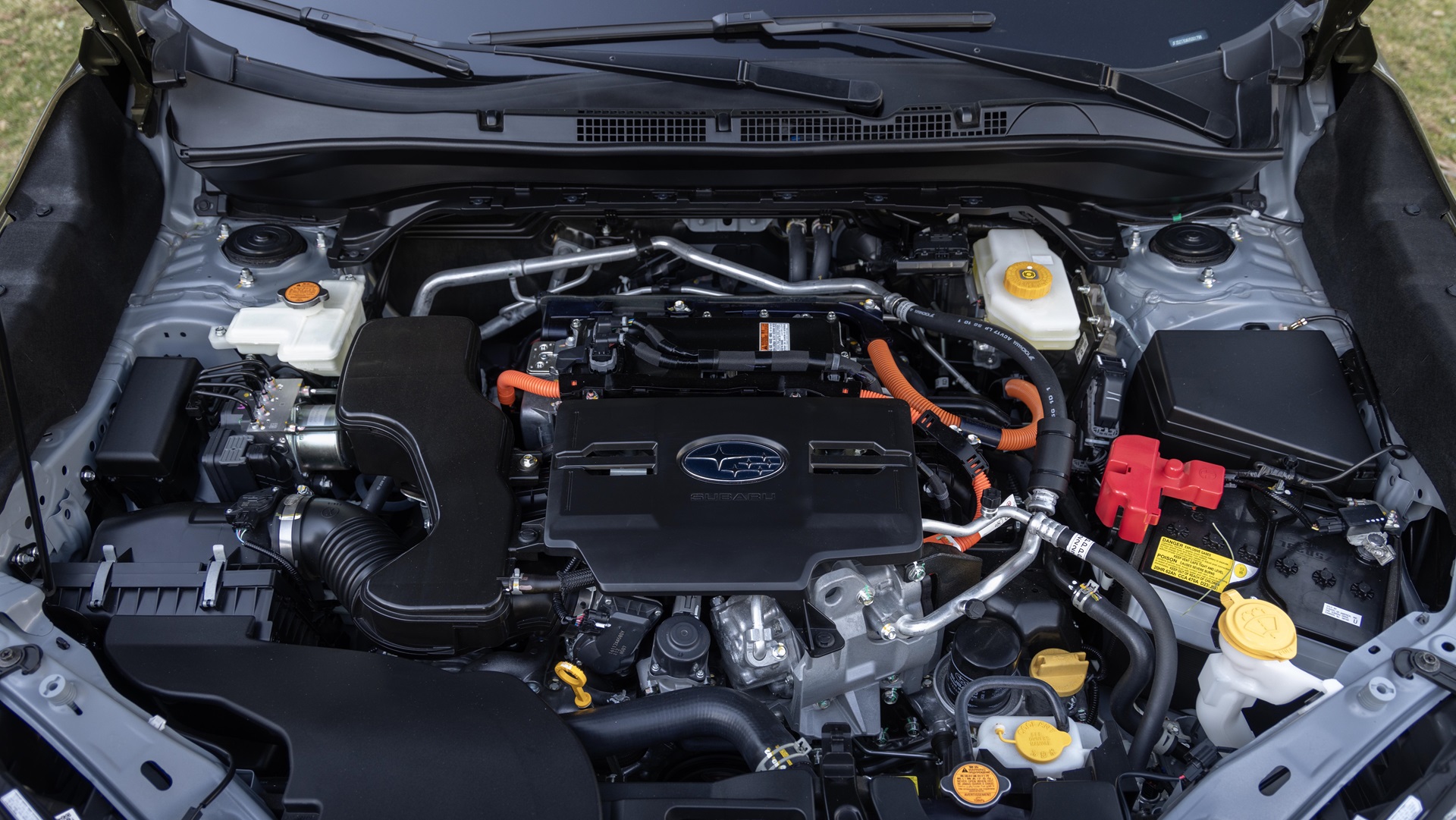
    Last year, the Subaru Forester got what it always needed: A fuel-efficient hybrid model. The crossover is a whole lot more attractive with that 35-mile-per-gallon combined rating, and for 2026, it’s cheaper to boot. With a new base price of $35,820 for the Forester Hybrid Premium, the electrified all-wheel drive starts at $2,195 less than before.

    Subaru is readjusting prices across its range, with the WRX also dropping $5,000 for the ’26 model year. And while a Forester Hybrid might not be as much fun as a rally-inspired turbo sedan, it can go up to 581 miles on a tank of fuel. You get quite a bit standard for the revised entry price, too, like Subaru’s EyeSight Advanced Driver Assist with automatic emergency steering, blind-spot detection, and rear cross-traffic alert. Base buyers will also be glad to get the 12.3-inch digital gauge cluster and 11.6-inch infotainment display.

    Anybody looking to step up to the Forester Hybrid Sport can still do so for less than $40,000, but only just. Subar tosses in 19-inch alloy wheels with a bronze finish, an 11-speaker Harmon Kardon sound system, StarTex interior upholstery, and reverse automatic braking for a total of $39,380. Used to, that would have cost $41,015 after destination.

    2025 Subaru Forester Hybrid
    Subaru

    Every Forester Hybrid now costs less with the destination fee applied than the 2025 model did before accounting for delivery. New car shoppers love to see it. That means you can get a Forester Hybrid Limited for $40,445, or a Touring for $42,995.

    It’s intriguing to see Subaru cut prices just days after the automaker reported tariffs have absolutely wrecked its profit margins. Foresters are built in Indiana, fortunately, so there’s no 15% tariff imposed on them. It isn’t the consumers’ job to worry about how much money car companies are making off them, of course, but all this factors into how much new vehicles cost in the year of our Lord 2026—and it’s not often that we see them get cheaper.

    Got a tip or question for the author? Contact them directly: caleb@thedrive.com

    From running point on new car launch coverage to editing long-form features and reviews, Caleb does some of everything at The Drive. And he really, really loves trucks.


    Source link

  • Ford to reintroduce affordable cars

    Ford to reintroduce affordable cars

    FORD’S top brass has told dealers gathered for the company’s National Automobile Dealers Association (NADA) meeting in Las Vegas that more affordable models are finally on the way.


    Addressing what many now see as a top-heavy Ford product range, executives said it plans to launch no fewer than five sub-$US40,000 ($A57,000) vehicles by the end of the current decade, starting with a mid-sized electric pick-up from next year (2027).


    “It (the affordable model push) will be across our line-up of cars, trucks, SUVs, and vans, and it will be (a) multi-energy (approach),” said Ford Blue and Model e president Andrew Frick.


    “That will start to fill-in the product side, but we have work to do to help affordability in the near term more tactically.”


    In addition to offering new models and nameplates, Ford executives said they will work to ensure that cheaper variants are available within existing model ranges, beginning with the Explorer SUV and Bronco off-roader.


    The company said it will also lean further into its certified pre-owned vehicle program, extended-term financing, and a first-time buyer program.


    “I would say there are probably 10 actions that we’ll initiate to help (boost) affordability,” added Mr Frick.


    At this stage there is no word on whether the cut-price models will be offered across the global market – including in Australia.


    Currently, the most affordable Ford in the Australian market is the Ranger XL single-cab utility which starts from $37,130 plus on-road costs.


    Ford Australia’s cheapest passenger car, the Everest Active SUV, costs $58,990 + ORC, while the electric Mustang Mach-E is available from $65,990 + ORC – well above the reach of most mum and dad buyers.


    Locally, Ford has all but erased its affordable vehicle offerings, ditching models that include the Escape mid-sized SUV, Focus small car, Fiesta light car, and several others in favour of high yield utes and SUVs sourced from Thailand, which now account for the bulk of Ford Australia’s sales.


    2025 Ford Australia sales tally*:


    Units

    Segment share

    Escape

    28

    0.0%

    Everest

    26,161

    18.9%

    F-150

    792

    9.0%

    Mustang

    4052

    58.6%

    Mustang Mach-E

    483

    1.9%

    Puma

    1

    0.0%

    Tourneo

    813

    6.1%

    Transit

    1914

    7.9%

    Transit Bus

    153

    3.6%

    Transit Custom

    3447

    15.5%

    Ranger 4×2

    2861

    12.4%

    Ranger 4×4

    53,693

    25.3%


    *Sales figures supplied courtesy of VFACTS.


    Source link