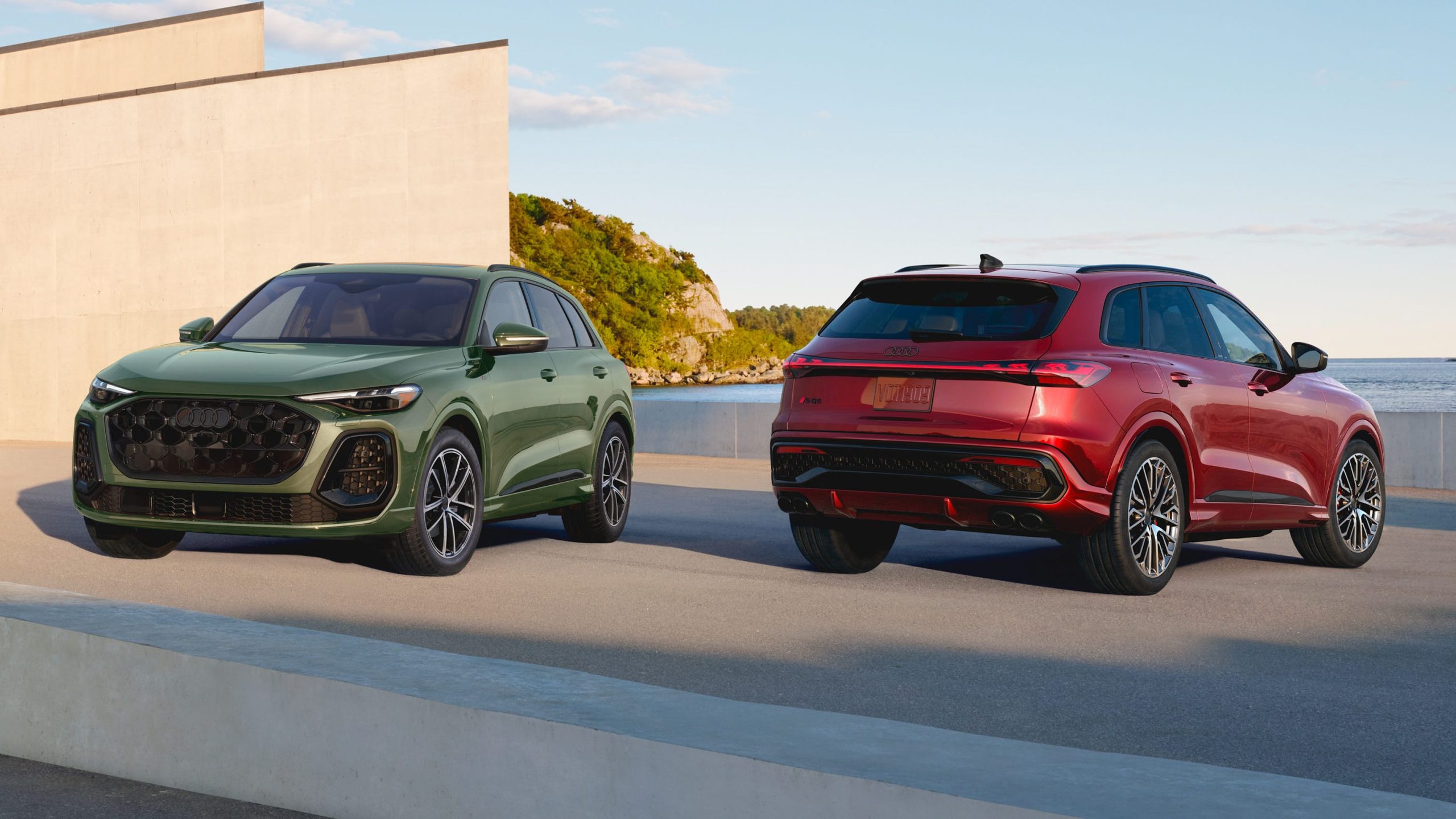
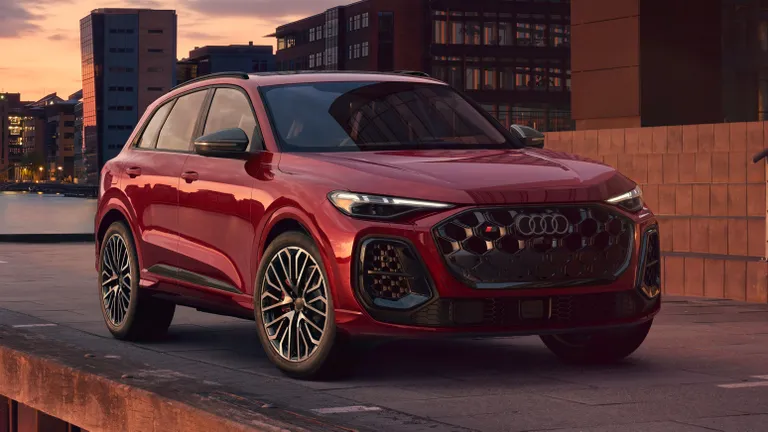
While over the air (OTA) updates have improved the ownership experience for most people, there are still limitations in just what you can upgrade or improve between model years. Unfortunately, this applies to the MMI software updates for the 2026 Audi A5 and Q5. The new software is essentially locked to the hardware that will now be included in the 2026 models; that’s why, according to an Audi spokesperson, 2025 owners will need to make do with their system as it is. There will still be OTA updates to continue to improve their experience, but nothing to the degree 2026s will have.
Return of the Steering Wheel Scroll Wheel
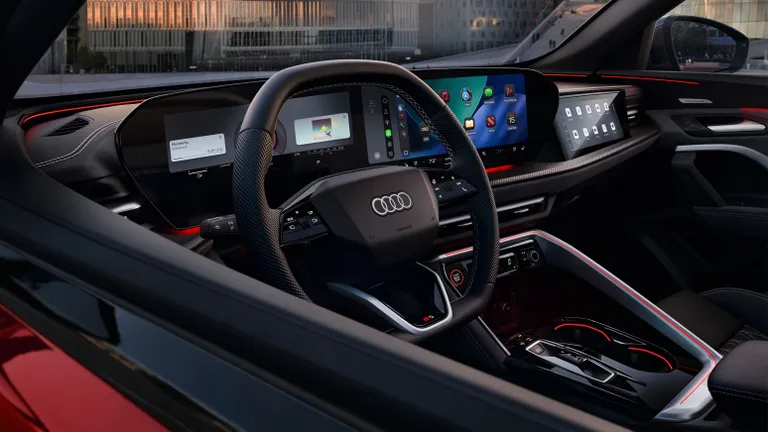
Key changes being made to those 2026 A5s and Q5s come down to two major hardware additions. The first is a new multifunction steering wheel that brings back the long-missed scroll wheel. The other is a new, optional dashcam system that will provide a factory security feature that was once only in the realm of the aftermarket. The dashcam system can record 4K video with High Dynamic Range (HDR) technology. Photo and video recordings can be activated from the central display or automatically in the case of a crash and are captured by an owner-supplied SD card. None of the dashcam recordings will be transferred remotely, and they will only be recorded and saved on the SD card.
These two features necessitated the update to the 2026 Audi MMI system, but additional updates were made along the way. First up for the MMI is how it looks. For 2026, the A5 and Q5 and their variants will have a new design language that takes advantage of the Audi Digital Stage system and its triple display. This new look will create a consistent experience between the vehicle and the myAudi app interfaces. Adding some additional modernity, a new 3D model of the exact vehicle will be displayed and will include the factory paint color and further personalize the experience.
Display Simplification
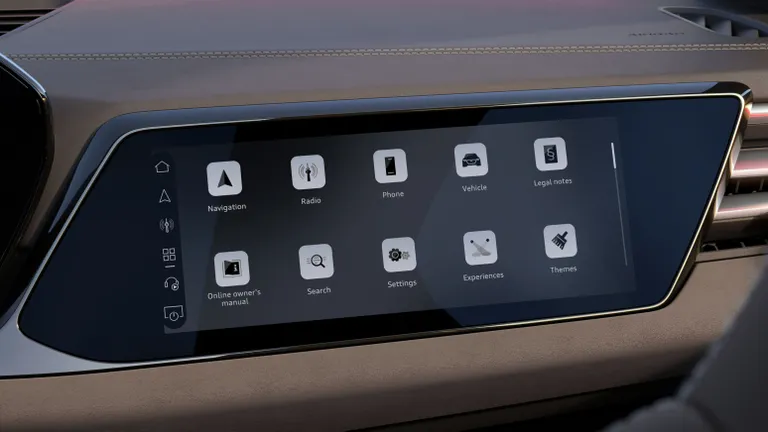
The user experience of the central touch display will be much simpler. Lists will be reduced while graphical representations will be increased to reduce distractions and speed up recognition time for drivers. Status indicators will also be more distinct with brighter monochrome embedded app icons on white backgrounds. Third-party apps will be in color, but they will also have improved status indicators using amplified color gradation.
The driver’s display will also see simplification by reducing the number of icons shown and providing a clearer structure to make operation easier. There are still unique screens that can be accessed via the steering wheel’s “View” button, but the dedicated time and outside-temperature display will remain on its fixed, upper-right island in the Virtual Cockpit display.
There will also be improvements to smartphone integration with the infotainment system. Users will be able to mirror their navigation, media, and phone functions from their phones directly to the Audi Virtual Cockpit and MMI touch display. For the passenger-side screen, there will be new standby designs that include time and date display and functionality improvements like support for Bluetooth headsets. This includes separating entertainment audio between driver and passenger so the driver can listen to any source using the cabin audio while the passenger can listen to their games or videos on their own apps and a Bluetooth headset.
There will be additional equipment changes to the 2026 Audi A5 and Q5 trims, including an optional S Sport suspension and S Line black optic package for the A5, an Individual standalone section for drive modes in the Q5, and the panoramic sunroof found standard in the Q5 Sportback being added to the Q5 SUV. Owners will also get Audi Signature Care scheduled maintenance included as an additional value for buying a 2026 A5 or Q5.
The new A5 and Q5 lineup is expected to go on sale soon during Q1 2026, with the A5 starting at $51,495 and the Q5 starting at $54,095.
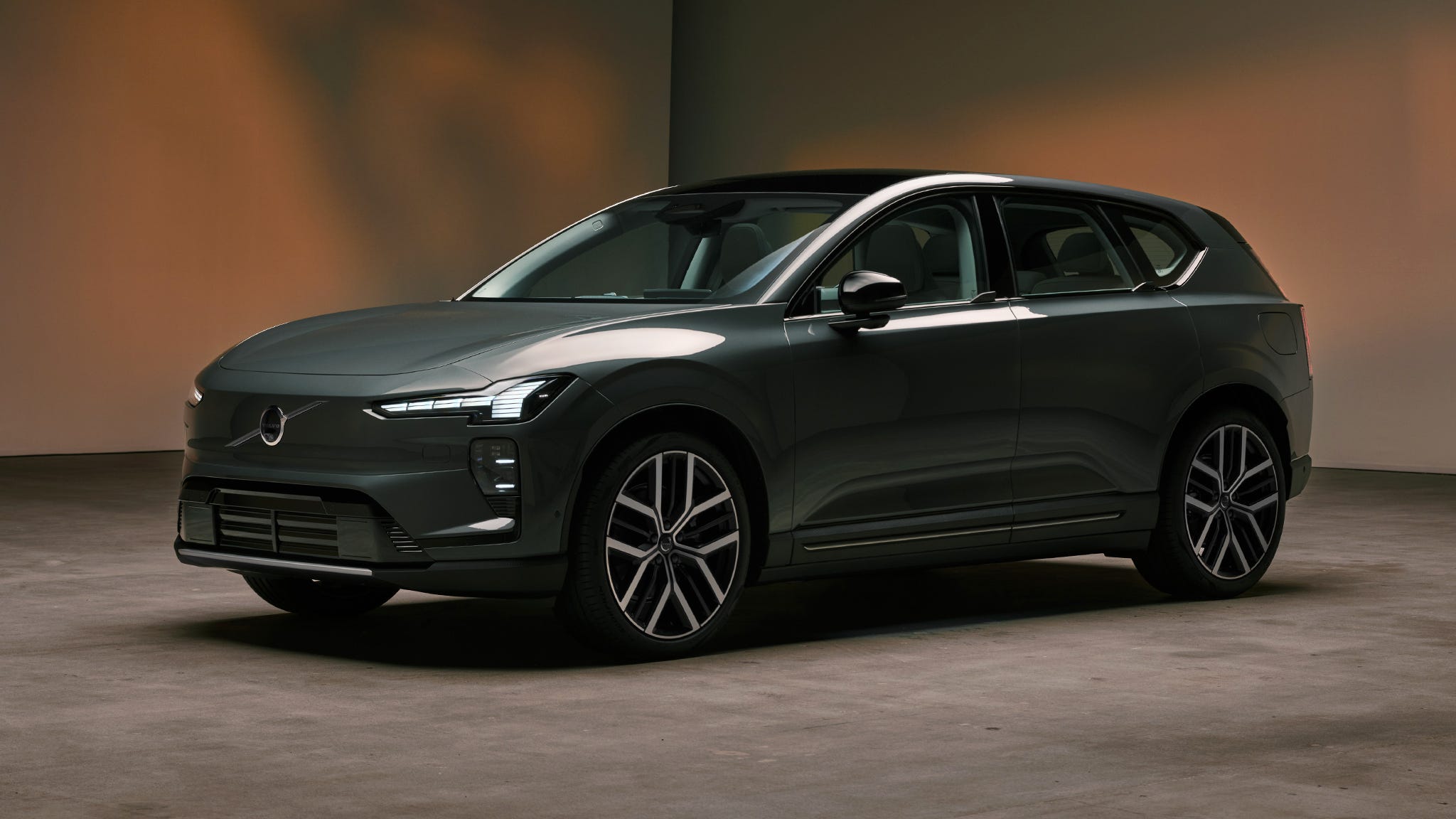
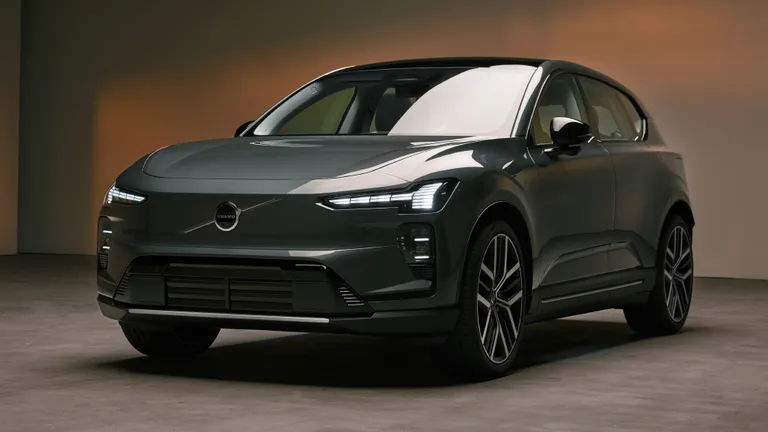
If Volvo’s EX30 is too small for you and the three-row EX90 is too big, your name might be Goldilocks. Or maybe not, because no one’s name is Goldilocks. But you still might be searching for an electric SUV from Volvo that’s juuuust right, and we happen to have news: The new EX60 is almost certainly what you’re looking for.
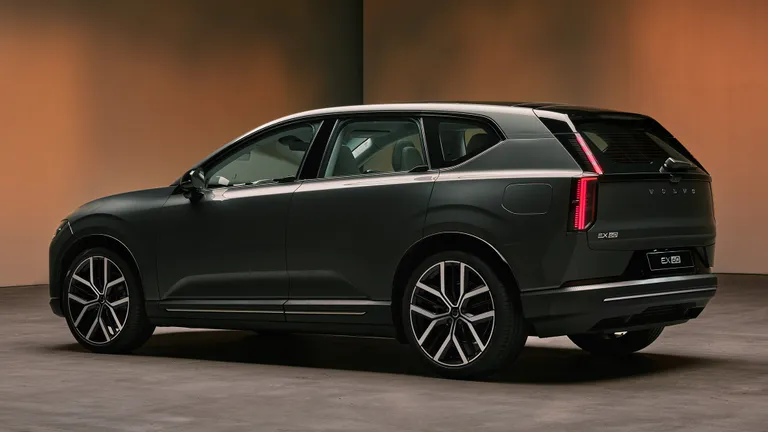
Slotting smack dab in the middle of Volvo’s electric SUV lineup, the EX60 is a two-row SUV that essentially serves as the electric counterpart to the XC60, Volvo’s most popular current model, as well as its bestselling vehicle of all time. But the EX60 doesn’t depend on just that connection to make a splash: It’s the longest-range, fastest-charging Volvo to date.
Range and Charging
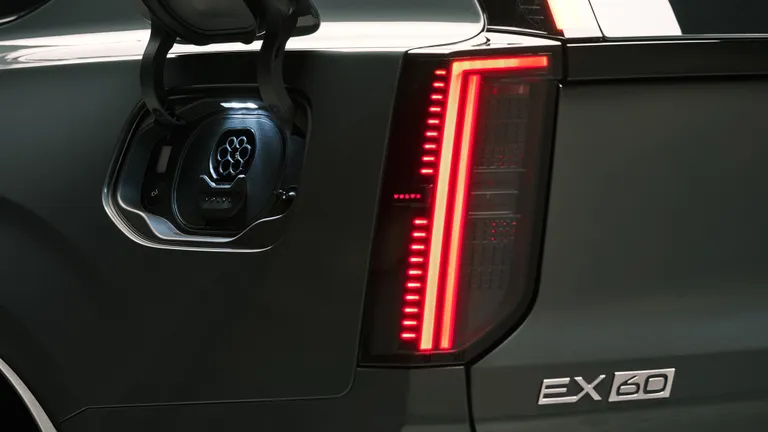
Volvo previously revealed that the EX60 will be able to travel up to 400 miles on a charge, add up to 173 miles of range in just 10 minutes using a 400-kW fast charger (which, to be clear, remain relatively rare), and recharge from 5 to 80 percent capacity in as little as 18 minutes. Three powertrains will be available. The P12 AWD is the long-legged, 400-mile version, while the P10 AWD will offer up to 320 miles of range. The rear-drive P6 will ring in at 310 miles, Volvo says. (Larger wheel sizes shave 10 to 25 miles from those figures depending on spec.) The EX60 is the first Volvo in the U.S. to have an integrated NACS port, as well, which means adapter-free access to the Tesla Supercharger network.
The P12 will not only go the farthest, but it will also be the most powerful, with 670 horsepower and 583 lb-ft of torque. The P10 will serve up 503 hp and 524 lb-ft, while the P6 will have a still-decent 369 hp and 354 lb-ft. Volvo claims 0–60-mph times for the three models of 3.8, 4.4, and 5.7 seconds, respectively. Not too shabby for a vehicle that will weigh between 4,700 and 5,200 pounds depending on configuration. The P6 will tow up to 3,600 pounds; the other two powertrains are capable of 4,500 pounds.
The usable capacity in the battery packs is as follows: 80 kWh in the P6, 91 kWh in the P10, and 112 kWh in the P12. In addition, the EX60’s battery packs will have a 10-year warranty, and the SUV’s lineup will encompass seven distinct “variants,” including Plus and Ultra trims for all three powertrains. Base Core trims will eventually be offered for certain versions. Customers will have few choices beyond which variant they want: just interior and exterior color and two to four options.
New Tech Stack
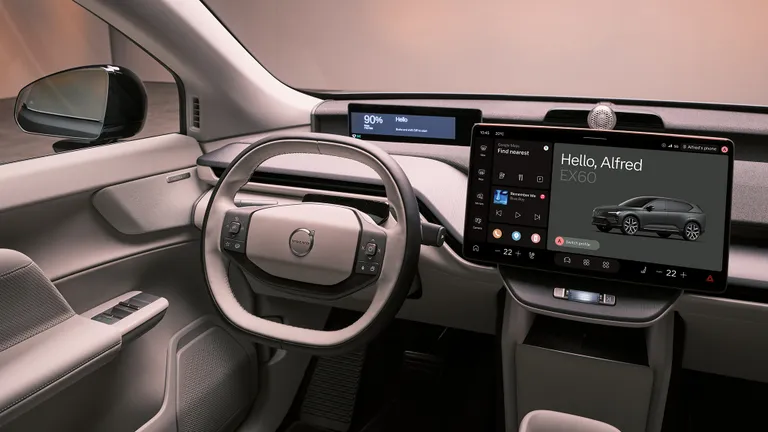
It has also been confirmed the EX60’s new technological architecture will be AI enhanced, with the Swedish-bred, Chinese-owned company touting the SUV’s ability to understand conversational commands via Google Gemini. Volvo calls its new hardware and software package HuginCore, named for Hugin—or Huginn—one of Odin’s ravens in Norse mythology, often associated with thought and comprehension.
Volvo suggests that the EX60’s embedded AI will be capable of things such as planning a road trip, looking through your messages or e-mails for pertinent information, or telling you whether a dresser you plan to buy will fit in the cargo area. The entire suite combines Volvo’s own tech with Qualcomm’s Snapdragon Cockpit Platform processor and the Drive platform, AGX Orin chip, and Drive OS from Nvidia.
Crucially, given recent Volvo infotainment systems and software—the new EX90’s was originally so bad, the company apologized to its buyers—the EX60 promises “lag-free” responses and instantaneous screen loading. In our brief experience with a demonstrator model, that appears to be the case.
As for more traditional creature comforts, a 28-speaker Bowers & Wilkins audio system will be available. The system will offer headrest speakers in all four outboard seats, and the EX60 will also have Apple Music integration and Dolby Atmos capability.
Pricing, Platform, and Positioning
Volvo hasn’t announced specific pricing, but expect it to hew closely to prices for the gas XC60. For example, Volvo says the P10 AWD Plus will cost around $60,000 and include a 21-speaker Bose system, panoramic electrochromatic roof, 360-degree camera, 15-inch curved OLED central screen, 20-inch wheels, Volvo’s Pilot Assist hands-free driving, three-zone climate, active suspension, and a 19.2-kW onboard charger. Cargo capacity stands at 20.4 cubic feet with the second row up and 58.2 with the second row folded. There’s a 3.0-cubic-foot frunk, as well.
The EX60 is built on Volvo’s SPA3 EV platform, which incorporates megacastings to save weight and minimize assembly complexity. The HuginCore platform will leverage the vehicle’s multiple sensors, including ultrasonic, cameras, and radar, to constantly monitor and assess the vehicle’s environment in the name of safety. Volvo also says its multi-adaptive seat belt will get smarter and more personalized via AI; it can adjust its performance based on the size and weight of the occupant and even impact severity.
The EX60 slides into the luxury midsize electric SUV arena prepared to battle the likes of the Cadillac Lyriq, Audi Q6 E-Tron, and BMW iX, among others. If it can replicate the basic goodness of its gas-powered XC60 cousin, Volvo may have a hit on its hands—as far as EVs go, anyway. One thing that will help? Volvo simultaneously announced a be-toughened EX60 Cross Country as the seventh variation, and if there’s one thing Americans can’t get enough of, it’s black plastic cladding.
The P6 and P10 will be the first versions off the line in April of this year, with the P12 to follow some months later. The first examples should be in American customers’ driveways by summer.
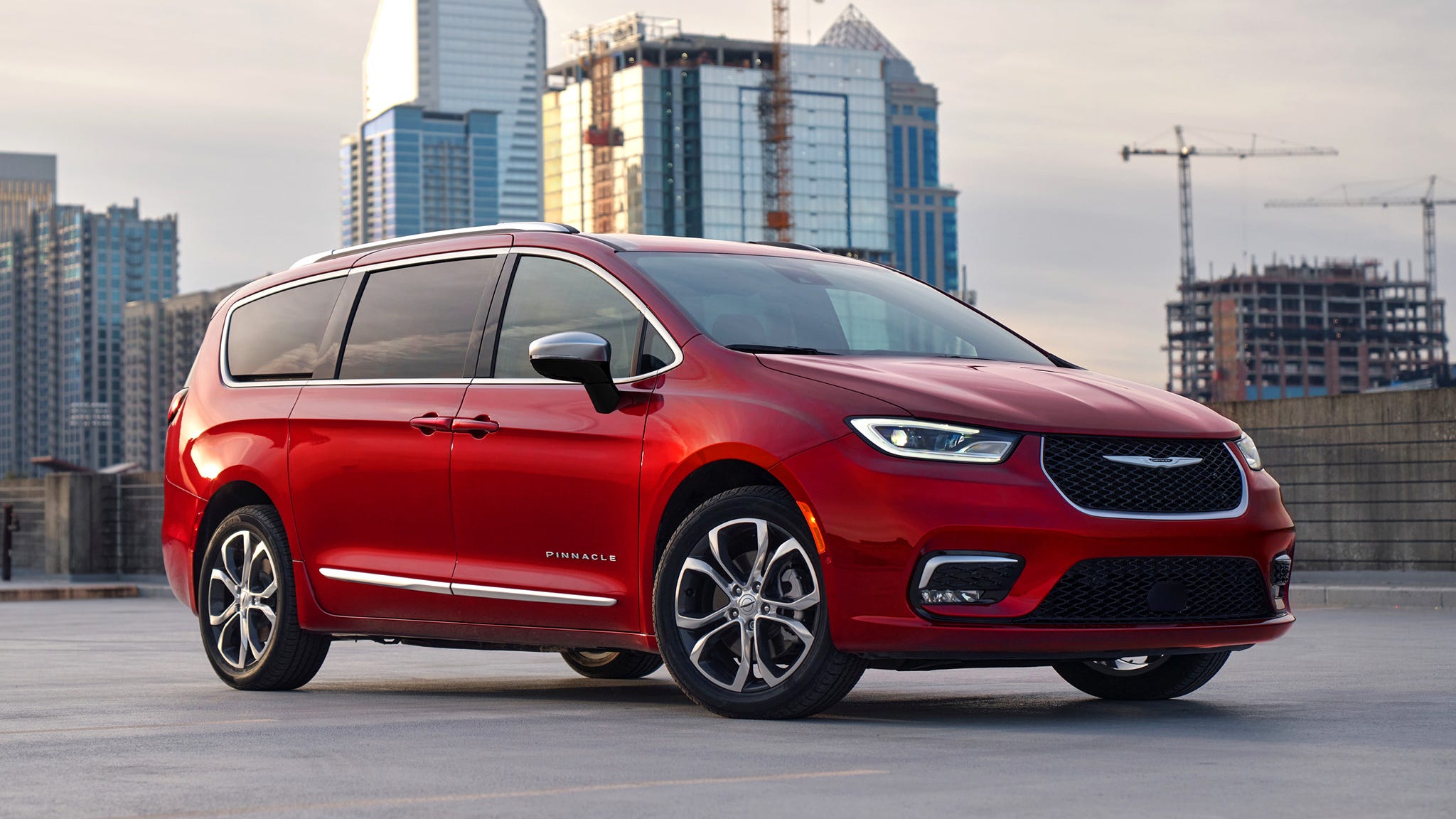
Chrysler, long the minivan king, has a refreshed version of its Chrysler Pacifica coming in the second quarter of this year, and a next-generation version of the family hauler remains in the works. But until an all-new Pacifica arrives, questions abound about how the sole model in the Chrysler lineup will hold down the fort in the meantime.
The main question swirling around the Pacifica in the short and longer term is what exactly will power it. Parent company Stellantis recently announced a new powertrain strategy in which it’s phasing out plug-in hybrids in North America and phasing in extended-range electric vehicles where a gas engine acts as a generator for the battery and electric motor powering the vehicle. The first of these new EREVs are due later this year with the launch of the Ram 1500 REV full-size pickup truck and the Jeep Grand Wagoneer three-row SUV.
For now, the 2026 Pacifica remains available with a plug-in hybrid powertrain featuring Chrysler’s long-running Pentastar 3.6-liter V-6 that essentially acts as a generator for a system featuring two electric motors and an electrically variable transmission that apportions power to the front wheels. It’s also capable of 32-miles of electric only range when its battery is fully charged. The Pacifica’s other powertrain option is a traditional gas version of the V-6, mated to a nine-speed automatic that’s available with front or all-wheel drive. Tim Kuniskis, head of American brands and North America marketing and retail strategy for Stellantis, confirmed to MotorTrend that the plug-in is going away soon.
How soon? Kuniskis picks his words carefully. The plug-in is gone “for the minivan we sell today. We may get to the new one and say it’s the same van and you don’t have it.” In short, he wouldn’t clarify what, if any, form of electrification to expect for the soon-to arrive refreshed model. A reveal with more details is coming soon, and Kuniskis said customers are going to be pleased.
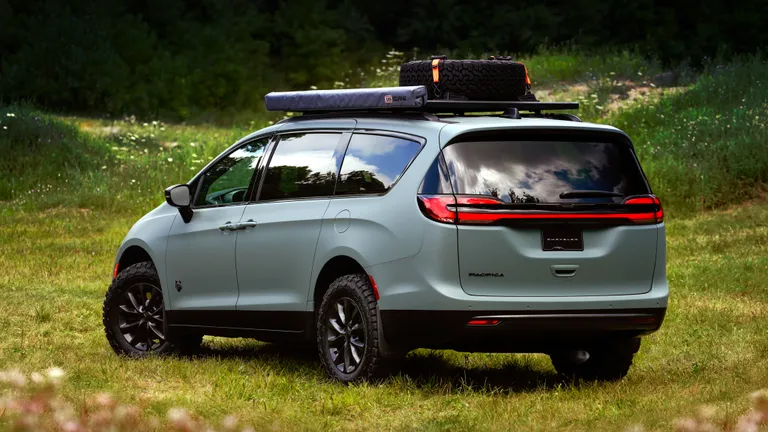
One model that could please customers is a production version of its Pacifica Grizzly Peak concept (pictured above), a vehicle that tested the appetite for an adventuring minivan with all-wheel drive that could do some off-road things. There are indications that a version of it could go into production. At the least, most of its accessories are from Mopar, so you can create your own to pursue van life.
Next-Gen Minivan
Regardless of what happens with the updated model coming this year, MotorTrend has learned that there will be some form of electrification for the next-generation minivan, but we no longer expect a fully electric model. As a base powertrain, we’re betting on a mild hybrid option to replace the aging V-6 that would address the need for an affordable and efficient family hauler. And given the emerging Stellantis strategy, an extended-range hybrid would seem to be a perfect powertrain for family road trips. Offering both would be ideal.
But there’s one problem, the EREV technology Stellantis has now is rear-wheel-drive based for the Ram and Jeep body-on-frame vehicles. one that makes the most sense for large trucks and vans, according to Kuniskis. That doesn’t mean that you couldn’t someday fit one to a front-drive, unibody construction minivan, he added, noting in China there are EREVs in all kinds of vehicles.
“It is interesting technology,” Kuniskis told MotorTrend. “But we have not made any commitments about any kind of EREV technology on a Pacifica or anything other than what we have already said.”
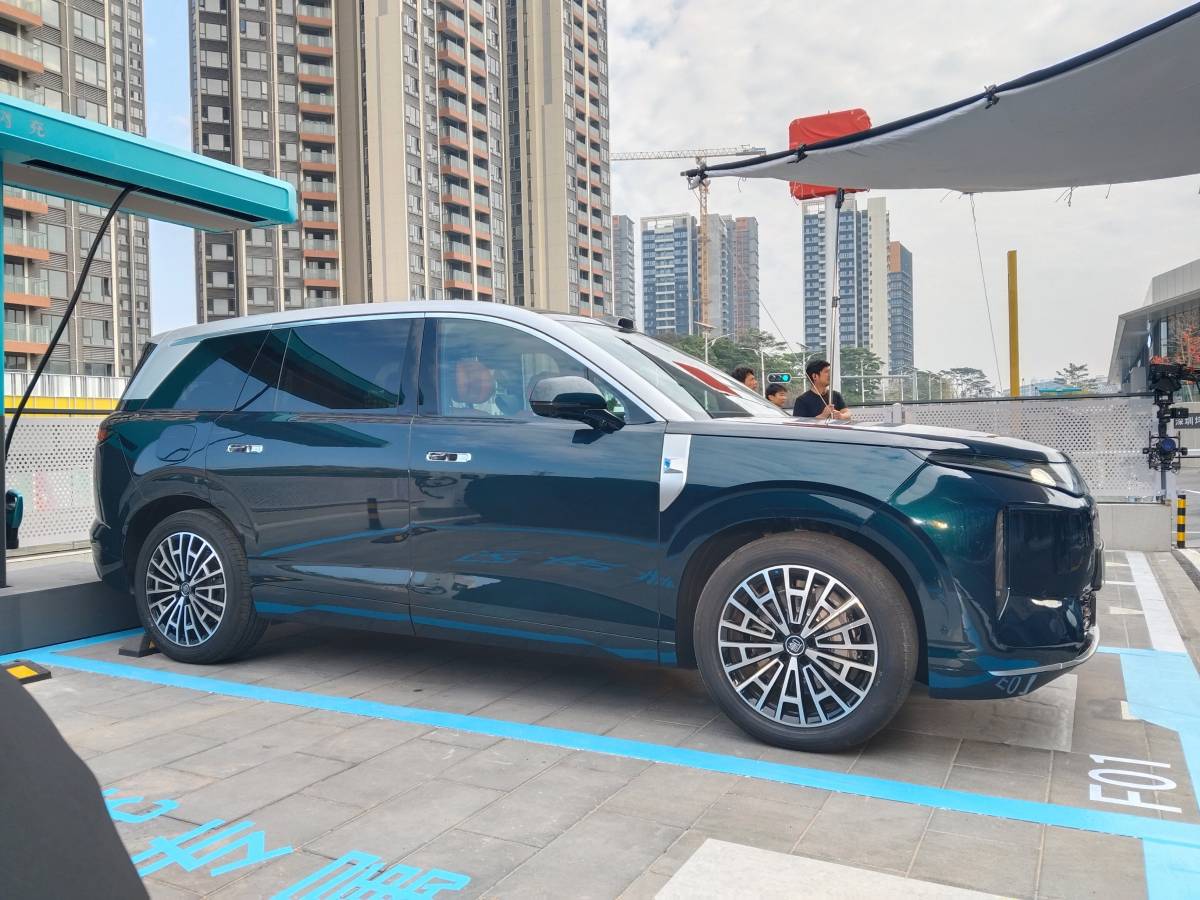
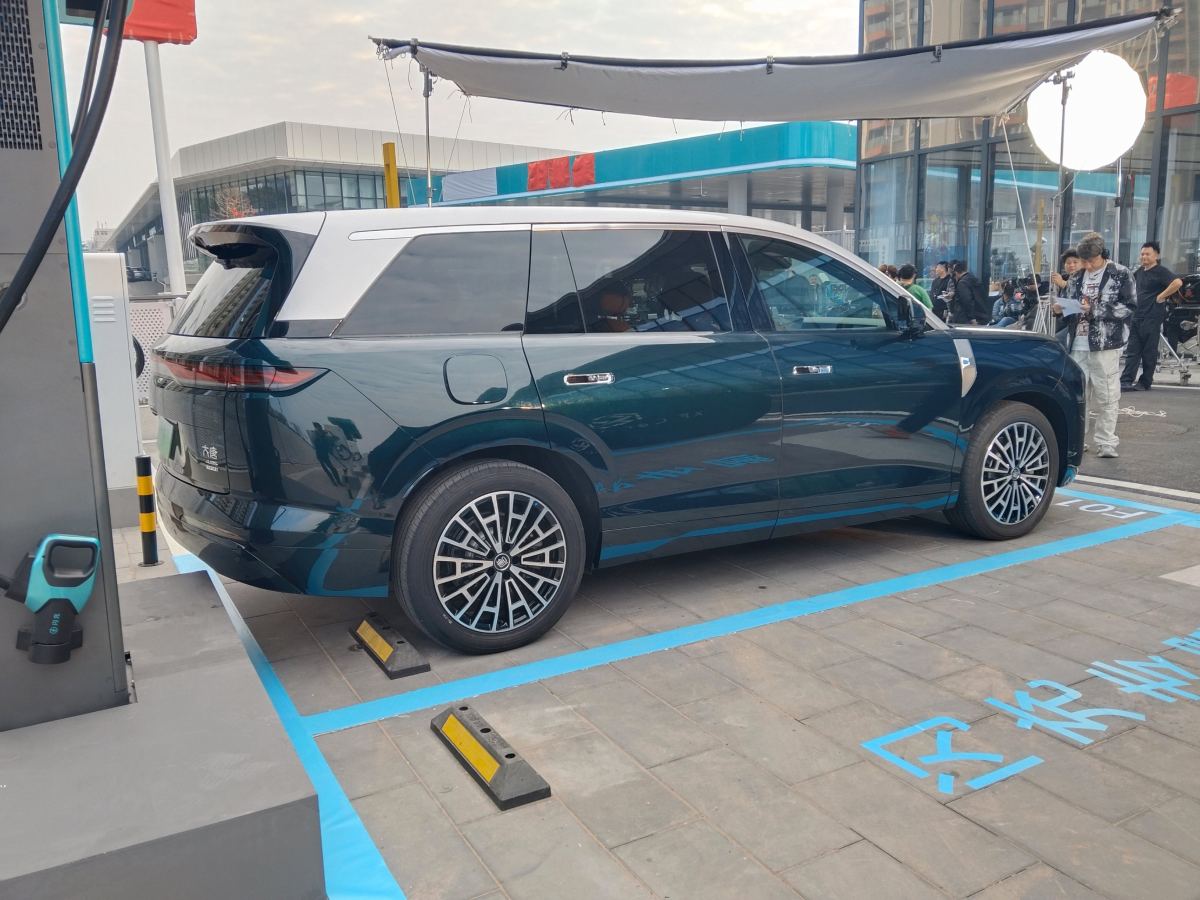
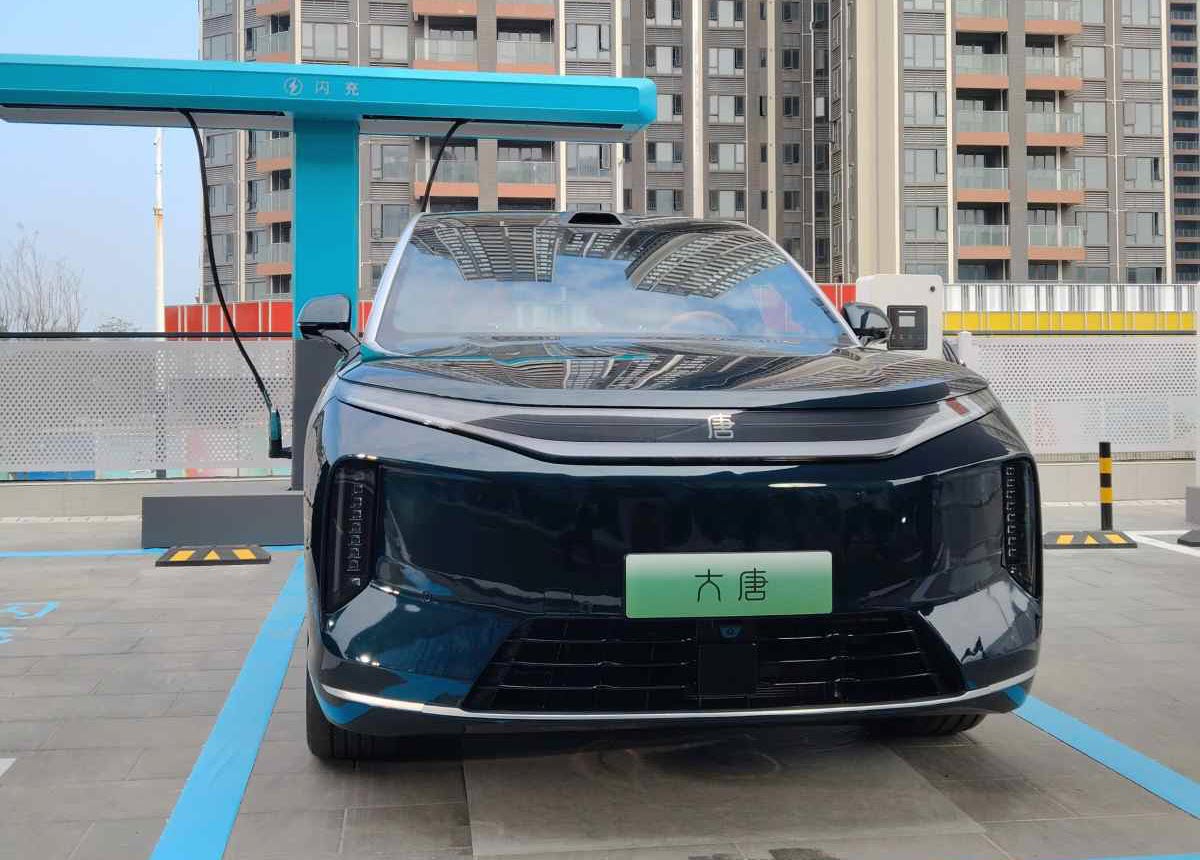
A new BYD electric SUV has been spotted testing in China, this time without any camouflage wrapping all over the body, revealing key details of the company’s potential flagship model under its Dynesty series of cars.
Pictures from Dengwei1979 on Weibo and shared by CNC emerged showcase a two-tone electric SUV being tested at a charging station, potentially with charging speeds of 1,000 kW.
The design of the wheels, door handles, the silver roof and pillar paint, and the interior highlight the luxury elements the company is targeting with this model.
Along with that, at the rear, a 4.9s badge is spotted, which highlights a potential tri-motor powertrain that will propel the car from 0-100 km/h in 4.9 seconds.
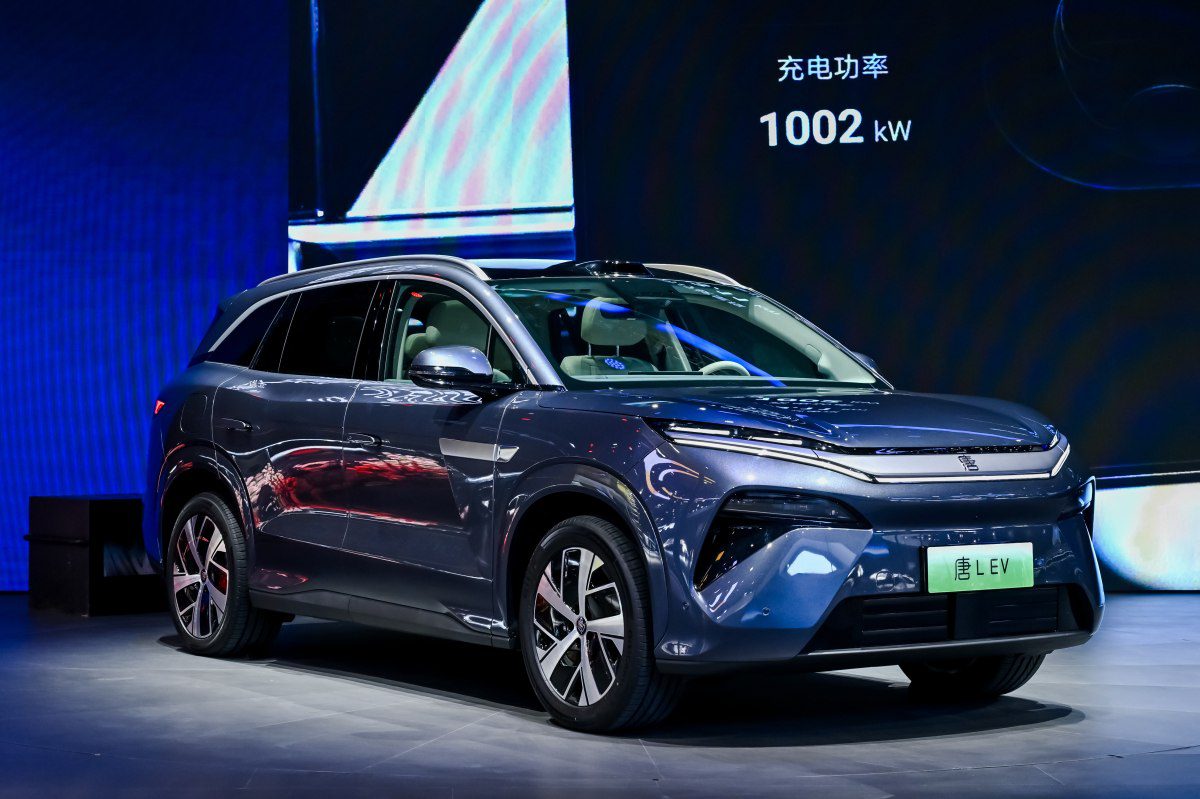
The new SUV is expected to be a more premium version of the Tang SUV, which already comes with 1,000 kW charging as part of the Super e-Platform that is capable of 10C charging speeds.
The Tang was relaunched in March last year, coinciding with the launch of the Super e-Platform, which delivers 1,000 kW of charging power, helping add 400 km of range in just 5 minutes.
This platform has a 1,000 V architecture with 1,000 A of charging current is designed to add 2 km of range every second, making it one of the fastest charging systems for mass-market EVs today.
Image: BYD via Weibo
BYD also calls the charging setup that delivers this power its “Flash charging” network, which started its rollout in China last year.
That rollout was going to be done in partnership with other infrastructure suppliers with an expected initial count to be around 15,000 of its 1 MW charging stations.
As early as May, about two months after the announcement of this new platform and architecture in the Tang, the first few sites with this charging system started to come online in China, thanks to a partnership with oil and gas operator Sinopec and the local grid operators in Shenzhen, where BYD is headquartered.
Sinopec has launched its 1st charging station w/ BYD’s MW level superchargers. Able to supply 10C+ peak charging @ 1000V Working w/ big oil & state grid companies to build out ultra fast charging make a lot of sense. They have the money, real estate & incentive to do it. pic.twitter.com/3AvvARdWJ8
This year, that rollout is going to continue along with international markets like the right-hand-drive UK market, Europe and other global markets, as noted in reports from back in July last year.
BYD has been growing its lineup of EVs to basically cover everything from a micro Kei car in Japan all the way up to ultra-luxury 7-seater SUVs.
Image: Dengwei1979 via Weibo
This new luxury SUV, likely to be pitched to large families that want faster charging when on the go, is expected to be officially announced ahead of the Beijing Auto Show in April this year.
We will keep an eye on this model and any others that follow, using BYD’s latest architecture and blade battery tech as it’s likely to make its way to Australia in the years to come.
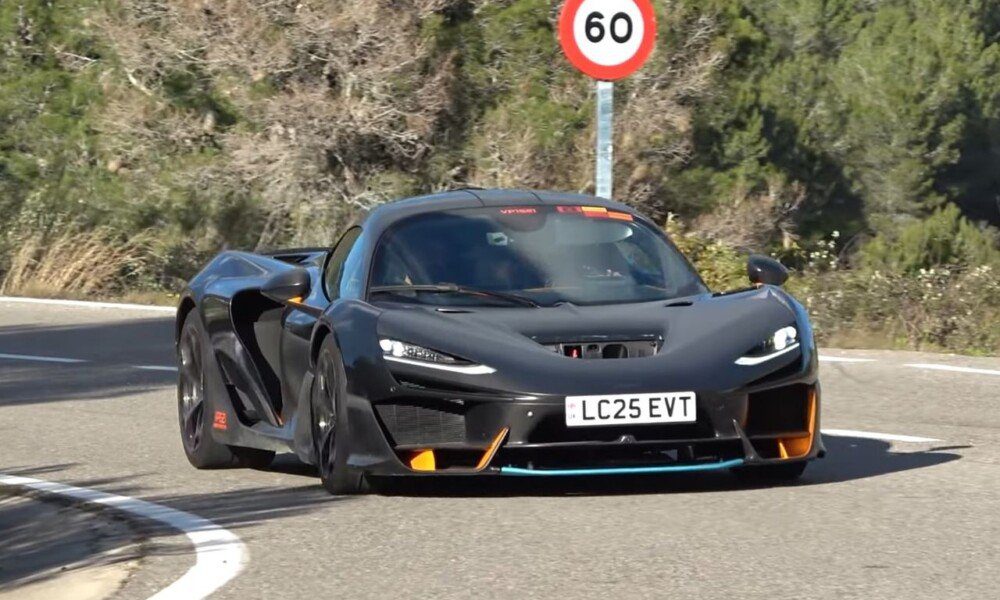
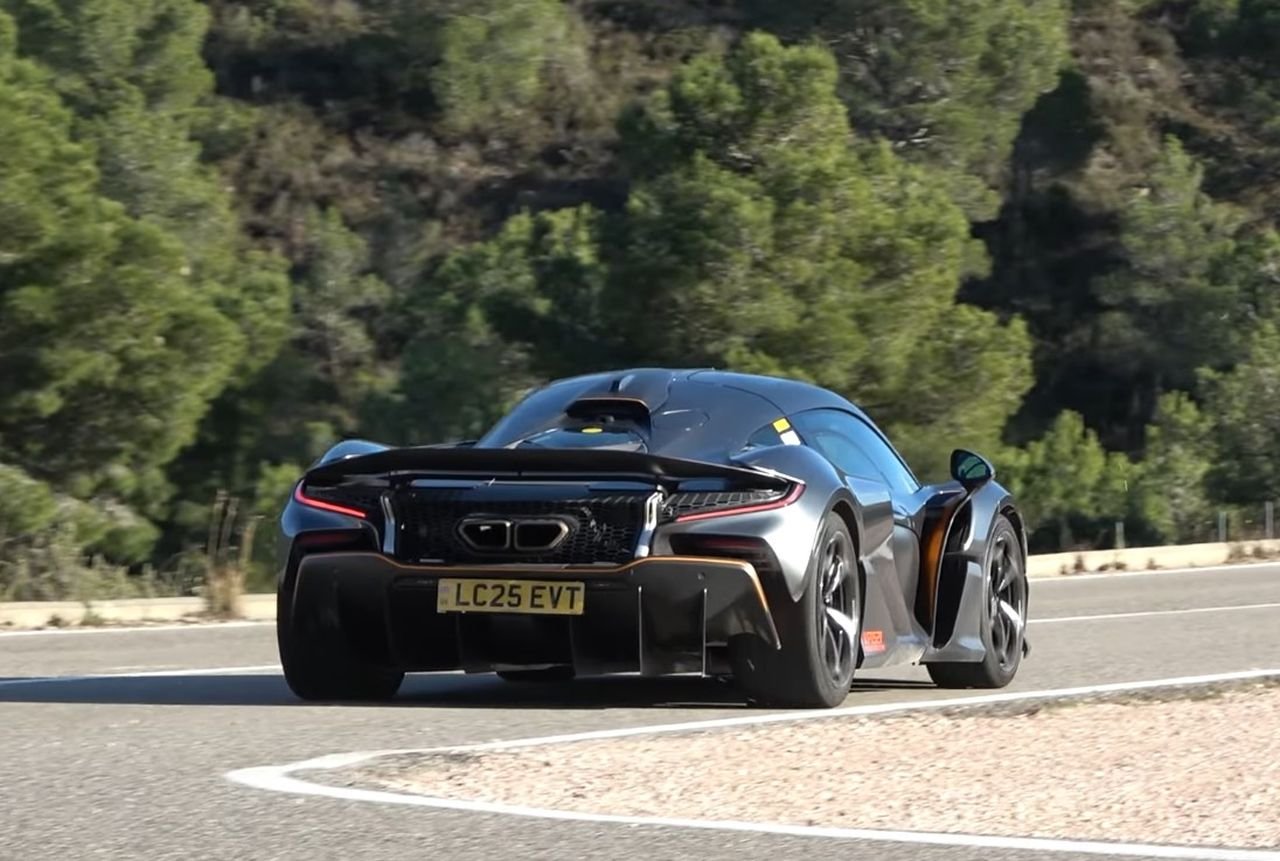
A McLaren W1 has been spied testing once again, this time, somewhere in Spain. The hypercar was spotted driving at a brisk pace on a twisty public road.
The W1 is McLaren’s next-gen hypercar and the successor to the P1. The carmaker has even adopted a similar recipe when it comes to the W1’s powertrain. It features an all-new 4.0-litre V8 engine paired with a hybrid system, producing 1,258 hp and 988 lb-ft of torque.
The W1 is based on a lightweight carbon fibre monocoque. It weighs just 1399 kg, resulting in a power-to-weight ratio of 911 PS per tonne. McLaren also claims that the W1 can sprint from 0-124 mph in 5.8 seconds.
McLaren has been putting the hypercar to the test in various conditions. Last year, it covered over 3000 miles in the sweltering heat of Arizona. It has also been tested in the sub-zero temperatures of the Arctic.
General Motors is gearing up to shake up the pickup truck segment this year. In the company’s latest earnings report for 2025, it confirmed that new Chevrolet Silverado and GMC Sierrapickup trucks will be revealed later this year. The current Silverado and Sierra first went on sale in 2018, making them older than all key rivals besides Ram’s 1500. Even so, combined sales of the Silverado and Sierra led the full-size segment last year. Here’s a look at what we can expect from the 2027 pickups.
Familiar Looks, New Engines
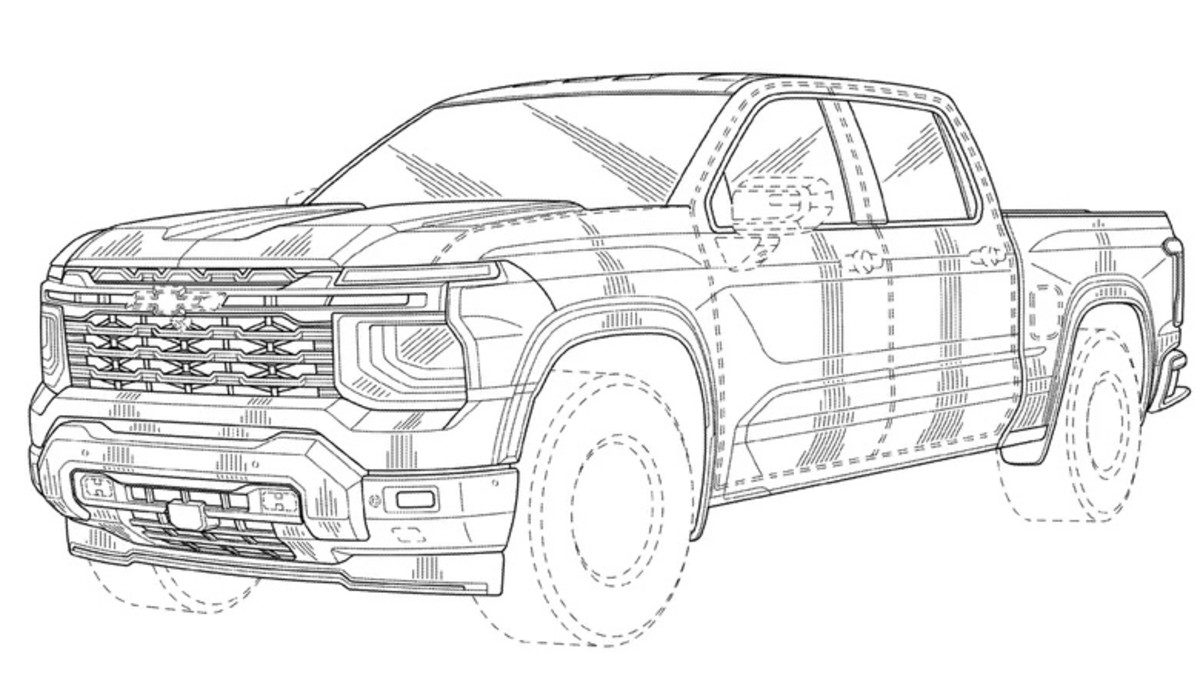
2027 Chevrolet Silverado – patent design sketch
Chevrolet/USPTO
In patent filings uncovered late last year, the design of the all-new Silverado may have been previewed, but sketches in the patent filing aren’t necessarily indicative of future production designs. Still, what we can see looks very much like a more modern Silverado with a squared-off front fascia and a C-shaped design for the headlights. Twin bulges on the hood and dual exhaust cut-outs are also visible.
More importantly, the Silverado (as well as its Sierra cousin) will retain V8 power. The Gen 6 pushrod-driven small-block V8 is expected to debut in both pickups, and GM will allegedly be specifying thicker oils to address reliability issues experienced with the current crop of V8s. GM’s existing turbocharged four-cylinder engine should power more basic versions of the trucks, too.
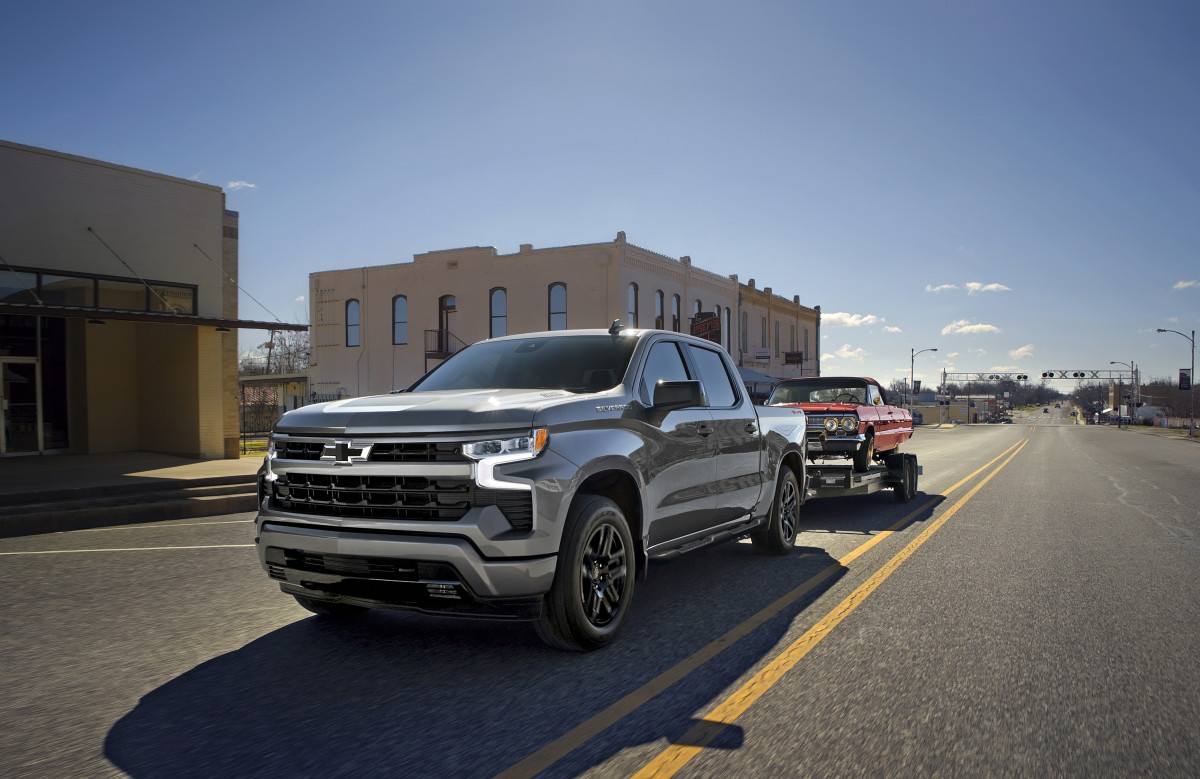
2026 Chevrolet Silverado 1500
Chevrolet
While it’s not known if the current turbodiesels will continue, buyers after a more efficient option should expect a hybrid of some kind. In a report from 2025, a plug-in hybrid powertrain was said to be under development for the Sierra. However, this electrified option may only debut in 2027, after the new trucks are revealed this year. A hybrid option will provide a direct competitor to the Ford F-150 PowerBoost and Toyota Tundra i-Force Max hybrids.
In terms of suspension, many rivals now have a coil spring rear suspension that improves ride comfort. This could be another change for the GM trucks.
More Upscale Interiors With Larger Displays
2022 GMC Sierra
GMC
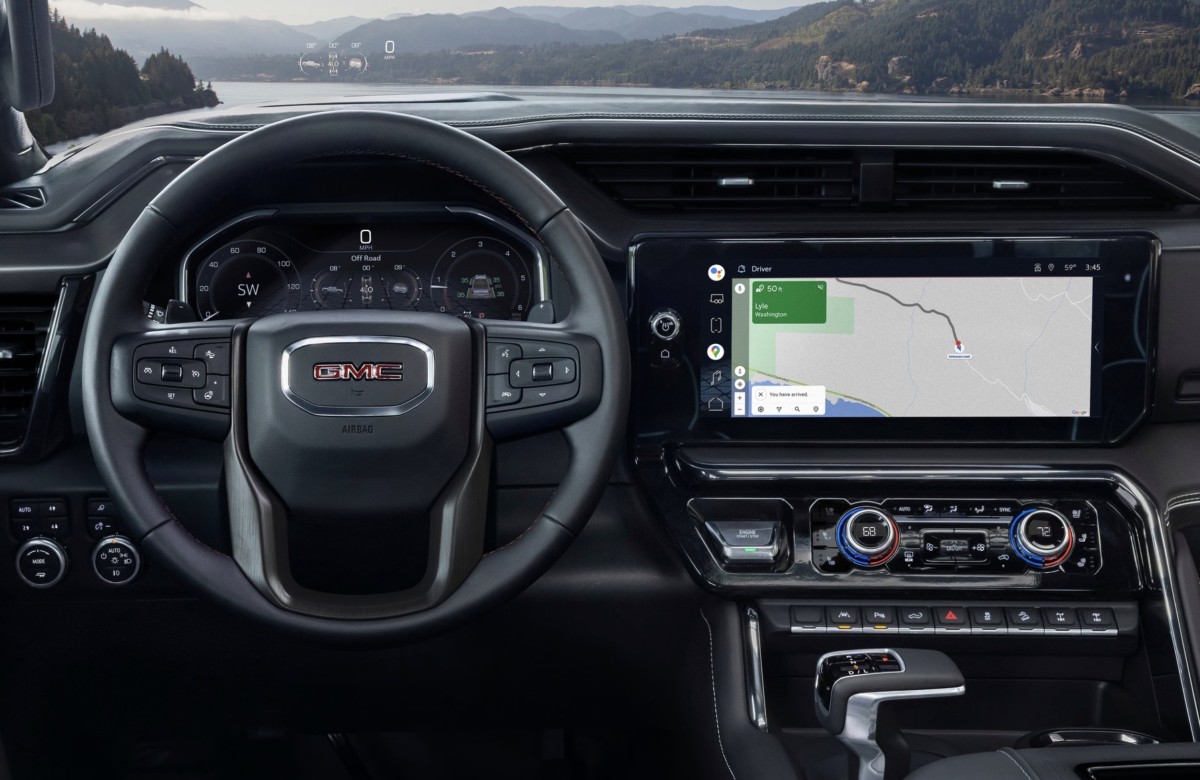
Inside, we expect the GM pickups to adopt a more screen-heavy layout than the current models. According to some spy shots floating around the web, the dashboard will have a layout similar to some Cadillacs, which suggests a possible 33-inch widescreen display. Both pickups should get more plush materials, especially on upper trims, but the Sierra will once again be positioned as the more luxurious of the two.
Although no other information has been confirmed by GM, we fully expect the new trucks to come with class-competitive towing/payload capabilities, Super Cruise hands-free driving, and several off-road trims, building on current trims like the Silverado LT Trail Boss. The most expensive version will likely be the Sierra Denali.
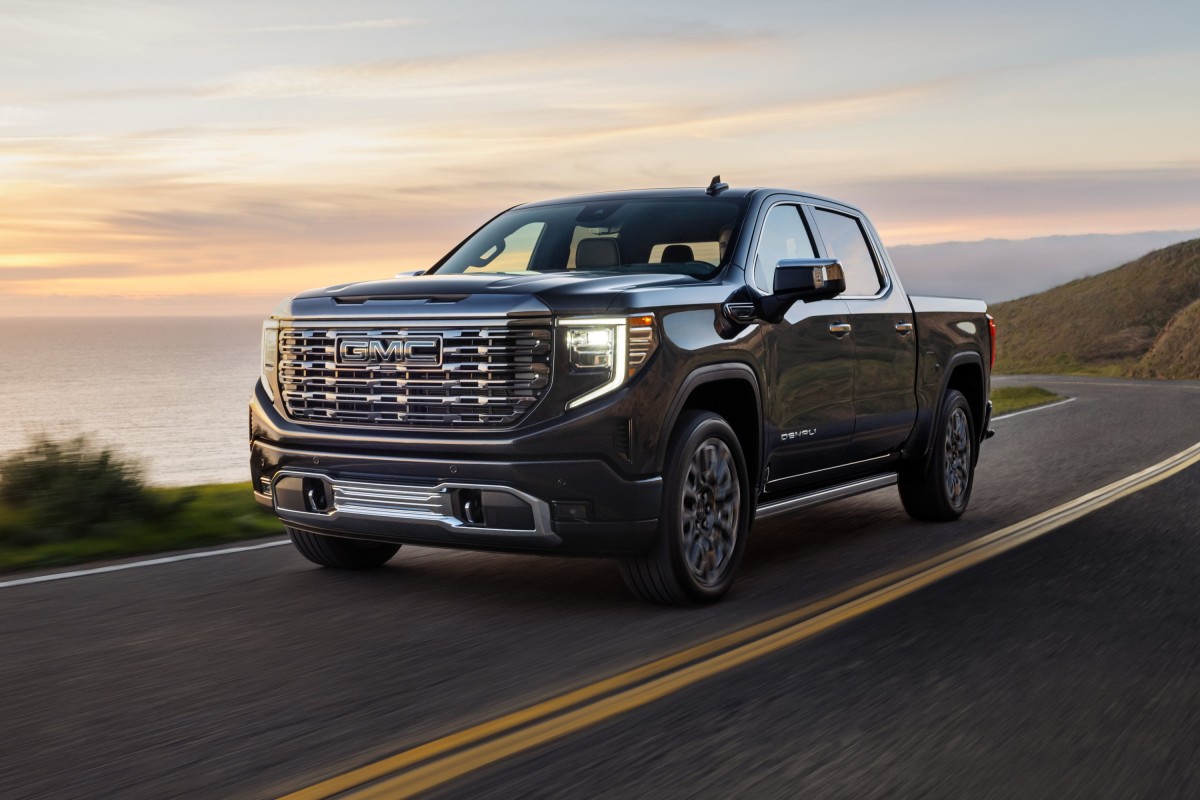
2026 GMC Sierra Denali Ultimate 1500 Crew Cab Short Box
GMC
We expect both trucks to start at over $40,000 for the first time—current models have a starting MSRP of just below this.
Regardless of GM’s progress in the EV segment, its pickup trucks are still its bread and butter, so expect the new Silverado and Sierra to challenge for class-best honors.
The Volvo EX30 and EX90 had a lot of software issues, in part because they were the brand’s first software-defined vehicles.
The forthcoming EX60 will use the same fundamental software as the EX30 and EX90, just with some new capabilities.
That should make it a much smoother launch. But if you’re not ok with teething issues, you may still want to wait, as most software-defined vehicles have launched with bugs in the past.
The transition to software-defined vehicles hasn’t been easy for anybody. But in a sea of struggling companies, Volvo is among the most bruised.
Its all-electric EX30 and EX90 were heavily delayed by software issues, yet still arrived buggy and unfinished, forcing Volvo to spend much of last year quashing bugs over-the-air. Screens were glitchy, the keyless entry systems often failed, and in a few harrowing cases, the vehicle lost power on the highway. Consumers and dealers revolted, setting the company’s brand image and electrification plans back significantly.
“This was a tough process,” re-appointed Volvo CEO Håkan Samuelsson told reporters during the launch of the electric EX60. But the past is the past, he insisted. With the EX60, Volvo’s most important EV ever, it won’t happen again. Here’s why, and whether you should believe him.
Photo by: Volvo
(Full Disclosure: Volvo flew me to Stockholm, Sweden for the launch of the EX90. I was given lodging and, as part of a group, access to executives for interviews.)
A Big Change
Consumers who are surprised by EV teething issues often don’t realize how different the design and production process can be. Vehicles like the Volvo EX90, Tesla Model Y and Rivian R1 are what experts call “software-defined vehicles.” This doesn’t just mean they have sleek screens and snappy software; it’s a new approach to building vehicles, pioneered by Tesla.
Car companies have typically farmed out production of most of their parts to external suppliers. For hardware, that makes sense, and it’s still how most brands operate. But adopting the same process for software has led to a confusing mess of sub-systems that can’t talk to each other. The supplier of the system that handles keyless entry and ignition is different from the one that builds the window control logic, and they can’t talk to each other. The future is a lot more interconnected.
“Level one is this domain-based system, which has served us extremely well, where you essentially build a car [by] connecting independent systems: braking, steering, ADAS, etc, and then pretty rudimentary communication between the systems,” Volvo Chief Technology Officer Anders Bell told reporters at the EX60 launch.
As automakers add more features to a conventional architecture, a domain-based approach integrating separate sub-systems introduces constant bottlenecks.
“You’re building more and more and more and more complexity […] the more functionality you add, the more complexity you add. This is a massive reset on that button,” he said, referring to the company’s new software approach. “We can’t keep on doing it [the old way] because it doesn’t benefit the customer.”
Teslas, Rivians, EX90s and other new EVs have moved beyond that original domain-based approach. With “software-defined vehicles,” the automaker controls the entire software stack of the car, including owning the software that runs its various sub-systems. They design their own zonal architectures.
That has a large number of benefits: SDVs can be lighter, require less complicated wiring designs, can be made easier to diagnose and repair and require fewer proprietary components. The whole system is also easier to upgrade and enables cross-domain functionality, so that a camera for the advanced highway driving assistant can also be used for parking and security monitoring functions.
Photo by: Volvo
All of these benefits come with one major cost: they are far, far harder to develop. A car company used to only have to primarily worry about integrating the functions of different components; now it must design them from whole cloth, and ensure that future updates do not break those designs. But the payoff, automakers argue, is worth it.
“It’s going central, which is a big game changer, because you can be much faster, both in introducing new features and fixing problems,” Samuelsson said. “Instead of calling and begging somebody else to make a change, now we can just code the change ourselves. It’s really game-changing.”
154
Source: InsideEVs
Teething Issues
But turning a car company into a software company is a long and messy process.
Automakers buy software from highly specialized suppliers that certify and then ship a final product. Software companies build a stack from the ground up, get it to its nearly polished shape, ship it and then spend years supporting it, with bug fixes and feature releases.
The headaches with the EX90 included key-detection issues, screen blackouts and power-loss issues—the early mistakes of a new system design. The current software build is significantly more stable, and a free upgrade for EX90 buyers to the next-generation computer from the forthcoming EX60 should help smooth further development.
Photo by: Volvo
“I’m trying to be fair and help the customers who have had the EX90s,” Samuelsson said. A company spokesperson added that Volvo corporate had set up a program to cover dealer costs in taking care of EX90 customers, and the over-the-air addition of new functionality and bug fixes, as examples.
But the most important part is not repeating the mistakes. On this front, Samuelsson struck a confident tone. Despite running on a new architecture and with some upgrades over the EX90, the EX60 is starting from a more mature baseline. The hard part of the turnaround was building the core software base, and most of that will carry over from the updated EX90. The point is, Samuelsson isn’t expecting issues.
Photo by: Volvo
“It was mainly software [issues]. So, I mean, I’m not too worried about hardware. We’re always good with that,” the CEO said. “And when it comes to software and electronic architecture, that’s the part that has the most carryover. So after all the teething problems we’ve had, now the software package, I would say, is in good shape. That will be carried over into the new car.”
One Key Advantage
Samuelsson also has one reason to feel confident. While Volvo may have had a hell of a time launching its first true software-defined vehicle platform, that still puts it ahead of many brands, which haven’t launched SDVs. Many traditional automakers now have plenty of experience building EVs, but Volvo already beat all of them to the software-defined vehicle punch with the EX90. The rest will have to cross their own Rubicon. It may not be as wide as Volvo’s, but at least Volvo’s is, ostensibly, behind it.
“Now we have a central compute system where I think we are well ahead of the others,” Samuelsson said. As BMW, Mercedes, Honda, General Motors and others gear up to launch their first true SDVs, don’t be surprised if some of them run into teething issues, too. No one is getting this stuff right on the first try.
Photo by: BMW
Should You Believe Volvo?
Let’s be real: Every CEO is going to say that their company’s problems are in the past. But should you trust this one, and plunk down a reservation for an EX60?
The truth is that all-new products are always a gamble until they are here. Some are higher risk, some are lower risk, but all are inherently unknowable. We don’t know if a car is reliable or stable until it is released, and sometimes not until years after.
Photo by: Volvo
What I will say is that the EX60 appears to be less of a risk now. With the EX30 and EX90, Volvo was doing these things for the first time. Now, it’s doing them for the second or third time. That’s an improvement, but there may still be snags along the way.
If you’re ok with that, and understand that you may have to wait for software updates to patch launch-day issues, go ahead and put down a reservation. But if you don’t want to deal with teething issues, my advice is more dire: Don’t buy any all-new software-defined vehicle in the first year of production. Give them some time to fix the problems over-the-air.
Our free daily newsletter sends the stories that really matter directly to you, every weekday.
Is this the Toyota Highlander EV? Toyota took to social media this morning to share a teaser pic of something with some clear SUV/truck proportions and a full-width rear lighting signature. With little more to go on besides unofficial reports and some (admittedly high-quality) rumors, we’re inclined to say this is probably an all-electric variant of Toyota’s big family crossover.
I know what you’re probably thinking: “A Toyota EV? In this economy political climate?” But despite its hybrid-first philosophy, the Japanese automaker hasn’t completely sidelined its EV development programs. We’ve known that Toyota has been working an all-electric Highlander for a couple of years, but the exact timeline for production has remained up in the air.
Obviously, the world has changed a lot in the past few years. At one point, Toyota was slated to build two distinct electric SUVs in the U.S. (a two-row and a three-row). Originally, at least one of them was expected to go into production in in 2025. According to a later report, the two-row would have been built in Indiana and the three-row in Kentucky, but Toyota has since shifted things around to accommodate demand for the existing gas-powered Grand Highlander. When Automotive News confirmed those production updates with Toyota, the publication also noted that production of the new EV model was expected to being some time in 2026.
That brings us back to today’s teaser. There’s vanishingly little to see here, but enough to support the notion that this is the delayed electric Highlander. The low angle of the photo gives it some truck vibes, but the full-width LED stripe makes far more sense as a divider between the rear glass and sheet metal on a tailgate than it does for the upper lip of a truck bed. Sorry, folks; if you were hoping for a Maverick competitor, this probably ain’t it.
Toyota didn’t offer any hints as to when we might see a full reveal of whatever this is teasing, but we doubt we’ll have to wait long. Stay tuned.
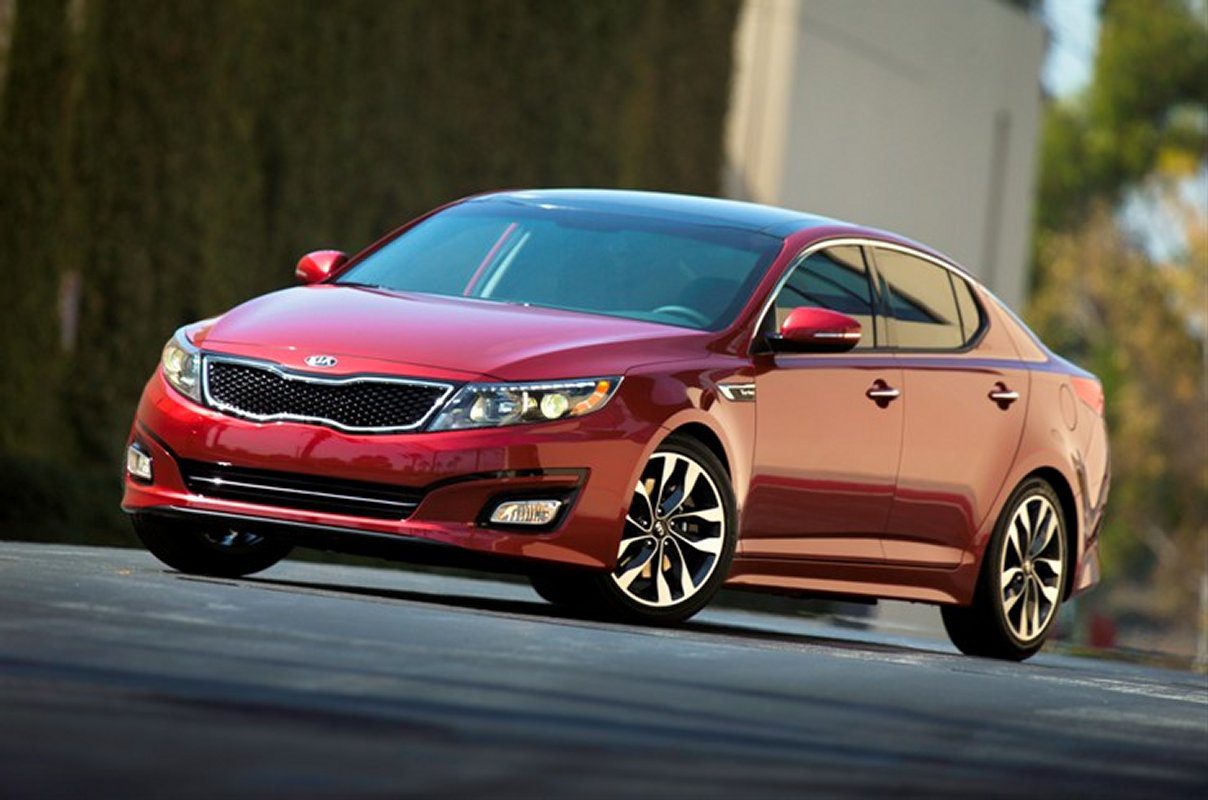
The Kia Optima hasn’t always been a model name you’d think to include on the same shopping list as the Honda Accord, Ford Fusion, Chevrolet Malibu, Volkswagen Passat, Toyota Camry, or Nissan Altima.
Just a few model years ago, the Kia Optima, like its cousin the Hyundai Sonata, had value going for it, but not much more. It offered lots of convenience features and a low price, but it was nondescript and somewhat derivative; competent but unremarkable in most ways; and not by any means at the forefront in performance, fuel economy, safety, or technology.
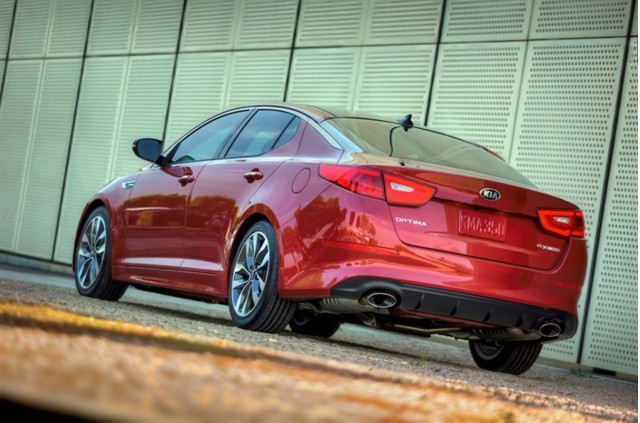
But the current version, introduced for 2011, then carried over with a few improvements to 2012 and 2013, might as well have been given a new model name (although we agree, the Optima name’s a keeper). With style and panache, the Optima covers all the bases, with an available Turbo model, a high-mileage Hybrid in the lineup, and even a luxurious top-of-the-line SX model.
Want to know more about the Optima? You’ve found one of the best go-to points anywhere for that. You’ll want to bookmark this page if you’re the type who does car-shopping research obsessively. Simply click here to find the latest full review of the Kia Optima, or here for an entire summary of Kia Optima news.
Of course, you’ll want to dig through our in-depth review coverage here at The Car Connection, watch our video road test, and see how the Optima stacks up with the competition:
———-
The Kia Optima Hybrid has been surprisingly good for a first hybrid effort from the automaker. From both our site and our companion site, Green Car Reports, here are some driving impressions, as well as talk about its real-world and not-so-real-world gas mileage, plus a round of improvements for 2013:
———-
Note that there was some controversy over the Optima’s mileage; but those adjusted numbers are right on track:
Hyundai, Kia Owners Seek $775 Million Over Fuel Economy Fibs
EPA Red-Flags Hyundai Elantra, Kia Sorento, 11 Others For Gas Mileage Ratings
———-
Kia chose to upgrade the Optima for 2012 with a new top-of-the-line SX model; meanwhile it decided to assemble the Optima in the U.S.:
2012 Kia Optima SX Limited: 2012 Chicago Auto Show
2011 Kia Optima Beats Honda Accord In CR Family-Sedan Test
2012 Kia Optima To Be Assembled In The U.S.
———-
If you’re considering the Optima as a used car, our original coverage of the then-all-new 2011 Optima is a good starting point:
2011 Kia Optima: First Drive
2011 Kia Optima: UVO Allows Hands-Free Calling, Audio Features
———-
And for a little entertainment, you might want to check out this marketing- and advertising-related Kia Optima news:
Kia And Blake Griffin Take Dunk Commercial To Next Level
Blake Griffin Auctioning Dunked-Over 2011 Kia Optima For Charity
Kia To Give Away Five 2011 Optimas In One Epic Contest Super Bowl Promo
Kia Launches Optima Hybrid Myth Busters Facebook App
2014 Kia Optima
___________________________________________
Follow The Car Connection on Facebook and Twitter.