Author: admin

  • Ezra Dyer’s 2025 Automotive Year in Review

    Ezra Dyer’s 2025 Automotive Year in Review

    Has it been a year already? Why, it feels like just yesterday that I was celebrating my acquisition of a Subaru WRX, and now that car is on its second set of brake pads. Not because I put a lot of miles on it, but because some of its miles were logged at Virginia International Raceway (VIR), where it put in a respectable showing on the Grand Course. It would have been even better if I chipped it up over 300 horsepower, but with my older kid now driving on his permit, I think 271 horses is more than sufficient.

    In the past year I also sold my Daihatsu Rocky and bought a 2000 Land Rover Discovery, transactions that made me sad and haven’t made me sad yet, respectively. And I’ve also driven lots of new cars and written plenty of reviews, but some observations and discoveries never make it into a story but are nonetheless news I think you can use—for instance, it wasn’t until after the first drive of the 2026 Dodge Charger Scat Pack that I realized it has a secret flap under the right floor mat marked “VIN.” What’s that all about? I’ll tell you that and more, in this, my 2025 Year In Review.

    Prove Me Wrong: The Subaru Forester Is a Historic Anomaly

    subaru forester engine

    Ezra Dyer|Car and Driver


    I drove the 2026 Subaru Forester Wilderness, and its leisurely acceleration off the line got me thinking about the 2003 Forester 2.5 XT, which served up a 5.3-second 0-to-60-mph time when we tested it. As its name implies, that old Forester used a 2.5-liter turbocharged engine that made 210 horsepower and 235 pound-feet of torque. Meanwhile, the 2026 Forester’s 2.5-liter naturally aspirated four makes 180 horsepower and 178 pound-feet of torque. (The Forester Hybrid is the most powerful model in the lineup, at 194 horsepower.)

    Now, you can argue that Forester buyers don’t really care about muscle, and I’m sure Subaru’s done research to that effect, but can you think of another car this century that had more horsepower 23 years ago than it does now? I’ve told our crack fact-check team to stand down, and I myself haven’t dug into this beyond mild brow-furrowing while trying to think of old cars, but it seems like the Forester is unique in its downward horsepower trajectory. In fact, if we go back 20 years, the horsepower delta was even greater with the 230-hp 2006 Forester 2.5 XT Limited. If this alarming trend continues, the 2046 Forester will be down to 130 hp, the same as a standard 1991 Legacy but less than the 1991 Legacy Sport Sedan. Which also was quicker to 60 mph than the 2026 Forester.

    Underrated EV Trick: Front-End Light Shows

    Image no longer available

    Because EVs don’t need grilles—neither do most internal-combustion cars, but forget about that for a moment—that front-end real estate is a fresh palette for creativity. What do you do with a car’s face when it’s not dominated by a grille? Well, you make it the setting for a killer light show, for one thing. GM is really good at EV nighttime drama, as epitomized by the GMC Sierra EV’s Vegas-on-Wheels routine when you unlock it. The DRLs do a routine I’d call “waterfall to reverse-waterfall,” followed by the outlining of the vestigial grille and finally the GMC logo coming to life one letter at a time. Dancing lights add some concept-car pizzazz to the everyday driving experience, and if you’re looking for concept-car pizzazz in your life, this is certainly safer than buying a used Viper.

    Underrated EV Trick Number 2: The Mobile Generator Move

    kia ev6 running a plugged in saw

    Ezra Dyer|Car and Driver

    The ability of some EVs to provide mobile electric power is, I think, underappreciated. So I try to demonstrate V2L (vehicle to load) whenever possible, because I think it’s awesome that a car can also serve as a small power plant. There are limits, of course, as I discovered when I rolled up to a job site with a Kia EV6 and offered to run a saw via its V2L capability. The outlet under the rear seats is rated at 120 volts/16 amps, so I figured that would be robust enough until I laid eyes on the Skil saw they were running off a portable Predator generator. It looked big enough to carve a redwood into kindling and proved more than the EV6 could handle—it spun up momentarily and then tripped the V2L circuit into overload. But I’d introduced the concept, anyway. One guy commented, “Wait till the Amish hear about generators on wheels.”

    The Nissan VC-Turbo Is Proving Itself More Reliable Than You Might Think

    nissan vc turbo engine

    Ezra Dyer|Car and Driver

    I recently tested a 2026 Nissan Murano, and as soon as I started driving, I recognized the VC-Turbo’s signature power delivery, which makes a car feel like it’s being shot from an extremely long rubber band. The “VC” in the engine’s name refers to its variable compression ratio, which is enabled via two-piece connecting rods that can change the engine’s stroke on the fly. Naturally, this is a more complex setup than you’d find in an engine with a fixed compression ratio, but Nissan always envisioned the VC-Turbo as a mass-market engine rather than an exotic showcase of technological prowess, and as such, it’s been used in Rogues, Altimas, the Infiniti QX50/QX55, and the Murano, in both three-cylinder and four-cylinder forms.

    Now, Nissan did do a recall of 443,889 pre-2023 VC-Turbos for potential bearing failure, but the recall was based on a relatively small sample of actual warranty claims (fewer than 900) and mostly amounted to “the dealer will look at your car, and your warranty will be extended to 10 years or 120,000 miles.” I asked Nissan how many VC-Turbos have been produced thus far at its Decherd, Tennessee, plant, and learned that as of early December, that number stood at nearly 780,000 engines. With GM struggling with its 6.2-liter V-8 and Toyota dealing with failures of its 3.4-liter V-6, the VC-Turbo is notable for not being notable these past three years.

    A quick peek at our handy Marketplace turns up VC-Turbos with plenty of mileage, like this 2023 Rogue with 186,000 miles. I wouldn’t be afraid of that, though I might be wary of an Altima with the VC-Turbo. Not because of the VC-Turbo part of that, but because of the Altima’s thirst for mayhem.

    Tesla Chargers Rule, But There Are Challenges

    ford lightning at a tesla charger

    Ezra Dyer|Car and Driver

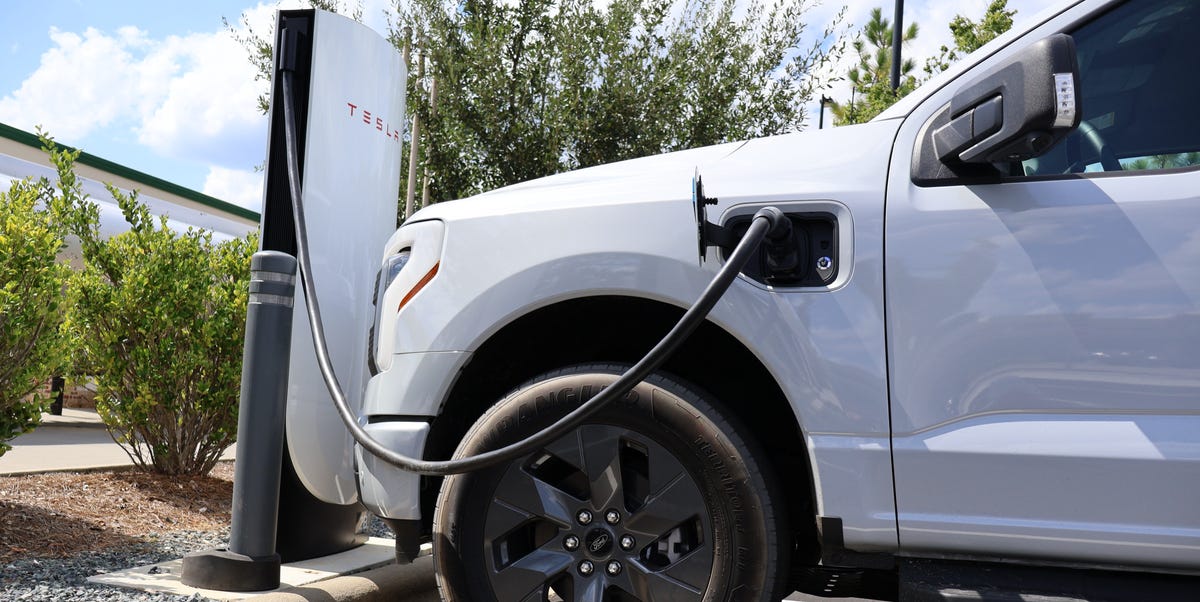
    Last summer, a row of Tesla Superchargers appeared in the parking lot of one of my local supermarkets, just in time for North American Charge Standard compatibility to spread across the EV ecosystem. The first non-Tesla I took there was a Ford Lightning Flash, and I immediately discovered a flaw in the brave new world of universal charge standards: The Lightning was designed without Superchargers in mind, and thus its charge port is in a terrible spot. Actually, its charge port location—on the back part of the front fender, ahead of the driver’s side door—is bad for most chargers, but especially for Tesla’s, with their stubby cords. To plug in the Lightning, I had to put the front bumper nearly up against the charger. I assert that all charge ports should be on a corner of the vehicle, as far forward as possible, to mitigate this problem.

    I also noticed that not all cars charge equally at the Tesla chargers. Of course, not all cars charge equally, period, but most vehicles (like the aforementioned Sierra EV) pulled more than 150 kW once the juice got flowing. But on three separate visits with a Lucid Air Touring, different chargers all settled in at a piddling 47 kW and stayed there. Putting on my conspiracy-theory hat, could Tesla be dialing back the charge speed for competitors? Maybe I should ask Grok.

    I Got Spoiled for All Driving Simulators

    simcraft driving simulator

    Ezra Dyer|Car and Driver

    Last spring, I attended the Heritage Invitational concours at the Ten Tenths Club in Charlotte. Besides seeing two Ones (AMGs, that is) parked next to each other, I got to try a Simcraft Apex GT driving simulator. And now I’m spoiled. I can’t go back to my fixed seat and Fanatec wheel, for I have scaled the heights of driving simulation and witnessed the possibility of barf-free virtual racing.

    Image no longer available

    The sim at Ten Tenths had six degrees of freedom, meaning it could move in any way that a car would, smoothly simulating whichever g-forces corresponded with your on-screen driving. Thus, I was able to drive without a hint of the uncanny valley inner-ear discord I’ve experienced with every other simulator, including the lavish Ford Performance one in Charlotte. The Simcraft, which has a base price of $99,900 in Apex 6 form (simulating roll, pitch, yaw, surge, sway, and heave), is evidently popular with well-heeled race drivers. But owners don’t tend to talk about their Simcraft, because it essentially allows unlimited practice time, which some might construe as an unfair advantage.

    I think that one of these would really take the Car and Driver office Forza league to the next level. We can keep it at my house.

    I Affirmed Why Car Dealers Hate EVs

    volvo ex90 service interval screen

    Car and Driver

    I was driving a Volvo EX90 EV and wandered onto the onscreen menu that included the upcoming service schedule: 557 days or 17,040 miles. This is the reason why car dealers cheer any effort to steer the mix toward internal combustion—not because of their stated reason of consumer choice, but because they want to do oil changes and replace air filters, mufflers, fuel filters, and transmissions, among much else. The EX90’s “see you in a couple years for my tire rotation!” service reminder tells the tale. Somehow, I think car dealers will be OK. Optimist that I am, I figure that even when we’re all driving solid-state hovercars with no moving parts, the people will still need their ceramic coatings renewed and glass etching buffed, right?

    I Saw a VinFast in the Wild

    vinfast vf8

    Ezra Dyer|Car and Driver

    vinfast empty office

    Ezra Dyer|Car and Driver

    After writing our review of the VinFast VF8, I had my doubts about the company’s planned factory in North Carolina. Those doubts calcified after I was supposed to have a meeting with VinFast executives at their Raleigh headquarters, only to be stood up—they missed a flight connection or something, and nobody told me. I did go to their (locked) offices, which looked like an abandoned WeWork space in a building downtown. But VinFast pushed its wares fairly aggressively in North Carolina, with $250-per-month leases on the VF8, so you see them around now and then, reminders of what might have been. Thus concludes the last time I’ll write about VinFast, unless I see one parked next to a Fisker Ocean.

    Speaking of VINs . . .

    label indicating the vehicle identification number location

    Ezra Dyer|Car and Driver

    I was shaking out the passenger-side floor mat of a 2026 Dodge Charger Scat Pack when I noticed a curious flap on the carpet underneath, labeled “VIN.” What could it mean? Did Vin Diesel autograph this car? Curious, I pulled up on the flap, which was loosely sewn down with a couple stitches of thread, to find the car’s vehicle identification number stamped on the floorpan beneath.

    dodge charger vin flap

    Ezra Dyer|Car and Driver

    Sometimes, car reviewing requires putting yourself in the mindset of a toddler and pointing at something and asking, “What that?” So that’s what I did. And Dodge looked into it and informed me that the under-carpet VIN is a homologation requirement for other countries, so we get it too. I know what you’re thinking: The Charger is sold in other countries? Indeed, and it’s evidently quite popular in the Middle East. And might be even more so once they slam a V-8 into it, but that’s a thought for next year.

    Headshot of Ezra Dyer

    Ezra Dyer is a Car and Driver senior editor and columnist. He’s now based in North Carolina but still remembers how to turn right. He owns a 2009 GEM e4 and once drove 206 mph. Those facts are mutually exclusive.

    Source link

  • Used TVR Griffith (Mk2, 1992-2002) buyer’s guide: a great sports car if you choose with caution

    Used TVR Griffith (Mk2, 1992-2002) buyer’s guide: a great sports car if you choose with caution

    Unfortunately you can’t buy a TVR Griffith through our Find A Car service, but there are plenty of other sports cars available. You can buy a used BMW Z4 for just over £12,000 or even a used Alfa Romeo 4C Spider for just over £46,000.

    Check the price of a TVR Griffith with our free car valuation tool…

    Which one should I buy?

    The most sought after Griffith is the 500 SE, of which 100 were made. So if you’re buying for long-term ownership with one eye on investment, that’s a good bet.

    However, there’s always a buyer for a really well looked after Griffith, so anything in really superb condition is a good option; pay less at purchase time and you’re likely to end up spending a fair bit in maintenance over the years.

    Advertisement – Article continues below

    When these cars were new, many reckoned that the 5.0-litre car had too much power, with the smaller engines plenty quick enough; even the 4.0-litre does 0-60mph in around five seconds, but overall, the 4.3-litre editions offer the best balance of performance and affordability.

    All Griffiths came with electric mirrors and windows, and a radio/cassette, but headlamp washers, metallic or pearlescent paint, a tinted windscreen and full leather trim were all extra-cost options.

    On the road

    With a minimum of 240bhp and a kerbweight of around a ton, scintillating performance is standard whatever the engine. Searing acceleration is yours for the taking, but this is no one-trick pony because perfect weight distribution means excellent agility, while the brakes are very reassuring if in good condition.

    Source link

  • Solar panels to boost Nissan Ariya range

    Solar panels to boost Nissan Ariya range

    ENGINEERS from Nissan’s Advanced Product Planning team in Dubai and Powertrain Planning team in Barcelona have developed an Ariya-based concept model that features an impressive 3.8m2 of high‑efficiency photovoltaic (solar) panels.


    Integrated into the bonnet, roof, and tailgate, the polymer- and glass-based panels convert sunlight into DC power, which is managed via an “advanced controller” Nissan says “optimises energy use” while “reducing reliance on external charging infrastructure”.


    While the concept isn’t new, with Toyota fitting a photovoltaic panel to the sunroof of its Prius petrol-electric hybrid between 2010 and 2015, the Nissan system delivers considerably higher output to unlock what it says is “new EV freedom”.


    Nissan says that real-world testing reveals up to 23km of additional driving range can be drawn from solar power alone (in ideal conditions), assisting charging frequency by a claimed 35- to 65 per cent, depending on vehicle usage.


    The Japan-based manufacturer says on-board generation has “powerful implications for regions with limited infrastructure”, adding that drivers “could enjoy longer intervals between charges”, leading to both “greater autonomy and lower ownership costs” simply by parking in the sun.


    “The solar-powered Ariya concept embodies Nissan’s belief that innovation and sustainability must move forward hand-in-hand,” said Nissan AMIEO vice president of e-powertrain and internal combustion engine powertrain Shunsuke Shigemoto.


    “By exploring how vehicles can generate their own renewable energy, we are opening the door to new opportunities for customers – greater freedom, reduced charging dependency, and a cleaner future.


    “This concept is not just a technical milestone, it’s a vision of how Nissan intends to lead the next phase of electric mobility,” he hinted.

    Source link

  • 10 Must-See Luxury Vehicles For Sale at FariCars
– duPont REGISTRY DriftBreath

    10 Must-See Luxury Vehicles For Sale at FariCars – duPont REGISTRY DriftBreath

    FariCars has built a name for itself as a leader in custom luxury conversions, crafting builds that bring a new meaning to comfort and sophistication. Featured here on duPont REGISTRY, FariCars’ inventory shows off everything from the Cadillac Escalade ESV to bespoke Mercedes-Benz Metris and Sprinter builds, each one transformed into an ultra-high-end mobile retreat. For those who expect more from their time traveling on the road, FariCars turns everyday commuting into an unforgettable experience.

    What sets FariCars apart is its dedication to personalization and craftsmanship. Each conversion is approached as a one-of-a-kind project, designed around the client’s wants, needs, and vision for travel. From rich hand-stitched leathers to sleek wood veneers and the latest in onboard tech, the interiors of these builds are far more than functional; they’re 5-star. Think mobile executive suite, luxury lounge, and personal sanctuary all rolled into one. Whether it’s a custom Escalade ESV or a reimagined Sprinter, every build echoes an attention to detail that makes travel feel less like a privilege.

    By combining Mercedes-Benz and Cadillac platforms with bespoke craftsmanship, FariCars has become the benchmark in luxury mobility, offering those who settle for nothing less than the best a way to redefine every mile.

    All FariCars Inventory


    2022 Cadillac Escalade ESV

    View Listing


    2023 Mercedes-Benz Metris

    View Listing


    2025 Cadillac Escalade ESV

    View Listing


    2023 Mercedes-Benz Metris

    View Listing


    2024 Mercedes-Benz Sprinter

    View Listing


    2023 Mercedes-Benz Metris

    View Listing


    2024 Cadillac Escalade ESV

    View Listing


    2023 Mercedes-Benz Metris

    View Listing


    2022 Mercedes-Benz Sprinter

    View Listing


    2023 Mercedes-Benz Metris

    View Listing


    Source link

  • How Much Does It Cost to Ship a Car in 2026?

    How Much Does It Cost to Ship a Car in 2026?

    Quick Facts About Car Shipping Costs

    • Vehicle shipping price quotes cover a broad range, and many factors affect the cost, but a rule of thumb is $1 per mile for a typical car shipped to a destination 1,000 miles away.
    • Driving is almost always cheaper than transporting an automobile after purchasing from far away or shipping your car as part of a long-distance move.
    • Shop around, seek recommendations, and verify the credentials of potential shippers. The lowest quote might not be the best deal, and just because a shipping company has the highest prices doesn’t mean it provides the best service.

    Several factors can influence the cost of shipping a car, but you can expect to pay an average of $1,020 or $1.02 per mile to transport a vehicle 1,000 miles.

    Using car carriers to transport vehicles over long distances is an option for people buying cars from another state or relocating to a new region, as well as for snowbirds escaping cold winters to warmer climates. For many, the cost of shipping a car outweighs the burden of a multi-day drive and vehicle wear and tear.

    Continue reading to learn what variables contribute to the overall expense of shipping a car. We’ll provide tips on saving money, offer advice on selecting a long-distance transport company, and outline what to expect during the shipping process.

    Factors Affecting Car Shipping Costs

    The cost of shipping a car can vary based on several factors:

    Distance. The most significant factor is the distance between the pickup and delivery locations. Greater distances generally cost more, but the cost per mile is less on long hauls than on shorter hauls.

    Vehicle size and weight. Larger vehicles, such as full-size trucks, minivans, and SUVs, are more expensive to ship than smaller automobiles because the car carrier must use more fuel to haul the additional weight.

    Shipping method:

    • Open transport. Transporting cars on an open carrier is the most common and cost-effective vehicle shipping method. It’s suitable for most automobiles, including pickups, SUVs, and minivans.
    • Enclosed transport. Owners of luxury, classic, or exotic cars often opt for an enclosed trailer for protection from weather and road debris. This pampered method is more expensive than open transport.

    Season. Demand for car shipping services fluctuates throughout the year. Generally, brokers say the busier half of the year is April through September. Prices can be higher during peak periods in the summer when more people relocate.

    Pickup and delivery locations. Shipping to or from rural areas not on interstates or major highways can increase costs. Pickups and drop-offs in urban areas often, but not always, have more competitive rates.

    Vehicle condition. Undriveable vehicles require special equipment and handling, which increases the cost.

    Speed of delivery. Expedited shipping services cost more than flexible delivery times.

    Typical Costs

    If you finally locate the car you’ve been searching for, but it’s listed with a private seller or dealership hundreds of miles away, be sure to include shipping costs when calculating its affordability.

    Vehicle shipping prices vary. Every situation is unique. Still, this chart shows the average cost of shipping a car, based on the rates quoted from eight transport companies. We asked the shippers how much it costs to carry a 2025 Honda Accord from Orlando to Atlanta, New York City, and Los Angeles. Here is the range and average of price quotes we received for shipping the car to those destinations 500 miles, 1,200 miles, and 2,000 miles away.

    CAR SHIPPING COST ESTIMATE

    Distance Quote Range Average Cost $ Per Mile
    500 miles $650–$890 $751 $1.50
    1,000 miles $800–$1,350 $1,020 $1.02
    2,500 miles $1,050–$1,800 $1,406 $0.56

    Estimates reflect standard open carrier vehicle transport averages.

    Enclosed transport can add 50% or more to the cost of shipping a car.

    Shipping a Car to Hawaii

    My friend moved to Hawaii from Los Angeles last year and shipped two vehicles. The small coupe and midsize pickup cost about $5,000 to transport and took nearly three weeks to arrive. That transit time includes a week from the Long Beach port to Honolulu, several days to get the cars off the ship, a week of waiting for a scheduled sailing to a neighboring island, and a day to unload that ship.

    MORE: How To Buy a Car From Out of State

    Is Shipping a Car Worth the Price?

    People choose to ship cars for various reasons, and the process has pros and cons. Sometimes, shipping is necessary, but it can also be a convenience with a substantial price tag. Some drivers jump at the chance to take a road trip, while others don’t want to spend more than an hour in a car.

    One thing is certain. Driving is almost always less expensive. Still, you should evaluate those costs when deciding between shipping vs. driving. Consider the expenses of driving our Accord example on a 1,000-mile relocation trip.

    Gasoline. At 32 mpg combined, the 2025 Accord would use about 31 gallons of gas to drive 1,000 miles. That much fuel costs about $87 at today’s nationwide average price of $2.82 per gallon.

    Tolls. In some regions, you’ll need to pay to drive on turnpikes, utilize express lanes, cross bridges, or pass through tunnels. Set aside $25 for those expenses.

    Lodging. Planning for one night at a budget motel at a highway or interstate exit can easily add $100 to the trip cost.

    Food and drink. You’ll be away from your kitchen, so budget for meals, snacks, and beverages.

    Wear and tear. It’s impossible to put a dollar amount on the wear caused by driving 1,000 miles. But it gets you 1,000 miles closer to an oil change and takes that many miles of tread off your tires.

    Mileage. Another potential expense adds to the bottom line if leasing the car: Excess mileage. Suppose the lease allows 10,000 annual miles. This two-day drive will account for 10% of the annual mileage allowance. Assuming there’s a 20-cent per mile penalty at the end of the lease, excess lease miles for this trip would cost $200. If buying, the additional miles from a lengthy trip may impact the car’s Kelley Blue Book value a tiny bit.

    Time. How much is your time worth? Will you need to use vacation time or unpaid time away from work to drive your car instead of shipping it?

    Travel. If you buy a car from a distant seller, how will you get to the car to then drive it home?

    The tally of these expenses is roughly $500, about half the average cost of shipping a car 1,000 miles, but the costs can vary based on these factors.

    MORE: Car Maintenance Guide: Everything You Need to Know

    Tips to Save Money on Car Shipping

    Compare quotes. Remember that the least expensive quote doesn’t mean it’s the best. Get quotes from multiple companies to ensure you’re getting the best deal.

    Book in advance. Planning and booking your car shipment ahead of time will help with scheduling and might help you secure better rates.

    Be flexible with dates. Flexibility with your pickup and delivery dates can allow you to take advantage of lower rates if the carrier needs to fill space on a truck.

    Choose open transport. If your car doesn’t require special protection, selecting an open carrier will save a significant amount of money.

    Avoid peak periods. If possible, avoid shipping during high-demand times such as the summer months when more people relocate.

    Terminal-to-terminal shipping: If you’re willing to drop off and pick up your car at the shipping terminals, you can save money compared to door-to-door service.

    Rail Transport

    A lower-cost alternative for people transporting cars from near Washington, D.C., to the Orlando area is Amtrak’s Auto Train. Amtrak will load your car onto the Auto Train at the Lorton, Virginia, station for $285 (vehicles longer than 216 inches cost $295) plus the cost of your train ticket. After 800 miles and about 17 hours of cozy rail travel, the train arrives at the Sanford station in Florida.

    How to Select a Long-Distance Transport Company

    Choosing the right company to ship your car is necessary for a stress-free shipping experience. Here’s how to select a reputable long-distance transport company:

    Research companies. Look for companies with high Better Business Bureau ratings and positive online reviews.

    Ask for recommendations. Local car dealerships and people who recently moved to your neighborhood might have experience with shipping cars across state lines.

    Verify credentials. Ensure the carrier is registered with the Department of Transportation (DOT) and has a valid Motor Carrier (MC) number.

    Check insurance coverage. Ask for and verify the company’s insurance coverage for your vehicle during transport.

    Request quotes. Get detailed quotes from multiple companies. Pay attention to what is included in the price and ask about any potential additional fees.

    Read the contract. Carefully review the contract before signing. Ensure you understand the terms and conditions, including the cancellation policy and delivery window.

    Customer service. Choose a company that offers responsive and helpful customer service. Good communication is essential throughout the shipping process.

    Don’t pay upfront. Reputable automobile transport companies will not ask you for payment, a deposit, or your credit card number when making a reservation to ship your car. In some instances, customers pay a portion when the car gets onto the truck. Other companies collect the entire payment at the final destination.

    MORE: VIN Decoder: The Essentials Explained

    What to Expect When Shipping Your Car

    Understanding the car shipping process can help you prepare and ensure a smooth experience. Here’s what to expect:

    Getting quotes. To receive a quote, provide details about your car, the pickup and delivery locations, and your preferred shipping dates.

    Booking the shipment. After reviewing quotes and selecting a company, you’ll book the shipment and schedule the pickup date and delivery window.

    Preparing your car. Your carrier will give you specific instructions. In general, you will leave the vehicle with a quarter tank of fuel, secure loose parts, deactivate the security alarm, and ensure the car is in good working condition. Take a photograph of the vehicle to document its current condition.

    Bring two car keys. Give the spare to the transport company to load and unload your vehicle. Keep the original key with you just in case.

    Pickup. The carrier will inspect your car, document its condition, and load it onto the truck. You’ll receive a bill of lading, which protects you and the shipping company from damage and fraudulent insurance claims.

    Transport. The carrier will transport the vehicle to the destination, and they might provide updates along the way.

    Delivery. Upon arrival, the carrier will inspect the car again and document its condition. You’ll sign the bill of lading and pay any remaining balance. Shippers we spoke to said tipping the driver is optional.

    Final Inspection. Thoroughly inspect your car to ensure it has arrived in the same condition as when the shipping company picked it up. Report any damage immediately.

    Shipping a car for the first time can be stressful because of the unknown, but it can be a hassle-free experience if you’re well-informed and prepared. By understanding the costs involved, taking steps to save money, carefully selecting a transport company, and knowing what to expect, you can ensure your vehicle arrives at its long-distance destination with no additional miles on the odometer.

    Editor’s Note: We have updated this article since its initial publication. Tawana Campbell contributed to the report.

    Source link

  • How To Trade In A Car: 5 Easy Steps

    How To Trade In A Car: 5 Easy Steps

    Answering how to trade in a car is simple, and should ease the stress of selling your old car. While it’s a given you will get more money for your car by selling privately, that process is often on an unpredictable timescale with fickle buyers and other variables adding delays and complications. Trading in a car usually doesn’t take long, and sets you up for your next purchase at whichever dealership takes your old one. Electric cars, hybrids, and traditional gas cars all hold value at different rates, so your trade-in could be worth more (or less) than you expect. Here is the entire car trade-in process in four easy steps – whether you’re buying a budget car or a luxury model from a brand like Infiniti – and some helpful tips and tricks along the way to getting the most money towards your new purchase.

    Some dealerships might have their own process for trading in a car, and car values along with other variables will change from location to location. This article is not sponsored or otherwise paid for by any given dealership or franchise.

    Step 1: Do Your Research

    Know the car you plan on buying next

    The first step of the process is simply knowing what you want next. Determining your next purchase will set you up for success when choosing where to trade your car in. If you plan to buy a brand-new vehicle, then researching local dealerships and their sales people might make your day easier. Otherwise, dealers like CarMax let you trade your old car in when buying another used car. Be warned, though, that they give notoriously low offers on trade-ins, even compared to other dealerships.

    Use online tools to estimate your car’s trade-in value

    One mistake people make when buying a new car is not knowing their current car’s trade-in value. There are plenty of online tools for discovering your car’s value; the most popular and often most accurate tool is Kelley Blue Book, which will give you an estimated trade-in value, private market value, and more. You should also research comparable cars for sale from dealers and from private sellers to estimate how much your car could be worth outside of trading it in.

    Step 2: Prepare The Necessary Documents

    Gather the necessary documents

    Having the right paperwork will make the trade-in process easier. The answer to “do I need my title to trade in my car” is usually a resounding “yes,” unless you have a lien on your current car. In the case of an outstanding balance on your current vehicle, selling or trading in your car could be a little trickier. It’s best to resolve your automotive debt prior to trading the car in. Below is a list of the most important documentation you’ll need when trading in a car.

    • Title and registration
    • Any documentation about current liens/outstanding loans
    • Maintenance/service records
    • Warranty cards/information
    • All the car’s keys

    Step 3: Get Your Car Ready For Selling

    Car tire clean
    Cleaning a car tire
    Zac Nielson/Unsplash

    While it might seem obvious to many people, washing your car will help you make more money when it’s time to trade it in or sell it. Going as far as detailing your engine bay will show the dealership that you take extra steps to ensure your car’s good condition. Keeping it clean is not the only part of preparations, though. Before approaching a dealership, consider what modifications you have done to your vehicle, and what problems it may have.

    Modifications are a tricky subject when selling a car, since they usually do not add value. Even if you spent ten thousand dollars on wheel rims, tires, a suspension, an exhaust, etc., the dealership will probably not give you more money than the car is worth in its stock form. It might be worthwhile to remove and sell your aftermarket parts, and replace them with the proper factory parts.

    You should also consider any issues your car might have. If you have lingering mechanical, electrical, or other problems, then the dealer will most likely subtract an estimated repair cost from your trade-in value. Cosmetic issues like faded paint, scratches, and dents could also impact how much you can receive when you trade in a vehicle.

    Step 4: Ace The Negotiation Stage

    Negotiating with a car dealer could be the worst hells imaginable, or it could be just as straightforward as handing over your keys for a stack of cash and being on your way. There are tons of tips and tricks that can help you in your negotiations, but the gist of them comes down to knowing what your car is worth, and how much you should be paying for the new car before you ever get to the dealership.

    Most negotiating will be done at the dealership, but some salespeople list cars online and are available to talk money over the phone. One important caveat to that last part, though: get your deals in writing! Shady dealerships and salespeople might tell you one number, then give you a different price entirely the day of the trade. The dealership will need to see your car in person, though, in order to give you their final estimate of its value.

    Step 5: Finalize The Deal

    You’re almost done! There’s just one step left: sign the paperwork. After you go through the processes above, and sweat through the negotiations, you can finalize your car trade-in at the dealership with a few well-placed John Hancocks. You might not have gotten as much for your car as at a private sale, but you can leave the dealership with a new car that day. This last step is done entirely at the dealership. You’ll usually be sitting at a desk with the salesperson while they explain each paper you need to sign as you go along. Feel free to stop them at any time if you have any questions, but by this point, the cards are on the table, and you should know the numbers by heart.

    Pros And Cons To Trading In A Car

    Pros

    • Saves time
    • Straightforward process
    • Usually less of a hassle
    • Dealership might offer trade-in incentives
    • Safer than selling privately

    Cons

    • You will not receive the full amount of your car’s value
    • Not all dealerships are trustworthy

    Summary: Preparation Is Key

    Trading in a car might sound daunting when you get to the dealership, but following the steps above will streamline the process and take away most of the stress. Here are the basics, in case you missed them: Step 1 entails researching your next car, the dealership, and your current car’s value. Once you have an estimation of your car’s worth, prepare it for the trade. That means thoroughly washing it, gathering any documents and keys, and potentially taking care of any issues still present. When you get to the dealership, or talk to a salesperson online or over the phone, negotiations can begin. It might be the worst part, but stand your ground, and you’ll make it through. Finally, you can sign the paperwork. Finalizing the trade-in can feel like a burden being lifted. That’s it!

    Sources: Kelley Blue Book, Progressive

    Source link

  • Extended Warranty Coverage: Is It Worth The Cost?

    Extended Warranty Coverage: Is It Worth The Cost?

    It’s hard enough to navigate the process of buying a car, from choosing the right model to negotiating pricing and going through all the paperwork. So, when the topic of extended warranty coverage arises, it can seem overwhelming. You may start wondering if an extended car warranty is worth it, how much it costs, what the pros and cons are, and whether you should sign on the dotted line – or not.

    Hyundai

    Founded

    29 December 1967

    Headquarters

    Seoul, South Korea

    Current CEO

    Jose Munoz

    It can be tough to answer these questions, particularly with automakers like Hyundai that offer segment-leading powertrain and complimentary maintenance warranties on new cars. To help you answer these questions and make a decision on going forward with a new or used car extended warranty, we’ve put together this guide.

    2024 Porsche Carrera, front quarter view, red, near other Porsche outside

    Discussion: Is an extended car warranty ever worth it?

    Any time you buy a new car, the dealer will try to sell you an extended car warranty. Is it worth the cost? Generally, no, especially since today’s new cars come with extensive warranties right from the automaker. What do you think? Would you ever buy an extended car warranty?

    What Is An Extended Warranty?

    Car repair
    Car repair with hood open
    Kate Ibragimova/Unsplash

    All new cars come with basic and powertrain coverage, but they have limits. Chevrolet, for example, includes a 5-year or 60,000-mile powertrain warranty on new vehicle purchases like the 2025 Silverado. Once that term runs out is when a new-car extended warranty kicks in.

    “If you do want to purchase an extended warranty, remember that the price can be negotiated, just like the purchase price for the car.”

    Just like it sounds, an extended warranty extends the length of warranty coverage on your vehicle. Also referred to as a service contract, these warranty extensions can also be purchased for used vehicles and can be configured in a wide range of formats. Extended warranties are offered by manufacturers or third parties, each with its own pluses and minuses, as we’ll dive into below.

    N/A

    Dealers Are Fighting to Get Paid More For Warranty Work

    Lawmakers are seeing an increase in petitions that aim to make payment for repairs fairer.

    What Repairs And Components Are Typically Covered?

    Much like a new car warranty, the extended version often covers all major vehicle systems, mechanical and electrical. With a bumper-to-bumper setup, most everything on the vehicle will be covered, assuming the fine print says so. Think steering and suspension, air conditioning, and braking systems.

    Buyers can also select extended warranties for specific needs like just the powertrain, for example. Regardless, the general idea here is that when repairs crop up after the original new car warranty has expired, an extended warranty can be used to cover the bill.

    N/A

    Hyundai Denied A Warranty Claim Because Of One Picture

    Rebecca Walker says Hyundai denied her warranty, leaving her with an $8,000 bill and a smoking gun she hasn’t seen.

    Extended Warranties: Manufacturer Vs. Third Party

    2017 Ford F-150
    The front quarter of the 2017 Ford F-150.
    Ford

    The term “third party” is where the question, “are extended car warranties worth it?”, begins to take a turn towards head-scratching or even fearful. The extended warranty industry has a reputation for being rife with scams by unscrupulous third parties. The veracity of this is a different story, but the point is, consumers shopping the extended car warranty market can generally buy one directly from an automaker like Ford and Honda, or from a much deeper list of third-party companies.

    Manufacturer Extended Warranty

    If you’re buying a car at a dealership, chances are the salesperson will pitch you on extended warranty coverage directly from the manufacturer. This is often seen as more reputable with a major company behind the coverage. Nonetheless, it’s important to carefully read the service contract being offered to fully understand costs and exactly what is – and isn’t – covered.

    Third-Party Extended Warranty

    A third-party extended warranty simply means buying coverage from a non-OEM outfit. Much like you can shop for auto insurance from the likes of Progressive and Allstate, you can browse extended warranty policies from a long list of third-party providers.

    N/A

    Maserati Introduces Incredible Ten-Year Warranty

    It’s available to Maserati drivers in the USA from October 1 and covers all Maseratis, old and new.

    How Much Is An Extended Warranty?

    2025 Nissan Versa
    2025 Nissan Versa front 3/4
    Nissan

    Pinning down the typical cost of an extended warranty is difficult, if not impossible, given the huge number of variables involved in the process, like vehicle model, age, and mileage, how much coverage is needed, deductibles, and so on.

    The fact is, extended warranties are overpriced. That’s the reason people sell them, because they make a bundle on them in commissions. I don’t recommend buying extended warranties, ever. If you can’t afford to repair your car, then you can’t afford the car – Dave Ramsey, money expert and radio talk show host

    But figure on at least a few hundred dollars per year or up to several thousand. There are those who will tell you extended warranties are a waste of money, no matter the cost, but as with any purchase, it’s important to conduct your own due diligence before making a final decision.

    Types Of Extended Warranties

    2024 Porsche 911 S/T
    2024 Porsche 911 S/T partial side view of satin black painted wheels
    Porsche

    To complicate the discussion around extended warranties even further, be aware that these contracts come in lots of flavors, from simple to complex. Here are some of the most common types of extended warranties.

    Bumper-to-Bumper Coverage

    Somewhat self-explanatory, bumper-to-bumper extended warranty coverage encapsulates the entire vehicle. So when you have a problem with the engine, transmission, suspension, fuel system, axles, HVAC, etc., the warranty will take care of the repair bill. However, just like with a new car warranty, wear and tear items like wiper blades, brake pads, and tires are not likely to be included.

    Powertrain Coverage

    Perhaps you only want to pay to have the powertrain covered – a reasonable move given this system consists of the major vehicle components – then you could select just this extended warranty. Powertrain is defined as the engine, transmission, and drivetrain.

    Drivetrain Coverage

    Going deeper, perhaps you want protection for the driveshaft, axles, and transmission, but not the engine. That’s where drivetrain coverage comes in handy.

    Corrosion Coverage

    Less expensive than powertrain or bumper-to-bumper coverage, a corrosion extended warranty is typically designed to protect against parts being ruined by corrosion. Understand, however, this does not mean surface rust or cosmetic issues, but when corrosion “eats” through a component.

    Emissions Coverage

    With an extended emissions warranty, you can have peace of mind that if components like the catalytic converter or oxygen sensors fail, replacement will be covered.

    Wrap Coverage

    Wrap coverage, not to be confused with gap insurance, is a type of service contract that provides coverage for a wide array of repairs not provided under the powertrain warranty. For example, if the powertrain warranty on your new car runs for five years, but the basic term is only good for three years, like with a new Toyota, wrap coverage kicks in when that 3-year basic term expires, so you’re covered on all fronts.

    The Advantages And Disadvantages Of Extended Warranties

    2025 Chevrolet Blazer EV SS
    2025 Chevrolet Blazer EV SS interior photo showing the steering wheel and dashboard
    Joel Stocksdale

    Purchasing an extended warranty for your vehicle is a personal decision, but here is a quick rundown of pros and cons to keep in mind when the time comes.

    Extended Warranty Pros

    • Longer Coverage: The ability to extend your warranty beyond the new car term.
    • Deeper Coverage: Select a broader coverage than what the manufacturer may offer, including labor, diagnostics, roadside assistance, and towing.
    • Resale Value: With a transferable extended warranty, you might increase the resale value down the road.
    • Peace of Mind: If the idea of driving a car with no warranty coverage keeps you up at night, a service contract could be a good fit.

    Extended Warranty Cons

    • Cost: Until you start doing the research, you won’t know how much an extended warranty will cost, but it can get expensive.
    • Deductibles: Even with an extended warranty, repairs will have deductibles of varying amounts that will need to be met before the coverage kicks in.
    • Lack of Use: As with any type of insurance, there’s always the chance you pay for an extended warranty and never have to use it.
    • Scams: These days, scams seem to be around every corner, but the extended warranty industry is said to be a hotbed for them. So tread carefully.

    Sources: Consumer Reports, Car and Driver, Kelley Blue Book

    Source link

  • MPGe Meaning Explained: Efficiency Ratings For PHEVs And EVs

    MPGe Meaning Explained: Efficiency Ratings For PHEVs And EVs

    A major factor in comparing potential new car options today is assessing overall efficiency, known as a vehicle’s average miles per gallon, or MPG rating. For vehicles that utilize a plug-in hybrid system (also known as PHEVs) or an all-electric powertrain, a different grade of average energy efficiency can also apply, known as MPGe. For new car buyers, there may be some confusion as to what sets apart MPGe from normal MPG ratings, and why it matters for vehicles like the Tesla Cybertruck. Along with the MPGe metric’s meaning, we’ll explain why it may not be the best way to measure an EV’s efficiency.


    tesla-logo

    Base Trim Engine
    EV
    Base Trim Transmission
    Automatic
    Base Trim Drivetrain
    All-Wheel Drive
    Base Trim Horsepower
    600 HP
    Base Trim Torque
    521 lb.-ft.
    Base Trim Battery Type
    Lithium ion battery

    Infotainment & Features

    6 /10

    In this piece, we will discuss MPGe ratings in further detail – identifying what makes them different from MPG ratings, how accurately they reflect PHEVs’ real-world fuel efficiency performance, and what factors define a ‘good’ MPGe rating. Information has been sourced from the EPA and various manufacturers.

    What Does MPGe Mean?

    MPGe is an abbreviation for ‘miles per gallon equivalent’, serving as an industry-standardized way of measuring the efficiency of alternatively fueled vehicles – ranging from hydrogen models to PHEVs and all-electric cars. Since these cars rely partially or fully on electric power, the traditional mpg rating – based on how far a gas-powered car can travel on a gallon of gas – couldn’t be used. It’s the “equivalent” part of the MPGe metric that’s most important, since this measurement converts the energy consumption of these electrified vehicles into the equivalent miles a normal ICE model would travel on a gallon of fuel.

    This designation was introduced by the United States Environment Protection Agency (EPA) in 2010 as cars like the all-electric Nissan Leaf and plug-in hybrid Chevrolet Volt entered the market. MPGe ratings would eventually be added to the window stickers, or Monroney Labels, of new cars sold from 2012 onwards, before the ratings themselves became mandatory with any new car sold in North America. The intention of including these ratings on the labels is to offer as much realistic transparency about any given partial or non-internal combustion-powered vehicle’s energy efficiency.

    Gas pump at a station

    10 Simple Tips For How To Get Better Gas Mileage

    Filling up the gas tank can be punishing on the wallet, so be sure to take at these simple tips for increasing your car’s fuel efficiency.

    Why Do PHEVs Have Both MPGe and MPG Ratings?

    PHEV models sold in North America are given both an MPGe and MPG rating by the EPA. This is because vehicles utilizing this powertrain are not just limited to using gasoline or electricity as a primary energy source – they can use one or the other, or both in unison.

    Therefore, when looking up fuel economy figures for PHEVs, some models will give separate figures:

    • 2025 Kia Niro Plug-In Hybrid EPA-estimated combined gas and electric rating: 108 MPGe
    • 2025 Kia Niro Plug-In Hybrid EPA-estimated gasoline-only rating: 48 mpg

    Providing both ratings allows the EPA to be as accurate and transparent as possible when depicting the efficiency of a new model, getting a realistic idea of what mileage the vehicle can achieve using both gas and electric power, while also being able to refer to the traditional mpg rating when it runs only on gasoline.

    MPG Vs. MPGe

    Though some may assume there is a big difference between MPGe vs MPG as a rating system, the truth is that little separates these two systems apart as a method to assess overall efficiency between vehicle models. Though, as their name suggests, MPG applies primarily to full-gasoline vehicles. When buyers first get details about a new PHEV, the MPGe figure is pushed to be the more prevalent number on the window sticker or sales brief – the gasoline-only MPG rating is still included among all the other key information included about the model, though in a much smaller font.

    As EVs contain no internal combustion powertrain within their design, they are only designated an MPGe rating on their window sticker.

    Essentially, the only vehicles with an MPG rating alone are exclusively gas-powered models, or those that typically can’t run on electric power alone, such as mild hybrids and conventional hybrids. PHEVs and EVs, however, will receive an MPGe rating.

    Are MPGe Ratings Accurate?

    To gauge whether MPGe figures are an accurate representation of a PHEV or EV’s true efficiency, we need to first understand how an MPGe rating is calculated. Currently, the EPA treats a single gallon of gas as the equivalent amount of 33.7 kWh of energy.

    While this piece primarily focuses on the implications MPGe ratings have on gasoline-powered PHEVs and all-electric vehicles, the United States EPA also calculates the conversion of other non-gasoline power sources for certain alternative-fueled vehicles. For example, it interprets one gallon of fuel as the equivalent of 2.2 lbs of hydrogen, and 5.66 lbs of natural compressed gas.

    Some may know that the MPG ratings for full gasoline cars do not always reflect what they are capable of in the real world, especially given other factors like weather, driving style, and tires, all of which are not factored into the controlled environment by which their MPG ratings are calculated. MPGe ratings are also subject to this issue. This is largely due to the method by which MPGe ratings are calculated, which are done in controlled environments that may not provide an accurate representation of what a PHEV or EV may experience when out on public roads.

    Furthermore, when assessing electric vehicles, the there is a sense that MPGe is not the most ideal metric to gauge their overall efficiency. Some are pointing towards other methods, such as measuring how many miles an EV can reach per kilowatt-hour – also known as mi/kWh, this offers a more realistic and easier way to accurately rank an EV’s efficiency performance with their use of electric charge in real time, even if it’s an estimate of average consumption.

    “If the EPA decided to put mi/kWh on the window sticker, even if it was just an average number, we believe this would be a more helpful stat to determine how efficient an EV is with each kWh put into the battery.”

    – Jared Rosenholtz, Editor-at-Large, CarBuzz

    Where the MPGe rating does help is when comparing the efficiency ratings of EVs or PHEVs with traditional, gas-powered vehicles. A combination of MPGe and mi/kWh ratings would be the most helpful way to determine the efficiency of EVs and PHEVs.

    What Is Considered A Good MPGe Rating?

    Similar to interpreting what a good or above-average MPG rating implies on the fuel economy of an ICE vehicle, there are also some EVs and PHEVs that are especially efficient. Most buyers immediately know that an SUV hitting over 35 mpg is efficient, but it’s less obvious what number to look out for in terms of MPGe. The below models can help to keep running costs down, but bear in mind that an efficient EV does not automatically equal an EV with a long range on a charge. The size of an EV’s battery and the weight or design of that car heavily impacts range.

    Below are a few examples of vehicles that deliver great MPGe ratings within their respective segments.

    PHEV And EV Models MPGe Comparison Table
    Segment Powertrain Vehicle MPGe Rating*
    Executive Sedan Electric 2025 Lucid Air Pure RWD w/19-inch wheels 146 MPGe
    Compact Hatchback PHEV 2025 Toyota Prius Prime 2.0L SE 127 MPGe
    Compact Crossover SUV Electric 2025 Tesla Model Y Long Range RWD 125 MPGe
    Minivan PHEV 2025 Chrysler Pacifica Plug-In Hybrid 82 MPGe
    Compact Crossover SUV PHEV 2025 Hyundai Tucson Plug-In Hybrid 80 MPGe

    *combined

    These models should be compared with their direct class rivals, not each other, to determine efficiency. For example, the Model Y’s 125 MPGe is quite a bit better than the best the Ford Mustang Mach-E (106 MPGe) can achieve. At 88 MPGe, meanwhile, the BMW i7 gets nowhere close to the Lucid Air’s 146 MPGe, yet both are large and luxurious electric sedans.

    Why Is It Hard To Match EPA Ratings For MPGe?

    While MPGe ratings are a valuable reference point in comparing options based on efficiency, as mentioned above, these numbers may not accurately represent the given car’s true real-world energy consumption. The controlled environment in which the government MPGe ratings are generated means these numbers do not take into account other variables from real-world driving environments, as well as naturally occurring variables unique to the given vehicle and the driver, that can affect the overall efficiency.

    Factors Affecting MPGe Ratings

    • Driving Style – aggressive, fast driving leads to poorer fuel economy/range.
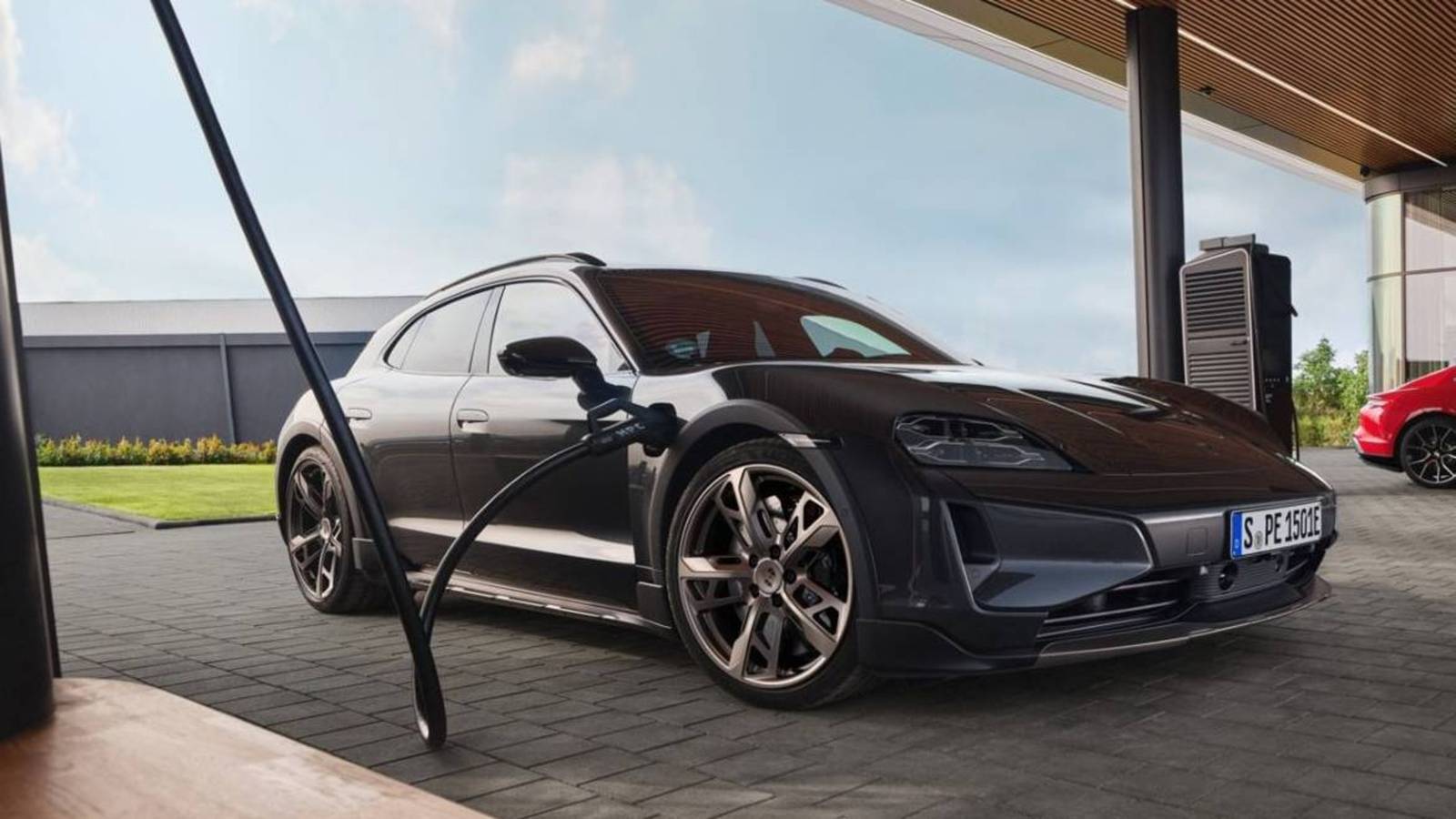
    • Aerodynamics – additional accessories, like roof attachments or external spoilers (functional), can increase or reduce a vehicle’s overall aerodynamic properties. The harder a vehicle has to fight against airflow at speed, the less efficient it is.
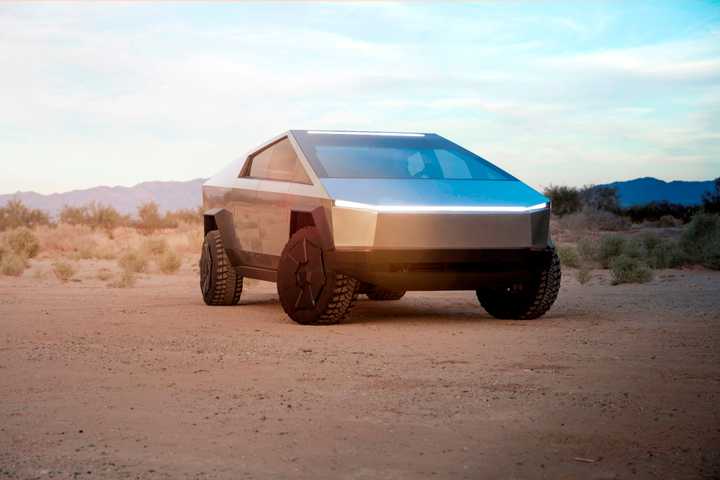
    • Weather Conditions – colder temperatures can affect battery performance.
    • Weight (total number of passengers, cargo load) – a heavier vehicle means it requires more power to move, which in turn can mean poorer efficiency/range.
    • Tire Condition – are all four tires inflated to the correct manufacturer specifications? The type of tires installed is also a factor in efficiency, with some providing better rolling resistance than others.
    • Wheel and Tire Size – For electric vehicles, the size of tires and wheels are also a contributing factor to the overall estimated range (bigger wheels can translate into less range compared to the same model with smaller ones)
    • Use of cabin equipment – turning on interior features like air conditioning, heated steering wheel/windows can drain more energy, especially if they are used for extended periods of time

    Considering the MPGe figures for your next PHEV or EV purchase, nonetheless, is a valuable tool among other factors to consider when in the market for one. But you shouldn’t fixate on these numbers alone in your decision of which option to ultimately put your money towards.

    Sources: EPA, BMW, Hyundai, Lucid Air, Tesla, Kia, Toyota, Subaru, Genesis, Vinfast, Mitsubishi, Lexus, Volvo, Stellantis, Land Rover, Porsche

    Source link

  • Bugatti Built a One-Off What If to Celebrate the 20th Anniversary of the Veyron

    Bugatti Built a One-Off What If to Celebrate the 20th Anniversary of the Veyron

    It’s hard to believe that the Bugatti Veyron is 20 years old. It was and still is one of the most outlandish vehicles to ever be produced, a car that helped usher the word hypercar into the automotive lexicon. The Veyron (and really, the revival of the Bugatti brand as a whole) wouldn’t have been possible without the support and backing of the late Dr. Ferdinand Karl Piëch, then chairman of the Volkswagen Group, who at the time served as the parent company of Bugatti. While ownership of the legendary French marque has been passed to EV hypercar maker, Rimac, since 2021, it continues to honor and recognize the legacy that Dr. Piëch and VW built with the Veyron.

    So, to celebrate the 20th anniversary of the original quad-turbo, W-16-powered beast, Bugatti and an unnamed European customer collaborated to create a one-off model that asked the question: “What if the Veyron had continued instead of being replaced by the Chiron?” The answer? The Bugatti F.K.P. Hommage. We’ll let you guess what FKP means.

    The car was developed through the Bugatti Programme Solitaire, which is intended to allow its customers to build a car that only their dreams and endlessly deep pocketbooks can manifest. These cars are singular builds, as signified by the “Solitaire” in the program’s name. It’s intended to serve as a modern-day interpretation of Bugatti’s coach-building roots that led to some of the most desired vehicles of the early 20th century. The first creation of Programme Solitaire was the Brouillard, in which its owner used inspiration from Carlo and Rembrandt Bugatti as well as Ettore Bugatti’s love of equestrianism.

    Guess which one is which.

    Why the Veyron is Important in Bugatti History

    The first step towards the Veyron was its unique W engine configuration. The story goes that Dr. Piëch sketched out a design for an even more incredible W-18 engine on a napkin while on a bullet train through Japan. While the VW Passat and nearly every Bentley got “pedestrian” W-8s and W-12s, Bugatti needed something more extreme to build off its motorsports history. Eventually, the decision was made to lop two cylinders off of the W-18 design, but the goal of 1,000 PS (just shy of 1,000 hp) and a 400 kph top speed (almost 250 mph) never wavered from his original design.

    It needed such a car because Bugatti was in rather dire straits after it was bought by VW Group in 1998. In 2001, and after a fourth and final EB18/4 Veyron concept debuted at the Tokyo auto show, VW decided it was time to build a production Bugatti. The Veyron was named in honor of Pierre Veyron, who was a development engineer, test driver, and factory race driver for Bugatti in the 1930s. By the time 2005 rolled around, the first ever Bugatti Veyron rolled off its assembly line. At the time, it was one of the most powerful vehicles in the world. It delivered on both of Dr. Piëch’s goals of 1,000 ps (and 922 lb-ft of torque) going to all four wheels, and a new average top speed record of 253.81 mph at VW’s Ehra-Lessien test track on April 19, 2005.

    What If?

    The Veyron would survive a decade if continuous production, with 450 built in various configurations. It would eventually be replaced by the Chiron in 2017, but there reportedly was some development of an updated version of the Veyron before it was cancelled. That’s where the story of the F.K.P. Hommage begins, as it serves as a “what if” story made real. What if Bugatti had decided to continue the Veyron but based on the architecture of the Chiron?

    Honestly, it’s hard to tell at first glance that the Hommage is a Chiron built in the shape of the Veyron, it looks that close to the original. One of the only real differences you’ll spot at the outset are the headlights and taillights that diverge from the original. That’s not only thanks to the timeless design of the Veyron but also due to the use of original design sheets and plans that reportedly detailed how the updated Veyron would look before it was replaced by the Chiron.

    Because the Hommage is built on the Chiron Super Sport, it uses the same wheel, tire, and brake package from that car. The major change, of course, is that those wheels are designed to look like the original 12-spoke set, but in a modern 20-inch front and 21-inch rear size. The front wheels also fit a set of eight-piston brake calipers behind those spokes, as the Hommage is more than capable of hitting above 250 mph.

    It Might Be a Tribute, But It Still Makes Ridiculous Power

    The Hommage uses the modernized and improved W-16 engine found in the Chiron Super Sport, which features larger air intakes and outlets to keep the engine cool and ready to hit its 1,600 hp output. The engine is fed air through a redesigned ram air induction intake that takes inspiration from the Veyron, which required engineering and calibration changes from the Chiron Super Sport design. By the way, the F.K.P. Hommage is going to be road legal in Europe, including its emissions output, as the mysterious owner intends to drive it along with his original, matching Veyron.

    While the hypercar world has largely stepped away from retractable wings, the Hommage keeps that unique feature from the original Veyron. But it works with the two-inch larger rear diffuser (one-inch larger per side versus the original Chiron Super Sport) to ensure that the rear end stays planted at high speed. There are also active diffuser flaps at the front of the car to help keep the nose glued to the ground when hitting the triple digits, but can then be automatically set to a reduced drag setting when the extra downforce isn’t needed.

    It is a Match to an Original Veyron

    We mentioned that the owner who commissioned the F.K.P. Hommage has an original Veyron, and this one-off is painted to match that car. But the painting techniques are very modern compared to that 20-year-old vehicle. The red is made by laying down multiple layers of liquid silver basecoat and then topped off with a red-tinted clear coat. The black is exposed carbon fiber that has a black tint coat applied over that. The silver elements you see (including the wheels) are all polished and anodized aluminum. It makes for a very striking livery while keeping the same look as the 2005 Veyron in the same paint scheme.

    Of course, being a tribute to the original Veyron requires an interior worthy of that honor. Again, inspiration comes from the original continuation plans, but with some custom touches. The leather used inside the Hommage comes from the original material used on the 2005 model, while custom French fabrics and cloth adorn the rest of the surfaces. The original horseshoe medallion found in the Veyron was recreated in the new car, but is formed as a 3D design element.

    A Technological Marvel to Keep a Watch Wound

    The one change from the continuation plans is also the only clue that we’re given as to who the owner is. At the top of the horseshoe medallion sits a 41mm Audemars Piguet Royal Oak Tourbillon—a watch that can fetch to well over $600,000 for unique editions and this fits that bill easily. Bugatti said it did not reach out to Audemars Piguet, but instead, it was the customer who facilitated the connection. And this was more than just grabbing one of their timepieces and installing it into the F.K.P. Hommage. The Royal Oak requires regular winding, but it also needs to be secured when the vehicle is locked. Bugatti solved those two problems through the use of a rotating gondola. First, the gondola rotates on its diagonal axis several times and is based on the same automated winding stand that Audemars uses to test its watches. When the car is locked, the gondola fully rotates to hide the Royal Oak Tourbillon.

    When asked about the owner and the cost of the F.K.P. Hommage, Bugatti said that the customer wished to remain anonymous and only mentioned the connection to Audemars Piguet, that it was a European owner, and that the car would be homologated as a 2027 road legal vehicle. It also said that the customer wanted the cost to remain hidden from the public.

    If you wish to see the Bugatti F.K.P. Hommage in person, you have a chance to see the prototype model on display at the upcoming 2026 Retromobile show at the Paris Expo Porte de Versailles. The full production model is currently being built for the unknown owner and will live in their private collection alongside the matching Veyron. F.K.P. would no doubt approve.

    Source link

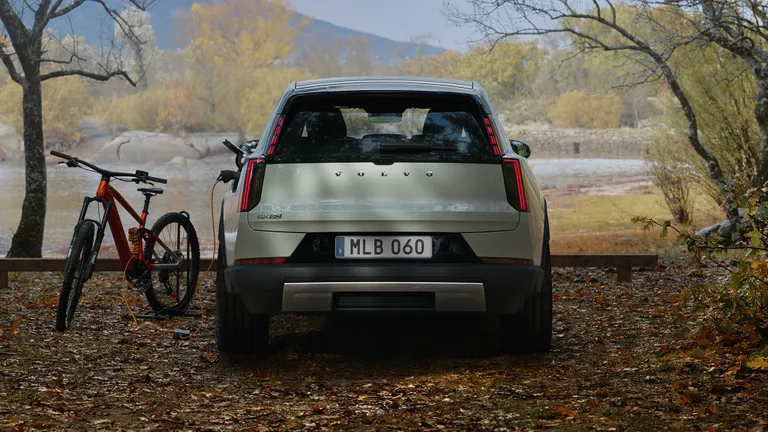
  • 2028 Volvo EX60 Cross Country First Look: Because of Course

    2028 Volvo EX60 Cross Country First Look: Because of Course

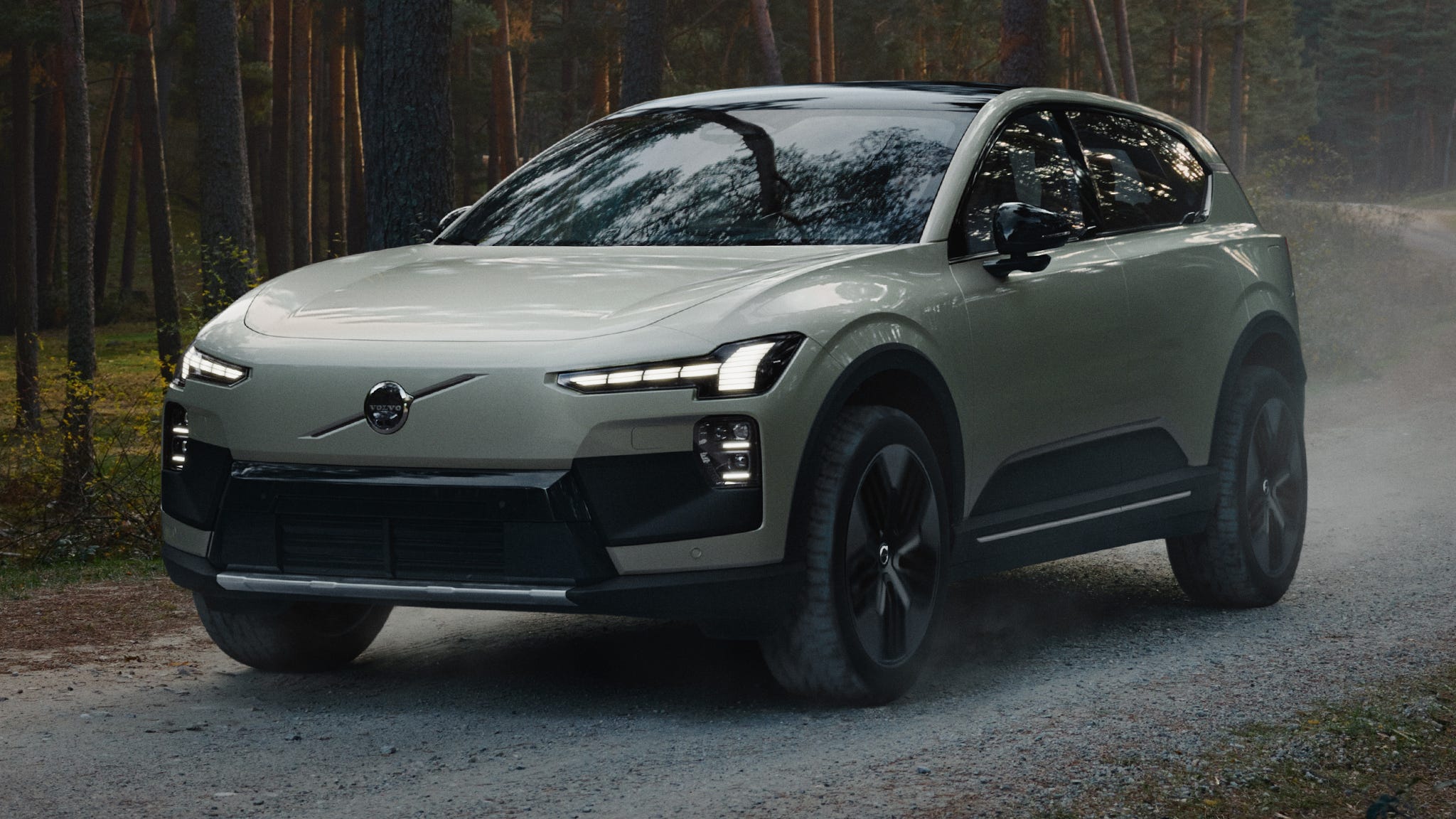
    The Volvo EX60 will be getting a Cross Country variant, Volvo has confirmed. The midsize luxury electric SUV—which you can read all about here—will offer three powertrains, but the EX60 Cross Country will skip the base, P6 rear-drive option.

    That means customers can expect to choose from 503-hp P10 AWD and 670-hp P12 AWD models, which is plenty of power for exploring the outdoors. If buyers actually do take their EX60 Cross Country into the, er, country, they will benefit from dual-motor all-wheel drive and 0.8 inch of additional ride height as standard, as well as a standard and exclusive air suspension that can add another 0.8 inch if needed. Range starts at 300 miles for the P10 and should approach the regular P12’s 400 miles, although that version of the Cross Country has yet to receive an estimated rating.

    Other Cross Country–specific details include an exclusive exterior paint color (Frost Green), a wider track, more prominent wheel arch cladding, black exterior trim, and Cross Country branding on the D-pillars and front and rear bumpers. It also gets unique wheels and stainless steel front and rear skid plates.

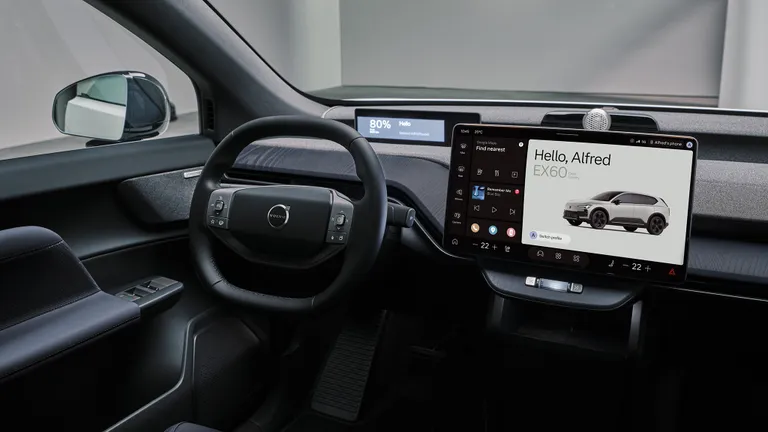
    The Cross Country of course benefits from all the advances made for the regular EX60, including an EV-specific platform that reduces weight, complexity, and cost, as well as the HuginCore technological architecture that combines Volvo’s own tech stack with hardware and software from Google, Nvidia, and Qualcomm to deliver a faster, more intuitive software experience for occupants. AI also features prominently via Google Built-In and Gemini, assisting drivers with routing, recommendations, and much more.

    Volvo’s Cross Country sub-brand started in 1997 as more rugged versions of the company’s station wagons, eventually spawning the XC lineup of SUVs (XC standing for Cross Country, of course) and recently spreading to EVs with the EX30. While the EX60 debuts as a 2027 model, we’re told the Cross Country variant will arrive in America one model year later. As such, expect to see it at dealers in early 2027 with a starting price somewhere around $60,000.

    Source link