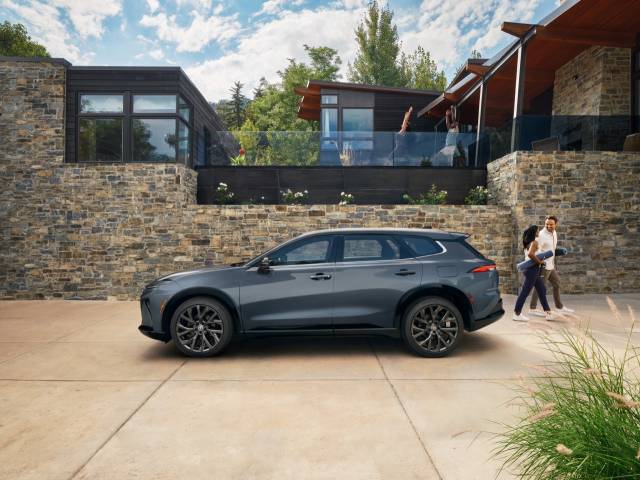
The 2025 Toyota Crown Signia coronates the latest crossover SUV in Toyota’s vast lineup, but where does the five-seat hybrid fit?
Launched on Tuesday on the eve of the 2023 Los Angeles auto show, the Crown Signia builds off the high-riding Toyota Crown sedan of the same name that was launched new for 2023. Both Crowns employ as their subjects a planetary-gear based hybrid system that runs rampant through the Toyota kingdom. The 2.5-liter inline-4 and hybrid transmission use two motors up front and a third motor powering the rear axle for standard all-wheel drive. Up to 80% of the power can be sent to the rear for launches or to help with towing up to 2,700 pounds, or the system can drive the front wheels exclusively for better fuel economy.
Total system output is 243 hp and Toyota estimates the Crown Signia will get 36 mpg combined. The same system used in the Toyota Crown sedan puts out 236 hp and has a 41-mpg combined EPA rating.
But the Crown sedan can also be had with Toyota’s uprated Hybrid Max, which pairs a 2.4-liter turbo-4 and front and rear motors to make 340 hp, and it uses a 6-speed direct-shift automatic transmission. That’s not to be confused (in theory) with the i-Force Max used in Toyota’s trucks, including the Toyota Tundra and the forthcoming Toyota Tacoma, as well as the Toyota Sequoia three-row full-size SUV.
The two Crowns and three trucks have all launched in the past two years, as has the Toyota Grand Highlander, a larger, roomier take on the Highlander three-row crossover SUV.
The Grand Highlander also comes exclusively with the Hybrid Max 2.4-liter turbo-4, but it’s tuned to make 362 hp. It would make sense for Toyota to offer the Hybrid Max on the Crown Signia SUV, but it might wait for the 2026 model year.
Toyota didn’t disclose full specs for the Crown Signia, but it confirmed that the Venza hybrid will be discontinued following the 2024 model year. That marks an abrupt end to the second coming of the Toyota Venza, which launched in 2009 as a wagon-like crossover perhaps ahead of its time until 2015, then was resurrected in 2021 as a Lexus-like midsize crossover hybrid.
The 2025 Crown Signia will slot in the Venza’s place, with a long and low roofline similar to that of a wagon, but riding higher in that Crown way. It appears to be much larger than the Venza, however, and measures out nearly the same as the Toyota Highlander three-row crossover. At 194.1 inches long and with a wheelbase of 112.2 inches, it’s 7.5 inches longer than the Venza but just 0.8 inches shorter than the Highlander. The wheelbase is identical to the Highlander, and 6.3 inches longer than the Venza. It’s shorter in height, however: at 63.6 inches tall, the Crown Signia is 2.3 inches and 4.5 inches shorter in height than the Venza and Highlander, respectively.
That should make for a roomy rear seat passenger area as well as a large cargo hold. The only spec Toyota shared in terms of space was that the 60/40-split rear seats fold flat and an “extension panel” enables cargo room for items that are 6.5 feet long.
Toyota insulates it from the outside with acoustic front side glass, a dash cover, and a sound-absorbing engine cover.
Sold in XLE and Limited trims, the Toyota Crown Signia comes with a hands-free power tailgate, heated front seats with power adjustments, a heated steering wheel, a 12.3-inch digital gauge cluster, and a 12.3-inch touchscreen with wireless Apple CarPlay and Android Auto, as well as wireless device charging and five USB ports. Limited models upgrade from inefficient 19-inch alloy wheels to even less efficient 21-inch alloys, and the feature set includes a panoramic roof, quilted leather seats, heated and cooled front seats, heated rear outboard seats, and front and rear parking sensors.
Standard safety features include automatic emergency braking, blind-spot monitors, active lane control, and adaptive cruise control.
Nearly all seven Toyota crossover and SUV models will be sold as hybrids, with only the aging 4Runner and its 4.0-liter V-6 as the hybrid exception. It’s expected to be redesigned next year, and expect it to come with either Max hybrid powertrain.
With the launch of the redesigned 2025 Toyota Camry sedan as all-hybrid, the 2025 Crown Signia represents the 13th hybrid model in Toyota’s lineup, making the brand the runaway leader in hybrid production and sales, all started from the humble success of the Toyota Prius. Yet, Toyota only has one full battery electric model in the underwhelming and low-volume Toyota bZ4X.
Made in Japan, the 2025 Crown Signia arrives in the U.S. in summer 2024. Expect pricing then.
Aston Martin’s lineup is full of stunning cars, combining timeless British luxury and design with raucous performance and robust dynamics. However, one name that stands out within Aston Martin’s lineup is Vanquish, known for representing the pinnacle of Aston Martin performance with flagship grand tourers. Having retired the Vanquish name in the late 2010s, Aston Martin has, at long last, finally revived the Vanquish nameplate, introducing the new 2025 Aston Martin Vanquish recently.
Being the latest Aston Martin flagship grand tourer with pinnacle V12 performance and Aston Martin’s cutting-edge technology and luxury, it’s not an easy car to get your hands on. However, if you want to be early to owning the latest top-of-the-line Aston Martin, now is your chance. Any fan of Aston Martin who wants the latest and greatest of the brand’s V12 performance will find the 2025 Aston Martin Vanquish a perfect addition to any luxury or exotic car collection.
2026 Aston Martin Vanquish Volante
2025 Aston Martin Vanquish
2026 Aston Martin Vanquish
2026 Aston Martin Vanquish Volante
2026 Aston Martin Vanquish Volante
2026 Aston Martin Vanquish Volante
2026 Aston Martin Vanquish
2026 Aston Martin Vanquish Volante
2026 Aston Martin Vanquish Volante
2026 Aston Martin Vanquish Volante
What makes the Aston Martin Vanquish special?
As the new flagship grand touring model from Aston Martin, what sets the Vanquish apart, more than its dramatic styling, from its Aston Martin peers, is the V12 engine under the hood. Having ceremoniously retired its previous V12-powered models, the V12 Vantage, and the DBS Superleggera, Aston Martin returned the V12 to its grand touring lineup with the Vanquish to serve as its new flagship tourer.
From the January/February 2026 issue of Car and Driver.
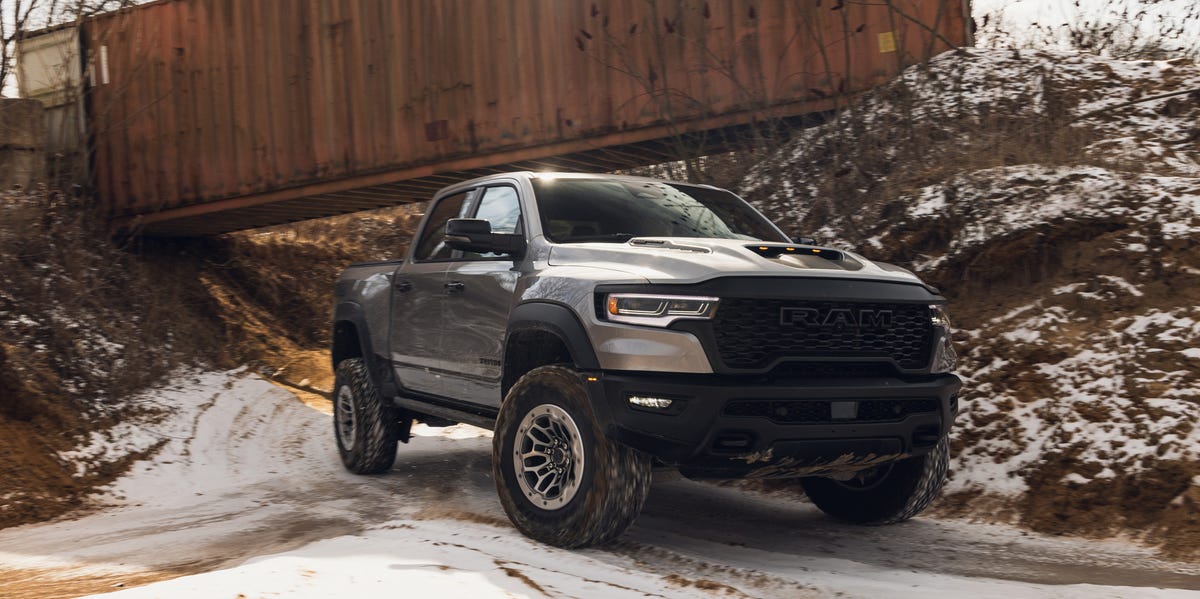
Ram didn’t need to resurrect its V-8. It could have trolled Chevy, Ford, and others with something like: “Six in a row, ready to tow.” Instead, a different sentiment resonated through the corporate corridors: “We went to six, and customers threw bricks.” The point is, the Ram faithful loved the Hemi V-8, and now it’s back.
The 395-hp 5.7-liter V-8 isn’t quicker, more fuel efficient, or quieter than the twin-turbo 3.0-liter inline-six (which continues in either 420- or 540-hp tune), and its return is not what kept this pickup in a 10Best parking spot for 2026.
With the 1500, Ram sticks with the winning formula it’s had for the better part of 15 years: building half-ton trucks that are plenty capable for weekend warriors—max towing of 11,610 pounds with the turbo inline-six and a max payload of 2360 pounds with the base 305-hp V-6—but downright excellent to drive for everyone, even owners who are just in it for the look. We’ve said it before: The pickup truck has become the de facto American luxury car, and the Ram 1500 is the pinnacle of its class.
You can still get a basic work truck with cloth seats and vinyl floor, though the two-door, three-seat regular-cab pickup has been off the order menu for some time. Ram offers two cabs—smaller Quad and roomier Crew—and bed lengths of 5.6 feet and 6.3 feet. All Rams get the ZF eight-speed automatic transmission Stellantis builds and markets under the TorqueFlite banner. Optional four-wheel drive is of course available across the board.
The Ram 1500 rides better, steers smoother, and corners flatter than many SUVs, thanks in part to the coil-spring rear suspension it pioneered for the half-ton trucks—air springs are optional. You can get a bench seat in the front, making it a throwback six-seat alternative to the popular three-row ute. Ram fits upper trim levels with premium materials, and lower trims feature durable finishes that clean up nicely when you wipe off accumulated work dust.
Then, of course, there’s the RHO. It picked up where the Hellcat-powered 702-hp TRX left off. Basically, if Bo and Luke Duke were still running ‘shine, it would be in a long-travel, 540-hp, hot-rod RHO—until Ram brings the TRX back from the dead, that is. Life will find a way.
BACK TO 10BEST
➡️ Skip the lot. Let Car and Driver help you find your next car.
Shop New Cars Shop Used Cars
Specifications
Specifications
Ram 1500 Base: $43,620–$75,385 Power: 305–540 hp
C/D TEST RESULTS 60 mph: 4.2–7.8 sec (C/D est) 1/4-Mile: 12.8–16.0 sec (C/D est) Top Speed: 105–119 mph
EPA FUEL ECONOMY Combined: 15–22 mpg
K.C. Colwell, the executive editor at Car and Driver, is a seasoned professional with a deep-rooted passion for new cars and technology. His journey into the world of automotive journalism began at an early age when his grandmother gifted him a subscription to Car and Driver for his 10th birthday. This gift sparked a lifelong love for the industry, and he read every issue between then and his first day of employment. He started his Car and Driver career as a technical assistant in the fall of 2004. In 2007, he was promoted to assistant technical editor. In addition to testing, evaluating, and writing about cars, technology, and tires, K.C. also set the production-car lap record at Virginia International Raceway for C/D‘s annual Lightning Lap track test and was just the sixth person to drive the Hendrick Motorsport Garage 56 Camaro. In 2017, he took over as testing director until 2022, when was promoted to executive editor and has led the brand to be one of the top automotive magazines in the country. When he’s not thinking about cars, he likes playing hockey in the winter and golf in the summer and doing his best to pass his good car sense and love of ’90s German sedans to his daughter. He might be the only Car and Driver editor to own a Bobcat: the skidsteer, not the feline. Though, if you have a bobcat guy, reach out. K.C. resides in Chelsea, Michigan, with his family.
What is the one thing you’ll find on every showroom floor aside from four wheels and the fear of a bum deal? The window sticker.
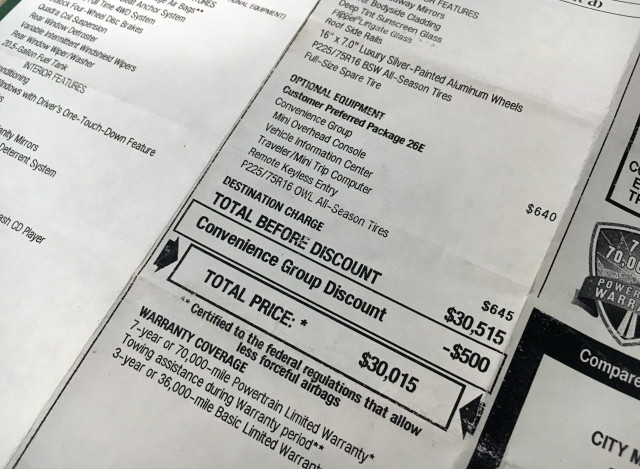
Also known as the Monroney label, the window sticker is a universal data sheet mandated on all new passenger vehicles 10,000 pounds or less sold in the U.S. It’s meant to keep shoppers from getting swindled. It lists essential vehicle information such as vehicle equipment, safety rating, fuel economy, parts origin and suggested retail price free from marketing spin.
“The information is verified by the federal government (EPA and NHTSA) so we know it’s one standard across all automakers,” said Alex Epstein, director of Transportation Safety at the National Safety Council. “It is an excellent communication device for new or used cars at the point of sale.”
The Monroney is the single most important tool in helping the consumer make an informed decision on the worth of a new vehicle. Without it, manufacturers incur a $1,000 fine. If a person alters it before reaching the dealership, the fine can include a year in prison.
But what is a Monroney? How did it get the name? What needs to change to make it more useful?
1982 Audi 4000 Monroney label
The man, the myth, the label
The Monroney was borne out of the demand for more purchase information by car shoppers. Senator Almer Stillwell “Mike” Monroney, Democrat of Oklahoma, sponsored the Automobile Information Disclosure Act in 1958, just in time for the 1959 model year. Under the law, the sticker had to show make, model, VIN, final assembly point, name and location of dealer to be delivered, manufacturer’s suggested retail price of base vehicle, optional equipment, transport charges and total MSRP.
The impetus for Monroney’s bill was not legislative vengeance for family members getting cheated by a car dealer, despite rumors to the contrary. The law came about as most laws do, because adults couldn’t settle their squabbles like adults.
The committee was formed “in response to dealer complaints of abusive treatment by automakers, particularly in the awarding of franchises,” according to The New York Times in 2009.
Dealers weren’t the only victims.
“The dealer who is honest about the so-called ‘list price’ cannot compete with the one who ‘packs’ several hundred dollars extra into it so he can pretend to give you more on your trade-in,” Monroney said when introducing the bill in 1958.
A one-time reporter, Monroney’s activist slant didn’t stop with cars. He also championed air safety by helping create the Federal Aviation Authority, and was an early proponent of the Civil Rights Act.
2002 Toyota Prius Monroney label
It’s the fuel economy, stupid
The fuel economy portion of the label may be the most useful part of the current Monroney. That addition started in the mid-70s, according to the EPA. Due in part to the OPEC oil embargo from 1973 to 1974, the Energy Policy and Conservation Act required fuel economy labels to be displayed on the window sticker of all new light duty cars and trucks.
Parts Content Information on a Monroney label
Buying American
The 1994 American Automobile Labeling Act added more data to the Monroney. Under the provision, automakers disclose where the car was assembled, the percentage of equipment originating in U.S. and Canada, and the country of origin of the engine and transmission. Even though this has become complicated data to source, it at least provides a standardized comparative snapshot across vehicles.
Safety pays
The next evolutionary leap for the Monroney started in 2007 for model year 2012. Even though the New Car Assessment Program had been around since 1979 to gauge crash safety in new cars, it wasn’t until this time that the NHTSA began posting its “stars for cars” five-star crashworthiness rating system.
“That 5-star rating has been very successful in the sense that a consumer knows just by looking at the label if the car they were thinking of buying fits into the safest category,” Epstein said. “You could shop on safety alone.”
However, the NHTSA doesn’t crash-test all vehicles, and its regimen is not mandatory for a car to go on sale in the U.S. That’s a fundamental flaw in the agency’s mission, set out also in the early 1970s, but that’s another story.
1999 Saab 9-5 Monroney label
Fuel economy redux
The broadest overhaul in the history of the window sticker came in 2013. Due to the 2007 Energy Independence and Security Act, and the advent of alternative-fuel vehicles such as electric vehicles and plug-in hybrid electric vehicles, a host of deeper dive efficiency data was added to the Monroney. It includes fuel economy range, fuel or energy usage per 100 miles, greenhouse gas emissions, smog rating, fuel/energy cost estimate over 5 years compared to the average new vehicle, annual fuel/energy cost based on 15,000 miles, and a smartphone scannable QR code to compare fuel and emissions ratings of other vehicles on fueleconomy.gov.
Fuel economy matters to car shoppers, despite the American appetite for large things.
“When consumers see the full label, they have a higher willingness to pay more for a vehicle with better fuel economy,” Shannon Baker-Branstetter, manager of Cars and Energy Policy for Consumer Reports, said in reference to a 2018 study on the efficacy of fuel economy labels.
In that study, Consumer Reports found that consumers would spend more than $1,000 extra on a new vehicle to save $100 per year in fuel costs.
The presentation of the EPA labeling has a direct effect on buyer behavior. Consumers who saw the full label on Monroney labels “were willing to pay significantly more for fuel economy compared to those who saw fuel economy information presented differently.”
2019 Mercedes-Benz G550 Monroney label
A Monroney for a new age
The evolution of the Monroney has been gradual, but some safety experts and analysts think it needs to keep changing as the U.S. fleet of vehicles electrifies, and contrarily, tilts toward trucks.
Those same analysts still see plenty of room for improvement to keep up with the proliferation of advanced driver assistance systems (ADAS). Automatic emergency braking, for one example, has been called more than 40 different things between automakers, Epstein said.
“The motoring public is confronted with a dizzying array of capabilities and variations between systems that make it very, very difficult for a novice to understand these systems let alone what their capabilities are,” Epstein said. “There is no plain English description of what these systems are or what they do.”
That’s why the NSC and University of Iowa’s Transportation and Vehicle Safety Research Program developed the website My Car Does What, and are pushing regulators to streamline the nomenclature.
The star safety system is also overdue for an upgrade based on new car technology.
“The Monroney label should include star ratings for how well a car protects occupants in a crash, how well it helps avoid a crash, and an overall score incorporating both,” said William Wallace, senior policy analyst at Consumer Reports. “Every day the NHTSA doesn’t move toward this change is another day the agency disempowers consumers and lets one of its most powerful safety tools languish.”
The challenge is how to display all of this additional information in a way that is uniform and clear. Three technologies used in crash avoidance ratings—electronic stability control, forward-collision warnings and lane-departure warnings—are not included on the label, in part, because “the information on the safety rating label as a whole might not be legible,” the NHTSA wrote in 2010. That’s why the agency is still seeking comments from the public on how best to communicate the info.
“It’s a balance of clarity of information and quantity of information,” Baker-Branstetter said.
Does it seem that your car is in for repairs more than it’s in your driveway, or more to the point, for the same repairs, over and over again? If that’s the case, lemon laws might apply to you.
Simply put, lemon laws are meant to give you some legal leverage to seek a refund for the purchase price of your vehicle (or replacement) and sometimes reimbursement for troubles.
Lemon laws are intended to give consumers a solution if the manufacturer has been given ample opportunities to fix a problem and has not satisfactorily done so. Such laws are intended to give consumers a solution to problems that impair the normal operation or affect the value, intended use, or safety of their vehicle, but they are not intended to provide remedy for complaints about a vehicle’s fundamental design, or other non-critical issues such as squeaks and rattles, minor vibrations, or fading paint.
What are lemon laws?
The term “lemon” is often tossed around to refer to any beat-up car, but it’s actually a legal distinction. From a legal standpoint, a lemon car is viewed as a defective product and therefore covered under applicable statutes and special lemon laws in your state. Lemon laws vary from state to state. In some states, used vehicles are covered, and in others, the law applies only to new vehicles. Some states may also include motorcycles and RVs in lemon laws.
How to know if you are covered by lemon laws
The nuance of the lemon law means that if you have a vehicle that breaks down or fails in some way, even frequently, in different ways each time, then you’re probably not going to be covered under lemon law. The awful truth in that case is probably that you don’t have legal grounds to be reimbursed in such a way; you simply have an unreliable, trouble-prone, or poorly designed car, not one that’s defective.
Check the Center for Automotive Safety for state-by-state lists including details about what’s covered under lemon laws and contact numbers for more information on each state.
In case lemon law doesn’t apply to you, or if lemon law doesn’t give you the retribution you desire, there are often other laws that may apply. If your car is highly troublesome but not covered under lemon law, first try contacting the regional service representative of the manufacturer. Document and request return receipts for all correspondences. Manufacturers will often take generous actions to assure that their reputations are kept.
How to file under lemon laws
Here are some tips on how to tell if your car might be covered under your state’s lemon law, what you should be doing along the way, and how to take action.
They’re doing the same repair, over and over again.
The vehicle must have an issue that’s ongoing, or has occurred repeatedly, and you have to first give the manufacturer several chances to repair the issue (through a proper dealership service department). Lemon law usually applies only after the manufacturer has tried to fix a particular problem three or four different times (depending on the state) and has failed to provide a lasting solution. If your car has had many different but unrelated repairs during the warranty period, then it is definitely not covered by lemon law. Your best solution in that case would be to contact the manufacturer and inquire about the possibility of a warranty extension.
It’s a nearly new vehicle (to you).
Lemon law only applies during the first year or two and first 12,000 or 24,000 miles of vehicle ownership, depending on the state. Identification of the problem and all of the repair attempts must be made during this period. If the problem first occurred in the first year of ownership but subsequent repairs were not made until later years, then the vehicle will likely not be covered under lemon law.
You own rather than lease.
Lemon law does not usually apply to leased cars. That’s because the manufacturer or a bank is the actual owner of a leased car, and lemon law often only applies to the original buyer, even if the car was bought used when less than a year old.
You keep all your documents.
Document each repair done during the warranty period. Keep all of your receipts. Consumer laws won’t apply unless you keep your own records as proof of all repairs done. Keep copies of the original repair order for each repair, and make sure that the dealership correctly documents your problem and how long your car was in for the repair (In some states, 30 days in repair in the course of a year defines a lemon car). Also, make sure you get a repair invoice for repairs covered by technical service bulletins.
You’re documenting the issue yourself, too.
This can help your case. If a component of your car that has already been repaired fails in a situation where it puts your safety in jeopardy or causes an accident, document it with pictures, witnesses, and a police report, if applicable.
Filing a complaint and getting the lemon law process underway again depends on what state you reside in and where you purchased the car. In some states, filing a lemon law complaint involves no more than filling out a formal complaint form, but in many other states it is a more complicated legal process and involves the hiring of an attorney. In either case, the advice of an attorney who is familiar with your state’s lemon law will increase your chance of getting the refund.
If satisfactory action still has not yet been taken, be sure to log in a consumer complaint with the National Highway Traffic Safety Administration. Consumer complaints are a primary signal for the NHTSA to launch an investigation on a particular problem. Such complaint information often leads to consumer recalls (if it pertains to safety in some way) or technical service bulletins regarding the problems.
Frequently asked questions
What is the 30-day lemon law rule for used cars?
What is the lemon law for used cars in terms of timing? Though this varies by state, generally, the 30 day lemon law for used cars means that if a car is being repaired for 30 days out of a year, it is a lemon. However, the nuances of the law vary by state.
Does the lemon law apply to used cars with no warranty?
Here are more details of the lemon law on used cars. Whether or not the lemon law can be applied to a used car with no warranty depends on the issue with the car and the specifics of the state’s laws.
Quick Facts About the Buying and Selling Marketplace
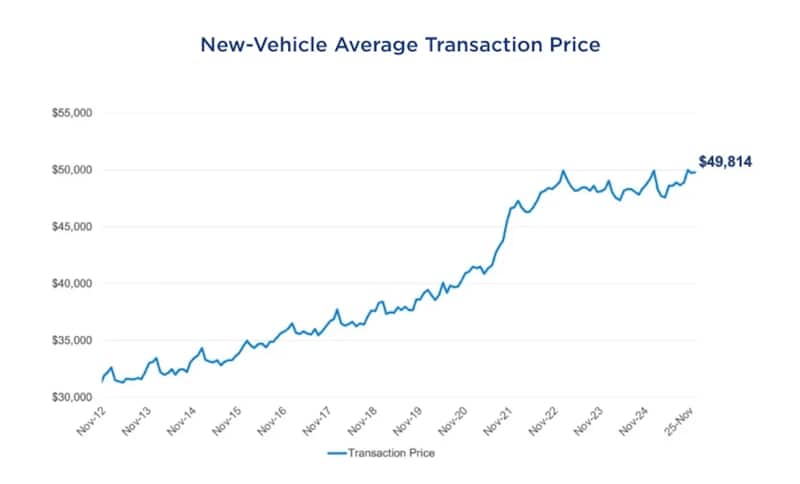
The final sale price of the average new car is perilously close to the $50,000 mark.
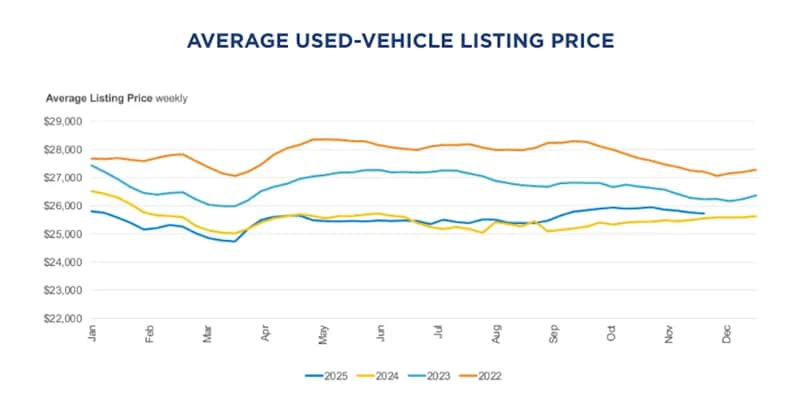
Used car prices dropped slightly last month.
The credit market remains good for borrowers, with lower rates likely ahead.
The price of the average new car is nearing the $50,000 mark. It briefly surpassed $50,000 in September, largely due to a rush to buy expensive electric vehicles (EVs) before a $7,500 federal tax credit disappeared. However, in November, it nearly hit that level without the EV sales rush. It will likely permanently crest the mark sometime early in 2026.
Believe it or not, there is some good news for car shoppers. Wage growth in November helped cancel out some of the effects of high prices. The winter holidays often bring heavier discounts to the sales lot. But late 2025 remains a challenging time for shoppers needing a new car.
Tariffs, trade wars, a government shutdown limiting economic data, and threatened parts shortages have meant loud headlines and growing uncertainty. Automakers have increasingly canceled affordable cars, focusing their efforts on attracting wealthier buyers.
And your fellow shoppers are making pricier choices — cars priced over $75,000 outsold cars priced under $30,000 in November.
But don’t panic. It’s still possible to find a good deal on a new car this month, and many things are moving in your favor if you need new transportation.
We’ll explain what to expect when buying a new or used car, or selling or trading one in, and why it might make sense to act quickly.
What New Car Shoppers Can Expect
The average new car buyer paid $49,814 in November, 1.3% higher than a year ago. If current trends hold, that figure will likely permanently cross the $50,000 line in January.
That’s partly due to prices increasing as cars for the new 2026 model year reach sales lots, and as manufacturers increasingly pass the cost of tariffs on to the car shopper. The average November sale included discounts worth just 6.7% of the purchase price, down from 7.9% the previous year.
The decisions shoppers continue to make also contribute to higher average prices. Luxury cars tend to sell well around the holidays, and as November ended, cars with sticker prices over $75,000 were outselling those priced under $30,000.
That high average price “reflects what consumers choose to buy, not what’s available,” notes Cox Automotive Executive Analyst Erin Keating. “Many new-car buyers today are in their peak earning years and are less price-sensitive, opting for vehicles at the higher end of the market to get the features and experiences they value most.” Cox Automotive is the parent company of Kelley Blue Book.
The average full-size truck, for instance, sold for $70,178 in November, even though every full-size truck on the market starts at a much lower price.
RELATED: When Will New Car Prices Drop?
So much of that cost is in your control as a shopper. You can keep prices reasonable by choosing only as much car as you really need, and by paying attention to supply at the brands you’re considering.
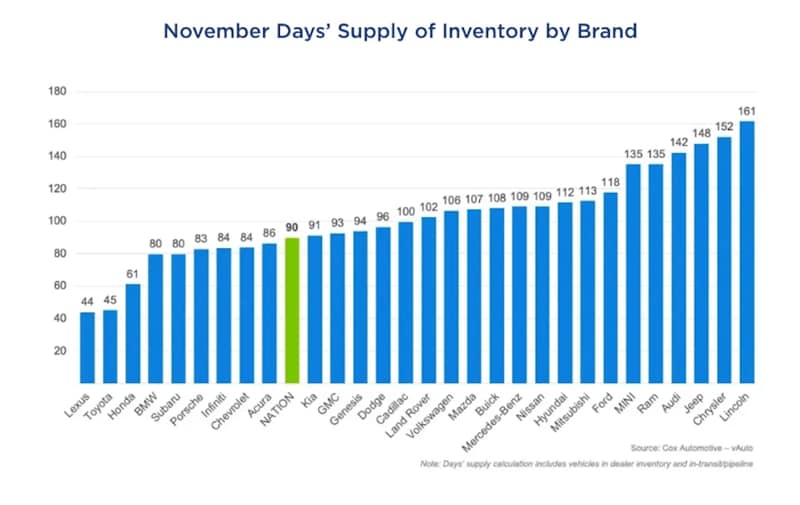
Dealers typically aim to maintain a 60-day supply of new cars on sales lots, with an additional 15 days on order. This month, some are well below that target and unlikely to offer heavy discounts. Others have a surplus and are looking to make deals. Shopping outside your preferred brands could save you thousands.
Each Automaker Is Responding Differently
Car pricing is complicated, and each automaker has responded to tariffs differently. As long as the tariffs remain, the response will likely shift constantly.
Some, like Hyundai and Mercedes-Benz, pledged not to raise prices at first, though increases are trickling in with the model-year change. Others are deciding on a case-by-case basis.
RELATED: How Each Automaker Is Responding to Tariffs
Automakers have absorbed some of the cost of tariffs for a while. They might even respond by raising the price of one car to help pay the tariff on another.
With so much constantly shifting, your best tool for understanding local price changes is the Kelley Blue Book Fair Purchase Price, which we calculate using recent transactions for that car in your area. We update each Fair Purchase Price weekly, showing you how tariffs and tariff anxiety are impacting the prices of the specific vehicles you’re shopping for where you live.
Loan Conditions Are Improving
Prices are all that cash buyers need to worry about. However, few car shoppers are cash buyers. Most Americans borrow money to buy a new car.
We have good news for most Americans: Loan conditions are currently the best they’ve been all year.
Lenders approved 73.6% of applications in November, 1.6% better than October and 1% higher than a year ago.
The average interest rate fell to 10.5%, down from 11% the previous month. Lenders asked for an average down payment of 13.4%.
The Federal Reserve, commonly called “the Fed,” has also played a role. The Fed sets the federal funds rate, the interest rate banks use when they lend each other money. The federal funds rate determines interest rates for every type of loan, including car loans. It’s still on the way down, which should ripple through the economy over the next few months.
The Fed has now cut rates at its last three consecutive meetings. Rate cuts typically take a few months to reach shoppers, so the best rates may still come in early 2026.
What Used Car Shoppers Can Expect
Used car prices improved modestly in November. The average buyer paid $25,730 — down $217 from the month before.
Supply and demand govern used car prices, and supply has proven steady. Dealers ended November with about as many used cars as they had when it started. The prices dealers pay at auction rose modestly in recent weeks, which can be a sign of small price increases ahead. But the inflation has remained small and predictable.
That’s great news for shoppers, because the nationwide supply of used cars has been thin for years. Pandemic-era disruptions meant automakers built about 8 million fewer cars than they normally would have in 2021 and 2022. Millions of cars will never reach the used market, keeping supplies low for a long time.
Older, Less Expensive Cars Harder to Find
If you hope to find an older vehicle and your budget is less than $15,000, these cars remain in short supply. Dealers have just 36 days’ worth of used cars priced under $15,000 — 14 days below the overall industry average.
However, the tariff threat could push used car prices higher. When new car prices rise, would-be new car shoppers head to used lots looking for something still in their price range. More would-be new car shoppers start buying up the available used vehicles, drawing down the inventory. Plus, Americans are holding onto their cars longer than ever. The average vehicle on American roads is 12.8 years old. Automakers also produced fewer cars for several years after the 2008 recession, leaving fewer higher-mileage, older used vehicles available to sell.
The most accessible used cars carry prices between $15,000 and $30,000.
Automakers Build More Expensive Cars
If you haven’t been car shopping in a while, the cars on offer may surprise you.
In recent years, inexpensive cars have grown scarce. Recent analysis finds that sales of vehicles priced at $25,000 or less have fallen by 78% in just five years. Six years ago, automakers offered 36 new models in that price range. By late 2023, that number was just 10. Automakers have announced plans to cancel most of those 10, including the low-cost Mitsubishi Mirage that was axed after 2024.
Meanwhile, cars priced at $60,000 or higher have grown by 163% during the same period.
Dealers are pushing back, telling automakers they need more mainstream cars to sell, but correcting the problem will take time.
How to Buy a Car Right Now
New car prices remain nearly $12,000 higher than five years ago, amid the COVID-19 pandemic. That’s when the average transaction price for new vehicles was around $38,563. However, with all the technological advances and offerings, your next car will likely last longer and help you drive safer than ever.
RELATED: Buying Older, Used Cars in 2025
Vehicle quality studies repeatedly show that today’s new cars suffer fewer problems than those from just a few years earlier. Buyers of higher-priced used cars will likely see the vehicle driving on the road even longer. The same goes for those buying new ones.
With most automakers now building such durable cars, they compete by adding more high-tech features. Features like adaptive cruise control and Apple CarPlay are now more common than ever on entry-level vehicles. Read on to see our tips on buying a car below.
How to Leverage Incentives to Buy a New Car
Last month, car incentives comprised about 7.2% of the average deal, or about $3,534. To learn how to take advantage of incentives, read about our monthly best car deals to find dealer or manufacturer offers, including cash back and lower interest rates for financing your next vehicle.
RELATED:How to Buy a New Car in 10 Steps
Selling a Car Right Now
Few of us can sell a car without needing to buy a replacement. If you can sell now, what are you waiting for? You could get more for your vehicle if it’s in high demand, and that’s excellent news. The best way to get the most money for your used car is to sell it privately. But if you don’t want the hassle, there is still an opportunity to sell to a dealership.
PRO TIP: If selling a car, consider selling it peer-to-peer using Kelley Blue Book’s Private Seller Exchange marketplace. It’s a low-cost method that helps consumers earn more for their vehicles than selling to a dealership.
Trading in a Car Now
The ongoing shortage of used cars will be with us for years. As a result, you’ll likely still see respectable offers for your used car this month.
Searching for a decent price for your trade-in is still a good idea by shopping around. Each dealership tries to keep a balance of vehicles on its lot. Sometimes, the one you want to buy from doesn’t need your trade-in desperately, but a competitor does.
Research your vehicle’s Kelley Blue Book value, then call several local dealerships to see what they’ll offer you for it. Or try our Instant Cash Offer tool, which brings the deal to you from various dealerships without obligation. You can choose your preferred offer or use it to negotiate with others.
Is Trading in Your Vehicle a Good Idea?
Possibly. You could get more money than usual if your vehicle is in high demand. It will help defray the costs of buying a new or used car. However, if your vehicle is not in high demand, you can expect to get close to the Kelley Blue Book value. Use Kelley Blue Book’s car valuation tool to find out the price of your new or used car.
Can You Trade in a Vehicle That’s Not Paid Off?
Yes. Whether you have paid off your car or not, you can still trade it in. However, a car depreciates when you drive it out of the dealership. It’s best to take stock of how much equity you carry in the vehicle. Take the difference between the car’s current market value and what you owe to figure that out. Read our story on selling a car.
Looking Ahead
New car prices are likely to cross the $50,000 line early in 2026, and stay above it indefinitely. Automakers will eventually have to address the yawning gap at the low-cost end of the car market. But they’re being conservative with their business decisions now, with few willing to take the risk of designing cheaper cars when the expensive ones are selling so well.
Used car prices, barring any unusual disruptions to the market, should increase only subtly.
If you need a new car soon, it might make sense to act now while prices remain steady.
RELATED: 10 Best Used Car Deals
Tips for Buying a Vehicle Right Now
If you shop right now, we recommend a few strategies to help you find the right new or used car that fits your budget.
Expand your search. Widen your search to a broader geographic area because you could find a better deal or the used car you want outside your immediate area.
Stay patient. Call dealerships to see what’s in stock for those high-demand vehicles. Leave a refundable deposit if you want first dibs.
Buy a less expensive model. With higher car loan interest rates, consider buying a cheaper vehicle model instead of a more expensive one in the lineup you’re considering. Understand how much you can afford.
Look for deals. Make sure to research car deals to find what works best for you. It may involve contacting or visiting several dealerships as you search for the right fit.
Weigh your options. Don’t just look for a car; search for the best interest rates from banks or credit unions. Also, shop for your insurance rates ahead of the deal to know how much the higher auto insurance costs will be for your desired vehicle. Then, weigh all your options, including financing incentives and deals at the dealership, if that’s where you buy your next vehicle. Also, you may find that the prices of some newer-model used vehicles are almost the same as new cars. Just keep all your options open during your search.
Avoid dealer markups. If you see a markup (sometimes called a “market adjustment”) on your final invoice, ask the dealer to remove it. If they refuse, shop at another dealership. Markups were more prevalent during the COVID-19 pandemic. However, dealers still mark up some vehicles that are in short supply.
Question all add-ons. If your sales summary includes entries like “window tint,” “fabric protection,” “carpeted floor mats,” and other add-ons you didn’t request, ask the dealer to remove those line items from your invoice. Many dealers tack on these extras to make quick profits.
It may make more sense to keep your existing car for another year or two. If you must buy, be prepared to take excellent care of your next car to keep it running for a long time.
Editor’s Note: We have updated this article since its initial publication.
The Inflation Reduction Act, which previously provided tax credits for select new electric vehicles (EVs), plug-in hybrid electric vehicles (PHEVs), and hydrogen fuel cell electric vehicles (FCEVs), expired on Sept. 30, 2025. We are maintaining this article for archival and educational purposes.
While the U.S. federal government no longer offers these tax credits, many states still have their own programs.
READ MORE: Electric Car Rebates and Incentives: What to Know by State
What Were the Used Electric Car Tax Credits?
The Internal Revenue Service (IRS) defined the Clean Vehicle tax credit for used vehicles as 30% of the sale price, up to a maximum credit of $4,000.
The used EV tax credit also included the following restrictions:
Used cars had to be at least two model years old.
The vehicle had to be purchased from a dealership.
Each vehicle could only qualify once in its lifetime.
Buyers could only qualify for one EV tax credit every three years.
Individuals had to meet income requirements (see below) and could not be claimed as a dependent on anyone else’s tax return.
The used EV was limited to a gross vehicle weight rating (GVWR) of less than 14,000 pounds.
IRS Tax Filing Status
Adjusted Gross Income Limit
Single
$150,000
Head of Household
$225,000
Married and Filing Jointly
$300,000
Married and Filing Separately
$150,000
If you were to purchase a qualifying used electric vehicle, you had to obtain a copy of the “time-of-sale” document from the dealership, confirming that the dealership submitted the vehicle’s paperwork to the IRS. If the tax credit was not an instant rebate at the time of purchase, the buyer could file IRS Form 8936 and follow the instructions. To determine which used electric vehicles qualified, buyers were directed to consult the IRS website.
While this tax credit has expired, some states continue to offer EV programs and incentives. As with any used automobile purchase, always get a vehicle history report before buying, check Kelley Blue Book’s car value tool, and conduct thorough research on the vehicle. See our electric car guide to learn more.
Editor’s Note: We have edited this article since its initial publication. Renee Valdes contributed to the report.
Apparently, I’ve also followed 70 or so per cent of Duster customers by opting for the full-hybrid powertrain. In part, buyers want the promised excellent fuel economy, but choosing this set-up is, for the time being, the only way to get yourself into a Duster with an automatic gearbox.
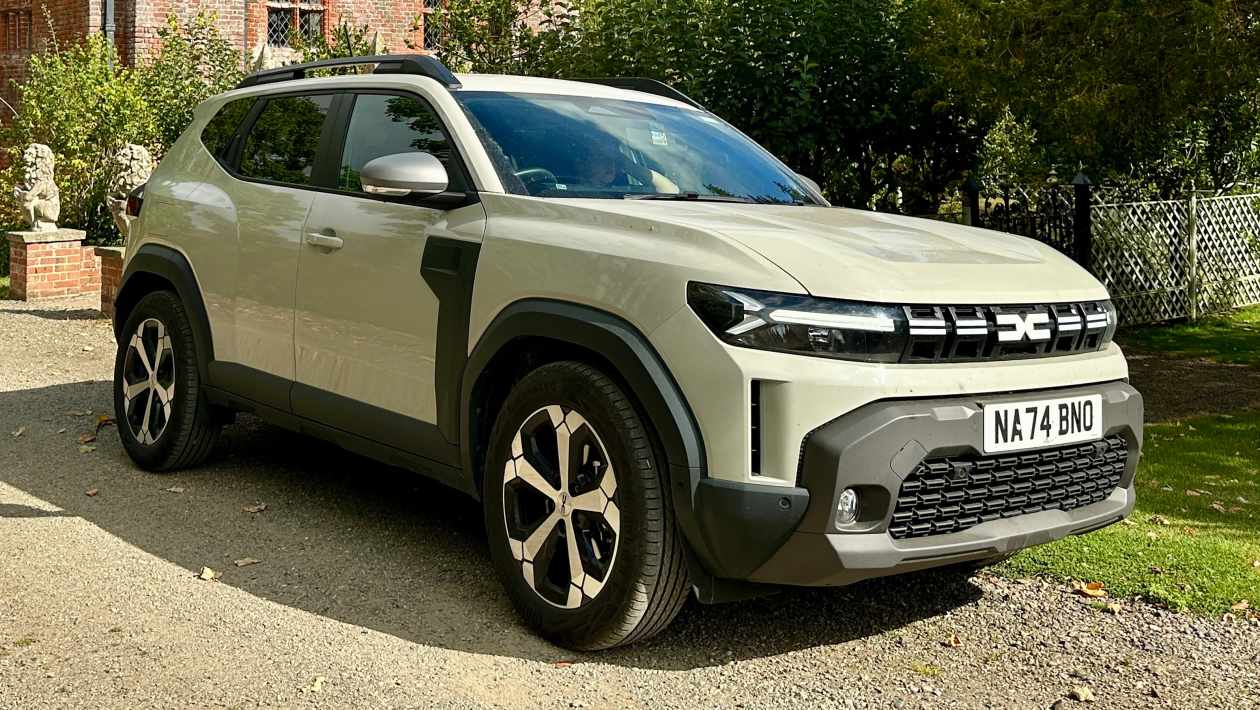
Despite all that, this is a car with a list price of less than £26,000 – lower than the most basic version of the Ford Puma – yet it comes with lots of premium tech. My car’s Journey trim includes all-round electric windows, a multiview camera, keyless entry, sat-nav and a smartphone charging pad, plus wireless Apple CarPlay and Android Auto connectivity.
So, once I’d taken delivery of the car, was the Duster as impressive on the Great West Road and beyond as it was in the glitzy showroom? To cut a long story short, yes. In fact, I’ve done a few hundred miles since these pictures were taken, and they’ve all been very pleasant. Admittedly, pretty much all of them have been around suburban south-west London – which plays to the car’s strengths – but I have no complaints.
The ride is smooth over the pothole-ridden roads, and the transmission is silky, switching neatly between petrol and electric power. The icing on the cake is that I’m getting more than 50mpg without making any great effort to drive economically. Given that the car’s official economy figure is 55.4mpg, this is very pleasing. Indeed, on one 19-mile round trip to play some sport in another part of London, I managed a record (so far) of 71.7mpg. If the car continues to hit these numbers, I’ll be very happy indeed.
The practicality, too, is perfect for my three-person family. My wife and I have plenty of room in the front seats, and there’s enough space for our 11-year-old daughter in the back. I’ll test the boot with a tip run soon.
I also like the way you can personalise the driver settings through the touchscreen, then apply them at the start of each trip with just two button presses. When you can get so much for so little it’s no surprise whatsoever that so many people are signing up to drive a Dacia.
Rating:
4.5
Model tested:
Dacia Duster Journey Hybrid
On fleet since:
February 2025
Price new:
£25,945
Powertrain:
1.6-litre 4cyl petrol HEV, four-speed auto
CO2/BiK:
114g/km/27%
Options:
Metallic paint (£650)
Insurance*:
Group: 24 quote: £630
Mileage/mpg:
2,952/54.0mpg
Any problems?
None so far
*Insurance quote from AA (0800 107 0680) for a 42-year-old in Banbury, Oxon, with three points.
MAHINDRA has grown its local sales tally by 11.6 per cent across the 2025 calendar year to become a top 30 player in the Australian new car market.
Selling a total of 4653 units – or 483 more than in 2024 – the Indian importer says it is now “one of Australia’s fastest-growing mainstream automotive brands”, ranking 29th on the list of this country’s most popular automotive marques.
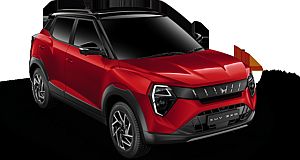
Mahindra Australia attributes much of its success to the positive impact of the XUV 3XO compact SUV on local charts, while also crediting its flagship XUV 700 SUV as a “cornerstone of the brand’s success”.
Despite the claims, Mahindra has not provided a model-by-model sales breakdown, the importer also one of several that does not divulge its sales data to the Federal Chamber of Automotive Industries’ monthly VFACTS report.
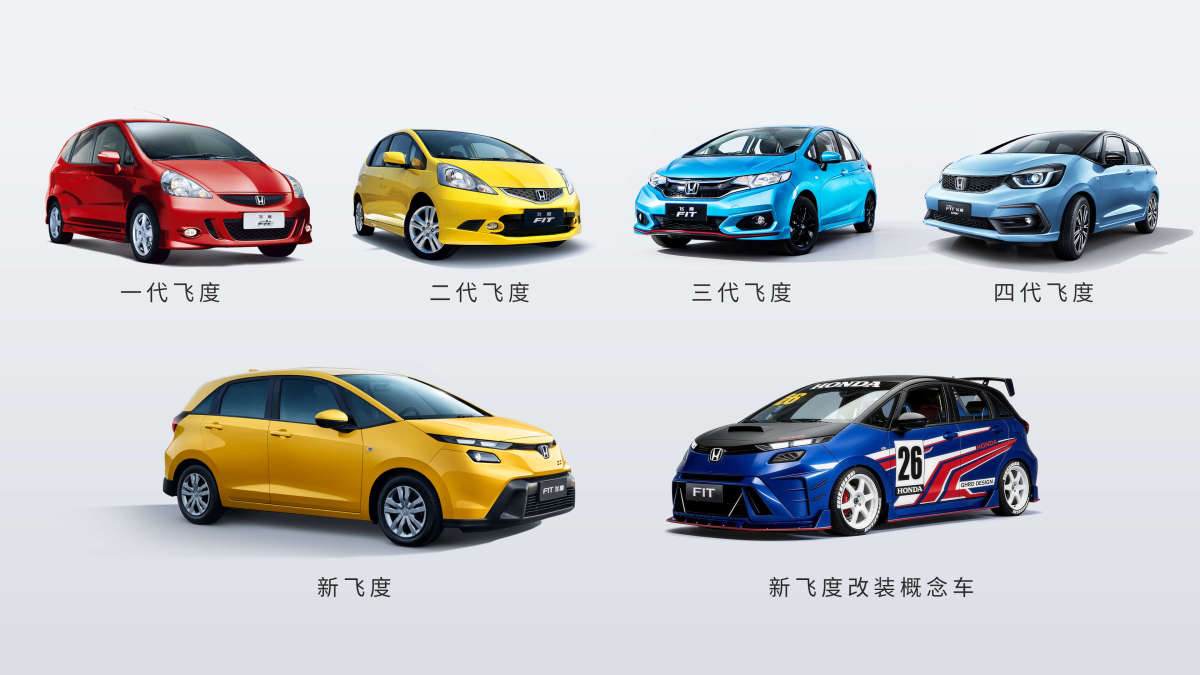
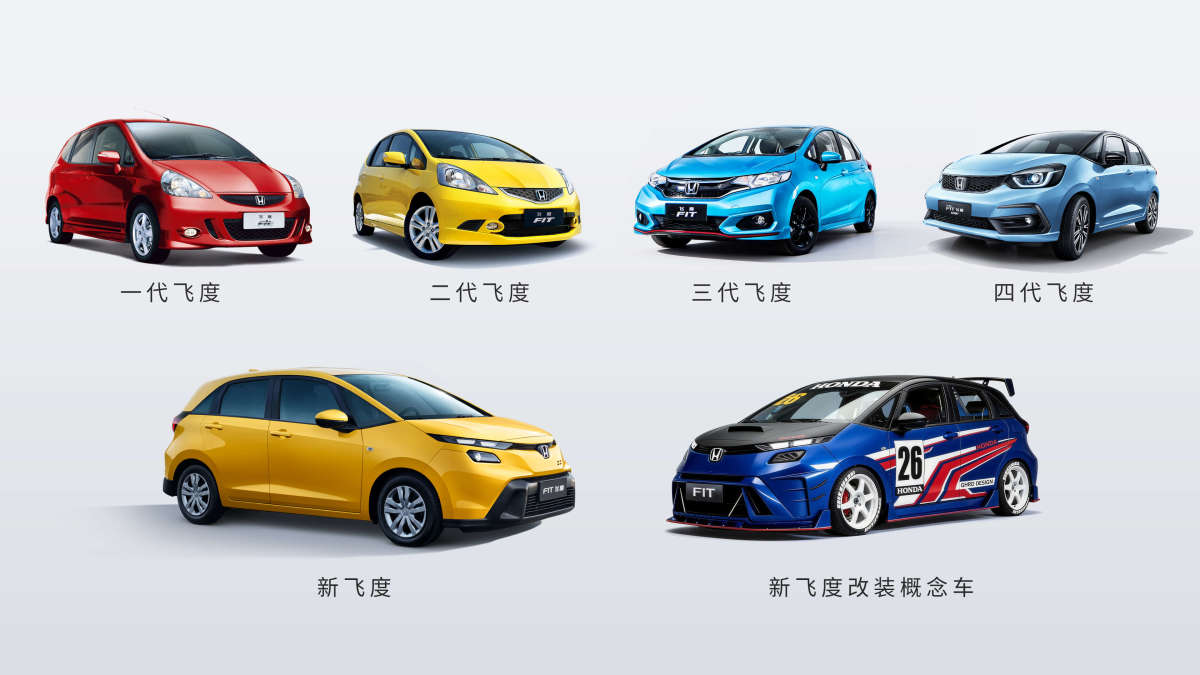
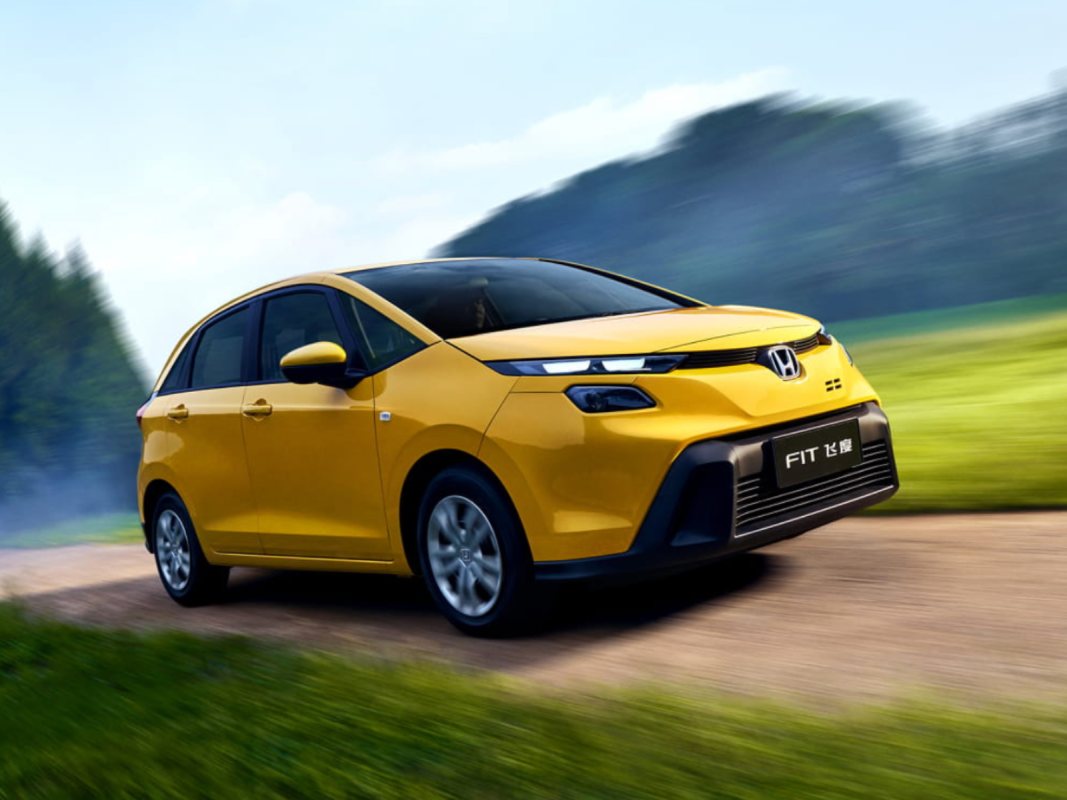
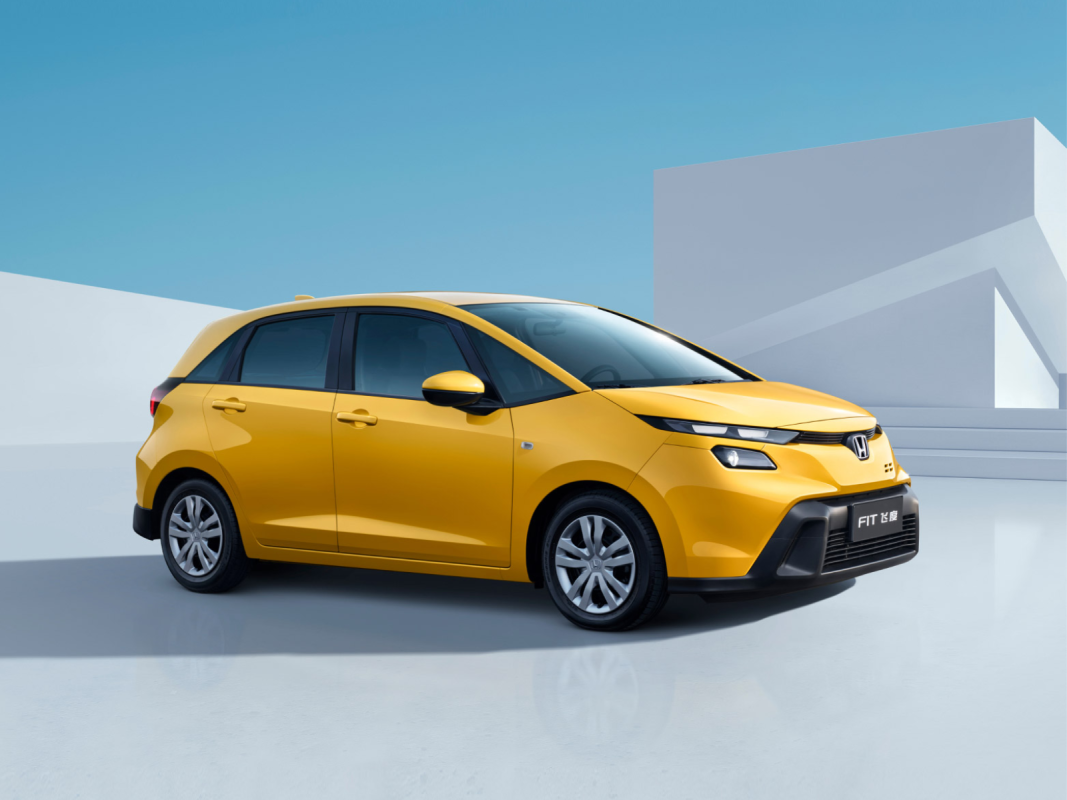
It has been roughly half a decade since the Honda Fit last appeared in the U.S. market. The subcompact hatchback—now in its fourth generation—continues to live on overseas and has just received a mid-cycle refresh in China, one that ditches the quirky front-end design some might describe as “cute.”
The refreshed version, sold through Honda’s joint venture with GAC in China, adopts a split headlight layout with slim daytime running lights, similar to the design language seen on models like the Hyundai Kona and Tesla Model Y. More intriguingly, the official press release also revealed a concept that reimagines the Fit – also known as the Jazz in other markets – with a distinctly hot-hatch-inspired appearance.
Honda
A Design Exercise
Details surrounding the concept remain limited, though GAC Honda emphasized that the updated Fit offers strong modification potential. As such, the concept appears to serve more as a visual showcase of what the platform could look like with race-inspired upgrades than as a clear indication that the automaker plans to commit resources to producing such a version.
Visually, the concept stands out with a two-tone finish and a hood-mounted scoop. It also features a more aggressive front bumper with a larger lower intake, along with aerodynamic additions such as a front splitter, canards, and a rear wing.
Despite its race-ready appearance, the stock powertrain suggests otherwise. The hatchback continues to rely on a 1.5-liter i-VTEC engine producing 91 kW (122 horsepower) and 145 Nm of torque (107 lb-ft), with power sent exclusively to the front wheels via a continuously variable transmission (CVT).
Rather than prioritizing performance, the Fit remains engineered for efficiency. According to GAC Honda, the hatchback can travel more than 700 km (435 miles) on a single tank of fuel.
Honda
Performance by Appearance
While the race-inspired Fit shown in China remains a concept, the Japan-market version – still retaining the large headlights – is offered with a sporty RS trim. It effectively mirrors the Sport trims available in the U.S., adding visual and minor performance upgrades.
GAC Honda prices the facelifted Fit at just 66,800 yuan (about $9,600 at current exchange rates), with production limited to 3,000 units. That figure stands in stark contrast to today’s U.S. market, where the average new vehicle price has climbed to around $50,000. However, the odds of a Fit revival stateside appear slim, as demand for small cars continues to fade, underscored by the discontinuation of the Mitsubishi Mirage and Nissan Versa.
Honda
View the 2 images of this gallery on the
original article