Author: admin

  • Ford and Carhartt Are Teaming Up to Boost the Skilled Trades

    Ford and Carhartt Are Teaming Up to Boost the Skilled Trades

    Ford and Carhartt want to promote real “Carhartt-type” work

    If there is one brand that is synonymous with both white- and blue-collar workers, as well as construction sites and the world’s fashion magazines, it is none other than the American heritage brand Carhartt. Born in Dearborn, Michigan, in 1889, the workwear brand has been known the world over not just for being a go-to brand for style influencers and fashionistas, but more so as a tried-and-true brand that has produced tough, long-lasting quality clothing essentials for multiple generations.

    Although you may be able to find people of all stripes wearing Carhartt everywhere from a rising skyscraper, oil rigs, and mechanics’ shops, to your local third-wave coffee shop, it has been linked to another Dearborn-based company for nearly 100 years: Ford. According to Ford, Carhartt has produced clothes for Ford’s factory workers since the 1920s, with workwear programs between the two companies dating back to the 1970s.

    Ford


    View the 3 images of this gallery on the
    original article

    However, the two companies are now getting together to serve the next generation of skilled labor. In an announcement at the Detroit Auto Show on January 13, Ford CEO Jim Farley and Carhartt CEO Linda Hubbard announced that they will be linking up on a multi-year strategic partnership designed to support what they call the “Essential Economy.” The two companies aim to “create long-term impact” by focusing on specific initiatives to support the trades, including workforce development, community building, and the development of new products.

    “Hamilton Carhartt founded our company on a simple principle: listen to hardworking people and build products that help them do their jobs safely and effectively,” Hubbard said. “For 136 years, we’ve stood with the skilled trades by making durable gear they can rely on. That commitment has since grown to include support for programs that provide people with the skills and training needed for meaningful careers in the trades. We’re excited that our partnership with Ford will help us advance this important work.”

    Ford

    View the 2 images of this gallery on the
    original article

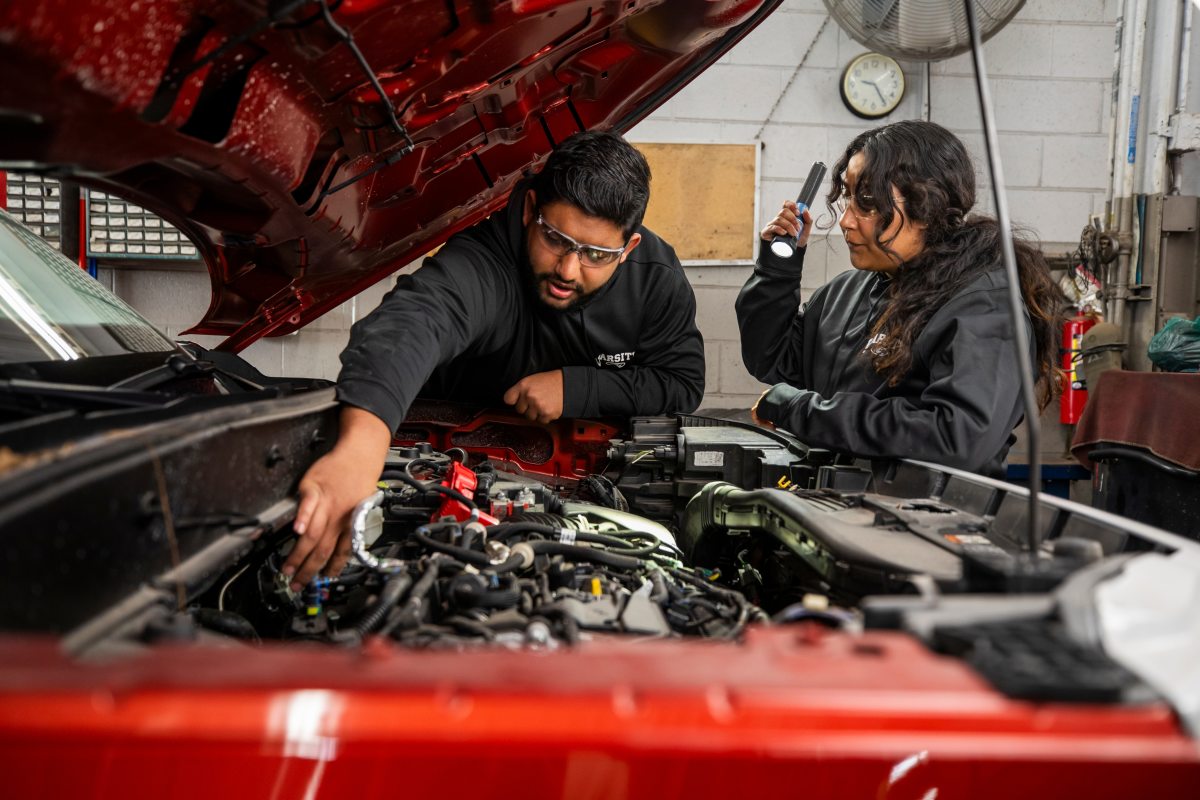
    Ford aims to equip the auto technicians of tomorrow with tools, training, and fresh, new clothes

    Part of that commitment is direct support, and, according to Ford, it aims to partner with high schools and community colleges to provide fast-track training programs and ensure a strong pipeline from education to the workforce. This also includes a partnership between Ford Philanthropy and Ford dealers with the TechForce Foundation to support Ford Auto Tech Scholars, its scholarships for potential automotive technicians in the U.S.

    As part of its new partnership with Carhartt, the next batch of Ford Auto Tech Scholars will receive fresh, new custom Carhartt gear (or “drip,” as the youth say), as well as a new tool lending program for prospective Detroit-area auto technicians through ToolBank USA. Ford says that it will be donating a ProPower onboard-equipped F-150 to the Detroit ToolBank upon its opening in February 2026, which it will use to extend its outreach across Southeast Michigan.

    “This is such a great match because we’re all committed to making sure workers have the best equipment and gear that they can get. ToolBank USA is inspiring people to do more with their hands while changing lives in our local communities,” Ford CEO Farley said. “Who better to expand their mission and bring the next hub to this great city than two iconic Detroit companies, Ford and Carhartt.”

    Ford
    A Carhartt Super Duty is coming

    Since late 2025, Ford and Carhartt used uniform services provider Cintas to outfit dealership technicians with the legendary brand’s clothing, including Ford/Carhartt-branded shirts, pants, jackets, sweatshirts, footwear, and accessories. However, they are going one step further with their expanded collaboration.

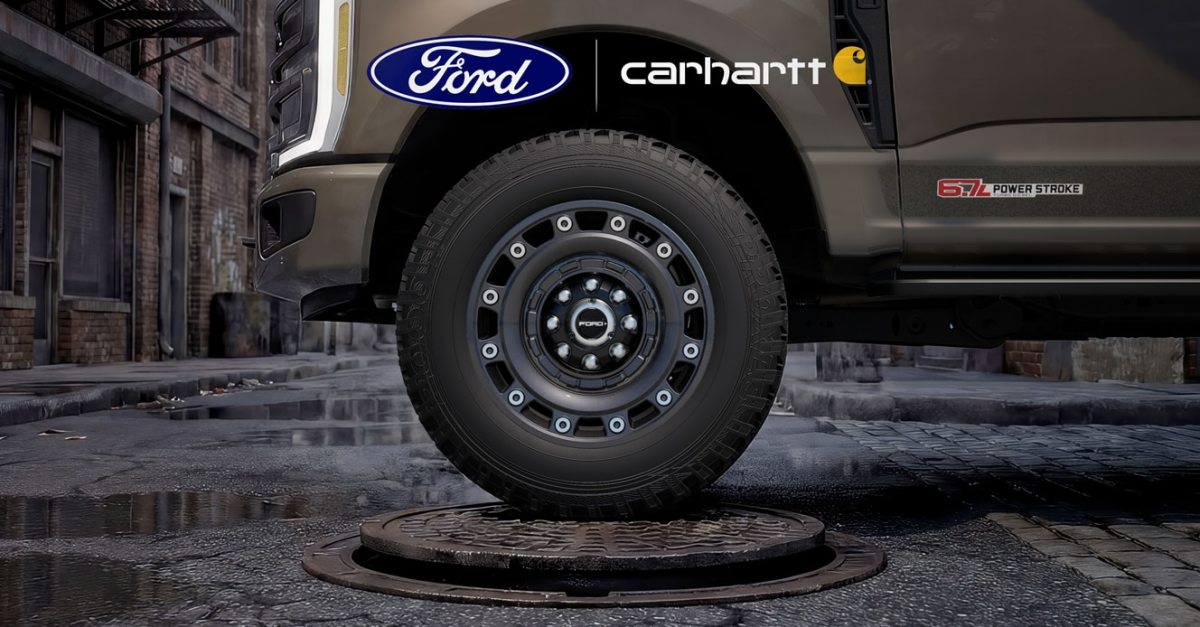
    Ford and Carhartt also announced that, in addition to new merchandise, which “explores the intersection of heritage workwear and automotive craftsmanship, uncovering shared values of durability, innovation, and local pride,” the two are linking up on a new 2027 Super Duty Carhartt truck, which is coming later this year.

    No exact details have been revealed as of yet; however, Ford noted that the vehicle is inspired by the brand and that its designers injected inspiration that executives gained from a visit to Carhartt’s downtown Detroit store, where they got up close with the different colors and textures of the brand’s storied pieces, as well as the elements surrounding the store. The lone detail revealed by Ford, the truck’s wheel, is said to be inspired by the Detroit city manhole covers outside the store.

    “Carhartt’s DNA is all about hardworking people, doing incredible things with their rugged apparel, which is as necessary as the tools they use — just like our trucks serve builders as tools for their trade,” Ford Global Licensing senior manager Tyler Hill said in a statement.

    Final thoughts

    Ford CEO Jim Farley has been very vocal about the growth of the skilled trades. On a November 2025 episode of the Office Hours: Business Edition podcast, Farley said Ford had 5,000 open mechanic positions that it is struggling to fill, despite it being a position that can open up a pathway toward an $120,000 annual salary, noting that its stuggle to fill jobs that require training or manual labor are signs that there is a shortage of skilled tradespeople in the U.S.

    “We are in trouble in our country. We are not talking about this enough,” he said at the time. “We have over a million openings in critical jobs, emergency services, trucking, factory workers, plumbers, electricians, and tradesmen. It’s a very serious thing.”

    This new partnership with Carhartt is just one piece of the puzzle. In an interview with Business Insider, Ford Philanthropy president Mary Culler added that these seemingly dirty, unglamorous jobs have a real perception problem in today’s connected-car era, as techs will be working mostly with technology and not wrenches.

    “People we talk to tell us, ‘I didn’t realize it wasn’t the greasy job I expected,’” Culler told BI. “People don’t understand that it’s a very high-tech job, it’s a very computer-intensive job.”
    Source link

  • U.S. Officials Blast Canada’s Cheap Chinese EV Deal

    U.S. Officials Blast Canada’s Cheap Chinese EV Deal

    China’s advanced auto industry may be hitting some speed bumps at home, but it’s expanding overseas at warp speed. And lately it’s been a question of “when,” not “if,” those vehicles could ever come to the United States.

    2026 already feels like some dominoes have begun to fall. You had the Geely Group’s strong showing at CES (and hints that a U.S. debut announcement could come in the next few years), President Donald Trump’s repeated openness to Chinese automakers setting up factories in the U.S., and now, a trade deal between Canada and China that will lower tariff barriers to Chinese EVs in America’s neighbor to the north. So where do things go from here?

    The must-read morning roundup of EV and tech news.

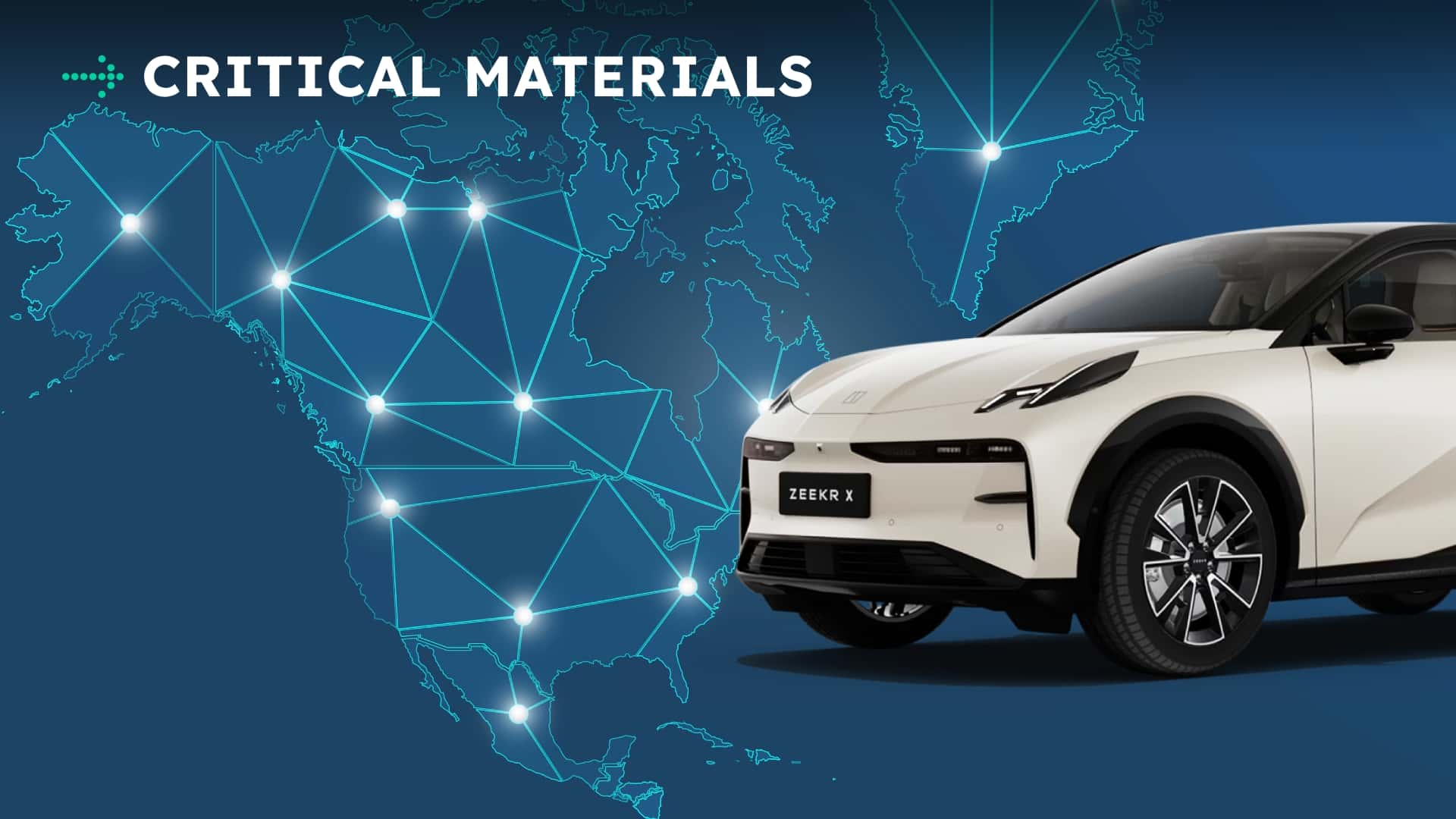
    Welcome back to Critical Materials, our morning roundup of auto industry and technology news. We’ll be diving more into the China trade deal today, along with why it’s good news for Tesla, and why this debate is caught up in the ongoing affordability crisis. Let’s dig in. 

    25%: Canada’s EV Tariff Deal With China Puts The U.S., Auto Industry On Alert


    Geely and Zeekr at CES 2026

    Geely and Zeekr at CES 2026

    Photo by: Patrick George

    As we reported on Friday, the China-Canada deal is small for now—it’s capped at 49,000 cars for its first year, with expansion to 70,000 within five years. But it’s a start (or rather a restart, since it returns Canada to its pre-2023 tariff deal) to something potentially big: the growing expansion of Chinese EVs into North America. And as Canadian Prime Minister Mark Carney explicitly said, most of these imports will cost under $25,000 U.S. (about $35,000 CAD).

    Naturally, not everyone is happy about what could be a threat to automotive jobs in North America. Sen. Brian Schatz, D-Hawaii, blamed the Trump administration’s strained relations with Canada, reports The Hill:

    “We just got absolutely rolled in this Canada – China deal. A stark foreign policy failure with domestic economic consequences,” Schatz wrote in a post on social platform X. 

    “The most basic principle in politics and geopolitics is loyalty to friends. And we weren’t just disloyal – we were hostile. So here we are,” he added.

    President Donald Trump, for his part, appeared to give the deal a thumbs-up: “If you can get a deal with China, you should do that,” Trump told reporters. Other U.S. economic officials said Canada will ultimately regret the deal.

    My colleague Kevin Williams has a good story about what’s at stake, and why leaders in the auto-producing parts of Canada are especially unhappy about the deal. And it brings plenty of concern among U.S. auto industry observers as well. From the Associated Press:

    Chinese automakers will have to meet standards required for the Canadian auto market for the latest trade arrangement to be successful—standards that are similar to those in the U.S.—which is likely to incentivize Chinese auto manufacturing investment in Canada.

    They’ll also have to establish which segment of the market they are targeting there: Higher-end vehicles, or less-expensive ones that sell at higher volumes.

    Regardless, “It brings it home to what is needed to compete globally,” said Mark Wakefield, global automotive market lead at AlixPartners. The firm predicts Chinese brands will account for 30% of the global market by 2030.

    “They’ve already started in Europe. They started in South America. Now Mexico and Canada,” Wakefield said. American carmakers “don’t want to end up as a Brazil with your ethanol-based cars that aren’t sellable anywhere else in the world and … like Britain or Australia that used to matter in the auto world, and no longer really matter.”

    Emphasis mine above, because that is indeed a scary outcome for the U.S. auto industry.

    Then again, if it brings more affordable hybrid and zero-emission options to North America—and the way things are potentially going, the U.S. included—and is that such a bad thing? Ultimately, North Americans will have to make a choice: affordability or loyalty to local production.

    Unless, of course, our automakers can meet people halfway and get that $50,000 average new car price down considerably.

    50%: The Canada-China Trade Deal Is Good News For Tesla


    2026 Tesla Model 3 Standard

    2026 Tesla Model 3 Standard

    Photo by: Tesla

    Tesla had a bad year in Canada in 2025, with sales dropping nearly 64% amid the U.S. trade war and CEO Elon Musk’s multiple controversies. But the China trade deal could be good news for the electric automaker: it builds a ton of cars in China, including ones it exports to Canada (unlike the U.S.)
    And now, those just got a whole lot cheaper, potentially. Here’s Reuters with more:

    While many Chinese automakers will be keen to seize the opportunity as they expand exports, Tesla has an advantage as it in 2023 already equipped its Shanghai plant, its biggest and most cost-efficient factory globally, to build and export a Canada-specific version of its Model Y.

    The U.S. automaker had that same year started shipping the car from Shanghai to Canada, boosting Canadian imports of automobiles from China to its largest port, Vancouver, by 460% year over year to 44,356 in 2023.

    But it was forced to stop in 2024 and switched to shipping from its U.S. and Berlin factories after Ottawa imposed 100% tariffs, citing a wish to counter what they called China’s intentional state-directed policy of overcapacity.

    “This new agreement could allow resumption of those exports rather quickly,” said Sam Fiorani, vice president of research firm AutoForecast Solutions.

    Now, to see if Canadians actually line up to buy those cars.

    75%: Affordability Anxiety Will Define 2026’s Car Market


    2027 Chevrolet Bolt

    Photo by: Patrick George

    But all of this, I’d argue, isn’t even a technology issue or a geopolitical one: it’s an affordability issue. The appeal of Chinese imports is that they’re good and they’re cheap—a combination that feels in short supply in the North American car market.

    According to Automotive News, affordability anxiety was the overwhelming vibe at the 2026 Detroit Auto Show. And while carmakers may breathe a sigh of relief that they’re no longer under a regulatory gun to make tons of EVs now that fuel economy requirements have been eased, they can’t lean on super-expensive gas trucks to save the day like they used to:

    “What’s holding the market back is certainly affordability and really the lack of low-priced vehicles,” said Michael Robinet, executive director of automotive consulting at S&P Global Mobility. “Not only in the United States, but around the world, this is a problem.”

    Sen. Bernie Moreno, a former car dealer and member of the committee working to reschedule testimony from the Detroit 3 CEOs, said the Trump administration is easing regulations to help bring down vehicle costs and that automakers also have a role to play. The government is rolling back emissions standards and in September eliminated a $7,500 tax credit that had greatly fueled EV demand.

    It now takes about 36 weeks of median income to buy an average new vehicle, according to Cox Automotive data. That’s down from 42 weeks three years ago but not necessarily a sign affordability has significantly improved, Cox Executive Analyst Erin Keating said.

    “Even with affordable vehicles out there, fewer buyers are buying. The consensus is that this shift isn’t temporary. … That’s one reason dealer sentiment reflects concern. The missing customers aren’t sidelined. They’re essentially excluded.”

    So how do they plan to meet the moment? According to that story, Jeep and Ram parent company Stellantis is preparing more models priced under $40,000 and even $30,000 (though I’ll believe the latter when I see it) and even Ford said it might consider making sedans again after canceling all of them in 2020.

    One bright spot for EV fans: the falling costs of batteries should make electric power more affordable. But clearly, the demand is there for new cars that won’t break the bank. And if the familiar automakers won’t deliver, it seems China Inc. is ready to.

    100%: How Much Does It Matter To You Where Your Car Is Made?


    Zeekr 9x

    Photo by: Zeekr

    I have owned Toyotas made in the United States, a Chevrolet and a Mazda made in Mexico, and a Kia made in South Korea (that’s now made in Georgia instead), among other things. I can’t say that production origin means all that much to me in a globalized world.

    So is that a priority for you when you buy a car? Sound off in the comments. 

    Contact the author: patrick.george@insideevs.com

    Source link

  • Tips To Help You Choose

    Tips To Help You Choose

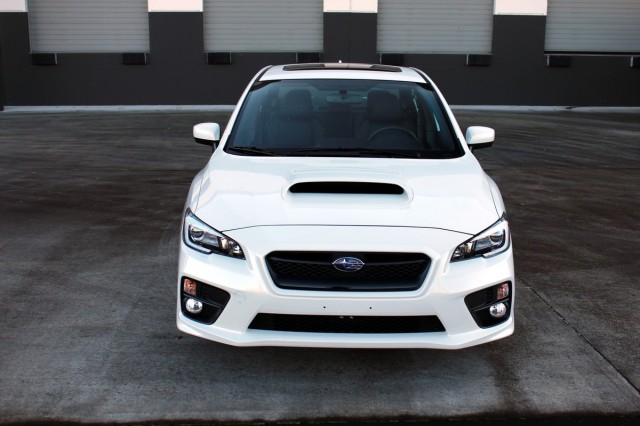
    The 2015 Subaru WRX is one of this year’s standout new performance cars. And if you’re considering putting one of these affordable all-wheel-drive sport sedans in your driveway, you have a fundamental choice to make: Do you go with the six-speed manual, or the so-called Lineartronic continuously variable automatic transmission (CVT).

    DON’T MISS: The Secret World Of License plat Tracking (Yes, It’s As Shady As You Think)

    CVTs tend to be appealing in theory, as they permit infinitely many ratios within a range, allowing engines to be held at the revs where they’re most powerful or economical when accelerating. They’re tempting to automakers as they offer some real advantages in performance and fuel economy numbers. But in execution they can exaggerate noise and vibration issues, and interfere with traditional sensations of sportiness and speed.

    Subaru’s CVT is one of the best we’ve driven, and perhaps the best we’ve experienced in a performance-oriented car. And much of it is due to programming and controls—and a strategy that doesn’t surge and ‘motorboat’ but instead feels comfortable when you need it to be, while adding back in some of the benefits of having gears.

    ALSO READ: Oldest Drivers Are Driving More–And Driving Medicated More–Than Ever

    2015 Subaru WRX - Driven

    2015 Subaru WRX – Driven

    Even considering all that, now that we’ve driven WRX models with both of these transmissions, both at early drive events and then on familiar roads, for us it’s still a no-brainer. Like most driving enthusiasts, we’d choose the manual car, with its nice precise linkage and rather light clutch pedal.

    But part of what makes this car so appealing is that with the right set of tires it can just as easily be a four-seasons winter-weather champ. And there are probably plenty of people who want a 268-hp turbocharged, all-wheel-drive sedan that’s quick yet great for the year-round commute.

    If you’re still unsure which transmission to choose, click on and take a look at our list of three crucial pros and cons for each.

    (more…)

  • Car and Driver’s 10Best Cars, Trucks, & SUVs Through the Decades

    Car and Driver’s 10Best Cars, Trucks, & SUVs Through the Decades

    For the seventh consecutive year, it’s our pleasure to bring you Car and Driver’s annual 10Best issue—the oldest and best of its kind. Each autumn, as the leaves begin to turn, we begin to assemble a field of automobiles from which our editors select—by secret ballot—our 10Best Cars. We take this assignment seriously, and, judging from the flood of mail that our January issue generates, so do you. And so do the numberless newspapers, radio stations, television shows, and magazines who call us for interviews about our 10Best Cars.

    FULL 1989 10BEST COVERAGE

    Winners:
    Acura Legend Coupe
    Chevrolet Corvette
    Dodge Colt Turbo / Mitsubishi Mirage Turbo
    Ford Probe GT
    Ford Taurus / Taurus SHO
    Honda Accord
    Honda Civic
    Lincoln Continental
    Mitsubishi Eclipse Turbo / Plymouth Laser Turbo
    Saab 9000 Turbo

    Source link

  • Market Insight: Electrified vehicle sales catch up

    Market Insight: Electrified vehicle sales catch up

    ELECTRIFIED vehicle sales – including those with hybrid, plug-in hybrid, hydrogen fuel cell and battery electric powertrains – are making ground on the total share of diesel models sold Down Under. 


    Data collated from the Federal Chamber of Automotive Industries (FCAI) VFACTS report and the Electric Vehicle Council (EVC) most recent statistics show electrified vehicle sales now trail those of all diesel-powered vehicles sold by just 8716 units – or 0.7 per cent of the total number of vehicles sold for the 2025 calendar year. 


    And while diesel numbers remain steady as a whole, the data shows electrified vehicle share is consistently eroding that of petrol-powered models, which have decreased in volume by 4.4 per cent since the start of the decade. 


    It is a trend that appeared to accelerate late last year, as in December 2025, electrified vehicles edged ahead of their petrol counterparts by 499 units and outdid diesel by nigh-on 6900 deliveries. 


    In 2025, Australian new vehicle buyers purchased a total of 475,279 petrol-powered vehicles, 54,070 fewer than at the beginning of the decade. By contrast, diesel-powered vehicle sales have increased by 73,594 units, led largely by the popularity of dual-cab light commercial utilities. 


    But by far the largest incremental shift is in the uptake of electrified vehicles. Combined, sales of all electrified models have increased by a staggering 293,848 units against the 2020 calendar year, an uptick of 473.6 per cent. 


    VFACTS data shows 199,133 hybrid vehicles were sold in 2025, a 16 per cent share of all vehicle sales for the calendar year, and a five-year increase of 239.9 per cent. 


    Plug-in hybrid vehicle sales reached 53,484 units at the end of last year, up 3,063 per cent. 


    Battery electric vehicle sales compiled from VFACTS and Electric Vehicle Council (EVC) data – due to Polestar and Tesla reporting exclusively to EVC since July 2024, following a dispute with the FCAI over New Vehicle Efficiency Standard lobbying- have increased from 1769 units at the start of the decade to 103,270 units at the end of 2025, or 5737.8 per cent up since 2020. 


    However, the 2025 result marked a reduction from the 114,672 battery electric vehicles sold in 2024, their popularity most likely eroded by plug-in hybrid sales, which more than doubled to 53,484 units last year. 


    On the whole, the figures indicate a marked shift in buyer preference toward greener vehicle technologies as a greater number of more affordable ‘new energy’ entrants arrive in the market. 


    It is a trend that will continue in the years ahead as the federal government’s New Vehicle Efficiency Standard wields an increasingly big financial stick against vehicle importers that sell a lot of high-emitting models. 


    With penalties on higher-polluting vehicle types expected to inflate retail prices of diesel- and petrol-powered models commensurately, it is indubitable that the trajectory of electrified vehicle sales will continue its steady ascent. 


    Electrified vehicles catch up to diesel as petrol flatlines

    Breakdown by electrified propulsion type 

    EVC figures (Tesla and Polestar) 


    *Data supplied courtesy of the FCAI and EVC

    Source link

  • Infiniti reboots with 2 EVs, QX65 SUV, and redesigned QX80

    Infiniti reboots with 2 EVs, QX65 SUV, and redesigned QX80

    On Tuesday, Infiniti announced its latest reboot to bolster sales.

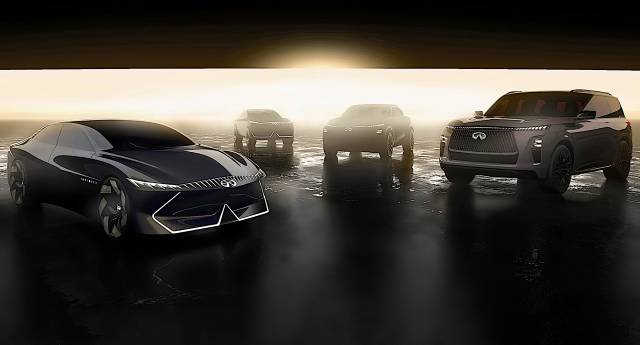
    In addition to a redesigned version of the QX80 full-size SUV expected for the 2025 model year, Nissan’s premium brand previewed a QX65 coupe-like crossover SUV, and teased two electric vehicles as a sedan and a crossover.

    On the eve of the Japan Mobility Show, Infiniti showcased a Vision Qe concept that previews an electric sedan to be made at Nissan’s plant in Canton, Mississippi. In previous reports, Infiniti targeted a production ramp-up of 2025 for the brand’s first EV.

    The fastback sedan concept sports Infiniti’s latest design direction, headlining a bowed grille in the shape of sunglasses, as well as light bar signatures on the front and rear. Massive wheels, a low profile and high beltline, as well as a fastback roofline that flows from the long hood into the upturned lip at the hatch reflect alluring concept style to serve as the fundamental basis for a production vehicle. There was also a QXe concept electric crossover in the shadows at the Vision Qe’s debut. 

    Infiniti Vision Qe concept

    Infiniti Vision Qe concept

    Infiniti Vision Qe concept

    Infiniti Vision Qe concept

    Infiniti Vision Qe concept

    Infiniti Vision Qe concept

    A more life-like an imminent launch is the redesigned QX80 arriving next year. The truck-based SUV related to the Nissan Armada was previewed in QX Monograph concept form in August at Pebble Beach with more pronounced piano-key lighting, Lincoln-like wheel designs, and a promise of a more luxurious interior and tech to differentiate it from the Armada. 

    Infiniti QX Monograph concept

    Infiniti QX Monograph concept

    Infiniti could use the new product line injection promised in Tokyo. 

    While the brand has surged by 47.8% so far this year over last year, thanks in part to the QX60 three-row SUV redesigned for 2022, its year-to-date sales of 48,830 units are about half of what they had been for at least the decade preceding 2022. To put it into greater context, Infiniti keeps losing ground to other premium brands. The year-to-date sales are less than half of those of Acura (110,535) and Buick (124,868), more than 10,000 off Lincoln (59,441), and less than a quarter of annual Lexus sales (224,308). 


    Source link

  • Car Prices Hit $50,000. Now the U.S. Wants to Ease Emissions Rules

    Car Prices Hit $50,000. Now the U.S. Wants to Ease Emissions Rules

    The Solution to Rising Car Prices

    A report from Reuters says the Trump administration’s top auto policy officials are seeking to lower vehicle prices by scaling back emissions regulations. This aligns with the fact that average new car prices surpassed $50,000 in December 2025.

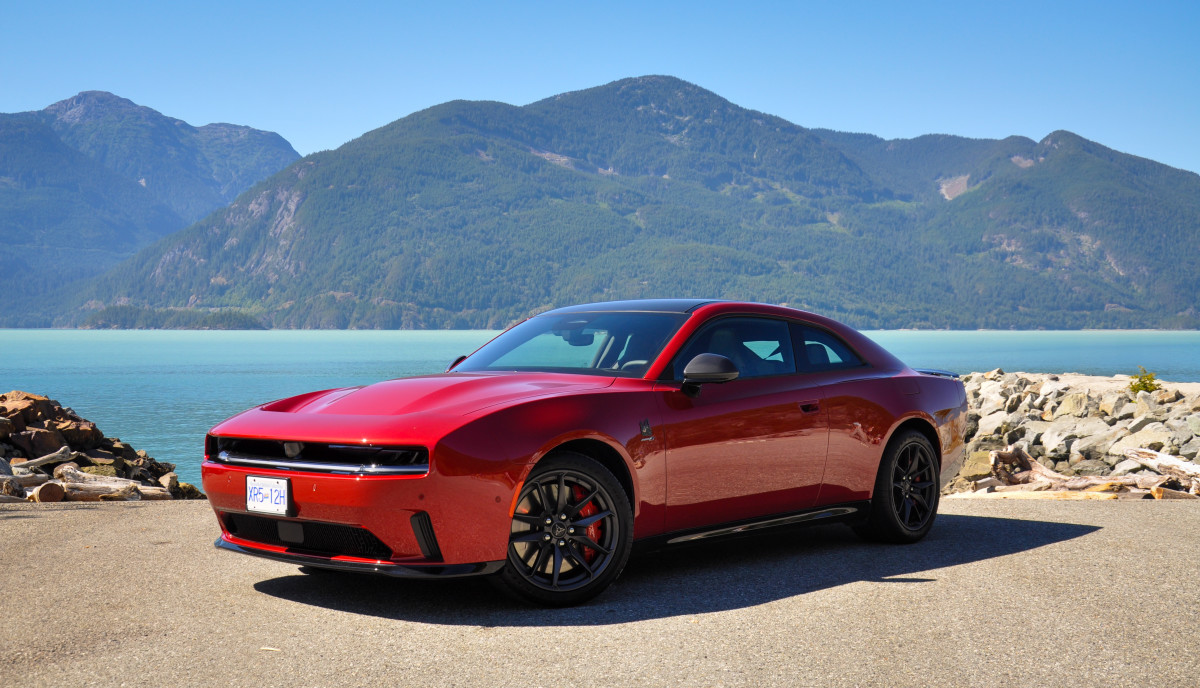
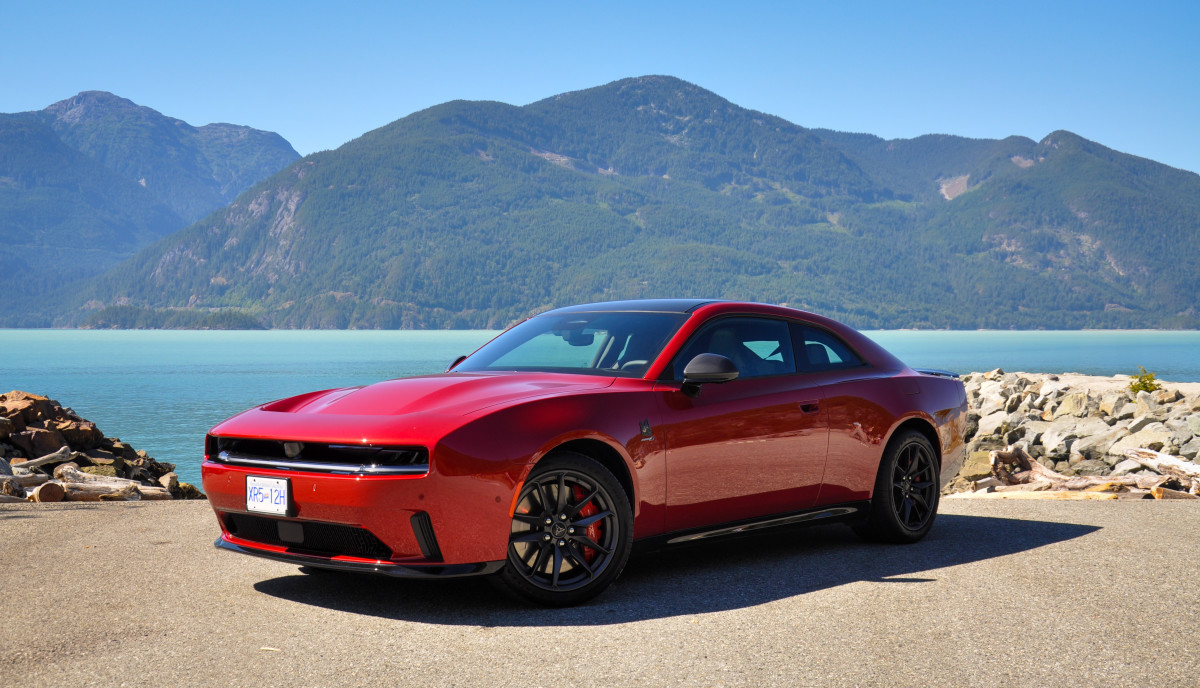
    Despite what some view as opposition to electrified vehicles, Transportation Secretary Sean Duffy said the market should not depend on “government policy to encourage EV purchases while penalizing combustion engines.” That regulatory tilt was evident in recent automaker product strategies, with Dodge – a brand long associated with muscle cars – going so far as to discontinue the gas-powered Charger as the nameplate transitioned to a new generation initially led by an all-electric version.

    Cole Attisha

    The Policy Winds Change Direction

    At the same time, combustion-powered vehicles appear to be regaining momentum, highlighted by the return of models such as the 777-horsepower Ram 1500 TRX. The shift follows policy changes under the current administration, including the elimination of the $7,500 federal EV tax credit and the removal of penalties tied to fuel-efficiency requirements. Even California – long viewed as a leader in EV adoption – saw its plan to phase out new gasoline-powered vehicle sales by 2035 rescinded.

    Environmental Protection Agency (EPA) head Lee Zeldin reiterated that view, arguing the government “should not be forcing, requiring, mandating that the market go in a direction other than what the American consumer is demanding.”

    So how can easing emissions regulations affect car prices? One factor is that automakers must invest in additional hardware to meet emissions rules and avoid penalties. This often includes electrified components such as electric motors that form part of hybrid systems. While these technologies improve fuel efficiency and performance – by operating in parallel or in series with an engine, as seen in Nissan’s e-Power system – they also add complexity and cost to vehicles.

    Nissan

    The Market’s Verdict So Far

    The shift in EV policy may have weighed on brands such as Tesla, but overall U.S. new-vehicle sales still reportedly rose 2.4% in 2025 to 16.2 million units. U.S. Trade Representative Jamieson Greer added that the removal of EV incentives and the introduction of new tariffs are “not really getting down to the consumer,” suggesting that lower vehicle prices could still materialize.

    The report also noted that the EPA is expected to finalize a rule in the coming weeks that would remove federal tailpipe emissions mandates.

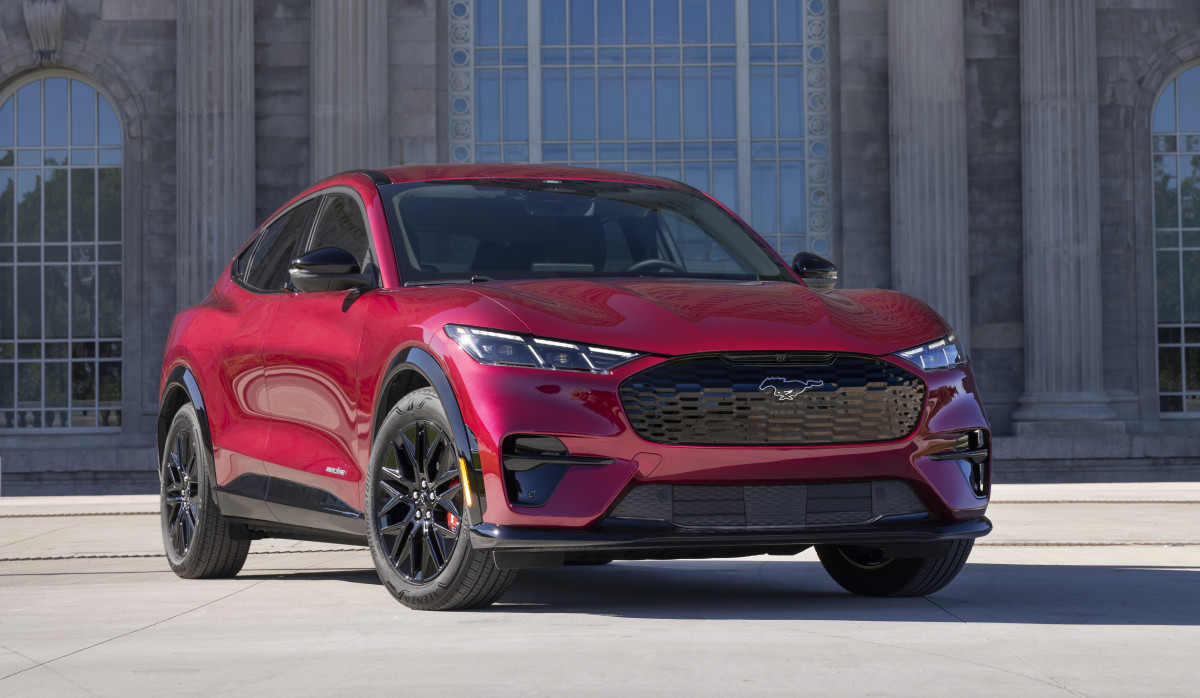
    Ford


    View the 3 images of this gallery on the
    original article

    Source link

  • Here’s How You Jump Start A Completely Dead Rivian

    Here’s How You Jump Start A Completely Dead Rivian

    There’s a key challenge with some electric vehicles’ door handle design. If the door handles pop out electronically, a dead battery can leave you locked out, and unable to open the hood. Without hood access, you probably won’t know how to jumpstart a dead low-voltage battery, leaving you locked out. 

    Here’s how you solve that issue, at least if you own a Rivian R1T or R1S. The latest video from Out Of Spec Bits breaks down the process, which is similar to the process for most EVs with pop-out door handles. 

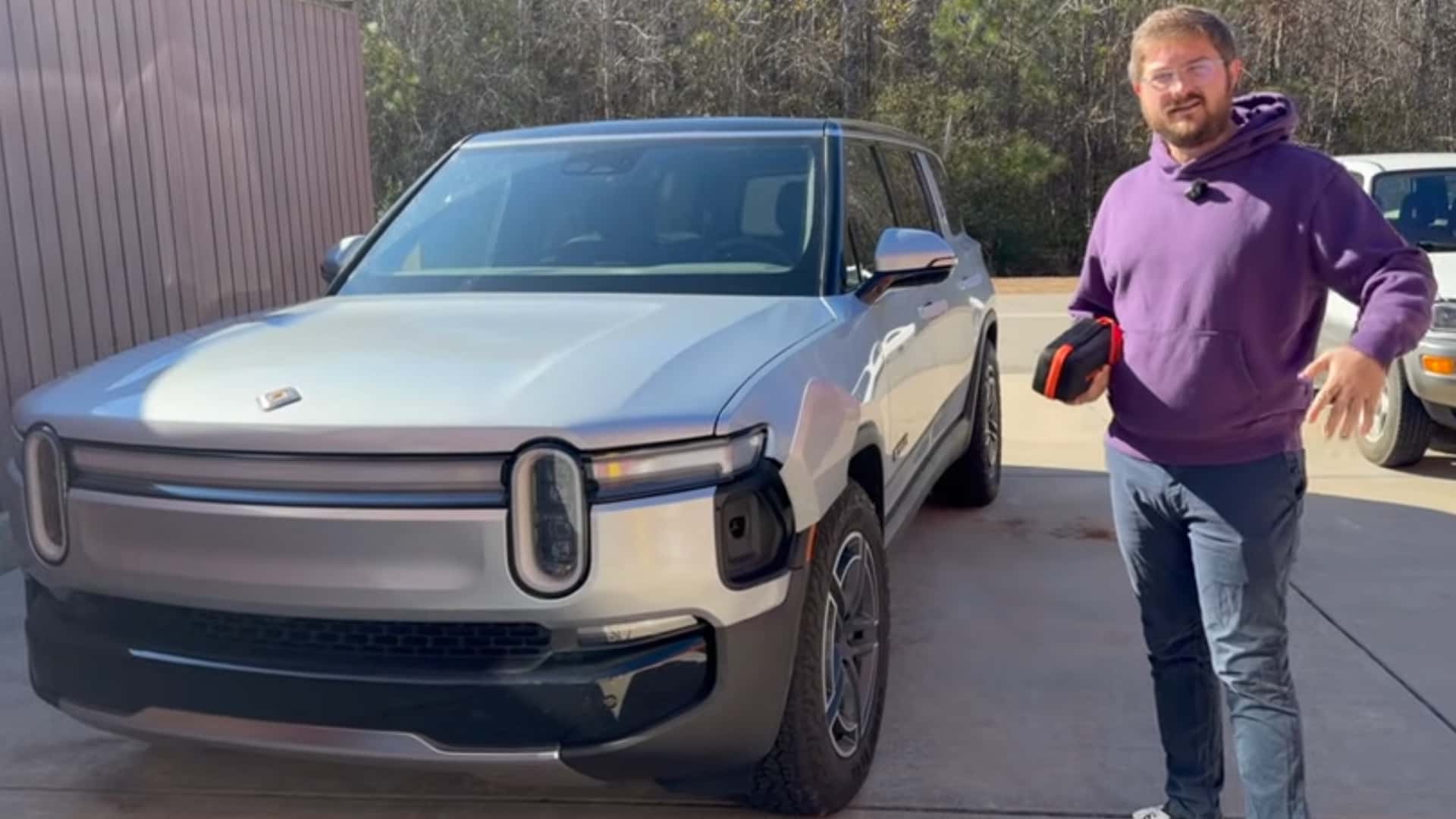
    In the video, Kyle and Scot from Out Of Spec start with a 2026 Rivian R1S that is completely dead. Both the low- and high-voltage batteries are dead, a worst-case scenario for an EV. Without a functioning 12-volt battery, you often can’t engage the charging system on the high-voltage battery. That’s why jump-starting the 12-volt battery is the first step.

    For most EVs, there is a manual way to get into the cabin or hood. On Gen 2 Rivian R1s, there’s no manual way to get in, but there are a pair of wires in the trailer wiring harness that can be used as jump leads. By connecting a jump box or another vehicle’s battery to these cables, you can power up the vehicle’s low-voltage power system and engage high-voltage charging.

    Unfortunately, the video shows that this is all easier said than done. The Rivian requires a consistent 12-volt signal to power up its door handles and screens, and a portable roadside jump-box isn’t quite enough. Even a larger lead-acid model isn’t enough to get the on-board charger to accept an AC connection and begin charging. 


    This is where you connect the jump box to a Rivian R1S or R1T.

    This is where you connect the jump box to a Rivian R1S or R1T.

    Photo by: Out of Spec Reviews (YouTube)

    To solve that, Out Of Spec jumps the Rivian the old-fashioned way, with a pair of jumper cables and a gas car. The Rivian takes so much load that you can hear the Ford Crown Victoria’s engine rev up, but that’s enough to get it charging. From there, the DC-to-DC converter handles the rest of the low-voltage charging, while the wall plug and onboard charger juice up the traction battery.

    For most EVs, it won’t be this challenging. Modern EV battery systems are designed to keep the 12-volt batteries topped up, and most are easy to jump start when they inevitably expire. Still, if you want to avoid dealing with this, the advice is the same. Always replace your car’s 12-volt battery every three to five years, or at least get it tested to ensure it’s still strong. You’d hate to walk up one day and find your power door handles tucked away, unable to open.

    Contact the author: Mack.Hogan@insideevs.com

    Source link

  • Testing The Bugatti Veyron Was An Adventure Into the Unknown

    Testing The Bugatti Veyron Was An Adventure Into the Unknown

    Few people are lucky enough to get behind the wheel of a Bugatti Veyron, but Loris Bicocchi is even luckier. He was the test driver Bugatti hired to explore the outer limits of Veyron prototypes during the car’s development in 2001. As he describes in a press release from the automaker, it was an expedition into the unknown.

    Bicocchi served as a test driver for Bugatti’s ill-fated 1990s incarnation, shaking down the EB110 in both GT and higher-power Super Sport forms. But with a quad-turbocharged 8.0-liter W16 that would go on to produce 1,001 horsepower and 922 pound-feet of torque in production form, the Veyron was something else entirely. Today Rivian sells an electric pickup truck with similar output, but at the time, the Veyron had about twice the power of any production vehicle.

    Bugatti Veyron test driver Loris Bicocchi.
    Bugatti

    “I didn’t know what to expect,” Bicocchi said of his first test of a Veyron prototype at a Michelin track in France. “I didn’t dare to go full throttle. It was so impressive—crazy, almost inexplicable. You immediately understood what this car stood for.”

    The Veyron was capable of reaching 253 mph, a record for production cars at the time. A couple of supercars—the EB110 and the McLaren F1 that the Veyron would eventually dethrone as the world’s fastest—had ventured deep into 200-mph territory, but it was still largely unfamiliar ground for production cars.

    “From 300 or 320 kph [186 mph or 198 mph] onwards, everything changes,” Bicocchi said. “Especially aerodynamics. Every single detail counts. I had to reset all the references I had built during my career, because the Veyron was simply incomparable to anything I had driven before.” But after getting to grips with an “incomparable” car, Bicocchi had to guide development so the final product could be driven by mere mortals.

    “That was a huge responsibility, both for me and the marque,” he said. “We had to create an incredible car, yes, but one that could be driven by anyone, not only by professional drivers. It was real teamwork—a 360-degree strike force of experts—and we all learned together as we set about making history.”

    And make history they did. The Veyron entered production in 2005, relaunching the Bugatti brand in grand style. Bugatti built 450 examples over 10 years, spanning the original 16.4 coupe and other variants, including the Grand Sport convertible and the Super Sport, which upped the top speed to 267 mph. The Veyron was replaced by the Chiron, which in turn has been superseded by the Tourbillon, a car that’s expected to continue pushing the limits of speed and elitism.

    Got a tip? Send it in: tips@thedrive.com

    Stephen has always been passionate about cars, and managed to turn that passion into a career as a freelance automotive journalist. When he’s not handling weekend coverage for The Drive, you can find him looking for a new book to read.


    Source link

  • Ferrari Enzo sells for a record $17.9 million at auction

    Ferrari Enzo sells for a record $17.9 million at auction

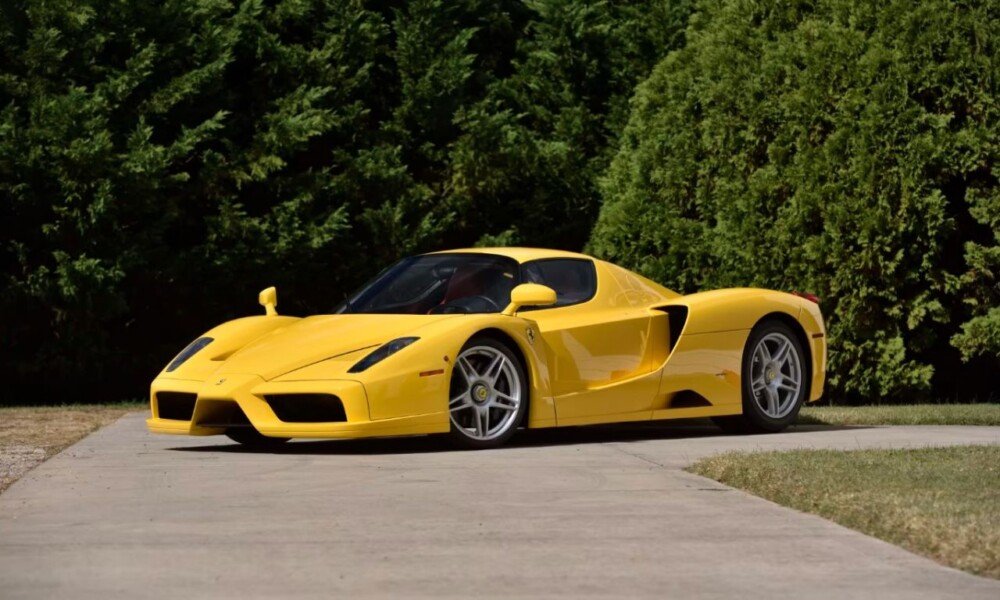
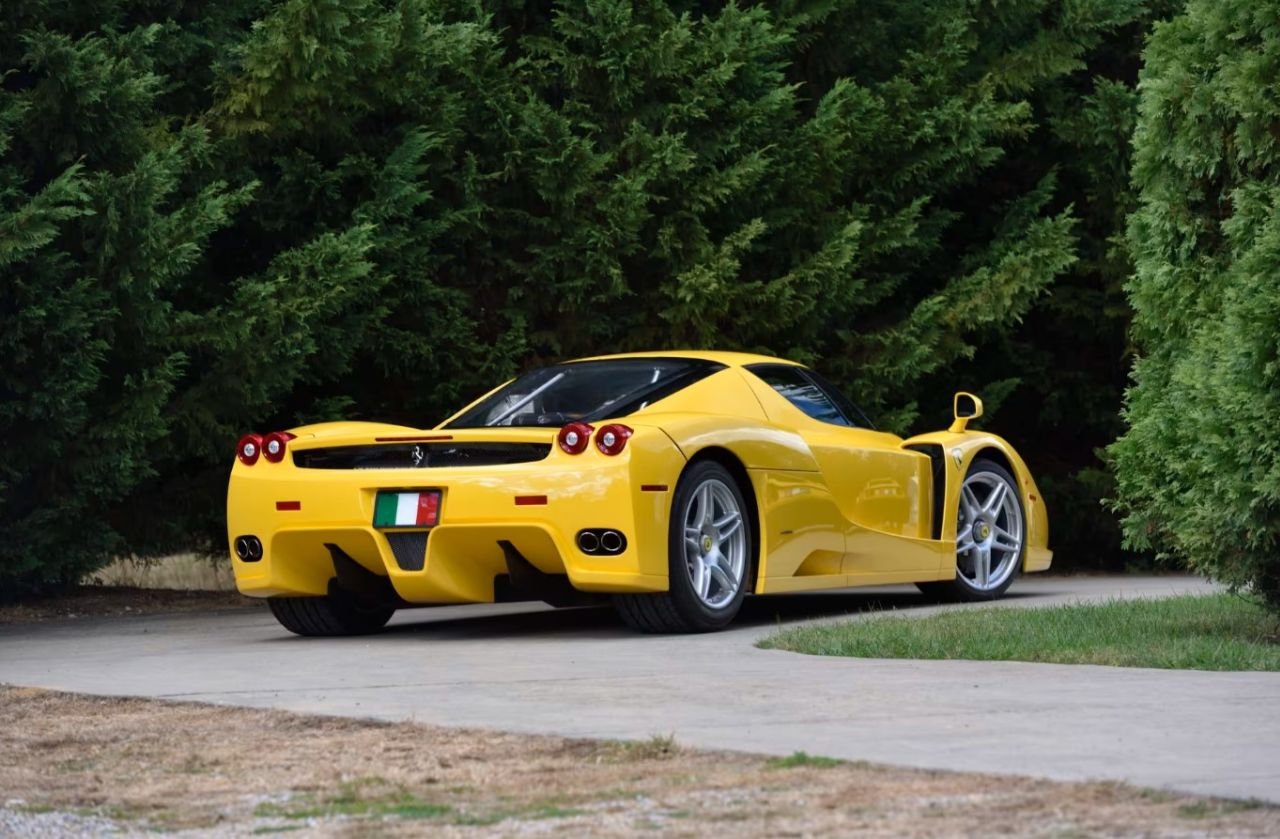
    A yellow Ferrari Enzo, part of the Phil Bachman Collection, has just been sold at auction for $17.87 million, destroying all previous auction records.

    Prior to this, the most expensive Ferrari Enzo was sold in 2023. It had gone for approximately $6.26 million.

    Ferrari Enzo Yellow-Mecum Auctions 2026-2

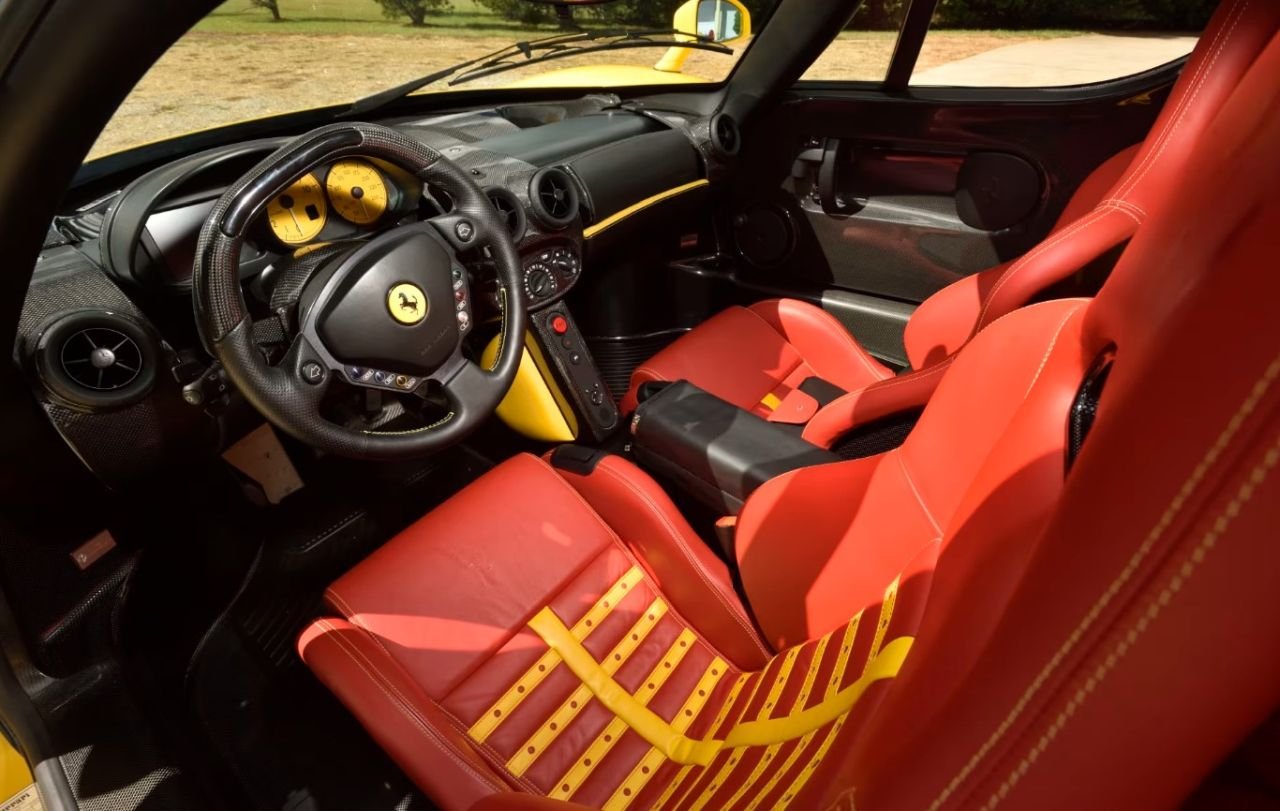
    Chassis no. 135262 is painted in Giallo Modena, making it one of just 36 Enzos painted in this shade of yellow. Only 11 of these exist in the US. Inside, it is fitted with the factory custom Rosso and Giallo seats.

    This is one of those rare low-mileage Enzos. The odometer reading at the time of sale was 649 miles. However, there are Enzos with delivery miles as well. Two cars are currently on sale at F1rst Motors, Dubai.

    Ferrari Enzo Yellow-Mecum Auctions 2026-1

    That being said, this Enzo is Ferrari Classiche certified with Red Book and has won at several concours events, including Platinum and The Supercar Cup at the 2011 Cavallino Classic.

    The Ferrari Enzo is one of the last analogue supercars. It is powered by a 6.0-liter V12 engine that makes 651 hp and 485 lb-ft of torque. It is bolted to a 6-speed automated manual transmission, which drives the rear axle.

    Source: Mecum Auctions

    Source link