From the March/April 2025 issue of Car and Driver.
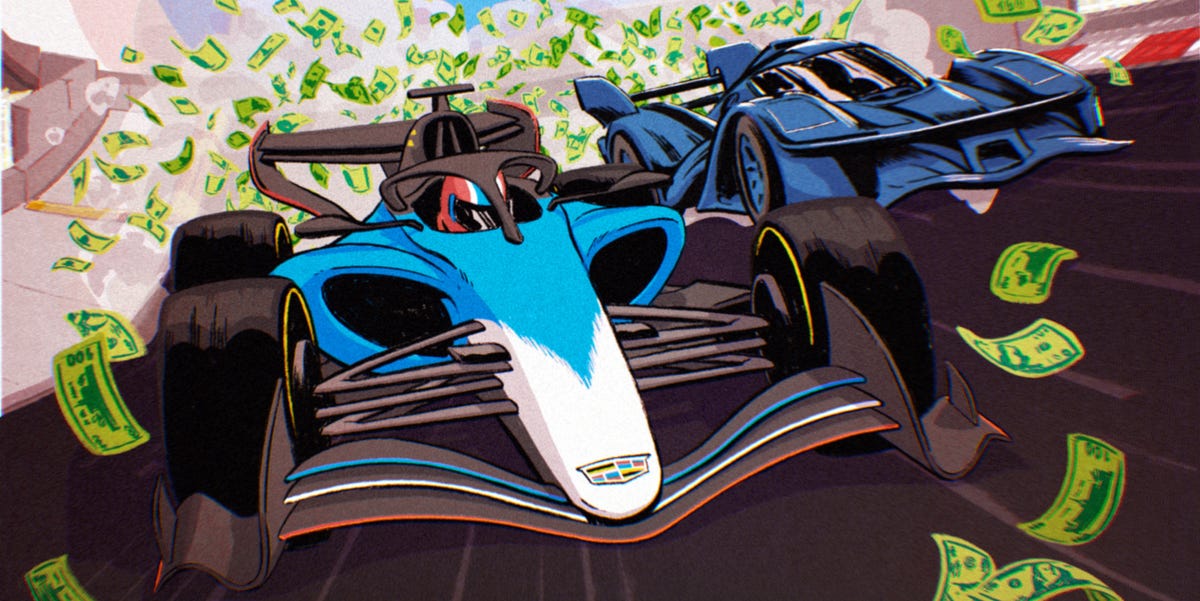
The adage “Win on Sunday, sell on Monday” justified automakers’ NASCAR efforts in the 1950s. But is boosting car sales still the reason manufacturers invest in motor racing? With sky-high budgets to compete in Formula 1, any additional sales attributable to a Sunday win likely aren’t enough to cover the massive costs. Automakers unable to stomach the hundreds of millions of dollars in annual spending it takes to field a competitive F1 team have plenty of other racing series to compete in, but even sales linked to success in one of these still may not net enough of a profit to cover the expense of competition. However, factor in potential vehicle sales from brand exposure in racing with the earnings from sponsorship deals, potential prize money, and—in some series—revenue-sharing models, and motorsports involvement can help an automaker stay in the black.
Genesis
Genesis Magma Racing’s racer features a gas-electric V-8 powertrain and will compete in the World Endurance Championship (WEC) and IMSA series.
“The potential benefits can outweigh the costs,” says James Picariello, senior automotive analyst at BNP Paribas, about F1 racing. Most F1 teams operate out of the U.K., a country that legally requires companies to disclose certain financial and accounting information to the public. Thanks to this, we know the true costs of fielding a modern F1 team. For instance, Mercedes-AMG Petronas F1 spent north of $530 million during the 2023 season but ultimately ended the year with more than $104 million in profits. Not all F1 teams are profitable, though. The Aston Martin– affiliated AMR GP, for instance, shelled out more than $300 million in 2023, only to end the season almost $37 million in the red after taxes.
TRACKING NEW TECH: Government regulations and consumer demand limit just how much of a race car’s mechanicals make their way to an automaker’s road cars, but competition continues to drive innovations that go beyond the track. Manufacturers may approach racing as a place to test proofs of concept or the general reliability of new technologies or ideas, be it in the form of a powertrain setup, thermal management, or a tire compound.
Chevrolet
Compared with F1, the tens of millions of dollars it costs to field a two-car team in the FIA World Endurance Championship’s (WEC) Hypercar class and the International Motor Sports Association’s (IMSA) GTP class is a relative pittance. Though the potential profits from top-level endurance racing are a fraction of those from a large global series like F1, so are the possible losses. For automakers, some of which have multibillion-dollar marketing budgets, operating an endurance-racing team at a potential small loss can be a risk worth taking to increase brand exposure and awareness.
Evidently, Genesis thinks so. In December, Genesis Magma Racing revealed the GMR-001 LMDh-spec endurance racer that will compete in both WEC’s and IMSA’s flagship classes starting in the 2026 and ’27 seasons, respectively. Along with promoting the upcoming Magma line of performance vehicles, the effort aims to increase overall awareness of the barely 10-year-old luxury brand. “Motorsport is known for raising brand awareness,” says Genesis chief brand officer Luc Donckerwolke. “But that’s not the only factor. The main factor for me is to learn from motorsports and get experience and know-how for our high-performance products.”
Cadillac reentered endurance racing 25 years ago. Come 2026, a GM/Cadillac effort will contest Formula 1.
AT ALL COSTS: Since 2023, F1 has enforced a $135 million cap covering almost every aspect of the development and manufacturing of a team’s car, the salaries of most team personnel, and garage equipment costs. The sport holds engines to a separate $95 million max. Starting in 2026, those caps will rise to $215 million and $130 million. There are no limits on driver salaries or marketing budgets. Thanks to generous sponsorship deals, ample prize money, and revenue sharing, F1 teams can operate in the black.
“We sold approximately 700 to 800 General Motors vehicles through our IMSA racing platform in 2024,” says Meagan Quinn, a marketing manager for GM who works on Cadillac Racing. The company can track just how many sales are directly attributable to leads generated at on-site vehicle displays at races. “If somebody tells us they’re in the market right now, a dealer reaches out to them immediately,” Quinn adds.
Though IMSA does not share attendance figures, association president John Doonan claims 11 of 12 events in the 2024 season had record attendance. Meanwhile, NBC Sports said last year that viewership of its IMSA broadcasts grew 37 percent in five years, with the network claiming more than 12 million viewers last season.
Cadillac
IMSA’s Sebring and Daytona races give Floridians the chance to see someone below retirement age driving a Cadillac.
To Doonan, who before joining IMSA served as the director of motorsports for Mazda in North America, the continued enthusiasm for motorsports—including the growing interest in endurance racing—from automakers and fans alike is little surprise.
“For me, in my heart of hearts,” Doonan says, “the most authentic way to market and advertise an automobile brand is through motorsport.”
Despite their shared last name, Greg Fink is not related to Ed “Big Daddy” Roth’s infamous Rat Fink. Both Finks, however, are known for their love of cars, car culture, and—strangely—monogrammed one-piece bathing suits. Greg’s career in the media industry goes back more than a decade. His previous experience includes stints as an editor at publications such as U.S. DriftBreath & World Report, The Huffington Post,Motor1.com, and MotorTrend.
MITSUBISHI Motors Australia Limited (MMAL) has announced two new Special Edition models based on the popular GLX-R and GSR variants.
The duo combines several popular accessory options into what MMAL says are “value added packages” designed to offer touring and commercial customers a turn-key solution from the showroom floor.
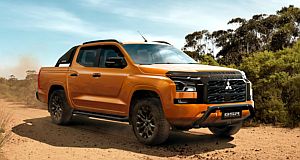
For the Mitsubishi Triton GLX-R Special Edition with Tradie Accessory Pack (from $58,490) we find exclusive Diamond Premium Paint joining accessory side steps, bed liner, Sports Bar delete (to allow for the fitment of a tonneau or canopy), rubber floor mats, weather shields, matte black bonnet protector, and a 3500kg rated tow bar with towing accessory kit.
Meanwhile, the Mitsubishi Triton GSR Special Edition with Touring Accessory Pack (from $66,140) offers a black nudge bar, weather shields, matte black bonnet protector, rubber tub mat, and the same 3500kg rated tow bar with towing accessory kit as found on the Triton GLX-R Special Edition with Tradie Accessory Pack.
“We are proud to offer our adventurous customers two Special Edition models that have been fitted with accessories packages selected from our Genuine Accessories range,” said MMAL general manager of product strategy Bruce Hampel.
“Alongside our market-leading 10/10/10 Diamond Advantage, capped-price servicing and roadside assistance program, these packs offer fantastic value for our customers.
The vehicles are expected to reach local showrooms next month.
The news comes as Mitsubishi’s Triton enjoys a strong 12 months of sales in the Australian market.
MMAL sold 18,900 copies of the Triton in Australia during 2025, the model ranking in fourth place behind the Ford Ranger (56,555), Toyota HiLux (51,297), and Isuzu D-Max (26,839), and narrowly ahead of the BYD Shark 6 (18,073).
The result marks Mitsubishi’s best sales year for Triton since 2022, and an improvement of 823 unit sales on the previous year’s (2024) result.
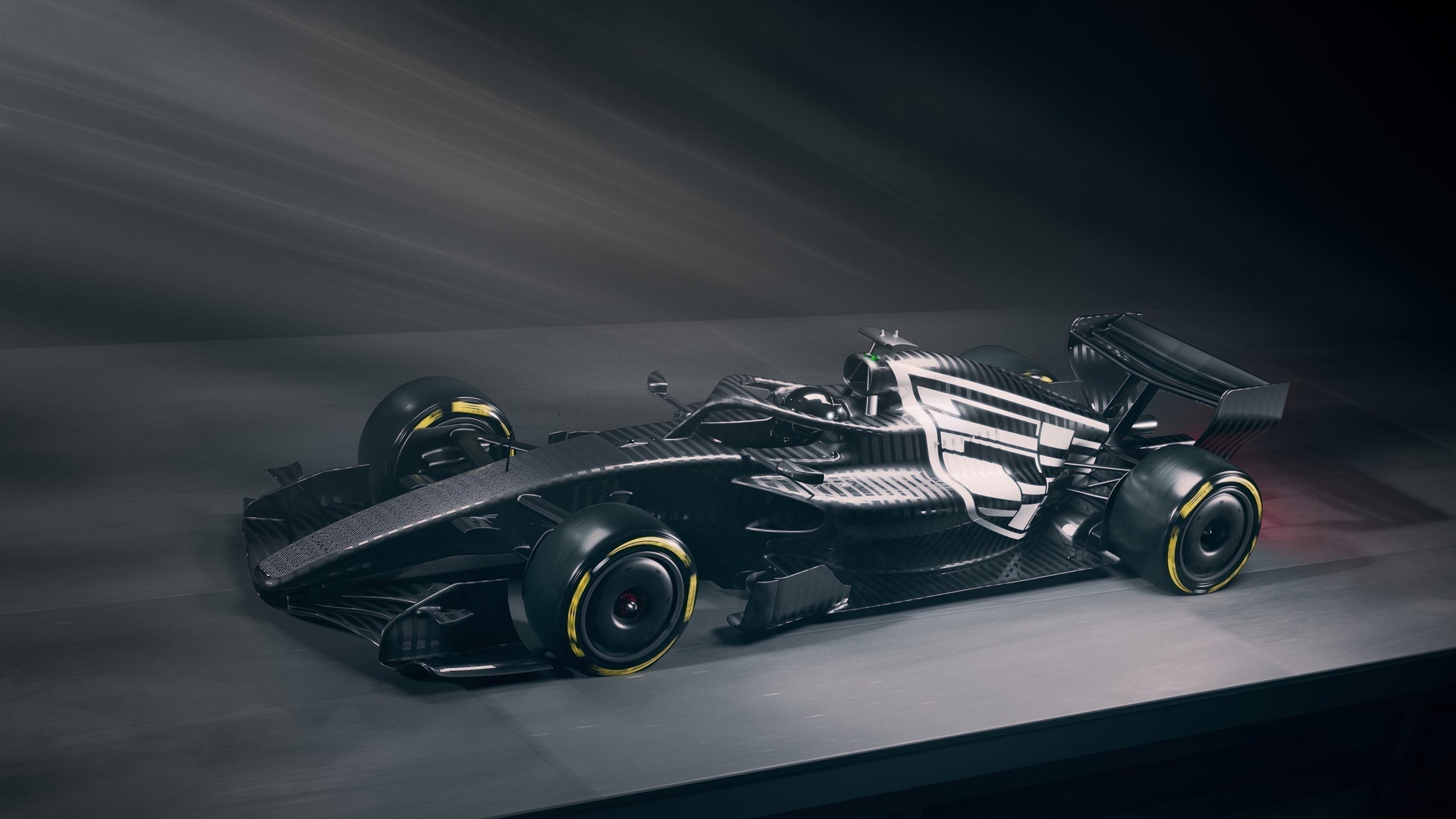
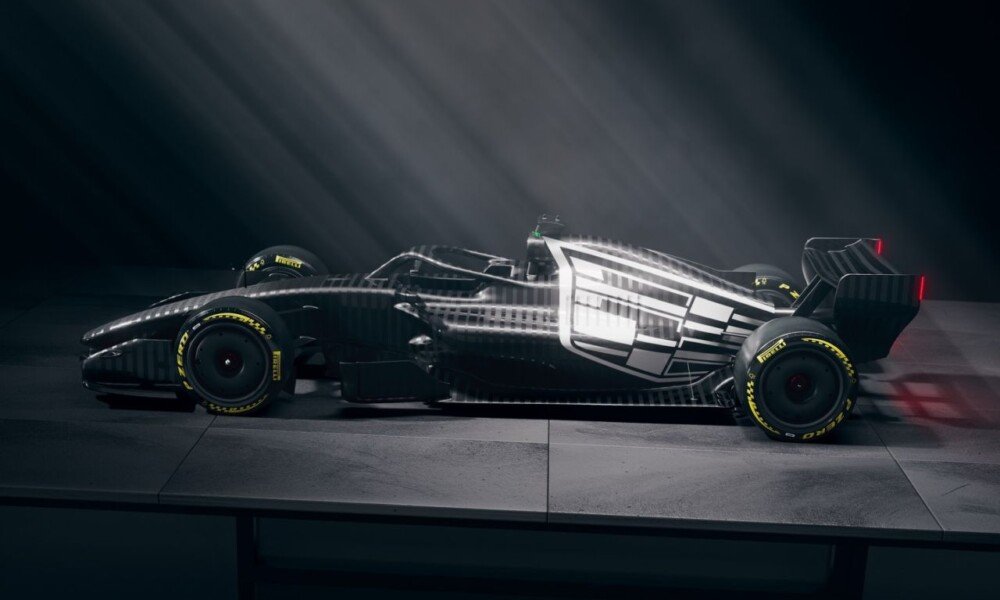
Cadillac’s long-awaited arrival in Formula 1 is no longer an abstract promise – it now has a face, a form, and a visual language. With the unveiling of the Cadillac Formula 1 Team’s Special Edition testing livery at General Motors’ new global headquarters in Detroit, the iconic American marque has revealed not just a race car, but a carefully crafted design statement ahead of its historic debut at the Australian Grand Prix in Melbourne on March 8.
Unveiled by General Motors President Mark Reuss at the Hudson’s Detroit building, the livery will be used during Shakedown Week in Barcelona, Spain, January 26–30, before the team presents its final race livery on February 8. It marks the first visual chapter in Cadillac’s F1 story – and it is unmistakably deliberate.
Developed through a cross-continental collaboration between the GM Global Design team and Cadillac Formula 1® Team, the Barcelona Shakedown livery reflects Cadillac’s broader ambition: blending American luxury, European motorsport rigor, and a design philosophy rooted in heritage but focused squarely on the future.
The unveiling itself was rich in symbolism. An F1 show car wearing the Barcelona Shakedown livery now sits inside GM’s new Detroit headquarters, just miles from Cadillac’s original home in the city. The car will also appear at the Detroit Auto Show until January 25, giving enthusiasts a rare chance to see Cadillac’s Formula 1 design language in person before it reaches the racetrack.
While visually striking, this livery serves a deeper purpose. In Formula 1, testing liveries traditionally disguise aerodynamic surfaces, much like camouflaged prototypes in the automotive world. Cadillac’s designers embraced that challenge, turning functional secrecy into an artistic expression.
“Our new testing livery celebrates Detroit’s design heritage and the power of the global Cadillac Formula 1® team, while keeping our design secrets under wraps,” Reuss said. “The Barcelona test is just the beginning – we can’t wait to share our official race livery with fans around the world next month.”
A Modern Crest for a Global Stage
The monochrome palette creates a striking, premium presence built around a modern interpretation of the Cadillac crest and shield, which anchors the car visually. A large Cadillac crest draped across the rear does double duty – boldly announcing the brand’s arrival while artfully masking aerodynamic surfaces.
Vertical Cadillac precision geometric patterns, rendered in alternating gloss and matte finishes, run through the bodywork, creating a textured, almost architectural skin that conceals form while celebrating brand DNA. It’s a design that feels simultaneously restrained and powerful, more haute couture than camouflage.
The effect is intentional. Clean line work and disciplined color blocking reinforce a technical, future-forward aesthetic, aligning Cadillac’s visual identity with its performance ambitions at the pinnacle of global motorsport.
There is also a deeply human layer embedded in the design. As a nod to the U.S. and U.K. teams building Cadillac’s Formula 1 future, the names of the founding members from both countries are incorporated into the livery – an elegant detail that connects craftsmanship, collaboration, and legacy.
Tradition Meets Tomorrow
For Dan Towriss, CEO of Cadillac Formula 1® Team Holdings, the dual-livery strategy reflects Cadillac’s willingness to challenge convention.
“Cadillac Formula 1® is committed to innovation on and off the track,” Towriss said. “TWG combined with General Motors allows us to rethink the norm and introduce the team in bold new ways. Debuting our race livery during a globally televised championship broadcast challenges convention and brings Cadillac Formula 1® to a global audience. Paired with this special-edition testing livery designed by the GM Global Design studios, we’re honoring automotive heritage while looking ahead as we build toward the 2026 season.”
The official 2026 Formula 1 race livery will be unveiled on February 8, offering fans the first look at the design that will compete throughout the season. But in many ways, the Barcelona Shakedown livery is already doing something more subtle and arguably more powerful: it’s introducing Cadillac’s design philosophy to the world of Formula 1.
By revealing the car in Detroit – inside a building that symbolizes General Motors’ future while sitting just miles from Cadillac’s original headquarters – the brand has visually linked its storied past to its Formula 1 future.
As Cadillac prepares for Barcelona, Melbourne, and its place on the global grid, this first livery stands as more than a test suit. It is a declaration that American luxury, when filtered through motorsport, can be as precise, disciplined, and globally relevant as anything Formula 1 has ever seen.
Last week, we got our first glimpse of the 2026 Audi Formula 1 car when it was out for filming at the Circuit de Barcelona in Spain. Another new entry this year is Cadillac, and they’ve been testing their F1 race car at Silverstone in the UK.
Cadillac will be running a Ferrari engine this year, and the recent test gave us a chance to hear the Ferrari’s 2026 regulation engine for the first time. Unlike the Audi R26, the Cadillac has a more familiar engine sound.
There has been a lot of excitement around the new F1 cars because of the new regulations. Significant changes have been made to the engine and aerodynamics.
While the 1.6-liter V6 turbo hybrid has been retained, the output of the internal combustion engine has been reduced, while that of the electric motor has tripled, for a 50-50 power split. The complex MGU-H has been scrapped. The Energy Recovery System (ERS) can now recharge the battery with twice as much energy per lap.
More drivers are taking more along with them by installing trailer hitches. On cars they offer added convenience of towing small trailers or adding bike racks without resorting to awkward roof mounts. Trailer hitches also open tons of possibilities for work or play when connecting them to RVs, SUVs, trucks and vans.
Like any equipment application, trailer hitches made for your specific vehicle should be reasonably straightforward to install. There are still plenty of things to consider and follow in the process. Once you have confirmed the proper setup and capacities with your vehicle owner’s manual, follow these tips for a safe and trouble-free installation.
Proper tools. Forget what you’ve inferred from infomercials; there is no single substitute for a full set of tools. Trailer hitch installation is not one of those times to make like MacGyver and get creative. Have every tool you need at the ready before you begin. If you don’t have something called for in the instructions, get it.
Follow along. Just as you’ll want to gather every needed tool beforehand, give the instructions a good read and follow them to the letter. The trailer hitch may be designed to fit your vehicle, but that doesn’t mean it won’t require preparation or even slight modification. You might have to adjust the exhaust system a little, so don’t tackle this when the muffler and tailpipe are hot, for example.
Keep it there. If your trailer hitch installation doesn’t stay secure, all your work is for nothing. Prop the hitch or use C-clamps to keep it level and in place during installation. As you torque the hitch bolts for their final setting, it wouldn’t be a bad idea to use a thread locking adhesive. Even with lock nuts and washers, it’s an extra measure of assurance.
And when you recheck the bolt torque periodically, clean off built-up dirt and try to spot any bare metal. Minor scrapes to the trailer hitch are bound to happen even with everyday driving, so with a clean surface, give the scuffs a quick hit of spray paint to give better protection from rust.
___________________________________________
Follow The Car Connection on Facebook and Twitter.
The 2020 Chicago Auto Show kicked off auto show season and gave car shoppers a preview of what they can expect on dealer lots later this year. The new cars shown off on Thursday’s media day ranged from pure performance to posh and practical. We’ll stick with the latter, even though the $750,000 Liquid Carbon limited edition 2020 Ford GT is auto show eye candy of the highest order.
Here’s a rundown of what’s worth an extra look for shoppers during the show from Feb. 8-17, and later in the year at dealers.
2021 Chrysler Pacifica
2021 Chrysler Pacifica, 2020 Chicago Auto Show
2021 Chrysler Pacifica, 2020 Chicago Auto Show
2021 Chrysler Pacifica
While snow swirled in from Lake Michigan, Fiat Chrysler Automobiles introduced the refreshed 2021 Chrysler Pacifica minivan in a snow globe. In addition to a revised front end, the winning minivan now offers all-wheel drive that can send 100% of the torque to the rear wheels. The Toyota Sienna, which is the only other minivan available with all-wheel drive, is in trouble. It also takes a bite out of the advantage of three-row crossover SUVs. The AWD Pacifica still comes with the clever and convenient Stow-N-Go second row seats that fold into the floor for voluminous cargo space. Interestingly, AWD will be available as soon as April on late 2020 models, before the 2021 rolls into lots in the third quarter. We’d advise waiting, as the 2021 model also features a new 10.1-inch touchscreen that controls the fifth generation of the Uconnect infotainment system, which was already one of the best in the business. The 2021 Pacifica also gets standard automatic emergency braking with pedestrian detection, blind-spot monitors, lane-departure warnings, and adaptive cruise control that can bring the van to a stop.
2021 Volkswagen Atlas
2021 Volkswagen Atlas
Volkswagen’s large three-row crossover SUV gets a little larger with a 2021 refresh. It still looks conservative, but updated bumpers give it a little more flair. An extra 3 inches of length helps improve interior comfort. Most models will get more driver-assistance features as well as an 8.0-inch infotainment touchscreen with Apple CarPlay and Android Auto compatibility.
2020 Hyundai Sonata Hybrid
2020 Hyundai Sonata Hybrid
The redesigned 2020 Hyundai Sonata Hybrid gets an EPA-estimated 54 mpg highway, 52 combined. That represents a whopping 10 mpg improvement over the old model and makes it as efficient as the Toyota Prius Eco. Neat trick for a mid-size sedan that has quickly become one of the best in class. An available solar roof panel can add energy to both the hybrid system and the 12-volt battery and account for up to 700 miles of gas-free driving annually, according to Hyundai. The Sonata Hybrid can go more than 680 miles on a single tank. It’s due in summer.
2021 Genesis GV80, 2020 Chicago Auto Show
2021 Genesis GV80, 2020 Chicago Auto Show
2021 Genesis GV80, 2020 Chicago Auto Show
2020 Genesis GV80
Launched last week in Miami but shown off in full in Chicago, the first crossover SUV from Hyundai’s luxury sub-brand Genesis is a real swell looker. Beyond the massive shield grille, the GV80 swaddles its interior with the finest luxury materials, including available quilted leather seats, a 14.5-inch infotainment touchscreen that can be controlled by a neat haptic dial in the wood-grain console, and all sorts of active safety features. It’s powered by either a 2.5-liter turbo-4 or a 3.5-liter twin-turbo V-6, both with an 8-speed automatic. Rear-wheel and all-wheel drive will be offered.
2020 Kia Cadenza
2020 Kia Cadenza
The refreshed 2020 Kia Cadenza was a surprise. Kia doesn’t seem to need it as the sort-of full-size sedan splits the market with the Optima mid-size sedan, though with more luxury. Introduced last year in Kia’s South Korean home, the 2020 Cadenza is offered in the U.S. in Technology and Limited trims. The subtly attractive Cadenza wears a more fluid front and rear, and the equipment highlights include a standard 12.3-inch infotainment screen and more active safety features.
2020 Nissan Frontier
2020 Nissan Frontier
Here’s an odd one. Nissan’s old mid-size pickup truck, which hasn’t been redesigned since 2005, gets a new engine and transmission that will carry over into the completely new model, which is set to launch for 2021. It’s like dipping your big toe in the water. The 2020 Frontier will be powered by a 310-horsepower 3.8-liter V-6 making 281 pound-feet of torque. The engine is paired to a new-for-Frontier 9-speed automatic transmission, and buyers can opt for rear- or four-wheel drive. The old 5-speed manual and 2.5-liter inline-4 are history. The 2020 Frontier will arrive in showrooms in late spring and finish its run by the end of the year, so hurry and get it if you want standard manual windows.
Some might say you’ve really made it when you have a certain number of social media followers, or a large-digit number in your bank account, but I think the true measure of success is when skilled manicurists make complex nail art in your honor. By that standard, Formula 1 has hit the big time.
If you’re not familiar with nail art, it’s a step (or 20) above the classic manicure. Nail artists use specialized gels and polishes to create 3-D sculptural effects on the tips of their clients’ fingers. Nail art can be abstract, using magnetic polishes or chrome powders to make exciting patterns and textures, or it can be figurative, with designs based on themes like food, video games, fashion brands, or animals.
Or cars. I’ve seen plenty of car-themed nails before. Take a look around at any racetrack and you’ll see fans and engineers sporting checkered flags or the general paint schemes of their favorite teams, but when I saw Lisa Kim’s recent set of Formula 1 nails, I knew F1 fandom had reached a new level.
Lisa Kim
Kim was kind enough to send me some photos of her latest work and answer my questions about creating it. The Australian artist began doing manicure art during COVID and is now in her third year of designing and applying custom sets. She told me she’d never done a car-themed set before, but when a client came in with a request for F1 nails, she was delighted by the challenge.
“I wanted to incorporate as many car-racing elements into it as possible. I wanted to include as many teams onto the 10 fingers as I could and hand-sculpt as much as possible,” she says. “I wanted to make it a nail set you’ve never seen before. I sculpted with 3-D sculpting gel, using models of Ferrari F1 cars from 2010–2015 as inspiration. Then I added a racing flag, tires with the LV [Louis Vuitton] logo painted around them, as LV is the year’s main sponsor, as well as the racing helmets, spanners, and screwdrivers.”
Lisa Kim
All pretty detailed for someone who says she wasn’t even an F1 fan when the request came in. “I did have to Google a bit for research,” she admitted, but added that she’s a fan now. While this was Kim’s first F1 request, she says she tends to see more racing-themed nails when the F1 season starts, and she thinks it’s a trend that will stick around, especially as more women get into motorsports. For now, Kim says she really only gets racing nail requests from women, “although I do want more male clients!”
If you’re considering a custom set of your own, there is a cost. Kim says the pictured client’s nails took about 10 hours from start to finish, and with an hourly rate that’s the equivalent of U.S. $60 to $90 per hour depending on complexity, showcasing your team loyalty won’t come cheap. But when you’re reaching for the chips at the GP viewing party, everyone is going to know you’re a real fan.
Lisa Kim
Personally, I love seeing these inroads of motorsport fandom into fashion and crafting culture. Pair Kim’s nails with the crocheted Ferrari sweater recently covered by Road & Track, and you’ll be dressed to impress on the pit walk.
If you’re in Melbourne, Australia, get your own car set by Lisa K, or follow her on Instagram at @nailsbylisak.
Like a sleeper agent activated late in the game, Elana Scherr didn’t know her calling at a young age. Like many girls, she planned to be a vet-astronaut-artist, and came closest to that last one by attending UCLA art school. She painted images of cars, but did not own one. Elana reluctantly got a driver’s license at age 21 and discovered that she not only loved cars and wanted to drive them, but that other people loved cars and wanted to read about them, which meant somebody had to write about them. Since receiving activation codes, Elana has written for numerous car magazines and websites, covering classics, car culture, technology, motorsports, and new-car reviews. In 2020, she received a Best Feature award from the Motor Press Guild for the C/D story “A Drive through Classic Americana in a Polestar 2.” In 2023, her Car and Driver feature story “In Washington, D.C.’s Secret Carpool Cabal, It’s a Daily Slug Fest” was awarded 1st place in the 16th Annual National Arts & Entertainment Journalism Awards by the Los Angeles Press Club.
Charging an electric vehicle (EV) battery overnight at home is usually the least expensive option.
Gas prices fluctuate, and electricity rates vary regionally, but in most cases, it costs less per month to charge an EV than to buy gas for a traditional vehicle.
While free options are available, public charging stations typically charge fees that are more expensive than home charging.
Many people ask the single biggest question about electric cars: What will I spend to charge the EV?
If you’re looking at an electric car versus a gas car, doing some upfront research on charging compared with gas costs will help you make an informed decision. Remember that some new EVs come with a limited amount of free charging at public stations, and charging networks typically offer subscription plans that help reduce charging fees for EV drivers who frequently use them.
To answer the question of cost, we enlisted the help of John Voelcker, a longtime automotive journalist and industry analyst specializing in electric vehicles. He’s heard every argument made for (and against) electric vehicle ownership, including recharging costs compared to traditional refueling.
You Need to Do Some Math
Don’t sweat it. The math involved is pretty simple. It helps to have a recent electric bill for the most accurate estimate. You’ll want to calculate the amount you pay for electricity in a given month. Then, we’ll provide examples so you can determine how much you spend on each kilowatt-hour (kWh) of electricity used.
“For home charging, find your electric bill, then divide the [number] of kilowatt-hours you used into the bottom-line dollar total. That’ll give you the price you paid per kWh,” Voelcker explains.
According to the United States Energy Information Administration, U.S. households paid an average of 17.98 cents per kWh in September 2025, the most recent figures available at the time of this writing.
Let’s apply this rate to a typical electric car. This example does not take into consideration any discounts provided by your utility.
RELATED: Electric Cars 101: What You Need to Know About EVs
What Is the Cost to Charge an EV in kWh?
“A conservative rule of thumb is that an electric car gets three to four miles per kWh,” Voelcker says. “So divide the total miles you drive each month by three to get the kWh you would use monthly. Multiply that number by your cost per kWh. The dollar amount you get will most likely be lower than what you pay each month to buy gasoline.”
To put this into perspective, let’s give an example. Suppose you drive about 1,015 miles per month (Americans go an average of about 12,200 miles annually). For an EV, you will use about 338 kWh in that time frame. Using the most recent U.S. household average estimate of 17.98 cents per kWh, charging an electric car at home would cost about $60.77 per month. Using a DC fast charger at a public charging station when away from home, an EV driver might pay 50 cents per kWh, or $169 for that much energy.
RELATED: How Long Does It Take To Charge an Electric Car?
Is EV Charging Cheaper Than Gas?
According to AAA, the average price of gas currently hovers around $2.86 per gallon. So, filling a 12-gallon gas tank currently costs about $34.32. Things get a little tricky because, as we all know, cars and trucks use vastly different amounts of fuel.
Let’s say you’re driving a car that brings a combined average of 30 mpg during a mix of city and highway driving. Using that same 12-gallon tank as a reference point, you’ll have 360 miles of driving range for each fill-up. If you’re driving the national average of 1,015 miles per month, you’ll need to refuel about three times each month and spend about $102.96 ($34.32 x 3) for gas, compared to $60.77 for charging an EV at home in the example above.
Again, this is only an estimate since gas prices and fuel efficiency vary. Few cars and SUVs come close to delivering a 30 mpg combined average, so our fairly conservative number-crunching in this scenario makes it clear that recharging will cost less than refueling a car. The financial gap narrows with a more fuel-efficient vehicle, but it remains.
[Editor’s Note: I drive a lot of EVs and often need to charge when I’m away from home. Since charging at home is so much more affordable, I limit my charging at pay stations to the bare minimum. I calculate how far I’ll need to drive before I can park at home again and charge to just that level, plus 10% for safety, rather than charging to 80% or higher. Every little bit of savings helps. — Jason Fogelson, managing editor]
Costs of Charging an EV at Home
Electricity rates are subject to many factors, including the region where you live, the time of year, and even the time of day when peak charges apply. For the most part, electricity usage and costs are at their lowest late at night. That’s good news for anyone considering an EV, according to Voelcker.
“While shoppers worry about access to public charging stations, they need to know that as much as 90% of electric car charging is done overnight at home,” Voelcker said. “The cheapest way to charge your electric car is almost always at home, overnight. Some utilities have special low rates for the overnight period when their demand is lightest.”
Where you live directly impacts your electric bill. People in Vermont pay an average of almost 25 cents per kWh of energy use, twice the cost in Idaho (an average of 12.46 cents per kWh in October).
STATE
RANK
AVG. COST RESIDENTIAL ELECTRICITY (CENTS/kWh)
COST TO CHARGE SMALLER BATTERY
COST TO CHARGE AVERAGE BATTERY
COST TO CHARGE LARGER BATTERY
Alabama
31
16.72
$6.52
$12.21
$17.89
Alaska
43
26.46
$10.32
$19.32
$28.31
Arizona
22
15.55
$6.06
$11.35
$16.64
Arkansas
7
13.26
$5.17
$9.68
$14.19
California
50
33.6
$13.10
$24.53
$35.95
Colorado
28
16.26
$6.34
$11.87
$17.40
Connecticut
46
27.72
$10.81
$20.24
$29.66
Delaware
34
18.31
$7.14
$13.37
$19.59
Dist. of Columbia
41
23.92
$9.33
$17.46
$25.59
Florida
24
15.7
$6.12
$11.46
$16.80
Georgia
17
14.53
$5.67
$10.61
$15.55
Hawaii
51
39.74
$15.50
$29.01
$42.52
Idaho
2
12.46
$4.86
$9.10
$13.33
Illinois
36
18.74
$7.31
$13.68
$20.05
Indiana
32
17.34
$6.76
$12.66
$18.55
Iowa
8
13.48
$5.26
$9.84
$14.42
Kansas
21
15.16
$5.91
$11.07
$16.22
Kentucky
9
13.62
$5.31
$9.94
$14.57
Louisiana
1
12.39
$4.83
$9.04
$13.26
Maine
47
29.42
$11.47
$21.48
$31.48
Maryland
39
22.3
$8.70
$16.28
$23.86
Massachusetts
49
31.37
$12.23
$22.90
$33.57
Michigan
37
20.46
$7.98
$14.94
$21.89
Minnesota
30
16.37
$6.38
$11.95
$17.52
Mississippi
16
14.47
$5.64
$10.56
$15.48
Missouri
4
12.95
$5.05
$9.45
$13.86
Montana
14
14.27
$5.57
$10.42
$15.27
Nebraska
6
13.13
$5.12
$9.58
$14.05
Nevada
11
13.77
$5.37
$10.05
$14.73
New Hampshire
45
27.27
$10.64
$19.91
$29.18
New Jersey
40
22.55
$8.79
$16.46
$24.13
New Mexico
18
14.93
$5.82
$10.90
$15.98
New York
44
26.95
$10.51
$19.67
$28.84
North Carolina
19
15.05
$5.87
$10.99
$16.10
North Dakota
3
12.82
$5.00
$9.36
$13.72
Ohio
33
17.85
$6.96
$13.03
$19.10
Oklahoma
15
14.42
$5.62
$10.53
$15.43
Oregon
26
16.16
$6.30
$11.80
$17.29
Pennsylvania
38
20.49
$7.99
$14.96
$21.92
Rhode Island
48
31.16
$12.15
$22.75
$33.34
South Carolina
23
15.64
$6.10
$11.42
$16.73
South Dakota
13
14.09
$5.50
$10.29
$15.08
Tennessee
5
13.06
$5.09
$9.53
$13.97
Texas
25
16.11
$6.28
$11.76
$17.24
Utah
10
13.69
$5.34
$9.99
$14.65
Vermont
42
24.78
$9.66
$18.09
$26.51
Virginia
29
16.36
$6.38
$11.94
$17.51
Washington
12
14.06
$5.48
$10.26
$15.04
West Virginia
27
16.19
$6.31
$11.82
$17.32
Wisconsin
35
18.37
$7.16
$13.41
$19.66
Wyoming
20
15.11
$5.89
$11.03
$16.17
U.S. Average
17.98
$7.01
$13.13
$19.24
The chart above uses October 2025 average electricity rates from the U.S. Energy Information Administration. The EV battery sizes are based on the usable capacity reported by the Electric Vehicle Database and rounded to the nearest whole number. Examples are the Nissan Leaf (39 kWh), Ford Mustang Mach-E (73 kWh), and Polestar 3 Long Range (107 kWh). Charging cost is estimated by multiplying the state’s average electricity cost by the EVs’ usable battery capacity.
RELATED: An EV Charger Buying Guide: See All Your Options
The Cost of Level 2 and Faster Charging
When talking about public Level 2 charging and Level 3 fast-charging systems, the prices are more complex to narrow down when compared to standard at-home costs. That’s because charging networks vary in price, not to mention availability around the country.
Many EV owners choose to install a Level 2 charger in their garage. The cost isn’t cheap. About $2,000 for parts and installation is a reasonable ballpark figure before any discounts or incentives. Moving up to Level 2 means you’ll cut your charging time sometimes by half. And it can potentially add value to your home.
“Every electric car (Tesla included) can use public Level 2 stations,” says Voelcker, “but Nissan Leaf [models] use one fast-charging standard (called CHAdeMO) while every other EV uses a different fast-charging standard called CCS.”
Additional electric carmakers and charging networks have started to adopt Tesla’s proprietary NACS charge port, with many debuting it for the 2025 model year. Check for rebates and incentives from your state, local municipality, and utility company for installing home chargers, which helps lower costs further.
RELATED: Everything You Need to Know About EV Charging Stations
Finding the Right Plug to Charge an EV
Voelcker explains the difference sounds more complex than it is. “The vast majority of fast-charging locations have both kinds, with a different cable on each side of the station. It’s like the same gas pump could dispense both regular gasoline and diesel fuel from different hoses.”
As for the price, a 240-volt (Level 2) recharge could cost you anywhere from zero dollars to a fixed hourly rate or the price of the electricity transferred to the EV. Charging networks often provide membership programs to minimize your recharge cost, which is especially useful if you can’t regularly charge your vehicle at home.
The Electrify America network determines pricing for DC fast chargers by location, your plan, and the maximum power level your vehicle can accept. For example, to use a DC fast charger at an Atlanta-area local grocery location, the Electrify America Pass Pricing costs 64 cents per kWh. Other popular charging networks include ChargePoint and EVgo.
[Pro Tip: Be mindful of time-of-day cost differences at public charging stations. An EVgo location near me charges 39 cents per kWh between midnight and 5 a.m. The rate jumps to 58 cents from 5 a.m. to 11 a.m. and from 6 p.m. to midnight. Users pay 60 cents per kWh to charge during the peak hours between 11 a.m. and 6 p.m. — Chris Hardesty, senior advice editor]
Like many charging networks on the PlugShare app, users can find charging stations, leave reviews, and provide charging tips to other EV drivers. Tips include whether or not the charging station is in use and if it’s working properly.
RELATED: How to Take an EV Road Trip
The Faster the Charging, the Higher the Rate
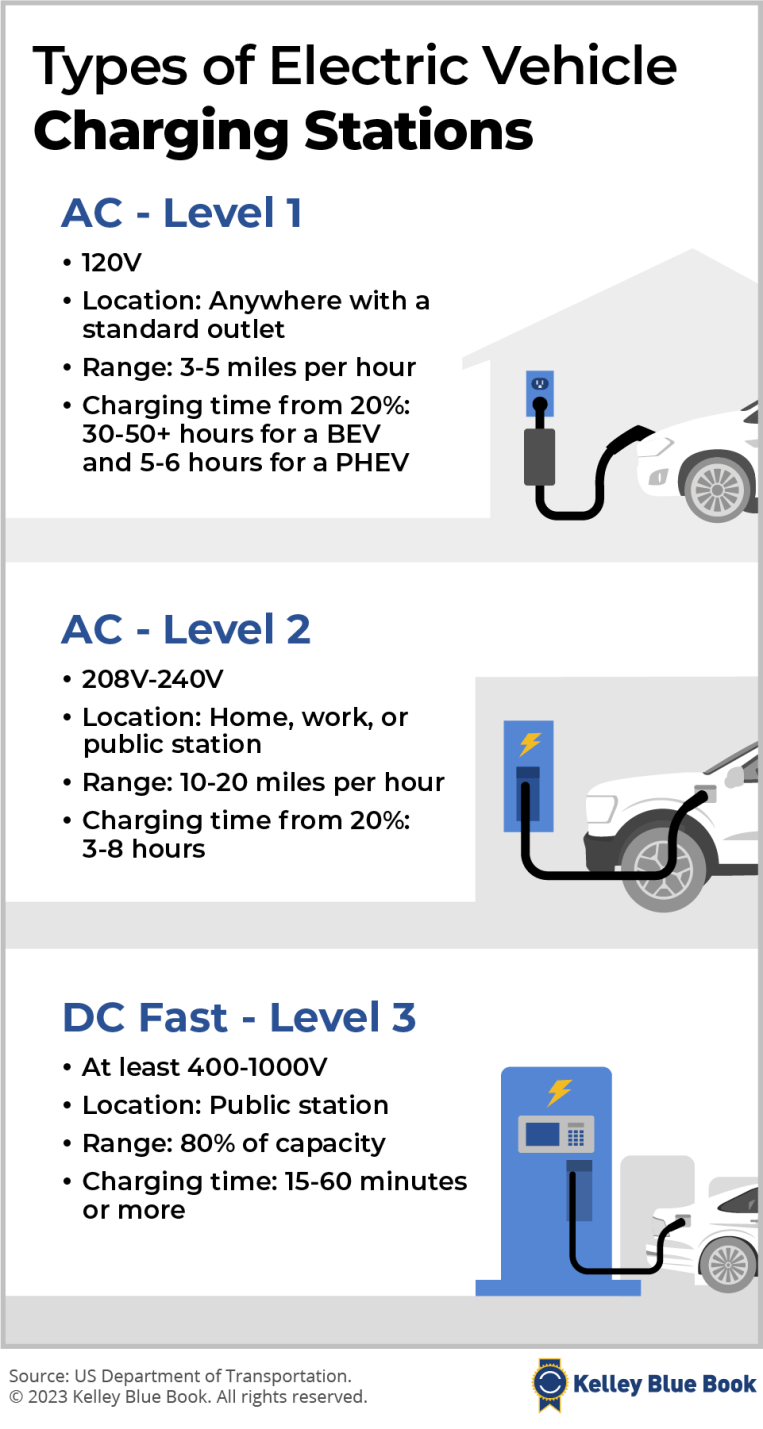
Unlike a typical 240-volt Level 2 home charger system, you will find Level 3 chargers in commercial settings because they’re prohibitively expensive for a private individual to install at home.
Tesla uses its dedicated Supercharger network, which has more than 2,500 U.S. locations with around 30,000 charging ports. Rates can vary widely depending on region, timing, the Tesla model or other vehicle you’re charging, and if you have a Tesla membership. One important caveat: Select Tesla Superchargers now work for some non-Tesla vehicles. In 2023, the Supercharger network began opening select locations to Tesla and NACS-enabled vehicles with CCS compatibility.
Voelcker stresses that home charging is the best option for anyone considering an electric car. Yet, equally important is knowing where to find EV perks close to home.
“Some workplaces offer charging for employees’ cars … But electric-car owners quickly learn which public stations near them are free, which charge for charging, and how much they cost,” he said.
For example, a bustling parking lot in a crowded city center might lure EV owners with the promise of free electric car charging. But the resultant fee for parking there could easily zoom past what you’d have paid to fill up even the thirstiest gas-powered car or truck. Still, drivers will find the network of chargers growing with plenty of free options, including at malls, hotels, grocery stores, and more.
Voelcker’s final advice to EV owners: “Always ask before plugging in!”
Editor’s note: This article has been updated since its initial publication. Chris Hardesty contributed to the report.
IT HAS been about 12 months since the K4 arrived to replace the Cerato, the all-new sedan offering a longer, wider body style, four trim grades, and a higher list price than the model it succeeds.
Dimensionally, the K4 measures 4710mm long (+70mm against the Cerato sedan), 1850mm wide (+50mm), and 1425mm high (-20mm), and rides on a 2720mm (+20mm) wheelbase offering more interior space and a larger boot, up six litres to 508.
Tested here in flagship GT-Line trim (from $42,990), the turbocharged 1.6-litre four-cylinder petrol offering delivers 142kW/264Nm – down from the previous model’s 150kW/265Nm – to the front wheels via an eight-speed torque converter automatic transmission, said to return a fuel use figure of 6.7 litres per 100km.
The body is suspended by a Macpherson strut front and multi-link rear arrangement, the steering is electrically assisted, and the brakes all disc.
Of course, the K4 also offers a substantially upgraded safety inventory over the Cerato it replaces. Alongside a full complement of airbags, the model offers adaptive cruise control, autonomous emergency braking, blind-spot monitoring, driver monitoring, front and rear acoustic parking sensors, high-beam assist, lane keeping and following assistants, rear cross-traffic alert, speed sign recognition, tyre pressure monitoring, and a 360-degree camera system.
Sport, Sport+ and GT-Line variants of the K4 also have Kia’s latest highway driving assist (HDA 2), a technology that functions when driving on a freeway or motorway.
Kia says the technology builds on adaptive cruise control with lane-following assist to keep the K4 centred in its lane even when driving through a curve, whilst HDA 2 adds lane-change assist (LCA), allowing the K4 to autonomously change lanes when the required conditions are met.
Elsewhere, technologies include dual 12.3-inch instrumentation and infotainment screens, a separate 5.0-inch HVAC interface, dual-zone climate control, Kia Connect remote smartphone connectivity, over-the-air (OTA) software updates, wireless Apple CarPlay and Android Auto connectivity, Qi wireless smartphone charging, LED cabin lighting, a sliding sunroof, two-tone upholstery, and 18-inch alloy wheels to name but a few.
The K4 is offered in a choice of eight exterior colours including Aurora Pearl Black, Clear White, Fiery Red, Honeydew, Interstellar Grey, Snow White Pearl, Steel Grey, and Wave Blue (shown). All hues bar Clear White attract a $600 price premium.
Kia Australia backs the K4 with a seven-year/unlimited-kilometre warranty and up to eight years of roadside assistance when servicing through an authorised Kia service centre. Service intervals are pegged at 12 months or 15,000km (whichever comes first) and tally $2269 over a typical five-year ownership period.
That figure places the K4 as a more expensive ownership proposition to the likes of the Toyota Corolla ($1225 over the same period), but cheaper than a comparable Mazda 3 (at $2258).
Driving Impressions
We know the world is getting more automated – and more litigious – by the day. But there was a time when driving your car was something of an escape from that realm.
Not anymore…
Now, you must consent to a customer contract with each ignition cycle. You must look straight ahead at all times or face some form of robotised rebuttal. And you must not exceed the vehicular-determined speed limit by a single kilometre per hour, even if the car in question misrecognised a road sign on your course.
These issues seem to plague any number of vehicles currently on the market, including the Kia K4 GT-Line, detracting from what is an otherwise pleasant experience.
Sure, you can disable or dim-down many of these systems. But having to dive through multiple menu screens each time you drive your own car is infuriating – not to mention (arguably) more dangerous than rigidly fixing you gaze directly front and centre or wandering just over the speed limit.
Those points aside and the K4 is a very decent ‘small’ car. Its cockpit layout is straightforward with hard buttons for commonly accessed features like the climate control and various media interfaces.
The steering wheel buttons allow access to almost every function you require while driving without the need to take your eyes off the road, and become familiar quite quickly, suggesting logic has been applied to their design.
We found cabin space to be generally good and oddment storage excellent. The flexible options within the centre console are a particular highlight, offering space for drinks, keys, wallets, dog leads, and anything else you find yourself travelling with. Couple this with a decent-sized glove box and reasonable door pockets and its obvious Kia knows its audience.
The cabin layout is modern, rather crisp, but also somewhat monotone and plasticky.
Overall, the quality of the cabin is finished to quite a high standard – though we say that in noting that materials below the hip line are appreciably lower in quality than those above. The carpets are a little cheap, especially in the cargo compartment, and the plastics in the lower half of the door cards are rather low rent.
The black-on-black door cards and dashboard are a little dull when viewed against some of the high contrast options now offered in some rivals through the segment. However, we do appreciate the contrasting China White material on the horn button, around the steering wheel rim, and the seat bolsters.
The seating is well bolstered, comfortable, and offers a very good level of adjustment to find that ‘just right’ driving position.
Visibility is good, even to the rear, more so than you’d expect from a car of this shape. The high boot line does hinder some lower rearward vision, but the reversing camera assists here, offering very good optics when manoeuvring in close confines.
We enjoyed the driving experience, too. The steering is consistently weighted and quite direct, bordering on sporty in its feedback and communication.
Unfortunately, ‘sporty’ is also a descriptor we might apply to the K4’s ride characteristics. The vehicle is arguably too firm for daily driving, feeling almost as if the tyres are over-inflated (which they were not). This trait meant some graininess was felt through the cabin, as was a serving of road noise – a pity considering the quietened mechanicals and wind noise.
Performance though is pretty slick. The engine is quite sprightly and eager in its step-off response. The transmission keeps pace well with the engine, maintaining a fluid action across the rev range with no hesitation in shift.
Fuel economy reflected that linearity, the K4 returning 7.7L/100km through combined running, which we feel is good for a non-hybridised vehicle of this size and weight.
We found the pedal response and feedback acceptable and the braking action polished. The K4’s braking performance is terrific and gave us no cause for alarm on test, the braking assistance technologies providing a sensible and metered action when required.
It was also something of a relief to find both the dusk-sensing headlights and rain-sensing wipers to be well calibrated. We found the LED headlights to offer good spread and reach, making country driving less worrisome than in some entrants we’ve sampled in recent times.
And that kind of sums up the Kia K4 GT-Line rather well…
It’s a far better small segment car than many we have sampled in recent times, provided of course you can live with its obdurate ADAS technologies and grainy ride; and is one that feels considerably more modern than its dated segment rivals.