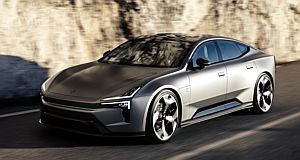
A SURVEY conducted by Polestar in Australia has found that EV owners can save nearly $100 per month on fuel compared to internal combustion vehicle drivers and that most motorists do not take journeys long enough to warrant genuine range anxiety concerns based on the average WLTP range of its model line-up.
Data was collected from 1015 Australian motorists via an online survey between 22 December 2025 and 20 January 2026. This included 810 ICE vehicle owners and 205 EV owners.
Crucially, Polestar noted in a media release that the survey took place prior to recent fuel price spikes caused by conflict in the Middle East.
The survey found that 62 per cent of EV owners are spending under $100 per month on recharging their vehicles, with a median monthly recharging cost of $60.
Meanwhile, petrol, diesel, and hybrid vehicle owners had a median monthly refuelling cost of $150.
Following the outbreak of conflict in the Middle East, these savings are likely to be even more significant, with national average retail petrol prices sitting at 240.1 cents per litre as of 5 April compared to 171 cents per litre on 22 February, according to data from the Australian Institute of Petroleum.
The data also revealed that 84 per cent of motorists drive up to 300km per week, with a median driving distance of 158km per week. The longest journey taken by most respondents within the previous year (72 per cent) was under 500km.
For reference, the average WLTP driving range of Polestar’s Australian model line-up is 605km. The shortest quoted WLTP range for any Polestar model offered locally is the Polestar 5 Performance at 558km while its standard Dual motor sibling is the portfolio range-leader at 678km.
Of course, not all Australian EV owners enjoy driving distances in-excess of 550km.
The BYD Atto 1 Essential model – the cheapest battery electric vehicle offered locally with a price tag of $23,990 before on-road costs – has a WLTP driving range of 220km. However, this is still significantly further than the 158km weekly median driving distance and 73.3 per cent of 300km weekly driving distance of most respondents.
“High oil prices are not the problem; they are the reality of a volatile system. Electric cars change that. The cost base is lower, more stable and increasingly local,” said Polestar CEO Michael Lohscheller.
“What used to be range anxiety is quickly becoming pump anxiety. People are moving away from unpredictable fuel costs to predictable electricity.”
Polestar will soon offer even greater choice for consumers looking to make the switch away from internal combustion power into an electric vehicle.
Earlier this year, Polestar announced a four-model expansion of its global portfolio within three years, with these new vehicles also slated for Australia.
These models include the Polestar 5 sedan, a new Polestar 4 SUV variant, the second-generation Polestar 2 liftback, and the yet-to-be-unveiled Polestar 7 compact SUV.
Australian deliveries of the Polestar 5 are expected to commence later this year, followed by the new Polestar 4 variant and the second-gen Polestar 2 in 2027, and the Polestar 7 in 2028.
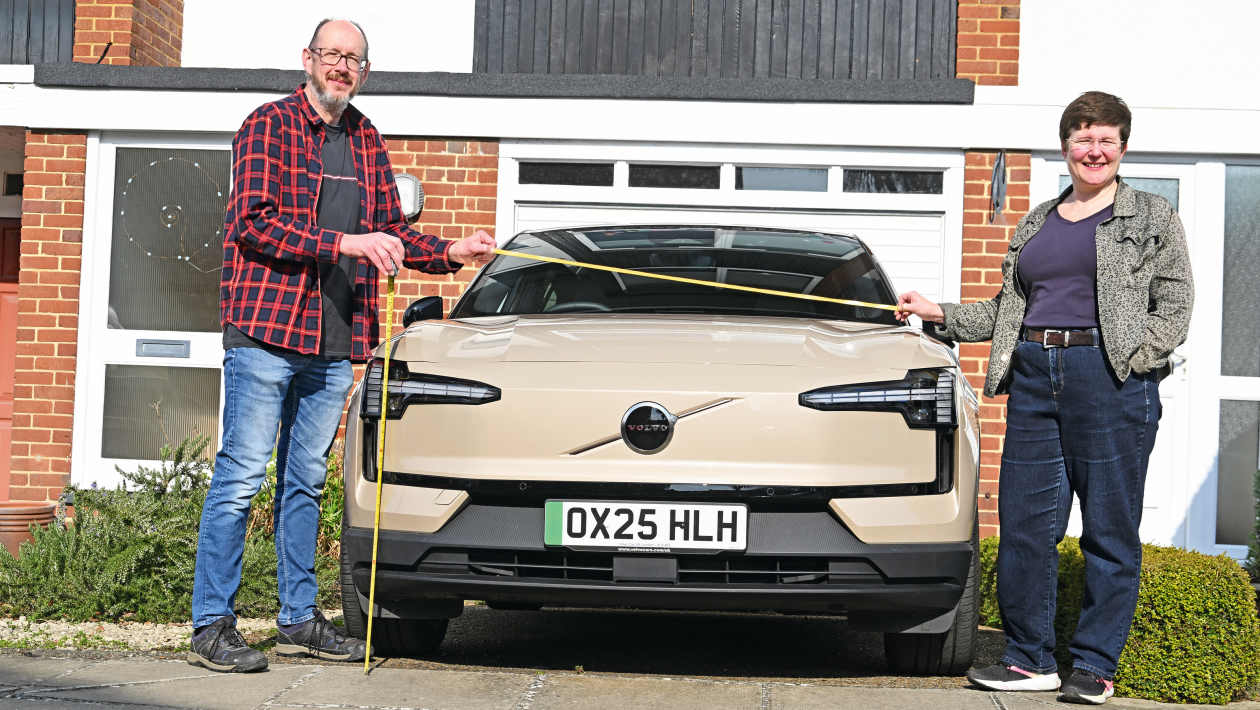
The only significant way my situation differs from the typical EX30 buyer’s is that I’m not an empty-nester – my wife and I have an 11-year-old daughter in tow. As a result, the EX30’s introduction to Pringle family life has been a diet of short suburban journeys, mainly to and from school, football training and matches, and the shops.
That means I haven’t tested the car’s range at all, although it was a deliberate choice to pick the Extended Range model – as most EX30 buyers do. This can officially manage 296 miles per charge, and while that hasn’t been a concern so far, a welcome side-effect is that I’ve only had to charge the car once in its first three weeks with me.
Tougher tests will come, but for now the EX30 is settling perfectly into its role. I’m enjoying the smooth and responsive electric powertrain around town, as well as the excellent refinement – in terms of both the lack of noise inside the car, and the way the suspension deals with poor road surfaces.
The Volvo is practical enough for our three-person family, and the tech works well, too. I particularly like the built-in Google Maps navigation, Apple CarPlay has worked faultlessly for streaming music, and I easily linked the car to the Volvo smartphone app.
My only complaints so far are that – as in so many cars these days – some of the safety-assist features are a little over-eager (although I’ve programmed a button on the steering wheel to turn off the speed alert with a single press). I’m going to need a while to get to grips with the complexities of the infotainment system, too. Otherwise, I’ve certainly come up trumps with this Volvo.
Rating
4.5 stars
Model tested
Volvo EX30 Single Motor Extended Range RWD Plus
On fleet since:
August 2025
Price new:
£39,860
Powertrain:
69kWh battery, 1x e-motor, 272bhp
CO2/BiK:
0g/km/3%
Options:
Tinted rear windows (£350), Power seat pack (£800)
Insurance*:
Group 38 Quote: £1,021
Mileage
4,237 miles
Efficiency:
3.2 miles/kWh
Any problems?
Very occasional electronic glitches
*Insurance quote from AA (0800 107 0680) for a 42-year-old in Banbury, Oxon, with three points.
Now you can buy a car through our network of top dealers around the UK. Search for the latest deals…
Windshield wipers. Car heaters. Turn signals. What do all these have in common?
In honor of National Women’s Month, let’s take a moment to recognize some of the incredible innovations created by talented women throughout history. We may take these innovations for granted, but they impact our vehicles and our world in significant ways.
Let’s dig in!
The Humble Windshield Wiper
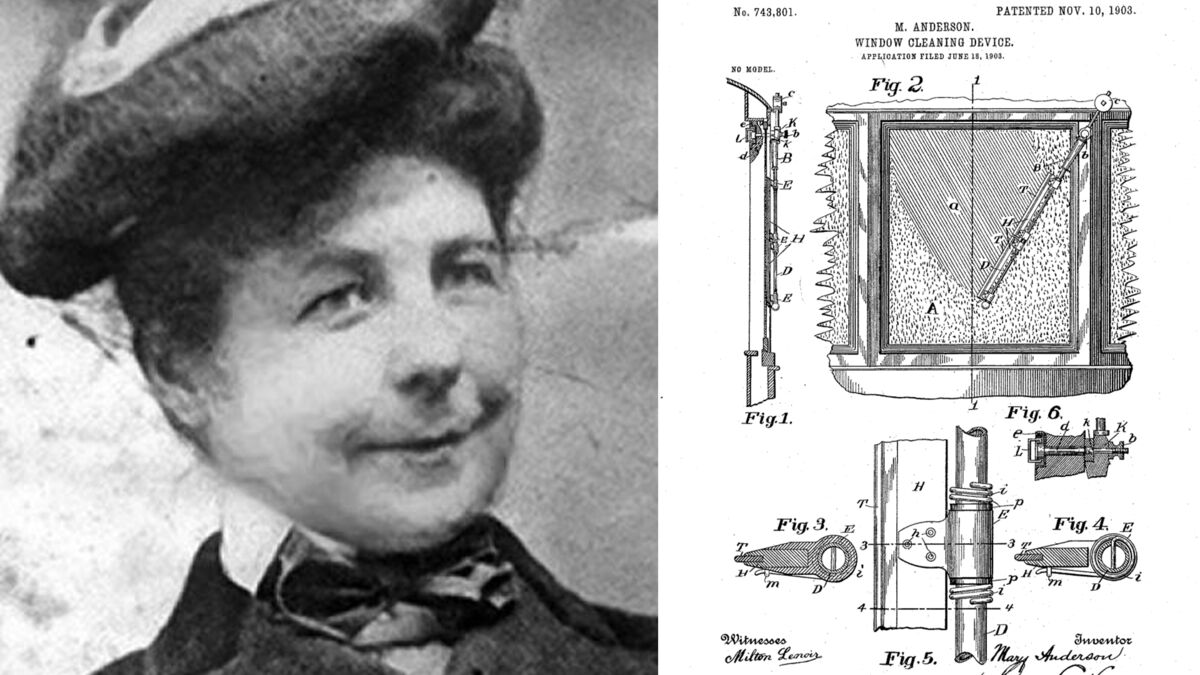
Pictured left: Mary Anderson
The windshield wiper is a perfect example of an invention people use every single day, yet rarely consider how it became a common (and essential) automotive feature.
Picture this…
The year was 1903. It was a frigid, snowy day in New York City. Mary Anderson noticed that streetcar operators had to open a window to see through the snow that had accumulated on the front window. Some operators even stopped the streetcar to get out and clear their windshields by hand.
Mary had an idea she quickly patented: a lever inside the vehicle that controls a spring-loaded arm with a rubber blade at the end. The lever, which had a counterweight to keep the wiper in contact with the window, could move the blade across the windshield, removing rain or snow.
The windshield wiper was eventually adapted for automotive use. In 1922, Cadillac began installing windshield wipers as standard equipment on its cars.
So, next time you take a drive through the rain or snow, thank Mary Anderson for your clear view of the road.
Turn Indicators and Stop Signals
Pictured: Florence Lawrence
While many people likely assume that innovation occurs only in a lab or by an engineering team, that assumption is far from the truth.
Florence Lawrence, one of the original Hollywood movie stars, came up with a significant innovation: The turn signal.
She was known at the time for her many short films known as “one-reelers,” typically shot in a week. In the early days of Hollywood, many actors and actresses didn’t receive credit for their work as they do today, yet Florence’s face was recognizable, so she became known as “The Biograph Girl” (named after the film studio where she was on salary).
In these early days of automotive, cars were quite expensive for most consumers. Fortunately (for all of us), Florence had both an interest and the means to be an early enthusiast.
Her first accessory innovation was the “auto signaling arm.” Despite being the first of its kind, this feature was curiously similar to modern turn signals, with the driver operating buttons on the dash which raised and lowered arms on the rear fender of the vehicle.
The secondary component was a stop sign on the rear of the vehicle, activated by pressing the brake and raising a sign to notify other drivers of her intention.
It’s remarkable how these simple innovations are still incorporated in today’s vehicles. Though the technology has advanced, the basic idea is the same: Signal your intent to other drivers and reduce the chance for accidents. Thanks, Florence Lawrence! Now, if we could only solve the issue of drivers who fail to signal.
Margaret A. Wilcox, born in 1838 in Chicago, was a mechanical engineer in an era when very few women held such a position. She was an avid inventor, creating multiple home appliance solutions. Her most significant idea, however, was not related to cars at all, at least at the time.
In Chicago, winter weather can subject railcar workers to dangerously frigid temperatures. Margaret had an idea to fix this problem.
After tinkering with the idea of harnessing heat from the locomotive’s engine and routing it to the train cars, she successfully filed U.S. patent number 509,415, the “car heater” on November 28, 1893.
Her patent would not find commercial success due to the lack of temperature control, which caused railcars to overheat. However, her innovations inspired similar heating solutions for automobiles. Automotive engineers followed Wilcox’s designs in 1917 for Jordan Automobiles of Cleveland, and in 1929, Ford introduced the first factory-installed heater in its Model A.
Thank Margaret A. Wilcox the next time you feel comfortable and cozy behind the wheel while all around is white with snow.
The Transparent Invention
Pictured: Katharine Burr Blodgett, Credit: National Inventors Hall of Fame
Katharine Burr Blodgett was a prolific physicist and inventor. She had many notable achievements, including becoming the first woman to receive a doctorate in physics from the University of Cambridge in 1926.
She was closely involved with General Electric (GE) throughout her life, and her father even served as a patent attorney for the company. After her graduation from college, she returned to the company as a research scientist, where she partnered with Irving Langmuir (a Nobel laureate and National Inventors Hall of Fame® Inductee).
Her work built upon Langmuir’s discoveries, creating multilayer anti-reflective coatings on glass, and thus, Blodgett successfully produced the world’s first completely transparent glass, or “invisible glass.”
This invention was key to the glass used in automotive applications, such as windshields and windows, among many others.
The Langmuir-Blodgett technique was patented in 1938 (U.S. Patent No. 2,220,860) and has essentially remained unchanged since Blodgett’s discovery.
While Kathryn Burr Blodgett’s innovation may have been transparent, we can clearly see the impact of her achievements.
Movie Star… and Inventive Genius
Pictured: Hedy Lamarr, Credit: National Inventors Hall of Fame
Wi-Fi, GPS, Bluetooth… these are all technologies that, in the 1940s, would likely have been considered science fiction, yet we use them daily in modern vehicles.
What I find even more incredible is that the technology that made these innovations possible, frequency-hopping spread spectrum (FHSS), was invented and patented by Hedy Lamarr, the famous movie star.
Her life (which could be an entire movie in its own right) was marked by perseverance, cultural struggles, and commercial success. However, some of her most notable and lasting work was done in her free time between shoots.
Lamarr’s first marriage was with Friedrich Mandl, a prominent arms dealer. At the time, in the late 1930s, she attended an arms deal and discovered that the Navy desired a guidance system for torpedoes that could not be jammed by enemies. Working with composer and pianist George Antheil, she created a design for an FHSS system reminiscent of a piano roll. Lamarr submitted the idea to the National Inventors Council (NIC) in late December 1940.
Pictured: U.S. patent 2,292,387, Hedy Lamarr’s “Secret Communication System”
On June 10, 1941, she successfully filed the design as U.S. patent 2,292,387, also known as “Secret Communication System.” Lamarr granted the Navy free use of the patent, but they declined to use the technology at the time, claiming it was too large for the intended application.
FHSS technology is prevalent today, with many wireless systems leveraging Lamarr’s innovation.
While Hedy Lamarr’s filmography may not be familiar to modern audiences, her work on FHSS technology impacts many wireless systems today. It’s difficult to imagine today’s automotive landscape with wireless connections, for which we can thank Hedy Lamarr.
A History of Innovation
While my list may be short, hundreds of thousands of women throughout history have contributed their lives to advancing the technology used in vehicles worldwide.
Without these important women, the world and its automobiles would be very different.
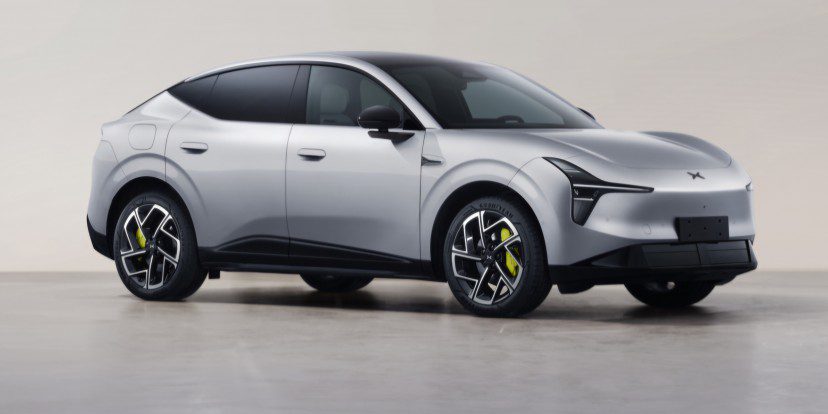
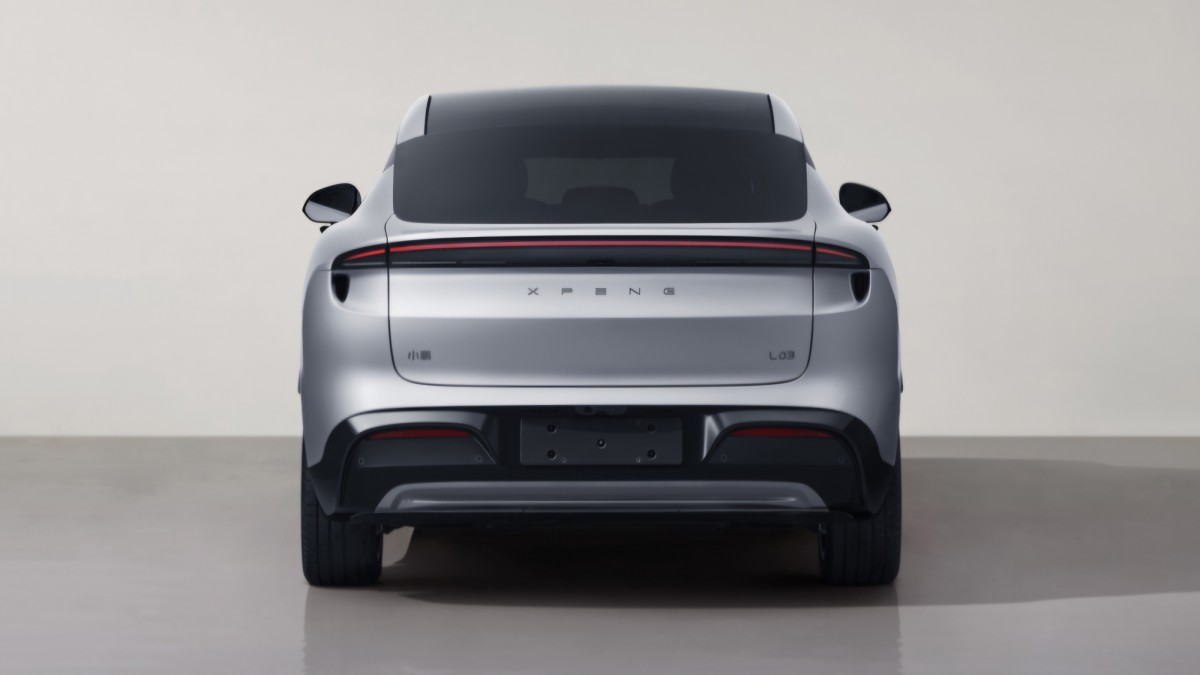
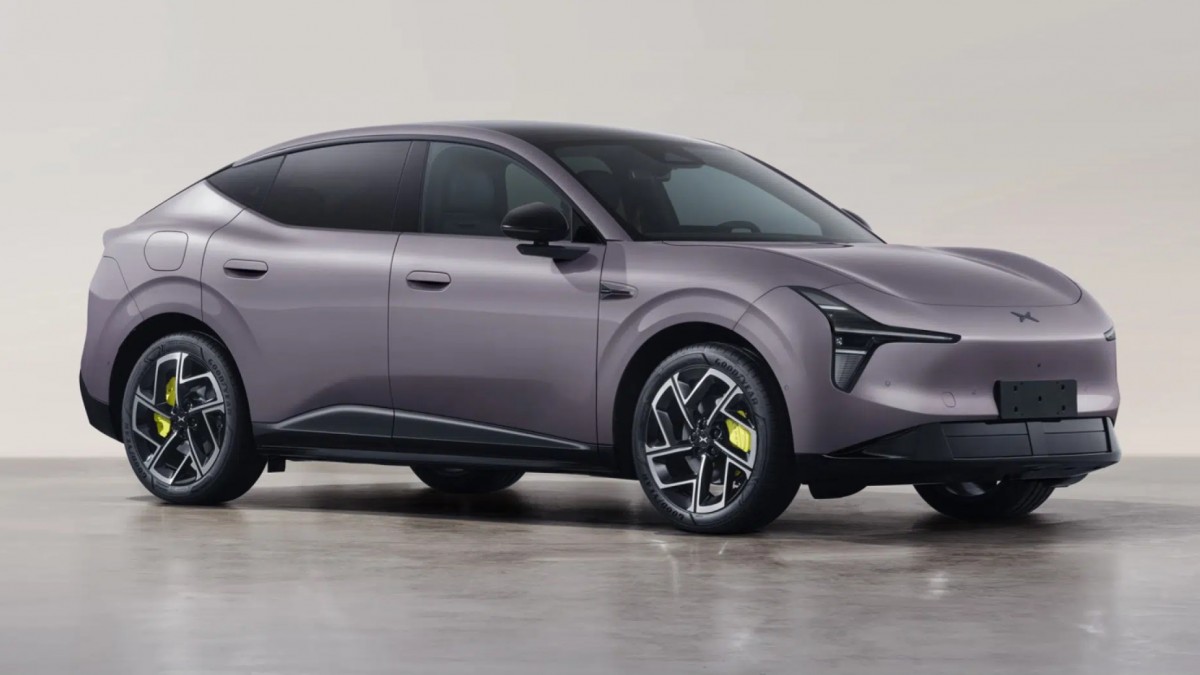
On April 9, 2026, the public got its first real look at the new XPeng Mona L03. This is the first SUV to join the Mona family – XPeng’s dedicated brand for buyers who want a great car without spending a fortune. The Mona L03 is a five-seat vehicle that takes the sporty style and mixes it with the space of a family SUV. XPeng is hoping this model will be just as successful as their first Mona car, the M03 sedan.
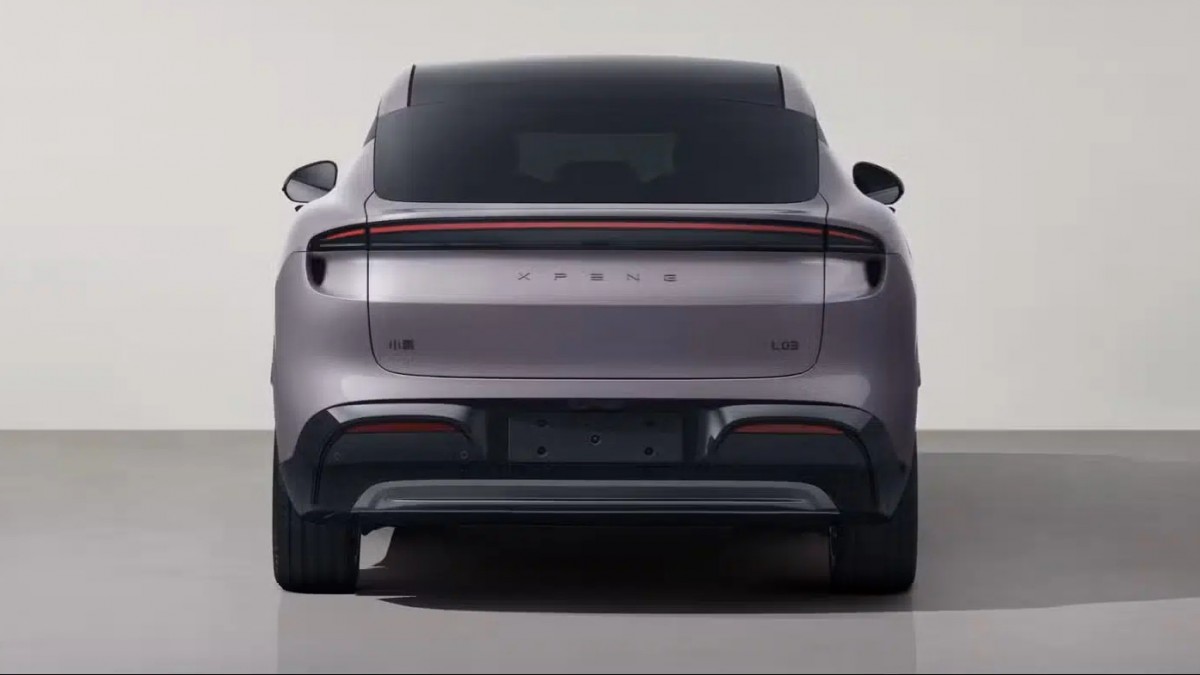
If you look at the Mona L03, you will notice it has a coupe-like design, which means the roof slopes down toward the back like a sports car. The front of the car has “T” shaped headlights that make it look modern and maybe even a little bit angry. It has semi-hidden door handles and a front bumper with an active grille to help it with air resistance.
The all-new XPeng Mona L03 – source: MIIT China
The Mona L03 is a mid-sized SUV. XPeng filed paperwork for two different versions of the car – one version is 183.1 inches long, and the other is 183.9 inches long – the difference is due to different bumper designs. Both versions are 75.6 inches wide and 63 inches tall. The car has a wheelbase of 112.2 inches. The car weighs about 4,090 lb – nothing unusual for an EV since batteries are quite heavy.
The wheels on the Mona L03 also come in two sizes. You can get 18-inch wheels with 225/60 R18 tires or larger 20-inch wheels with 245/45 R20 tires. The bigger wheels look cooler, but they might make the ride a little bumpier and will affect the range. XPeng also listed technical measurements for the overhangs – they range between 35 inches and 36.4 inches depending on which version of the car you are looking at.
The all-new XPeng Mona L03 – source: MIIT China
Most electric cars in this price range use one motor, and the Mona L03 is no different. It uses a single electric motor made by Luxshare Precision Technology. The motor has a peak power of 183 kW. That is actually more power than the Mona sedan has. If you have a heavy foot, the Mona L03 can reach a top speed of 112 mph.
The battery inside the car is an LFP pack – Lithium Iron Phosphate. These batteries are popular because they usually last a long time and are safer than other types. The batteries are supplied by CALB – interestingly, XPeng did not use the “blade” batteries from BYD for this model, even though they use them in the sedan version. We do not know the exact capacity of the battery yet, but we expect it to provide plenty of range for daily driving.
The all-new XPeng Mona L03 – source: MIIT China
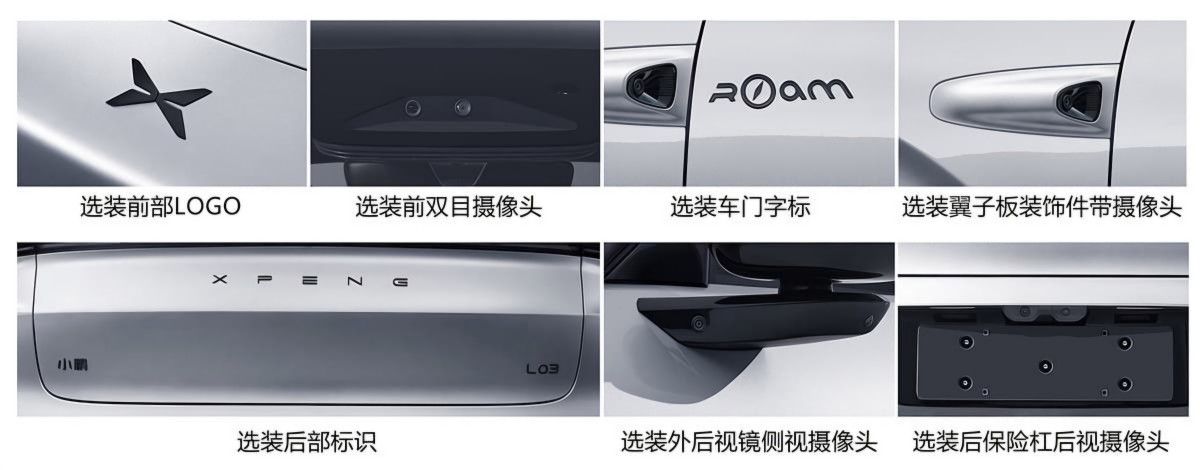
XPeng loves technology, and the Mona L03 is packed with it. The car is covered in cameras. There are cameras on the front, the back, the mirrors, and even on the sides near the front wheels. These cameras are the “eyes” of the car. They help with driver-assistance features, which keep the car in its lane or even help with driving in busy cities. XPeng is sticking with a system that uses cameras instead of expensive LiDAR sensors and is using its own Turing AI chips.
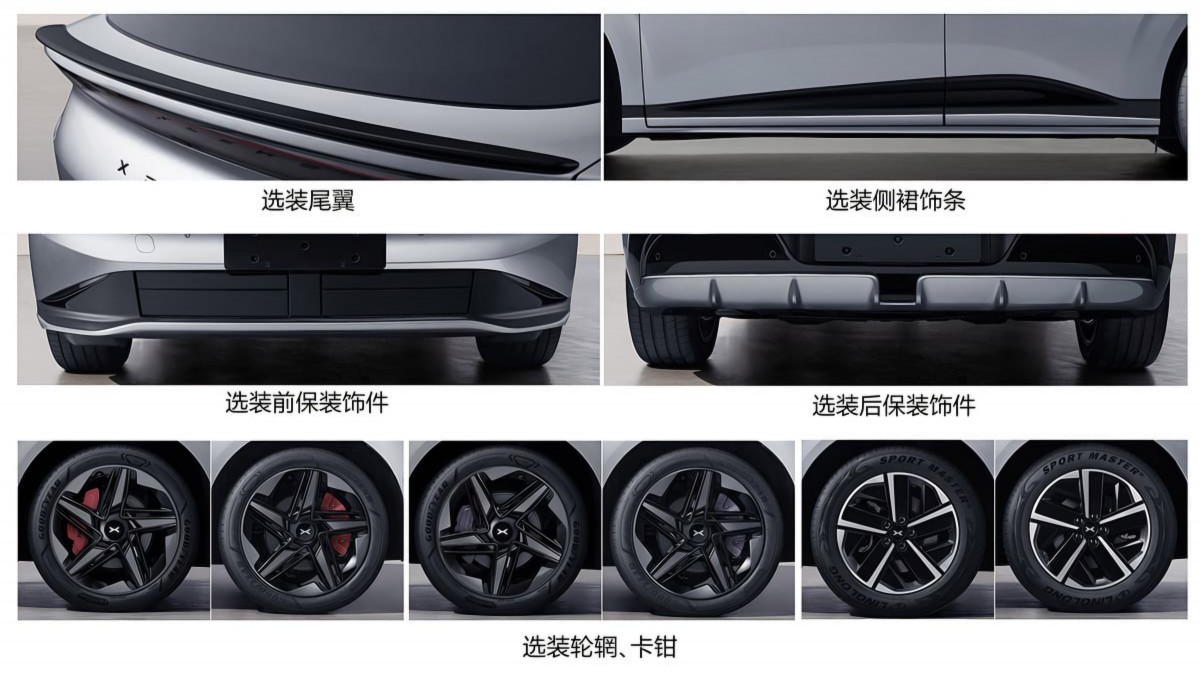
Inside, passengers can look up through a large panoramic glass roof. It makes the cabin feel big and bright. For people who like to customize their cars, XPeng is offering a lot of options. You can choose different brake calipers, add a rear spoiler or even change the trim on the bumpers.
Optional equipment for the all-new XPeng Mona L03 – source: MIIT China
The Mona L03 is expected to be priced right in the middle of XPeng’s lineup. We believe it will cost around RMB 150,000, which is about £16,000. For comparison, the smaller Mona M03 sedan starts at RMB 119,800 (£12,700). The bigger XPeng G6 SUV starts at RMB 176,800 (£18,900). By pricing the L03 in the middle, XPeng is targeting families who need more space than a sedan can offer, but don’t want to pay the higher price of the G6.
The timing for this launch is very important. In March 2026, XPeng delivered 27,415 vehicles. While that is a lot of cars, it was actually 17% lower than the year before. The company needs the Mona L03 to be a hit to get their numbers back up. The Mona M03 sedan is a huge success, selling over 175,000 units in 2025 alone.
Various options for the all-new XPeng Mona L03 – source: MIIT China
But XPeng isn’t just thinking about China. The CEO, He Xiaopeng, has said he wants to bring the Mona brand to Europe and other parts of the world later in 2026. This means we might see the Mona L03 on roads far away from its home very soon. As the second model in the Mona line, it has big shoes to fill, but if it can match the popularity of the M03 sedan, XPeng will have a very busy year.
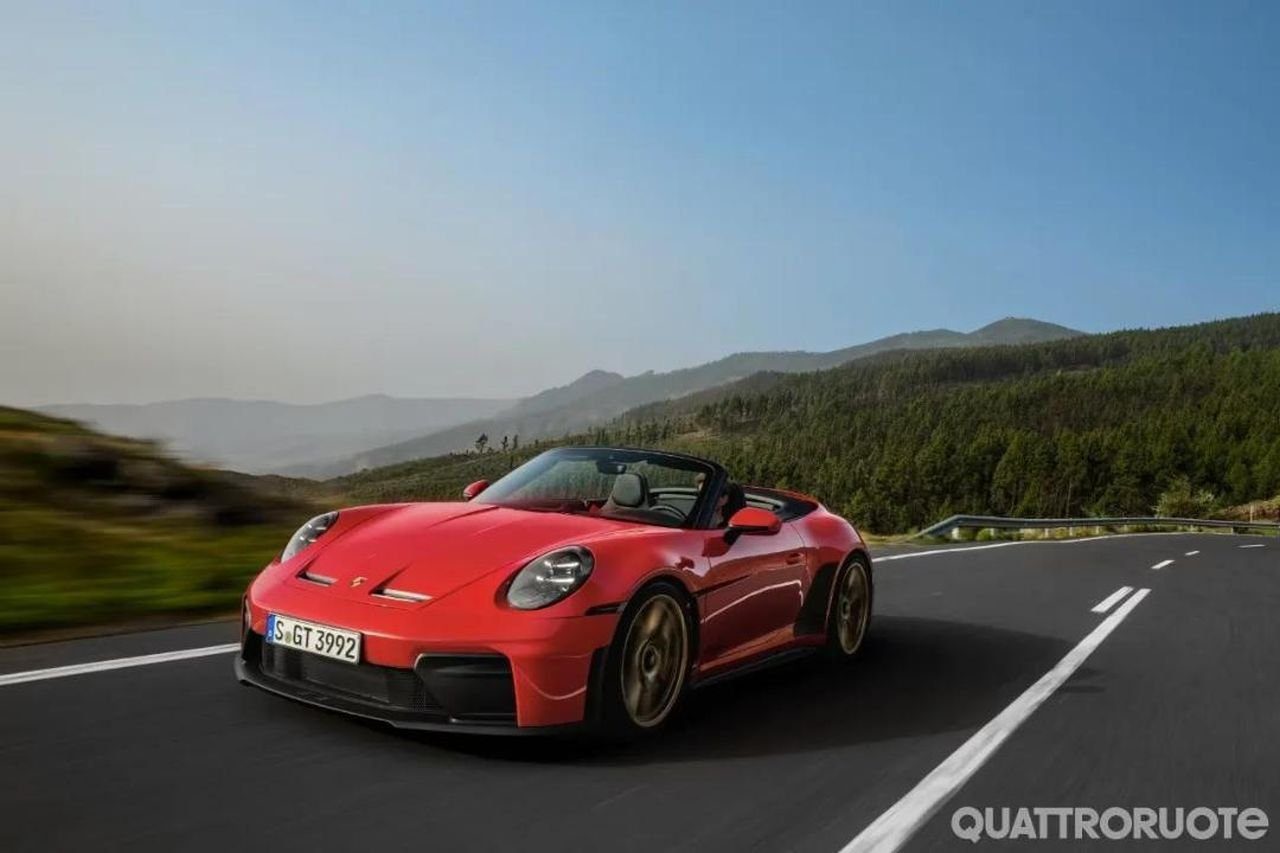
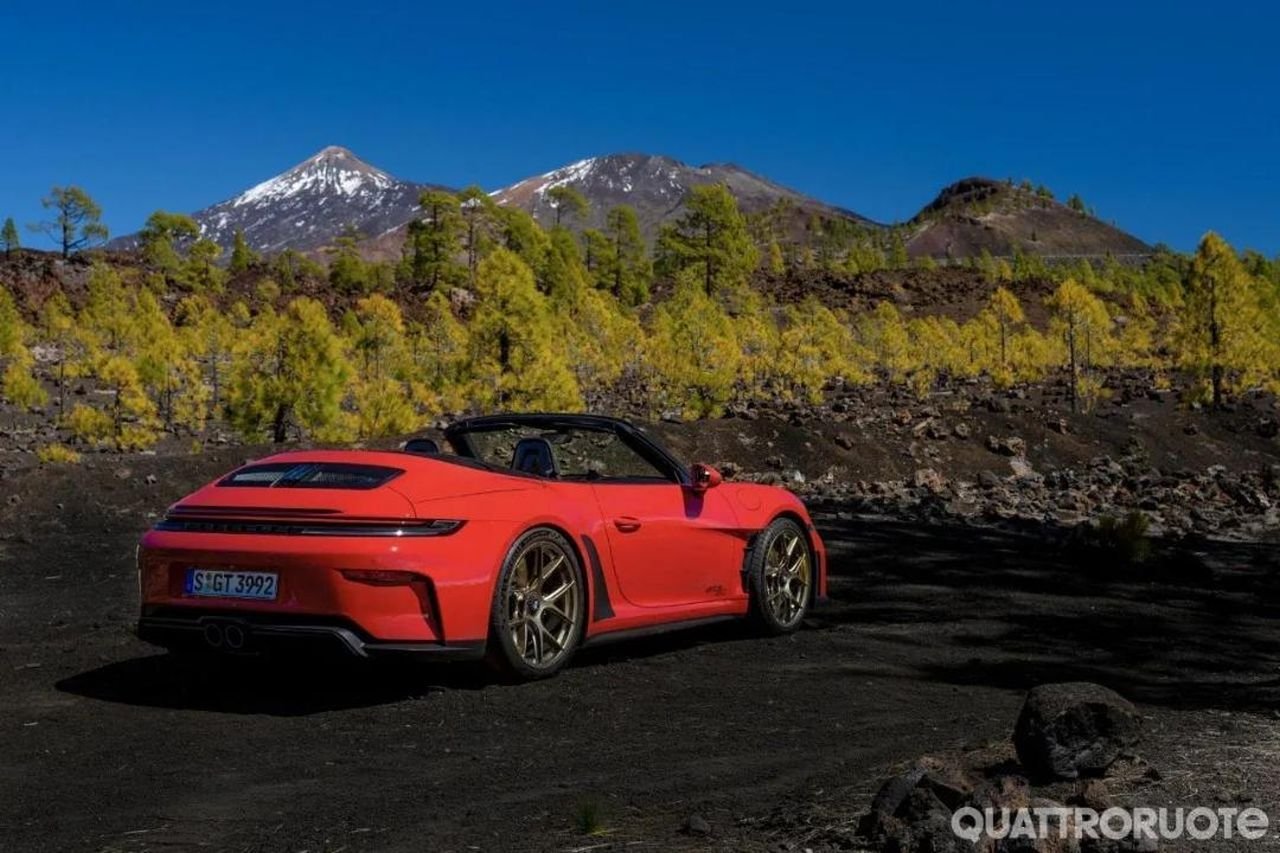
The Porsche 911 GT3 Sport Cabriolet is scheduled to make its public debut on April 14. However, it seems a couple of images of the car may have already leaked online.
The 911 GT3 Sport Cabriolet is essentially a convertible GT3. It will feature a folding soft top and a special aero package comprising vents behind the front wheel arches and a sporty rear bumper with dual exhausts in the centre.
As you can see, the 911 GT3 SC has a similar front fascia as the standard GT3. The sporty front bumper has an integrated splitter, while the bonnet has the signature nostrils. The rear also looks identical to the hardtop version, except for the deck lid, which makes it look rather bulky.
The 911 GT3 Sport Cabriolet is expected to be powered by the same 4.0-liter flat-6 naturally aspirated engine from the limited-edition 911 S/T. It produces 518 hp and 343 lb-ft of torque and will be paired with a 6-speed manual gearbox.
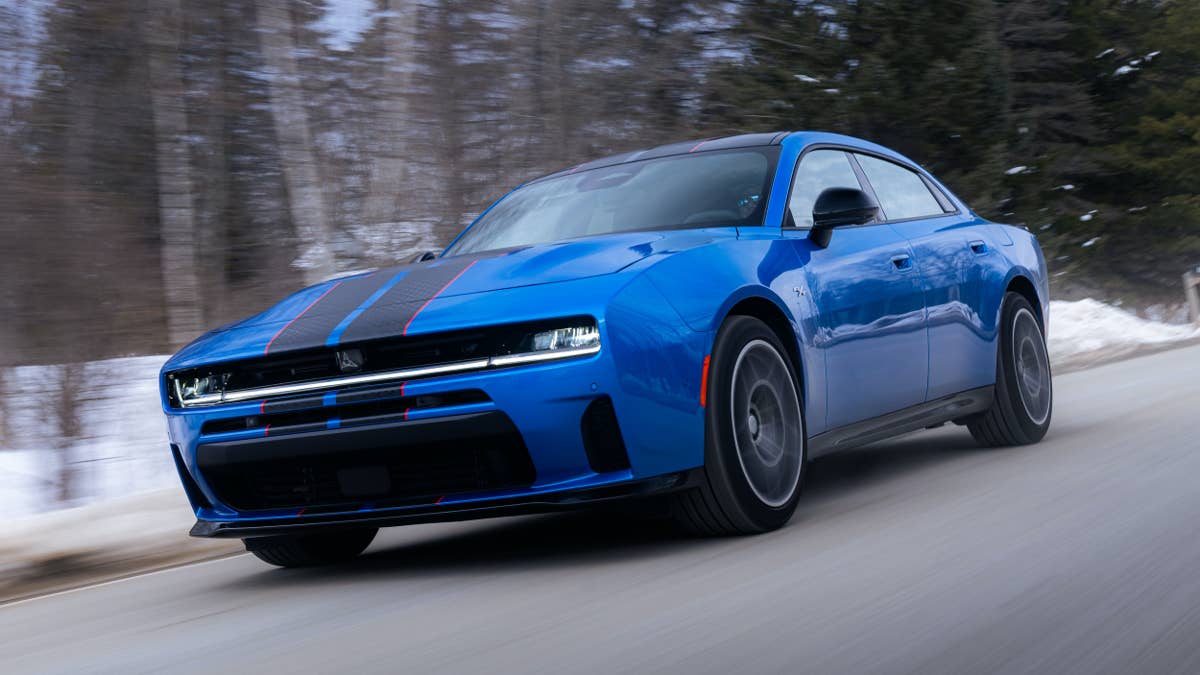
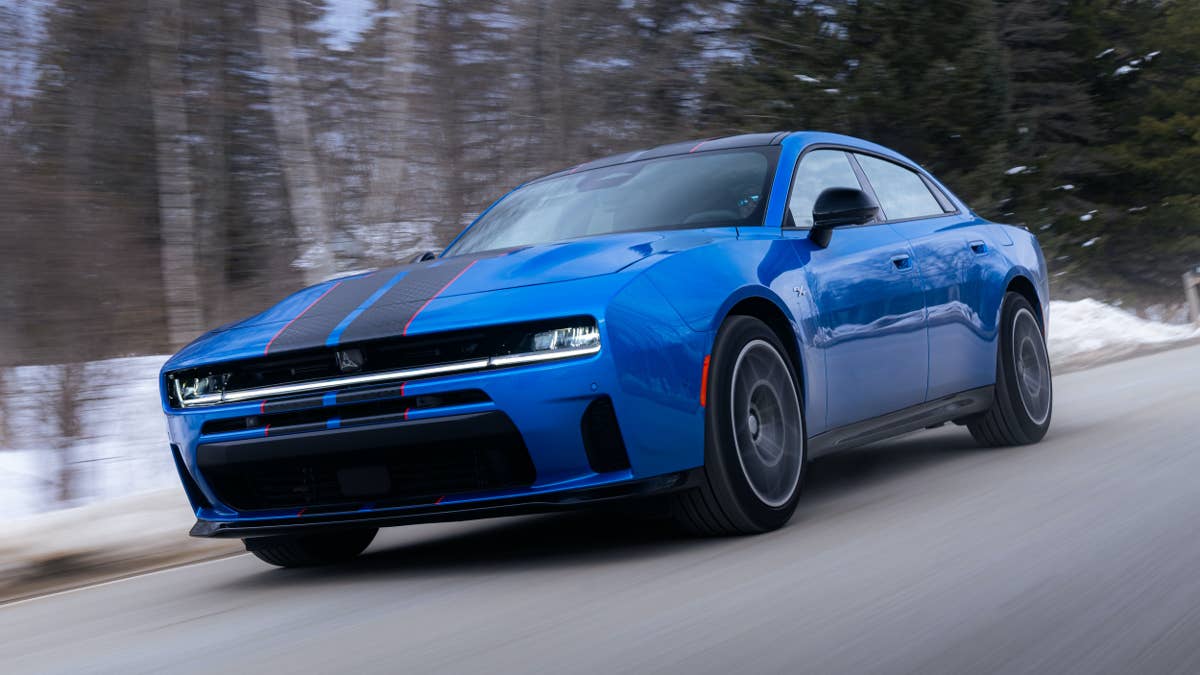
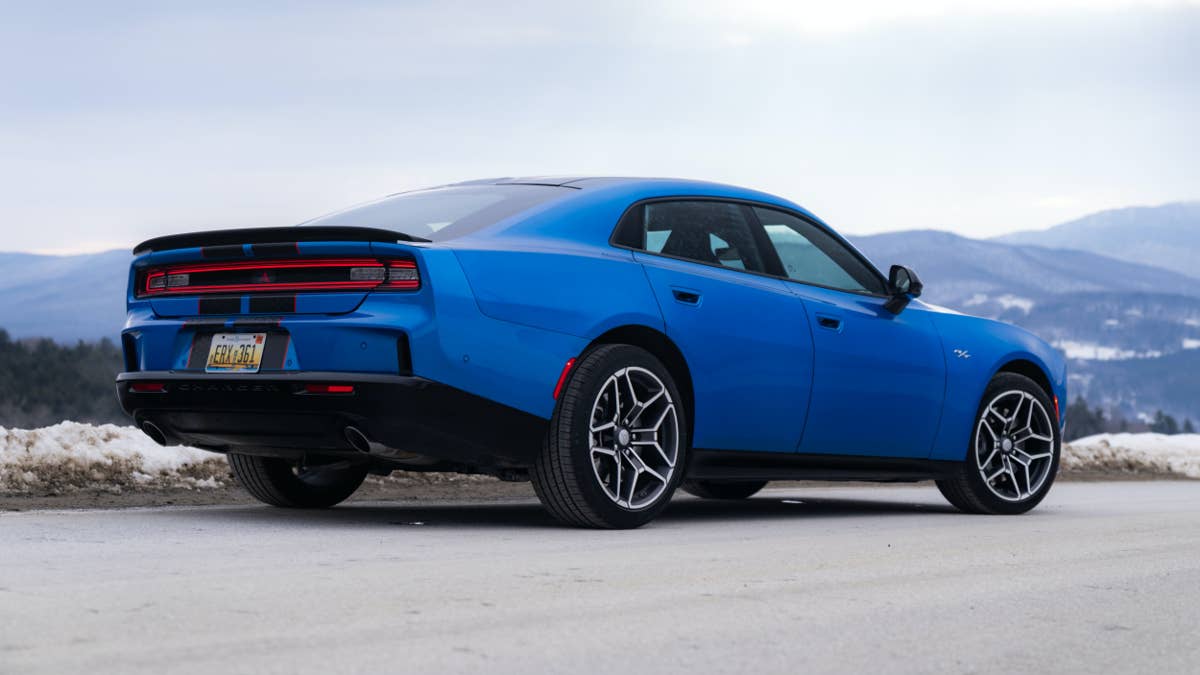
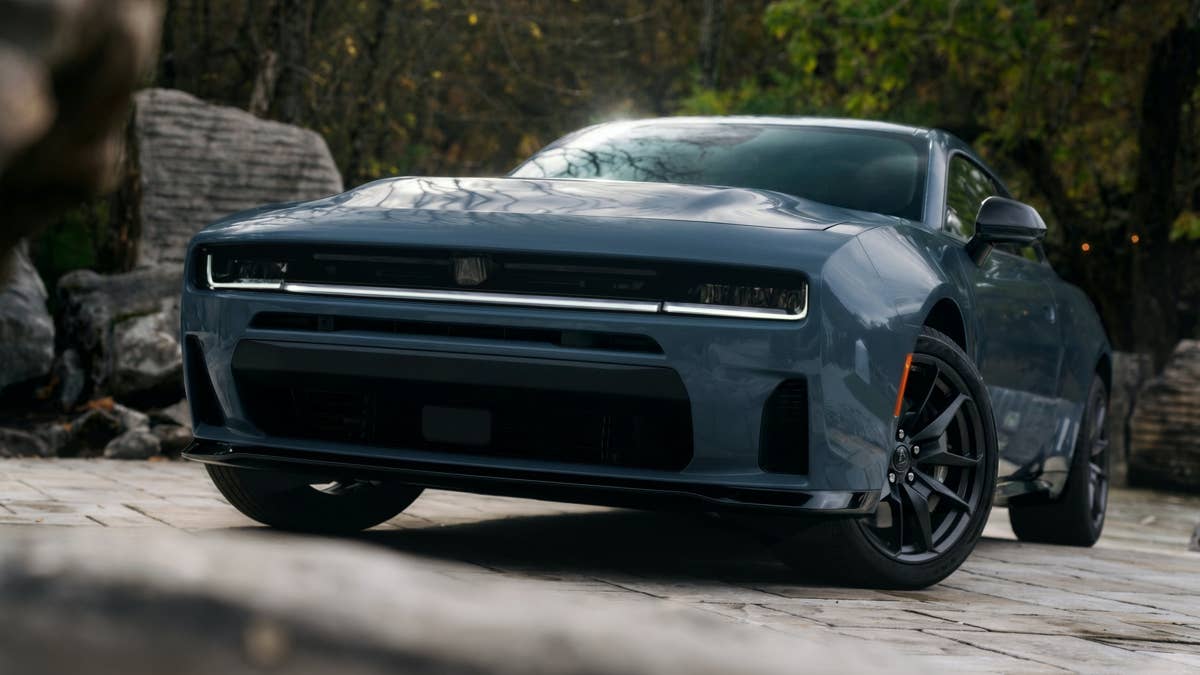
The eighth-generation Dodge Charger, which has the difficult mission of replacing both the previous-generation Charger sedan and the Challenger coupe, is far from a commercial success.
Dodge only sold 7,421 units of the new Charger in 2025, its first full year on the market. That’s about ten times less than the almost 76,000 previous-gen Charger units sold in 2023, the LD generation’s last full year on the market—and that’s not including almost 45,000 Challenger sales in 2023.
Mind you, the 2025 sales figure is only for the all-electric Charger Daytona, as the six-cylinder gas model only started to ship in late 2025-early 2026 and was not included in the full-year 2025 report.
Dealers Simply Don’t Have Enough Chargers in Stock
Dodge
That said, the new gas-powered Charger hasn’t rocked the sales charts either, with Dodge reporting only 1,672 gas-powered Charger sales in Q1 2026—2-Door and 4-Door combined. While the gas Charger outsold the EV model 7 to 1 in the previous quarter, the sales numbers are still too low, so what is going on?
Dodge CEO Matt McAlear believes there’s no need to panic as it’s too early to judge the Charger’s sales figures. “I’m still excited. I’m still bullish on this car,” he told The Drive. “I think it offers something that no one sees coming in the industry and it wakes up some mundane car segments that there’s not many of them left.” According to him, the main reason for which sales have not picked up yet is the short supply of Chargers.
While the 550-hp 2-Door Scat Pack started shipping in January and there’s an adequate supply of those, the executive noted that Dodge does not have an adequate supply of the 420-horsepower RT 2-door and 4-door.
That’s because those models only started shipping in the last 15, 20 days and they’re still on their way to dealers. “We don’t even have all of the models across all of our dealers yet,” McAlear said, adding that “as we move through the summer, we’ll see what we’re made of.”
The Future Is “Absolutely Bright” for the Charger
Dodge
Dodge’s CEO also downplayed the view some people have that there’s not enough variety in the Charger lineup to entice buyers—i.e. no Hemi V8 and/or manual transmission.
“We got Scat Packs, we’ve got RTs,” McAlear told The Drive. “This is one year in. And if we’d said we would have launched that much stuff in the first generation car within one year, you would have laughed. So the future’s absolutely bright.”
He elaborated saying that one year into the launch Dodge already offers 670-hp Daytona, 550-hp Scat Pack, 420-hp R/T, two door, four door, and all-wheel drive variants—which offer a rear-wheel-drive mode as well.
While fans have every right to ask for a Charger Hemi V8, the truth is that six-cylinder engines made up the bulk of Charger and Challenger sales in previous generations. The Hemi became the preferred engine choice for Challenger buyers only near the end of its production run, while the majority of Charger customers always went for V6 models.
While the current lack of a V8 option is not the biggest problem for the current Charger, Dodge has hinted on several occasions that a Hemi Charger is on the way. For now, fans just have to be patient as Dodge needs to make sure it can source enough V8 engines before putting more Hemi models for sale.
This article has been updated to provide a greater frame of reference for what a grandpa sedan is, and why your favorite sports sedan may not qualify.
We all know new car prices are higher than ever, and they don’t appear to be cooling off anytime soon. That’s why the used market shouldn’t be overlooked, because some models, even ones that are a generation or two old, can still serve up plenty of fun behind the wheel. When shopping, avoid flagship performance models such as the Mercedes-AMG E63 or the BMW M5 because they are harder and more expensive to maintain. Instead, we’ve put together a list of true sleeper sedans that, with a simple tune, can turn from a humble ride into a legitimate performance monster.
The vehicles are arranged in alphabetical order by manufacturer. Pricing information was accurate at the time of writing and is subject to change.
2007 Acura TL Type S
The Bulletproof Sports Sedan
Engine
3.5-liter V6
Horsepower
286 hp
Torque
256 lb-ft
Price Today
From $7,500
Acura’s sports sedans are often overlooked by performance diehards, typically because they tend to prioritize comfort and performance equally. This setup makes them somewhat softer than their hard-edged American and German rivals, which usually emphasize raw driving dynamics. But that doesn’t mean Acura can’t build a capable sports sedan. The third-generation TL Type S is a smart buy for anyone seeking an agile sedan with respectable power, and even the option of a manual transmission.
The third-generation TL arrived in the US for the 2004 model year, but the one to get is the facelifted 2007 TL. The Type S variant featured a bigger V6, an engine that’s conservatively tuned in stock form. A simple ECU upgrade paired with intake and exhaust revisions can liberate extra horsepower. At the same time, buyers may also want to add suspension mods to help the front-wheel-drive layout put down the power more effectively. Thanks to the TL’s durability, many used examples carry extremely high mileage, but for those who can stretch the budget, the modern TLX Type S is also worth a look.
2014 BMW 535d
Perfect For Eating Up Highway Miles
Engine
Twin-turbocharged 3.0-liter Inline-6
Horsepower
255 hp
Torque
413 lb-ft
Price Today
From $8,000
Diesel engines have long been pegged as torquey but unrefined workhorses by a US audience. In Europe, they’ve powered sporty, efficient sedans and wagons that can quietly embarrass flashier machines. BMW brought that concept stateside with the 2014 535d, the first diesel-powered 5 Series sold here. Its twin-turbo 3.0-liter inline-6 thrives on simple modifications, with a basic ECU tune unlocking impressive low- and mid-range torque. Even for some of BMW’s diesel models, engine mapping was often the only powertrain differentiator between trim levels.
Sadly, the diesel-powered 5 Series’ run in the US was cut short by the Dieselgate scandal, and BMW phased it out shortly after a 2018 redesign. Today, it stands as an underrated, unassuming, and affordable sleeper on the used market. A caveat is that maintenance and repairs can be expensive, and diesel is also not guaranteed at every gas station.
2014 Cadillac CTS Vsport
A True Sports Sedan That Time Forgot
Engine
Twin-turbocharged 3.6-liter V6
Horsepower
420 hp
Torque
430 lb-ft
Price Today
From $13,000
Cadillac, in recent decades, has built some of the best sports sedans on the market, and the CTS Vsport, based on the third-generation CTS, is right up there. However, since it was never considered a full-blown V model (today replaced by the Blackwing), it’s been overlooked by collectors. It has thus suffered the typical steep depreciation of most luxury sedans.
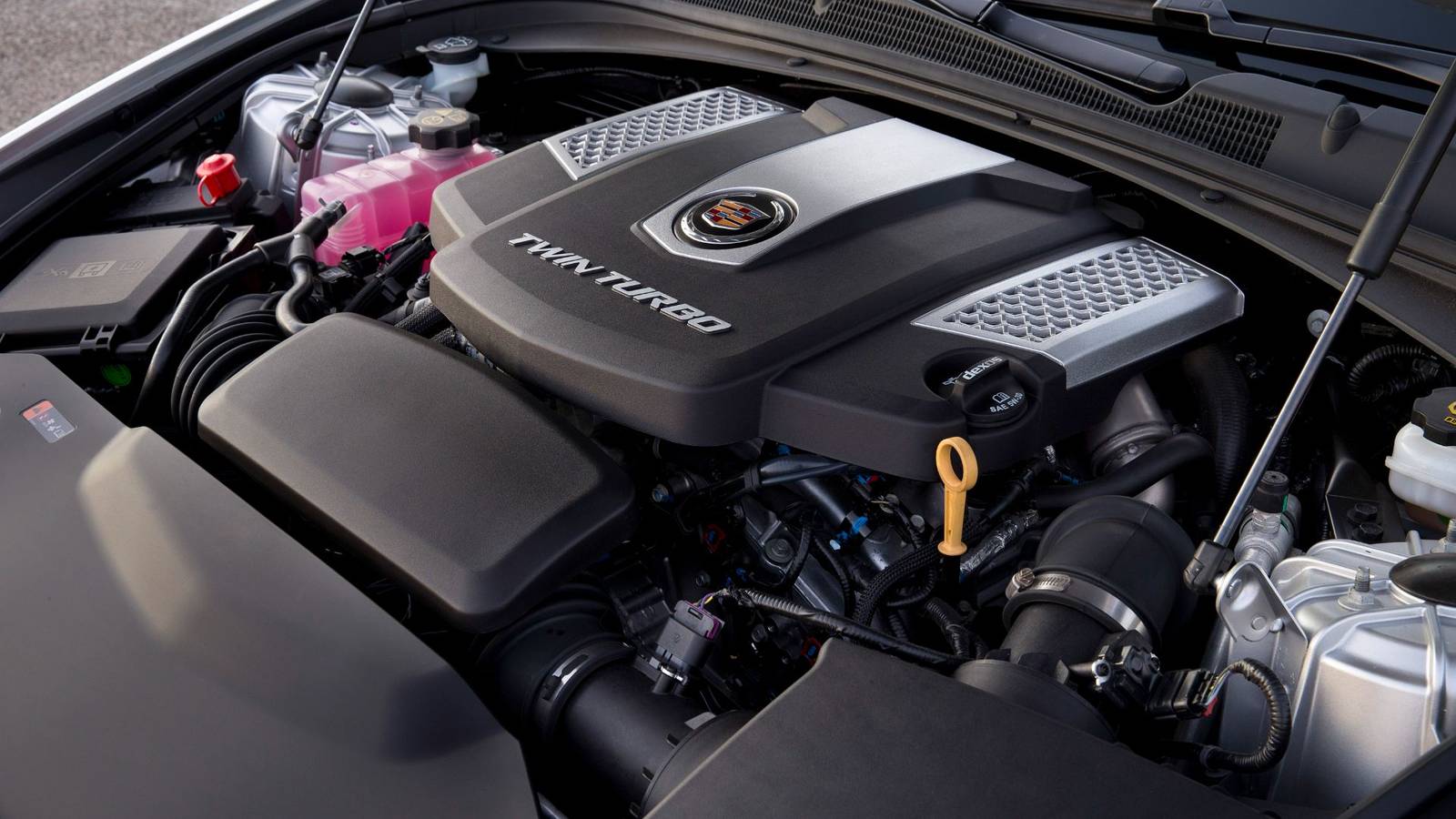
But this was no mere luxury sedan masquerading as a sports sedan. It came from the factory with a twin-turbo V6 producing 420 horsepower, coupled with 18-inch wheels wrapped in Pirelli tires, Brembo brakes, magnetic dampers, a limited-slip differential, and a heavy-duty track cooling package. The stock power is likely more than enough for most buyers. Other options to improve performance include installing modern tires, such as Michelin’s Pilot Sport 4S, which can vastly improve grip levels compared to the original P Zero Nero all-season tires.
2017 Genesis G80
Honed By A Former BMW M Engineer
Engine
Twin-turbocharged 3.3-liter V6
Horsepower
365 hp
Torque
376 lb-ft
Price Today
From $12,000
Hyundai hit a home run with the first-generation Genesis, but it truly proved it could deliver a sports sedan on par with established luxury brands with the launch of the successor. An ex-BMW M engineering chief even worked on fine-tuning the car’s chassis. The second-generation Genesis arrived for the 2015 model year and was rebranded as the G80 in 2017, when Hyundai introduced Genesis as a standalone luxury brand.
Today, the G80 represents a real bargain for luxury sedan buyers who don’t care what badge is on the hood. And for those who enjoy modifying their cars, the available twin-turbo V6 is worth a look. With typical turbo mods, such as a high-flow intake and exhaust, an upgraded intercooler, and an ECU tune, the 365-hp engine can be pushed to nearly 450 hp without even breaking a sweat.
2011 Infiniti M56
A Japanese Muscle Sedan
Engine
5.6-liter V8
Horsepower
420 hp
Torque
417 lb-ft
Price Today
From $8,000
Infiniti hasn’t shown much interest in its sedan lineup for well over a decade, but not that long ago, the automaker offered some credible sports sedans. One of them was the fourth-generation M, launched in 2011 and renamed the Q70 starting in 2014. It came with two decent V6 choices, including one that formed part of one of the first performance hybrid powertrains, but anyone serious about speed would have to go with the range-topping V8 option.
The engine is a strong, naturally aspirated unit known for its smooth power delivery and impressive low-end torque. Because of its widespread use across a variety of Nissan and Infiniti models, there are many upgrades available for it. One of the most popular options is adding a supercharger, which can reliably deliver up to 500 hp.
2016 Jaguar XF S
The UK’s Aluminum 5 Series Fighter
Engine
Supercharged 3.0-liter V6
Horsepower
380 hp
Torque
332 lb-ft
Price Today
From $15,000
The second-generation Jaguar XF is arguably the best sedan that nobody bought. It featured a lightweight aluminum chassis with standard rear-wheel drive and available all-wheel drive, all wrapped in one of the most handsome designs of any sedan from the past decade. It was launched for the 2016 model year and initially offered exclusively with a supercharged 3.0-liter V6, available in 340- and 380-hp outputs.
The latter was reserved for the XF S model, which also benefited from sportier tuning of the eight-speed automatic transmission, an improved suspension, and upgraded brakes. There are many modifications available for the engine, and one of the most effective is the various plug‑and‑play modules, which not only boost output but also improve the responsiveness of the throttle and transmission.
2008 Lexus GS 460
A Classic V8 Sports Sedan That Won’t Give Your Mechanic Nightmares
Engine
4.6-liter V8
Horsepower
342 hp
Torque
339 lb-ft
Price Today
From $8,000
The third-generation Lexus GS arrived for the 2006 model year, and in 2008, its available V8 engine was upgraded from a 4.3-liter unit to a 4.6-liter powerhouse that delivered smooth, effortless acceleration. Today, the GS with the 4.6-liter V8 is still cheap, but prices have started creeping up, and anything with less than 100,000 miles comes with a steep premium.
While the V8-powered GS definitely leans more toward luxury than performance, a simple, effective way to improve the pace is upgrading the car’s intake and exhaust system. A high-flow air filter or cold-air intake paired with a custom exhaust improves airflow, increases throttle responsiveness, and can provide a modest boost in horsepower and torque. Anyone serious about performance will also want to upgrade the suspension, given the stock setup’s relatively soft tuning.
2018 Mazda 6
The Sleeper Of Sleeper Sedans
Engine
Turbocharged 2.5-liter Inline-4
Horsepower
250 hp
Torque
310 lb-ft
Price Today
From $10,000
No one expects a Mazda6 to be a serious sports sedan, but the third generation offered some decent poke thanks to an available turbocharged engine that was added as part of a mid-cycle refresh. Unfortunately, opting for that engine meant a six-speed automatic transmission only. A manual was available, but it was limited to the entry-level naturally aspirated engine.
Common turbocharged engine mods such as cold air intakes and high-flow exhausts can help boost output from the Mazda6. And with the car being front-wheel drive, an owner may want to pair these upgrades with improved suspension and better tires to help put the power to the ground and make the car handle more confidently.
2010 Mercedes-Benz E550
Cheap To Buy But Not Cheap To Own
Engine
5.5-liter V8
Horsepower
382 hp
Torque
391 lb-ft
Price Today
From $6,000
The fourth-generation Mercedes-Benz E-Class arrived for the 2010 model year, and before the AMG E63 showed up, the range-topping powerplant was a 5.5-liter V8 under the hood of the E550. Available with either rear- or all-wheel drive, it could also be optioned with an AMG styling package that gave the car the right look to match the muscle. With a 0-60-mph run of roughly five seconds, the E550 was quick then and still feels brisk today.
Better yet, that big V8 isn’t exactly working hard in stock form. While there are plenty of upgrade paths, the easiest and most cost-effective is a simple ECU tune, which can typically unlock an extra 15 to 30 horsepower without any other modifications. Just remember that maintenance costs on older Mercedes can be steep, so it’s smart to leave room in the budget for upkeep.
2008 Volvo S80 T6
Stealthy Speed From Sweden
Engine
Turbocharged 3.0-liter Inline-6
Horsepower
281 hp
Torque
295 lb-ft
Price Today
From $5,000
Volvo’s second-generation S80 arrived in the US for the 2007 model year, showcasing a much more refined design than its predecessor, along with improved safety features and a luxurious interior that positioned it firmly in the premium sedan segment. While it debuted with an available V8 engine producing 311 hp, the turbocharged inline-6 in the T6 variant added for 2008 is a smarter choice today. Not only is it dirt cheap, but the powerplant is also a lot easier to tune on a shoestring budget.
As with most turbocharged powertrains, simple upgrades to the intake and exhaust can make a noticeable difference in performance. Doing it properly also means pairing these modifications with an ECU tune, and there are many plug-and-play options available that, together with the breathing mods, can deliver a meaningful increase in both horsepower and torque.
What Qualifies As A ‘Grandpa Sedan’?
2013 Ford Taurus SHOFord
It would be easy to add a ton of sedans to this list that are all easily modifiable to produce mega performance, but we’ve left them off for not being what we’d consider grandpa sedans. The Ford Taurus SHO is one such example. So what is a grandpa sedan? It’s very much a generalization, but it’s typically a sedan that is sedate and under the radar, often purchased by someone older who wants comfort and luxury, with a little speed, but in a very unassuming package. None of these cars look wildly sporty, and none of them really have the reputation for being true sports sedans. They’re effectively sleepers – unassuming but mighty.
Our free daily newsletter sends the stories that really matter directly to you, every weekday.
Every eventually great idea starts as a pitch, maybe even a risky one. Gran Turismo was no different. You’d assume Sony immediately signed off on the concept for The Real Driving Simulator, given how immediately successful it would be. But it took years, and some convincing, for the project to get off the ground. And, believe it or not, in a way it owes its roots to Mario Kart.
Serious GT fans know this story, but as the years have passed, it’s tended to fade away from public consciousness. It starts in the early ’90s with Kazunori Yamauchi, an employee at what later became Sony Computer Entertainment, but was still, at this time, a small group within Sony Music Japan publishing video games. The PlayStation didn’t exist yet and, if you know your gaming history, was originally supposed to be something entirely different. Yamauchi’s first job at Sony was making end credits for the Super Nintendo titles it was publishing, and he described it to Game Informer many years later as “slightly boring.”
When the PlayStation project was all-systems-go, circa 1993, Yamauchi was recruited to develop games for it. He had “over 100” ideas across many genres, but the one he really wanted to make was a driving sim with licensed cars. He pitched the idea to Sony bigwigs, and it fell flat. “Back then it was a radical concept and it was hard to convince executives to give it a go,” Yamauchi recounted to PlayStation Blog.
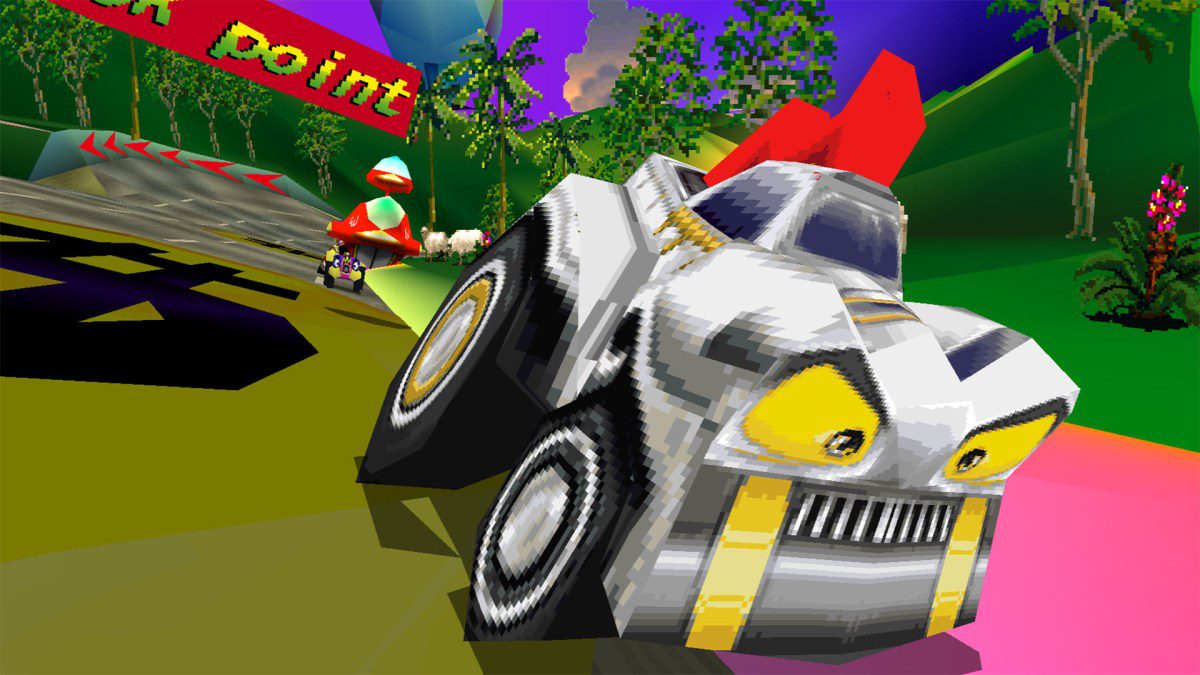
Fortunately, he wasn’t deterred. The project the execs greenlit instead was still a driving game—just a more broadly palatable, whimsical one. It was quite literally Sony’s answer to Mario Kart, with original, cartoony characters, a colorful art style, and jaunty music. Called Motor Toon Grand Prix and released about two weeks after the PlayStation itself in Japan in December 1994, it was the first game from Polys Entertainment—in the team’s own words, a “New Generation Game-Making Project.”
Motor Toon Grand Prix (1994) Sony PlayStation (PS1) Gameplay
Motor Toon Grand Prix never released in the United States, but it doesn’t contain a prohibitive amount of Japanese for those who can’t read the language, and I recommend checking it out for the simple reason that it feels great to play. The handling model is simple but weighty and favors drifting but not in a jerky or awkward way, like the first few Ridge Racer games.
The simple act of steering these zany contraptions is predictable, natural, and most importantly, fun. And it feels more grounded, in that way, compared to Super Mario Kart, or its Nintendo 64 sequel which, as of 1994, was still two years away. It’s also really clever how the vehicle models themselves morph, stretch, and lean into corners. That was a particularly inventive use of Sony’s “new-generation” 3D hardware the Polys crew was getting to grips with, and, frankly, I’m surprised more kart racers never borrowed the idea.
There’s a very good reason why Motor Toon Grand Prix is so enjoyable to play. All the while, the physics system underpinning those Tex Avery-inspired oddities, in their topsy-turvy, cotton-candy colored worlds, was being crafted to power a much more sophisticated driving experience. It was being developed, in secret, for Gran Turismo.
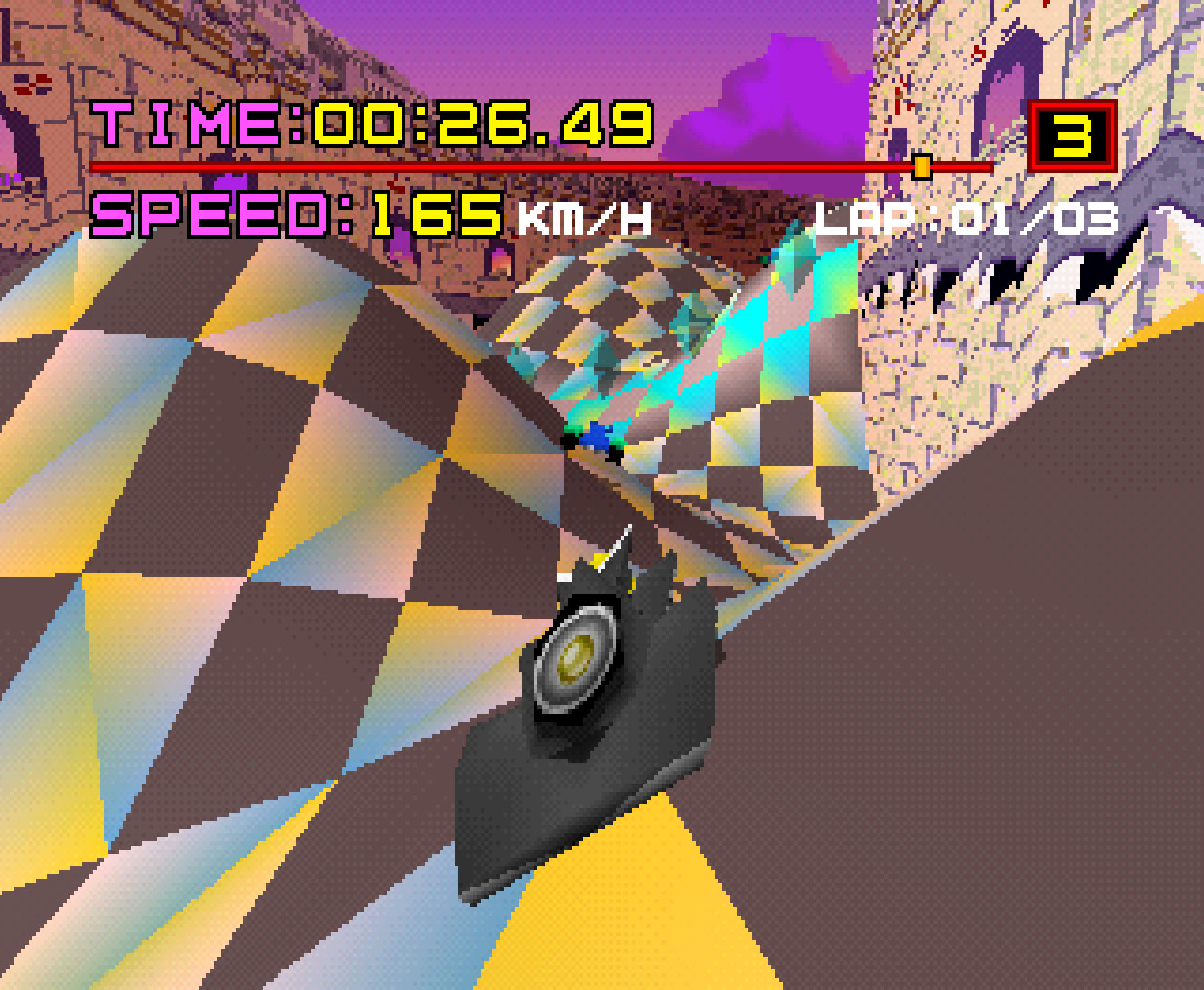
The first Motor Toon Grand Prix was one of the PlayStation’s first games, and never released in North America. The bottom screenshots depict the same track in MTGP and MTGP2, really demonstrating Polys Entertainment’s mastery of the hardware in a matter of 18 months. Sony Interactive Entertainment
Those Sony execs didn’t know that Polys, Yamauchi, and specifically physics engineer Akihiko Tan (fun fact—he’s still programming Gran Turismo car behavior to this day) were laying the groundwork as far back as 1993 for the driving simulation they’d rejected. They probably had a clue by mid-1996, though, when Polys delivered a sequel, called Motor Toon Grand Prix 2. This one did make it to the West, and seeing as we never got its predecessor, it released here sans the “2.”
Motor Toon Grand Prix 2 is a very interesting game for several reasons. First, it’s immediately clear from the additional characters, more fleshed-out and detailed worlds, new graphical flourishes, deeper weapons system, and sheer quantity and quality of content that Polys learned a great deal about how to extract the most from the PlayStation hardware in the intervening year-and-a-half since its first attempt. And the game practically reminds you at every turn. The menus are visually overwhelming, with scrolling backgrounds and many spinning 3D assets, all at 60 frames per second. But it’s when you start winning some championships and earning unlockables that it becomes clear how deeply the team was experimenting with the silicon, and to what end.
“Tank Combat” and “Submarine-X” are two unlockable tech demos essentially masquerading as minigames in Motor Toon Grand Prix 2. Sony Interactive Entertainment
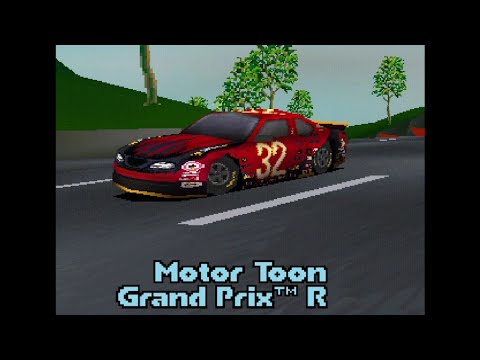
MTGP2 contains three secret minigames, and they’re each pretty endearing for tech demos. The first, “Tank Combat,” is a first-person tank-versus-tank game where your only objective is to blow up your enemy before they destroy you. It runs in a window, which allowed Polys to employ both the PlayStation’s higher-resolution 640×480 mode and achieve 60 fps, a rare combination for the console. Then there’s “Submarine X,” essentially a Battleship clone that uses some other odd PS1 display settings. But it’s the third, “Motor Toon Grand Prix R,” that truly laid bare what Polys had been working toward this entire time.
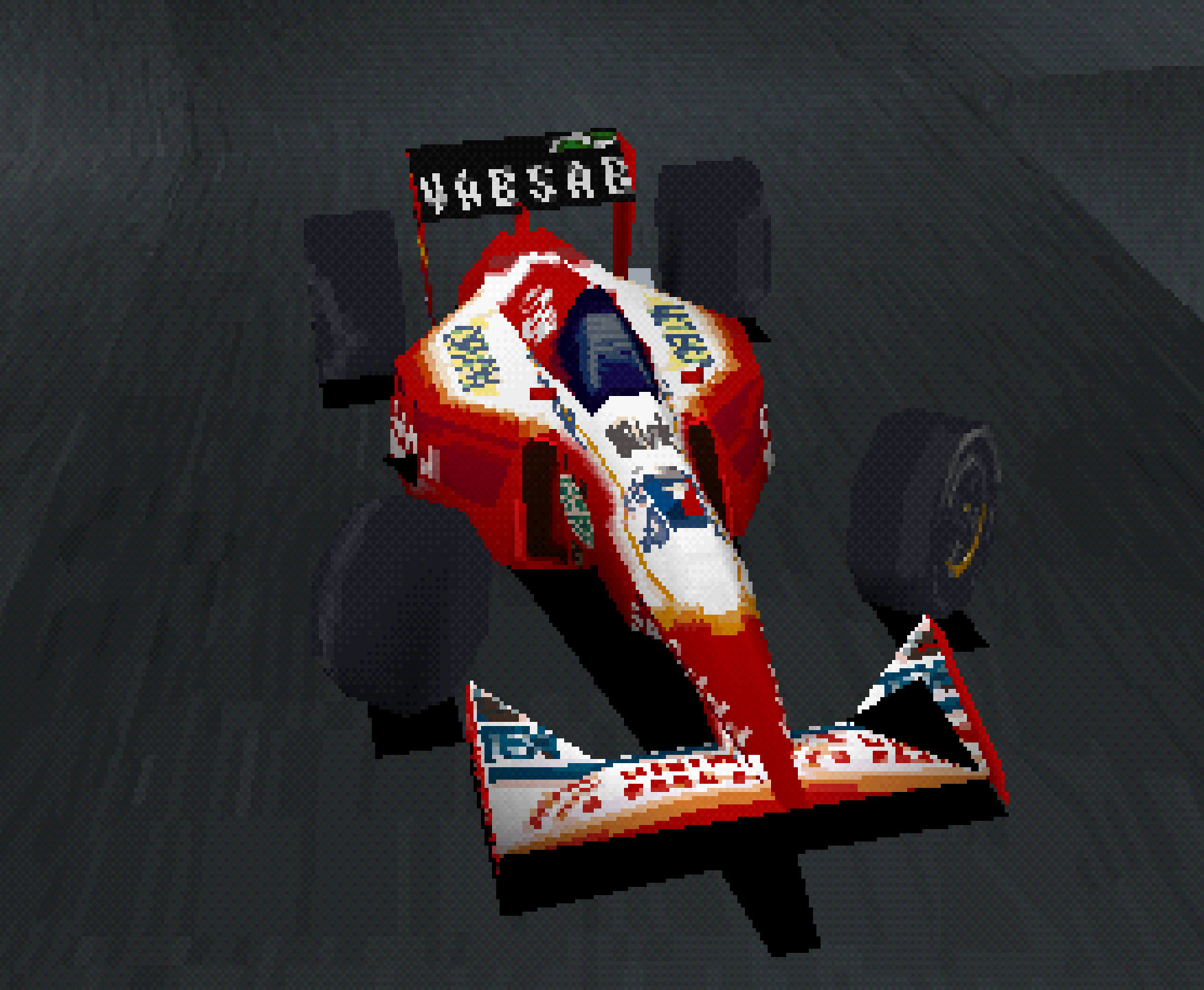
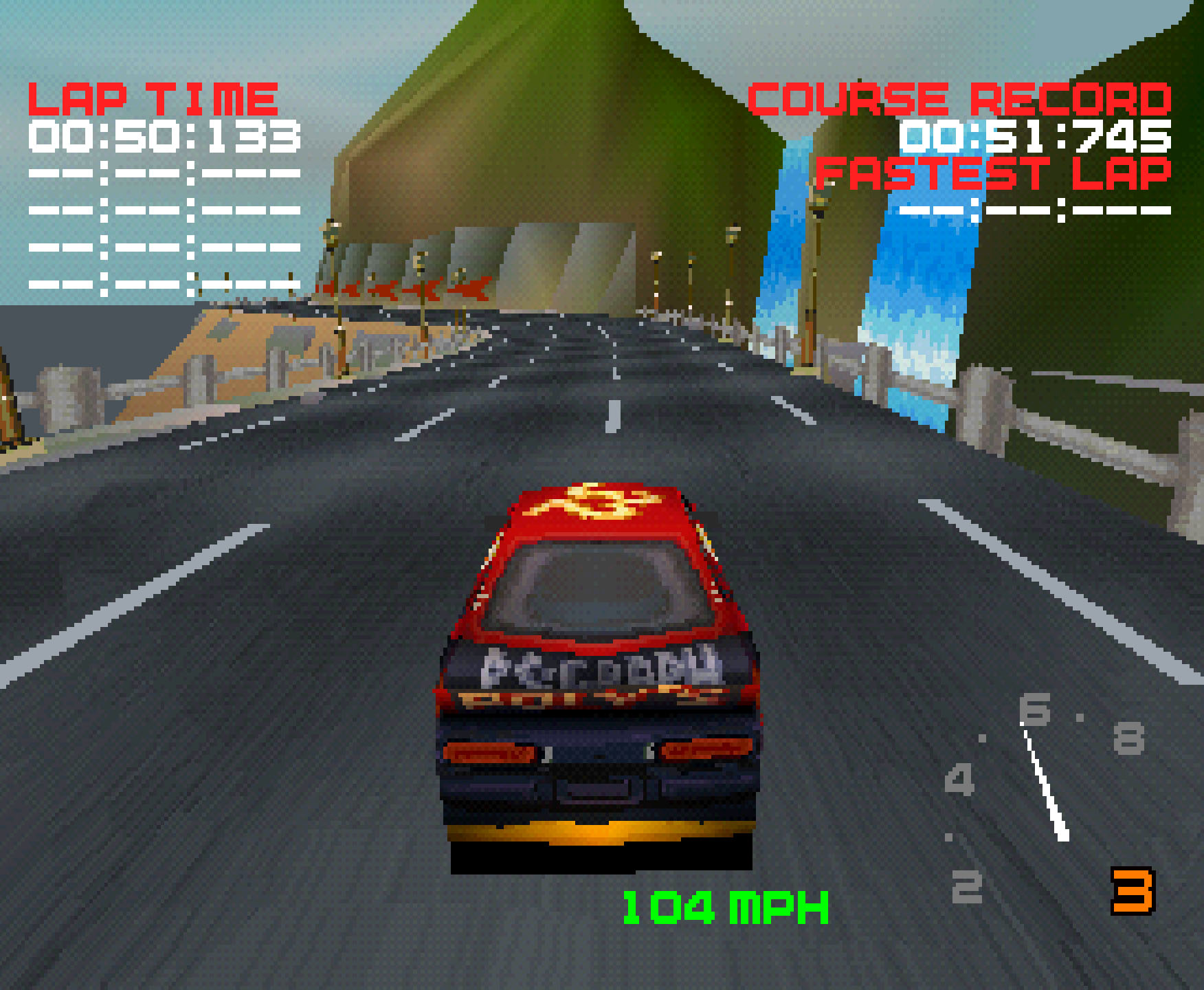
This last minigame swaps the typical Motor Toon cast with two much more realistic vehicles: an open-wheel racer and a stock car. There are no weapons and no competitors. The track is a version of Toon Island, the game’s first course, except its colors are far more muted and realistic, with the world’s more fanciful qualities stripped away. The sparser visual presentation also brings the benefit of a doubled framerate compared to the regular game. And it’s set to guitar rock that wouldn’t sound out of place in an ’80s Fuji TV F1 broadcast.
“Motor Toon Grand Prix R” has a cool title card. The two bottom screenshots illustrate how the same corner of the same track appears in normal MTGP2 gameplay, versus “Motor Toon R.” Sony Interactive Entertainment
As you’d suspect, the real difference is in the handling. These vehicles behave totally differently from the cartoons. The stock car spins its rear wheels when the lights turn green, struggling to get away. Its tires are rendered separately from the rest of the body, which heaves and rolls in corners. And if you’re not careful with the throttle on corner exit, you’ll spin quite easily. The F1-like racer is an even more challenging drive, with too much grip, particularly for D-pad-only steering.
Motor Toon Grand Prix R – PS1 Gameplay
“Motor Toon Grand Prix R” is flatly harder to play than Gran Turismo and, frankly, not very enjoyable. But as an artifact and a show of what Polys’ physics system was capable of with all the guardrails removed, it’s fascinating. In the Japanese version, players can unlock messages from the dev team. One of them, written by Kazunori Yamauchi and dated March 1996 teases something big.
“Now, not exactly as a reaction to the three-year-long Motor Toon project, but I’m currently working on a super-realistic racing game as my next project,” Yamauchi wrote, translated via Google. “I’m aiming to tackle the difficult task of thoroughly pursuing realism with real cars while also making it a proper functioning game. Serious racing game fans, please wait a little longer.”
Kazunori Yamauchi’s secret message to MTGP2 players teasing the development of Gran Turismo, translated to English. Sony Interactive Entertainment via @memory_fallen on X and Google Translate
Motor Toon Grand Prix appears to have sold well enough in Japan, even if its sequel didn’t reach quite the same heights outside the country. Yamauchi had proven himself capable of delivering a product people wanted to play, so when he returned to the boardroom to pitch Gran Turismo a second time—with plenty of the necessary physics work already done under the guise of a kid-friendly kart racer—the decision makers were much more receptive to the idea.
After MTGP2 was finished, Polys’ total staff of fewer than 20 people became fully focused on Gran Turismo, and gave themselves a new name: Polyphony Digital. “The program is different from Motor Toon’s,” Yamauchi told Next Generation magazine in 1996, “but we used part of it. The physics model is the same, and the person who made the physics algorithms is the same person. In fact, the Gran Turismo team started before Motor Toon 2 was released, and after that was finished, the simulation programmer and other designers joined the team.”
Before becoming president of Sony’s worldwide development studios, Shuhei Yoshida was a producer of many early PlayStation classics, including Gran Turismo. “I remember how [Yamauchi] approached coders working on 3D graphics and car physics engines who had regularly written articles in a specialized magazine, and convinced them to join his team to build his dream project,” Yoshida recalled. “He had a charm and charisma to make people believe that he and the team can accomplish an impossible-looking task at that time.”
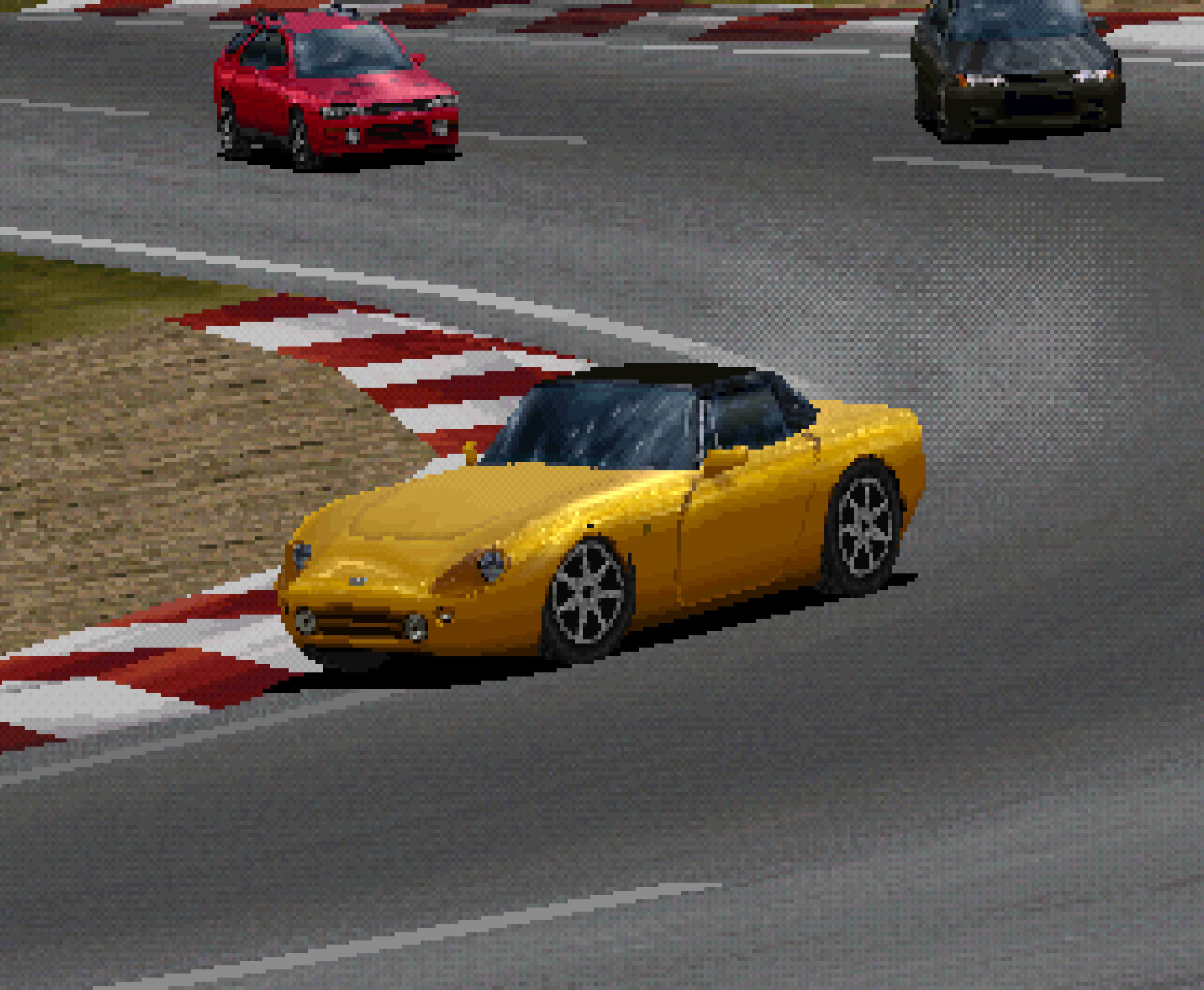
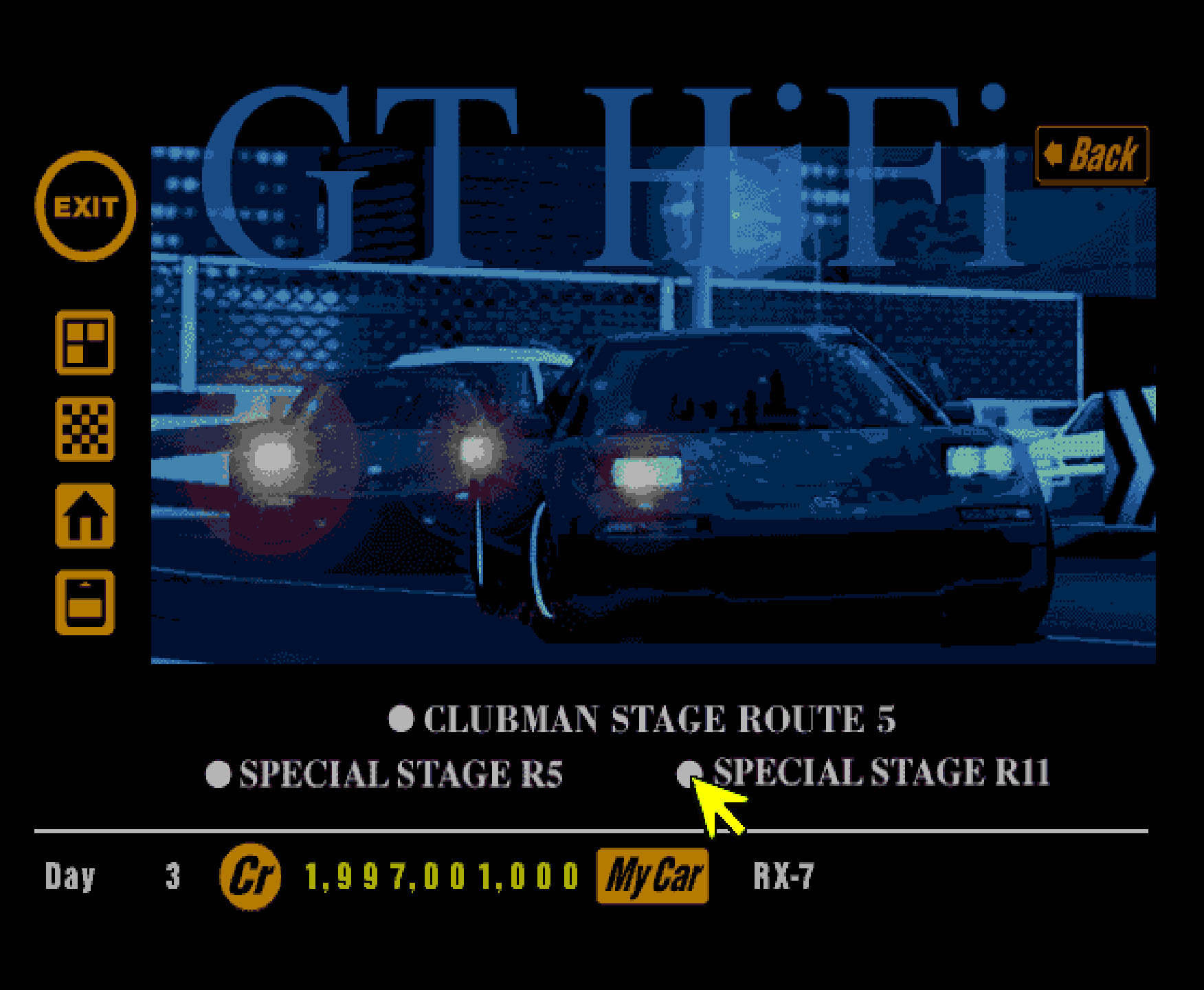
What a world Gran Turismo’s was back in 1998. Polyphony continued its technical experimentation with the unlockable GT Hi-Fi mode that removed AI cars and reduced track complexity to achieve 60 fps gameplay, a preview of what the PS2 era would deliver. Sony Interactive Entertainment
The rest, as they say, is history—at least, more well-known history. Gran Turismo was a break out hit upon its release two days before Christmas 1997 in Japan and in May 1998 in Europe and North America, becoming the platform’s best-selling game when all was said and done. It spawned a sequel less than two years later with around four times the cars and double the tracks—a frankly unheard of avalanche of content at a time when you could usually count the number of cars in racing games with two hands.
In that Next Gen preview, months before GT1’s international release, Yamauchi relayed an almost scarily prescient vision of the future of gaming that wouldn’t come to bear for another 10 to 15 years.
“I see Gran Turismo as a racing game operating system,” he said. “If you change some of the rules, design new courses, and if you tune everything, it becomes possible to make any kind of race. For instance, in this game, only road racing is possible, but it would be possible to change it and make it rally racing. Progressively, the game will improve. I want the game to become an OS for racing games like Windows 95 is for computers.”
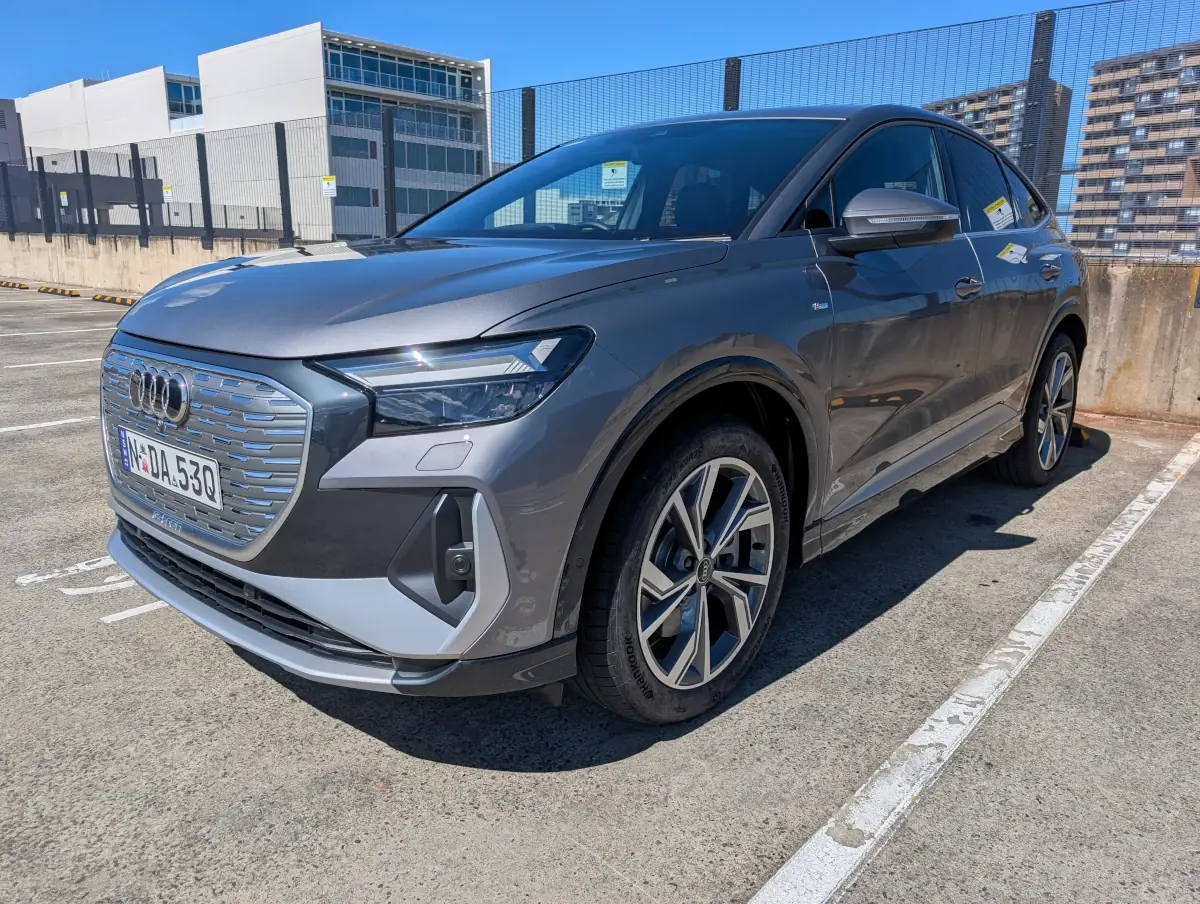
The Q4 e-tron is currently the German brands smallest and most affordable EV in their 4 car lineup, sitting beneath the larger Q6 and Q8 e-tron SUVs, and well below the lofty price tag of an e-tron GT.
However, you wouldn’t call the mid-size SUV small, as it measures only slightly smaller than a Tesla Model Y. Prices starting at $84,900 plus on-road costs, so it is not exactly affordable either for most people. But for those who traditionally buy Audis or other luxury vehicles, I think the Q4 e-tron is worth a look.
Q4 e-tron is built upon the Volkswagen Group’s MEB platform, so it shares underpinnings with several other EVs like the Cupra Born and Tavascan, Skoda Elroq and Enyaq, as well as Volkswagen’s entire range of ID electric vehicles.
There are 4 variants of the Q4 in total, 2 rear-wheel drive Q4 45 e-trons available in either SUV or Sportback body style which is Audi’s name for a coupé SUV. Above that are 2 all-wheel drive Q4 55 e-trons, giving you more power and interior features included, but less range from the same 82 kWh battery for roughly $20,000 extra.
Interestingly, despite the sloping rear window on Sportback versions, their boot space is listed as 15 L higher than the SUVs at 535 L vs 520 L. There is definitely less rear headroom in the Sportback though, so if you have tall people in the back often the SUV would be a better choice.
Plenty of positives
There are plenty of things to like about the Q4 e-tron, starting with the exterior design. Looks are subjective I know, but the Q4 is a good looking car in my opinion, with sleek lines and interesting design elements. I don’t like the fake grille, but I guess Audi wanted the Q4 to blend in with the rest of their combustion SUV range.
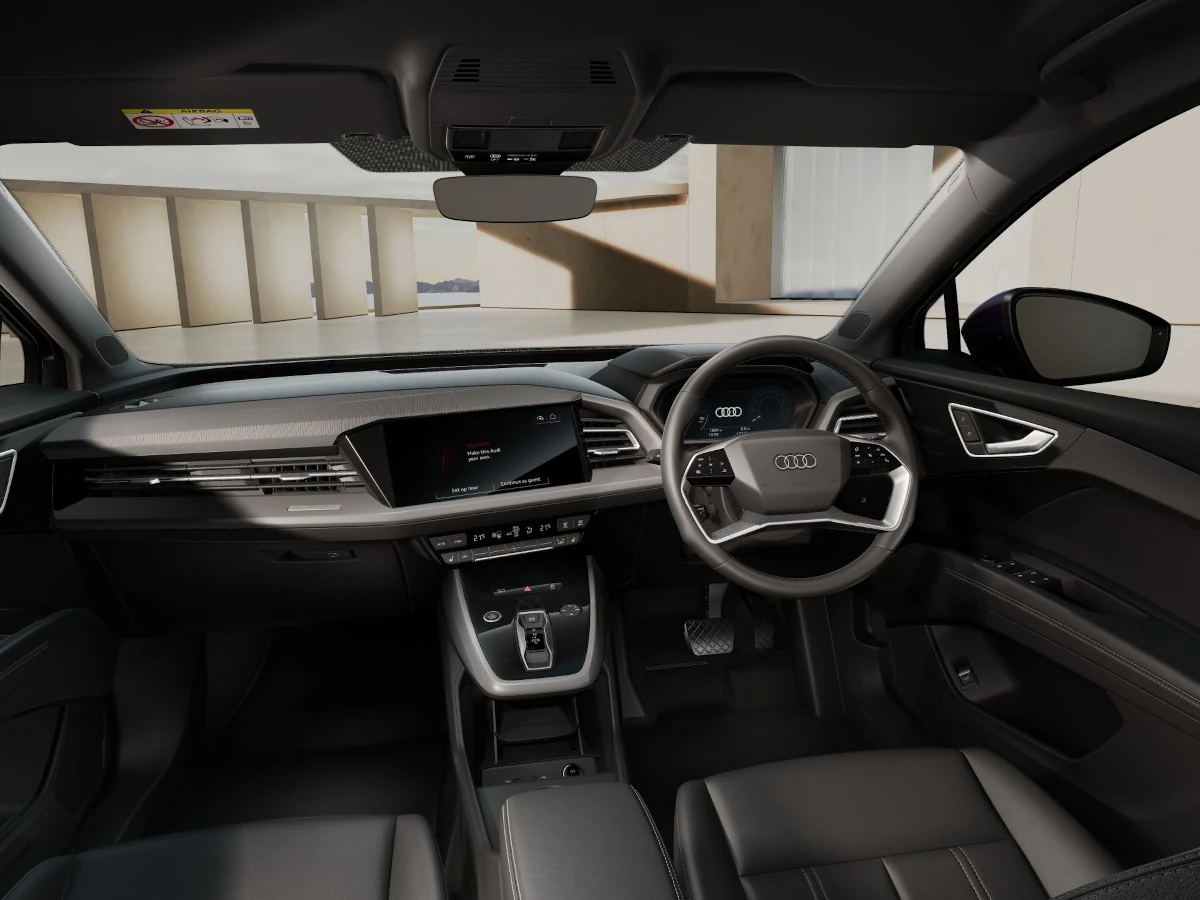
Inside, the Q4 cabin looks and feels premium apart from some hard plastic sections in the door panels which seem cheap, detracting from the overall vibe a little. The central touchscreen is angled towards the driver, along with physical buttons below for adjusting climate controls that emit a satisfying click when pressed.
Audi Q4 e-tron dash. Source: Audi
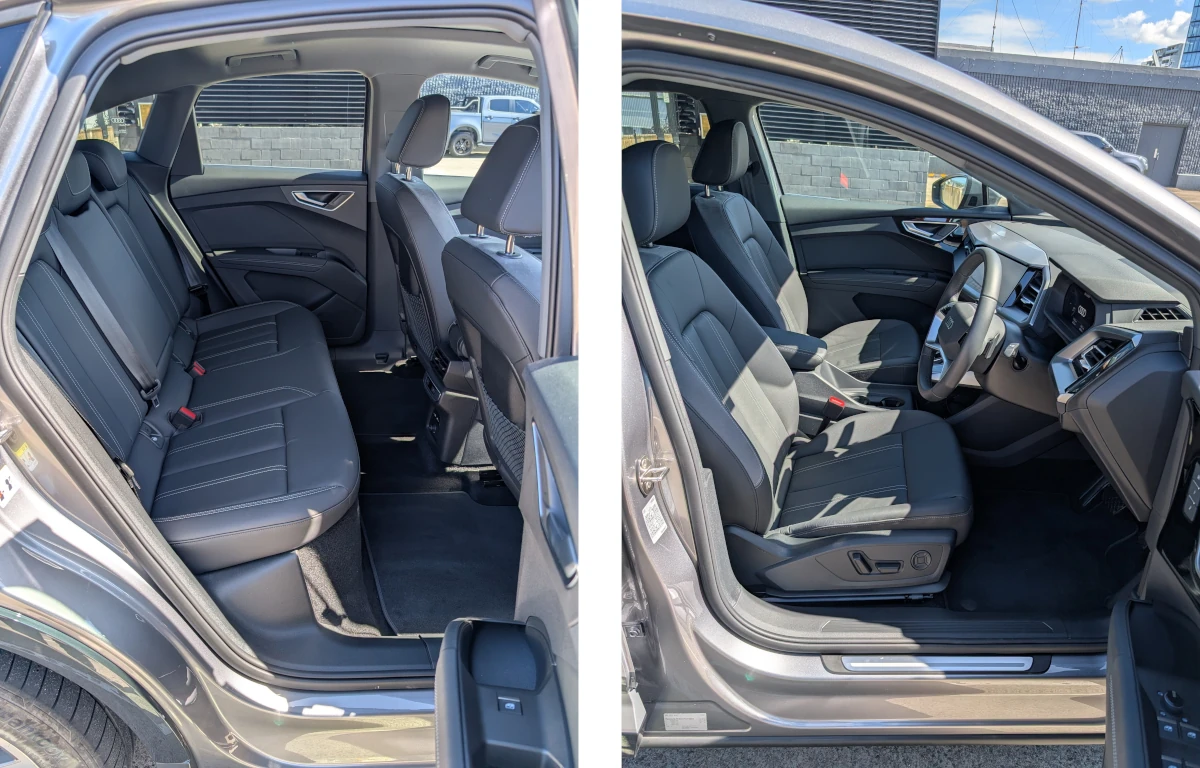
I found the standard leather appointed seats were very comfortable. My father-in-law said he found them particularly good in terms of the seating position at the end of a 3 hour drive through the countryside. The Q4 I drove was fitted with the optional $2,860 comfort package which adds electronic adjustment to both front seats and memory function for the driver.
If you want to upgrade to real Nappa leather seats, you first need to start with the Q4 55 e-tron and add the optional $2,500 S line interior package. As far as I can see these seats still lack ventilation though, a nice feature that comes standard on some cars that are half the price or even less.
Front and rear seats in the Audi Q4 e-tron. Source: Tim Eden
When I first got in the Q4 I was disappointed to see it had a start/stop button, although I was pleasantly surprised to find it was completely optional as the car starts up when you touch the brake pedal anyway. The car also turns itself off automatically as you get out which removes another unnecessary step that tends to annoy me in other cars.
Setting off in the Q4 is therefore quick and easy given the optional start button, combined with the fact that settings such as auto hold are retained between drives. You can simply buckle up, press the brake and engage drive. Safety systems were well tuned too, so there is nothing you need to fiddle with each time.
Handling and suspension was another highlight of the Q4 e-tron, no doubt helped by Audi’s vast experience making cars for over 110 years. The Q4 feels sporty and capable, yet was also one of the most comfortable EVs. This was confirmed by every family member who came for a spin, they all commented on the noticeably good ride quality.
The Q4 e-tron handled both high and low speed corners well, feeling planted and confidence inspiring in the bends. On highway stretches it felt as if it would have no trouble at all on German Autobahn travelling much faster than our 110 km/h limits. If I was nitpicking, the takeoff from a standstill when using auto hold can occasionally be jerky.
Acceleration in the single-motor 45 e-tron felt smooth and powerful, on paper it will reach 100 km/h in 6.7 seconds which is spritely enough for most people. For reference the dual-motor 55 e-tron is still heavily rear-biased, as the front motor adds a modest 40 kW / 134 Nm over the 45 e-tron’s outputs (210 kW / 545 Nm), cutting the 0 – 100 km/h acceleration down to 5.4 seconds.
Sam Parkinson described the tranquility of the Q6 e-tron cabin in his review, and I found the Q4 e-tron to be similar. The only time I noticed significant road noise was on rough sections of bitumen, which was a bit surprising given the tyres fitted were EV specific Hankook ventus S1 evo with decent sidewall heights.
Efficiency figures for the Q4 e-tron were average for a car this size weighing just over 2 tonnes. Around town I measured 163 Wh/km and on the highway it was not much worse at 170 Wh/km. This results in around 450 km real world highway range on a full charge, compared with 540 km WLTP for the Q4 45 Sportback I was testing.
Not many negatives
Overall, my experience with the Q4 e-tron was mostly positive, but I came across a few areas that could be improved in future iterations of the car. One of these was navigation using the built-in infotainment experience, which felt oldschool and used a text-to-speech system that reminded me of early versions with a stilted, robotic sounding voice.
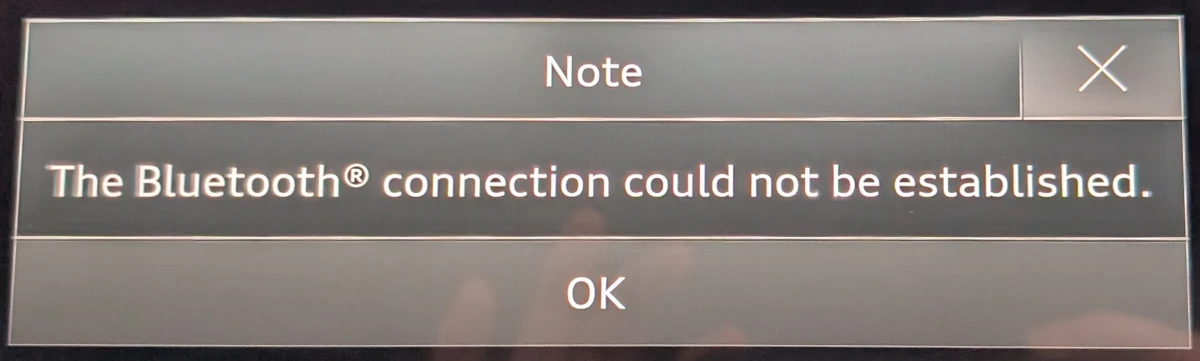
You can overcome this by using wireless Android Auto or Apple CarPlay, although I also noticed occasional glitches while streaming bluetooth audio and Android Auto sometimes failed to connect. On the positive side, navigation steps from Android Auto showed up on the instrument cluster, not on the head-up display though.
Wireless Android Auto would sometimes fail to connect in the Q4 e-tron. Source: Tim Eden
Despite all of the physical buttons on the dash, front seat passengers need to swipe clockwise or anti-clockwise around a fiddly touch-sensitive audio control to adjust the volume. Drivers can use buttons on the steering wheel to adjust volume, although these are also touch-sensitive and can be falsely triggered while cornering.
Rear visibility in the Q4 Sportback version is hampered by the sloping roofline and low mounted spoiler which is visible in the rear-view mirror. Thankfully the 360 degree cameras usually provided a good view of surroundings, except at night time when I found them grainy and blurry.
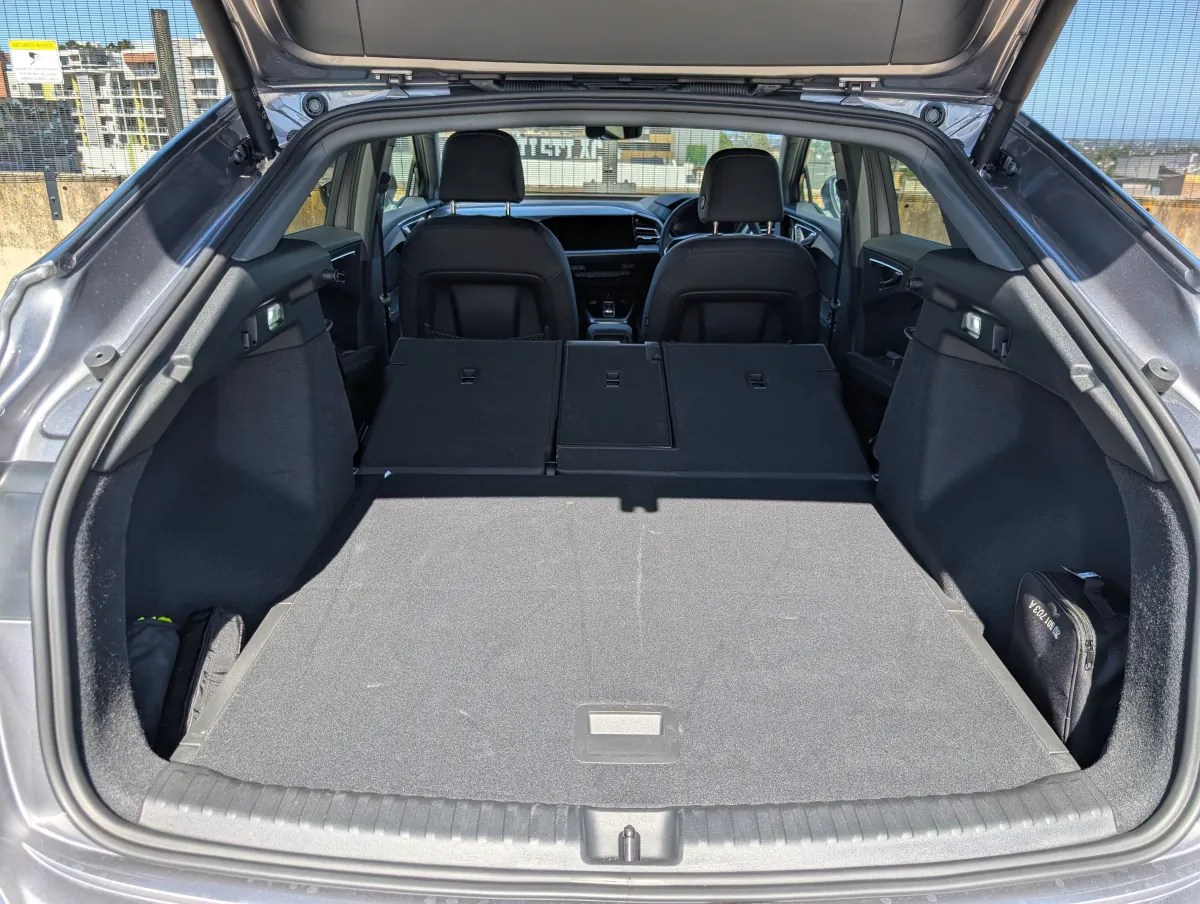
Boot space measures 535 L or 1,460 L with seats folded in the Audi Q4 e-tron Sportback. Source: Tim Eden
In terms of packaging, Audi has not taken full advantage of the dedicated MEB EV platform, leaving room to add more space and storage if they make a refreshed version of the Q4. For example, there is a slight hump in the middle of the rear floor, no frunk under the bonnet and the interior doesn’t feel as spacious as it could be for a vehicle of this size.
Lastly, the Q4 charge port is located on the rear drivers side which is not the best if you rely on kerbside charging, particularly on narrow inner city streets. This also means you end up blocking a stall when using Tesla’s older Supercharger sites that aren’t fitted with the most recent V4 hardware and longer charge cables.
Conclusion
I really enjoyed driving the Q4 e-tron, particularly how quick and easy it was to set off each time and how well it drove in any circumstance. At the end of the week, I would have been quite happy to keep on driving it around, which is not something I can say about all of the cars I get to test drive.
The Audi Q4 e-tron is certainly not for the budget conscious buyer, with driveaway prices starting from close to $95,000 without any options ticked. However, if you are someone who buys Audis or luxury cars in general, I think the Q4 is a great entry point into an EV.
Audi will need to up their game soon to remain competitive in this segment though, as BMW’s ‘Neue Klasse’ vehicles like the new iX3 set a high benchmark for luxury electric vehicles both in terms of key specifications and value for money.
Table of key specifications for Audi Q4 e-tron
Variant
Audi Q4 e-tron 45 Sportback
Starting price
$86,500, plus on-road costs
Paint colours
8 exterior colours:
Pebble grey – included
Glacier white, metallic – $1,755
Typhoon grey, metallic – $1,755
Mythos black, metallic – $1,755
Geyser blue, metallic – $1,755
Navarra blue, metallic – $1,755
Floret silver, metallic – $1,755
Aurora violet, metallic – $2,255
Battery size
82 kWh gross, 77 kWh usable
Battery chemistry and manufacturer
Nickel Manganese Cobalt (NMC), LG or CATL
Range
540 km WLTP
Driven wheels
Rear-wheel drive
Power / Torque
210 kW / 545 Nm
Maximum charging speed
11 kW AC, 175 kW DC
Charging time
7 kW AC (0 – 100 %) – 11 hours 11 kW AC (0 – 100 %) – 8 hours 175 kW DC (10 – 80 %) – 28 minutes
Bidirectional charging
No
Exterior dimensions
Length: 4,591 mm Width: 1,865 mm Width including mirrors: 2,108 mm Height: 1,602 mm Wheelbase: 2,764 mm Ground clearance: 135 mm
Kerb mass
2,145 kg
Storage space
Frunk: N/A Boot, rear seats up: 535 L Boot rear seats folded: 1,460 L