America’s electric car market is not very hot right now, with experts estimating that sales in this year’s first quarter dropped by 28%. It wasn’t great last year, either, with a 2% decrease, thanks in no small part to the cancellation of the $7,500 federal tax credit.
Meanwhile, Europe is seeing a huge uptick in electric car sales. Last year, numbers went up by nearly 30%, and the first months of 2026 gave no sign of slowing down. I can’t help but wonder: Could some of the best EVs in Europe make a difference if they were sold stateside?
Canada is preparing to open the floodgates to Chinese-made EVs, which are bound to stir some controversy. But you won’t see any of those in the U.S. Still, European companies have plenty of EVs that I think could do pretty well in America—as long as they are priced right. (I think we can all agree that nobody wants another Volvo EX30 story.)
Photo by: Cupra
Cupra Born
Price in Europe: from €40,450 ($46,700)
Range: from 428 km (266 miles) WLTP
Cupra, one of the many brands under the Volkswagen Group’s umbrella, seemed prepared to land in the United States, but that plan has been put on the back burner for now, seeing how the car market there isn’t exactly stable.
If the brand were to come stateside, the Born four-door electric hatchback would take on rivals such as the Nissan Leaf and Chevrolet Bolt EV. Cupra’s compact offering is based on the same underpinnings as the Volkswagen ID.3, which was once hailed as the electric alternative to the iconic Golf.
The difference between the ID.3 and Born is that the latter is much more fun to drive, thanks to a revised chassis setup and its rear-wheel drive powertrain. You might have to explain to your friends what car you’re driving more than once, but if you don’t want a boring commuter car, this would be great.
The base trim gets 204 horsepower, while the sporty spec goes up to 326 hp.
Photo by: Fiat
Fiat Grande Panda
Price in Europe: from €24,990 ($28,900)
Range: from 320 km (199 miles) WLTP
Fiat’s U.S. portfolio only includes the electric 500e, which is quite the fashionable urban runabout. But it’s expensive and cramped inside. The new Grande Panda EV would right both of these wrongs, with a bigger—albeit more stripped down—cabin and a lower price tag.
Mind you, this is still a small car, but at least it has four doors. Plus, it’s one of the most unpretentious EVs out there, with a no-nonsense attitude. It even has a built-in Level 2 charging cable tucked in the nose. Plus it has chunky styling that gives it a better presence than city cars that failed to take off in the U.S.
Photo by: Andrei Nedelea
Renault 5
Price in Europe: from €28,000 ($32,350)
Range: from 312 km (194 miles) WLTP
Remember the Le Car? Probably not, but I’m here to help. It was Renault’s attempt at selling the original Renault 5 in the United States. Suffice to say, it didn’t go well, but the good news is that there’s a brand-new Renault 5 in Europe.
It’s only available as an electric car, and it’s a fantastic one at that. It looks great, it drives nicely, and it doesn’t break the bank. Plus, you can get a baguette holder as an official accessory. Again, small hatchbacks haven’t exactly been popular in the U.S. historically. But come on, look at this thing.
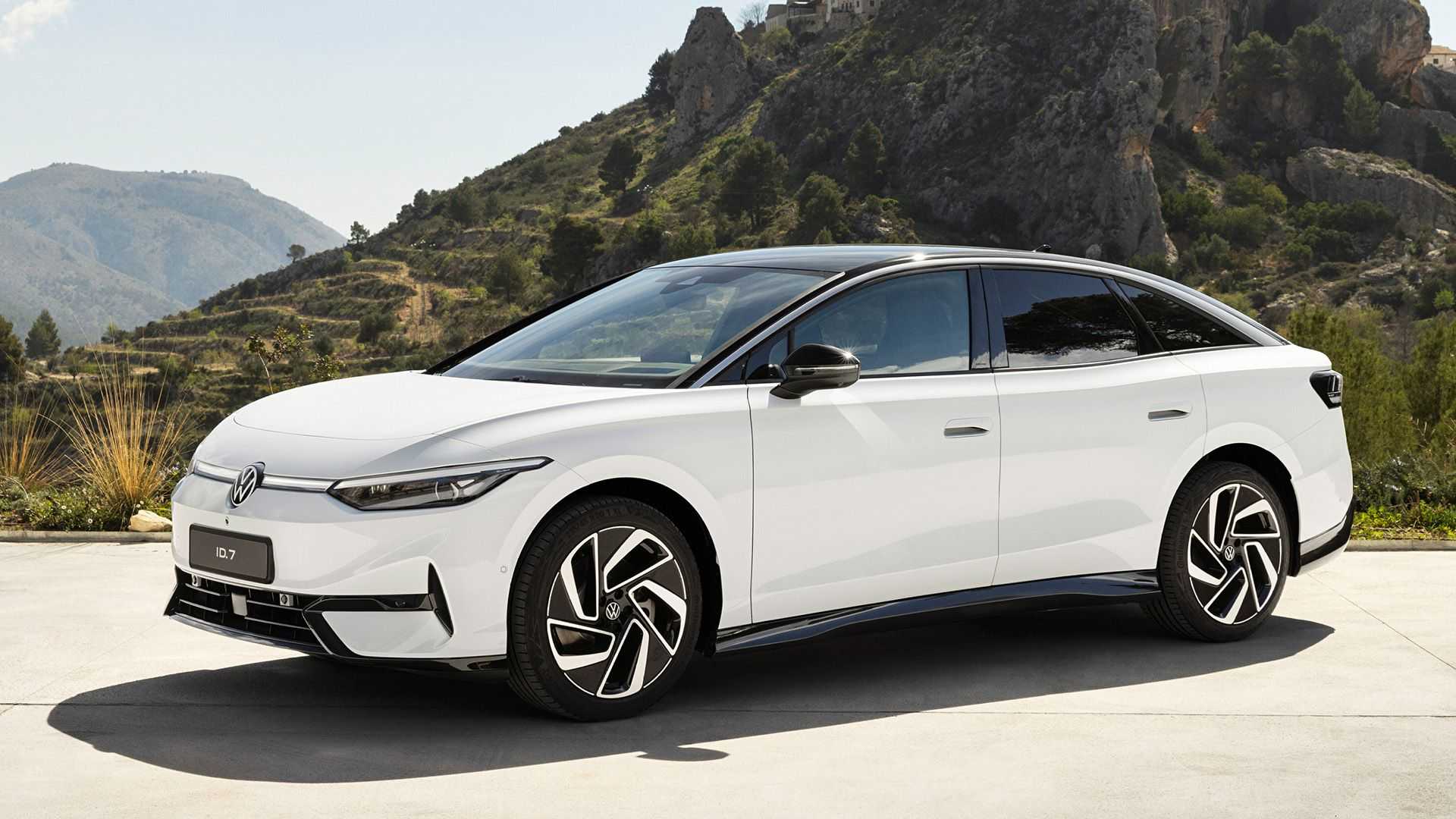
Volkswagen ID.7
Price in Europe: from €54,505 ($62,900)
Range: from 599 km (372 miles) WLTP
The Volkswagen ID.7 is the only car on this list that had a real chance of being sold stateside before the German automaker changed its mind and pulled the plug, citing “the ongoing challenging EV climate.”
Positioned as the all-electric alternative to the Passat sedan, the ID.7 is a very smooth road-tripping machine, as our former editor-in-chief found out after driving the battery-powered sedan on Germany’s Autobahn. And now that the Tesla Model S is out of the picture, the ID.7 would make for a great alternative. There’s also a wagon version, which I have personally shortlisted for my next car purchase.
NO DOUBT wishing to retain its number one sales position in the (large) US-style pick-up segment, Ram Trucks Australia has launched a sharpish end-of-financial-year sales push on its off-road oriented 1500 Rebel model headlined by a 4.99 per cent finance offer targeting ABN holders.
Buyers will have to be quick as the offer is available from April 1 to June 30, with the so-called “Mates Rates” deal on new Rebel stock. The deal is offered through Ram Trucks Finance on a 48-month term, with no deposit required and a maximum 40 per cent balloon payment.
The sales campaign comes as Ram continues to leverage strong demand for full-size US pick-ups locally, where it says the 1500 has led its segment for seven consecutive years. But rapid, upward fuel pricing pressure may impact heavily on Ram sales and all competing makes: Chevrolet, Ford, and Toyota.
Priced from $141,950 plus on-road costs, the Rebel sits as the off-road-focused variant in the Ram 1500 line-up, pairing heavy-duty hardware with a more aggressive visual package.
The imposing truck is powered by the brand’s new ‘Hurricane’ twin-turbocharged 3.0-litre inline six-cylinder petrol engine, producing 313kW and 635Nm – replacing the outgoing 5.7-litre Hemi V8 with gains in both performance and efficiency.
Ram head office in the US has already announced it will reintroduce the Hemi V8 stateside in some form between June and August this year but its (re)appearance Down Under is not confirmed.
The ruggedised Rebel package extends beyond cosmetic upgrades with Bilstein off-road suspension, dedicated off-road wheels and tyres, and crawl control technology.
Towing capacity is rated at 3500kg on a 50mm tow ball, rising to 4500kg with a 70mm setup.
Interior specification leans towards the premium end of the segment, with a panoramic sunroof, 19-speaker Harman Kardon audio system, and a multi-screen layout comprising a 14.4-inch infotainment display, 12-inch digital instrument cluster and a 10.25-inch passenger display.
Standard equipment also includes a tow bar with integrated trailer braking, handy spray-in bedliner and a power-operated, damped tailgate.
The model is offered with two new exterior colour options including Granite Crystal and Diamond Black that expand the palette alongside the existing red, white and blue finishes, while black badging, a “unique” grille and a vented sports bonnet complete the Rebel’s visual differentiation.
Ram Trucks Australia general manager Jeff Barber said the finance offer was designed to capitalise on buyer interest ahead of EOFY.
“This finance offer makes it even easier for buyers to get behind the wheel of a Ram 1500 Rebel in the lead-up to the end of the financial year, while stock lasts,” he said.
The 4.99 per cent rate is available to approved ABN applicants only, with terms and conditions applying.
Our marketing claims explained. Average savings are calculated daily based on the best dealer prices on Auto Express vs manufacturer RRP.
Please contact the dealer for a personalised quote, including terms and conditions. Quote is subject to dealer requirements, including status and availability. Illustrations are based on personal contract hire, 9 month upfront fee, 48 month term, 8000 miles annually, inc VAT, excluding fees. Vehicle returned at term end.
Auto Express “Find A Car” is managed by Carwow Ltd. Auto Express “Find A Car” is a trading style of Carwow Studio Limited, which is an Introducer Appointed Representative of Carwow Ltd, which is authorised and regulated by the Financial Conduct Authority for credit broking and insurance distribution activities (firm reference number 767155). Carwow Ltd may introduce you to Carwow Leasey Limited (trading as Carwow Leasey). Carwow Leasey Limited is an appointed representative of ITC Compliance Limited which is authorised and regulated by the Financial Conduct Authority for credit broking (firm reference number: 313486). Carwow Ltd and Carwow Leasey Limited are each credit brokers and not lenders. Carwow Ltd and Carwow Leasey Limited may receive a fee from retailers advertising finance and may receive a commission from partners (including dealers) for introducing customers. All finance offers and monthly payments shown are subject to application and status. If you’re unhappy with Auto Express or Carwow’s service, you may be able to contact the Financial Ombudsman (please see www.financial-ombudsman.org.uk for more information). Carwow Ltd (company no. 7103079), Carwow Leasey Limited (company no. 13601174) and Carwow Studio Ltd (company no. 13018565) are limited companies registered in England with their registered offices at Verde Building, 10 Bressenden Place, Victoria, London, SW1E 5DH. Carwow Studio Limited and Carwow Leasey Limited are wholly owned subsidiaries of Carwow Ltd.
In 1926, when Les Kelley published his first Kelley Blue Book, if you wanted to travel by car, you had to trust your sense of direction.
Early Maps
25,000 BCE: Not all archaeologists agree, but I like the idea that the Pavlov Map is the earliest map created by a human. It consists of lines carved on a woolly mammoth tusk that appear to provide information about the landscape around the site where it was discovered in the Czech Republic.
Image courtesy of Zde
600 BCE: The Mesopotamians were remarkably advanced. Archaeologists have discovered the Babylonian World Map in what is now Iraq. This etched clay tablet is thought to be the first cosmographic map, with north at the top and depicting the sun moving across the sky.
Image courtesy of Osama Shukir Muhammed Amin FRCP
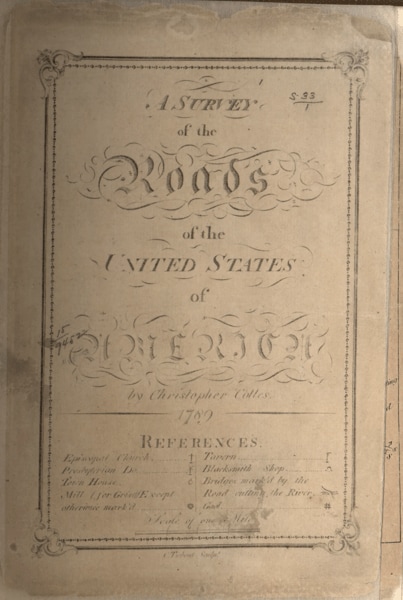
1789-1792: Christopher Colles was an engineer and surveyor. Beginning in 1789, he set out to create the first road atlas of the United States. He started in Albany, New York, and by 1792, he had mapped the major routes to Williamsburg, Virginia, 1,000 miles away. He published “A Survey of the Roads of the United States of America,” pioneering the road atlas for the new country. Colles privately published the atlas, comprising 83 maps.
Image courtesy of the Library of Congress
Maps for Automobiles
1904: Andrew McNally and William Rand formed their partnership in a printing company in 1868, taking over the Chicago Tribune’s printing office as Rand, McNally & Co. The company found a niche in printing railroad guides and expanded into maps, globes, and geography textbooks. In 1904, Rand McNally published its first road map for automobile drivers, “New Automobile Road Map of New York City & Vicinity.” This debut led to a continuing series of road atlases and regional road maps that gas stations across the country sold to locals and tourists. The marriage of gas stations and road maps was natural and blossomed through the 20th century.
Image courtesy Rand McNally
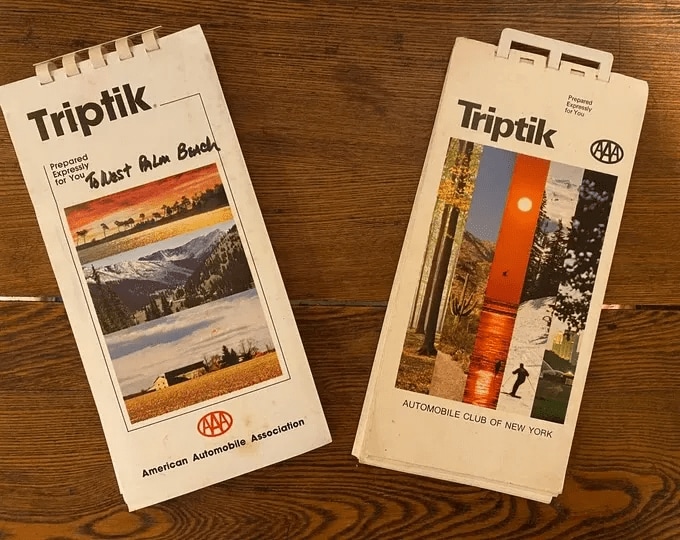
1906: The Automobile Association of America opened its first headquarters in New York City in 1902. In 1906, the AAA published its first street map, a hand-drawn work of art in ink on linen, depicting the streets of Staten Island. By 1932, AAA had developed its trademarked TripTik routing maps — detailed, customized sequential flip map books custom-assembled for AAA members. To this day, many travelers begin their vacations with a consultation with a AAA map specialist and follow their TripTik routes page by page.
Image courtesy eBay
Mechanical Navigators
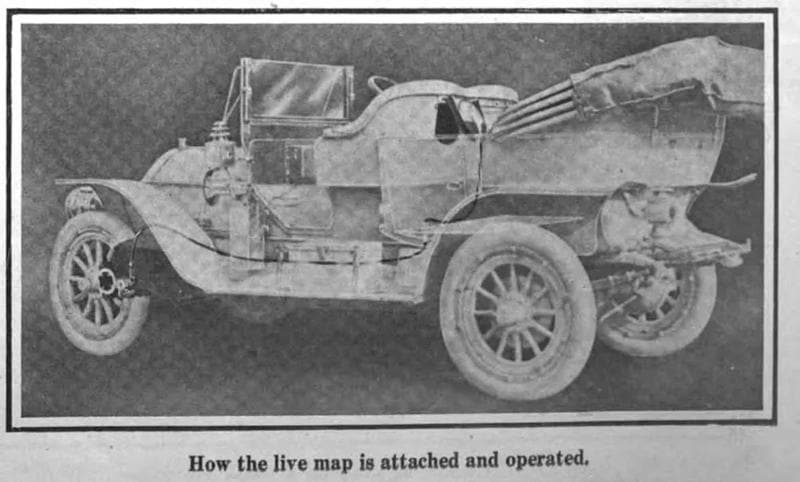
1909: J.W. Jones invented a mechanical navigator in 1909. This innovative device, which he named “Jones Live Map,” was mounted in your car and tracked your location with a connection to the odometer. You calibrated your starting position and inserted a paper map disk. As the car traveled, the disk rotated to provide an approximate position. The device was remarkable for its time, but it couldn’t keep up with the rapid development of roads and infrastructure in the U.S., where paper maps proved more helpful.
Image courtesy Scientific American
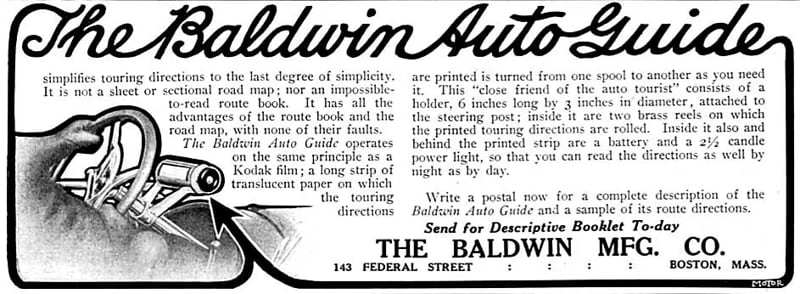
1909: The Baldwin Auto Guide copied the concept of a roll of film, using canisters of rolled maps in a display tube mounted on the car’s dash. The driver rolled the winder on the side of the tube, advancing the long strip map as the drive progressed, revealing new small windows of cartography. It was very compact and convenient, and eliminated the cumbersome act of folding and unfolding a big paper map – an act so awkward it became a silent movie trope.
Image courtesy Geography Realm
Radio Beacons and Gyroscopes
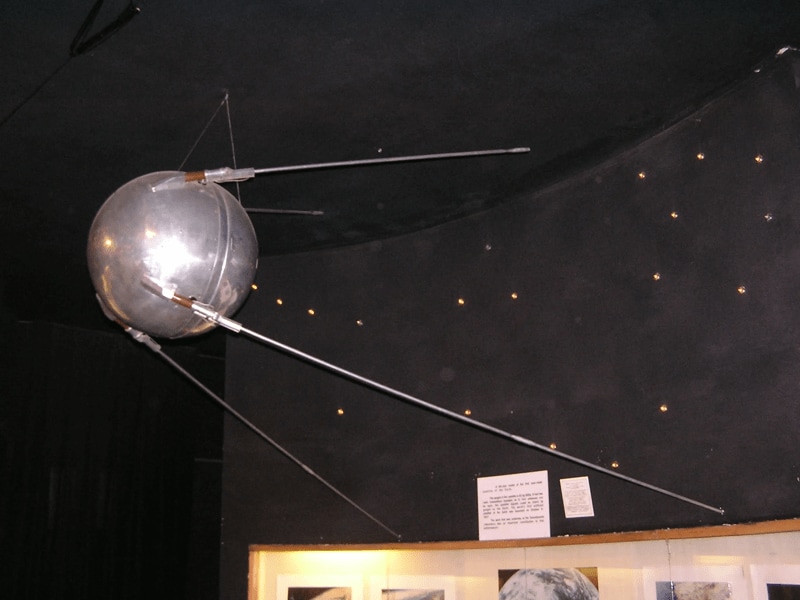
1957: The Soviet Union launched the Sputnik 1 satellite on Oct. 4, 1957, at 7:28 p.m., and the world has never been the same. Not only did this launch set off the space race that led to the moon landing in 1969, but it also inspired U.S. engineers to consider the Doppler effect in calculating locations on Earth.
Image courtesy Andrew Butko
You’ve heard the Doppler effect with your own ears – the way a car’s sound changes as it drives past you at speed. When you make a racecar noise, you’re imitating the Doppler effect. By applying complex math to the sound of a passing satellite, engineers calculated its position. Don’t ask me how. I’m not an engineer.
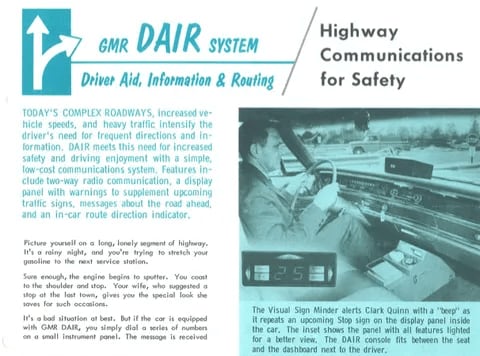
1966: General Motors revealed the Driver Aid, Information & Routing (DAIR) system in 1966. A GM press release of the day described the navigation function of this system. “For the route minder, the driver uses a special card punched for his destination. The card fits a slot in the console. Signals from magnets buried in the road at each major intersection activate the routing equipment, which compares the signals with the punched instructions on the card. Panel lights will tell the driver whether to turn left, turn right, or go straight through. With all major intersections coded, it would be possible to travel across the U.S. by the system’s direction.” This ambitious bit of engineering never got past the prototype and testing phase, but it modeled many of the functions we take for granted in today’s navigation systems.
Image courtesy of General Motors
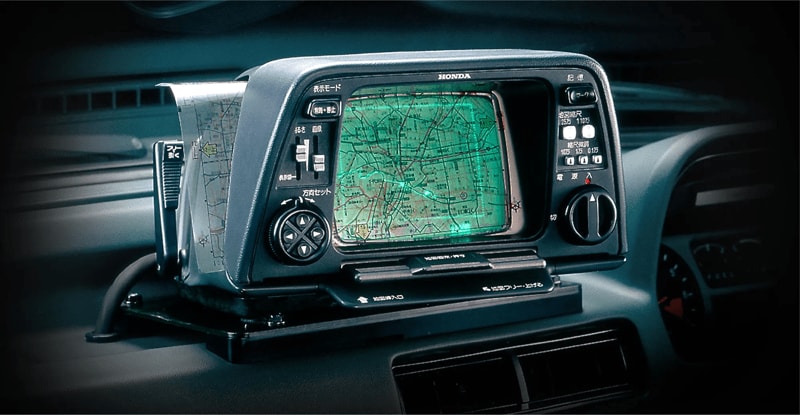
1981: The Electro Gyrocator was the first commercially offered in-vehicle navigation system, only available on the Honda Accord in Japan for one model year. The system used a helium-gas gyroscope to detect rotation and acceleration. It then used that data to calculate location – no satellite connection was involved. Again, I’m just reporting here. I don’t know how it worked.
Image courtesy of Honda Global
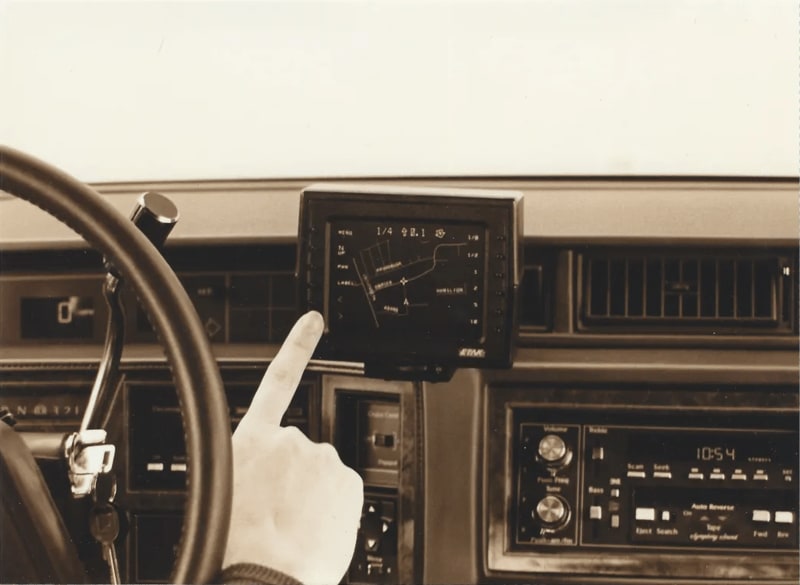
1983: A pair of former Atari engineers, Nolan Bushnell and Stan Honey, brought out Etak Navigator. It used sensors and a compass to pinpoint the car’s location and added vectorized maps to let the driver see the car’s location and direction of travel. The Etak used cassette tapes to store the maps. Owners could buy a cassette that covered their local area.
Image courtesy of Etak History
The Car Makers Jump on the GPS Train
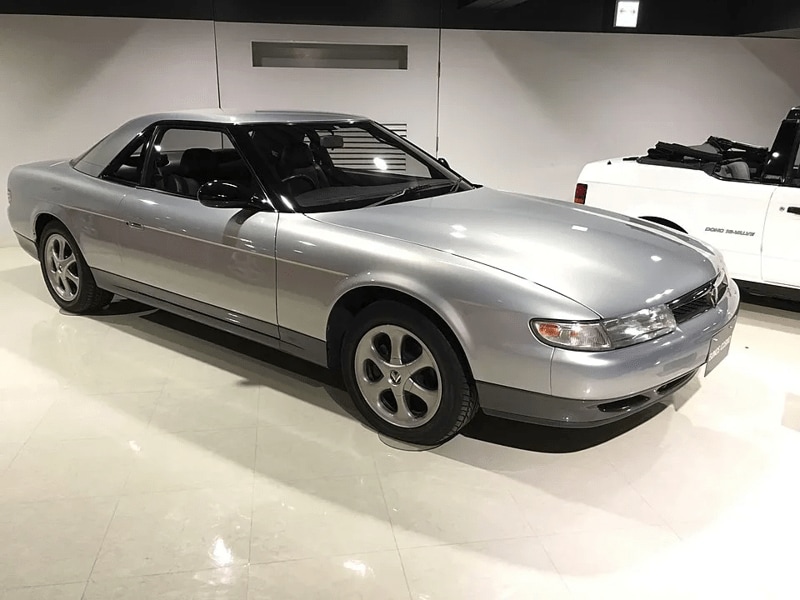
1990: Mazda built a GPS navigation unit into the 1990 Eunos Cosmos for the Japanese market, representing the first factory GPS navigation system. The Cosmos kicked off a new generation of navigation for all.
Image courtesy of Eifelkoepi
1992: The U.S. got access to car GPS in a fleet of 100 Avis rental cars in Florida in 1992. The TravTek Oldsmobile Toronado coupes operated in five Florida counties and were available for $139 per week or $29 per day, with unlimited mileage. The system used a combination of GPS and dead-reckoning compasses, since GPS wasn’t yet accurate enough for reliable on-road navigation. The Toronado also came with a car phone, so drivers could call for help if the navigation failed.
Image courtesy of General Motors
1995: The Olds Eighty-Eight became the first car to offer built-in GPS for the U.S. market in 1995 with a system called “Guidestar.” This hard-disk-based system used a small removable head unit mounted in the center console, with the brains located in the trunk. Like the TravTek, it used GPS and dead-reckoning, since commercial GPS was only accurate to 100 feet at the time. Oldsmobile soon made Guidestar available in its LSS and Bravada models and showed off prototypes in the Aurora.
Images courtesy of General Motors
GPS for the Masses
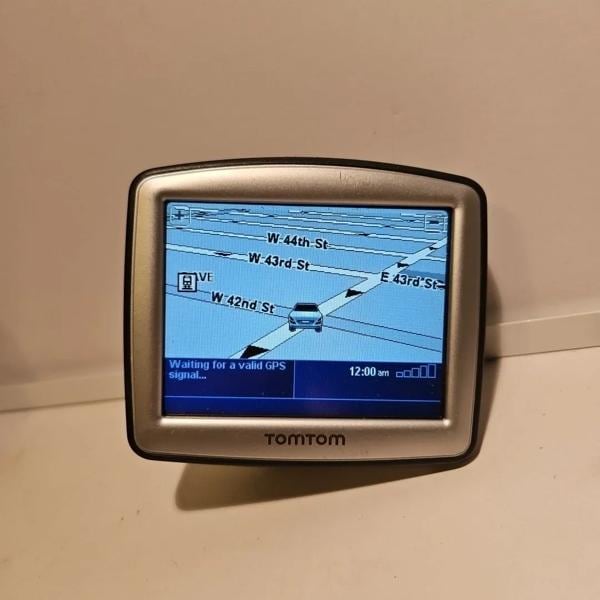
2000: The U.S. government removed GPS restrictions in 2000, allowing consumers and commercial users access to near-military-grade location accuracy. This action resulted in a vast improvement for in-car GPS and an explosion of hand-held units from companies like Garmin and TomTom.
Image courtesy of eBay
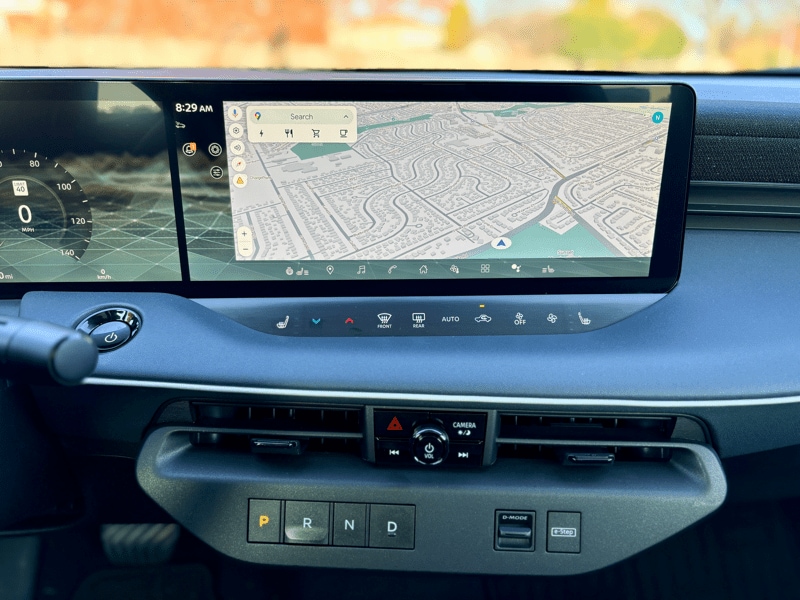
2014: Apple unveiled CarPlay (originally called “iOS in the Car”) on March 3, 2014, at the Geneva International Auto Show, and in-car navigation was never the same again. The iPhone became Apple’s best-selling product, thanks in part to this new ability to project the device’s capabilities onto a properly equipped in-car display via a wired USB connection. The first production car to feature CarPlay was the Ferrari FF, which debuted in September 2014. Android Auto, Google’s smartphone projection technology, came out on March 19, 2015, and first appeared in the 2015 Hyundai Sonata.
Photo by Robert Duffer
Where We Are Headed
The Future: Who knows what the future holds? Is cartography a lost art? Will hipsters decide that paper maps are cooler than GPS, just like they’ve moved back to vinyl over streaming audio? I know that my sense of direction has eroded since I became GPS-dependent. I force myself to try to navigate without aids these days, especially near home.
What do you think? Has the move from maps to GPS been a benefit or a loss to car drivers?
SSR Performance has been working on what is said to be the ultimate Porsche 911 for the racetrack. Dubbed ‘Project Leo’, the company has just released a teaser of the new model.
Project Leo has been in the making for two years. According to the company, it is not a modification or tuning package but rather a vehicle that was developed from a clean sheet of paper, pushing the conventional limits of performance.
Project Leo uses a bespoke gearbox and a high-performance cooling system that was developed specifically for this car. That being said, the car appears to be based on the 911 GT3 RS. It features a unique body kit and a high-downforce package.
While the exact details of the engine are still unclear, it might be a twin-turbo unit. What we do know for sure is that it’s a pure internal combustion engine with no hybrid assistance.
Google has just announced that it’s bringing support for Google Meet to Apple CarPlay. This will let you stay connected hands-free and join meetings while on the road with a single tap.
Google Meet is now available among all the other CarPlay apps on your car’s dashboard. It seamlessly transitions from your iPhone too, ensuring you never miss a discussion.
For safety reasons, you can only participate in calls in audio-only mode while in the car, to maintain your focus on driving. That means your camera will be off and you won’t see the incoming video content, you will just hear the audio.
Aside from support for audio calls and joining meetings, the CarPlay version of Google Meet also lets you view your upcoming schedule.
Google Meet is coming to Android Auto as well, “soon”.
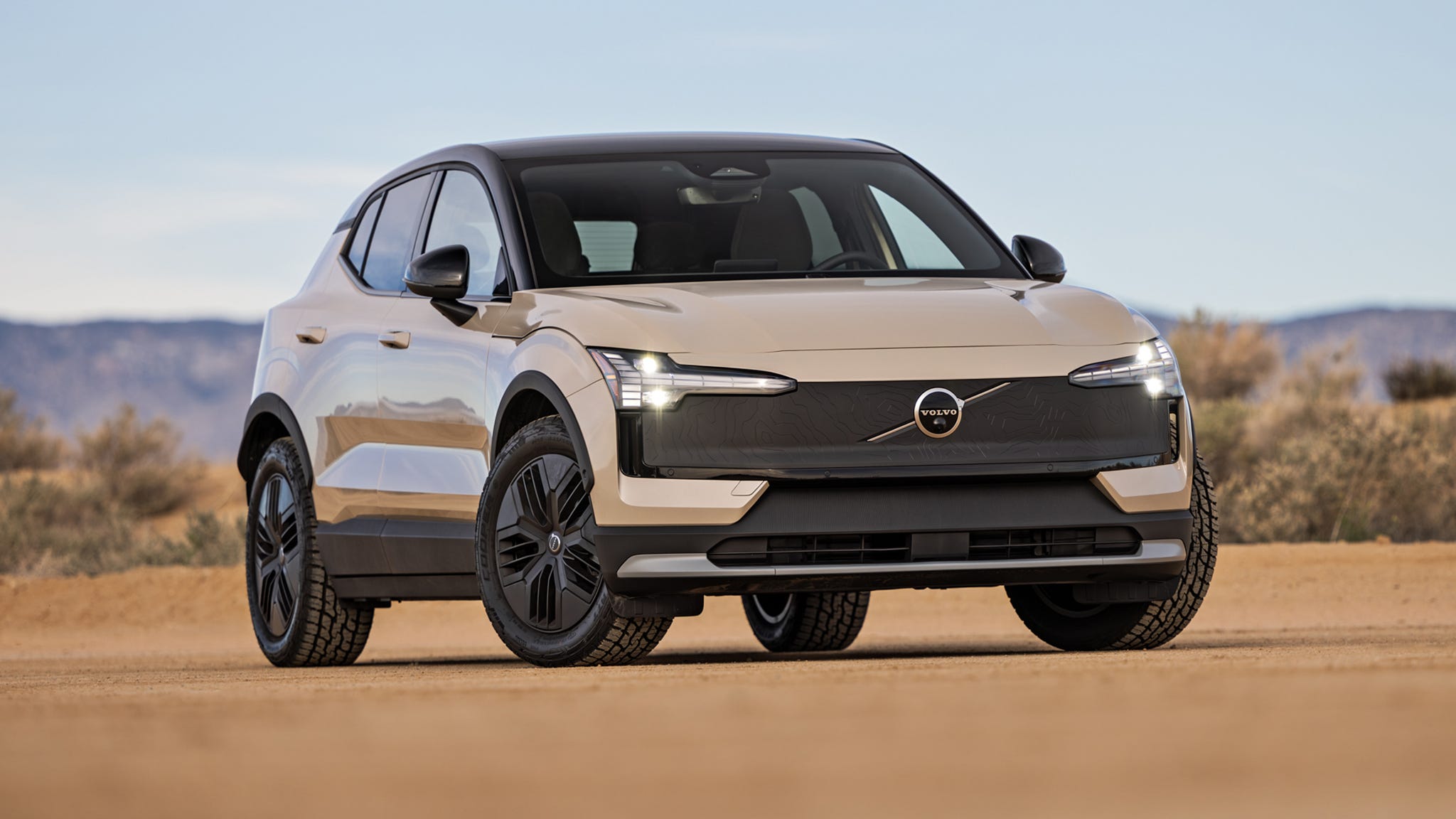
Starting at just more than $40,000, the 2026 Volvo EX30 was going to be the most affordable vehicle in the carmaker’s lineup. We say “was” because according to a report, this relatively cheap all-electric SUV and its off-roady variant, the EX30 Cross Country, are slated for immediate cancellation after only two years of being sold here in the U.S. But that’s not true for our closest neighbors, Canada and Mexico.
According to The Drive, the 2026 Volvo EX30 and EX30 Cross Country have been axed and won’t be offered for sale after March 20. After that, production will wind down for only U.S. units as Canadian, Mexican, and global versions will continue to be produced as normal. It’s a shame as the single-motor version of the EX30 cost just $40,345, with a 261-mile range. That said, the dual-motor EX30 Cross Country was a bit of a disappointment thanks to its lackluster 161-mile MotorTrend Road Trip Range test result for its $49,445 MSRP. That, and its rather tiny size along with those figures.
ADVERTISEMENT – CONTINUE READING BELOW
This news will not affect the production and U.S. sale of the 2027 EX60—launching later this year—and the EX90, which has been upgraded for the 2026 model year.
We reached out to Volvo, and it confirmed the report from The Drive is accurate, stating, “Volvo Cars USA has decided to end sales of the EX30 and EX30 Cross Country in the U.S. market after the 2026 model year. The EX30 will remain available in other markets globally, including Canada and Mexico. Volvo Cars’ commitment to electrification and our customers remains unchanged, and we look forward to continuing to bring exciting new electrified options to our customers in the U.S., including the all-new EX60 and upgraded EX90.” Volvo did not provide a reason for why it is only ending U.S. sales of the EX30.
Before the Bentayga, skeptics wondered if Bentley could pull off an SUV. The idea of a grocery-getting, off-road-capable vehicle seemed a far cry from the ultra-luxury image of the British marque. Yet when it arrived, the Bentayga silenced the doubters. The plush midsize SUV sold in surprising numbers, quickly becoming Bentley’s bestseller and setting off a scramble among rivals to copy the formula.
Base Trim Engine
4L V-8 ICE
Base Trim Transmission
ZF 8-speed automatic
Base Trim Drivetrain
All-Wheel Drive
The Bentayga brought with it all the hallmarks of Bentley craftsmanship: sumptuous leather, meticulously finished wood, and a ride that both coddled and exhilarated. Its twin-turbocharged W12 – and later available twin-turbo V6 plug-in hybrid and twin-turbo V8 – offered mind-bending thrust without ever feeling uncouth. And now, some of those early examples can be had for a fraction of their original $230,000 sticker. We’re talking less than the price of a new Ford Expedition or Toyota Sequoia.
Pricing was accurate at the time of writing and is subject to change.
Bentley Bentayga: The Plutocrat’s Family Hauler
2017 Bentley Bentayga Front ViewBentley
Engine
Twin-turbo 3.0-liter V6 plug-in hybrid
Twin-turbo 4.0-liter V8
Twin-turbo 6.0-liter W12
Transmission
8-speed automatic
Drivetrain
All-wheel drive
Power
456 hp
641 hp*
626 hp*
Torque
516 lb-ft
627 lb-ft*
664 lb-ft*
0-60 mph
5.1 seconds
3.6 seconds*
3.8 seconds*
Top Speed
158 mph
193 mph*
190 mph*
*Represents powertrain’s maximum available performance
The Bentayga first arrived for the 2016 model year, a time when ultra-luxury SUVs were still a rare commodity. That meant Bentley couldn’t treat it like a novelty. The Bentayga had to prove itself as a legitimate extension of the brand or risk being dismissed as nothing more than an opportunistic cash grab riding the SUV boom. The risk was real, given that its basic underpinnings were borrowed from fellow Volkswagen Group SUVs, namely the Audi Q7, Porsche Cayenne, and Volkswagen Touareg.
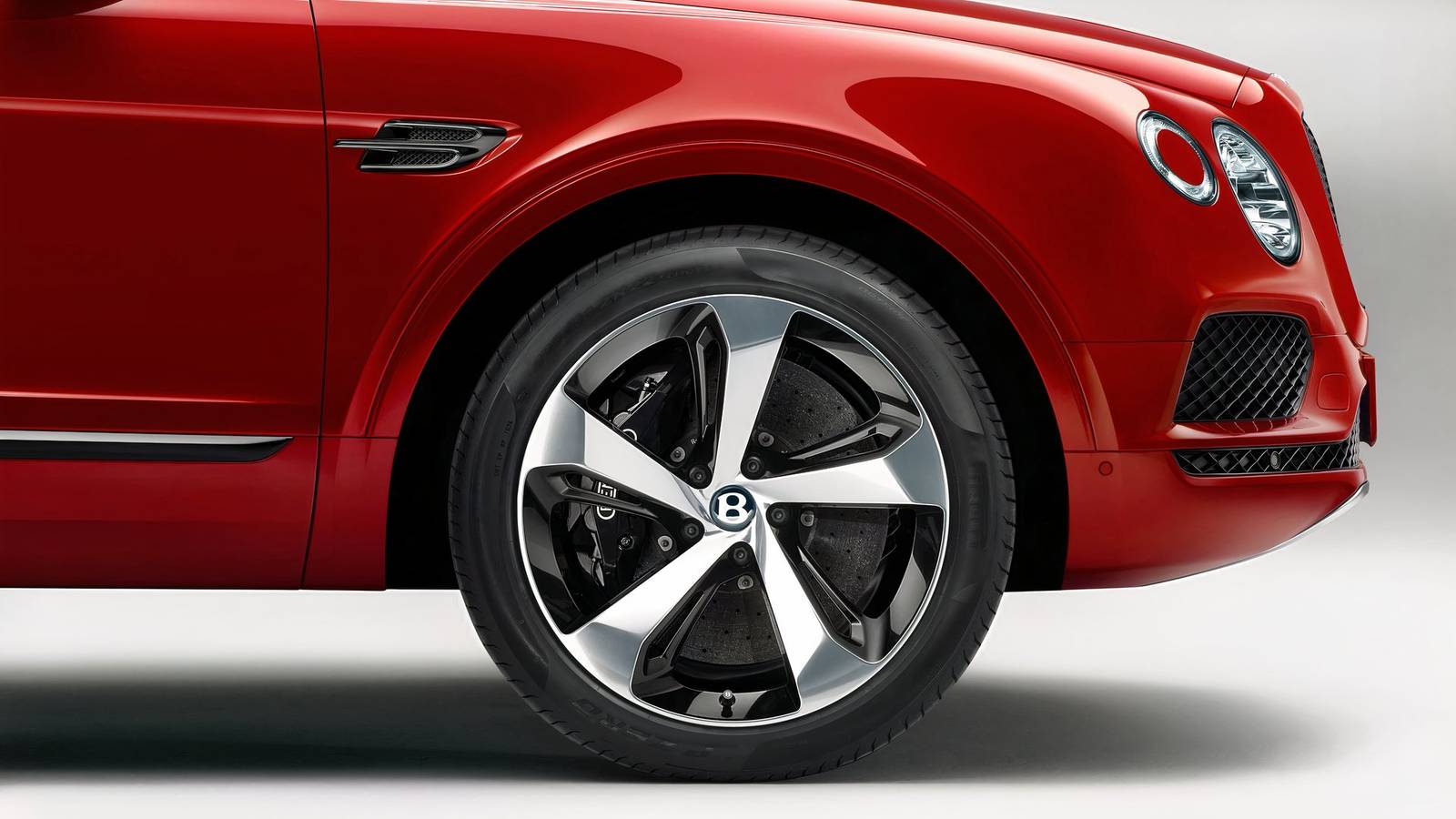
Designers made sure the Bentayga could be recognized as a Bentley at a glance, from the imposing mesh grille to the signature LED headlamps. Prominent Flying B emblems grace the fender vents, while the tail lamps feature B-shaped LED motifs. Inside, the cabin is a symphony of chrome, wood, and leather. Options can push it to the extreme, including a dash-mounted Breitling timepiece adorned with gold and diamonds. At 202 inches long, the Bentayga is among the largest vehicles in the midsize SUV segment. Third-row seating is an option, and Bentley even made a stretched-wheelbase variant available for a time.
Engineers also had to ensure the Bentayga delivered the performance expected of a Bentley, and they succeeded. At launch, it was the fastest SUV on the market, powered by Bentley’s most potent engine at the time: a twin-turbocharged 6.0-liter W12 rated at 600 horsepower and 664 pound-feet of torque. The Bentayga could sprint from 0–60 mph in about four seconds and reach a top speed of 187 mph. Both faster and slower variants arrived later, and pretty much all of them are a joy to drive.
The addition of the slower variants also helped bring the entry price down. A 3.0-liter twin-turbo V6 paired with a single electric motor in a plug-in hybrid configuration debuted for the 2020 model year, dropping the starting price to about $160,000. A twin-turbo 4.0-liter V8 was introduced for 2018 and became the top engine option starting with the 2024 model year after the W12 was phased out. If you’re looking for an electric option, you’ll have to wait until Bentley’s new fully electric SUV debuts later this year. It will be a smaller, urban-oriented SUV with about 400 miles of range.
When it comes to off-road capability, the Bentayga features adaptive air suspension, driver-selectable modes that adjust ride, steering, and transmission feel, plus standard all-wheel drive and hill descent control. The gauges display off-road data such as altitude and vehicle pitch, and at a campsite the tailgate can reveal flip-out bench seats. An optional off-road package adds underbody protection and additional drive modes tailored for rough terrain, making the Bentayga surprisingly capable away from pavement.
How Much To Pay Today
Bronze 2017 Bentley Bentayga rear endBentley
While a quick search on popular classifieds shows Bentaygas listed from as low as $45,000, such examples typically have mileage well over 100,000 miles. At around $55,000 to $60,000, you can find many for sale with roughly 50,000 miles, and there are even a few listed under 40,000 miles for about $62,000. By comparison, a new Ford Expedition starts at $62,400 and a new Toyota Sequoia at $64,995 – and that’s before you add destination and taxes. The full-size SUV duo offer more space than the Bentayga, but skip the luxury and badge-cred of the Bentley.
Most of these bargain Bentaygas are early examples from the 2016 and 2017 model years, meaning the new car warranty is long gone. They are also mostly the W12 models. If you’re looking for a Bentayga with the V8, used prices start just above $80,000. Hybrid models are relatively rare, and those available tend to have very low mileage and correspondingly high price tags. Pricing for used hybrids generally begins just above $80,000, but most examples are still listed for over $100,000.
2019 Bentley BentaygaBentley
A mid-cycle facelift arrived for the 2021 model year, so earlier models generally carry a discount. The update included revised lighting, a more upright grille, new seats, and upgraded infotainment technology. A second, smaller refresh came for the 2024 model year, featuring minor tweaks to the grille, new equipment, and the addition of rear-wheel steering. Used listings for post-facelift models typically start around $130,000.
Things To Watch Out For
2017 Bentley Bentayga W12 engine topBring a Trailer
Independent information on the reliability of the Bentley Bentayga is hard to come by given the rarity of the vehicle, though Kelley Blue Book has some data from owners which rate the SUV as having better than average reliability. Nevertheless, there are still some key pitfalls worth knowing before buying a used example.
One of the reasons the most affordable examples you’ll see on the market all have the W12 engine is simply that it was the only powerplant available when the model launched. However, the W12, while robust, is also rare and largely unique to Bentley, meaning parts and specialized servicing tend to be more difficult and expensive than for the later V8 or V6 hybrid options, which share more in common with higher‑volume Volkswagen Group models.
Bentaygas from the early years are also known for electrical and suspension issues that are more common as the vehicles age. The air suspension can be prone to leaks or uneven ride heights, and the Bentayga’s infotainment and driver‑assist systems have been reported to suffer glitches – things you’ll want to check thoroughly before buying. A pre‑purchase inspection is essential and buyers should budget accordingly, as even routine service items and minor mechanical issues can carry a high price tag. For added peace of mind, consider a Bentley Certified Pre-Owned vehicle, which comes with a 12‑month warranty and the option to extend coverage.
The Deal’s Big, But So Are The Bills
2017 Bentley Bentayga Side ViewBentley
There’s no question the Bentayga delivers the full Bentley experience, even at used car prices that undercut mainstream family haulers. The cabin craftsmanship, effortless speed, and badge appeal still feel special years later, and few SUVs blend luxury and performance this convincingly. But cheap Bentaygas aren’t necessarily affordable Bentaygas. If your budget is already stretched just to get into one, the cost of maintenance, repairs, and ownership surprises can quickly turn the dream into a financial headache.
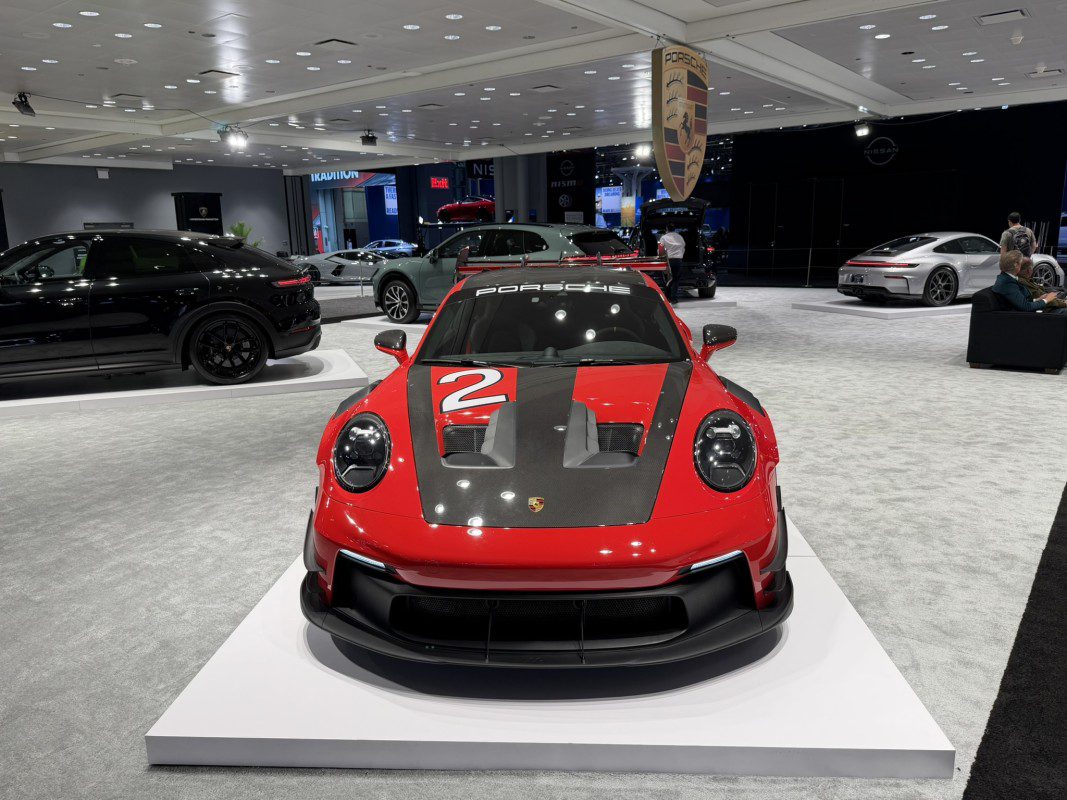
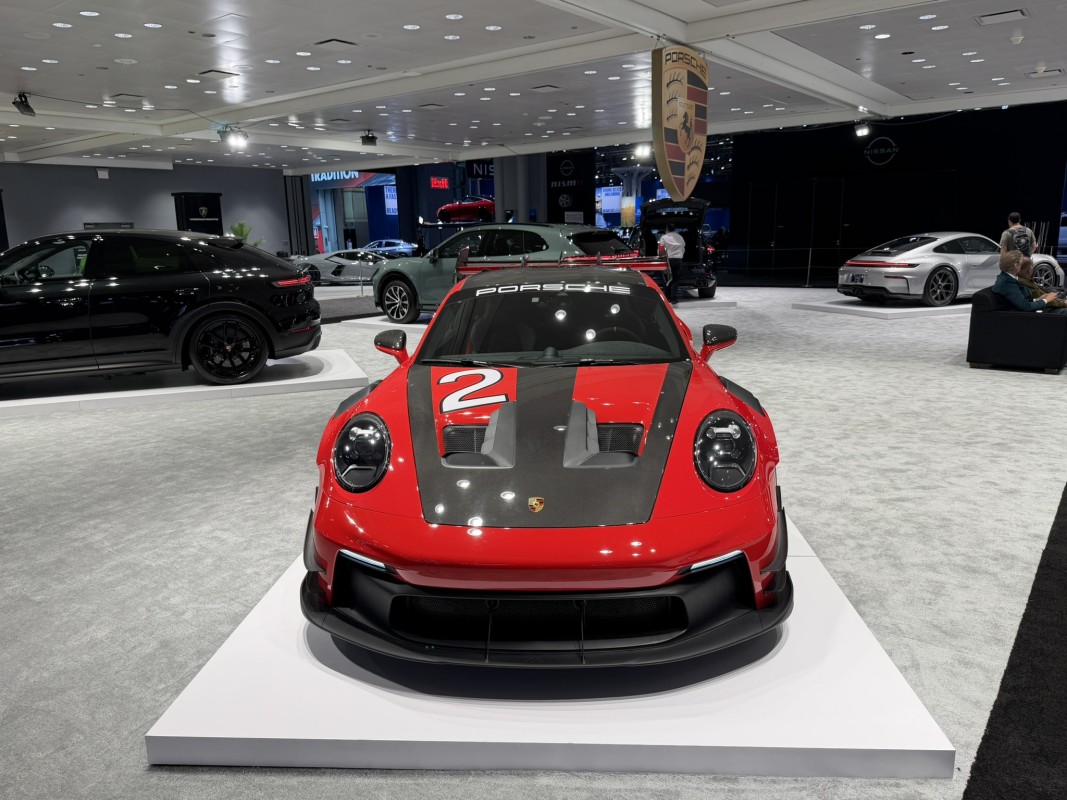
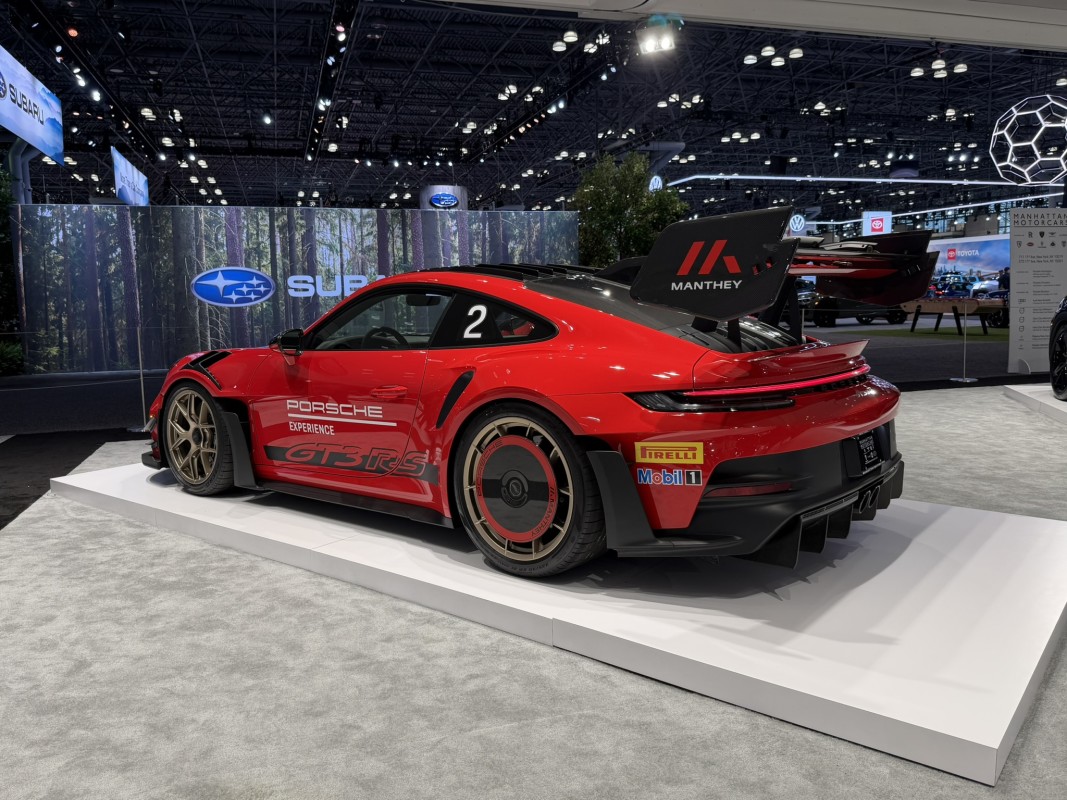
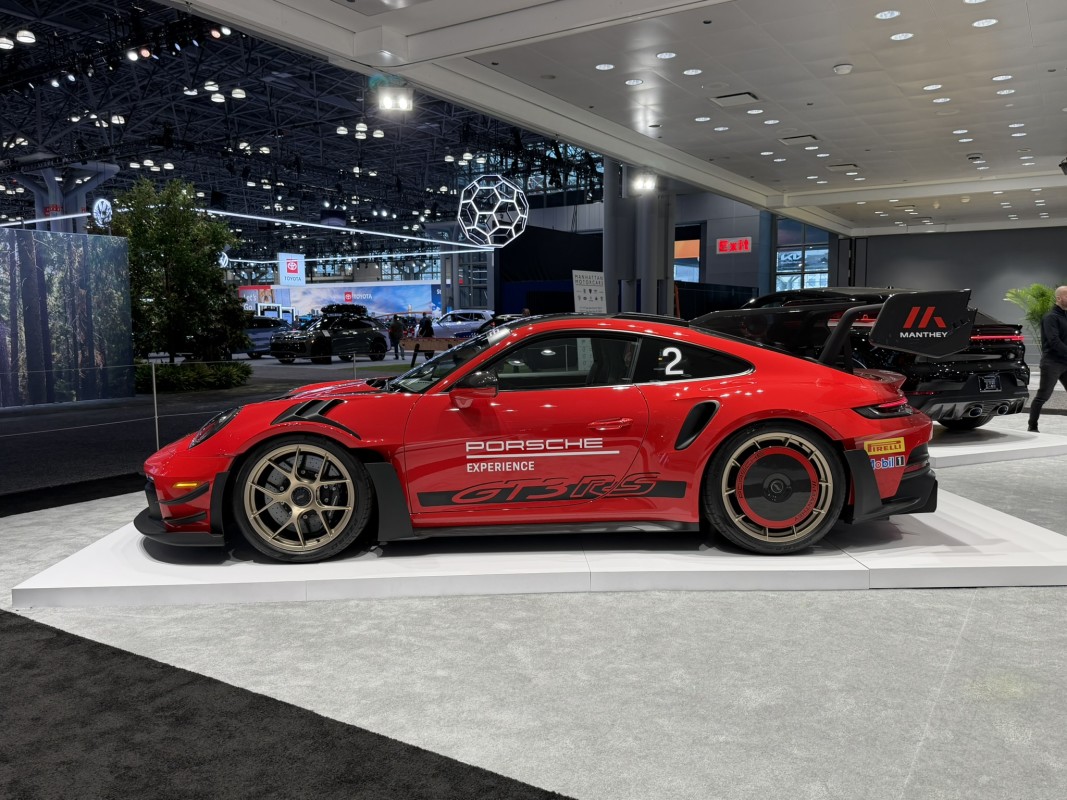
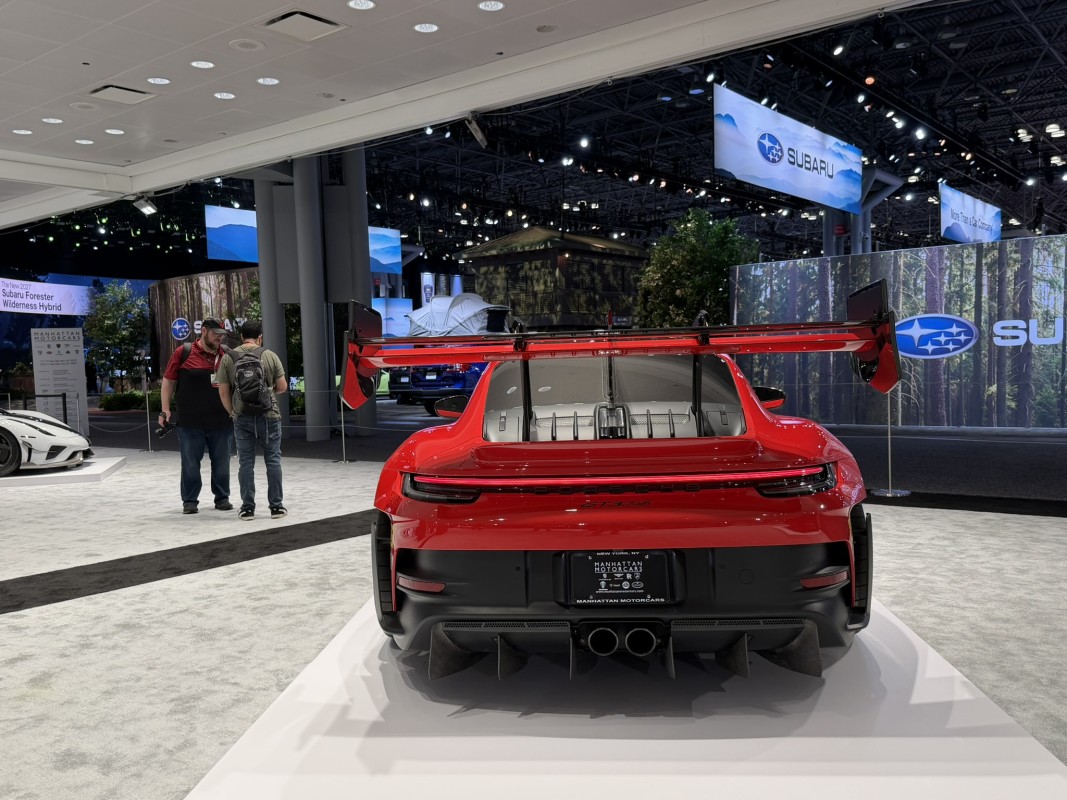
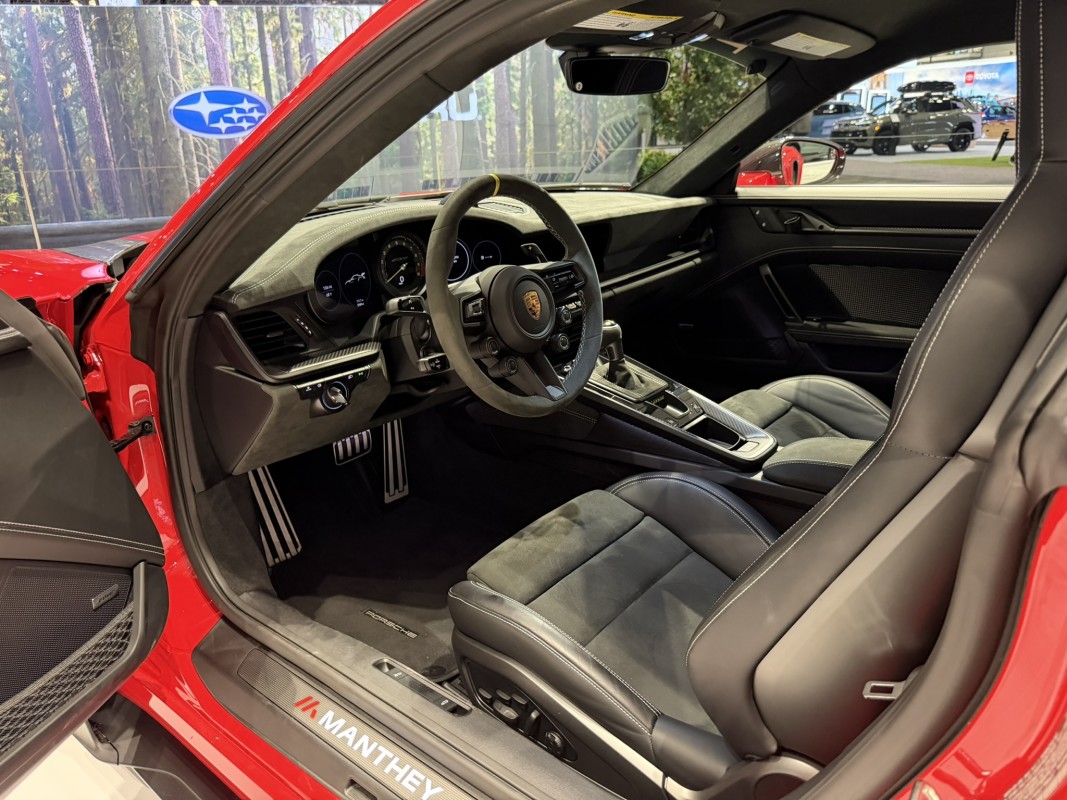
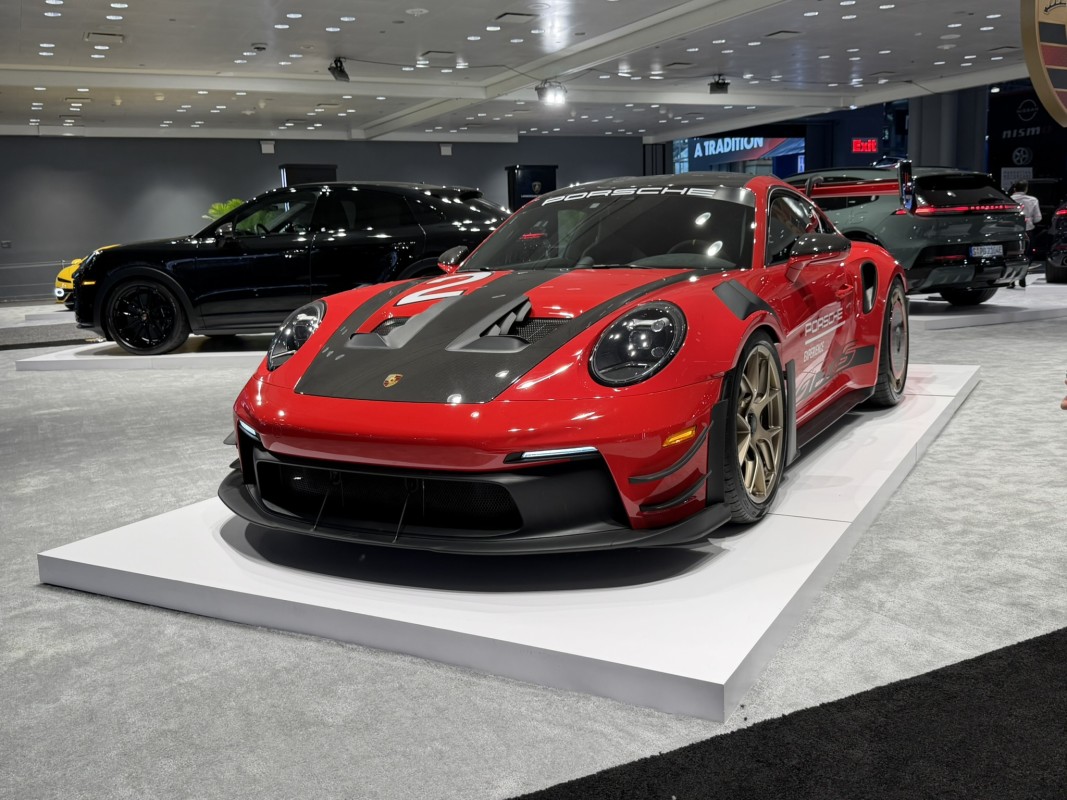
This year’s New York Auto Show is packed with crazy concept cars, stunning wagons, and rare metal, but sometimes it’s the familiar machines that leave the biggest impression. Case in point: a red Porsche 911 GT3 RS fitted with the Manthey Racing Kit. It’s arguably the most extreme road-legal 911 that’s ever been built, and we got to see it up close and personal at the 2026 New York Auto Show.
Aerodynamics Taken To The Extreme
Adam Lynton/Autoblog
Adam Lynton/Autoblog
Adam Lynton/Autoblog
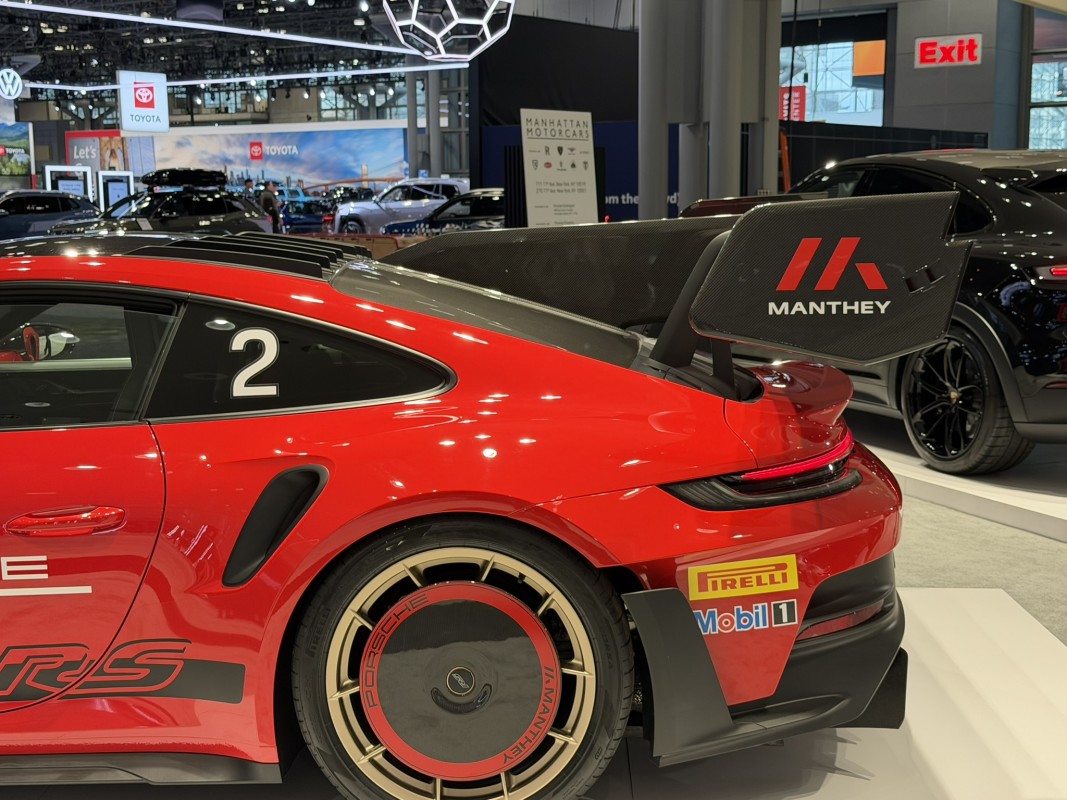
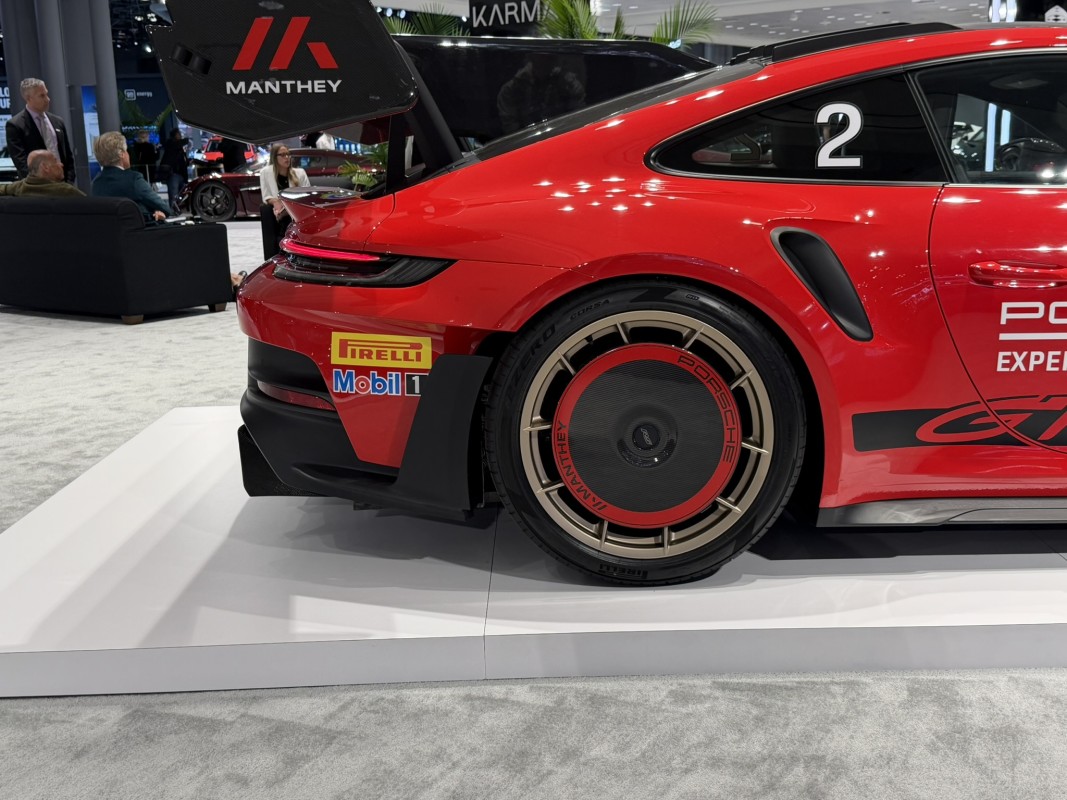
Even in standard form, the GT3 RS has earned its “winged monster” nickname, especially once fitted with the Weissach package. Manthey follows that philosophy and takes it to a whole new level. The kit adds a more aggressive front lip with canards, wheel arch gurneys, underbody tweaks, rear aerodiscs, roof fins, and an even gnarlier diffuser. The standout feature remains the gargantuan carbon fibre rear wing with a massive shark fin and a drag reduction system (DRS). Altogether, the package generates over 1,000 kg (2,204 lbs) of downforce at 285 kph (177 mph), allowing it to lap tracks even faster.
Under The Skin
Adam Lynton/Autoblog
Adam Lynton/Autoblog
Adam Lynton/Autoblog
The kit does more than alter aerodynamics. Although the GT3 RS retains its original 518-hp naturally aspirated 4.0-liter flat-six engine, Manthey Racing tinkers with its driving dynamics. The chassis has been reworked thanks to a semi-active coilover suspension system that increases spring rates by up to 30% that allows for more precision when driving on the limit. Braking has also been improved with optional steel-braided lines for a more consistent pedal feel, along with race-focused pads designed to handle sustained high temperatures.
A Road-Legal Track Weapon
Adam Lynton/Autoblog
Adam Lynton/Autoblog
Adam Lynton/Autoblog
Despite all this, the car remains road legal, which is what makes the Manthey Kit even more impressive. Seeing it in person at the New York Auto Show just reminded us what a massive impact these upgrades have on its real-world performance around a track. The current GT3 RS Manthey Racing car is yet to set an official Nurburgring lap time, but we have times from the not-so-serious 991-generation GT3 for reference. The pre-facelift 911 GT3 equipped with a Manthey Racing kit clocked a time of 6 minutes 55.74 seconds, just 6 seconds behind the untouched GT3 RS.
Autocar lapped Silverstone in 2 minutes and 11.15 seconds – 2 seconds quicker than the standard GT3 RS. The company also makes a kit for the Taycan and 911 S/T. And once the facelifted GT3 RS hits the market, we’re sure to see another Manthey Racing kit hit the scene, and do what Porsche is too afraid to do: Make it less aesthetically appealing in favor of on-track performance.
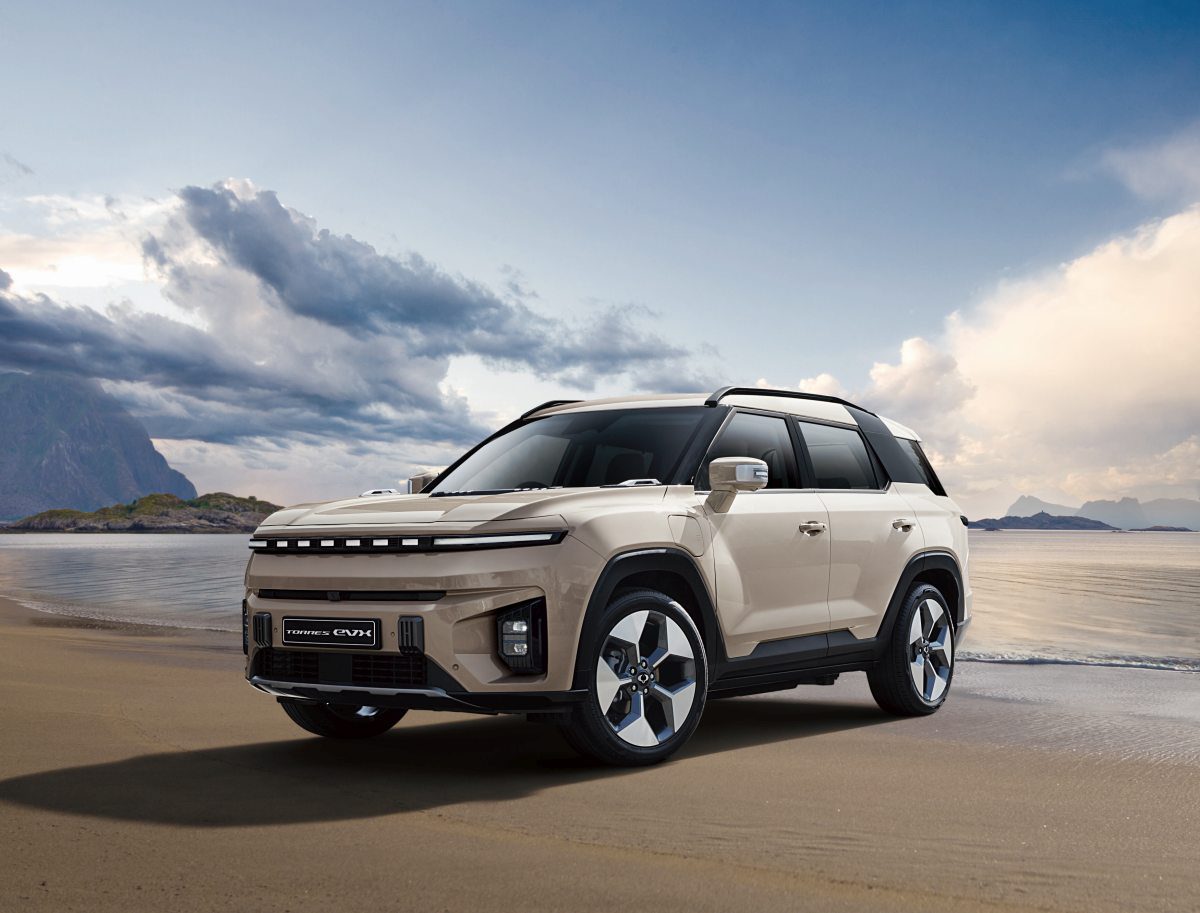
The South Korea car maker KGM has been busy. Along with the arrival of its all-electric ute, the Musso, there has also been the Torres EVX SUV.
It is classified in Australia by VFacts as a ‘Medium SUV’, but it actually feels larger than that – although the VFACTS categories do seem biased towards under-describing vehicle sizes: in Europe, the Torres comfortably fits into their Large SUV category.
The Torres SUV is sold here in petrol, hybrid and full-electric versions. (Note: this article covers only the full-electric EVX version).
If you’re wondering – KGM is the new name for long-established Korean vehicle manufacturer, SsangYong. As to why new owners KG Group decided to rename a relatively well-known brand in a market becoming flooded with new-kid-on-the-block three letter acronym Chinese manufacturers – who knows.
However, as Ssangyong, KGM has many decades of vehicle building experience and is now a factory-backed outfit here. (After years of different distributors shuttling the brand around in terms of marketing and price segment).
That manufacturing experience does show in the way that the Torres EVX is put together, drives and how the ADAS functions work to assist (and not particularly annoy), plus in the well-laid out driver’s display with easy-to-read speed and driving range data.
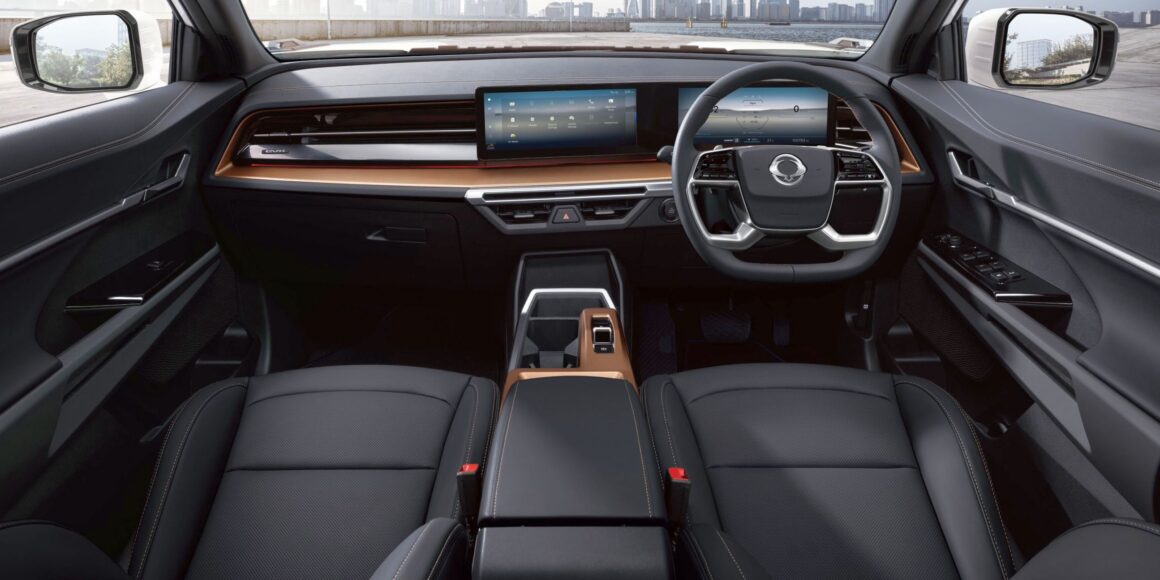
In the driver’s seat
KGM Torres EVX interior front. Image: KGM Australia
The twin flat screen dash in the Torres reflects the evolving Korean school of cockpit layout (AKA Hyundai and Kia) and are identical in layout to the Musso EV.
Sadly, neither the Torres EVX or the Musso EV include any dash buttons. This is somewhat made up for with full-function stalks for indicators/lights and wipers, as well as the many steering wheel buttons for most standard functions including radio, phone, drivers display information and adaptive cruise control.
Missing though was the rather useful programmable ‘Favourites’ the Musso EV steering wheel includes. Another slightly annoying ‘feature’ was the limited choice of background to the displays in the Torres EVX: none of them gave particularly good contrast to the driver’s display data – the three on offer were stylised landscapes that cut through the middle of the speed readout.
You did quickly adapt to it, but it would have ben nice to have plain light and dark background options too. On minor quibbles (and like the Musso EV ute) the touchscreen was slow to start up, but once driving it did respond faster than in the ute.
As the Torres EVX doesn’t offer inbuilt navigation (as is offered as an option overseas), you will need to use Android Auto or Apple CarPlay if wanting to map a route.
However, Android Auto worked well and connected easily – albeit through a wired connection. Bluetooth for the phone is possible too – but was limited to 30 contacts. If you want to use the phone to it’s full potential, you will need to plug in!
Seating adjustment is 8-way and fully electric, including adjustable lumbar support – plus the steering wheel is provided with both reach and rake adjustment. Between all those I found it easy to find a comfortable driving position. In addition, the front seats are both heated and ventilated.
Drive modes included Eco, Comfort and Sport. Eco was somewhat laggy in response, Sport was almost twitchy in its throttle response … with Comfort proving to be the Goldilocks, easy-to-live-with option. Personally, I’d suggest settling on that and forget the others.
Interior
Like the Musso EV ute, the cabin is trimmed all-round in dark colours with the potential to give a slightly ‘cave-like’ feel. Countering that was the ample glass all-round plus an openable glass sunroof over the front seats. Thankfully (unlike many sunroofs lately) the Torres EVX sunroof is provided with a (manually operated) sliding sun-shade.
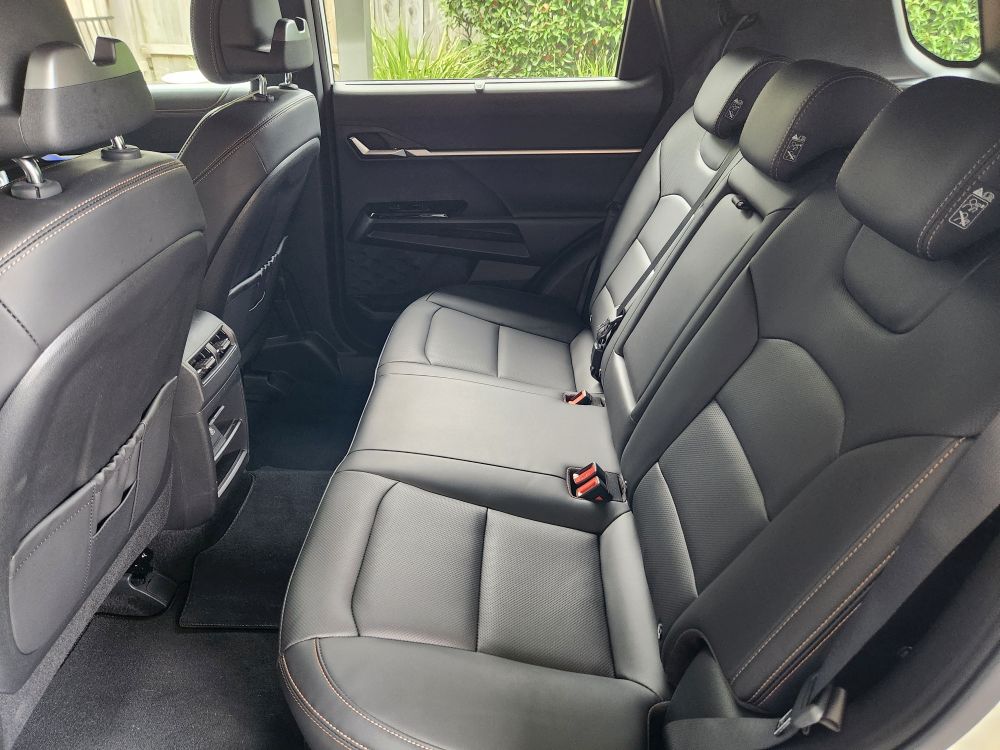
KGM Torres EVX rear seat. Image: B Gaton
Rear seating for three is comfortable with good headroom and legroom – provided the front-seat occupants are not overly tall. If the front seats are fully slid back, the rear seat legroom would be a bit cramped for taller occupants. Both outer rear seats are ventilated and the rear seat backs can be reclined up to 32.5 degrees.
Driving
As mentioned earlier, the Torres EVX is not small – nor is it a sports car. Within those constraints, I found it easy to drive with good visibility all-round (amply assisted by a 360 degree ‘helicopter’ view, as well as guide lines in the rear-view screen when reversing).
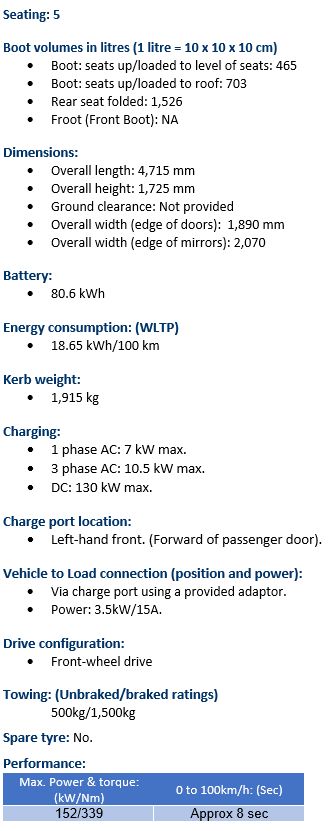
With an around 8 seconds 0 to 100km/h time, the 152kW motor does a good job providing a good level of acceleration …. without being blisteringly unnecessary. (Unlike that found in some family SUVs. Why some manufacturers find it necessary to offer sub 5 sec 0 to 100 km/h times in family transport baffles me!)
Mind-you, with that muted (by EV standards) power, even in dry weather I found taking off the line a slight juggling act to get anything beyond a relaxed take-off without the front wheels slipping.
Probably a compromise to keep the Torres to a price-point: the choice of Nexan rubber does leave a bit to be desired there. (As an example, the Nexans fitted to my 2019 Kona electric had the same problem, but this disappeared when I eventually swapped to the later version’s OEM fitted Michelin tyres).
ADAS
As mentioned earlier, the Torres EVX comes with all the usual ADAS (Advanced Driver Assistance Systems) features. These operate much the same as its stablemate, the Musso EV ute. As such I would classify them as fitting into the ‘Assist’ category (as opposed to the second ‘A’ in ADAS potentially being one of Advise, Assist, Annoy or Aggravate!)
Like the Musso EV, it does emit the odd unnecessary ‘bing and bong’, however they are neither intrusive, nor ridiculously nervous. They are also easy to differentiate by tone regarding what they’re alerting the driver of.
Also, like the Musso EV, the steering assist function is a tad maddening on Australian country roads (where moving within a lane to avoid potholes and dead kangaroos are a way of life, and being steered back towards them ‘unhelpful’) – the nudges are simple to turn off with a long press of an easily accessed steering wheel located button.
Charging and range:
AC charging is 7kW single phase and 10.5kW three phase. DC charging is up to 130kW, with the charge port located on the front left-hand guard, making it easy to access kerbside chargers.
I note this as some brands (often ones from left-hand drive countries) place it on the right-hand side. For those, you either have to park facing the wrong way around to place the charge socket next to a kerbside charger (which is illegal in most Australian jurisdictions), or risk having the charge plug wiped-out by passing vehicle/bicycle traffic.
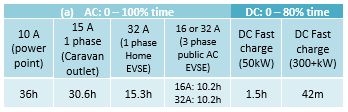
With better aerodynamics than a ute, the driving range is around 10% more than the Musso 2WD and comes in at 462 km WLTP. In my time with the Torres EVX, I would say that range is quite achievable for general use – although I would expect perhaps 10% to 15% less for extended 100+ km/h highway driving. Approximate charging times for the Torres EVX are given in the table below:
KGM Torres EVX – approximate charge times
Summing up:
Like the Musso EV ute, for those who have the use for one, this is worth looking at. If you have a need for a medium to large SUV to regularly carry lots of luggage and/or multiple large adults and/or tow up to 1.5t, the Torres EVX ticks a lot of boxes.
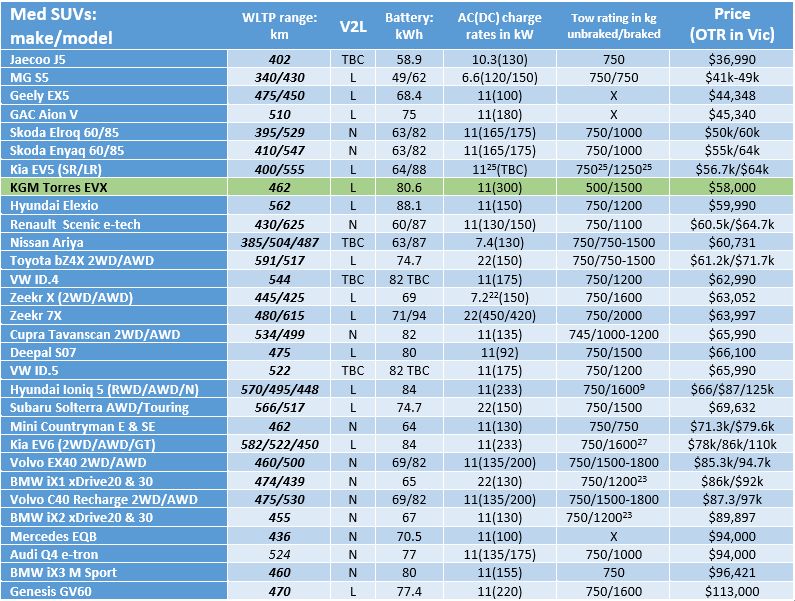
At $58,000 on-the-road (in Victoria – check other states for variations in on-road costs) it is certainly not the cheapest – although it is also not the most expensive. A list of current medium SUVs and their basic specifications currently available in Australia (ranked by price) is given below:
Current medium SUV competition to KGM Torres EVX. Source: https://www.aeva.asn.au/info/
As to whether it competes well in price and features with the plethora of existing and new brands and models in the medium SUV category is something you’ll have to decide for yourself. I would suggest its worth adding to your test driving shortlist though.
If you do buy one: beware, you may end up spending a lot of time explaining to people that KGM is not one of the new-kid-on-the-block three letter acronym automotive brands!