Author: admin

  • Jaguar’s Electric Sedan Prototype Seems Pretty Great. Will Anyone Care?

    Jaguar’s Electric Sedan Prototype Seems Pretty Great. Will Anyone Care?

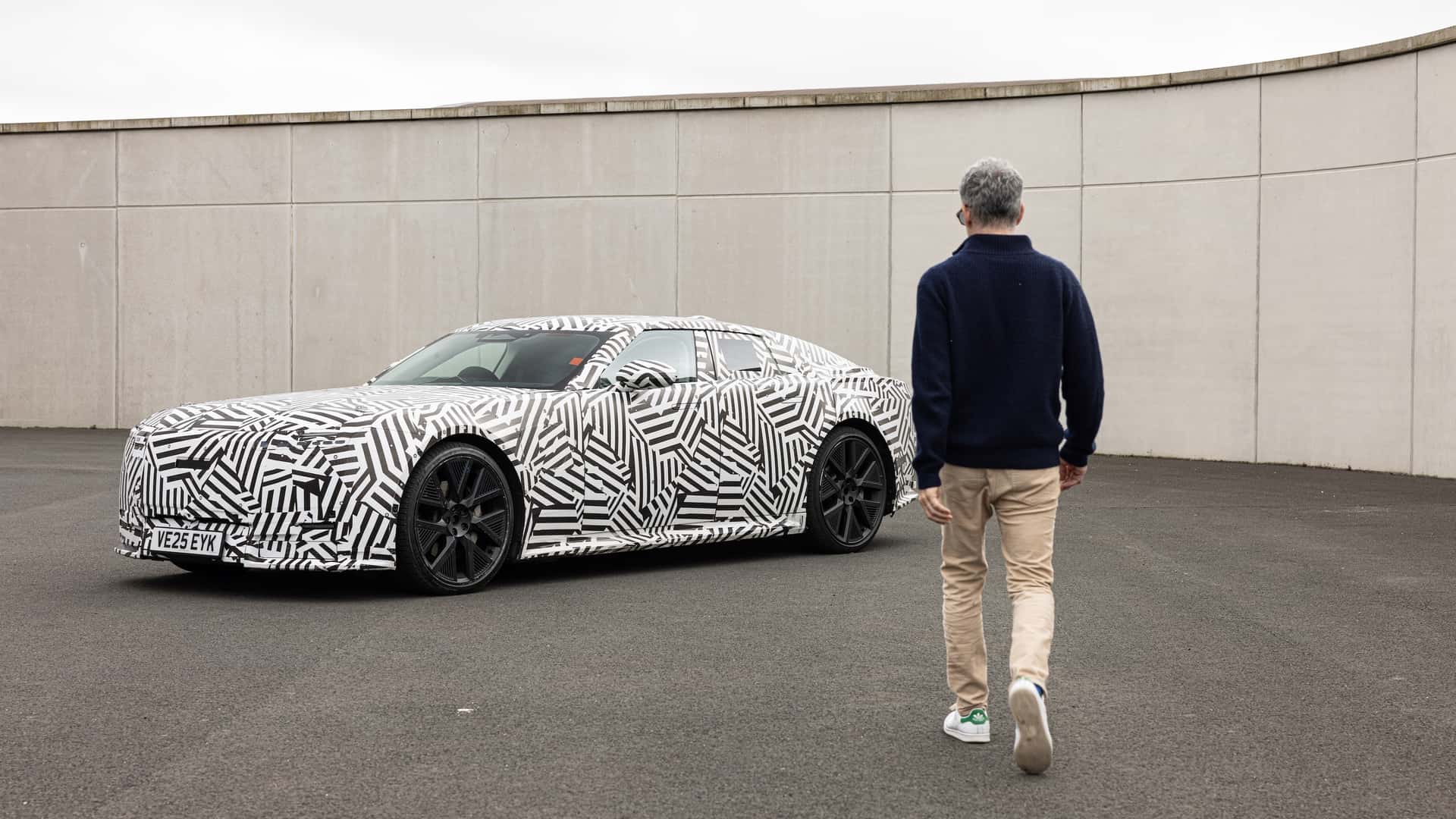
    The exterior of the broad 16.5-foot sedan is covered in a camouflaging flurry of opposing black and white diagonal slashes that resemble one of Jasper Johns’ radical “crosshatch” paintings from the mid-1970s. The cossetting interior, its narrow rampart-like band of windows mainly covered by this wallpaper, is dark and unfinished, and blanketed in a matted black felt that, notably, reminds me of a magician’s backdrop, meant to absorb light and disguise sleights of hand. 

    But despite the lack of badging and iconography, the font on the narrow, rectangular LCD screen behind the thick-rimmed steering wheel is a giveaway. The delicately curvaceous—and internet-derided—sans-serif type, with its ransom note mix of lower- and upper-case letters, is immediately recognizable as belonging to the rebranded Jaguar. 


    Jaguar Type 00 Blue

    Photo by: Jaguar

    I’m at the leaping-cat brand’s headquarters—built beside its development testing track, on the site of a former British Air Force nuclear bomber training runway—in England’s Midlands. I’ll be among the first Americans to drive, on dry ground, a prototype of the venerable British automaker’s forthcoming six-figure, 1,000+ horsepower, super-sedan, code-named the X900. The entire future of the venerable brand is riding on its massive 23” wheels.

    It is evident, from the moment that I tip into the throttle, that the teams of engineers and designers here have been aware of and attentive to this heavy burden.

    The big car moves off the line and gathers speed with an intentional, but not abrupt, alacrity. It is plenty quick, and will likely put anything in the brand’s history to shame in a 0-60 race. But it is not trying to snap my neck, like a Tesla or a Lucid; that is not how it will prove itself. Rather, it gets underway with grace and composure, always holding, but not withholding, an alluring sense of more. It does not feel wickedly domineering like an S-Class, or brutally concretized like a 7-Series. It is a boss bitch, strutting in heels, confident that it owns the runway.

    Jaguar initially made its name creating sportily bewitching coupes and convertibles, from the earliest SS cars in the 1930s through the XKs, and E-types of the 50s and 60s. But its brand equities are, in my opinion, best defined by its luxurious sedans, which, at their peak—in the first (1968-87) and fourth (2010-19) generations of the XJ nameplate—offered intense refinement, delightfully torquey thrust, and a perfect balance of engagement and isolation. 

    “The four-door GT is the purest vision of Jaguar,” Rawdon Glover, the brand’s managing director, tells me, concurring. “This new car needs to take Jaguar to its previous hunting grounds, its natural habitat.”  


    EMBARGOED: Jaguar X900 Prototype Drive

    Photo by: Jaguar

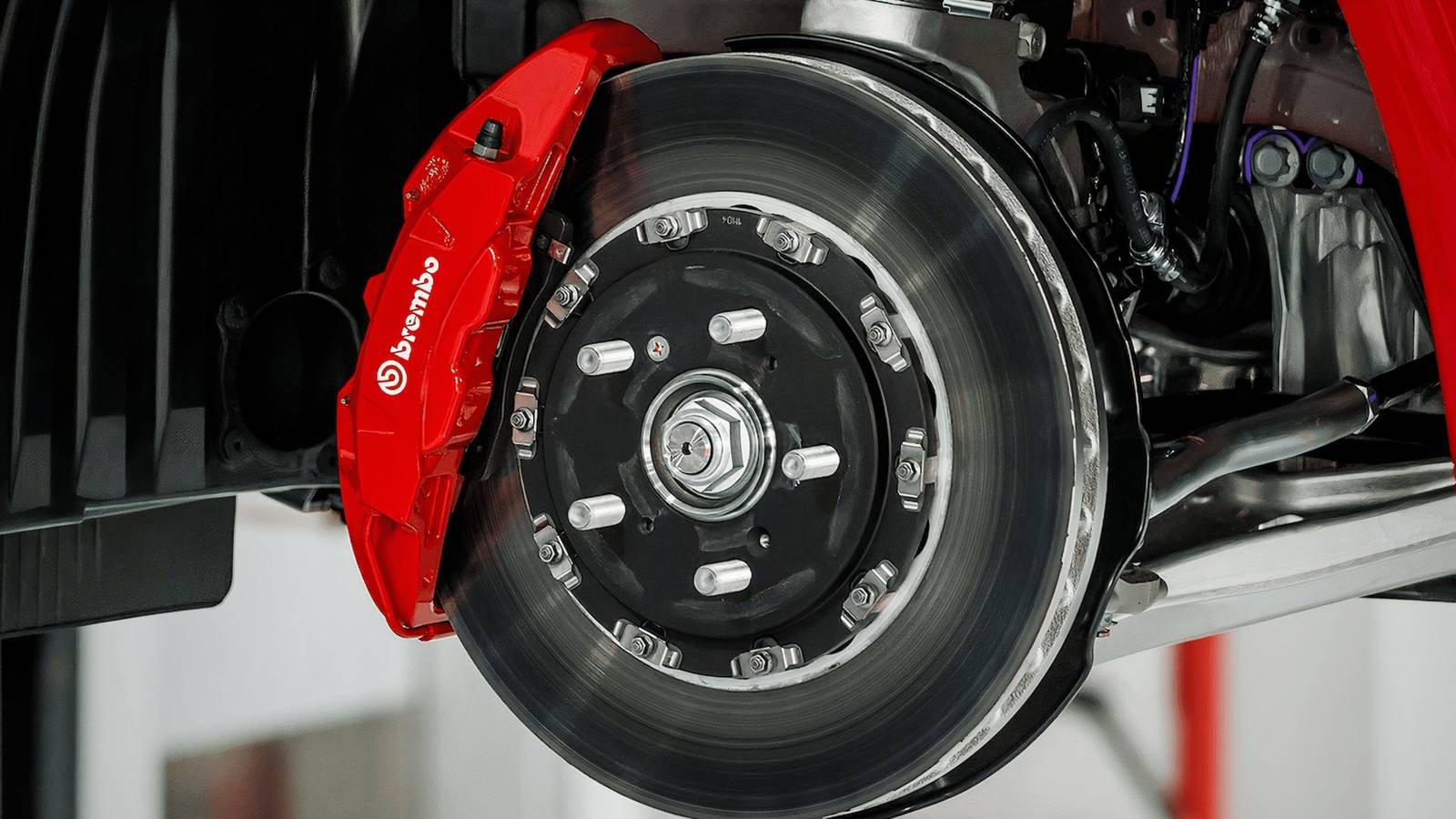
    If this means holding a sweepingly endless left-hand corner at 90 mph or bombing down the track’s mile-long back straight at 145 mph in whooshing rapture, then Glover’s team has already achieved high marks in the repatriation department. Power comes on progressively, with a constant sense of tappable reserves, even at triple-digit speeds, and builds with an intriguingly analog linearity, more like an aviation-grade torque-rich V12 than a trio of electric motors (two rear, one front.) The brake pedal is firm but never hard, and the big, vented discs scrub speed predictably without any of the android intervention inherent in many regenerative systems. (Additional regen is apparently available for those who want it, though we didn’t get to sample the various settings.) The feel from the thick steering wheel is tactile, but never jumpy; its feedback filtered through a thin layer of goose down.  

    But it is the ride that I find most surprising. We repeatedly traverse a course on the back stretch of the proving grounds, meant to mimic the world’s worst sections of broken pavement, and the big cat resolutely absorbs the impacts. Whether they’re cosplaying at concrete that has been washboarded like a gravel path in Joshua Tree two weeks after a freak summer storm, or puzzled to resemble Manhattan’s West Side Highway after a winter of icy expansion, the Jaguar remains unbothered. The adaptive air springs provide the huge donuts with a suspicious amount of travel, granting a sense of connection undergirded by isolation. It doesn’t make the landscape disappear. It’s more like I could feel what each wheel was doing, even when the four-wheel-steering system was working, but I kind of didn’t care. The car is present, but unperturbed. 


    EMBARGOED: Jaguar X900 Prototype Drive

    Photo by: Jaguar

    The sensation is less wafty than a Rolls and not as thunderously damping as a Bentley. It weirdly reminds me of some of my favorite recent Aston Martins, remarkably planted, but pliant, like the DBS (or even, gasp, the DBX). Perhaps this shouldn’t be surprising, since the vehicle dynamics engineer for all of these is the fabled Matt Becker, who was mentored by his father, Lotus project engineer Roger Becker. He designed the body motions of the new car to scientifically mimic the vibrational amplitude and pitch of top-tier Jags of the past, like the dominating XJ-C V12 coupe of the mid 1970. The final result, he warns, is still being dialed in.

    The car is remarkably, and intentionally, low, the product of an extremely long wheelbase and some impact-engineering wizardry that allows the thin and flat structural battery pack in the floor to extend beyond the firewall instead of piling up under the passenger compartment. The driver is positioned right at the center of gravity, amidst a perfect 50/50 front-rear weight balance.

    As a result, I sit deep in the car, not upon it as in other electric sedans. That sinking feeling is enhanced by the very tall beltline—which seemingly rises above my shoulder—and narrow greenhouse, like the roof had been stepped on by a diplodocus as it craned its neck up for some prehistoric foliage. In hot-rodding terms, it’s chopped. This sensation places me in mind of that time I borrowed a 1990 XJ-S V12 coupe to cruise around LA. It’s another car one sits deep within, legs stretched out into a long footwell, like the vehicle is a cocoon.

    Forward visibility is relatively assured. But because there are no other cars, or pedestrians, or scooters, or e-assist delivery vehicles careening around me as there would ordinarily be in New York City, I’m not able to get a sense of what this near-clerestory glass would feel like in traffic. My sense is, a little crypt-like and disconcerting. Adding to this sensation is the fact that, following an unfortunate trend introduced on vehicles from the Aston Martin Valkyrie to the Polestar 4, the new Jag lacks a rear windshield.  


    EMBARGOED: Jaguar X900 Prototype Drive

    Photo by: Jaguar

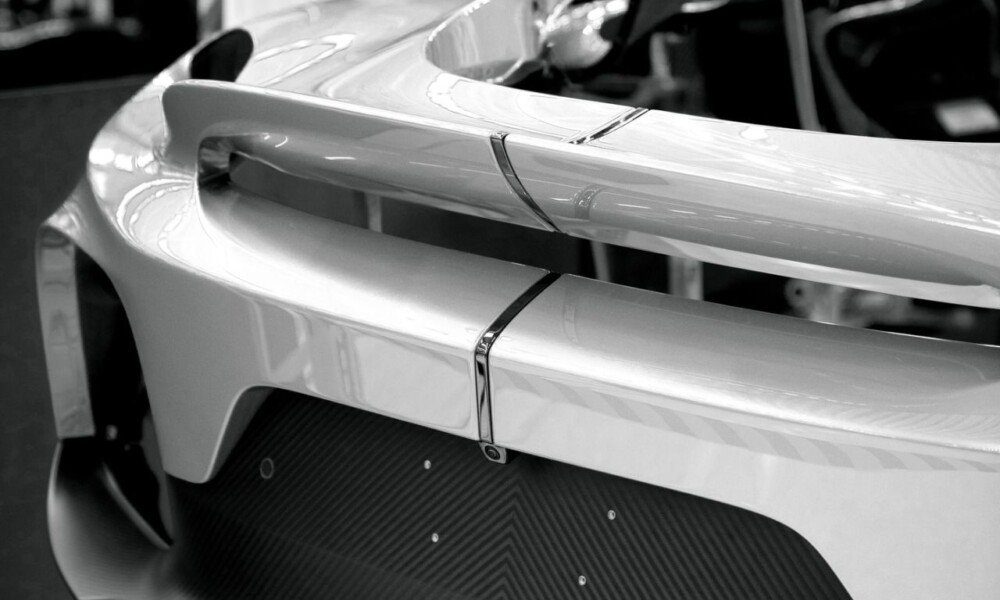
    This deletion is predicated, in no small part, on the X900’s very acute fastback rear; a typical windshield-mounted rearview mirror would show little besides the plunging headliner. Instead, supplanting this long-lived convention, Jag has affixed rear-facing cameras and a small rectangular display centered at the base of the dash.

    I can cast aspersions on this fad, because that’s what I do, and because I know that current camera-based rear-view mirrors make me feel like I’ve just rode a Tilt-A-Whirl after washing down clam chowder with a tumbler of white Russians. Sadly, or more likely happily, the Jag’s system isn’t working, so I have yet to experience it in person.

    Neither, despite repeated requests, will my handlers allow me to get into the X900’s twin rear bucket seats, so I can’t tell you what kind of contortions ingress or egress requires under that dipped roofline, or what it’s like to sit back there. This is unfortunate, as it seems possible that this generation of big Jag sedan could, like some of its predecessors, lend itself to chauffeuring VIPs, and VIPs don’t enjoy thumping their noggins on the door-top surround. Perhaps that’s why VIPs these days ride in Escalades.  

    I also didn’t get to experience much of the infotainment system or user interface. But I can tell you that one smallish screen stretches from the driver-side window to about two-fifths of the way across the dash. The portion to the left of the wheel seems to control driver functions like adjusting the steering wheel and mirrors, the drive and regen modes, and the lights. The small portion to the right of the wheel seems like it might house entertainment and navigation features. The center of the dash between the seats was covered, so I couldn’t tell if there was another screen under the felt. But there’s definitely a small phablet-sized screen that protrudes from the top of the tunnel, like an Uber driver’s Galaxy, that handles HVAC controls.

    Brand head Glover tells me that Jag doesn’t want to overwhelm passengers with the dazzle of screens on every surface. This seems commendable. Yet the interior also stunningly lacks hard switches. Again, some areas were covered in the stygian fabric, but the only actual buttons I could discern were on the steering wheel. When I bring up this lack to head JaguarLandRover designer Andy Wheel, he demurs, recognizing the movement back to analog functionality required by forthcoming European and Chinese safety regulations. 

    Jaguar Brand Boss Rawdon Glover explains the company's approach to buttons and user interfaces.

    Jaguar Brand Boss Rawdon Glover explains the company’s approach to buttons and user interfaces.

    Photo by: Jaguar

    “We know there’s obviously legislation coming in certain markets where we know we’re going to have to bring some of that in, and that’s obviously something to fret over for another day,” he says. “But we’ve just wanted to keep it super clean, super intuitive.” Something else to check in on next time, I guess.

    Still, these potential liabilities give me a bit of pause. The X900 drives very much like a 21st-century electric Jaguar sedan, with the brand’s signature combination of acceleration, ride, and handling. Under all that op-art shelf paper, it seems like it will have an alluring Jaguar-like shape: specific, unique, elegant, and hopefully not too slavishly mimicking the blank unresolved quality of the front and rear treatment shown on its recent Type 00 concept.  

    What I personally worry about for the brand is the fact that, as good as the car might be, Jaguar has created a vehicle for a future that, in many ways, may no longer arrive. The marque is no longer chasing volume, no longer competing with the full-range lineups of German luxury giants, instead hoping to move a much smaller number of EVs at an alleged “white space” price point that starts around where the S-Class leaves off, in the lofty $130,000+ realm. It is betting the future on a low-volume flagship electric sedan. But Jag tried and scrapped a long-planned range-topping EV once before, back in 2021, given its inability to conform to the needs of the coming market. In two days with the Jag team, talking solely about the electric flagship and the brand’s heritage, no one mentioned that car once. It was like a curse that could not be spoken aloud for fear of invocation, and the silence was a bit deafening.   


    EMBARGOED: Jaguar X900 Prototype Drive

    Photo by: Jaguar

    Jaguar has always been best when it has been an innovator, leading instead of following. But I can’t help but wonder if the market for six-figure battery-powered sedans is broad enough here, or anywhere, to make this gamble pay off. Lucid, at times the best-selling luxury electric sedan in America, sold only around 4,000 of its high-end Airs here last year. Porsche’s beloved and dynamic Taycan sells in roughly equal numbers, and BMW sold only around 3,000 i7s and Mercedes half that many EQS sedans. And 2025 will likely go down a watershed year for the category in America.

    The Germans have very large and profitable lineups of other high-volume vehicles to support these ventures, something Jaguar currently lacks. With expensive, unproven technology, a relaunch that seems intended to shrug off the past (and 90% of its previous customer base) and its long-term reputation for glitchy unreliability, can Jaguar really sustain itself on Ferrari volumes? Glover won’t give me a sales number at which the brand turns a profit, though he assures me there is an attainable one. I hope it’s not like the Panglossian 100,000 annual sales Lotus was predicting to me a few years back. (In the first half of 2025, Lotus sold fewer than 3,000 cars globally.)

    The capricious madness of our country’s current leadership—intently quashing our transition to EVs, and then starting senseless wars that disrupt the global flow of oil—makes any hope for market predictability impossible. That predictability is something automakers tend to rely on when investing billions of dollars in products with long cycles of development and amortization.  


    EMBARGOED: Jaguar X900 Prototype Drive

    Photo by: Jaguar

    I know from experience witnessing our responses to the OPEC oil embargo and safety/emissions law of the early 1970s, the economic meltdown of the late 2000s, and the supply chain interruptions during the recent pandemic, that global geopolitical, regulatory, and economic circumstances can have a huge impact on consumers’ automotive choices. In the aftermath of Trump’s latest arbitrary aggressions, we’re already seeing marked increases in searches for electric vehicles. If this lunacy in the Middle East continues unabated, purchase behavior may shift wildly.

    The future is an evanescent dream. But we have to imagine the destiny we want to inhabit. I thoroughly enjoyed my time in the Jag prototype, and long for another go with a more finished version. I also believe that an automotive landscape devoid of Jaguars would be far less rich and interesting. Hopefully, with its new super-sedan, Jag has envisioned just the car that tens of thousands of wealthy global iconoclasts will want to buy in 2027. This cat is on its ninth life. Here’s praying it lands on its paws as confidently as this prototype seems to. 

    Brett Berk is a freelance automotive writer based in New York. He has driven and reviewed thousands of cars for Car and Driver and Road & Track, where he is a contributing editor. He has also written for Architectural Digest, Billboard, ELLE Decor, Esquire, GQ, Travel + Leisure and Vanity Fair.

    Click here to see all articles with lists of the best EVs
    Source link

  • EPA Tells Diesel Engine Makers to Ditch One of the Most Unreliable Emissions Components
    EPA Tells Diesel Engine Makers to Ditch One of the Most Unreliable Emissions Components

    The United States Environmental Protection Agency has changed its tune on diesel emissions regulation. Whereas it once ruled with a heavy hand, fining engine manufacturers and aftermarket companies at every turn, the agency is now on a deregulation spree with Administrator Lee Zeldin at the helm. The EPA has already called on manufacturers to eliminate immediate power derating when diesel exhaust fluid runs low, and now, the federal organization is strongly encouraging companies to ditch one of modern emissions systems’ most problematic components.

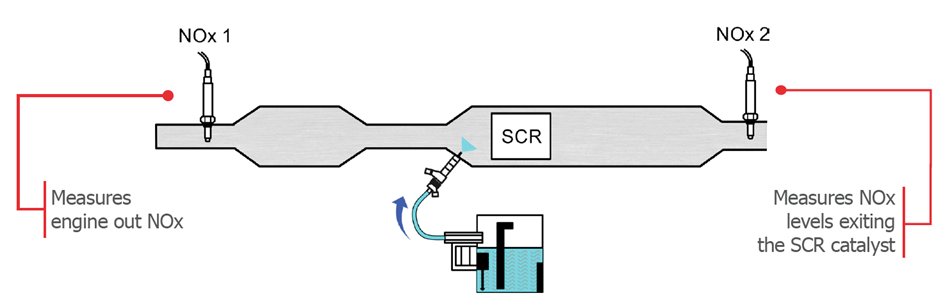
    In a letter dated March 26, the EPA wrote that urea quality sensors have “among the highest failure rates of any SCR (selective catalyst reduction) components.” That information comes from the Engine Manufacturers Association, which suggests exploring other methods to detect contaminated or diluted DEF. For its part, the EPA echoed the recommendation while reiterating that such methods—like NOx sensors—are totally legal.

    I’ll break this down as simply as I know how to. Urea quality sensors detect the concentration of—what else—urea in DEF. That’s the active ingredient responsible for lowering NOx emissions in diesel engine exhaust. DEF mixtures typically contain 32.5% urea and 67.5% deionized water, though lower-quality products can be far more diluted. Users can also throw off the mixture by adding water or other fluids to the DEF tank. When this happens, and a urea quality sensor notices it, the emissions system can severely limit engine performance.

    The problem is that urea quality sensors fail—often. Manufacturers reported many such problems to the EPA as part of customer warranty claims. And when these sensors fail, they throw everything into turmoil, whether that be causing poor running conditions or complete engine stoppage.

    NOx sensor system in a diesel engine exhaust system
    NOx sensors work by measuring nitrogen oxide levels before and after DEF injection. The EPA recommends using this method to indicate whether urea concentration is high enough, assuming it’s adequate if NOx levels downstream from the SCR are admissible. Standard Motor Products

    What the EPA is saying with this letter is that manufacturers can use other methods to detect proper urea concentration without getting in trouble. Not only that, but third parties are able to remove existing urea quality sensors without being guilty of tampering under the Clean Air Act, so long as they’re replaced by an effective solution. If you’re a diesel truck driver or a shop owner, make sure to read that bolded line carefully. By no means are emissions deletes legal now; instead, the EPA is saying that solutions besides urea quality sensors can be implemented. There just has to be another solution in place.

    You can tell that the EPA is still working to figure all of this out. The agency’s Assistant Administrator Aaron Szabo notes in the letter that neither urea quality sensors nor NOx sensors are the perfect solutions in all circumstances, like when DEF freezes below 16 degrees Fahrenheit. (That’s a big reason why U.S. senators from Alaska and Wyoming are pushing to eliminate certain DEF requirements in cold climates.) But it’s important to note that, as of right now, there’s no indication that the EPA will deregulate DEF altogether.

    Got a tip or question for the author? Contact them directly: caleb@thedrive.com

    From running point on new car launch coverage to editing long-form features and reviews, Caleb does some of everything at The Drive. And he really, really loves trucks.


    Source link

  • Market Insight: Nissan market share decreases

    Market Insight: Nissan market share decreases

    UPDATED: March 31, 2026


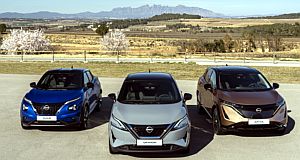
    NISSAN sales are down 44.7 per cent on this time last year, reflecting a continuing downward trend for the once-strong Japanese importer. 


    The brand has lost 1.5 market share points across the same period – down to just 2.1 per cent – a far cry from its solid standing of 5.7 per cent a decade ago. 


    No longer a top 10 seller, and with recent cuts to its local portfolio, Nissan appears to be struggling to maintain consumer interest. To the end of February, Nissan sold just 3646 units, placing it 14th on the local charts. 


    Nissan sold just 10 examples of its Z sportscar during the first two months of this year (down 73.7 per cent), 68 copies of its now defunct Juke compact SUV (down 57 per cent), 233 examples of its Qashqai small SUV (down 78 per cent), and 1323 examples of its X-Trail medium SUV (down 49.4 per cent). 


    Although the latter two have recently received updates that could prompt more demand, the recently introduced Ariya battery electric SUV found just 18 buyers in the same timeframe. 


    The now-axed Pathfinder large SUV achieved 41 sales (up 46.4 per cent on the same time last year), and the aged Patrol upper large SUV 905 units, down 20.8 per cent. 


    On the light commercial vehicle front, Nissan sold 102 examples of its two-wheel drive Navara (up 50 per cent year-on-year) and 946 examples of the four-wheel drive variant (down 35 per cent). This figure is of course expected to improve with the recent arrival of the fifth-generation D27 series that is based on the Mitsubishi Triton. 


    Nissan Australia rejected the suggestion that two months of data painted an accurate picture of the brand’s trajectory, particularly during what it described as a period of deliberate model changeovers and new product introductions. 


    Nissan Oceania head of communications Coughlan said the company’s focus was on sustainable, long-term growth” rather than chasing short-term volume. 


    We have taken proactive steps to run out models such as Juke and Pathfinder as part of this transition, while repositioning toward future growth segments, particularly hybrid,” Mr Coughlan said. 


    He pointed to expanded hybrid availability as central to the strategy, including a new X-Trail E-Power 4×2 variant arriving later this year. Mr Coughlan also indicated Nissan was close to announcing another model for the Australian market. 


    While increased competition continues to impact market share across the industry, our focus remains on sustainable growth, dealer profitability, and long-term customer value,” he said. 


    When comparing recent sales figures with long-term statistics, however, it is evident that Nissan faces a significant challenge to arrest the decline regardless of whether the trajectory is measured over two months or two years. 


    Despite delivering a generous 10-year warranty to market in February last year – a move Mr Coughlan cited as evidence of the brand’s commitment to improved customer value – Nissan has contended with long waits for the Y63 Patrol and D27 Navara, and relatively expensive E-Power hybrid technology. 


    It has to date introduced just two of the 30 new models it promised to have in showrooms before 2030, to say nothing of the uncertainty that surrounds Nissan Motor Company globally. 


    Globally, Nissan sold 3.2 million vehicles last year, a decrease of 4.4 per cent on the year prior. 


    As recently as this month, Nissan Motor Company CEO Ivan Espinosa admitted the company was struggling to remain relevant in a fast-moving market. The company expects to record a ¥650 billion ($A5.8 billion) net loss at the end of the 2025–26 Asian financial year and has dropped out of the global top 10 best-sellers list for the first time in 16 years. 


    It even sold its global headquarters in Yokohama, only to lease the premises back from Mizuho Trust & Banking Co. 


    In May last year, the brand launched its Re:Nissan recovery plan, designed to achieve cost savings of ¥500 billion ($A4.5 billion) by closing seven of its 17 factories and cutting 20,000 jobs. The plan also outlined Nissan’s intention to reduce the number of platforms within its line-up from 13 to seven by 2035, reduce part complexity by 70 per cent, and realign its product and market strategy. 


    Nissan said it aims to cut new-vehicle development time significantly, reducing the time from concept to production from 37 to 30 months. 


    It also plans to draw on what it has learned from Chinese partner Dongfeng – with which it developed its N6 plug-in hybrid and N7 battery electric sedans, Frontier Pro PHEV ute, and NX8 SUV – for its global operations. 


    The brand is also expanding its electric portfolio, having unveiled the electrified Micra and next-generation Leaf last year while also launching the Ariya electric SUV in Australia. An electrified Nissan Juke and a BEV city car – expected to be called the Wave – are also expected soon. 


    Nissan has said the Leaf is unlikely to reach these shores and the petrol-powered Juke has exited stage left. Whether the E-Power strategy and promised wave of new models is sufficient to arrest the brand’s fall – locally and elsewhere – remains to be seen. 


    2016-26 Nissan sales in Australia*: 


    *Sales data supplied courtesy of VFACTS. 

    ^Forecast sales based on YTD monthly volume

    Source link

  • 2025 BMW M5 Touring at Lightning Lap 2026

    2025 BMW M5 Touring at Lightning Lap 2026

    From the March/April 2026 issue of Car and Driver.

    Lap Time: 2:55.0

    Class: LL3 | Base: $137,175 | As Tested: $145,775
    Power and Weight:
    717 hp • 5477 lb • 7.6 lb/hp
    Tires:
    Michelin Pilot Sport S5
    F: HL285/40ZR- 20 (111Y) ★
    R: HL295/35ZR-21 (110Y) ★

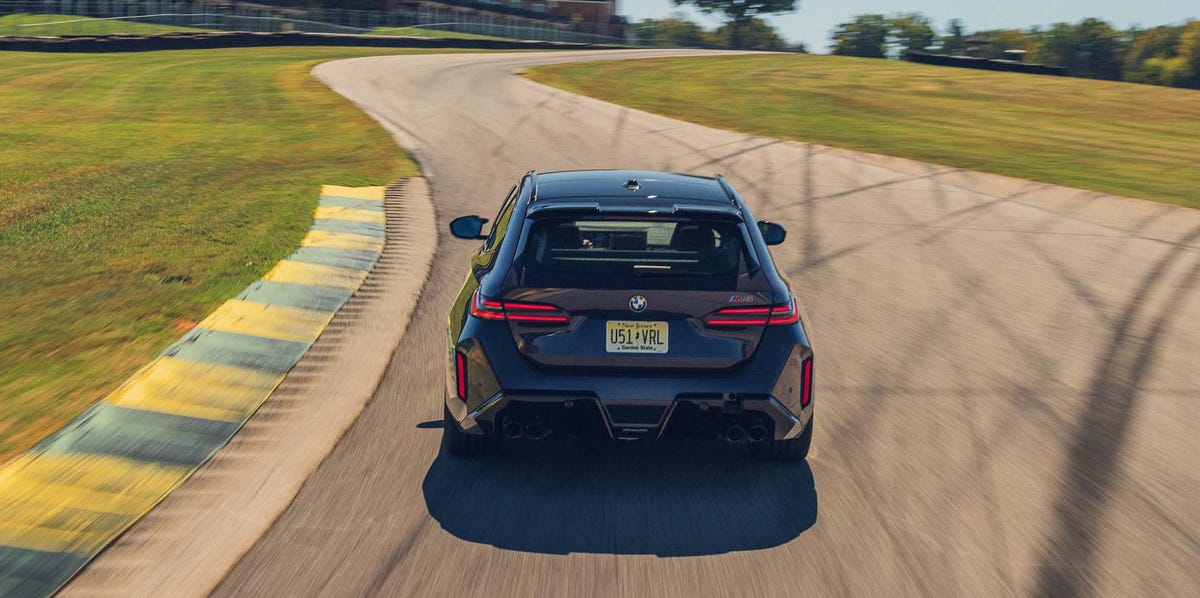
    There are many Lightning Lap leaderboards that contenders want to be on. Highest curb weight is not one of them. The M5 Touring is within 12 pounds of taking this ignominious laurel, but the record remains with the Audi RS Q8’s 5489-pound mass from Lightning Lap 15 in 2022. Uncheck the boxes for the Audi’s optional tow hitch and the M5 Touring’s optional carbon-ceramic brake rotors ($8500 saved), and the Bimmer would likely become the portliest machine to turn a lap.

    Weight aside, the M5 Touring storms the start/finish line like an angry WWE wrestler entering the ring before it maxes out at 156.5 mph on the Front Straight, the sixth fastest of this year’s pack and, more important, 5.4 mph faster than the Audi wagon. Those pricey carbon-ceramics handle the nearly planetary forces involved in slowing for Turn 1 with remarkable grace. The Michelin Pilot Sport S5 rubber even delivers 1.03 g’s through the first turn. From here on, though, it’s a wild ride.

    2025bmwm5touringView Photos

    Michael Simari and Marc Urbano|Car and Driver

    The tires, which wear the high load (HL) prefix, howl in protest through NASCAR Bend. The speed and mass conspire against the tires, and when they heat up, grip levels fall. Still, we managed to nail Oak Tree corner, which leads to a 150.7-mph speed on the Back Straight.

    Get on the brakes early to set up for the hard right-hander at the end of the Back Straight, or you’ll end up sliding this wagon past the turn-in point. Physics wins.

    Or does it? We use the 577-hp twin-turbo 4.4-liter V-8 paired with a 194-hp electric motor delivering a combined 717 horses to rotate the wagon’s rear end. The fun of powersliding out of corners—the rear-biased all-wheel-drive system’s front tires guiding the rears along— almost makes up for the inert steering. The Infield is a test of patience, preserving what’s left in the tires, which are squealing louder than actual swine by the time we’re in Hog Pen.

    2025bmwm5touringView Photos

    Michael Simari and Marc Urbano|Car and Driver

    The M5 Touring’s 2:55.0 lap time is good enough to put it at the top of the station-wagon leaderboard, above the Audi RS6 Avant (the only other member). With a little more time and a little less weight, it could widen the gap.

    Wagons Ho!

    If it weren’t for the M5’s speed advantage on the long straights—Front, leading into the Climbing Esses, and Back—the Audi would be the top wagon in Lightning Lap history. Those wide-open-throttle sections account for nearly two seconds of gained time for the BMW, with the largest being the 1.0-second swing from entering Oak Tree to the apex of Bitch, seen here.

    lightning lap 2026 bmw m5 and audi rs6 avant track speed comparison graphic

    Car and Driver

    Back to Lightning Lap 2026

    Headshot of David Beard

    David Beard studies and reviews automotive related things and pushes fossil-fuel and electric-powered stuff to their limits. His passion for the Ford Pinto began at his conception, which took place in a Pinto.

    Source link

  • Used Skoda Superb (Mk3, 2015-2024) review and buyer’s guide

    Used Skoda Superb (Mk3, 2015-2024) review and buyer’s guide

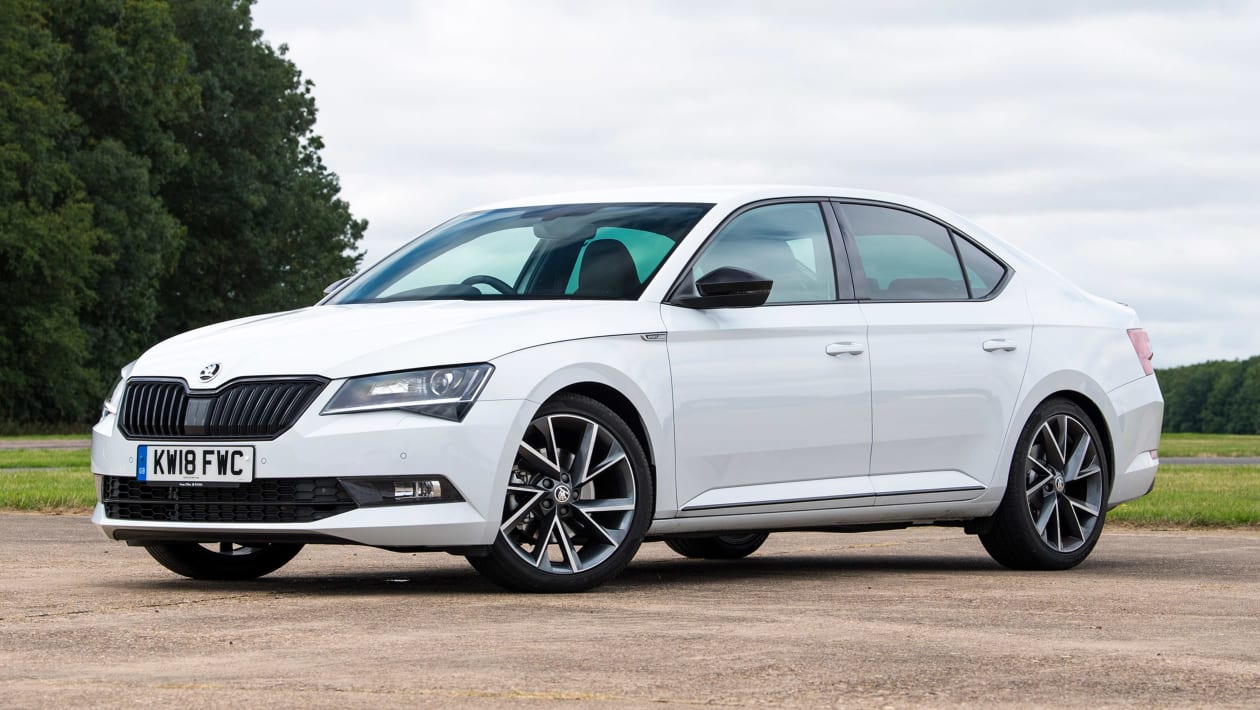
    If you want a car with a similarly roomy cabin, you’ll need an executive saloon or estate, such as an Audi A6/A7, a BMW 5 Series or a Mercedes E-Class – all of which cost much more to buy, and their running costs are likely to be far higher, too. The alternative is to opt for an MPV instead, such as the Ford Galaxy, SEAT Alhambra or Volkswagen Sharan, all of which are ultra-practical, great value and decent to drive.

    What to look out for

    Dials

    From October 2018, digital instrumentation could replace the standard analogue dash dials. This ‘Virtual Cockpit’ option cost £450-£550.

    Wheels

    Superbs in S trim have 16-inch wheels, SE brings 17-inch items, and SE L Executive/L&K get 18-inch rims. Smaller wheels improve ride comfort.

    Towing

    All Superb variants are capable of towing between 1,500-2,000kg, apart from four-wheel-drive models, which can pull 2,200kg.

    Engines

    Only the 148bhp 1.4 TSI and 1.5 TSI engines have Active Cylinder Technology. This shuts down two cylinders during light engine loads to save fuel.

    Interior

    The Superb’s cabin is really strong, and undoubtedly one of the highlights of the car. It has huge amounts of space and a user-friendly dash, offers lots of equipment, and gives good all-round visibility, while the car as a whole is built to a very high standard.

    Entry-level Superbs don’t feel quite as special and feature a fair few blanking plates around the gearlever, for example, but as you move up the range, the materials used are much improved (such as leather/Alcantara upholstery), while the infotainment screens grow in size and improve in functionality. Boot space is deeply impressive, at 625/1,725 litres for the hatch (rear seats up/down); the estate is even better at 660/1,950 litres.

    Prices

    Check out the latest used prices for the Skoda Superb on our Find a Car service or use our free car valuation tool for prices on a specific car. 

    Running costs

    Fixed servicing is every year/9,300 miles, alternating from minor to major, at £185 and £245. Or the alternative variable regime can see up to two years between services, but each is a major.

    Advertisement – Article continues below

    Source link

  • Presidential Limos: A Visual Timeline

    Presidential Limos: A Visual Timeline

    As Kelley Blue Book celebrates its 100th year, we’re looking at the evolution of presidential limousines — where automobiles and politics collide.

    In the last 100 years, presidential vehicles have evolved from open touring vehicles to highly engineered, state-of-the-art symbols of American innovation and the growing need for security. Each model discussed in this article not only incorporates the technology of its era but also reflects the evolving demands of safety and style. From early custom builds to the fortified machines navigating the streets of Washington, D.C., these limos tell a story far bigger than the transportation used by presidents. The examples below reflect a century of American automotive progress and the ongoing evolution of presidential limousine design.

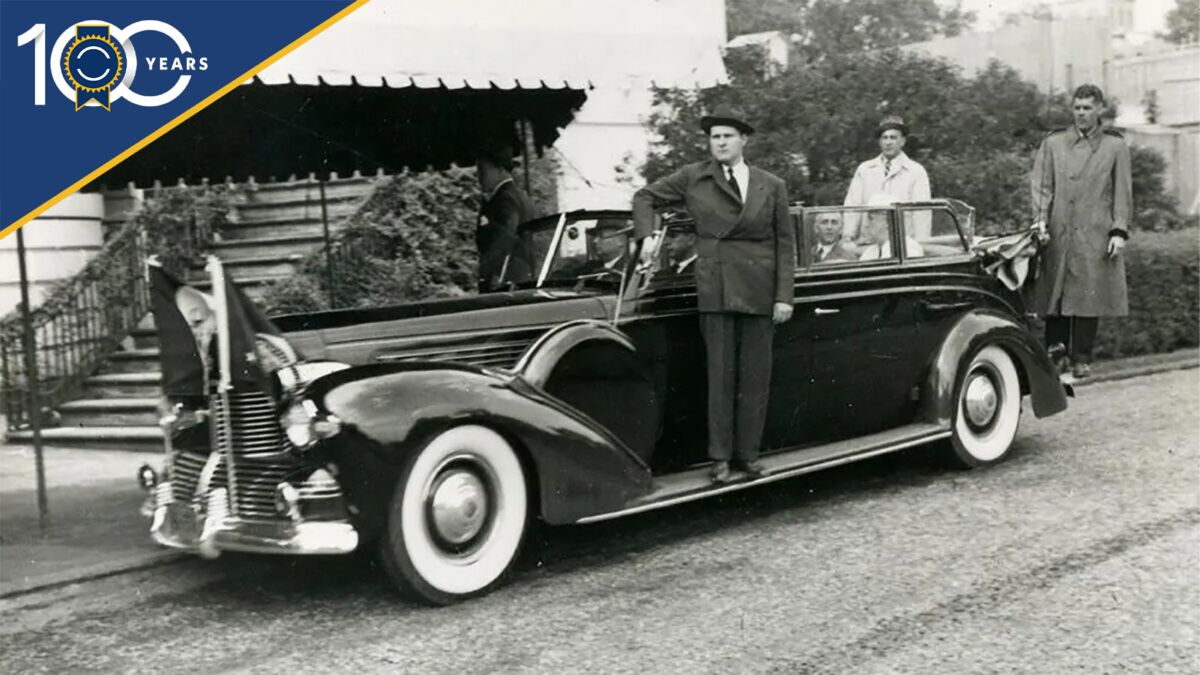
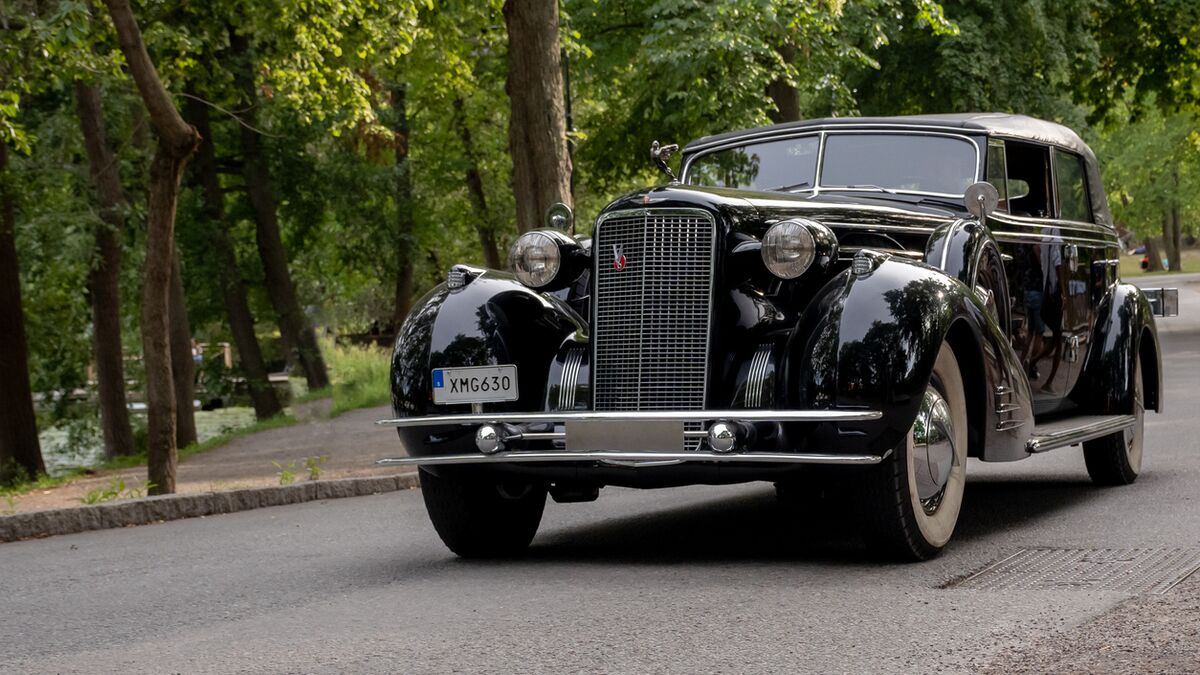
    Cadillac V-16Cadillac V-16

    Cadillac V‑16

    President: Hoover

    Featured Vehicle: 1939 Cadillac V‑16

    One of the most powerful luxury cars of its era, symbolizing prestige in early presidential fleets.

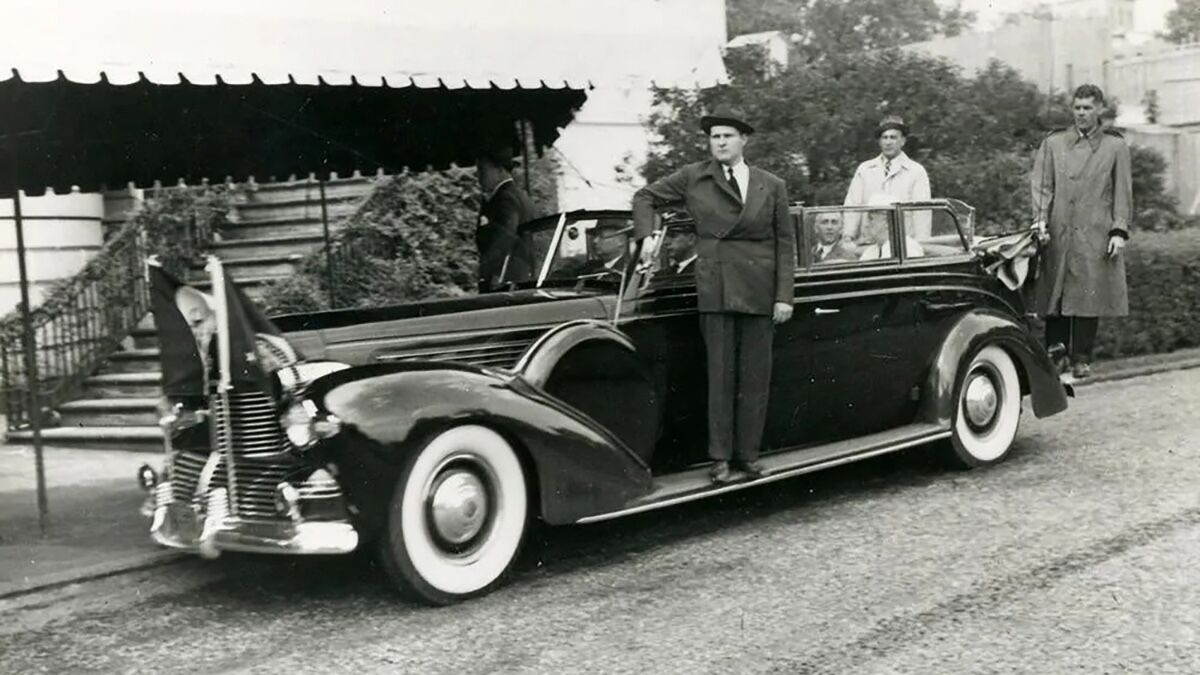
    1939 Lincoln Model K1939 Lincoln Model K

    Lincoln Model K “The Sunshine Special”

    Presidents: Roosevelt → Truman

    Featured Vehicle: 1937 Lincoln Model K

    Luxury V12-powered flagship used in early presidential motorcades.

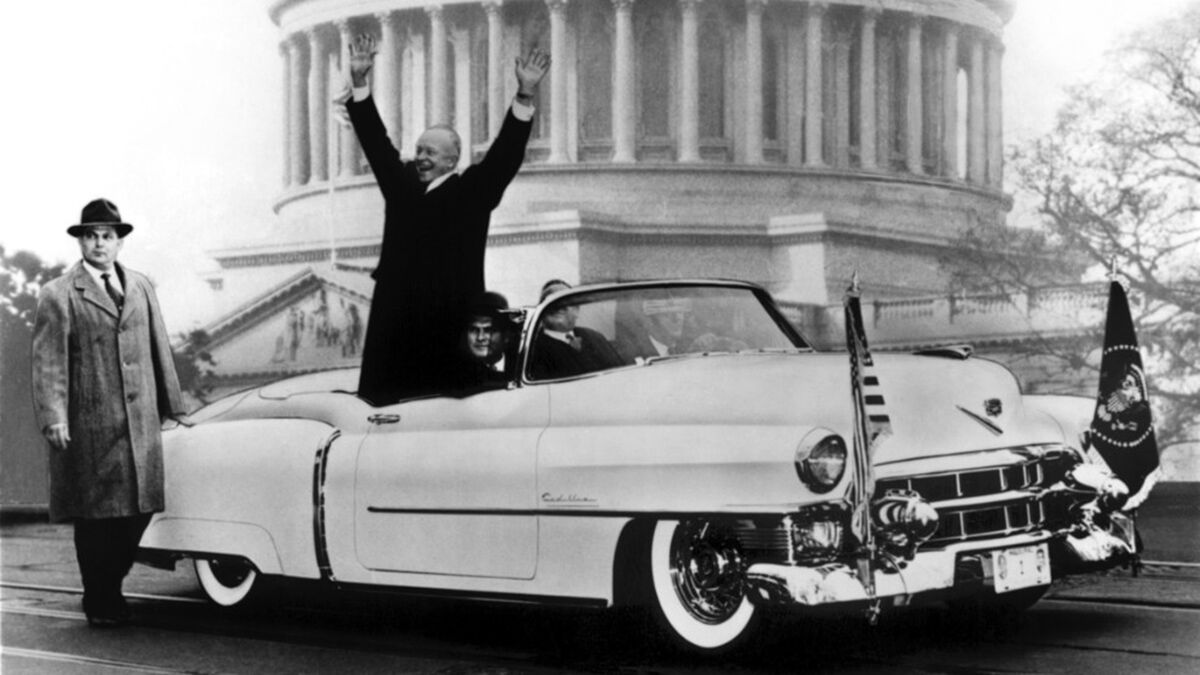
    1953 Lincoln Cosmopolitan1953 Lincoln Cosmopolitan

    Lincoln Cosmopolitan

    Presidents: Eisenhower → Kennedy

    Featured Vehicle: 1953 Lincoln Cosmopolitan Convertible

    Used in parades and public ceremonies during the post‑war boom era.

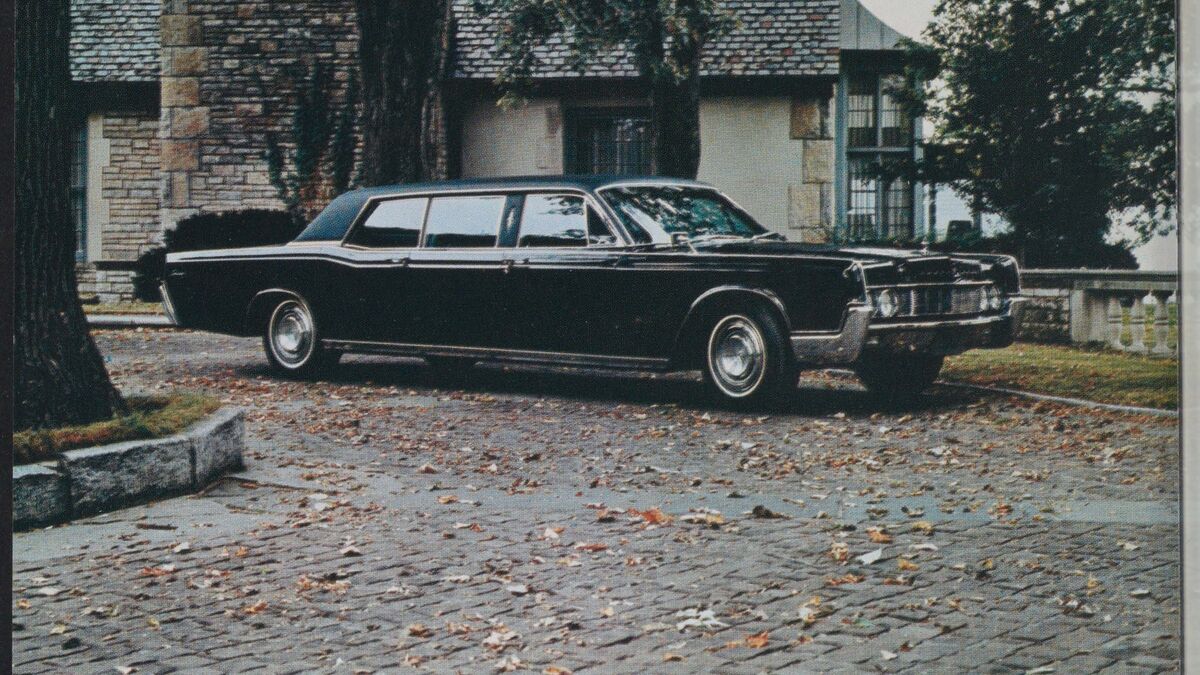
    1964 Lincoln Continental Stretch1964 Lincoln Continental Stretch

    Lincoln Continental

    Presidents: Johnson → Clinton

    Featured Vehicle: 1964 Lincoln Continental Stretch Limo

    Increasing armor, bullet-resistant glass, and Cold War security upgrades.

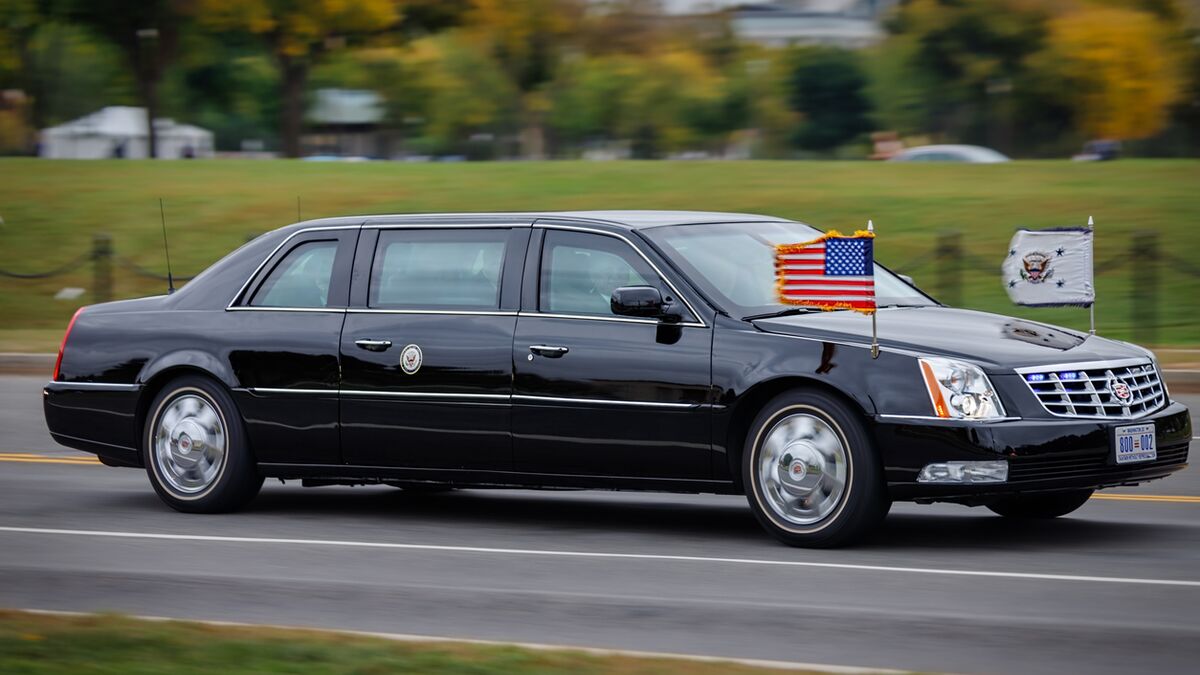
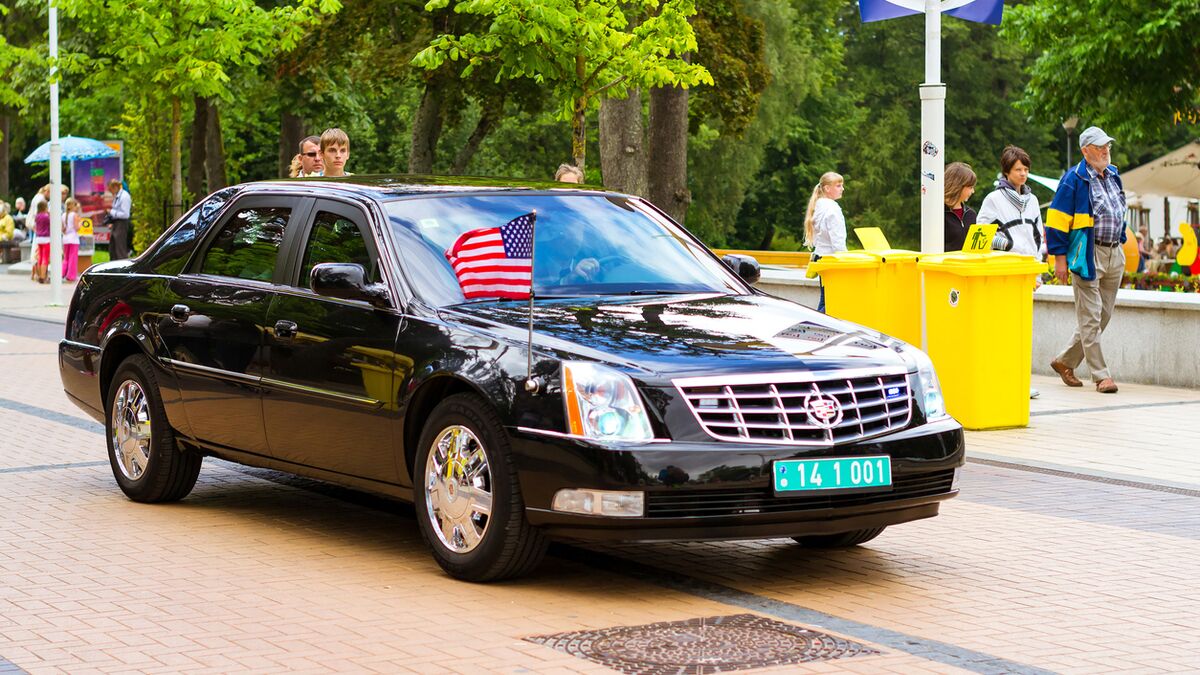
    The Beast First GenerationThe Beast First Generation

    Cadillac DeVille

    Presidents: Bush → Obama

    Featured Vehicle: 2009 Cadillac Presidential Limousine

    Introduced modern military‑grade armor and advanced security systems.

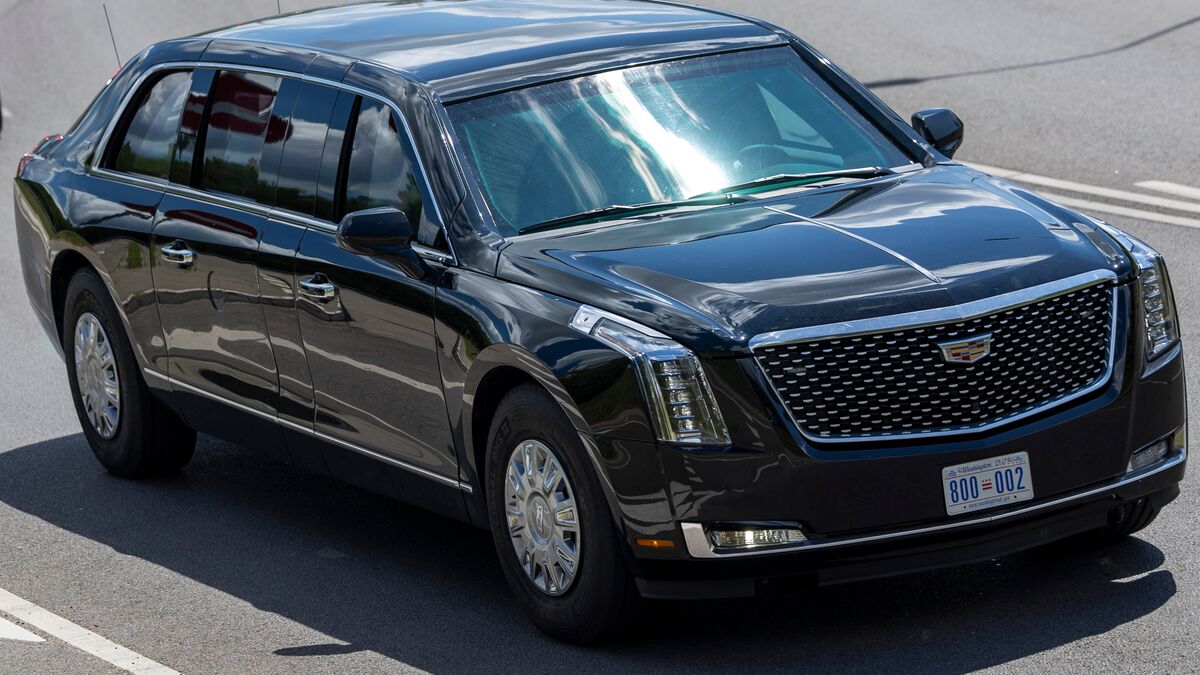
    The Beast Second GenerationThe Beast Second Generation

    Cadillac One “The Beast”

    Presidents: Trump → Biden

    Featured Vehicle: 2018 Cadillac Presidential Limousine

    Enhanced armor, sealed cabin, and upgraded communications technology.


    Rolling Into History

    Cadillac V-16

    Presidential Limos: A Visual TimelinePresidential Limos: A Visual Timeline

    The Cadillac V-16 wasn’t just a ho-hum way to get around. It showed power, style, and status, which explains why President Herbert Hoover loved it. His appreciation for the V-16 helped launch a century-long journey of presidential limousines, reflecting how America’s tastes, technology, and security needs have changed over time.

    Lincoln Model K: “The Sunshine Special”

    President Franklin Roosevelt, 1939 Lincoln Model K President Franklin Roosevelt, 1939 Lincoln Model K
    Credit: Franklin D. Roosevelt Library

    President Franklin Roosevelt loved riding in the Lincoln Model K, also known as “The Sunshine Special,” mainly because he could cruise around with the convertible top down, making it ideal for parades and public appearances. As the earliest custom-built presidential limousine, the Sunshine Special lacked the safety features that are standard on presidential limousines today, such as armor plating, bullet-resistant glass, and reinforced tires. Still, this was an important early design, although officials would soon realize just how heavily armored and fortified presidential vehicles needed to be.

    Lincoln Cosmopolitan

    Presidential Limos: A Visual TimelinePresidential Limos: A Visual Timeline

    The Lincoln Cosmopolitan was a luxury vehicle that marked a step forward in post-war comfort, style, and visibility. However, security wasn’t its main priority. While the Cosmopolitan looked impressive and luxurious, like the Model K, it lacked the heavy armor and advanced security features that define modern presidential vehicles.

    Lincoln Continental

    The Lincoln Continental parked in front of a house.The Lincoln Continental parked in front of a house.

    The Lincoln Continental marked a sudden and consequential turning point in the history of presidential transportation. In 1963, President John F. Kennedy was assassinated while riding through downtown Dallas in an open-top Lincoln Continental, and Texas Gov. John J. Connally was seriously wounded in the attack. The tragedy exposed the vulnerabilities of that design with devastating clarity. In response, the limousine was rebuilt with permanent armor, bullet-resistant glass, and a range of additional security upgrades. From that point forward, presidential limousines were engineered first for protection and second for ceremony.

    Note: The actual Kennedy limousine remained in service through 1977, serving Presidents Johnson, Nixon, Ford, and Carter. The retired limo now resides in the permanent collection of the Henry Ford Museum in Dearborn, Michigan.

    Cadillac DeVille

    The Cadillac Deville on the road.The Cadillac Deville on the road.

    The presidential Cadillac DeVille represented a new era of defensive engineering. Built on a heavily modified platform, it featured thick ballistic glass, reinforced steel plating, run-flat tires, and a sealed cabin. Every detail reflected the hard lessons learned decades earlier; survivability was no longer optional.

    Cadillac One “The Beast”

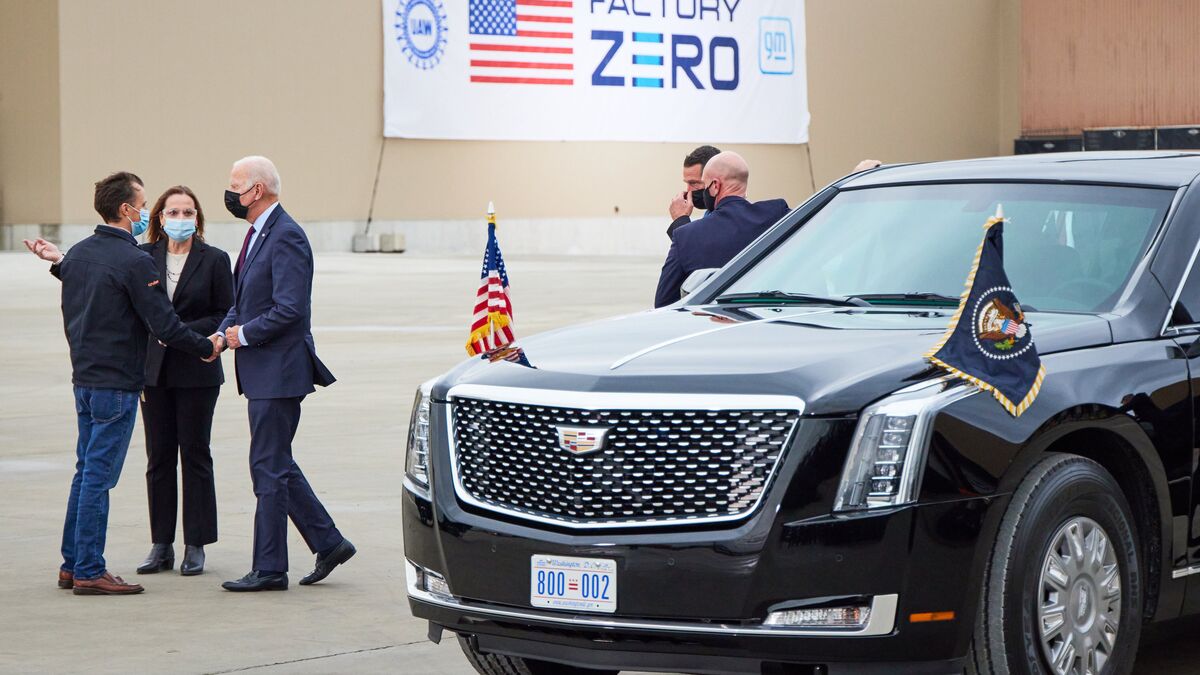
    The Beast with President Biden standing next to it.The Beast with President Biden standing next to it.

    Cadillac One, commonly known as “The Beast,” is the vehicle used today to transport the commander-in-chief. It is no longer simply a limousine — it is a rolling fortress, built to withstand a wide range of threats and featuring heavy armor, multi-layer ballistic glass, sealed compartments, and advanced defensive systems. In an era defined by heightened security concerns, protection is no longer an upgrade; it is the foundation.

    Road to the Next 100

    The evolution of presidential vehicles is not only a story of automotive design, but also a reflection of America itself. Over the past century, these vehicles have mirrored both the growth of the automotive industry and the changing responsibilities of the presidency. As Kelley Blue Book celebrates its own centennial, it’s clear that the road ahead will be just as groundbreaking as the one behind us.

    Source link

  • Kia EV4 Long Range hatchback real life range test

    Kia EV4 Long Range hatchback real life range test

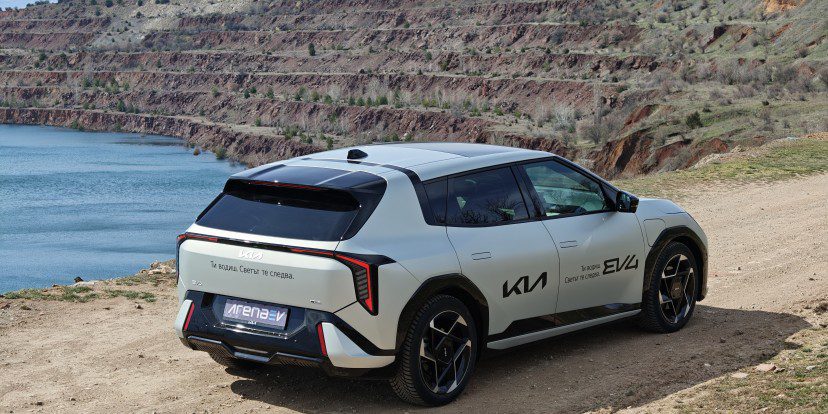
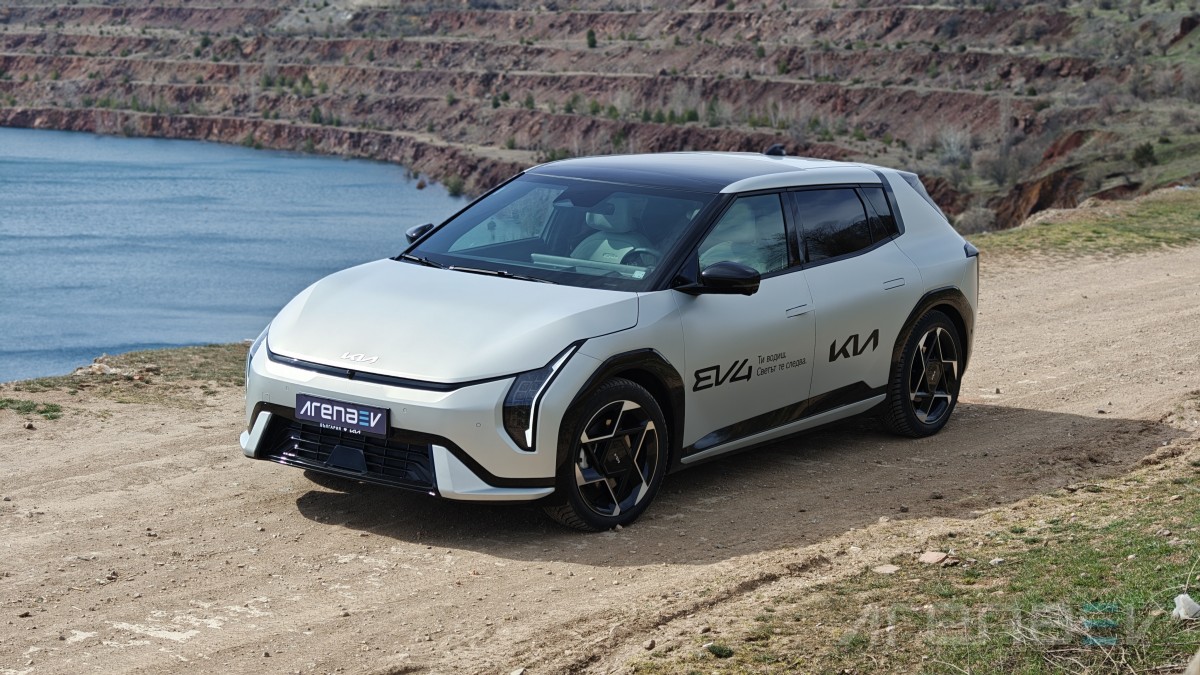
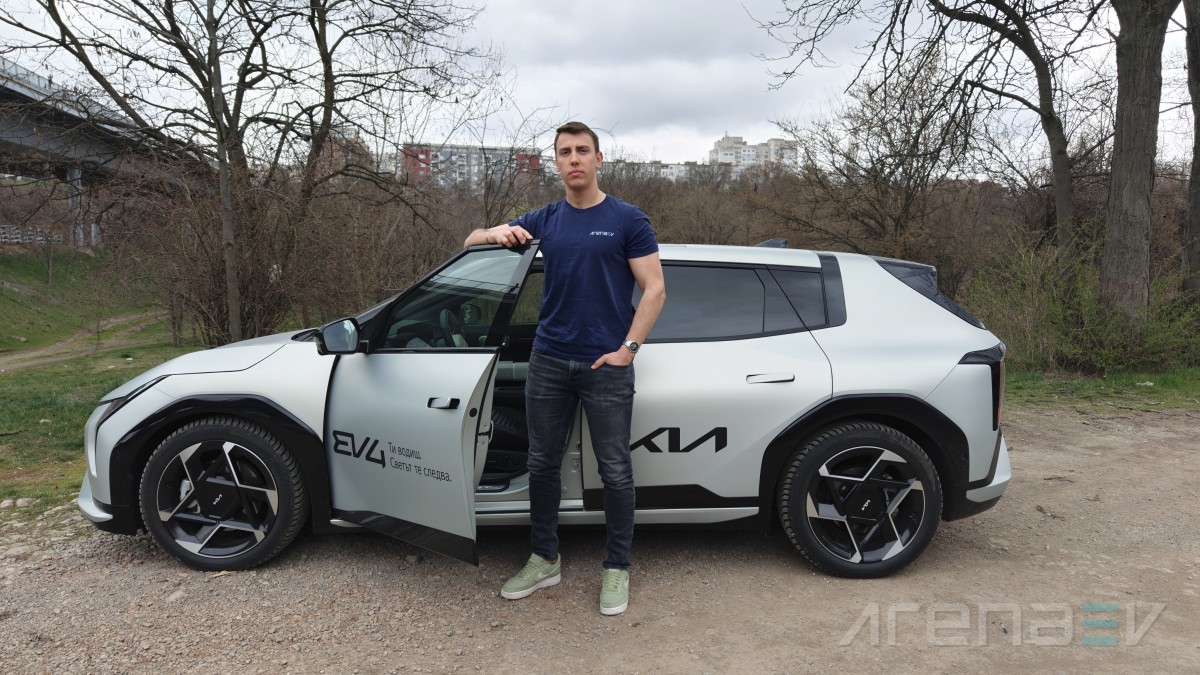
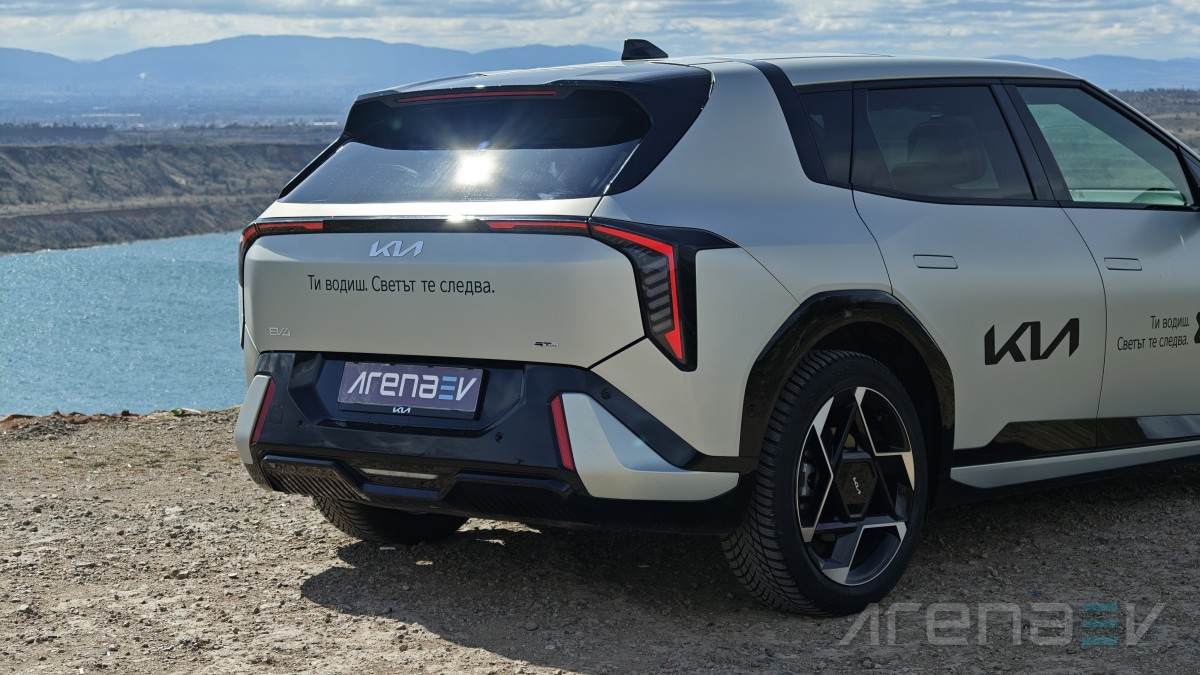
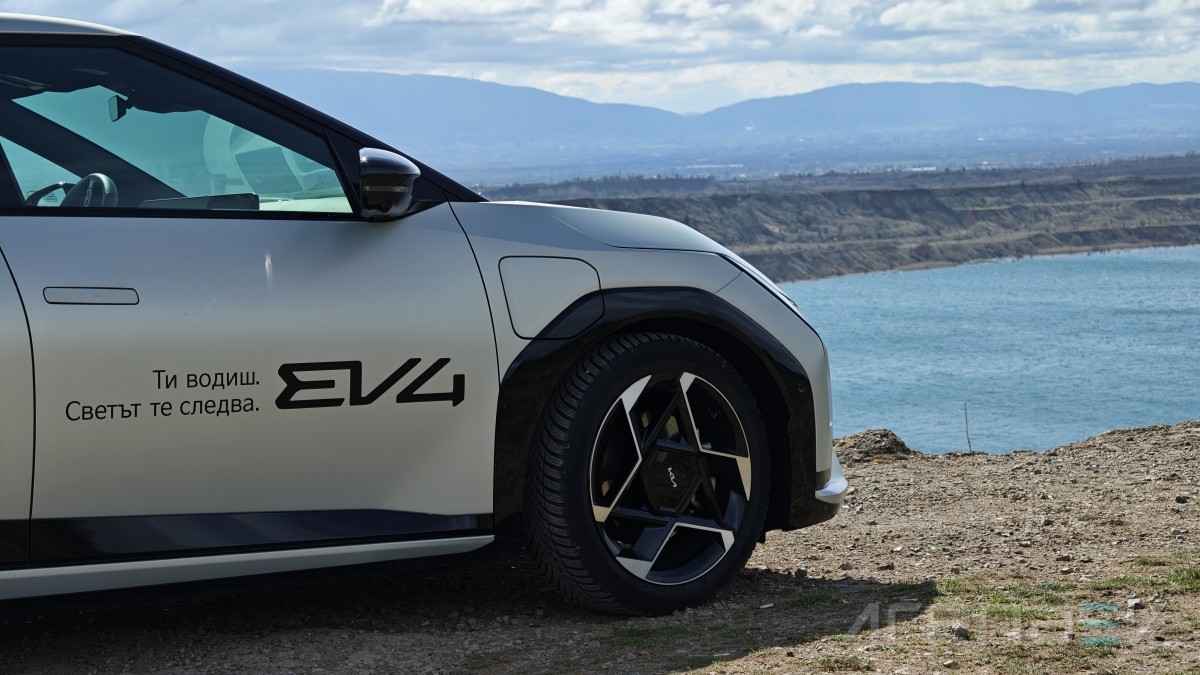
    Kia is rapidly expanding its EV lineup, the most recent addition to its fully-electric family is the being the EV4. It is offered in hatchback and sedan versions and is aimed primarily towards the European market.

    Kia EV4 Long Range hatchback real life range test

    The car should bridge the gap between the smaller EV3 and the larger EV6. Today we got our hands on the Kia EV4 hatchback, equipped with the larger 81.4 kWh battery in the Long Range trim.

    It also came with the GT-line trim, which improves the look, but slightly decreases range. Combined with the 19-inch wheels, we had the car with the highest consumption, with EV4 Long Range Air with its 17-inch wheels representing the other end of the spectrum. Going for the sedan version would likely bring another range boost, but this model is not as widely available as the hatchback.

    Kia EV4 Long Range hatchback real life range test

    The purpose of today’s test is to determine how efficient the model is in the real world, whereas a dedicated review will be coming shortly, examining all aspects of the car in detail.

    After completing severl real-world runs we plug in data to our widget, which uses our own complex algorithm for figuring out the range you can expect in any combination of temperature or speed.

    Kia EV4 Long Range hatchback real life range test

    We drove our usual test routes, doing the same track both ways at constant speeds at the same place as with every other car we test. The ambient temperature while testing the Kia EV4 Long Range was 46°F, which certainly isn’t optimal testing weather for an EV. Further improvements can be made by equipping more efficient summer tires and having smaller wheels to build on the range figures presented below.

    Even so at our lowest testing speed of 37 mph, the Kia EV4 Long Range performed tremendously. At this lower speed the efficient motors are really counting for someting. Compared to most direct rivals in terms of shape, the EV4 hatchback has a comfortable advantage.

    When we sped up to 56 mph, consumption rised noticeably as the shape starts taking its toll on efficiency. The EV4 still performs great for its segment.

    At the highest testing speed of 81 mph, the EV4 hatchback continues being among the best in its class. At the highway test it’s only behind more aerodynamic sedans or larger models with bigger batteries. Still, it provides more than sufficient range on a single charge and shows that the EV4 is a great choice for longer trips both on and off the highway.

    In the compact electric segment, the Kia EV4 hatchback stands out for its impressive efficiency and driving range. The big 81.4 kWh battery is among the biggest in this class and it delivers a well rounded and highly capable package.

    Kia EV4 Long Range hatchback real life range test

    Beyond its range credentials, the EV4 offers a number of appealing features that will be explored in greater detail in our full review. For now, the results from our efficiency testing highlight its ability to cover long distances with ease, making it a practical choice for extended journeys.

    Naturally, the shape of the EV4 doesn’t allow it to compete with the very best performers in our range test. The closest rival it loses to is the Renault Scenic E-Tech, which comes with an even larger battery pack and offers similar efficiency. For buyers focused primarily on range in a compact electric hatchback, the Kia EV4 Long Range remains a strong and commendable option that largely delivers on its promise.

    Kia EV4 Long Range hatchback real life range test

    Coming back to the widget we mentioned earlier – feel free to give at try!

    Source link

  • Xiaomi’s Gran Turismo EV Hypercar Concept Is More Than a Video Game Car

    Xiaomi’s Gran Turismo EV Hypercar Concept Is More Than a Video Game Car

    PlayStation’s Gran Turismo must have seemed a venerable antique to the software engineers working on the first car from Chinese smartphone and software tech company Xiaomi. When the Xiaomi SU7 sedan hit the road in March 2024, various iterations of Kazunori Yamauchi’s hyper-realistic racing sim had been entertaining automotive enthusiasts for 27 years. In January this year, old met new in the digital world: The 1,527-hp SU7 Ultra was added to the Gran Turismo roster, making Xiaomi the 36th automotive brand to be featured in the series. And now Xiaomi has become the first Chinese automaker to reveal a concept vehicle designed explicitly for Gran Turismo.

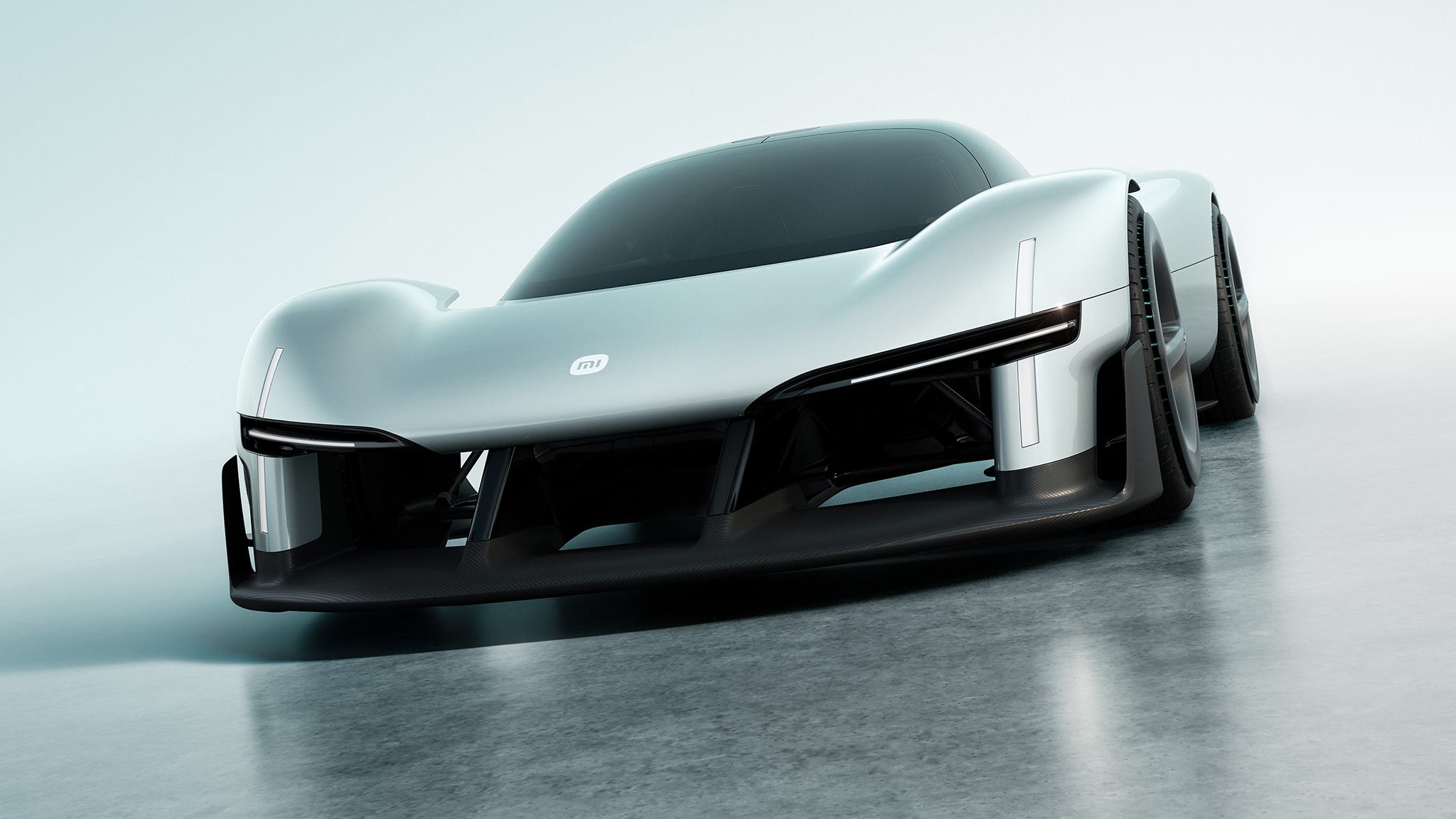
    Created at the personal invitation of Kazunori Yamauchi, who drove the mega-quick SU7 Ultra sedan in real life in 2025, the Xiaomi Vision Gran Turismo joins storied company on his PlayStation franchise. Brands such as Ferrari and Lamborghini, Porsche and Mercedes-AMG, Genesis and Toyota, Corvette and Jaguar have created some of the 50 digital Gran Turismo concepts launched into Gran Turismo games since 2013. But with the reveal of the Xiaomi Vision Gran Turismo in Barcelona, the Chinese tech company becomes just one of a dozen or so automakers to have built a life-size model of their Gran Turismo concept. You’re looking at China speed in action—remember, no customer-owned Xiaomi vehicle on the planet is more than two years old.

    ADVERTISEMENT – CONTINUE READING BELOW

    Shaped under the direction of Xiaomi design chief Tianyuan Li, who spent almost a decade at BMW before joining the Beijing-based automaker in 2021, the Xiaomi Vision Gran Turismo has great stance and proportion and surfacing, and its aerodynamic concept is as radical as that of an Aston Martin Valkyrie or Lotus Evija. “It gave us a chance to rethink hypercar design from a tech company’s perspective,” Li says. “We are in the era of intelligent electrification and AI, and we asked ourselves, ‘If Xiaomi was to create a hypercar, what would it look like?’”

    Finding the answer to that question was put to designers at Xiaomi’s studios in Shanghai, Beijing, and Munich. The Vision Gran Turismo concept was done in Munich with a lot of input from Xiaomi’s Chinese team, says Jean-Arthur Madelaine-Advenier, design director at the German studio. “We had a lot of very bold and fresh ideas from China. But you need some experience to refine the surfaces. When you’re a young designer, you have a lot of ideas, and you tend to put too many on a car. When you get older, you learn that a good design should just be two or three key messages.”

    ADVERTISEMENT – CONTINUE READING BELOW

    And the key messages of the Xiaomi Vision Gran Turismo’s design? First, that in an electric-powered hypercar, aerodynamic efficiency is everything. “We could be fast in a straight line with low drag or fast in the corners with high downforce, but we thought finding the perfect balance between drag and downforce would be the most optimal for an EV hypercar, and our idea was to meet our aerodynamic targets without extra wings,” Li says. As a result, the Xiaomi Vision Gran Turismo’s central body is teardrop shaped, and every structural member, including the suspension control arms, has an airfoil cross-section. Air enters from the front of the car and flows through sculpted passages under and around the body before exiting at the rear via a gaping outlet delineated by a giant looping taillight.

    The aerodynamic devil is in the detail, however. That giant taillight is surrounded by a series of micro-vents that are used to stimulate airflow beyond the rear extremities of the bodywork and reduce drag-inducing turbulence at the rear of the car. Dubbed Active Wake Control, the system is designed to use real-time vehicle speed and yaw data to determine the rate of the airflow through the vents. Another interesting aero idea is wheel covers that use magnets to keep them stationary, as they appear to float above vanes that draw cooling air toward the brakes. Xiaomi claims the Vision Gran Turismo has a drag co-efficient of 0.29, setting up a virtuous circle of efficiency: Less drag means the car requires less energy to move at speed, and that means a smaller and lighter battery can be used. And that means the car can be lighter overall and deliver higher performance from a given powertrain output.

    ADVERTISEMENT – CONTINUE READING BELOW

    Source link

  • How To Bleed Brakes: A Step-By-Step Guide

    How To Bleed Brakes: A Step-By-Step Guide

    A vehicle’s brake system takes some serious abuse, can generate a ton of heat, and requires regular maintenance for the best performance. Brake fluid flushing for maintenance or after a brake component replacement is critical to the overall health and proper operation of the brakes. However, once the otherwise sealed hydraulic brake system is opened for maintenance and repairs, it must be bled of any air before you’ll have a nice firm brake pedal again.

    Bleeding brakes can be a big job, especially on late model vehicles like the BMW X5, requiring the use of a scan tool to fully deplete the braking system from air pockets. Listed below are the steps on how to bleed brakes, achieve a firm brake pedal and regain the most stopping power from your vehicles brake system.

    A vehicle’s brake system is a highly complex system that deals with vehicle control and the safety of vehicle occupants. It’s highly recommended to have your vehicle inspected and serviced by a properly trained automotive technician. Always wear correct PPE, as brake fluid can be harmful to eyes and skin.

    Under Pressure: Contemporary Brake Systems

    Operation Explained


    Centric_Premium_Products
    Centric brakes
    Centric

    The braking system of a car has a big job. It all starts with the brake pedal and its interaction with the master cylinder when pressed. The job of the master cylinder is to provide hydraulic pressure to the brake calipers (or wheel cylinders on vehicles equipped with drum brakes) during braking. When you press the brake pedal to slow down or stop your vehicle, a complex series of events takes place. When the brake pedal is pressed, a rod pushes on a piston or primary cup inside the master cylinder. When the primary cup inside the master cylinder is acted upon, it compresses brake fluid, pushing it through small ports or passages in the master cylinder.

    At the same time, fluid from a reservoir fills the master cylinder through a compensating port. Brake fluid makes its way through the entirety of the brake system, passing through steel lines, proportioning valves and rubber flex hoses. The brake system is a closed or sealed hydraulic system. This means that all brake lines, hoses and valves are constantly filled with brake fluid, leaving no room for anything like air or water. Once pressure has reached the calipers and/or wheel cylinders, the braking action takes place. Since fluid does not compress, the braking action is immediate; we don’t have to wait for brake fluid to travel from the master cylinder to calipers or wheel cylinders – we just have to apply the pressure via the brake pedal.

    Brake Fluid Types


    Brake Fluid
    Bottle of DOT4 Brake Fluid
    Aaron Bersée/CarBuzz/Valnet

    Besides all the hard parts and computers that comprise a braking system in a late model car, no stopping would happen without the lifeblood of a brake system – the brake fluid. Before the brake bleeding procedure begins, it’s crucial to know what fluid your brake system requires. Like engine oil, different versions of brake fluid are applicable to different systems. As a braking system is hydraulic, the fluid is not only a key component of the process, but must be able to withstand the harsh conditions of its environment.

    As the brake system is not isolated from the elements, brake fluid must maintain fluidity at low temperatures, it must be resistant to corrosion (as much as possible), it must be compatible with rubber seals and hoses, and it must resist boiling at extremely high temperatures. These criteria were established and are maintained by the U.S. Department of Transportation and the NHTSA. Always check to make sure that you’re using the correct fluid; Most vehicles of a similar era will share the same fluid, with some fluids even being interchangeable.

    General Brake Fluid Overview

    Fluid Type

    DOT3

    DOT4

    DOT5

    DOT5.1

    Boiling Point*

    400 Degrees

    446 Degrees

    500 Degrees

    Typical Usage

    General-purpose brake fluid, suitable for most passenger cars and trucks

    1990 to present vehicles, preferred

    for ABS use, a common upgrade from DOT3

    Introduced in the 1970s, not recommended for ABS usage

    High performance use, good with ABS, ESP, European and Japanese cars.

    Interaction With Water

    Hygroscopic:absorbs moisture, lowers

    boiling point, requires regular flushes. Glycole-based.

    Non-hygroscopic, repels water/moisture, has a low corrosion factor. Will trap water causing issues in concentrated areas. Silicon based. It can not be mixed with other brake fluid.

    Hygroscopic, absorbs moisture like DOT3 and DOT4. Regular flushes needed. Advanced Glycol ether based

    *Fahrenheit, indicates dry boiling point.

    How To Bleed Brakes: A Step-By-Step Guide


    2008 Dodge Viper (1)
    2008 Dodge Viper Brakes and Suspension
    Stellantis

    Step One: Fluid Level

    Before bleeding the brakes, it is imperative that the brake fluid reservoir is topped off with brake fluid. The reservoir sits directly on top of the master cylinder. As this is a sealed system, running out of brake fluid while bleeding the system of air can introduce more air into the master cylinder and the lines. This fluid level should be monitored closely throughout the procedure.

    Step Two: Gravity Bleed

    There are two ways to begin this procedure. Some technicians prefer to begin the process with what is called a gravity bleed. This step is helpful but, sometimes, not effective and not mandatory. With the cap off of the brake fluid reservoir, open all four bleeders, starting with the one that is furthest away from the master cylinder, typically at the rear right wheel. At this point, it’s a waiting game. The idea of the gravity bleed method is just to get fluid to the brake bleeder. With the bleeders open and cap off the reservoir, brake fluid is eventually able to make its way through the brake system and to the bleeder, pushing out much of the air that is trapped in the brake lines.

    You will know the gravity method has worked once you start to see brake fluid dripping from some or all of the bleeders. At this point, you can close the bleeders. Check the brake fluid level in the fluid reservoir and add as needed. Gravity bleeding is not intended to be a final step, it simply gets the brake system primed for a proper pressurized brake bleeding procedure.

    Step Three: Pressure Bleed


    Brake fluid reservoir
    Brake fluid reservoir
    CarBuzz/Valnet

    To properly bleed the brakes using pressure, you’ll need an assistant to pump the brake pedal while you release brake pressure from the system using the bleeders. Starting again from the furthest point from the master cylinder, have your assistance pump the brake pedal several times, and hold the brake pedal down after the last pump. Make sure to keep the brake pedal depressed, as it is crucial to the success of the brake bleeding procedure. This crucial step ensures that the pressure in the lines and the bleeder remain constant, not allowing any air back into the system once the bleeder is opened. Once it’s been established that the brake pedal is firmly pressed down, it is safe to open the bleeder. At this point, both air and brake fluid should be observed (visibly or audibly) exiting the bleeder.

    Your assistant should also feel the pedal move towards the floor. When your assistant feels that the pedal has moved and will travel no further as if it has “bottomed out,” it’s safe to close the bleeder and repeat the process, working your way around the vehicle and closer to the master cylinder. Your assistant will notice two things about the brake pedal; it will start to feel firmer as you work your way around the vehicle, and it will have a longer distance to travel every time they’re holding brake pressure when you open the bleeder and the pedal goes to the floor. The fluid should be closely monitored. The brakes are considered to be bled when you no longer observe air exiting the bleeder, but instead only a steady stream of brake fluid. Make sure to top off the brake fluid reservoir between each bleedign attempt.

    Step Four: Check For A Good Pedal


    2000-2003 Ford Taurus Brake Pedal
    2000-2003 Ford Taurus
    Ford

    After all that, the brake pedal should feel firm upon the initial press, and remain that way. It should also have a minimal amount of pedal travel. If the pedal has too much travel, is too low after being pressed, or feels soft or “spongy,” air still remains in the system and the procedure must be done again until the pedal feels firm and at the proper level when pressed. If the problem persists, you may have to bleed the antilock brake module, which also may require the use of a scan tool.

    Step Five: Clean Up!


    Can of Brake Clean
    Close up can of brake cleaner
    AaronBersée/CarBuzzValnet

    Brake fluid is corrosive and can cause damage to painted surfaces and the brake pads or shoes. It is very important to clean all the excess brake fluid off all surfaces to avoid damage or contamination of new brake linings. For best results, a non-chlorinated brake cleaning solution is recommended and readily available at auto parts stores.

    The Computerization Of A Brake Service

    Bleeding The ABS Module


    5 tune
    In tune… a professional car tuner, applying his trade, a true art that is so much more than just pressing a few computer buttons.
    DB

    Although the mechanical method of pumping the brake pedal to remove air from the brake system is highly effective, cars equipped with anti-lock brake systems (ABS) often need more intervention to fully deplete the system of air. When air gets introduced to an otherwise sealed hydraulic system, it wants to find the highest spot within the system, many times that includes the ABS module. In many cases, a scan tool will be needed to properly perform this procedure. With so many different antilock brake systems across many different makes and models of cars and trucks, the procedure and even software for doing so vary greatly.

    Typically, this procedure will require at minimum a bidirectional scan tool with ABS-specific software/capabilities. Manufactures have different protocols for the bleeding procedure and scan tools have propietary software and user interfaces to navigate for a successful bleed. Check with the manufacturer or owners manual for explicit instructions or take the vehicle to a professional repair facility that has the proper equipment to bleed the system for best results.

    Sources: Bendix, SummitRacing , Valvolene

    Source link

  • Koenigsegg Gemera production begins 6 years after it was first unveiled

    Koenigsegg Gemera production begins 6 years after it was first unveiled

    The Koenigsegg Gemera has finally entered production 6 years after it was first revealed to the public.

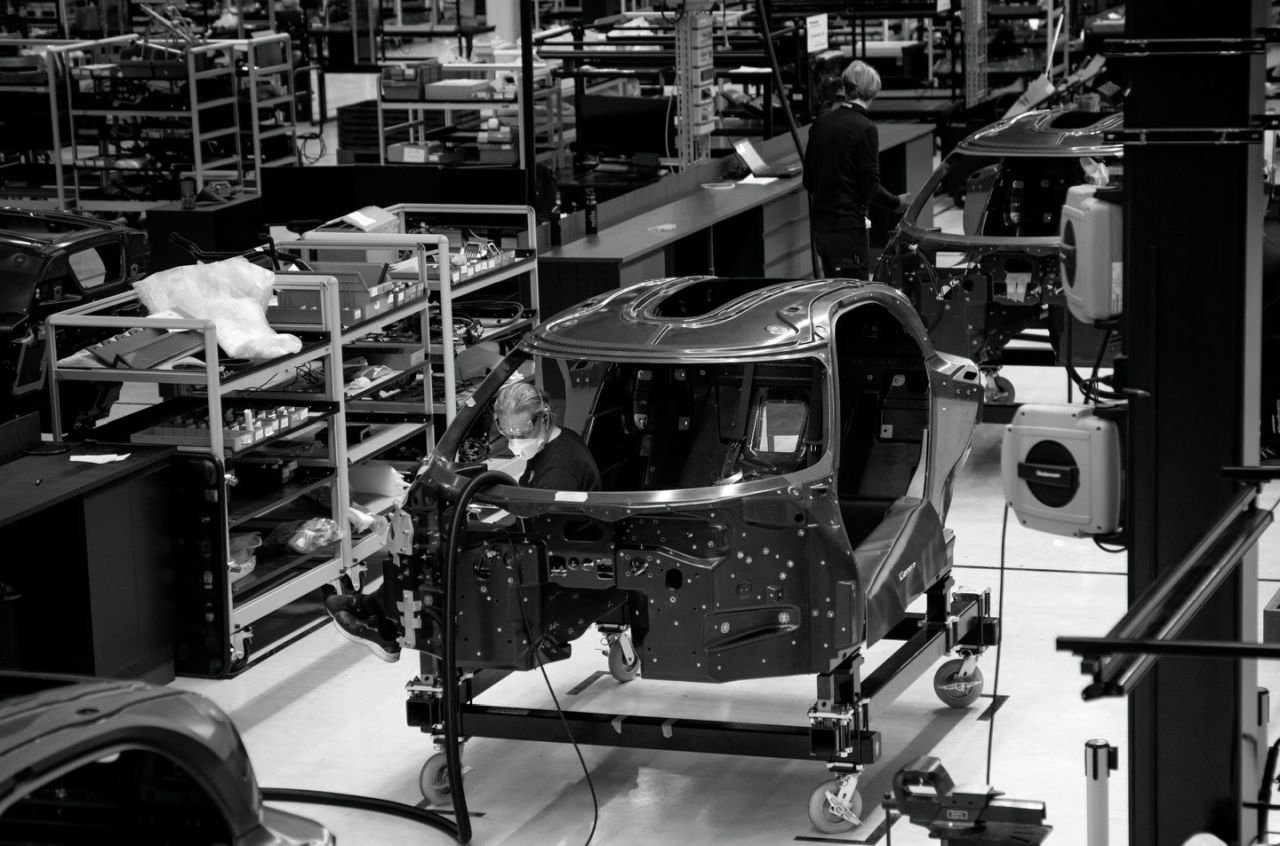
    Koenigsegg has announced that the Gemera assembly line is now running side-by-side with the CC850. Images shared by the company show multiple Gemera carbon fibre monocoques waiting to receive parts.

    Koenigsegg Gemera production line-1

    Unveiled in 2020, the Gemera is a four-seater hypercar. Koenigsegg calls it “Mega-GT”. It was initially supposed to use a 2.0-liter, twin-turbo, 3-cylinder plug-in hybrid.

    However, the production-spec Gemera is powered by a 5.0-litre twin-turbo V8 paired with three electric motors. It makes 2300 hp and 2028 lb-ft of torque and is paired with a 9-speed Light Speed Tourbillon Transmission, which sends power to all four wheels.

    The production version also features several exterior changes, such as conventional wing mirrors instead of cameras, and a rear wing, an aggressive front splitter, an S-duct and other aero bits as part of the optional Ghost Package.


    Source link