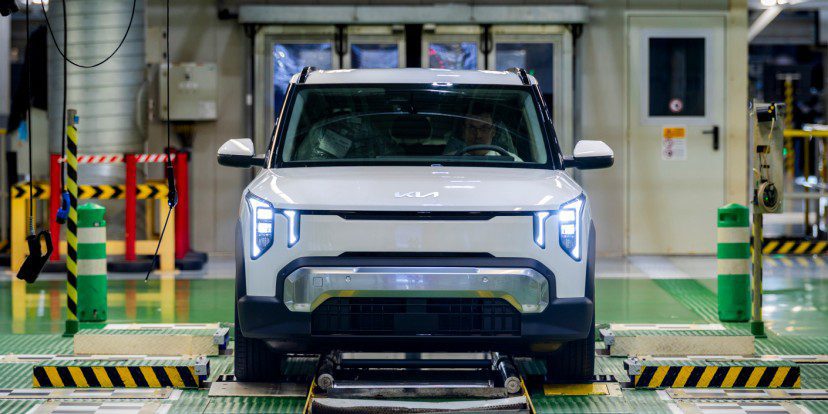
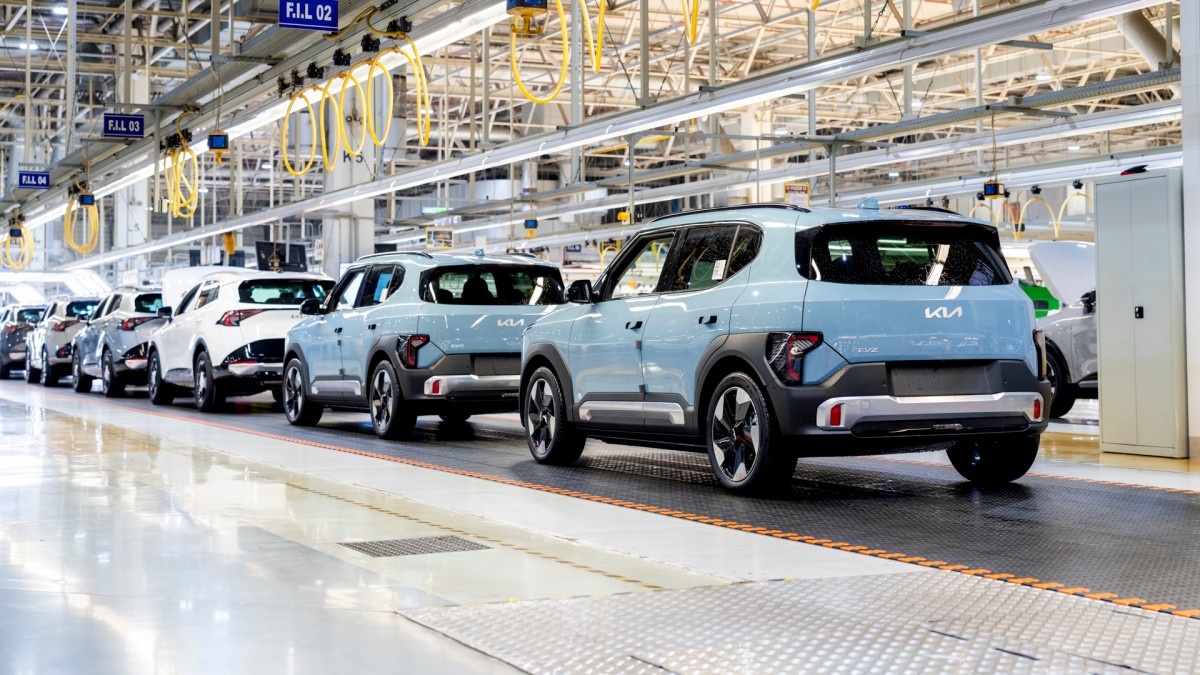
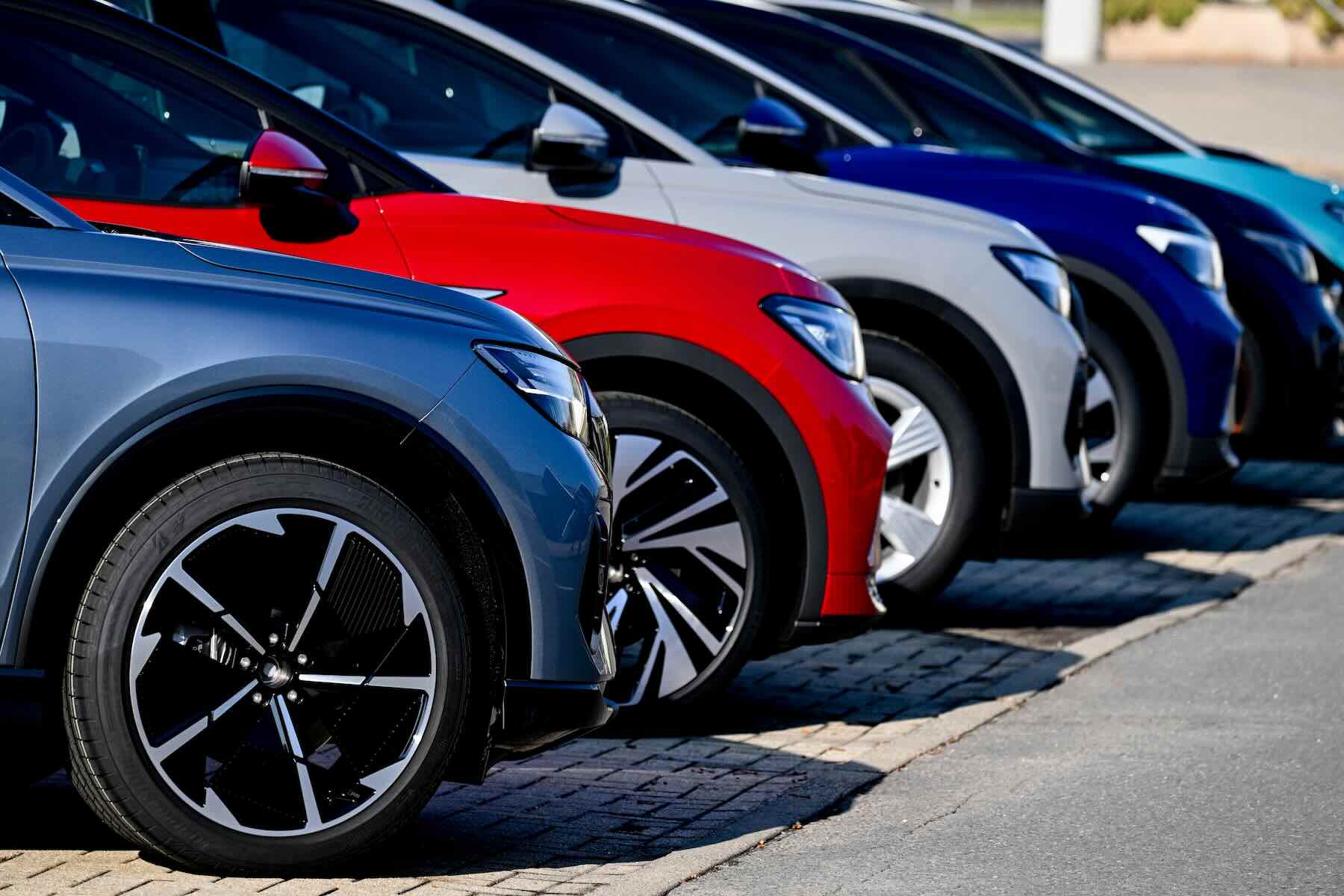
Kia unveiled the EV2 back in early January, and today the brand has announced that production of the model has officially started. It’s being manufactured at Kia’s facility in Žilina, Slovakia, following a modernization program on its production lines, which was completed in 2025 at a cost of $234 million.
The Slovakian plant employs around 3,700 people and more than 600 robots across five main production areas: press, body, paint, engine, and assembly. The facility produced 300,000 vehicles and 470,000 engines in 2025, or about 9.3% of Kia’s global output.
The EV2 is Kia’s second fully electric model made in Europe after the EV4. The EV2 comes with two battery options (42.2kWh and 61kWh), with ranges up to 197 miles and 281 miles, respectively. 11kW AC charging is supported, as is DC fast charging with Plug & Charge functionality.
Our free daily newsletter sends the stories that really matter directly to you, every weekday.
You don’t need someone to tell you that trucks and SUVs have taken over America’s roads, and suddenly there’s an absolute obsession with absurdly capable off-road models rolling straight out of automaker factories. The latest challenger to enter the arena? Toyota.
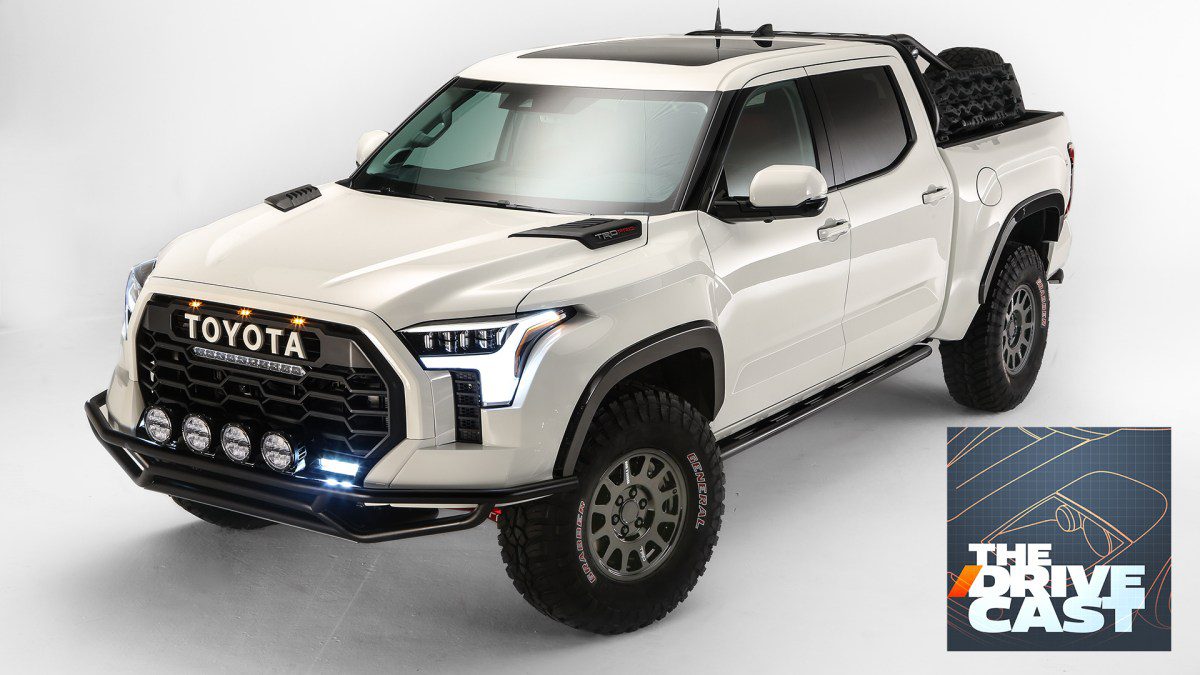
As we reported earlier this month, the Japanese automaker is preparing to enter the crazy full-size Baja pickup space with the Tundra TRD Hammer as a challenger to the throne occupied by the Ford F-150 Raptor and its nemesis, the Ram 1500 RHO and TRX. With a wide-body kit, wider stance, long-travel suspension, 37-inch BFGoodrich K03 tires, a hybrid powertrain, and probably a few other bits like high-clearance bumpers, the Hammer appears to be a fully baked product that puts Ford (and Ram) in its crosshairs.
The latest episode of the The Drivecast dives into how we uncovered the details about the TRD Hammer, runs through all the other off-road oriented vehicles that are in the works, and explores why suddenly there’s an onslaught of rugged (or rugged-looking) models being resurrected or developed from everyone ranging from Toyota and Nissan to Scout, BMW, and Audi.
New here? The Drivecast is The Drive‘s weekly podcast taking you behind-the-scenes with the biggest stories, controversies, and characters shaping the automotive industry and the way our roads look today. Powered by The Drive’s inside access, the show takes you through our original reporting, shares our exclusive insights, and expands on those stories in ways that aren’t possible with just one article.
You can listen to a new episode of The Drivecast every Wednesday on Spotify, Apple Podcasts, or Amazon Music. Love what you hear? Hit us with a five-star review to help get The Drivecast in front of more people. Have a suggestion, request, or feedback? Drop us a line at feedback@thedrive.com. We read every email.
Full Transcript
Kyle Cheromcha: All right, Joel, before we even begin, I got to ask about the name. TRD Hammer is uncomfortably close to Turd Hammer, but that’s not it.
Joel Feder: I mean, that is it. It really is going to be called the TRD Hammer. Turd Hammer. Guys, I can’t, you just can’t. Wait until you hear the other alternatives that we’re going to discuss that they thought about too, by the way. This isn’t the worst, but it’s not the best.
Kyle: That’s a special treat for later. Naming things is hard. Listen, we all know it. We’ve talked about it extensively on the show and on the website. Naming a brand that is supposed to live for years or possibly even decades, that’s tough to get right. TRD at least stands for something, Toyota Racing Development. Again, we’ll get into all this in a bit, but Hammer. Yeah, it’s unfortunate. I don’t know. It doesn’t have the evocative ring of Raptor, and then Ram went with the TRX, the dinosaur thing, Dino vs. Dino, and then Toyota’s out here with just like bang, bang, bang, hammer!
Joel: Maybe they’re going to the King of Hammers. We don’t know their marketing spin yet. I don’t know.
Kyle: Oh, there you go. Anyway, in your opinion, your expert opinion Joel, what do you think is going on with America’s obsession with these full-size, crazy off-road pickups? I mean, there’s a lot that could be said about the pop psychology and sociology of this moment, but what do you think?
Joel: I mean, look, we do have this amazingly long story actually about the whole country music thing and the tie-in with pickup trucks that Caleb wrote a couple months ago that was quite amazing. And I do think there’s some lore or tie to that. But I mean, you and I travel the world and we go to these other countries and it’s very clear. I mean, Ford does export the Raptor to China. And also there’s a ton of these things going to Dubai. And so certain places in the world like Dubai, you just go and have a picnic in the desert and you just drive your factory warranty truck. But you go to Europe and these guys are looking at us like, “What are you doing?” That thing is wider than two of our cars put together. It won’t even fit on our roads. So it’s just very American. We eat junk food. We have these monstrous vehicles like Suburbans that are huge and it’s just an embodiment of who we are. We need it all. We need everything.
Kyle: Yeah. I like to look at it like evolution. There’s the concept of island gigantism where if there’s a species on an island isolated from the rest of the world and there are no natural predators, they just get massive. They just get huge because there’s nothing stopping them from growing. And with America, we actually do kind of have that going on because we have the chicken tax, which means that if you want to sell a truck here, it has to be built here for this market. If you import it from abroad, you’ve got to pay 25% tariff on that. And I don’t even know where that stands in the current tariff landscape, but point being is there’s been a confluence of factors that have allowed American automakers and then other automakers who build their trucks here to just say, sky’s the limit with the size and the capability on these things. I mean, let’s just max it out. There’s no bottom end of the market to sort of compete with us there. So here we go, off-road trucks for everybody.
Anyway, let’s just take a quick lap through the last 17 years to how we got to this current moment. Because 2009, 17 years ago, that’s when the first Ford F-150 Raptor debuted. It wasn’t called that at the time. It was a slightly different naming construction. But anyway, the first Ford F-150 Raptor, the first full size, crazy off-road pickup from the factory, that launched to its own segment. There were no other offerings then. So how do we get from that one thing to today where you have multiple competitors in that space, plus this universe of off-road capable trucks and SUVs that’s grown around it?
Joel: So there was this skunkworks team within Ford and they built the first Raptor, and I don’t know how much people know about how cars come to be in test and development and all that, but it never was like what you would consider a fully baked product. And that’s not to say it was a half-baked product, right? But that vehicle didn’t get what you would consider an entire program’s worth of money and development cycle and all that stuff. They bolted on a bunch of stuff and made a widebody F-150. It still had the 5.4, the regular engine in when it first launched and they launched it with 6.2 later. And so I don’t think that they realized at Ford how popular this thing was going to be. I don’t think they realized how many they’d sell.
And then I don’t think it took long for them to realize this, right? It was like a smash hit, because as you said, there were no competitors. And so it was a smash hit out the gate. Ford realized how much money you can make up this thing. Because remember, it was using a standard F-150 frame, right? The frame wasn’t unique and they’re rolling down the same assembly line. So your costs are X, but your margins are so much bigger. And so all of a sudden when the Gen 2 came, I think it was like what, 2015-ish, that was a fully baked truck. That was a dedicated program from the get-go that had its own budget. And then I remember when the 2.5 version came in 2018, 2019, and it got the live valve shocks, and that’s when things got real. Now we have live shocks on this truck that have bypass and they can change from firm to soft when you go in the air because they’ve got these actuators that know when the wheels drop. And that’s a baked product.
Kyle: Yes, yes. I mean, I would say I think the dividing line is when jumping entered the picture, because some of you out there may recall the first Ford F-150 Raptor, there was a famous video of someone taking it off this massive, massive jump that Ford didn’t encourage, but they also developed it in Baja and they made a point to say like, “Oh, it can get some air.” And so someone took it off this huge, huge jump and all the airbags blew and the suspension broke. And we actually did a follow-up to that video a couple years ago. That truck still exists. It’s been fixed up and restored.
But point being, in the second generation, like you said, that’s when Ford started to put out pictures of the Raptor in mid-air and making it a selling point of like, “You can jump this truck.” And then you’ve seen other companies follow suit, like jumping is cool.
So that covers how we got here, but where we are currently is not where we’re going to be in a couple more years because there are new entries coming online left and right here. And Toyota’s obviously the news of the month with the TRD Hammer, not the Turd Hammer. I’m going to resist calling it that. It’s the TRD Hammer. So what are we talking about here with this truck? Because TRD is Toyota’s in-house performance division for trucks essentially. So we already have TRD trucks. What’s different with this one?
Joel: We have, like you said, TRD branded trucks, and all the coolest ones from Toyota are TRD branded. So TRD stands for Toyota Racing Development and we’ve got a TRD Tacoma, the smaller one. We have a TRD Tundra, the full size one. They’re TRD Pros or TRD Trailhunter if you look at the smaller ones. And they’re very specific of like, yeah, the TRD Pros are meant for off-road in the desert and the TRD Trailhunters are meant for rock crawling and all that stuff. And that’s good and grand. But I mean, the TRD Pro 4Runner transmission, I overheated in five minutes. It got a little heat warning on it.
Kyle: Doing what?
Joel: I was at their launch on their own test track being Joel Feder. I don’t know what else to say to you.
Kyle: Smashing stuff, basically. Okay.
Joel: I didn’t even work here at the time, so I can’t get in trouble.
Kyle: Okay, great.
Joel: I have a photo, by the way, of the warning saying the transmission needs to cool down or whatever. But the point is that they got these three way adjustable shocks and they’re like two and a half inch, something like that on some of these vehicles, but they’re mild. So a TRD Pro Tundra, it compares to like, let’s call it a Rebel Ram or like maybe a Tremor F-150. These are not Baja trucks. These are not designed and developed to run at Baja. These are not designed and developed to run 70 miles an hour over whoops, which is what a Raptor is designed to do. That’s what we’re talking about. We’re talking about long travel suspension. We’re talking about high clearance fenders and bumpers. We’re talking about wider stance. So you’re going to talk about different angles for your suspension than you’re going to get on the vehicles today based on all of these things combined. We’re talking about a purpose built, probably getting some kind of dedicated budget vehicle to attack the Raptor and the Rhino. To be clear, Rhino is really RHO and Ram does not call it a Rhino. I don’t think they like it, but we call it a Rhino, because RHO.
Kyle: I don’t know what the obsession is with making all this stuff feel Baja capable. I mean, Baja is a race, it’s awesome. I’m a big fan of it. It’s not the most well known or popular thing in America in motorsports and especially in off-road motorsports. But for whatever reason, it’s become the label that companies have glommed onto as like, “Oh, this is what makes it a super off-road truck is that it is Baja capable or tested in that kind of environment or meant to stand up in that kind of environment.” So that’s where the Hammer will be going.
Earlier we were talking about the name and the names that weren’t chosen, and let’s run through those now. So first, we uncovered this name in a trademark filing, right?
Joel: Yeah. So they filed for a trademark and our senior editor Caleb Jacobs, he found it very quickly and we ran with it, which is interesting because the trademark, the name, TRD Hammer, aligns with a customer survey that Toyota sent out to a bunch of owners and the TRD Hammer was one of those options in that list. So that list included-
Kyle: What was it like, pick your favorite name or which name would you choose?
Joel: Yeah, they were floating names like, which name do you like? They were floating them. And they also floated other ideas of like having 37s and long travel suspension. Basically everything that we know about this truck was kind of confirmed in this survey, but the names that were floated in the survey, including the TRD Hammer, included TRD Baja.
Kyle: Okay, makes sense.
Joel: TRD Iron, TRD Pro S. So now we’re going to have a sub-line? I don’t know. TRD Bizurk with a Z, with an I and a Z and a U.
Kyle: Okay, hold up. So I saw that on the rundown as we were prepping for this podcast. I did not in my mind think of that as berzerk, like that word, but they’re trying to spell it differently. I thought this was like some random reference I didn’t get. Oh my God.
Joel: Probably just thought I had a typo.
Kyle: B-I-Z-U-R-K, if for those of you listening at home, that is … Hammer’s better than that.
Joel: See? And you thought TRD Hammer was going to be bad. We could have got TRD Bizurk. We also had TRD Quake.
Kyle: As a fan of ’90s video games, I don’t mind that one as much.
Joel: That’s where my mind went as a child in the ’90s.
Kyle: Yeah. I mean, how could it not?
Joel: Bizurk is the hilarious one. Just like, see, everyone making fun of Turd Hammer, but it could have been the Turd Bizurk.
Kyle: The best part is for the TRD Bizurk to make it into a customer facing survey. There were multiple meetings that were had within Toyota where it was put up on a slide or a whiteboard and they were going on the list and the marketing team is like, what if we called it the berserk, but we spelled it with an IZ, URK. And then they went back and forth on the pros and cons. They were thinking, okay, maybe this is more youthful. It is really funny to see a weird thing like that and know all the levels of approval it had to go through, even though they didn’t end up picking it. I do think Hammer is the best of the bunch. Baja’s good too. They might have run into some trademark issues there, but Hammer, it’s better than the alternatives.
Joel: And Hammer is a big deal in both mythology and comic book world like Thor’s Hammer, but also in the off-road world, like King of the Hammers, this is an off-road event every year. And so I do think I understand why it’s Hammer. I think the issue comes into that you have TRD in front of it. So TRD Hammer, people are just kind of hammering on it.
Kyle: Anytime something new pops up, people find a way to make fun of it and then it becomes sort of background noise and everyone accepts it. I mean, we all thought it was kind of ridiculous when Ram debuted their Raptor fighter and named it the TRX—T-Rex—literally calling back to that scene in the first Jurassic Park where the T-Rex eats the Raptor. It was ridiculous, but the name kind of stuck and people liked it.
Joel: They didn’t just go back to it. If you open the hood, there’s literally a T-Rex with a raptor in its mouth under the hood of that truck.
Kyle: Exactly. Exactly. So you know what? Subtlety doesn’t get you anywhere in this game. So let’s talk about the Hammer itself. What does it look like? What does it have? What are the specs that we know already? And how did we find this out? Because all the trademark filing had was the name, but we got some more details.
Joel: I mean, look, there’s been photos across the internet of a prototype back in 2025. There also was a few years ago, a SEMA concept. There was a white truck that had, at the time, General Grabber off-road tires and some Method looking wheels, but I don’t know if they actually were real Methods. It didn’t have a full widebody stance to it. The fenders and everything, the body work were standard kit, but it had high clearance bumpers in the front and it had a roll cage in the back, like a rollbar, and then it also had a bunch of tires on it. So it gave us an indication of what we were looking at back then.
Kyle: I should say, sorry to interrupt, but we also, back then, we reported on this and we got a tip from an insider—that’s as far as we’ll go in describing it, an insider—saying that a production version of this truck was in development. And this was 2022. So we’re talking over four years ago at this point, but the tip was solid. We verified the source, we knew that they knew what they were talking about. And we also learned after the fact that Toyota was very upset that we had run that story. So we knew we were onto something, but then four years go by and nothing until …
Joel: Well, and I will say to that point, so anyone that wants to go look this truck up, it was called the Toyota Tundra Desert Chase concept truck. The truck we’re going to get, they ran a prototype earlier in the month at the Mint 400 off-road desert race. And at the time, nobody really picked up on this. But after the TRD Hammer trademark came out, we started calling around and we learned that, oh, maybe there was a truck earlier in a race. And then what happened was the Mint 400 promoted that this truck ran as the first hybrid, creating a hybrid class. So we know this truck is a hybrid. And it was running 37s, which by the way, we confirmed as being in the tire. They’re KO3s. Byron Hurd, our editor, looked at the tire tread design with me and the blocks in the side. And it basically was engineers from Toyota doing final development on their truck publicly in a race.
Kyle: And then they just cave it away calling it a hybrid. Yeah, that was one of the big questions, Toyota’s V6 hybrid powertrain. The V6 itself has had some reliability issues in the last couple of years, some pretty big recalls, engine failures. But as far as we can see, they are not ditching that for a V8. Even though the Ford Raptor and the Ram TRX both offer a V8, and this will still be a V6.
But basically four years ago, we first hear rumors and murmurs about this truck under development. A lot of time goes by, not much happens. Then last year, some spy shots come out showing, oh, crazy looking Tundra, what’s going on there? And then we get this news earlier this month with the Mint 400 organizers kind of blowing up the spot and saying, “Hey, this crazy Toyota hybrid pickup’s running in the race.” It looks a lot like the prototype we saw or the concept we saw four years ago, put two and two together. We find the trademark filing for TRD Hammer. We get some more information from our sources about the specs and here we are.
We don’t know when it’s going to be coming, but we have a lot of evidence pointing to the fact that it is coming and that it will be coming soon because they wouldn’t put it in the Mint 400 like this unless they were pretty close to showing off the real thing, right?
Joel: No, I definitely think that this is … We’re nearing or at final validation. We’ve got to be close. I have a hard time imagining it’s going to be on sale this year at this point, right? We have a 2026 lineup already. So at earliest it would be a 2027 or a 2028. I don’t have a clear picture of when this thing’s going to come, but I mean, they could debut it later this year. It’s possible.
Kyle: Okay. And the powertrain apart from very, very, very likely having the hybrid V6, the TRD Pro Tundra has 437 horsepower, 583 pound feet of torque. Where do we expect this thing to land?
Joel: So I mean, for people that don’t know this whole truck landscape, there’s two Raptors. There’s a Raptor with the EcoBoost Twin Turbo V6. It’s a high output V6. And then you have the Ram RHO that also has a high output turbo-six. And then you have the Raptor R, which is the supercharged V8, and you have the Ram TRX, which is coming back with the Hellcat supercharged V8. This is going to be a competitor for the former, the ones with the turbo-sixes, right? This is not going to be a V8 competitor. Do not expect five, six, seven million horsepower. But I do think, I mean, like you said, today’s V6 already has 437 horsepower, 583 pound feet of torque. I don’t expect juicing the hybrid part of this powertrain, but that V6, the issues it’s had have not been from boost. Most of those issues have been from oil, lubrication, other or casing or shards inside the engines.
Kyle: Yeah, manufacturing issues, basically.
Joel: Right. So I do believe that you could maybe put it to 490 horsepower. I don’t know if we’ll hit 500, but I bet you we’re going to get in that realm. You’re going to have to be close. You’re going to have to. How else are you going to compete?
Kyle: Yeah. And that number, I mean, 500, that’s a big psychological barrier for a lot of people of like, this thing is halfway to a thousand or less than halfway to a thousand. And if you’re relying on that, if you need that to counteract, the crowd is going to be like, “Oh, there’s no V8. I don’t care.” Then I do see 500 as a realistic target for them to just sort of silence as many of the doubters as they might be able to. And in terms of cost, the TRD Pro Tundra is already $72,000 to start, but that’s less than the six cylinder Ford and Ram trucks. So if I had to guess, this thing would be probably coming in around $80,000.
Joel: Yeah, I mean, the Ram RHO is $74K without options and the Ford Raptor without options with turbo six is $80K. So I mean, 75 to 80 is kind of where you’re going to be at. The TRD Pro doesn’t have a lot of options. So when you’re at 72 for that thing, it’s kind of like you’re going to add some floor mats and stuff like that. You add different paint colors. Call it 76. At 76, four grand extra for long travel suspension, 35s, maybe, maybe remote reservoirs. I don’t know. It could be pushing 80.
Kyle: Toyota has a lot of off-road credibility and heritage. And those TRD pro models, they’re not perfect as your little transmission adventure showed, but they are really reliable generally and do have a lot of respect in this world. So I can see there being a demand for the Tundra TRD Hammer or however they end up ordering the name.
Joel: Call it the Hammer
Kyle: Let’s call it the Hammer. I could see the demand for this particular Hammer and that the price, as long as it’s in that range, is less important than the specs and the capability it’s promising. I mean, people aren’t buying these trucks on price. They’re buying them on capability and the marketing and what they offer. So why now for Toyota? Because they had this whole lineup of really, really good off-roaders. They had sub-trims. They’ve had a very solid off-road strategy for a while, but why are they taking the swing now?
Joel: Okay. So something to keep in mind here for history. Believe it or not, this is only the third gen Tundra. The last Tundra we had for 14 years, it was old enough to get a bar mitzvah. And also, the second gen Tundra did not have a fully boxed frame. If there’s videos out there, if you remember where you’re going over the bumpy road and the cab and the rear end are not in sync.
Kyle: The back end is like doing this twerking dance just back and forth, back and forth. Yeah.
Joel: So there’s no way that the last gen Tundra was going to pull this off kind of thing. Now we have a fully boxed frame, we have a new frame, we have a new powertrain. And the reality is that trucks are printing money, right? And to your point earlier about like the pricing, first off, something to keep in mind for most people, the average transaction price of a pickup truck, just in general, 66 grand. Now, you take these off-road trucks, you’re probably averaging 90, 85, that’s crazy. And so there’s a lot of margin here that Toyota’s walking away from and the TRD sub-brand or performance division or whatever, lot of loyal following, lot of loyal, loyal buyers. And so if you’ve got a guy that’s got a TRD Pro, it’s not a stretch to upgrade him to a TRD Hammer. It’s not.
And the other thing to keep in mind with all of these trucks, Rhino, TRX, Raptor, TRD Pros even, they hold their value. They are not a standard pickup truck. When you have these performance badges on these trucks, they have good resale value.
Kyle: And especially if you’re not beating on them off road, as a lot of people aren’t, there are a lot of people out there who are buying these things and just driving them around as daily drivers and maybe going down a dirt road every now and then. But yeah, if you’re looking at resale value and you are just using it as sort of a regular daily driver, nothing special, then you’re going to make back a fair amount of that money when you go to sell it in five years or whatever. So that’s a great point.
And also the point about the Tundra’s development cycle, because that was, like you said, in production for 15 years. About 14 years. And they were not … I mean, you can imagine in a different scenario if the timelines of these models lined up, these new generations lined up a little more with what Ford was doing, that they would have been able to do something sooner. But you’re right, they weren’t about to figure out how to reengineer the old Tundra back in 2015, halfway through its life, so that they could just catch up to what Ford was doing. They guess they just had to wait until they had a truck that was capable of it.
Joel: If you look at the model cycles and everything like that, so the Rhino… Well, the TRX came first, actually, and then it died and we got the Rhino. TRX didn’t even show up until we were on Gen 3 of the Raptor. Gen 3 and GM, they got the ZR2, but the ZR2 is not a Baja runner. The ZR2 is a really good rock crawler. So GM’s still not playing here. It took till the third gen for Ram to get in on this game. So it’s just taken a long time for a lot of these competitors to get to the point of like, “Ford’s printing money. We should print money too.”
As to why you might buy it. Resale’s great, all these things. But I will tell you, these are the best riding versions of these trucks because they’re wider, because they have these big cushy suspensions, because they have these big cushy tires, I mean, just going down broken Midwest pavement, like riding up to the lake, it’s like a luxury car. It’s really nice.
Kyle: But you just mentioned GM, and I want to know where the hell is GM in all of this? I have my theories, but the fact that they have just stayed out of this while making plenty of other weird, wacky, low market, low volume investments in other places, it’s mind boggling to be honest.
Joel: GM is … Okay, so two things. One, you have two off-road trucks from them. You have the ZR2 and you have the Trail Boss. And Trail Boss effectively is a lift kit. That’s just what it is. It lifts the truck. And it probably didn’t even start life as an actual trim. Somebody just saw that as an offering and they’re like, “We’re going to make that a trim. We can make money on that, ” is my gut. But the ZR2, it is a real off-road truck. It has 33s, has high clearance bumpers, has multimatic DSSV dynamic spool valve shocks, which are awesome, by the way. They are different than bypass shocks in how they operate completely. We could do a whole deep dive on that someday. They’re really cool. And they have gold sleeves with a dude that’s holding up the earth. It’s so cool. But they can go down. I’ve jumped a cow catcher great with a ZR2 Colorado before. I did not work here, by the way.
Kyle: Important disclaimer.
Joel: All the dumb things I did, I did not work here yet. But they are really designed and developed to crawl over and destroy everything. So they have front rear lockers, which you don’t get on all these other trucks. You don’t have a front locker on most of these other trucks. And so they’re really good with the high clearance pumpers and all that. They’re not meant to do whoops at 70 miles an hour like a Raptor, right? That’s a very different kind of truck. And no one’s ever told me why.
My gut tells me if I was a betting person, GM is a very conservative company when it comes to liability, like very conservative. We don’t have paddle shifters on any ZR2. We don’t have wide track setups on the trucks. And I think that as a conservative company, there’s liability. The fact that we got performance shift mode or PSD or performance dynamic drive mode, I don’t remember what it was, but it’s in the Colorado ZR2. And if you double tap the accelerator, it comes on with the gear selector and it then gives you a completely different mapping of your throttle. But then when you let off it, it’ll disappear again. It’s like a cheat code. I have a whole story on this in a previous life.
Kyle: It’s like the old Cruisin USA games where you double tap the accelerator and you do a wheelie. Yeah. Yeah. Okay. Love it.
Joel: The fact that that even got out of some engineer’s program and got approved is amazing because ZR2s don’t even have paddle shifters. So I don’t know the answer to your question other than if I was a guessing person, they are just a conservative company.
Kyle: The one bit of insight I can add to this is when GM relaunched or when Chevy relaunched the Blazer name as a road based crossover back in 2018, 2019, I remember going to that event and sitting down with the product manager for that whole program. At that point, we already knew that Ford was bringing back the Bronco as an actual off-road thing and they were going to have removable doors and/or removable roof and it was going to be true to the spirit of the original and they were making a huge deal about that. So I go to this Blazer event and I say, “Hey, look at what Ford’s doing. Look at the market for these trucks. Why was the decision made to take the Blazer, which was always an off-road vehicle, and build just another crossover of which you guys already sell many?” And the answer I got was basically, “Well, we took a look at the market, we know what Ford’s doing, but we know that we can sell more of these than we could of a new off-road Blazer. So that’s why this is just another crossover now.” So they were, like you said, conservative thinking. They go for… not the easy route because they do plenty of cool things, but they don’t define segments that often. Maybe the C8 Corvette is an exception, but …
Joel: I was actually just going to say, it’s funny that we’re sitting here talking about how conservative and they are, but they just launched a 1,000 horsepower million gajillion, tear the world apart ZR1X that can do 0-60 faster than electric cars.
Kyle: I think the other answer is probably that between GMC and Chevy, they sell so many of those trucks already. They just saw no need. Ford is its own company. It doesn’t have quite the scale of GM. And so it had a need and a reason to try something with the Raptor and stand out and make a statement. And Chevy, just like, we’re going to sell millions of these things anyway.
But the bigger point here is that this is not just Toyota entering the space. As we talked about in the intro, everyone’s doing off-road stuff from the luxury side of things to the mainstream, to even just off-road crossover trims. What’s the deal with this? Why are we so obsessed with making everything off-road? And are these companies actually taking the right bets here? Is this just a fad that’s going to pass by the time all these things launch?
Joel: I don’t think it’s a fad that’s going to pass by the time these things launch. No. I think that if you look back in history, we had the AMC Eagle and we had the Jeep Cherokee, the original one, and we had the Jeep Wagoneer, the original one, and the original Bronco and we had the original. I mean, if you look at old Internationals or the Scout or you looked at the old pickup trucks that were actually pickup trucks, the way people used them was as intended. Far more than a Raptor owner in general does today where he’s going to cars and coffee and Starbucks and all that. And oh, I went over the curb. I went off-roading today. I think that it’s a lifestyle. It’s kind of like if you look at all the people that shop at LL Bean, you look at REI, do people at the shop there actually always wear stuff that they need to wear? How many people wear Lululemon to go flying? You’re not working out on an airplane, right?
Kyle: Guilty.
Joel: But the point is that, if you drive a Raptor, it’s the same thing as wearing Lululemon on an airplane. You’re going to get a Starbucks, you’re taking your kid to hockey. Are you really using it as intended? Probably not.
Kyle: I think there’s a lot of truth to that. As the car market has really coalesced around crossovers in general, we’ve gotten pretty good at making crossovers and they all largely drive similarly. And we’ve said this many, this point’s been made many times about EVs, that it’s really hard to differentiate the driving experience because there’s less mechanical complexity. With crossovers, the actual experience of sitting inside one, the experience of seeing one on the road, like the last 15 years, they really kind of merged together and there wasn’t much defining them outside of specific features or brand loyalty of why, what one versus another makes you look like to the rest of the world or how it makes you feel driving behind the wheel. And off-road trucks are like a dose of a different reality.
And so there are a lot of people I think who are buying these things, who are interested in buying them, who see that as a reason alone to consider something like this versus just the next evolution of whatever crossover they were driving before. I think you have that. I think you have, like you said, our roads are really terrible and a lot of these things are much more comfortable over broken pavement. That cannot be discounted or underestimated here.
And then you have the fact that it’s the same reason why in America, pickup trucks have taken over in such a huge way. They’re kind of like the muscle cars of the ’70s in a way. They’re something that was built for a specific reason, to haul stuff, and the muscle cars, those were based off of chassis that were used for family cars originally, right? And then they have been amped up in a way that still maintains some of that raw sort of ragged edge. A pickup truck is not seen as a civilized vehicle, let’s say, but they’re comfortable and you can fit your whole family in them and you can use them for anything now. And you still get a V8 and you floor it and smoke comes out the rear. And it hits all those notes in a way that most cars don’t anymore. And I think these off-road trucks, the popularity of them is an outgrowth of that where people want something that feels more old and authentic and real. And I hate the word analog in this situation, but analog. And this is a shortcut to that. This is just, “Hey, we’re going to take you back in time a little bit and make these things feel like they used to feel or look like they used to look.” And there you go.
Joel: I mean, if you look at even just the off-road trims from whether it’s Subaru with their Wilderness or even Kia with the X-Pro or XRT from Hyundai, you’ve got all-terrain or at least all-terrain looking tires that maybe instead of running 20s on rubber bands, you’re running 18s and you can get actual sidewall. So when you go over a pothole in the state of Minnesota, or you go over a seam in the highway of perfect California asphalt, it’s not that big a deal and it’s more comfortable to your point. Also, cars are a projection of who we are. People do not buy what they need. They buy what they think projects who they are. It’s part of their personality. A car absolutely defines part of your personality because the second most expensive thing you’re ever going to buy. So you’re absolutely emotionally invested in this and financially invested in this. And so people buy what appeals to them and they really do go along with their personality in general. Also, some of these cars have wipe-down interiors, like some of these Outback Wildernesses have wipe-down interiors. They’re simply more practical. They’re easier to live with.
Kyle: That’s true. That’s true. It also is true that most crossovers these days, as you said, people are buying these things because they want the ability to do something they may not ever actually do, but to have that ability says something about them, makes them look a certain way, makes them feel a certain way. It’s also true that you can have a lot of adventures in a regular old crossover with seven inches of ground clearance. You don’t really need all this stuff.
I mean, last weekend, I went up to the Carrizo Plain here in California, this is a few hours north of LA where there’s these massive, massive wildflower blooms happening right now because of the winter rains and now it’s getting warm. And there’s a couple of paved roads out there, but it’s mainly dirt roads of varying degrees of quality that you’re navigating for 10, 20, 30, 40 miles through this whole ecosystem. And I have a Wrangler, as we’ve talked about, and that’s what I was driving. There was a mix of cars out there. I saw a solid axle Mustang bravely going down this dirt road. There were a couple of Lexus crossovers. There were some Land Cruisers. It was a real mix. And it is kind of funny that for people who see that, and rightly so, it’s like, “That’s a great adventure. I would love to do that. ” You don’t need to buy the top crazy off-road pickup.
Joel: You could do that in an Audi A6.
Kyle: You could do that in a number of cars that do not fall under the category that we’re talking about here. But to your earlier point, there’s a lot coming. There’s a lot of stuff on the horizon rolling over the rugged horizon coming for us here. Got the Xterra.What else?
Joel: So Nissan’s going all in on body-on-frame, right? So we have the Xterra coming back. We have a body-on-frame Pathfinder that’s going to return alongside the current crossover based version of the Pathfinder. So they’re going to have two different Pathfinders, two different price points into two different demographics of buyers. And then you also have a new Frontier coming. We just got a fresh Armada. So they’re going to have a whole host of like five body-on-frame vehicles that are going to be built in America, aimed directly at the American market. Most of those are V6 hybrids, and don’t hold your breath for a manual transmission, by the way.
That’s just in that segment. So now if you go outside of that, the luxury segment, BMW’s already said they’re working on a Mercedes G-Class competitor that’s going to have real off-road chops that’s going to be based off the X5, which, oh, by the way, the X5 is made in America. So it’s probably going to be made in America, like all BMW SUVs almost are at this point. You’re going to have Audi. Audi is foaming at the mouth to get their hands on the Scout platform and build a G-Class competitor, a body-on-frame competitor, which by the way, Scouts can be made in America. So now we can have an American made body-on-frame Audi to go against the G-Class, which the G-Class literally prints money. It started life as a military vehicle. The door locks sound like something out of a 1970s gulag. And then we also have the Ineos Grenadier, which you did a whole video on about this old school SUV.
Why a simple new truck has to cost over $70,000 in 2025
Kyle: I did. And the Ineos is a bit of a special case because it is more so than any of the other vehicles we’ve talked about here, it is really purpose built for a specific kind of off-roading, overlanding basically. Not the most comfortable thing. It doesn’t have crazy dynamic shocks. It has solid axles. So you get a little tipping back and forth if you’re doing anything at speed. But it is like the modern Land Rover Defender in a way that the actual modern Land Rover Defender is not.
And it’s interesting because actually the Ineos situation kind of showcases the challenge of entering this market. If you’re not trying to do something that can be a do-it-all superhuman off-road truck like the Raptor, and I guess as the Hammer will be, you’re kind of limiting your market a bit because people want something they can drive every day. I mean, they may want the off-roader, but they want that off-roader to be something that they can live with every day. And buying it as a second car, that phenomenon has really, really fallen away in recent years as prices have gone up and everything’s got more expensive. People just can’t afford to buy something as just a weekend toy. If they’re going to do that, they’re going to buy a used SUV or pickup and build it up into their off-roader. So the Ineos, not to say I don’t see people dailying their Ineos all over the place here in LA. I don’t know how common it is elsewhere in the country, but if you want to see an Ineos, come to Los Angeles and see them not in the dirt. But it is a slightly different case.
And that’s why Toyota is doing this with the Tundra. I mean, they still don’t sell and they’re never going to sell the 70 Series Land Cruiser here. It’s just not going to happen as much as people want to, they’ve been still making that thing for four decades at this point. If they did, they would have to charge the same as Ineos does in the mid $70,000 range for something that’s basically a farm truck. And some people would love that and they would have a cult following, I’m sure, but it wouldn’t reflect that for that kind of price, people want something that can do it all and feels like a do-it-all machine.
Joel: I will tell you, the current G-Class, it is wider than the last one, and it’s got these dynamic shocks with two different reservoirs and it’s got some magic trick suspension that you can go around a corner and G63 way faster than you should. You can also go off road way faster than you should. You can just, “Oh, I missed my exit. So I’m just going to go through that little ravine that’s grass and then just get back onto the highway because I can.” But the point is that these vehicles are going to have to be able to live up to that. They’re going to have to be able to do that if you want to be able to compete at that level. But we were discussing before this podcast, this had a huge, huge effect on the aftermarket, right? I mean, back in the 90s when you and I were kids, what did people do, Kyle?
Kyle: Well, they had a lot more fun, that’s for sure. No, no, you’d buy parts and just tack them onto your basic F-150 or whatever, or the dealership would.
Joel: Right. I mean, a dealership, you go to a dealership and you could buy a whole kit. So the dealership, you buy a two-tone F-100 or F-150 or whatever they called them back then, they had different variants. And it’d be a two-tone truck and you’d have these KC lights in the front and you’d have the white BFGs and, oh yeah, Back to the Future stuff, right? But that was a dealer install. Dealers bought all this kit, they bolted it on, just bolted it on. This is not a factory-backed warranty, like factory-developed kit would be.
What has happened with Ford is very interesting. And subsequently, even the ZR2 or the Rhino, these are kits that are getting … Now you’re getting aftermarket from the factory. The suspension’s still coming from Fox for the Ford, or Bilstein for the Rhino, and who knows who’s supplying the one for the TRD Hammer. So you are getting a volume sale to these aftermarket companies, right? But these are getting factory backed warranties. Whether it’s Ford or Toyota or Ram, they’re co-developing these parts to meet the weight requirements and lifespan requirements. And no one wants this stuff to break constantly. It’s going to cost them a fortune for warranty, but you can just roll into these dealerships, drop 80 grand, and you roll out with a factory-baked truck that has all these, what you consider maybe back in the day, aftermarket accessories that are all developed and co-working together.
Kyle: I wouldn’t want to be running an aftermarket company these days. I mean, there’s enough stuff they’re dealing with with regulations and tariffs, but it is a good point that for most people who want to get a taste of this life, something like these factory built and backed models is way, way more realistic and easier to imagine yourself actually taking a risk on than trying to do it yourself or pay a shop to do it. Or even one of the many that still exists of the dealer upfitting options where you can maybe get, you spec it as part of the build process, but the finished truck is still sent to the dealer where they bolt all this stuff on or it goes to some other upfitter in between like with the Nissan Frontier and Roush, but it’s still, the effect is that like, I got a warranty on all this stuff. I don’t really need to worry about it. I’m not just like dealing with some shop who put all this stuff together for me. It’s a different approach.
And there are always going to be people who want to build their own truck. No question about that. But I think this will cut into the number of people who might have taken that path out of frustration of not being able to find their perfect mix when they can just buy one of these and still customize it. There’s still a booming aftermarket for Raptor parts or Rhino parts or what will be TRD Hammer parts. It just takes a little bit of that initial bite out of it.
Joel: I mean, like there’s a lot. Ford’s realized it pretty quickly, right? If you don’t want a Raptor, you don’t want to spend whether it’s 80 grand on aRaptor or you don’t want the full widebody … It’s six inches wider than a standard truck, and an F-150 is not a small truck. So they’ve expanded out. We have Tremor now. A Tremor is still a better riding F-150 than most F-150s. It’s running on 33s. It’s got off-road suspension and you also don’t take the payload and towing hit that you take with Raptor because it’s got such a soft suspension. Raptor’s totally crap at towing, by the way, because they have that soft suspension. It’s not designed for it. That’s not the point. Point is that there’s a bevy of off-road vehicles now that you can choose from that come from the factory kitted out, and they drive and ride better. And I’m sure it’s eating into the aftermarket’s lunch. It’s got to be.
Kyle: Yeah. Well, the one that we still don’t have that I still really want is the Mustang Raptor. Come on, Jim Farley, if you’re listening to this, we know you’ve talked about it. We know you’re working on it. We know you want to do it, so just tell us. Just put it out there because I guarantee you that will sell.
Got a tip or a topic you’d like us to look into or discuss on The Drivecast? Send us a line at tips@thedrive.com
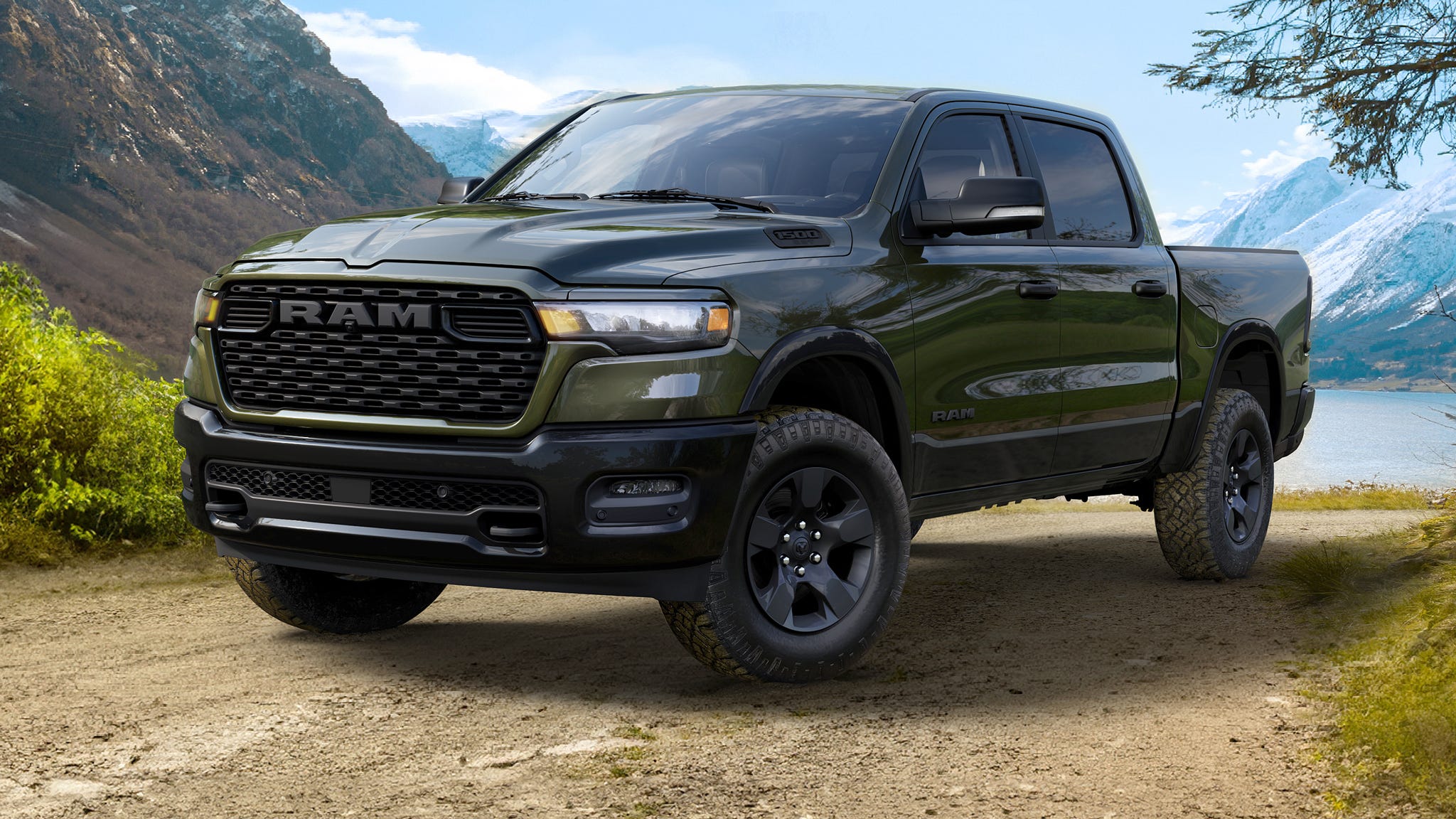
The next volley in Ram’s ongoing effort to utterly cripple buyers with choices has arrived in the form of the 2026 Ram 1500 BackCountry. Designed to look snazzier inside and out than a Warlock, the off-road-ready full-size pickup retains that model’s go-anywhere gear but dials the gentrification up a bit by forcing buyers to select from one of Ram’s two extensive equipment groups.
BackCountry Is Big Horn Based
To order a 2026 Ram 1500 BackCountry, you start by specifying a Big Horn 4×4 Crew Cab (the fourth model up Ram’s trim ladder—one above Warlock and two below Rebel) with either box size, then select the 3.0-liter SST straight-six for $1,695 (or, for $1,200 more, the 5.7-liter Hemi). After that, you need to select either the $1,695 Equipment Group 1 or the $2,895 Group 2. Do all that, and you can select the $2,995 BackCountry package, which incorporates much of the content from the $1,345 Off-Road Group and the $945 Bed Utility Group. The former brings an e-locking rear diff, 1.0-inch suspension lift, 275/65R18 (32-inch) all-terrain tires with a full-size spare, heavy-duty shocks, Selec‑Speed off‑road cruise control, and skid plates for the front underbody, power steering rack, transfer case, and fuel tank. The latter includes a 115-volt A/C outlet in the bed, adjustable cargo tie-down loops, spray-in liner, box lighting, a bed step, and cargo divider.
ADVERTISEMENT – CONTINUE READING BELOW
How to Spot a BackCountry
The BackCountry’s exterior spiffs include body‑color accents and grille surround, contrasted by a black lower body, bumpers, and fender flares. It’s capped off with badging, lighting bezels, front tow hooks, and five-spoke wheels done up in Satin Black. Inside, you get tough-as-nails black vinyl bucket seats embellished with alloy printed mesh inserts, a MOLLE panel woven canvas-strap seatback storage system, standard front and rear all‑weather rubber floor mats, and BackCountry badging on the passenger-side instrument panel.
Base Equipment
Forcing selection of at least the Equipment Group 1 brings the BackCountry such “standard” upgrades as heated front seats, a heated leather steering wheel, power-adjustable pedals, and second row in-floor storage bins. On the outside, upgrades include automatic-dimming side mirrors with power fold and heat, LED courtesy lamps and a rear power-sliding window with defrost. Springing for the fancier Group 2 brings a 7.0-inch instrument cluster display, 12.0-inch Uconnect 5 center touchscreen, configurable drive modes, Off-Road Info Pages, a 10-way power driver seat, dual wireless charging pads, dual-zone climate control, a power tailgate-release, and 9-speaker audio.
REAL-WORLD SOLUTION: Chery’s Rhino battery will address charging time, durability, and safety issues associated with current EV battery technology.
CHERY GROUP, encompassing brands Chery and Omoda-Jaecoo, has showcased its latest battery technology at the firm’s Auto Battery Night in Wuhu.
The ultra-fast charging battery, dubbed Rhino, is said to be capable of delivering 500km range from just eight minutes charge.
Alongside its fast-charging time and impressive range offering, the Rhino battery is also claimed to support up to 5000 charge cycles, positioning it, Chery says, as a “long-life solution for both private and fleet buyers”.
The Rhino battery is also said to be one of the brand’s safest yet with a “three lines of defence” approach that combines advanced materials, structural protection, and cloud-based battery condition monitoring to deliver “full-spectrum protection”.
Chery says it has subjected the battery to six extreme scenarios through testing, including high and low temperatures, salt exposure, collisions, underbody impacts and water immersion.
The Rhino battery family will span multiple applications, including in battery electric and hybrid models, and future solid-state variants.
The latter was a major focus of Chery’s Auto Battery Night, the manufacturer outlining significant RMB 10 billion ($A2.1b) investment in next-generation battery development and a team of up to 1200 engineers.
Chery says its current solid-state battery prototypes are already achieving energy densities of 400Wh/kg, with a roadmap targeting 600Wh/kg unlocking potential driving ranges of more than 1500km – sufficient to drive from Sydney to Adelaide on a single charge.
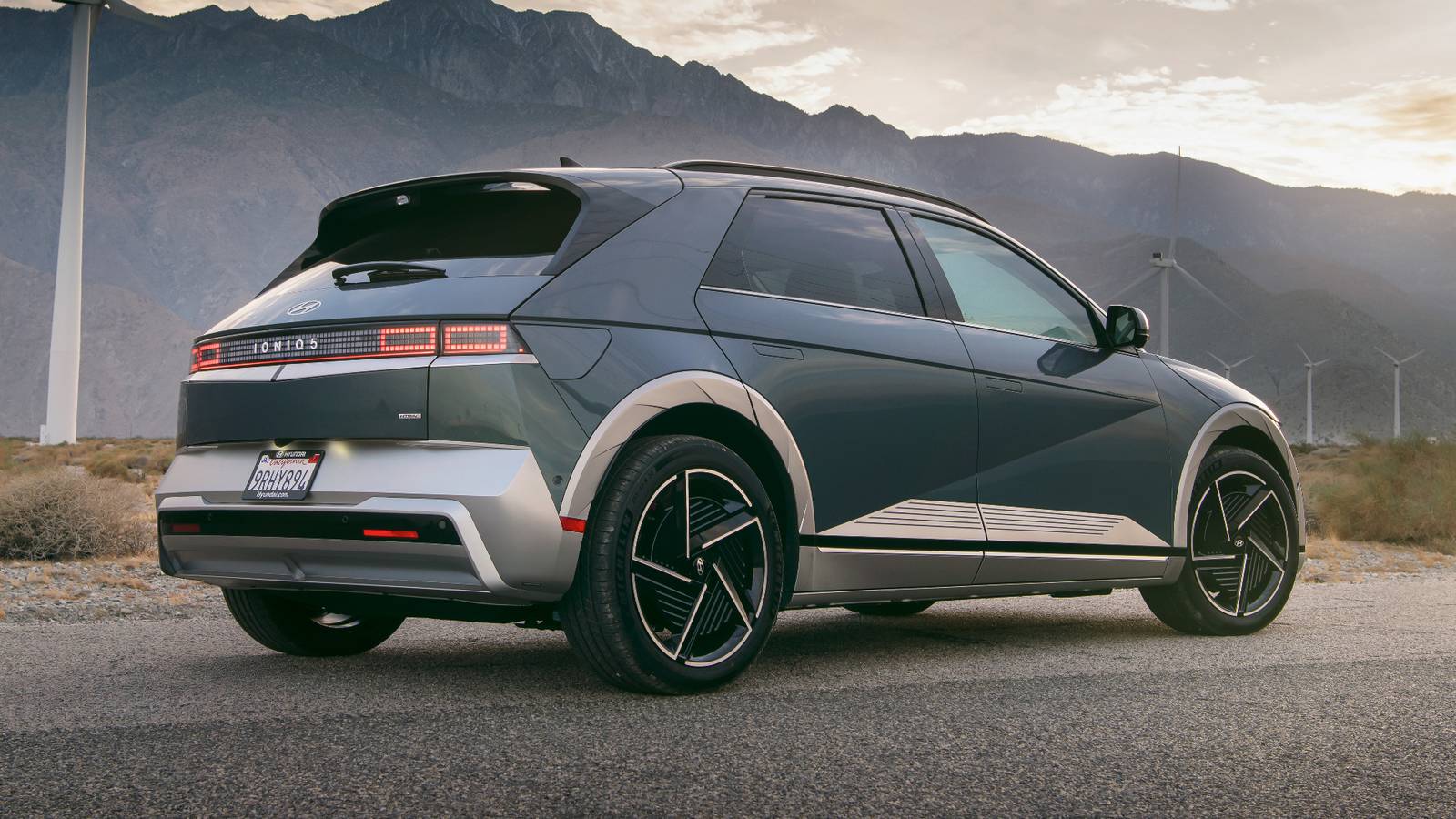
I am an electric vehicle owner. I traded my trusty Volkswagen Golf Sportwagen in for a cheap lease deal on a Hyundai Ioniq 5 a couple of years back. About a year and a half ago, my wife got a three-row Kia EV9. So, we became an all-EV (and all Hyundai E-GMP platform) family.
I have long been an electric-vehicle advocate. I have enjoyed my time with our EVs. I expected to leave fossil fuel power in the rearview mirror, permanently. But with my lease about to run out and a decision to make, I’m here to confess: my next car will be a hybrid.
Electric vehicles are great. I still believe that, in the intermediate to long term, EV technology will prevail. But I live in Michigan in 2026. It’s nearly impossible to make being an all-EV household work conveniently – at least without tailoring your lives to your car situation and mooching off other relatives’ cars.
Base Trim Engine
EV
Base Trim Transmission
Automatic
Base Trim Drivetrain
Rear-Wheel Drive
Base Trim Horsepower
168 HP
Base Trim Torque
258 lb.-ft.
Base Trim Fuel Economy Equivalent (city/highway/combined)
127/94/110 mpge
Base Trim Battery Type
Lithium ion (Li-ion)
Infotainment & Features
9 /10
Electric Cars Are Excellent For Everyday Driving
Ioniq 5 parked in lotTy Duffy/CarBuzz/Valnet
2024 Hyundai Ioniq 5 AWD
Powertrain
Dual-Motor EV
Drivetrain
AWD
Power
320 hp
Torque
446 lb-ft
EPA Range
260-290 miles
My decision had nothing to do with my EV itself. I love the Hyundai Ioniq 5. I tested it multiple times for work before leasing one. It’s a car I chose to bring home because it is an outstanding all-around car, electric or not. The prudent play would have been to get the rear-wheel-drive Ioniq 5 with more range. I opted for the all-wheel-drive model, which packs 320 horsepower and 446 pound-feet of instant torque. It can accelerate from 0 to 60 mph in about 4.5 seconds. That doesn’t feel as visceral in an EV as it would in, say, a Ford Mustang GT. But it is a fun little trick when BMW and Audi drivers get annoying.
But what makes the Ioniq 5 brilliant is not its quickness or sportiness; it is the car’s balance and restraint. The handling feels direct and responsive. But instead of dialing it in to 11, Hyundai pulls everything back to an 8. The result is a car that is comfortable and competent for everyday driving on normal roads. And unlike a lot of its EV brethren, it’s accommodating to drivers coming over from combustion. There’s very little learning curve. The cabin is spacious and easy to access. The trunk space is enough to hold a small family’s luggage for a long weekend.
The Ioniq 5 did present some minor annoyances. My 2024 model predated the 2025 mid-cycle refresh, so it came without a rear wiper. I’ve been painfully reliant on the rear defrost to get through winter. The front wipers, which I swiftly swapped out, were some of the worst I’ve experienced on a production car. The pre-refresh model only comes with wired Apple CarPlay, conveniently with no natural place to put a cellphone. My iPhone flew from the front seat or the cupholder during heavy braking quite frequently. But nothing rose to the level of making me regret my decision.
But EV Infrastructure Is Not There Yet, At Least Not In Michigan
Hyundai Ioniq 5 on Blink chargerTy Duffy/CarBuzz/Valnet
Most days, public charging infrastructure has had zero impact on my EV ownership. I own a single-family home. I installed a home Level 2 charger. I had around 200 miles of range on an 80% charge most times I left the house. And that was more range than I would ever need on 98% of my drives, even early morning treks from my home north of Detroit to media drive events west of Ann Arbor. My first EV road trip, however, proved an epiphany.
Road trips in an EV remain a challenge. Michigan is improving its EV infrastructure, but still lags behind leaders. The situation makes maintaining an all-EV household challenging. EV fast-charging infrastructure tends to cluster around “big box” retailers. Broadly, that makes sense. Stores like Meijer and Walmart are located near major highway interchanges. Of course, “near” is a relative term. A charger a mile away from the highway exit can still mean adding 5–10 minutes on to a charging stop. Those big box retailers often reside off the main drag, where land is cheaper and away from restaurants, which adds time. A 20-25 minute full charge stop on the road can easily take 40-45 minutes to complete with hungry kids.
Back of Ioniq 5 at blink high speed chargerTy Duffy/CarBuzz/Valnet
Michigan’s fast charging infrastructure is also not sufficiently dispersed. Charging companies have essentially piggybacked on Tesla Supercharger locations. So, there are more available stalls and charger types at specific locations, but the number and distribution of locations remain poor. Adding an NACS adapter only added backup options at the same locations.
Charging experiences can be very inconsistent. Things can go well. On my way up to Northern Michigan, I pulled into an empty 350 kW Electrify America charger and completed a full charge in around 20 minutes. During the trip, I randomly found that the town of Cheboygan had added 150 kW fast chargers at City Hall that took credit cards.
Things can also go very poorly. On my way home on a 95-degree day, the one bank of Electrify America chargers within range was closed. Tesla Supercharger stalls were full, and none could accommodate my vehicle in the appropriate spot due to the cord length. We were saved by a Ford dealer with a Blink charger, thankfully located a few miles away.
EVs Dropping Range In The Winter Is Rough In A Wintery Locale
Ioniq 5 covered in snowTy Duffy/CarBuzz/Valnet
My aforementioned experience involved a lot of stress and some white-knuckle testing of the car’s range. And that was in relatively ideal summer conditions. EVs are far less efficient in cold weather. In my Ioniq 5, I’ve seen about a 20% range drop compared to typical performance when the temperature drops between 10ºF and 20ºF. This winter, we’ve dealt with temperatures dropping 20 degrees below that. EVs are less efficient on the highway without stop-and-go regenerative braking than they are in city driving.
That range decline is not a problem when picking up my kids from school or running errands. But it does make the difference between visiting friends at their vacation homes or going on ski trips in Northern Michigan being doable (stressfully) and not. That drive can be stressful enough in a combustion car. My family has got by this winter, but only because we have relatives that live five minutes away with vehicles we can borrow for the weekend. A hybrid that can fill up with gas is far more convenient.
Getting Electric Vehicles Repaired Can Be Problematic
2026 Kia EV9 – front fasciaKia
Mercifully, nothing has gone wrong with my Ioniq 5. I’ve only taken it for scheduled maintenance and to address recalls. I had one incident where the 12V battery went flat, turning the car into a cork in my brother-in-law’s driveway on New Year’s Eve. But that was swiftly resolved with a portable jump starter. Our Kia EV9 has been a vastly different experience, one that had me questioning whether an EV household was the optimal decision.
We’ve had two different battery-related problems with the EV9. In the first instance, the 12V battery had gone flat on the lot, which froze the GT Line’s fancy power-adjustable second-row captains’ chairs in place. In the second instance, the car stopped charging, began flashing glaring red warnings, and required its battery control module to be replaced.
Both repairs, performed at separate dealerships, took an inordinate length of time. Fixing the software on the seats required a week at the dealer. Replacing the battery control module took an entire month, without a loaner and no offer from Kia to reimburse the monthly payment. Both dealers appeared to be calling Kia’s central tech support for guidance whenever something EV-related went wrong with the car, with multiple back-and-forths causing substantial delays.
The Vehicle We Need Really Isn’t Affordable As An EV Yet
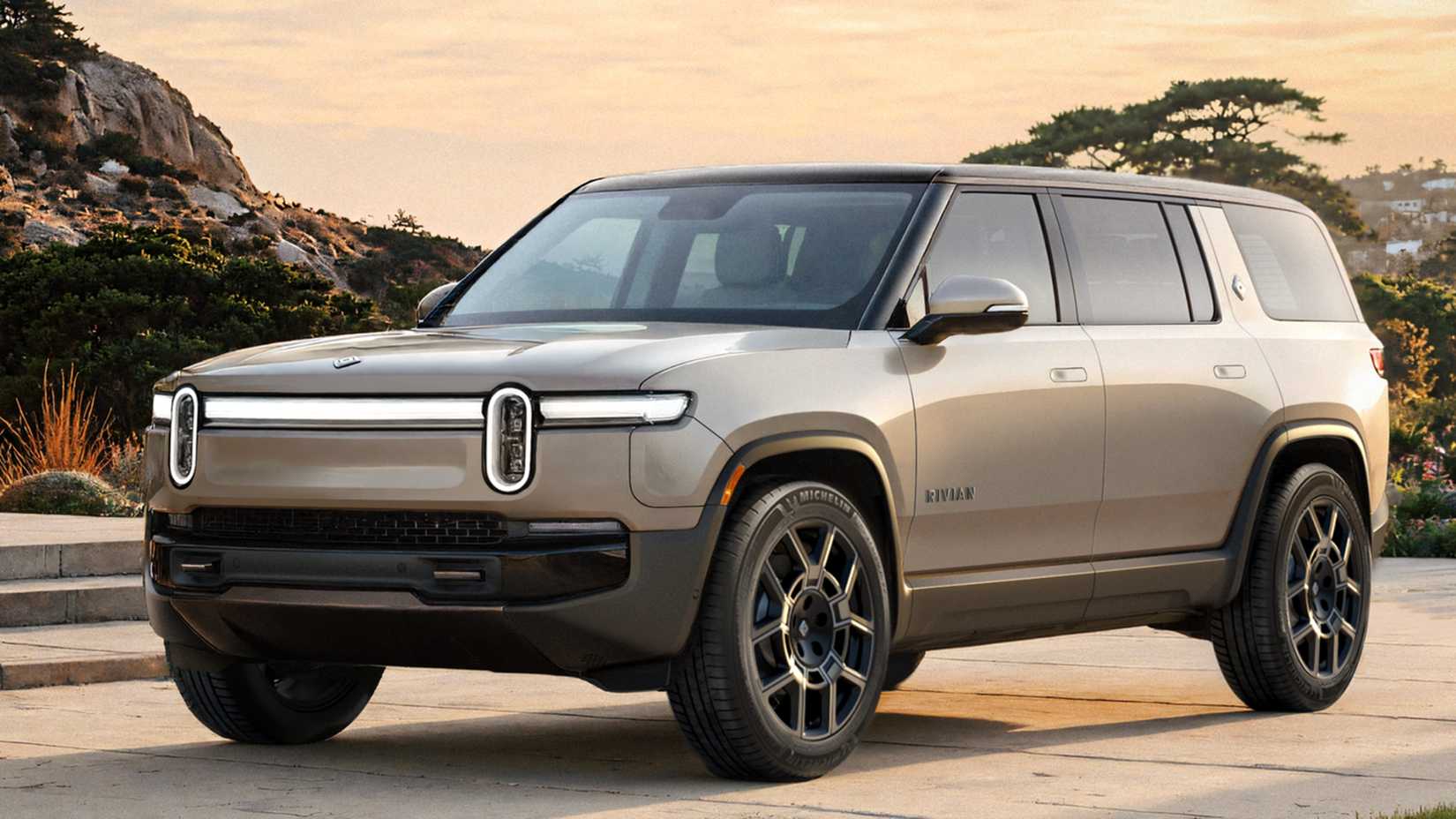
My family has two kids. Michigan isn’t northern Canada, but there is a fair amount of snowfall during the winter. We were looking for a spacious, practical but not necessarily three-row car with maybe a little more four-wheel-drive capability and clearance than the EV9 offers. The closest thing that currently exists in the EV realm is the Rivian R1S. But the R1S is pricey.
We would need at least the 329-mile Dual battery but ideally the 410-mile Max range to alleviate range anxiety. Starting MSRP for the Dual Rivian R1S is $83,990. The Max pack pushes the price above $90,000. And with the Trump administration eliminating the $7,500 federal tax credit, there aren’t reasonable lease rates to help make that price more manageable.
I didn’t want to go back to gas. But with the current infrastructure and EV market, something like a Toyota 4Runner as a second car adds far more versatility and feels far more reasonable.
From the March/April 2026 issue of Car and Driver.
Lap Time: 2:41.7
Class: LL5 | Base: $440,367 | As Tested: $585,954 Power and Weight: 907 hp • 4200 lb • 4.6 lb/hp Tires: Bridgestone Potenza Race F: 255/35ZR-20 (97Y) L R: 325/30ZR-21 (108Y) L
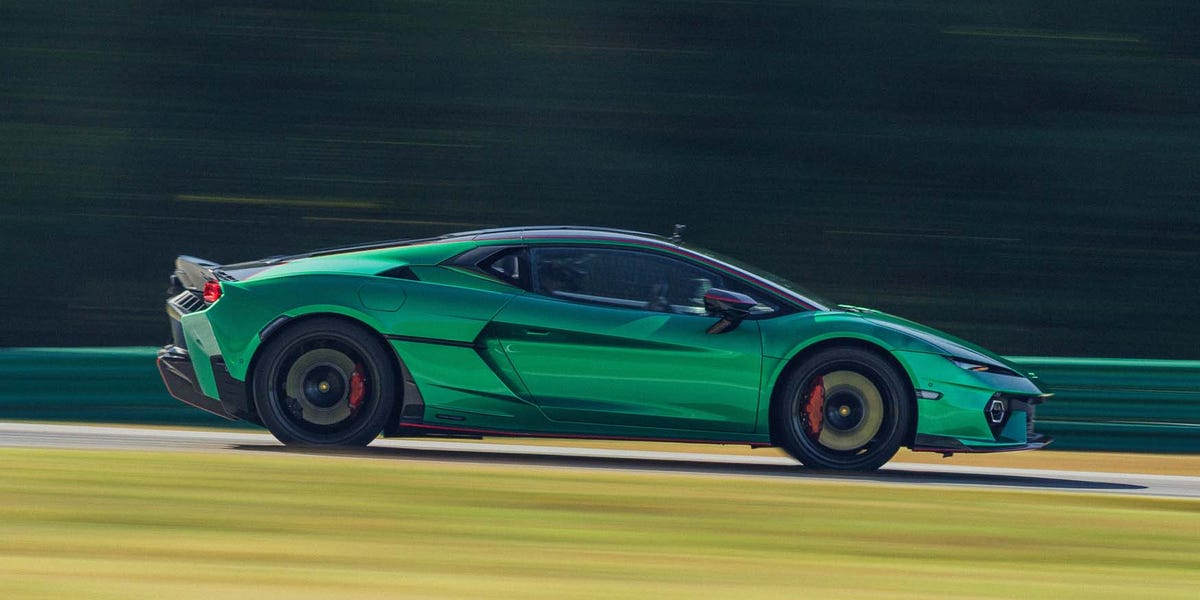
Never mind that Lamborghini’s latest entry-level supercar is substantially larger and heavier than the Huracán that preceded it. The Temerario’s new 10,000-rpm twin-turbocharged V-8 combined with electric assist brings 276 more horsepower than before. Boosting power by 44 percent has a way of siphoning time from a lap, and the Temerario opens up a sizable 2.2-second gap compared with the quickest Huracán we’ve run, a rear-drive 2023 Tecnica. Although that difference is explained almost entirely by the gains on VIR’s three longest straights.
Despite packing 761 more pounds than that Huracán (and 594 more than an all-wheel-drive Evo variant we lapped several years ago), the Temerario puts on an acceleration clinic down VIR’s Front Straight, climbing to 173.6 mph. It’s the third-fastest speed we’ve ever recorded, behind only the Corvette ZR1 (179.0) and the McLaren 765LT (174.6). This is despite the Lambo having a power-to-weight deficit of 12 percent compared with the McLaren and 24 percent versus the Corvette. It’s safe to say the Temerario’s powertrain is an overperformer, except in one regard: sound. While what’s there is great, there just isn’t enough of it, as our team listening to it sprint down the straight kept pointing out.
View Photos
Michael Simari and Marc Urbano|Car and Driver
The expanded size and weight aren’t just wanton bloat; they bring a sea change to the interior dimensions. As proof, we assigned our tallest, six-foot-five pilot, who can’t get anywhere near comfortable with a helmet on in a Huracán, to the Lambo’s helm. The Temerario doesn’t feel heavy, and the all-wheel drive isn’t overly obvious as the car brilliantly slithers through corners, the assist from its three electric motors deftly integrated with the high-revving V-8. It’s balanced, natural, and trustworthy, making it easy to get into a flow state so sublime that thoughts of damaging a car with a sticker price this lofty are fully erased.
We’re a little surprised that the junior hybrid Lamborghini is but 84 pounds lighter than its V-12-powered Revuelto big brother, which we ran last year. That puts the Temerario at a slight power-to-weight disadvantage, and yet the two cars’ lap times were all but identical. With time differences of no more than 0.5 second, the Revuelto won Sectors 1, 4, and 5, and the Temerario took Sectors 2 and 3 to wind up just 0.4 second in arrears.
Back to Lightning Lap 2026
Dave VanderWerp has spent more than 20 years in the automotive industry, in varied roles from engineering to product consulting, and now leading Car and Driver‘s vehicle-testing efforts. Dave got his very lucky start at C/D by happening to submit an unsolicited resume at just the right time to land a part-time road warrior job when he was a student at the University of Michigan, where he immediately became enthralled with the world of automotive journalism.
THE updated 2026 Ford F-150 has finally landed in Australia following a troubled start since launching Down Under in 2023.
Essentially a MY24 US model, the “new” F150 ushers in a third, range-topping Platinum variant
The formula remains the same: big aluminium-bodied five-seater aimed at those who want to tow heavy loads and lift heavy things.
The new F-150 arrives with price rises and a mostly unchanged driving experience but some important updates beneath the skin as well as more equipment and a styling freshen-up.
Locally, the F-150 range now spans XLT, Lariat and Platinum grades, with both short wheelbase (SWB) and long wheelbase (LWB) configurations.
Pricing starts from $114,950 before on-road costs for the XLT, rising to $143,950 + ORC for the Lariat and $163,950+ ORC for the flagship Platinum, with no price difference between SWB and LWB configurations within each trim level (previously LWB variants were $995 more).
The key difference between the two wheelbases is practicality. The LWB adds 300mm of extra tub length, making it the better choice for outright load space, while the SWB is slightly easier to manage in tighter environments; its shorter wheelbase also gives it a better ramp-over angle, an important consideration for those heading off-road.
Under the bonnet, all Australian-delivered F-150s get the unchanged 3.5-litre twin-turbo EcoBoost V6 producing 298kW and 678Nm.
It’s paired with a 10-speed automatic transmission.
In XLT models it’s a part-time four-wheel drive system but in Lariat and Platinum variants it allows for a differential in speed between front and rear axles, in turn allowing for a 4A mode that can be used on bitumen.
The grunty V6 enables the F-150’s 4500kg tow capacity.
Payload, however, is less impressive given the vehicle’s size, ranging from 704kg to 878kg, depending on the model.
That puts it below many dual-cab utes, including Ford’s own Ranger – leaving as little as 254kg remaining payload if you’re towing the full 4500kg.
The entry-level XLT picks up more gear, including the 12.0-inch central infotainment screen, which is a big step up on the 8.0-inch unit of the previous model. There’s also a 12.0-inch digital instrument cluster.
Other XLT gear includes 20-inch alloy wheels, power adjustable front seats, dual-zone ventilation, 360-degree camera and tyre pressure monitoring. The spare wheel is a temporary 18-inch unit mounted on steel wheels.
The load box gets a 12V power outlet and illumination.
As part of the 2026 update the new grille is finished in black, reducing the chrome overload outside and now features LED headlights.
Ford also added more underbody protection for those wanting to venture beyond the blacktop.
And there’s a new pre-installed wiring loom to make it easier to fit aftermarket driving lights.
The Lariat adds partial leather trim, a panoramic sunroof, a 14-speaker Bang & Olufsen, speed sign recognition, auto wipers, ambient lighting, memory function for the front seats and electrically adjustable pedals, wireless phone charging, adaptive cruise control, heated and ventilated front seats and heated outboard rear seats.
The Lariat also gets a new tailgate that can either be electronically raised and lowered or have the centre section swing out, as well as a power sliding back window.
The Lariat is the “bling” model for those who want plenty of shiny surfaces. It’s dripping with chrome outside and backs it up with more silvery touches in the cabin.
Previously the Lariat got Pirelli rubber, but as with the Platinum, it now shares its Hankook Dynapro AT2 tyres with the XLT.
The Platinum tops the range with a more premium, blacked-out aesthetic, upgraded front seats with massaging functionality, a camera to monitor the load area, a folding tonneau cover and various trim upgrades to step up the luxury flavour.
Electrically retracting side steps are fitted for convenience.
The Platinum also gets “continuously controlled damping shocks” to adjust the ride depending on the drive mode.
As part of the 2026 update, improvements have been made to the remanufacturing process – the extensive conversion from left- to right-hand drive.
A new electrical architecture is claimed to improve cyber security but also meant fitting a new electric power steering system; whereas previously it was a Ranger-sourced unit for Australian vehicles, the steering system is now supplied by the original American supplier.
Ford is also sourcing lights directly from the American supplier rather than laser cutting the lights locally to meet Australian regulations, as was done previously.
Across all variants, the F-150 leans heavily into comfort, space and long-distance usability rather than outright workhorse payload.
DRIVE IMPRESSIONS
There’s plenty of the old F-150 in the new F-150.
Sure, it looks sharper and has a smattering of extra gear – the massaging seats in the Platinum are a nice touch, able to get quite aggressive in their prodding and rolling – but the engine and basic suspension system is unchanged, ensuring familiarity while capitalising on the F-150’s strengths.
That said, as part of a rejig of the electrical architecture the F-150 required a new steering system.
It’s still light and a tad lifeless, but works well with the easy-driving ethos of the large truck.
Stepping up into the driver’s seat, the Ford F-150 immediately delivers on one of its biggest promises: effortless performance.
There’s a genuine sense of ease to the way the big pick-up truck moves.
Sure, the broad dimensions mean you need to be wary of its extremities in tight streets, but out on the open road it feels more at home.
With 298kW and 678Nm the 3.5-litre V6 twin-turbo engine serves up plenty of torque from way down in the rev range, which makes the F-150 feel strong and unstrained whether you’re pulling away from a stop or cruising at highway speeds.
Paired with a 10-speed automatic transmission, the powertrain is smooth and well-matched, generally intuitive in the ratios it selects.
The stop-start system is impressively seamless, cutting in and out cleanly and with minimal fuss, which contributes to the polished driving experience.
At highway speeds, the F-150 settles into its element.
At 100km/h, the engine is barely ticking over at around 1400rpm, reinforcing its relaxed, long-distance character. Again, no different to the model it replaces, but a reminder of how well the big pick-up truck works.
It’s quiet, comfortable and stable – the kind of vehicle that feels built for covering big distances with minimal effort.
Combined average fuel use is claimed at 13.4 litres per 100km and during our predominantly country road cruising we had it sitting just below that, hovering around 12L/100km – not bad given the size and performance on offer.
It means you should be able to eke close to 1000km from the 136-litre fuel tank.
Ride quality is a mixed bag, though. When unladen, there’s some jiggling from the rear end over uneven surfaces.
It’s not overly harsh, but it does remind you that this is still a work-capable vehicle underneath, complete with leaf spring suspension at the rear.
Differences between variants extend beyond just trim. The XLT sticks with a part-time four-wheel-drive system, which is fine for traditional off-road use.
Our drive program was purely on-road, which gives you an idea of the target market.
Ford also unleashed us with a few tonnes of trailer to experience what is a thoroughly accomplished towing setup. It lugs big loads remarkably easily.
The Lariat and Platinum step things up with an on-demand system featuring a centre differential, allowing for more flexibility and easier use across varying conditions.
That also helps with towing, especially on a wet road – the XLT in two-wheel drive means the grunt can potentially spin a rear wheel whereas the Lariat and Platinum can divert drive to all four wheels, making it easier to get things moving.
The tray is large and well thought out, with multiple tie-down points including fixed and removable options that Ford calls BoxLink.
The tailgate design evolves across the range from a simple drop-down unit in the XLT, to the more versatile split-opening setup in higher grades.
That split tailgate is powered down and up (a gentle push and the electric motors do the rest) while also allowing the centre section to be swung out.
Inside, usability is a consistent strength. Storage is everywhere, from deep door pockets with integrated cupholders and a second binnacle mid-way up the lining as well as useful slim compartments alongside the centre console.
Even in higher trims where some space is sacrificed for added features like the folding gear selector, the cabin remains one of the most practical in the segment.
Ultimately, the F-150 doesn’t try to be a sports ute or a highly technical off-roader.
Instead, it leans into comfort, space and effortless usability – and in that role, it’s very effective.
It’s a relaxed, capable tourer with serious presence, backed by a drivetrain that delivers exactly what buyers in this segment are looking for.
The latest iteration doesn’t change a successful formula – albeit one that is still a long way from its potential in Australia – but instead builds on it, while adding some luxury for those who want more.
German automotive giant Volkswagen Group has been forced to recall nearly 100,000 battery electric vehicles (EVs) due to issues in high-voltage battery which could lead to reduced range the a fire risk.
The Kraftfahrt-Bundesamt (KBA), Germany’s federal motor transport authority, has published two recall notices affecting VW EVs which both referred to “non-compliant modules in the high-voltage battery” which can reportedly “lead to a reduction in range and the illumination of a yellow warning light” and the potential “risk of fire”.
The two recall notices affect different cars and model years, including 19,452 Cupra Born models produced between 7 February 2022 and 21 April 2024, and a total of 74,579 VW ID. models produced between 24 June 2023 and 23 August 2024 covering the ID.3, ID.4, ID. 5, ID.Buzz, and ID. Buzz Cargo range.
The recall will include a software update, a test of the high-voltage battery modules, and, if necessary, replacing individual battery modules.
In both cases, Volkswagen has not provided any information about possible vehicle limitations nor are there any known incidents with property and/or personal damage.
More information about the recalls from Germany’s KBA can be found here for the Cupra Born and here for the VW ID. models.
Australia’s Vehicle Recalls site has not yet added a recent recall notice to match the KBA. It is not clear if any ID models are affected, given they started deliveries later, but the Cupra Born deliveries could be affected. VW Australia did not respond to our questions.
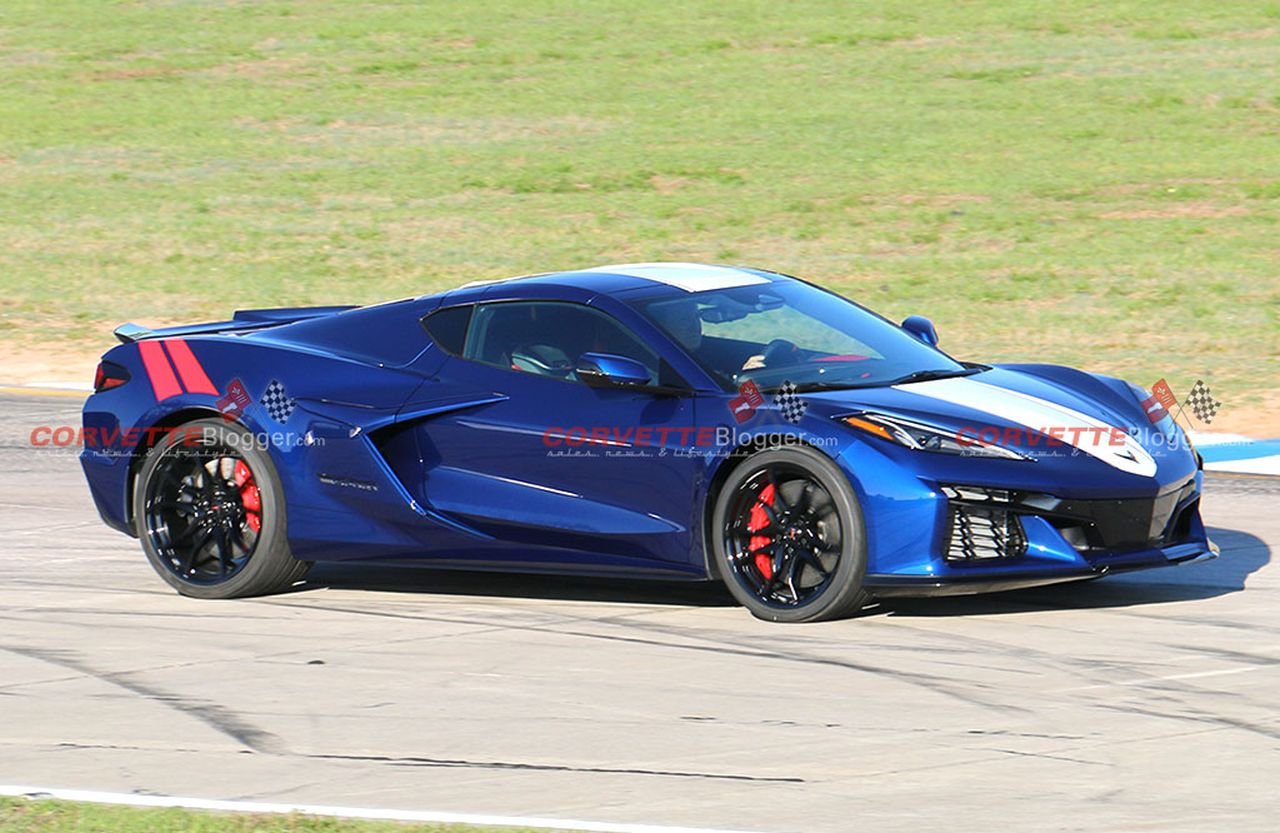
General Motors is all set to reveal the all-new Chevrolet Corvette Grand Sport on March 26. The first official teaser is now out.
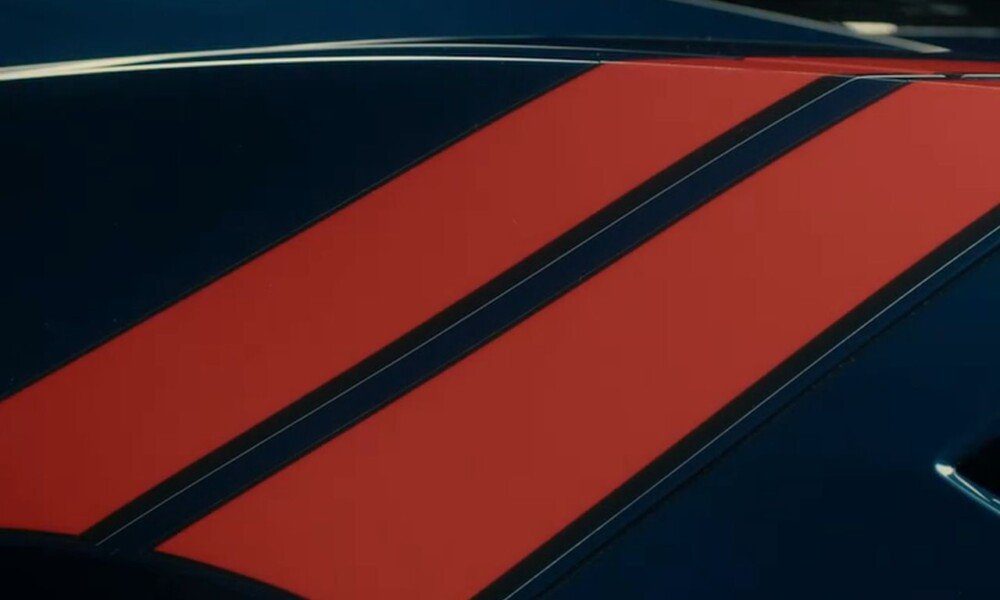
The teaser video shared on social media reveals the Grand Sport’s most distinct design element – the hashmarks.
The new Chevy Grand Sport made its first appearance in February. It was spotted during an ad shoot on the Angeles Crest Highway in California. Recently, the car was part of the pre-race parade at the 12 Hours of Sebring.
The new Grand Sport range will be positioned below the ZR1 and ZR1X, offering a decent level of performance at an affordable price. It could be powered by a new 6.7-liter V8 engine producing around 550 hp.
A more track-focused Grand Sport X will also be on offer. It could feature a more aggressive aero kit compared to the standard Grand Sport.
The Grand Sport X is likely to use the same 6.7-liter V8 paired with a front-mounted electric motor, producing 720 hp.
I remember seeing the Nissan Formula E car and the Leaf Nismo RC up close back in 2023. Both felt completely detached from their road-going counterparts – low, wide, and clearly engineered for nothing but lap times. Carbon fiber everywhere, purpose-built everything.
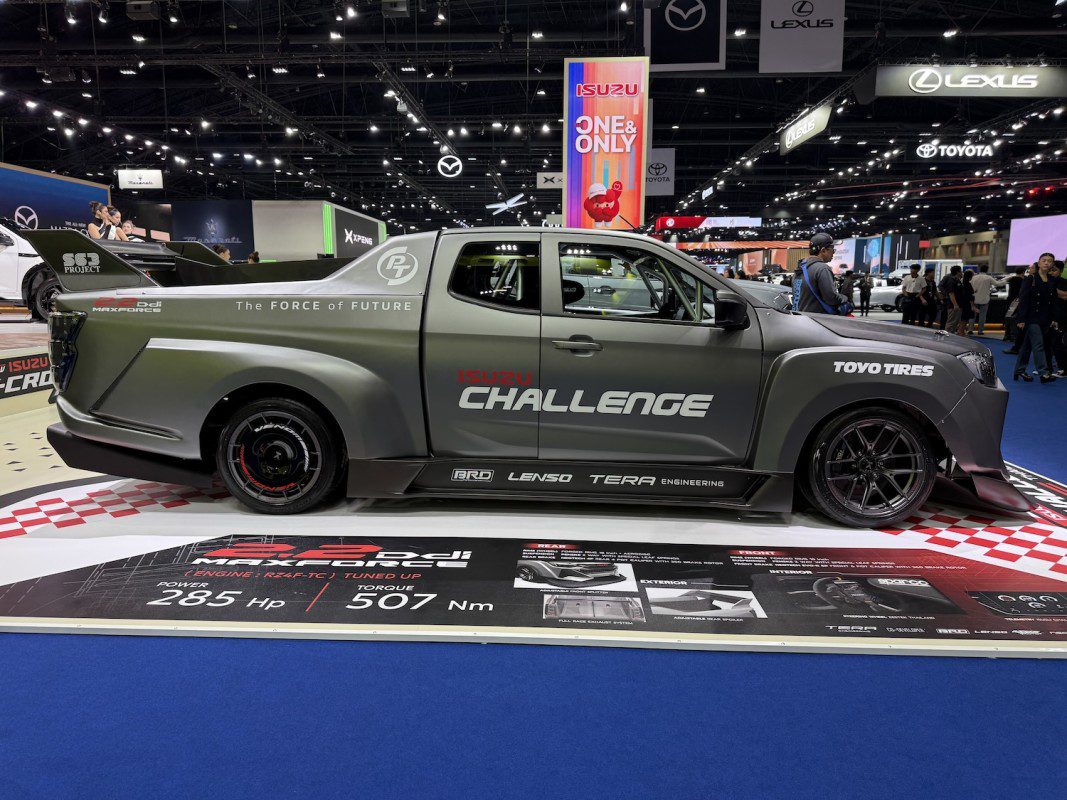
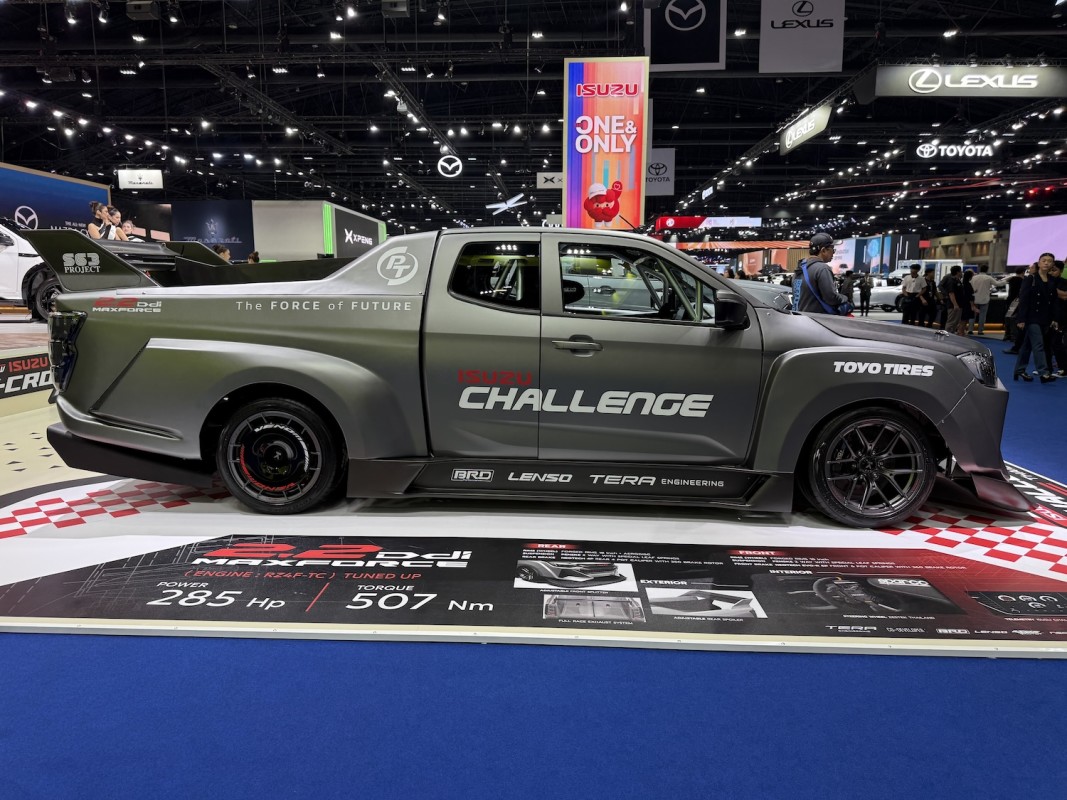
That was exactly the impression I had when I stood in front of the Isuzu Challenge D-Max at the 47th Bangkok International Motor Show. This is Isuzu, a brand most people know for their work trucks, now showing off something that looks like it belongs in a GT paddock.
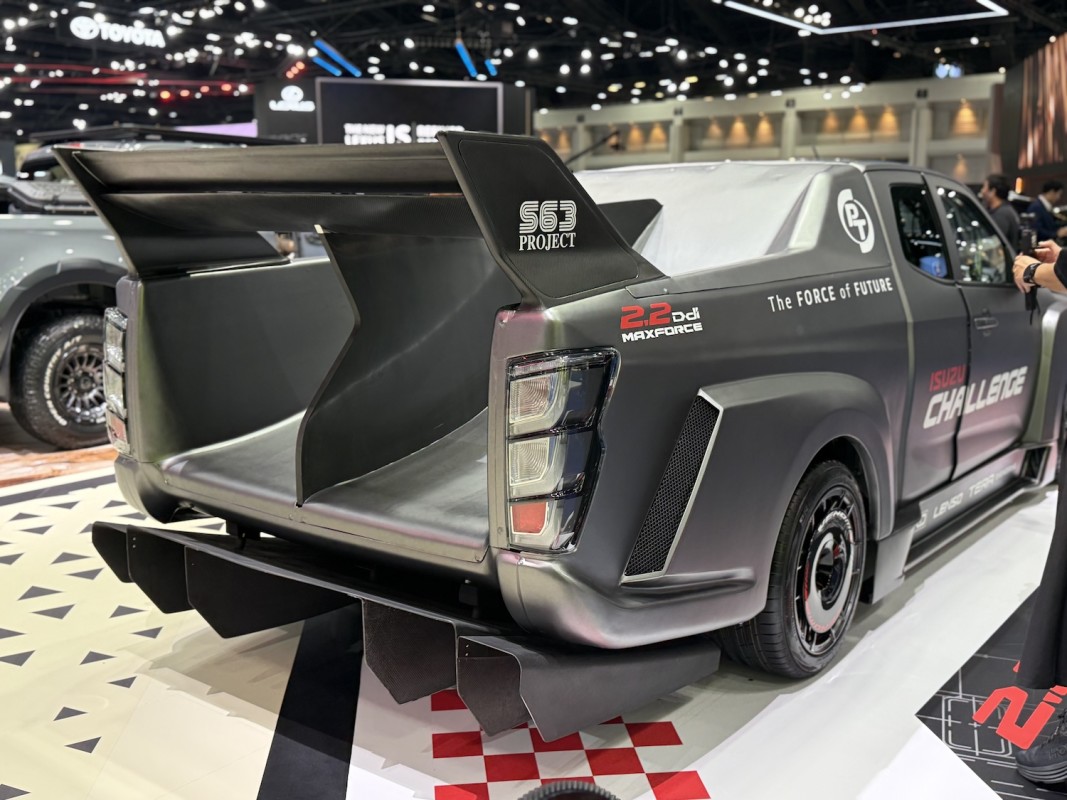
Technically, it’s a race truck. But up close, it feels more like a touring car that just happens to have a bed. The stance is wide, the aero is aggressive, and every detail looks like it serves a purpose. It doesn’t have that concept car vibe – it looks ready to hit the track.
Jacob Oliva/Autoblog
What It Actually Is
Beneath all the visual upgrades, it starts as a D-Max Spacecab passenger truck you’d find in Thailand, but it’s been transformed into a dedicated one-make race machine for the upcoming Isuzu Challenge Thailand 2026 series.
Under the hood, it’s powered by a 2.2-liter four-cylinder diesel that makes 285 horsepower and 374 lb-ft of torque, up from the standard 163 hp. That’s a big jump, especially since it still uses a 6-speed manual. A BK Racing clutch and limited-slip differential make sure all that power actually gets to the ground.
The chassis upgrades are just as serious. It uses a Penske 2-way adjustable suspension with custom leaf springs, and braking comes from a Neotech EVO-R system with 14.2-inch front discs and 6-piston calipers up front, plus 4-piston calipers at the rear.
It rides on 18-inch forged alloy wheels, with Aerodiscs on the rear, all wrapped in 275/40R18 Toyo Proxes Sport 2 tires. That setup alone hints at just how much grip Isuzu wants from this truck.
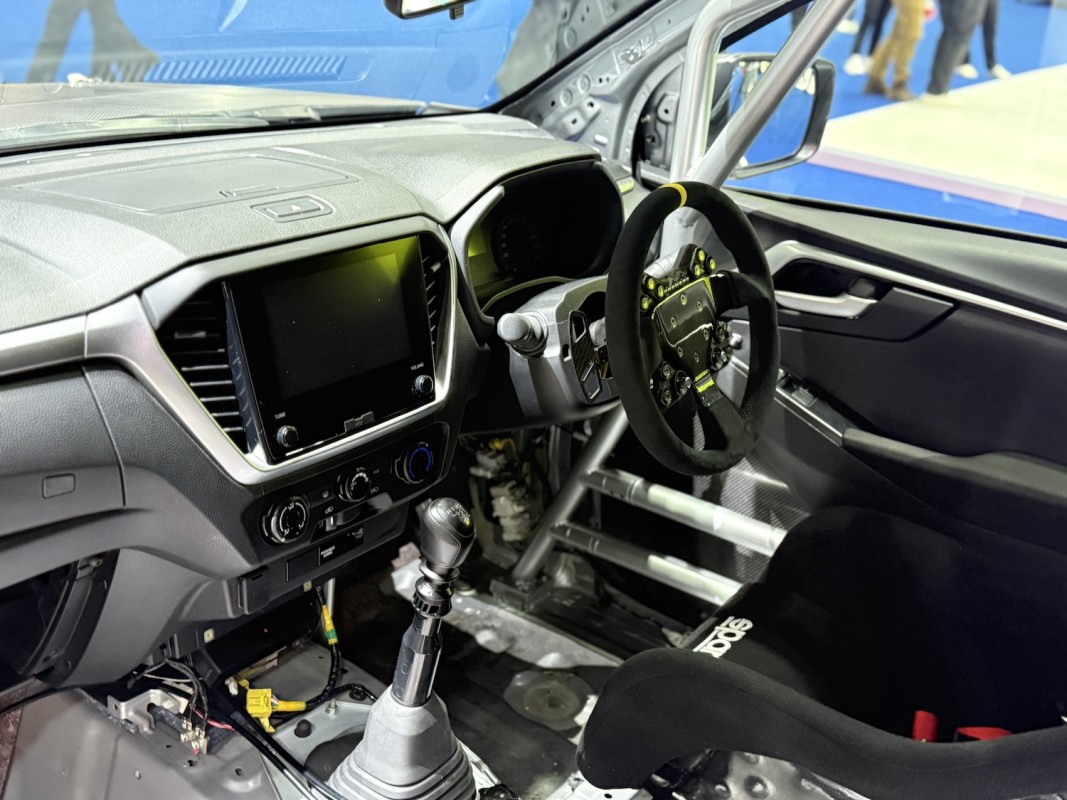
Inside, it’s all business: FIA-spec roll cage, bucket seats, harnesses, window net, and a fire suppression system. What caught my eye was the infotainment system, now paired with telemetry that logs real-time engine data and driver inputs. That’s not something you usually find in an entry-level one-make series.
Jacob Oliva/Autoblog
Seriously Awe-Spiring
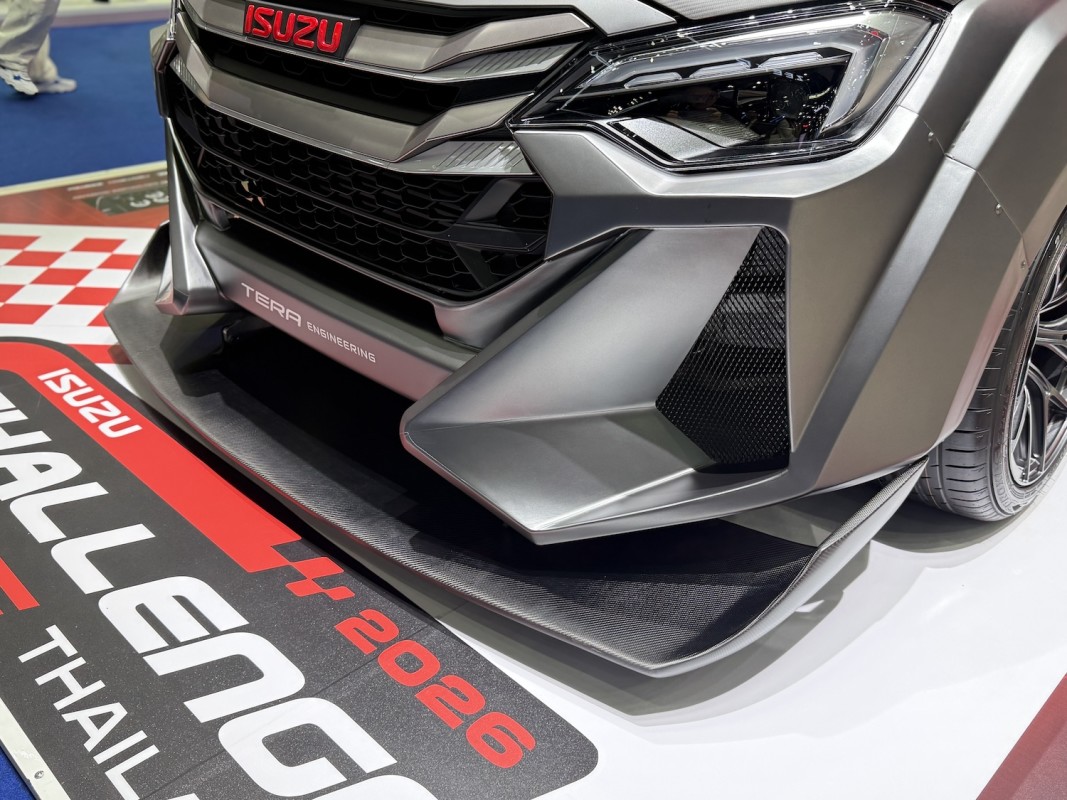
What stood out to me right away was how complete the whole package feels. Many race builds look like regular vehicles with aggressive parts bolted on, but this one doesn’t. The aero kit, developed by Tera Engineering, brings everything together with the kind of intent you’d expect from a proper GT.
There’s a real front wing, a big adjustable rear spoiler, and a tonneau cover with integrated fins that look like they actually do something. Wide fenders, side skirts, and a gigantic rear diffuser finish the look. Even the tow hooks seem like they belong.
Then there’s the stance. It sits low and planted, with proportions that almost make you forget it started as a pickup. From some angles, it looks more like a race car than a utility vehicle.
This isn’t just a showpiece, either. Isuzu is pricing the race-ready truck at about 1.4 million baht, or around $40,000, making it a realistic entry point for anyone looking to get into motorsport. That tells you a lot about what Isuzu wants to achieve with this project.
Jacob Oliva/Autoblog
Upcoming On Track Action
The Isuzu Challenge Thailand 2026 season will run across three events, totaling seven races. It starts in early June at Chang International Circuit in Buriram, returns there in August, and wraps up in October at the PT Songkhla Grand Prix street circuit.
It’s a short calendar, but that’s normal for a new one-make series. The goal here is to create a competitive but controlled environment, with equal cars, reasonable costs, and a clear path for drivers looking to get started in grassroots racing.
That’s what makes this so interesting. Isuzu isn’t just building something wild for the spotlight. They’re setting up a real racing program around a platform nobody expected to see on track in this way.
Jacob Oliva/Autoblog
View the 6 images of this gallery on the
original article