Published: September 18th, 2025
Share
Share

It was 22 degrees where I live last night, making it very tempting to give my car a few extra minutes to warm up this morning before driving my kids to school. It’s also easy to find someone sitting in their car with the engine running in almost any major parking lot, but that’s not the activity of a driver who wants to save fuel costs. Idling, which is when you let your engine run when you’re not driving the vehicle, uses more fuel than you probably think, and it generates a load of nasty emissions in the process.
The U.S. Department of Energy states that idling can use one-quarter to one-half gallon of fuel per hour, depending on the vehicle and the use of accessories (such as air conditioning). With climate controls turned off, idling could cost you up to $0.03 per minute. That might not seem like a lot at first, but consider how many times you’ve started your car 20-30 minutes before leaving the house in the morning or how long you’ve waited in the school pickup line with the engine running. The costs add up more quickly than you think.
While we’re mainly here to talk about fuel consumption, the cumulative effects of idling personal vehicles are staggering. The more than 250 million cars, trucks, minivans, and SUVs on American roads burn 3 billion gallons of fuel and generate 30 million tons of CO2 each year, just by idling. We admit that there are situations when it’s necessary to leave your car running, but reducing idle time would have the same fuel-saving and emission-reduction effects as taking millions of vehicles off the road.
Depending on where you live, idling may be illegal. Several states and cities have banned idling, including New Jersey, New Hampshire, Hawaii, Maryland, and others. New York City and parts of California also have regulations that prohibit idling in many situations.
Learn more about fuel economy and gas prices.
We aren’t telling you never to let your car idle, but there are several things you can do to reduce the time your car sits with the engine running.
✓
When to Turn Off Your Engine
Drive-Through Lines
Long waits at restaurants, banks, or pharmacies—turn off your engine or park and go inside.
Waiting for Passengers
Picking up kids or waiting for others? Turn off the engine in mild weather.
Warming the Interior
Driving warms the cabin faster than idling. Drive gently after 30 seconds of startup.
Modern Engine Health
Today’s starters and batteries handle frequent restarts. Turning off won’t damage your engine.
⏸️
Necessary Idling Situations
Traffic: Keep the engine running for safety. You can’t turn it off while in a traffic flow.
Defrosting: Winter window frosting may require a brief idle to clear visibility safely.
Emissions Testing: Some inspection stations require idling to maintain engine operating temperature during testing.
💡
Technology Solutions
Hybrid-Electric Vehicles
Engine shuts off automatically when stopped and can move on electric power alone.
Stop-Start Technology
“Mild hybrid” or stop-start systems increasingly available automatically stop the engine at red lights and restart on demand.
🚌
Protecting Children’s Air Quality
Vehicle emissions are more concentrated near the ground where children breathe. Reducing idling at schools and pickup zones protects developing lungs and helps prevent asthma and respiratory illness.
Be the Example
Turn off your engine at drive-throughs and while waiting. Show others the simple habit.
Talk to Schools
Encourage anti-idling policies and signs at school bus areas and parent pickup zones.
Inform Businesses
Suggest drive-through managers post reminders about idling’s environmental impact.
Know Local Laws
Check if your area restricts idling. Some regions fine drivers for unnecessary engine running.
Door handle technology isn’t exactly something that you expect to be excited about. It’s just something you expect to work. However, in the EV age, it’s not as cut-and-dry as just pulling a lever, and that’s gotten various automakers in hot water with regulators across the globe.
Tesla is one of those brands. Its door handles—both the ones on the outside of the car and the releases on the inside—have long been the subject of controversy. The automaker pledged to redesign them last year, and it looks like we may have our first glimpse of how the new latches could function thanks to a close-up with the upcoming Tesla Cybercab. Let’s see what’s changed.

Photo by: InsideEVs
A short look at the handles comes courtesy of a YouTube video posted by Tesla influencers Kim Java and Josh West. The video shows the duo briefly talking about the internal door release mechanism and how it functions. The Tesla blog Not A Tesla App first spotted the discussion of the door mechanism.
Now, sure, if you want to open the door on the Cybercab, you could use the button on the giant center screen. But most logical people, especially those in an emergency where there might not be power, will reach for the door. That’s where the need for a smarter, easier-to-use physical latch comes into play.
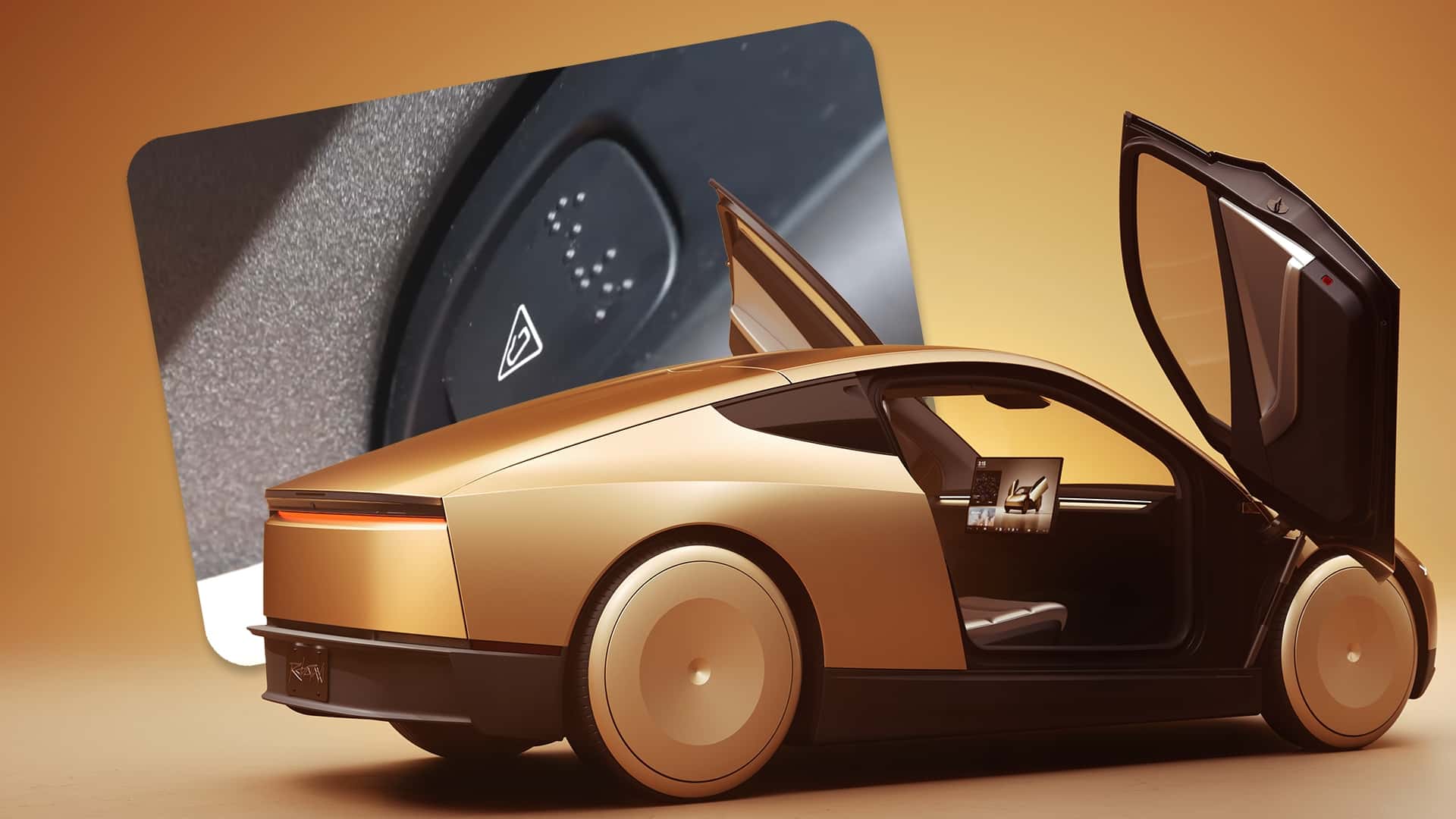
The video shows a door pull that opens upward, rather than the kind of button Tesla has historically used to pop doors.
Based on the description given in the video of how the door release mechanism functions, the new latch combines the electronic and mechanical releases together into a single progressive lever. A short pull is said to actuate the electronic release, but if the operator pulls the handle a bit further, it releases the latch mechanically. The lever also clearly has the word “Open” marked in braille to help passengers find it more easily.

Source: Kim Java/Josh West 247 (YouTube)
Photo by: YouTube
We don’t actually see this two-stage release in action in the video, but if the new latch truly does operate as described, it would signal a departure from how Teslas currently function. Historically, Tesla has separated the electronic and mechanical releases into their own controls so that the operator doesn’t accidentally pull the mechanical latch and potentially cause damage to the car’s exterior glass or trim.
To be clear, Tesla has not publicly stated that this latch is its new-style latch, or if the latch will make it into any other vehicle than the Cybercab. However, this does mark the first time that a latch like this, instead of a button, has been spotted on a Tesla. That suggests this could be the new dual-action lever that Tesla is working on implementing in its lineup.
Tesla’s chief designer, Franz von Holzhausen, told Bloomberg last year that Tesla wants to make its latches easier to use in “a panic situation.” He described a very similar mechanism:
“We actually have a mechanical release that’s basically right at the electronic one too, and we’re combining the two. So in the moment that you’re in a panic situation, the muscle memory to go to what you know is right there. So you just pull a little bit further on the lever, and you have the mechanical release. So that’s something that we’re working on.”
A single button system is easy to understand, easy to label, and potentially simple to standardize across all of its vehicles. Most importantly, it could easily save a life in the event of an emergency.
The automaker told the world that it was working to redesign its door handles last September after Bloomberg published an article that linked the door handle designs as a contributing factor to several injuries. It went on to attribute at least 15 fatalities to Tesla’s door handles later that year.
But the bigger question is whether or not these kinds of latches will make it to all four doors. The rear doors in Tesla’s cars have had hard-to-find emergency releases, like ones hidden behind a speaker grille or below a panel in the door pockets. Tesla has revised this over the years, and it isn’t the only brand to do this. In fact, other automakers have received criticism over potentially hard-to-use latches—and rightfully so, because people don’t have time to learn how to use a new system when in an emergency.
Tesla needed to make this change. Not just because it’s a smart thing to do, but because regulators around the world are cracking down on this as a safety measure.
It’s not clear if this is the updated release that will make it in Tesla’s other cars, or how this system will stand the test of the end user. But it could be a much welcomed change to anyone who has ever attempted to exit a Tesla for the first time.
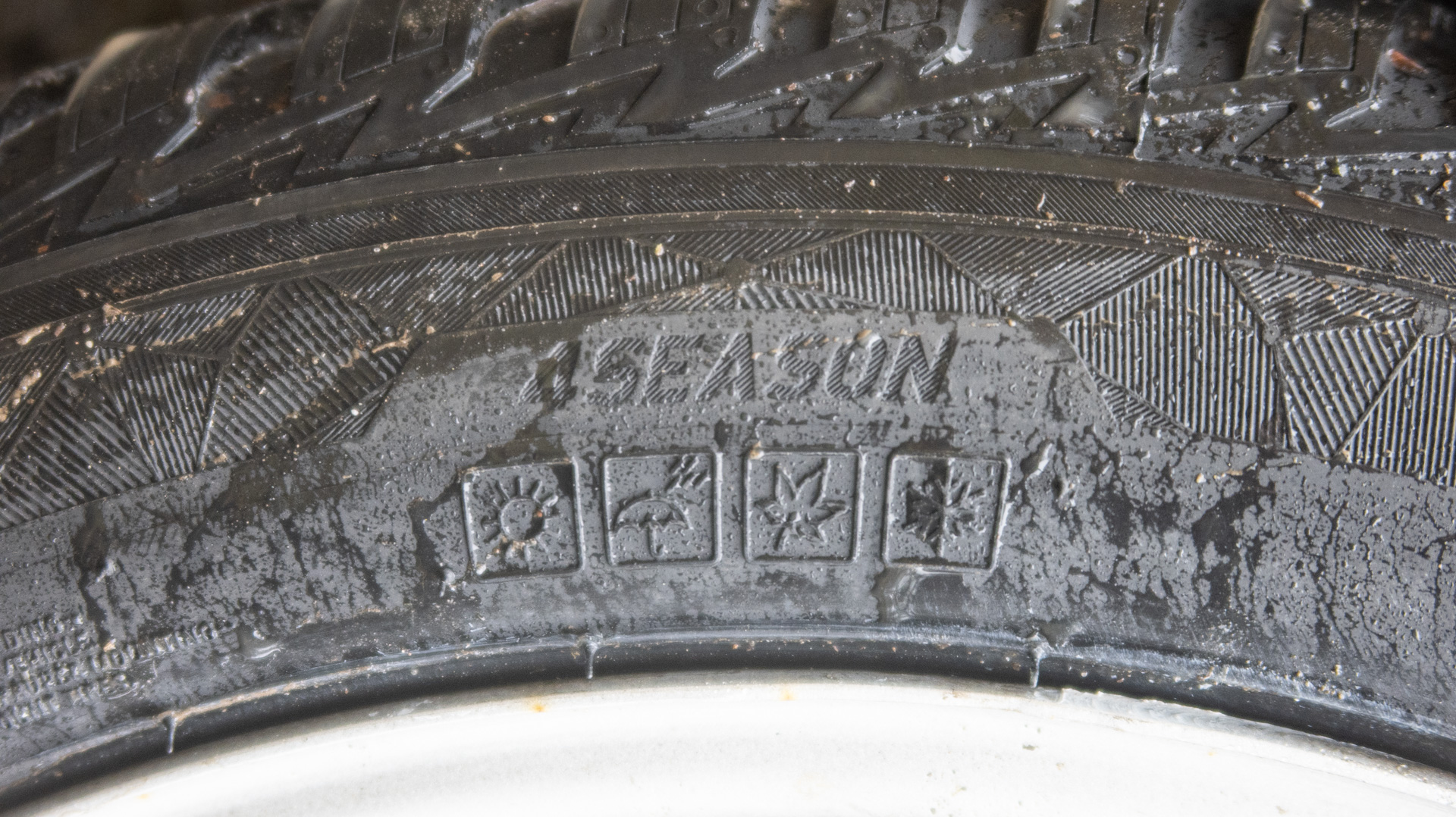
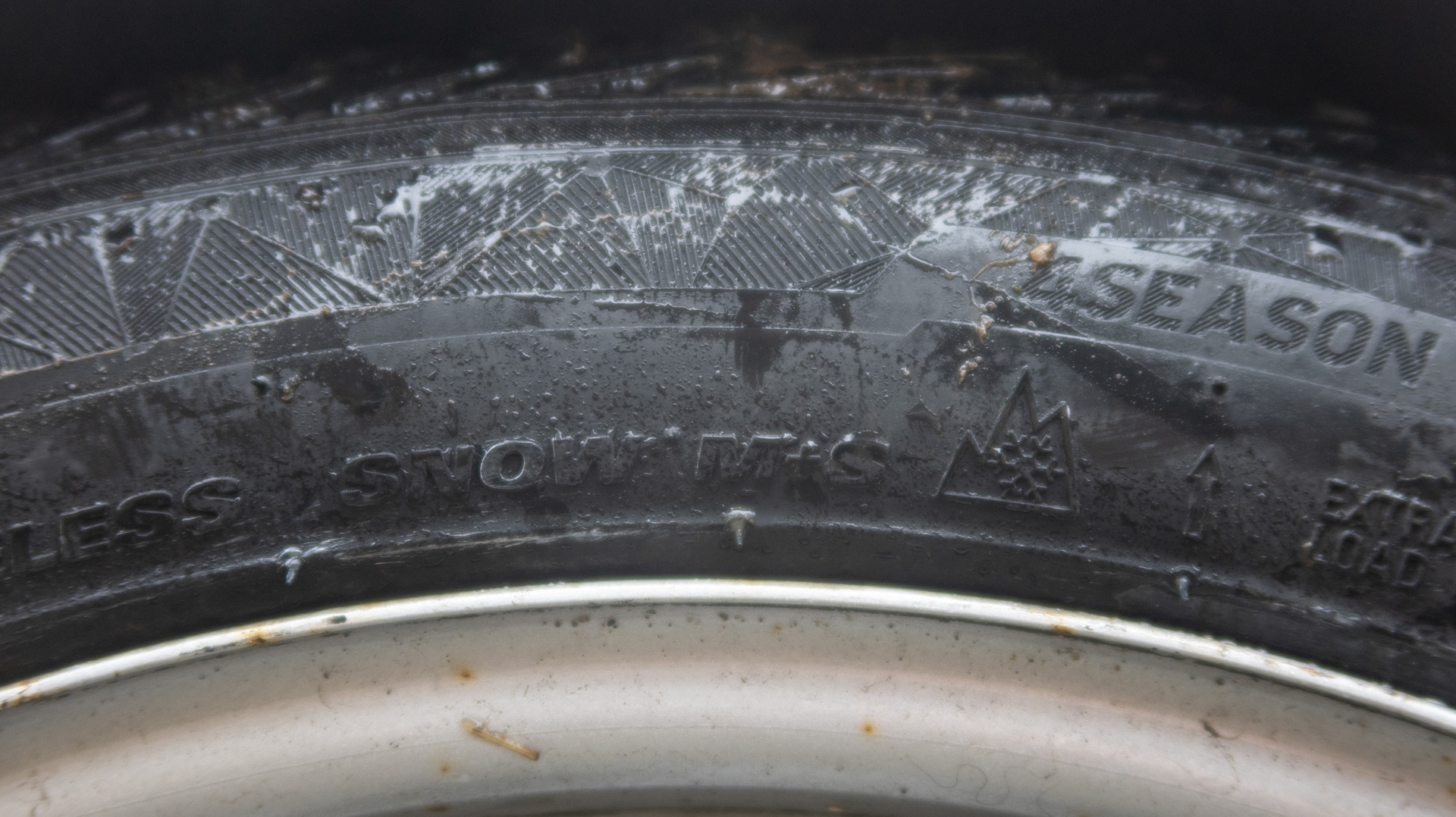
The Kumho Solus 4S HA32 is a grand-touring all-season tire with a tread pattern that makes it look like winter rubber. It is indeed severe-snow rated with the little mountain-range icon you want to look for, but it’s more than just a viable year-round solution for many drivers. In March 2026, we ended up running these in everything from 70-degree sun to below-freezing rain and snow, and I was pleased with the car’s behavior across the board.
This tire review is focused on real-world driving impressions, feel, and feedback—vibes over VBOX numbers.
And hey, Kumho is offering an $80 rebate in the form of a prepaid MasterCard gift card if you buy a set of its tires on TireRack before the end of March 2026.
| Kumho Solus 4S HA32 | Driven |
|---|---|
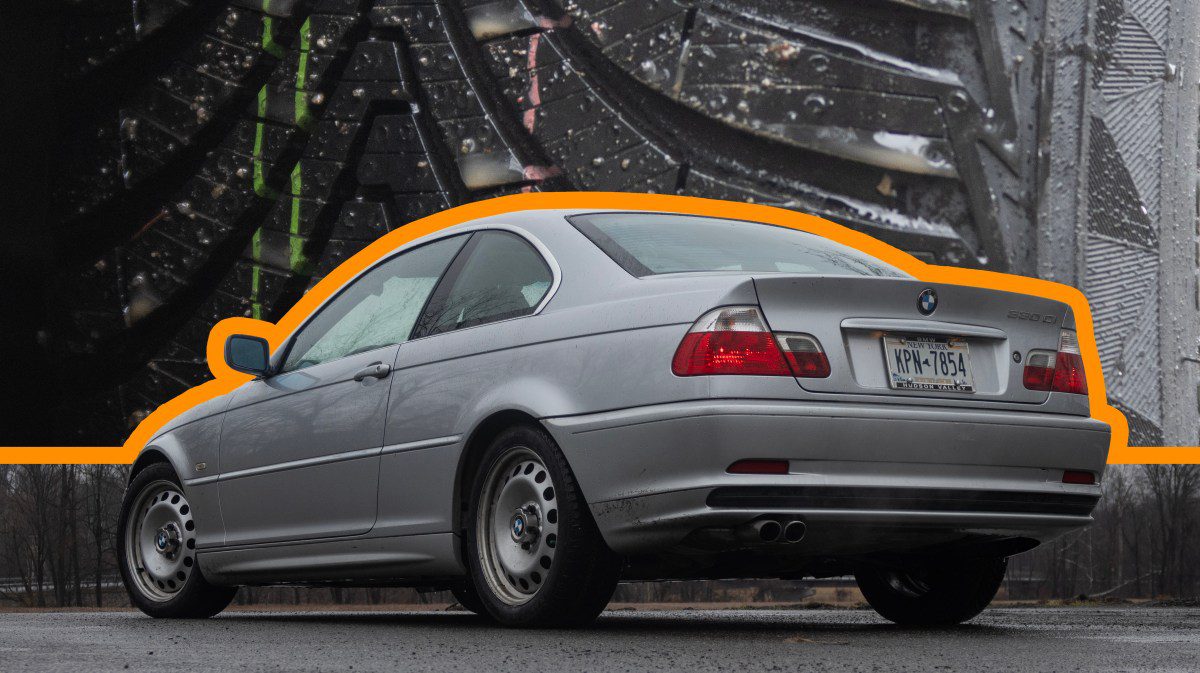
| Test Car | BMW E46 330ci (stock, high mileage, very clean) |
| Tire Size | 205/50R17 (square) |
| Tire Weight | 20 lbs |
| UTOG | Treadwear: 600 Traction: A Temperature: A |
| Suspension & Geometry | Stock (OE BMW Sport Package suspension) |
| How We’re Driving | Backroad spirited, casual cruising, open highway |
| Where We’re Driving | Northeast USA |
| The Highs | Great wet and cold-weather competence, no egregious road noise, reasonable price |
| The Lows | Leaves max performance on the table |
| Where To Buy | Check Price on TireRack |
The Kumho Solus 4S HA32 is not just an all-season tire; it’s an all-weather tire. And the distinction matters; this is a better choice for driving in snow and rain than a budget all-season.
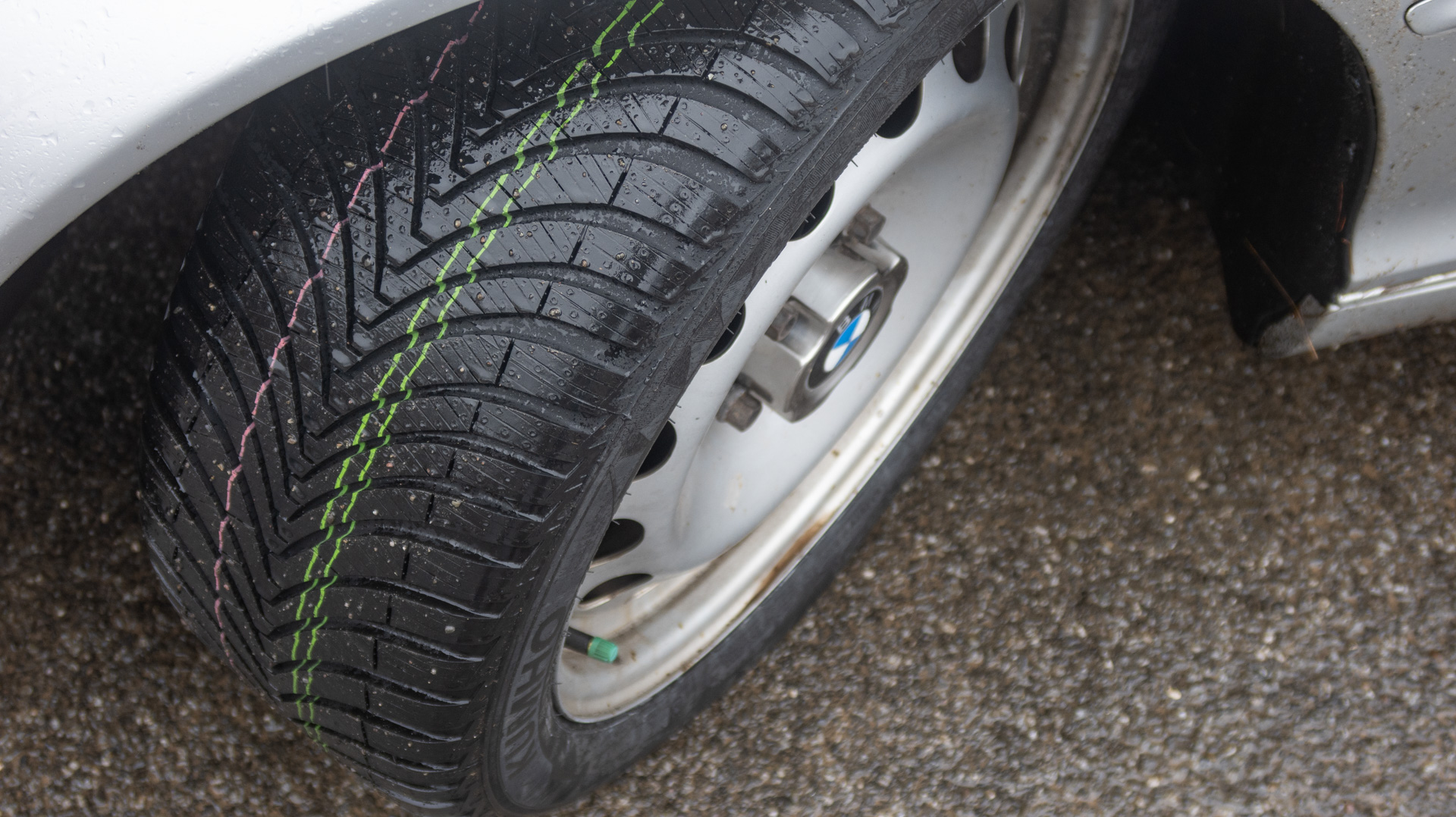
Think of it as the overachieving middle child in Kumho’s lineup. It features a distinct V-shaped directional tread pattern designed to evacuate water and slush on your slog through bad days. While Kumho has a heavy presence as OEM rubber for brands like Hyundai, Kia, and even some Volkswagens, the HA32 is a prime “Phase 2” tire—the one you buy when the factory rubber wears out, and you realize you actually have to drive through a slushy February.
The HA32 is designed for those of you driving in places that get real winter, but don’t become full-on arctic tundras from December to March. It offers significantly better cold-weather grip than a standard M+S (Mud and Snow) tire without the mushy handling and accelerated wear that happens when you run dedicated winters in the heat of July (I know several people who have been guilty of this—don’t do it, you’re throwing money out the window). It’s the “set it and forget it” solution for the pragmatic owner who’s not interested in driving to (or in) absolute extremes.
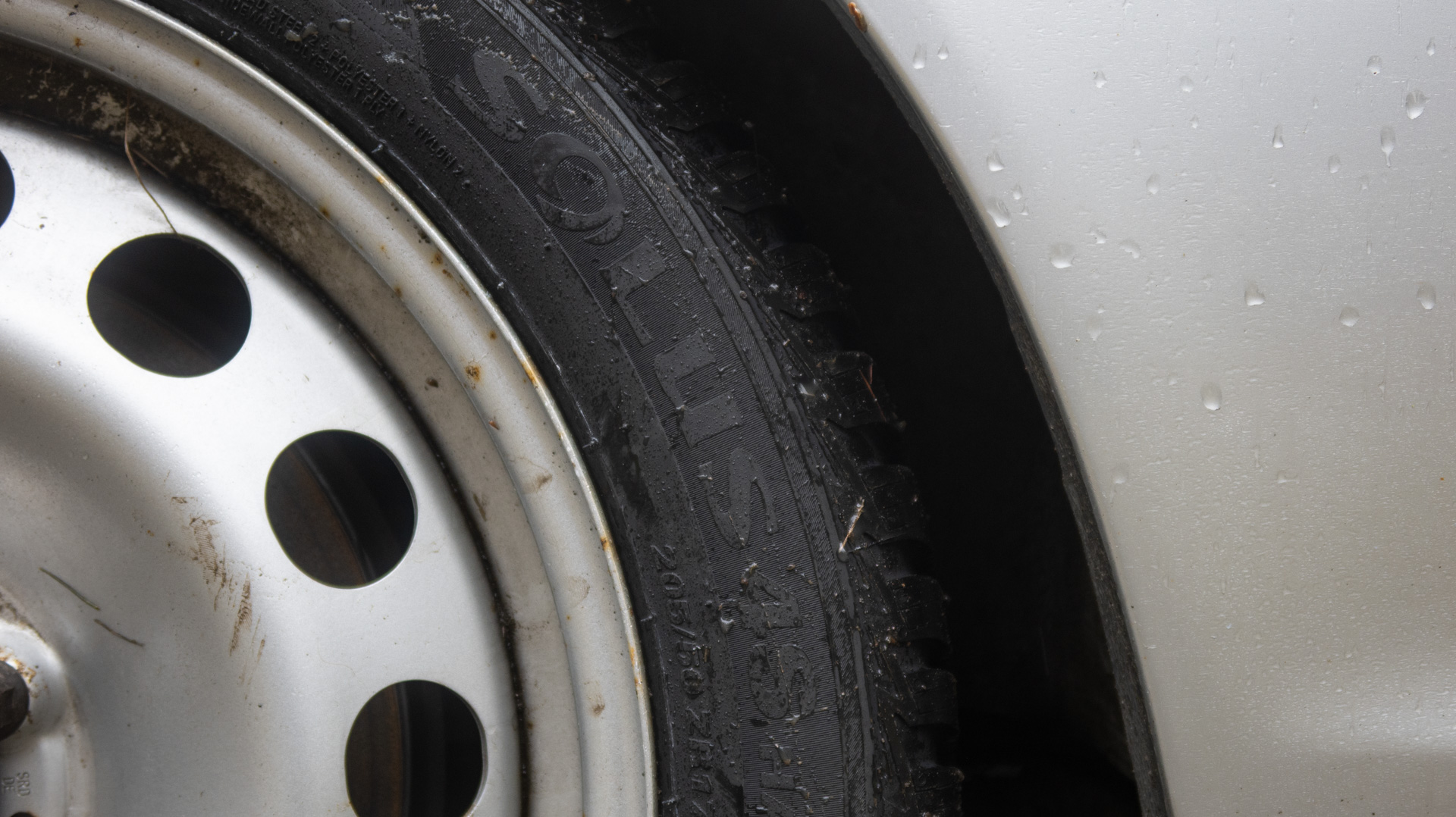
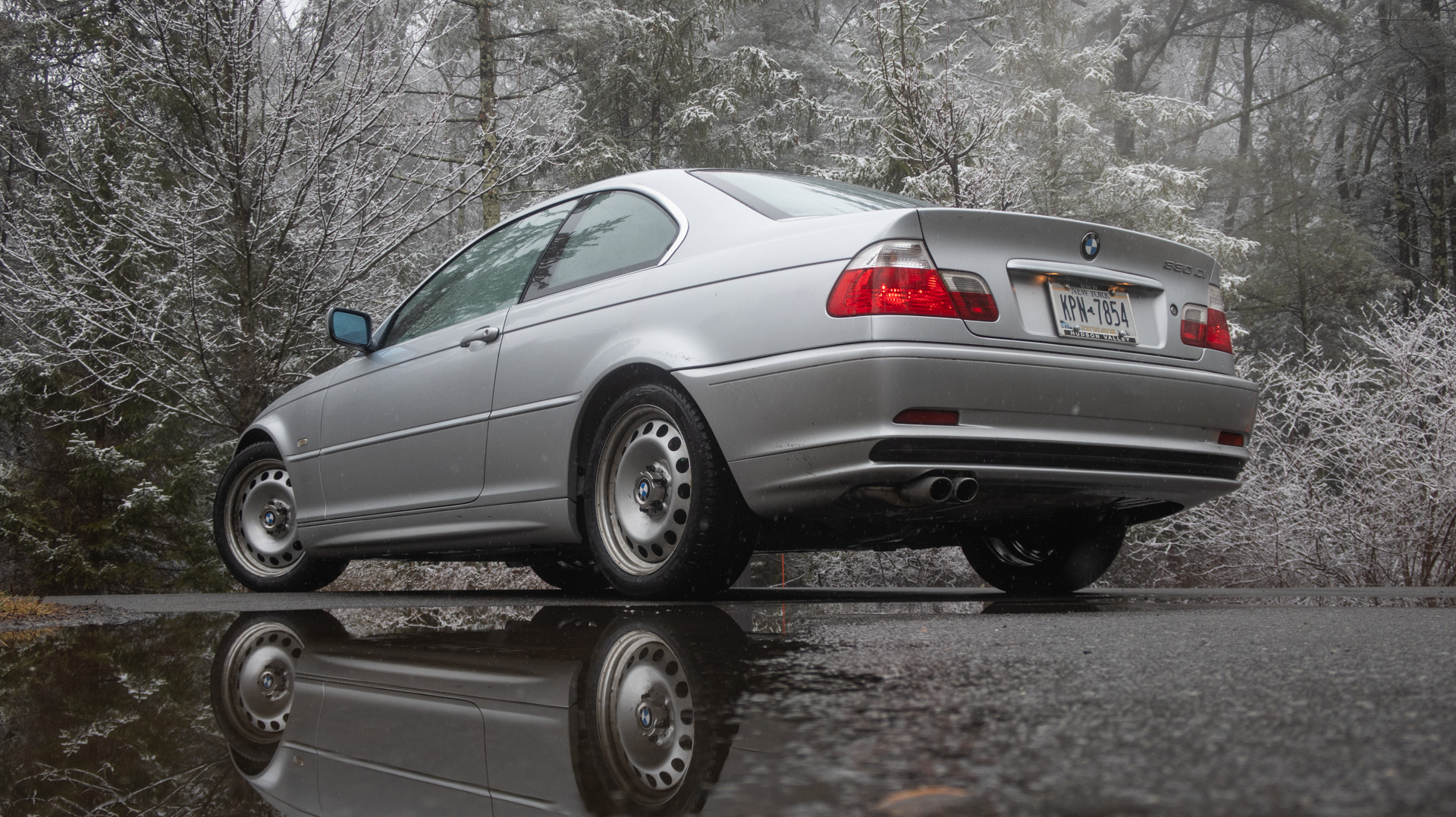
As of this writing, one of these Kumhos lists for $166.42 a piece in the relatively small 205/50R17 I run on the BMW OE steelies you see in these photos (neat wheel, huh?). Purchase comes with an automatic six-year, 60,000-mile warranty. For your context, the most expensive grand touring tire you could get off TireRack in that size right now would be the Pirelli Cinturato P7 All Season Run Flat ($304.14), while the cheapest is the Radar Dimax AS-9 ($85.44).
The price seems reasonable for the life and performance you can expect.
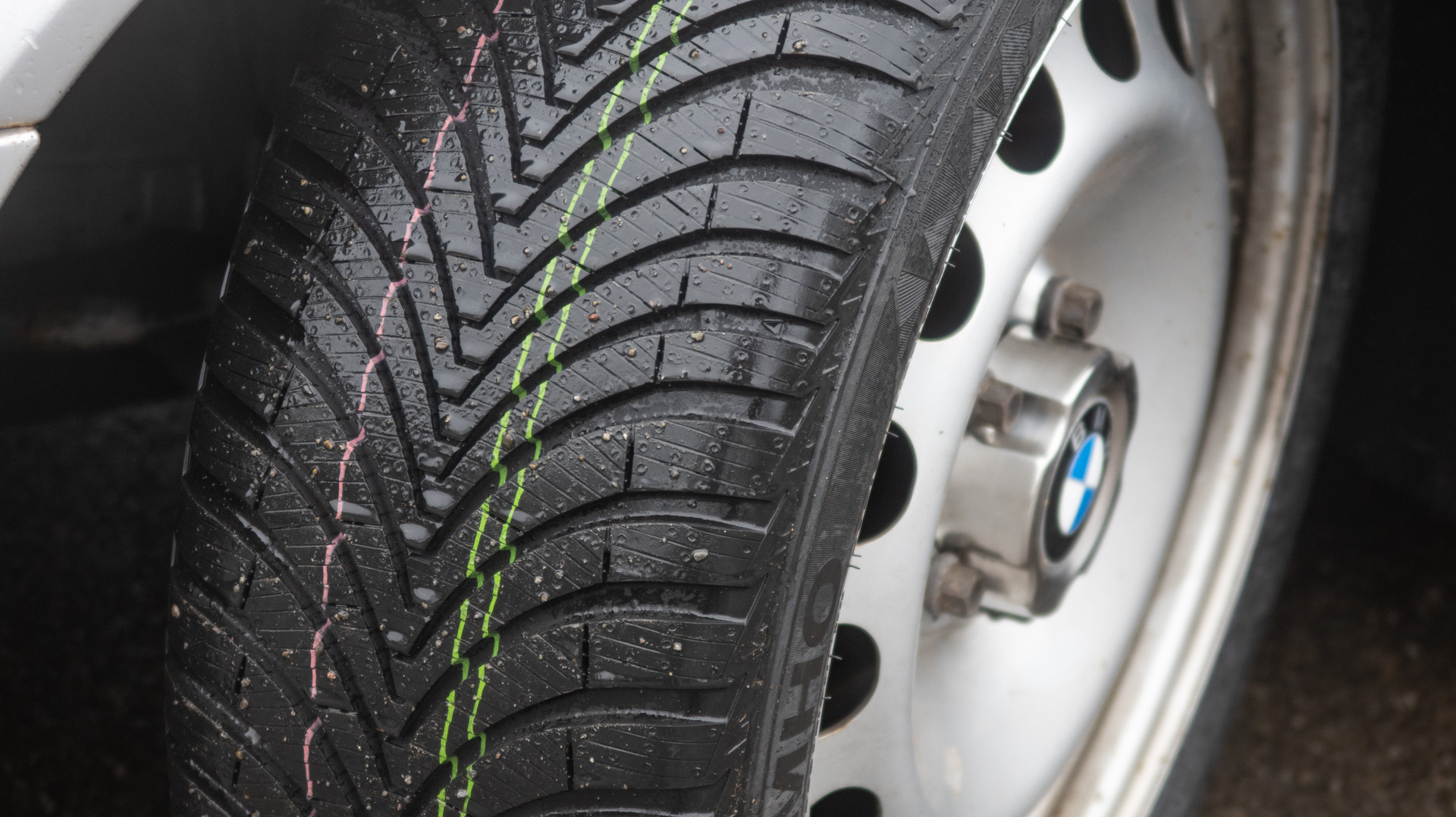
The infinite “V” tire tread makes me think I’m looking at a sporty snow tire (which is not really what this is), but I think it looks good. The sidewalls are clean-looking, with just a tiny little geometric graphic for decoration. Branding is simple and fine.
Swapping to these from a set of worn Michelin Pilot Sport All-Seasons, in a wider (and staggered) size, made for an immediately perceptible difference—obviously. The Kumho felt far lazier in turns but had a much easier time finding traction under acceleration on sleety and rainy springtime streets. I was also pretty impressed with bad-weather braking on the Kumhos right away.
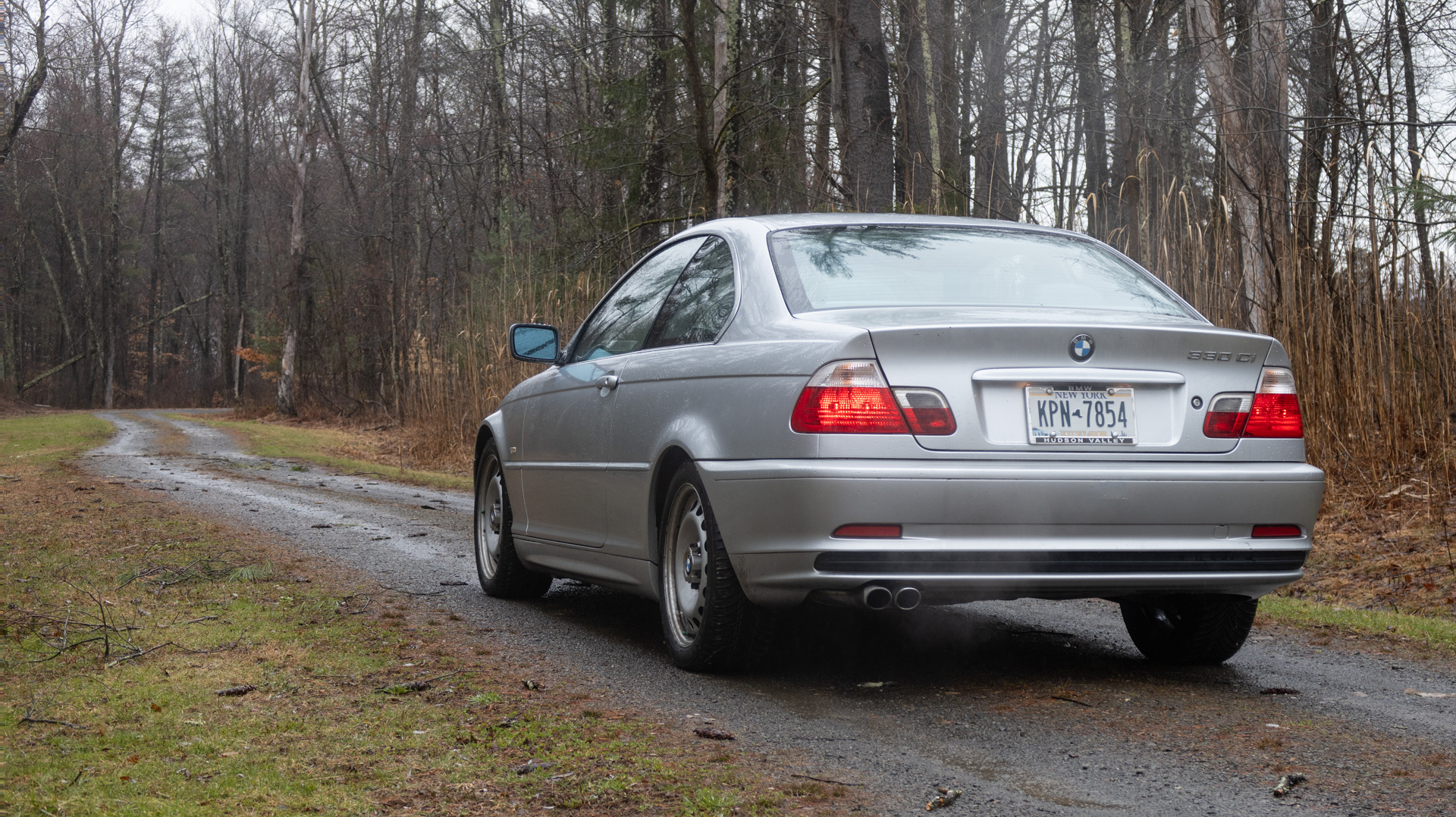
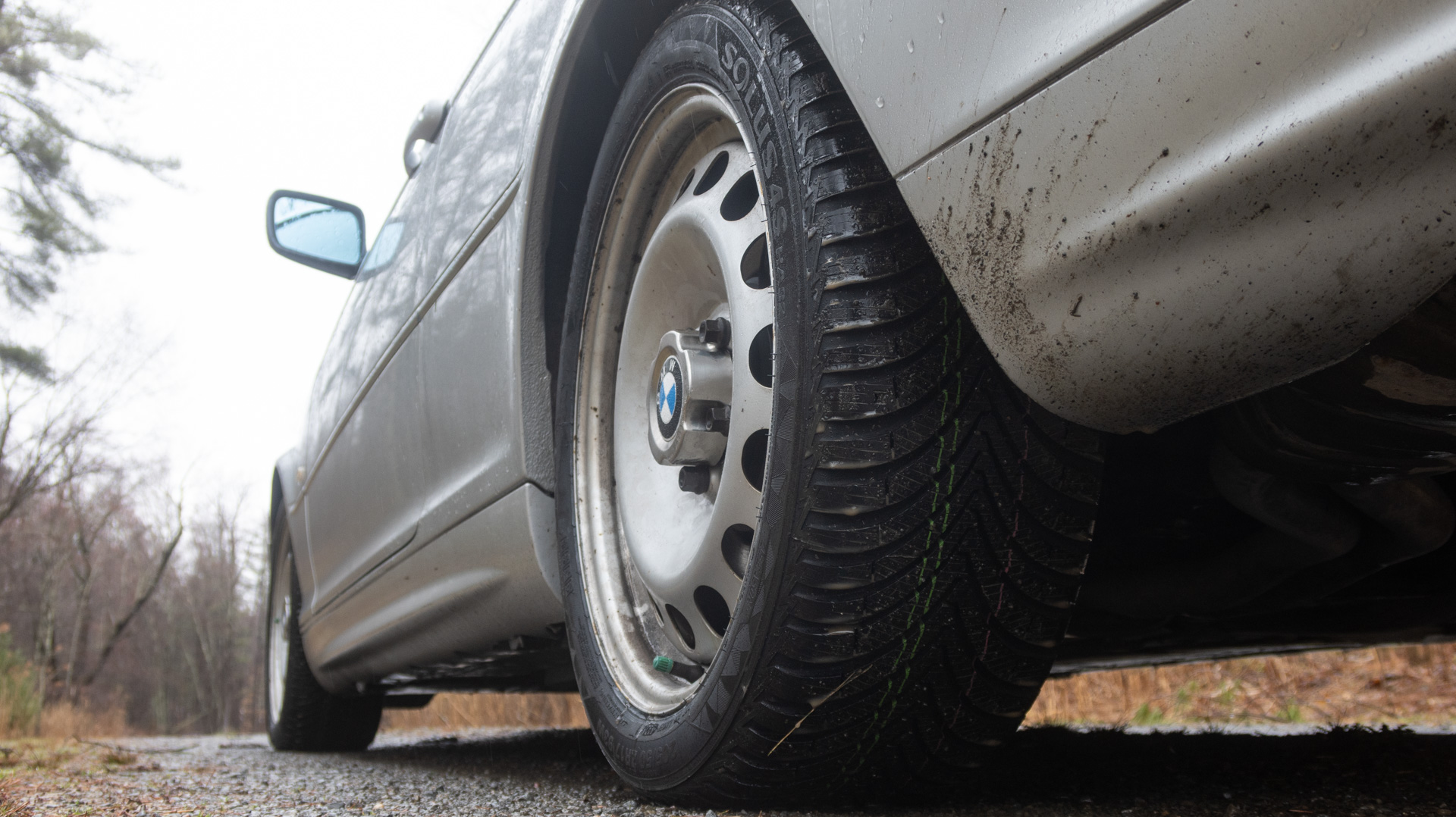
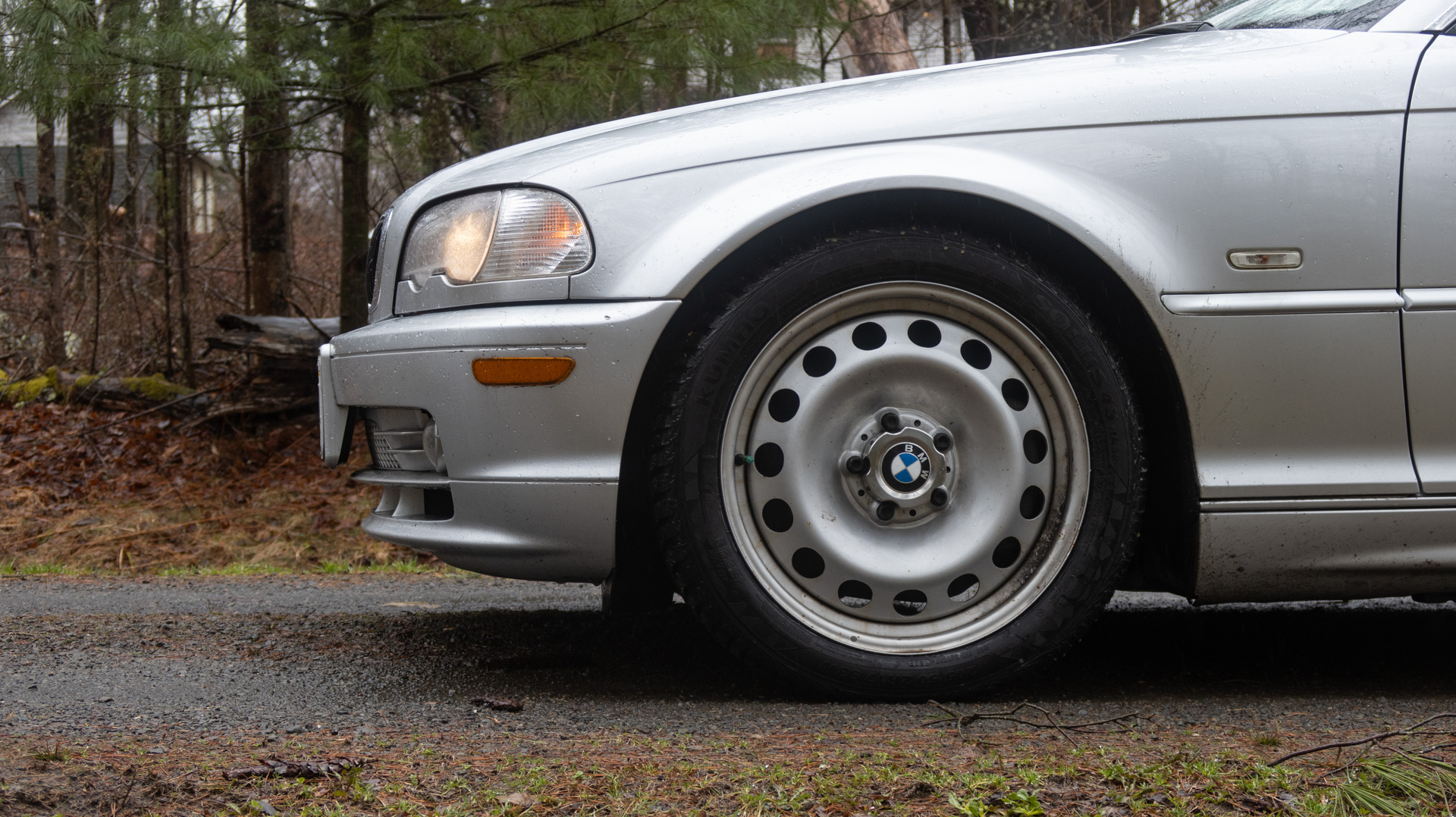
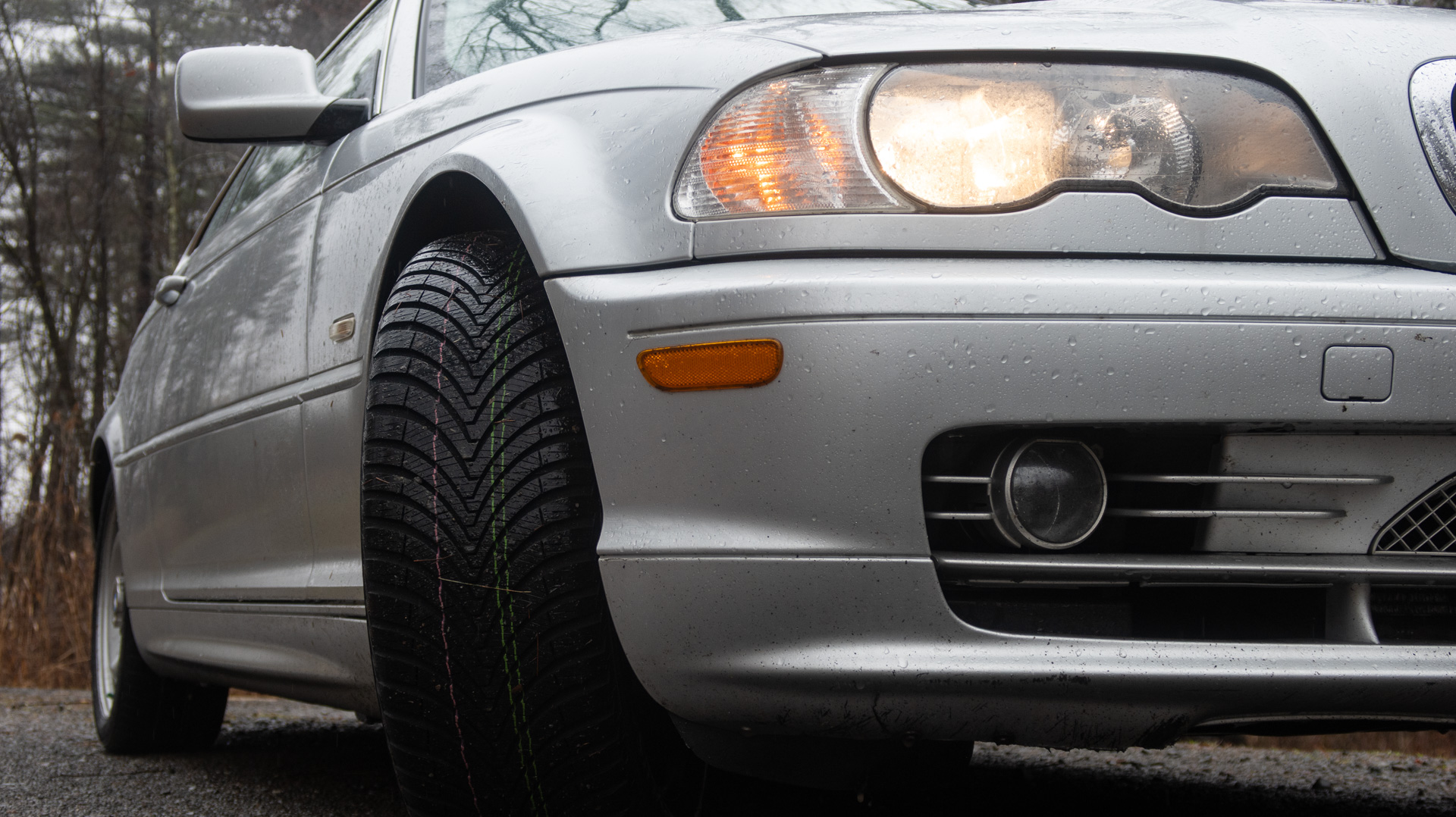
The Kumho Solus certainly felt comfortable under my mid-spec Y2K BMW. I would say they’re on the stiff side as far as grand touring tires go, but well short of the harshness you get on true performance tires. Road noise didn’t bother me in the slightest at town speeds.
If you’re coming from a performance tire—like the worn-out Michelin Pilot Sport All-Seasons I swapped off—the first thing you’ll notice is a distinct lack of urgency. On the twisty bits of NY backroads I like to mess around on, the Kumho Solus 4S HA32 felt lazy by comparison.
Where the Michelins would bite into an apex in attack, the Kumhos give you a beat of hesitation. It’s not exactly a shortcoming—grand touring tires just have a softer sidewall for comfort, and these cost much less than the performance tires that were on this car previously. You won’t be surprised to read I also found the limits of acceleration much sooner; my 330ci’s inline-six could easily overwhelm the 205-width rear contact patch, whereas the wider Michelins used to just dig in and go.
But, for most people on most drives, it doesn’t really matter for the vast majority of your drive time.
Once you calibrate your brain to that slightly slower steering rack behavior, the HA32 is remarkably composed. It’s not “exhilarating,” but it is trustworthy. Even when the road surface turned to a garbage-mix of loose gravel, spring sand, and mid-corner potholes, the Kumhos never got skittish. They absorbed the mid-corner drama that usually sends a stiff performance tire skipping toward the guardrail.
You aren’t going to set any “Touge” records on these, but you can still hustle the car with confidence. It’s a “momentum” tire—keep your inputs smooth, accept the body roll, and it’ll reward you with consistent, predictable grip that won’t bite you if you overcook a turn.
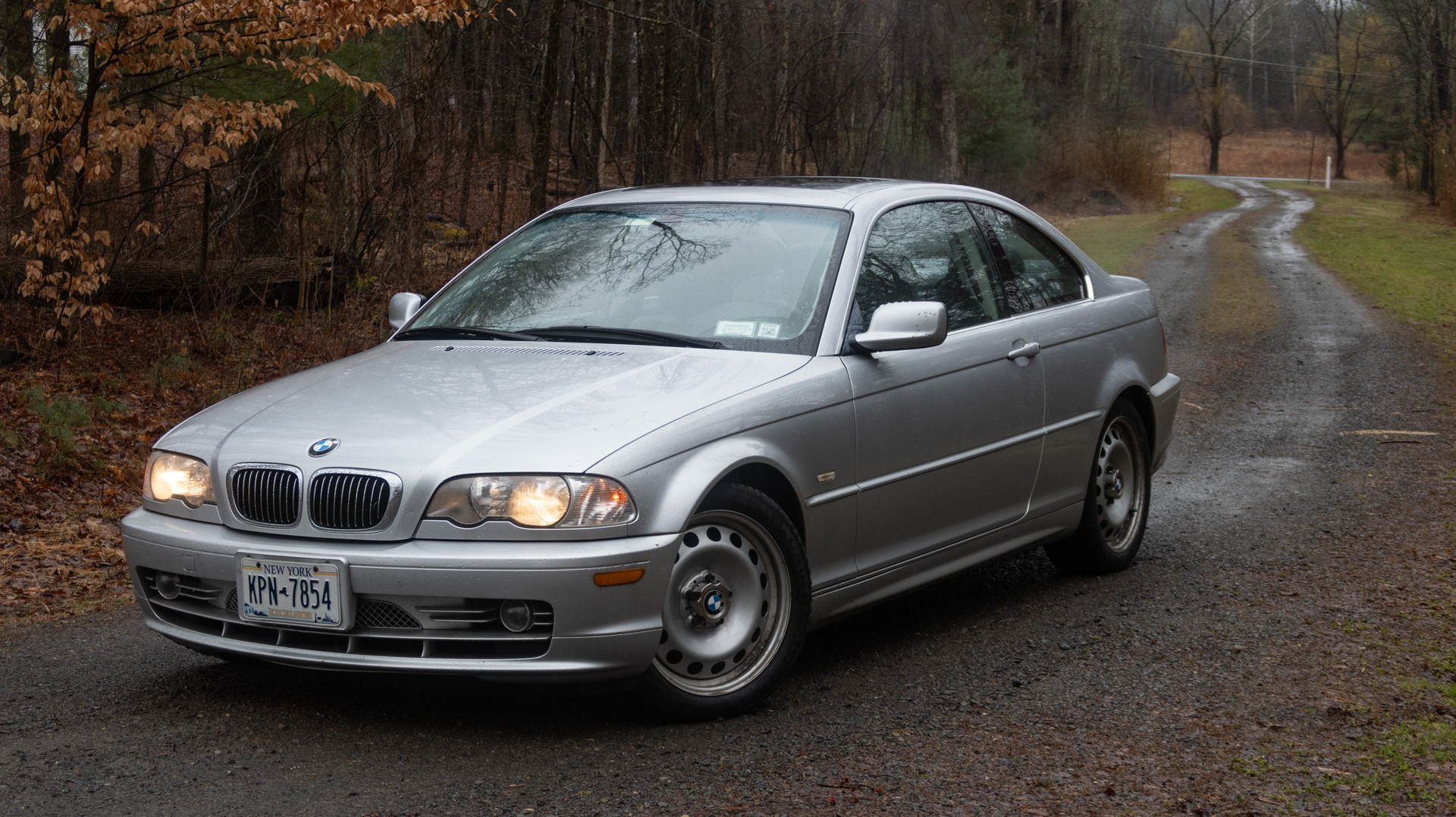
Driving these in ghastly sleet, freezing rain, and even light snow accumulation gave me nothing to complain about. I got solid braking, turning, and acceleration when driving as one should through adverse conditions. These tires may not have the deep-snow fording abilities of a dedicated winter tire, but they did exceptionally well in rain. The expansion of those big “V” channels helps efficiently evacuate water, keeping more of the tire in contact with the ground.
Five different types of sipes help the tire retain rigidity where desired and bite into snow where needed.
With a fresh alignment and these tires mounted up on some OE BMW steel wheels, my E46 felt straight as an arrow on the highway. Road noise is apparent but hardly bothersome. That said, our test car is 23 years old. So you might notice a little more tire noise than I did if your car is otherwise whisper-quiet.
Neither my wife nor dog had anything to report about these tires from the car’s passenger seats (generally, no news is good news in this context).
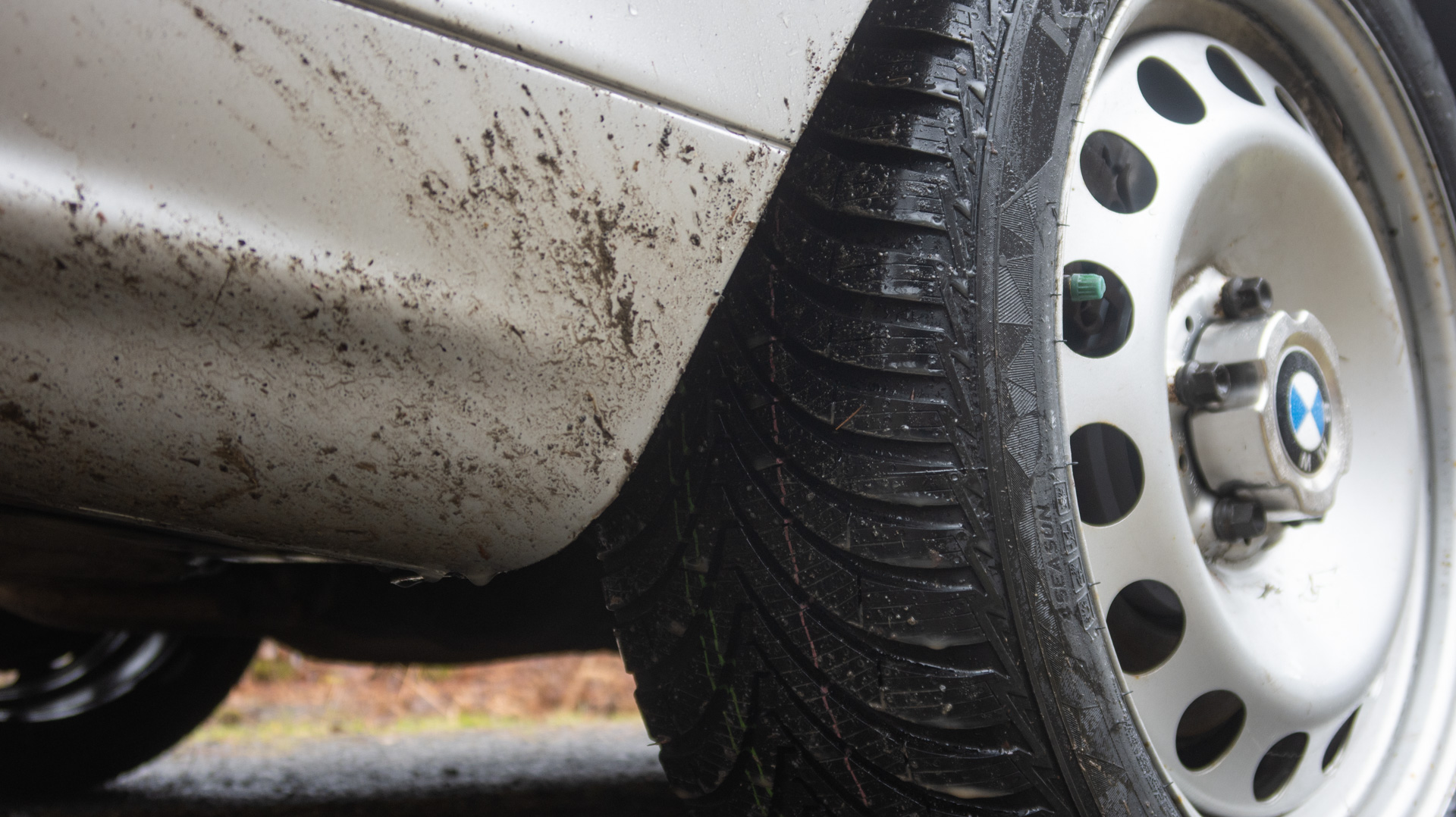
This tire hits a nice balance between performance, comfort, and cost. “No real gripes” makes for kind of a boring review, but in this class of tire, it’s exactly what you’re probably looking for.
The Kumho Solus 4S HA32 is a nice-riding tire with inoffensive road noise, 60,000 miles of expected life, and satisfying steering response for a comfort-biased touring tire. Those factors, along with wet-weather performance, are good reasons to step up to this model from the bare-bones budget options.
Kumho Tire provided a set of tires for this review.

FORD says it has overhauled its local remanufacturing process for the F-150 and strengthened quality controls, as it moves to rebuild customer trust following a series of recalls affecting the full-size pickup in Australia.
Speaking at the launch of the updated model – which brings more features and introduces a new Platinum range topper – the company acknowledged “teething problems” with the initial rollout.
The current F-150 first hit Australian roads in 2023, but Ford says it had since reworked processes, introduced additional checks across the conversion program and simplified sourcing of some components with the view to improving quality.
“We’ve gone through every process and really gone into minute detail to protect our customers,” said Iain Jones, program director for Ford’s International Markets Group.
While some of the issues were as a result of the local conversion – or remanufacturing from left- to right-hand drive – others were a result of recalls applied to the core vehicle in America.
“Some of those issues have also come from the left-hand drive vehicle, there’s no secret there’s been issues in the US as well,” said Jones.
These included a potential fire risk due to a fuel leak and an issue with rear wheel hub bolts.
But Ford also had issues with the local engineering and remanufacturing of the vehicle.
There were recalls relating to exterior lighting that did not conform to Australian standards, something that prompted a stop-sale in 2025.
Early in the F-150’s Australian life Ford also offered customers compensation because it had to reduce the gross combined mass – the maximum load rating for the car, trailer and whatever each is carrying – by 450kg.
But Jones says additional checks and engineering work has ensured the F-150 issues have been addressed.
“We did not want to release any product … ‘till they’ve got everything from both the US side and our side here addressed,” he said.
“We’ve tuned processes, we’ve tuned quality gates in the process and sign-off criteria, and gone through every process.”
Some of those changes with the 2026 model include sourcing the electric power steering system and headlights from the original supplier in America rather than locally engineering a solution in the complex conversion to right-hand drive.
Ford said it was all about improving quality and the result for the customer.
Ford spokesperson Ben Nightingale said there was still solid demand for the F-150, which in America is the best-selling large pick-up truck.
“We were on stop-sale for a lot of last year,” he said.
“We went off stop-sale in November; our December sales figures were really, really strong.
“The demand for the product is there – people want F-150. It’s just about the product delivering ongoing and our ongoing support of that.”
Mr Jones argued that the steps Ford took – including the decision to pause sales – was indicative of the customer-first approach.
“We deliberately stopped it to protect our customers,” he said.
“That’s equally the trust. We made the tough call and stopped (sales) and we spent a long time going through this truck and the remanufacturing process to validate everything and get it back to what our customers expect from our quality.”
He also said that the 200 Ford service centres around the country gave reassurance that any issues would be addressed.
“Any customer that has an issue with their truck, we will look after them.”
The F-150 is remanufactured locally in Australia, with vehicles converted from left-hand drive to right-hand drive in partnership with RMA Automotive at a dedicated facility in Melbourne’s north.
Ford said the scale and complexity of the program – which involves significant engineering changes and the modification of hundreds of components – required a detailed review following the early issues.
“The scale of the engineering program was actually almost as large as the original program, but a lot of the work that we did was mostly behind the scenes and undercover,” said Tom Dohrmann, Ford’s SVE conversions manager.
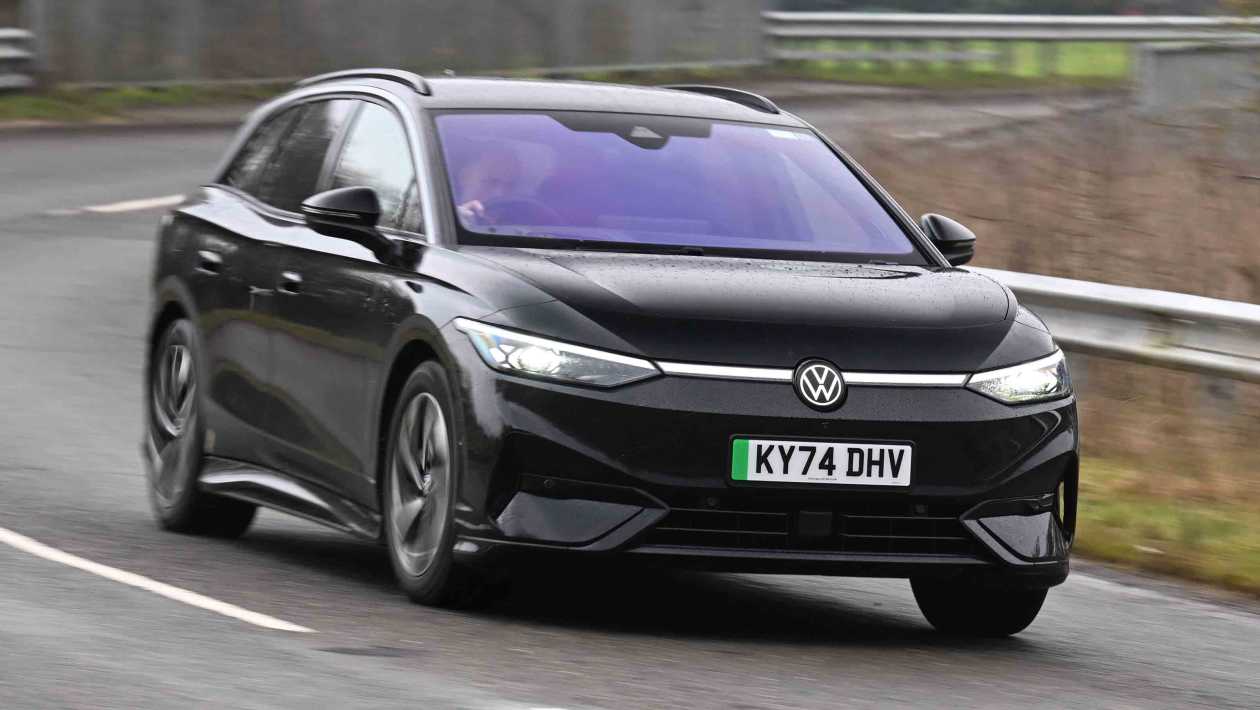
The 77kWh battery has a maximum charging speed of 175kWs, while the 86kWh version ramps that up to 200kWs, so a 10 to 80 per cent charging window means top-up times using a suitably rapid charger take 28 minutes and 26 minutes, respectively. Utilising a more cost-effective 7kW home wallbox charger, it’ll take just over 12 hours to fully recharge the 77kWh battery, while the 86kWh takes just under 14 hours.
During our electric car charging speed test of an ID.7 Tourer Pro S, we found it could reach its advertised 200kW peak charging speed, and maintain that speed until the battery got to 50 per cent state of charge. More impressively, the 20 to 80 per cent top-up charge was faster than advertised, at just 21 minutes. If you need maximum range for a long trip, the ID.7 is capable of handling the 80 to 100 per cent in 16 minutes, or a quarter of the time it took a pre-facelift Tesla Model Y and a Peugeot E-3008, both of which were put through the same test.
That shows that the ID.7 Tourer is well-suited to longer trips that involve stopping for a quick charge, and you can help even further by manually pre-conditioning the battery ahead of a charging stop, which means that you should reach peak charging speed much quicker than if you just plugged the car in to a rapid charger. Of course, the car will automatically precondition the battery if the route has been plotted into its sat-nav system, and it deems you’ll need to stop partway through your journey at a charger en route.
| Model | Battery size | Range | Insurance group |
| Tourer Pro 77kWh | 77kWh | 373 miles | 38E |
| Tourer Pro S 86kWh | 86kWh | 424 miles | 38E |
| Tourer GTX 86kWh | 86kWh | 359 miles | 41E |
In terms of insurance, both the Pro and Pro S versions of the ID.7 Tourer are in group 38, while the GTX Plus is in group 41, making it the most expensive model in the range to provide cover for. All versions of the ID.7 Tourer are in a lower group rating than the BMW i5 Tourer, though, which starts in group 43.
Company car drivers will benefit from lower Benefit-in-Kind (BiK) tax rates compared with traditional petrol, diesel or even hybrid-powered cars such as the Volkswagen Passat, because of the lack of tailpipe emissions. The ID.7 is still an expensive car, so that will have a bearing on your monthly fee. The current BiK rate is three per cent, but it will rise to four per cent for the ‘26 to ’27 tax year, and five per cent from ‘27 to ‘28.
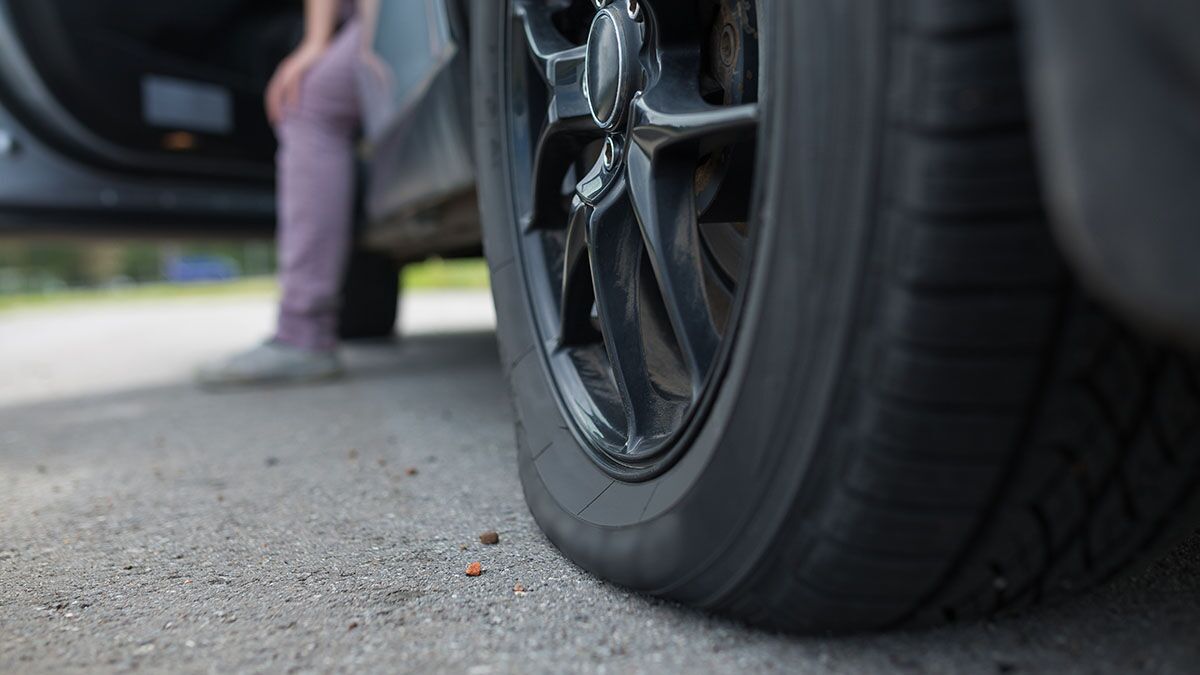

Proper tire pressure plays an integral role in fuel economy that many drivers don’t realize. When tires are underinflated, they create more resistance as they move along the road. That extra resistance forces the engine to work harder, which uses more fuel and reduces mpg.
Even a small drop in tire pressure can affect efficiency. According to the U.S. Department of Energy, underinflated tires can reduce fuel economy by roughly 0.2% for every one psi drop in the average pressure of all four tires. Over time, that lost efficiency can add up at the pump.
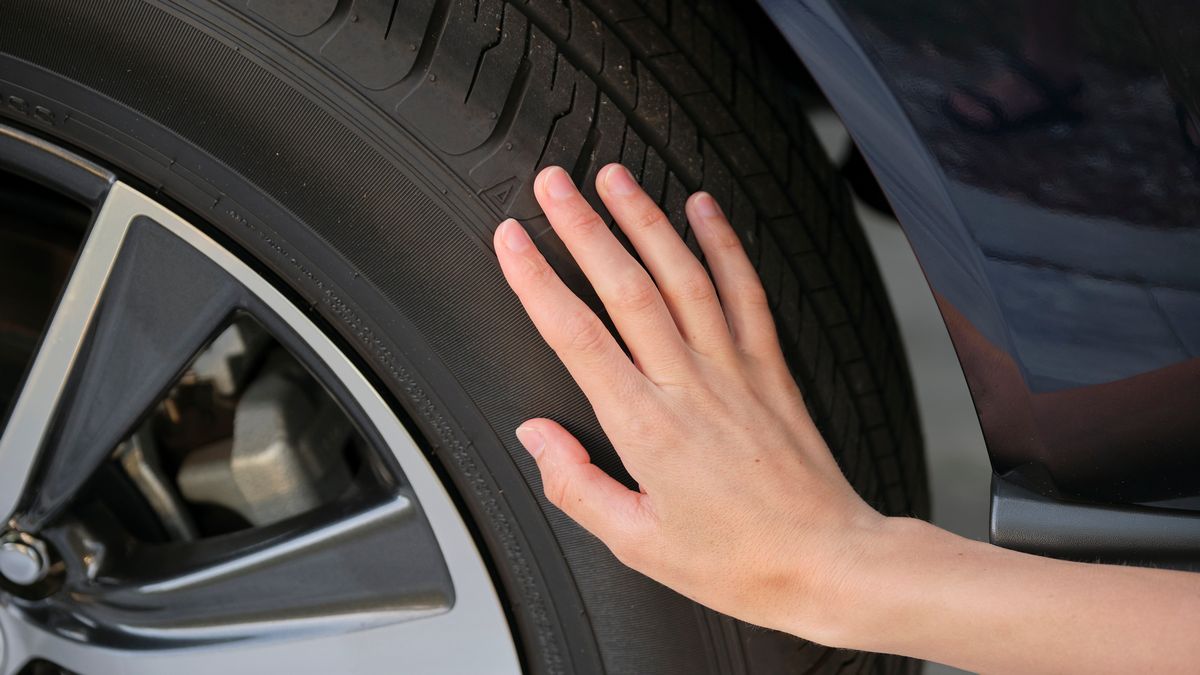
Underinflated tires are slightly flattened when they are in contact with the road, increasing what is known as rolling resistance. The greater the resistance, the more energy the vehicle needs to maintain speed. The extra workload means the engine burns more fuel to keep the vehicle moving.
Low tire pressure can also create additional problems beyond fuel economy, including :
Fuel Economy Tips
Keeping your tires properly inflated is one of the easiest ways to help protect mpg. A few simple habits can reduce rolling resistance, support more efficient driving, and help your vehicle make the most of every tank.
Tire pressure maintenance is small, but the payoff can be meaningful. These habits help drivers stay ahead of gradual air loss, shifting temperatures, and incorrect PSI readings that can quietly chip away at fuel economy.
Tires naturally lose air over time, and that gradual drop can add resistance on the road. Checking pressure at least once a month helps catch small changes before they start hurting fuel economy.
The correct tire pressure is set by the vehicle manufacturer for that specific model. Use the PSI listed on the driver’s door-jamb sticker or in the owner’s manual, not the maximum number molded into the tire sidewall.
For a more accurate reading, check pressure before driving or after the vehicle has been parked for several hours. Driving warms the tires and temporarily raises PSI, which can make a low tire look normal.
Cooler weather can cause tire pressure to drop faster than many drivers expect. When temperatures swing or seasons change, make pressure checks part of your routine so mpg does not slip without notice.
Quick Take
Proper tire pressure helps support better fuel economy by reducing rolling resistance. It is one of the simplest maintenance checks drivers can do to help improve efficiency, reduce unnecessary tire wear, and keep the vehicle operating as intended.
Maintaining proper tire pressure doesn’t just help your tires last longer; it also helps them perform better. It can also improve your fuel economy and overall vehicle performance. Quick monthly pressure checks take only a few minutes and can help drivers save money on fuel while keeping their vehicle operating safely and efficiently.
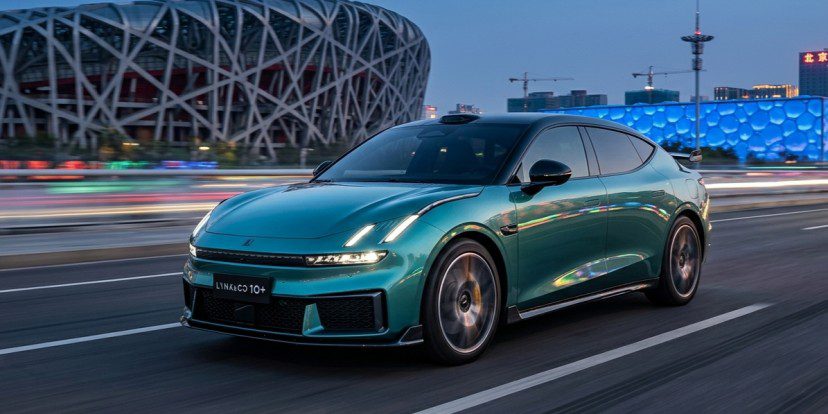
Official images from China have finally shown us the new Lynk & Co 10+. This is not a regular family car – it is a high-performance version of the upcoming 10 sedan. It seems the company wants to prove that EVs can be both smart and very fast. This new model will replace the Z10, after a very short life since its debut in late 2024.
One look at the Lynk & Co 10+ tells you it wants to go fast. It has a very sporty body kit that sets it apart from the standard version. You will notice big, aggressive bumpers and side skirts. The most obvious change is the massive rear spoiler sitting on the trunk. It also has a smaller “ducktail” spoiler and a roofline that slopes down smoothly. To keep the air moving easily, the car uses semi-hidden door handles and mirrors without frames – every little bit counts when it comes to EV efficiency.
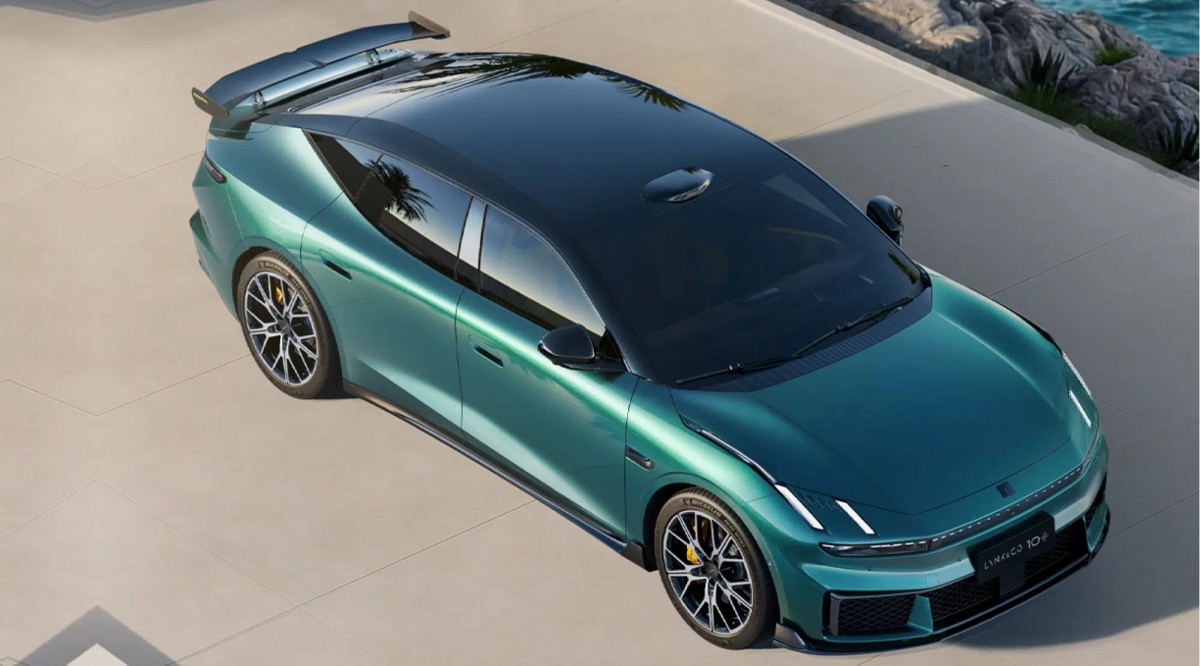
The new Lynk & Co 10+
This is a large car, even if it looks sleek. The Lynk & Co 10+ measures 198.8 inches long, 77.4 inches wide, and 57.8 inches tall. It has a long wheelbase of 118.3 inches, so there should be plenty of legroom inside. It sits on big 21-inch wheels that fill up the wheel arches. We do not know exactly how much wind resistance it has, but the design suggests it is built to cut through the air effectively.
Technology is a big part of modern electric cars, and this one is loaded with it. On the roof, you can spot a LiDAR sensor. This works like a laser eye to help the car “see” the road. It also uses three radars, 11 cameras, and 12 sensors. All that data goes into a powerful Nvidia Drive Orin chip. This system helps the car with advanced driving tasks, making it safer and easier to handle in traffic.
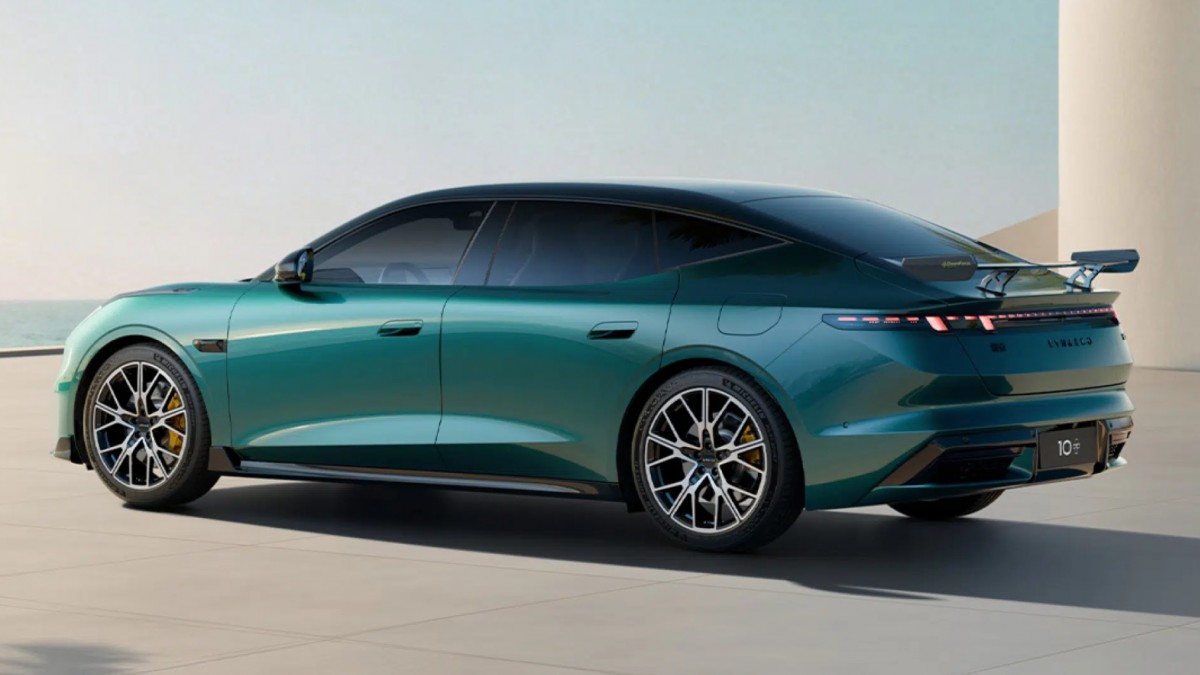
The new Lynk & Co 10+
The real magic of the Lynk & Co 10+ is under the floor. It uses two electric motors to drive all four wheels. The motor in the front delivers 310 kW, which is about 416 hp. The motor in the back is even stronger, making 370 kW or 496 hp. When they work together, the car puts out 680 kW – that equals 912 hp.
Even though it weighs 5,042 lb, this car is quite quick. The top speed is capped at 149 mph. The company has not said exactly how fast it hits 62 mph, but we can have a good guess. A similar car from the same parent company is the Zeekr 001, and it does the sprint in 2.91 seconds. Since the Lynk & Co 10+ is a bit lighter, it might reach 62 mph in just 2.8 seconds – fast enough to make your stomach feel a bit funny.
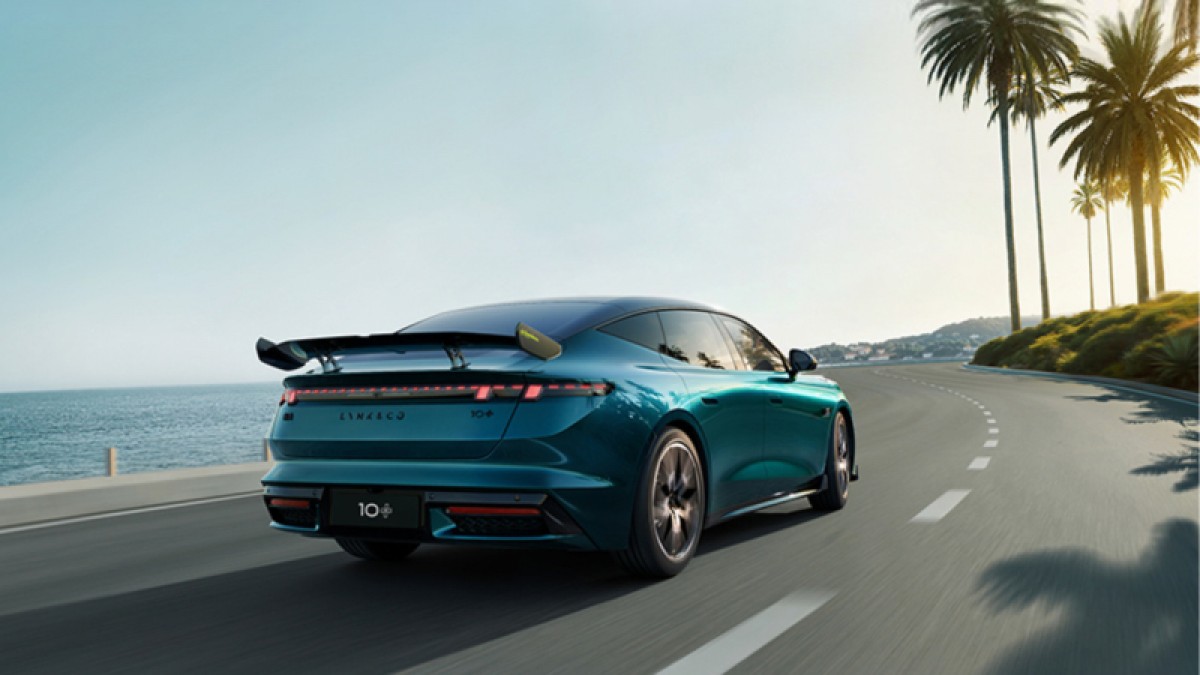
The new Lynk & Co 10+
If you do not need all the 900 horsepower, there will be a standard Lynk & Co 10. That version looks more modest and uses 19-inch wheels. It comes with a single motor in the back. One version has 300 kW, and a slightly faster one has 370 kW. These models can still reach speeds between 137 mph and 149 mph. These EVs are meant to offer something for everyone, whether you want a daily commuter or a bit of a track beast.
The old Lynk & Co Z10 model did not sell very well. Since it launched, only about 11,510 units have been delivered. By comparison, the hybrid version of that car sold nearly three times as many units in a similar timeframe. By making the new 10 sedan look better and go faster, the company hopes to attract more buyers. They are betting that high tech and high power will be the winning formula.
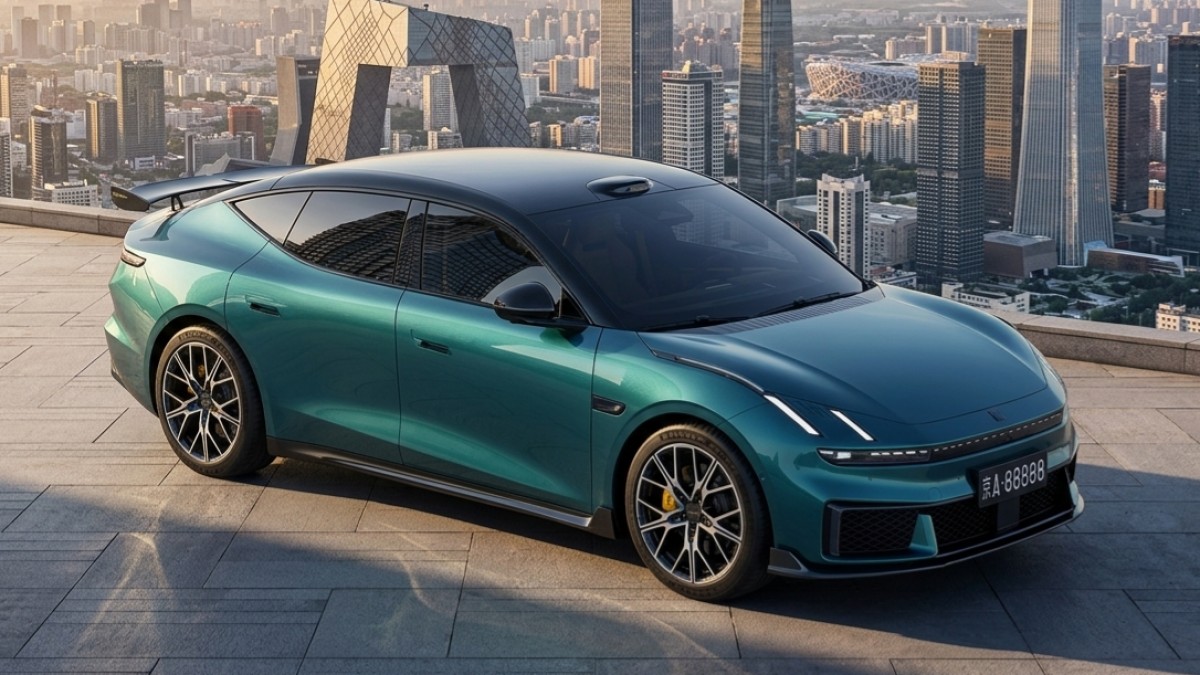
The new Lynk & Co 10+
We are still waiting to hear about the battery. It will likely use a system that allows for very fast charging. We expect to see battery sizes around 95 kWh or 103 kWh. For reference, the older Z10 cost between RMB 186,800 ($27,200) and RMB 229,800 ($33,400), and the price of the new 10+ will be a bit higher because of all that extra power.
Via
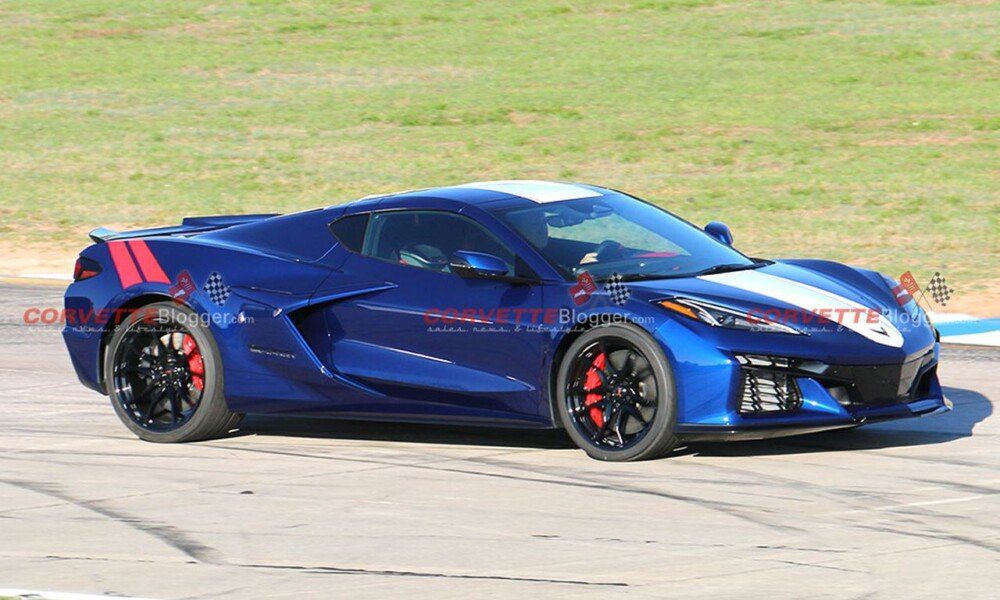
The 2027 Chevrolet Corvette Grand Sport recently made a surprise appearance at Sebring this weekend. We’ve now learned that the Grand Sport will be unveiled alongside the Grand Sport X on March 26.
The new Grand Sport range will be positioned below the ZR1 and ZR1X, offering a decent level of performance at an affordable price. It could be powered by a new 6.7-liter V8 engine producing around 550 hp. The Grand Sport X is likely to use the same 6.7-liter V8 paired with a front-mounted electric motor, producing 720 hp.
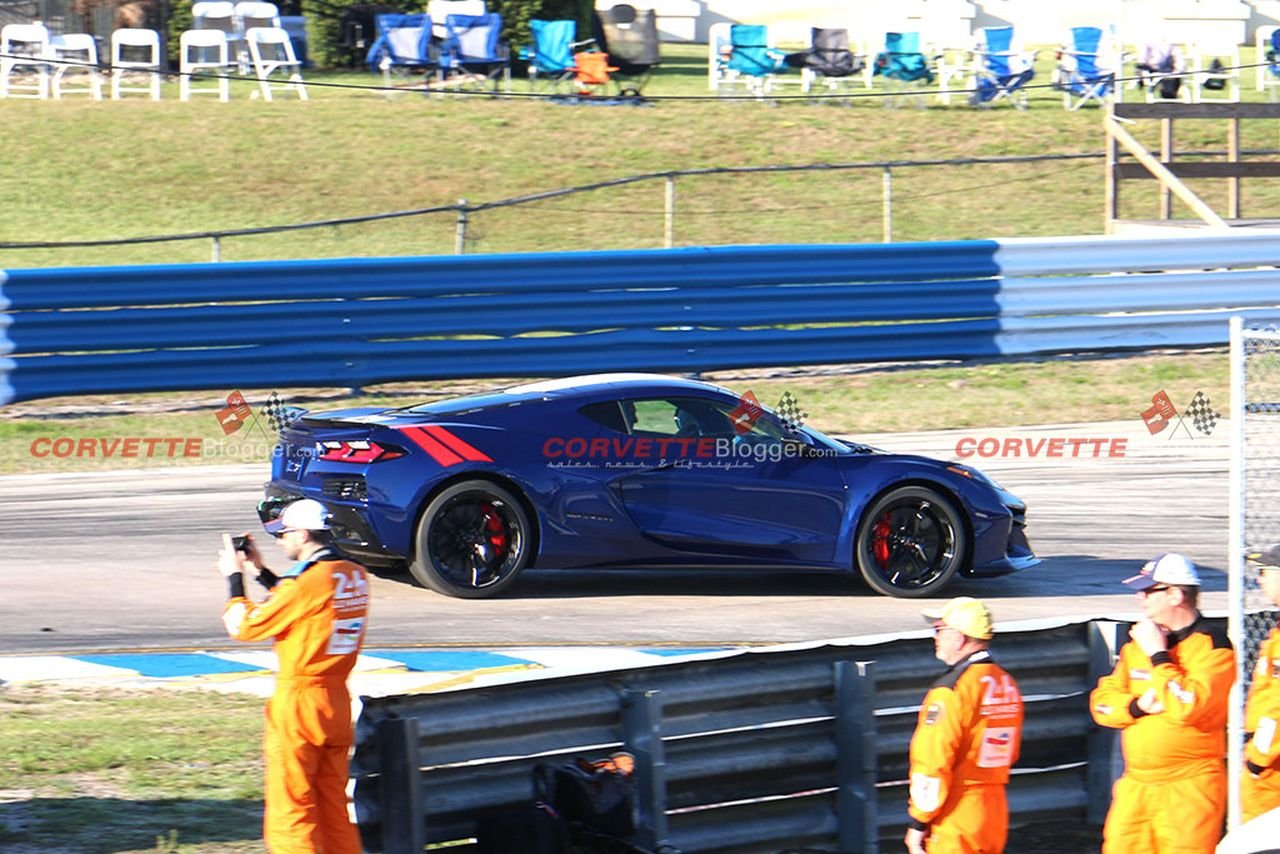
Earlier, the upcoming Corvette Grand Sport was spotted on the Angeles Crest Highway in California. This was the first time we saw it in public. It was sporting the historic Admiral Blue livery with a white racing stripe and red decals on the rear fenders. It was running on black wheels and had red brake calipers.
The Grand Sport X could feature a more aggressive aero kit compared to the standard Grand Sport. It is also likely to offer other track-focused upgrades under the skin.
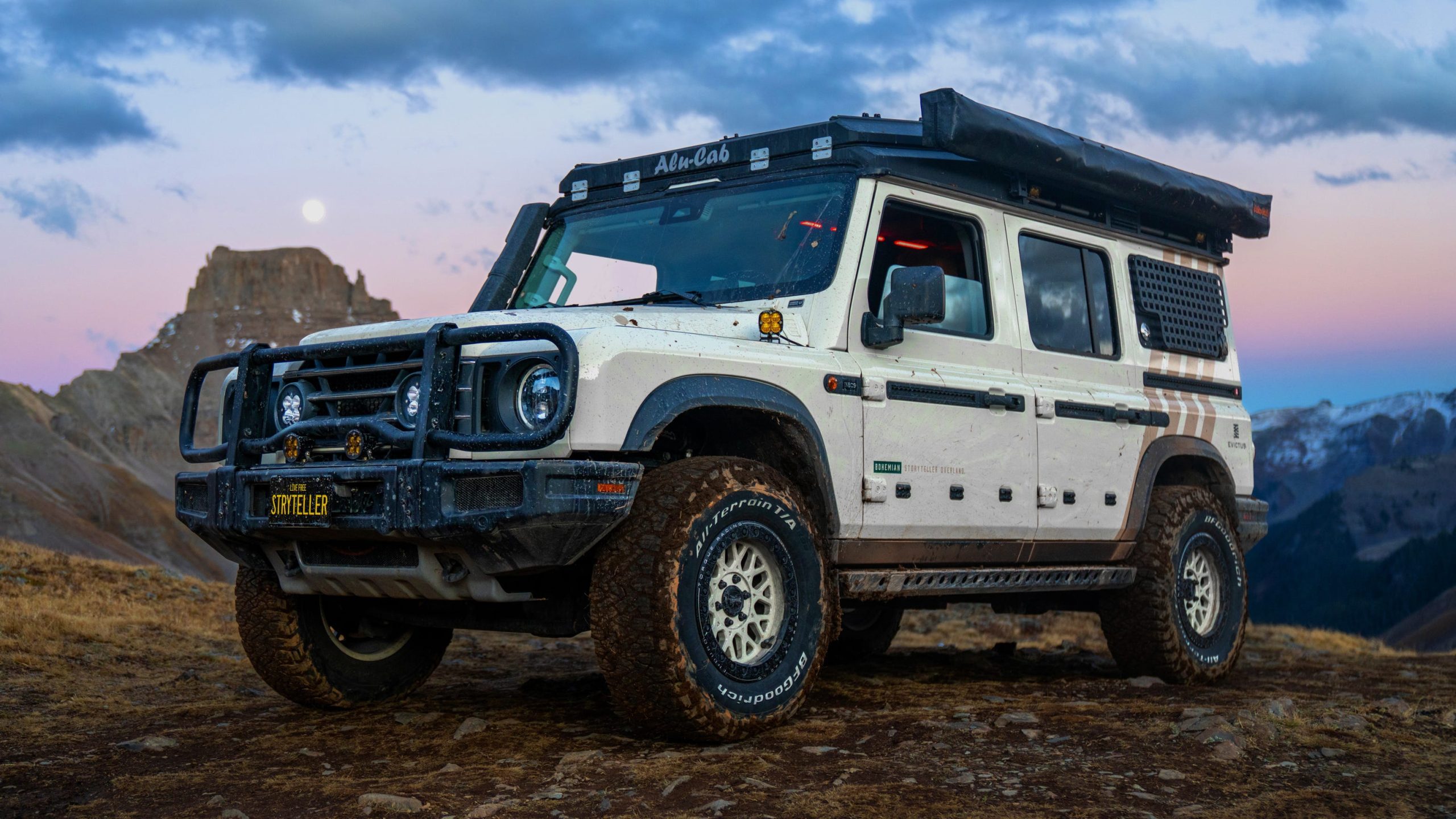
It’s a wonder no one has turned the Ineos Grenadier into a serious turnkey overlander camper prior to now, but Storyteller Overland has finally taken the plunge. With its old-school Defender-inspired design, the Grenadier is the perfect vehicle to recreate the adventures of those who trekked out to the Sahara and Mojave in a camper-converted Land Rover. Let’s take a look at the Grand Bohemian, the name Storyteller has given to this Grenadier camper conversion.
The 2027 Storyteller Grand Bohemian is based on the Ineos Grenadier Trialmaster. The changes begin with the suspension, which the company swaps out for the Flarespace Evictus Prerunner Kit. This is a set of 2.65-inch dampers for improved ride quality and control while going off-road. It’s also matched by a set of BFGoodrich All-Terrain T/A KO3 tires mounted to Torque Racing Enduro wheels, including the rear-mounted spare tire.
ADVERTISEMENT – CONTINUE READING BELOW
For those who want to be sure they can get everywhere they need to, the Grand Bohemian includes a front-mounted winch to get them out when stuck, and a twin-motor onboard ARB air compressor to inflate the tires after driving through a spot that required them to be aired down. There is also an exterior lighting package that includes fog lights, ditch lights, and chase lights to ensure you can see throughout the night.
Once you reach your campsite, you’ll find the Grand Bohemian comes equipped with a 270-degree Shadow awning to give you and your companions a covered space while outside. Inside, however, two people will be able to sleep and have plenty of headroom when dining or working inside with the Alu-Cab roof conversion extended. When you need to hand items from inside to out, the rear passenger and driver doors open to reveal pass-throughs. While you’ll probably use the Multi Zone dimmable lighting in its soft white setting most of the time, there is a red mode to help you retain your night vision when you need it.
ADVERTISEMENT – CONTINUE READING BELOW
Keeping you warm is a fuel-fired Hydronic heating system (it also heats your fresh water), and keeping your devices charged is done by four 110-volt outlets powered by a 2-kW inverter. DC power is provided by a 5.4-kWh Lithionics Battery on a Redarc control system, and 400-watt solar panels ensure it remains charged and ready to go.
When you need it, a compost toilet is installed along with an exterior shower mounted to the rear door. Fresh water is provided by a 10.5-gallon tank with a four-gallon gray water tank for wastewater. You’ll also be able to prepare your own meals using the galley inside that features a stainless-steel sink and folding faucet. Further freshwater filtration is provided by a Guzzel H2O purification and filter system. A dual zone 21-quart refrigerator/freezer combo keeps your food cold, and a portable induction cooktop allows you to cook warm meals when you don’t want to make something with your campfire.