Author: admin

  • Up to 1 in 4 EV Chargers Don’t Work. One Company Wants to Change That

    Up to 1 in 4 EV Chargers Don’t Work. One Company Wants to Change That

    Automakers have made some big improvements in EV range over the last several years, even while dropping prices, with a number of $30,000 models coming to market in the next few years. But there’s another big hurdle the industry needs to overcome before many potential buyers will be ready to plug in.
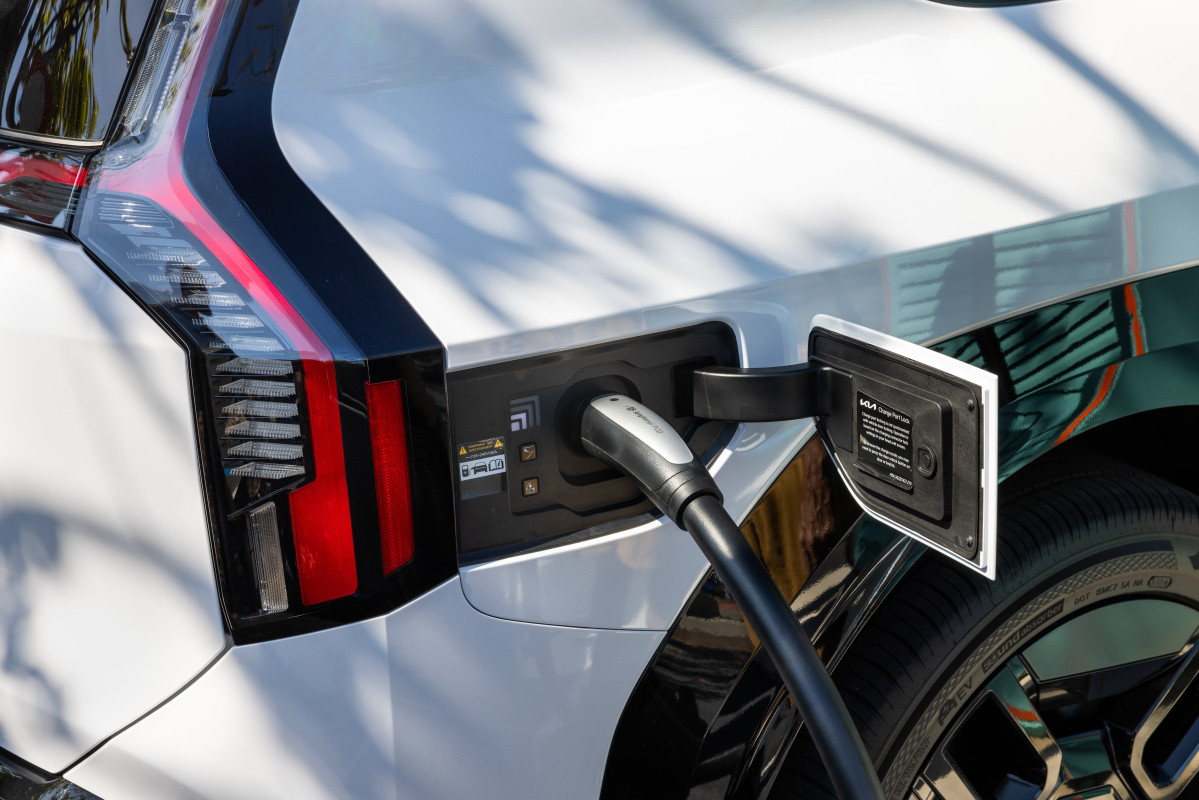
    All too often, EV owners struggle to find a convenient place to plug in while traveling.

    Kia

    And that’s where a start-up called Ionna hopes to shake things up. Based in Durham, North Carolina and just marking its second anniversary, the company is rapidly rolling out what’s set to become a nationwide network of 30,000 charger bays. But that addresses just one of the roadblocks to widespread EV adoption, Ionna CEO Seth Cutler said during an exclusive interview with Autoblog.

    A critical goal is to keep its chargers running at all times, no easy task considering the industry up-time averages barely 70%, resulting in EV owners facing the prospect of being stranded. Ionna is also determined to make the “charging experience” quicker, more secure and even a bit more fun, said Cutler.

    Backed by 8 Automakers
    Since you’ll likely ask, “Ionna” is a classically geeky name, short for Ion North America, the codename early planners came up with when seven automakers decided not to wait for more familiar brands like EVgo, Electrify America and Shell Recharge to address the issue of public charging. Initially, BMW, General Motors, Honda, Hyundai, Kia, Mercedes-Benz and Stellantis kicked in cash, Toyota signing on, as well, shortly after Ionna was officially launched in March 2024.

    The plan called for the start-up to put “at least” 30,000 DC quick chargers in the ground by 2030. With stations typically offering 10 to a dozen bays each, that would translate into as many as 3,000 individual locations, roughly equal to the current Tesla Supercharger network in the U.S. The 100th Ionna facility opened this month and the company expects to be operating in “the majority of states” by the end of the decade, said Cutler, but for Alaska, Hawaii, Montana and the Dakotas – though they could follow later.

    Unplugged

    It’s one thing to have a readily accessible network of chargers. It’s another to keep them running, as most EV owners can attest to. At any given moment, at least one in six EV chargers is out of service, according to a recent report by the National Renewable Energy Laboratory. Other studies have the figure closer to one in four – though the J.D. Power EV Experience Study released last month did find modest improvements in reliability.
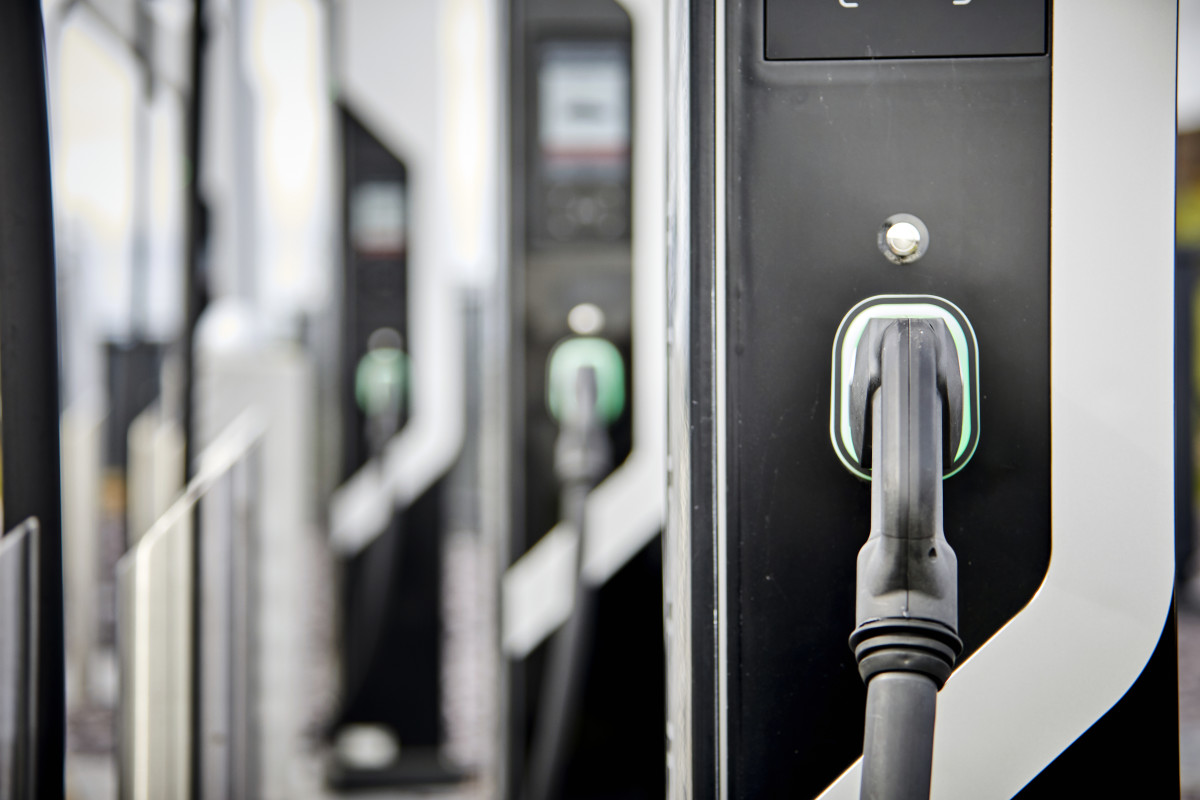
    As many as one in four public EV chargers may be out of order at any given time.

    Getty

    The possibility that an EV owner might not be able to get a charge, even if they can find a place to plug in, “creates angst from a consumer standpoint,” said Cutler. Consumers don’t want to be thinking “Am I going to get stranded?” They also want to be sure that the charger provides the promised amount of current. All too often, stations claim they can provide 350 kW but, once plugged in, that falls down to 150, 100, even 50 kW – which means substantially longer charging sessions.

    Related: Tesla Leads JD Power EV Satisfaction Study as Honda Falls to Bottom

    Ionna aims to deliver the dependability owners of gas vehicles expect at the pump. “Our uptime is 99.5%” at the first 97 sites that went live,” he reported. Just as importantly, added Cutler, when there is an issue, the company has set up methods to make sure it’s immediately identified, with technicians quickly dispatched to get the problem resolved.

    In the Dark

    Even when motorists can find a working charger that doesn’t mean they enjoy the experience of plugging in. All too often, charging companies have opted for low cost, out of the way locations with little in the way of lighting and no protection from the elements. Studies show women, in particular, concerned about security when plugging in. But even when they’re placed in better locations, EV chargers typically don’t offer the same level of convenience as a conventional service stations. And that creates an opportunity not only to improve the experience but also generate more revenue, said Cutler.
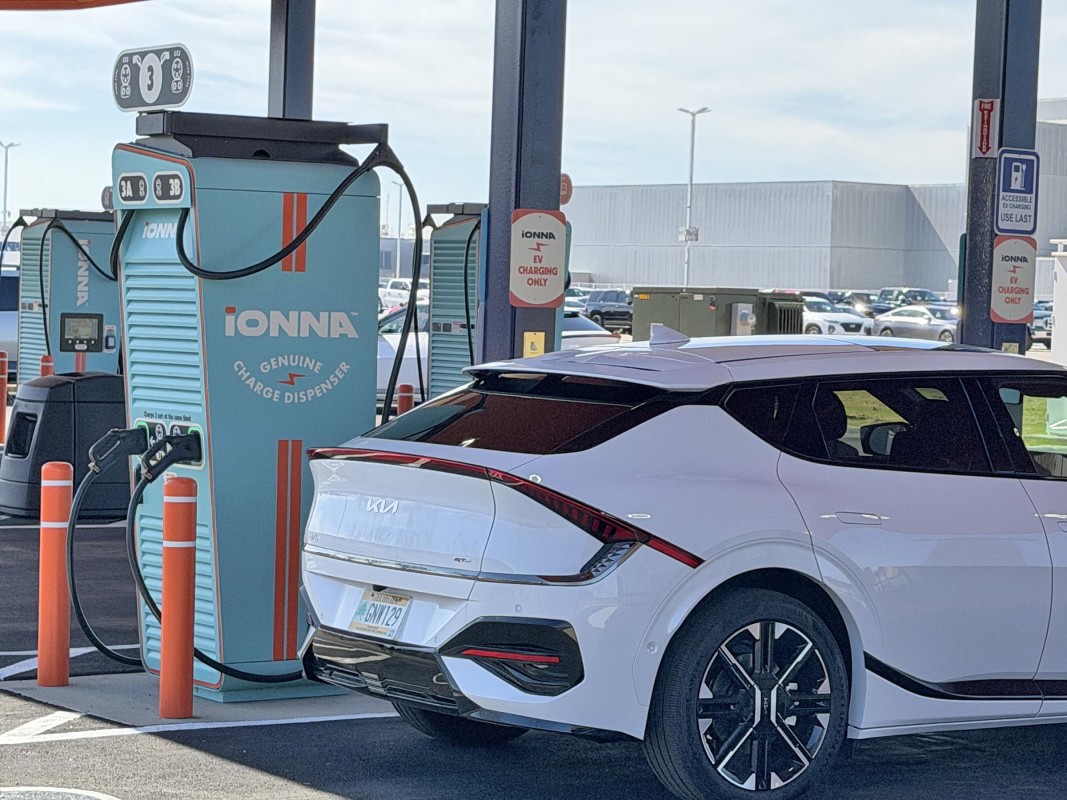
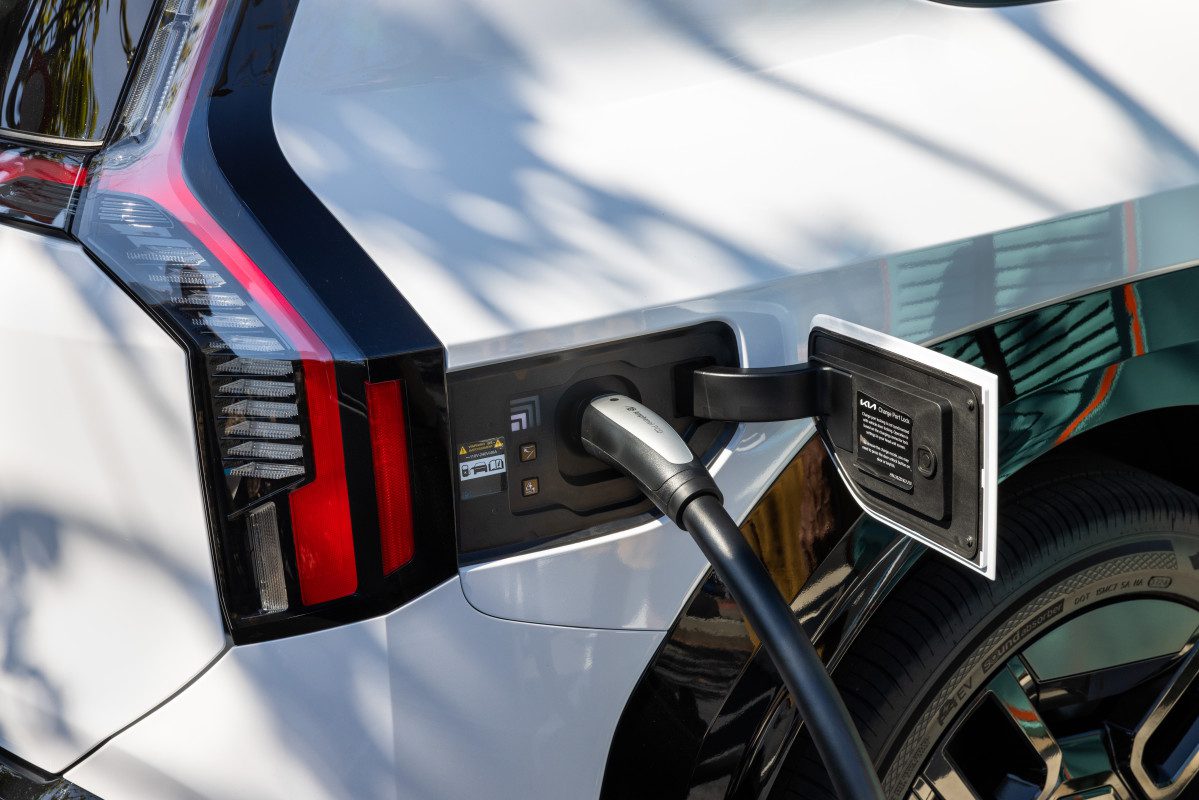
    A Kia EV9 plugs in at an Ionna station in West Point, Georgia. The facility is well-lit, has protection from the elements and offers restrooms and vending machines.

    I spoke to Cutler at the Kia plant in West Point, Georgia, where we recently attended the production launch of the automaker’s new Telluride Hybrid. One of Ionna’s first stations was set up on a factory outlot, right at an I-85 interchange. It’s one of Ionna’s mid-range facilities, well-lit and offering a canopy over its six charger bays – three with CCS-style plugs, the others using Tesla-style NACS plugs. CCS-style plugs and which use the Tesla-style NACS plugs. “Recharge” stations offer restrooms, accessible by using QR codes, and vending machines.

    Related: The “Selluride” Hybrid Is Kia’s Big Bet for 2027

    Shining a “Beacon”

    At the other extreme are the “Beacon” facilities, the first now under construction near Disneyland, in Westminster, California. “It’s really meant to be kind of this flagship brand ambassador location to bring people in (and) demonstrate the full power of what Ionna can be,” explained Cutler, noting, “It’s under construction now. It’ll be live this year.”
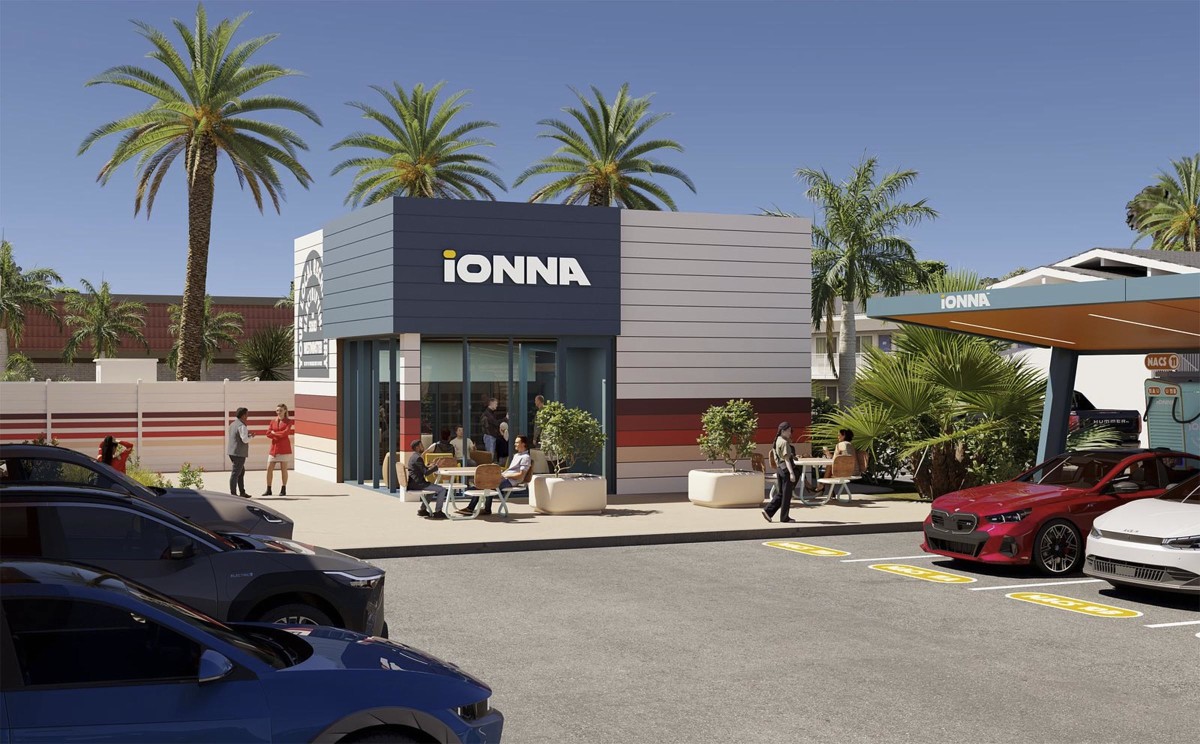
    A rendering of a flagship Ionna “Beacon” location, including a driver lounge and outdoor seating.

    The station will feature 22 separate charging bays – not quite a Bucky’s, but larger than almost any existing public EV charging facility. It will offer the sort of convenience store amenities common at today’s gas stations, but the 1,000-square-foot facility will also feature a driver’s lounge, as well as outdoor seating. Considering today’s typical EVs may plug in for anywhere from 15 minutes to an hour, Cutler expects this to make for a much more relaxed charging experience – and to generate additional revenue, as gas station operators long ago discovered.

    A third group of Ionna stations will operate in partnerships with the likes of WaWa and Sheetz, existing service station operators who may already have amenities in place where they’ll add Ionna chargers.

    Boosting Demand

    Ionna CEO Seth Cutler.

    Ionna is “constantly evaluating” its plans, said Cutler – not surprise considering how much different the battery-electric vehicle market is today compared with how things were expected to shake out two years ago under an EV-friendly president. Since returning to office in January 2025, Pres. Donald Trump has reversed course and, most notably, federal EV tax credits were phased out in September, sending sales into a downward spiral. But with the War in Iran sending fuel prices soaring, dealers report a renewed surge in interest in battery power.

    Cutler is confident that an improved charging experience also will help buoy demand. “We know sales for EVs are not going to go to zero in 2026 or ’27,” said Cutler. “In fact, costs are coming down, performance going up. You probably (will) see a dip this year. But I think there will be a second wave” to follow later in the decade where EVs regain momentum, he added.

    Ionna’s current plans call for the start-up to focus on urban areas where sales and ownership levels are highest, as well as on the Interstate network connecting those cities. Longer-term? The Ionna network could start fleshing out in more rural area and possibly even expand into Canada. “It’s a very popular question,” said Cutler, adding that “It’s something we’re evaluating, though it won’t be this year.”
    Source link

  • BMW unveils i3 electric sedan, with 900 km of range

    BMW unveils i3 electric sedan, with 900 km of range

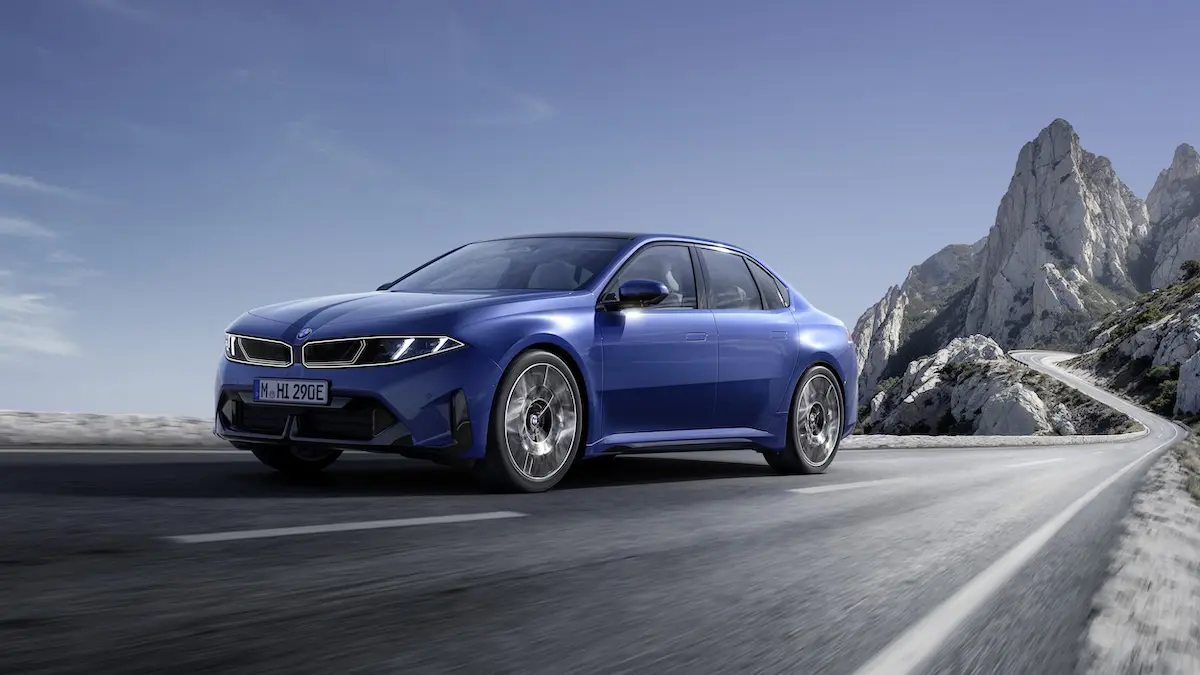
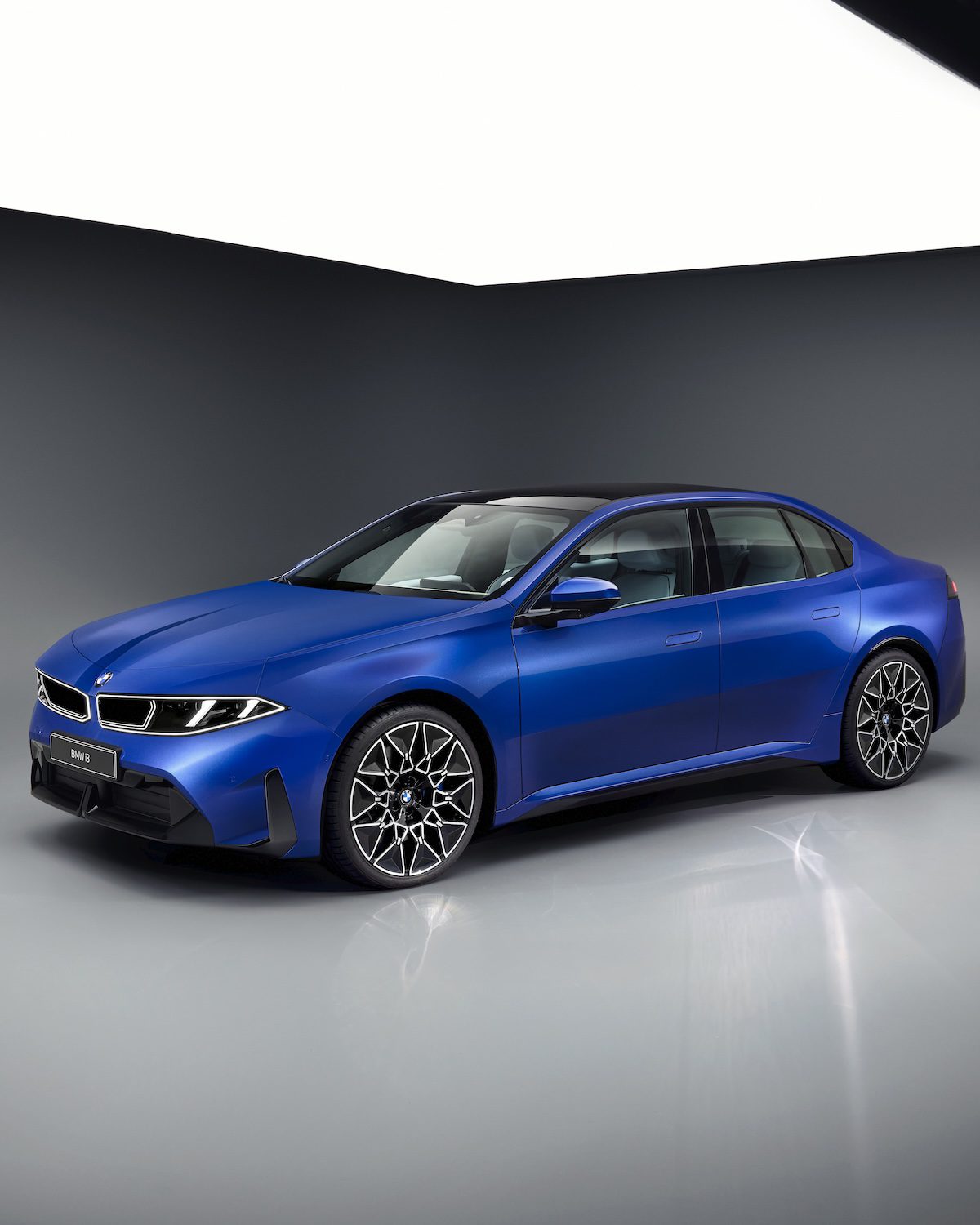
    German luxury car maker BWM has unveiled the i3, its first electric sedan under the Neue Klasse (New Class) platform, which will boast a whopping 900 km of range, outdoing the newly announced iX3’s 805 km range spec.

    Details were unveiled in Munich this week, where the BMW i3 sedan had its world premiere, and will also be the city where the factory that will produce this model.

    The dual-motor BMW i3 50 xDrive will be the first car off the rank under the i3 model name, with an expected arrival in early 2027, around 6 months after the iX3 lands on our shores this year.

    Image: BMW

    This powertrain delivers 345 kW of power and 645 Nm of torque, making it one of the most powerful sedans the company makes.

    Like the new iX3, the i3 sedan can charge at up to 400 kW at the right fast charger, adding 400 km of range in just 10 minutes.

    Behind this charging speed is BMW’s sixth-generation eDrive tech, which moves to an 800 V architecture and cylindrical battery cells. That not only helps with hitting those charging speeds but also the range the sedan can deliver. 

    Although specs on the battery pack were not disclosed for the i3, we can expect a similar capacity to that on the iX3, which stands at 108 kWh.

    This battery also forms part of the cell-to-pack setup, which allows for high energy densities at the pack level and a flatter high-voltage battery pack.

    Another bit of tech which would be welcomed by future i3 owners is Vehicle-to-Load (V2L) capability, as well as Vehicle-to-Home and Vehicle-to-Grid. More details on these capabilities will be announced later.

    Image: BMW

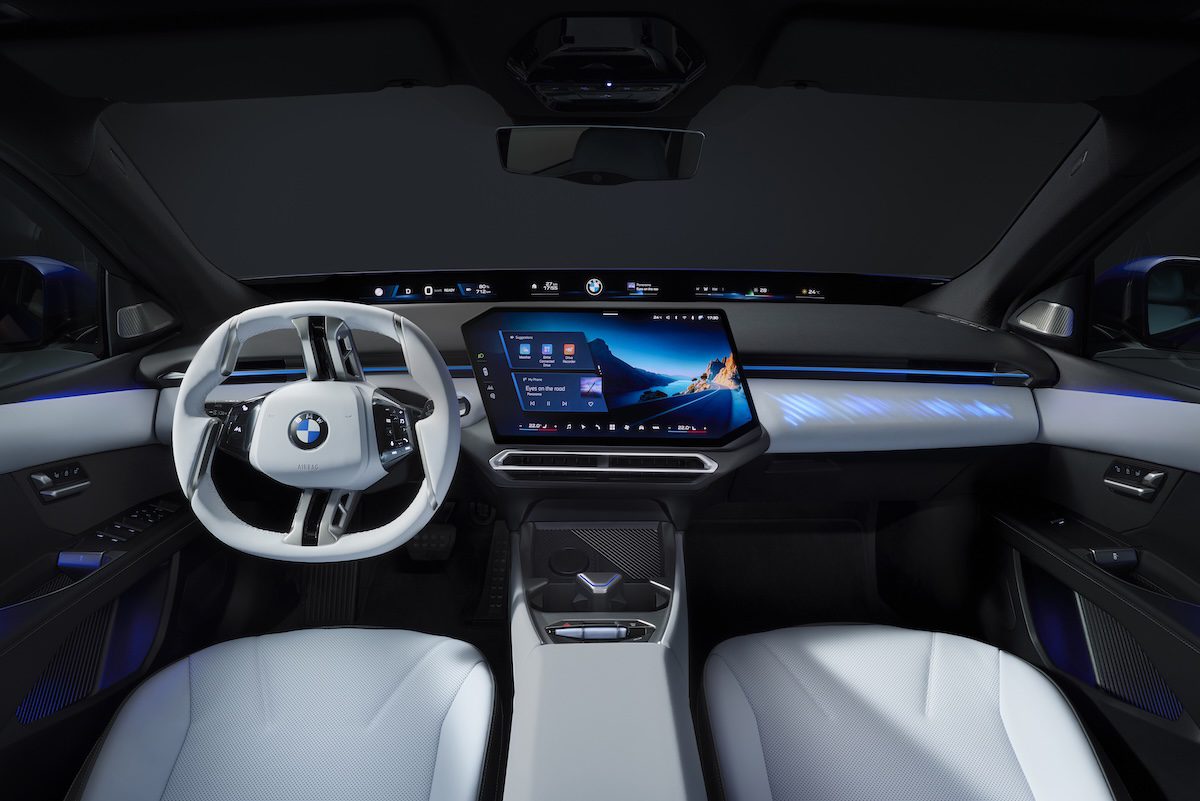
    On the i3, there is also the new BMW Panoramic iDrive system, which will bring the traditional iDrive system into quite a modern experience. 

    Like the iX3, the BMW i3 50 xDrive is the first variant in the lineup, and we can expect more variants with different specifications to be announced later down the track.

    More details, including pricing and specifications, will be announced at a later date, likely closer to its early 2027 launch.

    With a 900 km range on a single charge, 400 kW charging speeds, and a modern sports-car look with its tech-focused interior, it could be the best-selling European sedan on the market next year.

    Source link

  • Volvo Used to Advertise Dependability. Now It’s Ranked Almost Last

    Volvo Used to Advertise Dependability. Now It’s Ranked Almost Last

    If safety is what first comes to mind when you think of Volvo, dependability is a close second. In advertisements, the automaker once touted the indestructible nature of its cars as often as it did safety innovations. But in the benchmark J.D. Power rankings, Volvo has slid nearly to the bottom.

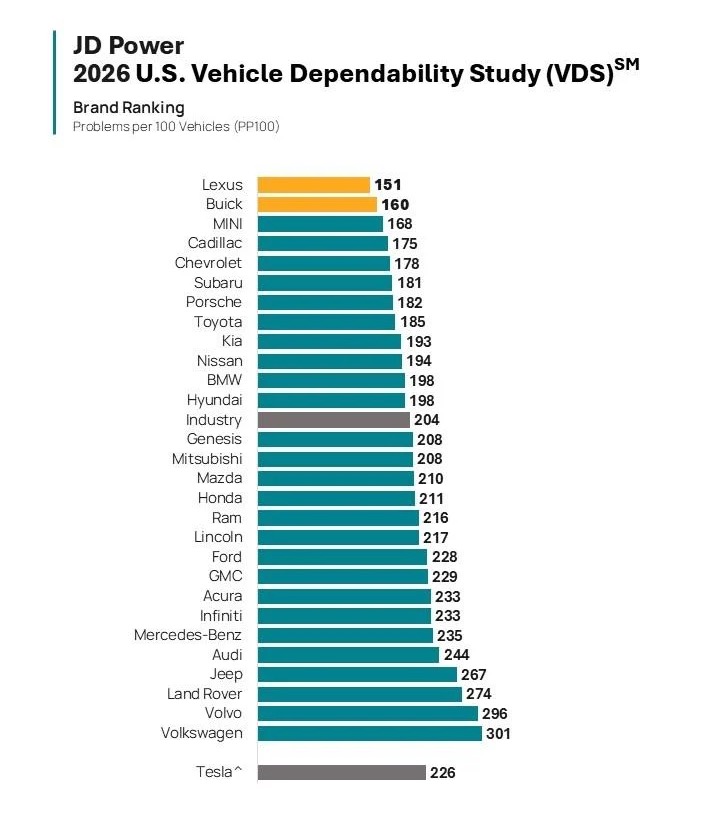
    In J.D. Power’s 2026 Vehicle Dependability Study, which measures dependability of new cars and trucks by the number of owner-reported problems per 100 vehicles, Volvo was ranked next-to-last. Owners surveyed reported 296 problems per 100 vehicles, just ahead of Volkswagen (301), but behind perennial problem children Jeep (267) and Land Rover (274). The average across all brands was 204 problems per 100 vehicles.

    2026 J.D. Power Vehicle Dependability Study brand rankings.
    J.D. Power

    Volvo was ranked ahead of all of those brands in the 2025 study, albeit still far from the top. Last year, Volvo owners reported 242 problems per 100 vehicles, putting the Swedish automaker 23rd among 31 ranked brands, and worse than the industry average of 202 problems per 100 vehicles.

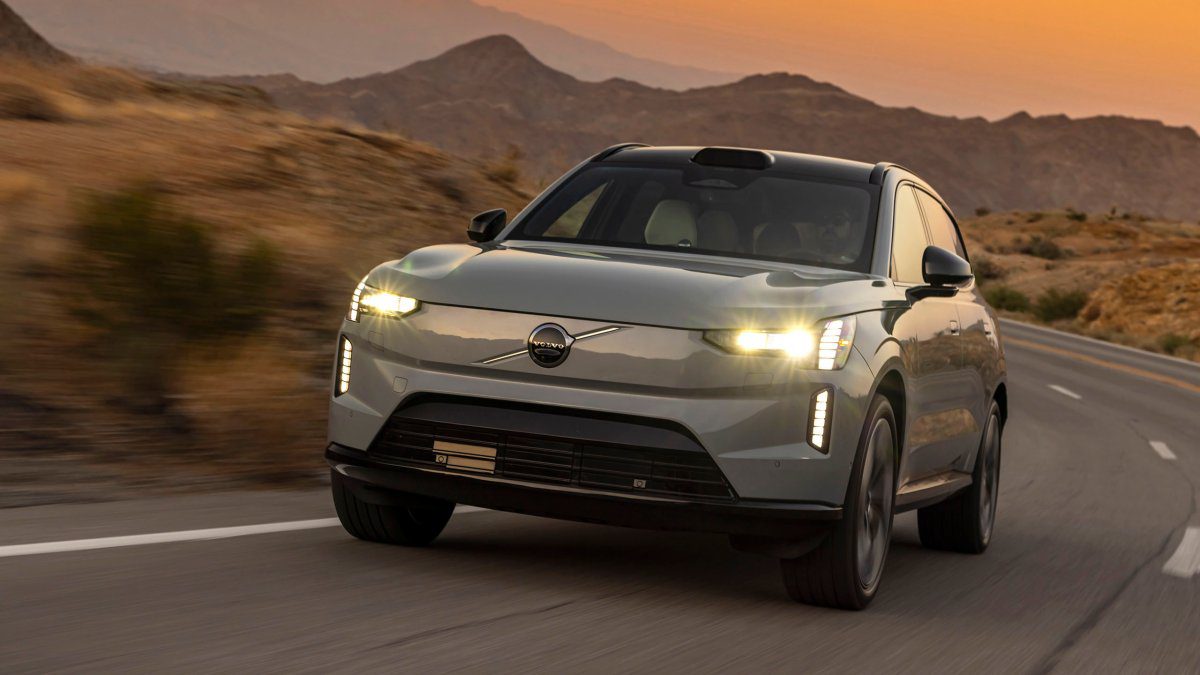
    The decline for 2026 aligns with overall industry trends highlighted by J.D. Power. Analysts noted a high level of frustration with over-the-air (OTA) software updates, and found that vehicles with plug-in hybrid and all-electric powertrains had more reported problems than those with hybrid and conventional gasoline powertrains. Volvo has struggled to deliver reliable software in recent years, while filling its lineup with plug-in hybrids and EVs.

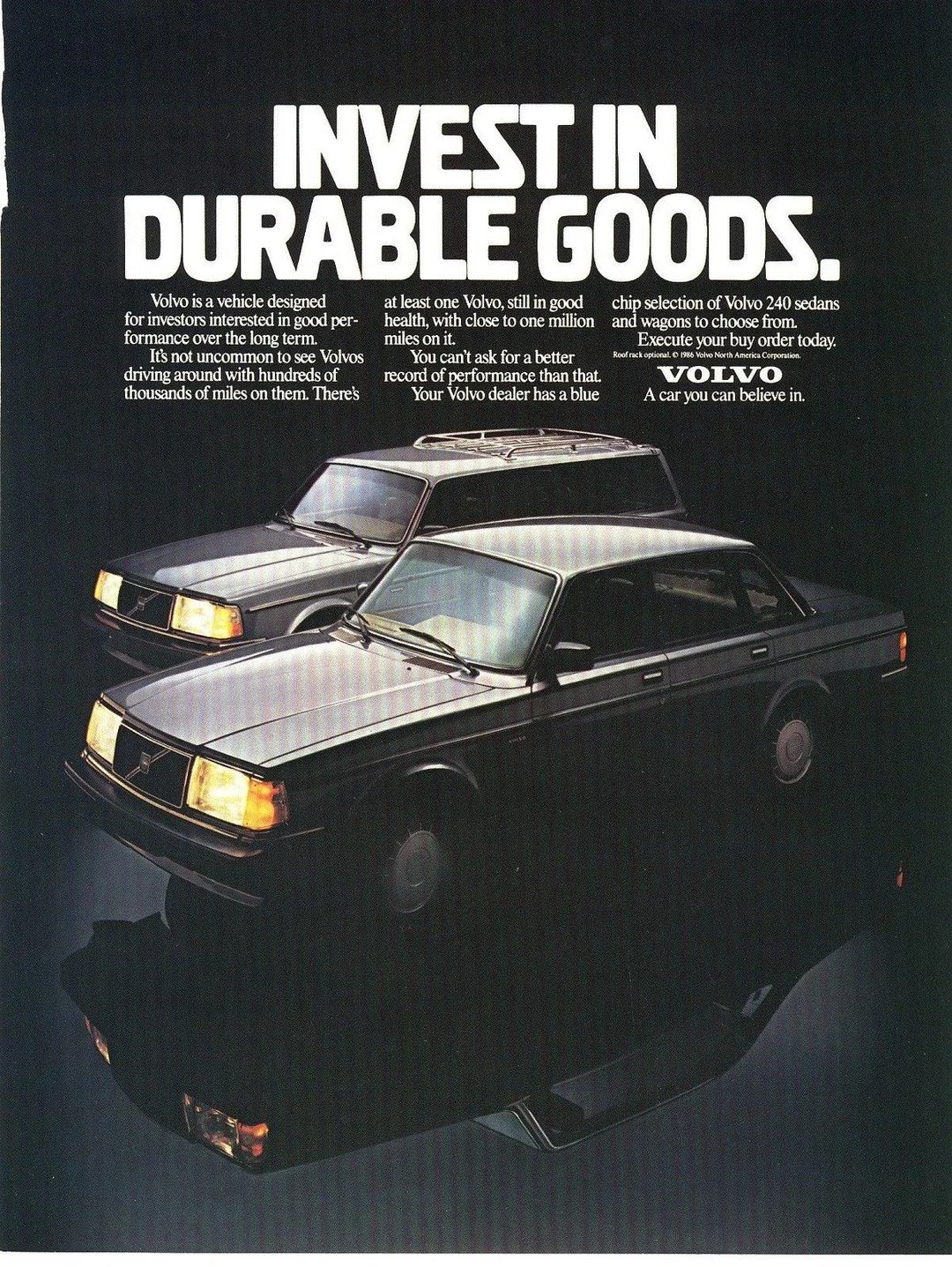
    Vintage Volvo ad.
    Volvo

    New cars are more complicated than ever, which can have a negative impact on long-term reliability. But loyal customers have a reason to be disappointed in Volvo’s poor performance. As a poster in the r/Volvo Reddit forum pointed out, the automaker’s ads used to feature taglines like “invest in durable goods” and “drive your Volvo like you hate it.”
    Like the prestige German brands, however, Volvo has shifted from emphasizing dependability and engineering to emphasizing technology and design as justification for price premiums. Volvos are no longer “durable goods”; they’re luxury goods. On top of that, Volvo has made some missteps recently, embarking on a software-feature crusade that went poorly, and taking a step downmarket with the EX30 that was undone by policy changes. It’s now trying to turn all that around with its next-generation EVs.

    Stephen has always been passionate about cars, and managed to turn that passion into a career as a freelance automotive journalist. When he’s not handling weekend coverage for The Drive, you can find him looking for a new book to read.


    Source link

  • Stellantis explores more Chinese partnerships

    Stellantis explores more Chinese partnerships

    MEDIA reports say beleaguered Stellantis is exploring potential partnerships with Chinese car-makers as it seeks to strengthen its struggling European business amid rising competition and the ongoing shift to electrification.


    Separately, the manufacturer is said to considering a deeper collaboration on EV and software technology with its existing Chinese partner Zhejiang Leapmotor Technology Co.


    According to Bloomberg, the automotive giant has held discussions with other Chinese technology and EV companies including Xiaomi and Xpeng, examining options that could involve investment into its European operations or closer collaboration on manufacturing and technology.


    For its part, Stellantis has not confirmed any specific plans but acknowledged it “routinely engages with global industry players”.


    “As part of its normal course of business, Stellantis holds discussions with a range of industry players around the world on various topics,” the company said in a statement.
     

    Bloomberg’s report says the talks highlight the challenges facing Stellantis in Europe, where its brands – including Fiat, Peugeot and Opel – are contending with overcapacity, intensifying competition, and the high cost of transitioning to electric vehicles.


    Chinese manufacturers are rapidly gaining ground in the region, leveraging strong EV technology, and cost advantages developed in their domestic market.


    A potential partnership could provide Stellantis with improved access to advanced EV and software technology, while also helping to better utilise its European production capacity.


    In return, Chinese carmakers would gain greater access to the European market, which has become an attractive export destination.


    According to the report, the discussions come as Stellantis increasingly prioritises investment in North America, where it has committed around $US13 billion ($A20b) to new products and technologies.


    On a positive note, the company has seen improving demand for key brands such as Jeep and Ram, while regulatory and political conditions in the US make collaboration with Chinese firms more complex.


    By contrast, Europe remains a more open environment for Chinese investment, despite the introduction of tariffs on some imported electric vehicles.


    Industry observers say this divergence could lead to greater separation between Stellantis’ regional operations, although the company has rejected suggestions it is considering a formal split.


    Stellantis states categorically that there is no truth in the suggestion that it is considering a plan to split the company.


    Against that, reports indicate discussions have included the possibility of Chinese partners taking stakes in parts of Stellantis’ European operations, potentially involving brands such as Maserati.


    No agreement has been reached however, and there is no certainty that any deal will proceed.


    For background, Stellantis has recently faced a challenging period financially with its share price declining significantly over the past two years.


    The company recently announced €22.2 billion ($A37b) in charges and write downs, partly linked to scaling back aspects of its electric vehicle strategy.


    Bloomberg says the broader automotive transition has also proven uneven, with EV adoption slowing in some markets including parts of Europe and the United States.


    At the same time, traditional carmakers continue to trail Chinese rivals in battery technology and production costs.


    “Stellantis is already exploring deeper collaboration with its existing Chinese partner Leapmotor, focusing on affordable EVs and software development for European markets,” the report said.


    “The company is expected to outline more details on its future strategy at an investor day scheduled for 21 May in the US


    “For now, Stellantis appears to be weighing a more flexible, partnership-driven approach in Europe as it navigates an increasingly competitive and rapidly evolving global automotive landscape.”

    Source link

  • Hybrid vs. Gas in 2026: When the Better MPG Starts Paying You Back

    Hybrid vs. Gas in 2026: When the Better MPG Starts Paying You Back

    At the time of this writing, AAA puts the national average price of regular fuel at $3.32. It’s not a record, but it’s far higher than many Americans expect at the pump. Fluctuating fuel prices might make it seem like switching to a hybrid vehicle is a good way to save money, but the math doesn’t always work out that way. This quick guide will help break down some of the cost differences between hybrid and gas vehicles, and our handy calculator can help you better understand how long it might take to recoup your investment in fuel savings.

    Hybrid vs. Gas Vehicle Pricing

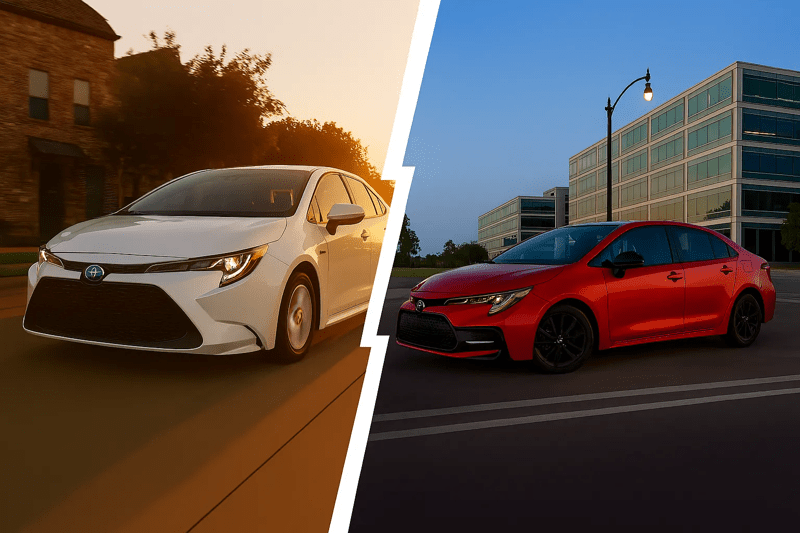
    While the price difference between hybrid and gas vehicles isn’t as dramatic as it was a few years ago, hybrid models are still noticeably more expensive than comparable gas alternatives. For example, the base 2026 Toyota Corolla LE costs $24,595, including a $1,195 destination fee. The 2026 Corolla Hybrid LE costs $25,970, which is about 5.5% more. 

    That said, the hybrid model returns 50 mpg combined, while the gas model maxes out at 34 mpg. Using our calculator below, we see that the gas model has an annual fuel cost of $1,434 at 15,000 miles driven, while the hybrid model costs $975 per year to fuel, for a savings of $459. That’s not an insignificant number, but it would take around three years to recoup the extra $1,375 purchase price of the hybrid.

    Learn more about fuel economy and gas prices.

    This calculator can help estimate how long it would take for a hybrid vehicle’s fuel savings to cover the higher purchase price.


    Hybrid Fuel Savings Calculator

    When a Hybrid Vehicle Makes Sense

    Hybrid vehicles employ electric motors, which handle much of the workload at low speeds and in stop-and-go traffic, such as driving around town. They can make a lot of sense for people who do most of their driving in those conditions, since electric motors do more of the work. Highway commuters and people who regularly drive long distances see a smaller fuel economy benefit because hybrids have to rely on the gas engine at higher speeds. 

    Hybrids Do More Than Save Fuel

    There are quite a few other reasons to buy a hybrid that might not be on your radar.


    Hybrid Benefits Graphic

    🌿

    Lower Emissions

    Hybrid powertrains reduce tailpipe emissions, helping shrink your overall environmental impact.

    🔇

    Quieter Driving

    Electric assist keeps cabin noise down, especially at low speeds and in traffic.

    Stronger Low-End Torque

    Instant electric torque improves smoothness and responsiveness off the line.

    🛑

    Less Brake Wear

    Regenerative braking reduces wear on pads and rotors, often extending service life.

    🔁

    Smoother Stop/Start

    Hybrid systems restart more seamlessly than conventional stop/start tech.

    💰

    Higher Resale Value

    Hybrids often hold their value better than gas-only counterparts in used-car markets.

    You’ll need to do the math to see if they fit for your own situation, but there’s no doubt that they have benefits that are worth considering if you’re in the market.

    Source link

  • 2025 Toyota GR Corolla at Lightning Lap 2026

    2025 Toyota GR Corolla at Lightning Lap 2026

    From the March/April 2026 issue of Car and Driver.

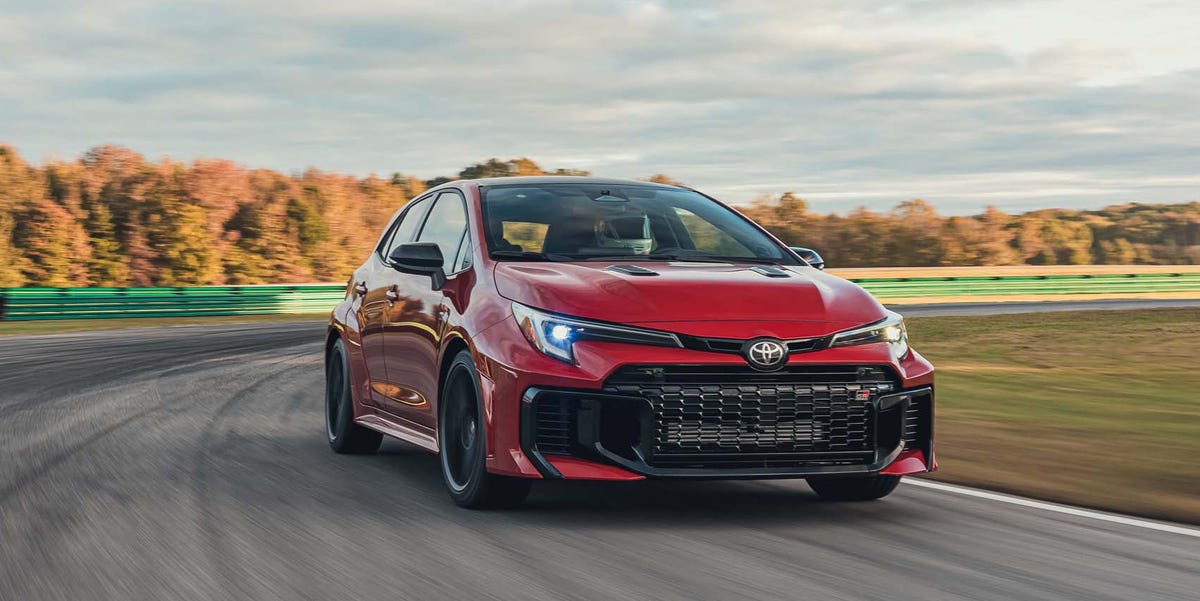
    Lap Time: 3:07.1

    Class: LL2 | Base: $43,075 | As Tested: $50,504
    Power and Weight:
    300 hp • 3339 lb • 11.1 lb/hp
    Tires:
    Michelin Pilot Sport 4
    235/40ZR-18 (95Y)

    You might be wondering why this year’s GR Corolla lap time has flies circling it. Yep, it’s a stinker.

    We didn’t expect the eight-speed-automatic GR, which comes with less aggressive tires, to be able to replicate the six-speed-manual Morizo Edition’s sub-3:00 lap, but we did expect it to be quicker.

    The GR is happy exploring its limits. Switch to Track mode and shut off the stability control, and it’ll slide predictably and power out of corners without drama. It encourages you to raise entry speeds, and even if you overcook it, the GR remains stable when it’s sideways. Lap after lap, the brakes stood up to the abuse and felt good braking from 127.9 mph on the Front Straight and from 121.8 mph on the Back Straight. Unlike the VWs in attendance, brake fade is not an issue.

    2025toyotagrcorollaView Photos

    Michael Simari and Marc Urbano|Car and Driver

    However, the gearbox is slow to acknowledge a paddle flick, which led to lost tenths in Oak Tree and Hog Pen, and its optimal upshift window is comically narrow. Get too close to the redline, and the GR stumbles on the fuel cutoff. It’s a silly way to lose time, and we’d prefer a mode where it automatically upshifts at the redline instead of tasking us with that shift.

    In hopes of solving the tire problem, Toyota’s flack brought a set of Morizo wheels and Michelin Pilot Sport Cup 2s to the track. However, the Lightning Lap rule book strictly forbids posting times with non-homologated hardware. Nevertheless, in the spirit of experimentation, we bolted on the unofficial “Car and Driver Morizo GR Performance package” and immediately ran a 3:02.5 [see “Grip and Grin,” below].

    Back on the stock tires, the GR alerted us to an “AWD System Overheated” warning during a fast lap and then informed us that it would be “Switching to 2WD Mode.” After a fuel stop and lunch, it cooled off, and we were back to stomping on the gas on corner exit. It only reinforced our opinion that the best GR for setting lap times has three pedals and Cup 2s.

    2025toyotagrcorollaView Photos

    Michael Simari and Marc Urbano|Car and Driver

    Grip and Grin

    We were about to prove that the automatic GR Corolla could run quicker than the 3:07.1 we’d managed thus far. Then incorrect replacement hardware showed up: lightweight Morizo Edition wheels wrapped in Michelin Pilot Sport Cup 2 tires, a setup not offered on the automatic GR Corolla.

    We gave it a try, and the car came alive. Turn 1 grip jumped from 0.93 to 1.00 g, exit speed out of the Climbing Esses increased by 4.3 mph, and the lap time dropped to 3:02.5 (not as fast as the 2:59.6 an actual Morizo got in 2023). The all-wheel-drive coupler even seemed happier, no longer triggering its overheat warning.

    But our rules are clear: If you can’t order it that way, it doesn’t count.

    Back to Lightning Lap 2026

    Headshot of Austin Irwin

    Austin Irwin has worked for Car and Driver for over 10 years in various roles. He’s steadily worked his way from an entry-level data entry position into driving vehicles for photography and video, and is now reviewing and testing cars. What will he do next? Who knows, but he better be fast.

    Source link

  • A Love Letter to Driving

    A Love Letter to Driving

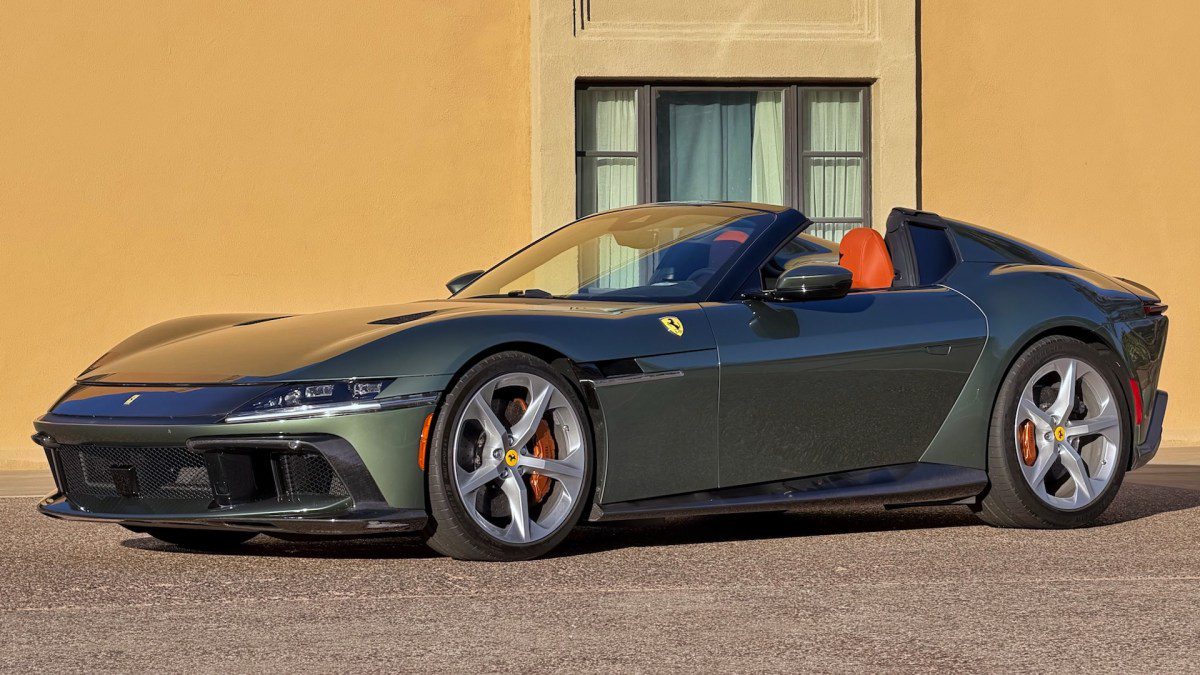
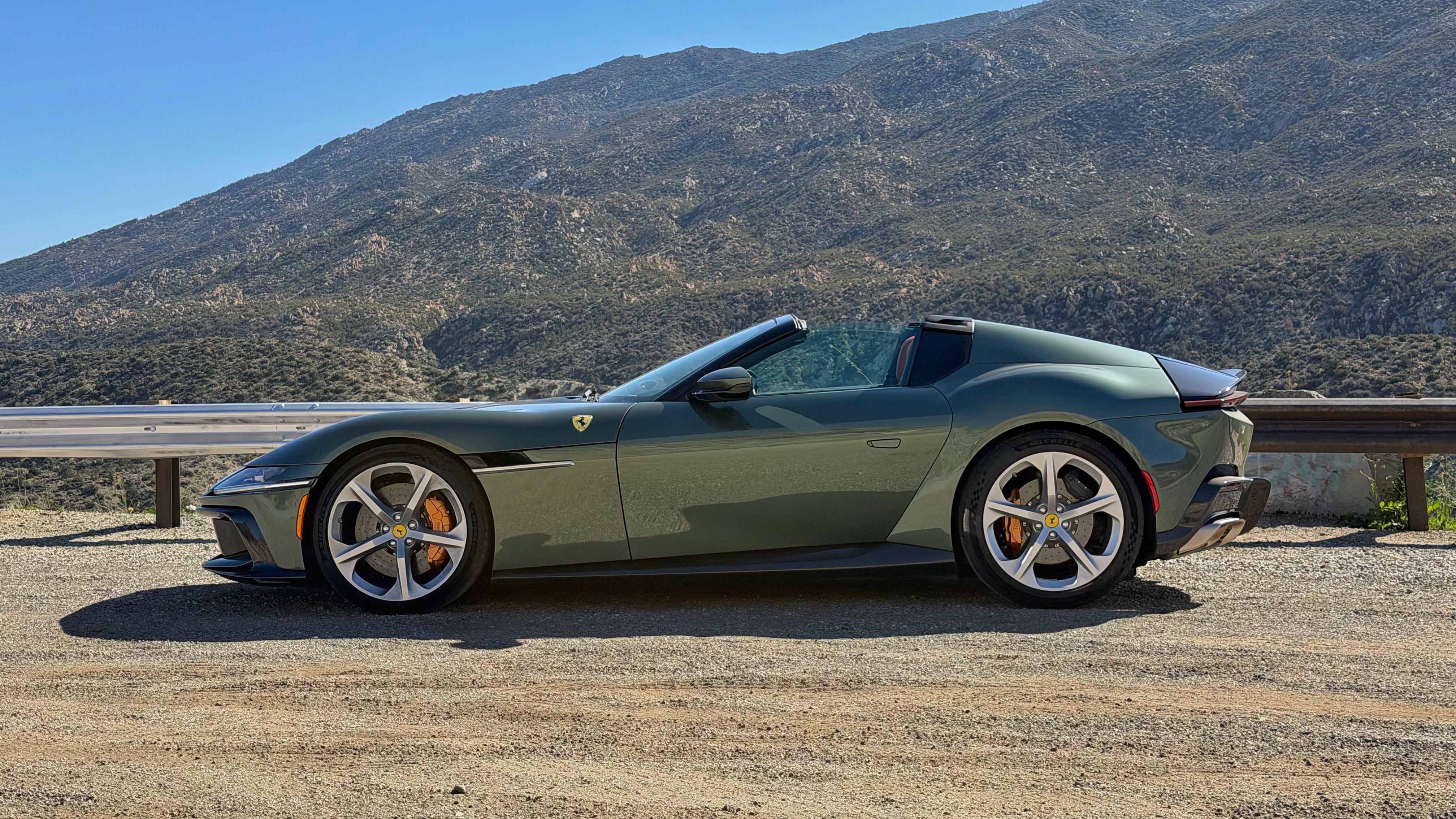
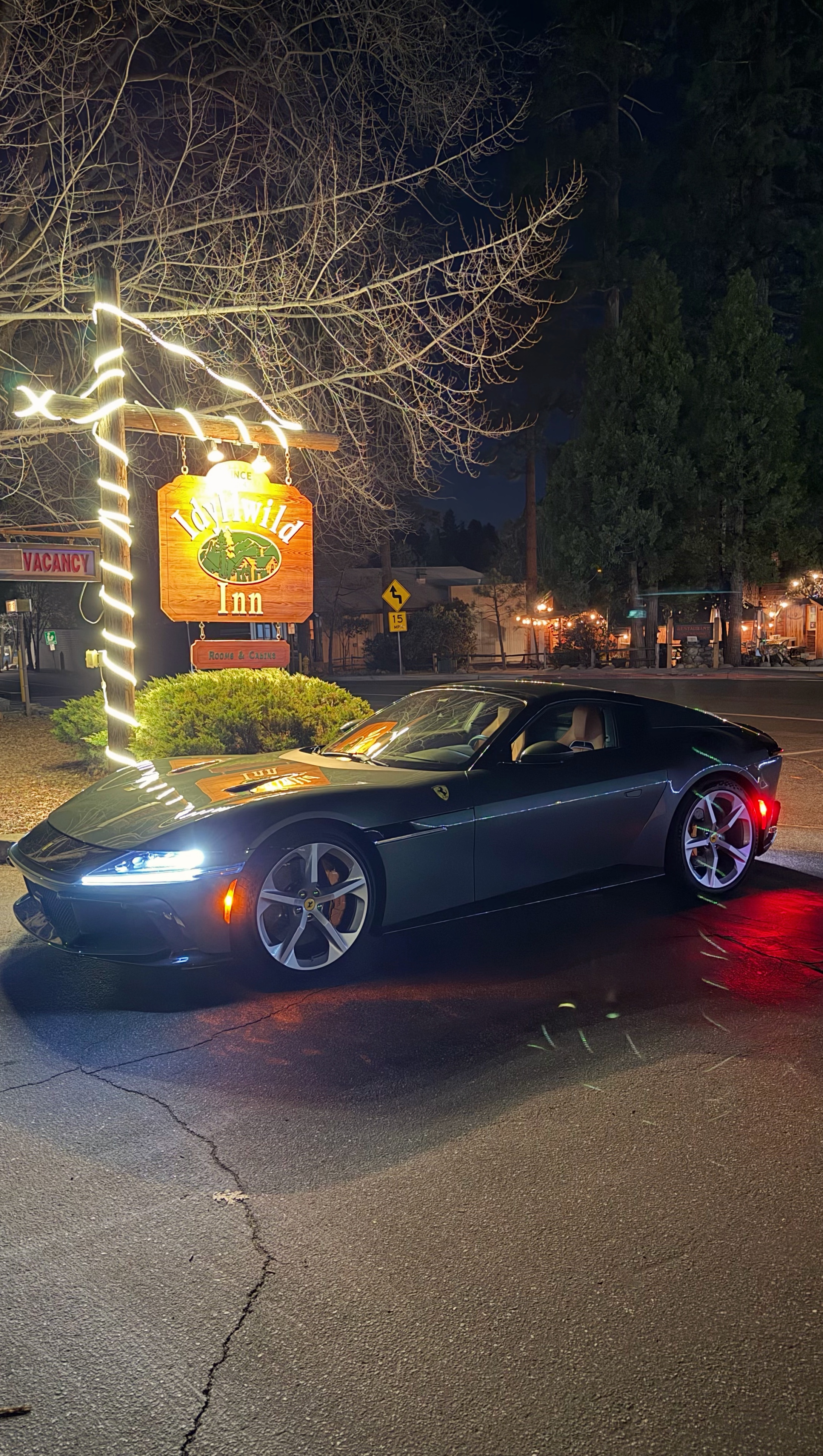
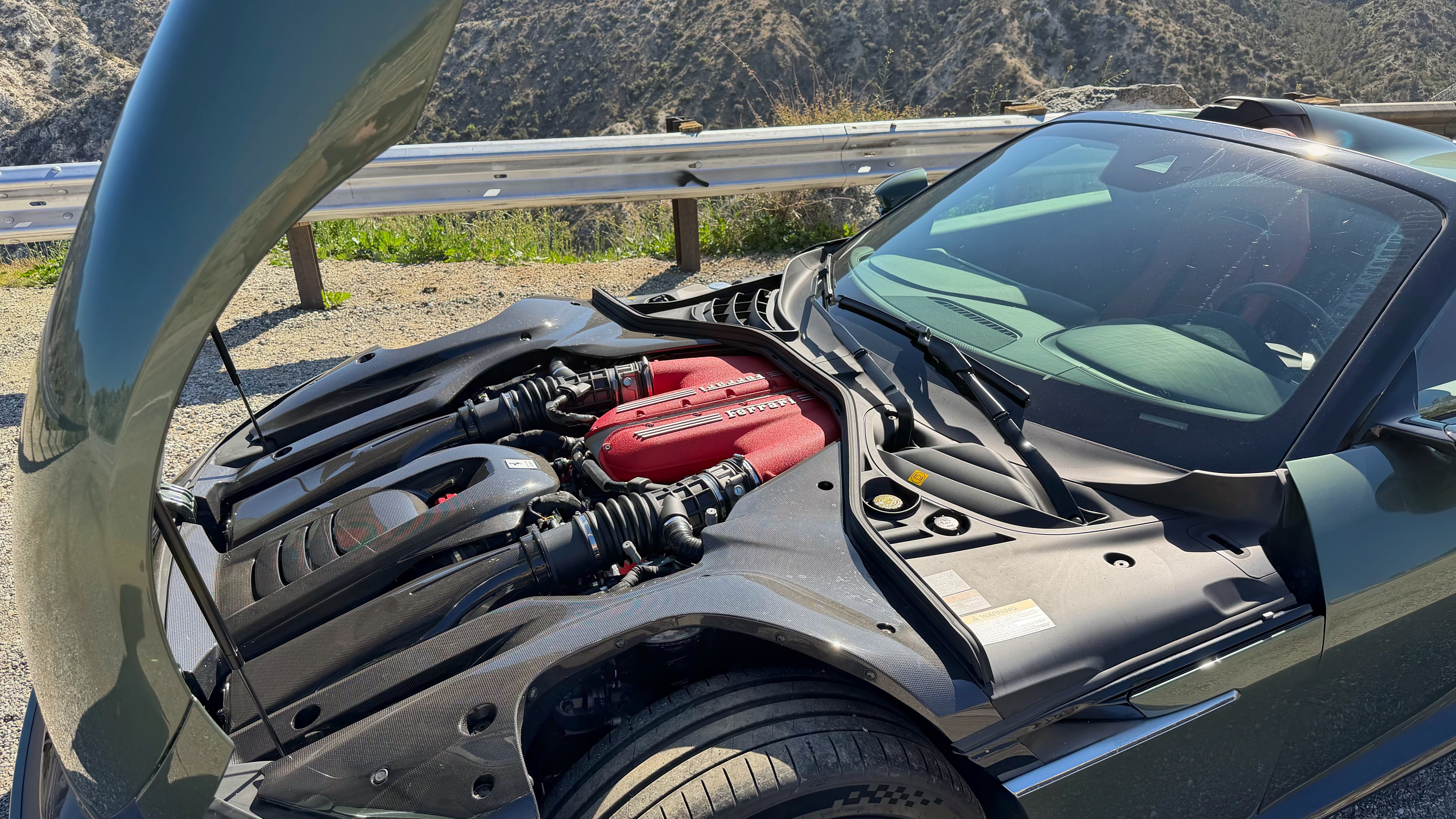
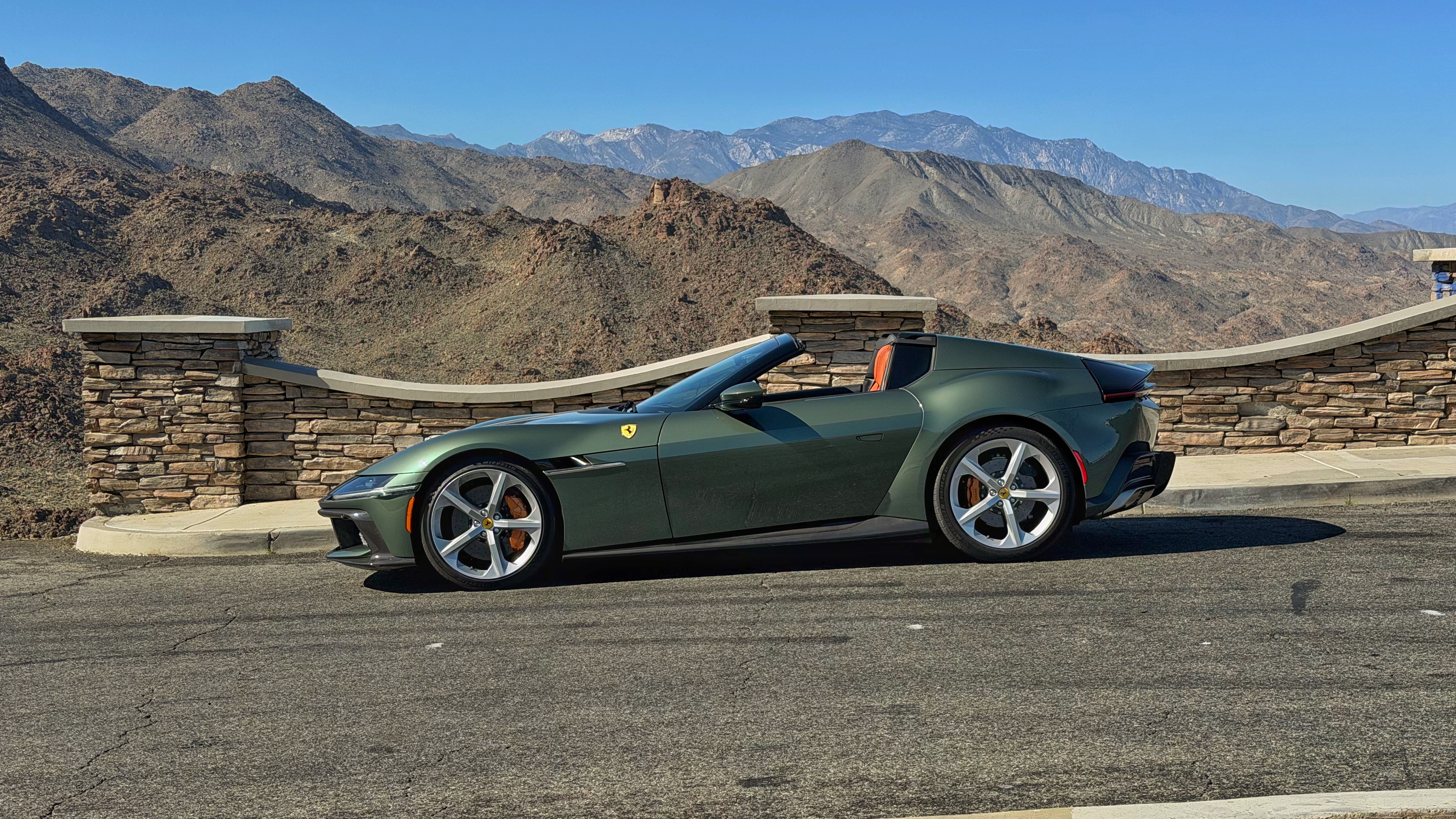
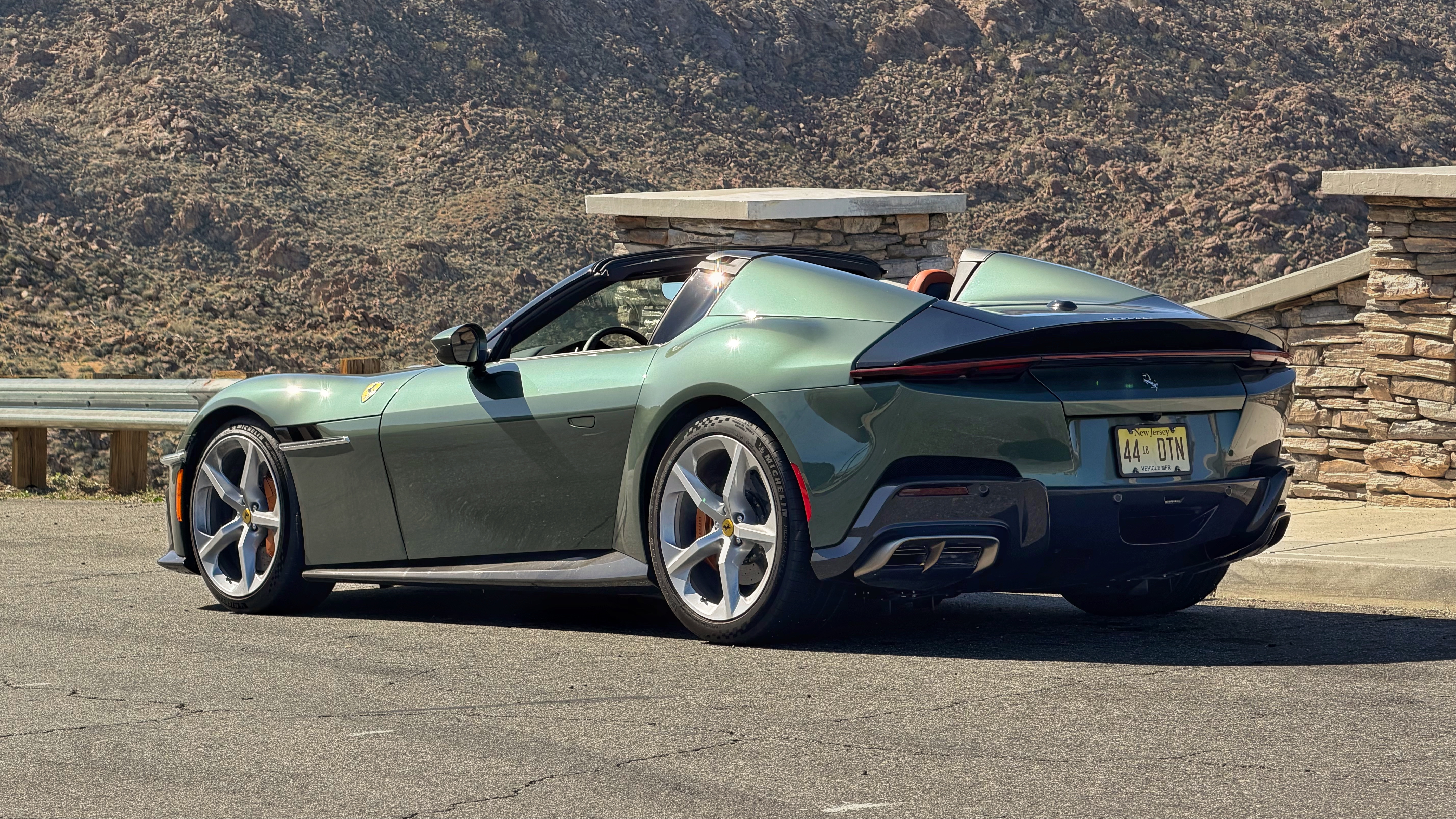
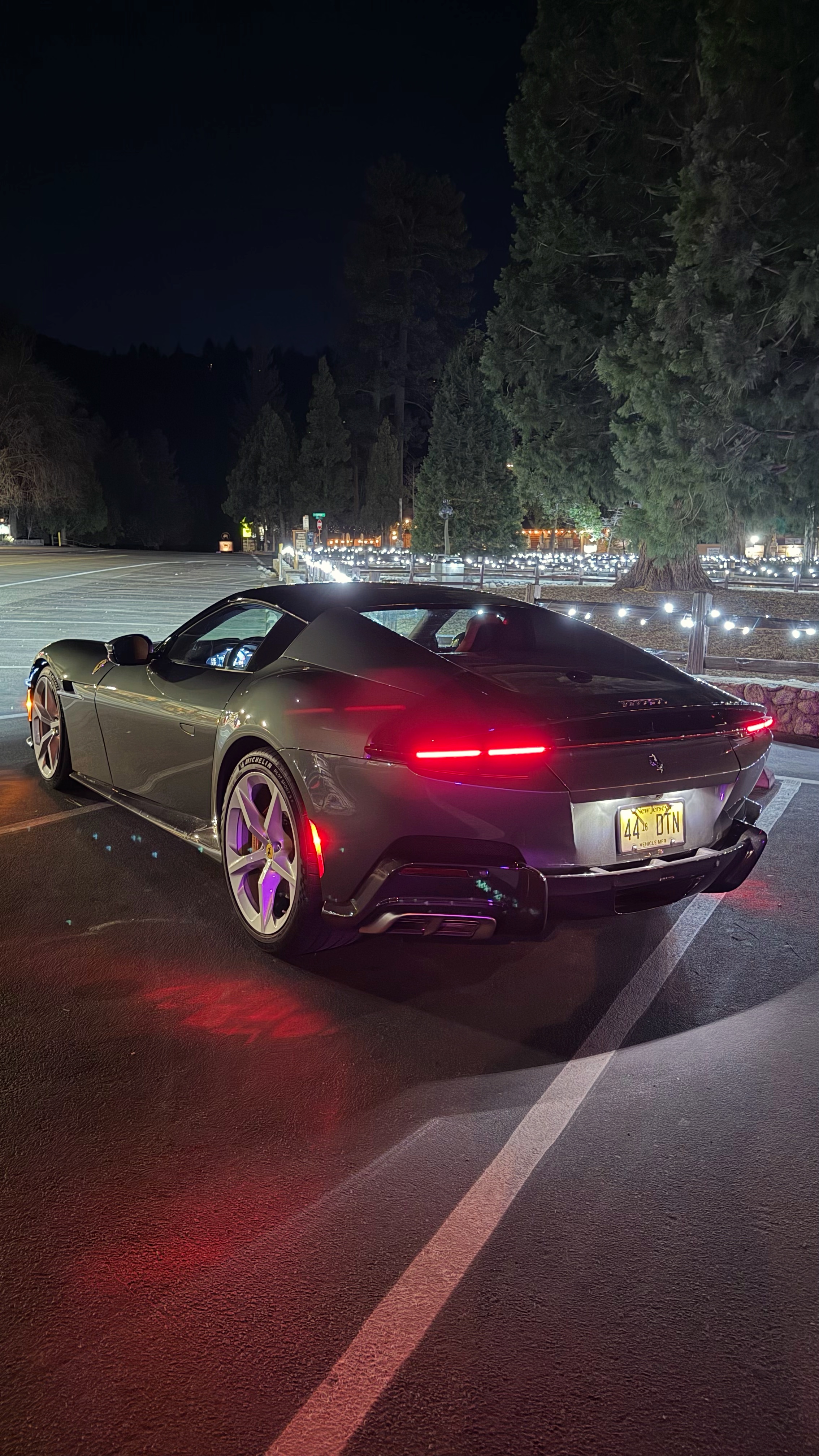
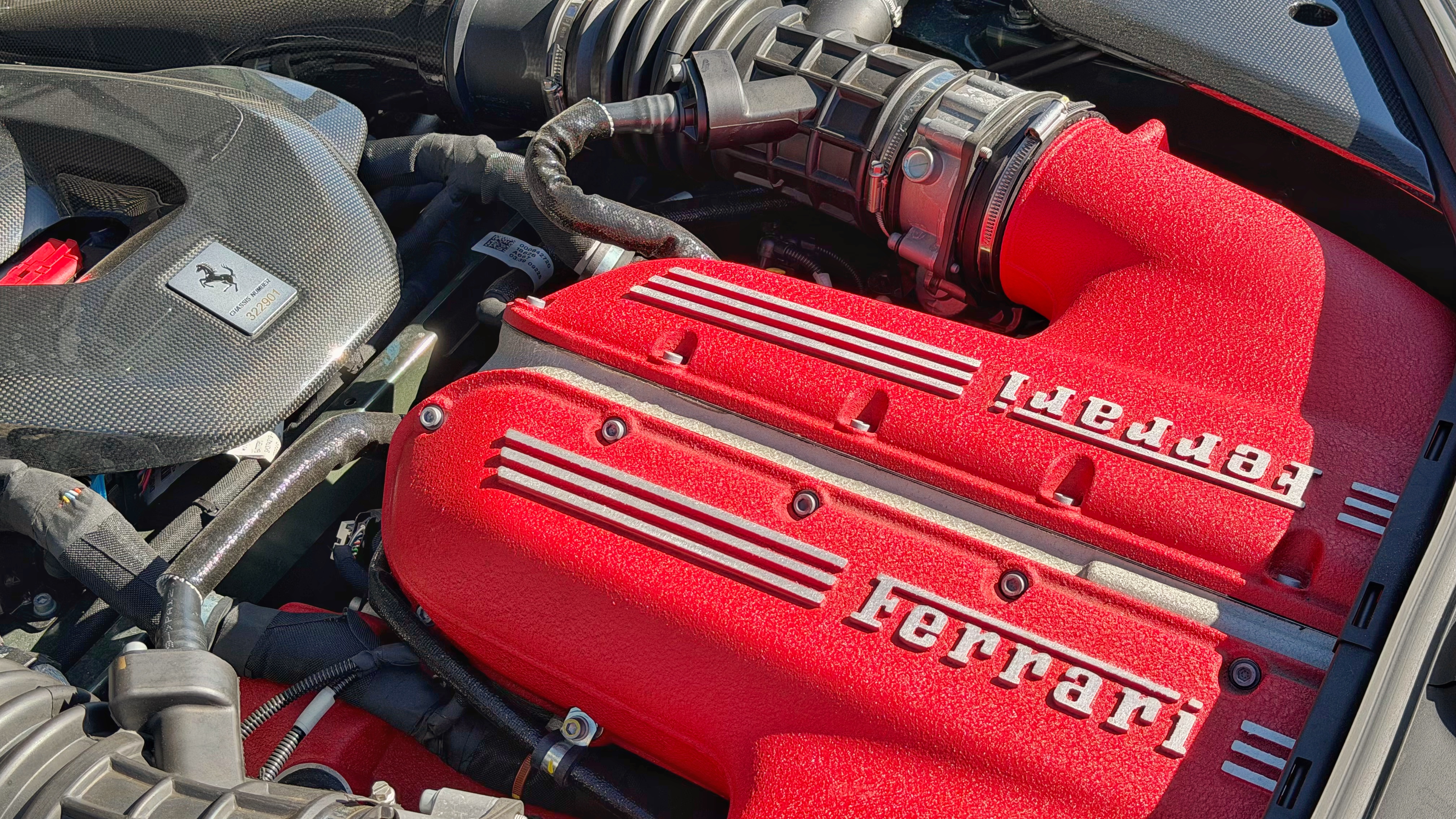
    One run up the gears with my foot almost flat on the accelerator, and my brain begins computing reasons it’d be logical to spend $661,000 on the Ferrari 12Cilindri Spider I’m sitting in. The naturally aspirated, 6.5-liter V12 sandwiched between me and the front axle is screaming with fury as the tach’s needle nears 9,500 rpm. The melody coming out of the exhaust is akin to that of a ’90s F1 car—far higher-pitched than the convertible’s robust body leads you to believe.

    This is a car for driving. This is a car for the heart.

    It’s not just the 12Cilindri Spider’s performance that quickly makes you consider corruption for the sake of fast cash. Even while standing still, it wows you in ways that other supercars can’t while in motion. Fire up the engine and stab the throttle, and the revs spike so quickly that you’re forced to recalibrate your expectations—and how quickly you must move your foot so they don’t linger in the stratosphere longer than they should. A 40% reduction in rotating mass, titanium con rods, and new alloys in the V12’s crankshaft make this responsiveness possible.

    Jerry Perez

    Yet, despite its 819 horsepower, 500 lb-ft of torque, 211 mph top speed, and abundant engine, chassis, and aero management software, the 12Cilindri Spider delivers an analog and almost retro driving experience when it counts most. Because, despite what some automakers want you to believe, driving a stupidly fast computer isn’t very fulfilling at all.

    Design

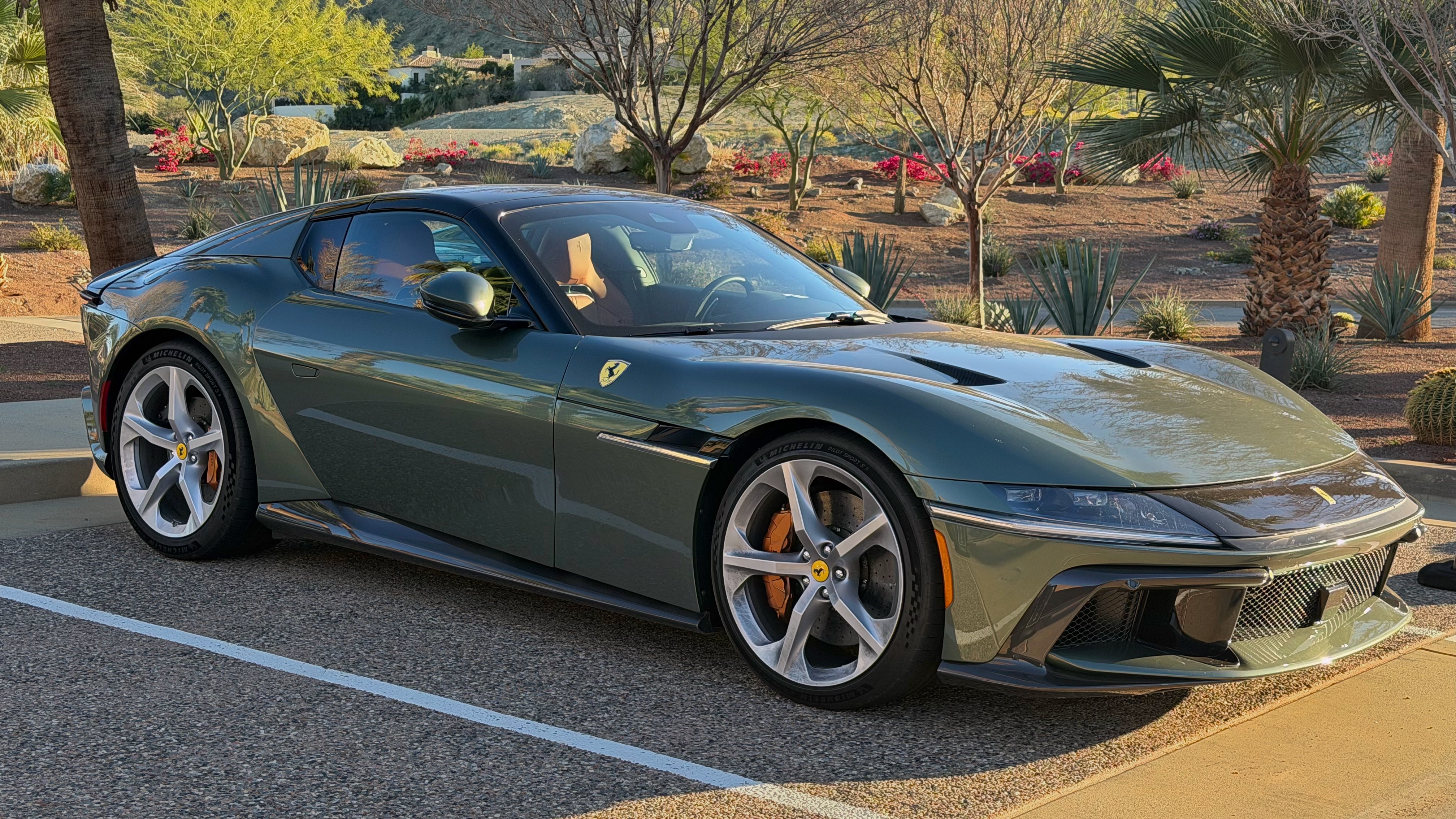
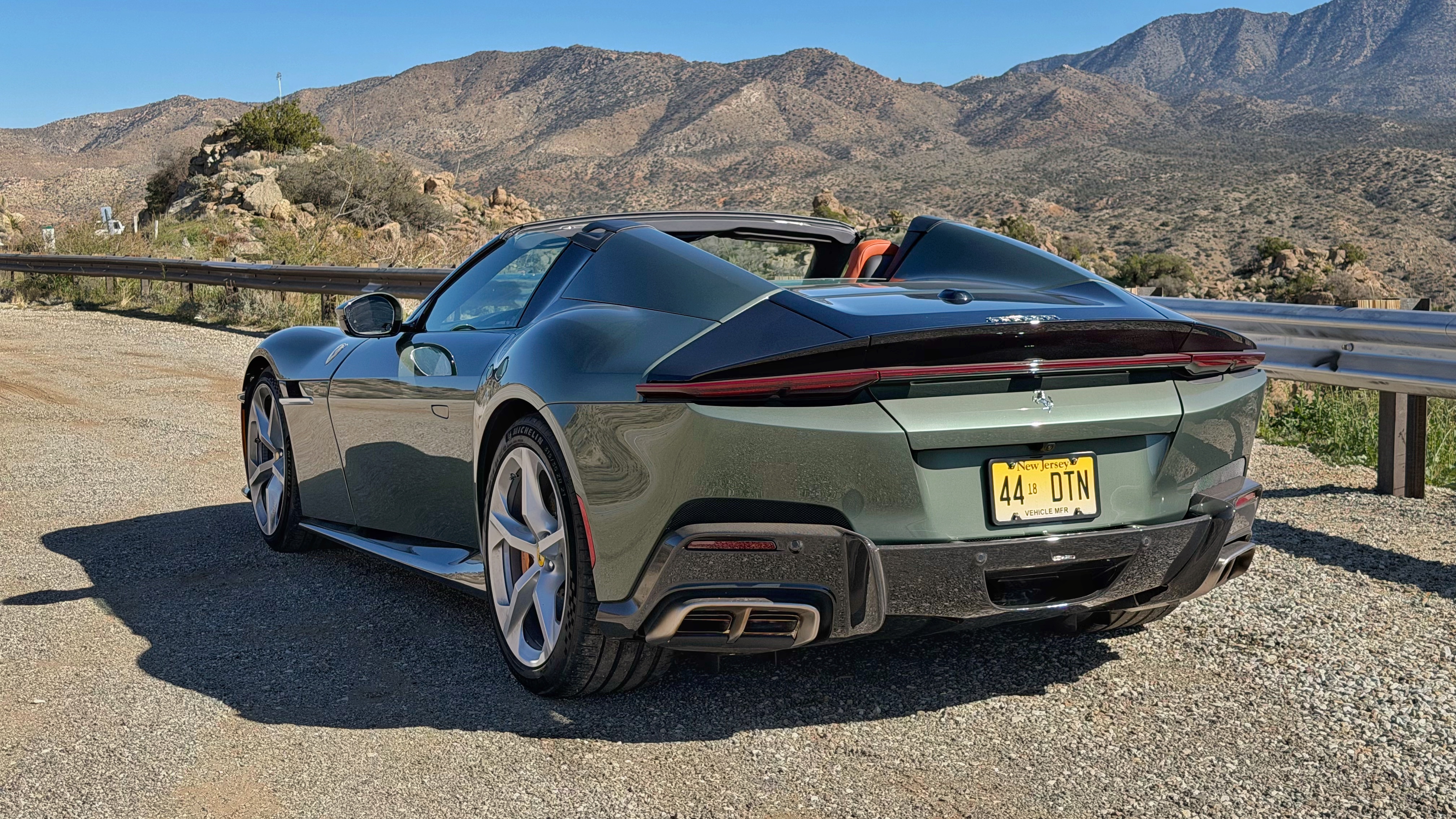
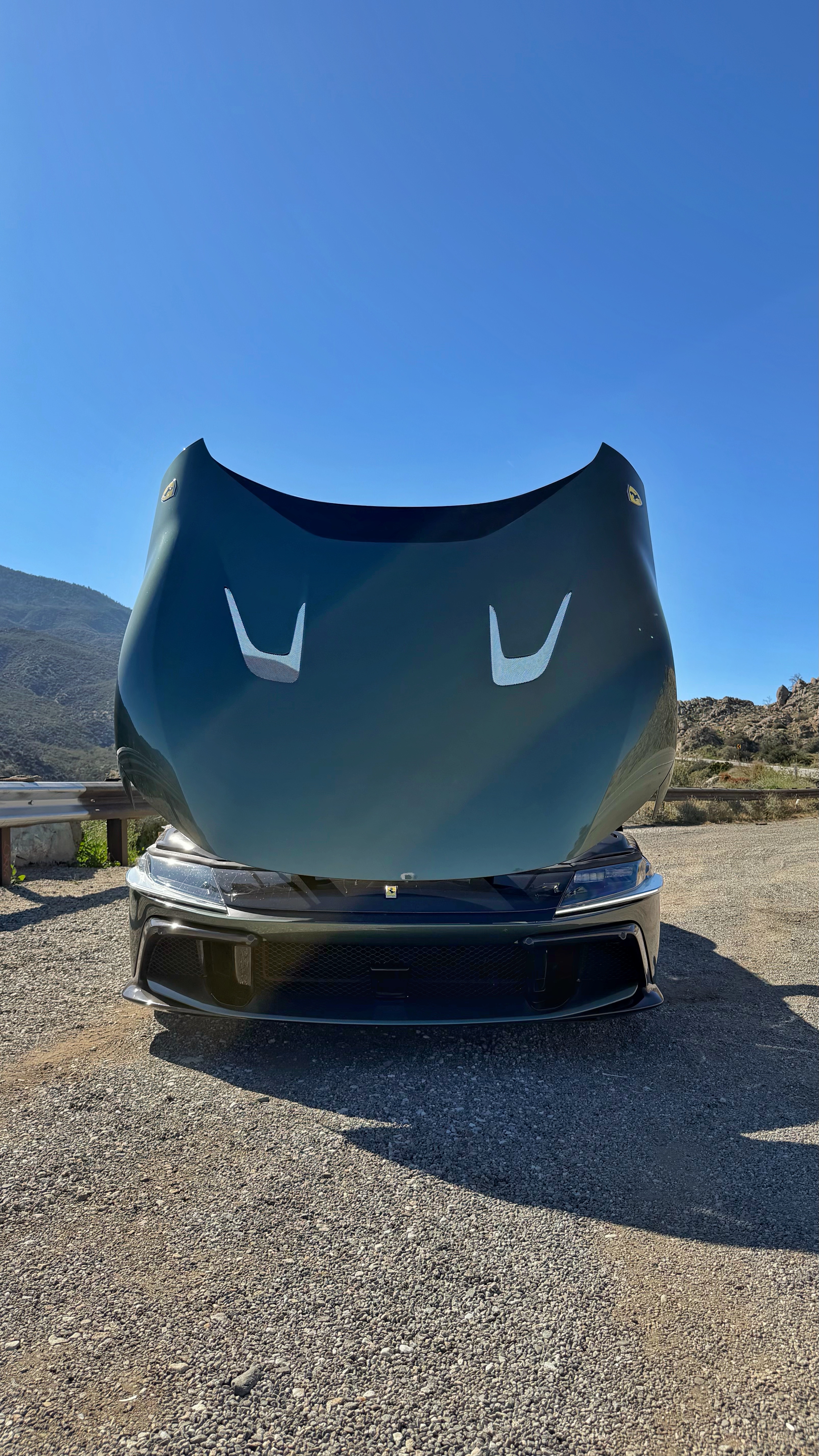
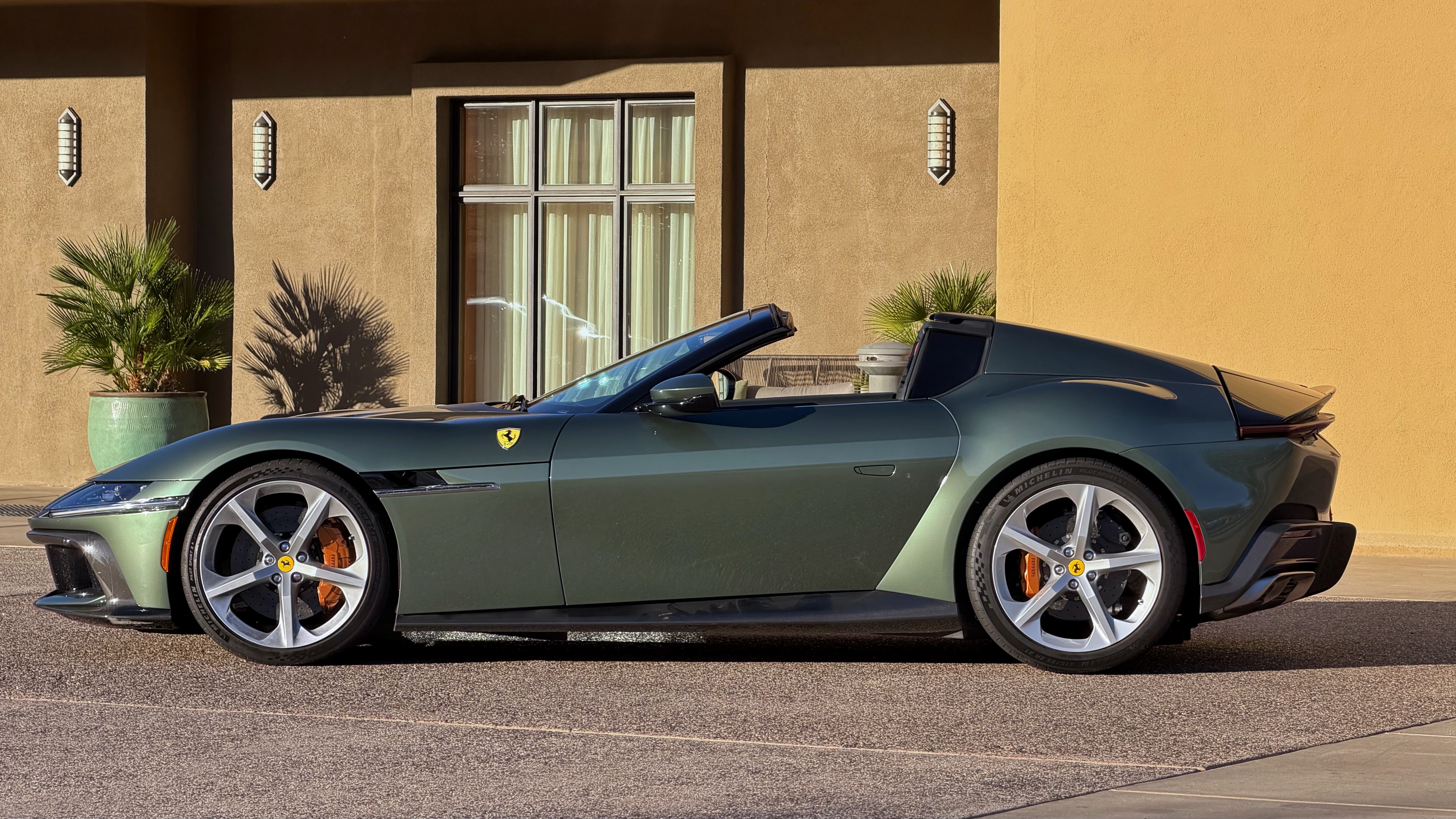
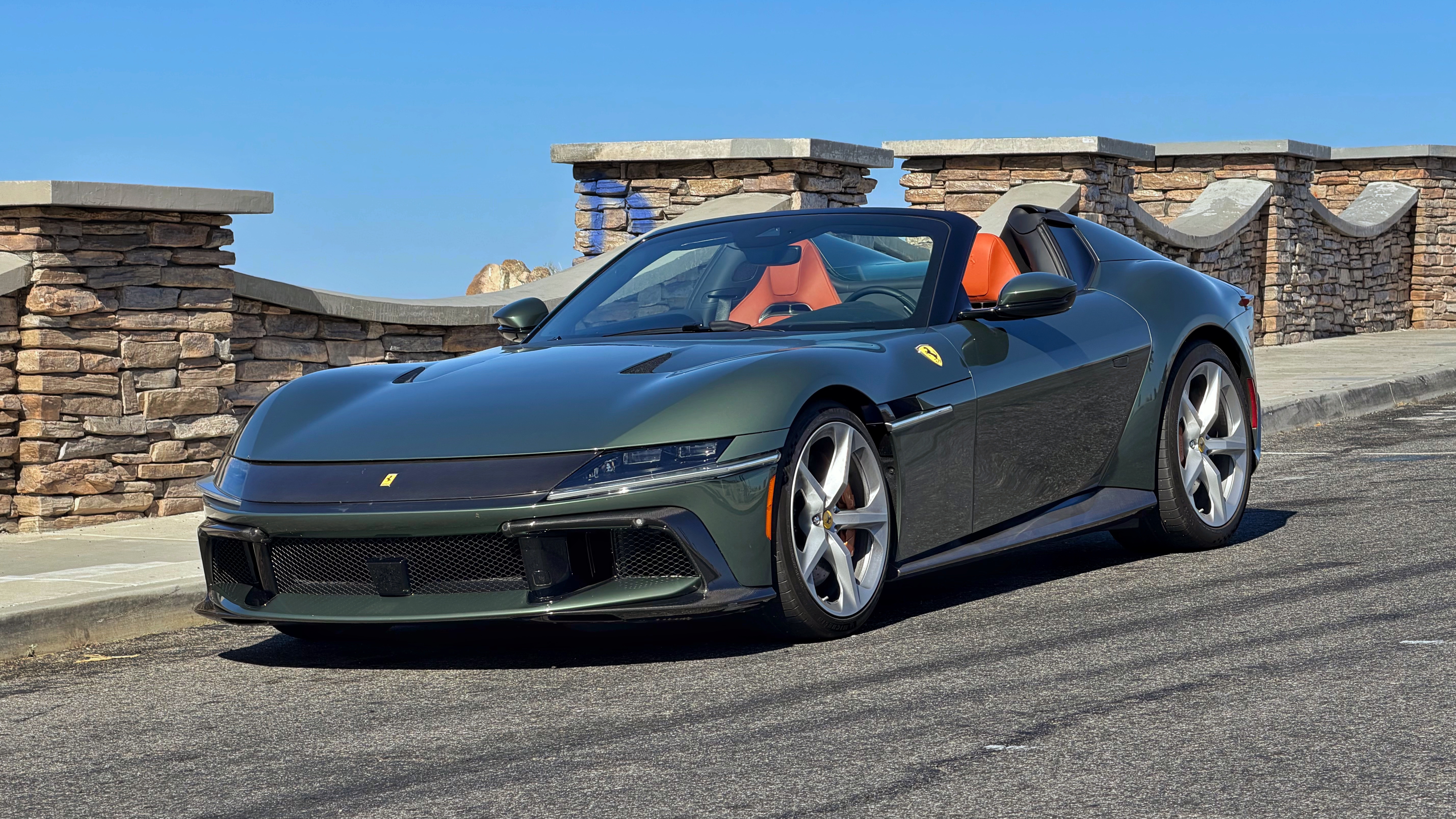
    If you think Ferrari chief designer Flavio Manzoni went out of his way to create something entirely new in one of Maranello’s most beloved segments, the front-engine V12 car (technically mid-front), you’d be right. To some, it’s striking; to others, too hard-edged. To me, it’s a combination of the two. But what’s impossible to deny is that, despite its new-age persona, the long, sculpted hood, floating cabin, and protruding flying buttresses pay tribute to Mille Miglia legends like the 335 S.

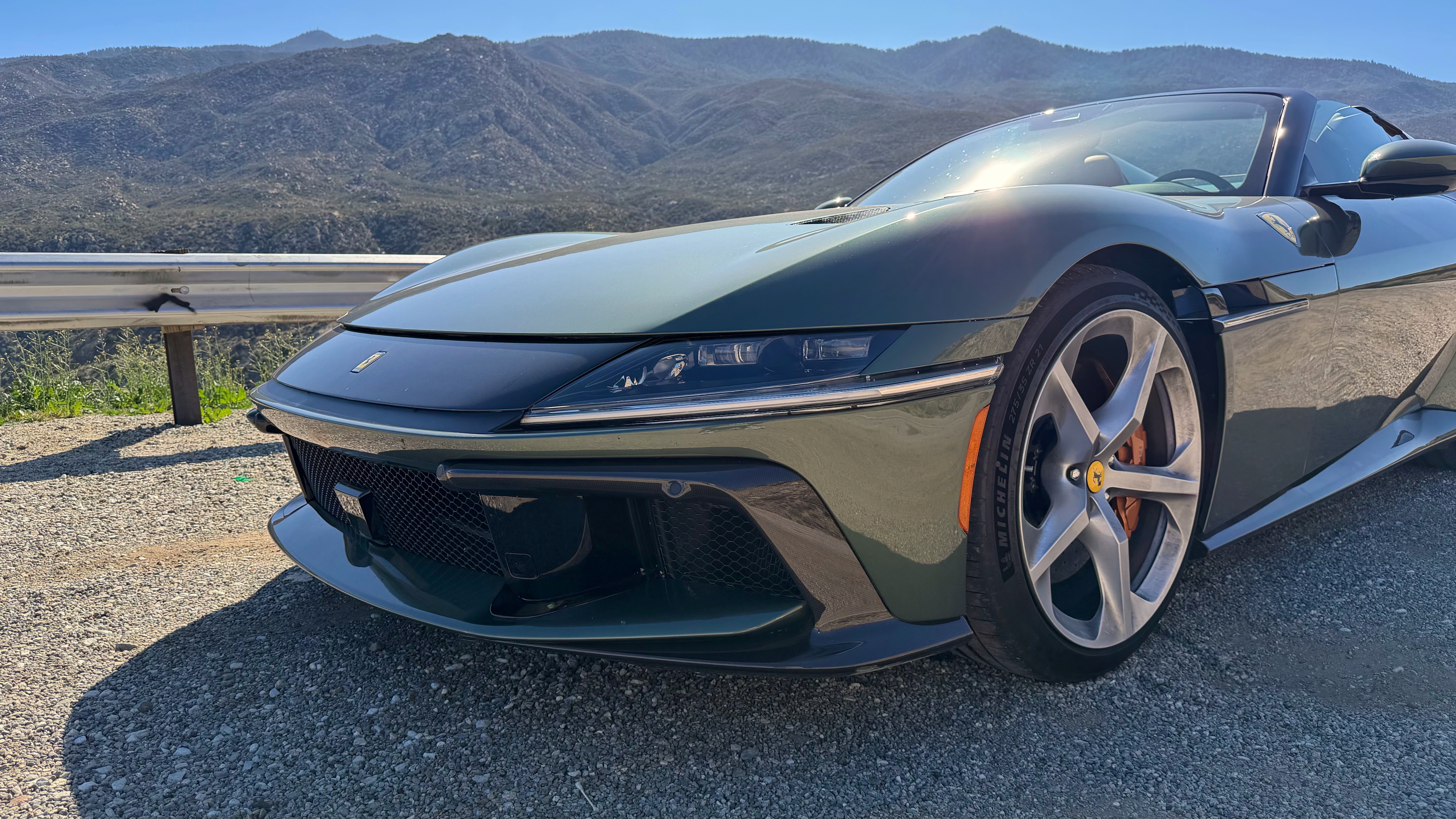
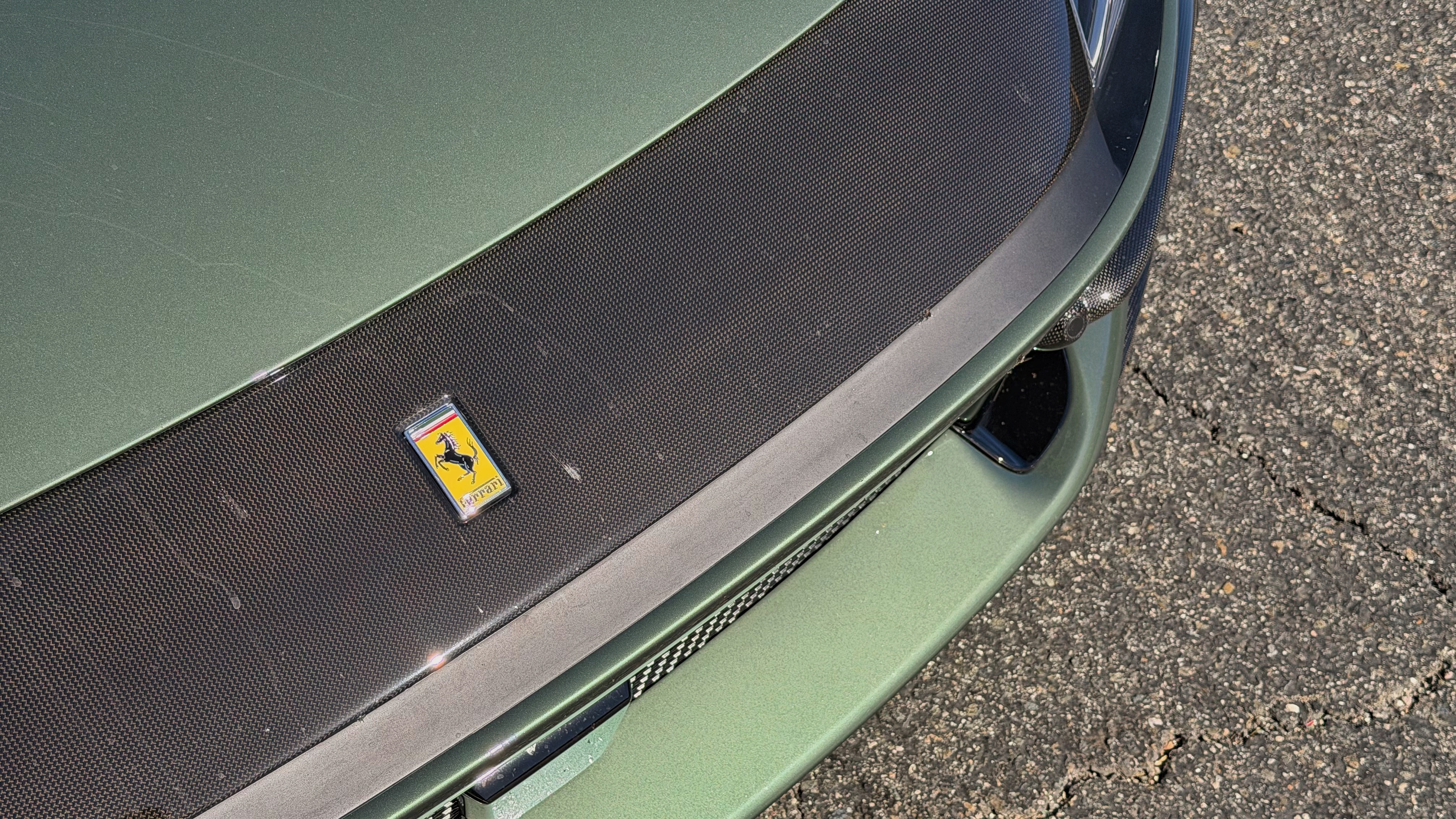
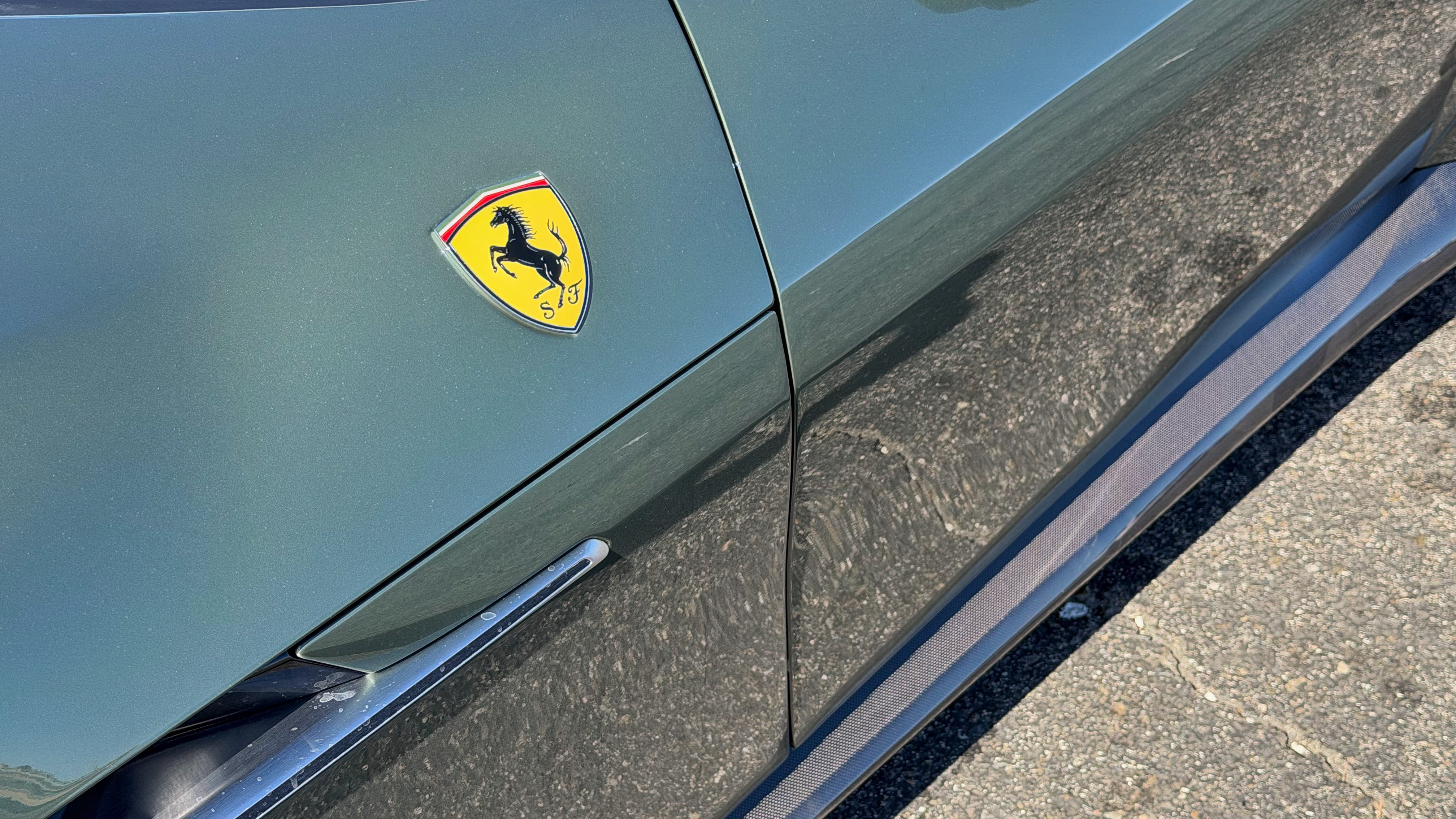
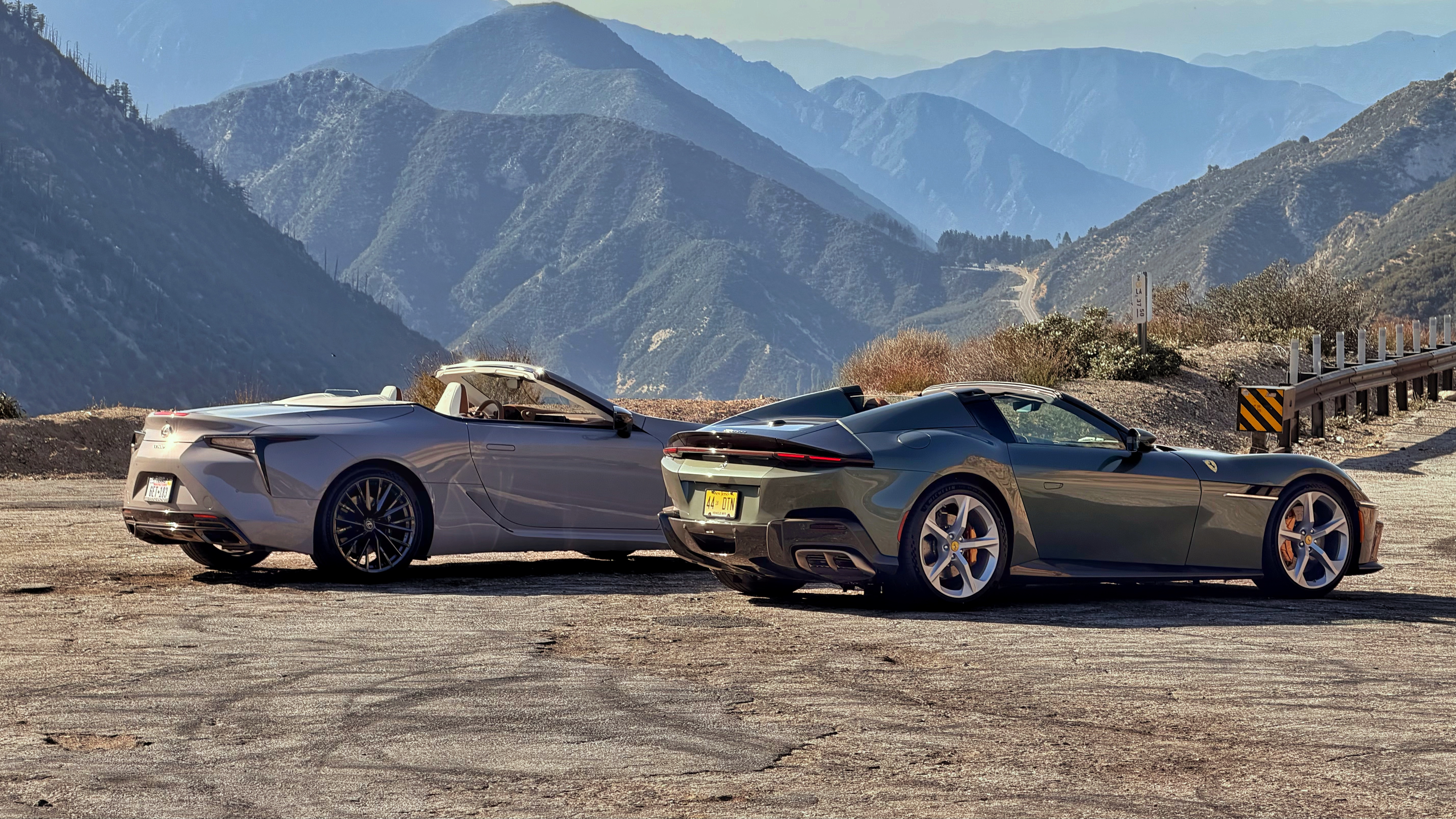
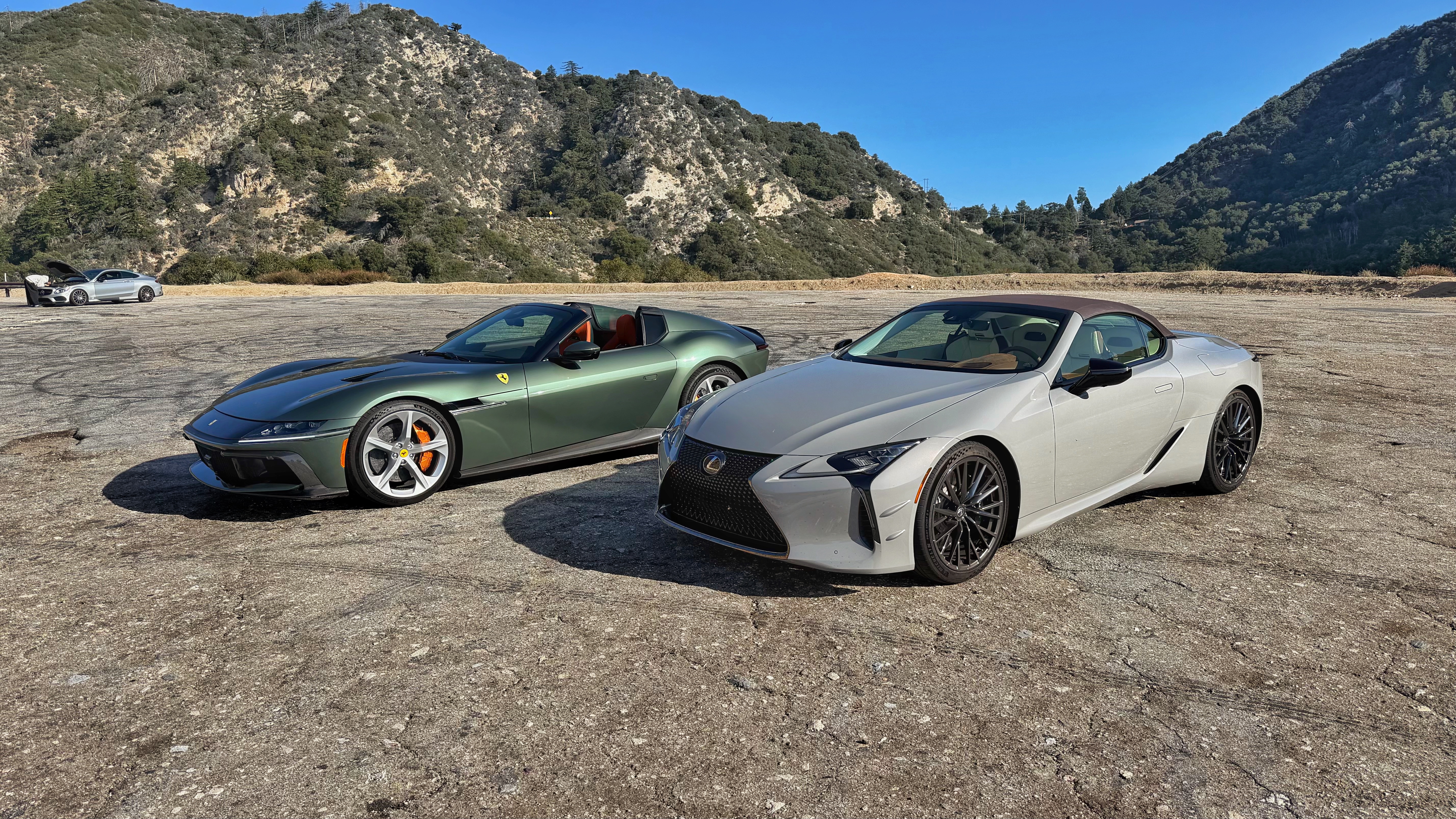
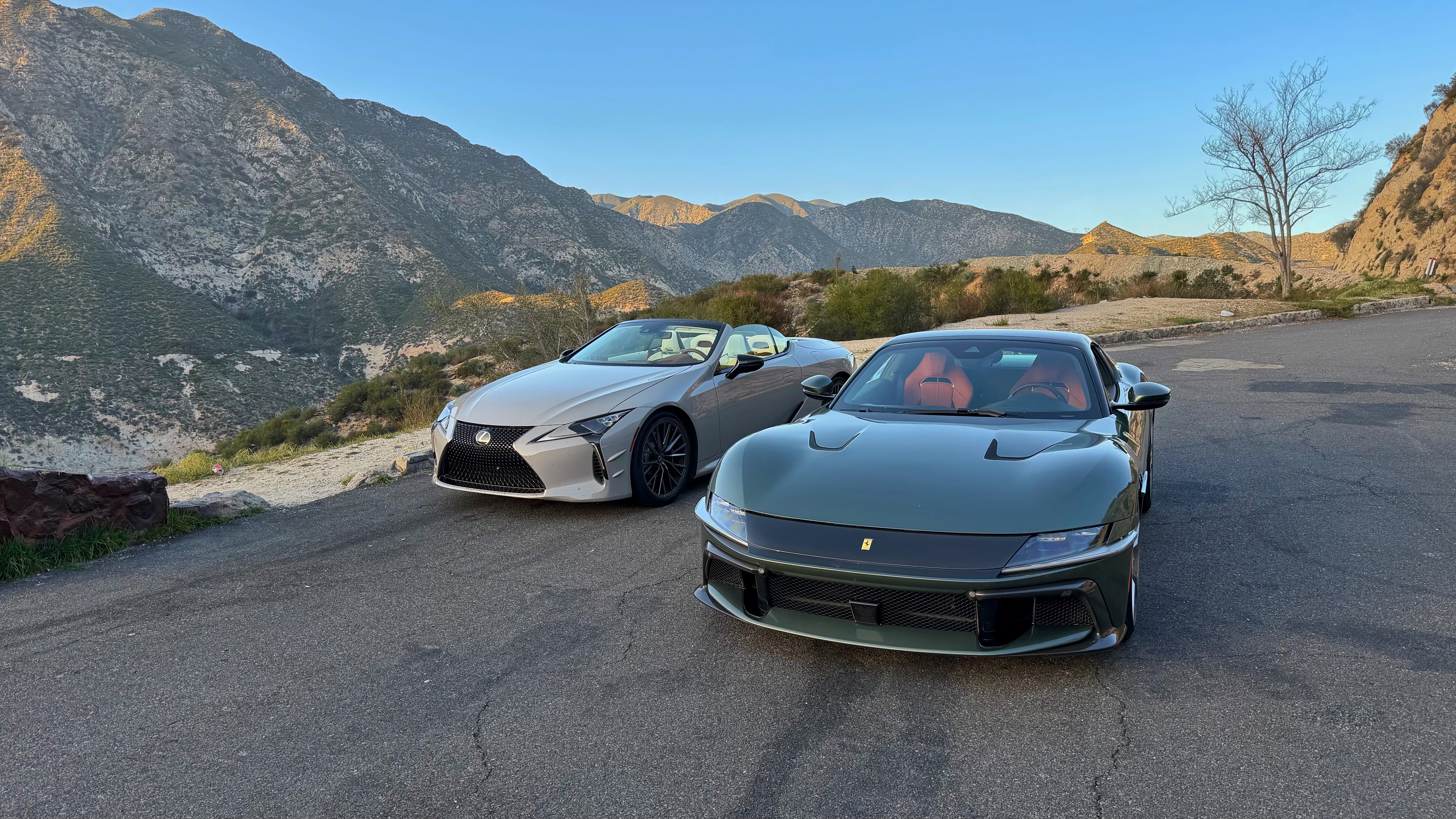
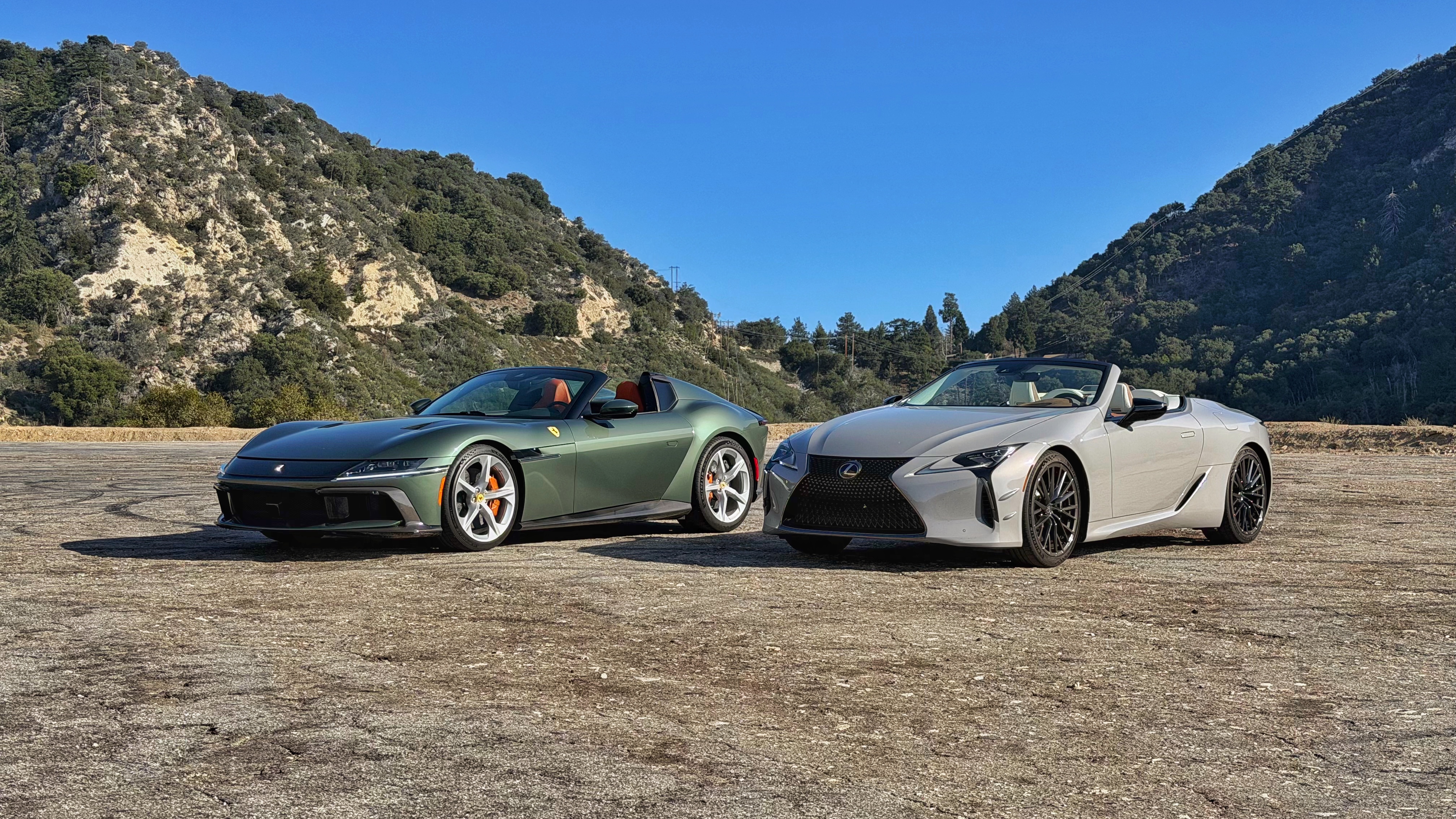
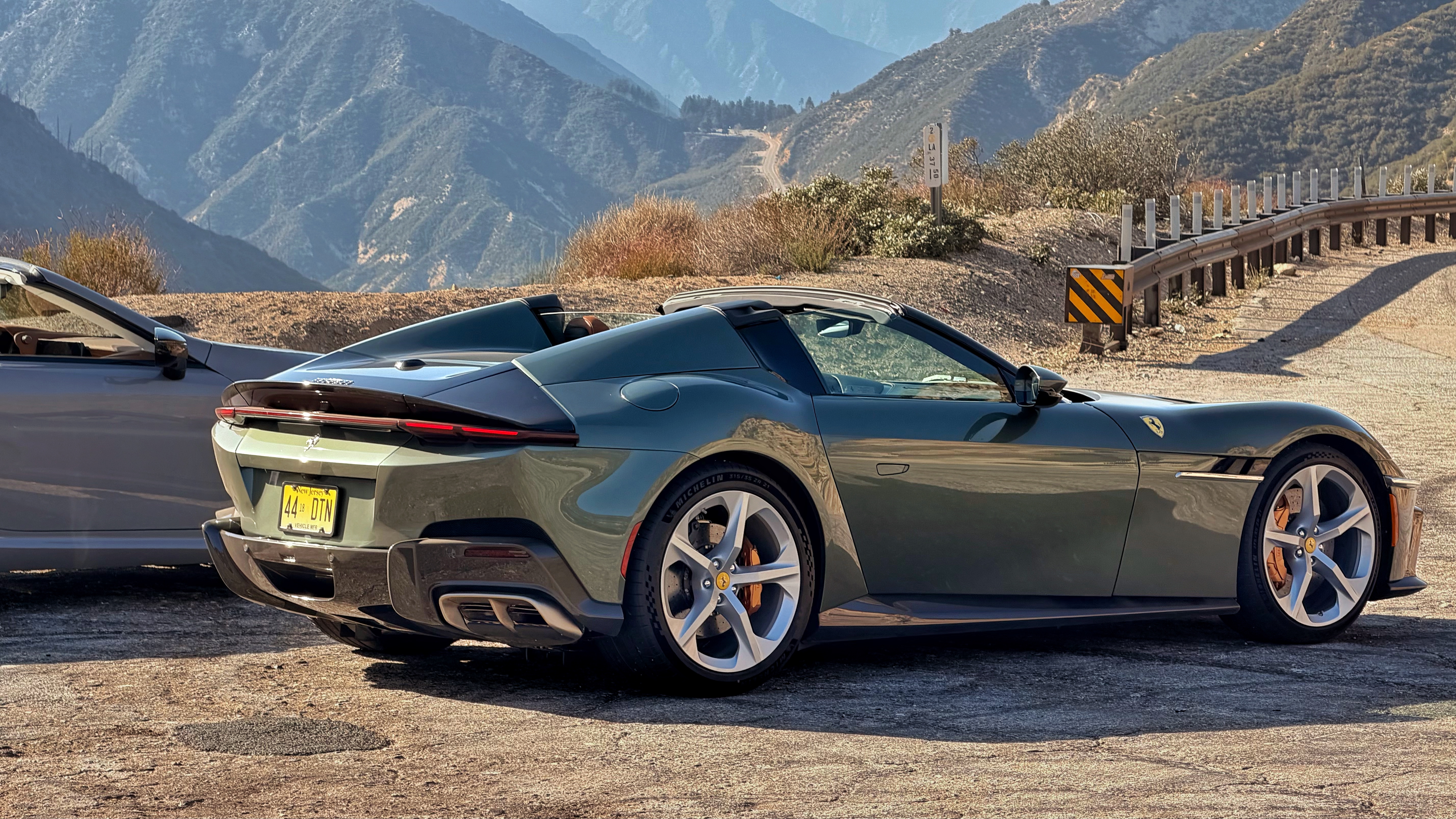
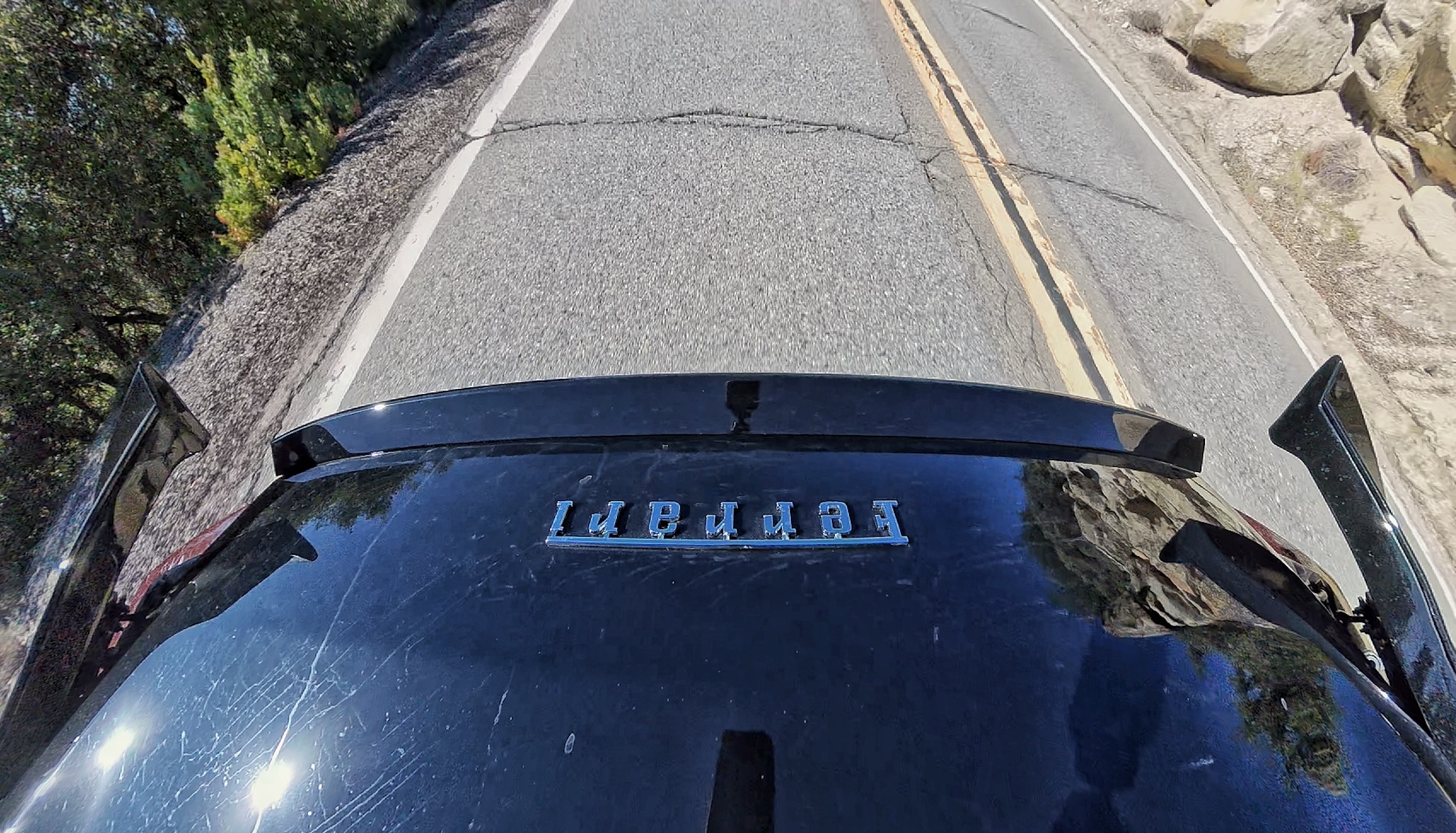
    Whether the power-folding top is affixed and protecting you from the elements, or neatly stowed between the rear seats and trunk, the raked cabin stands out with its aggressive angles and fighter-jet-cockpit look, especially from a distance. From up-close, it looks and feels softer, likely because of how low it sits. And that’s the 12Cilindri Spider’s visual trick: depending on how you look at it—up close, afar, front, back, profile—it dazzles you with little details that, somehow, someway, you didn’t catch before, especially in my tester’s silky Verde Toscana hue. Maybe it’s the light marker underneath the headlamp that runs beyond the housing, skips over the tire, and continues toward the door panel as a strip of satin aluminum. Perhaps it’s the active aero flaps that sit flush on the corners of the trunklid, but move up and down independently as you tackle corners, or the throwback dual headlights hidden into the Tron-esque rear lightbar. The more you look, the more it speaks to you.

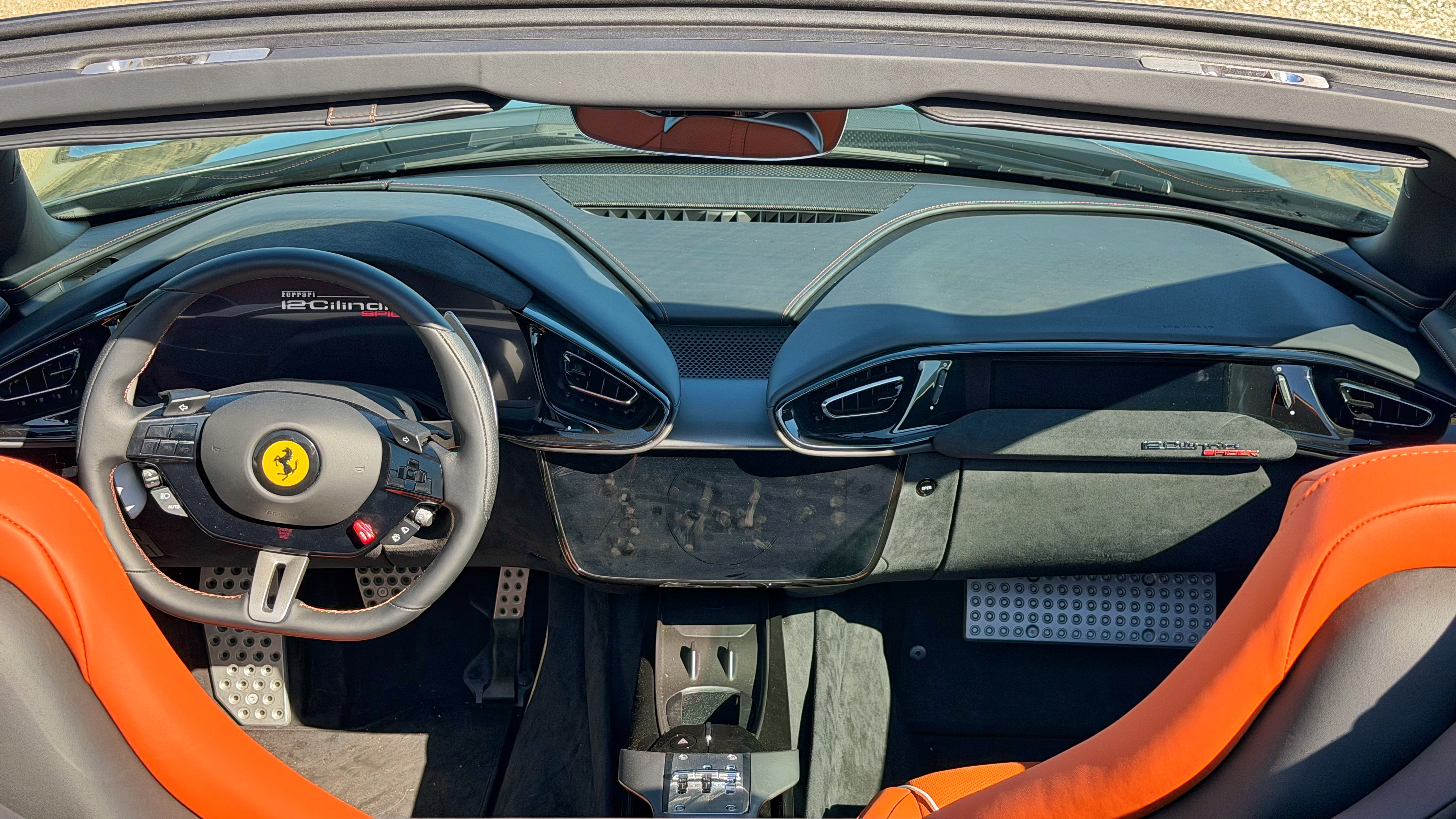
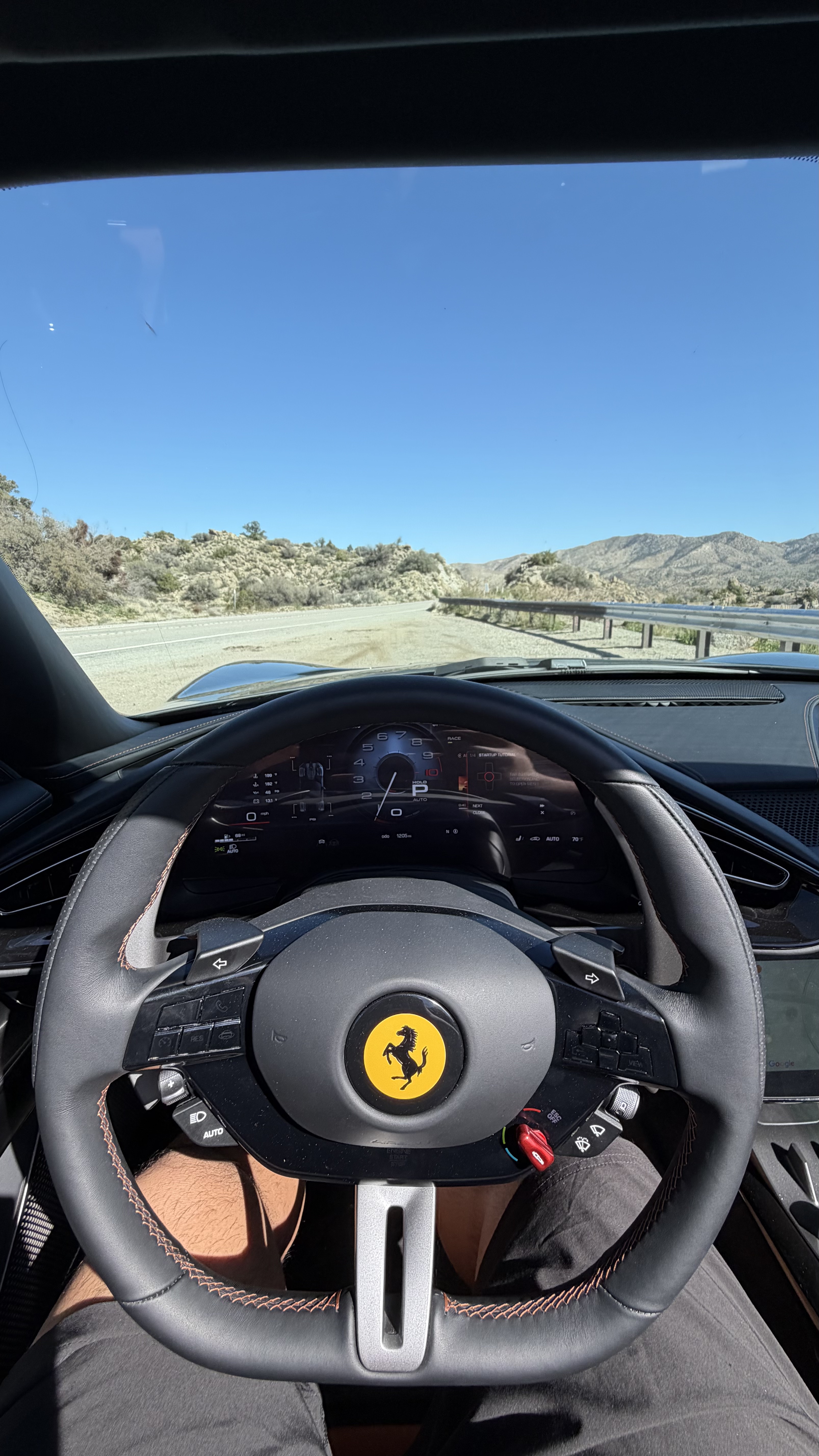
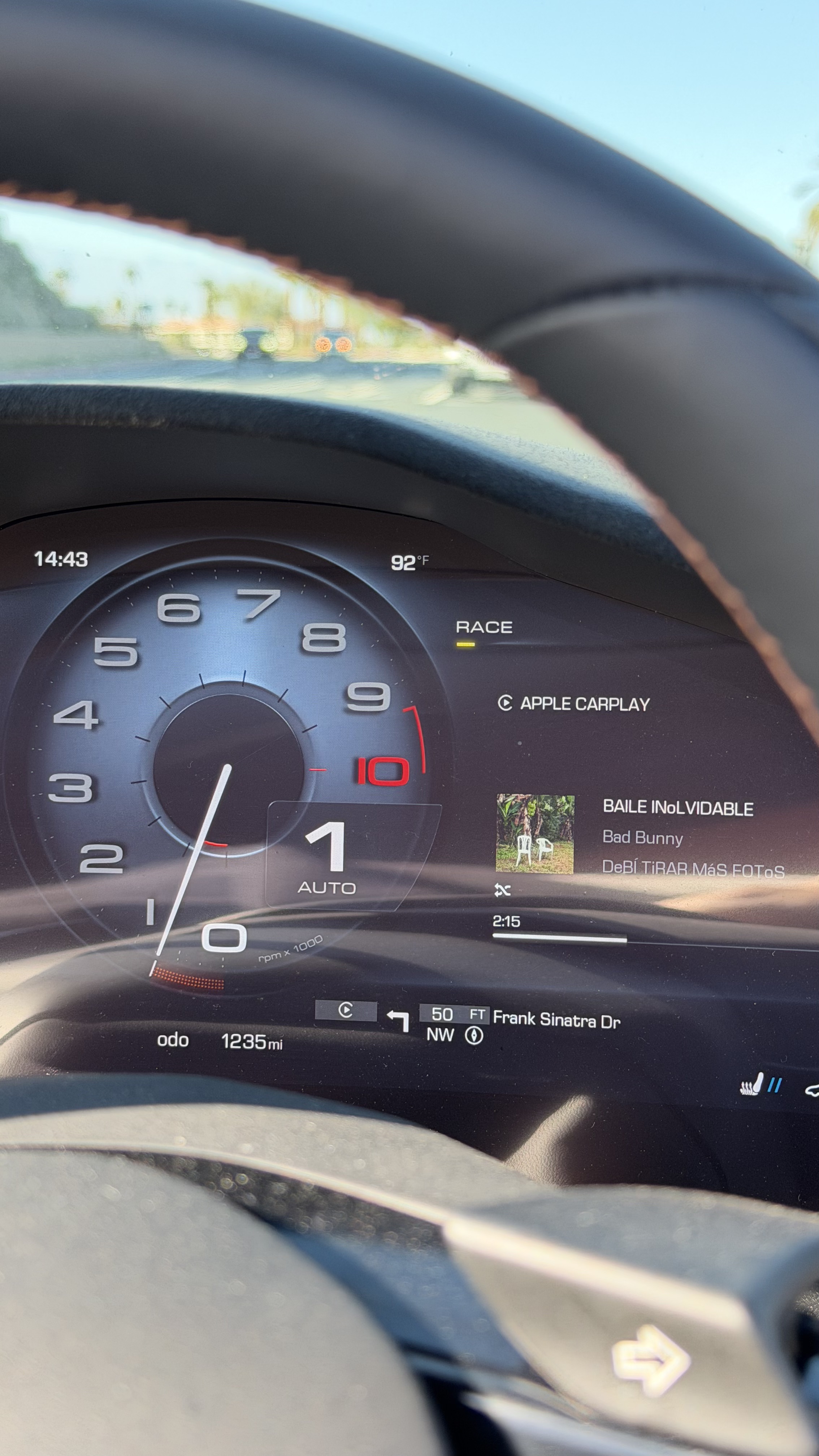
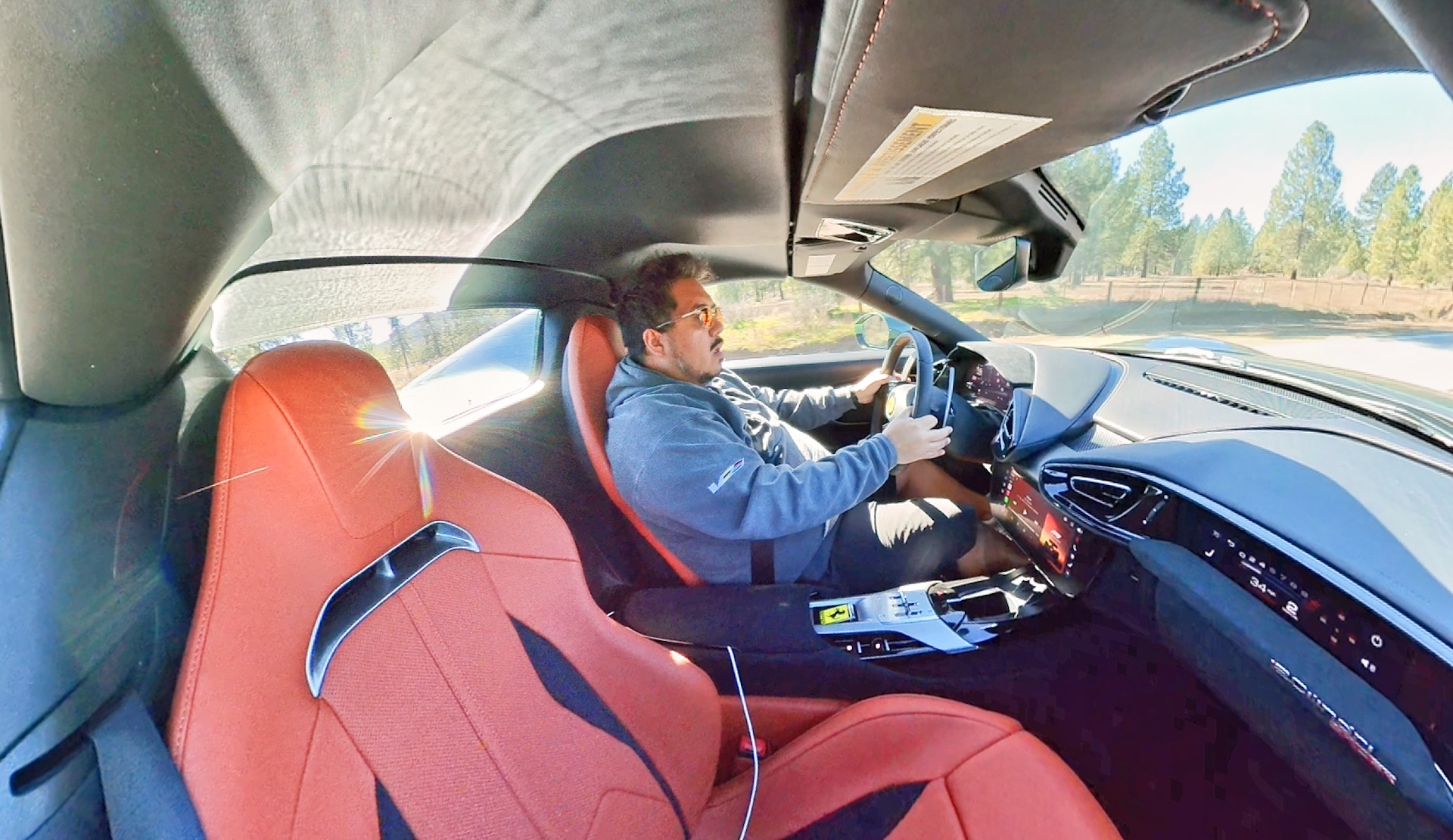
    Of the Ferraris I’ve driven, the 12Cilindri Spider’s cabin is the most straightforward in terms of design, user-friendliness, practicality, and comfort. It’s even friendlier than the Purosangue’s, in which I once road-tripped across Italy with my dad and a trunk full of luggage, or the blindingly-quick 296. The horizontal layout essentially splits the dash in two: an upper portion that houses the driver-centric controls in the gauge cluster and the passenger’s display, and a lower portion with a central 10.25-inch touchscreen. It’s all carefully laid out so it doesn’t feel mainstream despite the screen in the middle of the dash. The way I see it, you can use it if you want to, but you don’t need it to operate the car’s basic functions. If you want to focus on driving, you can do most things, if not everything, through the digital gauge cluster.

    Ferrari describes the interior as a dual-cockpit setup, and that’s pretty accurate. The driver can stick to driver things by operating the car from their little bubble, while the passenger can do the same thanks to their own screen with media, comfort, and other features. Two different roles, two separate zones. Then there’s the center display, which serves as a sort of middle ground for both. And I’m thankful for it, because during everyday driving, you do wish the Purosangue or 296 had a screen as comfortably sized. It’s just practical, especially when parking, searching for a destination, browsing music, and tweaking overall settings.

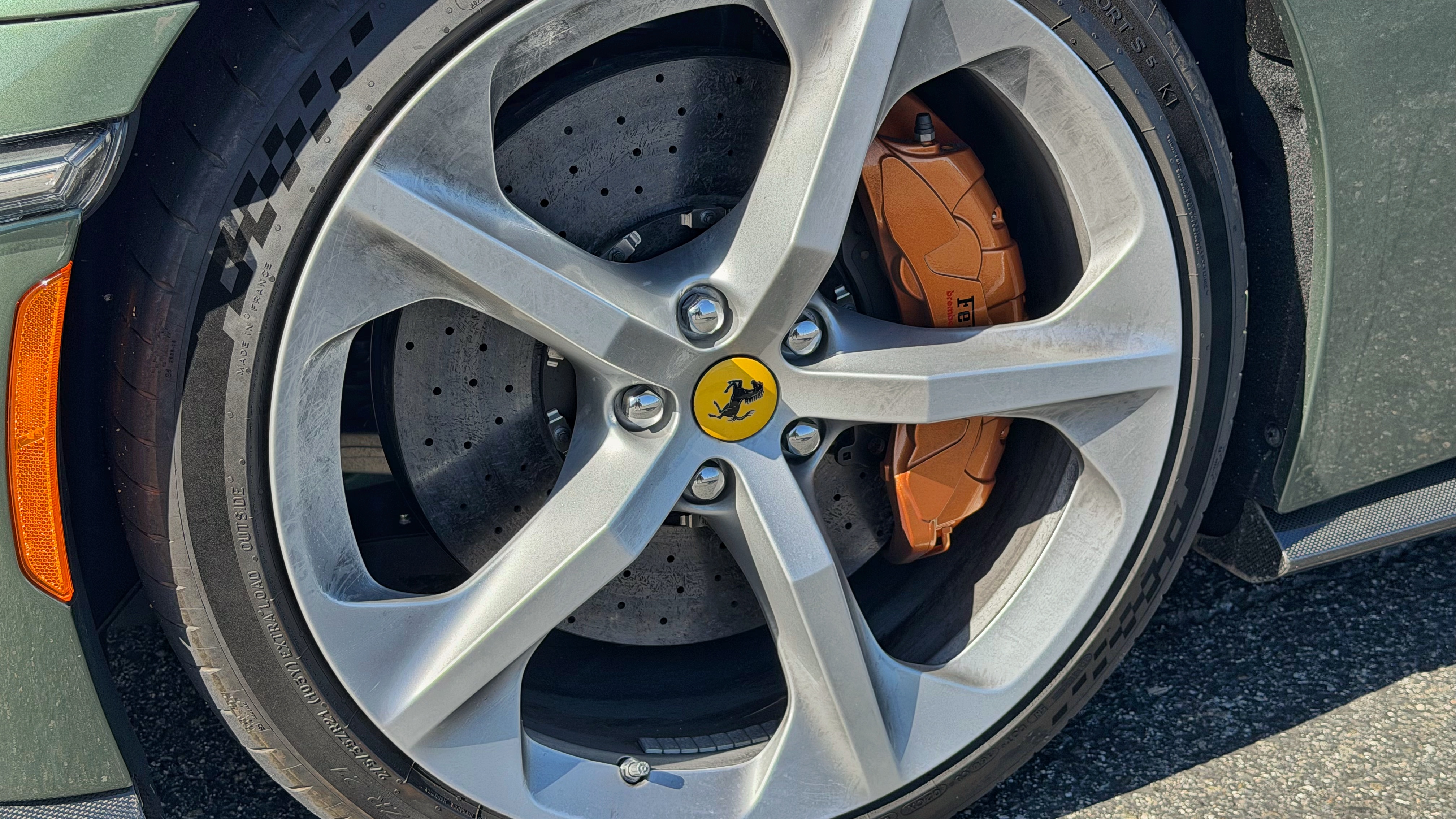
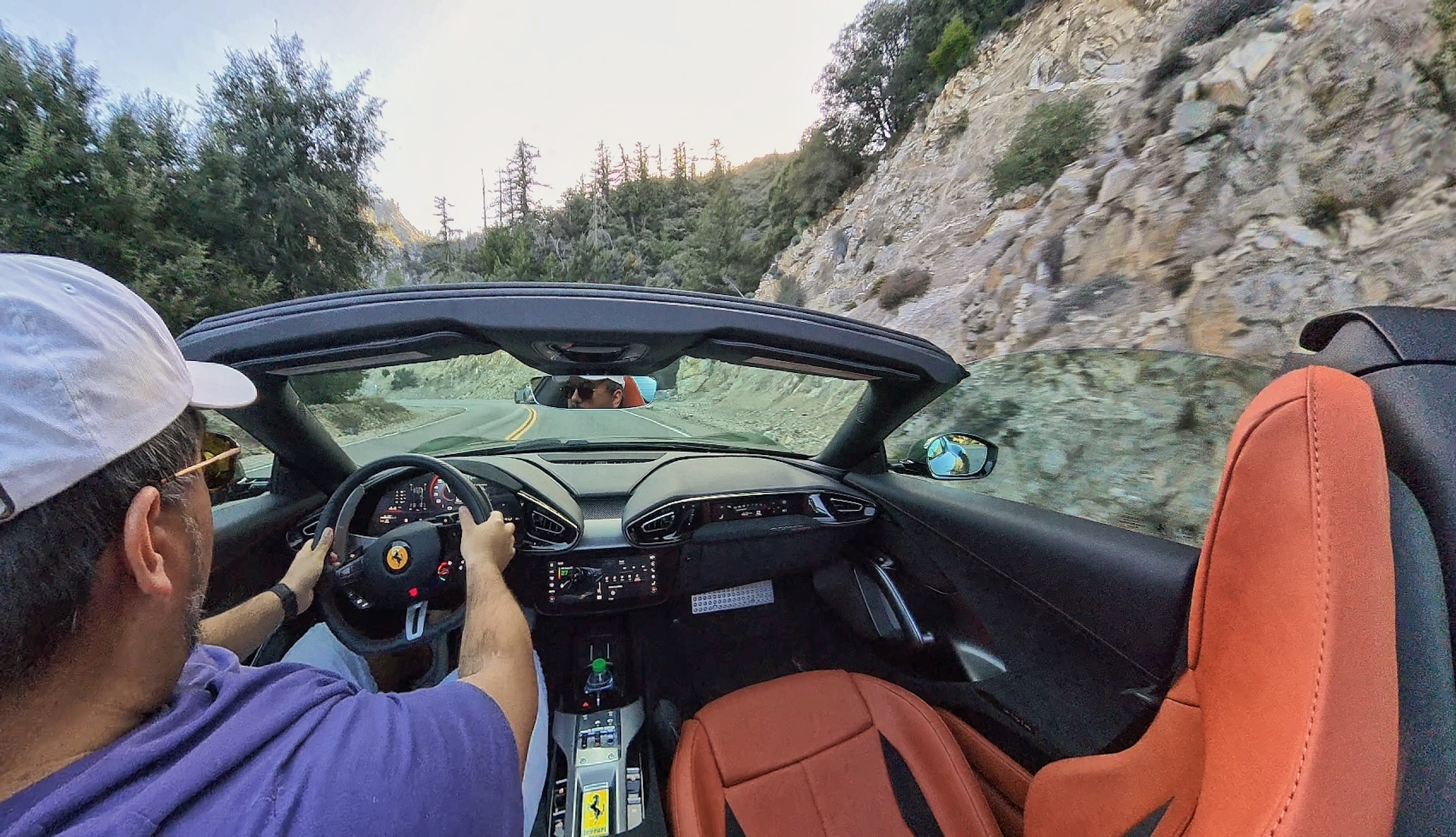
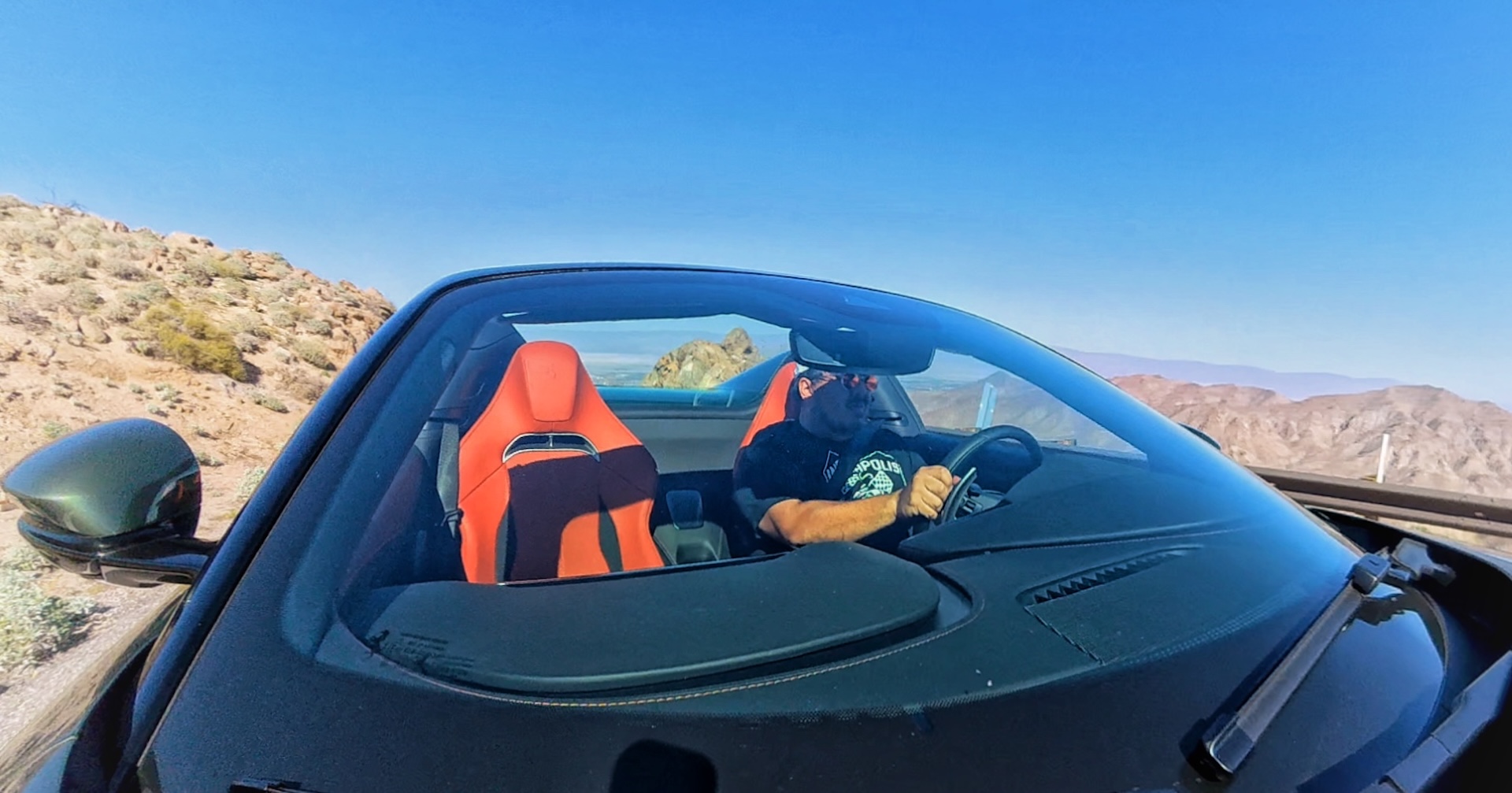
    The optional Goldrake seats wrapped in terracotta-colored leather were ideal for the 12Cilindri Spider’s purpose. Supportive and firm without feeling overkill in the corners or downright miserable on longer drives. I can’t say the same for the choice of material for the speaker grilles. More on that later.

    Driving the 12Cilindri Spider

    Inside the 12Cilindri Spider, there are two wolves—er, horses. One is chill, the other is possessed. Luckily, you get to choose which you prefer at any given moment.

    Let’s start with the first horse. It may be chill, but he’s no slowpoke. Ferraris don’t have Normal or Comfort driving modes (though they do have a Wet mode). It begins with Sport and goes up from there, because it’s a gooddamn Ferrari. If you want a more relaxed experience, buy a Maserati.

    Jerry Perez

    In Sport mode, the 12Cilindri Spider exudes the brilliance of a supercar but keeps any fear-inducing dynamics to a minimum. Step on the gas from a standstill and you’ll still be treated to a loud bark and maybe even a tiny bit of wheelspin, but not much more than that. Suspension is firm but compliant, and steering is direct and as communicative as you’d want any steering wheel to be, but keeps on the lighter side, especially at low speeds. Four-wheel steering comes in handy in urban scenarios. Perhaps the only variable that isn’t greatly affected by your choice of driving modes is braking. Step on the pedal and it feels like you’re pushing a crate full of bricks with your foot, followed by The Hulk grabbing the brake rotor and pinching it to a stop. To say that braking force is strong is an understatement, and it’s not always so easy to modulate this when driving in stop-and-go traffic—even after four days and several hundred miles of driving.

    In Race mode, the chill horse goes to its stable while the possessed one flamboyantly appears. It’s intimidating at first, but with enough palle and seat time, you learn to keep things under relative control. The exhaust yells louder under throttle and gets angrier under deceleration. Goosebump-inducing growling ensues when you lift off the throttle, and loud pops when you downshift under hard braking. Regardless of driving mode, 819 hp will always blow your socks off, but in Race mode, the pedal calibration is much more sensitive, meaning you have to be ready to react with your eyes and hands to what happens after you give it the faggioli. Not being able to keep up will end poorly.

    After tooling around in Los Angeles traffic for a day, exploring the car’s capabilities on Angeles Crest Highway with the help of my friend (and former TD writer) Chris Rosales was next on the list. I stuck to Sport for the first run up the hill to get familiarized with the car’s dynamics, which immediately did not disappoint. Despite its large footprint and honkin’ engine, the 12Cilindri Spider is just 380 pounds heavier than the defunct F8 Tributo, a smaller, less powerful, and less luxurious V8-powered supercar. More impressively, it’s only 330 pounds heavier than the hybrid 296 GTB. No one without an FIA super license could actually figure this out without comparing spec sheets, of course, but it shows how ruthless Ferrari must’ve been when engineering the 12Cilindri; managing to pack so much tech and luxury without a massive weight penalty.

    After an hour of staring at the rear of Chris’s LC 500, I clicked the Manettino to Race and retracted the top. I was ready to feel and hear this Cavallino Rampante. Because when you’re driving a convertible Ferrari, you put the damn top down. Those two actions did not disappoint. I had adjusted my perception of the car’s cornering capabilities, as I found myself turning in too soon into a corner, thinking the car’s length and heft would make its movements a tiny bit lethargic. Nope. I could almost count one-mississippi from the moment I thought I had to turn in to when I needed to. The steering is quick without making the car feel twitchy or nervous at speed. Four-wheel steering also played a huge role in my flawed perception, making the 12Cilindri much more maneuverable in the corners, especially hairpins.

    Ferrari’s new Aspirated Torque Shaping system enhances driving engagement by altering the torque curve in the mid-range. Given that the road I was on was primarily tight corners, followed by miniature straights—not exactly the ideal playground for a large V12 car with 800+ hp—ATS actively enhanced the torque curve only in third and fourth gears. This meant I could enjoy more linear torque delivery as I bounced around those two gears, almost as if I were using the entire spread. In a supercar without this feature, you constantly feel like you’re being held back or punished for not using the other available gears—even though you just can’t because of the type of road.

    In a jaunt to Palm Springs and back, I experienced longer stretches of road and wider corners. Some of them almost too good, where the 12Cilindri Spider could easily rocket through at triple-digit speeds. But while ATS enhances torque in the lower gears, the only way to get that glorious Italian sound screaming at you is by winding up the revs.

    Even in a magical pony like this one, there’s always something that can put a dent in an otherwise perfect execution. In this case, it was the metal speaker grilles in the doors. While they look great, the circles milled in what I believe is aluminum are actually extremely sharp. I graced my fingers while reaching for the door-release button on the door handle a couple of times, and each time it left bits of skin and fingernail on the grilles. Even worse, the lower speaker, closer to the footwell, is positioned in a way that my knee rested on it while driving. This led to a bruise on the first day, a bigger bruise on the second, and by the end of my time with 12Cilindri Spider, I had a nasty-looking and very bloody scrape from my skin being grated by the decorative metal. Maybe it’s a built-in cheese grater. Parmesan, anyone?

    Not a One-Trick Pony

    No one goes into a Ferrari review thinking it’s going to suck at being a supercar. You already know it’s going to be fast, handle well, and tempt the author to explore silly speeds even if it means risking jail time. What you probably don’t expect is for it to be a multi-faceted means of transportation—yet, that’s exactly what the 12Cilindri Spider is.

    Between carving canyon roads around LA and speeding up and down mountain passes near the Anza Borrego desert, there were endless mundane moments where the $661,000 Ferrari had to prove it could handle life. I’m talking about reversing in and out of parking spots, which meant relying on its many sensors and cameras. Speaking of, having the rearview image fed to the center screen rather than the gauge cluster, as other Ferraris do, is a much-welcome improvement. I also tinkered with putting the top up and down endless times while driving or while stationary; hopping in and out of the car without Apple CarPlay freaking out; and heating up the cabin, using the defroster, and running the heated seats and steering wheel in the mornings, followed by the AC and cooled seats in the afternoon. And I sampled the massaging seats—a first for me in a Ferrari. These and many other things are a piece of cake for my Honda Passport, but that hasn’t always been the case for the top echelon of Italian supercars.

    Verdict

    I practically hate myself for saying this, but I must: They just don’t make them like this anymore, and I mean that literally. There are only six V12 cars on the market today, and just two are naturally aspirated. The other five are either turbocharged or hybrid. The holy duo? The 12Cylindri and the Purosangue.

    The hybrid V12 in the Aston Martin Vanquish is mighty, and the twin-turbo V12 from Rolls-Royce is a work of art, but they simply don’t stack up to a Formula 1-inspired 6.5-liter V12 that revs to the moon and back quicker than your eyes can follow the tach. It’s a thing of beauty, and that alone is worth the price tag on this prancing horse.

    Driving a 12Cilindri Spider for several days and hundreds of miles on some of this country’s best roads was like going on a spiritual retreat and taking ayahuasca until coming face to face with a higher power. It reconnected me to the love of driving. It also reminded me that, despite earning a fortune every year by plastering its logo on endless crap, Ferrari builds incredible cars that ooze history and passion and are downright soulful.

    The 12Cilindri Spider is a love letter to driving, and there are no ifs, ands, or buts about it.

    Ferrari provided The Drive with a four-day loan of this vehicle for the purpose of writing this review.

    2025 Ferrari 12Cilindri Spider Specs

    Base Price $514,994 ($661,364)
    Powertrain 6.5-liter V12 | 8-speed automatic | rear-wheel drive
    Horsepower 819 @ 9,250 rpm
    Torque 500 lb-ft @ 7250 rpm
    Seating Capacity 2
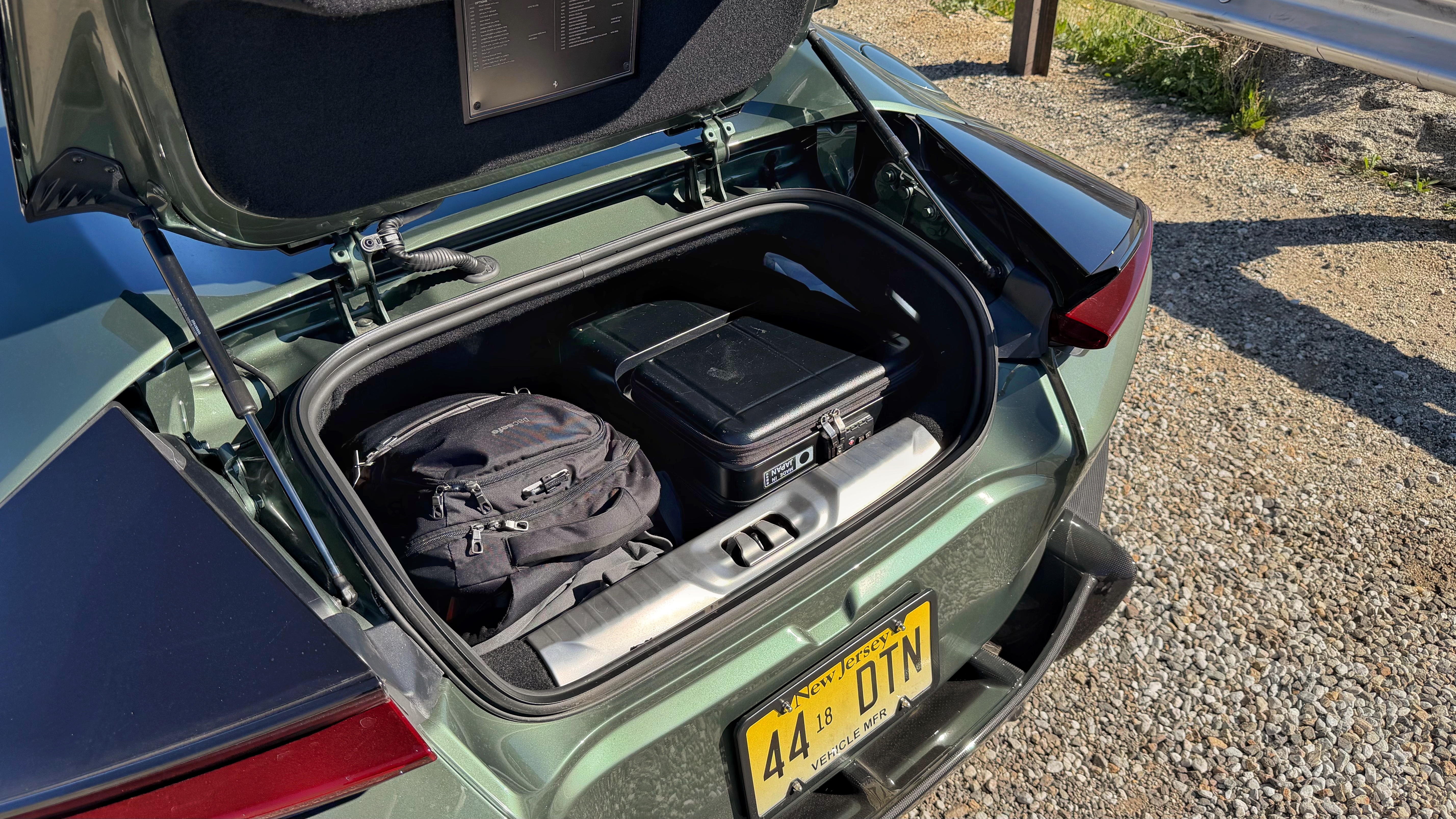
    Cargo Volume 7.0 cubic feet
    Curb Weight 3,571 pounds
    0-60 mph 2.8 seconds
    Top Speed 211 mph
    EPA Fuel Economy 12 mpg city | 19 highway | 14 combined
    Score 10/10

    Email the author at jerry@thedrive.com

    As deputy editor, Jerry draws on a decade of industry experience and a lifelong passion for motorsports to guide The Drive’s short- and long-term coverage.


    The Drive Logo

    Car Buying Service


    Source link

  • One-Pedal Driving Isn’t A Safety Issue: Feds

    One-Pedal Driving Isn’t A Safety Issue: Feds

    • NHTSA has closed an investigation into Tesla’s one-pedal driving.
    • A defect investigation from 2023 claimed that the feature was responsible for unintended acceleration.
    • The feds say that the feature is not unique to Tesla and isn’t actually a defect.

    When moving from an ICE-powered car to an EV, one of the first things to get used to is one-pedal driving. Thanks to the magic of magnets (and regenerative braking), the wasted power normally turned into heat by the friction of brake pads is diverted back into the car’s battery pack, allowing many EVs to stop without you having to hit the brake pedal at all. Unfortunately, it does have a bit of a learning curve for folks who have never used it before.

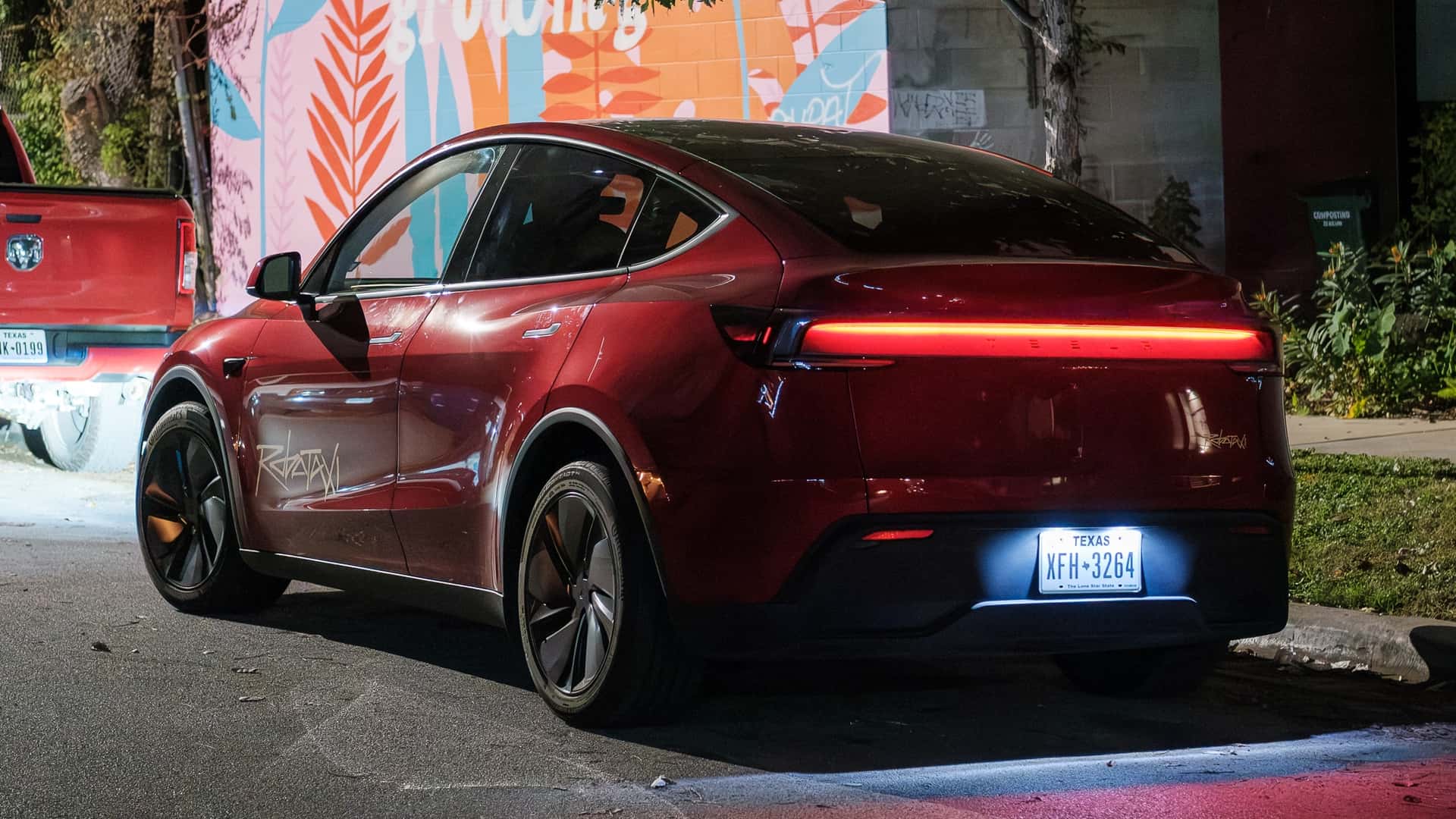
    Tesla, which is just one of the many automakers that employ one-pedal driving, had a run-in with the National Highway Traffic Safety Administration (NHTSA) over the feature. After a careful review, NHTSA has finally sided with Tesla and closed out its investigation, saving the automaker from potentially needing to issue a recall for more than 2 million cars sold all the way back to 2013. Here’s what happened.


    2026 Tesla Model Y Standard

    Photo by: Andrei Nedelea

    The original concern leading up to the investigation was centered around “pedal misapplication,” which is a polite way of saying that drivers could accidentally confuse the gas pedal with the brake function and yeet themselves into a storefront or stop sign.

    This wasn’t a new theory at all. Prior to the defect petition, owners have been theorizing unintended acceleration was due to pedal misapplication for nearly a decade. But the formal petition, which was submitted to the agency three years ago in March 2023, is now closed with a message that officially takes the blame off of Tesla.

    According to NHTSA, there are only a handful of crashes potentially liked to the issue. And in those cases, the vehicle logs show that the cars responded correctly to driver inputs—meaning, they went “go” when the pedal was depressed by the driver.

    The feds also issued a crucial reminder that one-pedal driving is not unique to Tesla:

    The use of regenerative braking controlled by the accelerator pedal, or one-pedal driving, is common across most light vehicle manufacturers of electric vehicles and Tesla vehicles are not unique in this respect.

    A denial of the petition means that NHTSA found no evidence in the defect and will end its investigation. And accordingly, it will not move forward with any of the proposed safeguards in the petition, like requiring drivers to actually press the brake pedal to require the car to come to a complete stop.

    Chock it up to a win for Tesla. Or, at least a non-loss—Tesla still has 10 NHTSA investigations open into issues like its door controls, steering wheels detaching, unexpected braking, and a separate unintended acceleration issue. 

    But really, this is a win for EV owners as a whole. One-pedal driving is a fairly popular feature and, in many cars, can be toggled on or off. Keeping a safe, efficient, and optional control in a vehicle should be seen across the industry as a win for consumer choice. As long as it doesn’t suck, that is.

    Source link

  • 2027 Chevrolet Corvette Grand Sport spotted at Sebring

    2027 Chevrolet Corvette Grand Sport spotted at Sebring

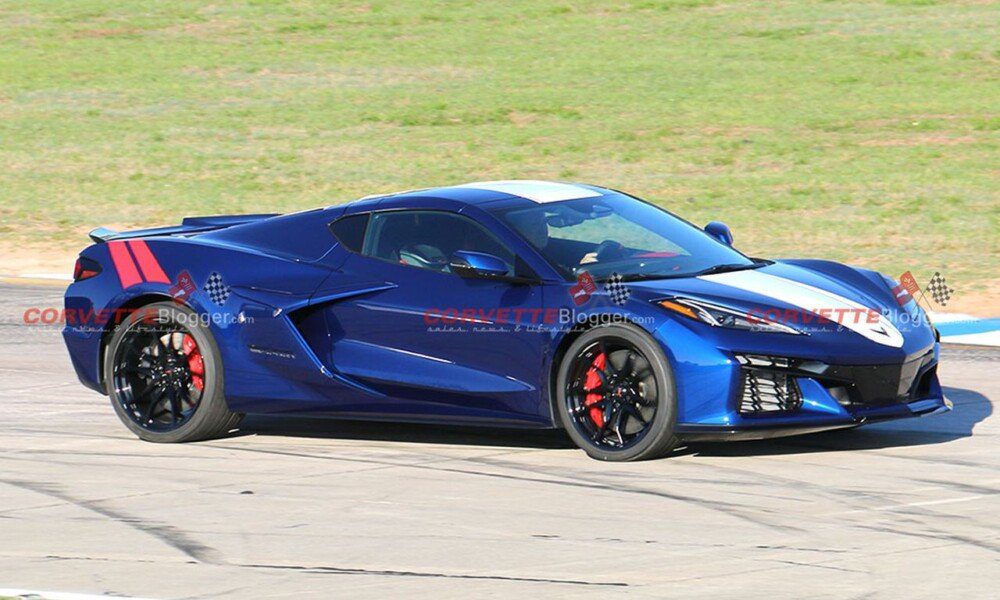
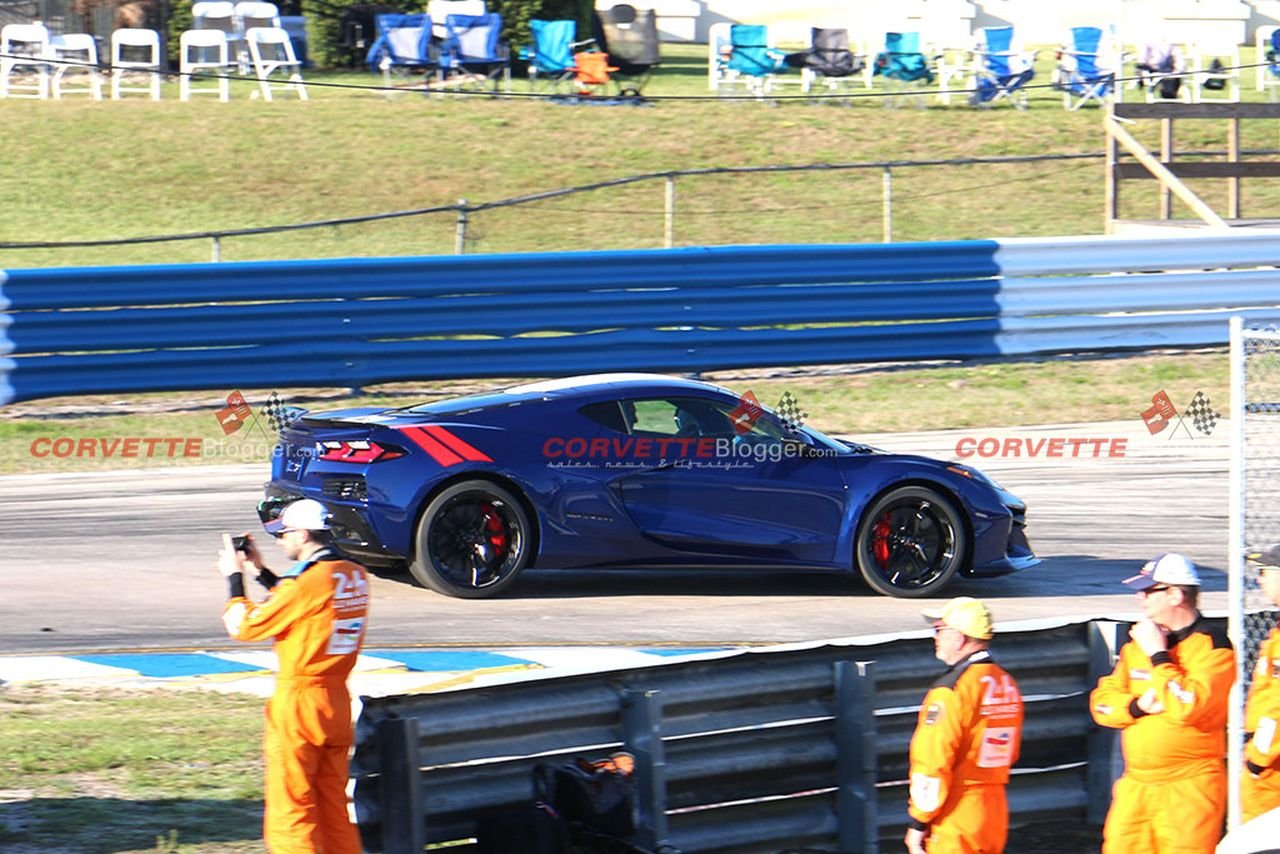
    The 2027 Chevrolet Corvette Grand Sport recently made a surprise appearance at Sebring. It was joined by previous generations of the Grand Sport for a parade lap ahead of the 12 Hours of Sebring race.

    The upcoming Chevy Grand Sport spotted this morning looked similar to the car that was captured on the Angeles Crest Highway in California during a photoshoot. It was sporting the historic Admiral Blue livery with a white racing stripe and red decals on the rear fenders. It was running on black wheels and had red brake calipers.

    2027 Chevrolet Corvette Grand Sport-Sebring-2

    The new C8 Grand Sport is expected to debut sometime next year. It will be positioned below the ZR1 and ZR1X, offering a decent level of performance in an affordable package.

    Speaking of performance, the Grand Sport could be powered by a new 6.7-liter V8 engine producing around 550 hp.

    Chevy is also said to be working on a Grand Sport X, which is likely to use the same 6.7-liter V8 paired with a front-mounted electric motor, producing 720 hp.

    Source: CorvetteBlogger

    Source link