Author: admin

  • 10 Christmas Gifts to Avoid for Car Enthusiasts

    10 Christmas Gifts to Avoid for Car Enthusiasts

    Christmas gift shopping season (not to mention ugly sweater season) is upon us, and most of us are busy figuring out what to buy for our friends and loved ones. If your friend or family member is a car enthusiast, you might think buying a gift for them will be a fairly easy task; there is, after all, no shortage of automotive merchandise out there. However, finding something they will actually be happy to see under the Christmas tree might prove a little trickier.

    There are some items which we at CarBuzz think do not make great Christmas gifts for gearheads, even though at first glance they might seem like a good choice. Here is a selection of 10 items that the car enthusiast in your life may be disappointed with on Christmas Day.

    Items are listed in no particular order.

    Steering Wheel Cover / Seat Covers

    We start off our list with seat covers and steering wheel covers. These accessories are sometimes marketed as popular gifts for car enthusiasts simply due to the fact that they are related to cars, however you will find that most gearheads won’t be all that impressed when seeing them under the tree.

    Most people who have a passion for cars take a great deal of care in selecting their preferred interior specs, including a steering wheel and upholstery option that fits their aesthetic preferences. Covering their pride and joy’s interior with cheap-looking fabric does nothing for the aesthetic value of the car; we suggest you stay away from both these items.

    Car Socks/Hats/Clothing

    Although you might be tempted to get the car enthusiast in your life a T-shirt, baseball cap or even socks bearing their preferred automaker’s logo, chances are this type of gift will get a fairly lukewarm welcome. First off, it just looks a bit nerdy – not that there’s anything wrong with that, but many people won’t be keen to walk around with a giant brand logo on them, even if they are fans of that particular brand.

    Second of all, there’s the question of what brand to choose: if you go for the same brand as the vehicle actually driven by the person, it might make them look like they’re a little too obsessed with their own car. If you go for a supercar brand (think Ferrari hat, or Lamborghini T-shirt) when the person does NOT own one of the brand’s models, it might just look… a bit sad. A child decked head-to-toe in Ferrari gear is cute, an adult (who drives a Toyota Corolla) not so much.

    Hot Wheels Cars

    Although there is an overlap between the people who are into real cars and the people who are into Hot Wheels cars, that Venn diagram is not a circle by any means. Sure, some car enthusiasts like to decorate their living room with miniature examples of their favorite cars, but many won’t – and will simply find it to be one more item of dust-collecting clutter.

    If you’re absolutely sure that the person is specifically into collecting Hot Wheels (and, crucially, does not already own the particular car you want to give them), go ahead. If not, you’re better off looking for something else.

    Fuel Additives

    Fuel additives are chemical products added to the gasoline or diesel you put in your car, with the aim of performing functions such as reducing deposits, preventing wax buildup, de-icing, and allowing the system to function more efficiently. Some fuel additives are already added to the fuel supply, making aftermarket ones slightly redundant.

    They are also a source of controversy in the automotive world due to their effectiveness, or lack thereof. While some people swear up and down that they have seen an improvement in the performance of their vehicle after using them, the evidence for their effectiveness is somewhat shaky.

    Generic Detailing Supplies

    While some people might appreciate a detailing kit for their car as a Christmas gift, in many cases you will find that the gearhead in your life has a specific preference regarding brands and products.

    If you are aware of what they prefer to use when cleaning their car, feel free to buy a bottle and wrap it up with a bow – but if you’re simply picking up a generic detailing product or kit, be aware that it may not quite match your person’s tastes. Car enthusiasts can be very particular about what products go on their vehicle, so keep this firmly in mind when shopping for gifts.

    Air Freshener

    Car air fresheners don’t make a great Christmas gift for several reasons, but there are two main ones. The first is that it’s simply, well, a bit lazy. Gifting an air freshener to someone who is into cars makes you look like you picked up a random object from a gas station at the last minute and stuffed it under the tree.

    The second reason is that you might involuntarily come across as suggesting your friend or family member’s car interior is in need of a refresh due to a bad smell, which is not exactly the “Merry Christmas” message one wants to convey.

    Car Eyelashes

    Do we even need to explain why this is a bad idea? Well, if you insist. Car eyelashes are frequently cited as the ultimate example of a tacky, tasteless car accessory. Along with things like the infamous “Truck Nuts”, they are firmly in the Top 5 list of most cringe-inducing items you can stick on a car.

    The only time you should ever consider buying them as a gift is if the person has specifically asked for them and you’re 100% sure they’re not joking (in which case, you might want to expand your social circle). If that is not the case, spend your money on something else.

    Bumper Stickers

    Bumper stickers are a tricky one. First, there’s the question of whether the person is into adding stickers and decals to their car. Some people only use magnetic bumper stickers, while others are okay with adhesive ones (although they’re much harder to remove), and others don’t stick anything on their car at all.

    Then there’s the question of content: you have to know the person’s sense of humor extremely well to buy them a bumper sticker without making a faux pas. Overall, there are better car-related items out there you can buy, which will cause you less of a headache.

    Coffee Table Books

    Coffee table books: large, heavy, decorated with glossy pictures and an impressive dust jacket. One such book with an automotive theme might, at first glance, seem like the perfect gift for someone who likes cars; however, chances are it will end up being briefly flicked through on Christmas Day before sitting on a shelf, collecting dust, for years afterward.

    Eventually, when the next big move or de-cluttering effort comes around, the book is likely to end up being sold or recycled, if not gifted on to someone else. Although they might look visually impressive, coffee table books might not be your best option.

    Car-Branded Fragrances

    Last of all, we have car-branded fragrances, such as perfumes or colognes. Fragrances are an extremely common choice of Christmas gift, to the point of being overdone and almost considered cliche. Even one with your loved one’s favorite carmaker’s branding might come across as a lazy or not particularly thoughtful gift.

    Also, car companies and perfume companies are very different types of business. Just because a brand is good at making cars, it doesn’t mean they can make a perfume that genuinely smells good. Chances are the actual product will be a less-than-optimal quality fragrance, with a brand logo slapped on the bottle to inflate the price tag and give it a premium feel.

    Sources: Amazon
    Source link

  • 2026 Tesla Model S Plaid with Track Package at Lightning Lap 2026

    2026 Tesla Model S Plaid with Track Package at Lightning Lap 2026

    From the March/April 2026 issue of Car and Driver.

    Lap Time: 2:43.2

    Class: LL3 | Base: $135,630 | As Tested: $144,630
    Power and Weight:
    1020 hp • 4804 lb • 4.7 lb/hp
    Tires:
    Goodyear Eagle F1 Supercar 3R
    F: 285/35ZR-20 (104Y) T0
    R: 305/30ZR-20 (103Y) T0

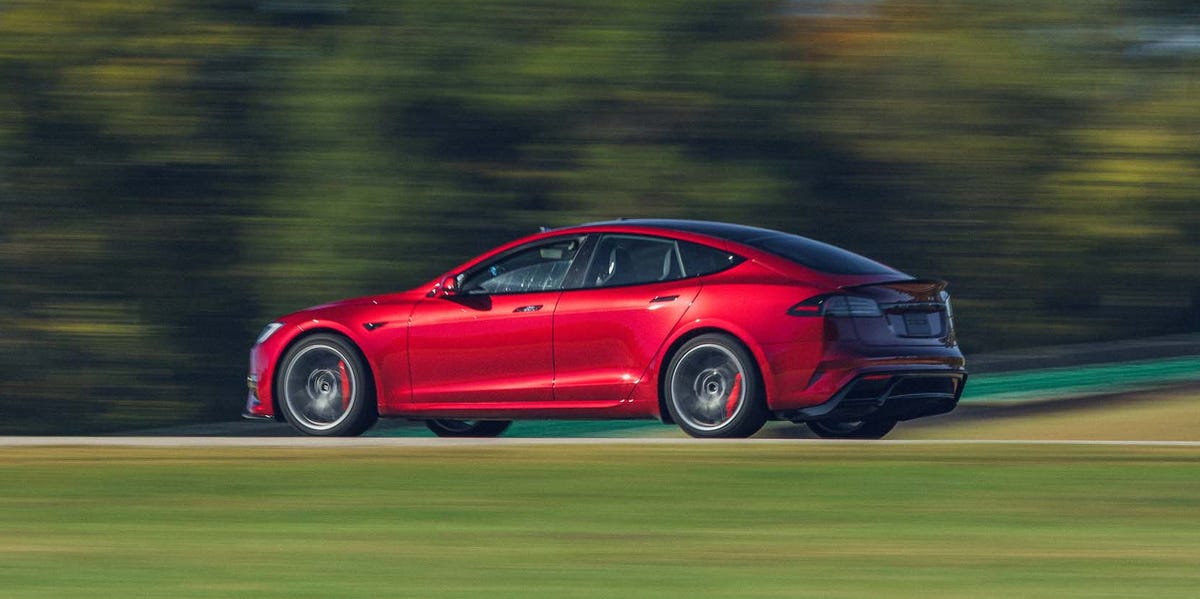
    This was our first time driving a Model S Plaid with the $24,000 Track package, which brings carbon-ceramic rotors with larger calipers and wider forged-aluminum wheels wearing tenacious Goodyear tires similar to the last Camaro ZL1 1LE’s. The package also unlocks a 200-mph top speed.

    Unlike the stock brakes, these felt powerful, never wilting despite the Tesla’s 4804-pound weight. The Model S also posted a solid 1.13 g’s of grip in Turn 1, second only to the Corvette ZR1 this year. There were a few spots where the Model S’s penchant to oversteer made us drive a bit more conservatively, after we nearly pirouetted off track in the fast left sweeper leading into NASCAR Bend. But the Model S has sufficient lateral grip, as well as a truly heroic level of thrust, to hang with the 1000-hp club EVs, the Lucid Air Sapphire and Porsche Taycan Turbo GT.

    2026teslamodelsplaidView Photos

    Michael Simari and Marc Urbano|Car and Driver

    In the final sector, a left-right downhill combo leading onto the Front Straight, the Tesla matched the Lucid and slightly outpaced the Porsche. Its biggest source of lost time against them is not where we expected; the Tesla gave back over a second braking into Turn 1. How is there even that much time to lose? Well, when slowing from these lofty speeds—167.0 mph in the Model S—the braking zone is roughly 750 feet, and it takes five seconds or so to reach roughly 50 mph for Turn 1. Perhaps the tires’ longitudinal grip isn’t as strong, but the track surface was down on stick in general this year. Without that differential, the Model S would be nipping at the Taycan’s heels. But, as it is, the Model S is third of the trio.

    However, the Tesla costs roughly $100K less than the others, putting it in our LL3 category. In that group, the Model S winds up second only to the C8 Corvette Z06.

    Back to Lightning Lap 2026

    Headshot of Dave VanderWerp

    Dave VanderWerp has spent more than 20 years in the automotive industry, in varied roles from engineering to product consulting, and now leading Car and Driver‘s vehicle-testing efforts. Dave got his very lucky start at C/D by happening to submit an unsolicited resume at just the right time to land a part-time road warrior job when he was a student at the University of Michigan, where he immediately became enthralled with the world of automotive journalism.

    Source link

  • Ford Transit Custom PHEV Reviews | Overview

    Ford Transit Custom PHEV Reviews | Overview

    Overview


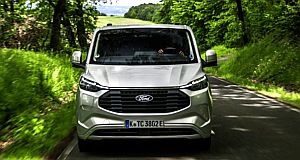
    THE Ford Transit is a top seller in Australia, behind only the Toyota HiAce on the light van sales ladder, but it now offers more powertrain options than ever as the Blue Oval looks to capture a fleet audience pursuing decarbonisation.


    While a diesel-swigging Transit – or any van for that matter – will get the job done, Ford is betting that a portion of forward-thinking tradies, couriers and fleet managers are ready to swap the clatter of a diesel donk for something a little more current.


    The Transit Custom PHEV exists in that sweet spot for those not quite ready to commit to a full-EV option like E-Transit Custom, but who are tired of filling up at the bowser every other day.


    See, the PHEV option offers the best of both worlds, capable of driving under only electric power for 54km, or using primarily the petrol engine when the battery is low. Ideally, though, it will use both simultaneously to achieve a ridiculous 1.7l/100km consumption.


    Even with a low battery, which means the vehicle operates more like a series hybrid where it’s mostly combustion power with a bit of help from the electric motor, our fuel consumption hovered around 5.7l/100km – well and truly besting the diesel-only model’s 8.0l/100km.


    At $67,590 plus on-road costs, it’s around $10,000 more than a diesel Trend LWB model, making it a hard sell for operators that just want to make miles. But, if you top the battery up each night to unlock the 1.7l/100km fuel economy, it’s quite probable you’ll make back the extra dosh across a year or two.


    Under the slanted bonnet sits a 2.5-litre four-cylinder petrol engine paired with an electric motor and an 11.8kWh battery. Combined, the system sends 171kW and a beefy 400Nm of torque to the front wheels via a CVT.


    It’s an efficient powertrain, with the relatively underpowered four-pot petrol engine, which produces just 86kW on its own, helped along nicely by the electric motor. The electric shove makes for an even more responsive setup than you’d get with a turbocharged engine, meaning there’s always grunt at the ready.


    The total torque future is only 10Nm up on the diesel model, but the electric urgency from zero RPM makes the Transit Custom PHEV a pretty potent performer, even when loaded.


    Inside, it’s unmistakably Ford, which is a good thing. You get the familiar steering wheel and switchgear from Ranger and Everest models, giving the Transit a more ergonomic interior than other more utilitarian vans out there. The idea is that this acts as a mobile office for operators, and we’d have to agree it achieves that.


    It also gets all the active safety technology other modern Ford vehicles receive, with particularly useful (for a van) features like rear cross traffic alert and pedestrian warnings.


    Our tester was the Long Wheelbase (LWB) variant, offering a massive 6.8 cubic metres of cargo space, but the Sport SWB PHEV model only loses one cube. Crucially, the battery placement hasn’t compromised the business end of the van, still offering a 1175kg payload and a 2300kg braked towing capacity, which isn’t far off the diesel’s numbers.


    Driving impressions


    I decided to give the Transit  a rather convenient real world test: moving house. This involved six top-to-bottom loads of heavy furniture, gym equipment, car parts, and the multiple runs to the local tip.


    The Transit offered all the utility of its diesel siblings but with a far more refined delivery, and across that period I used it largely uncharged yet achieved a 5.7l/100km average. This equates to around 1100km on a single tank, but of course that number shoots up if you plug it in.


    Off the line, it’s genuinely punchy. The electric motor provides instant shove, and when the 2.5-litre Duratec engine joins the party, it does so with a uniquely throaty exhaust note that adds a bit of character to the eco-focused powertrain.


    It does exhibit a touch of torque steer if you’re too ambitious with your right foot, which adds some drama. It’s a reminder that there’s a decent amount of poke going through those front tyres, though it never feels unrefined or hinders the day-to-day liveability of the van.


    On electric power alone, Ford claims a 54km range, but we only managed to get about 30km into our testing before the car flicked over to using a mix of petrol and electric power. I suspect much of that is down to how we were driving, so with gentler acceleration the figure is probably fairly accurate.


    Even when the battery is depleted and it switches to regular hybrid mode, it remains remarkably efficient compared to a traditional internal combustion setup. The engine and motor work seamlessly together and beyond hearing the petrol engine ramping up, it’s all fairly imperceptible.


    The ride, even when unladen, is commendable for a van of this size. Ford has clearly put the work into getting the Transit Custom range to ride well, with the independent rear suspension really shining when running around empty.


    Loaded up, with what had to be at least 500kg during the heavier runs, it remained compliant and that instant torque means we barely noticed a performance drop. Vans really benefit from the instant torque of electric motors when loaded, getting them up to speed quicker.


    Is the PHEV worth the extra money over a standard diesel model, though? On paper it isn’t a convincing sell, but in the real world it makes sense. It all works so well, from the powertrain to the suspension, the interior technology, and it’s arguably the best-looking van out there too.


    The kicker is you’d need to use this day-in, day-out, putting plenty of kilometers on it to really unlock the electrified benefits. And, you’ll definitely want to plug it in each night to make sure the system is saving as much petrol as possible.


    Source link

  • Rebates and tax cuts urged for EVs as petrol prices hit $4 a litre

    Rebates and tax cuts urged for EVs as petrol prices hit $4 a litre

    Keeping tax cuts for electric cars and reintroducing state-based rebates could help more Australians avoid rising petrol prices and should be treated as a national security issue.

    Automotive groups issued the call to governments on Friday as fuel prices reached almost $4 a litre in some parts of Australia and conflict in the Middle East continued to strain worldwide oil supplies.

    Encouraging more motorists to adopt electric vehicles would not only help to extend Australia’s fuel reserves, they say, but could also accelerate progress towards 2035 environmental targets.

    The call comes after sales figures revealed a record number of Australian drivers invested in EVs during February, and as the federal government reviews the Electric Car Discount introduced in 2022.

    The discount removes fringe benefits tax from the price of some electric cars purchased through novated leases, and has been used by more than 114,000 Australians – significantly more than anticipated.

    While critics have argued the discount should be discontinued, Electric Vehicle Council chief executive Julie Delvecchio said worldwide fuel volatility proved the opposite.

    “Every time there is a conflict in oil-producing regions, Australians pay the price,” she said.

    “The latest spike underscores a simple truth: as long as Australia relies on imported oil, households remain exposed to global shocks beyond our control.”

    As well as retaining the tax discount, Ms Delvecchio said state governments should reinstate rebates offered for the purchase of electric cars to help households reduce their spending.

    “Electric vehicles help families cut their transport costs by up to $3000 a year, and most of that saving comes from avoiding the cost of petrol, which is currently over $2 a litre,” she said.

    “Supporting EV uptake is not just climate policy or industry policy, it’s national security policy.”

    Submissions into the Electric Car Discount review closed on February 6 but recommendations are not expected until 2027.

    Australia’s national petrol stockpile sat at 36 days’ supply, Energy Minister Chris Bowen said, as well as 34 days worth of diesel.

    Retaining a tax cut for electric cars could help to extend that supply, National Automotive Leasing and Salary Packaging Association chief executive Rohan Martin said, as well as lowering carbon emissions.

    “Helping more Australians afford cleaner, cheaper-to-run cars makes sense,” he said.

    “More EVs are in the national and household interest.”

    Electric cars made up 11.8 per cent of new car purchases in February, according to figures from the council and Federal Chamber of Automotive Industries, up from 5.9 per cent in 2025.

    AAP

    Source link

  • First-ever Porsche Carrera GT Sport Canepa revealed at Amelia Island

    First-ever Porsche Carrera GT Sport Canepa revealed at Amelia Island

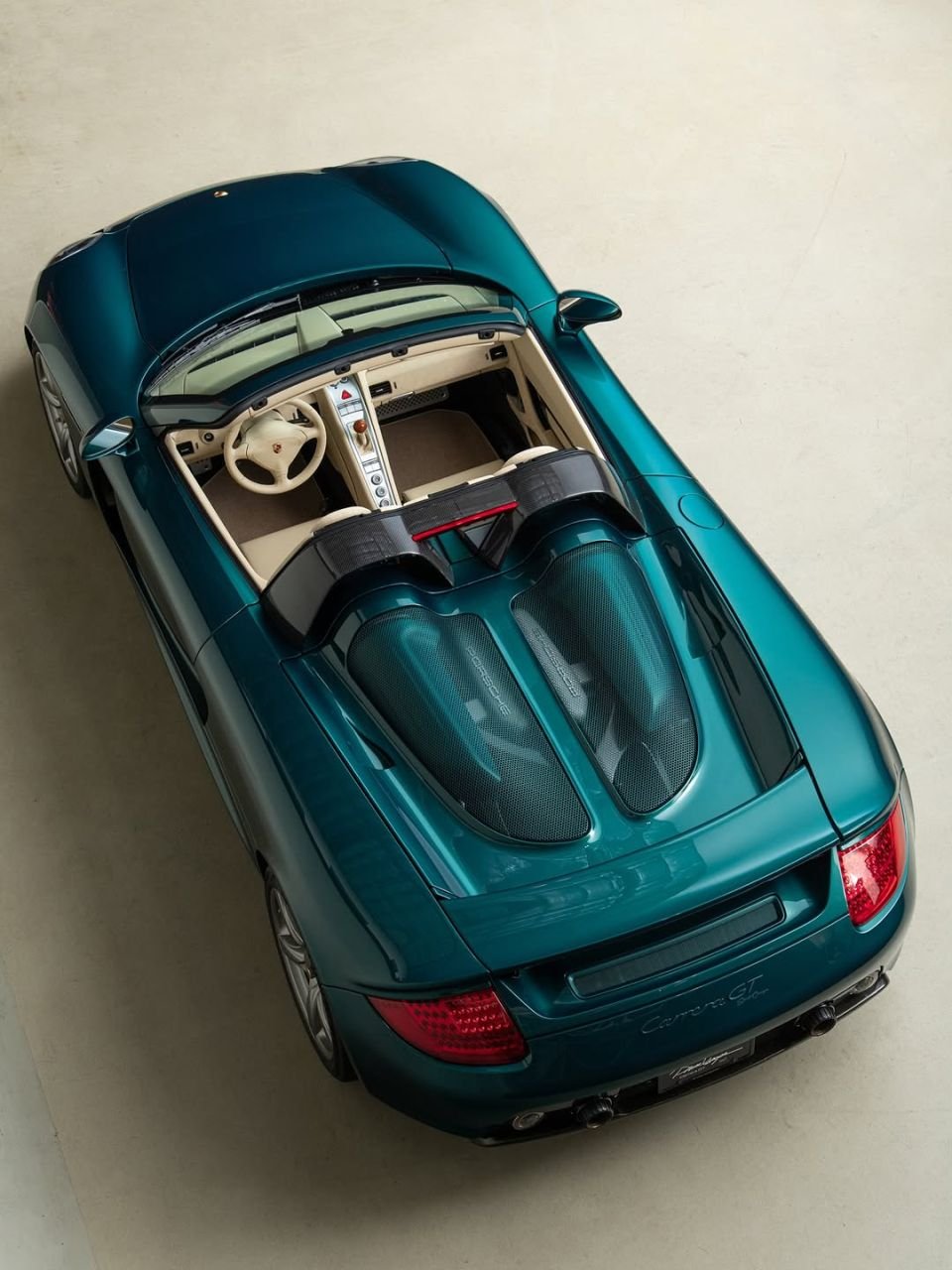
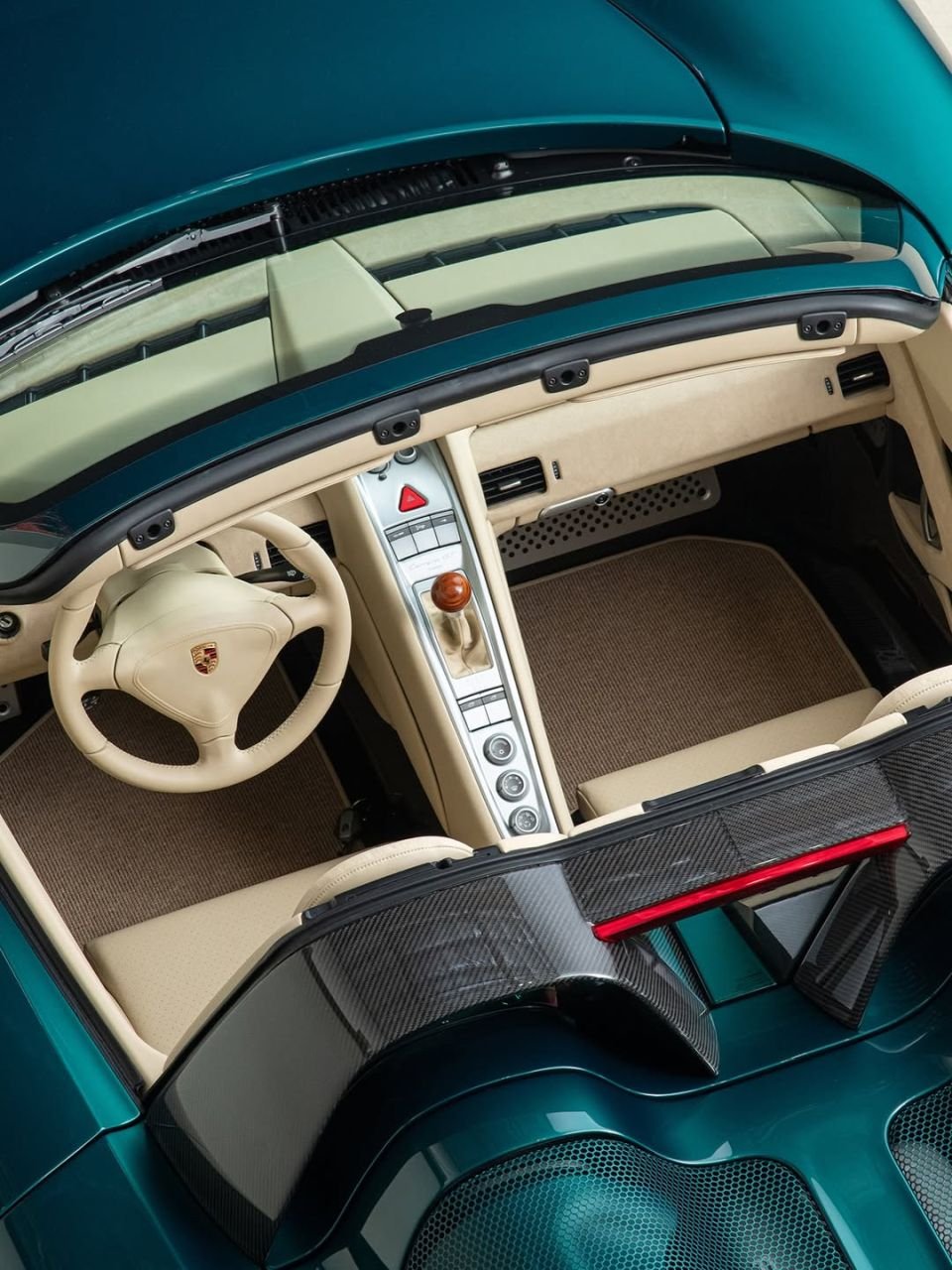
    California-based specialist Canepa has revealed its first-ever Porsche Carrera GT Sport Canepa at Amelia Island. It’s a restored and upgraded version of the iconic V10 supercar from the early 2000s.

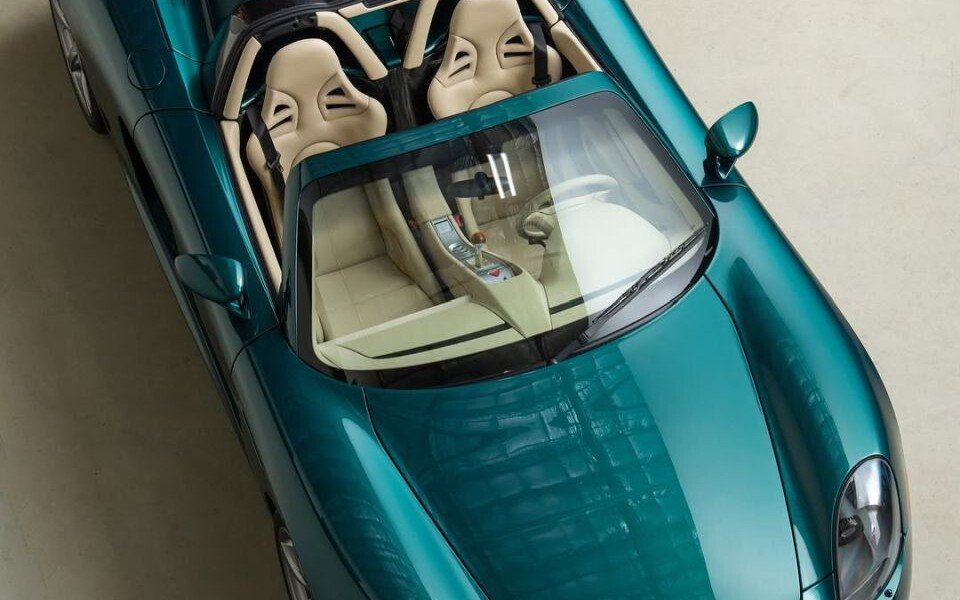
    The Carrera GT SC gets subtle cosmetic modifications and upgrades that improve driveability. The car is painted in Liquid Metal Green, a colour option that was never offered by Porsche on the Carrera GT. The interior is trimmed in cream leather and Alcantara. The air intakes and engine mesh are painted in body colour.

    Porsche Carrera GT Sport Canepa-2

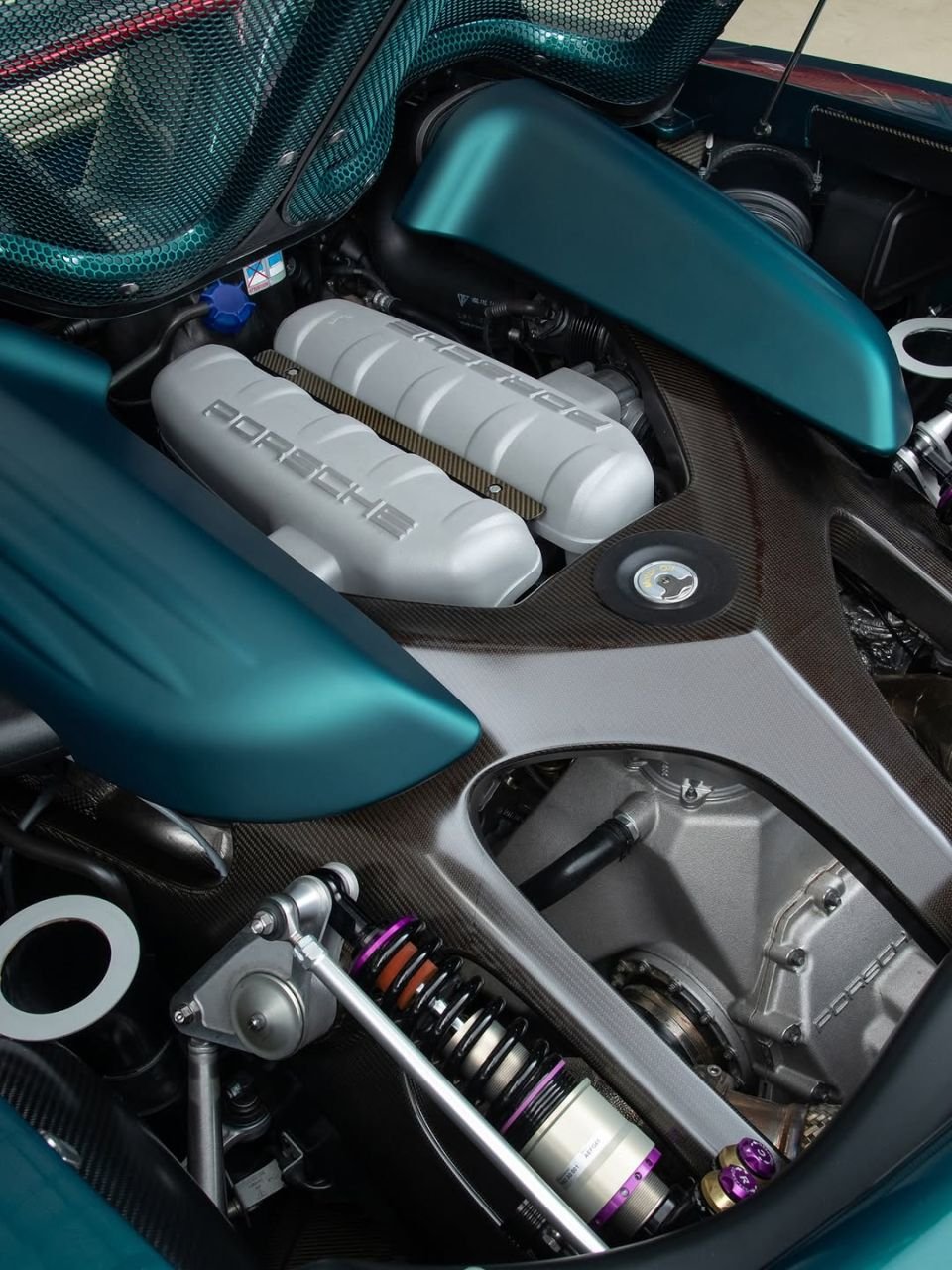
    The car also has matte carbon in the engine bay, carbon fibre roll hoops, anodised black wheel centre locks and gloss black painted headlight bezels and exhaust surrounds.

    Tucked away under the bodywork is an updated KW suspension with an integrated lift kit and an upgraded exhaust system for better sound and power, as well as a new clutch for better longevity and driving.

    Porsche Carrera GT Sport Canepa-3

    The creators haven’t shared the exact technical details of the Carrera GT Sport Canepa. Hence, it’s unclear how some of these modifications have affected the performance of the 5.7-liter naturally aspirated V10 engine.

    The Carrera GT SC is likely to be produced in limited numbers. While the exact number hasn’t been provided, Canepa says that a second car is in the works.

    Porsche Carrera GT Sport Canepa-4

    Source: Canepa

    Source link

  • Audi A8 May Be Living on Borrowed Time As Germany Stops Taking Orders

    Audi A8 May Be Living on Borrowed Time As Germany Stops Taking Orders

    The First Domino Falls

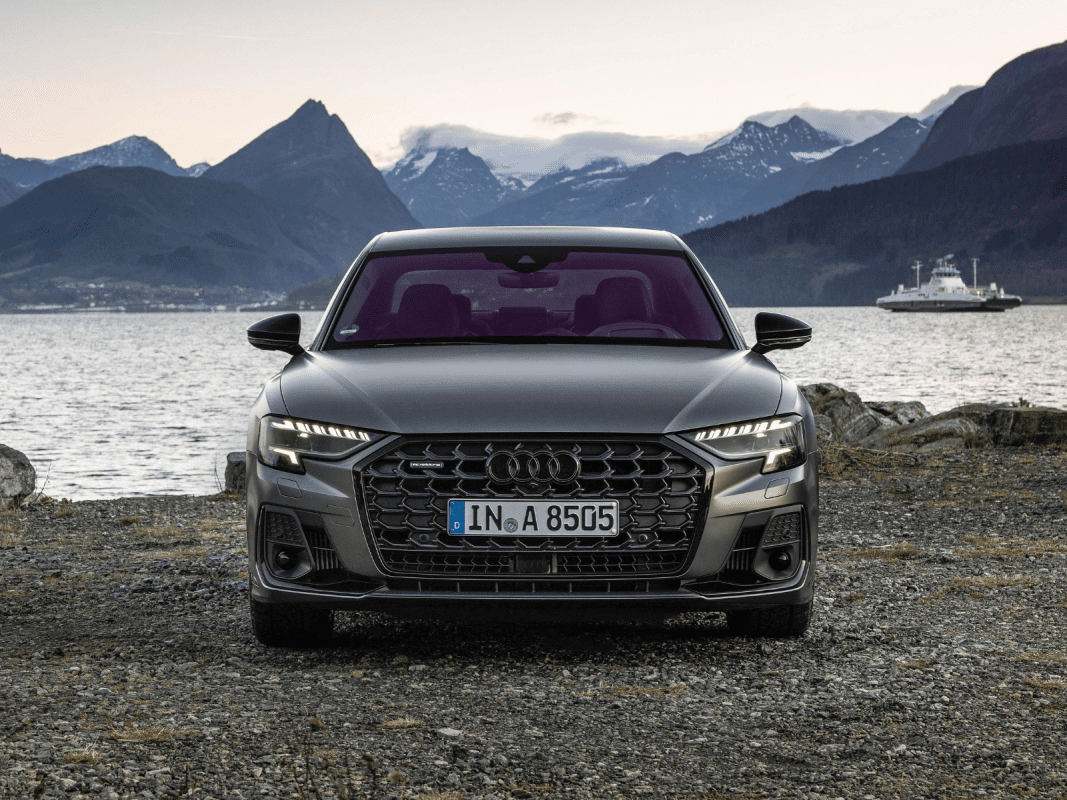
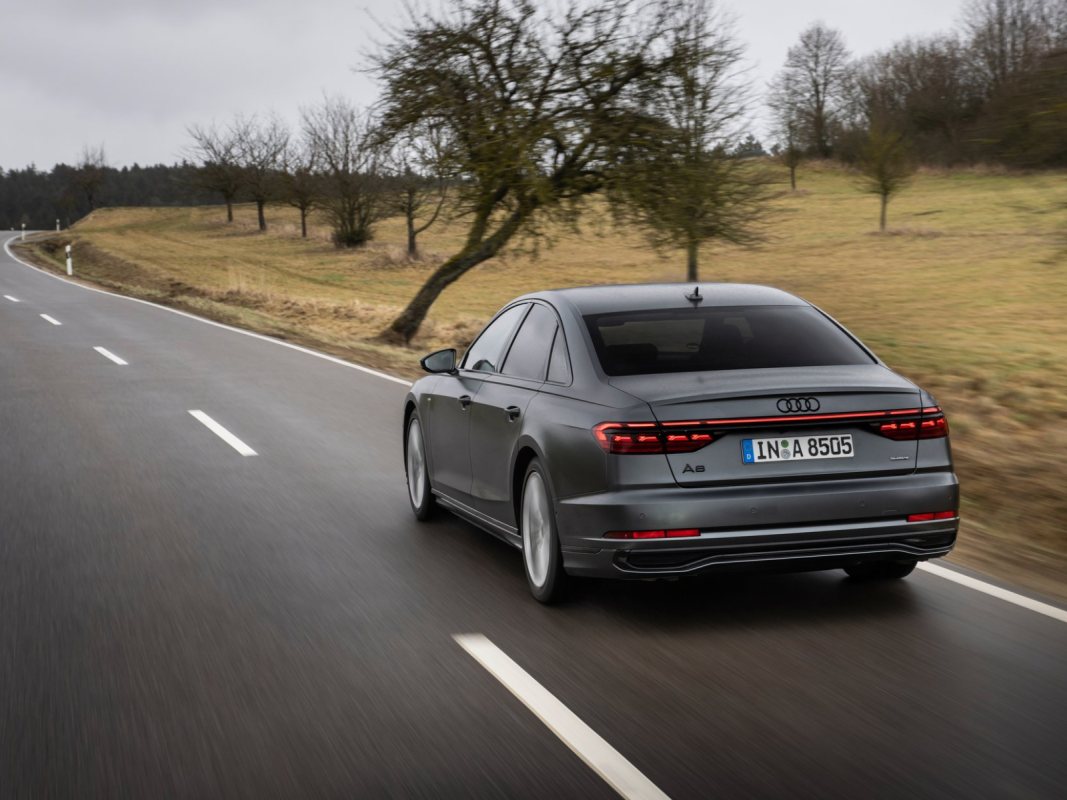
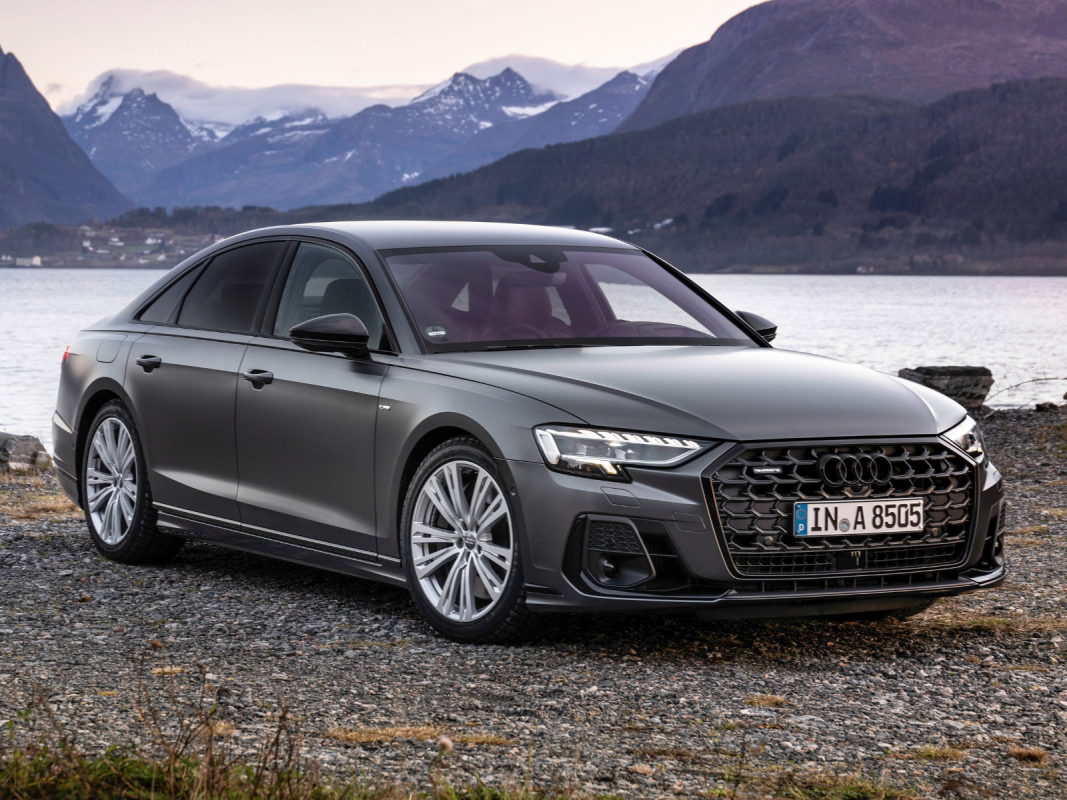
    While the Audi A8 can still be configured in the U.S., the luxury full-size sedan is no longer available on the configurator in Germany. Motor1 reached out to the German marque, which confirmed that the order books closed on February 18.

    Closing the order books can signal several things, including that the end of production may be approaching. If that’s the case, it reflects the broader market reality for large luxury sedans, with Jaguar and Maserati already ending production of the XJ and Quattroporte, respectively. Lexus is also ending the LS, even releasing a Heritage Edition as a send-off for the model.

    Audi

    A Future Still Up in the Air

    However, nothing has been confirmed as of this writing, with A8 spokesperson Marcel Bestle telling the publication that Audi “will communicate further details about a possible successor at a later date.”

    The use of “possible” suggests it is still unconfirmed whether the current D5 generation — introduced in 2017 — will receive a successor. The model has served as the brand’s full-size luxury sedan since 1994, offering posh in-car features such as a chauffeur-style rear seat with a touchscreen controller integrated into the center armrest.

    The A8 competes primarily with the BMW 7 Series and Mercedes-Benz S-Class — both of which are still receiving significant updates. For instance, the S-Class has been updated for the 2027 model year, with about 50 percent of its parts new or re-engineered.

    Audi

    Sales Paint a Clear Picture

    In the U.S., Audi sold just 1,406 A8s in 2025, down 14 percent from the previous year. That figure is also significantly lower than its SUV counterpart, the Q8, which moved 10,881 units. The disparity highlights the growing pressure on the sedan segment, raising questions about how Audi plans to approach the market going forward. Reports suggest a potential successor won’t arrive until 2029 — if the company ultimately decides to build one.

    With the order books now closed in its home market, it could signal that other markets may soon follow. For those still looking to get one while it’s available, the 2026 A8 starts at $95,100, excluding the $1,295 destination charge. The more performance-oriented S8 — starting at $130,000 — is also still available on the U.S. configurator, packing a 4.0-liter twin-turbo V8 producing 563 horsepower.

    Audi


    View the 3 images of this gallery on the
    original article

    Source link

  • Top Automotive Innovations of the Past 100 Years – 1950s: Power Steering and Power Brakes

    Top Automotive Innovations of the Past 100 Years – 1950s: Power Steering and Power Brakes

    Like many important automotive innovations, power steering and power brakes were not invented in the era that saw their widespread use. These features were more common on high-end and luxury vehicles at the beginning of this decade. However, by the end of the 1950s, many mid-range cars were also fitted with this groundbreaking technology.


    The 1950s

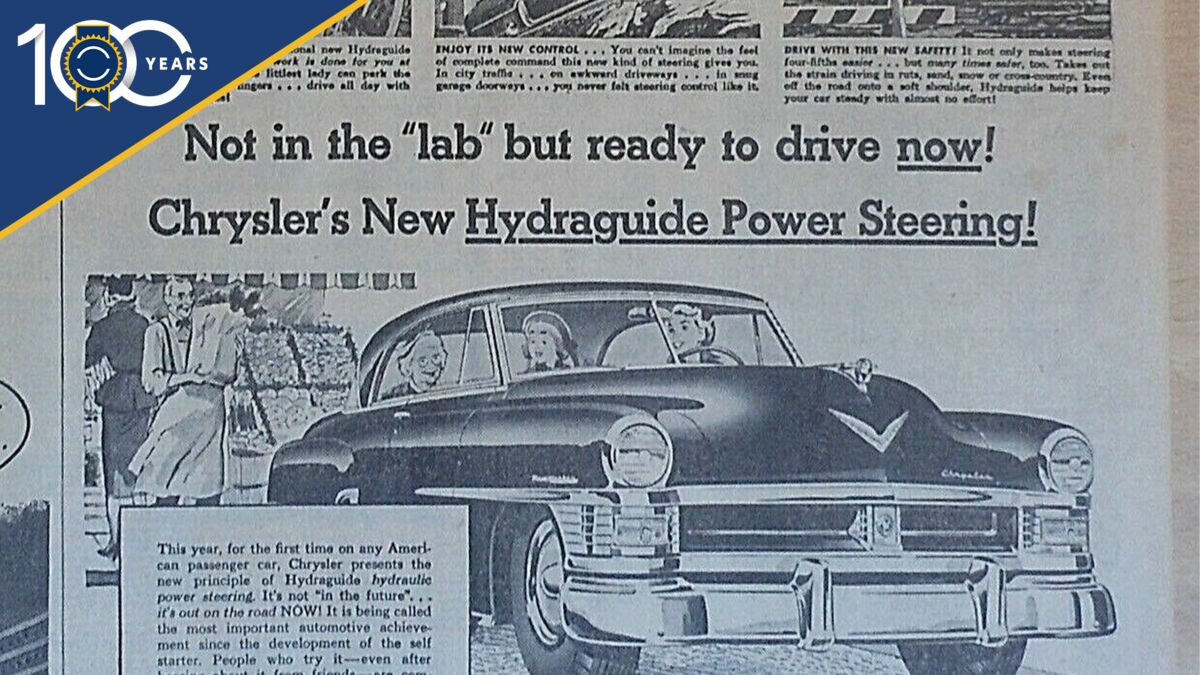
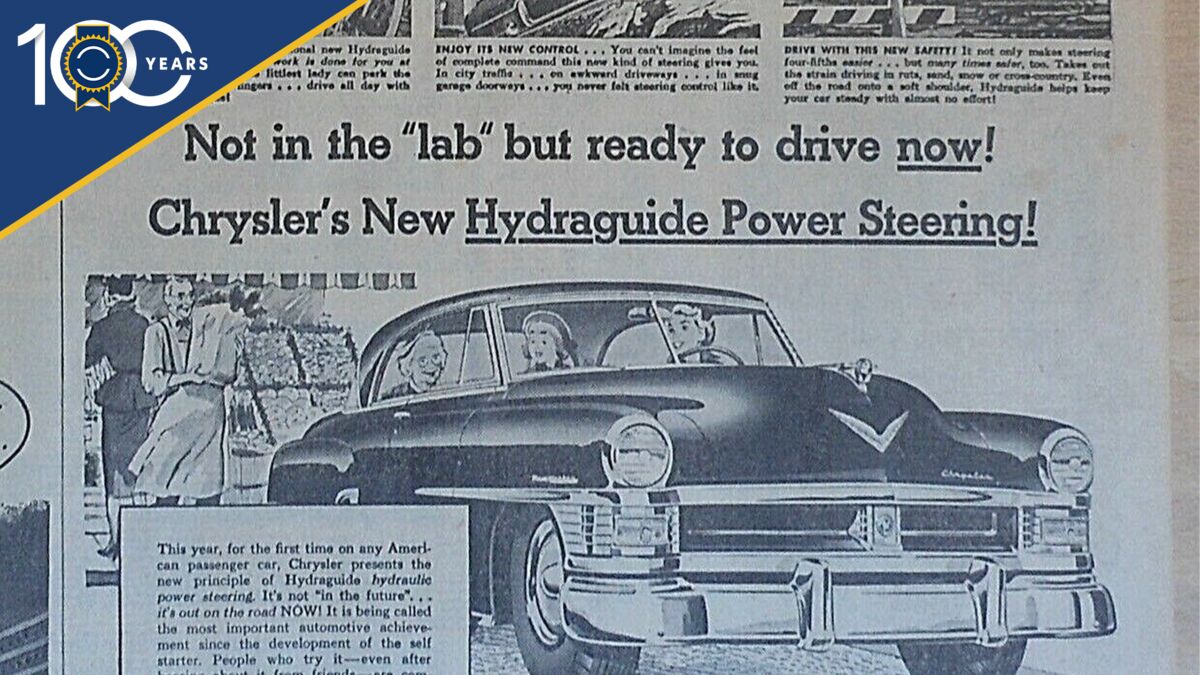
    It started in 1951 with Chrysler’s Hydraguide hydraulic power steering system.

    This system used hydraulic fluid pressurized by a belt-driven pump to push and control steering racks. Hydraguide required regular checks and maintenance to function as designed. The technology set a new standard for luxury in the early part of the decade, and despite being an expensive option at the time, it quickly became popular thanks to the greater ease of driving it offered.

    Top Automotive Innovations of the Past 100 Years – 1950s: Power Steering and Power BrakesTop Automotive Innovations of the Past 100 Years – 1950s: Power Steering and Power Brakes
    Image courtesy of Chrysler

    The same popularity and acceptance followed the introduction of power brakes in the early ’50s. Chrysler was an early adopter of hydraulic power disc brakes, which became more commonplace than their traditional (and less effective) drum brake counterparts.

    Eventually, these systems were replaced by the electronically controlled versions we know today, but at the time, these innovations made vehicles more accessible and practical for millions of drivers.


    Explore automotive innovations from other decades below:

    Source link

  • Rivian’s R2 Production Target For 2026 Is Mighty Ambitious

    Rivian’s R2 Production Target For 2026 Is Mighty Ambitious

    Practically no modern EV launch has gone off without a hitch. Whether you’re a startup like Fisker or part of the establishment like Volvo, the last several years have proven it’s fair to expect pain when ramping up production of a new electric model. Software, supply chains, battery issues, quality—they can all create speed bumps or, worse yet, full-on disasters. 

    Rivian is banking its entire future on the R2 rollout being smooth and successful. That starts with 20,000 to 25,000 units shipped in 2026, as we reported last month. TechCrunch puts that target into context in a great analysis out Thursday. You should go read it for the full picture. 

    But here’s one takeaway: By aiming to sell 20,000 R2s within six months, the outlet says Rivian plans “one of the fastest EV launches in U.S. history.” Only the Tesla Model Y hit that milestone in less time, TechCrunch found. Some took much longer than that. The Chevy Blazer EV, dogged by software issues and a pause in sales, didn’t hit 20,000 cumulative sales until over a year after it launched. 

    The R2 is Rivian’s best chance yet to hit real scale and turn a profit—to have a “Model Y moment,” if you will. But the U.S. EV market could not be more different than when Tesla’s best seller landed. At the same time, the Model Y’s success proves that there’s a big market for EVs that get things right. 

    Many factors will determine how quickly Rivian can ramp things up, but a couple are on my mind. There’s the manufacturing issue, of course. The startup says it’s much better prepared for this launch than it was for the R1S or R1T. 

    Another question is pricing. What Rivian has going for it is a loyal fanbase that’s clamoring to buy an R2. But what will it cost when production starts, and will that meet the market? We’ll know more when the company reveals more about the R2 lineup on March 12. 

    Contact the author: Tim.Levin@InsideEVs.com 

    Source link

  • The Jeep Wrangler Doesn’t Flip Over in IIHS Crash Tests Anymore

    The Jeep Wrangler Doesn’t Flip Over in IIHS Crash Tests Anymore

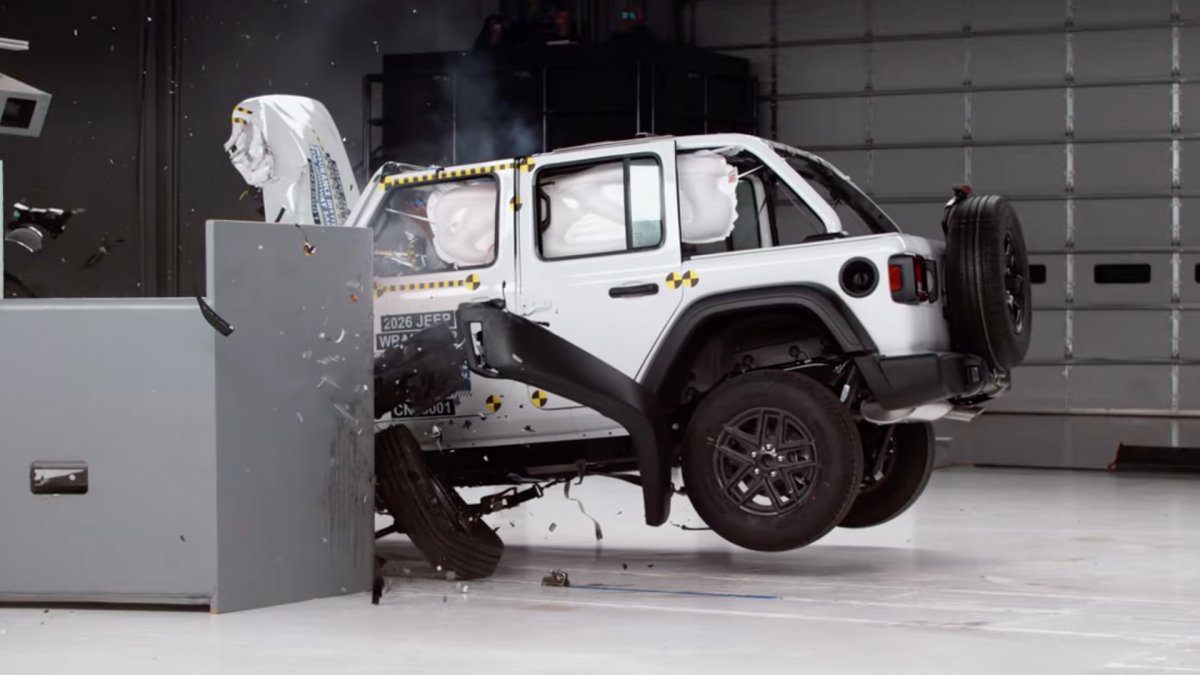
    A few years back, the Insurance Institute for Highway Safety found that the Jeep Wrangler had a flipping problem. Repeated runs of the driver-side small overlap crash test forced the 4×4 on its side repeatedly, even when using different methods. We reported on this extensively in 2022, when Jeep told us the results were “anomalous” despite the SUV being unable to land on all four wheels during multiple attempts. Fortunately for the automaker—and Wrangler owners—it seems to have finally cracked the code.

    The IIHS announced Friday in a press release that the 2026 Jeep Wrangler Unlimited now remains upright during the test. Apparently, a new frame rail design is what did the trick. You can see how the old model performed here:

    2019 Jeep Wrangler 4-door driver-side small overlap IIHS crash test


    At the time, an IIHS spokesperson told The Drive, “The 2019 Jeep Wrangler 4-door actually performed quite well in the driver-side small overlap crash test by the normal metrics that we use to issue a rating. This includes structural intrusion, dummy injury measures, and restraint performance. However, ratings can be downgraded for certain post-crash events. These include things like fuel leaks, a door opening, or, in this case, the Wrangler tipping onto its passenger side.”

    A Jeep representative responded to our request for comment by saying, “These results were anomalous. We have produced more than 873,000 of these vehicles. By conservative estimate, they have accounted for more than 13.1 billion miles of driving. From this population, we are unaware of any incidents that correlate with the vehicle dynamic portion of the IIHS small-overlap crash simulation. Notwithstanding, the vehicle provided ‘good’ protection—the highest-possible IIHS rating—in each of the injury metrics associated with small-overlap …”

    Still, Jeep went back to the drawing board later that year but couldn’t find success—until now.

    2026 Jeep Wrangler 4-door driver-side small overlap IIHS crash test


    This result was enough for the IIHS to bump the Wrangler’s small overlap rating from “marginal” to “acceptable.” The highest possible label is “good,” although the Wrangler’s passenger-side small overlap test kept it from achieving that. According to the independent safety agency, its testing found that the revised JL Wrangler poses “a high risk of injury to the front passenger’s right foot and leg.”

    Jeep began assembling Wranglers with the new frame rail design after October 2025, so any built after that should handle crashes like this similarly. New 2026 Gladiator pickups get the same modification, with the manufacture of those trucks starting around the same time.

    Got a tip or question for the author? Contact them directly: caleb@thedrive.com

    From running point on new car launch coverage to editing long-form features and reviews, Caleb does some of everything at The Drive. And he really, really loves trucks.


    Source link