From the March/April 2026 issue of Car and Driver.
In honor of speed, we annually bring together the year’s most interesting performance cars at Virginia International Raceway (VIR). We call this gathering Lightning Lap because we’re after the absolute fastest lap a car can turn around VIR’s Grand Course, a 4.1-mile asphalt serpent that’s the closest thing on this continent to Germany’s Nürburgring Nordschleife.
Three days of pushing a car to its limits on one of the world’s best tracks sounds like a fun job, and it is. But while cars are pushed to their limits, so are the drivers. Getting the best time in a number of different cars is a challenge for all of us. We lie awake at night visualizing the perfect lap just to stop perseverating on the day’s mistakes. The Grand Course’s 24 corners afford many chances to miss shifts or turn-in and braking points and over estimate grip levels. VIR is unforgiving; even a minor misstep can blow an entire lap.
Lightning Lap proves the mettle of a car, but it also tests the limits of our photo and video teams. They shoot incessantly for days and then edit for many more. The results are in this magazine and also in the video of our recorded laps that thousands will watch, then mercilessly dissect, mentioning every perceived error in the comments. Like and subscribe while you’re there.
One place we don’t make mistakes is compiling the contestants. I assure you that we invite every one of the cars hopping off the curbing in your head. If they aren’t on pages 32–33, they either have already competed or weren’t available. Car companies’ communications departments seem trained on excuses. It’s everything from “Sorry, someone damaged the Mustang GTD, and it can’t be fixed in time” to “We don’t have [insert car name here] available” to “What else will be there this year?”
After finalizing the list, we assign cars to drivers. Typically, an editor is responsible for about four cars. We drive them ourselves to give you a firsthand account of the experience—and because it’s more fun that way. This year marks the first time one of us brought one of our own cars. I’d long wanted to lap my 1995 Porsche 911 Carrera at this track, since that car well predates the inaugural running in 2006.
Obviously, none of this happens without the cars, and those cars would probably never happen without someone in the C-suite championing them even when they’re selling slowly or, worse, are in a consultant’s crosshairs. So this fall, I’m opening Lightning Lap to not just the cars at the top of brands but also the people who shape those brands. There’s a selfish side to this plan, as I think it’ll take one fast lap for these execs to ensure the future of fast cars. And a day or two at VIR is a lot more fun than endless board meetings.
A day or two should be enough to become acquainted with VIR, set a time, and even drive some of the competition’s cars. Maybe you’ll learn what your rivals are doing. Maybe you’ll learn something about your car. Maybe you’ll mow some grass after you go into the Climbing Esses a little hot. There’s no better way to know a car than to drive it absolutely as fast as it’ll go.
Can you beat our lap times? Come and find out. Enthusiast executives such as Ford CEO Jim Farley, Toyota chairman Akio Toyoda, and GM president Mark Reuss can consider this a personal invitation. Others I haven’t named are welcome too. We’ll call the special category LLC-Suite. Call or email me if you’re up to it, and we’ll get it set up.
Tony Quiroga is a 20-year-veteran Car and Driver editor, writer, and car reviewer and the 19th editor-in-chief for the magazine since its founding in 1955. He has subscribed to Car and Driver since age six. “Growing up, I read every issue of Car and Driver cover to cover, sometimes three or more times. It’s the place I wanted to work since I could read,” Quiroga says. He moved from AutomobileMagazine to an associate editor position at Car and Driver in 2004. Over the years, he has held nearly every editorial position in print and digital, edited several special issues, and also helped produce C/D’s early YouTube efforts. He is also the longest-tenured test driver for Lightning Lap, having lapped Virginia International Raceway’s Grand Course more than 2000 times over 12 years.
Our free daily newsletter sends the stories that really matter directly to you, every weekday.
I don’t care if you’re into American cars or not—the 2026 Dodge Charger R/T is a fascinating product of a strange time in automotive history. It was initially introduced as a two-door electric muscle car. Nobody wanted that, but Dodge was ready for that possibility, with a gas-burning powertrain waiting in the wings. However, that was before the company knew it would still be allowed to make V8s, so it had to execute a twin-turbo six-cylinder in a way that might appeal to old-school Mopar guys. And did I mention the new Charger had to double as both coupe and sedan, with the same wheelbase and cabin volume?
From where I’m sitting, it sounds like a product planning assignment from hell.
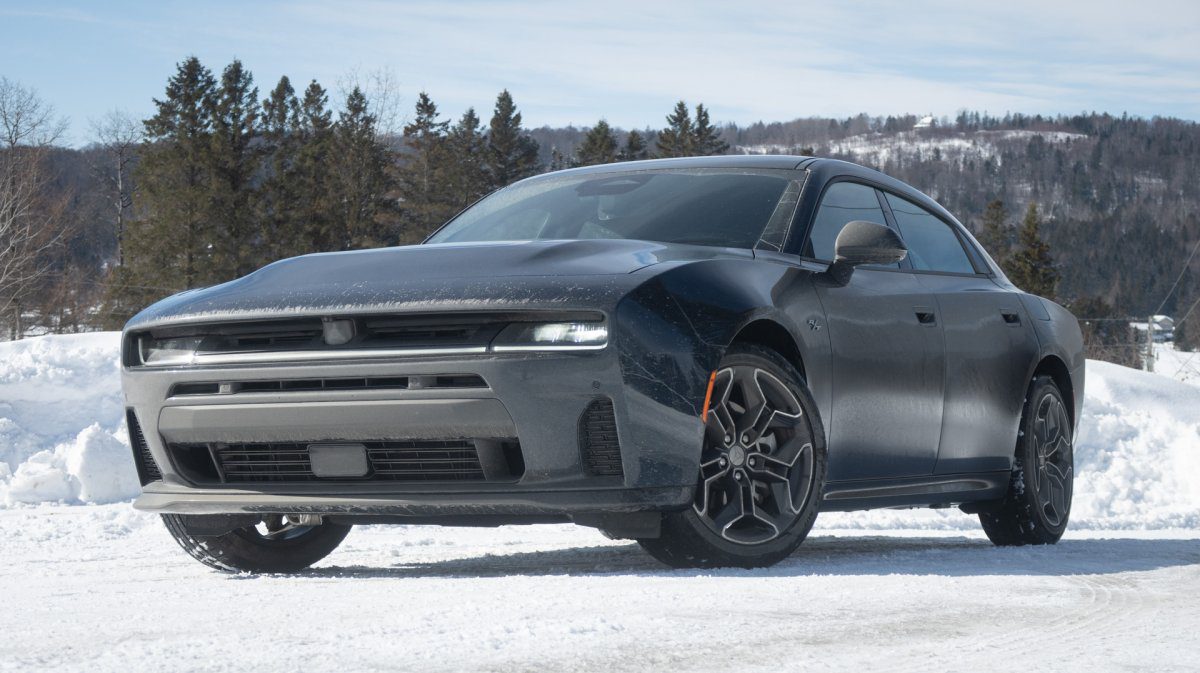
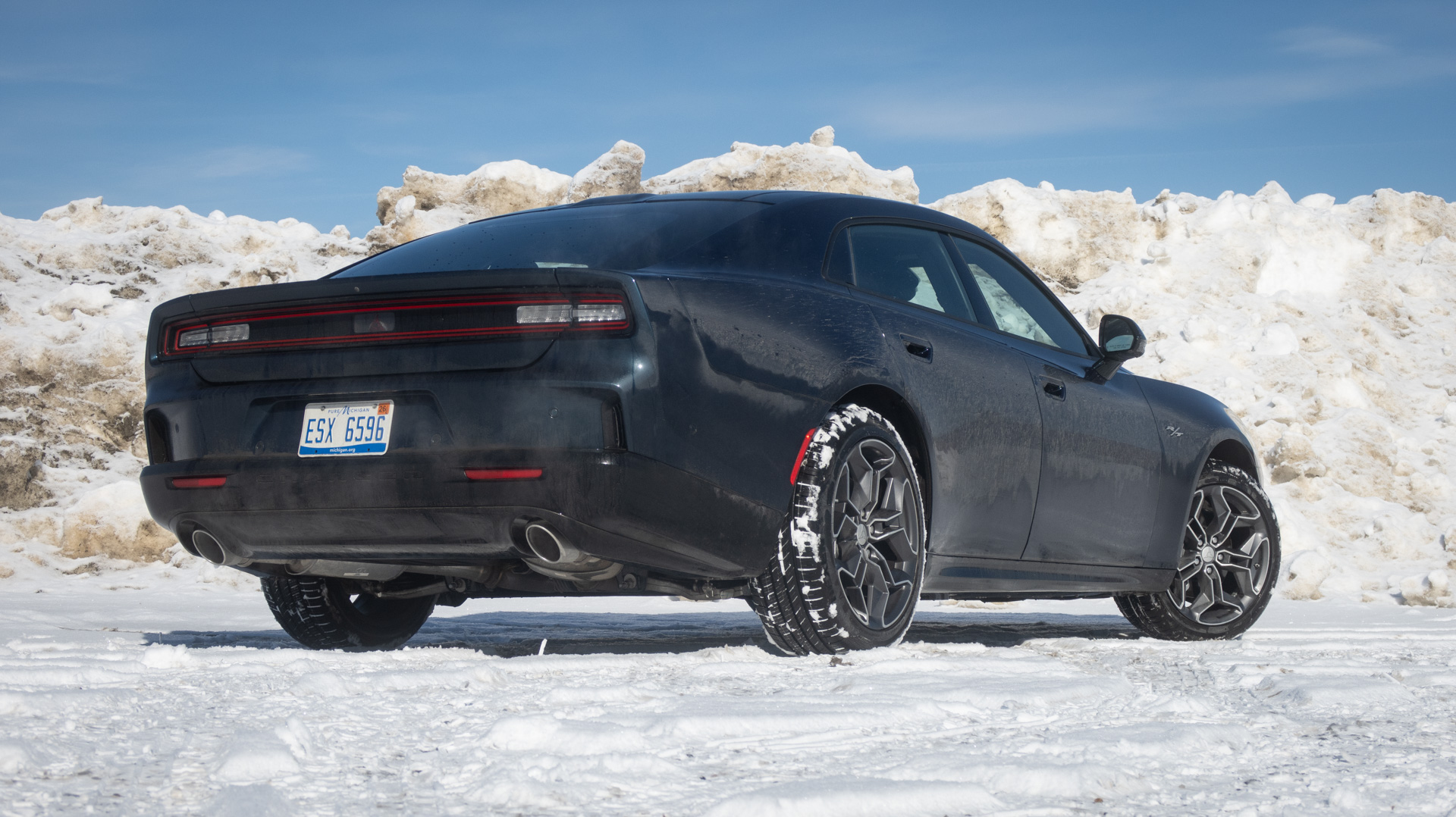
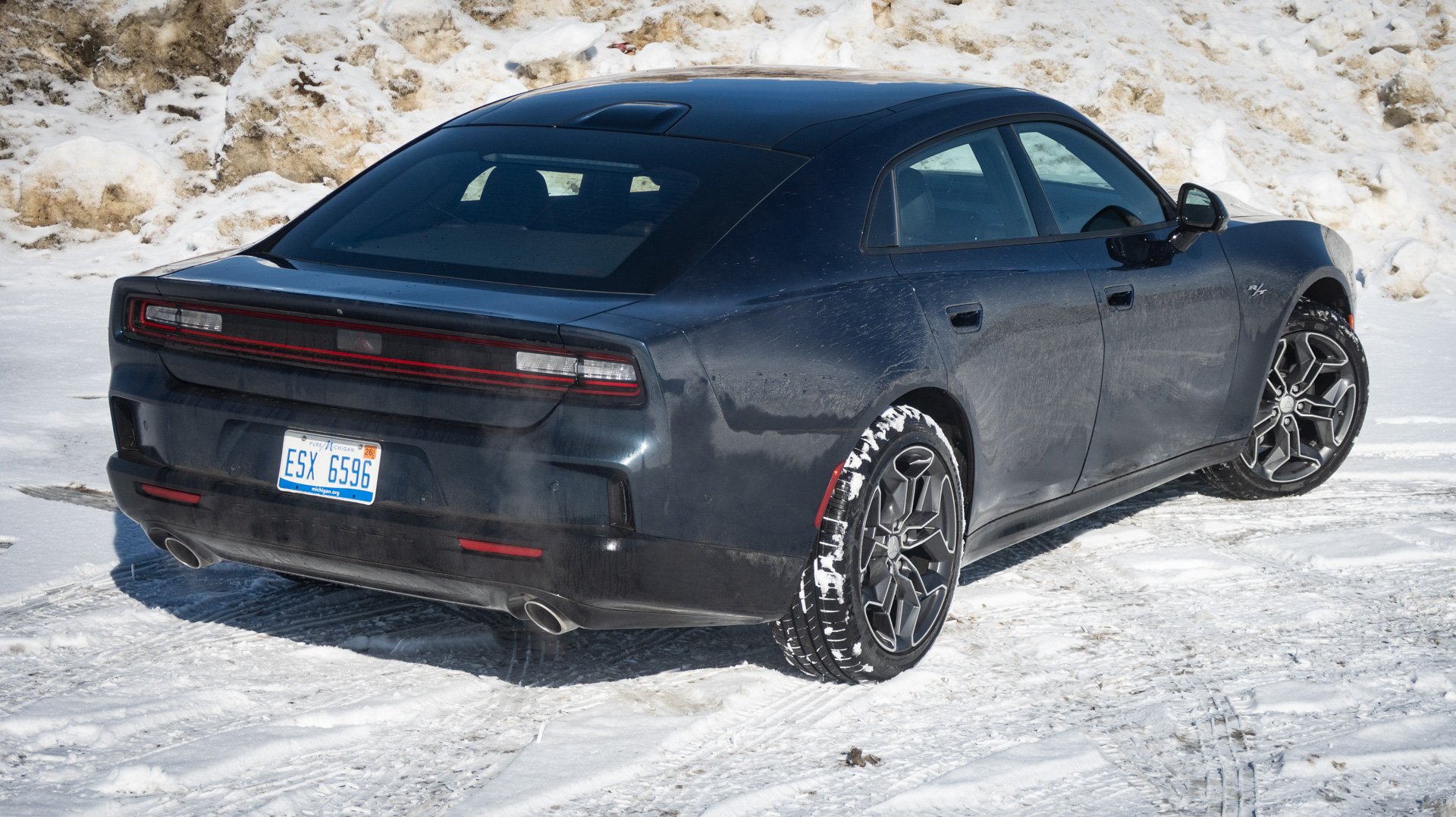
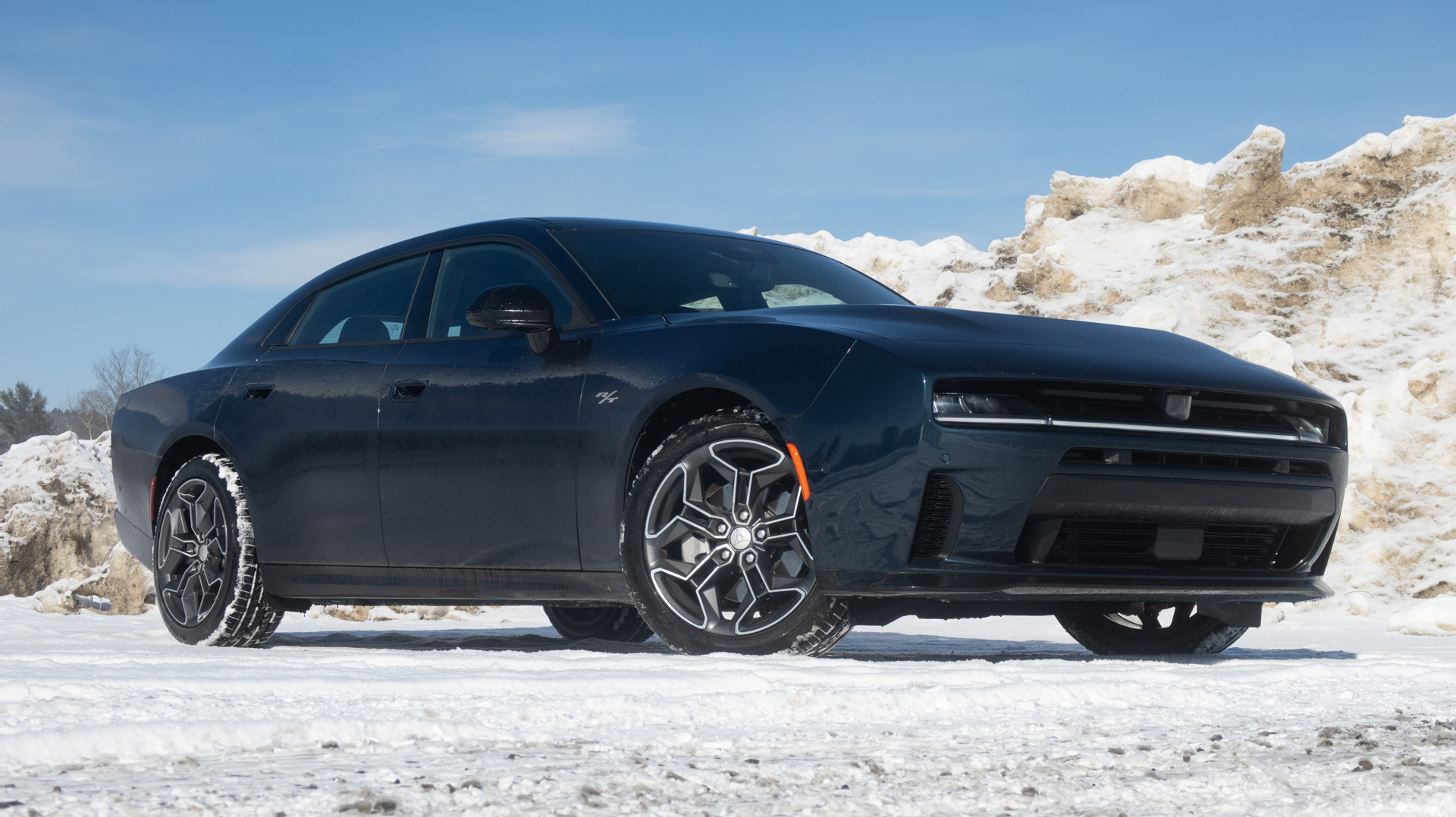
To the great credit of Dodge’s designers and engineers wrestling with this prompt, the new Charger R/T looks and feels pretty good for what it is. Now you’re wondering, “So what the heck is it?” Well, wrestling with that question is where we get to have fun. The new gas Charger is compromised and imperfect. It is a little weird-looking from a few angles. But it’s got personality, performance, and practicality. It feels like the Charger you know, while also being an entirely new beast.
Andrew P. Collins
The Dodge Charger R/T Experience
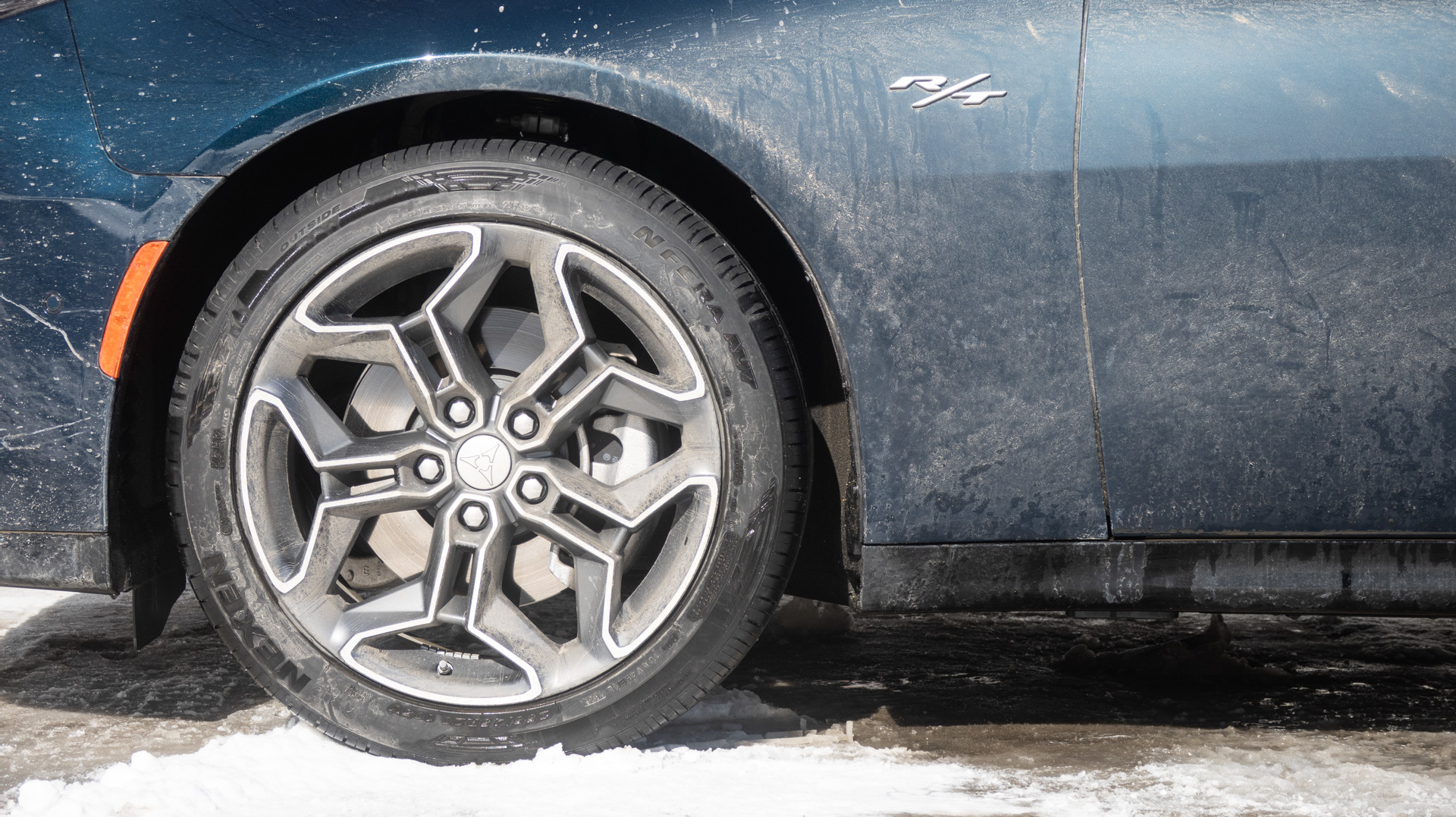
The R/T is now the lowest-priced entry point to the new-gen Charger lineup, but don’t call it a base model. Its twin-turbo “Sixpack” inline-six claims 420 horsepower, 50 more than the old R/T’s Hemi V8. All-wheel drive comes standard, with a true RWD mode.
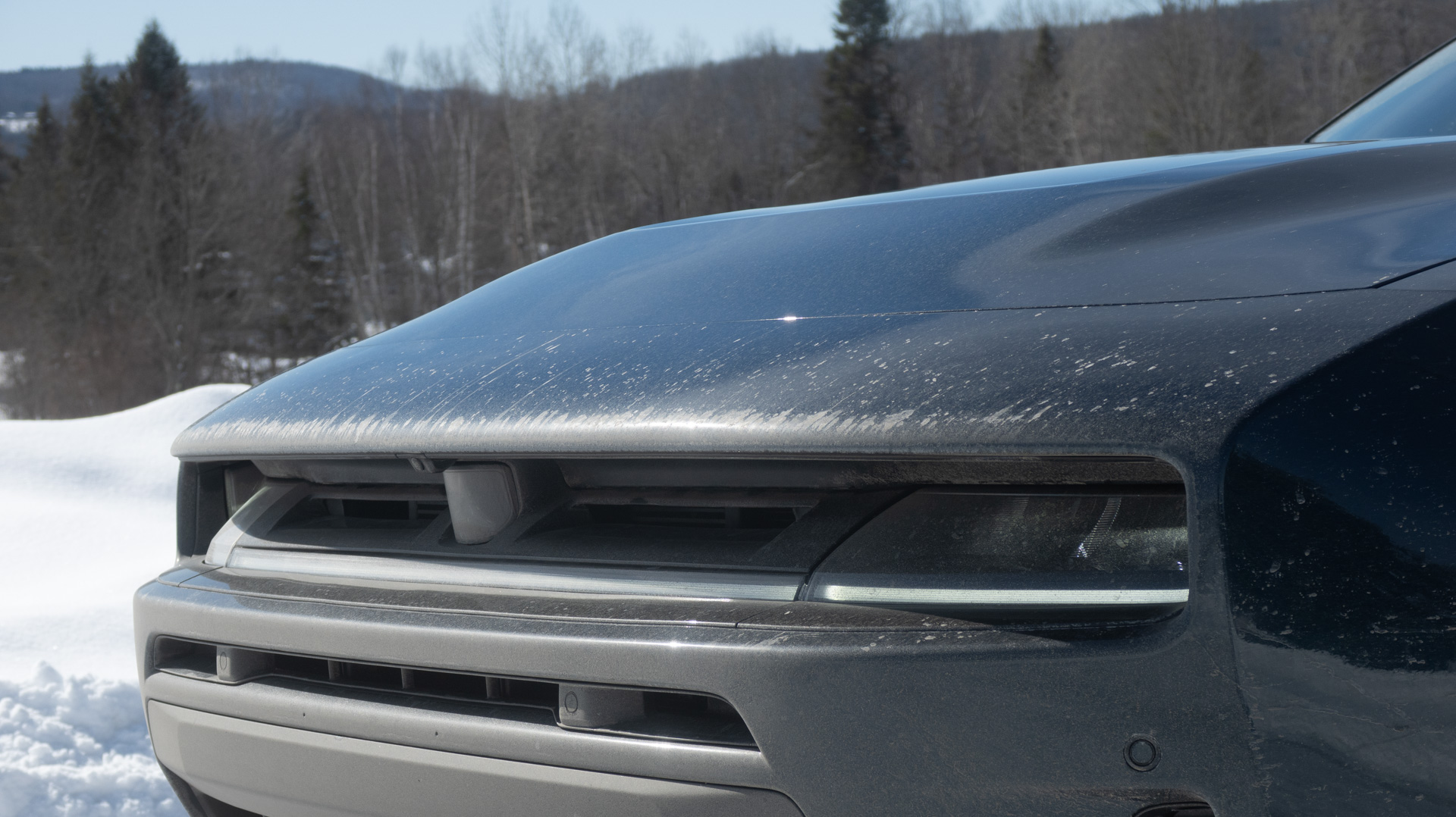
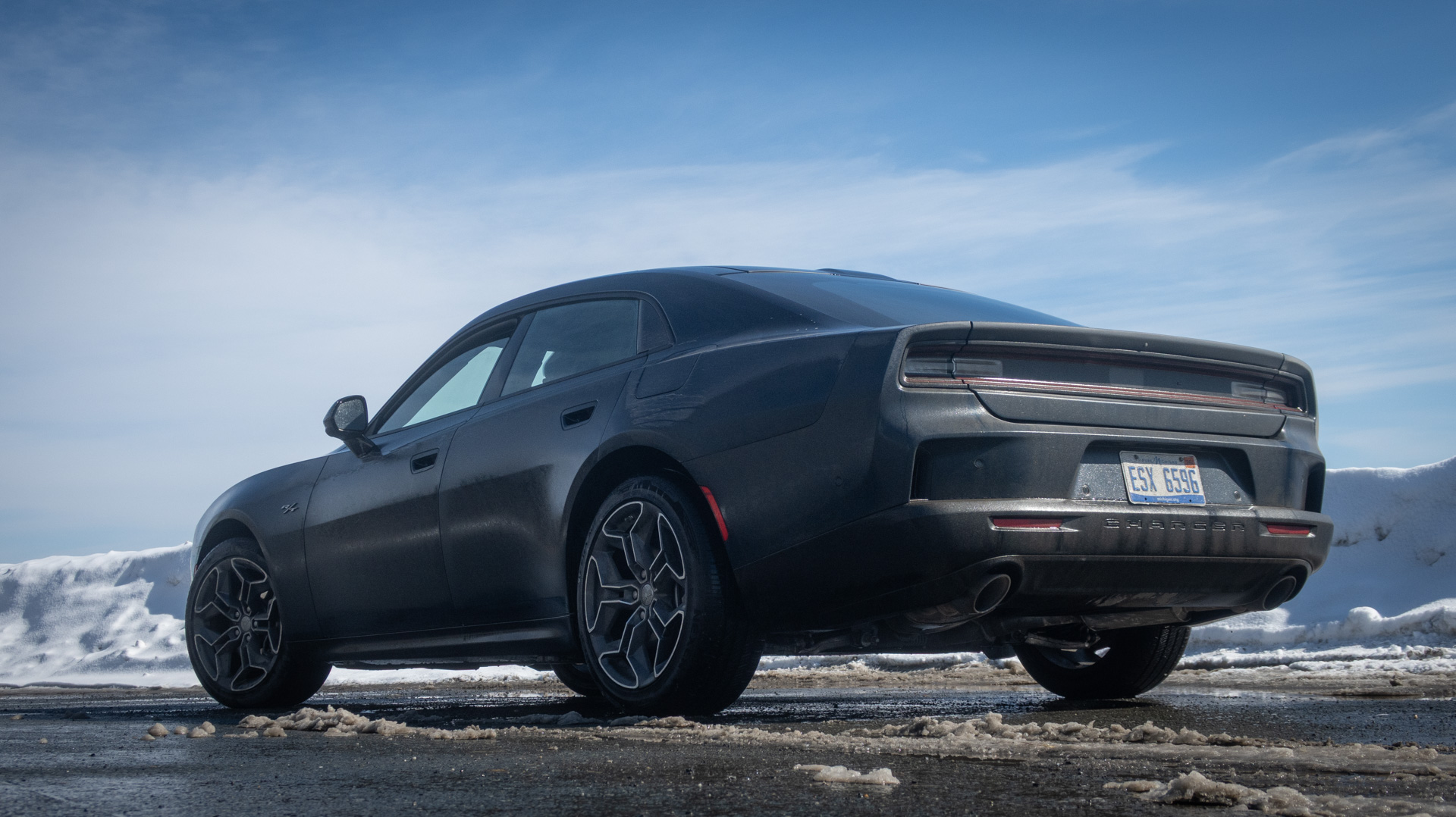
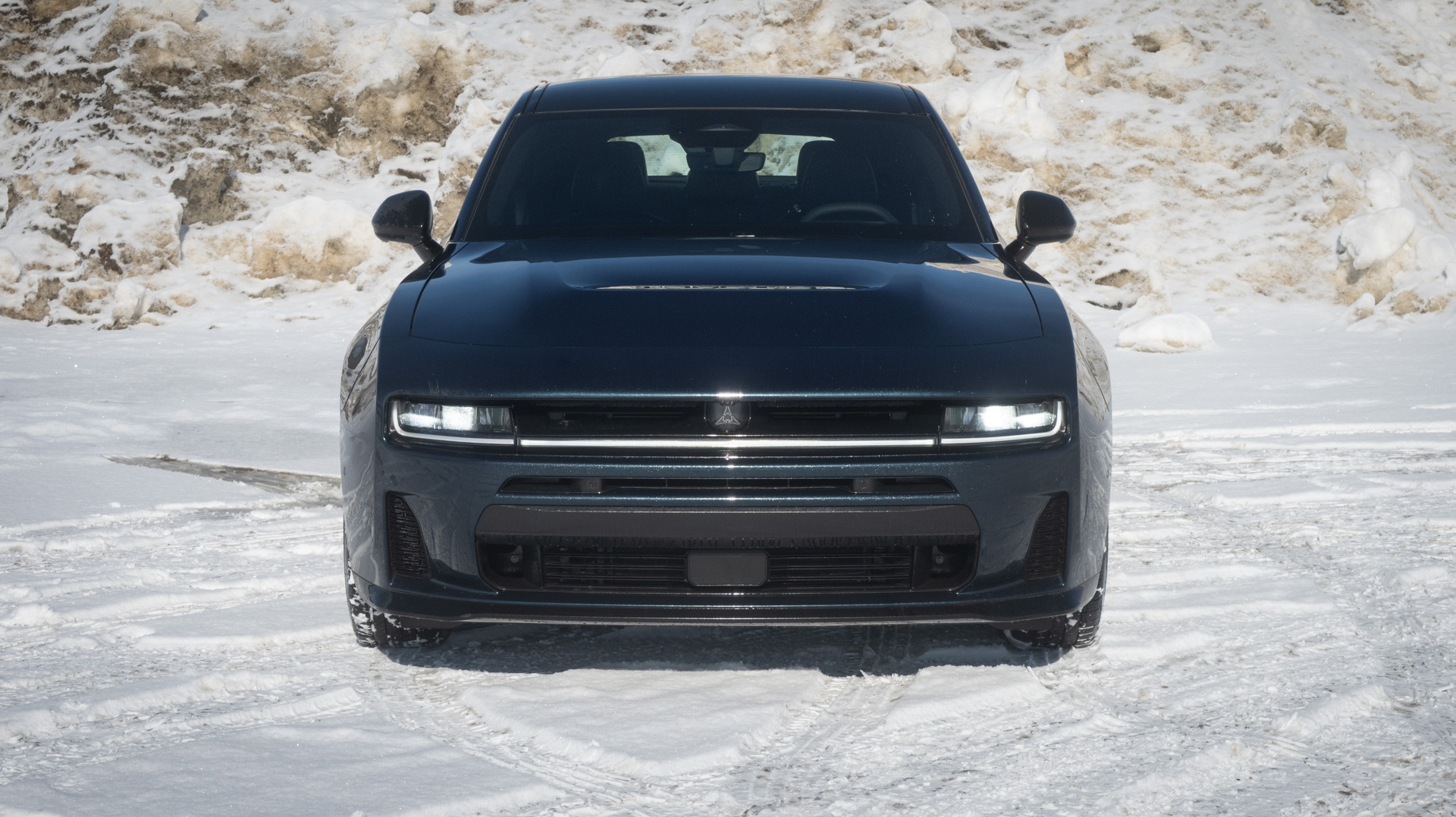
The overall design successfully channels a heritage-inspired vibe without being retro. It doesn’t feel like a 2026 version of a 1968 Charger. Actually, to me, it looks a lot like the outgoing Charger and Challenger melted into each other. (Which, effectively, is what’s happened—there’s now a four- and two-door Charger while the Challenger nameplate is parked indefinitely).
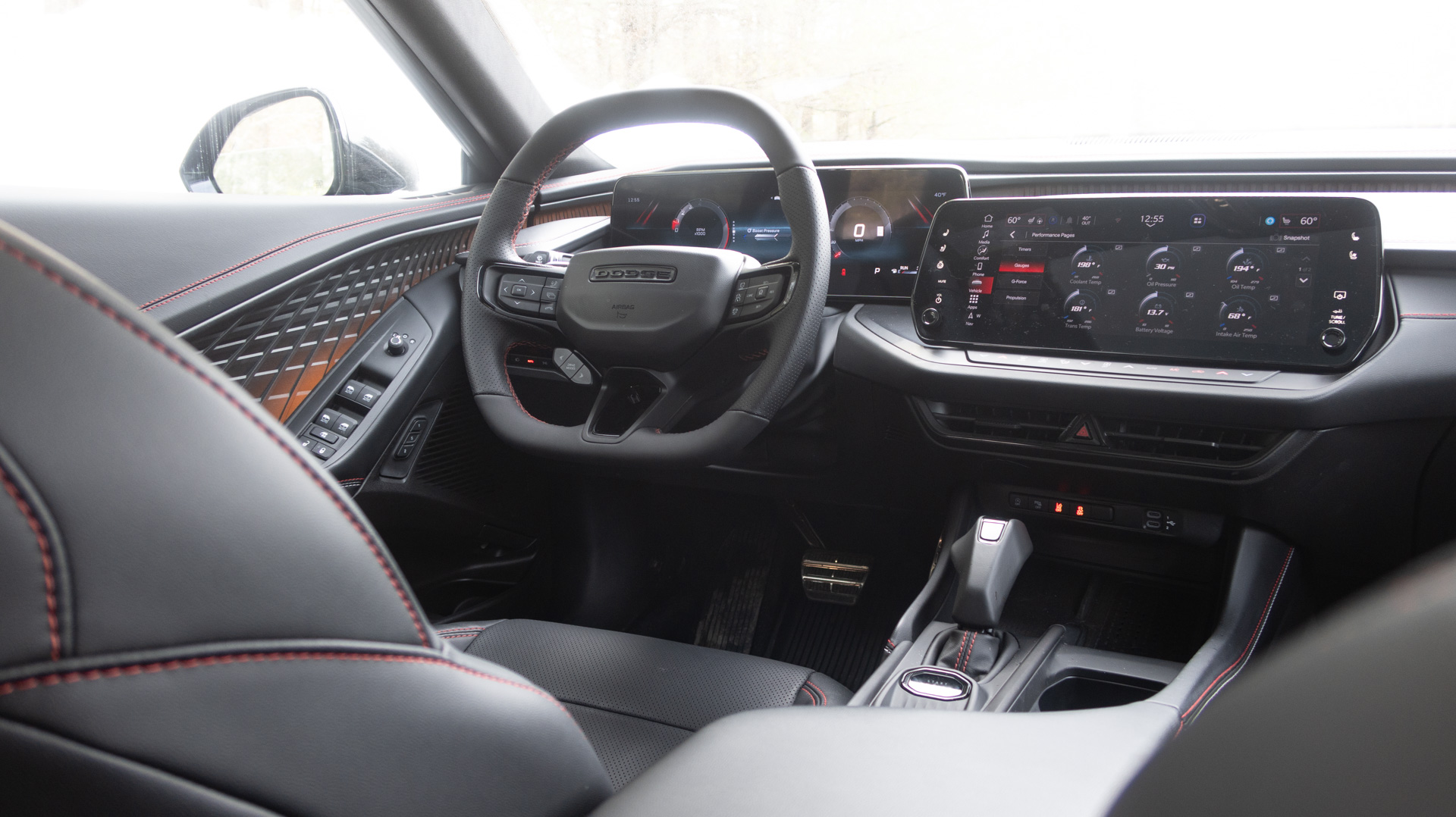
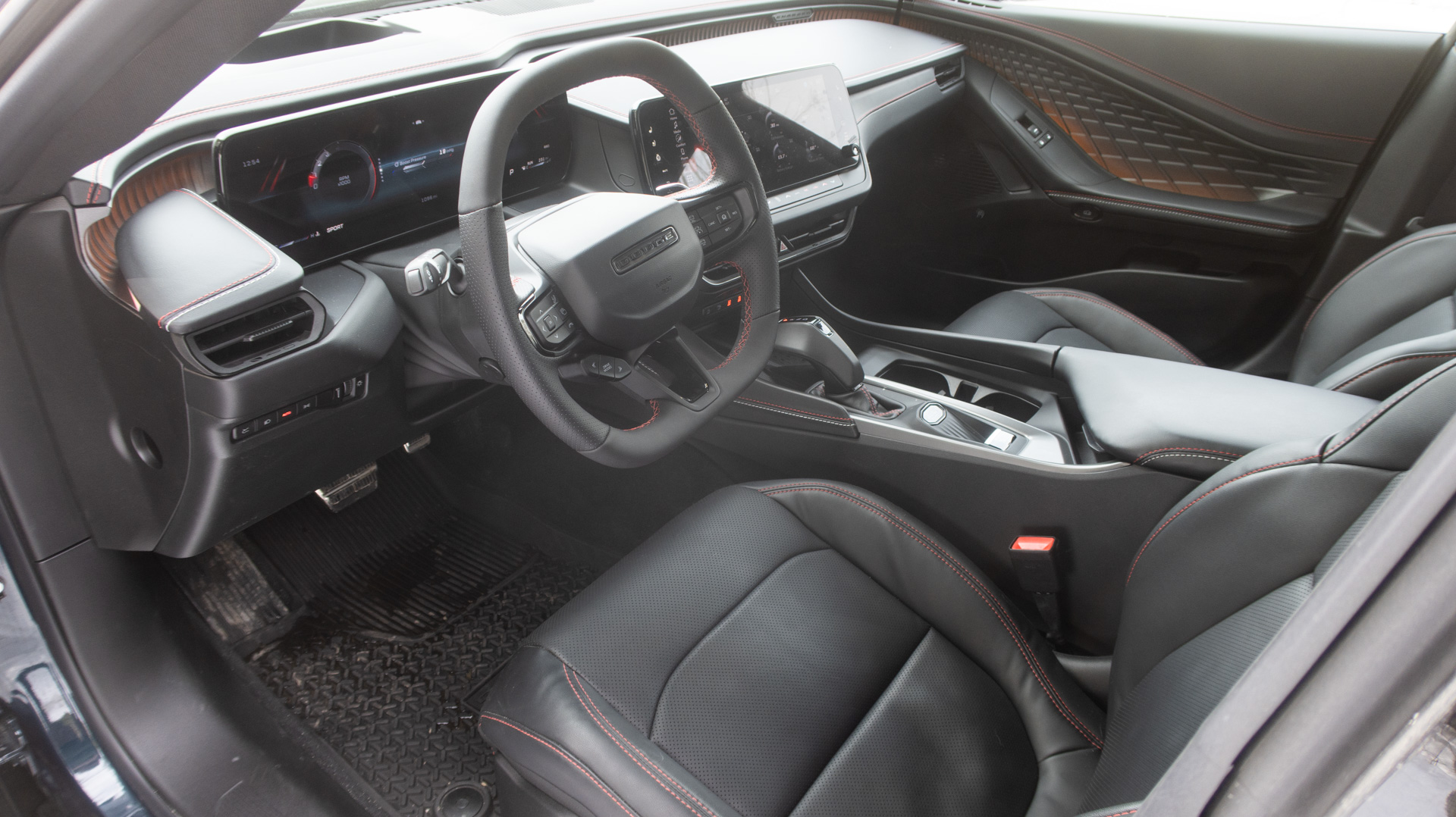
The cockpit features a lot of cool ideas with just-OK execution. I’ve driven more early build, pre-production, and prototype cars than I can count, and the 2026 Charger was the first to hit me with a remarkably intense new-plastic smell as soon as I dropped my ass into the seat. It was like walking into a Toys ‘R Us in the ’90s. Not the worst nostalgic association, but not exactly the first impression I wanted from a $60,000 vehicle.
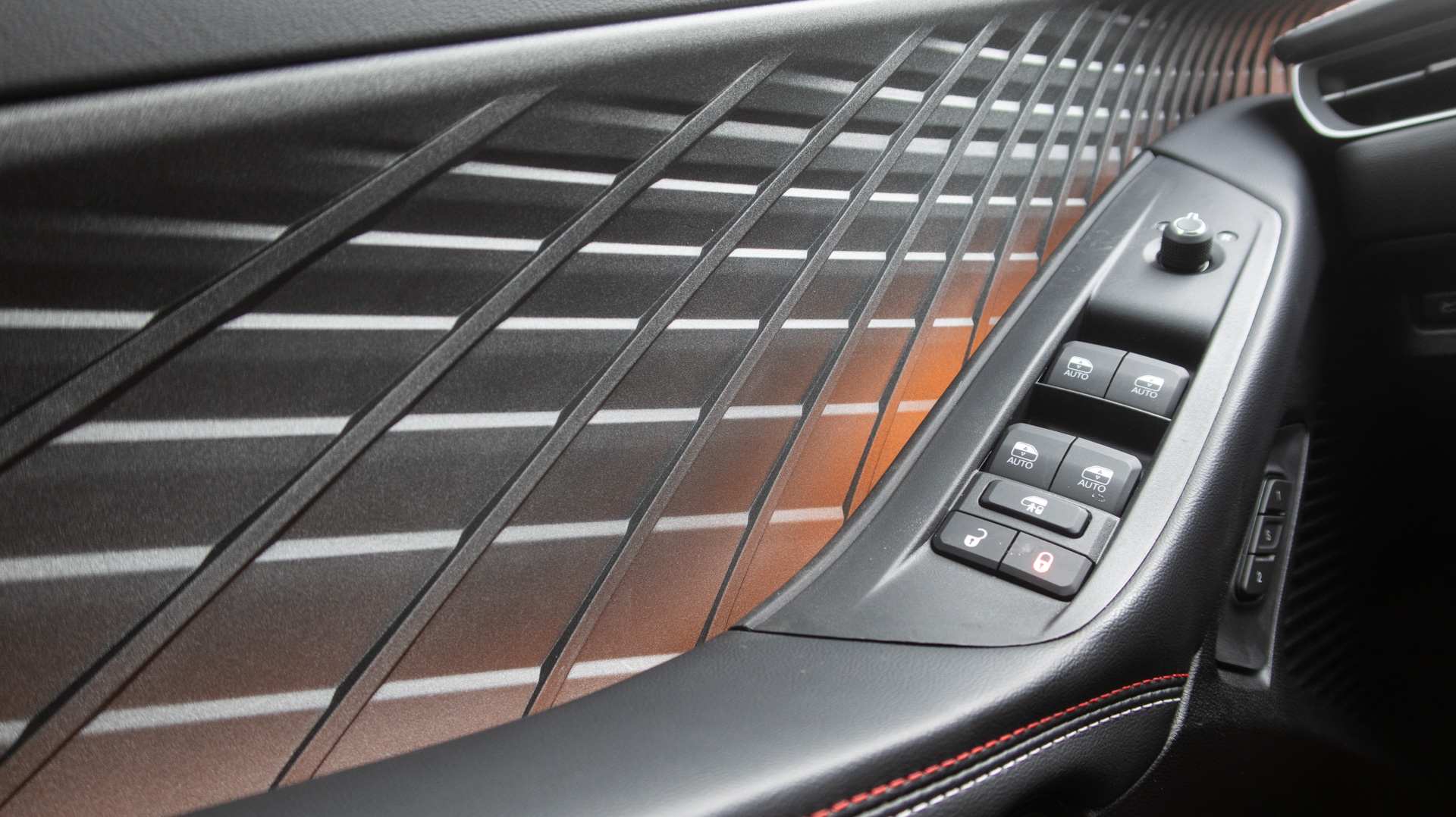
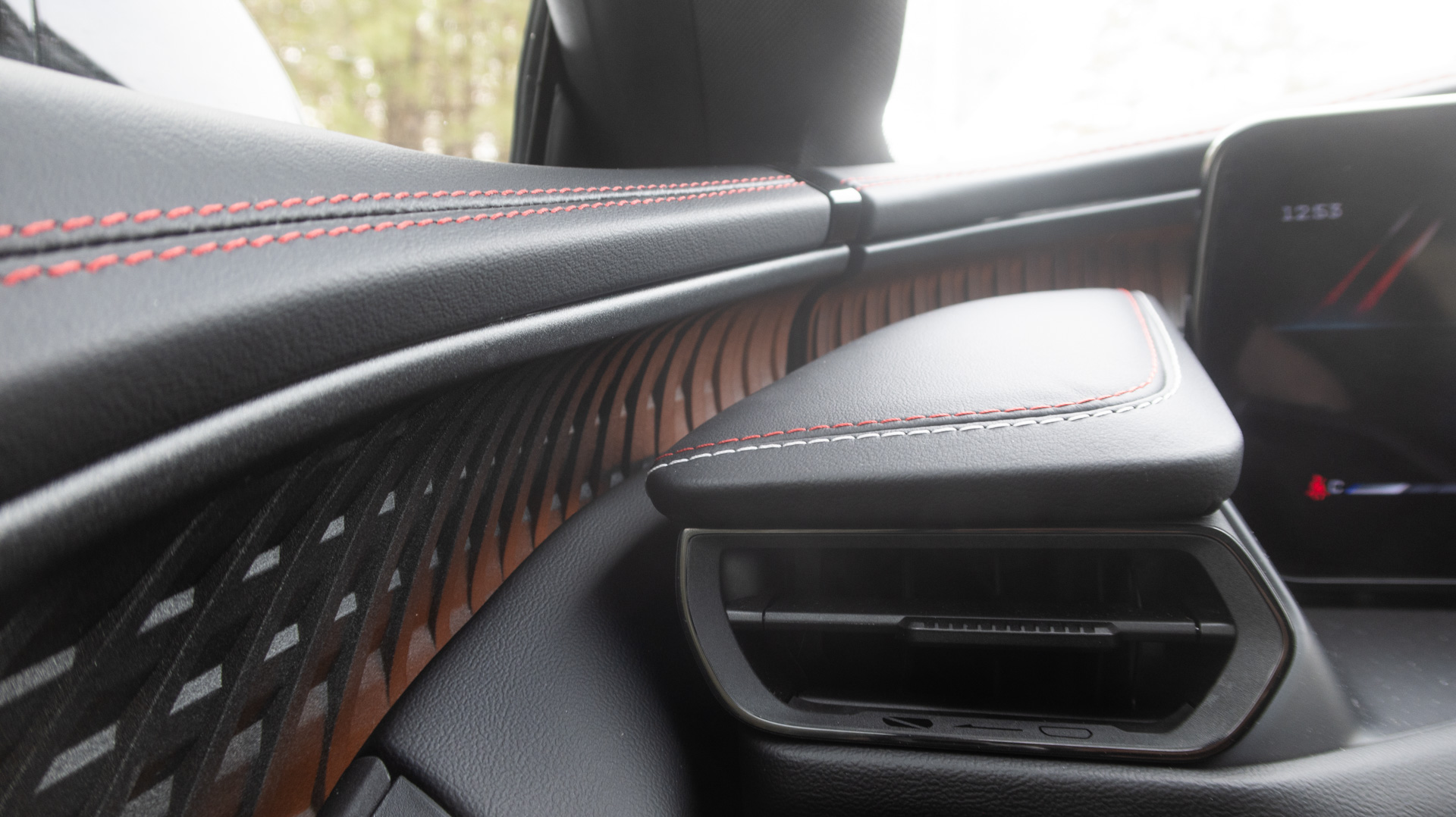
This funky grid-pattern element that sweeps up from the doors and across the dash adds some good depth to the cockpit. Andrew P. Collins
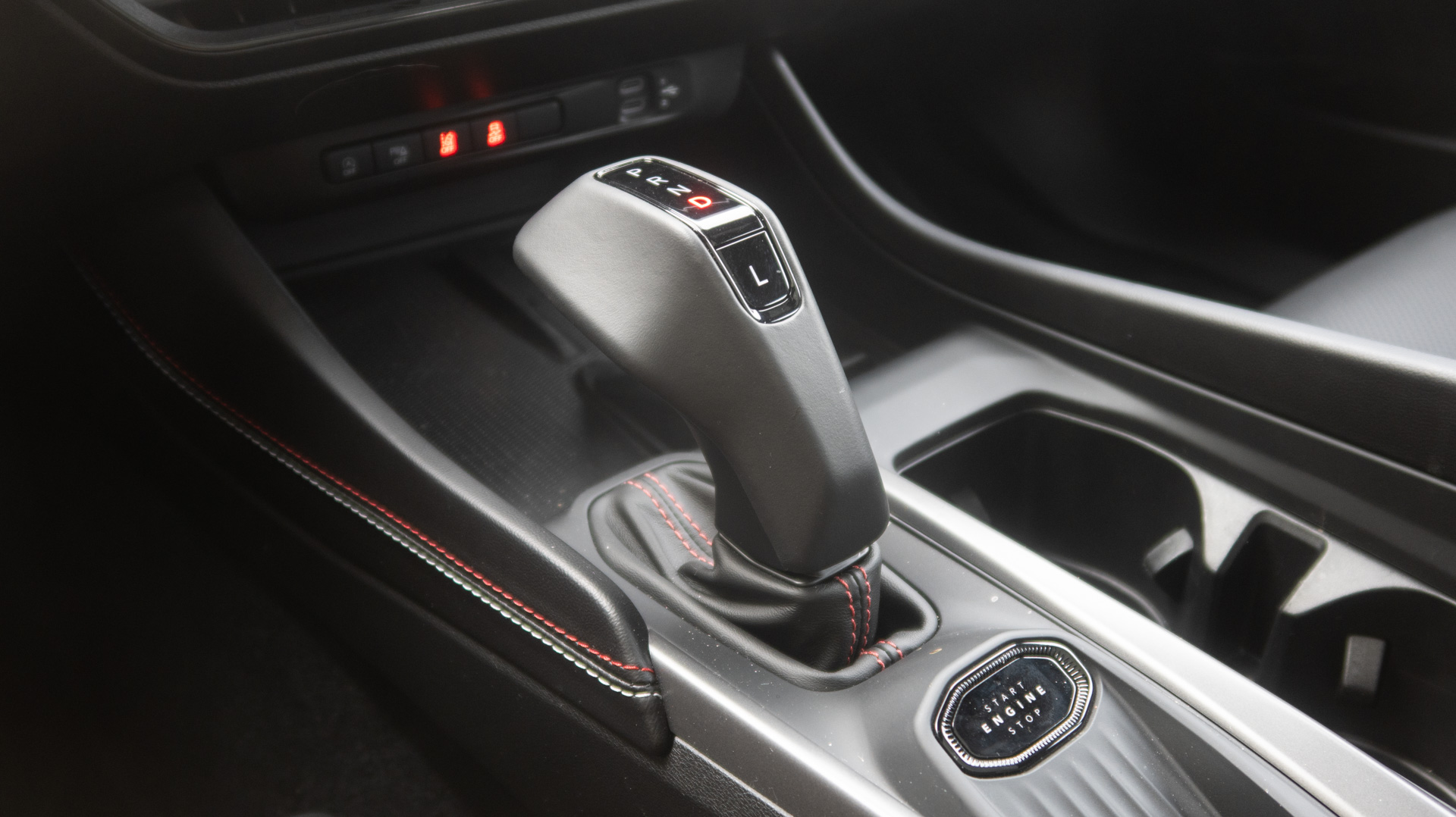
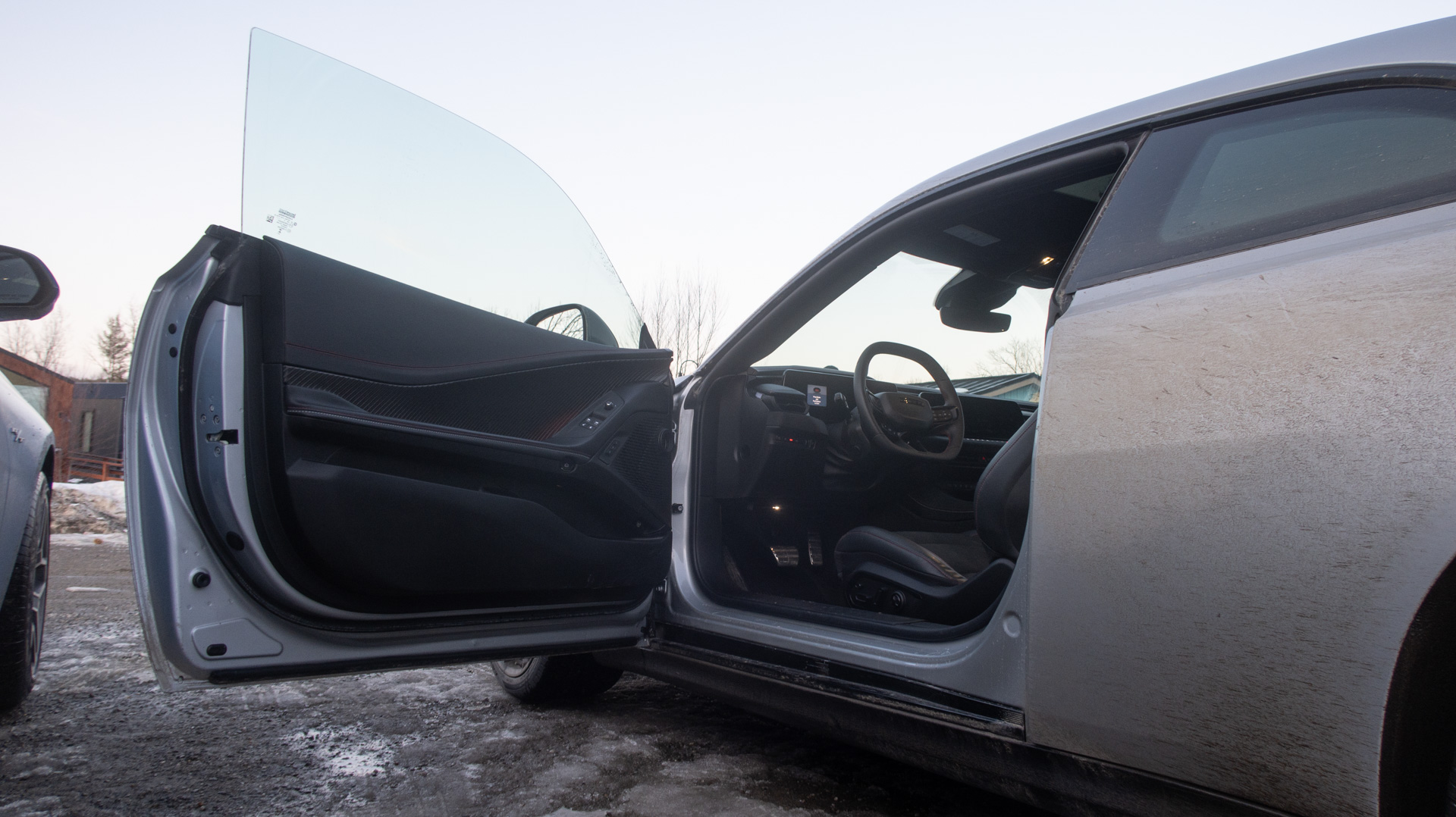
Touchpoints are a mixed bag. The steering wheel feels great, and I actually enjoy its slightly unusual flat-tire shape (in both design and usage). The soft wrapping on the door cards seems like it isn’t quite taut enough. The pistol-grip shifter is ergonomically excellent but just slightly, and disappointingly, flimsy.
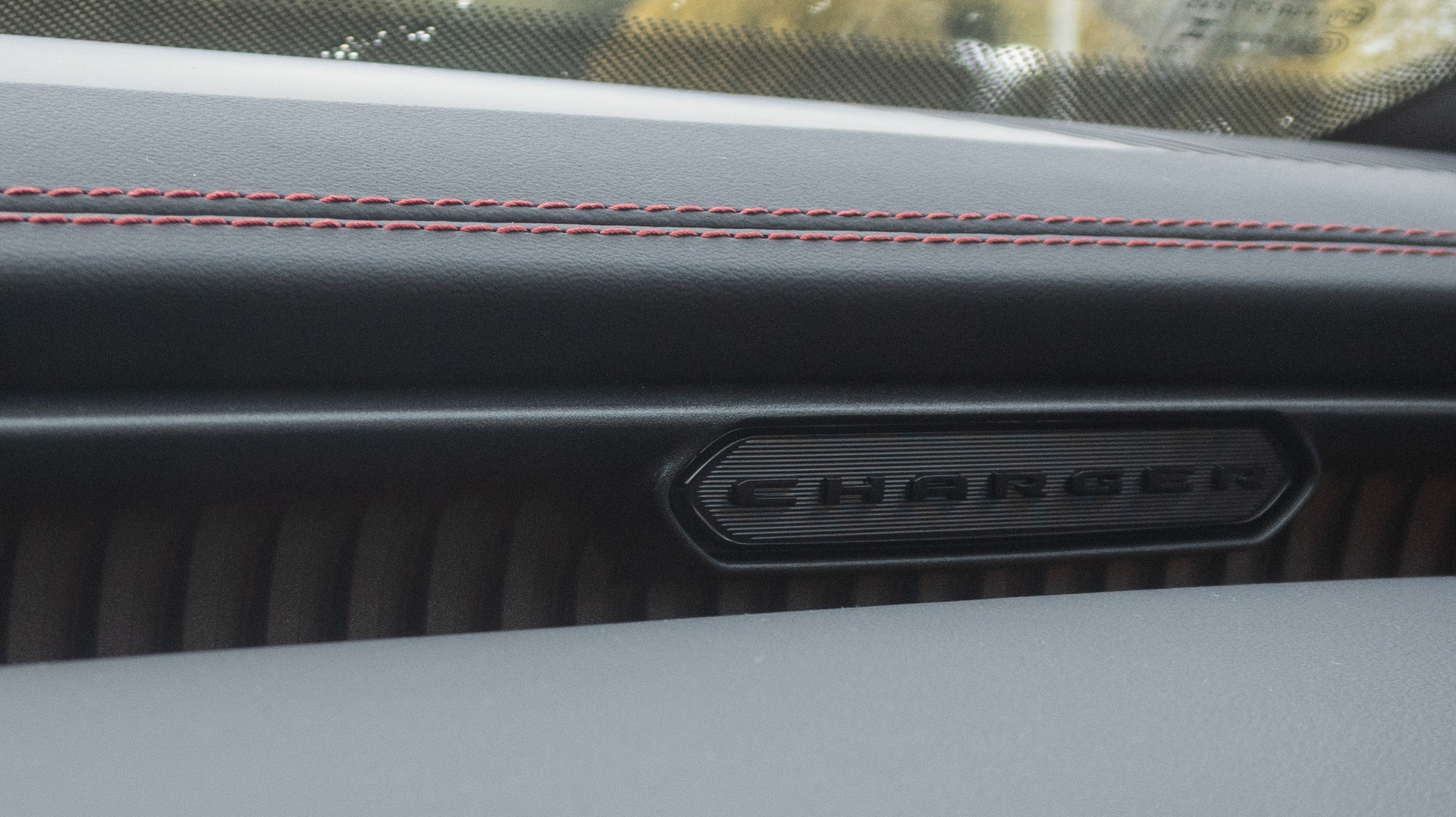
The dashboard design is very pleasing—complex and interesting without being distracting, and it visually connects with the doors really well, whether you spec the carbon-fiber interior package or not.
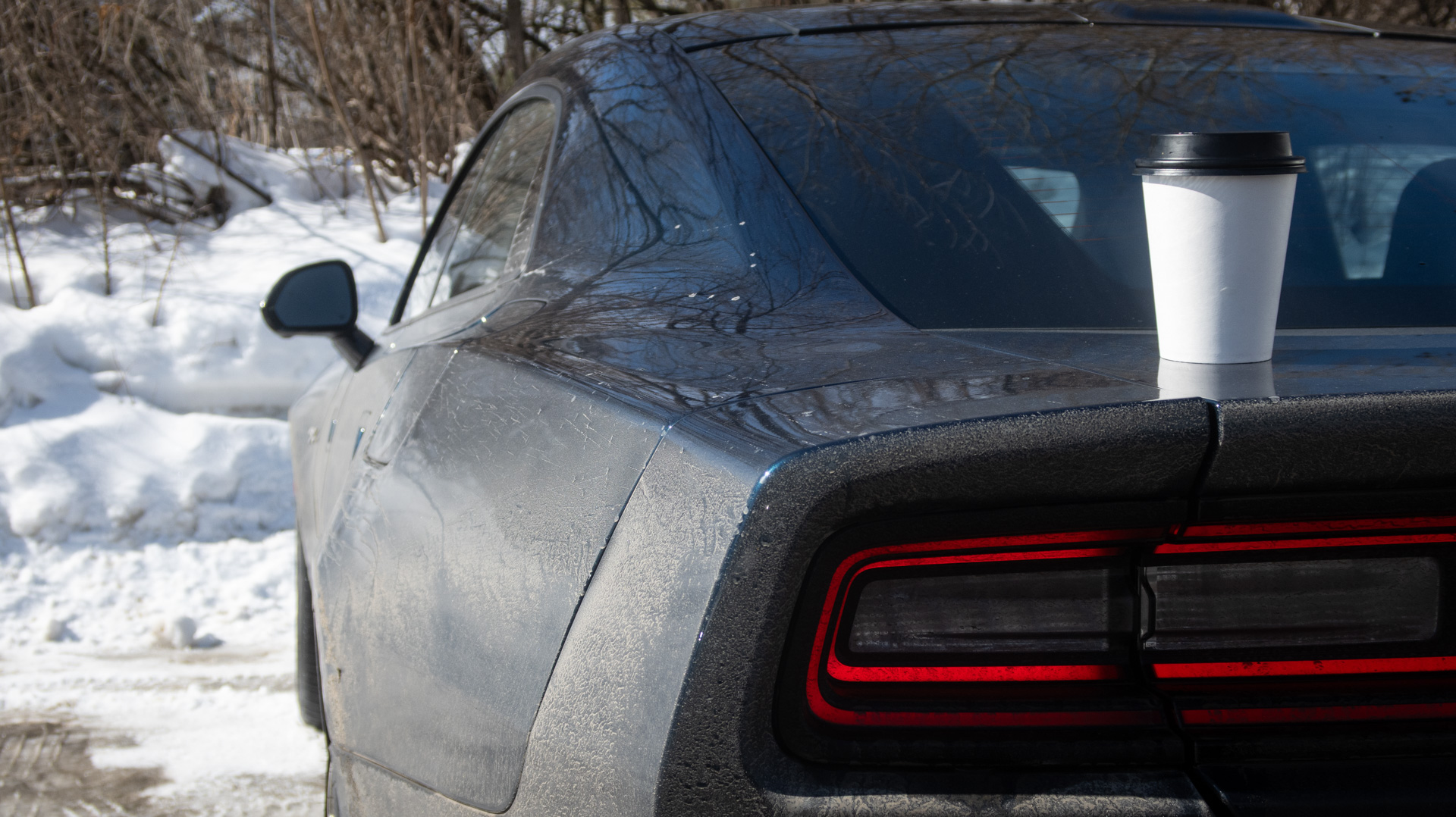
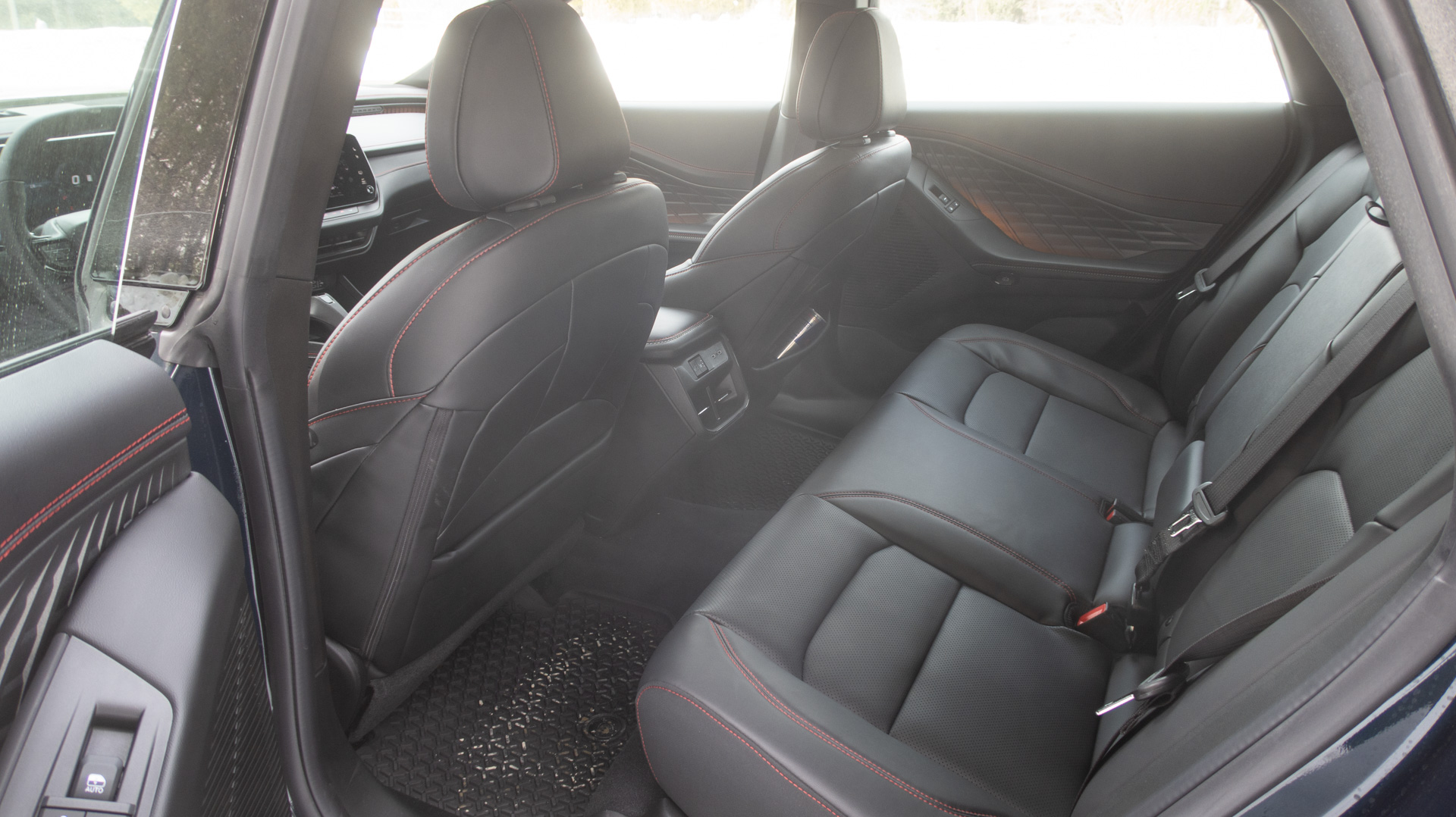
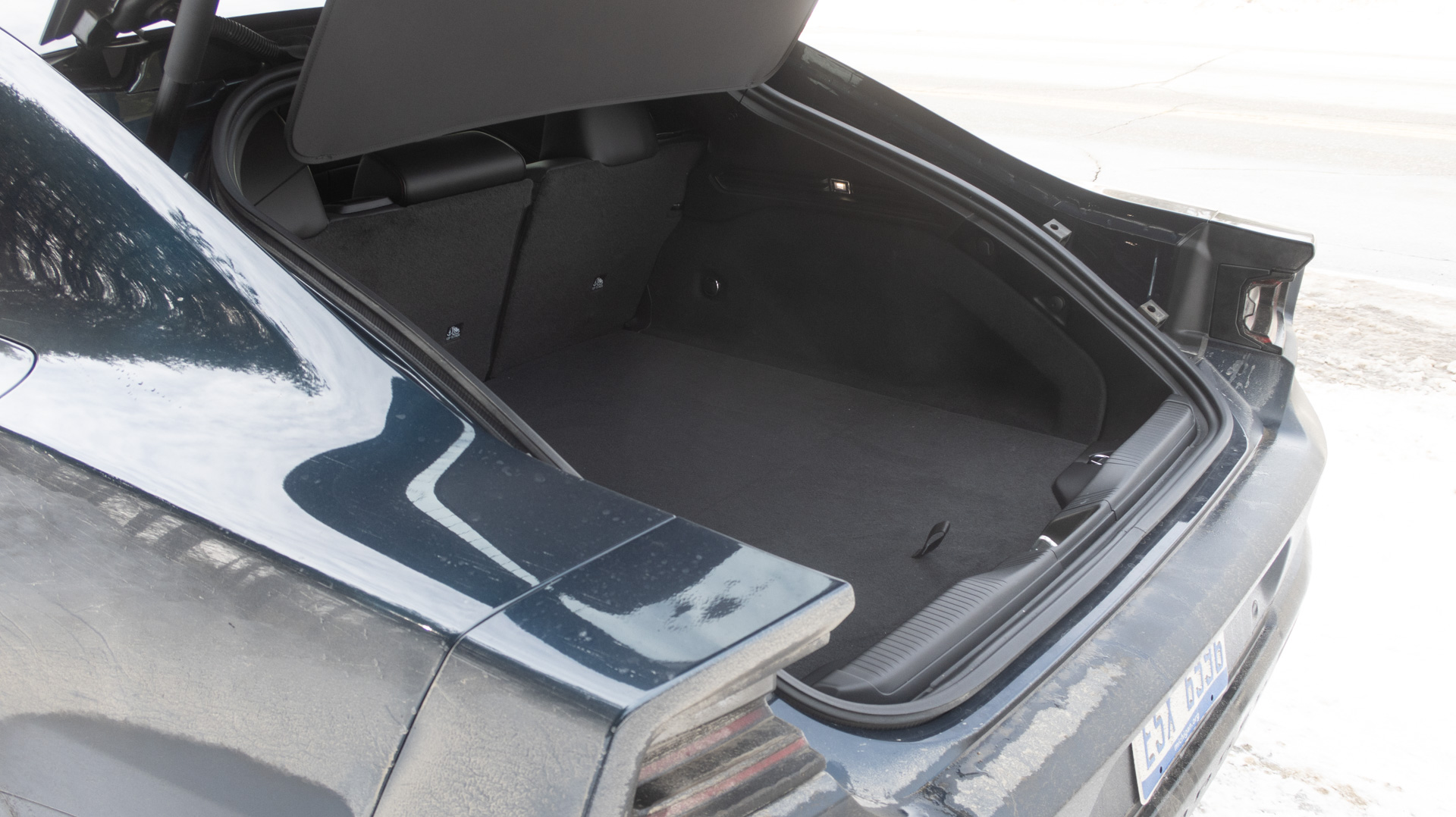
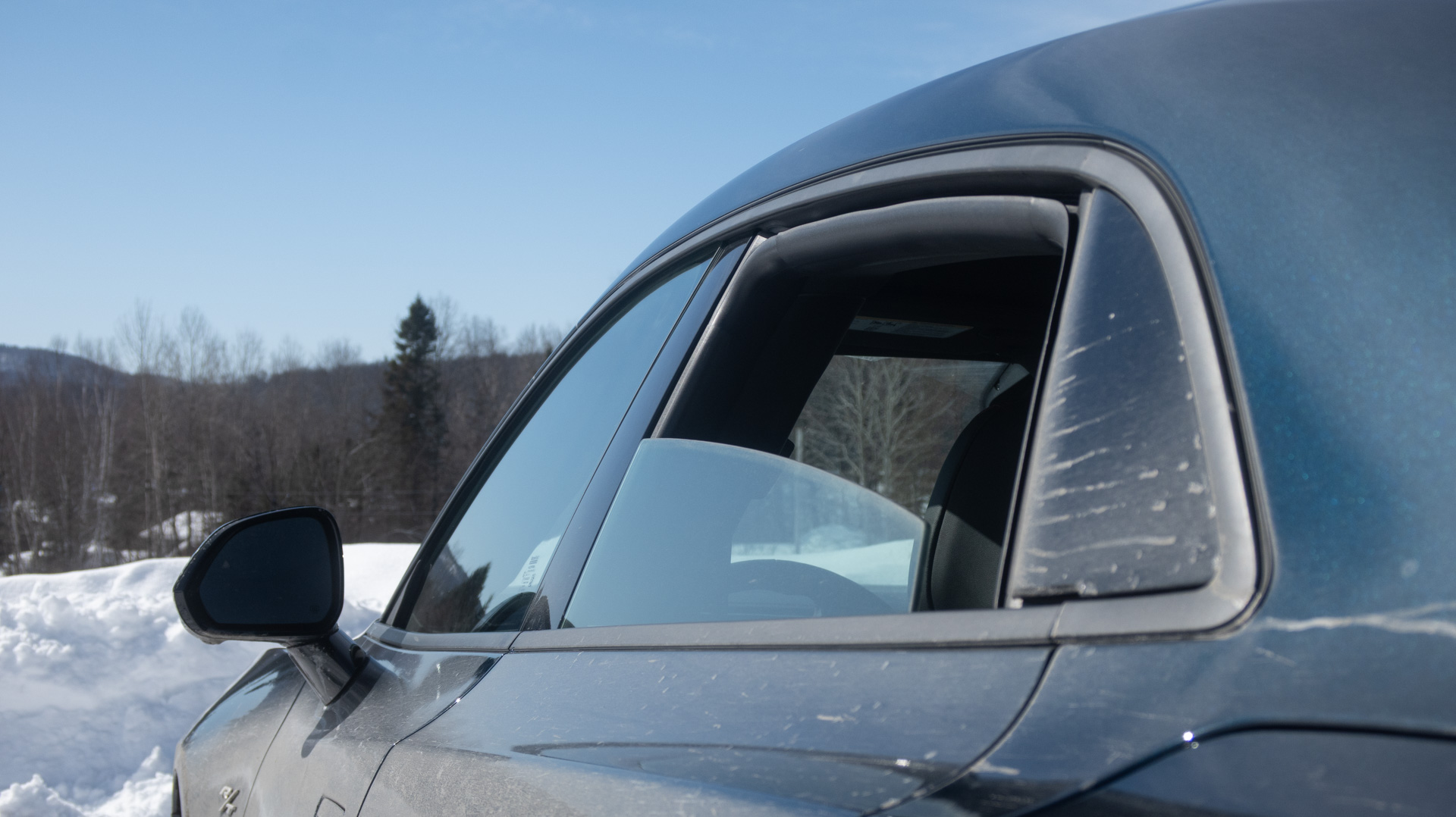
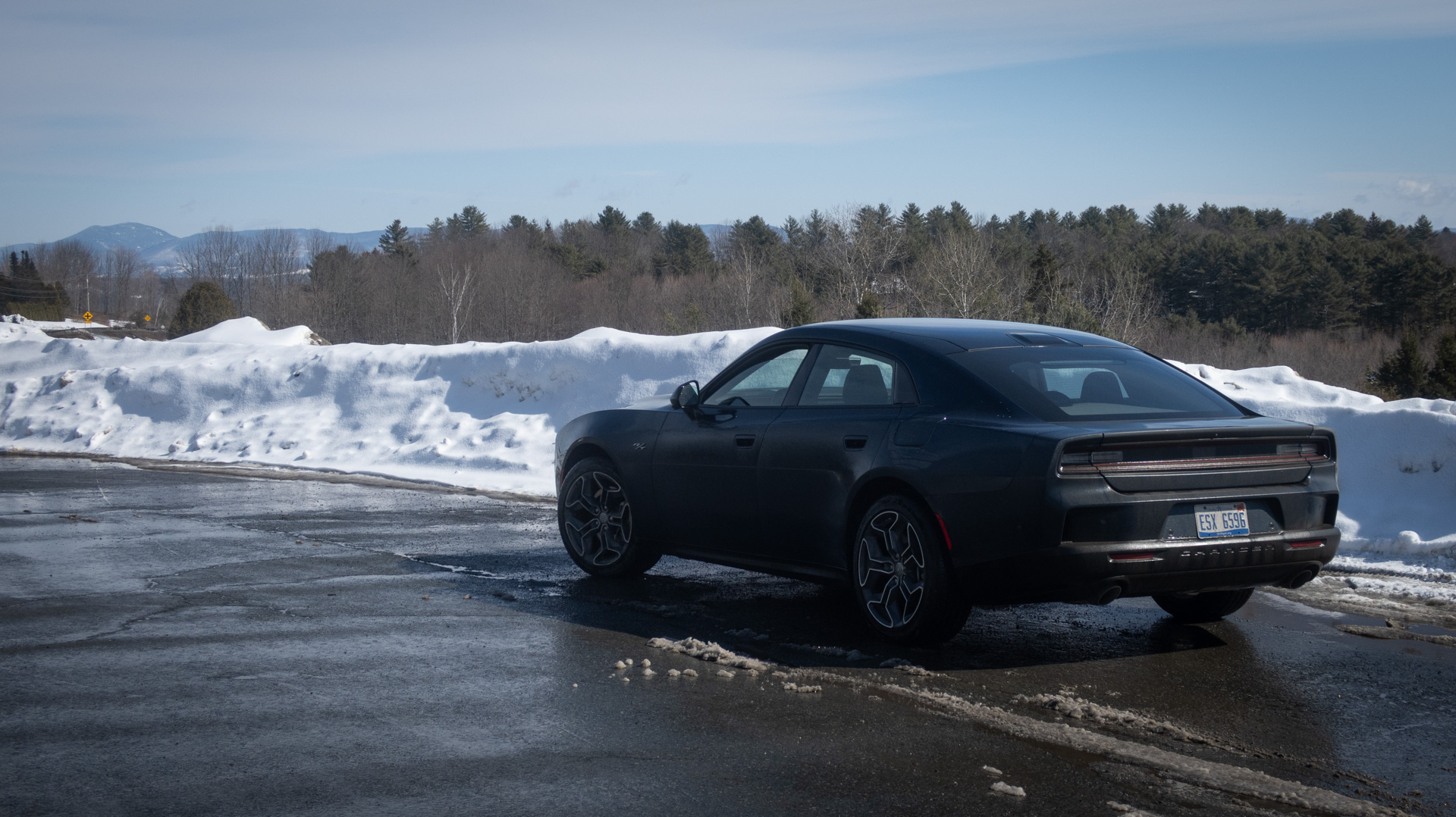
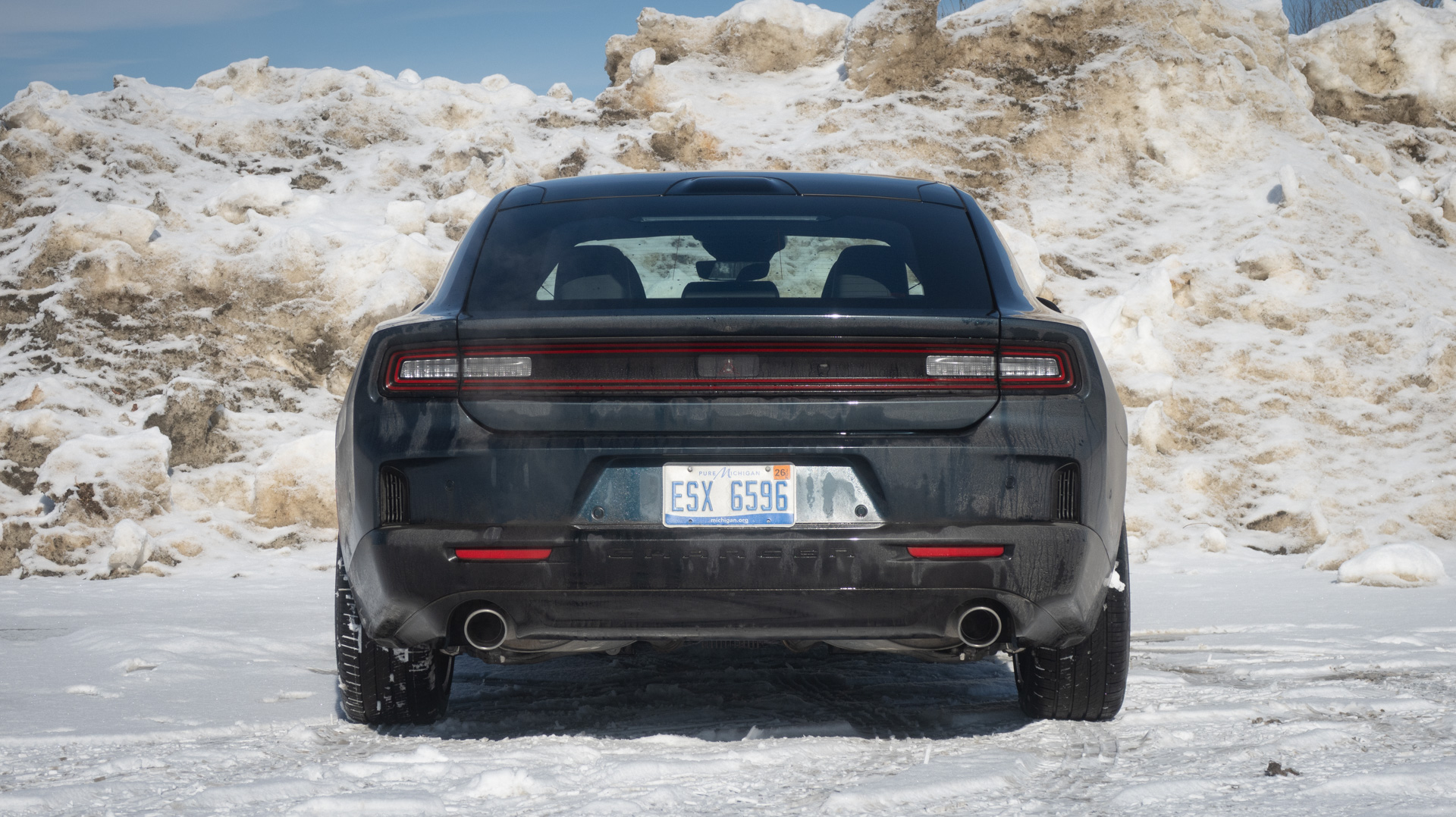
Rear seats are not super comfy, and the rear windows only roll down about halfway. But the entire rear glass opens up with the trunk, adding a lot of practicality. Andrew P. Collins
The front seats of my mid-level spec (R/T Plus with Preferred Package 21A pictured here) were quite comfortable, but the back is a lot less so. While Dodge says it added four inches of rear legroom versus the outgoing car, it also had to raise the floor to accommodate the Daytona model’s battery, which this non-EV variant doesn’t even have. As a result, I had to cram myself into the back seat like I was about to make a cannonball splash into the pool, with my knees just a little too high and my head too low. I’m six feet tall exactly, and my skull was hitting the roofline.
Andrew P. Collins
Both the coupe and sedan share virtually the same cabin and cargo dimensions. The cargo hold is long and cavernous with a generous 40-inch-wide opening. It’s plenty big for personal luggage or even light lumber runs, but it could be even deeper if the dang body hadn’t been designed around a giant EV battery that this model lacks.
The infotainment and digital interface are both quite excellent. Dodge has always made some of my favorite UXs, and the operating system here is both feature-rich and idiot-proof. Menus and controls are self-evident, offering a huge wealth of information at your fingertips. Screens are large but low enough to be relatively inoffensive and flow pretty well with the cabin design.
Driving Impressions
I’m totally onboard with the Sixpack engine now. This non-Scat Pack version has plenty of thrust and feels fast—short of terrifying, but engaging. Initial throttle response is quite good for a turbo engine this size. In fact, in certain situations, it even feels snappier than the 550-hp Scat Pack, which has bigger turbos that take another beat to spool up. I enjoyed the sound too, windows up or down. Unfortunately, it did not come through on my iPhone’s mic at all, so we’ll have to revisit that.
Andrew P. Collins
The eight-speed automatic transmission (880RE) is fine when left to its own devices, but the paddle-shifter setup leaves a lot to be desired. Instead of big, decisive paddles to grab gears with, the Charger has dumb little buttons with short clicks like an off-brand PlayStation controller. There’s no plus/minus upshift/downshift gate in the console shifter either, which feels like an oversight, especially since Dodge went with a grip-style gear selector.
There are a few drive modes, all of which create vastly different driving experiences. A Wet/Snow mode mutes throttle response markedly; Auto provides good daily drivability; and Sport adds some steering resistance and gas-pedal punch. From Sport, you can also put the car in rear-wheel-drive mode for sliding around, or even just to change the steering feel.
Speaking of which, steering connection from a true driver’s perspective is not one of the car’s strongest suits. While sport steering makes the wheel seem a little heavier, it does nothing to create a real sensation of connection from fingertips to tires. Not a dealbreaker on this particular car, in my humble opinion, especially since that sort of numbness pays dividends in an arguably more important area: ride quality.
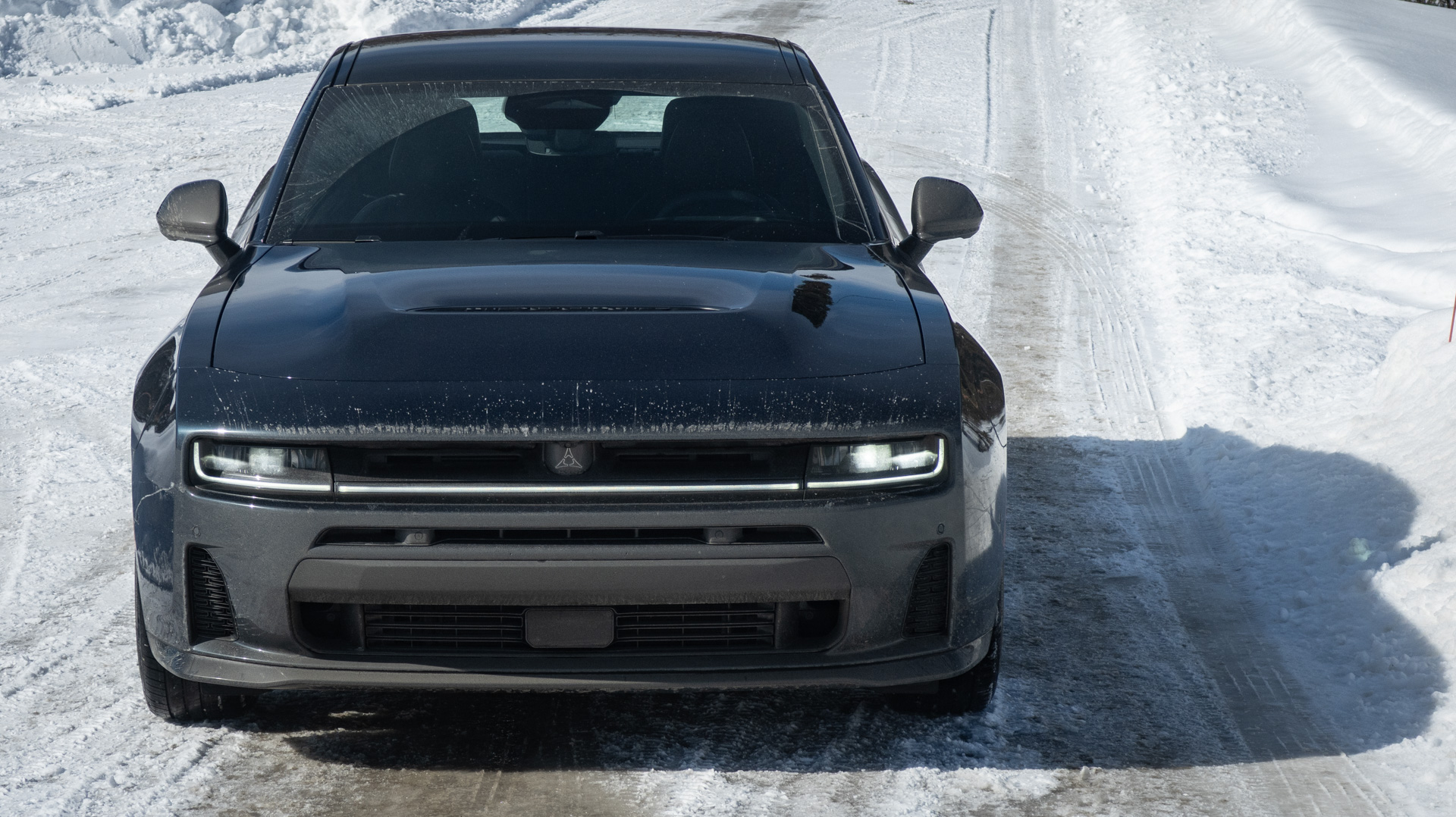
The front of this thing looks awesome. Andrew P. Collins
Boy howdy, is this thing comfortable. I was chucking the tires into potholes and carelessly cruising over barely plowed frost heaves in Vermont and New Hampshire, and the car didn’t feel punishing at all.
For daily driving, the Charger R/T offers a nice and easy experience with some excitement when you want it. Performance driving is fun, too, as long as you respect its limitations. The car feels big, heavy, and soft (R/T is 4,741 pounds)—it could be frustrating to try to slice around a tight road course in one of these. But after some skidpad and cone-course testing with a Scat Pack on snow tires at Team O’Neil Rally School, we learned this platform is pretty easy to kick the tail out and reel it back in at manageable speeds. In Sport mode with traction aids off but all-wheel drive still active, you can pretty much ride an indefinite donut, just steering with the throttle. And isn’t that kind of what a Dodge Charger is for?
Andrew P. Collins
After all, it’s certainly not for getting good fuel economy, though I had hoped for better numbers than what the trip computer showed me during my test drive. The R/T is supposed to get 20 miles per gallon in combined driving, which seems pretty weak but acceptable at this power level, I suppose. I was looking at 18 mpg in combined driving, and while I wasn’t being gentle, I spent a lot of time at commuter speeds.
R/T Versus Scat Pack
The Charger R/T claims 420 hp and 468 lb-ft of torque (the old 5.7 Hemi V8 had 370 hp and 395 lb-ft). The Scat Pack runs the same block but gets forged internals, bigger turbos, some other cooling and supporting bits, and, of course, a different fuel map to hit 550 hp and 531 lb-ft of torque.
You can spot a Scat Pack car by the flying bee on its fender.
The Scat Pack variant feels faster without a doubt, but I’m not sure it’s actually better to drive. It’s fun to ride a big wave of boost up an on-ramp, but the R/T seemed more than happy to do the same kind of quick-hit braaaps you can get away with on public roads. And I liked the lower-powered car’s exhaust note much more. The Scat Pack droned on me at about 50 and 70 mph—two pretty common cruising speeds—and that alone would keep me in the R/T.
Still, Charger people are all about big power, and if you really want to mod, you’re going to want to start with the more robust Scat Pack. I bet we’re going to see people putting down crazy horsepower numbers in this thing once the aftermarket gets its hands on it.
Options and Value
There are essentially four models, all of which you can have as a two- or four-door: R/T, R/T Plus, Scat Pack, and Scat Pack Plus. My R/T Plus test rig started at $51,995 before fees and options, and was loaded up to $62,980, including a $1,995 destination charge. Now, I know it’s 2026, and everything’s expensive, but man. You really gotta love the Dodge Charger vibe to walk past a BMW M340i, which has less power yet does 0-60 half a second faster, at this price point.
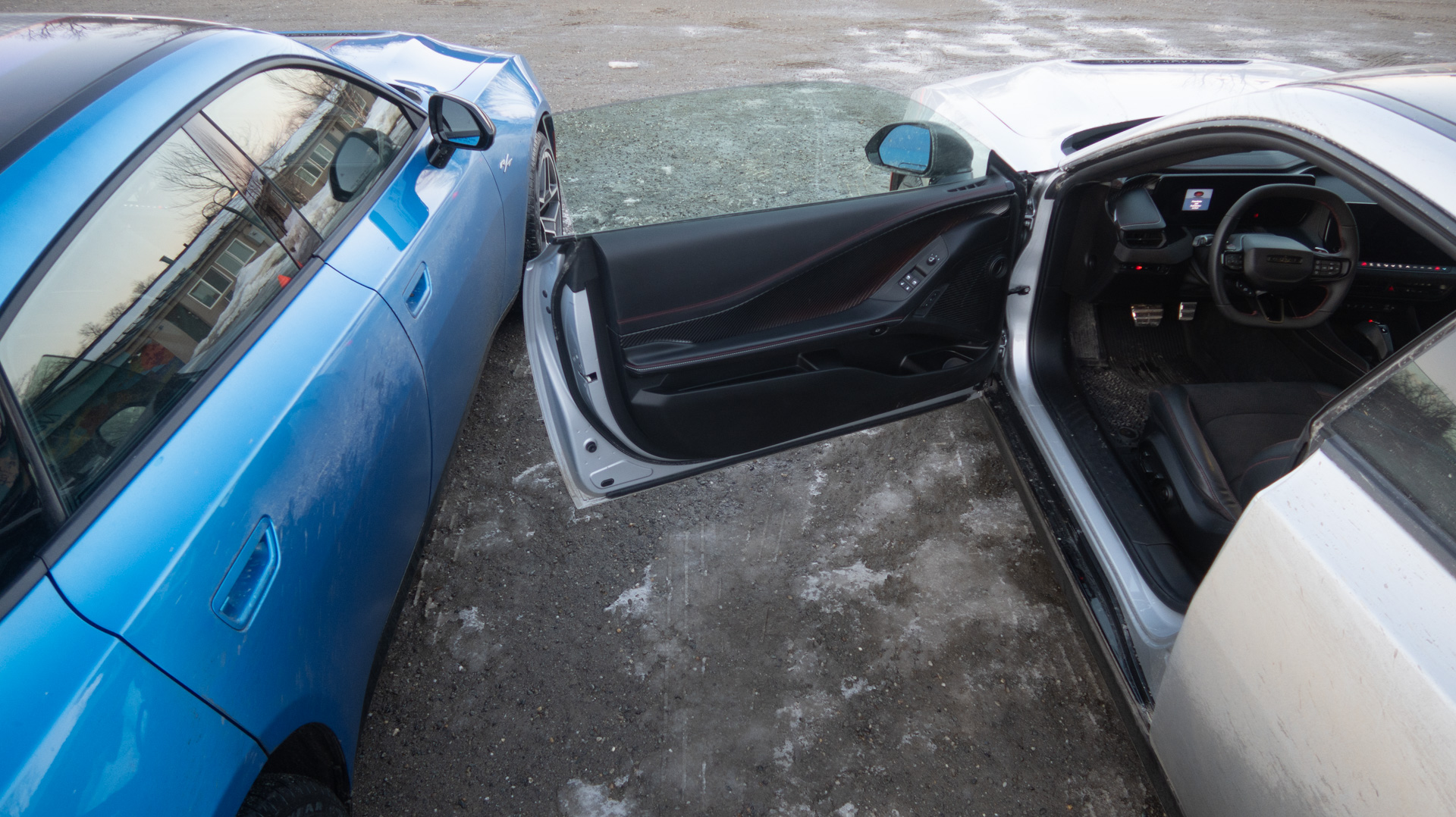
The coupe’s doors are about 53 inches long. Andrew P. Collins
My test car had two options I would normally get excited about: an all-glass roof for $1,395 and an Alpine stereo for $1,795. Still, I might suggest skipping both. The sound system was fine—not bad, not stand-out. The roof looks super cool, but makes things quite … warm. It’s tinted, but there’s no way to fully conceal it, and it sure does let some sun in. We were driving these things in March in Vermont, and I had the air conditioning on to keep cabin temps down.
The Performance Handling Group ($2,995) has a big raft of convenience features and is worth getting for the Brembo brakes and Performance Pages—an extra screen display mode with hyper-specific engine gauges—alone.
Early Verdict
I liked the Charger R/T a lot more than I expected to. It’s not viscerally engaging the way a lightweight sports car is, but it feels fast and fun, and the interior definitely leaves an impression. I could see crossing the country in one of these and loving every minute of it.
Andrew P. Collins
Dodge managed to make a unique and characterful vehicle that feels like a Charger while also being quite different from previous generations. It’s got enough going on that it feels special, and while I think there are objectively better performance sedans at this price point, the Charger makes a reasonable case for itself with personality. If you really dig the design and likely imminent aftermarket support, I could see it making sense.
Everybody who worked on it should be proud of what they were able to accomplish under ridiculous conditions, building a gas-powered, somewhat emissions-conscious muscle car in two body styles, using one chassis meant for a battery EV. Even ChatGPT would’ve sighed at such a prompt. Yet, the result is pretty fun to ride and drive, and it looks downright cool from key angles.
It will be interesting to see how the eighth-gen Charger, both the gas and EV variants, evolve and are modified over time. I’m sure we’ll see at least one lower-level Charger (like the old SXT) in the mix in the near future. Now that Dodge has proved it can make a two- and four-door out of this body, maybe it’ll try a Magnum wagon or Rampage ute!
2026 Dodge Charger R/T Plus Four-Door
Base Price (As Tested)
$51,995 ($62,870)
Powertrain
3.0-liter TT I6 | 8-Speed Auto | AWD
Horsepower
420 bhp @ 5,200 rpm
Torque
468 lb-ft @ 2,500 rpm
Curb Weight
4,741 lbs.
Cargo Volume
22.8 cu. ft. (seats up) | 38 cu. ft. (seats down)
0-60
4.6 seconds
Quarter Mile
12.9 seconds @ 107 mph
Top Speed (Computer Governed)
127 mph
Score
7/10
Quick Take
Fun, characterful, a little wacky and unrefined—essentially, true to Charger tradition with some neat computer-controlled party tricks.
2026 Dodge Charger Photo Gallery
I like to use my own photos to provide realistic visuals in reviews, but Dodge’s own media team got some real bangers of this car on location in Vermont and New Hampshire, where we ran this testing. Swipe through for the best ones (mix of R/T and Scat Pack cars).
Dodge provided a hotel room, access to vehicles, access to executives, and access to a closed rally course in addition to road routes for this review.
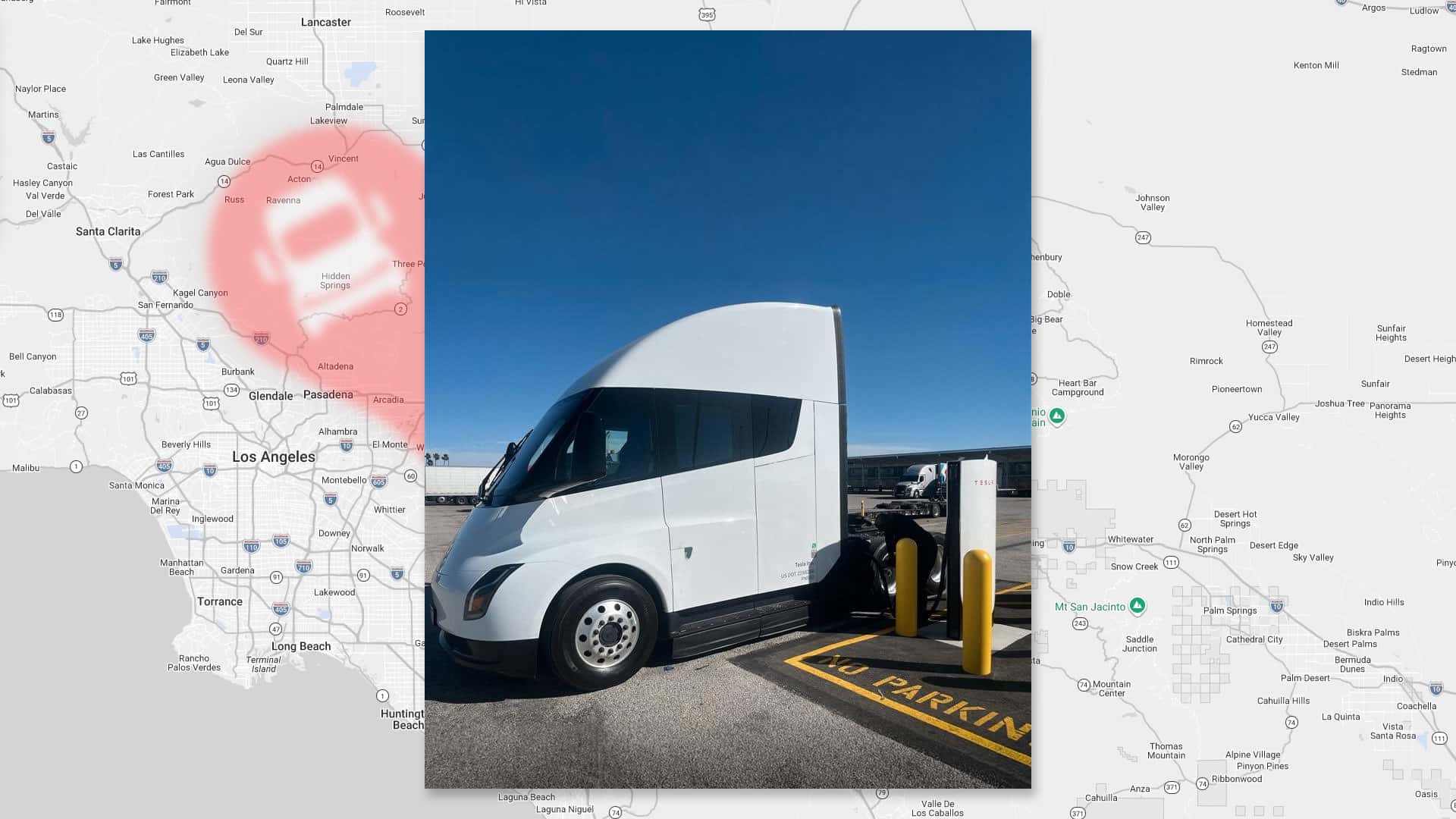
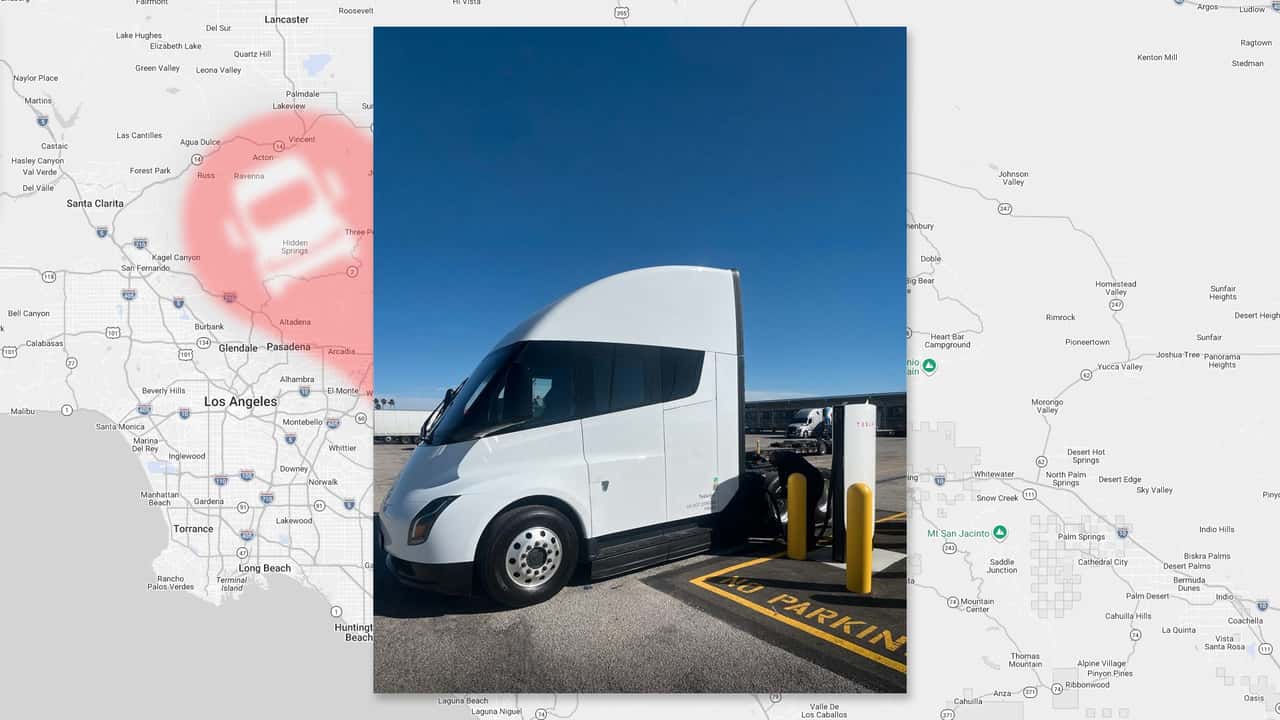
Tesla opened its third-ever Megacharger for recharging Semi trucks.
The Los Angeles-based station is the first Megacharger station that isn’t on site at a Tesla factory.
These chargers have the ability to charge Tesla’s EVs up to a whopping 750 kW.
Tesla has long been the king of the DC fas charging infrastructure in the U.S. One could even argue that its Supercharging network was one of the key factors in Tesla becoming the top-selling EV brand on its home turf, since it made plug-and-go charging so incredibly easy. Now it’s cranking things up with its budding Megacharger network.
The newest toy in Tesla’s charging arsenal is specifically geared to the Tesla Semi, a commercial truck with a massive battery. When making its long-distance trips, the Semi needs a ton of power delivered quickly in order to make commercial hauling achievable with a battery-electric vehicle. That’s where the Megacharger comes into play.
Tesla announced over the weekend that it had opened a new Megacharger at a Travel center in Ontario, California. It said that the station is accessible to the few customers who actually have taken delivery of a Semi. This is the first of at least 64 planned public Megachargers across the U.S.
Tesla lists two other Megachargers as already up and running. However, one of those locations is the Tesla Megapack facility in Lathrop, California, and the other is Tesla’s Gigafactory in Sparks, Nevada. There’s also a private Megacharger at Pepsico, one of Tesla’s earliest Semi customers. This would make the Southern California location possibly its first public Megacharger.
It’s also the slowest Megacharger of the bunch. The new Ontario location offers 750 kilowatts of power compared to the two other locations (which provide up to 1.2 megawatts). For context, Tesla’s newest Superchargers push up to 350-kW while its older stalls offer just 150-kW.
The Semi can travel up to 500 miles on a single charge. That might seem like a lot, especially when you consider that the 1.2-megawatt chargers can top off its Long Range battery to 60% in just 30 minutes. However, its massive battery means charging to 60% is enough juice to charge six Standard Range Model 3s—fast charging at these massive megawatt-speeds is necessary if Tesla wants to make even short-haul trucking successful with an electric powertrain.
Last week Tesla shared an updated of the factory posted by a user on X, noting that its Semi factory was “nearing completion.” That means Semis could be just months away from hitting the road in larger numbers. Tesla unveiled the Semi nearly a decade ago in 2017, but never graduated past the pilot stage of production.
Just as Tesla’s consumer cars got a jump start from ease of charging access, the automaker’s commercial offerings will need the same. Tesla knows that if it wants the Semi to be widely adopted, charging needs to be uncomplicated and readily accessible. Deploying as many Megachargers as possible in carefully-planned areas will be key as it readies to launch volume production.
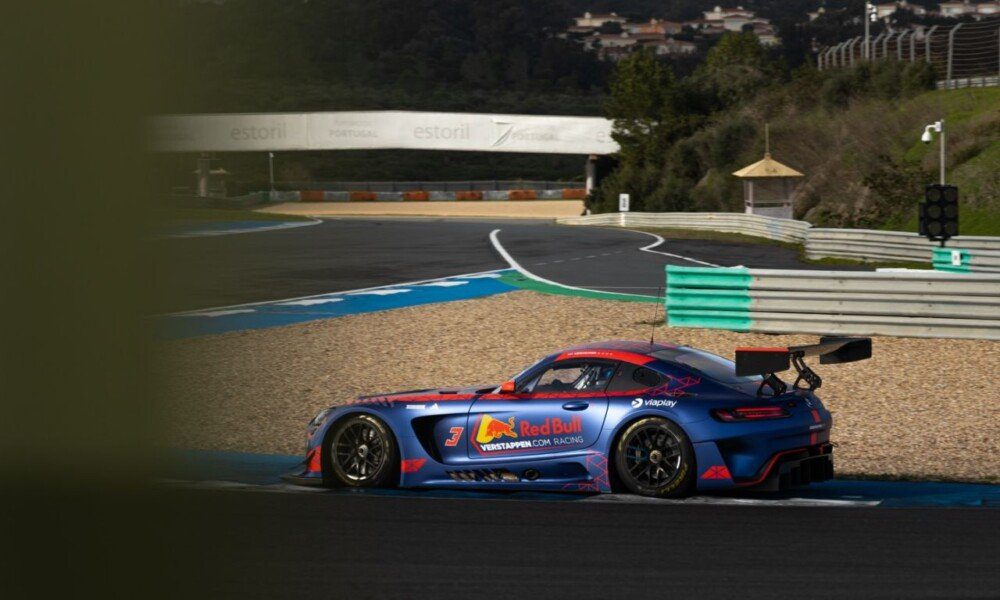
Four-time Formula 1 World Champion Max Verstappen has confirmed that he will be entering the Nurburging 24 Hours race this year in a Mercedes-AMG GT3.
“The Nurburgring is a special place. There’s no other track like it. The Nurburgring 24hr is a race that’s been on my bucket list for a long time, so I’m really thrilled we can make it happen now. Last year, I was able to get my DMSB Permit Nordschleife and participate in NLS9, that we won. We’ve got a strong line-up with Dani (Juncadella), Jules (Gounon), and Lucas (Auer), and great support from Red Bull and Mercedes-AMG Motorsport,” Verstappen said.
Last year, Max tested the Ferrari 296 GT3 at the ‘Ring under the pseudonym ‘Franz Hermann’ and later went on to win the NLS race.
After the Formula 1 season ended in December, Max was spotted testing a Mercedes-AMG GT3 at Estoril. At the time, it was unclear if he would be able to compete in the Nurburgring 24 Hours race.
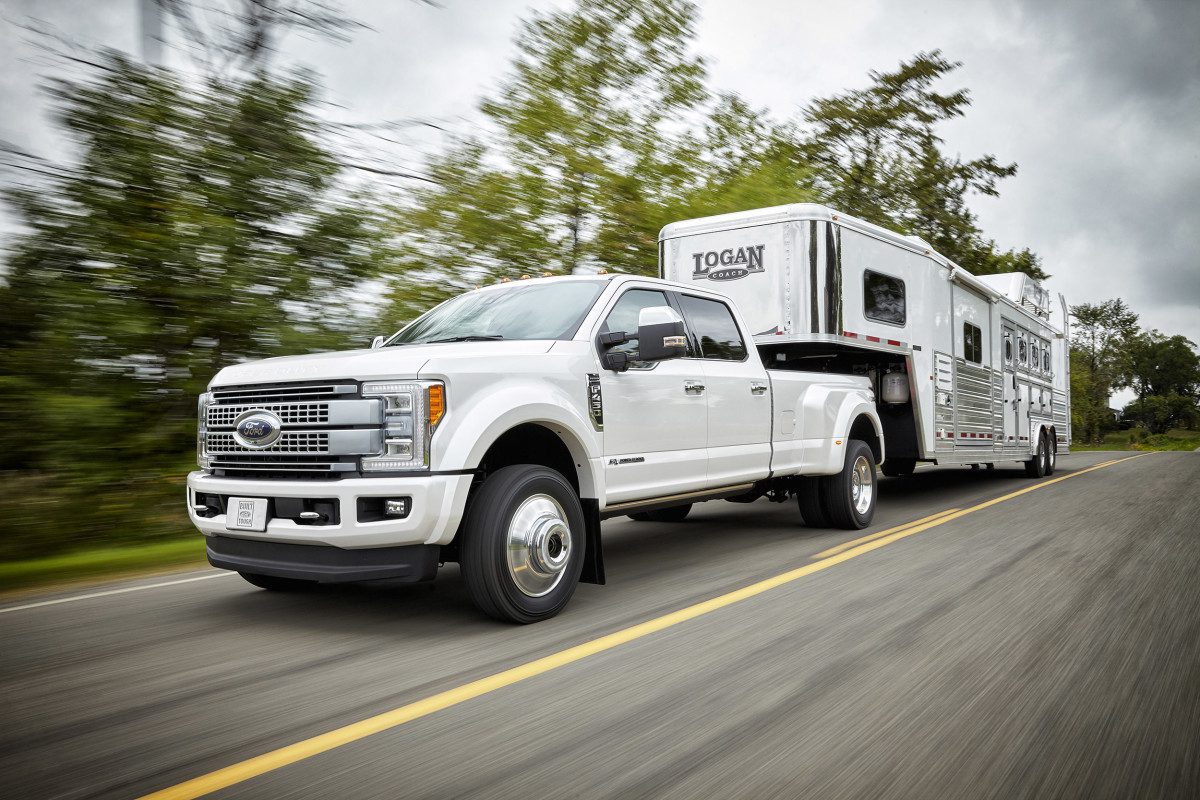
A lawsuit against Ford, relating to allegations of widespread ‘death wobble’ incidents on the 2005-2007 F-250 and 2017-2019 F-350 Super Duty trucks, is going back to a district court after it went to the U.S. Court of Appeals for the Ninth Circuit, and it seems that plaintiffs may be on the back foot. The seven-year-old lawsuit has changed several times over the years since it began, with the current iteration including only the abovementioned vehicles purchased from dealerships in the states of Arizona, California, Colorado, Illinois, Maine, New Mexico, South Carolina, and Texas, and excluding trucks used for business.
The class action was filed by 13 customers who complained that they lost control of their trucks because of defective steering damping systems on the vehicles, but while judgment is yet to be made, it’s looking increasingly likely that the plaintiffs will be unsuccessful.
What Is ‘Death Wobble,’ and How Is Ford Implicated?
Ford Motor Company
A problem commonly associated with certain model years of Jeep Wrangler, the so-called death wobble is what happens when severe shaking of the suspension and steering wheel causes instability, caused by loose or abnormally worn track bar bushings or issues with ball joints, steering dampers, control arms, shock absorbers, and/or struts. The plaintiffs in the lawsuit against Ford claim that this steering “shimmy” (a phenomenon that stops when the vehicle slows down) is one that Ford was aware of before selling the trucks. This is a claim that all lawsuits against automakers make, presuming that the sort of bad judgment made when Ford introduced the ill-fated Pinto is still rampant across the industry today. While judges often tend to agree with that argument, the appeals court did not, with the Ninth Circuit finding that the lower court judge should not have allowed simple general evidence to support claims of pre-sale knowledge of the alleged suspension defects.
Lawsuit Against Ford Could Fall Apart
Kevin Carter/Getty Images
Indeed, the lawsuit appears to be on shaky ground. Initially, it attempted to include a customer from South Carolina as a class representative for Maine. The Ninth Circuit also told the plaintiffs to provide proof of common evidence of the alleged defects, but Ford said that all evidence showed the steering problem “manifested at different rates from year to year across all the platforms encompassed” in the suit. The Ninth Circuit agreed, reversing the certification order and remanding for the court to evaluate whether the variable evidence “is fatal to certification of the putative classes.” So what now?
Related: Ford Recalls Over 1.7 Million Crossovers and SUVs Across 26 Products
The lawsuit will go back to the district court for the judge to reconsider the case (filed in the U.S. District Court for the Southern District of California), and given that the appeals court has sided with Ford on several issues, the plaintiffs may be forced to drop the suit or come to a settlement. Again, we must let the courts do their work, but as CarComplaints.com notes, truck owners who provided details of alleged issues after taking delivery of their trucks “do not adequately allege [that] Ford knew of possible problems before the trucks were first sold.” With that and the other challenges plaintiffs have faced, this may not be a battle worth fighting any longer.
While exploring Kelley Blue Book’s centennial celebration, I became interested in the most significant automotive innovations of the last 100 years. I was able to dilute this significant period into decade-sized bites to get to the bottom of what innovations really changed the automotive industry each decade.
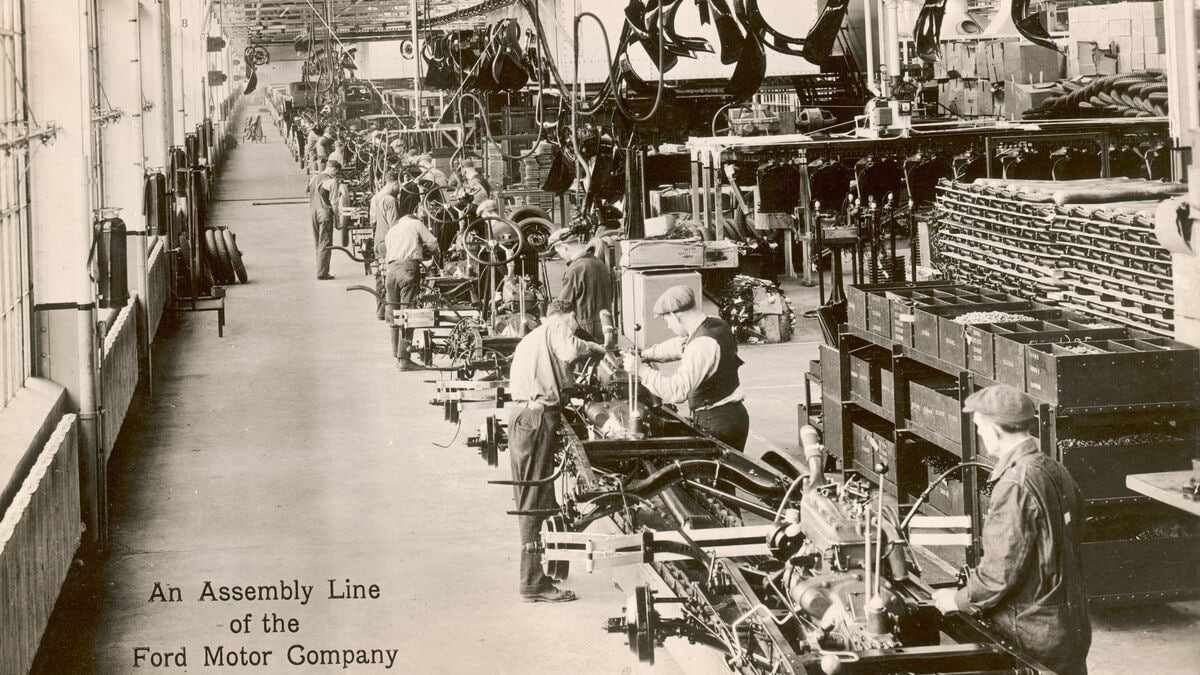
The 1920s introduced ordinary Americans to the automotive industry, thanks to Henry Ford’s refinement and implementation of the assembly line. Millions of new buyers gained access to previously too-expensive vehicles thanks to automation, bringing their costs down to between $260 and $850, according to the Henry Ford Museum. This price translates to between $4,500 and $15,000 in 2026 buying power, according to most inflation calculators.
It was also during this time that Los Angeles used-car dealer Les Kelley circulated lists of vehicles he wanted to buy and the prices he was willing to pay. Interest grew, and Kelley’s lists evolved into the first version of Kelley Blue Book in 1926.
Read about Kelley Blue Book’s history
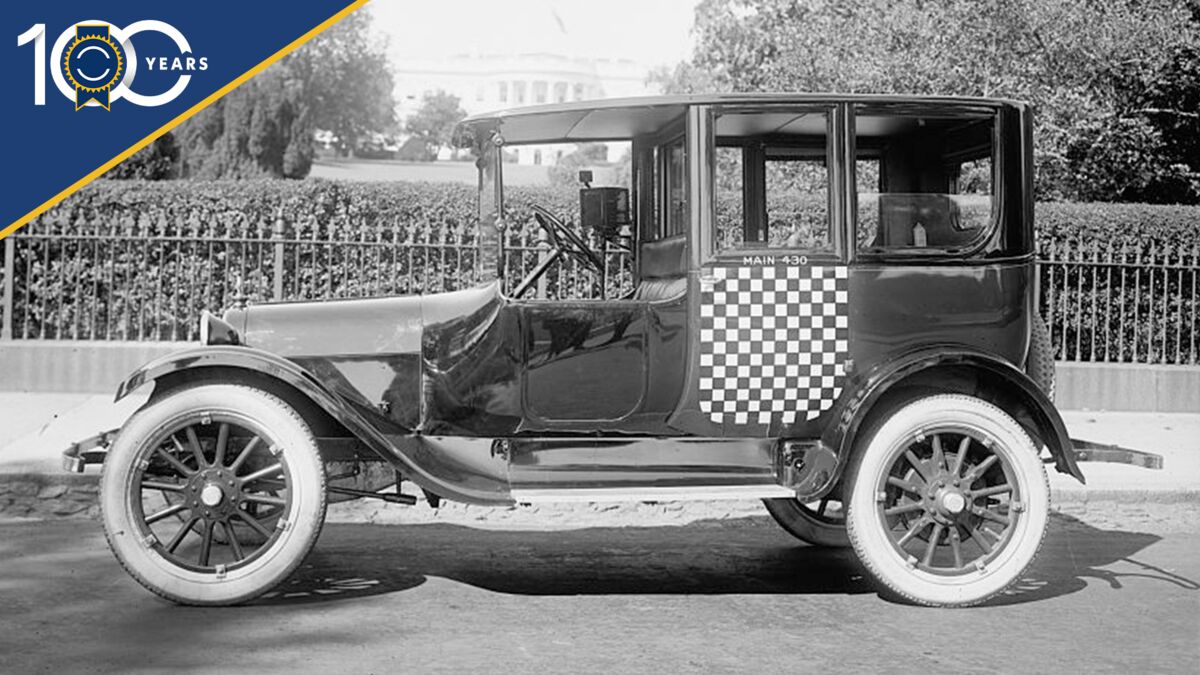
With the advent of this new era of car ownership, it quickly became clear that without a closed cabin, the driver and their passengers would be at the mercy of Mother Nature. Early vehicles often looked reminiscent of what came before — essentially a horse-drawn carriage with an open top.
This need prompted the introduction of closed bodies, often made from fabric or steel early in the decade. At the beginning of the decade, only 16% of vehicles had a closed cabin. However, by the end of the decade, due to the proliferation and widespread adoption of closed bodies by automotive manufacturers, nearly 90% of vehicles adopted this design. One of the most notable examples of this transition came with Ford’s release of the Model A, featuring a closed top when it debuted in 1927.
The new closed-body design was so popular that upholstery and body shops were often fully booked by customers interested in converting their vehicles from open to closed, preferring to remain protected from the elements. Over time, fabric and canvas tops were replaced with more durable materials such as glass and steel.
This new development, which focused on driver comfort and safety, was the first in a long line of innovations that led to the vehicles we know and love today.
Explore automotive innovations from other decades below:
Huawei is a name most people know for smartphones, network equipment and smart wearables. However, a while back, the tech giant decided it wanted to rule the world of electric cars as well. To do this, they teamed up with a car maker Chery to create a new brand – Luxeed.
Their first big swing at the EV market was a sedan named the Luxeed S7. This car aims to be a high-end choice for people who want a mix of luxury and smart technology. It entered a crowded market of EVs, but it brings some unique tricks to the table. And we had an opportunity to take a closer look at it – here are our findings.
The futuristic yet restrained looks
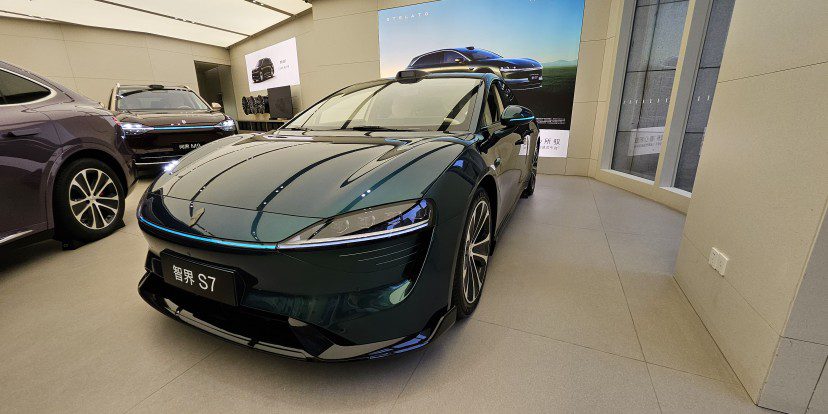
Luxeed S7 – source: ArenaEV
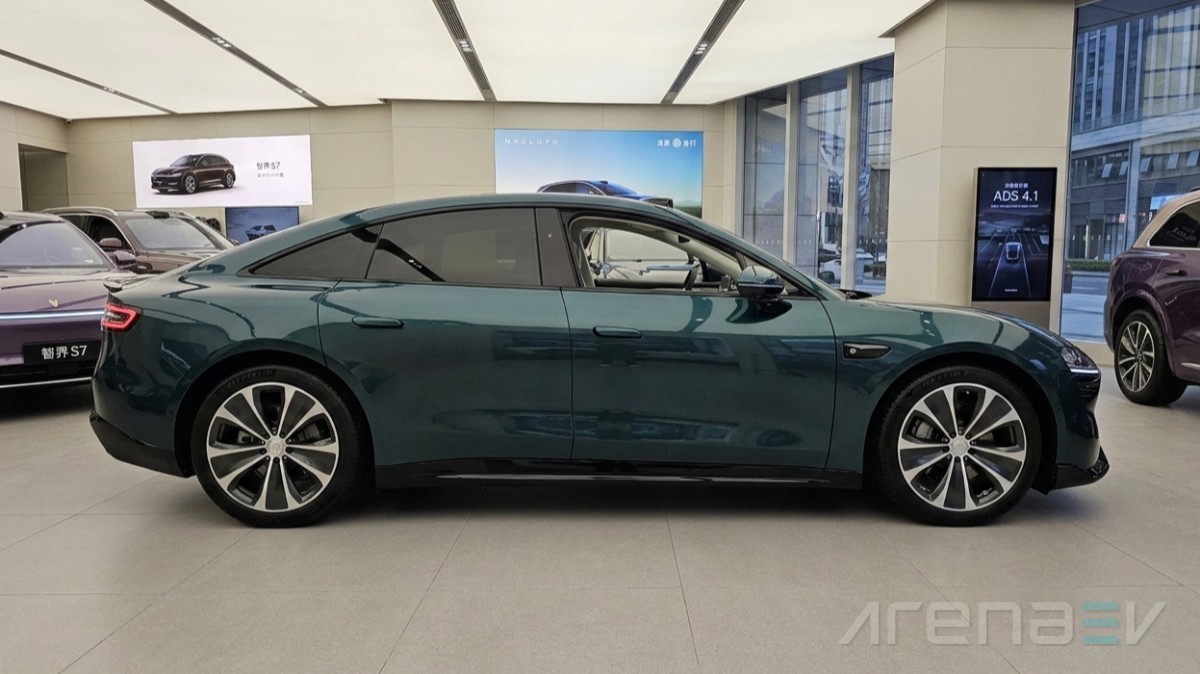
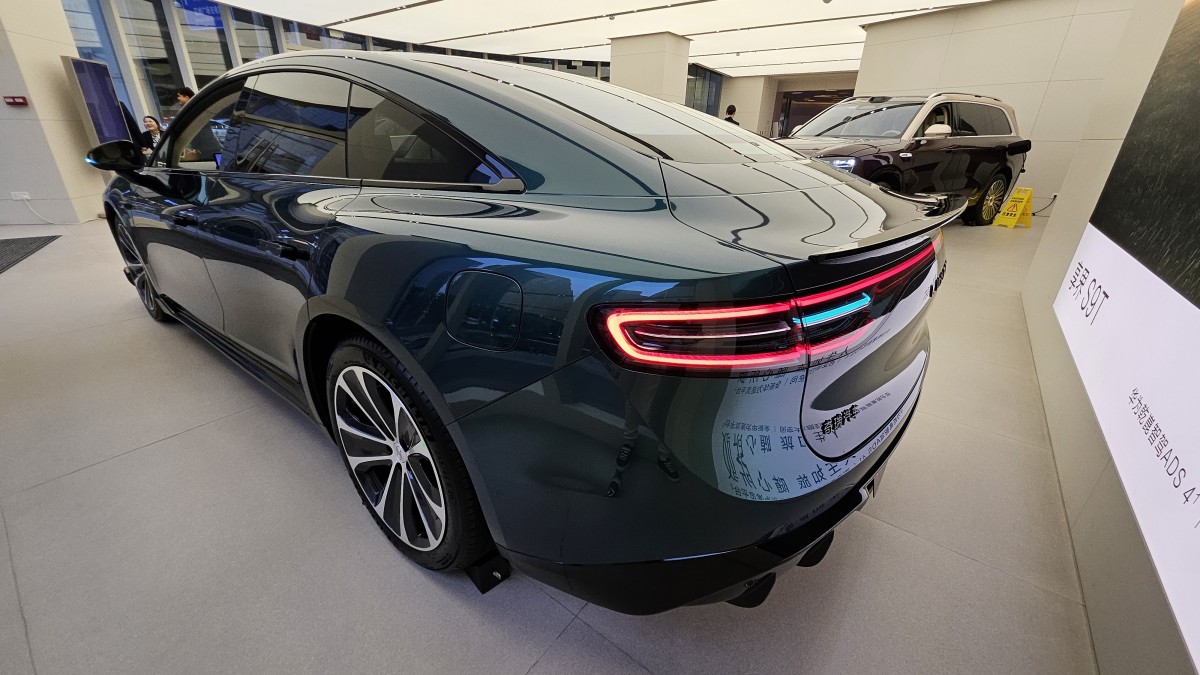
When you first see the Luxeed S7, it looks like one smooth, continuous shape. It does not look like a boxy car from the past, nor does it look extremely futuristic. It’s almost restrained in its looks as if Huawei and Chery were playing a safe game here.
The car is quite large, stretching about 197 inches in length. The front end stays simple with sleek headlights that house individual square lights. It looks mean and fast, especially if you pick the matte paint option. However, the designers made one very strange choice. They did not put a physical button on the trunk to open it. If you want to put your groceries in the 420-liter trunk, you have to run to the front seat or use your phone. For a car that costs between $35,000 and $50,000, that feels like a bit of a prank.
The interior
Luxeed S7 – source: ArenaEV
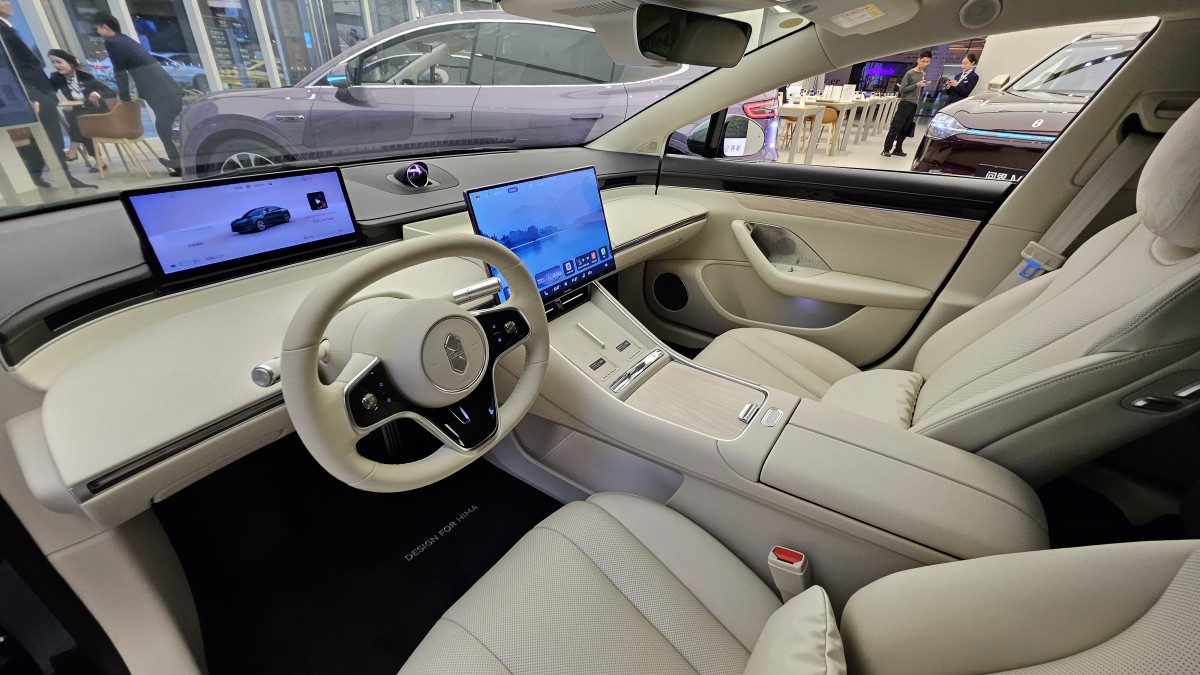
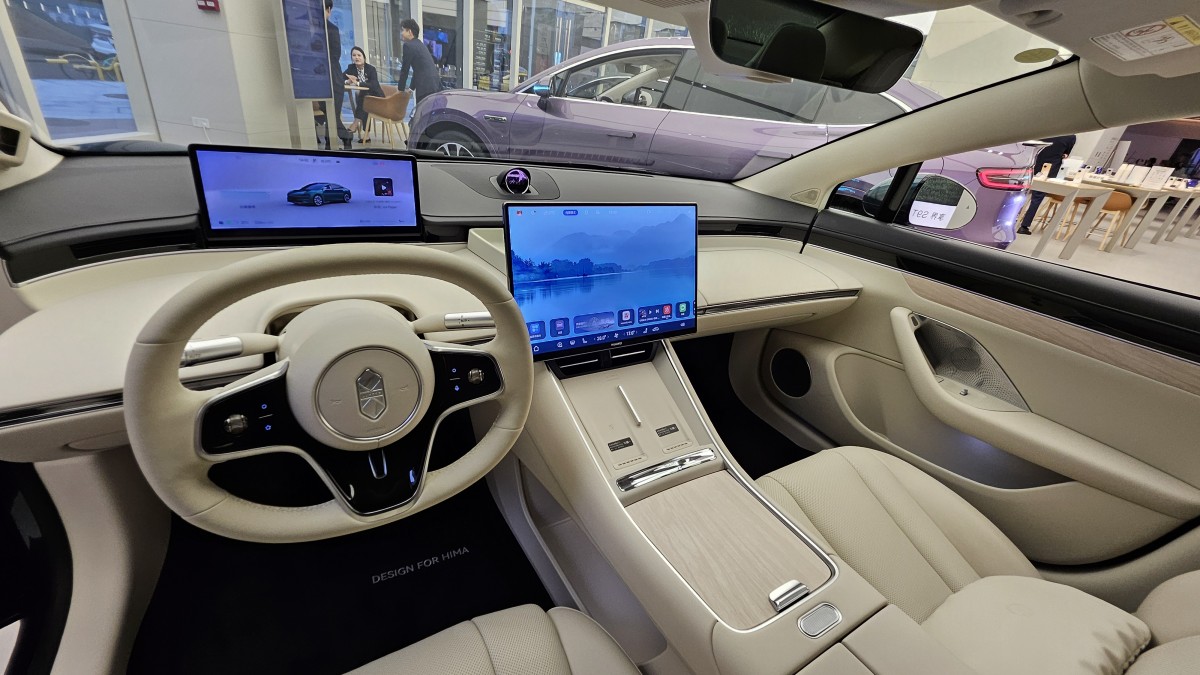
Inside the cabin, the technology takes center stage. A massive 15.6-inch screen sits right in the middle. It runs on Huawei’s “HarmonyOS.” The system reacts quickly and the menus make sense. Above the steering wheel, there is another 12.3-inch screen. It sits high up on the dashboard, almost like a heads-up display. This makes the interior feel very open and airy. You also get two wireless charging pads for your phones, and they are powerful 50W chargers. Most electric cars only give you one, so this is a nice bonus.
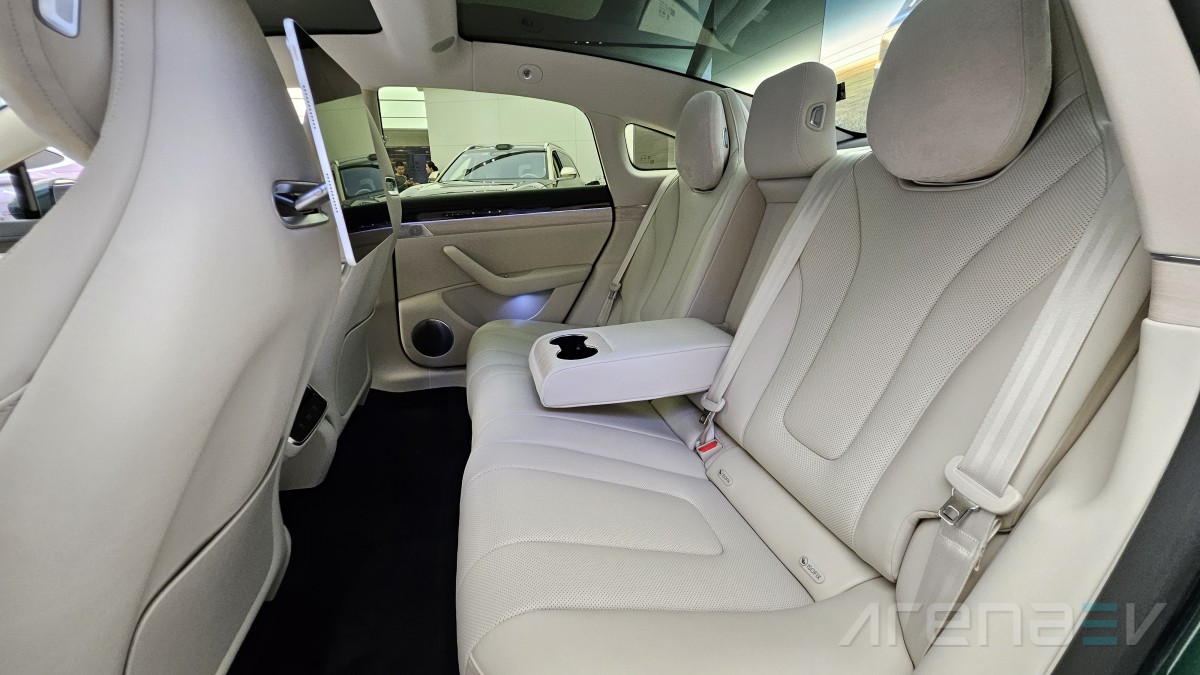
The Luxeed S7 offers plenty of room for passengers because it has a long 116.1 inches wheelbase. In the back seat, even tall people will have a lot of legroom. If you are 5.74 ft tall, you will find about three fingers of space above your head.
Luxeed S7 – source: ArenaEV
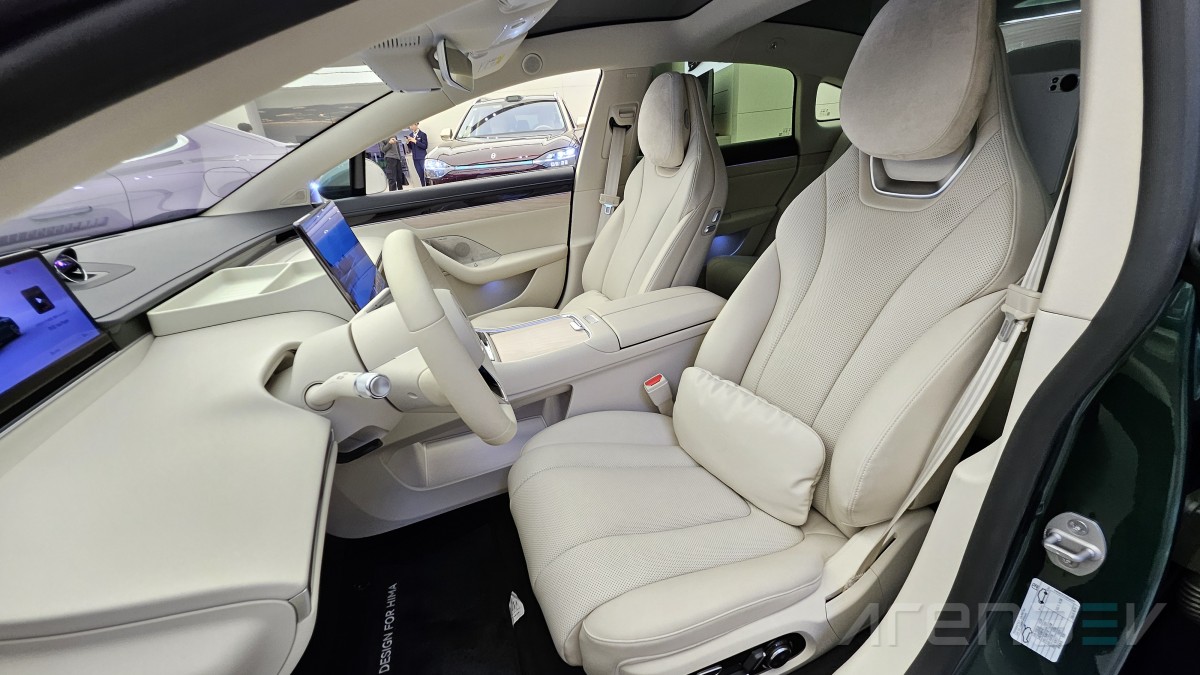
The materials inside feel mostly nice, with lots of soft surfaces on the doors. Surprisingly, some plastic parts on the back of the seats look a bit cheap for a luxury car. Same goes for the front, and the fit and finish aren’t really that impressive. The leather seats feel quite plasticky and the material stretches a lot. The car we had access to sat in a showroom for just over a month, and the seats were already showing signs of use – not ideal for a luxury vehicle that is supposed to be used for many years to come.
If you want to keep your kids busy, you can even plug Huawei tablets into the back of the front seats. There are also 66-watt fast-charging ports in the back to keep those tablets alive.
Performance
Luxeed S7 – source: ArenaEV
Speed is one thing electric cars do very well and the S7 does not disappoint here. It comes with two different power setups – the basic version has one motor in the back that makes 215 kW. It can go from 0 to 62 mph in 5.4 seconds. If you want more power, you can get the dual-motor version with 365 kW. That model is a rocket, hitting 62 mph in 3.3 seconds. Even the slower version feels very quick when you step on the gas – it moves with a silent force that makes passing other cars on the highway very easy.
During a very short drive, the Luxeed S7 felt more about comfort than racing around corners. It uses a double-wishbone suspension in the front and a multi-link setup in the back. This helps the car soak up bumps and potholes like they are not even there. It feels very stable and calm on the road.
Because it is a big car, it does not feel very light or “zippy” when you turn the wheel sharply. It is a car made for long trips on the highway rather than speeding down a curvy mountain path. It behaves like a large, heavy lounge on wheels – which it exactly is.
Range and technology
Luxeed S7 – source: ArenaEV
One of the best things about the Luxeed S7 is how far it can go on a full charge. You can choose between an 82 kWh battery or a larger 100 kWh pack. If you pick the single motor with the big battery, the car can travel up to claimed 531 miles. That is a huge distance for most EVs – it means you can spend more time driving and less time waiting at a charger.
We couldn’t verify the range, and that headline number is courtesy of the Chinese CLTC test, which is very optimistic. A quick conversation with a few owners suggests that the actual range is closer to 435 miles – still mighty impressive. When you do need to charge, the car handles high speeds well thanks to its 800V architecture. You can add about 134 miles in 5 minutes or as much as 267 miles in 15 minutes of charging, so you won’t be stuck for long.
The self-driving technology is where Huawei really shows off. The Luxeed S7 uses a system called ADS, which uses a LiDAR sensor on the roof to see the world. It drives very naturally – it brakes and turns smoothly just like a human would. Huawei claims it is one of the best systems in the world of electric cars today, and we see why they would.
Luxeed S7 – source: ArenaEV
But we found out the system can be a little too relaxed. It doesn’t nag you enough to keep your eyes on the road. You can look away for quite a while before it starts to beep at you. It was quite unnerving how long it took to notice the driver wasn’t looking ahead. Technology is great, but drivers still need to pay attention.
Who is it for?
In the end, the Luxeed S7 is a solid choice for someone who wants a high-tech sedan – as long as they live in China. It offers a great range, a very smart interior, and enough speed to satisfy most people. Sure, some of the interior buttons are hard to see in the sun, and the trunk situation is annoying, but the overall package is strong.
Huawei and Chery built a car that competes quite well with other famous EVs. It might not be the most exciting car to drive, but it is a very comfortable way to move into the future. In the busy Chinese EV market, Luxeed went for a very conservative middle ground and created something solid, unremarkable, almost forgettable. And that’s exactly what many customers want – a car that does its job quietly.
For Ford, 2025 was an annus horribilis, as the late Queen Elizabeth would have famously described it. The automaker ended 2025 with an $11.1 billion fourth-quarter loss, contributing to an $8.2 billion overall loss for the year. These are kinds of numbers not seen since the Great Recession in 2008. But this time the culprit was a failed bet on consumers’ appetite for EVs, forcing large write-downs. Adding to the financial pain were tariff issues, supplier fires, and other assorted travails.
In December, Ford warned it would take $19.5 billion in charges related to strategy changes and an overhaul of its EV business. Large projects like a three-row SUV, electric commercial van, and a next-generation electric pickup truck have all been canceled. EV investment is now centered on affordable models from a new universal architecture. About $15.5 billion of the write-down came in the fourth quarter, the rest is still to come. And the Model e side of the business continues to bleed money.
ADVERTISEMENT – CONTINUE READING BELOW
The $2 billion in losses due to tariffs are almost double what was originally forecast, in part due to a change that kept Ford from cashing in on some offsets.
Adjusted earnings fell 34 percent to $6.8 billion. North American earnings were down, which means smaller profit-sharing checks for union workers. They will get about $6,780, compared to $10,200 last year.
ADVERTISEMENT – CONTINUE READING BELOW
Some Good News, Too
The good news: Ford had record revenue of $187.3 billion for the year, inching up 1 percent. Sales and market share grew in 2025, and the company expects 2026 to be even stronger with some of its largest headwinds behind it. Tariffs and government policies in general are expected to stabilize. Ford Pro is a profit driver, with double-digit profit margins. Ford Energy, the new business selling energy-storage systems, is expected to begin generating revenue. Ford Blue is in the black as it changes its mix to meet customer demand. That means changes like building more hybrid Ford Mavericks.
Ford CEO Jim Farley says the company is being quietly modernized, with new vehicles and more tech coming.
ADVERTISEMENT – CONTINUE READING BELOW
Ford executives have told dealers they will have five models—new nameplates—priced for less than $40,000 added to the portfolio by the end of the decade, starting with the midsize electric pickup truck due next year as part of the new family of affordable EVs. They will have Level 3 driver-assist systems with most of the work done in-house to keep cost down. The new models will help dealers who want more entry-level models in the wake of the discontinuation of the Ford Escape last December. The Edge is also long gone. Ford has also said it will make more lower-trim versions of its other vehicles.
In 2025, Ford suffered a $2 billion loss due to the two fires at aluminum supplier Novelis that cost the company the production of about 100,000 vehicles. The company hopes to make up a big chunk of the lost production and Novelis expects to have its mill up and running sometime between May and September. Ford says it has contingency plans to cover the timeline. Losses from the Novelis disruption should only be about $1 billion in 2026.
Our free daily newsletter sends the stories that really matter directly to you, every weekday.
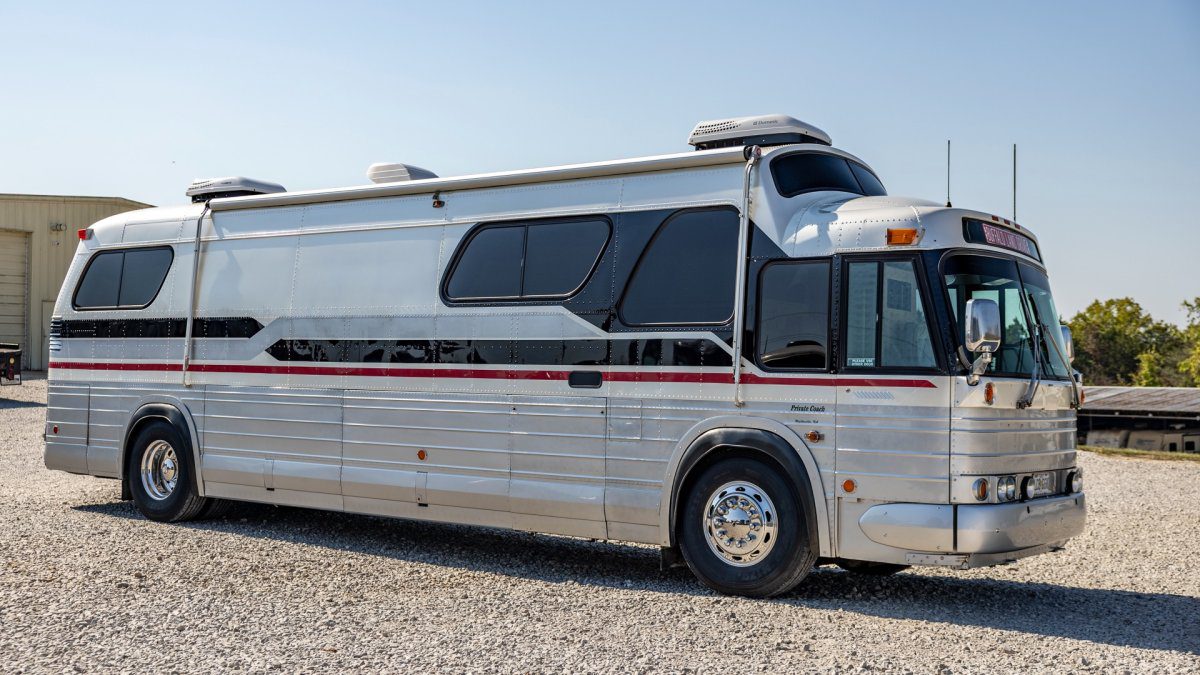
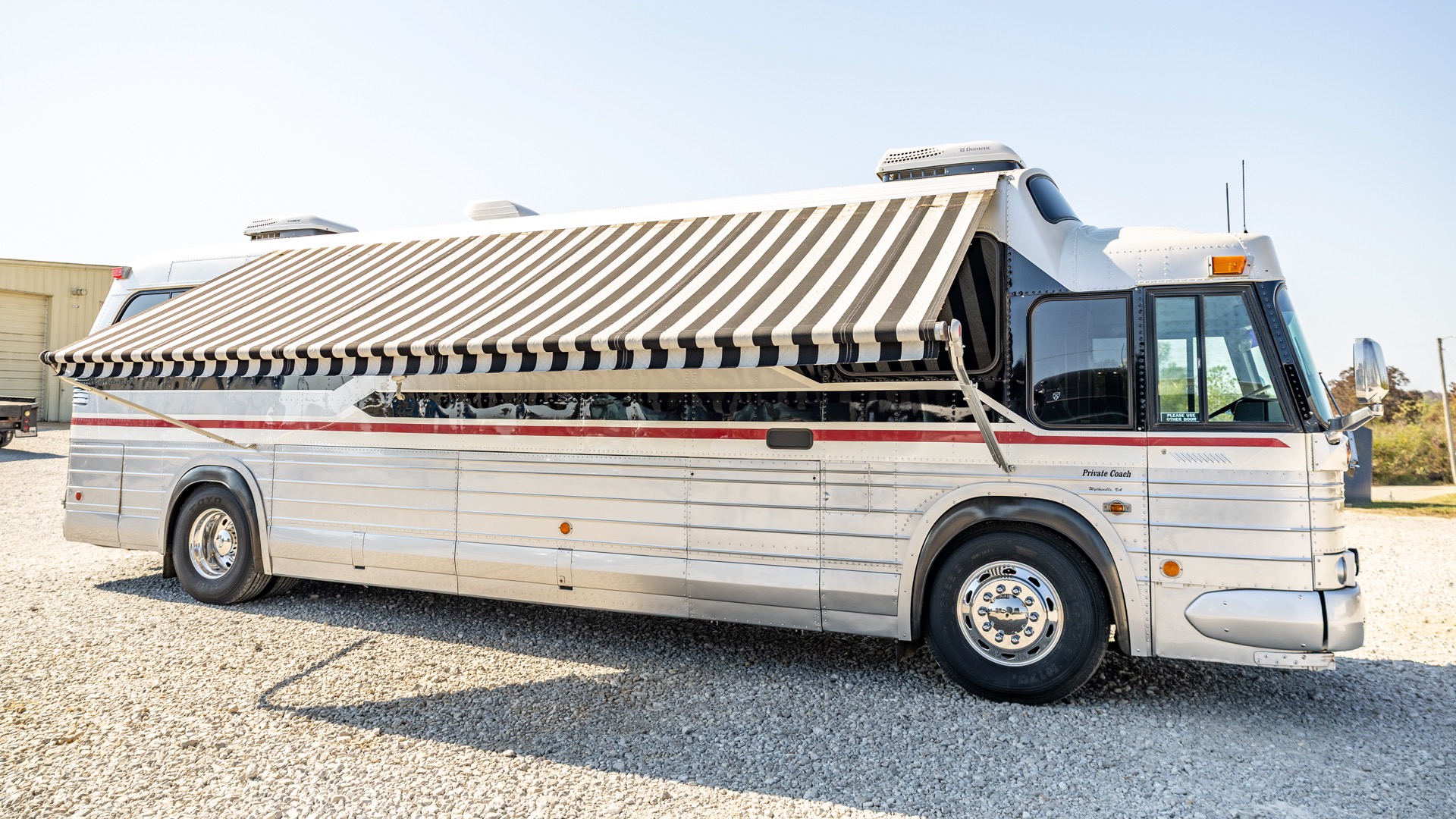
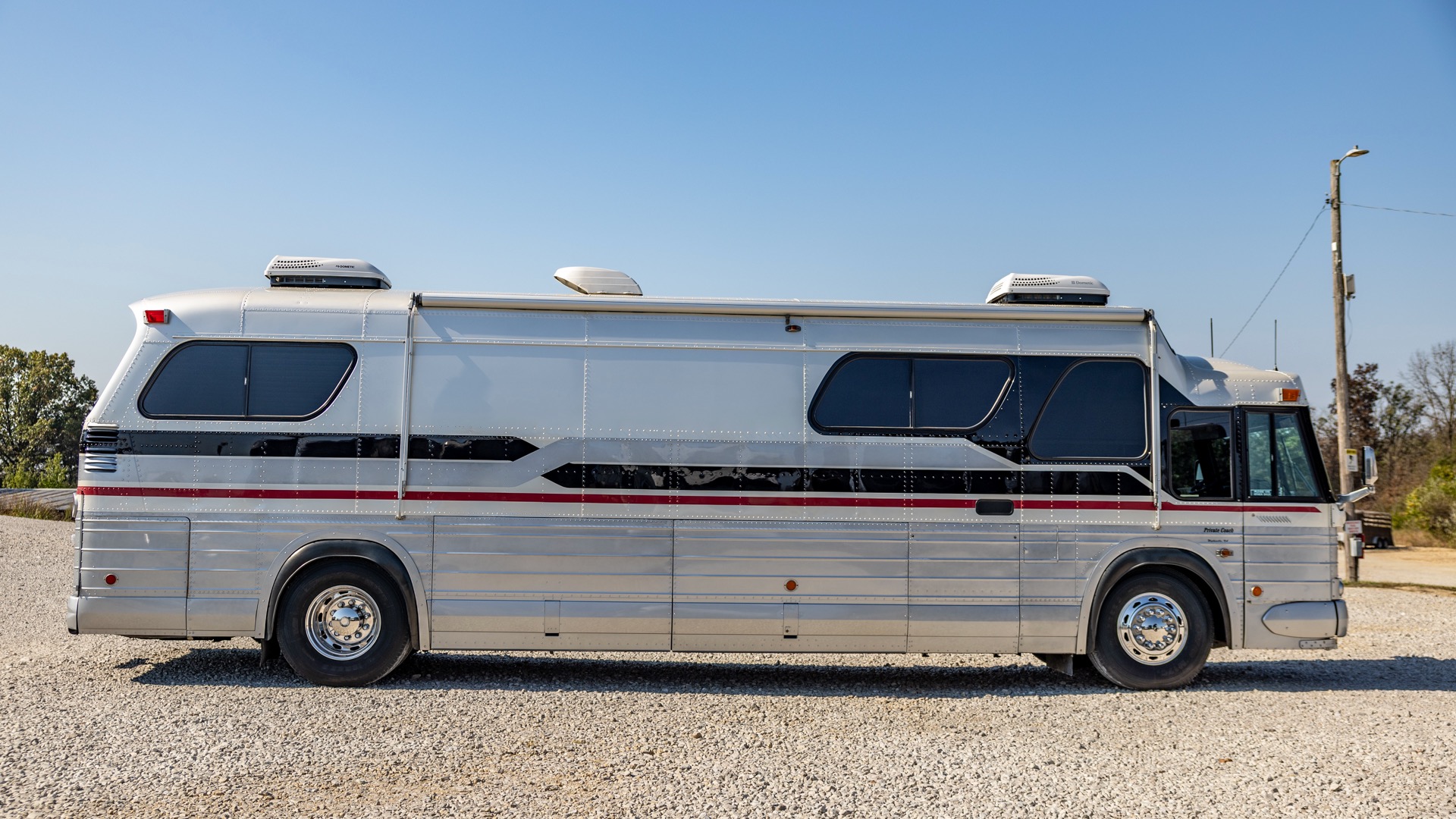
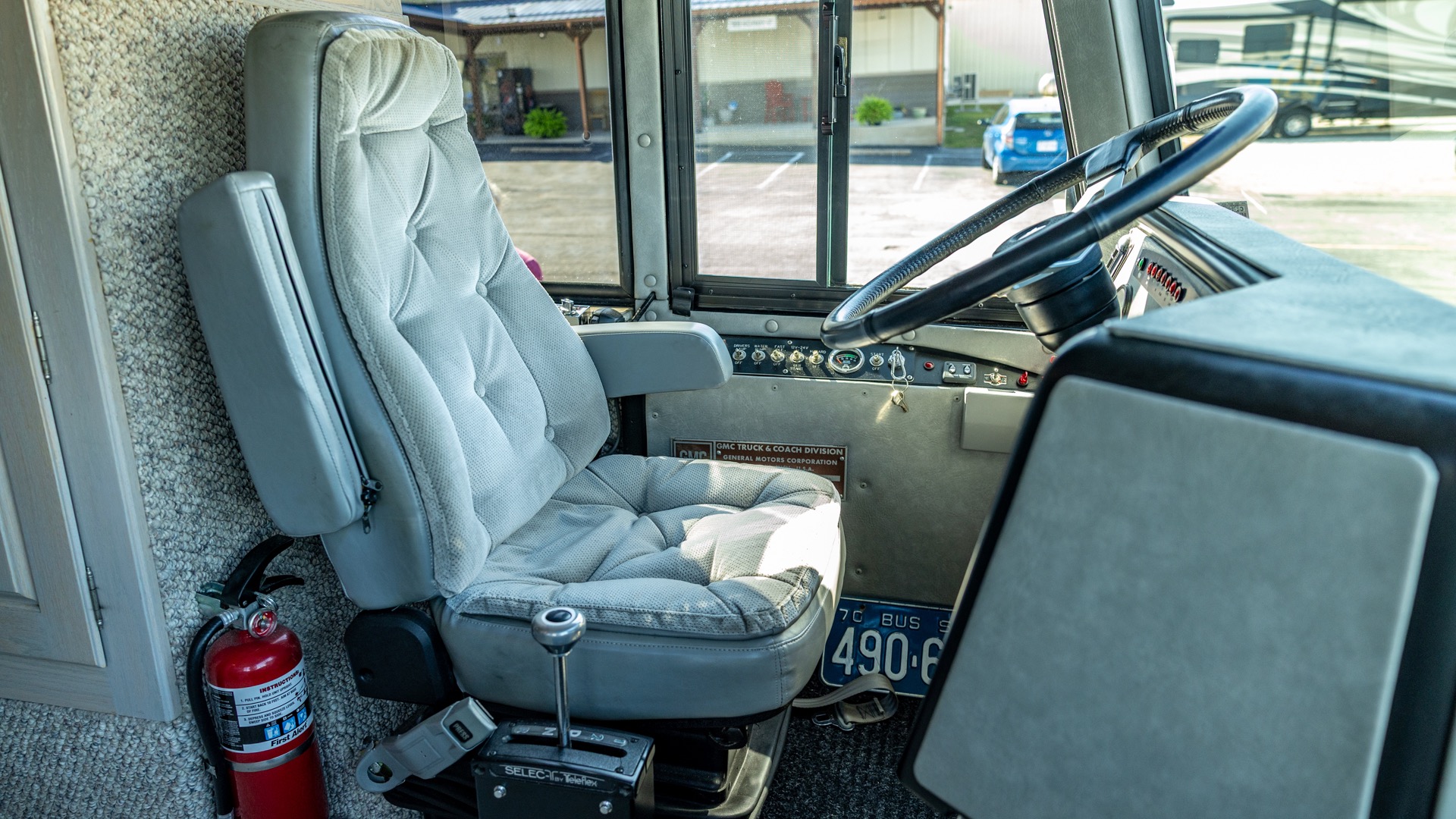
When it comes to style, no modern RV can hold a candle to this 1970 General Motors PD4108 “Buffalo Bus,” which is making a repeat appearance on Bring a Trailer. But if you buy it, you’re pretty much obligated to start a band and go on tour. It would be a shame to use this vintage coach for anything else.
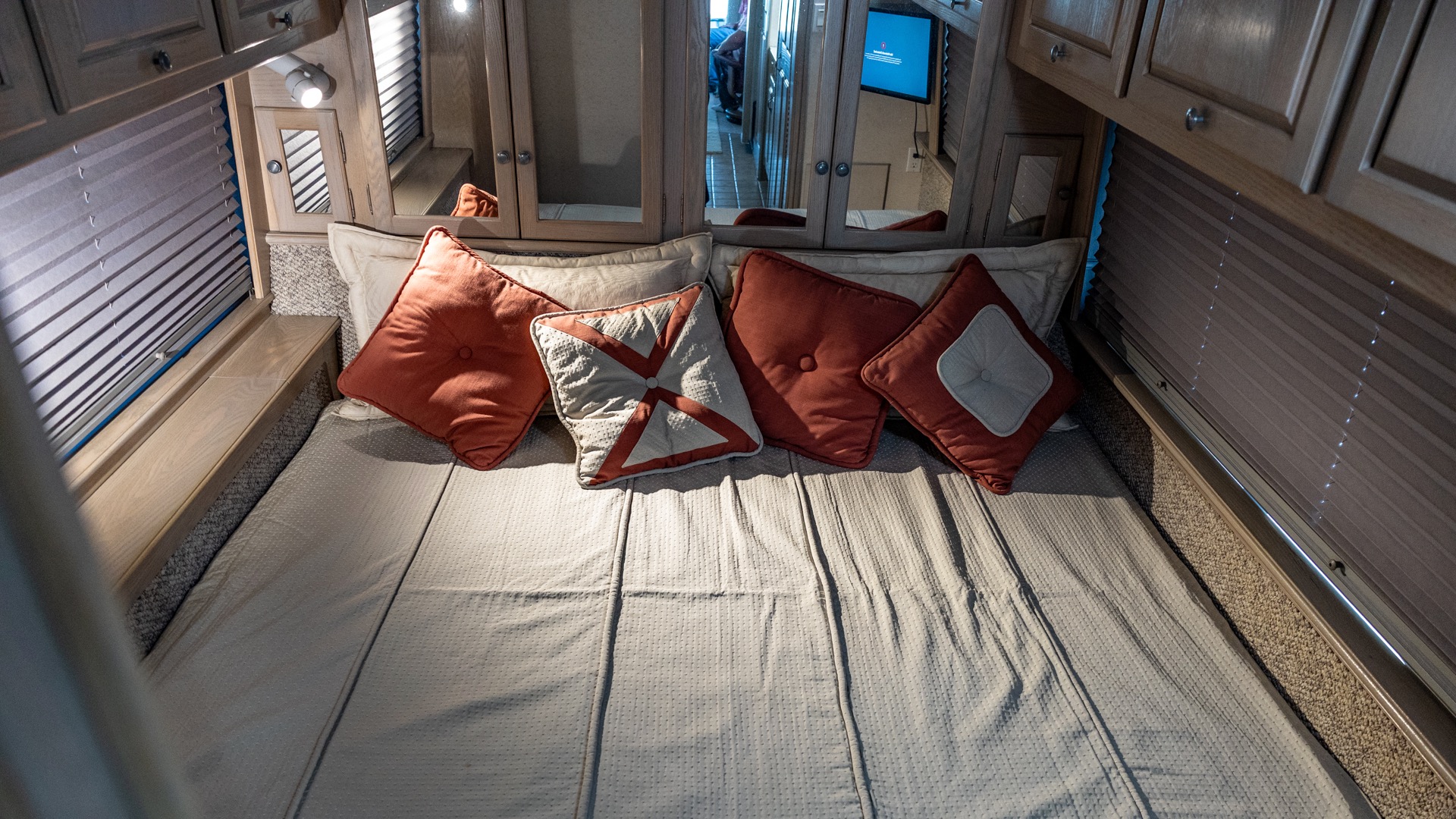
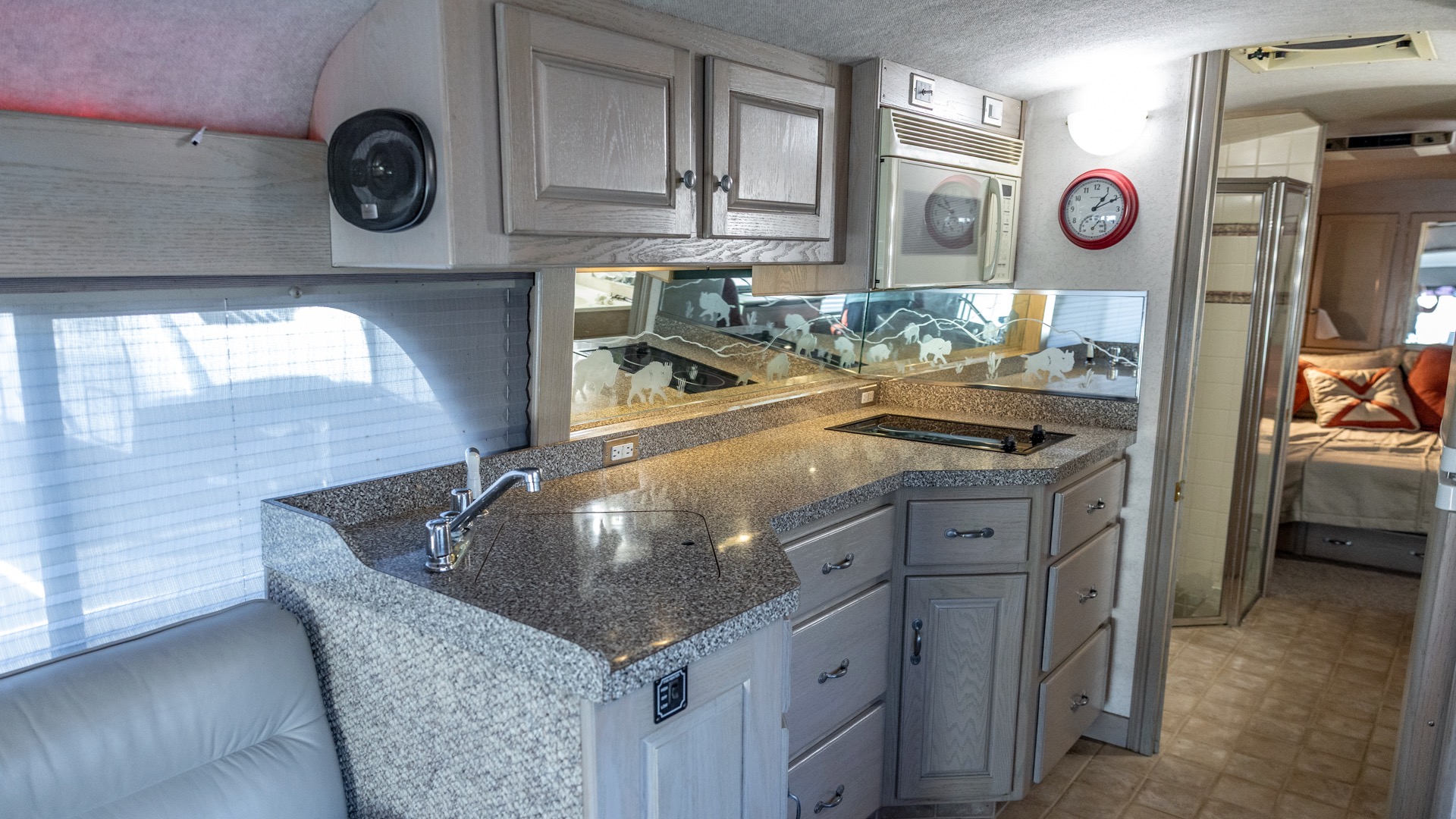
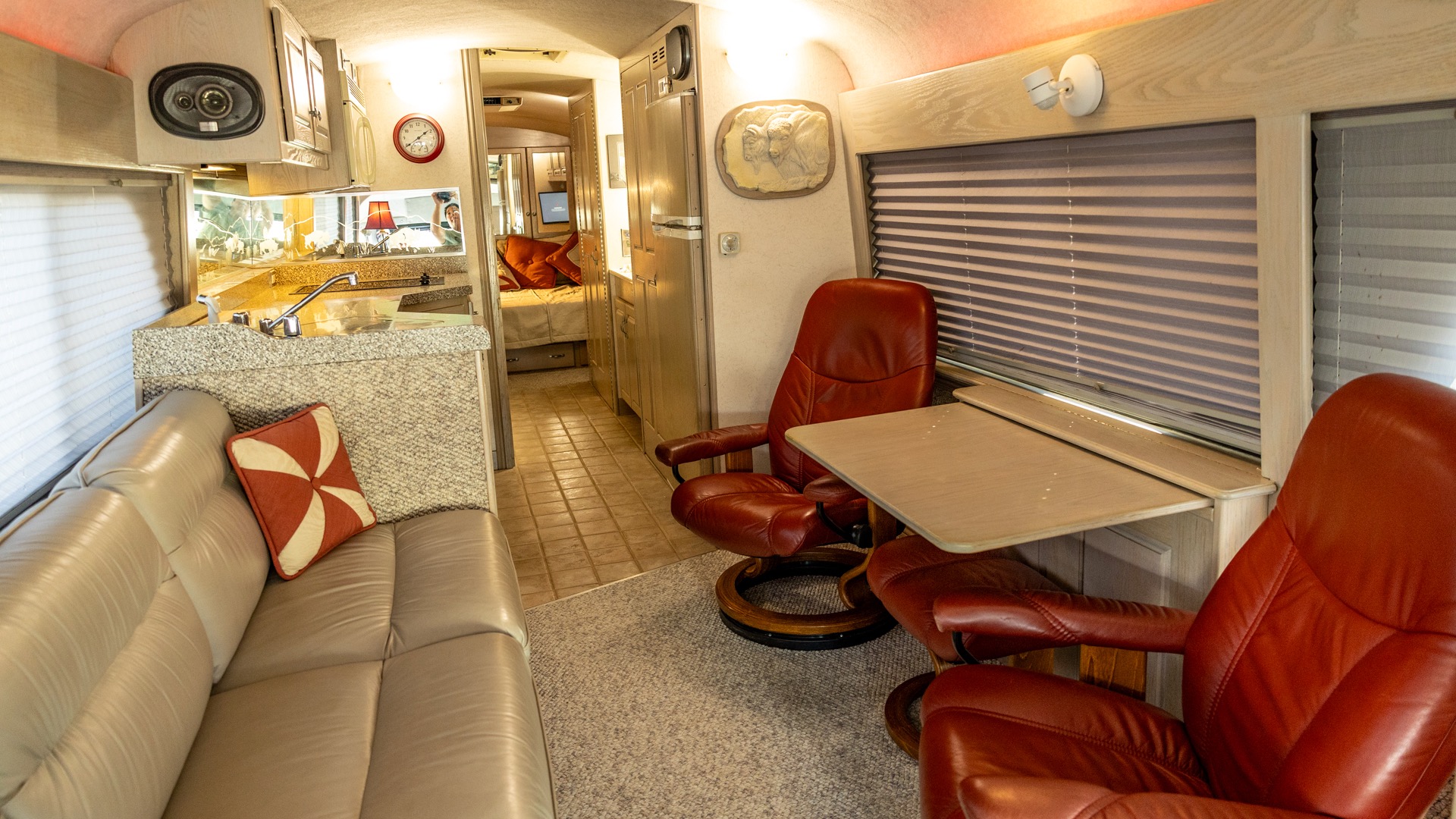
The 35-foot bus was originally delivered to James River Bus Lines of Blackstone, Virginia, to haul passengers. The RV conversion was carried out by Connecticut owners over a 10-year period, and was completed in 2004. The work, which included adding a lounge, kitchenette, and bedroom with an en suite bathroom, was so good that the RV was featured on the cover of Bus Conversions magazine. Since it’s already famous, it’s clearly perfect for show business.
Bring a TrailerBring a TrailerBring a TrailerBring a Trailer
GM used to make lots of other things besides cars. It was one of the largest bus manufacturers in the United States, building distinctive-looking models like the New Look (also known as the “Fishbowl” for its copious glass) that was once as common a sight on city streets as the Checker cab. The Buffalo Bus was introduced in 1966 as a long-haul competitor to the Scenicruiser built for Greyhound Lines in the 1950s, with a similar elevated seating area that inspired the “Buffalo” nickname.
Both 35-foot and 40-foot versions were made, with seating for up to 49 passengers and production lasting until 1980. This one is powered by a Detroit Diesel 9.3-liter V8 connected to an Allison V730 three-speed automatic transmission. It’s also fitted with a Webasto diesel-fired furnace and 10-kilowatt Kubota generator, eight deep-cycle batteries, and a 4,000-watt inverter. A 24-volt electrical system runs the onboard equipment, including a pair of rooftop air conditioners.
Bring a TrailerBring a TrailerBring a TrailerBring a Trailer
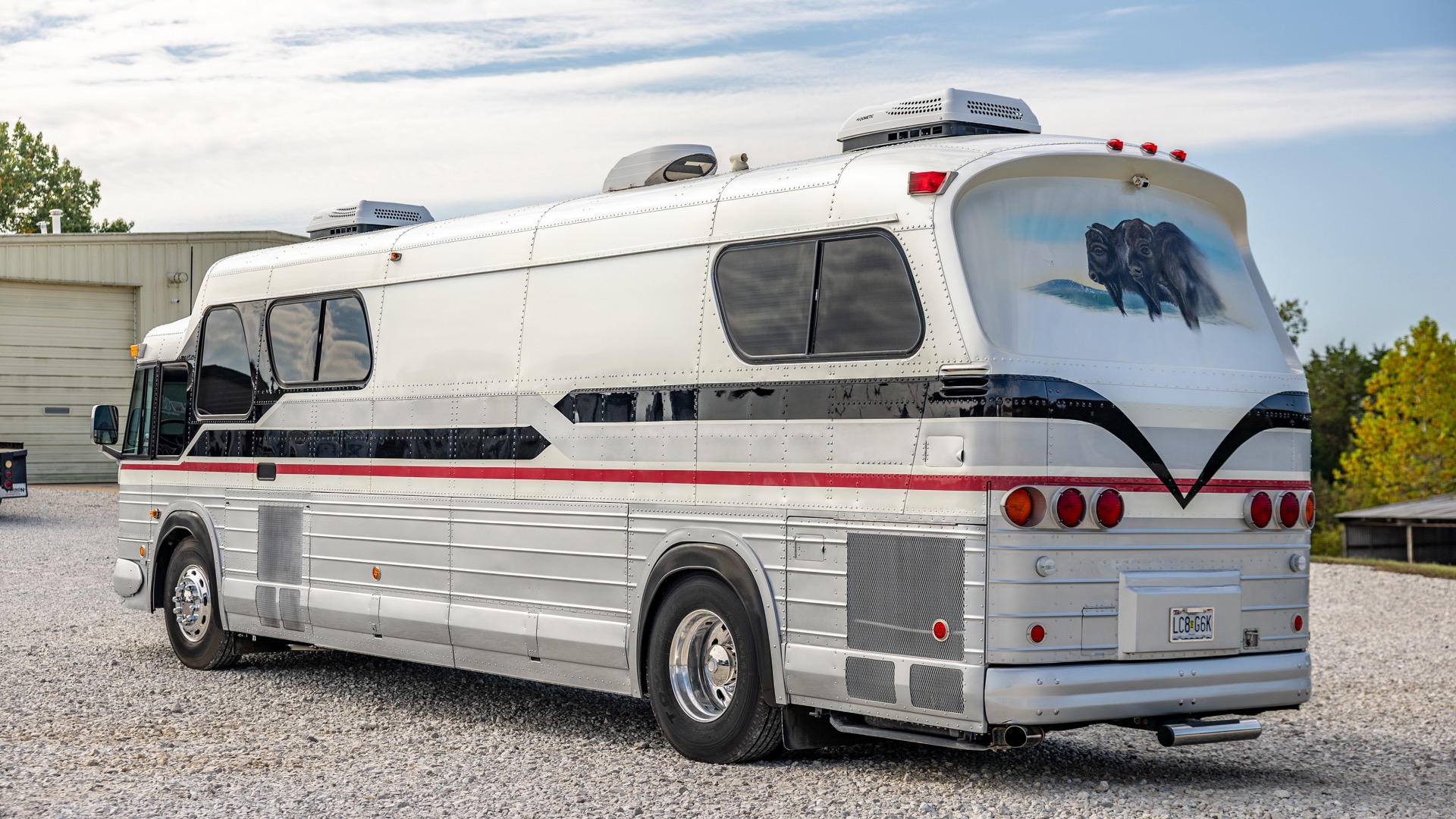
The interior features Berber carpets in front and hand-laid tile floors in the back. There’s a two-burner electric glass cooktop and microwave in the kitchen, an eight-inch memory foam mattress in the bedroom, and a slide-out television in the lounge. The decor is best described as “whatever Home Depot had in stock,” but there are some bison-themed elements, as well as an airbrushed mural on the aluminum bodywork, referring to the bus’ nickname.
This RV conversion was previously listed on Bring a Trailer in November 2025, but the buyer did not follow up on their commitment to purchase (and was subsequently reprimanded). The site emphasizes that this had nothing to do with the vehicle itself, which is listed with a clean Missouri title and an indicated 89,000 miles. Make it yours and add a few more, why don’t’cha?
Chinese-made cars tallied 22,362 deliveries in February to outpace those from Japan (21,671), Thailand (19,493), and South Korea (11,913).
The influx of new Chinese makes and models has not only ousted Japanese-made marques such as Honda, Nissan and Subaru from the top 10 but has reprofiled the monthly sales chart in an impressive short space of time.
In addition, global car-makers including BMW Group, Tesla, Polestar, Volkswagen Group, Volvo and others increasingly rely on manufacturing bases in China to supply Australia and beyond.
Of the 10 new brands to enter the Australian market since 2020, nine originate from the People’s Republic, with three now holding a regular position on the monthly top 10 list.
It is a changing of the guard that has, of course, seen stalwart importers pushed further from the spotlight, with even the largest-sellers noting a significant loss in volume and market share.
Comparing February 2026 with the same month last year, it is obvious that even Australia’s number one selling brand is not immune to the effects of China’s march.
Toyota lost 4.8 market share points in the past 12 months, or the equivalent of 5226 units, maintaining first position on the charts, albeit by a slimmer margin.
It could bounce back when the new-generation RAV4 range arrives and HiLux volume recovers from a recent major update, although early adopter demand for the latest LandCruiser Prado appears to have tapered.
Second-placed Mazda lost 1.5 percentage points of market share, delivering 1755 units fewer than February 2025, to retain second place while Ford moved upward from fourth position to third, gaining 0.9 market share points from an additional 570 deliveries YoY.
Ford swapped places with Kia over the past 12 months, the South Korean importer dropping one place into fourth and losing 0.3 market share points, having delivered three more units than it did a year ago.
Sister brand Hyundai, meanwhile, stepped up to fifth place from sixth in February 2025, gaining 0.6 market share points with sales up 271 units YoY.
At the top of the table, there has not been a lot of change to the status quo. But sixth position shows a marked change.
Chinese importer BYD rose from 14th position just 12 months ago, entering sixth position with a 5.9 per cent market share points (up 1.4 points) from 5323 deliveries (up 2042 units compared with February 2025).
BYD overtook several other marques to claim this position, surpassing compatriot importers GWM and MG Motor in the process.
Speaking with GoAuto on the rise of BYD over the past year, BYD Australia chief operating officer Stephen Collins said a compelling blend of affordability and technology was drawing local buyers to the brand.
“We’ve had a solid start in 2026, continuing the flourish from last year,” he said.
“Brand acceptance is really strong, and that’s from having great new energy vehicles that a lot of Australians want and can afford.
“Okay, so we’re the leading Chinese OEM so far this year. I wouldn’t say that’s our objective, but rather an outcome from having vehicles with the latest technology competitively priced in key segments and introducing more vehicles like Sealion 5 and Sealion 8 into segments we haven’t previously been.
“It’s an exciting year for BYD. We will continue to strengthen our proposition with key models, like Shark 6, for example, where we will introduce variants that will appeal to tradies and fleet, as well as those looking for more towing capability.
“We’re also looking at gaps in the market where we may have something compelling to offer. Those opportunities may not be huge volume, but they’re important, because we can showcase our innovation and style.”
Mitsubishi slipped from fifth place last February to seventh, dropping 1.2 market share points and selling 1364 fewer units, while GWM dropped one place – moving from seventh to eighth position.
Chery holds ninth position in February 2026 – a position held by Nissan this time last year – increasing market share by 2.2 percentage points with 3938 vehicles sold for the month (up 1900 units YoY. It outsold Isuzu Ute in tenth position, the Japanese commercial vehicle specialist gaining 0.8 market share points YoY by retailing 649 more units than it did this time last year.
Speaking with GoAuto about the success of the Chery brand locally, Chery Australia and New Zealand chief operating officer Lucas Harris attributed the uptick in sales to a range of factors.
“Australian customers want strong value, but they also expect safety, technology and quality,” he said.
“Chery delivers all of that in a modern, well-designed package. We’ve also backed it with a comprehensive seven-year/unlimited-kilometre warranty, five-star ANCAP safety ratings, and an extensive dealer network, which provides customers peace of mind.
“It’s that combination of value and reassurance that’s made the difference.”
Of course, the changes in Australia’s top 10 vehicle ranking see not only the inclusion of new brands into the top 10, but the movement of other brands out.
Nissan has departed the charts after placing ninth in February of 2025, falling from 3.7 market share points to just 2.0. Subaru, which finished February 2025 in tenth position, is also out of the top 10, dropping 0.8 market share points to 2.9.
MG Motor finished February 2025 with 3739 sales and a buoyant 3.9 per cent of the new car market, falling 14.7 per cent to 3254 sales and 3.6 market share points at the end of last month.
While this year-on-year snapshot serves only as a snippet of the bigger picture, it showcases how dominant Chinese brands have collectively become – and how quickly they are changing the Australian automotive landscape.
There are now 14 Chinese automotive brands in the market, along with just as many produced in that country for other Asian and European marques. And there are more to come.
Potential arrivals in 2026 include Avatr, Changan, JMC, Lepas, Wey, and Xiaomi, to say nothing of the heavy commercial brands making their mark further up the chain.
Just what the sales charts for February 2027 will look like is anybody’s guess. What looks certain is that there will be at least four Chinese players in the top 10 before the year is out.
Australia’s top 10 new-vehicle brands Feb 2026 vs Feb 2025*