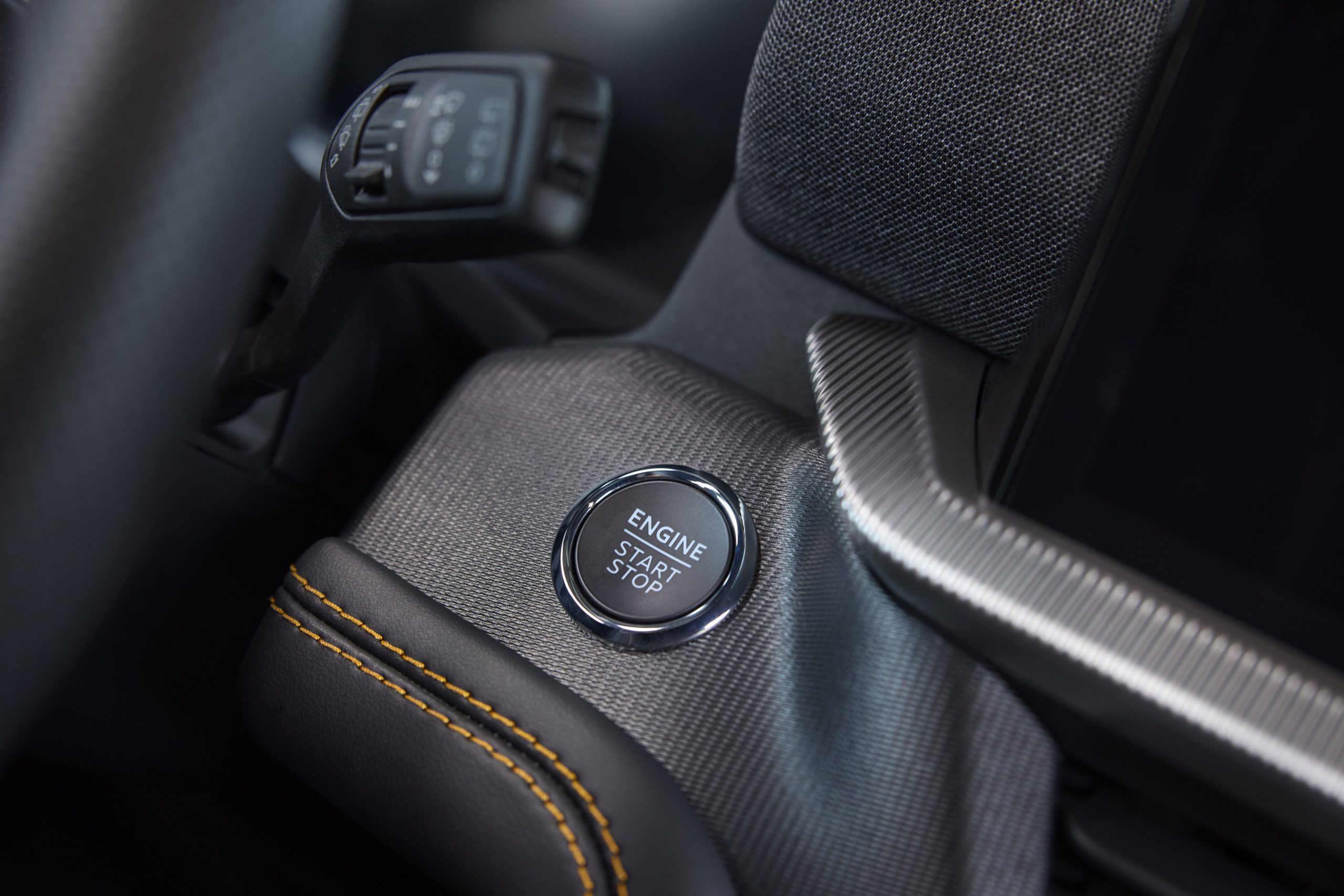
Automakers have some pretty fancy tricks up their sleeves when it comes to fuel-saving technologies. One of the most common systems in today’s cars is the automatic start-stop function, which shuts down the engine when the vehicle stops, such as at a traffic light, and restarts it when the driver lifts off the brake pedal. Studies have shown that automatic start-stop technologies can conserve fuel, but the savings you may see depend on the type of driving you do.
What is Automatic Start-Stop?
Automatic start-stop systems help reduce fuel consumption and cut vehicle emissions by shutting off the gas engine when the vehicle is stopped, such as in a traffic jam or at a traffic light or stop sign. The system activates when the vehicle stops completely, and the driver’s foot is pressing the brake pedal. Many automakers include a notification in the gauge cluster to let the driver know the start-stop system is active.
Some vehicles allow the driver to deactivate the system, which can be handy in situations where a quick takeoff is required or when towing. Start-stop may be unavailable at other times, including when the engine is warming up or if the climate control system is in use.
How Much Fuel Can Start-Stop Save?
As with so many things in life, the answer to this question is “it depends.” In 2023, the Society of Automotive Engineers (SAE) published a technical paper outlining the results of start-stop evaluations across three test cycles. Fuel savings varied widely across scenarios, with the greatest improvements observed in stop-and-go traffic and city driving. The most notable fuel economy improvements were 7.27% in the Federal Test Procedure and 26.4% in the EPA’s New York City Cycle.
Those results make start-stop systems’ fuel savings similar to those of hybrid vehicles, where electric motors handle much of the work in stop-and-go driving, and the gas engine takes over at higher speeds. Drivers who spent more time at highway speeds saw smaller fuel-economy gains because the engine was in operation for a greater share of the time.
Can Automatic Start-Stop Damage My Car?
In most cases, the answer is no. Modern vehicles with start-stop systems are designed to handle the wear and tear that can come from repeated ignition cycling. The starter and alternator also see increased use, but many vehicles have advanced battery management systems that help prevent premature failures. Finally, some vehicles use 48-volt mild-hybrid systems that replace the traditional starter with a starter-generator, providing a smoother, quieter engine restart.
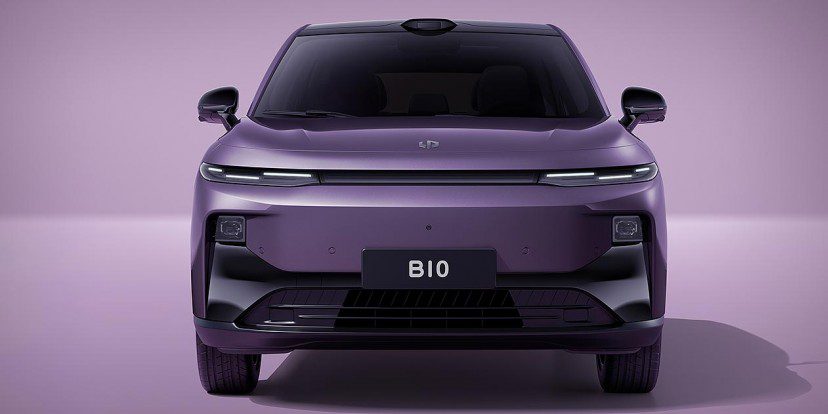
Electric cars are changing faster than ever. Usually, if you want new features in your car, you have to buy a new one. But Leapmotor is showing that EVs can get better while they sit in your driveway. Only six months after the Leapmotor B10 first hit the streets, the company has released a major software update, sending new tools directly to the car using the internet, and proving that this young car brand is serious about keeping its technology fresh.
The biggest news in this update is the arrival of “One-Pedal” driving. This feature lets drivers speed up and slow down using only the gas pedal. When you lift your foot, the car uses its electric motor to brake and turn that energy back into electricity for the battery, making driving in heavy traffic much easier. It also helps the car go a little further on a single charge.
Leapmotor B10
Drivers who love their phones will also be happy. The Leapmotor B10 now supports Apple CarPlay and Android Auto. You can connect your phone with a wire or through a wireless connection. This way you can use your favorite maps, music, and messaging apps directly on the car’s big screen. Before this update, drivers had to rely on the car’s built-in systems, which were not always as easy to use as the apps on a smartphone.
Leapmotor also listened to people who wanted a faster computer in their car. A new “Quick Start” feature helps the infotainment system turn on much quicker when you get inside. No one likes waiting for a screen to load when they are in a hurry to leave. The company also added a split-screen view for the navigation. This means you can see your map on one side of the screen while controlling your music or looking at car settings on the other side.
Leapmotor B10
The steering wheel buttons are now more useful, too. Owners can pick which shortcuts they want on the buttons. For example, you can set a button to quickly turn on driver-assist tools or change how the car feels when you drive. These small changes make the B10 feel more personal and easier to manage while you keep your eyes on the road.
Safety received some attention in this update as well. The car’s Adaptive Cruise Control and Lane Centering Control now work better when the road turns. The car will slow down more naturally as it enters a turn, which feels much safer for the people inside. The car also has a better system to remind you if a person or a pet is still in the back seat after you park.
If you are new to this model, it is a small SUV that packs a lot of value. The Leapmotor B10 is 14.83 ft long, 6.2 ft wide, and 5.45 ft tall. It has a wheelbase of 8.99 ft, which gives it plenty of room inside for a family. In most markets, the price starts at around $39,000 for the Style trim and goes up to about $43,000 for the Design trim.
The car comes with two different battery sizes. The smaller 56.2 kWh battery offers a range of about 224 miles. If you need to go further, the 67.1 kWh battery can travel up to 270 miles on a full charge. Both versions use a rear-wheel-drive motor that delivers 160 kW of power. This is enough to get the car from 0 to 62 mph in 8 seconds flat. Charging is also quite fast – you can go from 30% to 80% battery in about 20 minutes at a DC charging station.
Leapmotor B10
Owners do not need to visit a mechanic to get these new features. The software started rolling out in early February 2026. Drivers will see a message on their dashboard when the update is ready for their specific vehicle. They just need to tap a few buttons on the screen to start the installation.
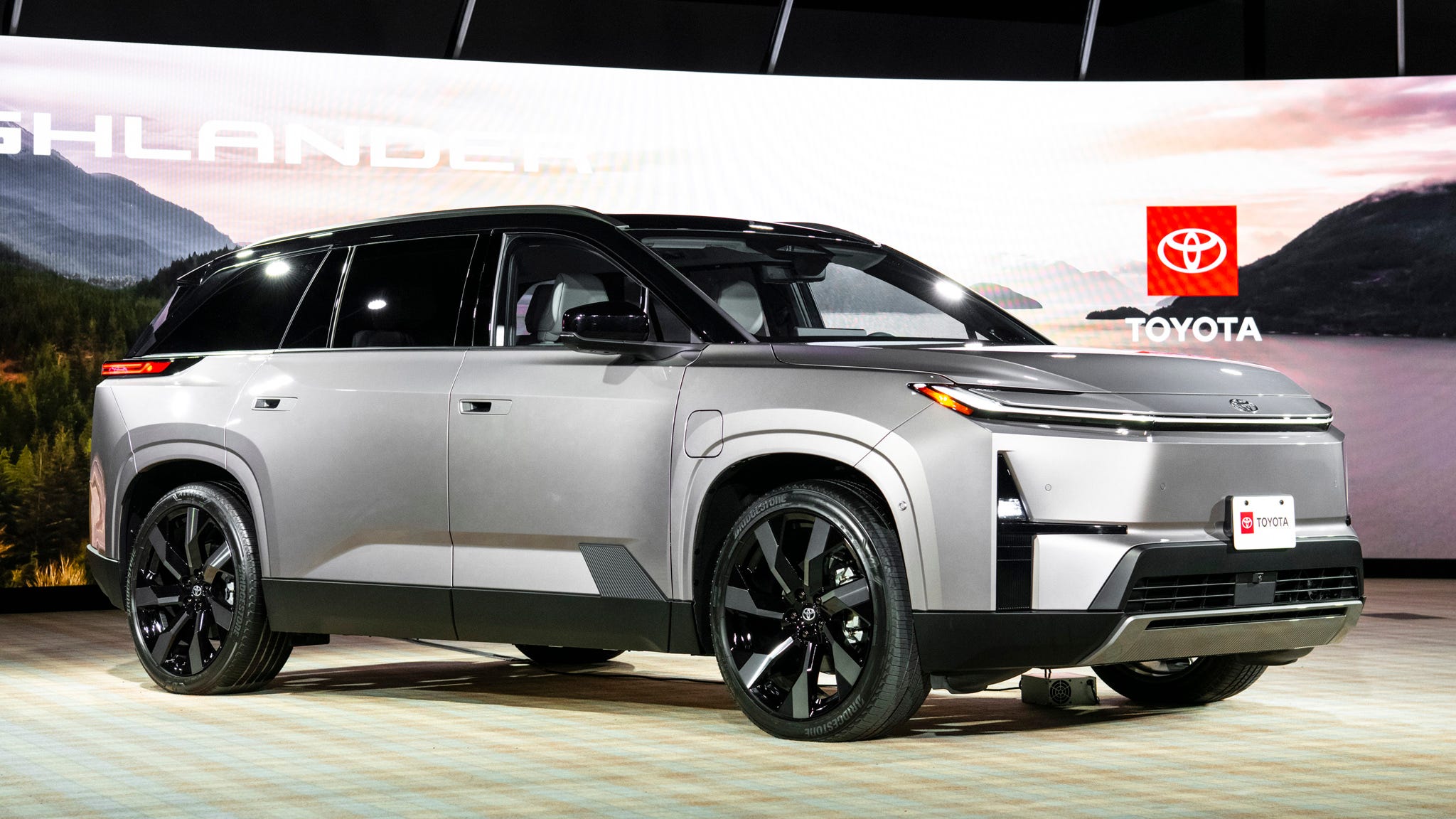
We sympathize with the Toyota Highlander. Previously the three-row family-hauling darling of Toyota’s SUV lineup, the Highlander has had its sales chewed up by the bigger Grand Highlander, while the smaller RAV4 remains Toyota buyers’ favorite. It’s a classic case of middle-child syndrome, so of course the Highlander is going to act out. Come the 2027 model year, the Highlander will get a radical new look and an all-electric powertrain. Way to rebel, Highlander!
Wow, Highlander, You Look So … Different
The styling is an obvious departure; clearly, this is not your mother’s Highlander, or your neighbor’s, or anyone’s. The new 2027 Toyota Highlander’s grilleless face looks a lot like that of the upcoming bZ Woodland, which the Highlander also shares the low-profile, full-width taillight with. The unadorned tailgate is unique, while the side sculpting bears some resemblance to the contemporary Land Cruiser.
ADVERTISEMENT – CONTINUE READING BELOW
The proportions are different, too; the new Highlander is nearly 4 inches longer than the old (not counting the extended schnoz on the XSE model), but the wheelbase is stretched 8.1 inches to give room for the batteries, providing a short, RAV4-like rear overhang. The new car also gains 2.3 inches of width and loses 0.8 inch of height. An optional two-tone paint job emphasizes the length over the height. We keep thinking of that middle child coming home with a mohawk and a half-dozen new face piercings. To call it pretty would be an overreach, but it’ll definitely get attention.
A Better Interior With Room to Grow
The news is better inside. Dashboard styling follows the lead set by the new RAV4, with a 12.3-inch display for the driver, a huge 14.0-inch center screen, and few buttons. The Highlander shares its side-by-side phone chargers with the bZ, but the cabin’s additional width means they don’t eat up unnecessary space, and there’s a huge, purse-friendly open storage pod beneath them. USB ports abound. For the second row, the XLE will offer a choice of bench or bucket seats, with buckets—sorry, captain’s chairs—on the Limited, and a third-row seat is standard.
ADVERTISEMENT – CONTINUE READING BELOW
We were pleased to learn the Highlander will run the updated version of Toyota’s multimedia system; having sampled it on the RAV4, we can tell you it’s a huge improvement over the current software and hardware (not that improving on that system was difficult to do). Among other things, the Highlander’s infotainment includes 5G network connectivity and Drive Recorder, which provides dashcam functionality with the Highlander’s built-in cameras.
Ferrari has just dropped the first official teaser of its upcoming convertible, the Amalfi Spider. It will make its public debut on March 12, confirming our previous reports on the car’s launch timeline.
The Amalfi Spider will feature the shark-nose-style front end with a long hood, muscular fenders and sleek taillights. While the rear decklid will be modified to accommodate the roof mechanism, the rear fascia is likely to remain unchanged. It will also get the same upgraded interior as the coupe.
The Amalfi Spider will be powered by the same 3.9-liter twin-turbo V8 engine, which makes 631 hp and 561 lb-ft of torque. It comes paired with an 8-speed dual-clutch automatic. It will be equipped with Ferrari’s new brake-by-wire system, an active rear spoiler and Side Slip Control 6.1.
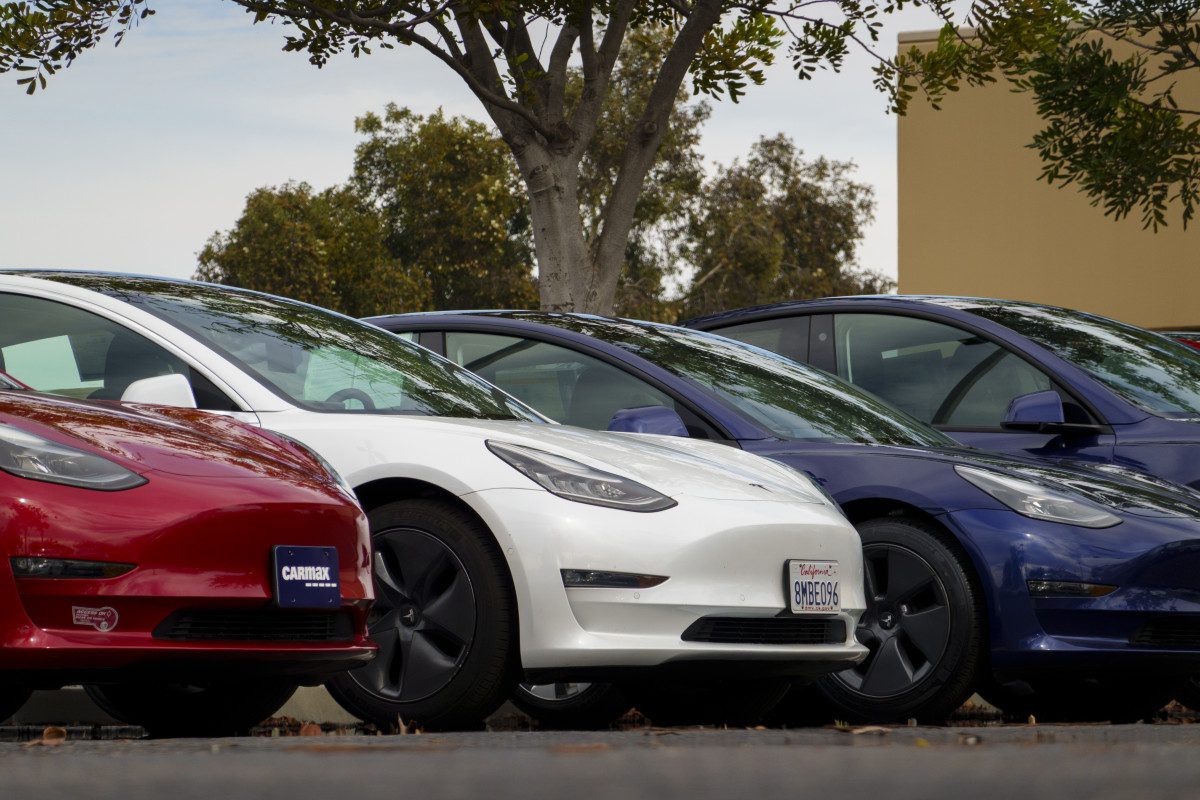
More than 300,000 electric vehicles are expected to come off lease in 2026 alone, and they are about to flood the used car market. For buyers, that surge could finally create the kind of EV bargains that have been missing for years. Three years ago, EV leasing surged as incentives peaked and early adopters jumped in. Now those three-year contracts are ending, and thousands of those vehicles are returning to dealerships almost all at once.
Dave Thomas, senior manager of industry insights at CDK Global, the software company that powers a huge share of dealership operations in the United States, talks about his reading of the dealership data on Electrek. When someone with access to hard data like that starts talking about value and affordability, we tend to pay attention.
Kevin Carter/Getty Images
Why Used EVs Are Suddenly Great Value
The opportunity comes down to depreciation. A three-year-old gasoline car from Honda or Toyota typically holds its value really well. That’s a good thing… until you’re the one shopping for it. Strong residual values mean the sticker price on those used vehicles stays stubbornly high. Electric cars have followed a very different depreciation curve. Because EV technology is evolving quickly and new models arrive with better range and software every year, older electric vehicles tend to lose value faster. That drop in resale value may frustrate original owners, but it works entirely in favor of the second buyer.
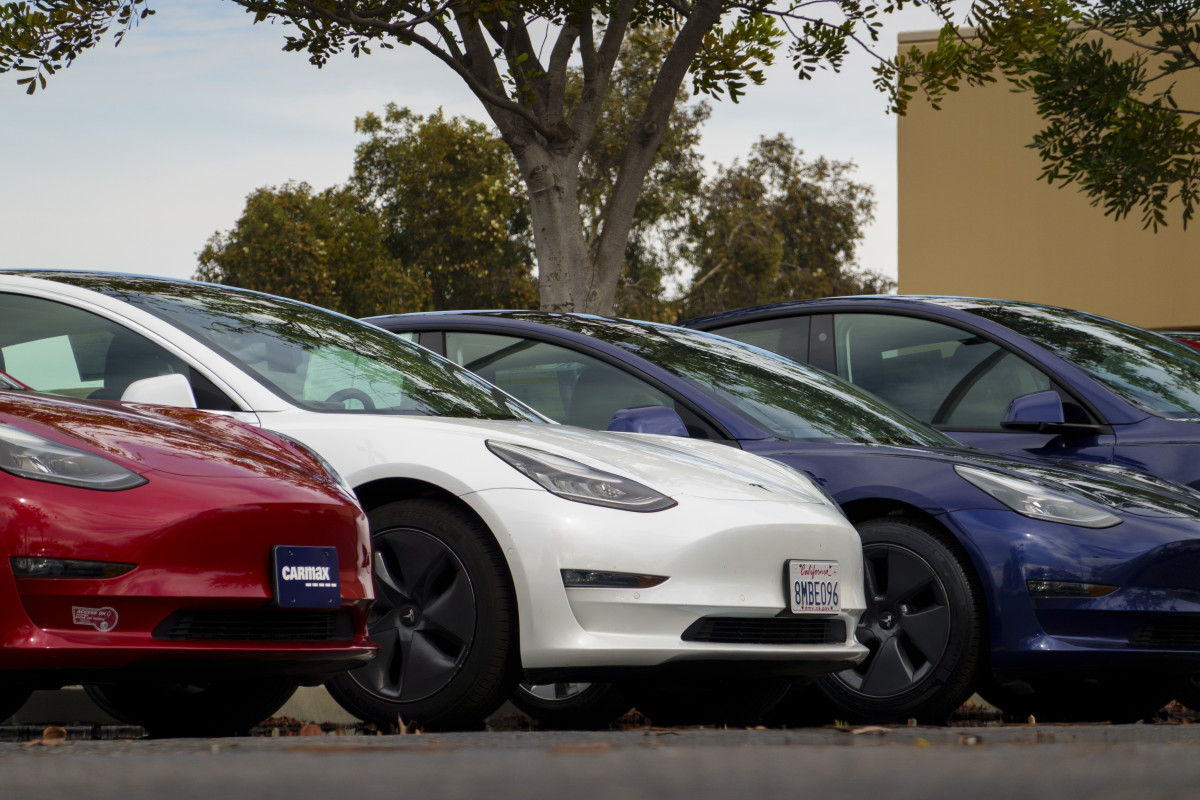
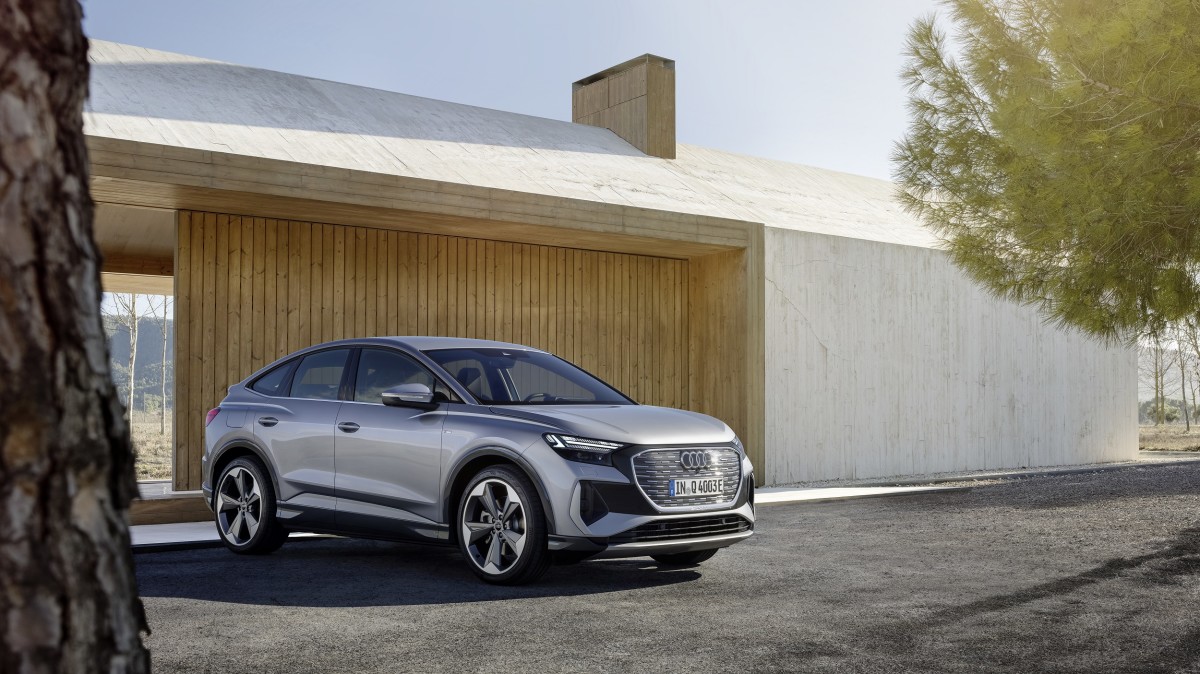
Someone shopping with a $20,000 budget in the traditional used car market is often looking at higher-mileage vehicles or older model years. In the used EV market, that same budget could land something far newer and better equipped, potentially even a low-mileage premium EV such as an Audi e-tron, Tesla Model 3, or Hyundai Ioniq 5, that has depreciated faster than expected. The result is a rare moment where the used EV market may offer better value than comparable ICE vehicles.
View the 3 images of this gallery on the
original article
Used EVs Make Sense, On Both Sides of The Table
The surge in lease returns is also appealing for dealers. Electric vehicles have fewer moving parts, which means there is usually less mechanical wear when they come back from a three-year lease. That translates to lower reconditioning costs before the car can go on sale, not to mention EVs are spending less time on lots than gas-powered cars.
For shoppers considering a used electric vehicle, focus on three-year-old lease returns. These cars tend to have relatively low mileage and predictable maintenance histories. Check the remaining battery warranty, too. Most EV manufacturers offer battery warranties around eight years or 100,000 miles, meaning many lease-return vehicles still have significant coverage left. For buyers previously priced out of electric cars, as well as budget shoppers, the Great EV Return may finally give them options that they can actually afford.
The Audi Q5 is one of the most popular models in one of the most popular segments in the USA. To say the compact luxury crossover is a hot market is an understatement. All the big luxury players have a compact luxury crossover, with each vying for the most sales possible, like the midsize sedans in the 1990s and 2000s.
While Audi has always been a popular player in the luxury market, they have mostly been playing third fiddle in sales to their main rivals, BMW and Mercedes-Benz. However, there is one segment that Audi has always managed to be one of, if not the most popular, and that is the compact luxury SUV. This is one of, if not the most, important segments in the car industry right now, and Audi’s Q5 has always been a huge player in the space. Now in its third generation, what are some things you should look out for when purchasing your Q5: what are common problems, and what are the best and worst years in terms of reliability?
This article explores the common problems, maintenance costs, and price of repairs as reported by owners and local authorities. Information is correct at the time of writing and your mileage may vary.
An Overview Of The Audi Q5
Base Trim Engine
2L I4
Base Trim Transmission
7-speed auto-shift manual
Base Trim Drivetrain
All-Wheel Drive
Where research meets the right deal
First Generation: 8R
2013 Audi SQ5Audi
First announced at the 2008 Beijing Auto Show, the original Q5 launched in 2009 for the US market and lasted until 2015. It initially launched with a 3.2-liter V6 or 2.0-liter turbocharged four-cylinder. It was a global platform being sold all over the world. Rivals included the BMW X3 and the Mercedes-Benz GLK, and later the GLC. The Q5 followed the classic formula of leather, technology, and early connectivity with Audi’s MMI system featuring Bluetooth, iPod and satellite Radio. The Q5 was facelifted in 2012, with the Q5 getting an updated MMI system, fresher styling and an update to engines, replacing the 3.2-liter V6 with a more power efficient 3.0L turbo V6. It had a wide range of engines, including a diesel for a short period.
Engines
Model
Year
Standard
2.0 TFSI MHEV quattro
2011–2018
8-speed Tiptronic
2.0 TFSI quattro (211PS)
2008–2012
8-speed Tiptronic
2.0 TFSI quattro (225PS)
2011–2018
8-speed Tiptronic
3.2 FSI quattro
2009–2012
6-speed Tiptronic
3.0 TFSI quattro
2012–2018
8-speed Tiptronic
2.0 TDI quattro
2012–2015
7-speed S tronic
Second Generation: FY
2017 Audi Q5 front 3/4Audi
Coming out in 2018 for the North American market, the second gen was produced in San José Chiapa, Puebla, México. The V6 was discontinued in favor of the 2.0 TFSI four-cylinder with an updated version of the quatro all-wheel-drive system that could now de-couple the front wheels to act as a rear-wheel-drive powertrain for efficiency. The TDI was dropped following the diesel-gate scandal, with all the focus on the four-pot. In 2019, heated front seats, rear electric child locks, seven-inch infotainment screen, and roof racks became standard equipment, with a plug-in hybrid variant coming the next year. A facelift came in 2021, updating the infotainment and exterior styling. 2022 was the best sales year for Q5, with 334,480 units sold.
Engines
Model
Year
Standard
2.0 TFSI Petrol
2018–2020
7-speed S-Tronic
2.0 TFSI Mild Hybrid
2020–2025
7-speed S-Tronic
2.0 TFSI Plug-in Hybrid
2020–2025
7-speed S-Tronic
Third Generation: 80A
2025 Audi Q5 front 3/4 angle in blueAudi
To keep its compact crossover crown, Audi has made the third-generation Q5 bigger and better, and its engines have been further simplified. Being the first SUV model to run on the Premium Platform Combustion architecture, the new Q5 is a little sleeker, and has an even more tech-heavy interior. An 11.9-inch instrument cluster and a 14.5-inch infotainment touchscreen now come as standard, with a 10.9-inch passenger display screen available as an option. Audi made a large effort to limit road and wind noise with aerodynamic clad underbody and air curtains to direct airflow around the wheel arches, and air deflectors. The new Q5 now plays in the most contested market in the car industry, and it remains to be seen if it can compete with tough competition from BMW, Mercedes, and Lexus.
Engines
Model
Year
Standard
2.0 TFSI
2025–Present
7-speed S tronic dual-clutch
2.0 TFSI Quattro
2025–Present
7-speed S tronic dual-clutch
2.0 TFSI PHEV
To Be Announced
7-speed S tronic dual-clutch
Audi recently announced a PHEV, which hasn’t been released yet, but based on the European specification, this is what you can expect to come to US shores in the coming years:
2026 Audi Q5 PHEV Specifications
Engine
2.0-liter Turbo Four-cylinder Plug-in
Power
295 hp
362 hp
Torque
332 lb-ft
369 lb-ft
Transmission
7-speed S tronic Dual-clutch
Drivetrain
All-wheel Drive
0–62 MPH
6.2 seconds
5.1 seconds
Top Speed
155.3 mph
Electric Range
62 miles
*European specification and WLTP estimates. US specification TBC.
Audi Q5 Rivals
Mercedes-Benz GLC
Trunk Volume
24.4 cu.ft.
Front Seat Hip Room
59″
Roadside Warranty
48 month/50,000 miles
Corrosion Perforation Warranty
48 month/50,000 miles
Where research meets the right deal
Replacing the GLK, the Mercedes-Benz GLC launched in 2015 and is now in its second generation. It leans into the luxury side of the market, with the mainstream trims being a more luxurious take on the segment. This is contrasted by its AMG models, which are wild and powerful. The GLC is coming up on its next generation model, with a controversial take on the front grill.
BMW X3
Base Trim Engine
2.0 turbo Inline-4
Base Trim Transmission
8-speed Automatic
Base Trim Drivetrain
All-Wheel Drive
Where research meets the right deal
Common Q5 Problems
Front quarter action shot of a 2025 Audi Q5 Plug-In HybridAudi
If you sell enough of a modern luxury SUV, people will be bound to find problems with the model. The Q5 is no stranger to issues despite its success. We will look through a few issues, and what engines and years are affected most by them.
Excessive Oil Consumption
The 2.0-liter TFSI engine has had numerous and notorious issues with excessive oil consumption. Owners report having to deal with excessive oil consumption issues, spending lots on oil, having to replace parts, or even whole engines to fix the issue. This is most prevalent on the 2014 models, with the issue usually becoming apparent at around 60, 000 miles. The fix for this is to replace the pistons and piston rings, with owners reporting it costing around $9,000.
“Audi needs to fix the issue. They should be sued. I’m sick of spending money on oil.”
– Jeffrey M., Emmaus, US, CarComplaints.com
Time Chain Failure
Again with the 2.0 TFSI, timing chain failure is another large issue that plagues the Q5. Audi faced multiple class action lawsuits mostly to do with models between 2008–2013. Timing chain failure can be catastrophic, grenading engines, creating huge issues for owners. Audi did replace and repair timing chain issues if the car fell within a specified list of VINs. For owners who’s 2.0 TFSI Q5 didn’t fall within this list, they were faced with repair bills touching $10,000.
“I was made aware of the Timing Chain Class Action lawsuit regarding the defective tensioner, but informed that my VIN wasn’t covered. At their recommendation, the car was towed to an Audi dealership. All service records, oil receipts, etc were provided to Audi. Audi “declined assistance”, leaving me with an undriveable car, a $750 bill from the mechanic, $55 tow bill, $150 (and growing) rental car charge, and an estimate of over $8k to re-build the engine.”
– Carissa S., Colorado Springs, CO, US
Steering Failure And Issues
Affecting Q5 models around the mid-2010s, the powering steering pumps are prone to failure on both the four-cylinder and V6 models. Audi has had widespread issues with its electronic steering racks, most notably in the A4, and it can be rather expensive to replace them. The Q5 suffers from the usual steering rack failure, but can also suffer from stiffness when turning. The community around the Q5 and SQ5 attribute this to the U-joints with greasing and maintaining them seen to be a quick, if temporary, fix to these issues. For the owners who aren’t as lucky and do have to replace a steering shaft or rack, they have been faced with bills up to $4,000.
The Audi Q5 doesn’t suffer from a range of issues but the ones they do suffer from can be catastrophic. Most have to do with the 2.0 TFSI engine, which is the most common you will find when shopping for a Q5.
How Much Does It Cost To Maintain An Audi Q5?
The Q5 is bought by young families all over the US, looking for a little slice of luxury. These families will want a premium feeling but easy to maintain car. So how much will you cost to own one?
2009-2011 Audi Q5 Silver Front Angled View DrivingAudi
Audi’s brand reliability score: Three out of five stars (RepairPal)
Average Q5 annual repair cost: $928 (RepairPal)
Average cost of repairs and maintenance over 5 years of ownership: $4,061 (CarEdge)
Chance of a major repair needing to be done over 5 years of ownership: 37% (CarEdge)
Limited basic warranty: four-year/50,000-mile
Powertrain warranty: four-year/50,000-mile
Being a luxury model, the Audi Q5 will cost more than your average mainstream car to run, but amongst its peers, it is actually cheaper to own on average. CarEdge reports that the Q5 costs $1,449 less than rivals when comparing the average cost of repairs and maintenance over five years of ownership, and that it is slightly below average in needing a major repair in the first five years of ownership.
What Is The Worst Year To Own?
2014-2016 Audi SQ5 side / rearAudi
If you are in the market for a Q5, the year and generation to avoid is any 2013–2015 8R Q5 with especially with the 2.0 TFSI. They suffer from the most issues with timing chain issues, and huge problems with excessive oil consumption. These problems are surprisingly common and are massively expensive when they happen. Audi quickly fixed these issues for the next generation, but for cars that were affected it can leave a bad taste in buyers’ mouths, and a large whole in their wallets.
Is The Audi Q5 Expensive To Own, And What Is The Best Year To Own?
Rear quarter view of the 2024 Audi Q5.Audi
All in all, the Audi Q5 is not an overly expensive luxury compact crossover. While it cannot compete with the best in the game, like Lexus, it does beat out most rivals with CarEdge reporting above average reliability. The best year to buy is rather simple. Just buy as new as you can. You will always run into some issues with an aging German SUV, but if your smart about what type of Q5 you buy, you can avoid most of the headaches. If you are dead set on a Q5 and a first-generation model is the newest you can buy, go for the V6. You will avoid the horrific oil consumption issues and will also be a lot better protected against timing chain issues. For the next generation, they have seemingly got these oil consumption issues under control, so you should be safe with the 2.0 TFSI in the second-gen.
FAQs
How expensive is an Audi Q5 to maintain?
The Audi Q5 is more than average in terms of the cost of ownership, though it’s on par for the luxury segment. It costs an average of $4,061 in maintenance over five years. This is $1,449 over the class average.
What is the most common problem in Audi Q5?
Excessive oil consumption and timing chain issues are the two main problems with the Audi Q5.
How much is a full service for an Audi Q5?
A major service is for a Q5 can cost anywhere from $400 for minor services that might include changing the oil, up to $1000 or more for more serious services that might include replacing brake pads, etc.
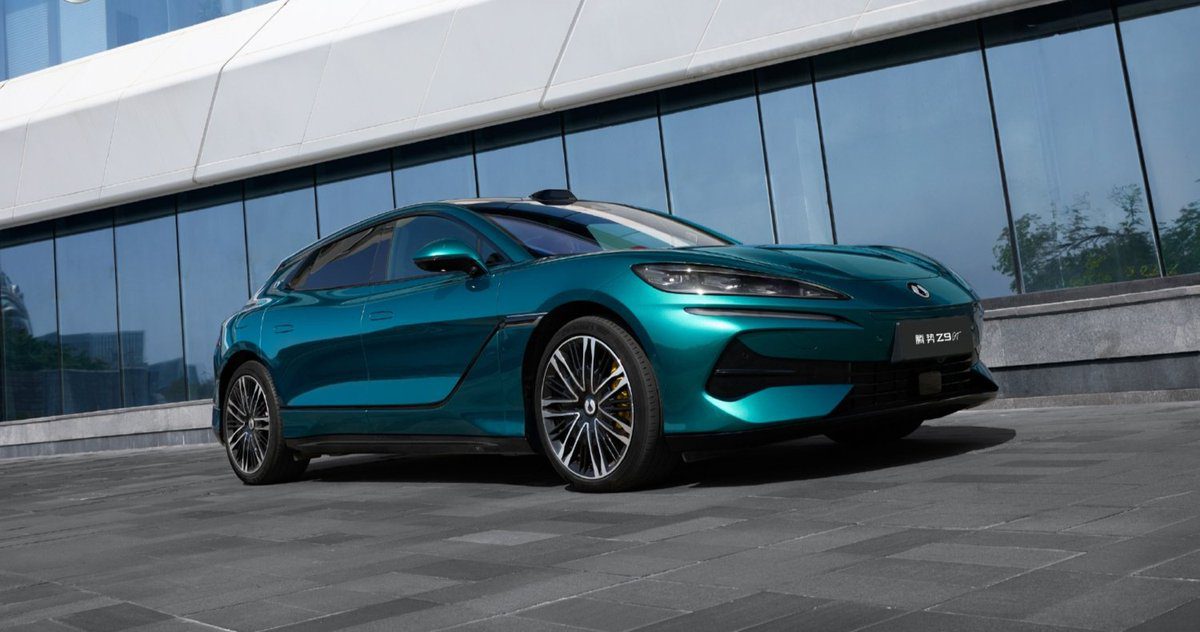
BYD’s premium brand Denza has unveiled the Z9 GT, claiming more than 1,000 km of range on China’s CLTC test cycle – a new benchmark for production electric cars.
In a post on Weibo, the company shared an image with the caption: “Denza Z9 GT: The All-New Denza Z9 GT – The world’s longest-range pure electric model.”
Crossing the 1,000 km mark is symbolically significant and, while based on China’s more generous CLTC test cycle, would likely translate to well over 800 km on the WLTP standard.
Image: Denza
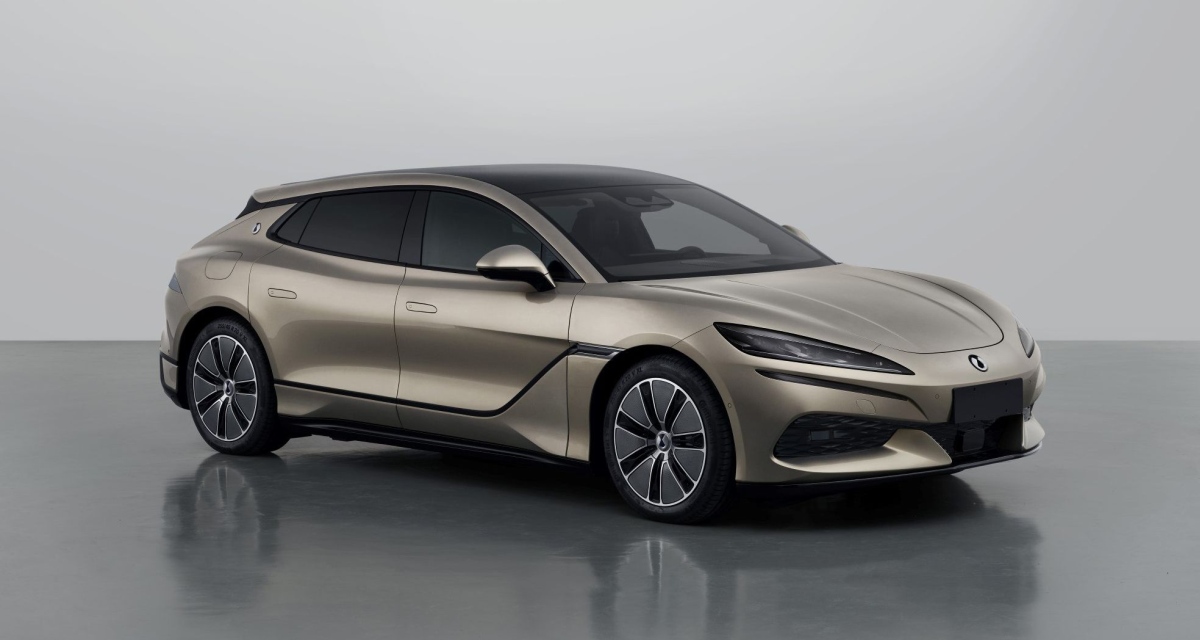
Reports from China last month revealed key specs for the new Denza Z9 GT model, as part of the approval documents submitted by the Ministry of Industry and Information Technology (MIIT).
This upcoming Z9 model will come with two new batteries, using BYD’s lithium iron phosphate (LFP) blade batteries with capacities of 102 kWh and 122 kWh.
The larger 122 kWh pack delivers up to 1,036 km on CLTC, while the tri-motor version drops slightly to 1,002 km
due to added power.
Specs also showed that the model will be available in both single and tri-motor versions. The single-motor version will come with a 370 kW rear-wheel-drive configuration, while the tri-motor version will have a combined power output of 850 kW.
New wheel designs are aimed at reducing cabin noise, while an integrated roof-mounted lidar forms part of Denza’s “God’s Eye” advanced driver assistance system.
Image: Denza via MIIT
Having driven the current-generation Z9 GT in Shenzhen last year, I found it more comfort-focused than outright sporty, positioning it as a long-distance tourer rather than a track weapon.
The performance figures for touring and daily driving in the Z9 GT are still well above pretty much anything else available in the Australian market.
With Denza’s D9 already approved for sale in Australia, the Z9 GT could follow if the premium brand expands its local lineup.
Image: Denza Australia
With rapid battery development, 1,000 kW charging claims and now four-digit range figures, BYD is accelerating its technological push and reshaping expectations around what mainstream EVs can deliver.
Our free daily newsletter sends the stories that really matter directly to you, every weekday.
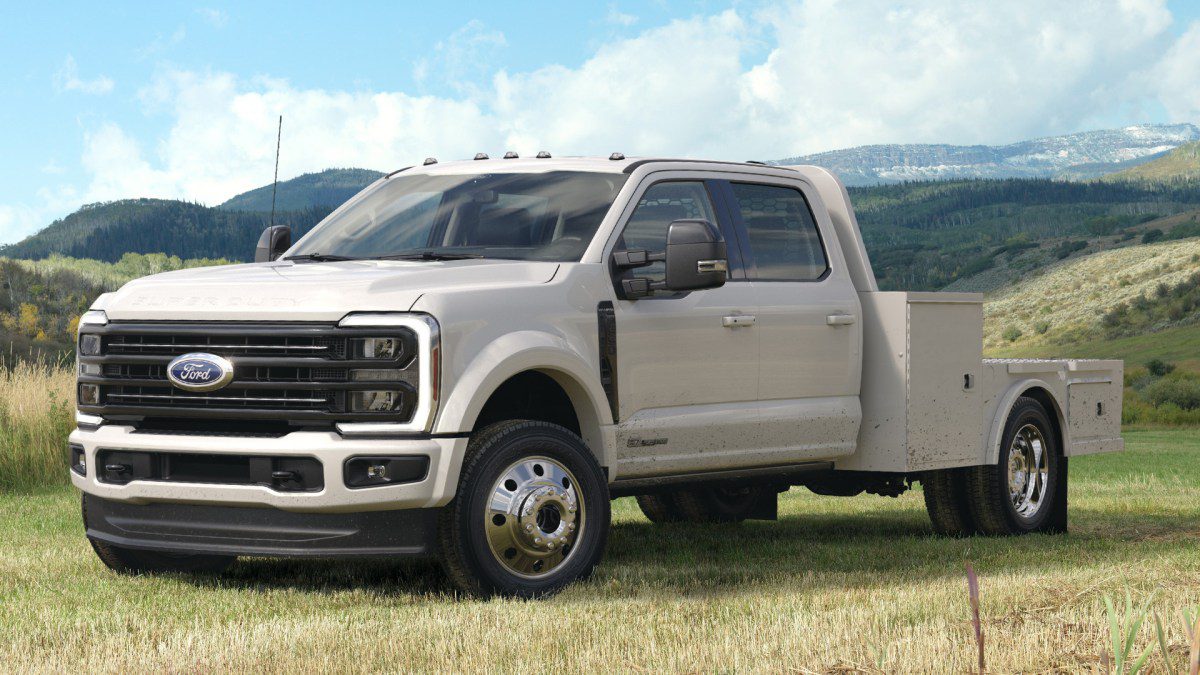
For every Ford Super Duty you see parked at the dealer without a bed, probably a dozen get shipped directly to upfitters. Companies turn them into all kinds of specialized workhorses, whether they be mobile mechanic rigs, bucket trucks for electric co-ops, or off-road RVs. Most of them are barebones XL models, simply because they’re going to get filthy and worn anyway. But Ford is taking its chassis cab models upmarket by building some in high-end Platinum trim.
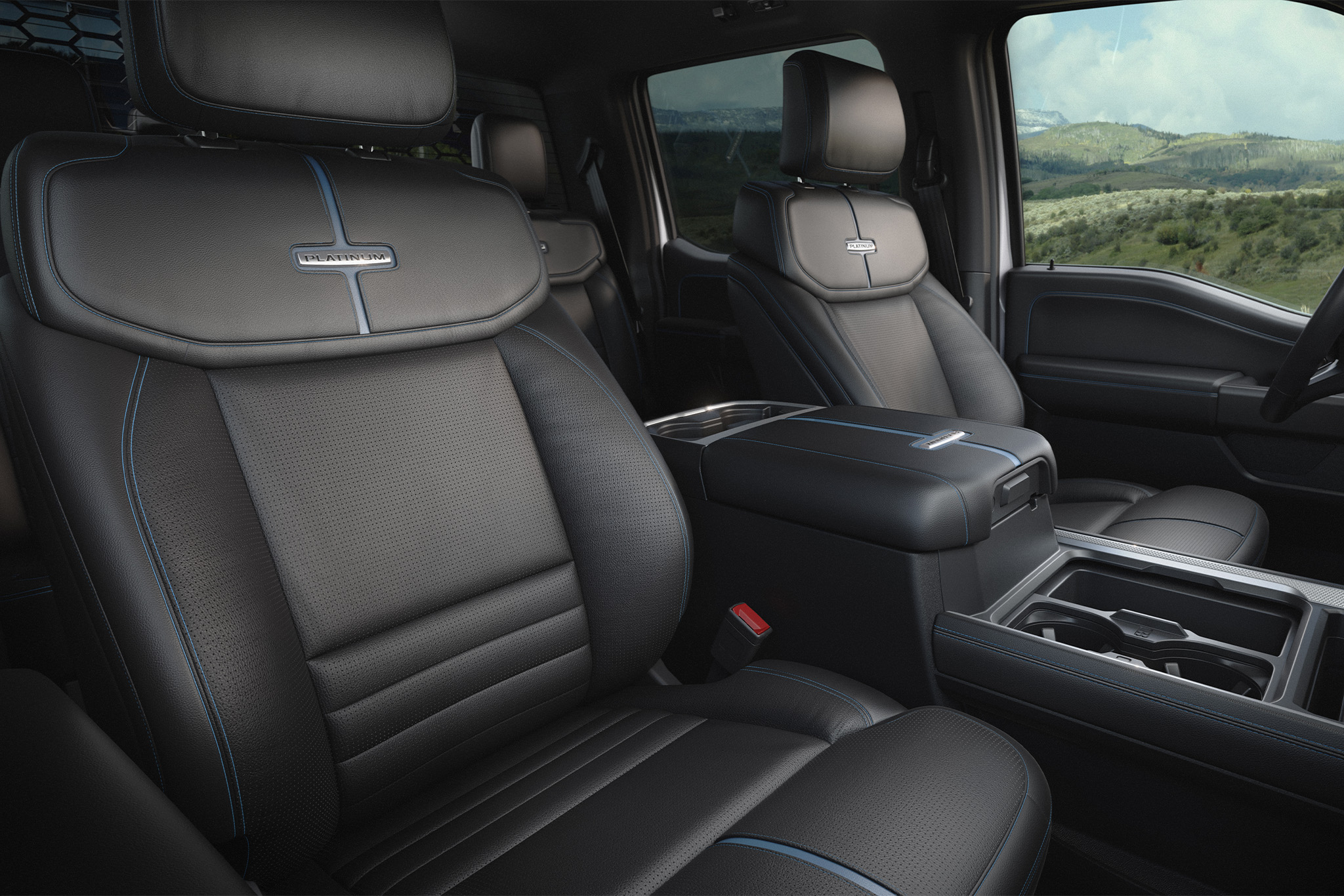
That means F-350, F-450, and F-550 chassis cabs will now be available to spec with leather seating (so long, vinyl) and lots more. Platinum models run Ford’s SYNC4 infotainment system on a 12-inch screen while also offering an available B&O Unleashed sound system with 14 speakers. Folks who see the trucks from the outside will know they’re special, too, thanks to their trim-specific grille, LED fog lights, and body-colored door handles.
I asked Ford if anything from the Platinum pickups doesn’t carry over to the chassis cabs. A spokesperson gave me a short list including the 360-degree camera system, adaptive cruise control with stop-and-go, lane-keep assist, Pro Trailer Backup assist / hitch assist, and a moonroof.
“For items 1–4, the reasons are purely functional,” the spokesperson explained. “Ford has not developed these features for incomplete vehicles like Chassis Cab, which are built to accommodate a wide range of aftermarket upfits. Several of these systems also depend on a pickup bed or tailgate for mounting—neither of which exist on Chassis Cab. 360-Degree Camera System and Pro Trailer Backup Assist / Hitch Assist, for example, rely on the rear-facing camera in the tailgate.
“For moonroof, it just hasn’t been an option Chassis Cab customers (the vast majority of which are commercial) have asked for. That said, we are always listening to customers and taking their feedback to heart.”
What you’re looking at is an F-550 Platinum interior. Who would have thought we’d ever see that? Ford
If I had to guess, most of these will be bought up by successful hot-shot truckers—or, even if they aren’t successful yet, they’re willing to take out a huge loan on a work truck. I see tons of Super Duty chassis cabs running down the road, either without a bed or with a custom solution that makes it as easy as possible to hook up a gooseneck trailer. Maybe some exotic car relocation specialists will scoop these up to haul enclosed trailers full of Lamborghinis and Ferraris.
Or, maybe U-Haul will create a new line of luxury rentals for when you want to move your own Ethan Allen furniture set from one property to the next.
I’m just spitballing at this point. While it might not make much sense to any of us without the money or the need for such a snazzy, hard-working machine, you just know some people will buy it because it’s the top of the line. That includes luxury overlanding companies that suddenly have a lot less work to do now that F-550s can be optioned from the factory with massaging seats.
Super Duty chassis cabs come with Ford’s 7.3-liter gas V8 or 6.7-liter Power Stroke diesel and a 10-speed transmission. Power is slightly derated from pickup versions for longevity, though they’re anything but slow. The Power Stroke still makes 330 hp and 950 lb-ft of torque, while the big-block gas V8 makes 335 hp and 468 lb-ft of torque.
Got a tip or question for the author? Contact them directly: caleb@thedrive.com
LAMBORGHINI has commenced year-long celebrations of its Miura supercar, which celebrated its sixtieth anniversary on 10 March.
Introduced at the 1966 Geneva Motor Show, the Lamborghini Miura P400 redefined high-performance motoring with not only an iconic design – penned by legendary Italian designer Nuccio Bertone – but with a set of specifications that seemed otherworldly at the time.
Fuelled by four triple-barrel Weber carburettors, the Miura’s transversely mounted V12 engine displaced just 3929cc. It featured a 60-degree bank angle and, unusually, a crankshaft that spun anticlockwise. The unit delivered an impressive 257kW of power at 7000rpm and 355Nm of torque at 5000rpm.
Paired with a five-speed manual gearbox and driving the rear wheels, it was claimed to accelerate from standstill to 100km/h in just 6.7 seconds and on to a top speed of 274km/h.
As the first production car in the world to feature the combination of midship engine and steel spaceframe chassis (weighing just 120kg!), the Miura P400 tipped the scale at just 985kg (kerb), helping it to not only out-perform much of its competition, but also deliver unrivalled handling and impressive braking.
Automobil Lamborghini president and CEO Stephan Winkelmann says the Miura was not simply another car, but a statement of intent for the young company.
“The Miura did more than introduce a new car – it changed the course of automotive history,” said.
“With its revolutionary architecture, breathtaking design, and uncompromised performance, it defined the very concept of the supercar and set Lamborghini on a path of fearless innovation.
“The Miura embodies our DNA: bold, visionary, and always ahead of its time.
“As we celebrate this anniversary, we honour a masterpiece that continues to inspire us – not only by looking back, but by reminding us that true innovation is born from the courage to challenge conventions.”
The Geneva show car was presented in Rosso Arancio (a reddish orange colour) paint, just one in a dazzling palette of vivid 1960s colours Lamborghini would offer.
Along with variations in wheels, tyres, trim, dampers, and even fuel tanks, the Miura would go on to sell 274 examples between its launch and April 1969, when the updated P400 S was introduced.
The Miura P400 S upped performance to deliver 276kW (now at 7500rpm) and 388Nm (now at 5500rpm), delivering a faster 0-100km/h time of 6.4 seconds, and increased top speed of 280km/h.
The vehicle was heavier than before (now 1180kg), and included a wider wheel track, a more luxurious cabin (with available air-conditioning and electric windows), ventilated disc brakes front and rear, a redesigned dashboard, seats, chrome brightwork, and reshaped air intakes.
In its third and final iteration (1971-73), the Miura P400 SV upped the power delivery from its V12 engine once more, culminating in 287kW at a lofty 7850rpm, but still with 388Nm at 5500rpm.
With a 0-100km/h time of just 5.5 seconds, and a published top speed of “over 290km/h”, the Miura P400 SV was one of the fastest production cars on the planet in its day – in spite of a now 1285kg kerb weight, widened rear axle, limited slip differential, and even more luxurious cabin appointments.
With a price tag of over 8,000,000 Lira in 1971, the Lamborghini was an expensive vehicle by any stretch of the imagination. By way of contrast, a Fiat 500 cost just 475,000 Lira at the same time, reserving the Miura to customers with ample means.
Between 1966 and 1973, the Lamborghini factory in Sant’Agata Bolognese produced 763 examples of the Miura, around 400 of which are estimated to survive to this day.
Depending on the configuration and condition of a surviving example, a Lamborghini Miura can today be expected to fetch as much as $A3,550,000.