Author: admin

  • The New Chevy Bolt Charges Quicker Than GM’s Pricier EVs. It’s More Proof That Voltage Matters

    The New Chevy Bolt Charges Quicker Than GM’s Pricier EVs. It’s More Proof That Voltage Matters

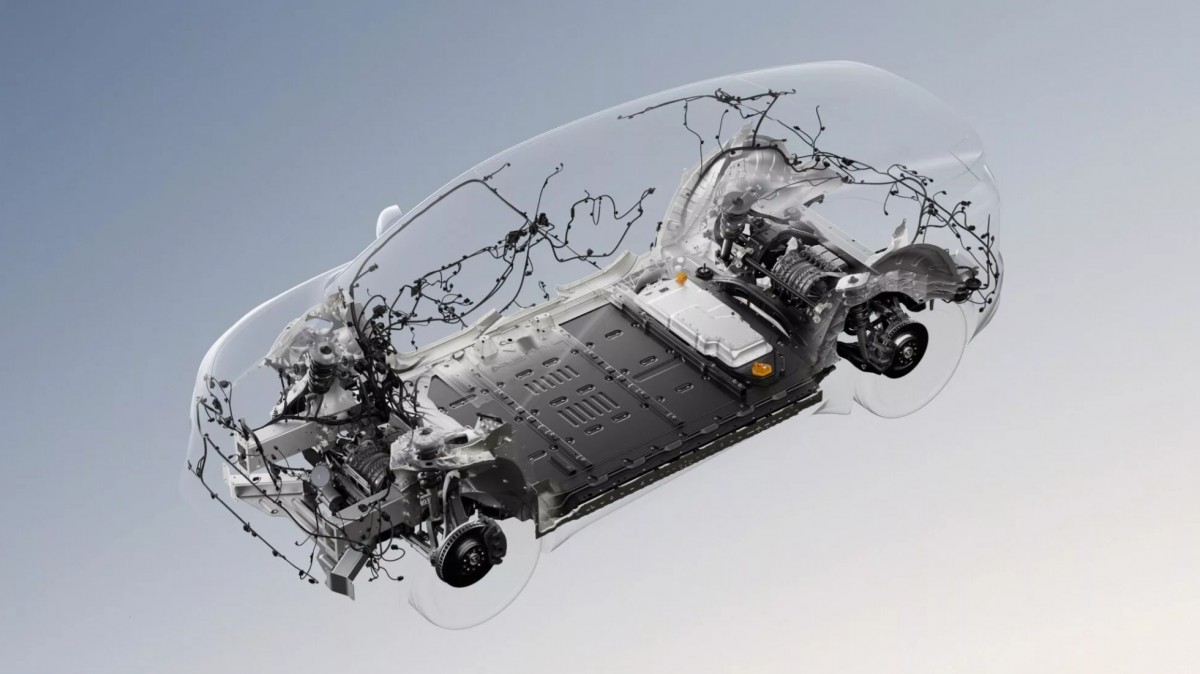
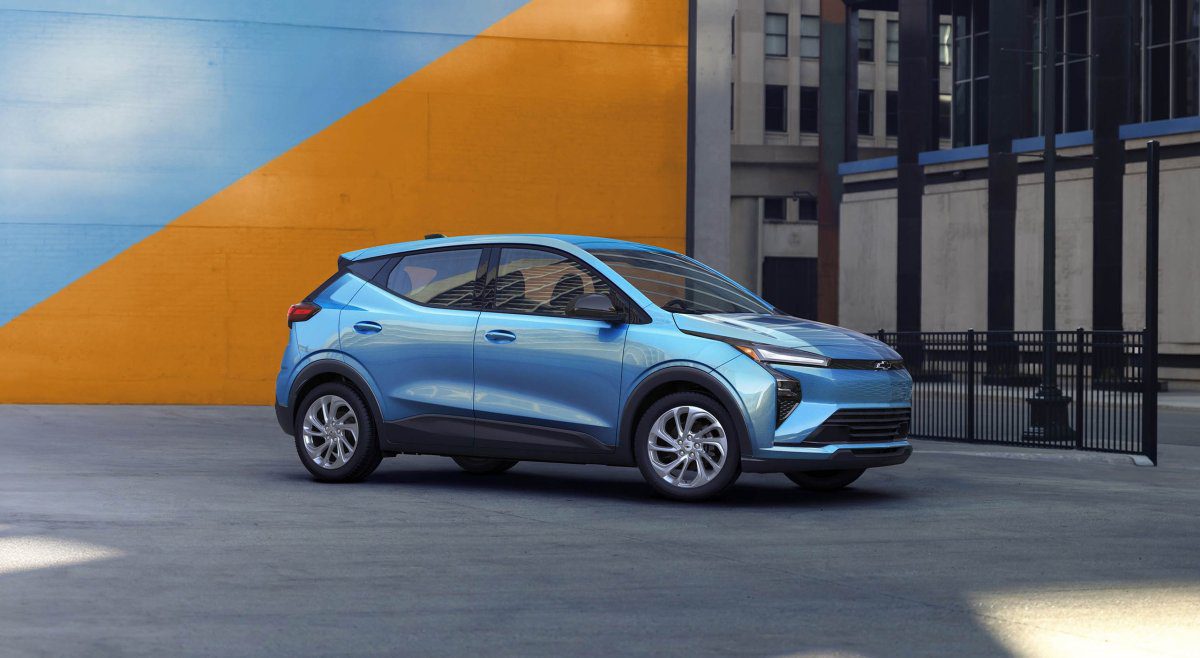
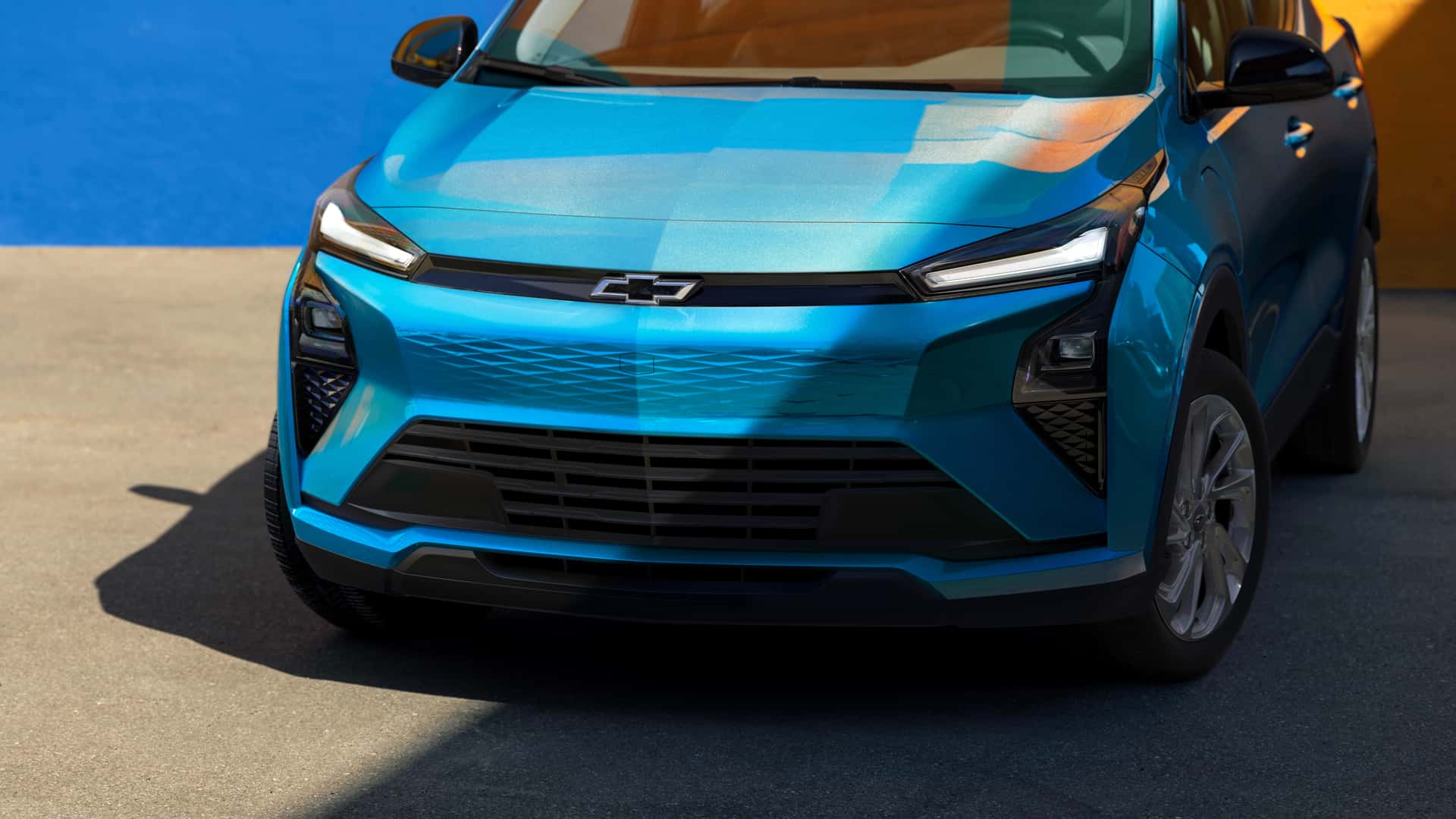
    There’s a clever choice at the heart of every “Ultium”-powered General Motors EV. Whether it’s a big honkin’ GMC Hummer EV or an affordable, base-model Chevy Equinox EV, all of the General’s electric products rely on the same foundational pillar: The same basic cells, arranged into 24-cell modules. All of them, that is, except the new Bolt. And it’s also the one with the best 10-80% charge time.

    Coincidence? Not quite. The explanation requires some basic knowledge of battery packs, a little bit of chemistry, and a dash of geopolitics.

    Let’s get into it.

    The Module Approach

    There’s a key reason why many EVs are expensive. Economies of scale just haven’t kicked in as they have for gas cars. Over 100-plus years of building dino-burners, we’ve gotten pretty good at every individual part. There are plenty of firms that can build fuel pumps, turbochargers, alternators, and radiators at scale, leveraging hundreds of thousand-unit volumes to drive per-unit costs down. 


    Ultium EV Cells

    Photo by: General Motors

    With EVs, automakers are having to build that whole supply chain for scratch. It’s a lot harder to find a supplier to build an automotive-grade DC-to-DC converter than it is to find a fuel pump supplier, because only one of those technologies was in demand a decade ago. For most of these components, it’s not an issue, as the supply base has built up. But the biggest cost and the biggest challenge is the battery.

    Automotive-grade batteries are highly specialized, and they’re not one-size fits all. But at the same time, the more of any one single product you build, the more you can drive down costs with economies of scale. So if you can’t use the same pack for every car, as different vehicles have different range demands, and you still want to offer a variety of models, you’re in a pinch. How do you build a variety of batteries without decimating your economies of scale?

    For GM, the answer was to make everything common on the sub-pack level. Each pack is built from the same core components: A 103 amp-hour cell, arranged into 24-cell modules that run at 29 volts. Using that core building block, GM can build a variety of packs. The ones in the Chevy Equinox EV, Blazer EV LT, and Optiq are 10-module, 85 kilowatt-hour packs, while the Cadillac Lyriq and Blazer EV SS get 12-module, 102 kWh packs. Step up to the big-dog trims of the Hummer EV and Chevy Silverado EV and you get 24 modules, or 205 kWh of power. 


    2026 HUMMER EV Carbon Fiber Edition Pickup

    Photo by: GMC

    The Voltage Problem

    If you know how batteries work, though, you can already see the problem. The core cells that make up large automotive batteries don’t run at 400 volts or 800 volts. They run, in this case, at between 3.6 and 4.2 volts, as Motor1 explained in an excellent deep dive. Getting higher voltages requires wiring all of these batteries together to raise the pack’s overall peak voltage.

    But do the back-of-the-napkin math yourself: With cars like the Equinox EV and Blazer EV getting 10 modules, each with a nominal voltage of 29 volts, that puts the overall pack voltage at around 290 volts. This explains why both vehicles have a pretty excruciating charge curve. While both peak at 150 kW, to get 150 kW out of such a low voltage requires over 500 amps—because charging power (kW) equals voltage times current (amps). Since existing 150-kW charger designs can’t actually output that much current, you need to find a 250- or 350-kW charger to get the peak number. 


    2026 Chevy Blazer EV SS

    Photo by: Suvrat Kothari

    Even if you do, the 10-80% sprint takes a lethargic 40 minutes in a best-case scenario. And while larger GM packs can peak at higher rates—the Silverado EV can charge at up to 350 kW—their gargantuan size slows the process. That means the little Bolt, with its 65 kWh battery, is the charging champ. It charges from 10-80% in 26 minutes.

    So why doesn’t the Bolt have this problem?

    A New LFP Pack, Straight From China

    Because despite using the broader Ultium architecture and software stack, the Bolt doesn’t use an Ultium battery. Instead it gets GM’s first lithium-iron-phosphate (LFP) pack. LFP batteries are cheaper, more durable, and last longer than nickel-mangnanese-cobalt batteries, which power all other Ultium cars. And because this pack didn’t have to use GM’s modular approach, the Chinese supplier was able to give it a nominal voltage that’s a lot closer to 400.

    That means it can peak at 150 kilowatts from a relatively low state of charge and hold high charge speeds for a long time. It’s got a big, meaty charge curve that allows it to fill up quicker than other cheap EVs, like the base-model Ford Mustang Mach-E and Volkswagen ID.4.

    With that, GM turned the Bolt’s greatest weakness into a major strength. While the old one had painful, hourlong charging stops on road trips, the new one will get you back on the road faster than even a Tesla Model Y or Rivian R2—at least when it comes to going from 10-80%. 

    It’s a huge improvement. But there’s one major catch to the new Bolt. To learn what it is, check out my full first drive here. 

    Contact the author: Mack.Hogan@insideevs.com 
    Source link

  • Ferrari F80 delivered in the USA; One of the first US-spec cars

    Ferrari F80 delivered in the USA; One of the first US-spec cars

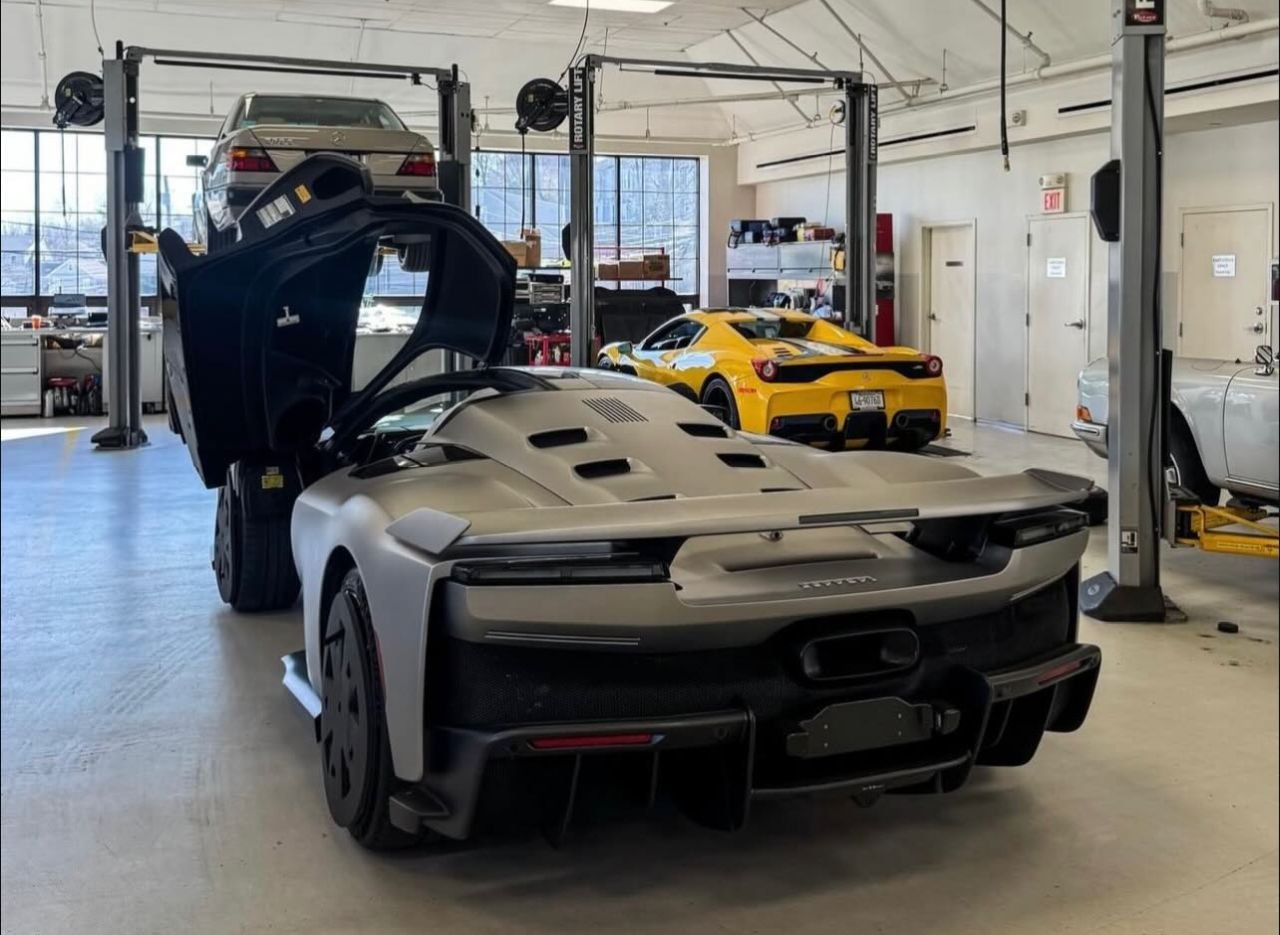
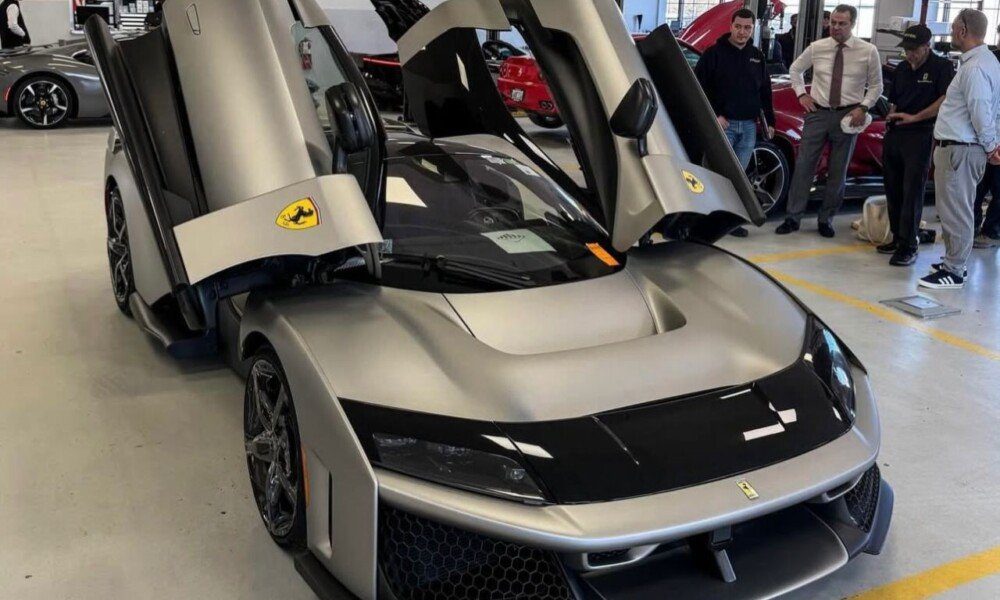
    Deliveries of the Ferrari F80 commenced last year around Christmas. Since then, the carmaker has delivered several customer cars in Europe and the Middle East. Now, one of the first US-spec Ferrari F80s has been delivered.

    This F80 is part of Steven Victor’s collection and will be based in Greenwich, CT. However, it probably isn’t the first one in the United States, as there have been reports of sightings elsewhere in the country.

    Ferrari F80 USA-2

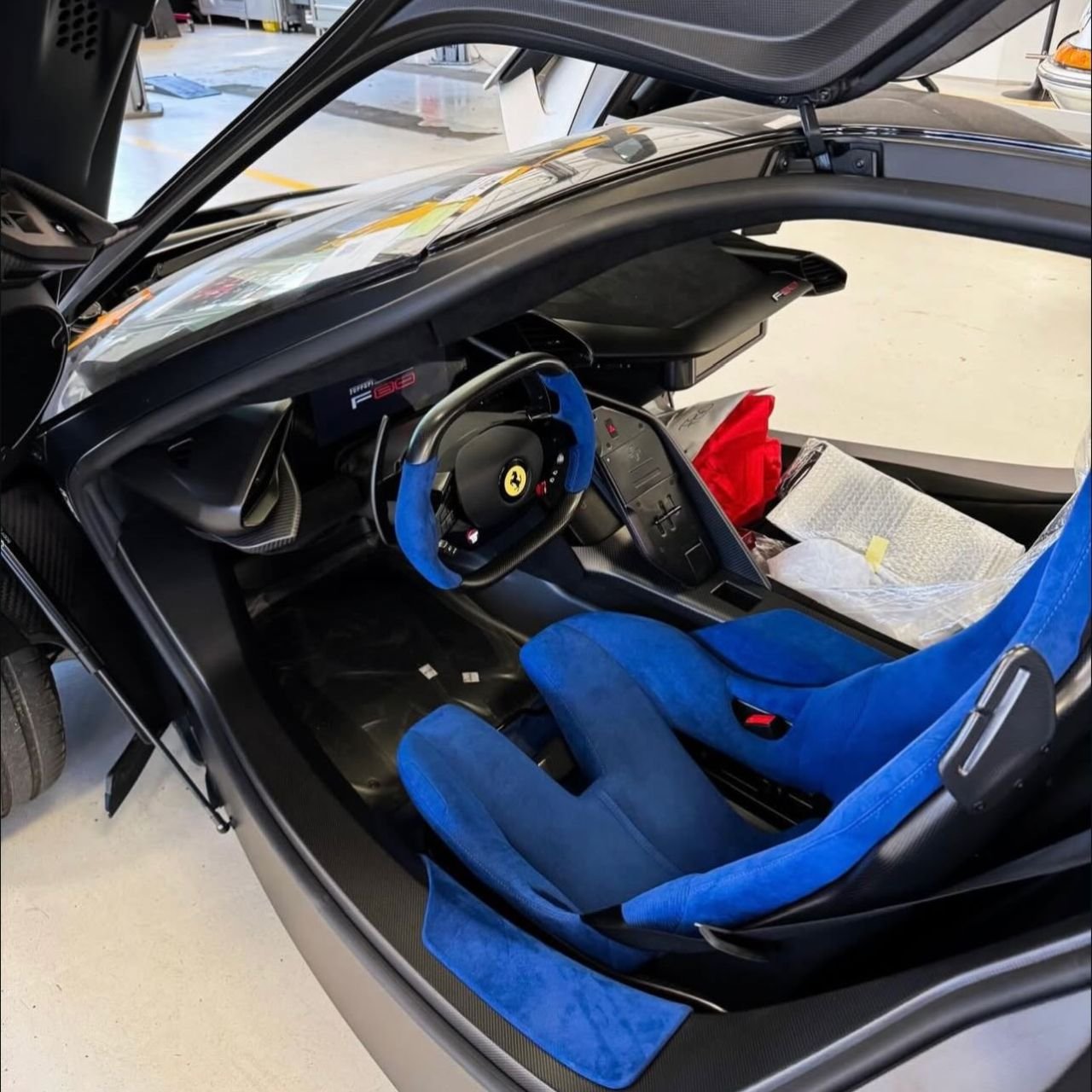
    The car is finished in Alluminio Opaco, a shade of light grey with a matte finish, and has a blue Alcantara interior. Victor also owns a similarly specced LaFerrari and Daytona SP3.

    The F80 uses a 3.0-liter twin-turbo V6 engine that produces 900 hp. The internal combustion engine is paired with an electric front axle and an F1-derived MGU-K, which adds another 300 hp, taking the total output to 1200 hp.

    Ferrari F80 USA-3

    Ferrari claims a 0-62 mph time of 2.15 seconds. 0-124 mph comes up in 5.75 seconds, and it can reach a top speed of 217 mph. Deceleration is equally brisk. From 62 mph, the F80 will come to a standstill in just 28 meters.

    Sourece: @exclusivecarregistry


    Source link

  • Yes, Volvo Once Put a V8 in the XC90

    Yes, Volvo Once Put a V8 in the XC90

    Tracing the Roots of ‘ReVolvolution’

    It was in the ’80s when Volvo began exploring a more adventurous side, fitting turbochargers into its engines. First, it was the 240 that got a healthy amount of boost, even spawning a touring car version that actually proved successful in motorsport. Not content with that, Volvo proceeded to do the same thing for the 900 Series with the 940 Turbo, better known as the 940 SE in the U.S.

    Into the ’90s, the 850 gained a T-5 model that further enhanced the brand’s sporting credentials. It was subsequently joined by even more powerful iterations with the T-5 R and 850R, and even saw a fair bit of success on the track.

    As for design, the company was entering a bold new direction. Previewed by the ECC concept car from 1992, it looked nothing like the boxy models from that time and presented a sleeker, swoopier design language from the typically conservative Swedes. That all came to fruition in 1998 when Volvo released the S80, followed by the S60/V70 in 2001, and the XC90 in 2002. It was a ReVolvolution, indeed, as the old ads say.

    Volvo

    ‘Let’s Stick a V8 in it’

    By the mid-2000s, Volvo had pretty much changed its image but not its identity. The cars looked more contemporary, and even though Volvo didn’t (and still doesn’t) compete directly with the Germans, it was proving to be a very viable alternative to the usual suspects. ‘Where do we go from here?” said the Swedes, and the answer was the very American solution of shoving V8s in its flagship models.

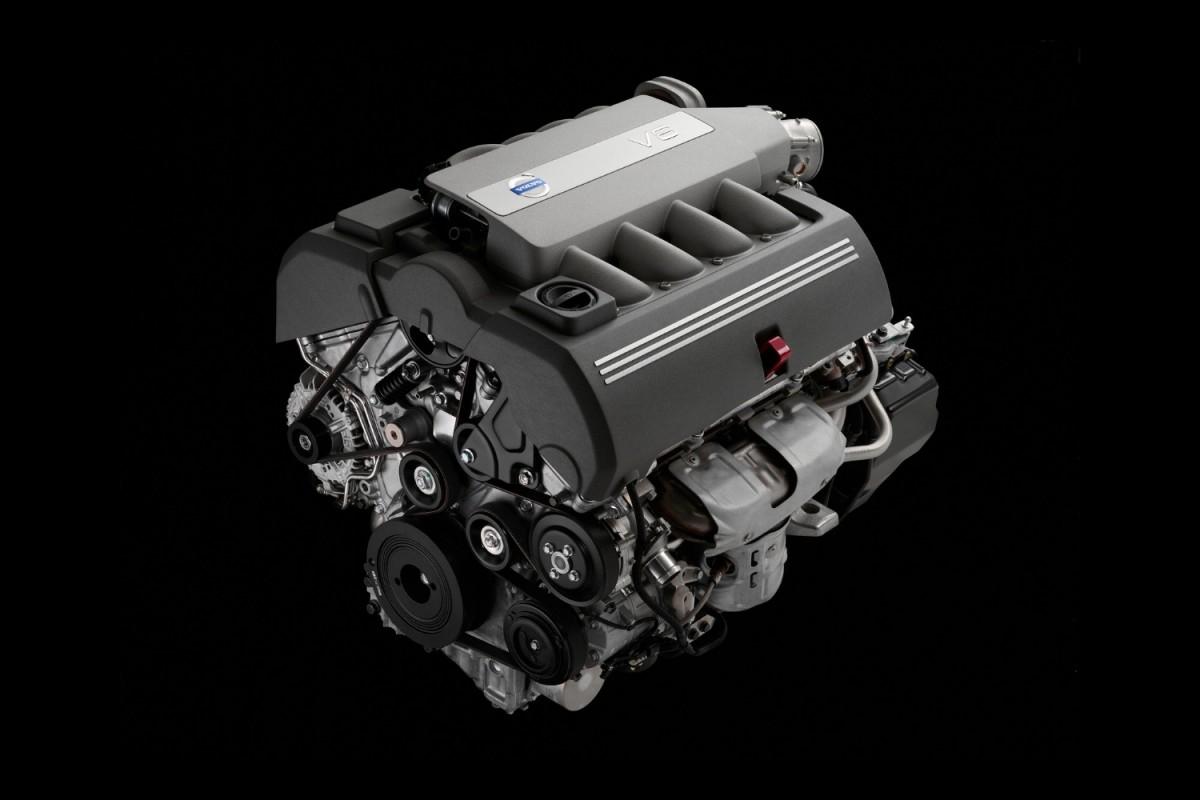
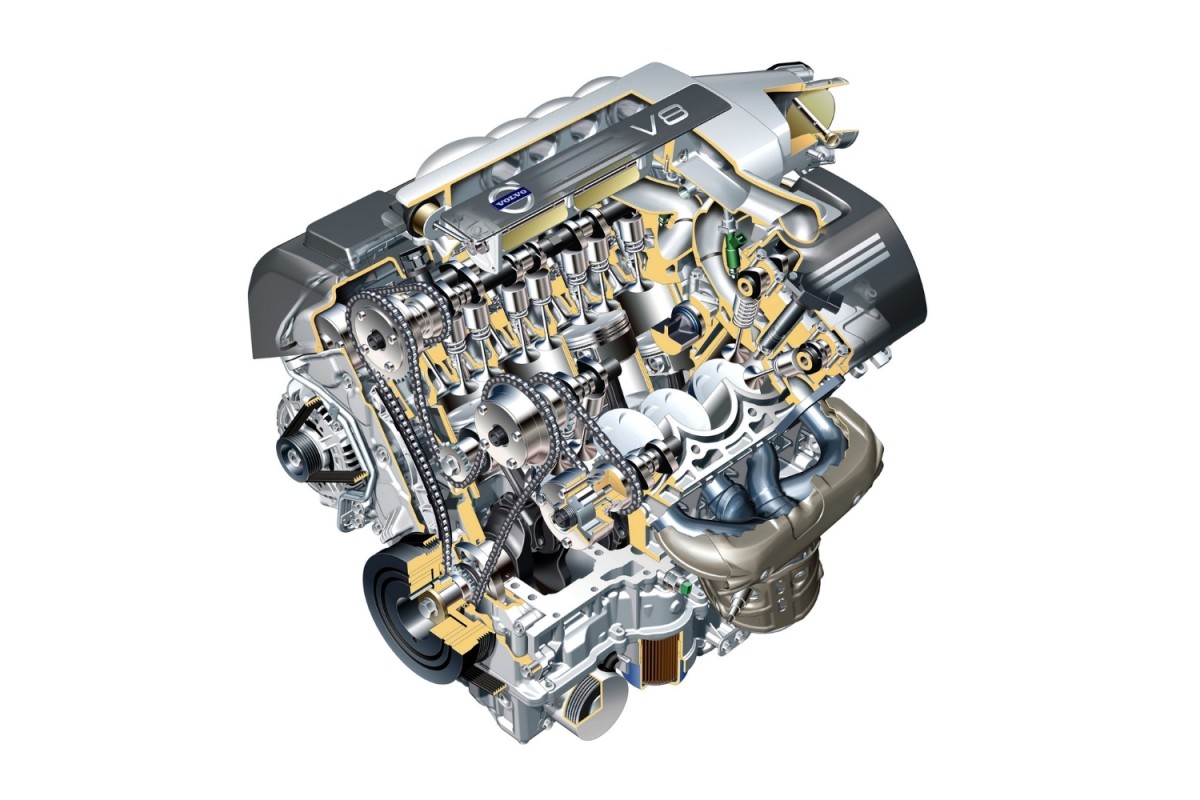
    Meet the B8444S, and it’s not just a collection of alphanumerics. B stands for benzene or gas/petrol, 8 is for its cylinder count, 44 stands for its 4.4-liter displacement, the other 4 meant four valves per cylinder, and the S stands for standard or naturally-aspirated.

    Contrary to popular belief, the B8444S is not related to any Ford engine from the same era. It’s a pure Volvo design in collaboration with Yamaha. That’s the part that made some folks think it was an upsized version of the Taurus SHO’s 3.4-liter V8.

    Volvo

    Why Volvo Made it

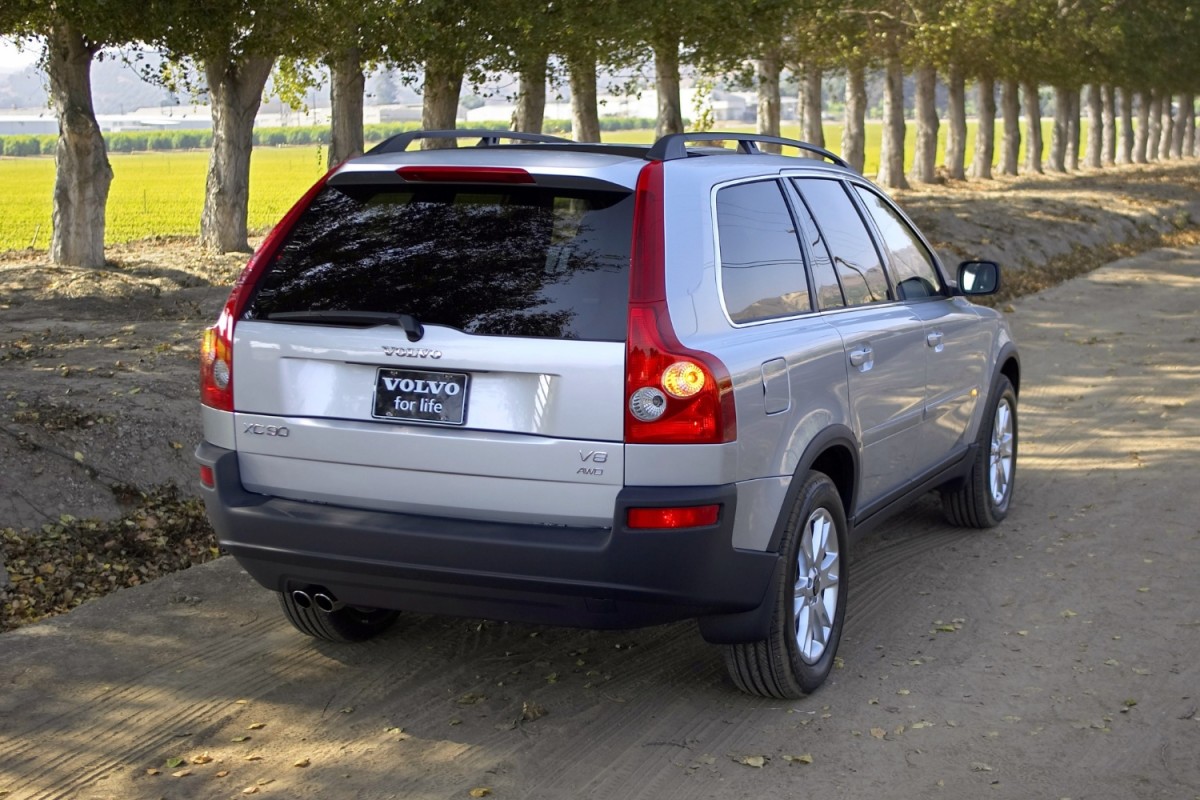
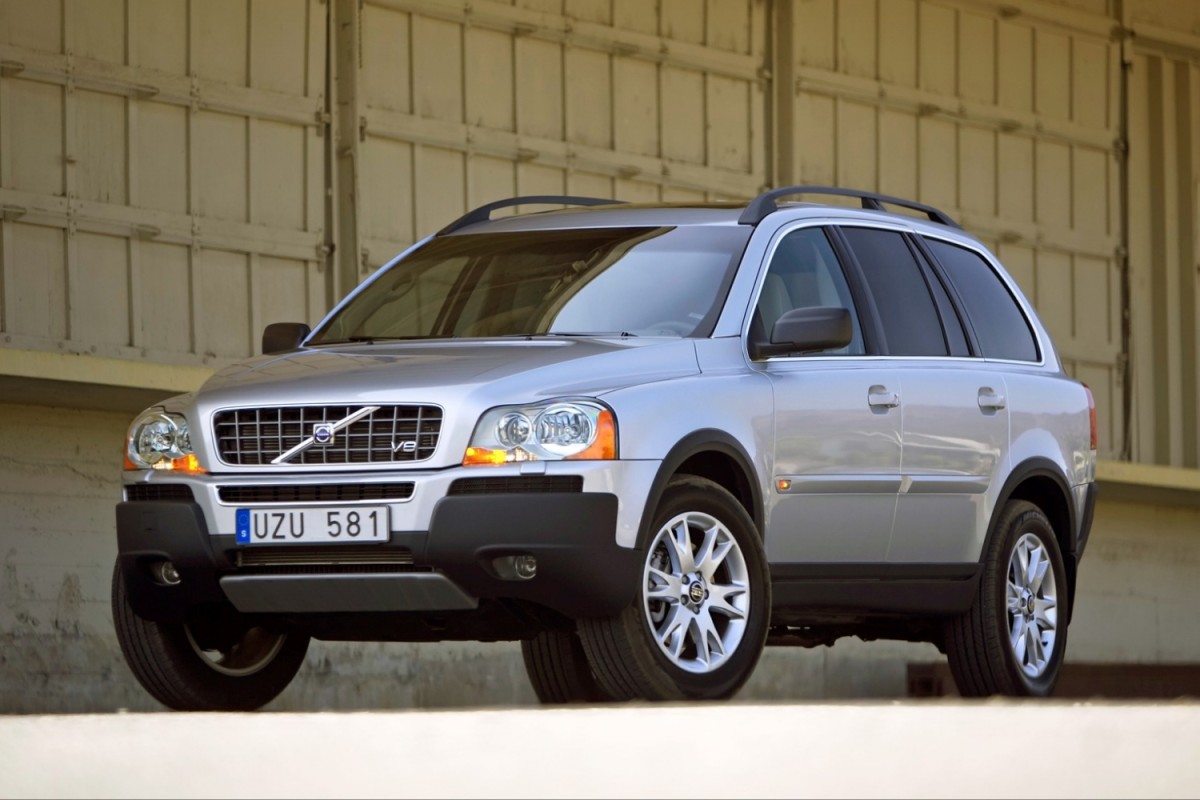
    The Yamaha-built V8 first appeared in the XC90 in late 2004 for the 2005 model year. The reason why this whole thing happened in the first place? Hans Wilkman, then Volvo’s vice president for the large car line, explained, “An SUV in the premium segment needs a V8, especially on the North American market where we sell about 60 percent of all the XC90s we make.”

    The 4.4-liter V8 produced 311 hp and 375 lb-ft of torque, competitive figures at the time. For comparison, the BMW X5 4.4i put out 315 hp and 330 lb-ft, while the Mercedes-Benz ML500 had 306 hp and 299 lb-ft. The Volvo was in the right company.

    At the time, Volvo said it was tailor-fit for the XC90, but there was more to come.

    Volvo

    Finally, a V8 Sedan

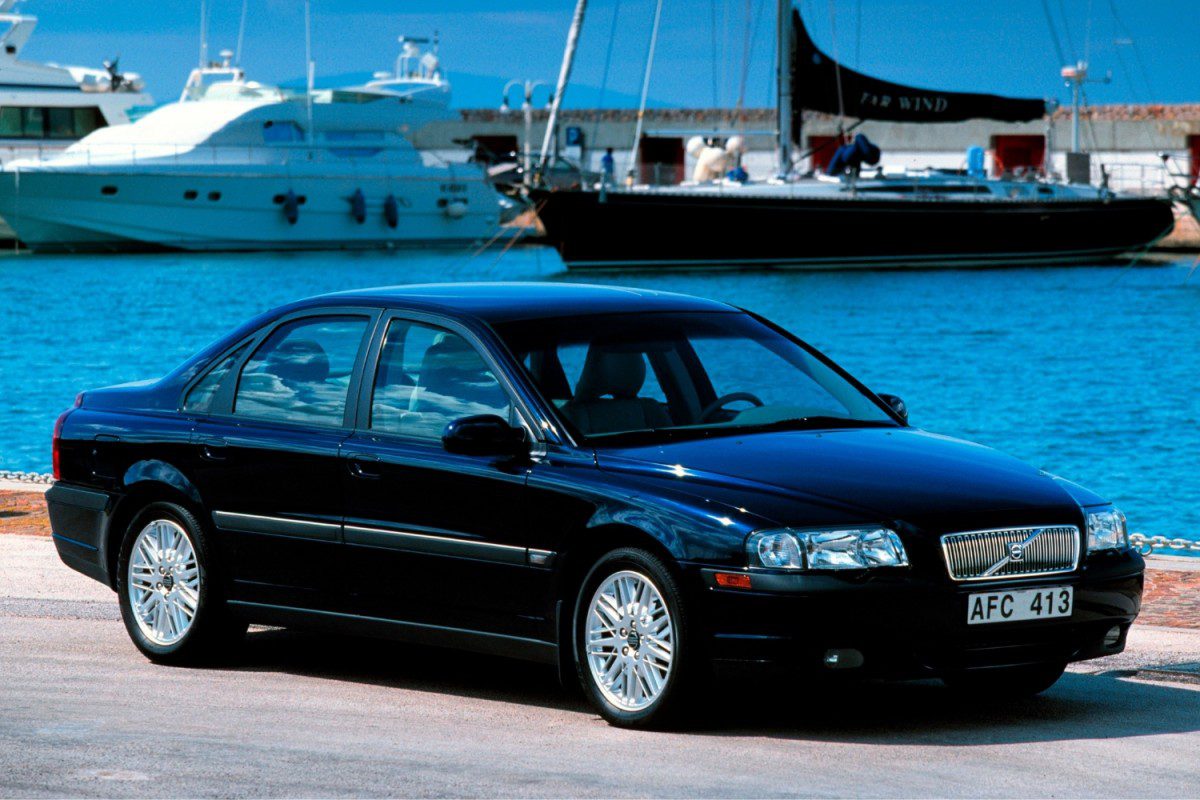
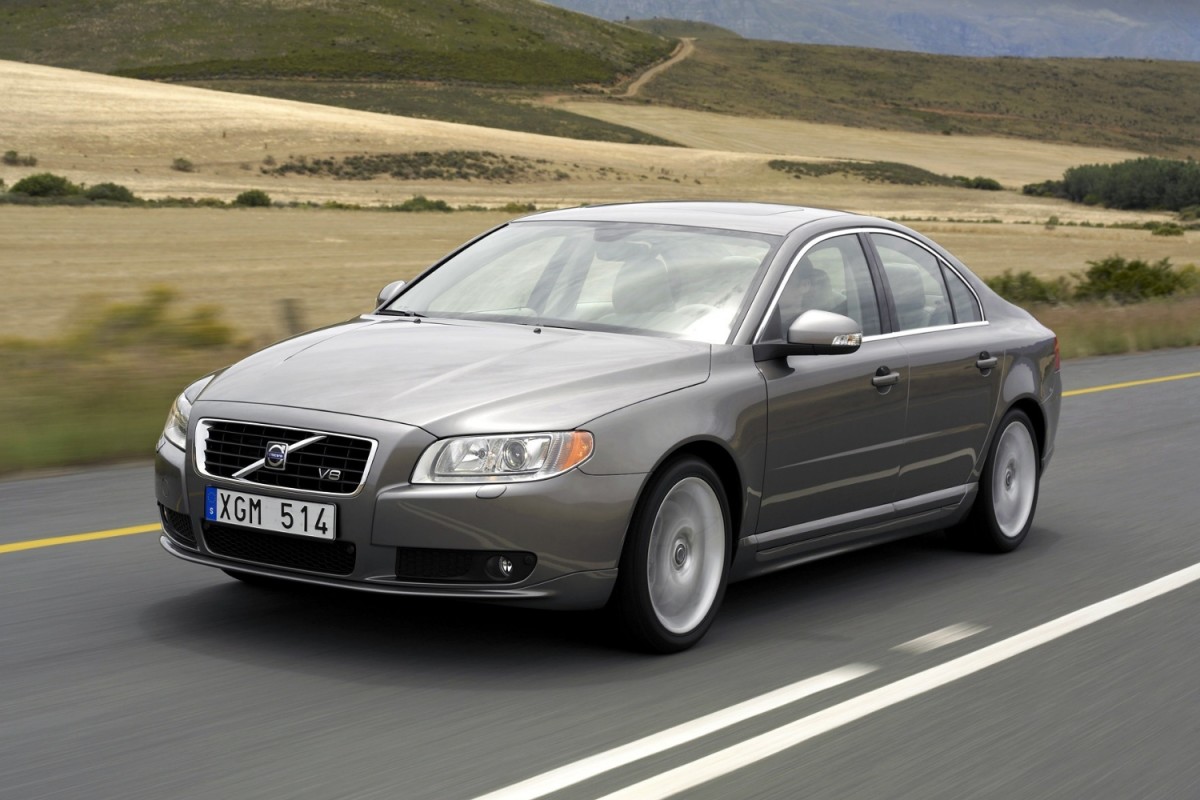
    The second-generation Volvo S80 made its world premiere in 2006 for the 2007 model year. It had the usual range of engines, consisting of turbocharged four-, five-, and six-cylinders, with a mix of gas and diesel. But the Swedes dropped a bombshell when it was introduced, and it too became available with the same 4.4-liter V8 from the XC90.

    Power figures were exactly the same, but the S80’s lighter body meant it got to 60 mph about half a second quicker and knocked the time down from 7.0 seconds to 6.5. It also got the same Haldex all-wheel drive system from its SUV sibling. That said, it was more about reducing torque steer than giving it a sharper, more dynamic edge.

    Volvo

    Smooth Operators

    The thing about the V8 Volvos is that these were never marketed as sporty or outright exciting. The company’s press release even went so far as to say these were clean and environmentally friendly V8s, and while there was mention of the Four-C suspension system, Volvo pitched it more as a selectable drive mode to adapt to conditions rather than as something that would turn the XC90 or S80 into corner carvers.

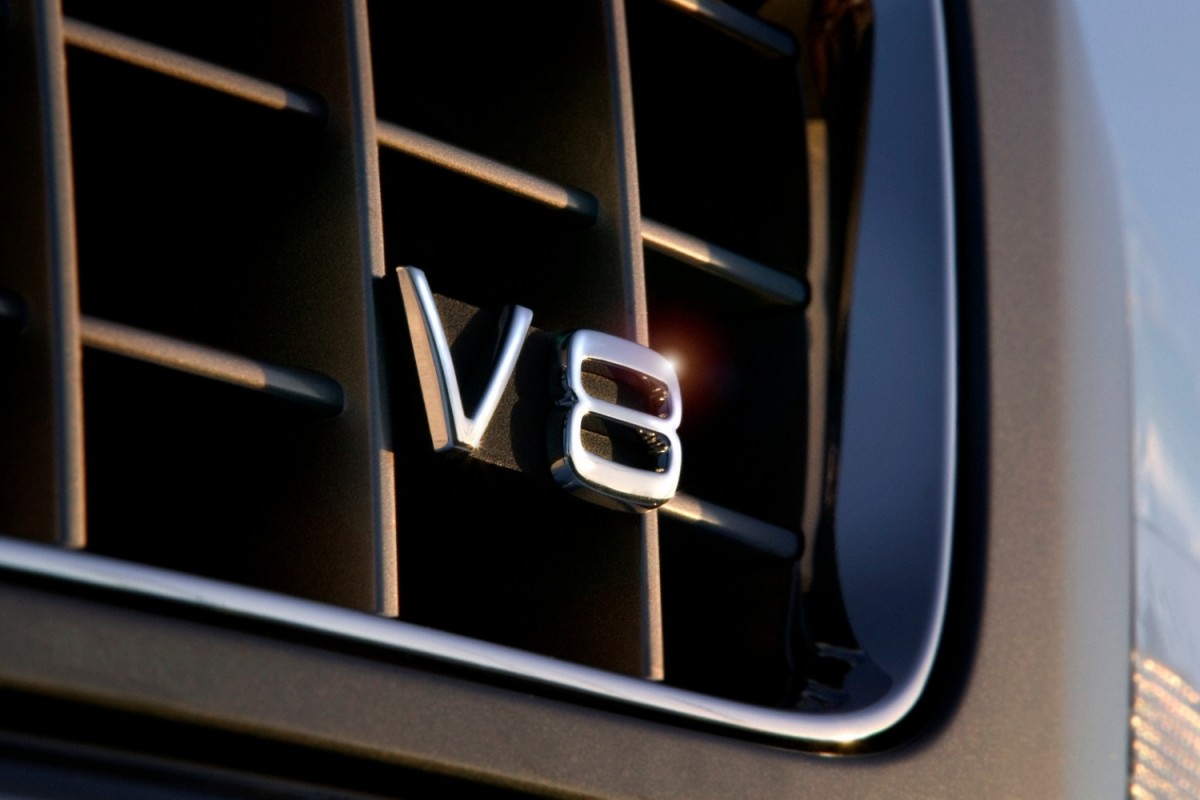
    So, these cars weren’t sporty, and their designs reflected that, too. At most, you get a V8 badge on the grille and another at the back. They’re virtually indistinguishable from their lower-powered counterparts, especially if you take out the badges. The V8-powered XC90 and S80 were smoother, capable cruisers with vast power reserves from the understressed engine. In the case of the S80, it’s basically the result of telling Volvo to build a Swedish Crown Victoria. We do wish it had kept the same engine in the V70 wagon, though.

    Volvo

    The Party Didn’t Last Long

    Unfortunately for Volvo, it was in trouble by the late 2010s. The global financial crisis meant Ford, which owned the company at the time, had to tighten its belt. Either way, Ford’s Premiere Auto Group experiment had failed by then, so it had to sell off Aston Martin, Jaguar, and Land Rover, along with Volvo, to survive. Aston Martin was sold off to a consortium, Jaguar and Land Rover ended up with Tata Motors, and Volvo went to Geely.

    Under new management, Volvo streamlined its powertrain department by building on just one engine. In this case, it was with a turbocharged 2.0-liter engine, and the company still does this today. The inline-fives were dropped, so were the straight-sixes, and yes, even the V8. In the end, an overwhelming majority of eight-cylinder engines wound up in XC90s, although a fair number did reside under the hoods of S80s.

    Volvo stopped putting the B8444S in its road cars in 2010, but it lived on in the Noble M600 with a unique engine management system and two turbos strapped to it. A bored-out 5.0-liter version was also used in Volvo’s short but triumphant career in Australia’s V8 Supercars championship for the S60 V8, with Scott McLaughlin wringing out the best from it.

    There’s no chance of Volvo ever revisiting V8 power, given its push towards electrification, but the brief period it offered eight cylinders is always worth revisiting. At least it hasn’t stopped building sleepers, as the XC90 T8, XC60 T8, and V60 T8 of today offer genuine sports car-rivaling acceleration times in the lap of comfort.

    Volvo

    Volvo


    View the 9 images of this gallery on the
    original article

    Source link

  • Speed vs. Fuel Economy: Maximizing Efficiency While Driving

    Speed vs. Fuel Economy: Maximizing Efficiency While Driving

    fuel-gauge-empty-gas-light-on

    It might be a thrill to cruise down the highway at higher speeds, or you might just be in a hurry, but it isn’t doing your mpg any favors either way. In the face of rising gas prices, one of the easiest ways to save at the pump might actually be just to slow down.

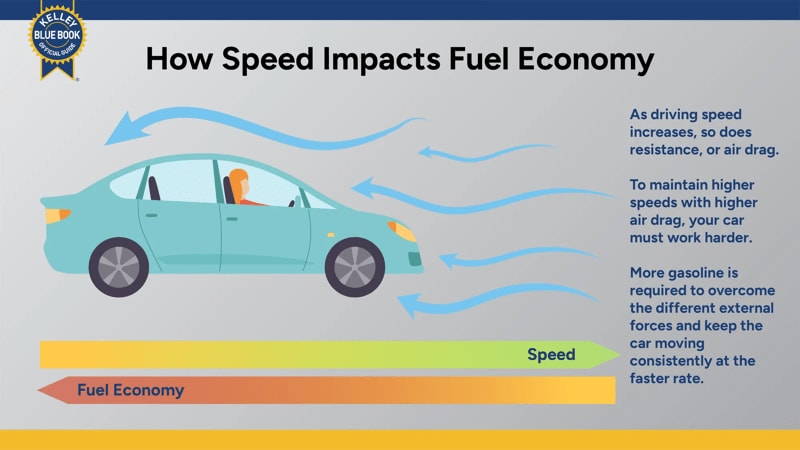
    Every vehicle has its own optimal speed range for fuel economy, but most cars see a rapid drop in gas mileage starting around 50 mph. The U.S. Department of Energy (DOE) estimates that each 5 mph above 50 mph will cost an additional $0.27 per gallon, assuming an average cost of $3.83 per gallon. Slowing down even 5 to 10 mph can have a 7% to 14% fuel economy benefit, which can add up quickly.

    Why Does Speed Impact Fuel Economy?

    As you drive faster, your car faces greater resistance as the air pushes against it. This is air drag, and it increases with increased speed. Your engine has to work harder to rotate the tires and keep the car moving at that rate. You will also be fighting friction in your tires and between engine and transmission parts. This all requires more gasoline to overcome the net effect of these forces.

    Speed vs. Fuel Economy: Maximizing Efficiency While DrivingSpeed vs. Fuel Economy: Maximizing Efficiency While Driving

    Tips for Maximizing Fuel Efficiency

    The DOE cites studies suggesting that the average driver can improve their car’s fuel economy by roughly 10% if they follow good driving and maintenance habits. These include:

    • Drive sensibly: Aggressive driving that includes rapid acceleration, frequently slamming the brakes, or speeding can dramatically impact fuel economy. Safe and controlled driving within the speed limit, along with smooth acceleration and braking at moderate speeds go a long a way toward improving your fuel economy, not to mention being much safer for you and other cars on the road.
    • Limit idling: Depending on AC use, idling can consume up to a quarter tank of gas per hour. If you are parked for extended periods, turn the engine off.
    • Reduce inside load: Every extra hundred pounds in a vehicle can reduce mpg by 2%, according to some studies. If you’ve been hauling extra cargo, it can be tempting to keep it in the car for future rides, but removing it can reduce fuel consumption.
    • Ditch the roof rack: A loaded roof rack can reduce fuel economy by up to 5%. They increase aerodynamic drag and force your car to work even harder. If you can streamline your car, it’ll help improve fuel economy.
    • Use cruise control: On long drives, it’s easy to let your mind wander while you’re belting out tunes and not even notice your speed creep up. For long highway stretches, cruise control can help you maintain a consistent speed and save gas.
    • Keep your car properly maintained: Good tire pressure, a properly tuned engine, and regular oil changes will all help keep your car running at peak performance and maximum fuel efficiency. Never cut corners with scheduled maintenance — your car and your wallet will thank you.

    Ultimately, slowing your roll even just a little can not only help return some fuel savings to your pocket but also has added safety benefits as well. There can certainly be vehicle and road conditions that are out of your control, but paying attention to those that are not can go a long way toward improving your fuel economy.

    Source link

  • Lucid Motors targets affordable EV market with new Cosmos and Earth models

    Lucid Motors targets affordable EV market with new Cosmos and Earth models

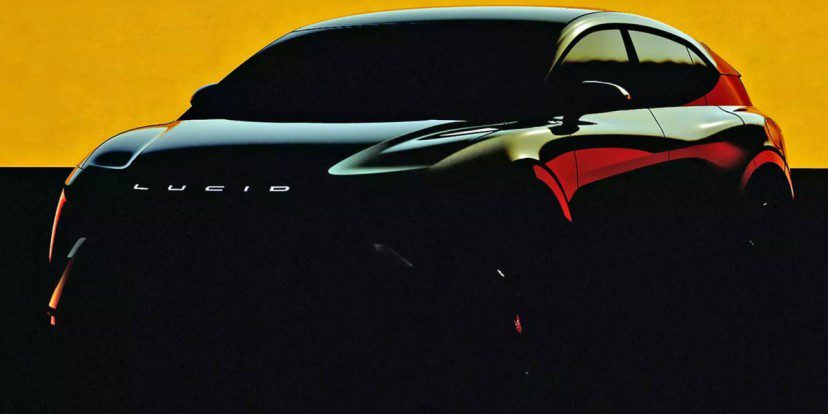
    Lucid Motors has been making expensive, high-end electric cars like the Air sedan or the Gravity SUV, but now, the company wants to build EVs that more people can afford. During a meeting with investors, Lucid shared plans for a new midsize platform, which will help them build EVs that cost less than $50,000. For a brand that usually sells cars for over $100,000, this is a big change.

    The company announced the names of its next two vehicles: the Lucid Cosmos and the Lucid Earth. These models are smaller than the current Air and the Gravity. Lucid also mentioned a third vehicle is coming later, but they haven’t picked a name for it yet. This mystery model looks like it will be a very large vehicle, almost like a van.

    Lucid revealed its future models during Investor Day
    Lucid revealed its future models during Investor Day

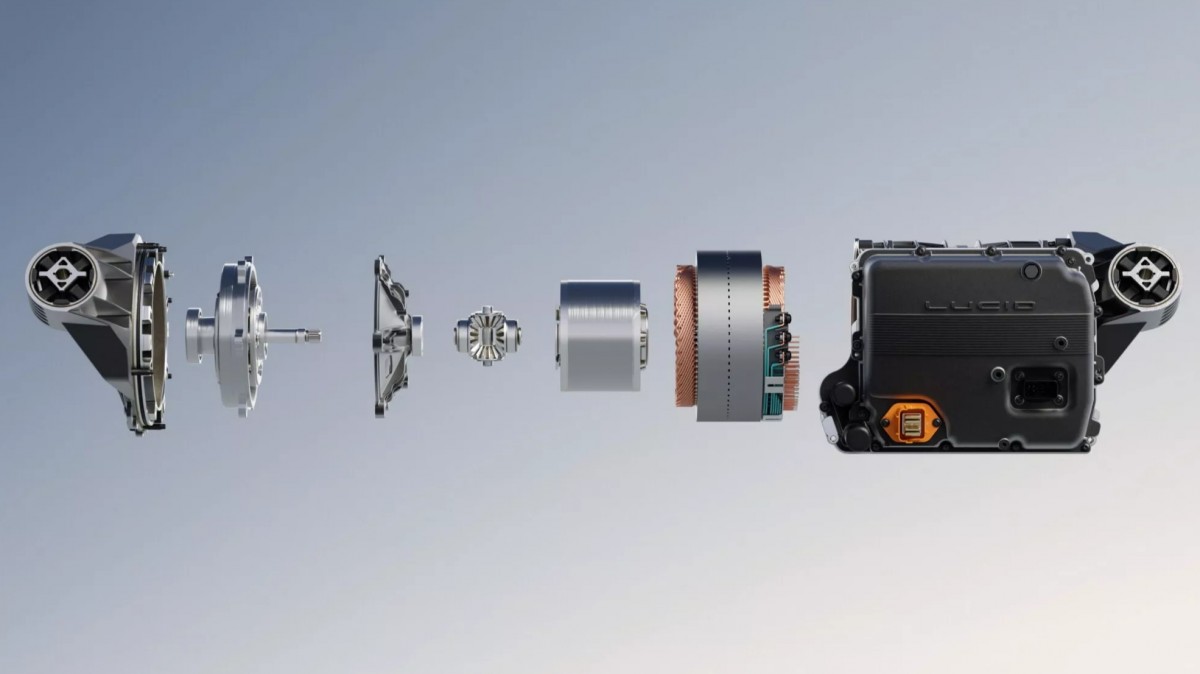
    To make these new electric cars cheaper, Lucid is changing how it builds them. The engineers found ways to use fewer parts and simpler manufacturing. One of the biggest updates is a new motor called “Atlas.” This motor is smaller and lighter than the ones used by the company now. It also uses 30% fewer parts, and because it is easier to make, it costs Lucid much less money to build each car.

    Battery packs are usually the most expensive part of any EV, and Lucid plans to save money here, too. The company is known for making very efficient cars that go a long way on a single charge. Because the technology is so good, Lucid can use smaller, lighter batteries. These smaller batteries can still reach the same driving range as competitors who use much bigger, heavier ones. This trick helps lower the price of each car by thousands of dollars.

    Entirely new platform will help Lucid produce cheaper EVs
    Entirely new platform will help Lucid produce cheaper EVs

    The Lucid Cosmos is designed for people who love speed. Lucid says it will be a high-performance vehicle that will go from 0 to 60 mph in 3.5 seconds or less. On a chart showing different types of cars, Lucid placed the Cosmos in the “sporty and advanced” corner.

    The Lucid Earth focuses more on being helpful and functional. While it uses the same advanced technology as the Cosmos, it is designed for daily tasks and adventures. Lucid thinks both the Earth and the Cosmos will appeal to people who like to explore. The third, unnamed model will be the most practical of the bunch, focusing entirely on space and utility rather than speed.

    New ''Atlas'' motor is simpler but as powerful and efficient as older units
    New ”Atlas” motor is simpler but as powerful and efficient as older units

    Lucid is also working on a program for robotaxis. To make more money, Lucid will offer monthly subscriptions for self-driving features. The company is also finally adding Apple CarPlay and Android Auto to its fleet, making it easier for drivers to connect their phones to the car’s dashboard.

    By selling more affordable electric cars, Lucid hopes to grow its business. Building luxury cars is great, but selling more vehicles helps a company stay healthy. If this plan works, we will see many different types of Lucid vehicles on the road soon.

    Source

    Source link

  • GM Admits It’s Possible To Extend Bolt Production Past 18 Months. But Will It?

    GM Admits It’s Possible To Extend Bolt Production Past 18 Months. But Will It?

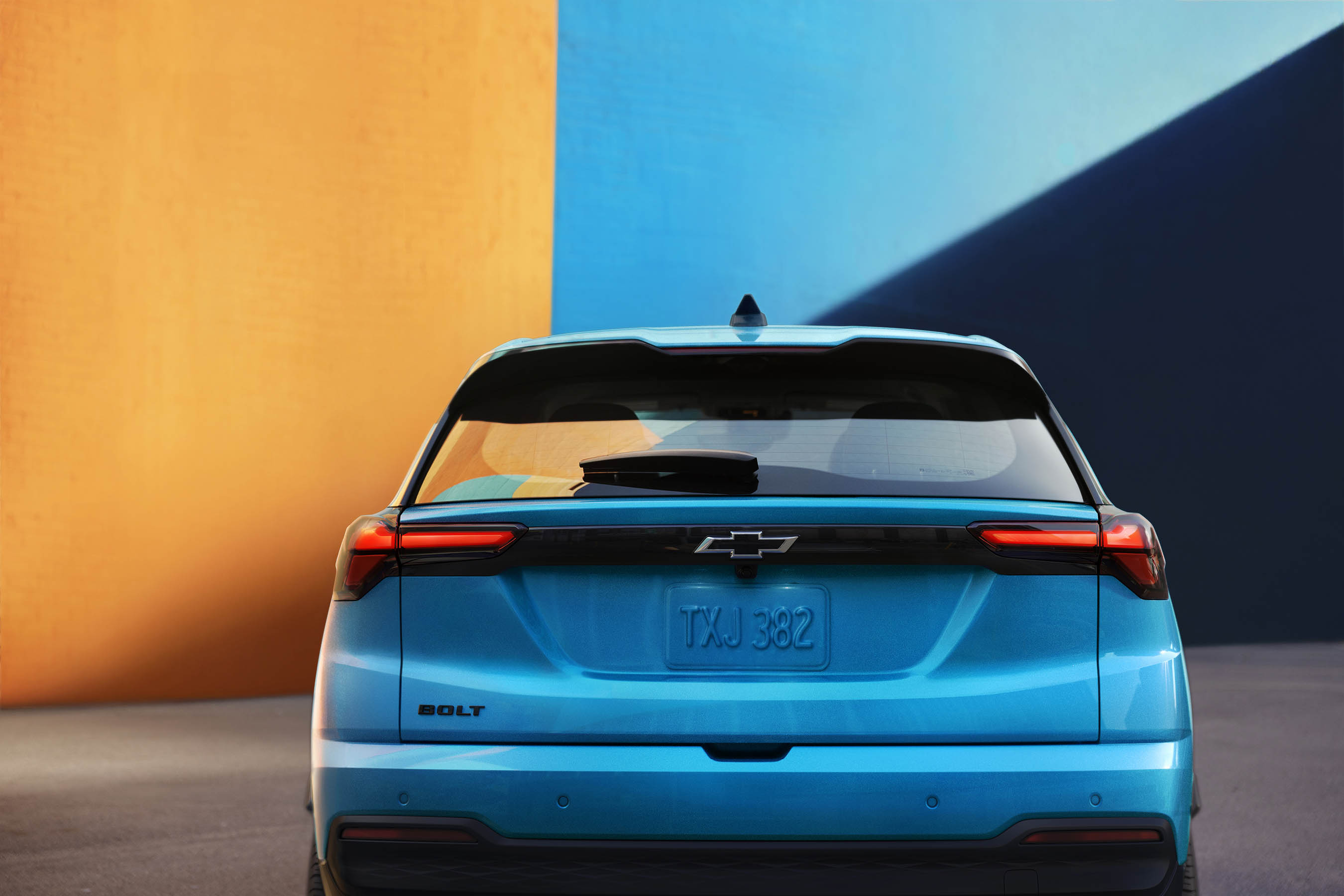
    It’s not often that a car returns to production after being officially declared dead, but that’s what General Motors did with the 2027 Chevy Bolt EV. The automaker has also said the affordable electric’s return will be brief, lasting only 18 months, but Mandi Damman, the Bolt EV’s executive chief engineer, told us that doesn’t necessarily have to be the case.

    Soon after GM announced that it would cancel the Bolt EV to make room at its Michigan assembly plant for electric Chevy Silverado and GMC Sierra pickups (only to experience difficulties with the switchover and slow sales once production finally ramped up), plans to resurrect it were put into action. The assembly line was moved from Michigan to Kansas, where another plant had excess capacity, and parts were squirreled away to build prototypes of what would become the 2027 Bolt EV.

    But as with the Michigan plant, GM anticipates having to kick the Bolt EV out of the Kansas plant soon to free up capacity for other vehicles. So we asked Damman whether the process could be repeated, with assembly-line equipment moved and parts and development resources stockpiled once again until a new production site could be found.

    “In theory, yes,” Damman said, without commenting on whether that will actually happen. She said the Bolt EV’s price point and strong customer loyalty—even higher than that of Corvette owners, she said—were both factors in the decision to bring it back. They also sound like they’ll still be relevant in 18 months.

    2027 Chevrolet Bolt

    At $28,995 (including a $1,395 destination fee), the Bolt EV is the least-expensive EV in the U.S., beating the Nissan Leaf by a small margin. That’s important given the dearth of affordable new cars on the market—electric or otherwise—and slowing EV sales. The time when every new EV introduction is met with a wave of pre-orders and dealer markups is over. And if Bolt EV owners like their cars even more than Corvette owners, GM must be doing something right. Hopefully, it doesn’t repeat history and kill this good idea again.

    Got a tip? Send it in: tips@thedrive.com

    The post GM Admits It’s Possible To Extend Bolt Production Past 18 Months. But Will It? appeared first on The Drive.

    Source link

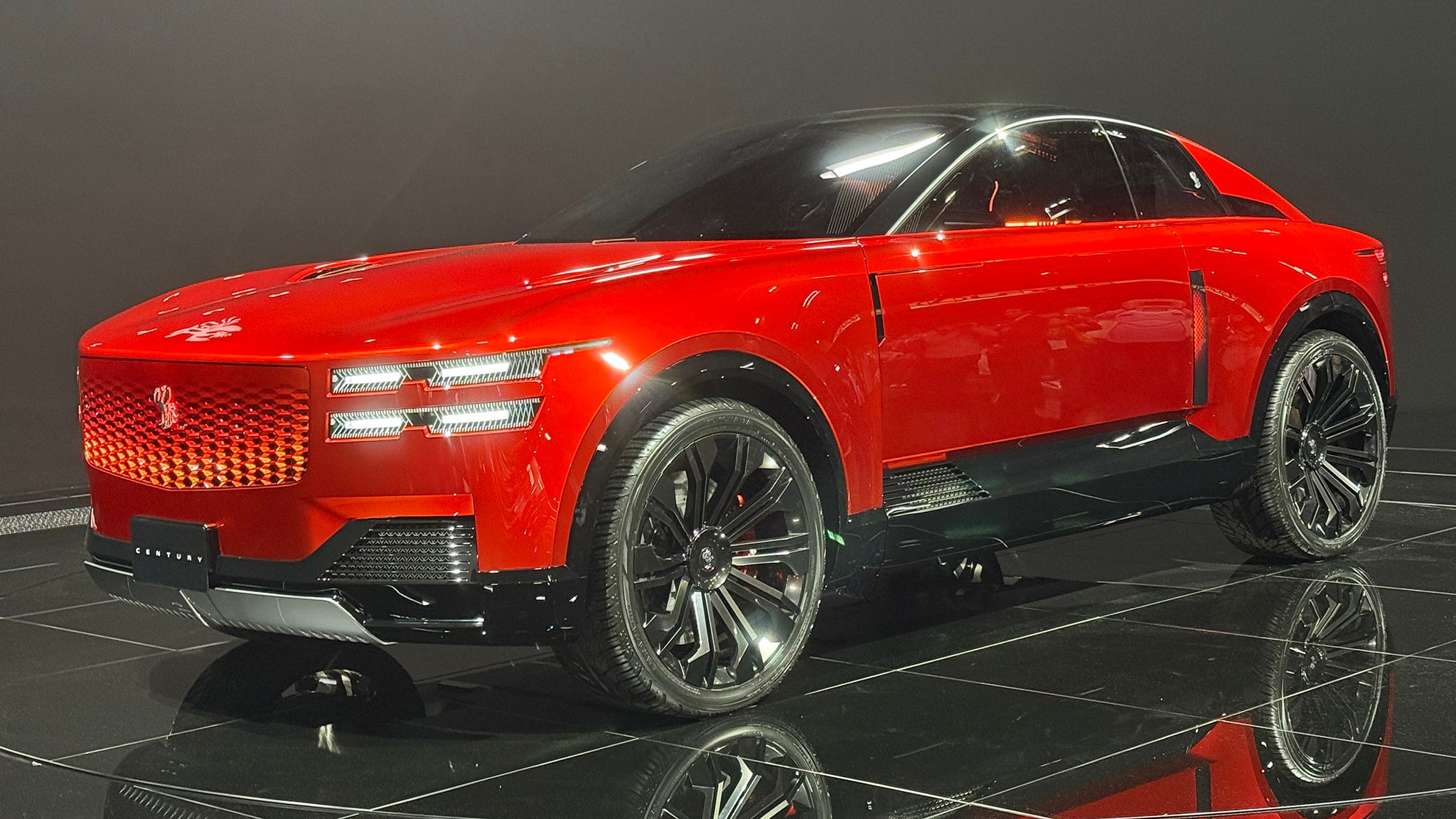
  • Whoa: Toyota’s Rolls-Baiting Century SUV Might Have an 800-HP V-12

    Whoa: Toyota’s Rolls-Baiting Century SUV Might Have an 800-HP V-12

    It seems Toyota is on a bit of a revival kick. First, it unveiled the GR GT that will mark the return of a 4.0-liter V-8 engine to the automaker’s arsenal. That’s an engine design and displacement we haven’t seen from Toyota since 2000 and the 1UZ. Now, there’s a chance that the new Century Coupe concept unveiled last fall at the Japan Mobility Show might resurrect another legendary engine when it reaches production. Is the world ready for another Toyota V-12? We are.

    Why is this engine significant? If there’s an engine layout that signifies power, luxury, and extravagance, it’s the V-12 and the 1GZ-FE found in the Toyota Century limousine from 1997 through 2017 was said to be one of the best. It was silky and smooth, perfect for keeping chauffeured owners unruffled. A handful of these top-shelf sedans even made it to the U.S. for use by Toyota executives.

    ADVERTISEMENT – CONTINUE READING BELOW

    Now, with a new Century ultra-luxury brand and vehicle on the horizon, there’s a chance Toyota will revive this engine design with modern tweaks.

    According to Magazine X, a Japanese publication that covers its auto industry, sources indicate a new 6.0-liter V-12 is in the works and will live under the hood of the Century Coupe SUV/lifted car thing. While the outlet is unsure of how this V-12 would be built (either as a brand-new casting or be based on the BMW 3.0-liter I-6 currently in the GR Supra) the Century won’t solely rely on piston-powered grunt.

    ADVERTISEMENT – CONTINUE READING BELOW

    Instead, it seems the engine will be assisted by both a pair of turbochargers and a plug-in hybrid system, and it will feature AWD. The report says that this should be good enough for around 800 hp routed through an 8- or 10-speed automatic transmission.

    The Century Coupe isn’t a swoopy Highlander but for rich people, it’s Toyota’s big swing at going way upmarket. Unlike Lexus shooting for Mercedes-Benz and BMW, the aim for the Century brand will target Rolls Royce, Bentley, and Maybach. It doesn’t need to make a profit, and it’s meant to make a point. Packing a new V-12 will certainly do that.

    ADVERTISEMENT – CONTINUE READING BELOW

    Source link

  • 50,000 heads to roll at Volkswagen Group

    50,000 heads to roll at Volkswagen Group

    VOLKSWAGEN Group has announced it will cut 50,000 jobs in Germany by 2030 (from a total German head count of about 300,000) as it moves to contain costs amid falling profitability, softer demand in key markets and mounting pressure from global competition.


    The cull follows the largest carmaker in Europe reporting its weakest profit result since 2016, with net profit after tax dropping sharply in 2025 to a reported €6.9 billion ($A11.6b), down from €12.4 billion ($A20.8b) a year earlier.


    Volkswagen says the “decline” reflects a combination of headwinds including US import tariffs, fierce competitive pressure from Chinese manufacturers and the high cost of restructuring as the company continues its transition toward electrification.


    Volkswagen Group chief executive Oliver Blume said the staff reductions would affect operations across Germany and span the broader group, including brands such as Audi and Porsche.


    “We are operating in a fundamentally different environment,” he said in a letter to shareholders.


    The just announced 50,000 job reduction expands on an earlier agreement reached with powerful German unions, under which Volkswagen had already committed to cutting more than 35,000 positions in a “socially responsible manner” by 2030 as part of a plan to save around €15 billion ($A25.2b).


    Like some of Volkswagen’s German rivals it has been hit hard by slowing (particularly EV) demand in China, historically one of its most important and profitable markets.


    At the same time, Chinese carmakers are expanding rapidly into Europe, intensifying pressure on incumbent manufacturers across both combustion and electric vehicle segments.


    Conditions have also been worsened by US tariffs on imported vehicles, adding further strain to margins at a time when the company is already investing heavily in new electric vehicle architectures, software and battery technology.


    Volkswagen Group chief financial officer Arno Antlitz said the business had endured a difficult 2025.


    “2025 was shaped by geopolitical tensions, tariffs and intense competitive pressure,” he said.


    “The group’s operating margin of 4.6 per cent – even after adjusting for restructuring measures – was not sustainable in the long term.


    “We can only realise this if we continue to rigorously reduce costs, leverage group synergies, reduce complexity and thus sustainably increase profitability.”


    Despite forecasting a recovery in the year ahead, Volkswagen has warned that more internal discipline will be required.


    For 2026, the group is forecasting a core profit margin of between 4.0 and 5.5 per cent, underlining the continued fragility of its earnings outlook.


    The company sold around 9.0 million vehicles globally in 2025, broadly in line with the 9.03 million recorded in 2024, though the flat volume result masks uneven performance across brands and regions.


    Audi and Porsche have both adjusted aspects of their EV strategies in response to softer-than-expected growth in electric vehicle demand, while the broader group continues to juggle legacy combustion-engine investment alongside future-focused EV and software spending.


    Volkswagen’s challenges have also been reflected Down Under where the brand’s sales fell 20.6 per cent in 2025 after declining 16.8 per cent the year before.

    Source link

  • 1999 Nissan Frontier Buyer’s Guide: Everything You Need To Know Before Buying

    1999 Nissan Frontier Buyer’s Guide: Everything You Need To Know Before Buying

    In the highly competitive midsize truck segment, the 2025 Nissan Frontier is a top choice. But before the midsize truck grew to its current dimensions, there was the compact version. At that time, the 1999 Nissan Frontier was another serious contender. Fast-forward to the year 2026, this now almost 30-year-old Nissan proves that there are many good miles left to be driven in these old trucks. As the 1999 Nissan Frontier was praised for its simplicity and durability, it’s important to know a few things and common issues before considering buying one. With many units accruing well over 200,000 miles, the 1999 Nissan Frontier has earned its reputation for reliability among its many satisfied owners. While the late model Frontier exceeds in power, tech features and overall refinement, the 1999 Nissan Frontier can’t be beat in its no-frills approach to affordable utility, also proving that this classic may never die.


    nissan-logo

    Base Trim Engine

    3.8L V6 Gas

    Base Trim Transmission

    9-Speed Automatic

    Base Trim Drivetrain

    Rear-Wheel Drive

    Base Trim Horsepower

    310-hp

    Base Trim Torque

    281-lb-ft

    Infotainment & Features

    7 /10


    Where research meets the right deal

    Not every problem listed below has been or will be experienced by all Nissan Frontier truck owners. Used truck prices will vary based on location, mileage, and overall condition of the truck being sold.

    A New Frontier – The Hardbody Gets Replaced

    No Longer A Hardbody, But Not A Soft Truck

    1998 Nissan Frontier
    1998 Nissan Frontier side shot
    Bring A Trailer

    The Nissan Hardbody, properly referred to as the D21,was aptly nicknamed for its rugged construction featuring a double-walled bed and brick-like appearance. The Hardbody was a massive success for Nissan, appealing to people who use their trucks for both work and play.

    As popular as the Hardbody was, it was time for Nissan to revise the D21. The result was a refined D21, now D22 called the Frontier. The Frontier sported a more contemporary front fascia and rounded styling. A traditional and rugged ladder-type frame supported the new sheet metal, which still included the robust double-walled bed that Nissan trucks are known for. The bed was also the deepest in its class at just over 17 inches.

    1999 Nissan Frontier
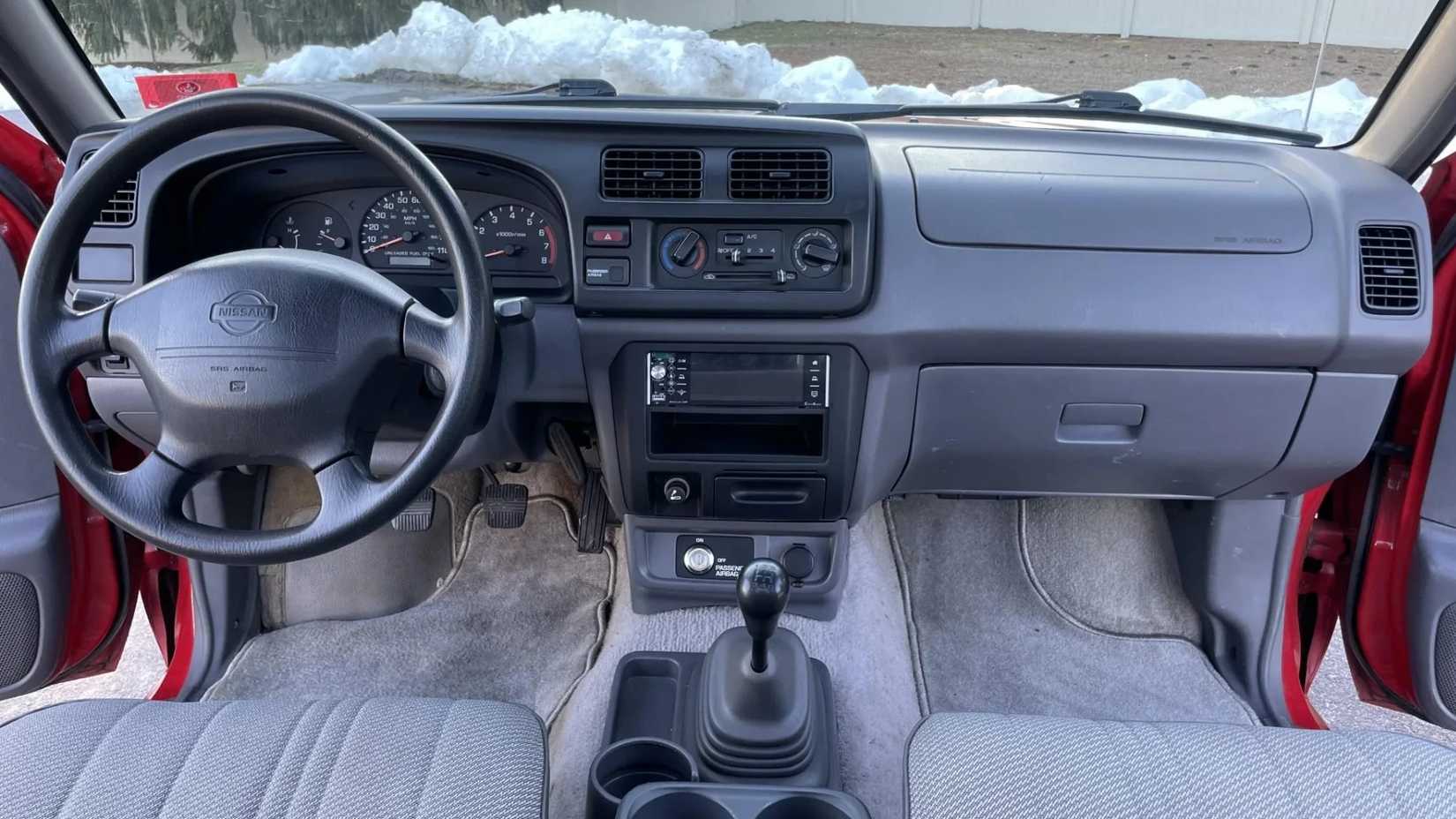
    1999 Nissan Frontier Interior
    Bring A Trailer

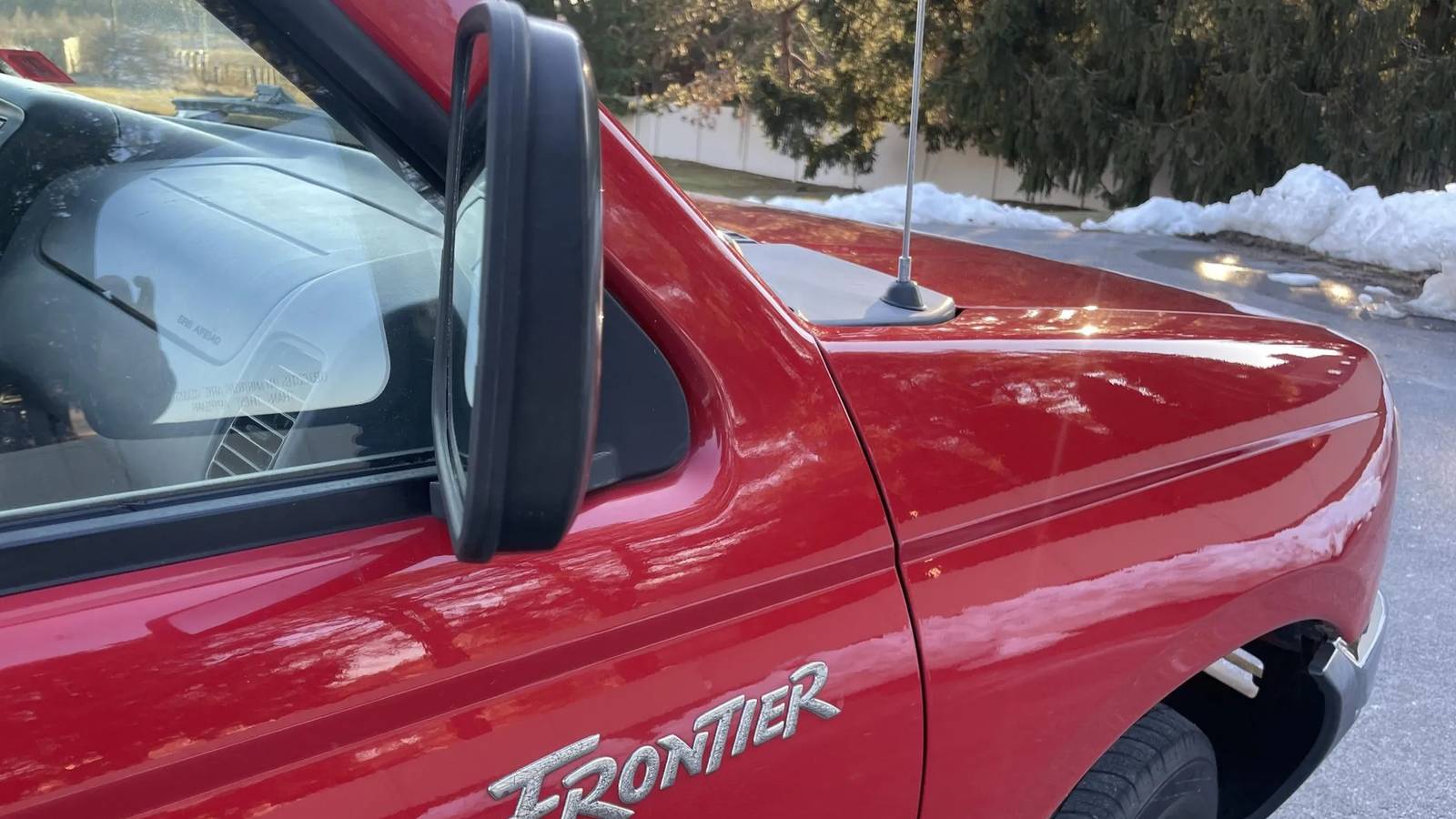
    The new Frontier was offered in both an XE and a SE trim, with the SE being the upper model offering a few more standard options like power windows, locks and power mirrors. The SE also came with a vehicle security system, remote keyless entry, and cruise control. New for this tough compact truck was a sprightly 3.3-liter V6, offered only for the four-wheel drive 1999 Nissan Frontier King Cab trucks, however. The four-cylinder was capable, but the V6 was confident, allowing for a 5,000-pound towing capacity when the truck is properly equipped.

    A five-speed manual transmission was standard on all models of the Frontier, while an electronically controlled four-speed automatic transmission with overdrive was an available option. Both two- and four-wheel-drive models were available, with the four-wheel-drive models equipped with a two-speed transfer case and auto-locking hubs that would allow for seamless four-wheel drive engagement at speeds of up to 50 miles per hour with no need to stop and lock the hubs.

    1999 Nissan Frontier cropped
    1999 Nissan Frontier 3/4 rear
    Nissan

    Market Outlook

    Like most pick-up trucks and SUVs, depreciation isn’t too bad, especially when customer satisfaction ratings are high. According to the Kelley Blue Book website, the 1999 Nissan Frontier has a 4.6 out of 5 star overall consumer rating, with a 4.8 out of 5 for reliability alone. The Nissan Frontier has only depreciated 14% in the last three years, putting it in the top 10% of trucks of its same age, with the best depreciation rate. Annual expenses for repairs and maintenance are also quite palatable at only $470 annually, which comes in lower than the average of $548 annually for other trucks in its class. The frequency and severity of the annual repairs needed for the Frontier are also average or below average, making the 1999 Nissan Frontier a smart choice for the budget-minded buyer looking for a task-oriented vehicle. However, since the Frontier has such glowing reviews, high marks for its low ownership costs, and low depreciation rates, it may come at a cost that reflects that. Current prices on Kelley Blue Book put the Frontier just below the $3000 dollar price point. However, more realistic prices on e-commerce websites reflect higher prices that range from $5,000 to $10,000 for a clean, lower-mileage example.

    1999 Nissan Frontier Overview

    Engine

    2.4-liter Inline 4 Cyl

    3.3-liter V6

    Available Trims

    XE, SE

    Available Cab Configuration

    Reg. Cab, King Cab

    King Cab

    Horsepower

    143 hp

    170 hp

    Torque

    154 lb-ft

    200 lb-ft

    Transmission

    5-speed Manual

    4-speed Auto W/OD

    5-speed Manual

    4-speed Auto W/OD

    Drivetrain

    RWD, 4WD

    RWD, 4WD

    Common Frontier Problems

    1999 Nissan Frontier
    1999 Nissan Frontier 2.4 liter engine bay close up
    Bring A Trailer

    Stalling

    The first-generation Nissan Frontiers have a stalling issue that, in many cases, is caused by a bad or rusted distributor shaft bearing. Once the bearing gets bad enough, it seizes up and no longer allows the distributor to work properly, causing a stall.

    Transmission Problems

    Many owners of Nissan Frontiers with the automatic transmission have complained about harsh or abrupt shifting, especially from first to second gear, with some customers experiencing problems shifting out of park.

    1999 Nissan Frontier
    1999 Nissan Frontier 3/4 rear shot
    Bring A Trailer

    Inaccurate Gas Gauge Readings

    Primarily, the fuel level sensor is at fault and does not send accurate information to the fuel gauge. Typically, the gauge reads high, indicating that there’s more fuel in the tank than there really is.

    Electrical Glitches

    The 1999 Nissan Frontier is no stranger to some electrical glitches. Owners have complained about erratic and inaccurate readings from gauges in the instrument cluster. In many cases, the entire instrument cluster itself was proven to be at fault.

    Failure Of Airbags To Deploy

    Also reported on the NHTSA website, some owners have experienced a failure of the frontal airbags to deploy during a crash. This has resulted in some injuries. It’s highly advisable to have this issue inspected by a trained automotive technician to insure proper function in the event of an accident.

    Summary: A Great Truck For The Money

    Little Truck With A Big Heart

    1999 Nissan Frontier cropped
    1999 Nissan Frontier 3/4 front
    Nissan

    The 1999 Nissan Frontier, by today’s standards, may seem small and maybe even a little spartan in its amenities and overall fit and finish. But this truck has proven itself with many customers to be a stand-out in key areas such as reliability, cost of ownership, and resale value. No, this truck won’t parallel park itself, but it also won’t cost a small fortune to keep on the road or operate on a daily basis. According to Kelley Blue Book, 98% of people who own or have owned a 1999 Nissan Frontier would recommend purchasing this rugged little truck.

    Looking at data on the Car Complaints website also indicates that the first two years of the Nissan Frontier, 1998 and 1999, have fewer problems when compared to newer models. At this point, the 1999 Nissan Frontier is a 27-year-old truck, but don’t let its age fool you. Instead, let the Frontiers’ reputation precede it and start looking for clean, lower mileage example. The 1999 Nissan Frontier is a simple yet capable truck that gives you everything you need and no fluff.

    FAQs

    Is the 1999 Nissan Frontier reliable?

    The 1999 Nissan Frontier has earned high marks for its excellent reliability, with not only a minimal number of customer complaints, but a relatively low number of recalls as well.

    What engine is in the 1999 Nissan Frontier?

    The 1999 Nissan Frontier came with two engines. A 2.4-liter inline four-cylinder and a 3.3-liter V6. The V6 was available only in four-wheel-drive King Cab models.

    What problems are common with the 1999 Frontier?

    The 1999 Frontier typically had problems with faulty fuel level sensor, faulty gauge clusters, intermittent electrical glitches, stalling and some airbag problems. Some owners also experienced harsh shifting of the transmission.

    What years were bad for Nissan Frontier?

    As time went on, the Frontier would encounter more problems. This typically involves the 2000 and newer Frontier trucks, but the most problematic trucks are from 2005-2007. These trucks had major radiator problems, mixing coolant and transmission fluid together. This would, of course, cause problems with the transmissions in these trucks as well.

    Sources: Nissan, KBB , Repair Pal , JD Power , Car Complaints

    Source link

  • 2026 Audi RS6 Avant Performance at Lightning Lap 2026

    2026 Audi RS6 Avant Performance at Lightning Lap 2026

    From the March/April 2026 issue of Car and Driver.

    Lap Time: 2:55.5

    Class: LL4 | Base: $144,295 | As Tested: $158,865
    Power and Weight:
    621 hp • 4846 lb • 7.8 lb/hp
    Tires:
    Continental SportContact 7
    285/30ZR-22 (101Y) A0

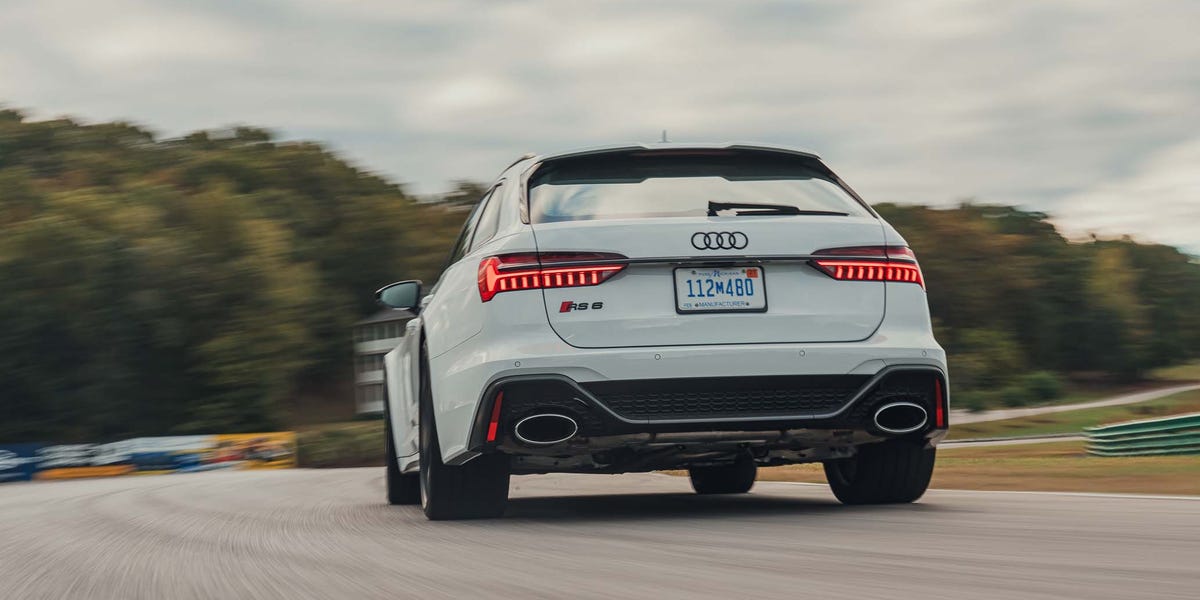
    It’s hard to believe that it took 19 Lightning Lap events before a station wagon placed its rubber on southern Virginia’s hallowed tarmac for our test. But here we are now with not one but two boss wagons ready to leave their treadmarks on the all-time list.

    The 621-hp twin-turbocharged V-8 powering the RS6 Avant Performance pushes Audi’s anti-SUV to 151.1 mph on the Front Straight before the driver stands on the optional carbon-ceramic brakes, whose 17.3-inch front rotors are so large that they may be capable of intercepting intergalactic radio waves. With the 10-piston front calipers at full squeeze, the wagon’s nose dives and its tail wags into Turn 1, where the Continental SportContact 7 tires hang on at 1.00 g.

    2026audirs6avantperformanceView Photos

    Michael Simari and Marc Urbano|Car and Driver

    The steering has a positive and direct action, but the standard air springs, even in their lowest setting, allow copious amounts of body roll as the lateral g’s increase. Though the RS6 might look cool lifting its inside front wheel while exiting Oak Tree, that doesn’t benefit the lap time. In the Infield, there’s plenty of sawing at the wheel, and timing the side-to-side load transfer to work with you and not against you takes concentration and planning. And while the leather seat is likely supremely comfortable at 190-mph autobahn speeds, the minimal side bolstering had us engaging our abs and using our knees to remain upright. The RS6 works the core.

    The RS6 with a tighter bod is the one on steel springs. That suspension is sportier and adds Dynamic Ride Control (DRC), which uses hydraulics to combat body pitch and roll. Alas, our car didn’t have the racier suspension. It’d be interesting to see how much quicker a DRC-equipped RS6 could lap. Maybe next year.

    Even so, the RS6 Avant’s 2:55.5 dance around VIR’s ballroom is 0.6 second quicker than an Audi R8 V10 Plus’s. Beating a 602-hp mid-engine two-seater with a wagon that can hold five, plus a golden retriever, is deeply awesome. But there’s a wagon that went even faster.

    lightning lap 2026 brake indicator strips

    Car and Driver

    The Heat Is On

    Alcon temperature-indicator strips are used in racing to track brake-caliper temperature. Since VIR punishes braking systems, we applied the strips to the front calipers of some entrants to see how hot things get.

    The hottest calipers belonged to two very different cars: the VW Golf R and the Audi RS6 Avant wagon, both of which reached 330 degrees. The 3369-pound Golf R relies on dual-piston front calipers clamping 14.1-inch iron rotors, while the 4846-pound RS6 uses massive 10-piston calipers and 17.3-inch carbon-ceramics, the largest brake rotors in this year’s field.

    Sports cars designed for track abuse ran much cooler. The Corvette ZR1 and the 911 GT3 ran hard for three days without heating the calipers enough to register on the strip, which starts at 250 degrees. The same was true of the Audi RS e-tron GT’s 10-piston front calipers. The Audi’s lapping schedule—essentially one hot lap at a time to maximize battery performance—likely kept them cool. —Austin Irwin

    Back to Lightning Lap 2026

    Headshot of David Beard

    David Beard studies and reviews automotive related things and pushes fossil-fuel and electric-powered stuff to their limits. His passion for the Ford Pinto began at his conception, which took place in a Pinto.

    Source link