Author: admin

  • Report: The Volkswagen ID4 Will Get a New Name

    Report: The Volkswagen ID4 Will Get a New Name

    With five model years under its belt, it’s about time for the Volkswagen ID4 to receive a thorough refresh. That’s exactly what’s on the way for the 2027 model year, but a report from Germany indicates it might include more than exterior and interior design updates.

    Automotive News reports VW’s all-electric SUV will adopt VW’s new naming convention for its EVs, where they share a name and appearance with an internal-combustion (ICE) model. VW has already done this with ID Polo and Polo, and now the ID4 will become the ID Tiguan.

    ADVERTISEMENT – CONTINUE READING BELOW

    The name change was revealed during a press conference with IG Metall, a labor union that focuses on metal laborers in Emden, Germany, where the current European ID4 is built. The new naming convention was announced during the 2025 IAA Mobility Show in Munich. When asked about the new scheme, Volkswagen stated it was a way to clearly align ICE and EV products and to give its EV lineup “more emotional resonance.”

    To go with the new name, at least in Europe, the plan is for the ID Tiguan to adopt much of the body design of the ICE-powered European Tiguan. What’s currently unknown is if the U.S.-produced ID4 will parallel those changes. The U.S.-sold ID4 is manufactured in Chattanooga, Tennessee, alongside the Atlas and Atlas Cross Sport. In addition, the U.S. version of the Tiguan isn’t the same as the version sold in Europe (ours is spun from the Chinese VW Tayron L) and is manufactured at Volkswagen’s plant in Puebla, Mexico.

    ADVERTISEMENT – CONTINUE READING BELOW

    If the models don’t align as well as they will in Europe, it’s possible the ID4 could keep its name here. Right now, Volkswagen North America is keeping mum. When contacted for more details, MotorTrend received the following brief reply from a VW spokesperson: “I cannot provide any comment at this time.”

    ADVERTISEMENT – CONTINUE READING BELOW

    Source link

  • DEF Dash Light On: What Causes It and When To Panic

    DEF Dash Light On: What Causes It and When To Panic

    Diesel, once a bastion of the future and a savior of fuel economy, has found itself in a very different place since the industry-shaking Diesel Gate incident of 2015. It went from what was seen as the norm in Europe and the future in the U.S., to a dirty fuel only used in commercial vehicles and heavy-duty pickups. Another reason for the crack-down on diesel came in the form of a litany of emissions systems. One of the systems that was introduced is Diesel Exhaust Fluid, a system that is still controversial to this day. In this article we will look at how this system works, what it does, how it breaks and, lastly, what to do if/when it fails.

    What Is Diesel Exhaust Fluid, And How Does The System Work?

    The Nitty Gritty

    1970 Plymouth Barracuda rear
    White exhaust smoke from a 1970 Plymouth Barracuda
    Dylan McCool/YouTube

    As efficient as diesels are in terms of economy, and despite the reduced CO2 they produce, diesels still have one extremely dirty pollutant. Nitrogen-oxide emissions, also known as NOx, are an air pollutant that is prolific in diesels. It is believed that diesels create around thirty times more NOx than an equivalent petrol engine. In the 2000s, manufacturers introduced systems that they claimed would limit NOx output using three-way catalytic converters. After the revelation of Diesel Gate and the introduction of new regulations like Euro 6 in 2015, even more stringent emission systems came into effect, one of these being DEF.

    More commonly known as AdBlue, DEF is an additive that mixes with exhaust emissions to neutralize NOx. It is a urea and water solution that you add to a separate tank in the vehicle. This solution is sprayed into the exhaust system and will need to be topped up from time to time. Most modern diesels will have a smart enough DEF system that they will be able to give you the amount of range that you can drive before the system runs dry, where in most cases the vehicle will give you a set amount of time until it goes into limp mode, until more DEF is added. You may start the vehicle and see your DEF symbol or light blinking. This could mean the system just needs a top-up.

    What Are The Symptoms Of A Broken/Failing DEF System?

    mechanic,suv,damage,car service
    mechanic,suv,damage,car service
    Image: Artem Podrez / Pexels

    So if you have a diesel with a DEF system and have a DEF light on the dash, what can go wrong, and how can it fail?

    Failure to Top Up

    This may seem obvious, but some people are not so mechanically inclined and could just see the warning and continue with their day. It may be too late to top up by the time they realize they have an issue. With diesels falling further and further out of favor, it might be difficult to get more DEF while on a road trip. This will cause the car to go into limp mode, and eventually will stop the vehicle from starting up.

    Reduced Engine Performance

    The most obvious and clear indicator of a failing or failed DEF system is a reduction in engine performance. Most modern diesels are programmed to cut engine power and limit performance. This is done not only to get the drivers’ attention but to protect the exhaust system, which is set up to have DEF sprayed into it. Another reason is emissions, with manufacturers terrified of being accused of having over-polluting vehicles. This is generally the go-to move for the ECU when it detects any emission issues, so attempting to drive a vehicle with a faulty DEF system will result in getting nowhere fast.

    Overuse of Diesel Exhaust Fluid

    So you have no diesel exhaust fluid light on the dash but are finding you have to constantly fill the tank. This can happen to any DEF system, but it is especially prevalent in early DEF systems that may not have been designed very well. Unless it is a physical leak in the system, the main culprit is usually the jet that sprays the DEF into the exhaust. The nozzle on the jet can get dirty or clogged, causing the jet to be less of a spray, and more of a squirt. This puts extra pressure on the system, which may compensate by adding extra DEF in an attempt to cancel this out. You can get this jet cleaned or replaced, but this can get very expensive.

    An Increase in Exhaust Smoke

    You can’t have emissions without smoke. A clear indicator of a faulty DEF system is an excess in exhaust smoke as the DEF system fails to suppress the emissions. If your engine is warm and you are still seeing an excess of smoke from your rearview, then you most likely have an issue. Again, a faulty DEF jet could be the cause, or there may be an excess of urea crystallization in the DEF system causing a blockage.

    What Can You Do To Prevent DEF Issues?

    We have looked at what a DEF system is and how it can go wrong, but what can you do to prevent issues and stop that dreaded DEF light blinking ?

    Make Sure To Keep Your DEF Tank Topped Up

    Prevention is better than the cure, and when you’re halfway through the desert highways in Nevada with a diesel in limp mode, you will wish you kept your tank topped up. While some gas stations will have an actual DEF pump, you can also buy large bottles of DEF to keep in your vehicle or at home. This leads into our second suggestion.

    Store Your DEF Correctly

    DEF is a temperature-sensitive liquid and can be affected by where you store it. You should aim to keep the DEF in a place that doesn’t get too cold, as this increases crystallization. Direct sunlight is another factor that can degrade DEF. This creates defective DEF that could create a whole host of issues for your vehicle. Lastly, always use the original container the DEF comes in. There is no point in potentially ruining your DEF unless you are storing it in a climate-controlled tank to pump.

    Use the Good Stuff

    It may be tempting to use diluted DEF or buy from the gray or private market to save a few dollars, but the price of repairs to your DEF system will vastly outweigh this. Remember when buying DEF to check the expiration date. DEF is perishable and, as such, will lose its effectiveness as an anti-pollutant over time. DEF was standardized with the introduction of the European ISO 22241, so make sure your DEF adheres to those standards.

    Use A Qualified Diesel Mechanic

    In a lot of cases, your regular mechanic that is used to working on gas-powered vehicles may refuse to work on a diesel, with the emissions systems in particular being a pain to work on and diagnose if you’re not used to them. Even if they do accept the vehicle, their lack of experience with diesels may show in the time for repairs and quality of work. Make sure to contact a qualified diesel mechanic that knows their way around these engines and these emission systems, as the quality of the work and knowledge will go a long way to helping your DEF system do its job.

    What Can You Do When Your DEF System Fails?

    Repair Or Replace?

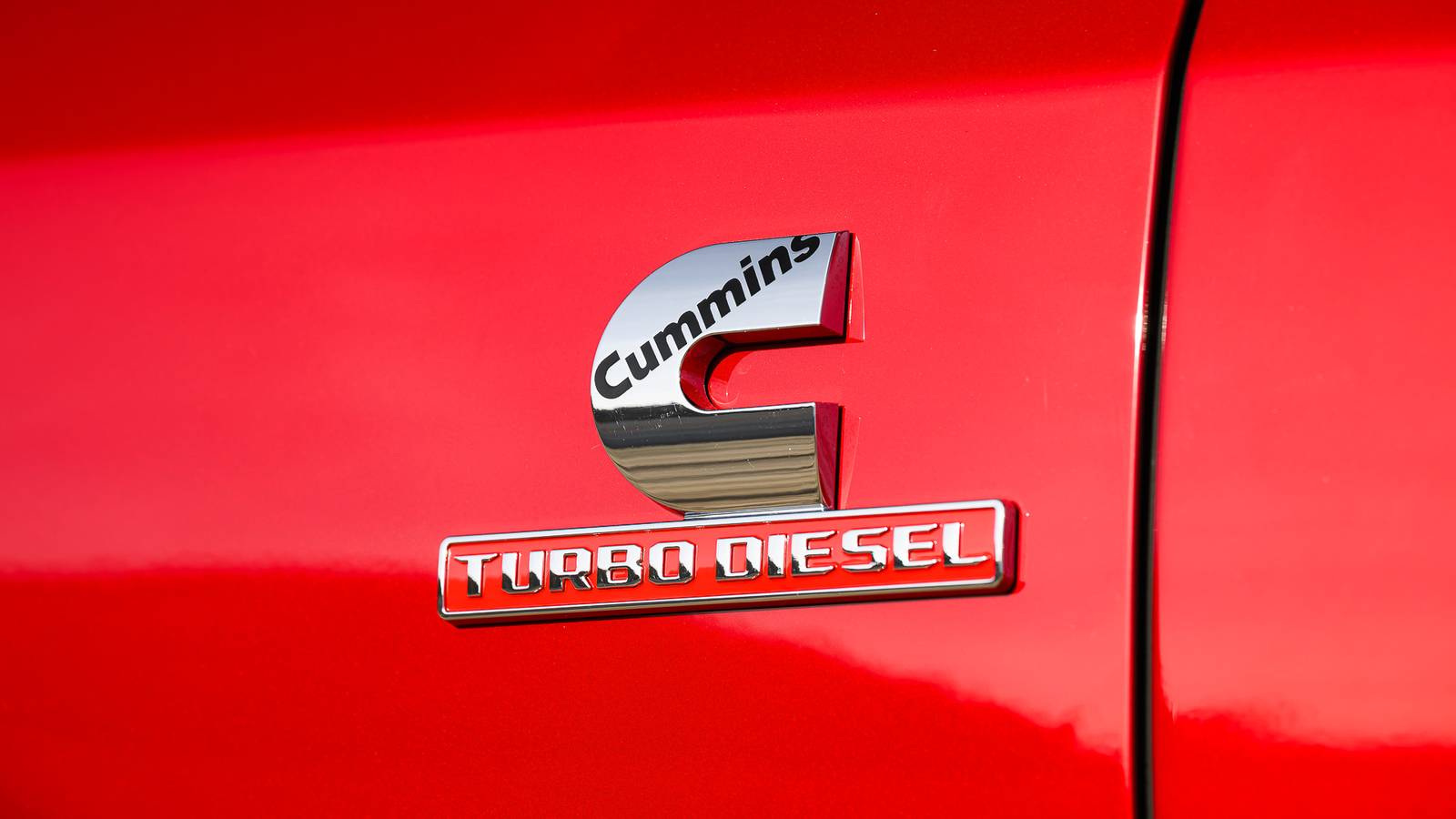
    Ram 1500 EcoDiesel
    Ram 1500 EcoDiesel exterior detail shot of the hood badge
    Dodge

    You can take all the precautions in the world, but at some point lady luck may still hit you with a DEF light and DEF failure and, boy, is it expensive. DEF systems are complicated, use lots of intricate parts and are a relatively new system in the grand scheme of the diesel engine, so working on them is very expensive. Some people choose to remove their DEF systems entirely and have the ECU reflashed to ignore the fault codes. This move, while cost-effective in the moment, is incredibly short-sighted, and we strongly recommend against it. Not only are you actively deciding to harm the environment, but you will also lose the savings you made down the line. Dealerships will not accept a truck with its DEF removed as a trade-in. Private buyers are going to be more drawn to a bone stock example and not want to deal with the potential headaches of a modified vehicle, especially when it comes to emission systems. State inspection facilities also actively search for vehicles with emission modifications, and may deem your vehicle unroadworthy if any discrepancies are detected.

    When it comes to replacing a DEF system, it can be time-consuming and expensive. An entire DEF system replacement can cost between $8,000 for a lighter-duty truck all the way up to $12,000-$15,000 for a commercial vehicle. A scary set of numbers, but generally the whole system won’t require replacing. The most common failure point is the NOx sensor. This is a vital but complicated piece of equipment that can cost between $1,800-$2,100 to replace. There are other things that can go wrong. Leaking pipes can set you back $150-$200, a failing tank level sensor can cost around $500, and the DEF injector itself can cost around $250 to replace.

    • DEF system replacement: $8,000-$15,000
    • NOx sensor replacement: $1,800-$2,100
    • Leaking pipes: $150-$200
    • Tank level sensor: $500
    • DEF injector replacement: $250

    Modern diesels are a scary business, so make sure you use the right Diesel Exhaust Fluid and keep on top of maintenance, or face a scary bill for not doing so.

    FAQs

    Can you drive with a DEF light on?

    Your vehicle may let you drive for a short time, but it may begin to cut performance and power after a short time.

    What causes the DEF light to come on?

    It is usual caused by a fault in the DEF system, be it a faulty NOx sensor or failing injector.

    What do DEF signs on the dashboard mean?

    It may be a fault, but it could also be the system trying to warn you of a low DEF tank.

    How do I fix my DEF warning light?

    If it is not a simple refill of the tank, you may be looking at a $200 sensor all the way up to a $8,000 rebuild.

    Source link

  • Behind the Scenes of The Drive Awards 2026

    Behind the Scenes of The Drive Awards 2026

    Told you we’d be back. For the second episode of The Drivecast, our new weekly podcast, we’re taking you inside The Drive Awards 2026, from what they are and how we make it all happen, to the nominees and winners themselves.

    Hot out the gate just a week after launching The Drivecast comes this special episode where Kyle and I are joined by The Drive’s entire editorial team round-robin style to talk about our process for each category. Conceptually, it sounded like a great idea. Kyle warned me it would be a lot of work. I brushed him off. Lesson learned, but no regrets.

    The Drive Awards—or the Slashies as Kyle calls them, even though no one else does—is the capstone each year to our hands-on reviews of new cars. Each year the team drives hundreds of models to evaluate their strengths, weaknesses, and whether they deliver on marketing promises in the real world.

    You can always read the full stories for each category right here on The Drive, but isn’t it more fun to listen? See for yourself:

    The Drivecase is free, just like just like Spyglass–The Drive‘s spy shot newsletter—because everyone should be an insider, and is available on both Spotify and Apple Podcasts. You can also listen to episodes right here on The Drive via the embed above. All podcast episodes will live on the site and can be accessed via the Podcasts tab in the homepage menu bar.

    Give episode 2 a listen, subscribe on your favorite podcast platform of choice, and if you dig it, leave us a five star review. It really does help get The Drivecast in front of more people. Also, feedback is always welcome by dropping us a line at feedback@thedrive.com. We really do read every single email, promise.


    Source link

  • How to Drive in Snow Safely

    How to Drive in Snow Safely

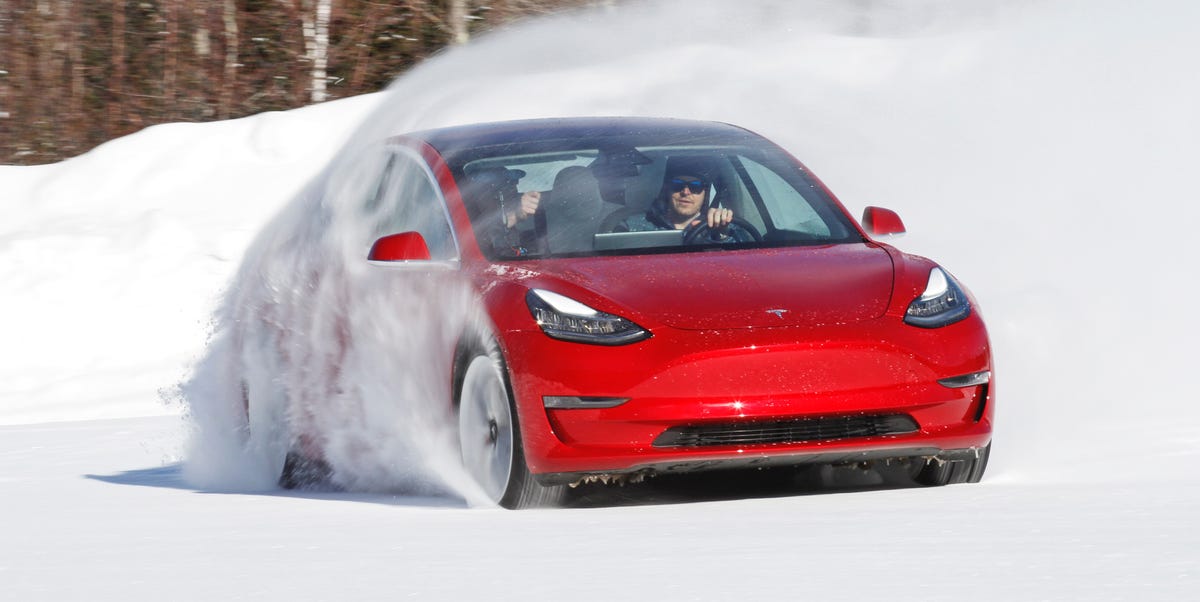
    Driving in the snow is a lot like chugging a cold smoothie: it’s all fun and games until it isn’t. But a brain freeze is small change compared to losing control of your vehicle in snowy conditions, an action that can lead to big damage, potential fines, and a long wait for a tow truck to come to your rescue.

    Years of driving and testing cars (and winter tires) in wintry conditions have taught us that following these simple winter-driving rules will greatly improve your chances of arriving at your destination calm, collected, comfortable, and—most important—safe.

    1. Drive Smoothly

    The key to safe driving in snow is being smooth with the steering wheel, accelerator, and brakes. Why? Jerky movements with the controls easily unstick tires that have a tenuous grip on the slippery road, so every turn of the wheel, push of the brakes, and movement of the accelerator must be deliberate, gentle, and gradual. Pretend there’s a cup of scalding coffee in your lap and drive so as not to spill it.

    2. Look Far Ahead

    The slipperier it gets, the farther down the road you should look—and think. Anticipate what you’ll need to do next. Slow way down for turns. Allow double the stopping distance when the road is wet, triple on snow, and even more on ice. Driving carefully and safely takes extra concentration.

    traction control warning light

    Adobe Stock / gdainti

    3. Heed Flashing Dashboard Lights

    How much traction do you actually have on a snowy road? One way to know before you get into trouble is to understand what one particular small, amber, flashing light in the instrument cluster means. (It’s an outline of a car with squiggly lines behind it.) If you’re accelerating in a straight line and this light is blinking, this is the stability-control system warning you that the wheels that drive the car are slipping. Heed it. And ease up on the accelerator so the tires regain their grip.

    If you’re turning and see a blinking amber light, this is also the stability-control system alerting you that the car is beginning to slide from your intended path. Again, ease back on the accelerator until you are no longer applying any pressure; this allows the car to regain grip. And do not accelerate aggressively when taking tight corners in town on snowy or slushy streets. Always ease into the accelerator so that nothing untoward happens abruptly.

    4. Look in the Direction You Want to Go

    If you feel your car beginning to skid, always, always, look where you want to go—not where the car is heading at that precise moment. Let your peripheral vision take care of whatever you’re trying to avoid. Racing drivers know that you almost always end up where you are looking; that’s one of the reasons they’re so good at recovering from skids.

    toyota gr corolla driving in the snow

    Toyota

    5. Deal with the Skids

    Sooner or later you will hit a slick spot and get a queasy feeling in the pit of your stomach as your car starts to slide away from the direction in which you want to be heading. Skids, even big ones, are manageable, and you can bring the car back under full control in short order. First, don’t panic—and don’t stab the brakes! Instead, do the following:

    • For a front-wheel skid—where the front tires lose grip and the car turns in a wider arc than you expect—ease off the accelerator. In a beat or two, the front tires should regain traction. Then aim where you want to go as your traction returns.
    • For a rear-wheel skid—where the rear tires lose traction and you feel yourself beginning to spin out—quickly turn the steering wheel in the same direction that the rear is sliding. If, say, the rear is swinging to the left, turn the wheel to the left. Ease off the accelerator and stay off the brakes. As the rear wheels regain traction, steer back in the original direction.

    No matter which type of skid you’re experiencing, make sure you keep your wheels pointed in the direction you want to be going. And you can gently (remember point number one) use your brakes if you think you can recover without hitting anything. If an impact is imminent, don’t be afraid to stand on the brake pedal as described in point six.

    mercedes benz early abs testing

    Mercedes-Benz

    6. If You Have ABS, Plant Your Foot on the Brake Pedal

    If all else fails and you need to stop as quickly as possible in snow or on ice, it’s time to engage the help of your car’s anti-lock brakes (ABS). Most modern vehicles are equipped with ABS, which uses an onboard computer to optimize the car’s braking in extreme conditions.

    If you are in a skid from which you can’t recover or you need to avoid an obstacle—and your vehicle has ABS—push the brake pedal down hard, and don’t let up. The computer will do the rest, keeping each wheel braking as aggressively as possible based on the available traction.

    The amazing thing about ABS systems is that you can keep the brake pedal fully depressed while steering around obstacles; the computer will adjust the braking force at each wheel to allow you to maneuver while simultaneously slowing down. So in an emergency, don’t just jam on the brakes—keep steering!

    No safety system can ensure you avoid all accidents, but anti-lock brakes undoubtedly have saved many drivers from disaster. Note: most ABS systems cause the brake pedal to shudder when they activate to let you know they’re working, so don’t lift off the brakes when you feel this vibration; it’s perfectly normal.

    7. Constantly Assess Your Traction

    In the course of almost any snowy drive, your available traction will ebb and flow as road and weather conditions change along the route. In addition to the warning lights from the traction-control and stability-control systems, your anti-lock-brake system can help you assess how much grip you have on snow-covered roads.

    Here’s how: Make sure there are no cars close to you, then apply the brakes gently for a second or two while driving in a straight line. If you feel the brake pedal chattering underfoot but detect minimal deceleration, the ABS system has activated, and you can rest assured the road beneath your tires is very slick. If you can slow down at a reasonable rate without ABS activating, you’re on a more grippy surface.

    Once again, be sure there are no other cars around you that will be bothered by your unexpected slowing. Some anti-lock-brake systems will also flash a small amber light in the instrument cluster while ABS is working, so this can be another clue to low traction when you are brake-testing for grip.

    meredes ml crashed

    Ezra Dyer|Car and Driver

    8. Don’t Expect AWD or 4WD to Save You

    Vehicles equipped with all-wheel drive (AWD) or four-wheel drive (4WD) can lull you into a false sense of security on slick roads. They send their power to all four wheels rather than just two, which often results in nearly slip-free acceleration relative to their two-wheel-drive counterparts. This can lull you into thinking your car has much more traction than it actually does.

    Alas, these systems don’t in any way improve your vehicle’s ability to turn or stop in snowy conditions, so expect your AWD or 4WD car or truck to behave just like any other “normal” vehicle when you push on the brake pedal or turn the steering wheel. If you want to assess how much traction you have, you can employ the technique described in the previous step.

    9. Get Winter Tires

    Technically this isn’t a driving tip—it’s a survival tip. That’s because fitting a set of four winter tires (more commonly called “snow tires”) is actually the best thing you can do to improve your safety margin and reduce your anxiety level on those awful snow-covered roads. Proper winter tires provide far more traction in snow, slush, and on ice than even the best set of all-season tires. We at Car and Driver test winter tires and install them on all of our long-term vehicles, and we have some top suggestions for your vehicle.

    winter snow tires

    getty images|Car and Driver

    10. Read the Road

    Is the surface shiny or dull? Is there a uniform coating of powder, or bare spots interspersed with snow in the shade? Is the temperature cold enough to ensure crunchy, light, snow, or is it warm enough to create a slushy mess? While you can stop the car and get out to assess the surface if you’re in doubt (and that’s not a bad idea), you can learn a lot about available traction just by knowing what you’re looking at.

    In general, shiny is bad, since that means either ice or water. Shady spots are deceptive, as dry pavement ahead of them can lead to a false sense of security. And dry snow is much better than slushy slop. Dry snow actually offers pretty good traction—think of the crunch beneath your boots—whereas slush behaves like deep water and can lead to hydroplaning.

    11. Plan Ahead

    We already mentioned looking as far ahead as possible, and that’s a good idea in general. But chances are, you’re driving in familiar territory, so you can use that knowledge to your advantage, too. When you head down that hill, is there an equal climb on the other side of the valley? Maybe conserve momentum for that. Is there an off-camber downhill left a quarter-mile away? You don’t have to wait till you see it to slow down. If you know what’s coming, drive like you’re your own rally navigator and think a few steps ahead.

    winter, automotive design, vehicle, automotive tire, car, freezing, snow, fender, alloy wheel, rim,

    Mercedes

    12. Carry the Right Supplies

    There’ve been times—usually when we’re halfway through relocating a snowbank with our hands—that we’ve declared that we’d pay $500 for a snow shovel. The better solution is to throw one in your car before you leave, along with a bag of salt and a tow strap.

    If you’re really concerned about your winter trek, you can get your tow eye ready, too. The tow eye screws into a threaded socket (usually behind a square plastic cover that pops out of the bumper) and can be used to attach a tow strap to vehicles that don’t have a hitch or bumper-mounted tow hooks. The tow eye is usually under the rear cargo floor, with the spare tire, so if you think you need it, don’t stack a quarter-cord of firewood back there before you set off.

    Source link

  • NZ Sales: New year high across the ditch

    NZ Sales: New year high across the ditch

    NEW ZEALAND new vehicle sales have started the year on a high, jumping an impressive 8.9 per cent on the same time last year to finish January with a total of 11,806 units.


    Driven chiefly by SUV sales, the firmer start to the year suggests the Kiwi new car market is rebuilding gradually, rather than accelerating, with gains concentrated across specific segments and market groups.


    The uptick in sales reflects broader improvements in New Zealand’s economic conditions, supported by easier interest rate settings, firmer business confidence, and steady labour market conditions.


    This backdrop is consistent with improving demand for new vehicles, with business and fleet activity stable, but household purchasing cautious.


    New Zealand’s Motor Industry Association again noted strong sales of Toyota vehicles in January, the Japanese importer topping local sales charts with 2353 unit sales, or 20 market share points.


    The Big T topped second-place Mitsubishi with 1304 unit sales (11 per cent), third-place Ford with 1216 unit sales (10 per cent), fourth-place Kia with 1020 unit sales (nine per cent), and fifth-place Nissan with 539 unit sales (five per cent).


    Popular models for the month of January included a top 10 comprised entirely of SUVs on the ‘light passenger’ side of the coin, the MIA defining New Zealand new vehicle sales by ‘light passenger’ (passenger cars and SUVs) and ‘light commercial’ (utes and vans) segments.


    Favourite light passenger models for the month of January included the Toyota RAV4 with 641 unit sales (and seven per cent segment share), Mitsubishi ASX with 492 unit sales (five per cent), Mitsubishi Outlander with 363 unit sales (four per cent), Kia Stonic with 354 unit sales (four per cent), and the Toyota Corolla Cross with 334 unit sales (and also with four per cent).


    Across the total industry, the MIA noted 761 sales of battery electric vehicles in January – to see BEV sales now represent 6.4 per cent of the market overall – plug-in hybrid electric vehicles with 738 registrations (or 6.3 per cent), and hybrid electric vehicles with 3312 registrations (or 28.1 per cent).


    “January has opened the year on a stronger footing than the same month last year, with growth coming through most clearly in light passenger vehicles,” said Motor Industry Association chief executive Aimee Wiley.


    “The increase was supported by higher rental registrations and steady business demand, while private registrations were slightly lower.


    “These results indicate improving conditions, but the market continues to remain sensitive to broader economic and confidence settings,” she cautioned.


    Top 10 sales by Make (January overall):


    Make

    Sales

    Share

    Toyota

    2353

    20%

    Mitsubishi

    1304

    11%

    Ford

    1216

    10%

    Kia

    1020

    9%

    Nissan

    539

    5%

    BYD

    445

    4%

    MG

    437

    4%

    Mazda

    420

    4%

    Suzuki

    393

    3%

    GWM

    388

    3%


    Top 10 sales by Model (January light passenger):


    Make/Model

    Sales

    Share

    Toyota RAV4

    641

    7%

    Mitsubishi ASX

    492

    5%

    Mitsubishi Outlander

    363

    4%

    Kia Stonic

    354

    4%

    Toyota Corolla Cross

    334

    4%

    Ford Everest

    296

    3%

    Toyota Yaris Cross

    284

    3%

    Kia Seltos

    242

    3%

    MG ZS

    205

    2%

    GWM Haval H6

    201

    2%


    Top 10 sales by Model (January light commercial):


    Make/Model

    Sales

    Share

    Ford Ranger

    688

    25%

    Nissan Navara

    405

    15%

    Toyota HiAce

    255

    9%

    Mitsubishi Triton

    234

    8%

    Toyota HiLux

    217

    8%

    Isuzu D-Max

    127

    5%

    BYD Shark 6

    85

    3%

    Ford Transit

    80

    3%

    LDV Deliver 9

    47

    2%

    Mercedes-Benz Sprinter

    44

    2%


    *All sales figures are supplied courtesy of the Motor Industry Association of New Zealand.


    Source link

  • Toyota Hilux SR5 Dual Cab Reviews | Overview

    Toyota Hilux SR5 Dual Cab Reviews | Overview

    Overview


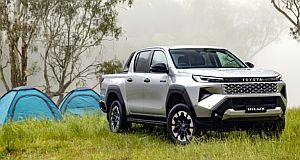
    TOYOTA’s latest Hilux (mid-spec SR5 from $65,990+ORC tested) adds a handful of niceties and feel-good stats, including being the first time in almost five decades that Japan has let Aussie designers have input, but prices are up and choices are trimmed.


    The news is, fortunately, more good than bad, topped by the latest ute’s greatly improved driveability and cabin treatment, including reduced noise levels and lighter steering.


    Dropped for the new year are all the petrol models, including the bread-and-butter 2.7-litre petrol engine that powered cab-chassis versions for zillions of tradies.


    All now get the 2.8-litre turbo-diesel power unit with six-speed manual or six-speed auto, some also with the latest 48-volt mild-hybrid motor booster that improves performance and can lower fuel consumption.


    The electrification of the Hilux – to rise to the next level with an all-EV model next year – is the shining light of the latest version.


    The styling was done with the aid of Toyota Australia and despite some onlookers being cool on the look, actually improves with familiarity and the compact grille sets the new ute apart from a plethora of imposing, flat-faced agricultural designs from predominantly Asian car-makers.


    It sits on the same wheelbase and uses the decades-old ladder frame layout with separate body (basically unchanged), diesel engine, live rear axle and despite the repetitive engineering, is more expensive.


    But it’s a Toyota. Sales outlets and service centres are everywhere and prospective buyers gravitate to the brand knowing that breakdowns are comparatively less than many competitors. That goes with the belief that if they take anything other than a Hilux or Land Cruiser into the bush, they’re asking for trouble.


    New Hilux has eight airbags and along with the Toyota ‘Safety Sense’ package, gets upgrades such as pre-collision that has detection for pedestrians, cyclists and motorcycles.


    There’s also intersection collision avoidance; emergency steering assist (effectively lane keeping); ‘acceleration suppression’ (aka unintended acceleration prevention); active cruise control now with the ability to detect two vehicles ahead (not just one);  ‘curve speed reduction’; and upgrades to the road-sign assist function.


    SR5 also has an emergency driving stop system (EDSS) that will help bring the vehicle to a stop if it detects the driver appears to be no longer operating the vehicle and fails to respond to audible and visual warnings.


    Hilux models now get a minimum of a 7.0-inch digital instrument cluster, two USB-C ports, a 12V accessory port and on single-cab grades, a two-speaker audio system.


    There’s also an expanded 4G Toyota ‘connected services’ function including SOS emergency call, automatic collision notification and ‘vehicle insights’ (remotely accessible through the myToyota Connect app) with a one-year complimentary trial to Toyota Connect+ and Toyota multimedia connect packages.


    The SR5 carries these over with a redesigned dash unit with a 12.3-inch digital instrument cluster (partnering the 12.3-inch infotainment touchscreen) with wireless Apple CarPlay and Android Auto compatibility, digital radio, embedded satellite navigation, and natural voice recognition.


    There is an increase in cabin features in the SR5 for 2026 including dual-zone automatic climate control, cooled glove box, heated front seats and steering wheel, the bigger 12.3-inch digital instrument cluster, electro-chromatic rearview mirror, and the electric park brake.


    Toyota has an optional ‘premium interior’ pack that costs $2500 and adds black leather upholstery, eight-way electric driver’s seat with lumbar support and a nine-speaker JBL premium audio system.


    Outside, SR5 adds 18-inch alloy wheels with larger front brakes and ventilated rear disc brakes, integrated towbar, high-grade auto-levelling LED headlights, LED tail-lights and rear fog lamp (ute body), sports bar with 20kg load capacity, privacy glass, auto retracting and heated exterior mirrors and seven exterior paint choices.


    Driving Impressions


    LIVE with something for a few years and what were once annoying blemishes mysteriously disappear, either through personal apathy or the inability to change the problem.


    Living with the turbo-diesel lag that afflicts most modern utes really is a pain … but people I know who own these workhorses (aka Mum’s taxi) don’t pick it as a fault.


    Well, I do. It’s annoying and sometimes downright dangerous and yet another reason why utes are not the best way to cart around the family without patience, consideration of other traffic, and a lot of driver attention.


    The Hilux is no different, but it isn’t the worst offender when it comes to a laggy engine and sleepy accelerator pedal response. Some of its rivals are simply awful.


    That was then and this is now. So good is the addition of an electric motor drive to the Hilux diesel engine that it feels like the ute has a completely new drivetrain.


    Importantly, it is now one that is responsive to driver demands and can accelerate in traffic when asked rather than freeze while the engine and turbo have a chat about the next move.


    The ute is so improved over its predecessor that sedan-owning motorists could almost feel at one with the latest Hilux.


    The belt-driven electric kick virtually only operates from idle (which, thanks to this addition is lower at 600rpm than the old 720rpm tick over) which means it’s all done and dusted by the time the ute has left the traffic grid.


    Given that it’s a low-speed function, there’s another bonus. It’s perfect for off-road duties, particularly really slow work including rock climbing where the added 8.5kW/65Nm really helps.


    The extra torque also benefits sand driving. On test through dunes near a beach, the Hilux could happily crawl through the sand (4WD, low range, 18-inch tyres at 15psi) and take an incline, making the task with less effort than some competitors.


    It also makes it easier to gently use the accelerator to make small speed increments to reduce the chance of bogging in sand or stalling on inclines.


    There would have to be extra weight onboard because of the lithium-ion battery, but Hilux specs don’t show any change over the previous model. The SR5 is around 2130kg.


    The battery is fed in recuperation through the regeneration system applied to the engine’s generator.


    The Hilux continues with the 2.8-litre four-cylinder turbo-diesel engine that’s been around, seemingly, forever, with 150kW that is available from 3000rpm through to 3400rpm.


    Its torque is 500Nm (for the automatic transmission model – the manual model has less) at 1600-2800rpm which is a nice flat and wide band where most offroaders and people who are towing (listed at 3500kg) mainly operate.


    This goes to the carry-over six-speed torque-convertor automatic and through a part-time 4WD system controlled by electric solenoids via dash-mounted buttons. No big news there.


    However, this Hilux series gets electric-assist steering over the old hydraulic system. There’s a lot of benefits with this new assistance type, including a lighter low-speed feel which makes life a bit easier in tight places while reducing driver effort and minimising fatigue.


    It also ties neatly with monitoring and correcting lane-change functions and, for the future, opens the path to increasing levels of autonomous driving and pre-emptive accident avoidance.


    And then there’s the fact you’re never going to top up the power steering reservoir or fear underbody damage to hydraulic steering components.


    Toyota Australia, which played a part in designing the new Hilux’s appearance, also tuned the Hilux suspension, with two levels depending on the Hilux model. The SR5 tested here keeps payload and towing rates as before, but adds a bit more comfort.


    In hand with the smoother acceleration, the SR5 is now almost void of that (previously) characteristic choppy ride which is magnified with an unladen tray.


    It now has a more relaxed ride yet doesn’t get soft and prone to show much body roll through corners. Anyone who’s driven the previous Prado will know what it’s like to have over-soft front suspension and how it appeases occupants but doesn’t make for a very confident driving experience for the person behind the wheel.


    There’s also been the addition of hydraulic engine mounts to smooth out any noise, vibration and harshness (NVH) along with more spot welds in the floor, changes to the bracket design for chassis-mounted components, and extra sound deadening under the floor.


    Four-wheel disc brakes make an appearance along with – for the first time on Hilux – an electric park brake.


    Moving inside we find interior features all work in typical Toyota fashion, but it’s not perfect. Some of the switchgear is small – the steering wheel buttons, for example, including those for the audio volume – and some dash readouts can also be hard to read, particularly when you have only time for a glance.


    The manual switchgear for functions including HVAC is welcome, compared with what can be (in rival brands) a touchscreen nightmare.


    The screen itself is excellent, as are the two gloveboxes for extra personal storage.


    Toyota has a five-year/unlimited distance warranty and roadside assistance program, although owners who maintain servicing at a Toyota dealer get an automatic extension to seven years for engine and drivetrain components.


    Loyal owners also have the cover of seven years of emergency assistance.


    There is a five-year capped price service program that costs $395 per service (that is, $790 a year).


    The service intervals are small at six-months or 10,000km.


    Source link

  • Ford’s $30,000 EV Pickup Takes A Page From Tesla To Transform How Cars Are Built

    Ford’s $30,000 EV Pickup Takes A Page From Tesla To Transform How Cars Are Built

    Ford is betting its electric future on the “Universal Electric Vehicle Platform,” a new way of making cars that debuts in a $30,000 midsize pickup truck. It’s an ambitious price tag and an appealing proposition, but Ford has shared very little about what that truck will be or look like. 

    On Thursday, CEO Jim Farley gave a brief update on the project’s progress on social media. That included a bit more on how exactly the company plans to radically simplify manufacturing and reduce the number of parts needed to build a car. 

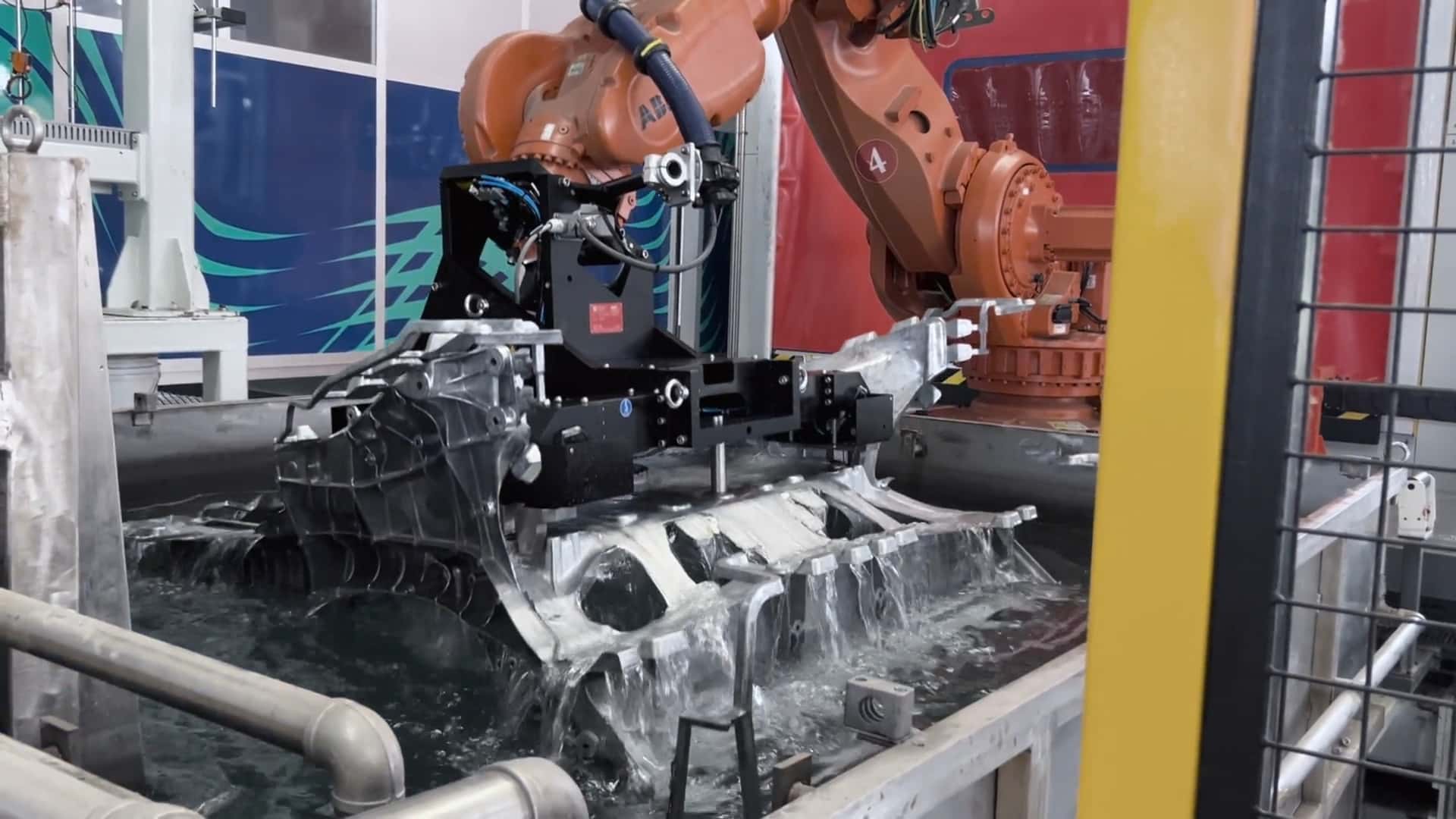
    “Ford will use large unicastings for the first time on the Universal EV Platform,” he said. “The radically simplified aluminum unicastings condense over 146 parts into two, and enable the assembly tree method at the Louisville Assembly Plant.”


    Ford has mentioned the use of large castings before. But the specifics of condensing well over 100 parts into two seem to be new. 


    Ford Universal EV Platform Pickup

    Photo by: Ford

    Tesla pioneered these kinds of large structural parts in the Model Y—it calls them “gigacastings”—that eliminate the need for countless welds and rivets. Now others are taking a similar approach. Volvo’s new EX60 EV, for example, is its first to use a large single casting for the rear structure of the vehicle. 

    Those large pieces are central to Ford’s novel “assembly tree” approach, where an EV is assembled in three sections that are then combined at the end of the line. They’re also key for slashing manufacturing complexity and cost, which the automaker has said is a priority for the UEV project. According to Farley, the Universal EV Platform is meant to match the production costs of BYD’s made-in-Mexico EVs.

    hazpucaw8aencn4

    A teaser of Ford’s midsize electric pickup truck.

    Photo by: Ford

    Ford has said its upcoming EV will use 20% fewer parts overall and 25% fewer fasteners, as compared with a conventionally made vehicle. On Thursday, Farley also said his team is “spending countless hours getting every last drop of aero efficiency on the mid-size electric pickup.” 

    That tracks with what Ford has described as a ruthless approach to minimizing drag, thereby boosting efficiency and range. Doug Field, Ford’s chief EV, digital and design officer, elaborated on his approach in an interview with Wired not too long ago. His takeaway was pretty fascinating:  

    Field’s team also focused on cutting aerodynamic drag to the absolute minimum, to use battery energy most efficiently. A reduction of “one count [0.01] of Cd [drag coefficient] is worth $25 of battery,” he said. “I’m obsessed by this,” Field told WIRED. 

    It all sounds promising, and like a big step forward over Ford’s earlier EV efforts. And for Ford’s sake, it had better work. The Blue Oval canceled the F-150 Lightning and some other future EVs, so a lot is riding on the Universal EV Platform and this midsize truck.

    Contact the author: Tim.Levin@InsideEVs.com 

    Source link

  • Ferrari could reveal the interior of the Elettrica EV next week

    Ferrari could reveal the interior of the Elettrica EV next week

    Ferrari is all set to unveil its first-ever electric car, the Elettrica, later this year. The EV is expected to make its public debut in May, but we might get to see its interior next week.

    The Ferrari Elettrica will be based on a new, purpose-built electric architecture. Ferrari says that it offers an advanced driving position close to the front axle. The battery is integrated completely into the floorpan, with 85% of the modules concentrated in the lowest position possible, for a low centre of gravity.

    Ferrari Elettrica EV platform-5

    The all-electric Ferrari will be equipped with two electric axles, developed in-house. The front axle delivers 282 hp and up to 3500 Nm to the wheels. It can be decoupled at any speed to transform the car to rear-wheel drive.

    The rear axle delivers 831 hp and 8000 Nm in Performance Launch mode, for a combined output of over 1100 hp. Together the electric motors propel the Elettrica from 0-62 mph in 2.5 seconds. The top speed is 193 mph. The 122 kWh battery is said to offer a range of around 530 km.

    Source link

  • Range Rover Unveils New London-Inspired Special Editions
– duPont REGISTRY DriftBreath

    Range Rover Unveils New London-Inspired Special Editions – duPont REGISTRY DriftBreath

    Range Rover is one of the most respected names in the automotive industry, having practically invented the genre of the luxury SUV, and manufacturing a suite of models that still represent the quintessential luxury SUV today, combining enviable and sumptuous design and features with practicality, usability, and the makings of a Land Rover off-roading machine. However, beyond being one of the most influential luxury SUV manufacturers, Range Rover is one of the most important British marques in the entire automotive industry, and the capital of its home country, London, serves as inspiration for a new lineup of special edition Range Rovers.

    With centuries if not millenia of history, some of the richest culture, and one of the largest populations in the world, London is rich with places, stories, and traditions with which to inspire the creation of something like a special edition Range Rover, and Range Rover has just unveiled the beginning of a new collection of London-inspired vehicles: the Range Rover Evoque Hoxton Edition and the Range Rover Velar Belgravia Edition.

    Range Rover has its own deep connection with the city of London, as 1999’s Range Rover Linley Edition was inspired by the iconic luxury of the Mayfair area of the city, and the 50th Anniversary Edition Range Rover featured Henry Poole & Co. custom fabric, combining Range Rover Heritage with Savile Row craftsmanship.

    Starting the collection, the Evoque, combining a city-ready footprint with Range Rover capability and luxury, is given a twist that is inspired by the Hoxton neighborhood of London, which is known for a concentration of creativity and innovation. Satin Gold wheels, Platinum Atlas exterior styling, custom door sills and puddle lamps, as well as a leather-upholstered interior with contrast stitching and black brushed aluminum details, combine classic luxury with an energetic spirit.

    The new Range Rover Velar Belgravia Edition is inspired by the classic Georgian architecture and luxury lifestyle that Belgravia is known for. To achieve that inspiration, details throughout the vehicle, like Satin Black Lacquer accenting the 20-inch Dark Agate wheels, custom door sills, puddle lights, and contrast-stitched leather like the Evoque Hoxton Edition, combine to evoke classic luxury. Adding Satin Protective Film to the Velar for the first time, the Range Rover Velar Belgravia Edition Satin will be made in a limited run of 400 models, each of which will be marked as a 1-of-400 creation.

    However, those two models are just the beginning of the London-inspired collection. Two more models will be arriving in the spring: the Range Rover Sport Battersea Edition and the Range Rover Westminster Edition. The Range Rover Evoque Hoxton Edition and Range Rover Velar Belgravia Edition are available to order on January 15, showcasing luxury, capability, stunning craftsmanship, and design inspired by one of the world’s greatest cities.

    View All Range Rover For Sale

    Image Source: JLR

    Source link