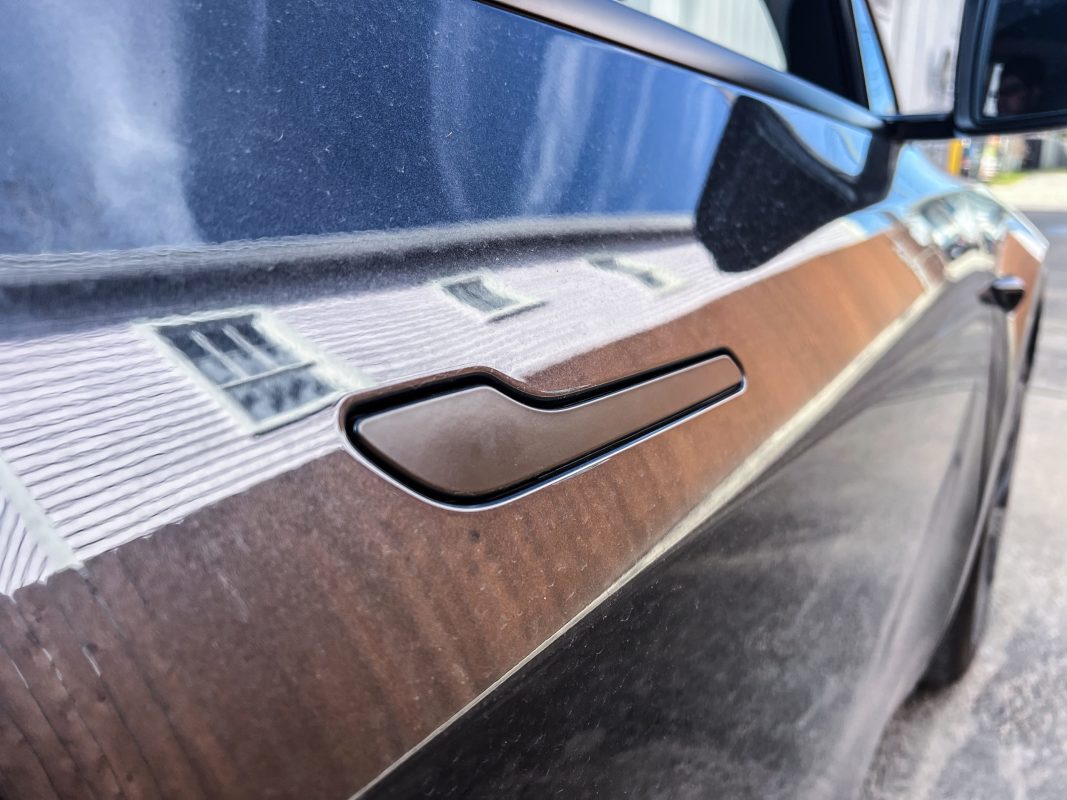
Just as cars with retractable door handles have been banned from being sold in China starting next year unless automakers fit mechanical release systems on both sides of their vehicles, Tesla has been hit with yet another lawsuit regarding this exact issue.
The family of 20-year-old Samuel Tremblett, who died in his burning Tesla Model Y after an October 29 crash on Route 138 in Easton, Massachusetts, has filed a lawsuit against the U.S. automaker on February 4 in Massachusetts federal court.
Victim Survived The Crash, But Couldn’t Exit The Vehicle
The suit alleges that the Tesla’s electrically powered doors trapped the driver inside his burning Model Y after the EV left the southbound lane of Route 138 and came to a stop in the woods about 20 feet from the road. Tremblett survived the single-vehicle crash and immediately called 911, panicking because the car had caught fire and he wasn’t able to open the doors.
“I can’t get out, please help me. It’s on fire. Help please. I am going to die,” he told the operator, according to transcripts of the call presented in court. Unfortunately, the young man’s remains were later found in the back seat of the vehicle, according to a police report of the incident. That appears to suggest that he had desperately tried to open all the doors of the vehicle before he lost consciousness because of the smoke and burns.
“Unable to open the doors, Mr. Tremblett was trapped in the Tesla vehicle and died from thermal injuries and smoke inhalation before he was able to be rescued,” read the complaint filed in Massachusetts federal court. Tesla didn’t respond to Bloomberg News’ request for comment.
At Least 15 Lives Allegedly Lost Because Of Tesla’s Flush Door Handles
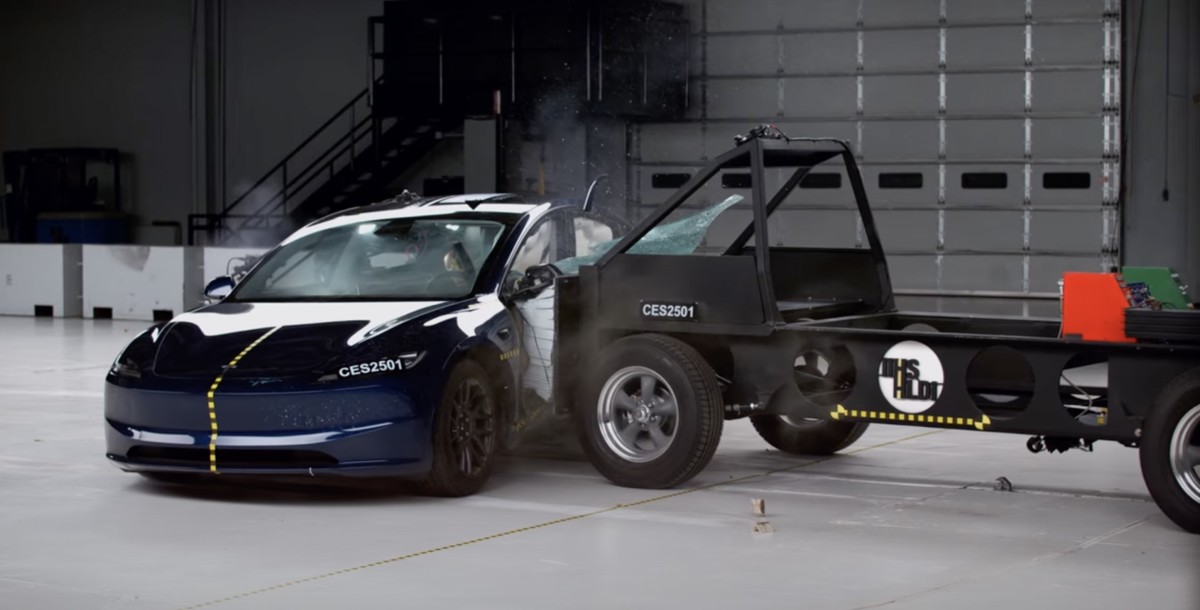
Tesla Model 3 during IIHS side crash testing
IIHS
This is the latest of many lawsuits involving Tesla’s concealed door handles that have claimed at least 15 lives according to a Bloomberg News investigation, in accidents where passengers were unable to escape burning vehicles because their doors wouldn’t open.
Tesla is obviously aware of this issue and in September 2025 one of its top executives said the company was working on a redesign of the door handles. In December, the EV maker updated its website to say that after a serious collision is detected, the “doors will automatically unlock for emergency access” and the hazard lights will turn on to increase visibility. Unfortunately for Samuel Tremblett, that update came two months too late.
Few Tesla Users Know Mechanical Releases Exist And How To Use Them
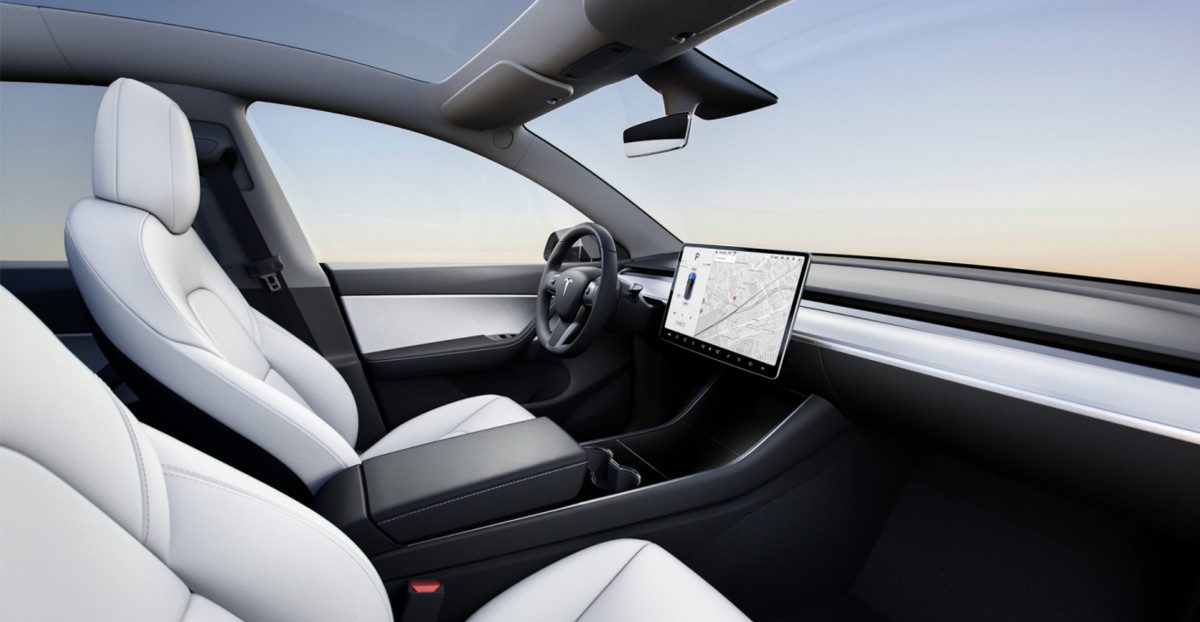
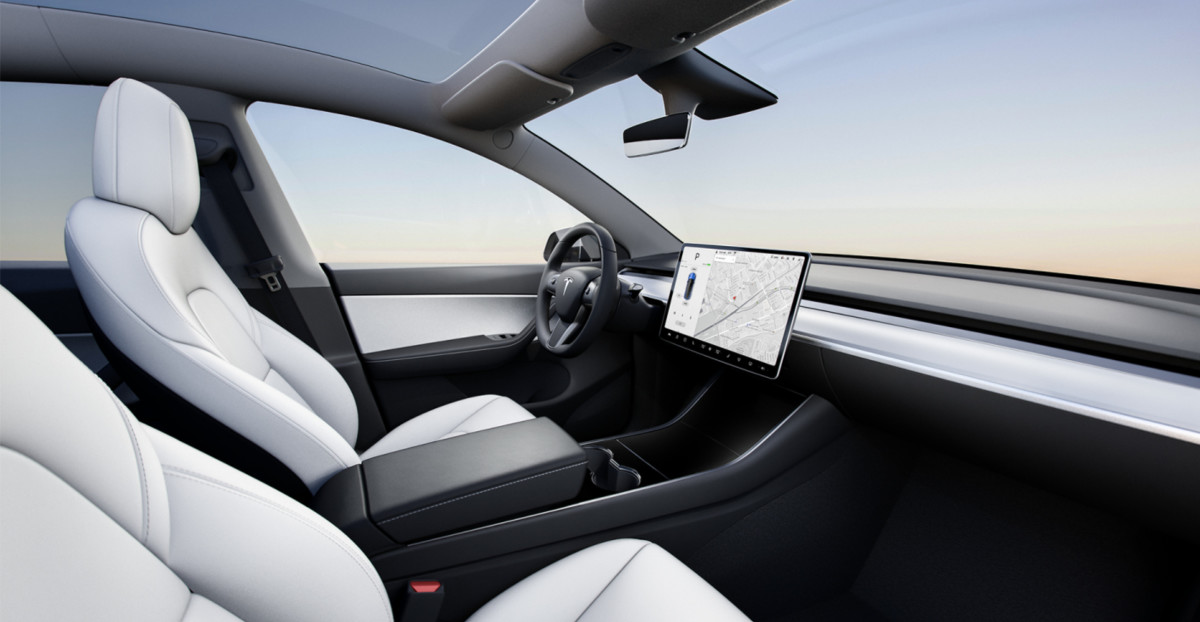
Every Tesla on the road today features two batteries, the high-voltage pack that propels the car and the low-voltage battery that powers essential interior functions like the windows, doors and the touchscreen, among other things. If the low-voltage battery dies or is disabled, the doors may not unlock and have to be manually operated from inside the vehicle.
While Teslas feature mechanical door releases, many owners and passengers aren’t aware they exist or have difficulty finding and operating them, especially in case of an emergency.
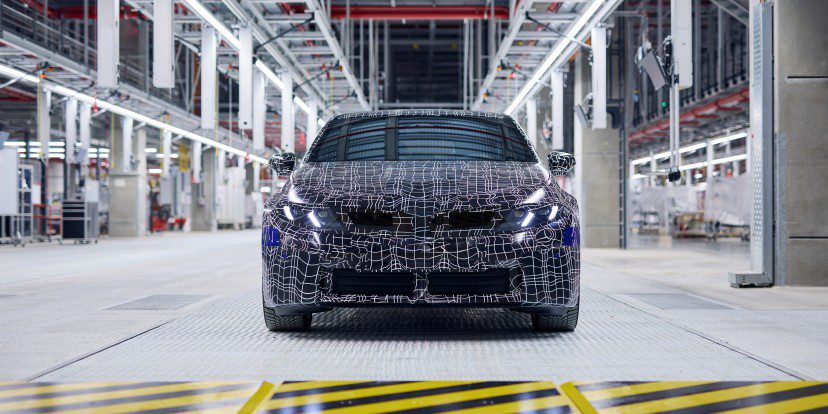
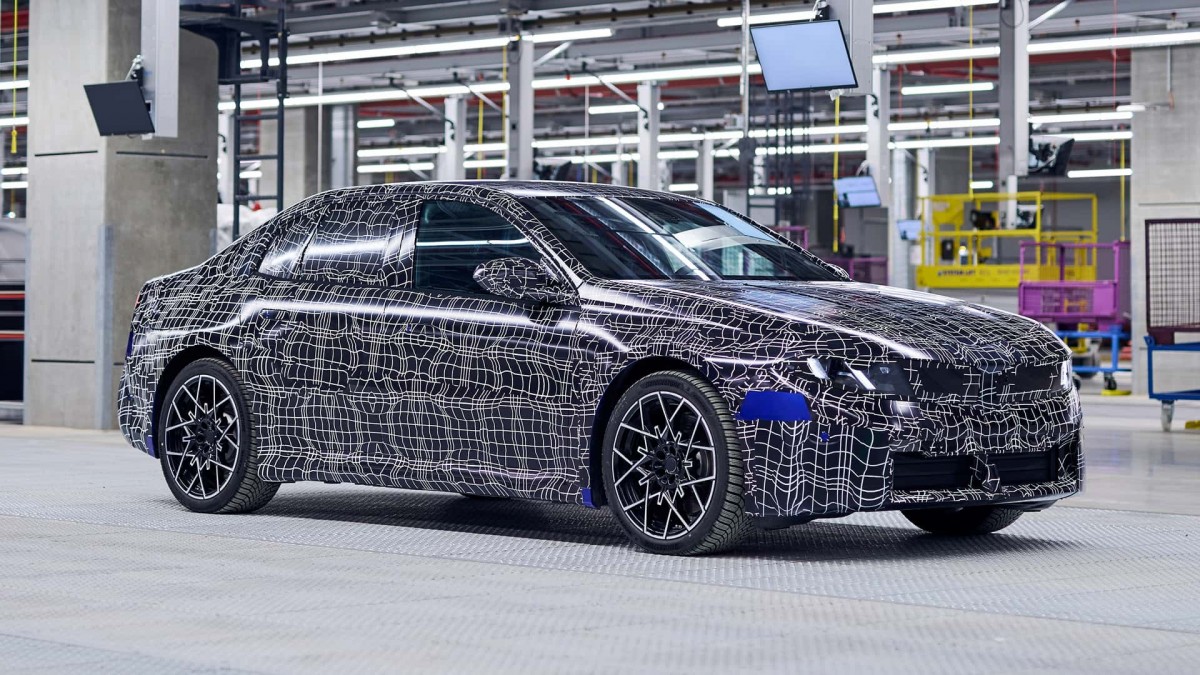
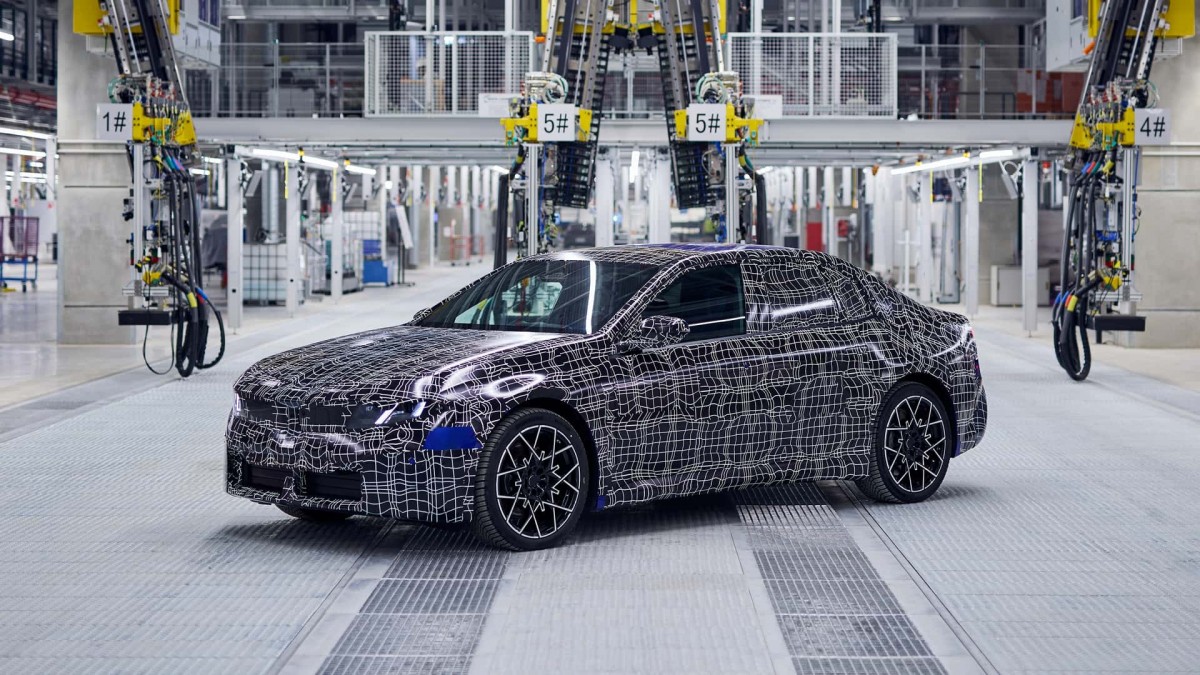
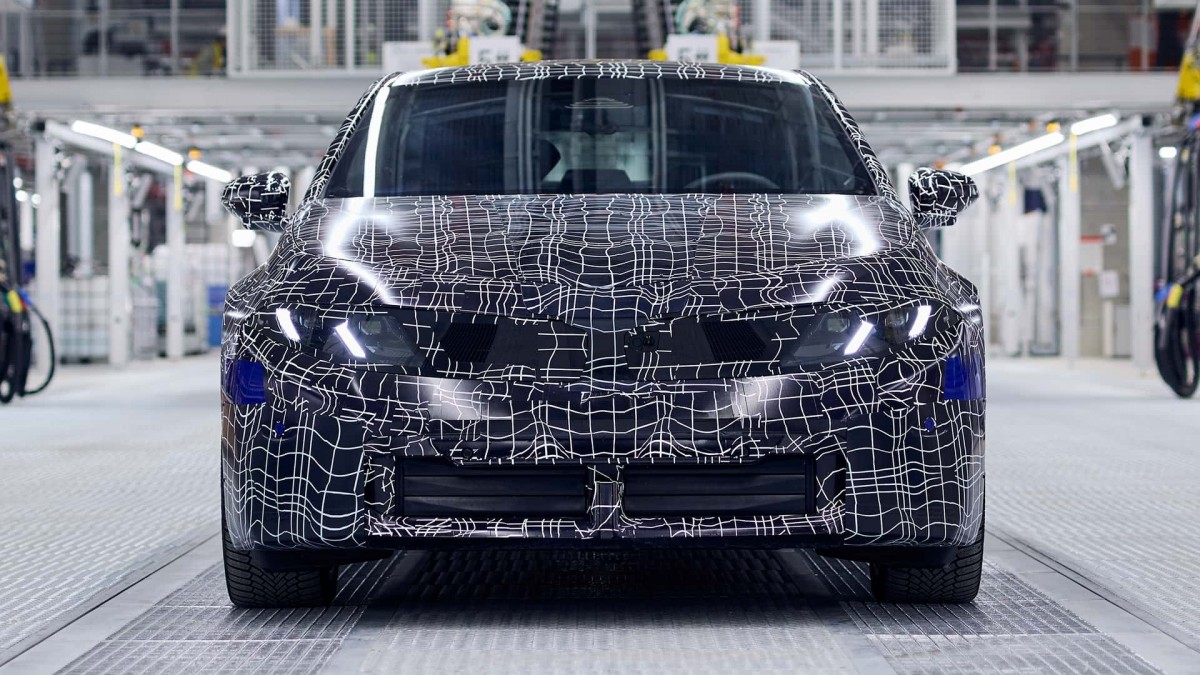
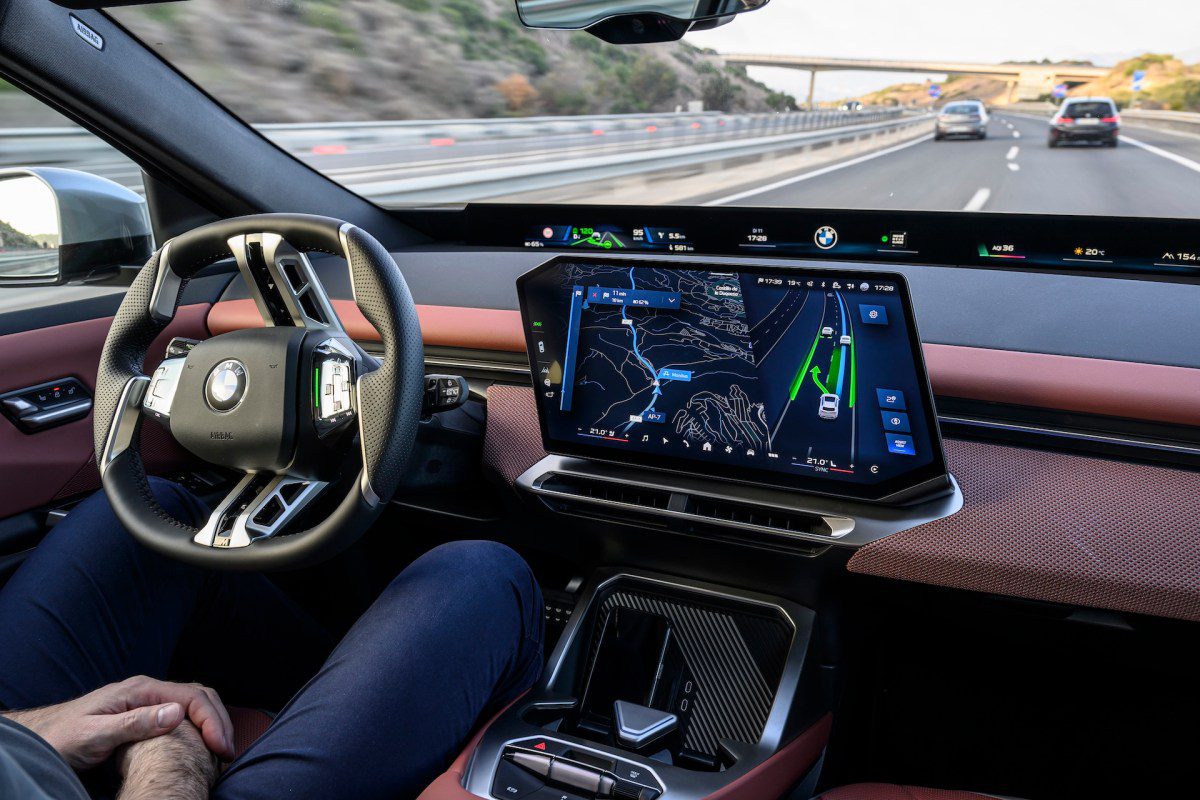
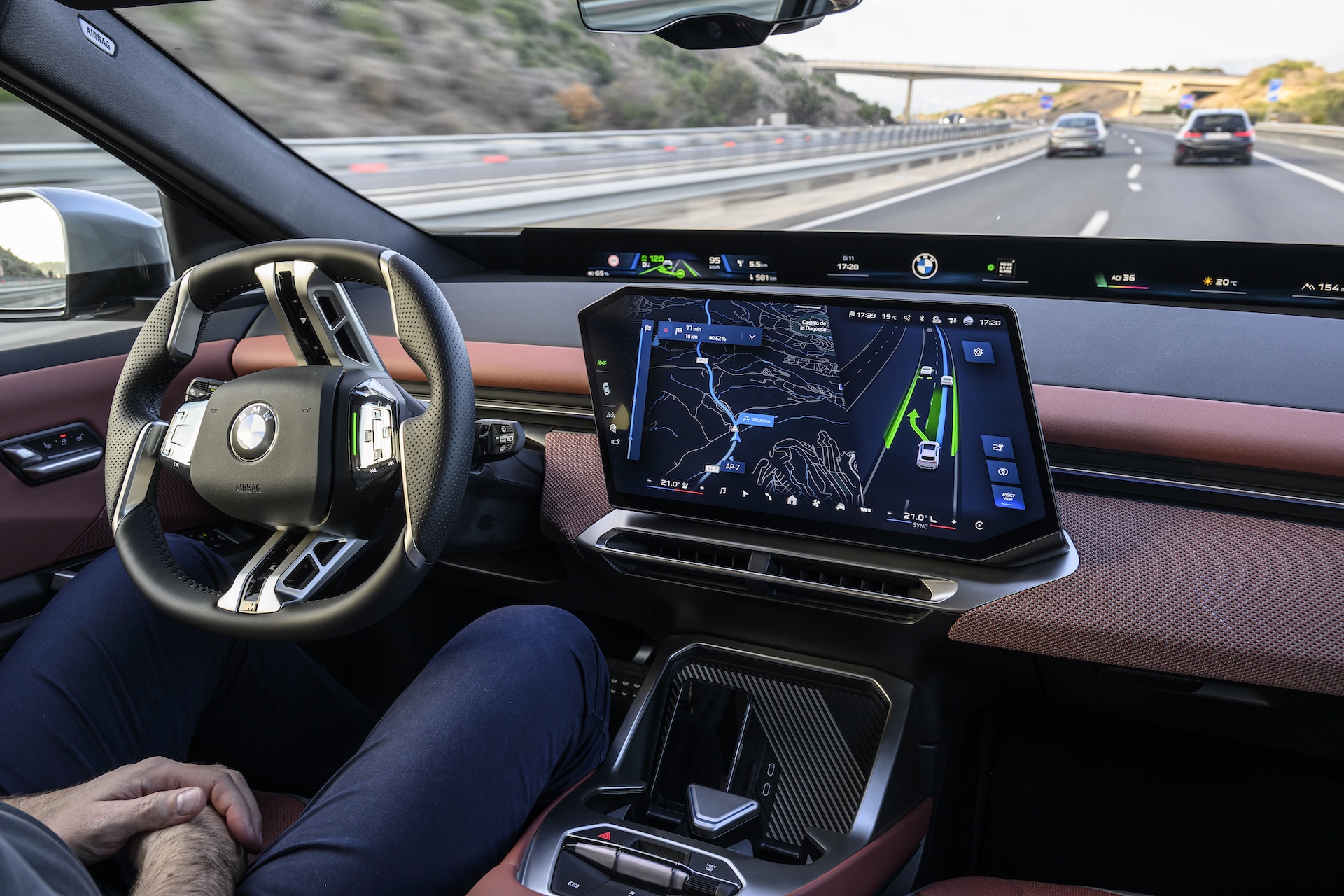
BMW is getting ready for a huge change. The company finished building its first test versions of the new i3 electric sedan at its main factory in Munich. These cars are not for sale yet. Instead, workers are using them to make sure the assembly line works perfectly before thousands of cars start rolling out to customers in 2026. The Munich plant has been the home of the gas-powered 3 Series for 50 years, and soon, the electric i3 will take center stage in that historic building.
The new BMW i3 is a major part of what the company calls the “Neue Klasse” or New Class. Unlike older models that were just gas cars with the engines swapped out for electric motors, the i3 is built differently. It uses a new 800V system that allows it to charge much faster. Drivers will be able to add about 230 miles of range in just 10 minutes when using a high-powered charger.
The new BMW i3 – source: BMW
Even though the test cars are covered in black-and-white camouflage patterns, we can see some big changes. The front of the car looks shorter than the gas-powered 3 Series we know today. This is because the electric parts take up less room under the hood. By moving the wheels closer to the corners, BMW made the inside of the car much bigger. Passengers will have more legroom and a flatter floor, making the cabin feel airy and comfortable.
The car also sits at a nice height. Usually, putting a heavy battery under the floor makes a car look tall and bulky. BMW designers worked hard to keep the i3 looking sleek and sporty. The car in the official photos has bigger wheels and bulky side panels, which suggests it might have the “M Sport” package fitted.
The new BMW i3 – source: BMW
The technology hidden under the body is what makes the i3 stand out. It uses new cylindrical battery cells that hold more energy than the old flat ones. We are still waiting for final numbers, but we believe the car could travel more than 497 miles on a single charge, putting it ahead of many other electric cars on the road today.
BMW plans to offer several versions of the i3. Some will have one motor and rear-wheel drive, while others will have two motors for all-wheel drive. There is even a high-performance M model in the works that could have four separate motors. That version might even play “fake” engine sounds through the speakers to make the driving experience more exciting for people who miss the roar of a gas engine.
The new BMW i3 – source: BMW
Plant manager Peter Weber says that building these first few cars is a “milestone.” Everything in the factory is now digitally connected to make sure the quality is top-notch.
The second half of 2026 is when the real fun begins. That is when full production starts, and the i3 will officially become the most important model in the BMW lineup. It has to compete with other popular EVs like the Tesla Model 3, so BMW is putting its best technology into this project. For fans of the brand, this is the moment the “Ultimate Driving Machine” truly plugs into the future.
Our free daily newsletter sends the stories that really matter directly to you, every weekday.
Remember BMW’s subscription seat heater scandal? You’d be forgiven for letting it slip your mind; after all, there’s been more than enough rage bait (automotive and otherwise) to go around in recent years. The short version is this: Both manufacturers and dealers are all about making money on their cars long after the initial sale. Traditionally, that revenue has largely come from maintenance, but since EVs don’t require as much upkeep as internal-combustion cars, the future of that model is in jeopardy. Need proof? Look no further than Tesla, which just paywalled previously standard features behind a new FSD subscription.
But while BMW ultimately backed down over heated seats, the company still believes in the features-as-a-service model, and will continue to offer post-purchase upgrades through its ConnectedDrive platform.
“BMW remains fully committed to the ConnectedDrive environment as an essential part of the global BMW Aftersales strategy,” a BMW spokesperson told The Drive in an emailed statement.
“With these established digital offerings, we offer our customers even more comfort and flexibility in line with their individual wishes after they purchase a vehicle,” the spokesperson said. “This allows customers to opt for additional functions and services retroactively.”
As Tesla has demonstrated, not all post-purchase add-ons have to be subscriptions. The company has offered several of its software-based feature upgrades as one-time purchases through its internal platform. Only recently has the EV builder begun pivoting toward a subscription-only model.
For now, BMW is defaulting to a more traditional approach. If it requires a data package of some sort, it will probably have a recurring fee—and BMW says its customers are already comfortable subscribing to such add-ons.
BMW and Tesla certainly aren’t alone in this. Most semi-autonomous driving software comes with some sort of subscription—often after a trial period—and there’s precedent for subscription add-ons going back much farther than the EV era. GM has been charging membership fees for OnStar services since the mid-1990s, when cellular service coverage was finally sufficient to support the company’s roadside assistance program. We’ve also seen countless app- and infotainment-based “concierge” services come and go over the years.
However you look at it, subscriptions are here to stay—and not just at BMW.
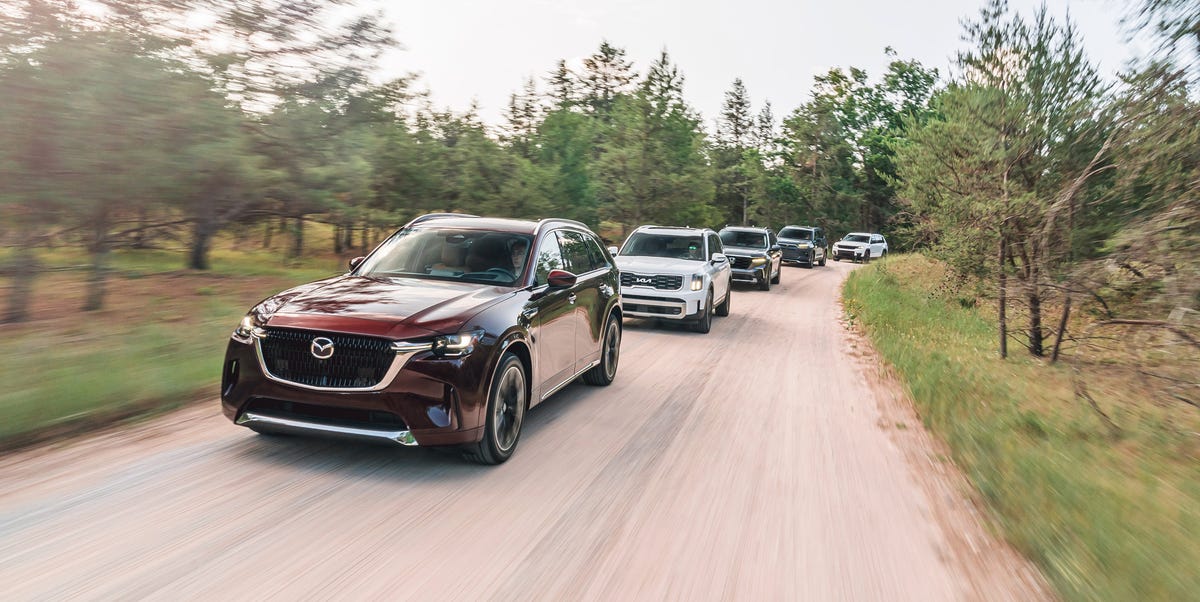
If you’ve outgrown the Forester and Outback, then you may want to take a look at the Subaru Ascent. Wireless Apple CarPlay and Android Auto are standard across the line, as is an 11.6-inch touchscreen infotainment setup. Power comes courtesy of a turbocharged flat-four engine—just like lower-level Porsche 718 models! Unlike the Porsche, the Ascent offers no manual or dual-clutch automatic transmission options. Instead, Subaru employs a CVT to push the engine’s 260 horsepower to the Ascent’s standard all-wheel-drive system. Though the Ascent is far from a penalty box, the three-row SUV lacks the polish that makes this segment’s top-ranked models so sought after.
I got out feeling fresher than anything else I’ve done similar journeys in, thanks to a cosseting set-up that is still far more poised and direct than well over two-and-a-half tonnes of high-riding metal has any right to be. As mentioned in a previous report, the SV version is another level altogether, but the regular Sport really can do everything I need, and that’s without even exploring what it can do with wellies on, thanks to Land Rover’s brilliant Terrain Response system.
Less complimentary are a few small-scale system elements, such as it taking 18 button presses to go from one trip computer setting to another – for example from start-up on that journey to the longer-term tank or even lifetime readouts. Most cars will let you click between the two, but not with the Land Rover system, where you have to go in and out of several menus. The nav, as discussed in previous reports, is also excellent, right up to the point where you want it to take account of traffic problems, when you’ll wish you had used the less visually appealing Apple or Google Maps.
Advertisement – Article continues below
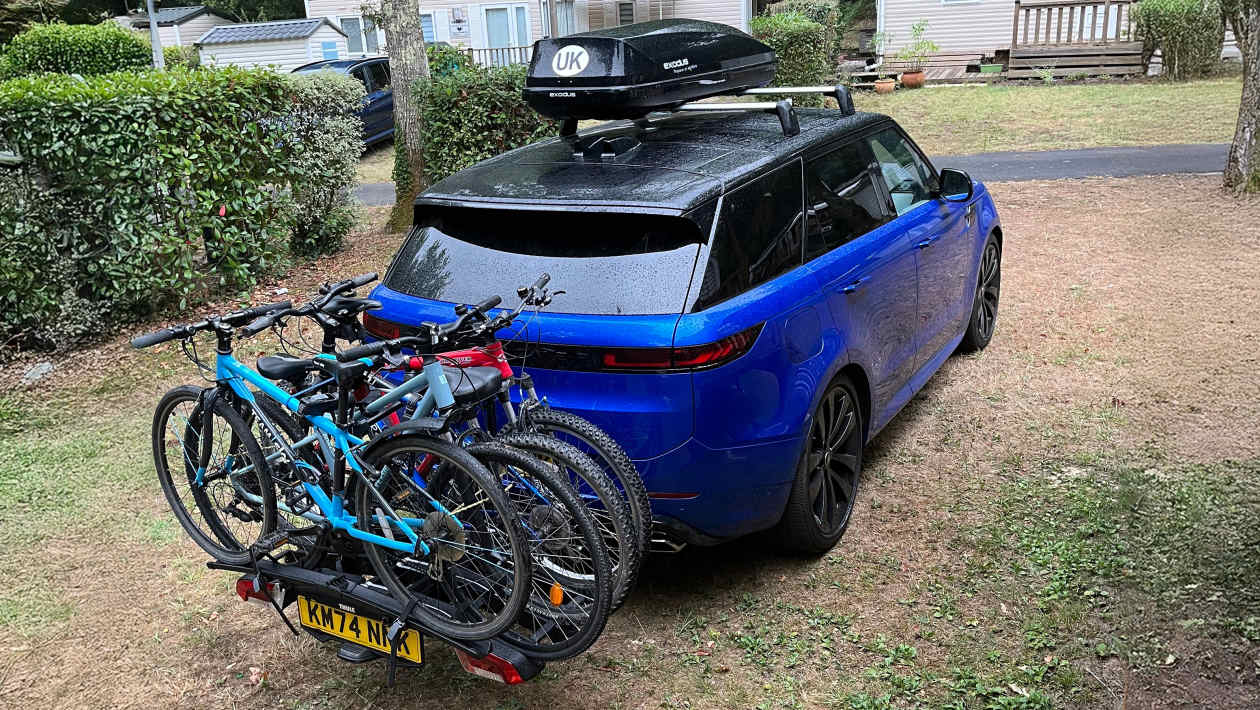
Our car came stacked with options, which fall into categories of ‘should really have been standard’ (privacy glass or powered tailgate for example), ‘great if you’ll use it’ (such as the retractable towbar and three-pin plug socket) and ‘extravagances’ like the Velocity Blue paint, which turned heads with maybe a 75:25 per cent positive reaction, but there are better ways to spend almost £8,000, and cheaper lower-key alternatives are available.
Then there’s the likes of WiFi, which appears pricey at £420 for a year or £670 for two years. But long journeys – especially abroad – where the kids aren’t draining their data streaming stuff that will keep them quiet made it better value than I first expected. Especially when it was good enough to dial into meetings by the roadside as well.
TESLA has realigned its local naming convention to mirror that found in global markets.
Australian and New Zealand markets will now adopt the global naming conventions as applied to both the Model 3 and Model Y, with specifications and pricing to remain unchanged (see pricing table below).
Effective immediately, the change aims to bring consistency to the Tesla brand, and to its current and future models.
At the same time, the American importer says it will not move to offer the Standard Models released in other markets locally, instead offering as follows.
From this week, the Model 3 Rear-Wheel Drive becomes the Premium Rear-Wheel Drive, the Long Range Rear-Wheel Drive becomes the Premium Long Range Rear-Wheel Drive, while the Performance All-Wheel Drive remains unchanged.
The changes applied to the Model Y are essentially identical, with the Rear-Wheel Drive likewise becoming the Premium Rear-Wheel Drive, the Long Range Rear-Wheel Drive becoming the Premium Long Range All-Wheel Drive, and the Performance All-Wheel Drive being unchanged.
As before, Tesla Australia and New Zealand continue to offer a spare wheel loan program in addition to a five-year/unlimited-kilometre factory warranty, and five-year roadside assistance program.
High-voltage traction battery warranties vary between the Model 3 and Model Y with the former backed by an eight-year/160,000km guarantee and the latter with eight-years or 192,000km of support (whichever comes first in either instance).
Nearly every leader who ever lived believed they would be remembered. Very few actually were.
The difference was not power, wealth, or victory. It was what they chose to leave behind.
In the summer of 1783, as the smoke cleared from the Revolution, the men who built this nation understood a simple truth: freedom is won with steel, but legacy is preserved in gold.
Major Pierre L’Enfant wanted more than a commemorative medal. He wanted a mark that could outlast the moment. He chose the Bald Eagle—native to this land—and placed at its center the Roman general Cincinnatus, remembered not for power seized, but for power willingly surrendered.
Members of the Society of the Cincinnati wear a gold Eagle insignia to mark their service. George Washington, however, was entrusted with something singular:
The Diamond Eagle.
Set with nearly two hundred diamonds, emeralds, and rubies, it was never intended as ornament. It became a symbol of leadership passed hand to hand—from Washington to Alexander Hamilton and onward through history. It was never sold. Only inherited, carrying continuity of responsibility rather than ownership.
At AviNika Jewelry, we work within this same tradition. A generic, mass-produced gift is a hollow gesture—insufficient for a life’s work. The individuals who form the core of a family, or the inner circle of a company, deserve objects that reflect what they have built.
Not mass-produced gifts. But artifacts shaped with intention.
To commission such a piece is to think beyond the present moment. You ensure that a century from now, your successors will not simply know your name—they will inherit a tangible record of what you built.
We create the artifacts by which leadership endures.
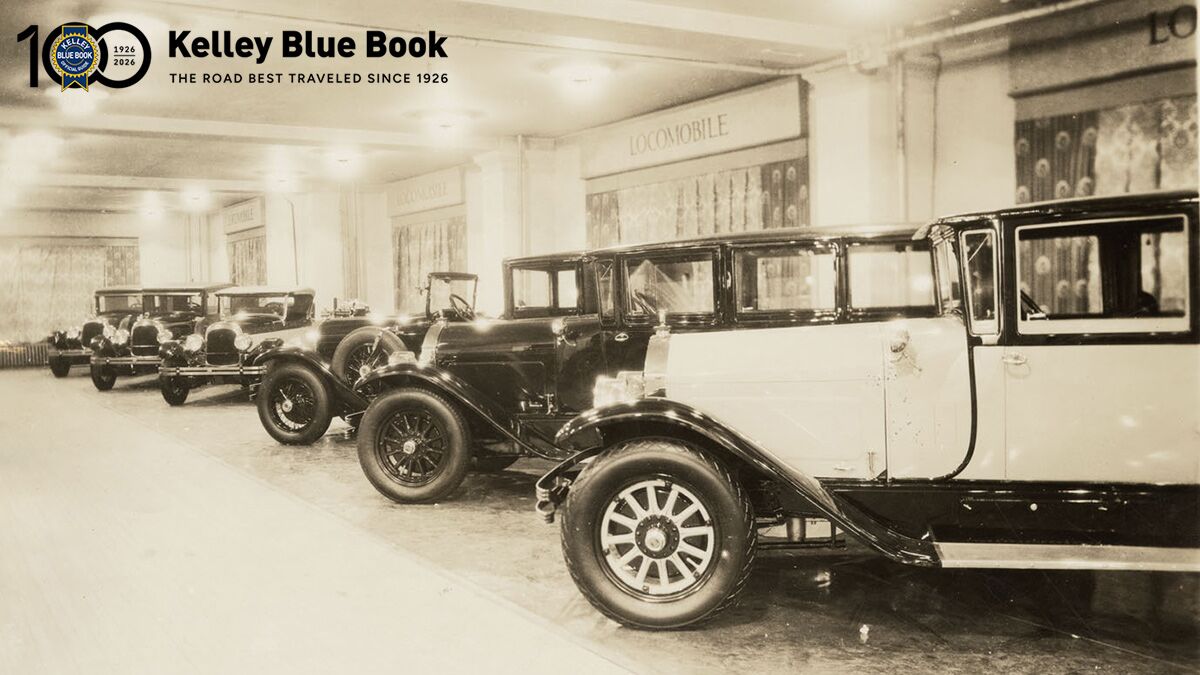
As Kelley Blue Book celebrates its 100th anniversary this year, I have been thinking about how people have bought new cars over the past century. Since the dawn of the automotive age, the journey to new car ownership often begins at an auto show. How did auto shows start? How have they evolved over the years? Does the auto show still serve a purpose in the internet age?
What Is an Auto Show?
When I talk about auto shows here, I mean new car shows. These events are generally organized by regional new-car dealer associations and feature displays from auto manufacturers. They happen in big cities all over the country, often coordinated on the calendar so that the car makers can move their vehicles, displays, and personnel from show to show.
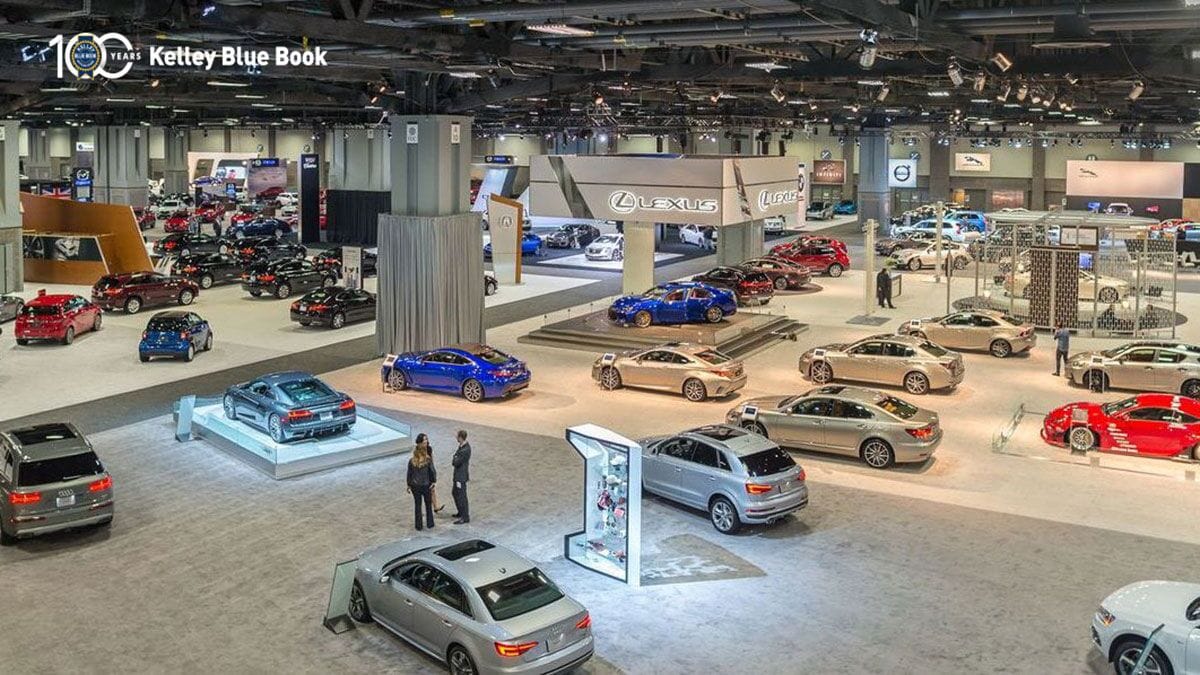
Even though auto dealer associations organize the shows, they don’t sell cars at them. A modern auto show is a place where shoppers and enthusiasts can see and touch new cars without pressure from a salesperson. Manufacturers’ representatives or subject-matter experts are often present to answer questions, hand out branded trinkets, and encourage people to share their contact information so a dealership can follow up after the show — but nobody is obligated to do so. In some cities, the annual auto show has become a family holiday ritual. In Phoenix, for instance, the Arizona Auto Show opens on Thanksgiving morning, and families line up when the doors open.
The Birth of the Auto Show
The first major auto show in the United States was the New York Auto Show in 1900. It featured 69 exhibitors displaying 160 vehicles and took place at the original Madison Square Garden. According to the show’s website, 48,000 visitors toured the show, which included gas, steam, and electric cars.
The Evolution of the Auto Show
Image provided by the Detroit Public Library, National Automotive History Collection.
Cars were a novelty at first, and auto shows were an excellent way for people to get a look at the variety of innovations the young auto industry was producing. Unlike many trade shows, which cater to their industries, auto shows have always relied on public attention and attendance.
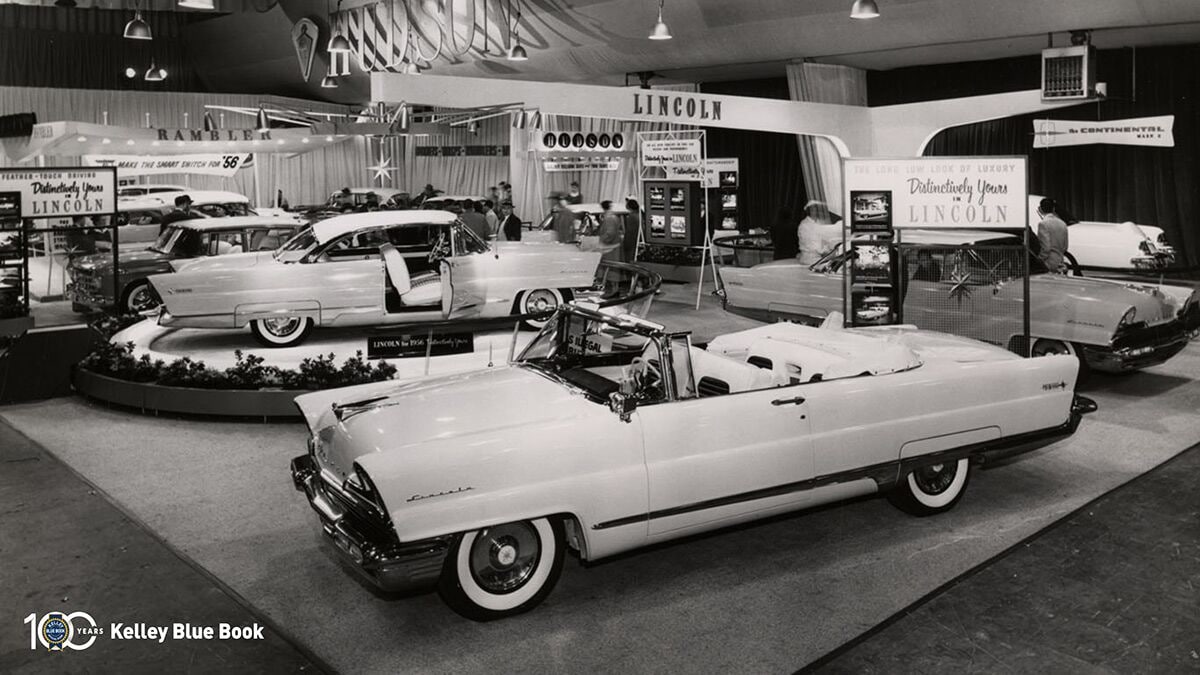
As such, auto shows have traditionally leaned on vehicle debuts to capture press interest. At the New York Auto Show alone, the Ford Model T debuted in 1909, Lincoln launched in 1921, and General Motors introduced Pontiac in 1926 (the same year Kelley Blue Book debuted, coincidentally).
Over the decades, auto show events and displays grew more elaborate and incorporated elements of show business. It wasn’t unusual for major carmakers to launch their new models at an auto show with a musical number — often written, produced, and choreographed by Broadway veterans — featuring dancers, actors, and musicians, and sometimes star appearances. I’ve seen plenty of actors, athletes, and performers at car launches, and even some novelty acts.
Have you heard of Mini Kiss? They are a Kiss tribute band made up entirely of little people. The car brand Mini presented a mini-Mini Kiss concert at the New York Auto Show around the launch of the Mini Cooper Countryman in 2011, paired with an appearance by three-quarters of the full-size, actual band Kiss in full makeup: Gene Simmons, Peter Criss, and Ace Frehley (Paul Stanley was out sick). It was incredible. Overkill, but incredible.
In the “Mad Men” era of the 1960s, many automakers used beautiful female models in revealing outfits to showcase the features of their new car models. The practice hasn’t entirely died out, but it is much less prevalent at today’s family-friendly events.
What Might You See at an Auto Show Today?
The modern auto show is not as elaborate as it once was, but it is still a big production. The car industry crash of 2008 led to substantial cutbacks in car show budgets, with austere carpet-and-drapes decoration instead of the elaborate manufacturer displays. Things picked up in the 2010s, then took another nosedive during the COVID-19 pandemic.
Today, auto shows are on the rebound, thanks in part to a shift toward more experiential displays and events. Stellantis’ popular Camp Jeep driving experience lets showgoers ride along in a Jeep brand vehicle through a challenging obstacle course. Indoor driving tracks for electric vehicles allow curious shoppers to get a ride in the latest EVs — a first-time experience for many. Ford and other brands bring professional driving simulators for people to try, and several companies have demonstrated virtual reality (VR) driving and car design experiences.
Why Go to an Auto Show?
If you love cars, I don’t need to answer this question.
If you don’t love cars, but you may be in the market in the next few years, an auto show is a great way to figure out which cars appeal to you, what’s available in the marketplace, and to learn about pricing and value – all without worrying about a pushy sales professional making you uncomfortable.
And who knows? Maybe you’ll be lucky enough to fall in love with a car within your budget. Or perhaps you’ll get to see a performance by Mini Kiss.
The wildly popular Forza Horizon racing game franchise is a mirror that reflects the automotive zeitgeist as much as it serves as a playground for enthusiasts to explore their love for cars in a wide-open sandbox. So intertwined are the real and virtual car communities that it isn’t uncommon to hear younger enthusiasts say that an area with a lot of supercars is “like a Forza lobby.”
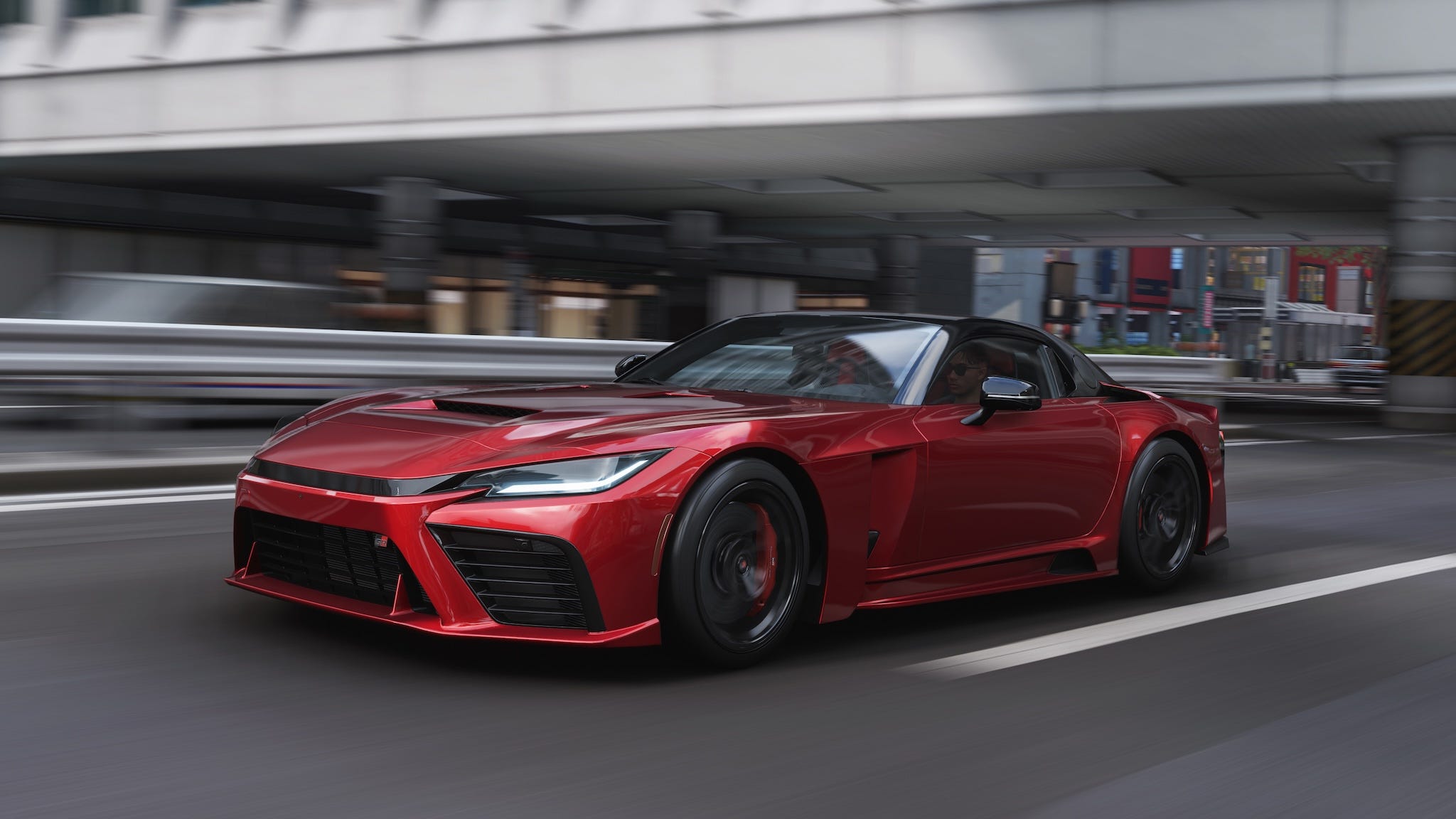
Forza Horizon players have already explored settings such as Colorado, Southern Europe, Australia, Great Britain, and Mexico in previous installments of the franchise. Now gamers will have their chance to explore an epicenter of global car culture, Japan, in Forza Horizon 6. It’ll also be their first chance to drive the Toyota GR GT, one of the most hotly anticipated sports cars of the moment. We sat down with Playground Games’ Torben Ellert, the design director for Forza Horizon 6, and Takashi Doi, the GR GT’s chief project manager, at the same time to find out what players can expect while driving Toyota’s new grand tourer on and off Japan’s digital roads.
ADVERTISEMENT – CONTINUE READING BELOW
First Impressions of the GR GT
When we asked Ellert and Doi-san what to expect from the Toyota GR GT in Forza Horizon 6, Ellert took the lead. “Understanding the technical nature of the GR GT prototype, where the engine is placed relative to the center of mass, the fact that it’s very slightly back-weighted means that we know that within our simulation the acceleration should perform in a particular way,” he said. Expect the GR GT to have this front-mid-engine character when you pick up your controller and for that sensation to mimic its real-world driving dynamics.
Ellert stressed that communicating the Toyota’s personality was as important as simulating the actual car’s behavior, and that the feel of the GR GT’s hybridized twin-turbocharged V-8 powertrain should come through in the game’s programming. “It’s not just a blind number simulator,” Ellert said. “It’s about taking the soul of the car and finding a way to express that in a way that’s respectful and authentic in our game.”
ADVERTISEMENT – CONTINUE READING BELOW
Doi-san spoke up next, emphasizing the importance of the driver-first philosophy that went into the GR GT’s development. “The most important thing is how each driver feels once they get in and drive the car,” he said. “That applies to both the game and the real car.”
To attain a high level of accuracy, Toyota provided more the Playground Games team with more access than it typically would for non-employees. “We had this absolutely unique opportunity to go behind the scenes with a vehicle in development, see pre-production models and really internalize everything about it from what it sounds like when you start it to what it sounds like when you take it around a track,” Ellert said.
ADVERTISEMENT – CONTINUE READING BELOW
While neither Ellert nor Doi-san could give us any insight as to how the car was rendered for Forza Horizon 6, Ellert was able to describe the sound recording process in detail, which is “very much led by the vehicle itself.”
“It’s taping microphones to every imaginable surface. It’s putting microphones inside the car on the floor under the seat, taping it up on the dash, and then starting it and driving it. It’s about putting microphones along the track side and passing them so that we know what you should hear if someone else drives the GR GT past you,” Ellert said.
ADVERTISEMENT – CONTINUE READING BELOW
Players won’t have to wait to drive the Toyota GR GT for very long after firing up Forza Horizon 6 for the first time. Ellert told us that will happen during the first 10 minutes of the game. “It’s an absolute pinnacle experience of what it means to be part of the Horizon Festival, he said, alluding to the franchise’s Coachella-like theming.
“You see tōge roads, you race alongside the Shinkansen [bullet train], you get to drive the GR GT across our highlands biome with Suzuki grass stretching in all directions,” Ellert said. “You see Tokyo against the Pacific, that almost euphoric high delivered through the absolutely incredible GR GT.”
Insights from Toyota
More than just a paid partnership, the relationship between Playground Games and Toyota was two-way street throughout the development of Forza Horizon 6. Ellert stressed that his team received feedback from Toyota if something about the GR GT wasn’t true to life.
“I recall a conversation that was very much about the Albedo reflectiveness [the fraction of sunlight that is diffusely reflected by a body] within the headlight housings, which seems like a tiny detail, but detail is important,” Ellert said. Toyota’s team scrutinized the movement of the vehicle during cornering and provided feedback on what would seem like a microscopic detail to an outsider.
ADVERTISEMENT – CONTINUE READING BELOW
The same consideration was extended to sound design. “Sound was another element where we provide footage and resources and material to Doi-San and his team to review and give us the very specific stringent feedback on exactly how something should look or feel or sound,” Ellert said.
Doi-san let us know that Toyota focused its testing efforts on a mix of city streets, curvy public roads, in-house test courses, and racetracks. However, there are certain areas where the Playground Games team had to improvise. Much of the driving in a Forza Horizon title occurs off the pavement as you barrel through fields and wide-open spaces. “To be honest, we haven’t taken the car full blast on a dirt road,” Doi-san said. “But we’ve tested the car on similar types of surfaces that re-create that kind of movement.”
Seeing as the GR GT is still in the prototype stage of its development, Doi-san reminded us that Toyota still has work to do as it puts the finishing touches on its performance flagship. At least we’ll be able to bide our time driving the GR GT virtually.
ADVERTISEMENT – CONTINUE READING BELOW
What Other Cars Appear in Forza Horizon 6 and When Does it Arrive?
The Toyota GR GT won’t be alone on the cover of Forza Horizon 6. The new sports car appears opposite the current-generation Toyota Land Cruiser, which has proven off-road capability as we’ve demonstrated by taking it to the ends of the earth. Other cars that appear in the images provided by Playground Games include enthusiast favorites such as the R35 Nissan GT-R, multiple generations of the Toyota Supra, past and present variants of the Porsche 911, and the Lamborghini Huracán Sterrato among many others. We asked if the GR GT3 and second-generation Lexus LFA will also be available, but neither party from Toyota nor Playground Games would comment on the matter.
You won’t have to wait much longer to get behind the digital wheel of the Toyota GR GT. Forza Horizon 6 arrives on May 19, 2026 for the Xbox Series X|S, PC, and Steam. It’ll also be available for the PlayStation 5 later this year.
Based on the public’s fervor following the Toyota GR GT’s debut, Forza Horizon 6 once again seems like it will marry the passions of car enthusiasts with the latest advancements in the real world of high-performance vehicles. Until it’s possible to drive the GR GT on the actual Hakone tōge, we suspect we’ll be quite happy driving Toyota’s supercar throughout Forza’s rendition of Japan.
There are plenty of keyboard warriors out there who are itching to inform an unsuspecting DIYer about exactly how they would have done something differently, or used XYZ’s oil brand over a competitor’s, and so on. However, when it comes to engine oil, using the correct type and weight is vitally important for extending the engine’s life. We all hear about how Toyota and comparable manufacturers’ engines last a lifetime – just think about that Kia Telluride your parents have been driving across the country since it was first released ten years ago. However, keeping a car running for 300,000 miles or more usually comes down to regular maintenance and proper oil type. Once your car starts reaching higher miles, it’s time to use high-mileage oil. In this article, we discuss what high mileage oil is, when you should use it, and why.
Toyota
Founded
August 28, 1937
Founder
Kiichiro Toyoda
Headquarters
Aichi, Japan
Owned By
Publicly Traded
Current CEO
Koji Sato
CarBuzz recommends using the oil specified by your vehicle’s manufacturer. This is found in the owner’s manual, and usually on the oil cap itself.
What Are The Different Types Of Engine Oil?
Close-up detail shot of an engine oil dipstickCarBuzz/Valnet
Full Synthetic
Full-synthetic engine oil has undergone a chemically engineered process to better align the molecules in the oil. There are fewer impurities, the oil molecules are more uniform for an even coating at a microscopic level, and it has better properties than most conventional oils. Benefits usually include better performance in extreme temperatures, be they hot or cold.
Conventional
While conventional oil is often less refined and can contain some impurities that get removed in the process for full-synthetic oil, it’s important to note how modern oil has improved by leagues and bounds over the last few decades. This type of oil is found in a wide variety of viscosity grades and qualities depending on brand and sources. Most oil brands recommend conventional oil in cars with simple engines and for drivers who don’t push their cars to the limit.
Synthetic Blend
A synthetic blend is exactly what it sounds like: a combination of synthetic and conventional oils. This oil type is common across most applications and engines, and adds resistance to oxidization. It also performs well in extreme cold temperatures.
High-Mileage
The best high-mileage oil is up for debate, but the facts of the matter are simple. For older cars, or any car with over 75,000 miles, a high-mileage engine oil is recommended by most brands and many auto manufacturers. It’s usually a full-synthetic oil with additives that reduce the amount of oil being burned off, and it can help prevent leaks. One common additive is used to swell o-rings, seals, and gaskets to create tighter fits and prevent seepage.
How Do I Know What Oil My Car Needs?
Engine oil cap on Toyota engineBackyard Chevy/YouTube
One of the most basic maintenance procedures a person can do to their own car is changing the oil. With that being said, it’s important to know exactly what type, weight, and viscosity grade of oil your car requires, and the steps to changing oil yourself. In general, the specific viscosity and weight of your car’s oil is found in the owner’s manual, and usually on the oil cap itself (as pictured above). However, engine oil goes beyond those metrics.
We discussed the four types of oil in the previous section. Once you learn the proper oil grade, which is important to abide by the manufacturer’s specification, it’s up to the owner to decide which type is best for their car. Many luxury cars will recommend full-synthetic oils, since they usually have more complicated engines. This type of oil is also more important for those with more severe driving habits. If you only drive slowly and consistently, your car’s simple engine can get away with conventional motor oil. However, other drivers and those with complicated engines should use synthetic or blends.
“The smaller the number, the better it will flow. So a 5W-30 engine oil will flow easier than a 10W-30 at start-up temperatures and a 10W-30 will flow easier than a 10W-40 at normal engine operating temperatures.”
When To Start Using High-Mileage Oil
Adding Oil To An EngineHalfords YouTube channel
Deciding when to start using high-mileage oil is ultimately up to the owner. It also comes down to how you drive and maintain your vehicle. For example, driving on the highway usually produces less wear than driving in the city. Highway driving does less damage to your engine over time, since there is less starting and stopping, more consistent temperatures over time, steady engine revolutions, and so on. So, a car with 75,000 miles that was primarily driven in the city might have the same amount of wear as a car with 100,000 miles that were accrued on the highway.
If you think you’re in the category of drivers who commute long-distance on highways most of the time, you might be able to get away with not using high-mileage oil until later. However, for those who beat on their cars, or drive in the city for most of their car’s life, you should consider switching to oil for high-mileage cars. There are consequences to using the wrong oil, so be sure to consult the owner’s manual before changing which oil you use.
Why Should You Use High-Mileage Engine Oil?
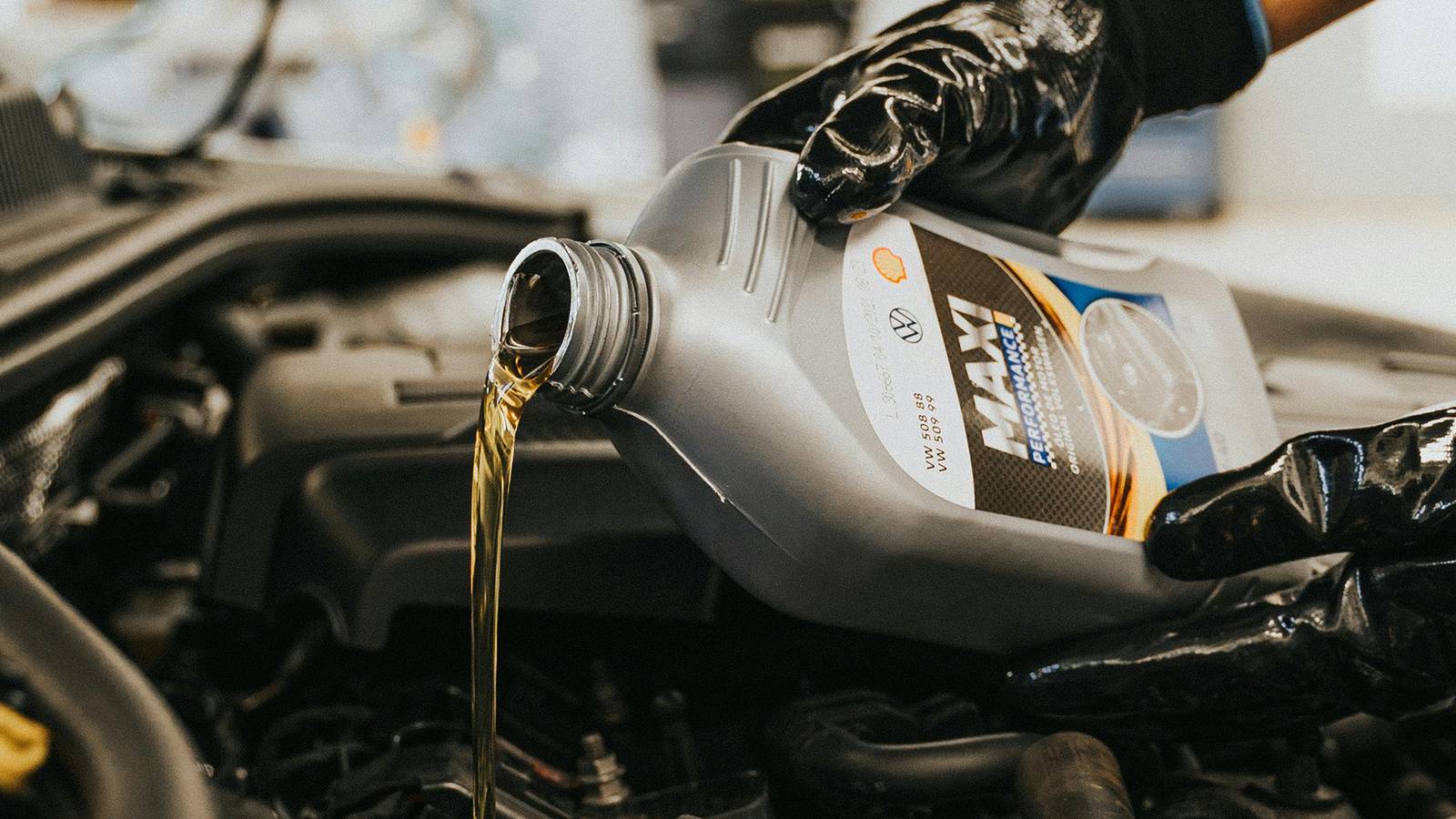
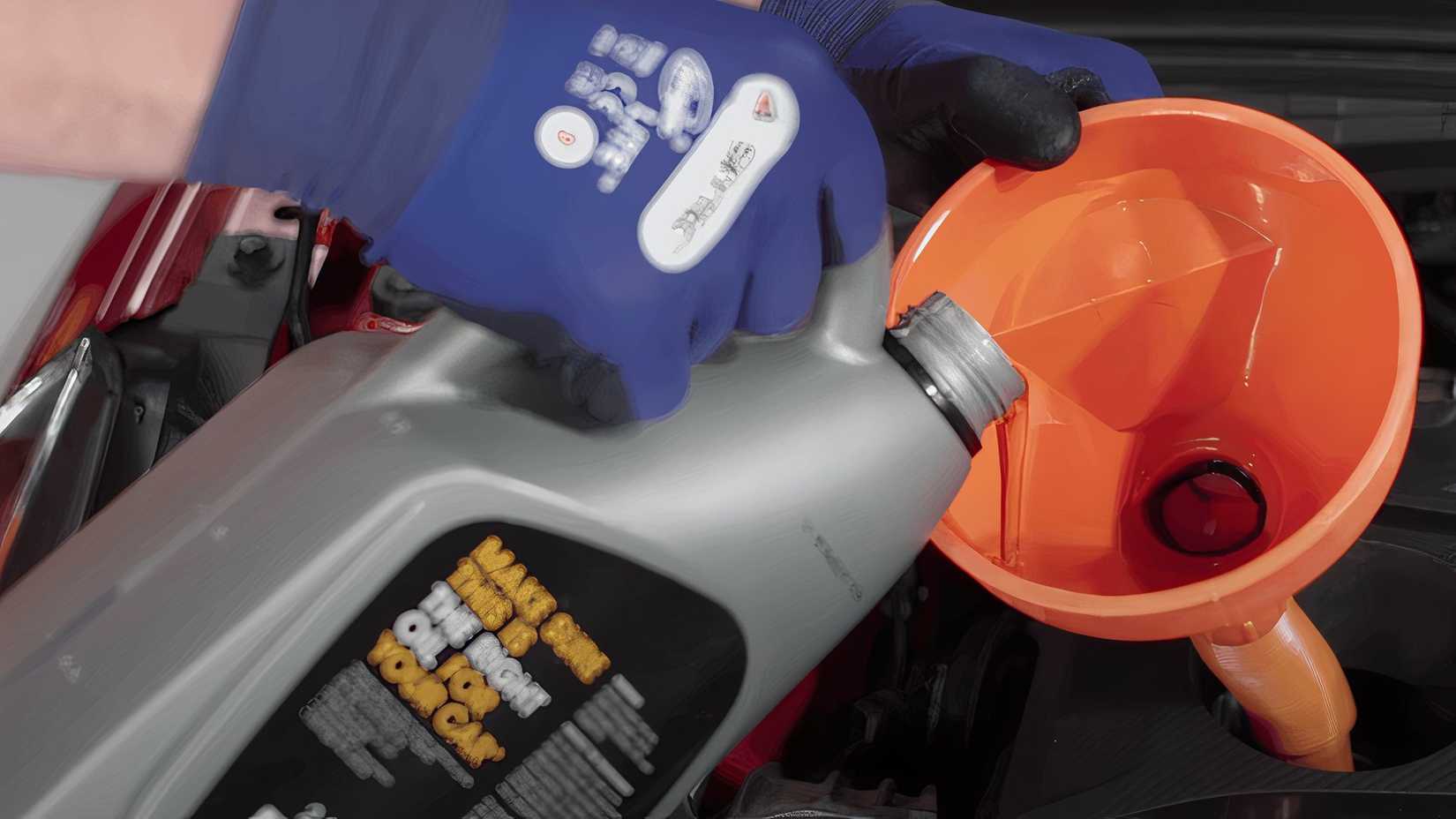
Detail shot of a person filling an engine with oilWikimedia Commons: Sigaus
As we discussed earlier, high-mileage motor oil is beneficial for cars with over 75,000 miles on the odometer. When a car reaches higher miles, problems like leaks, oil burning off, and more are likely to occur. Here are a few of the most common reasons to use oil designed for engines with high miles.
High-mileage oil doesn’t burn off as quickly
Can protect against small leaks
Can protect against sludge buildup
Prevents seepage into areas where oil should not be
There aren’t many cons to using specific oil for high-mileage cars. The most common gripe has to do with high-mileage motor oil costing more than other types of oil.
Summary: High Mileage Oil Is Worth It
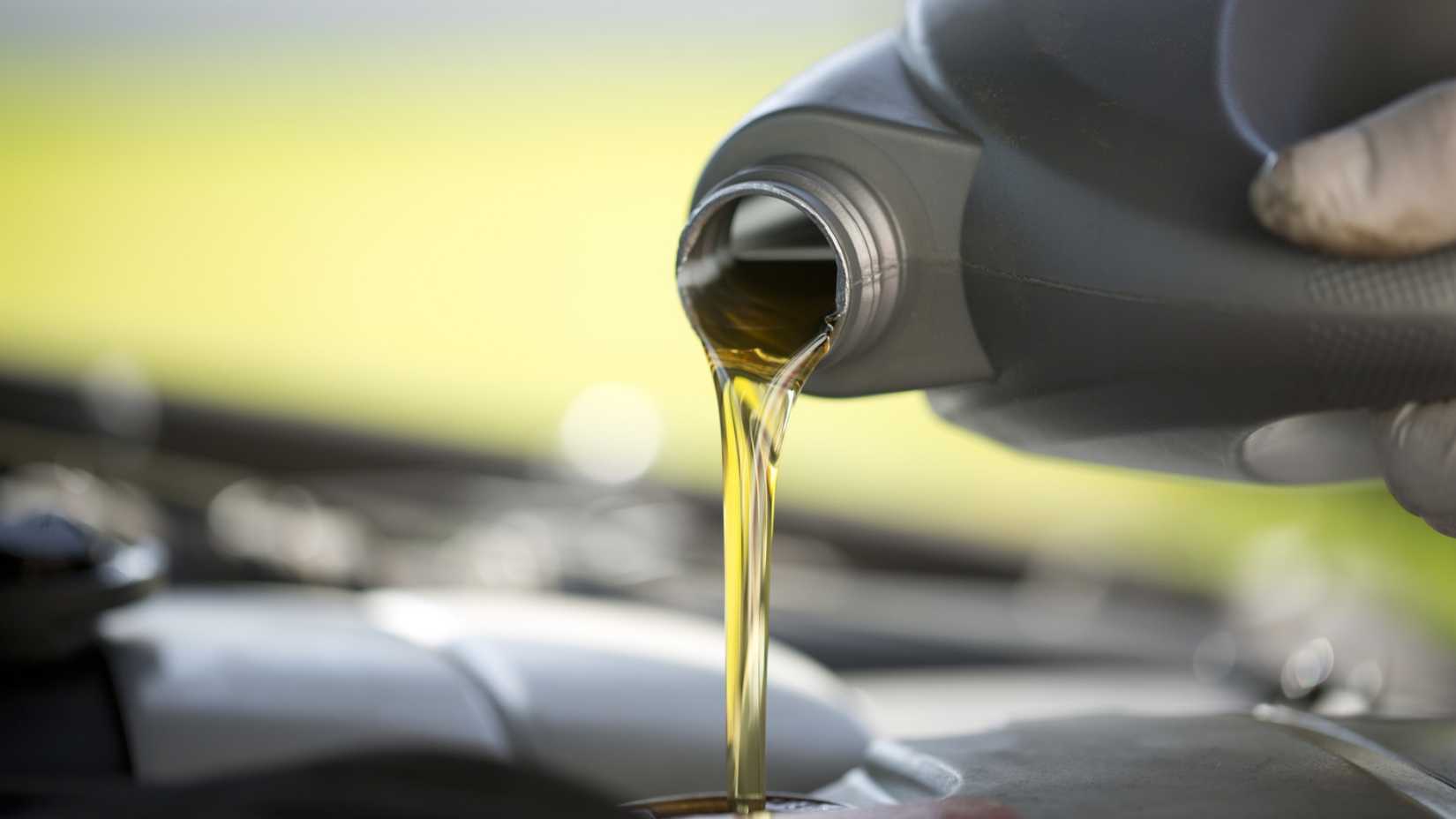
Close-up shot of a person pouring oil into an engineDaniel Andraski/Pexels
When all is said and done, you should listen to whatever the manufacturer of your vehicle has to say about which oil is best for your car. Everybody has their preferences for what oil type is the best, but the most important part is getting the weight and viscosity grade correct. With simple cars and low miles, the type of oil, whether conventional, synthetic, or a blend, is not as important. High-mileage cars, those with more complicated engines, and drivers with more intense habits should heed their cars’ warnings. If your car has over 75,000 miles, and you start to notice oil burning off or leaking at higher rates than before, it might be time to switch over to using a high-mileage oil.
FAQs
Do high mileage oils make a difference?
For many cars, yes. High-mileage oil can increase the longevity of your car’s engine past 75,000 miles in addition to other regular maintenance.
Is 5W30 or 5W40 better for high mileage?
It’s important to stick to the oil weight specified by the manufacturer; high-mileage oil comes in various weights, which should match that which is required for your car.
Does high mileage oil damage seals?
The short answer is no, high-mileage oil does not damage seals. They usually contain an additive that causes seals to swell and prevents seepage and leaks, but this should not cause damage to the seals.